
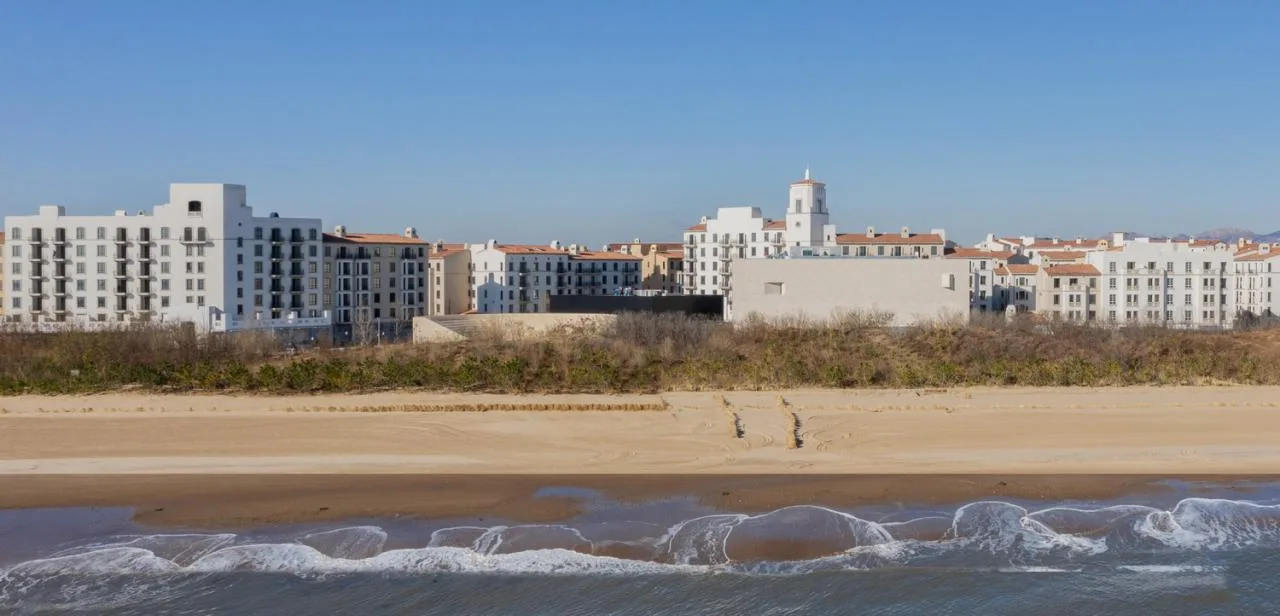
Overall bird’s-eye view of the building © Wild photo studio
The Anaya Theater is situated on the Gold Coast of Qinhuangdao, Hebei Province, serving as the centerpiece of the sixth phase of Anaya Town’s development. Located uniquely at the intersection of two main roads, one side faces the sea beyond sand dunes, while the other three sides border an urban environment filled with apartment buildings. This distinct setting posed design challenges in how to harmonize the theater with the sea, neighboring buildings, and the surrounding urban space, while shaping a cohesive cityscape.
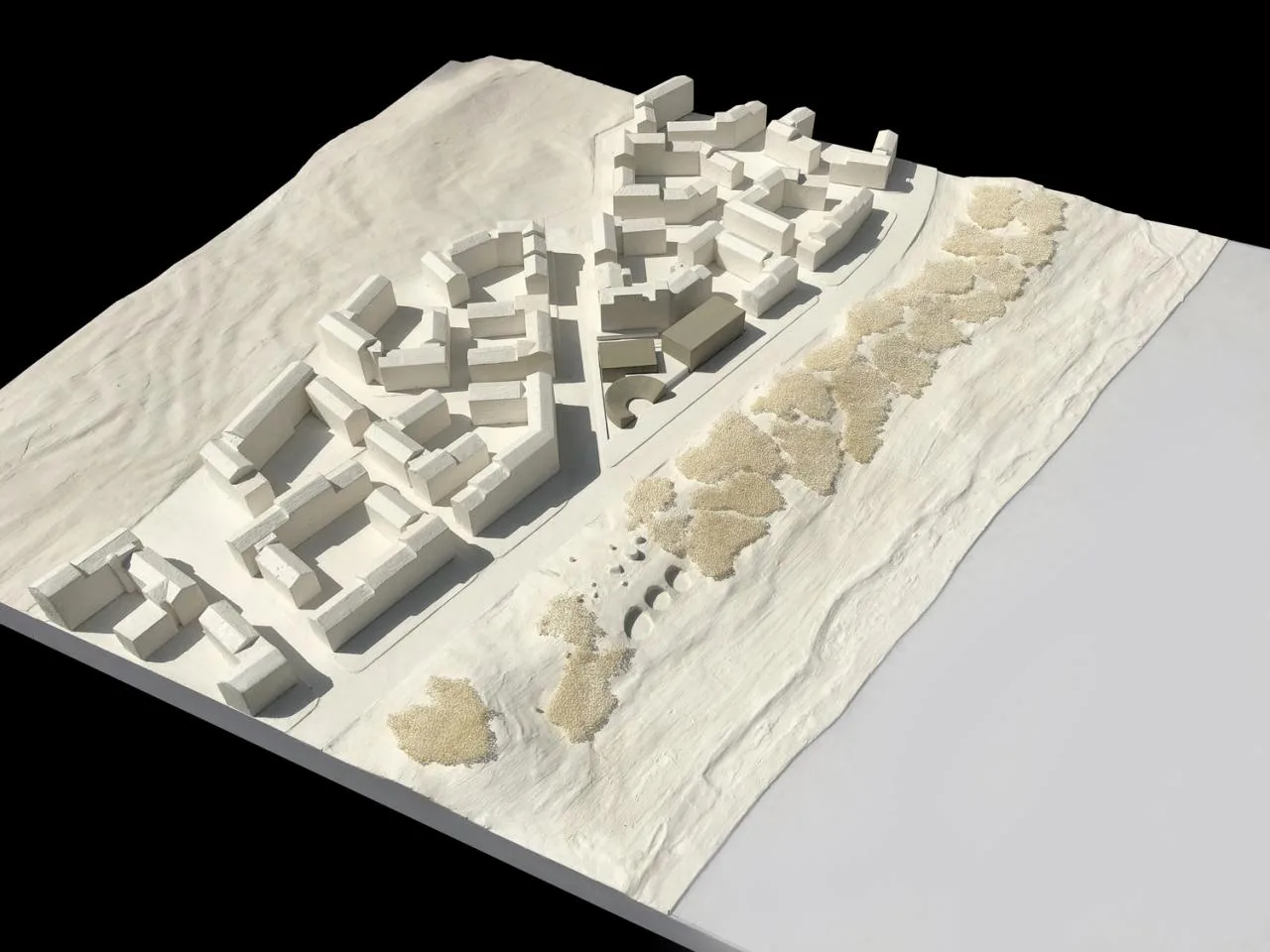
△ 1:500 Site Model © TAO Architectural Firm
Dividing the whole into parts
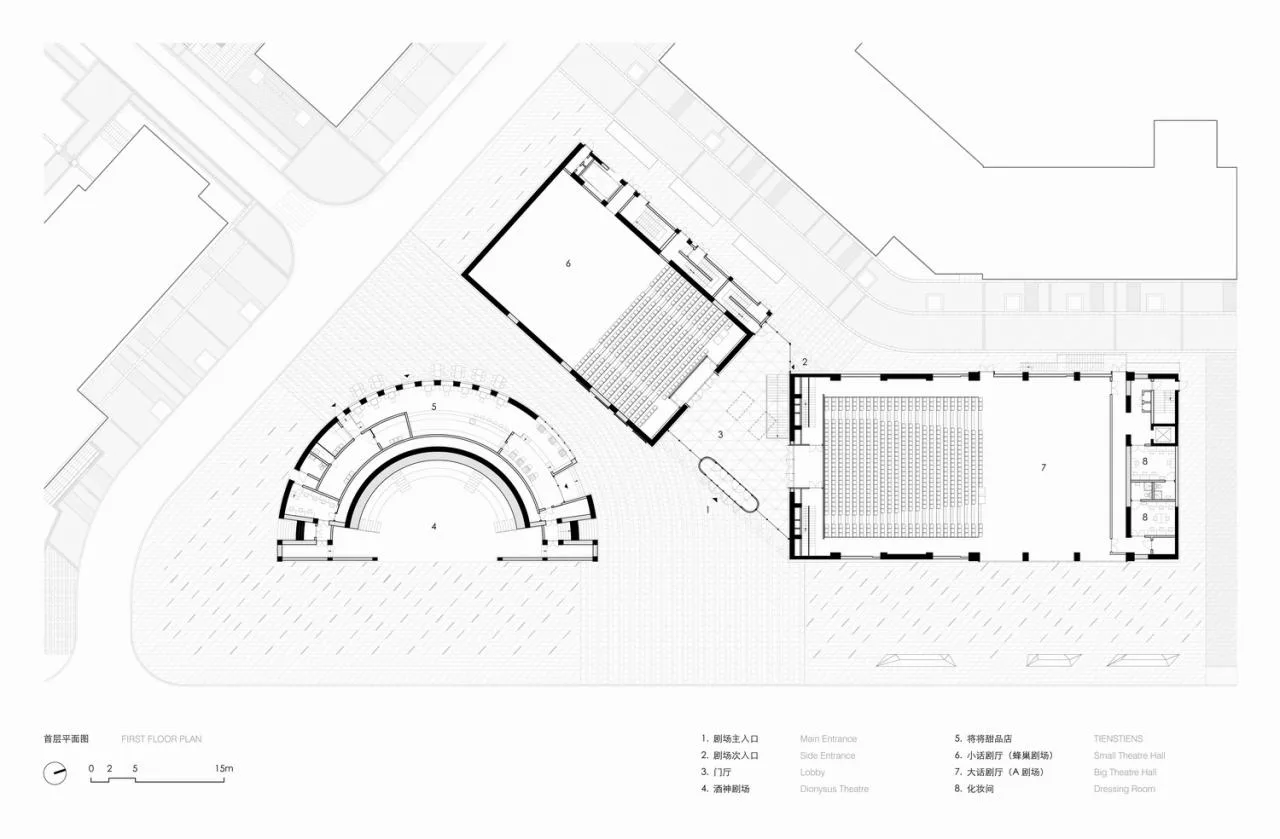
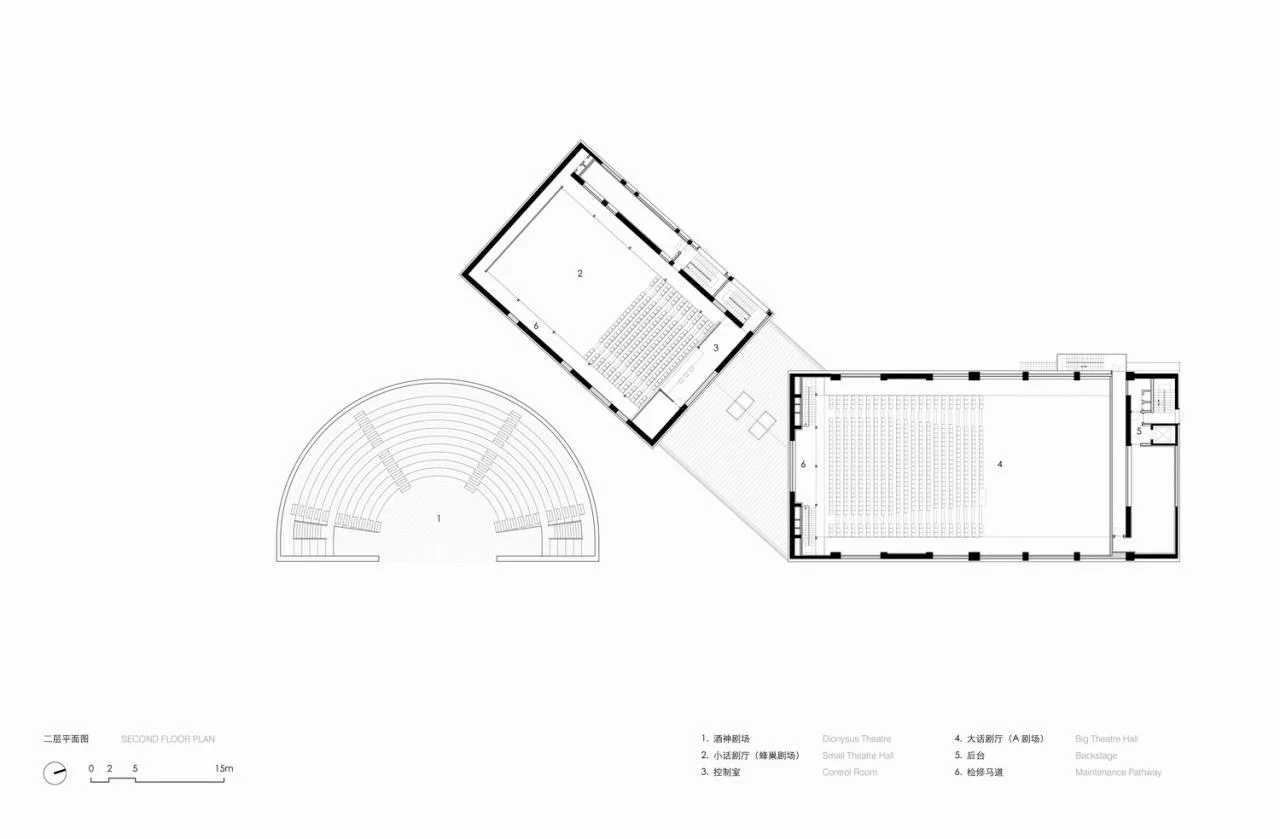
The theater complex comprises three distinct venues: the A Theater, Hive Theater, and Dionysus Theater, each occupying a corner of the site. The A Theater and Hive Theater, differing in size, align with the two adjacent streets and are connected by a central foyer. The outdoor Dionysus Theater is positioned at a corner, linking the streets on both sides and integrating urban space into the interior experience.
By breaking the structure into three separate volumes, the design forms a complex that mitigates the scale conflict between a large building and its surrounding structures. This approach fosters a positive dialogue between the theater and its urban context, promoting mutual integration.
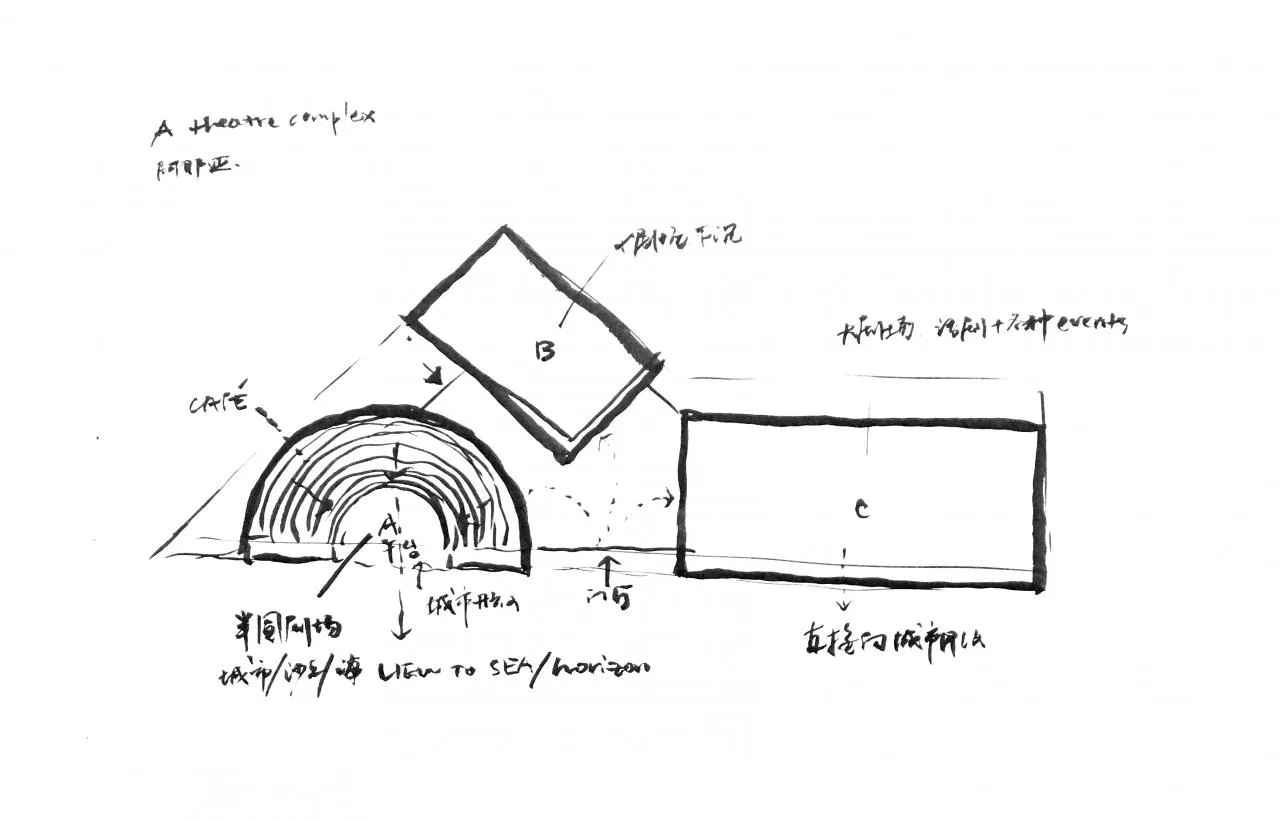
Concept sketch © Huali
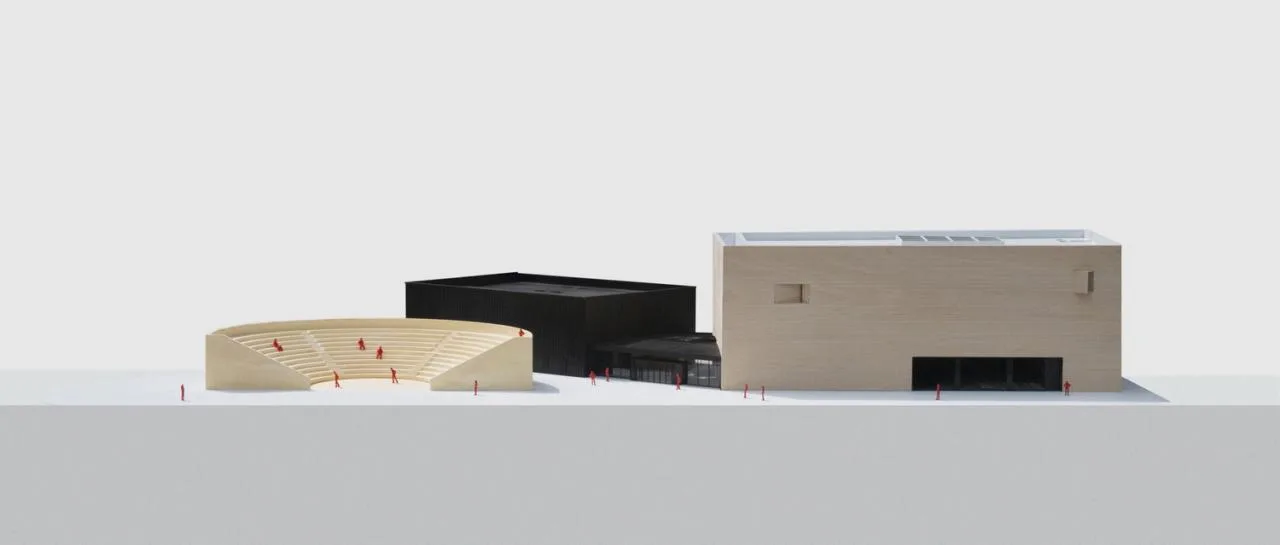
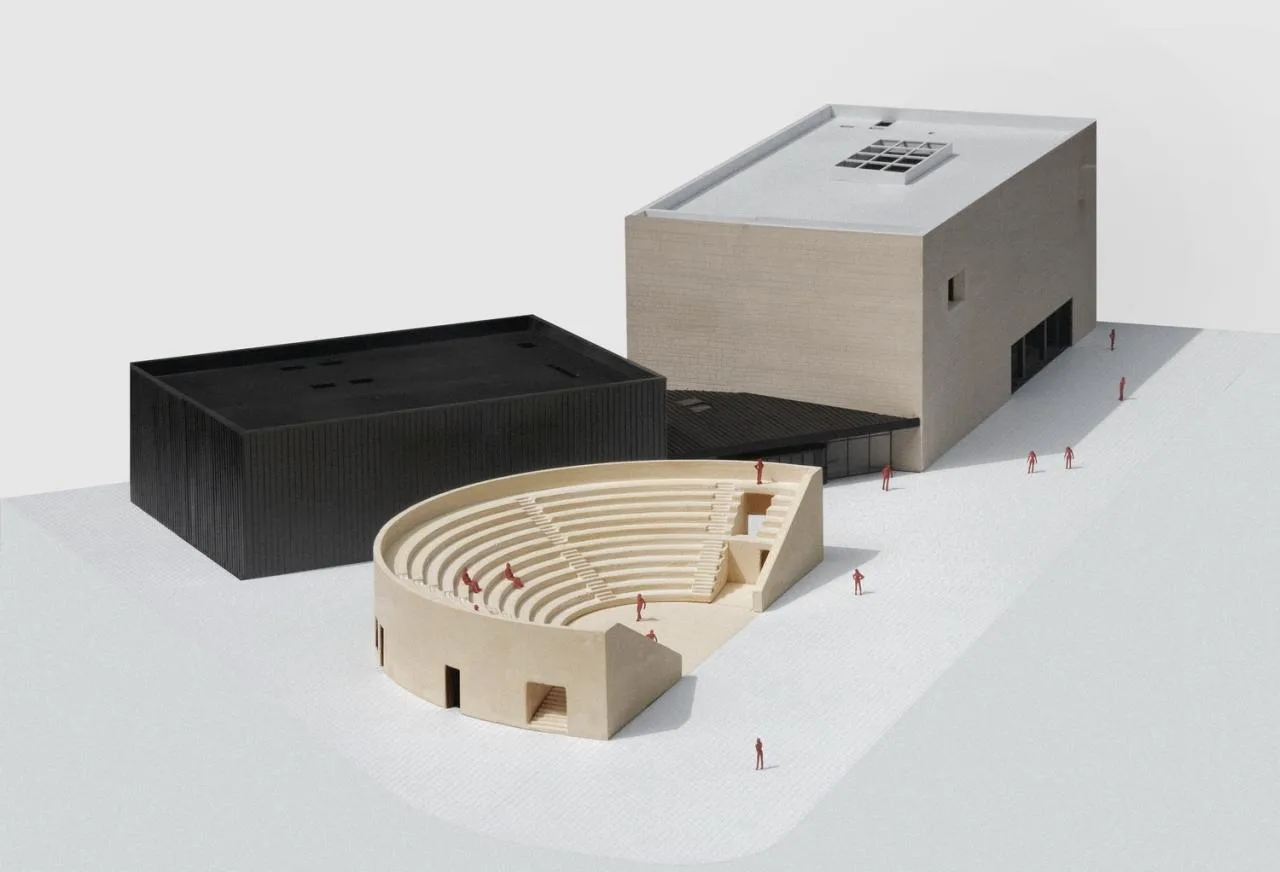
△ 1:75 Handmade model © TAO Architectural Firm
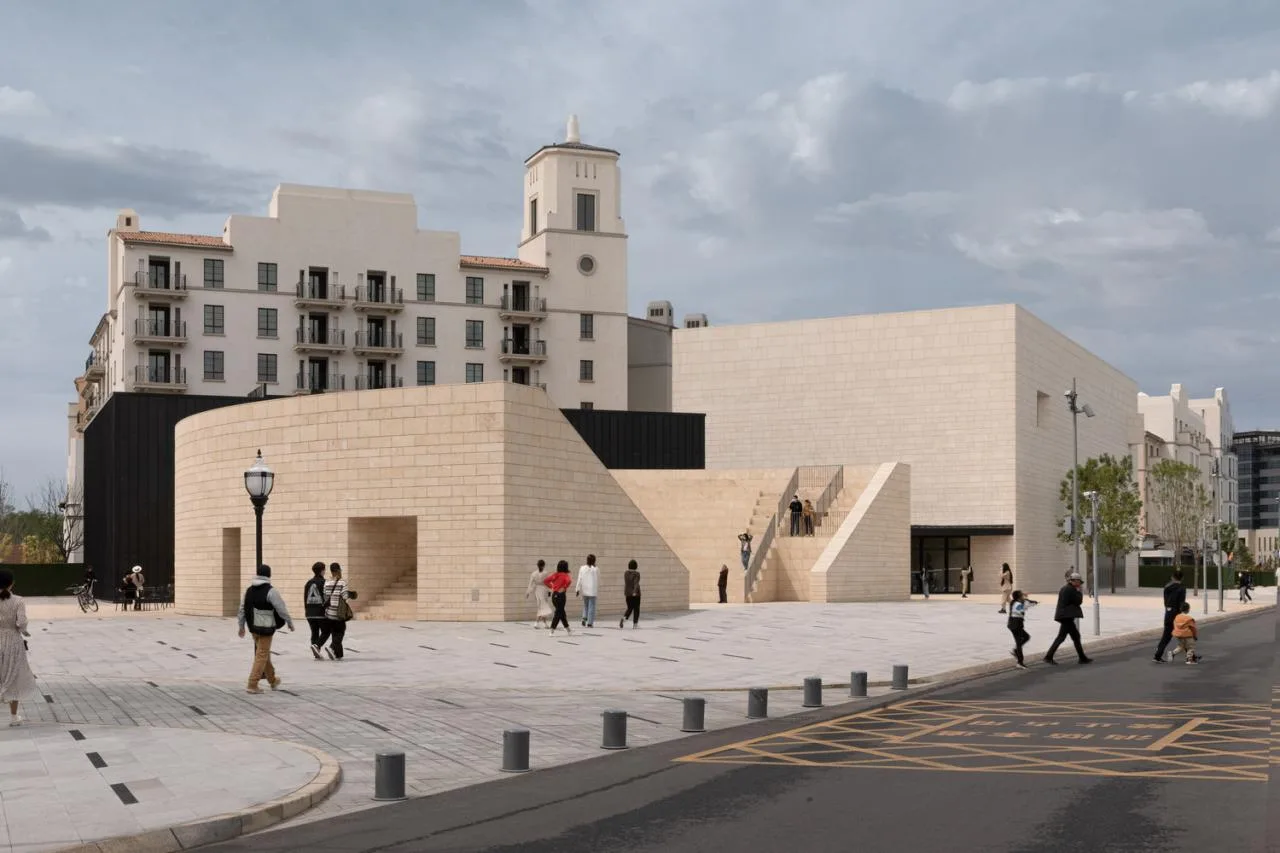
△ Street View © Architecture Photography
Each theater serves a distinct function, offering versatile venues tailored for various performance types within the community, thus fostering a rich cultural and artistic environment.
The Hive Theater, with 300 seats, caters to professional theatrical productions, including works by Meng Jinghui’s drama studio and other avant-garde experimental performances. The space is equipped with professional equipment and acoustics to support these productions.
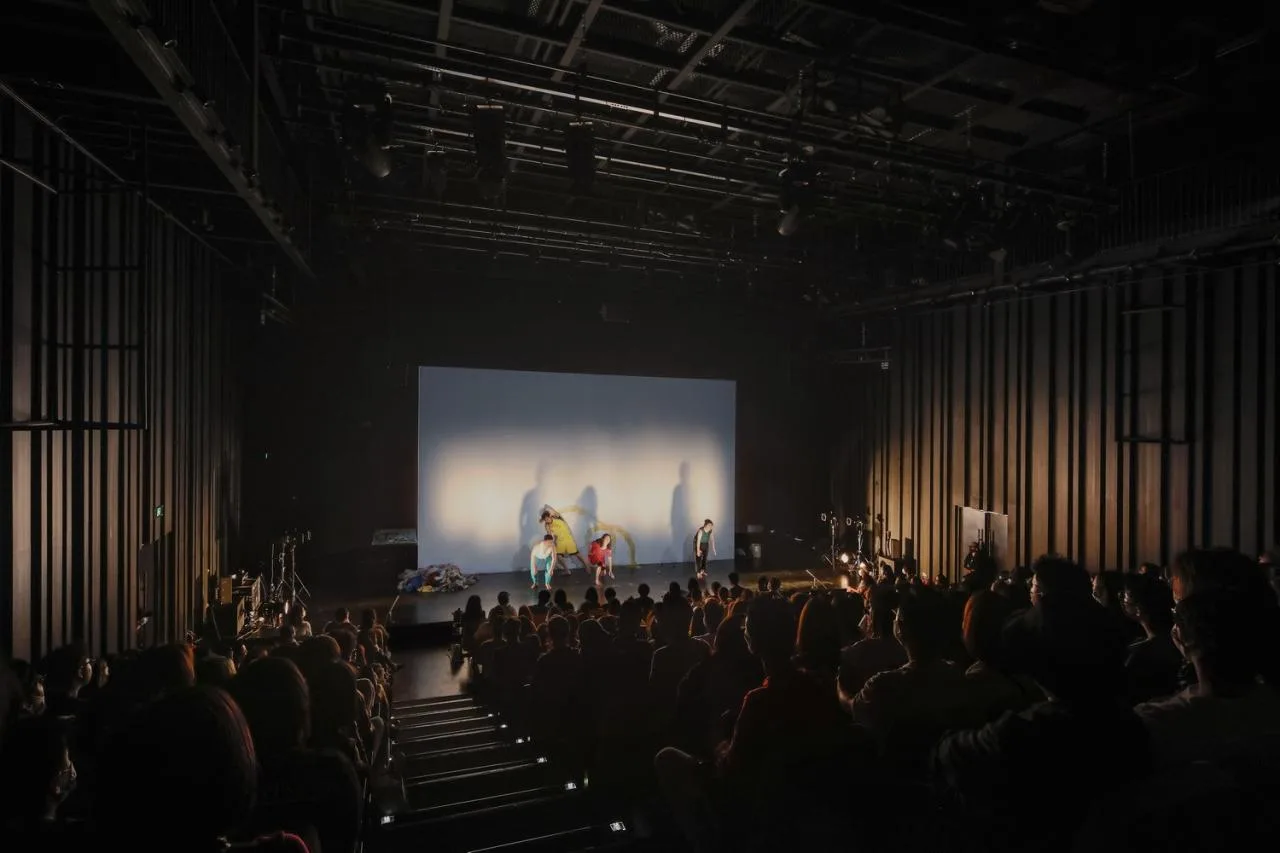
△ Hive Theater Performance © Architecture Photography
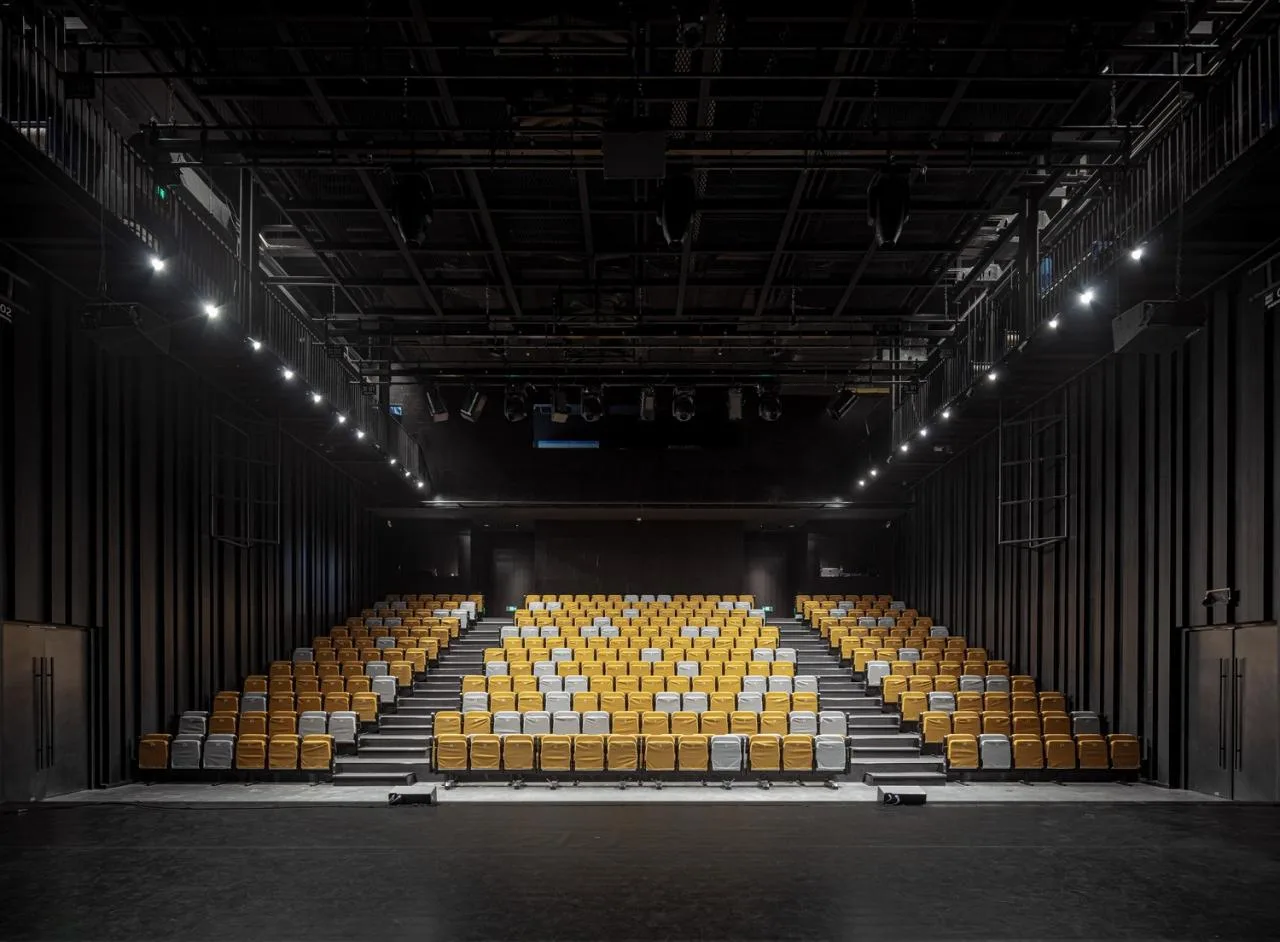
△ Hive Theater Interior © Architecture Photography
The A Theater offers 550 seats in a tall, stately setting designed to accommodate a wide range of events, from theatrical performances and concerts to exhibitions, shows, and even car exhibitions.
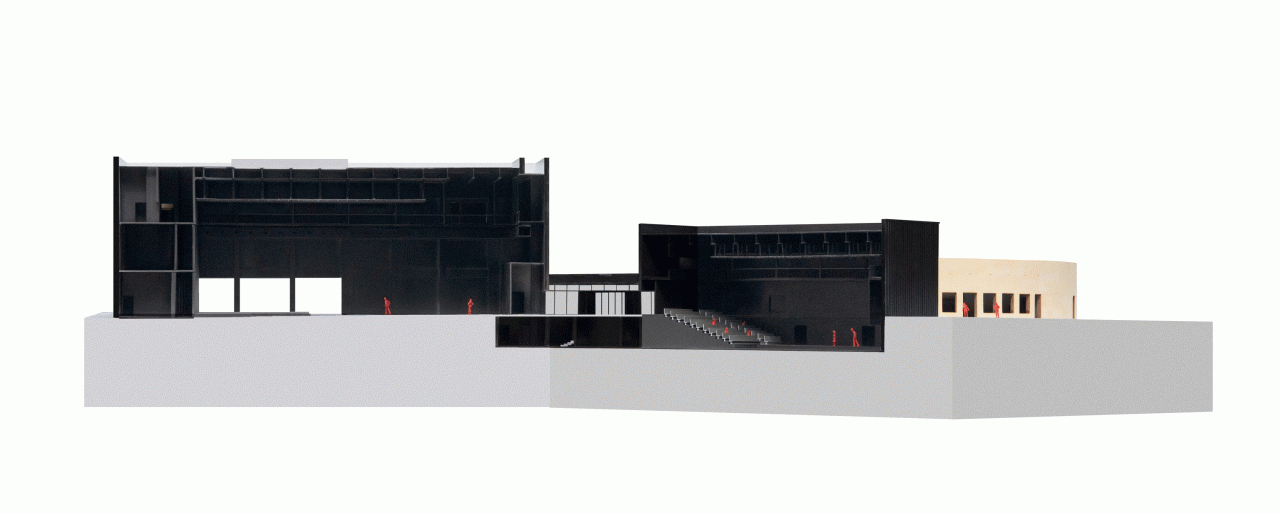
△ 1:75 Handmade model © TAO Architectural Firm – animation showcasing movable seats
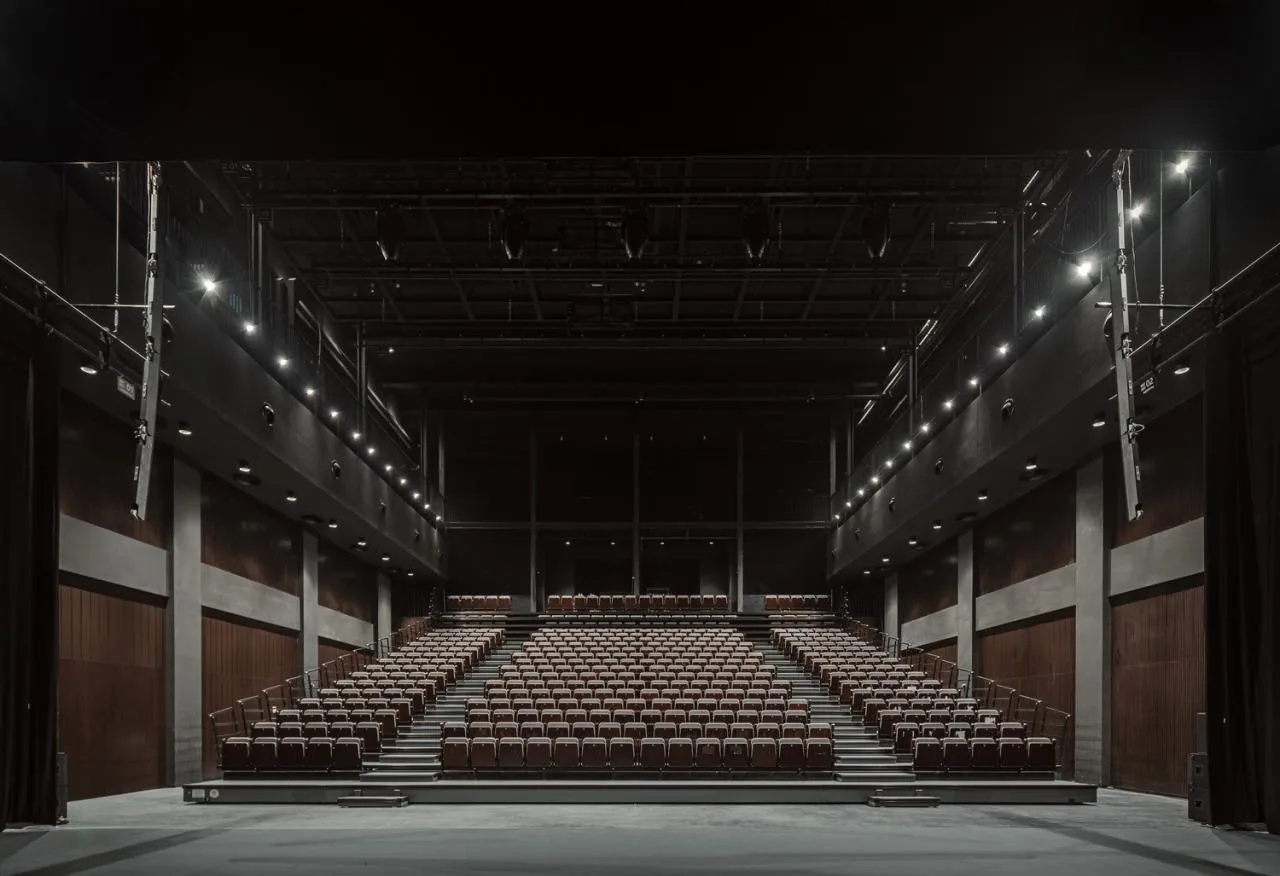
△ A Theater Interior © Architecture Photography
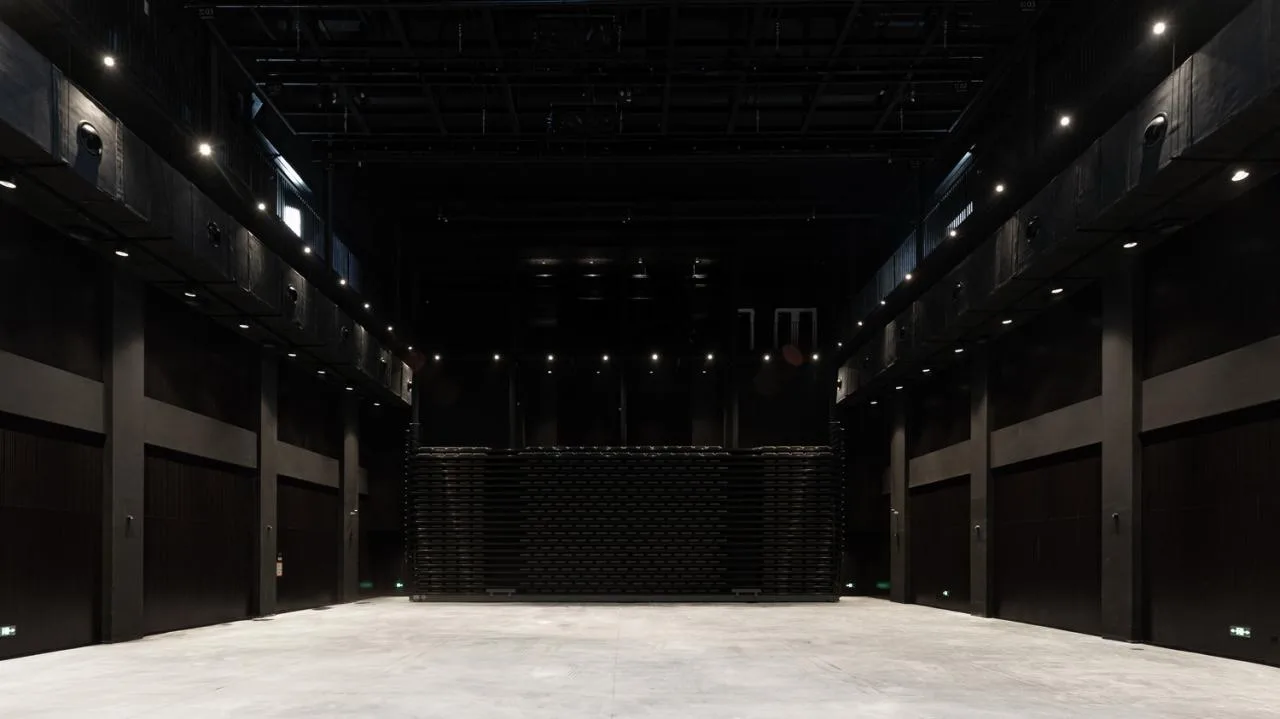
△ A Theater Interior (folded seats) © Wild photo studio
The Dionysus Theater faces the sea and functions as an outdoor performance space, doubling as a city square at a street corner. It supports activities such as performances, social gatherings, relaxation, and enjoying sea views, enriching the town’s urban life with a public dimension.
This theater allows performers to utilize various heights, angles, and transitional spaces beyond the traditional stage, encouraging innovative and dynamic performances.
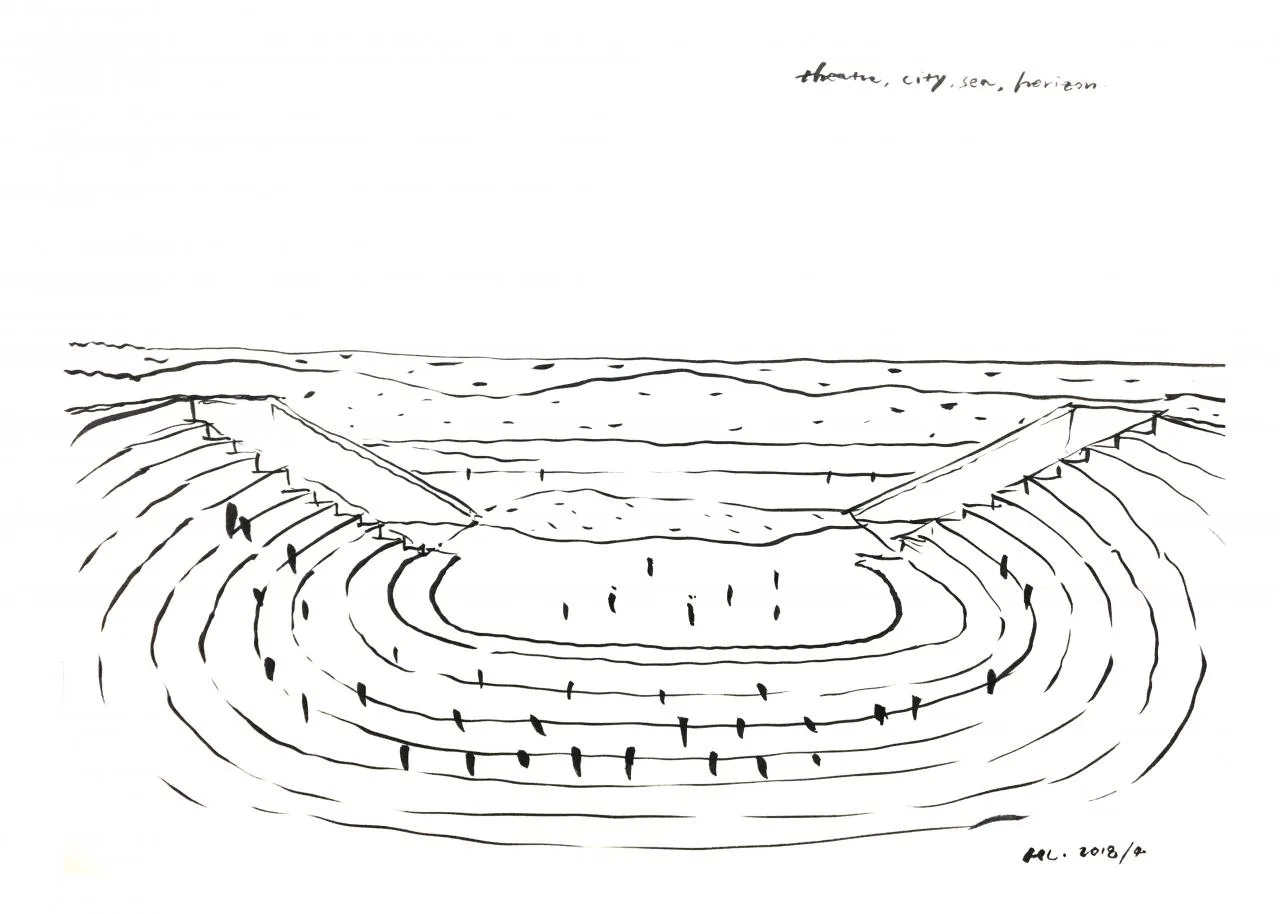
Concept sketch © Huali
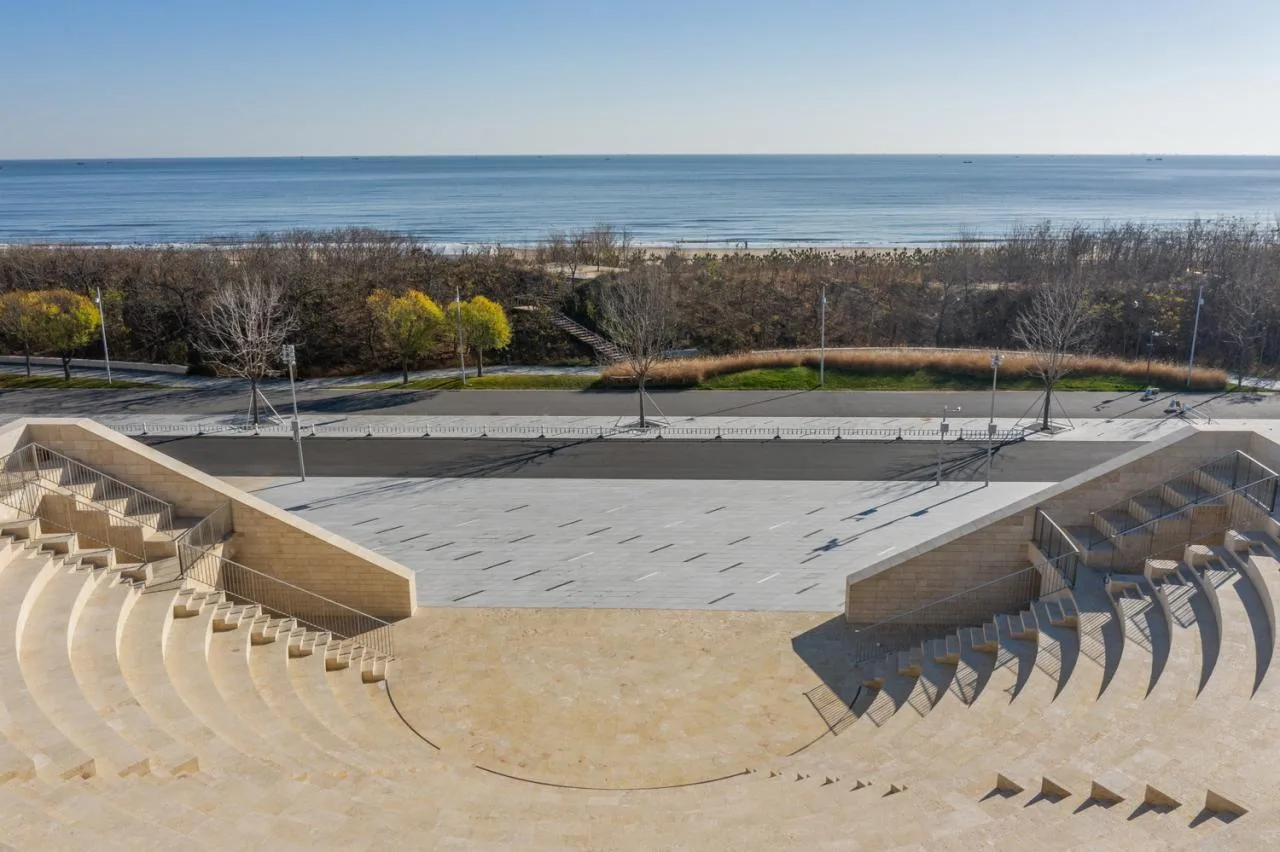
△ Dionysus Theater facing the sea © Wild photo studio
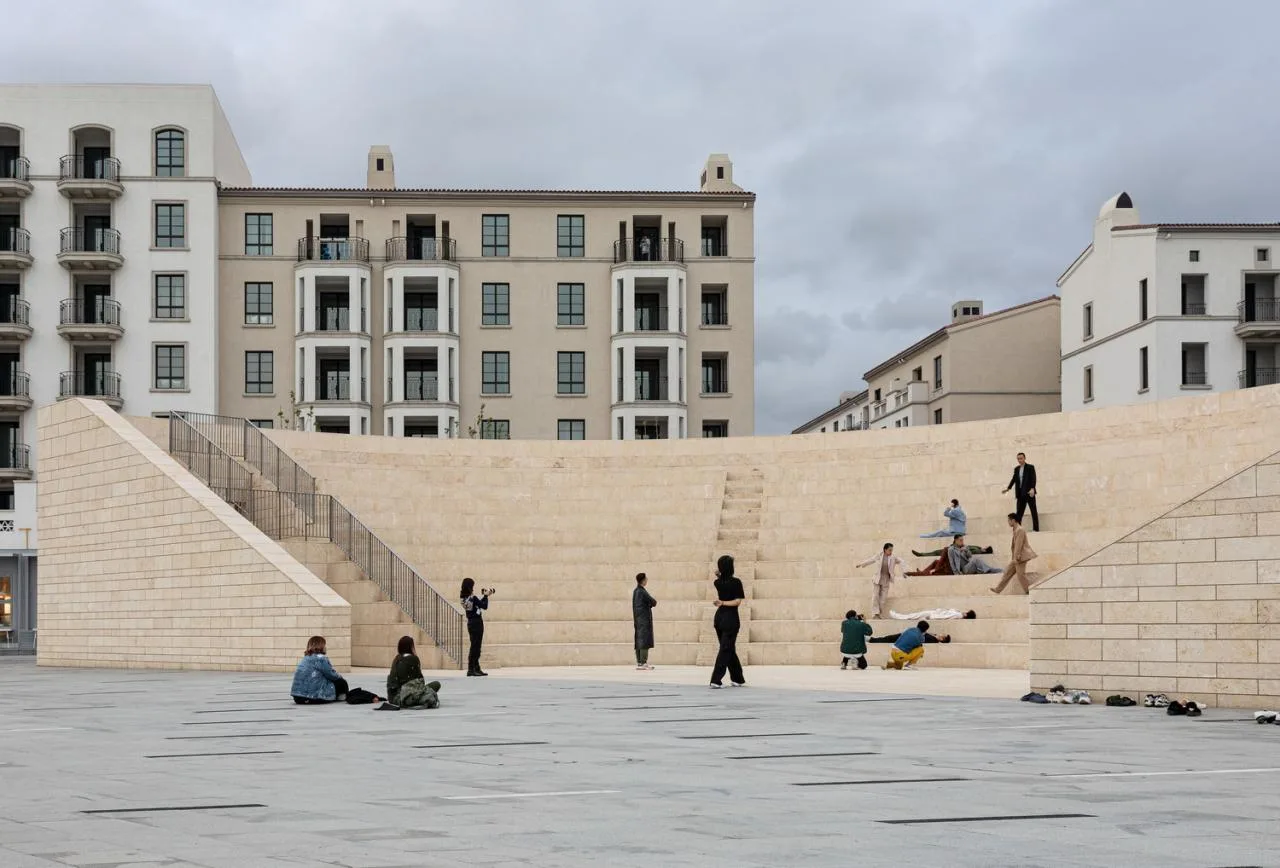
△ Dionysus Theater as a City Square © Architecture Photography
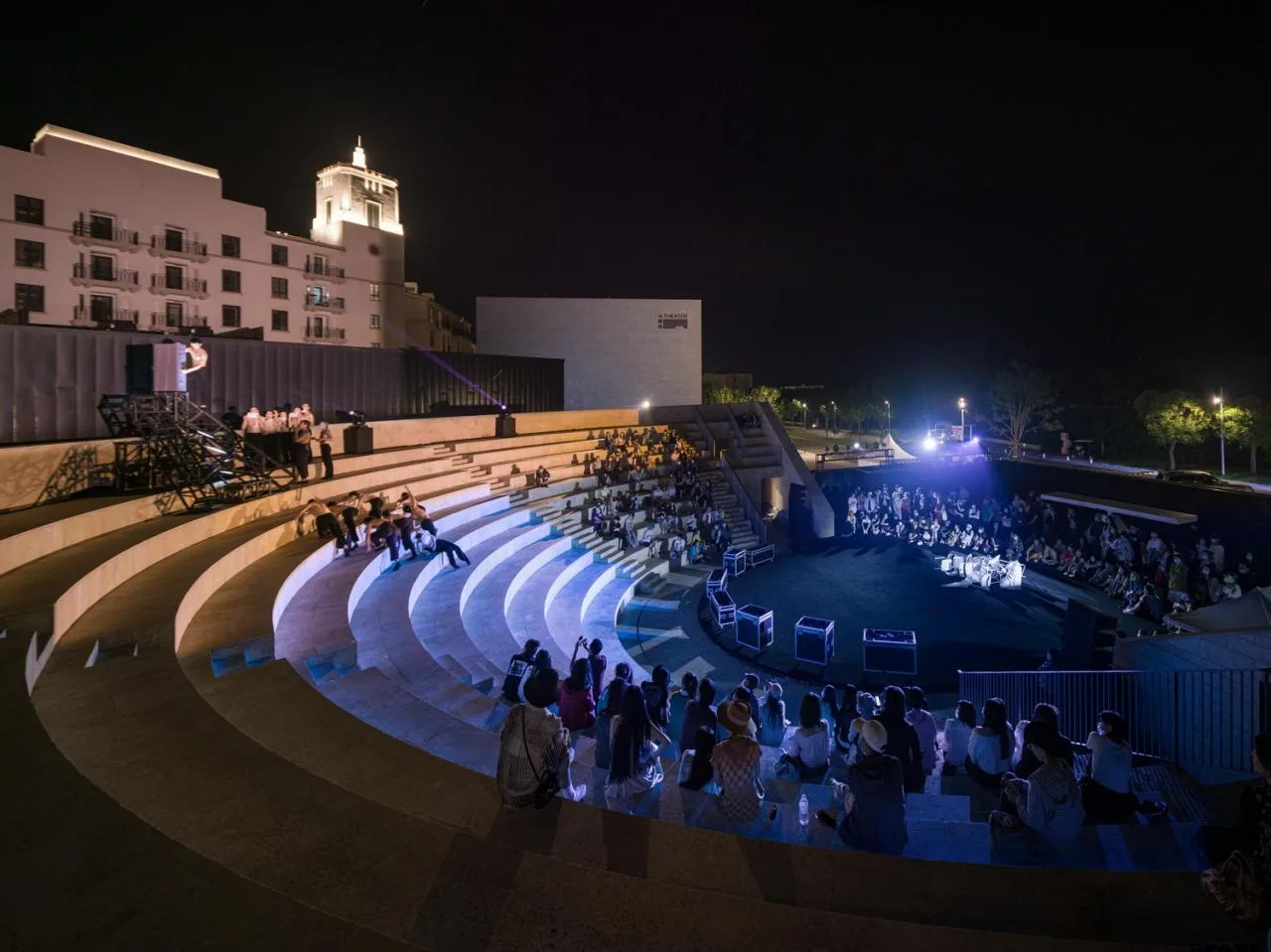
△ 2021 Anaya Drama Festival Performance Scene © Architecture Photography
The dessert shop is located on the ground floor of the Dionysus Theater, designed as a cozy cave-like space offering panoramic views of the surrounding cityscape from every corner.
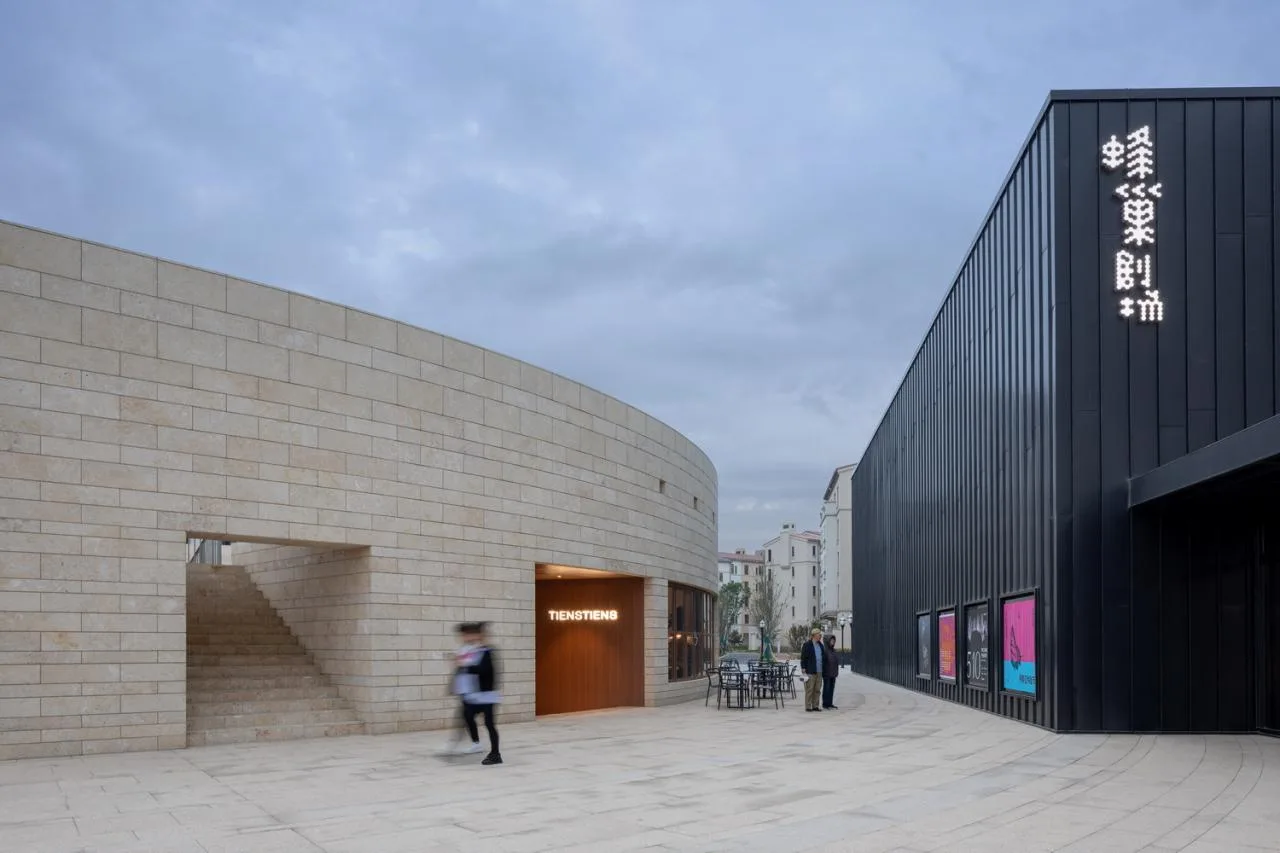
△ Main entrance of the theater © Architecture Photography
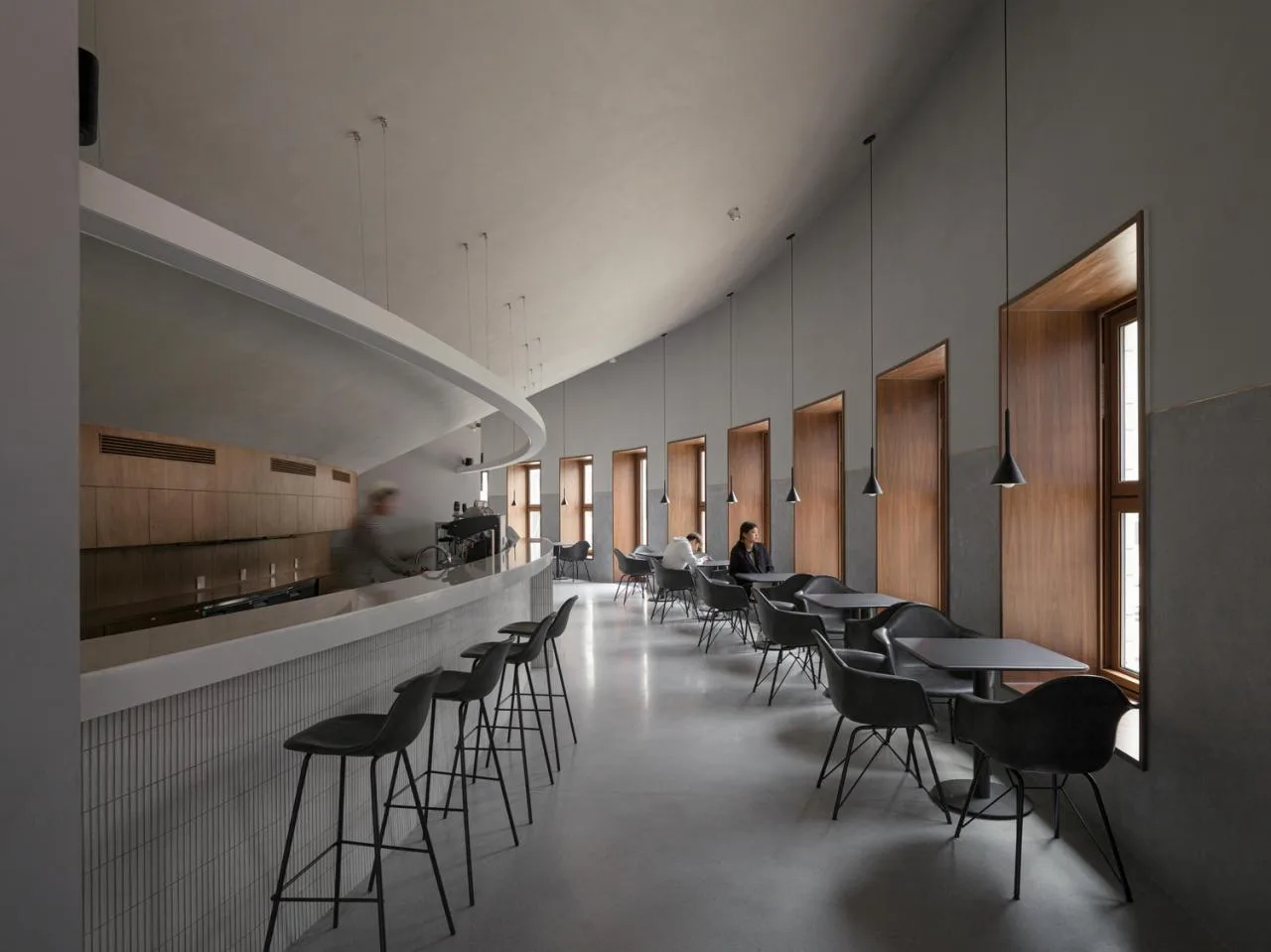
△ Dessert shop interior renovation plans © Architecture Photography
Observation and Performance
The core of theater architecture lies in balancing the relationship between audience and performance. Traditional theaters are enclosed spaces where performances occur inside. The initial concept for Anaya Theater was to open the theater up, positioning the stage against the backdrop of the sea and city. This juxtaposition of stage scenery and real urban life would create a unique seaside theater experience.
Early in the design process, a fully openable door was planned behind the Hive Theater’s stage, allowing actors to enter directly from the street, effectively extending the stage into the city streets and fostering an immersive theatrical experience. However, due to the need for high integration with the specific production and the uncertainty of play requirements, this idea was ultimately not implemented.
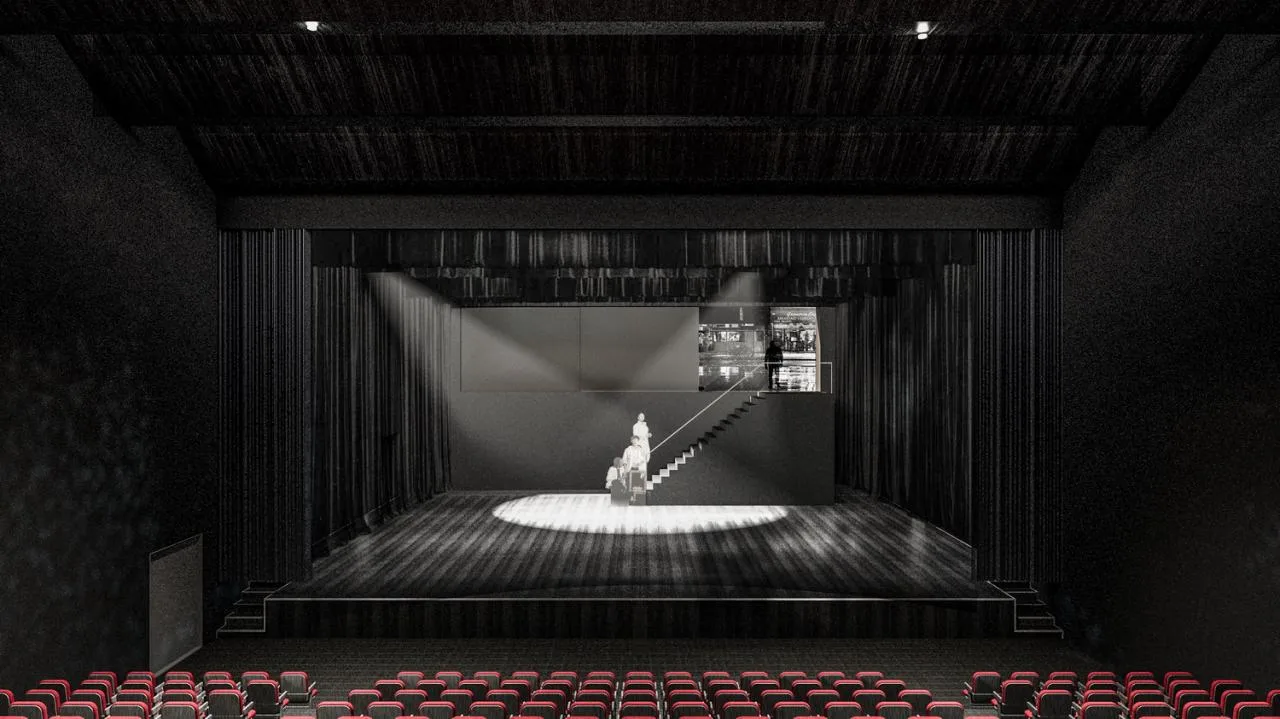
Initial Design Draft of Hive Theater: Open Theater Concept © TAO Architectural Firm
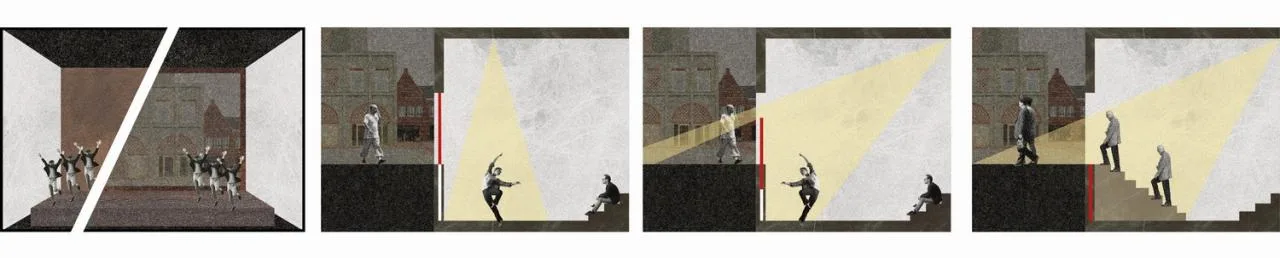
△ Concept collage © TAO Architectural Firm
Beyond the internal viewing and performance dynamics, the Anaya Theater building itself acts as a stage for the city, with its events representing the public life of Anaya. The outdoor Dionysus Theater embraces the essence of drama—the interpretation of life—by hosting performances against the natural backdrop of sand dunes and the sea. This architectural space becomes a venue for public gatherings and events, bridging nature and urban streets to enrich the city’s cultural fabric.
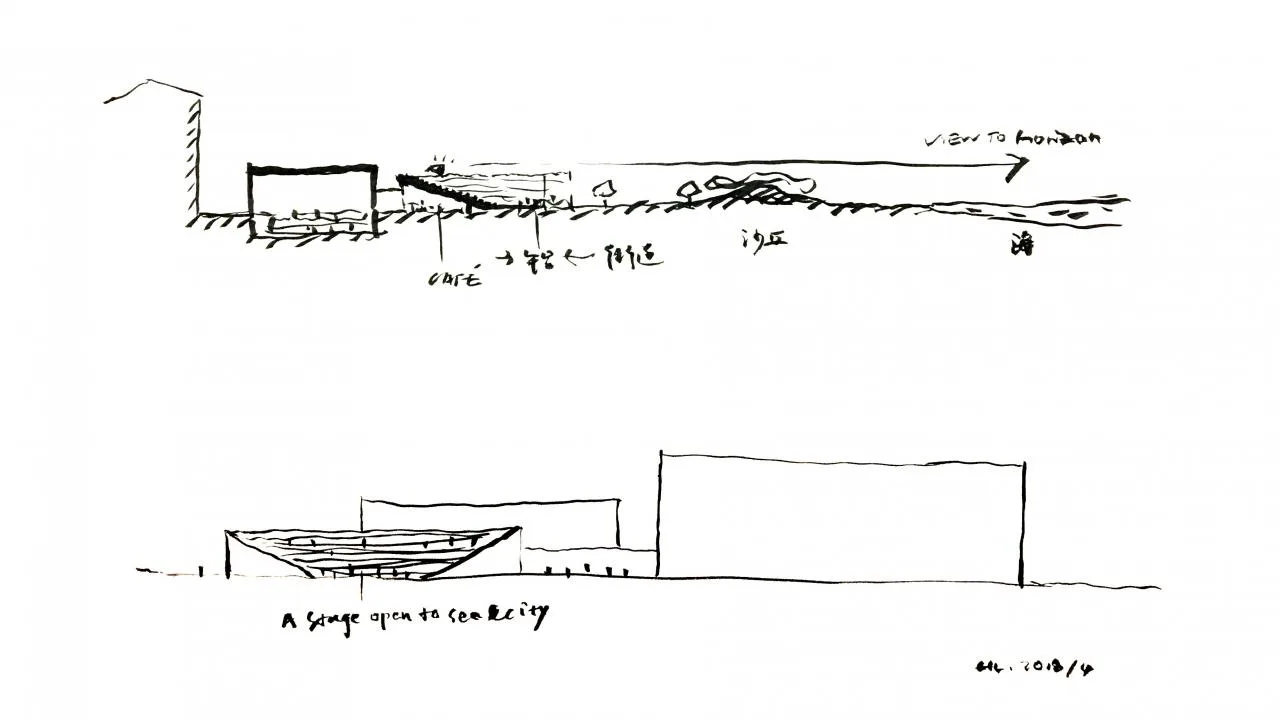
Concept sketch © Huali
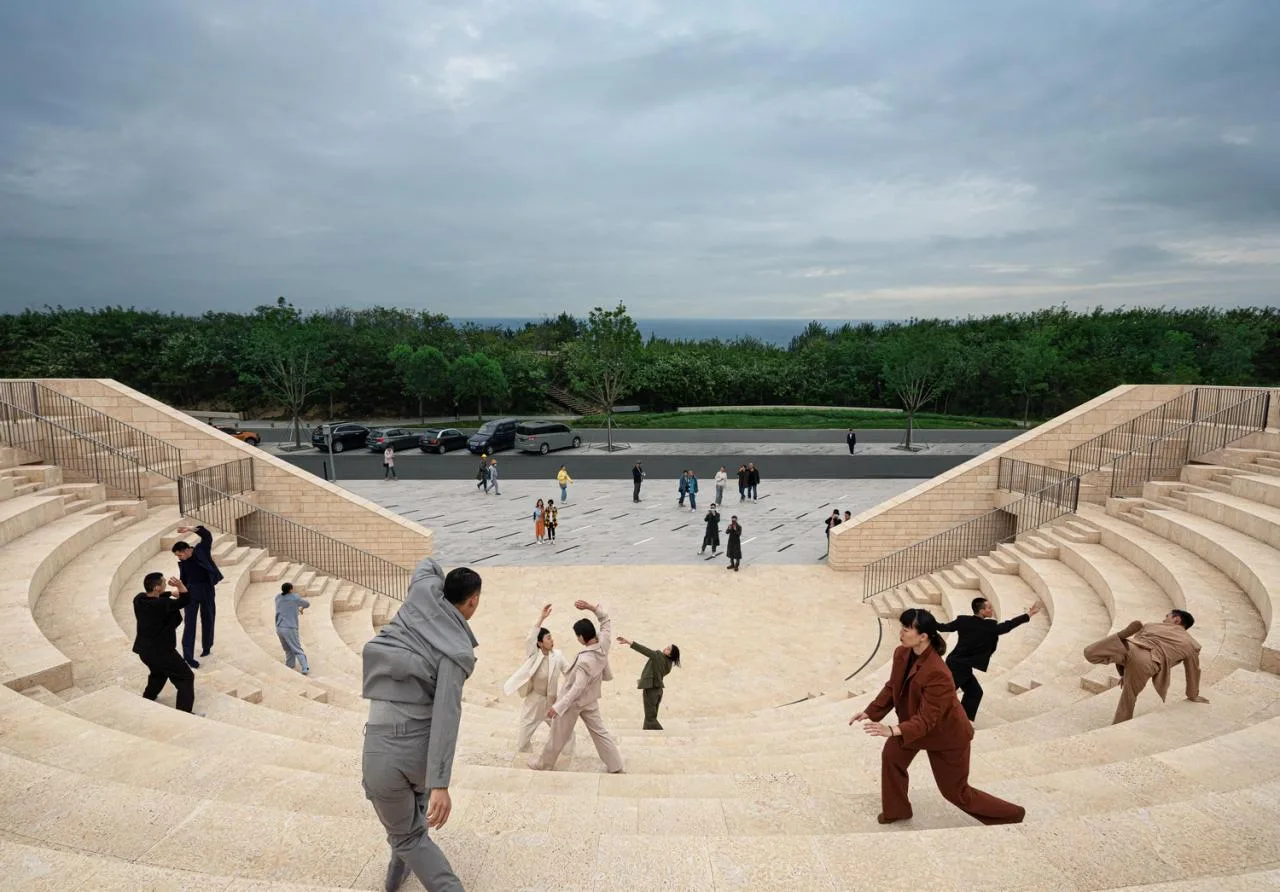
△ Dionysus Theater © Architecture Photography
Material Expression and Texture
The solid façade, constructed from metal and two types of stone, gives each theater a distinct character.
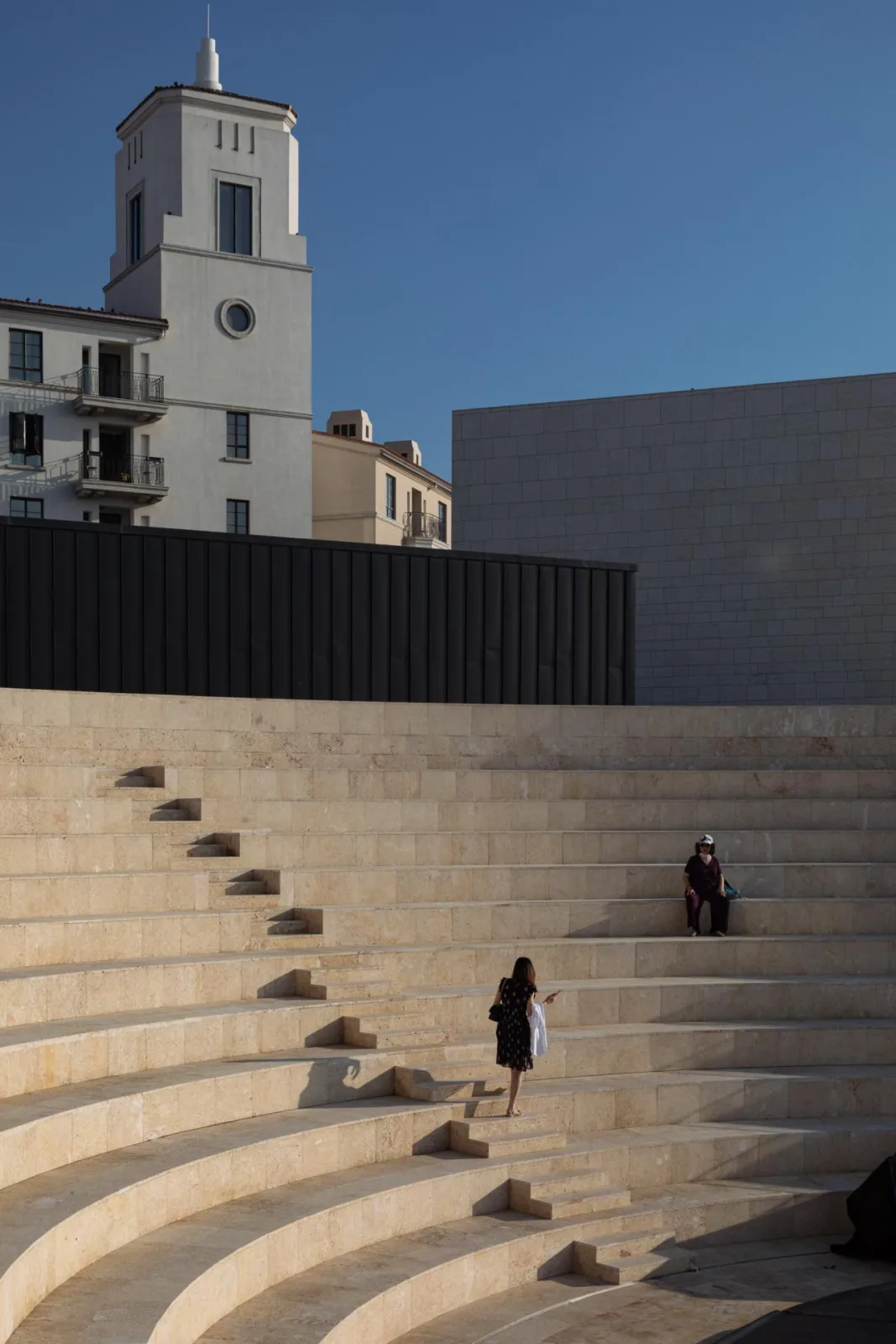
△ Dionysus Theater © Architecture Photography
The Hive Theater embraces the traditional “black box theater” aesthetic, seating 300 patrons. Both its interior color scheme and exterior façade are unified in black, reflecting the theater’s experimental drama focus. The stage’s back wall features black Venetian plaster designed for sound reflection. Flanking the stage are concave and convex diffusers that refract and tune sound. Above the stage and behind the audience seats, slotted sound-absorbing panels enhance acoustics. The ceiling is composed of 50mm thick high-grade fiberglass sound-absorbing panels.
Combined with the screen, seating, and natural sound absorption by the audience, the reverberation time is finely tuned to 1.2 seconds, delivering an exceptional audiovisual experience that highlights the innovation of the performances.
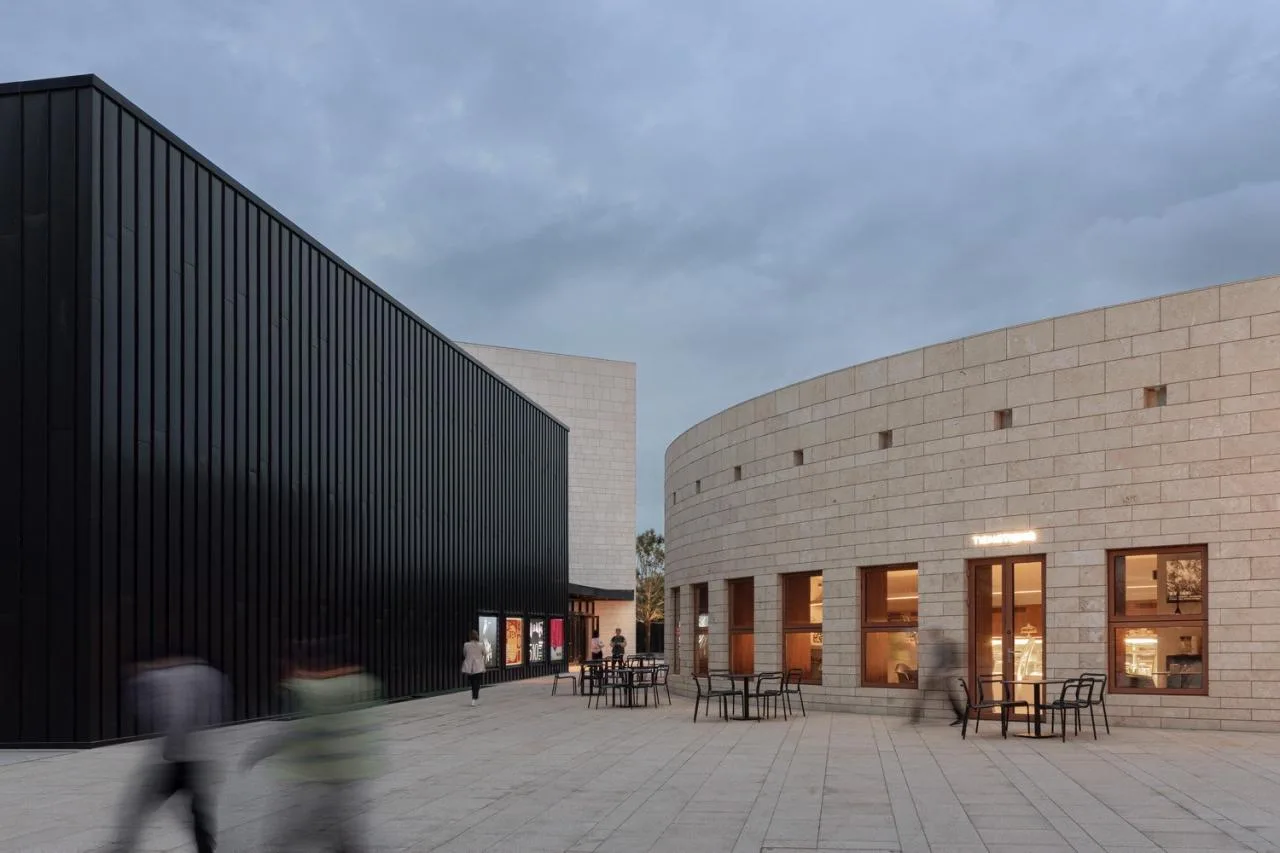
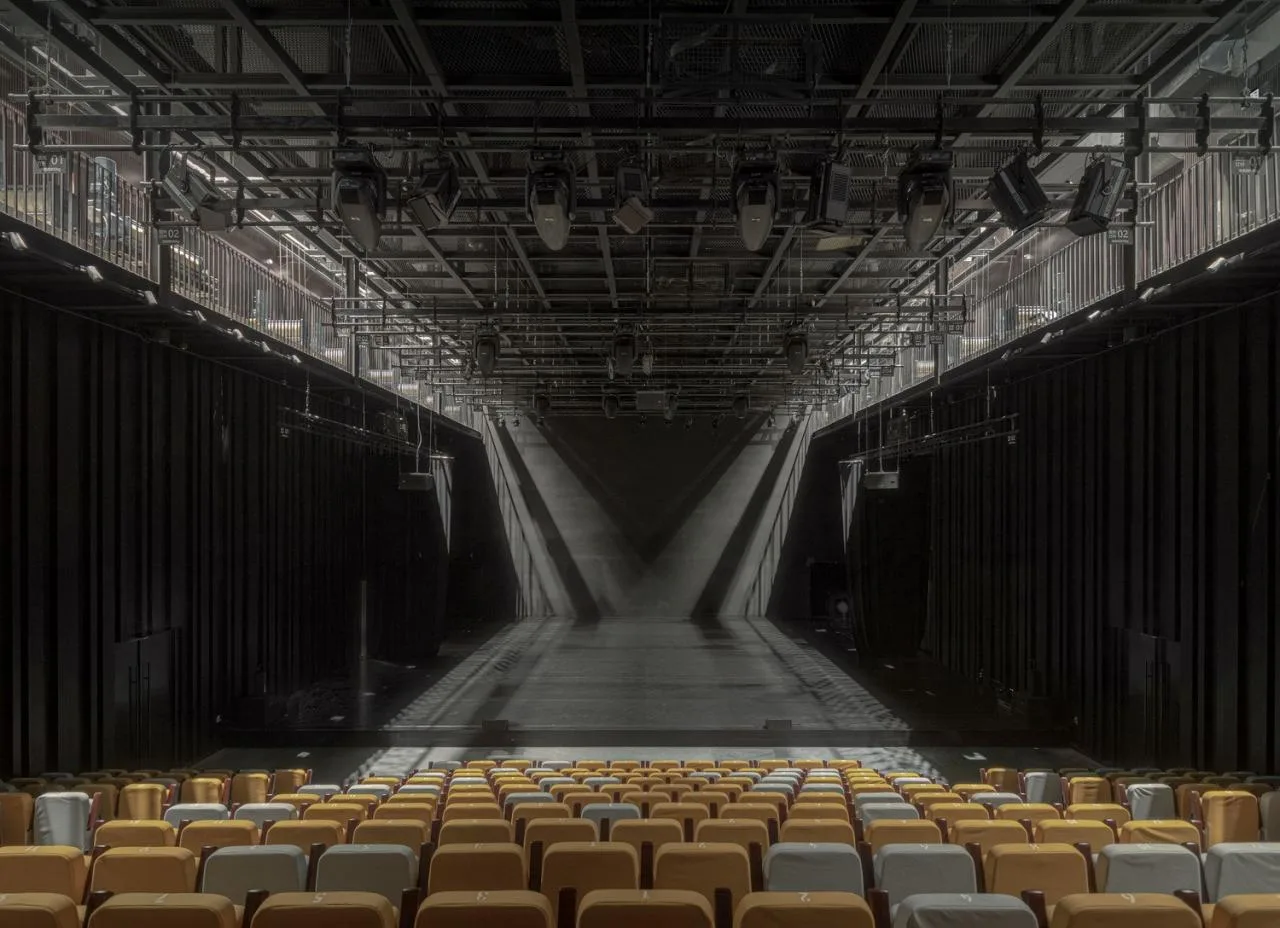
The Dionysus Theater’s exterior features coral stone sourced from the seabed, with preserved fossil pores visible after cutting. This choice emphasizes the theater’s public and maritime connection. The façade of Theater A is clad in lighter stone, arranged according to human visual perspective principles, creating a rhythmic and coherent pattern.
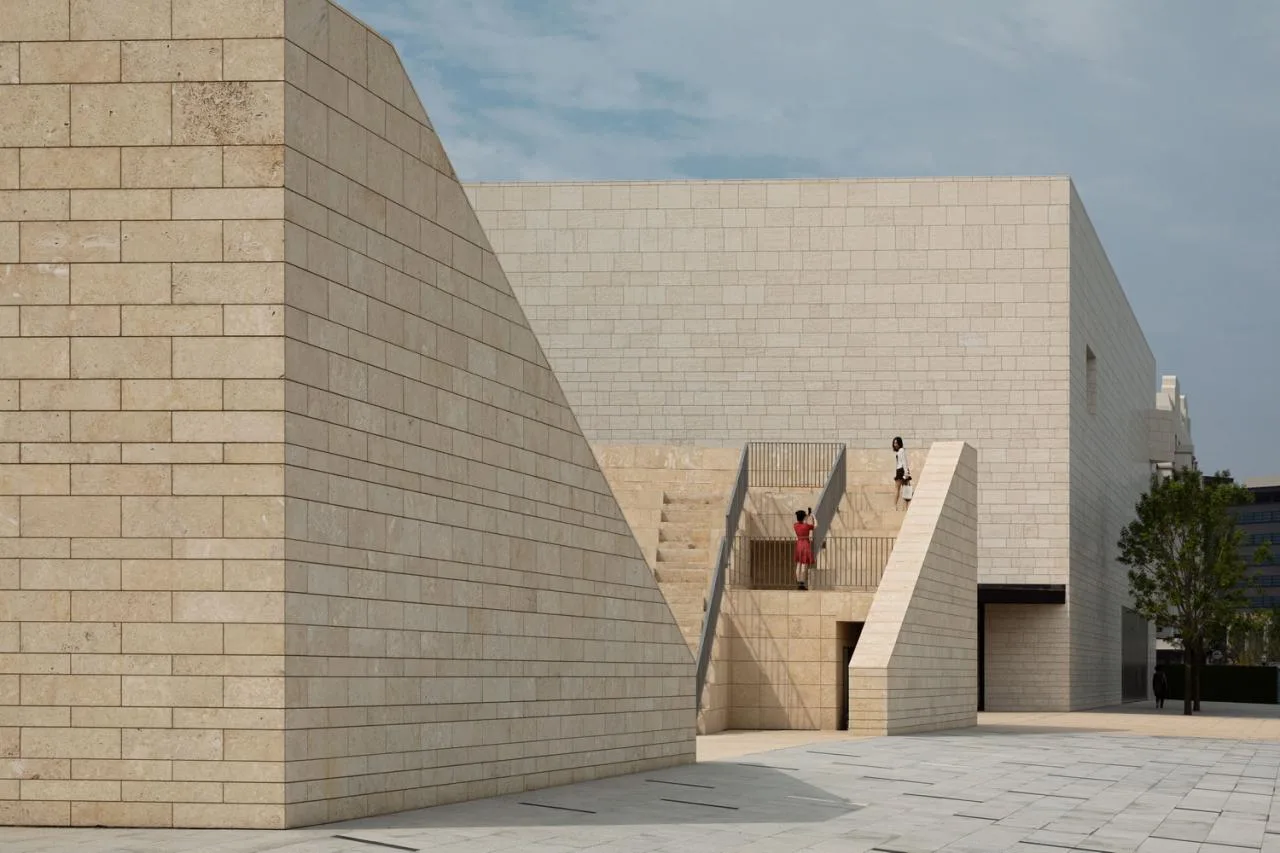
△ Street View © Architecture Photography
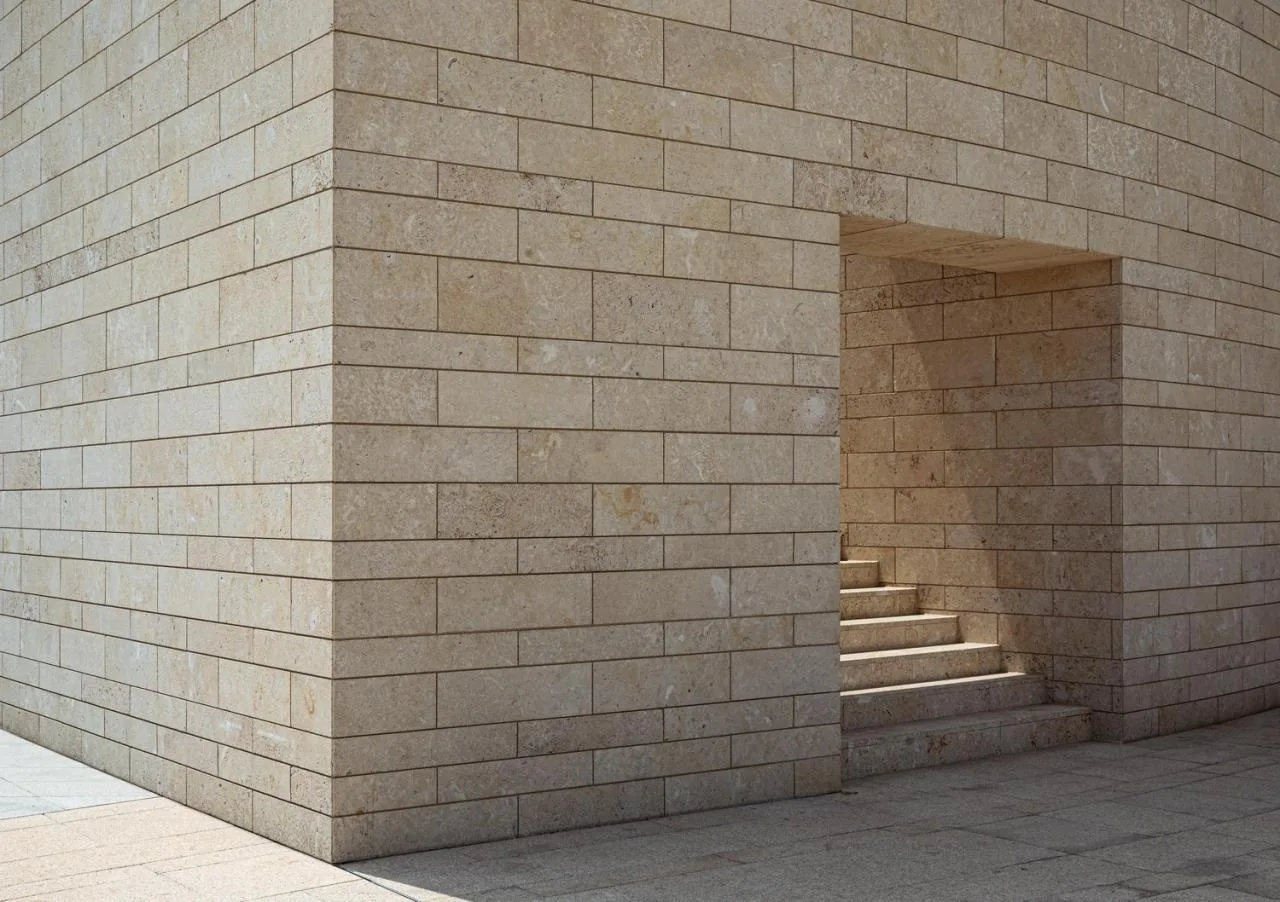
Partial details of the Dionysus Theater © Architecture Photography
The Hive Theater and Theater A are connected via a foyer, with interiors continuing the exterior façade’s materiality. The ceiling features a triangular grid ribbed box girder system, creating a column-free space that seamlessly integrates with the landscape.
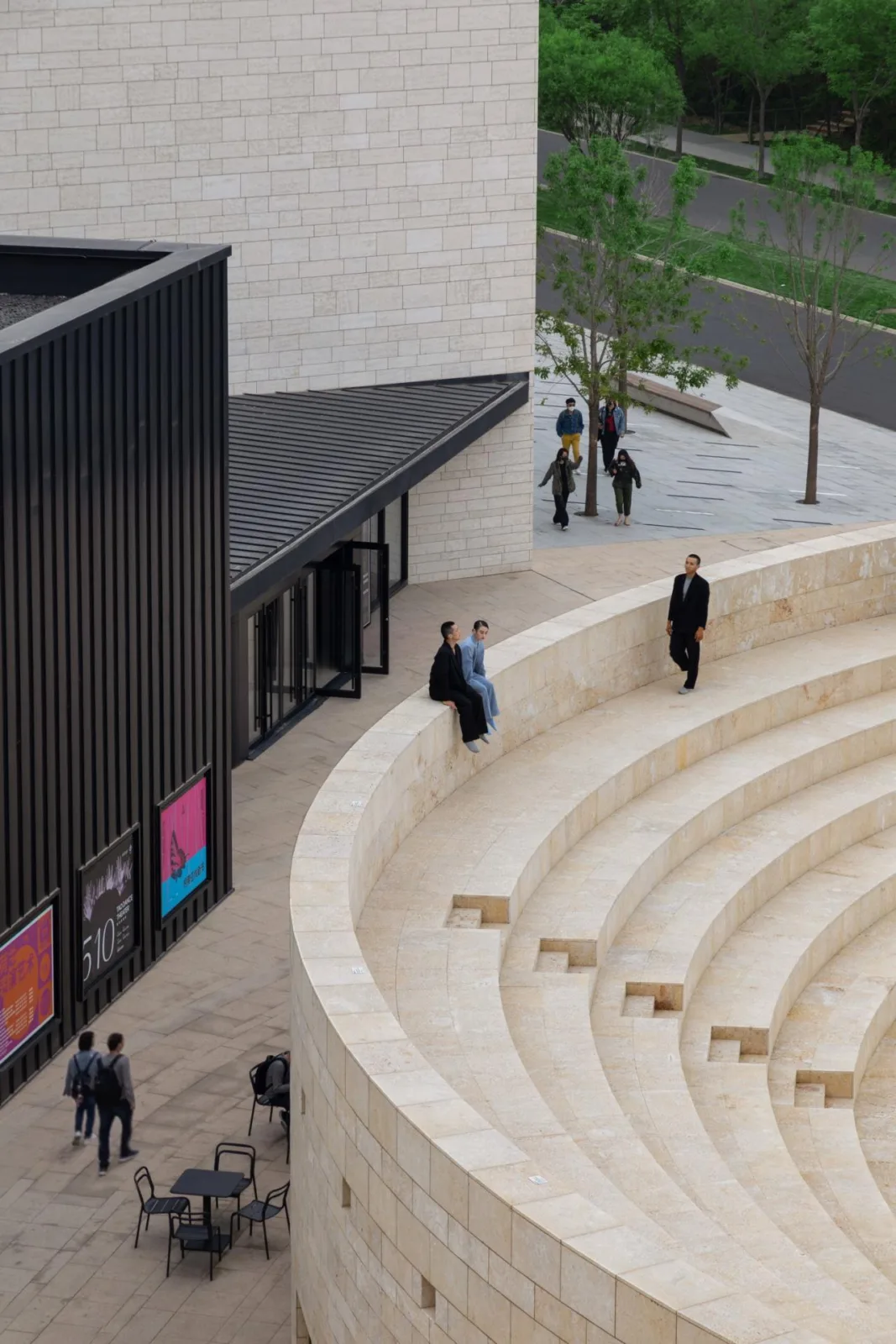
△ Main entrance © Architecture Photography
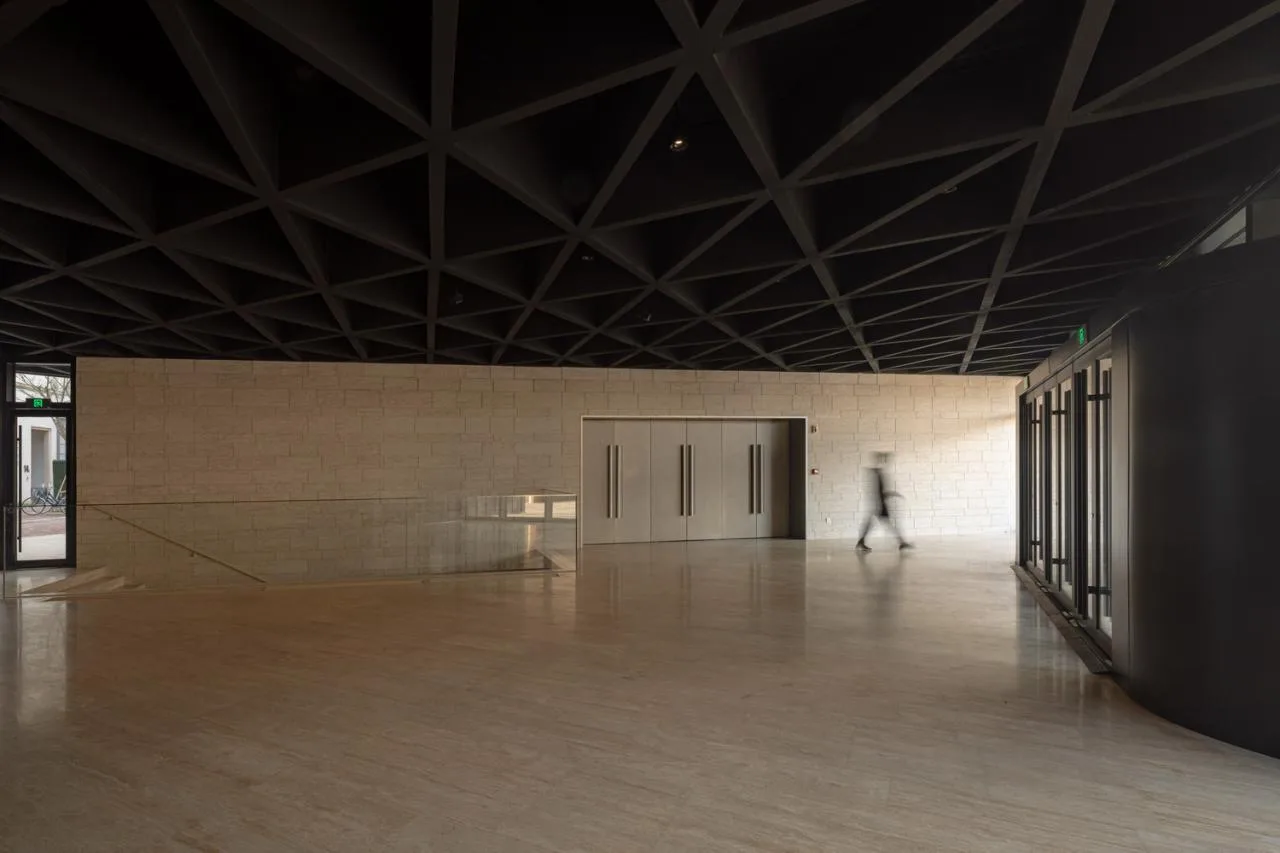
△ Entrance Hall © Architecture Photography
An open architectural complex, this theater belongs to the city. It is envisioned not only as a performing arts center but also as a multifunctional venue adaptable to diverse performance types. Serving as the cultural hub of the Anaya community, it supports a wide array of cultural, artistic, and public activities.
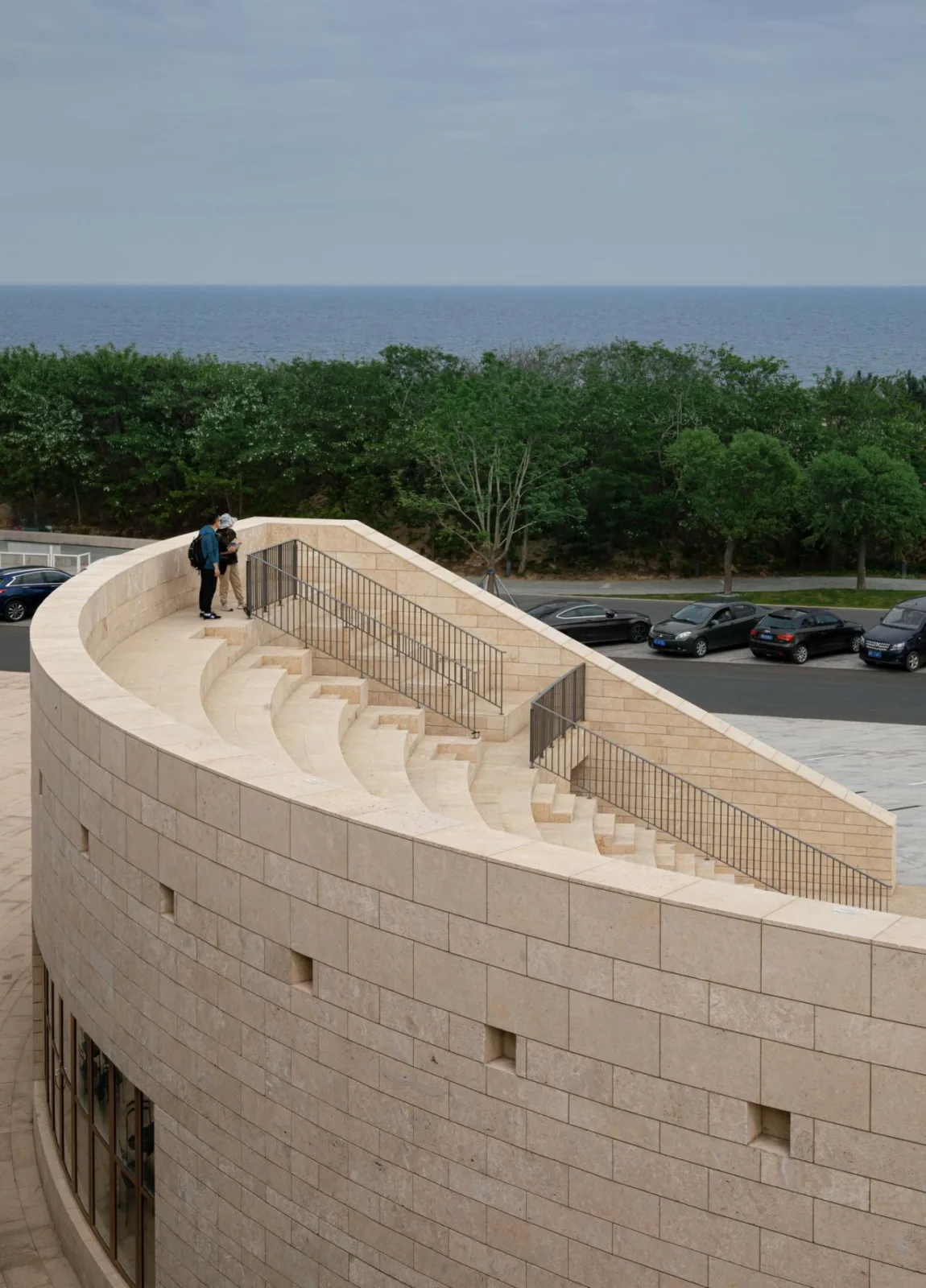
△ Dionysus Theater facing the sea © Architecture Photography
Project Drawings
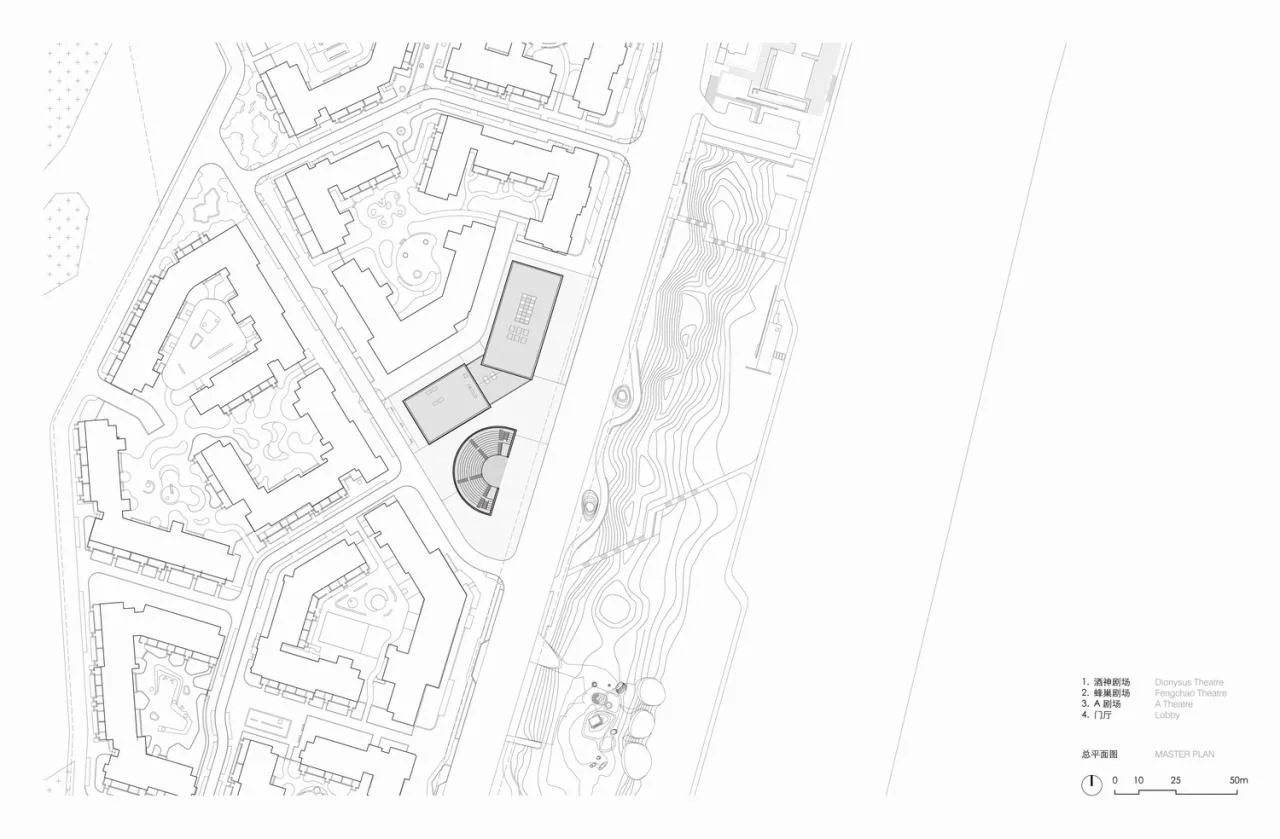
△ General layout plan
△ First floor plan
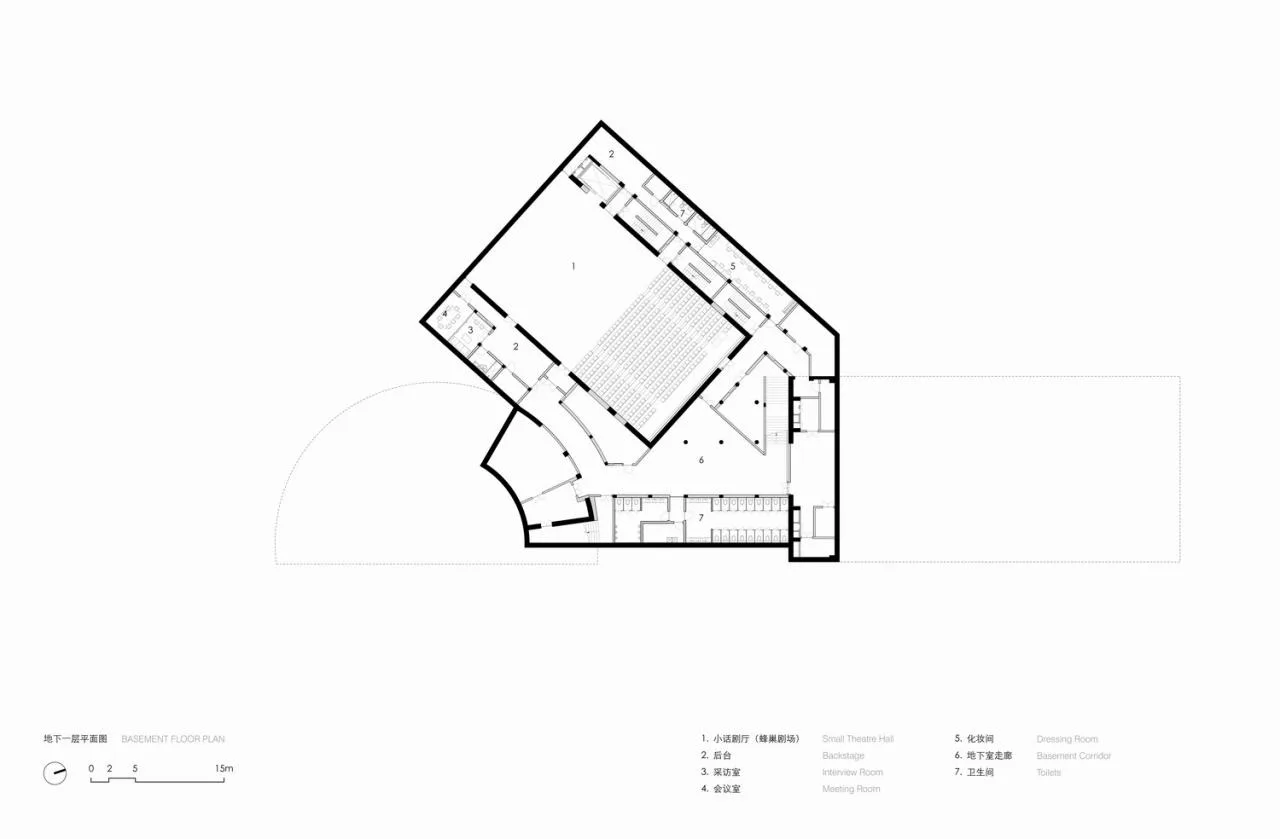
△ Second floor plan
△ Third floor plan
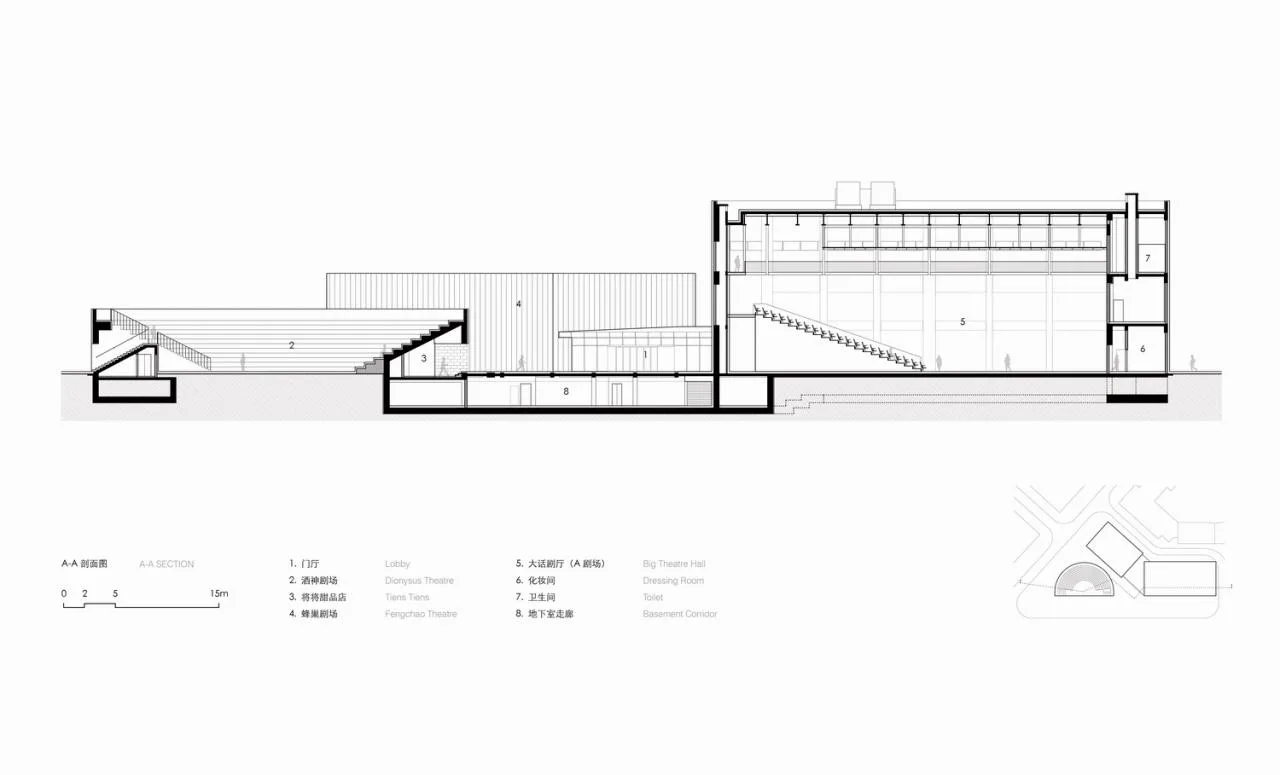
△ Section diagram
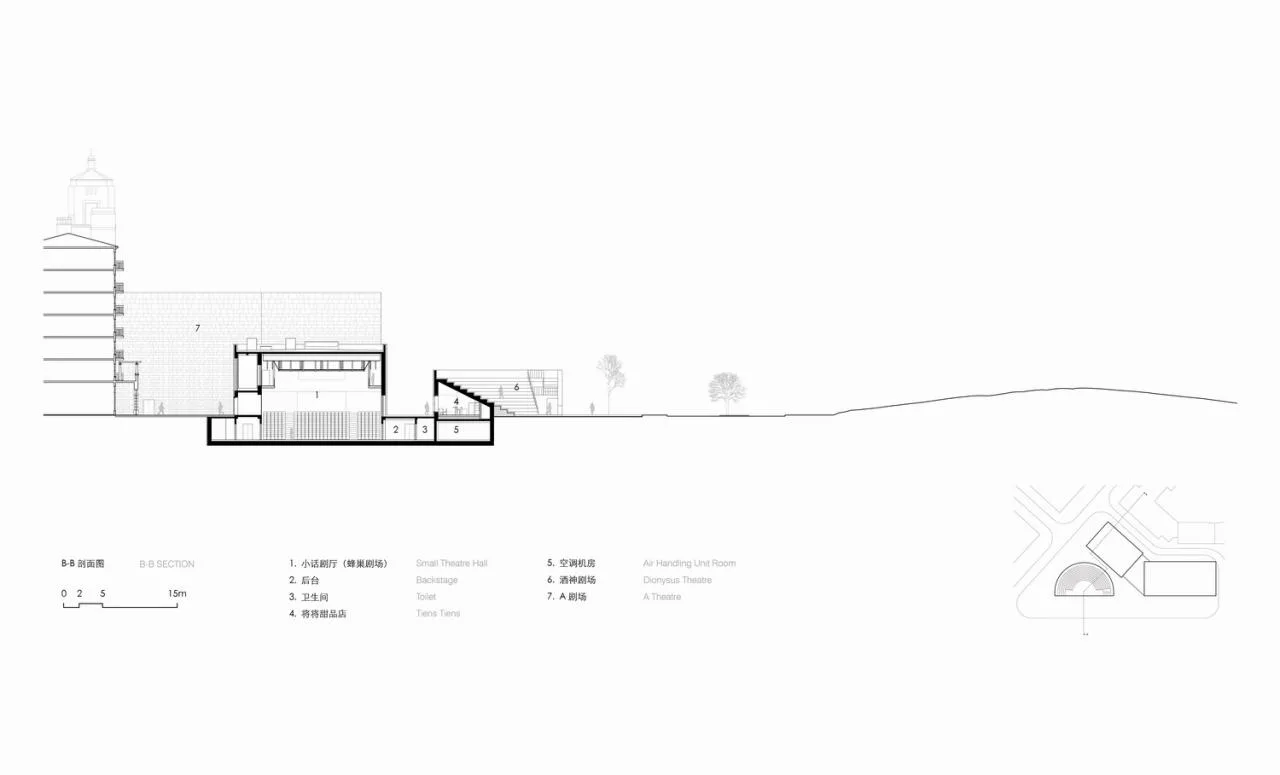
△ Section diagram
Project Information
Project Name: Anaya Theater
Owner: Qinhuangdao Anaya Real Estate Development Co., Ltd
Location: Qinhuangdao City, Hebei Province
Features: Theater, Cafe
Design Firm: TAO Architectural Firm
Lead Architect: Hua Li
Design Team: Huali, Dai Linyi, Wang Langhuan, Zhou Jiaying, Cheng Xiangju, Gao Xiaocen, Shi Xin’an
Structural Consultant: Jianyan Technology Co., Ltd
Mechanical & Electrical Consultant: Kcalin Carlin Mechanical and Electrical Design
Lighting Consultant: Beijing Yuanzhan Lighting Design Co., Ltd
Theater & Acoustic Consultant: Huang Zhanchun Theater Architectural Design Consultant (Beijing) Co., Ltd
Construction Team: Jiangsu Jiangdu Construction Group Co., Ltd
Curtain Wall Construction Team: Qinhuangdao Qinbo Curtain Wall Decoration Engineering Co., Ltd
Building Area: 4,046 square meters
Structural System: Reinforced concrete and steel structure
Design Period: 2017–2019
Construction Period: 2019–2020
Photography: Su Shengliang, Wild Photography Institute















Must log in before commenting!
Sign Up