
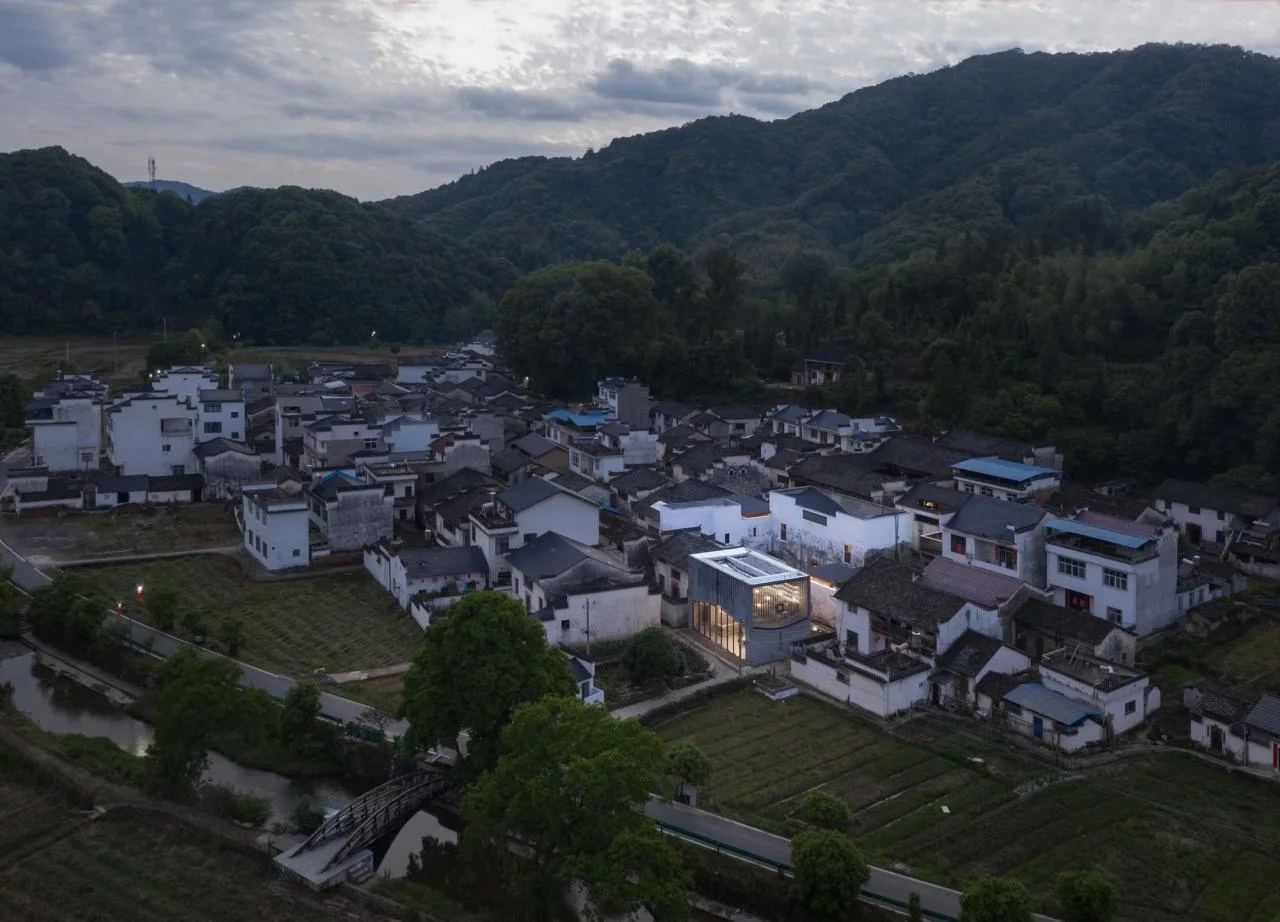
Introduction: The new bookstore in the village serves as a direct catalyst for rural revitalization. Beyond accommodation, cultural tourism offers diverse and unique opportunities for rural areas. Establishing a new bookstore undoubtedly creates fresh prospects for both the economic and cultural development of the village.
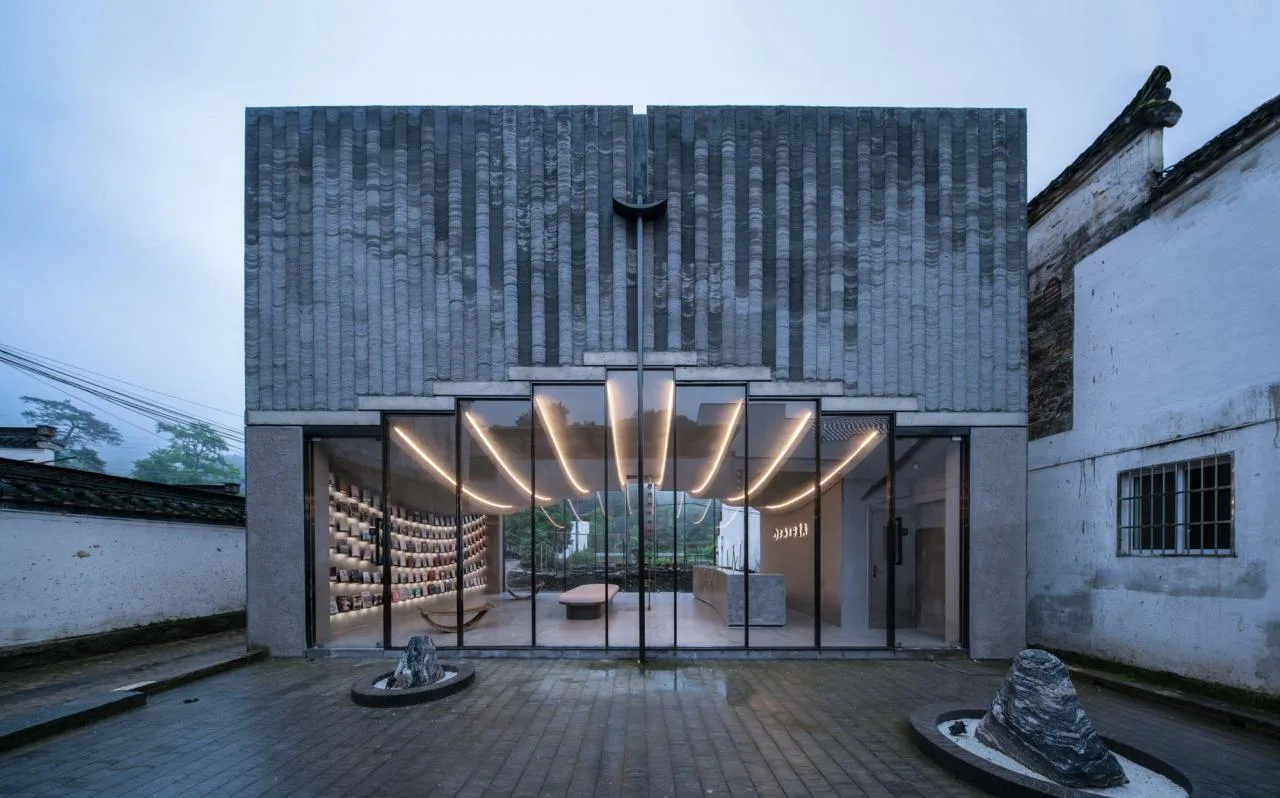
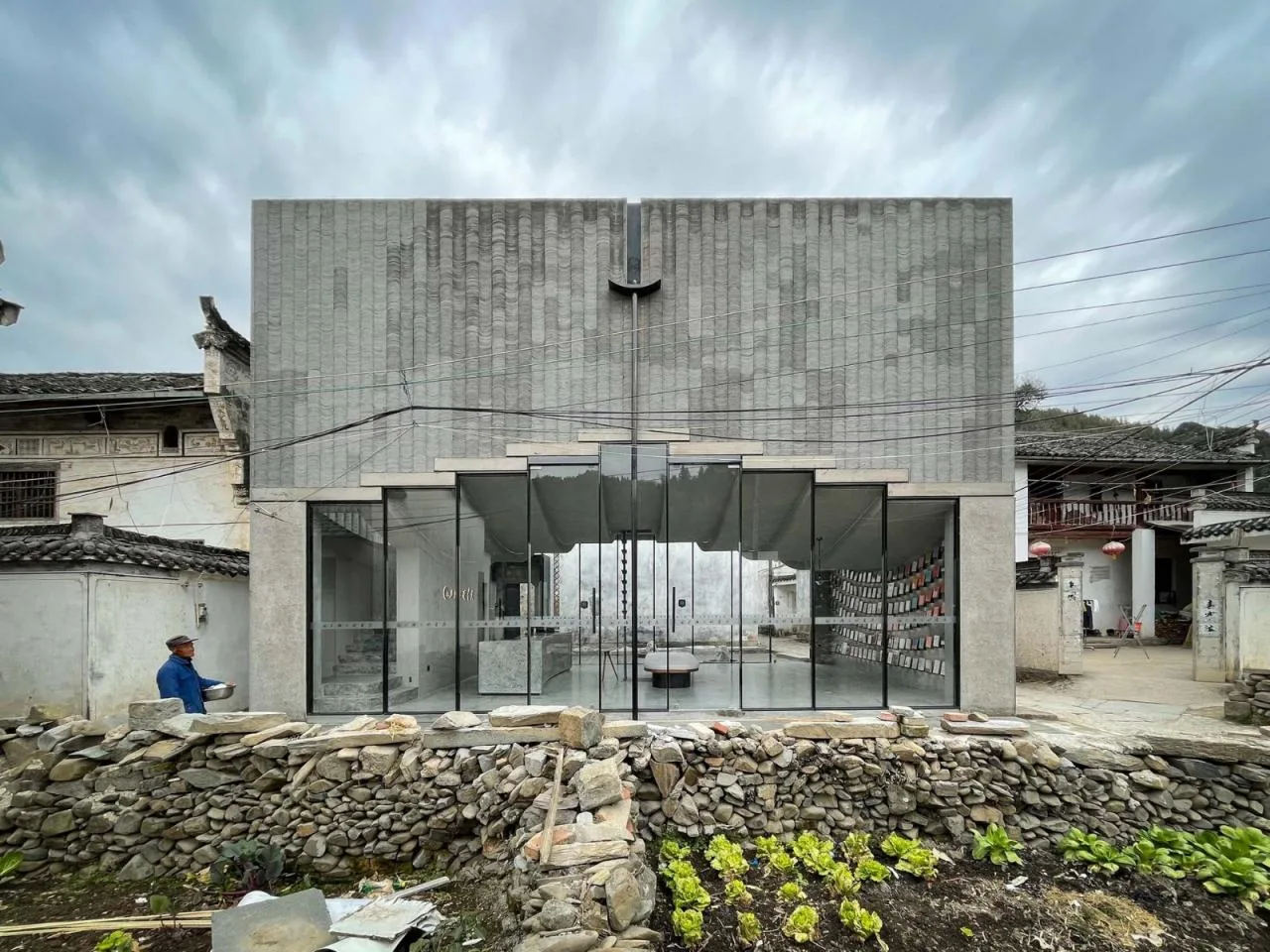
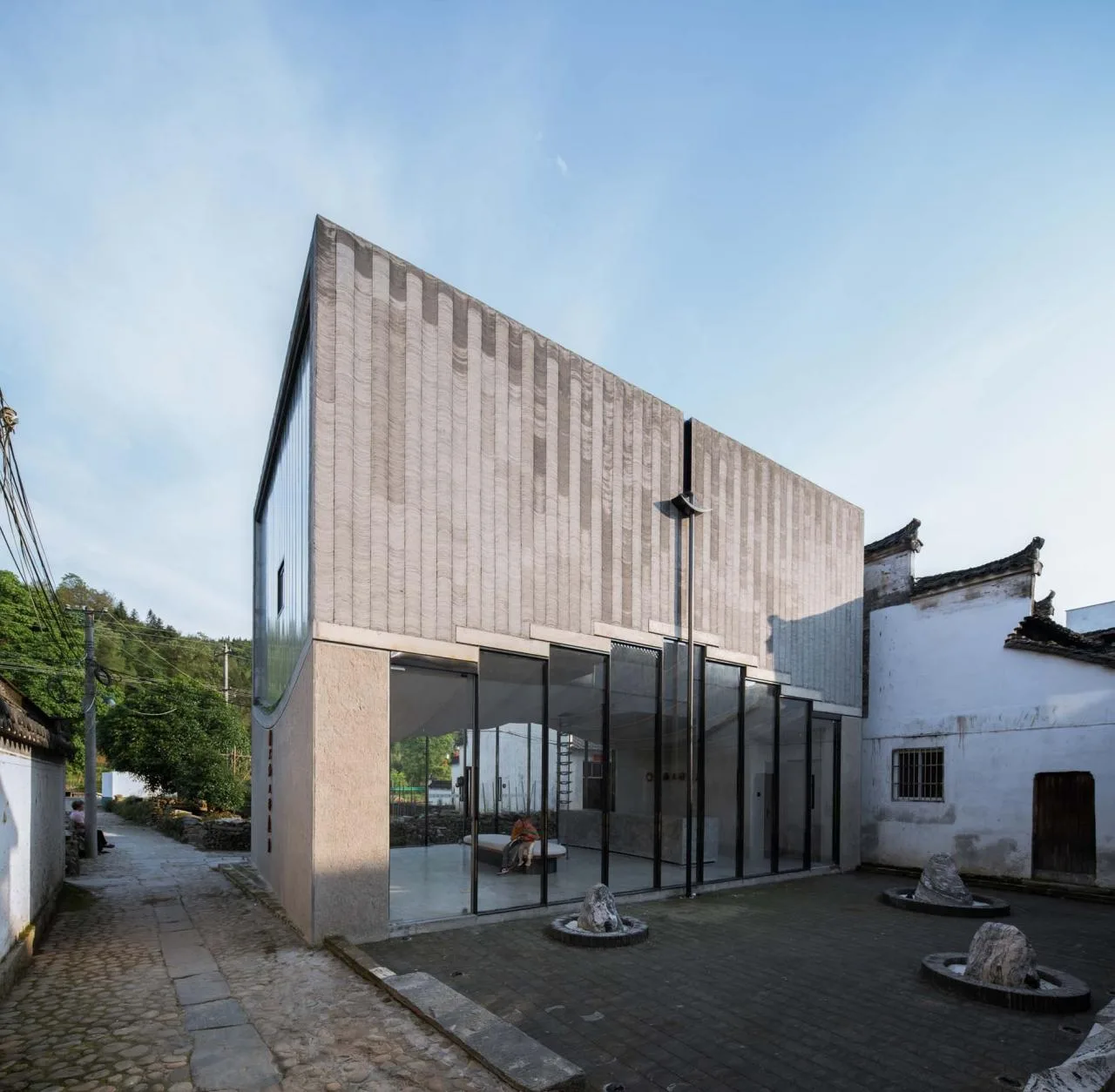
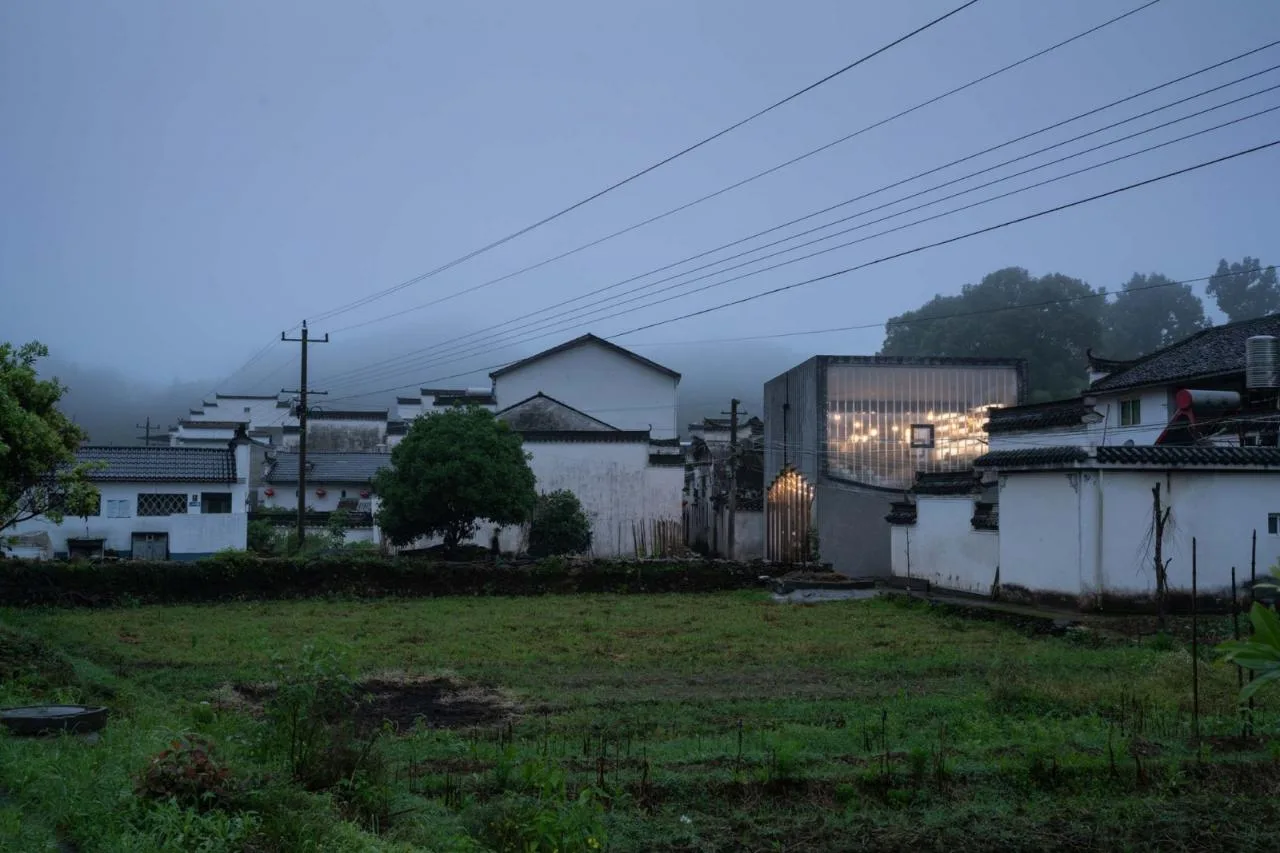
Taoyuan Village in Qimen, Anhui, is situated about 100 kilometers from the cultural heart of Huizhou. This ordinary ancient village in southern Anhui faces challenges in transportation and economic development. However, after six years of dedication and local practice, we have gradually transformed Taoyuan Village into a vibrant destination for Huizhou cultural tourism. The new bookstore was renovated from an abandoned village house, occupying 70 square meters over two stories. Located within narrow alleys and surrounded by high walls typical of Huizhou’s ancient villages, the bookstore, although rebuilt on its original site, requires a fresh interpretation to suit its new purpose.
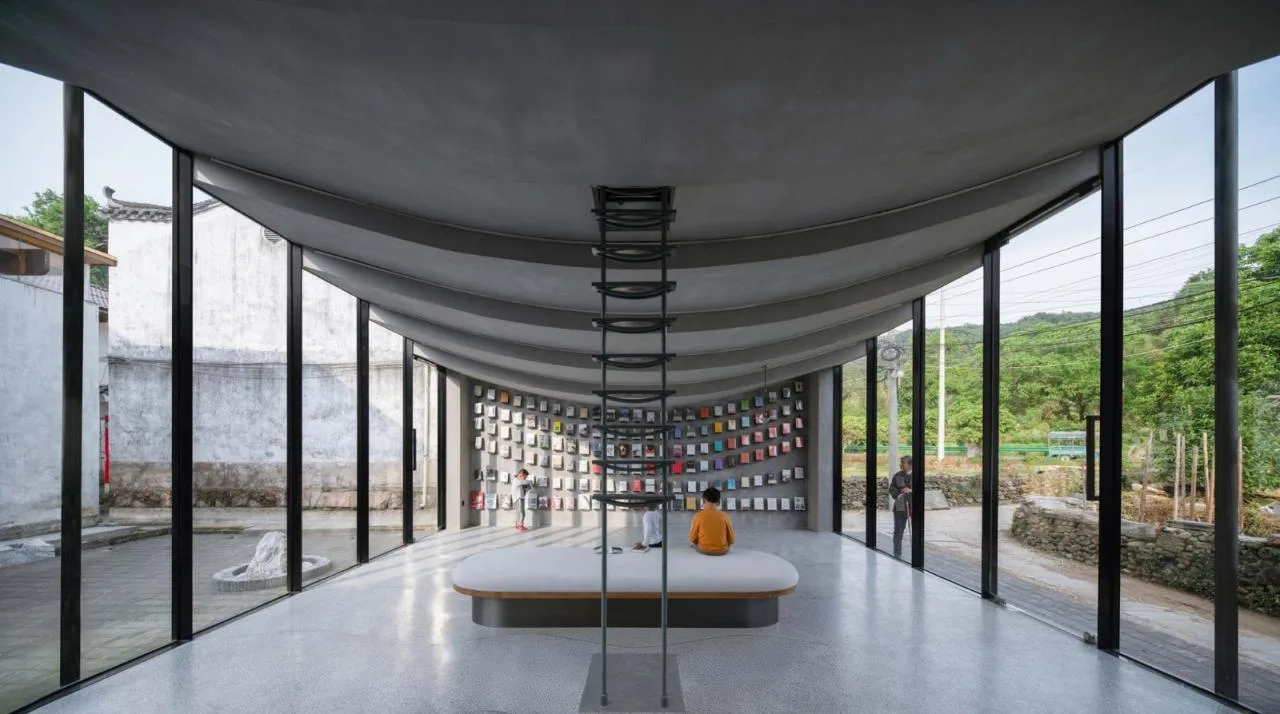
Bridge Corridor: The Blend of Homogeneity and Heterogeneity in Spatial Design
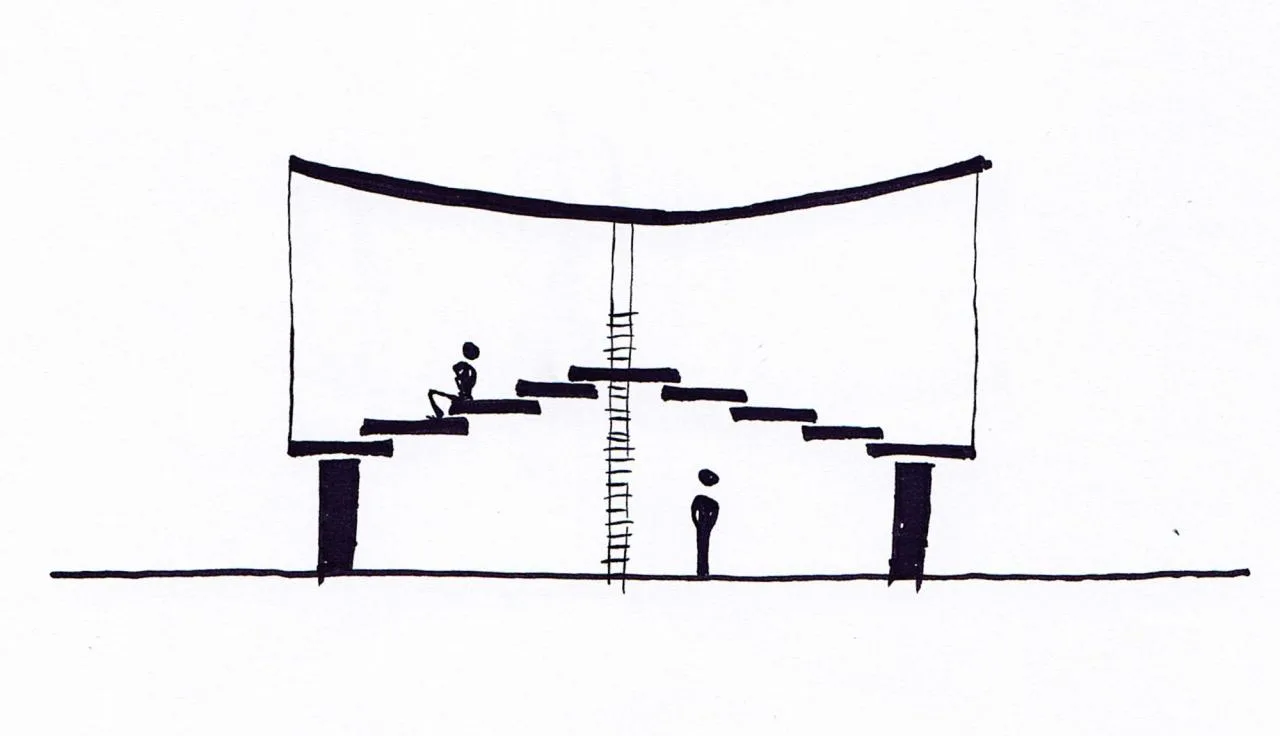
The spatial concept of the bridge corridor is inspired by the traditional Huizhou covered bridge. Typically, the lower level of such a bridge allows water to flow beneath, while the upper level serves as a pedestrian walkway. This design transforms the bridge into more than just a path—it becomes a space for pausing, resting, socializing, and even spiritual reflection.
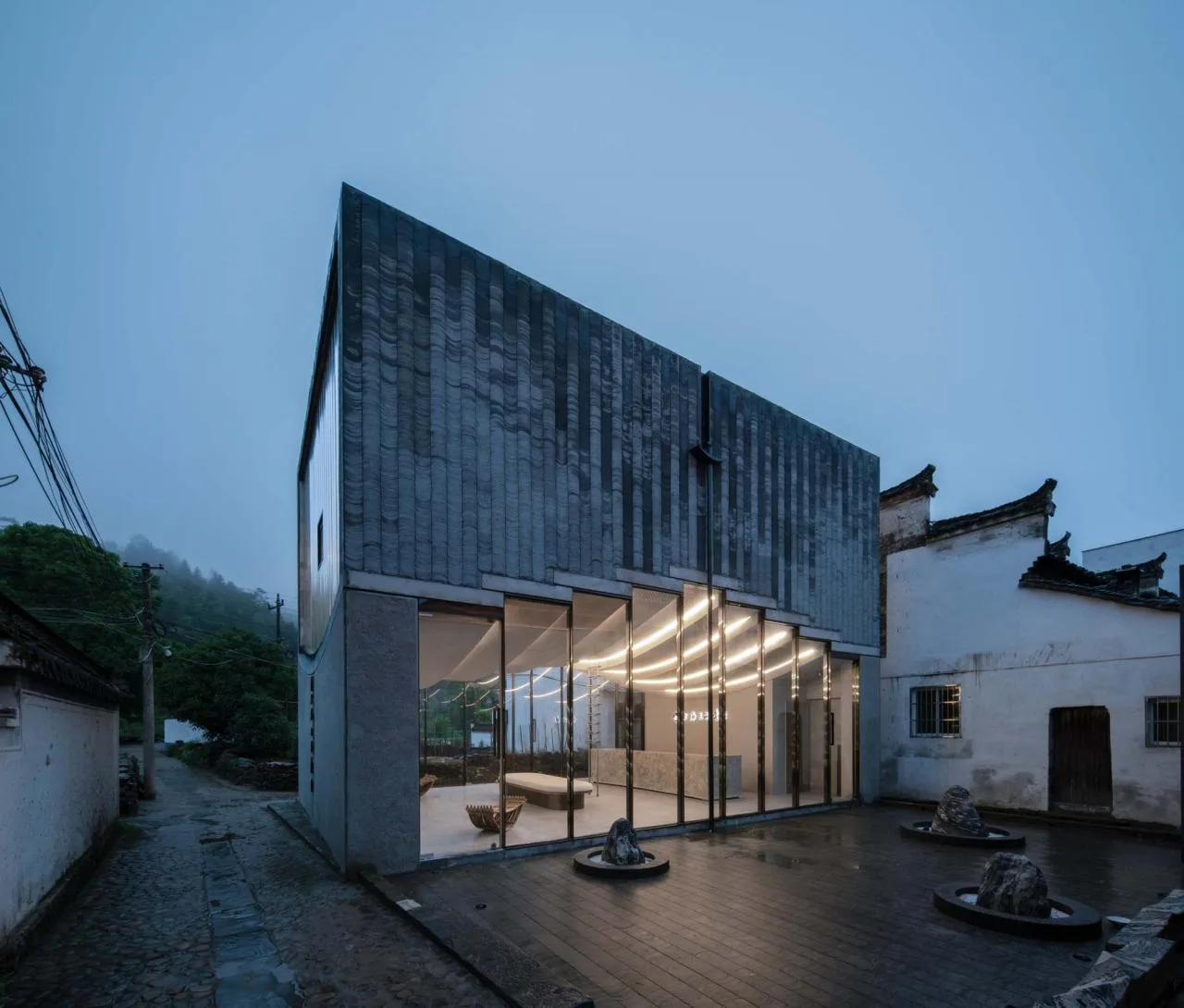
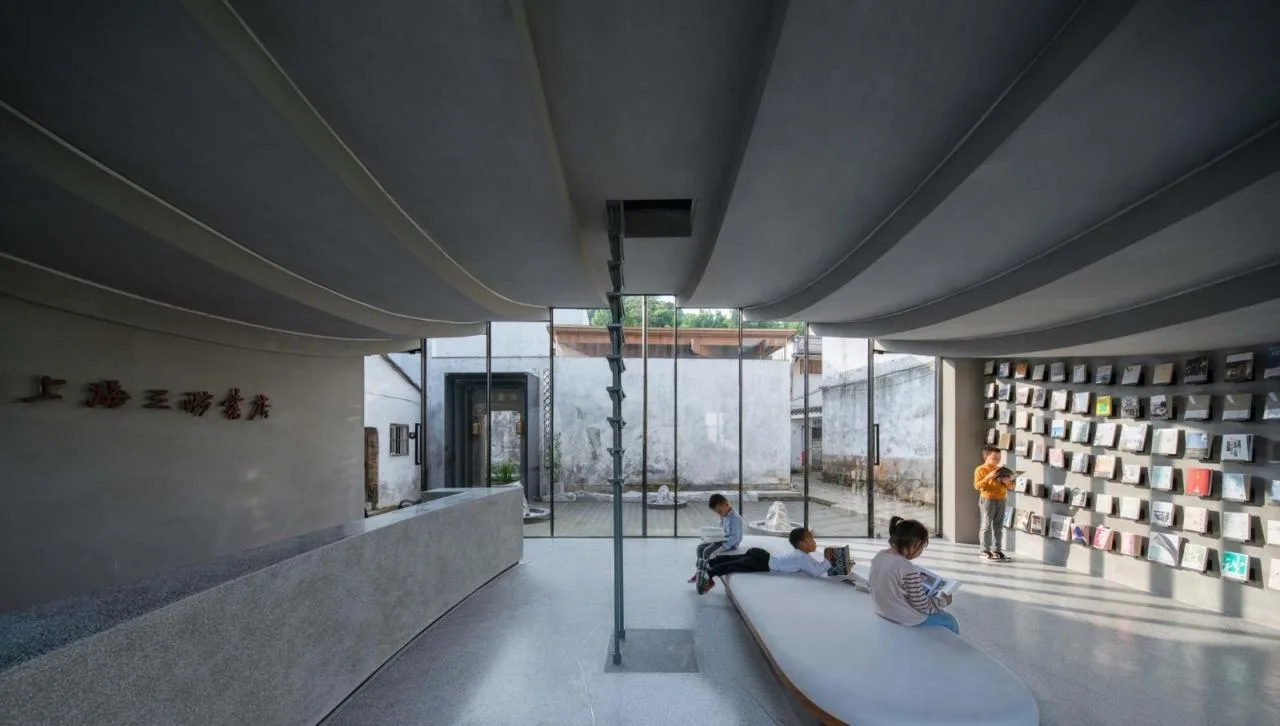
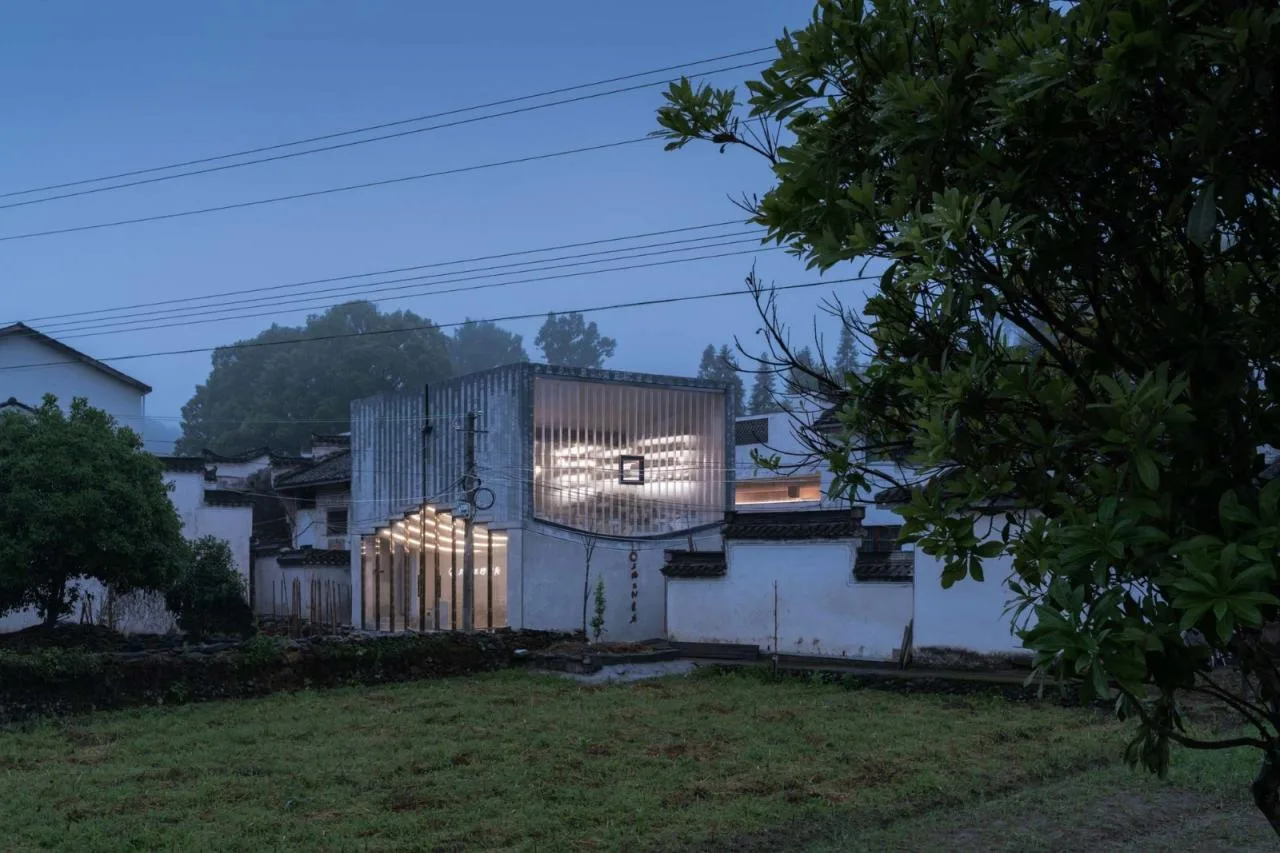
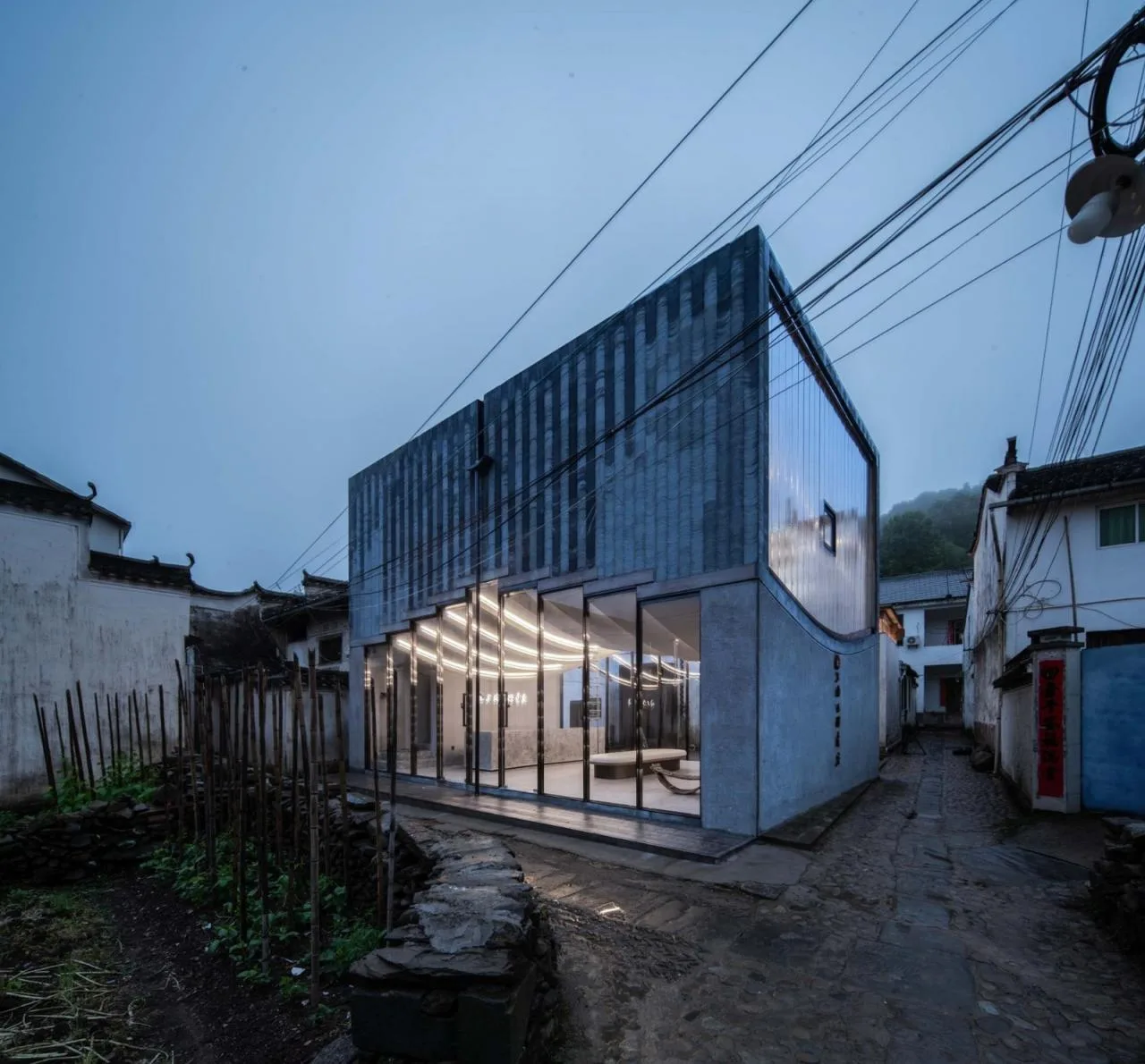
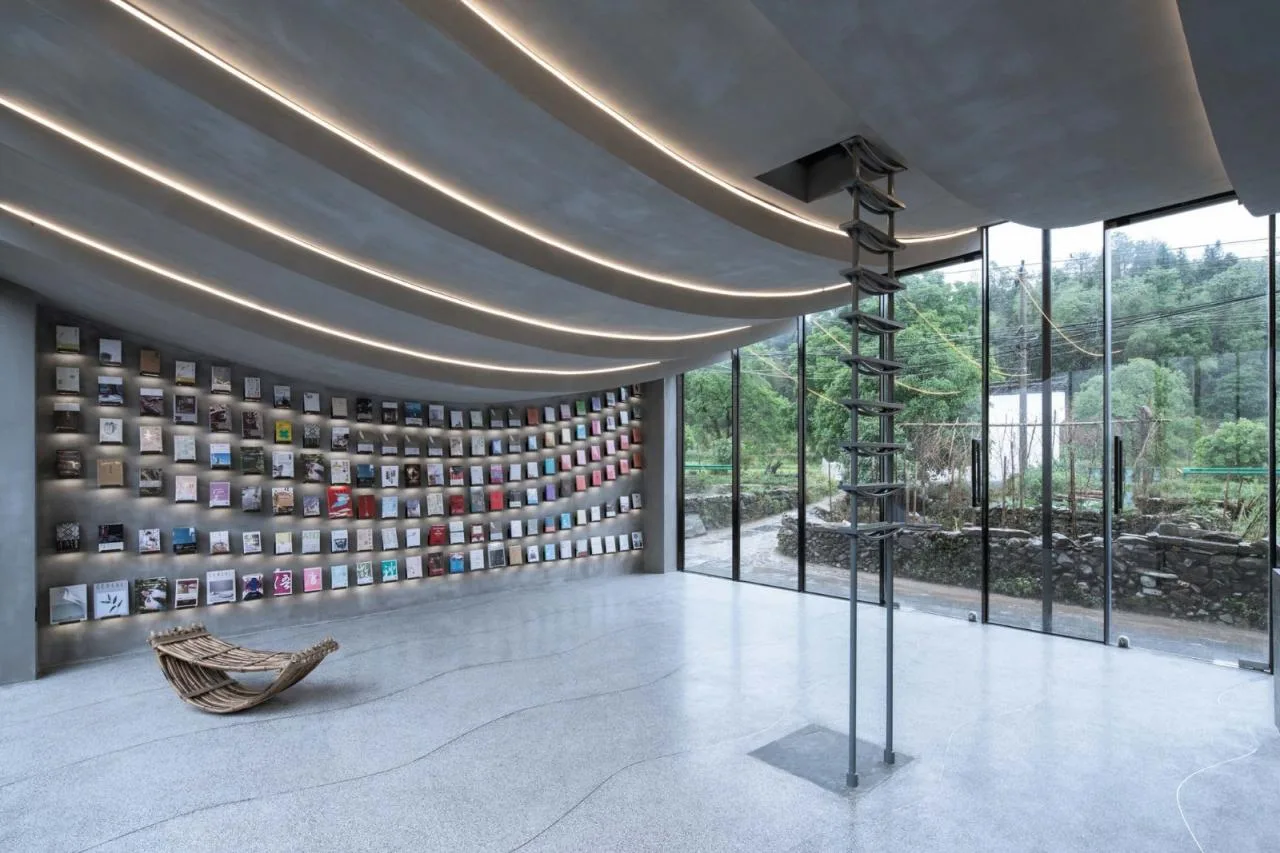
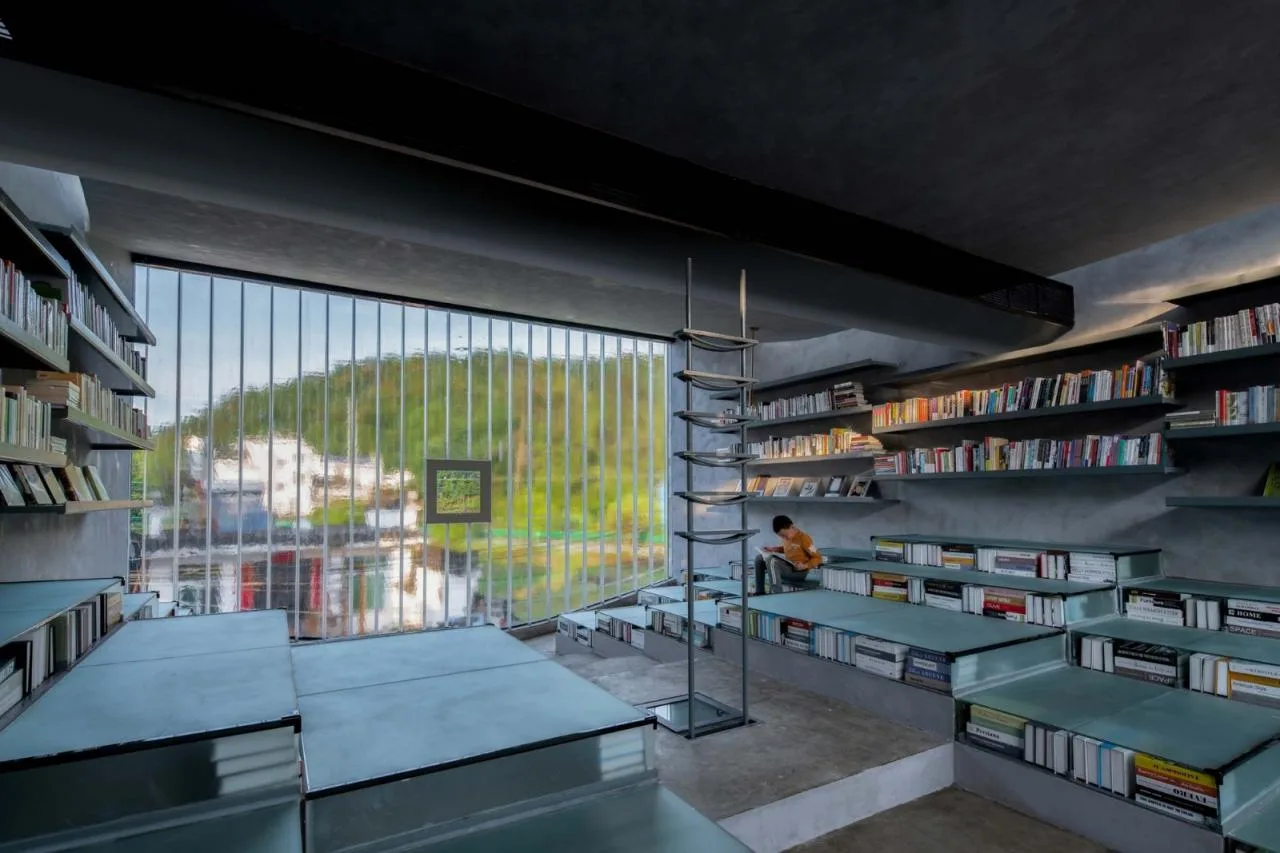
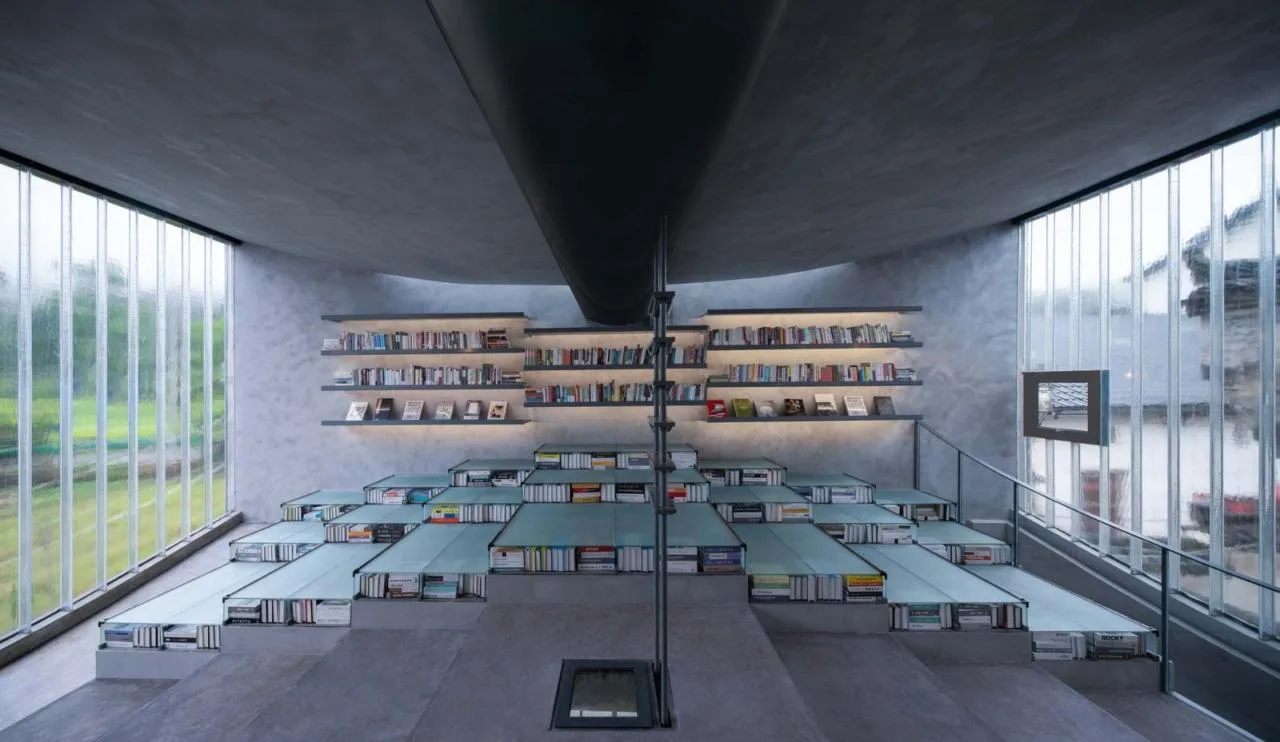
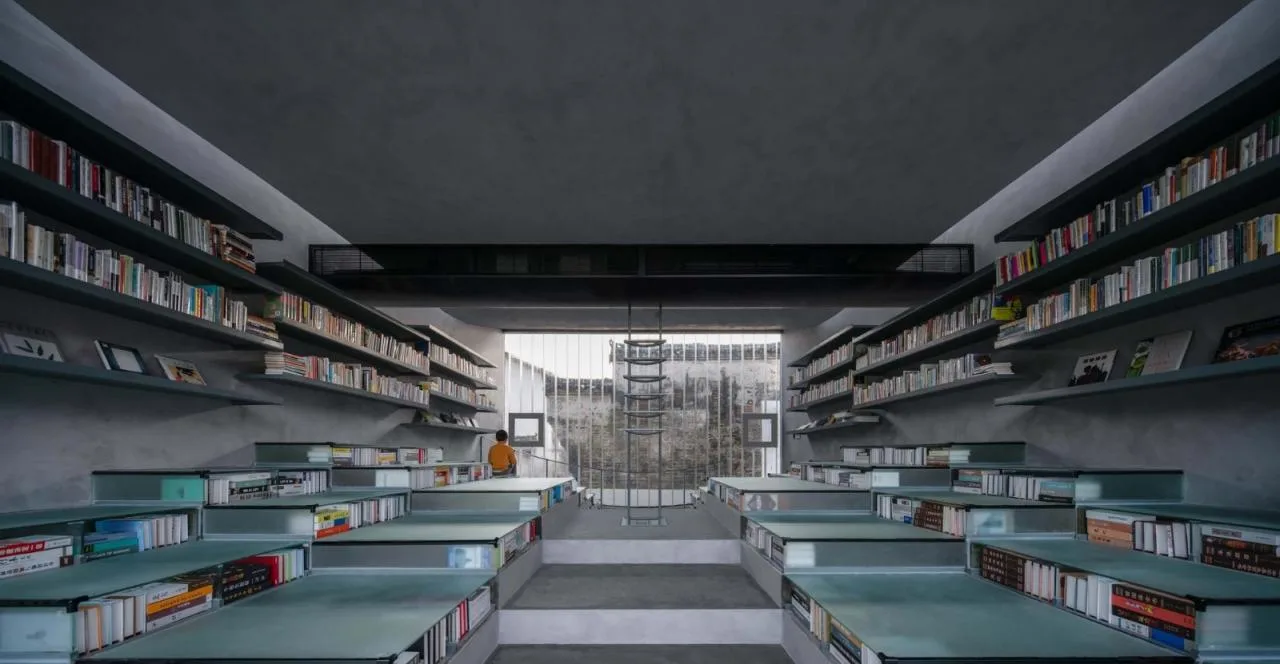
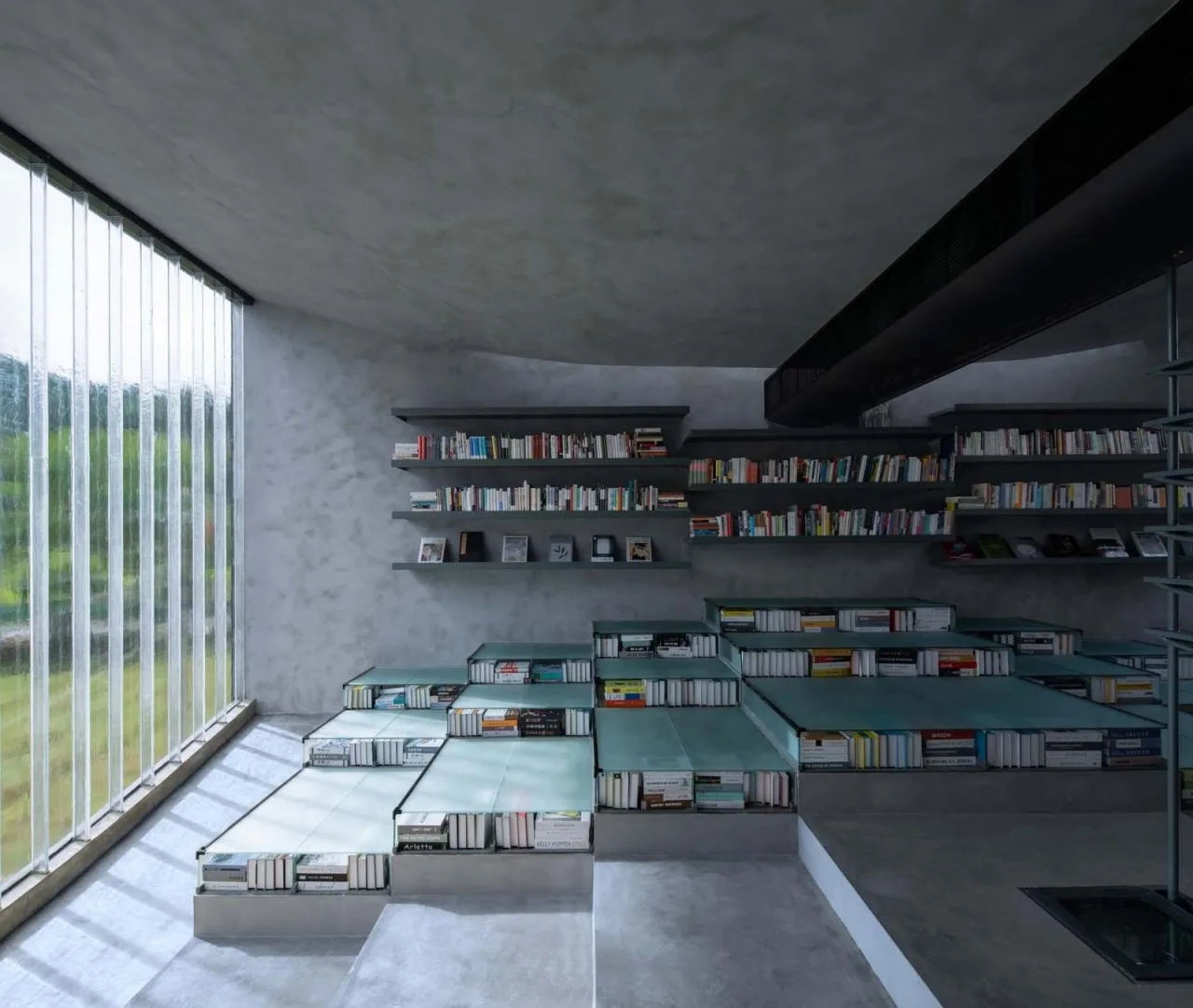
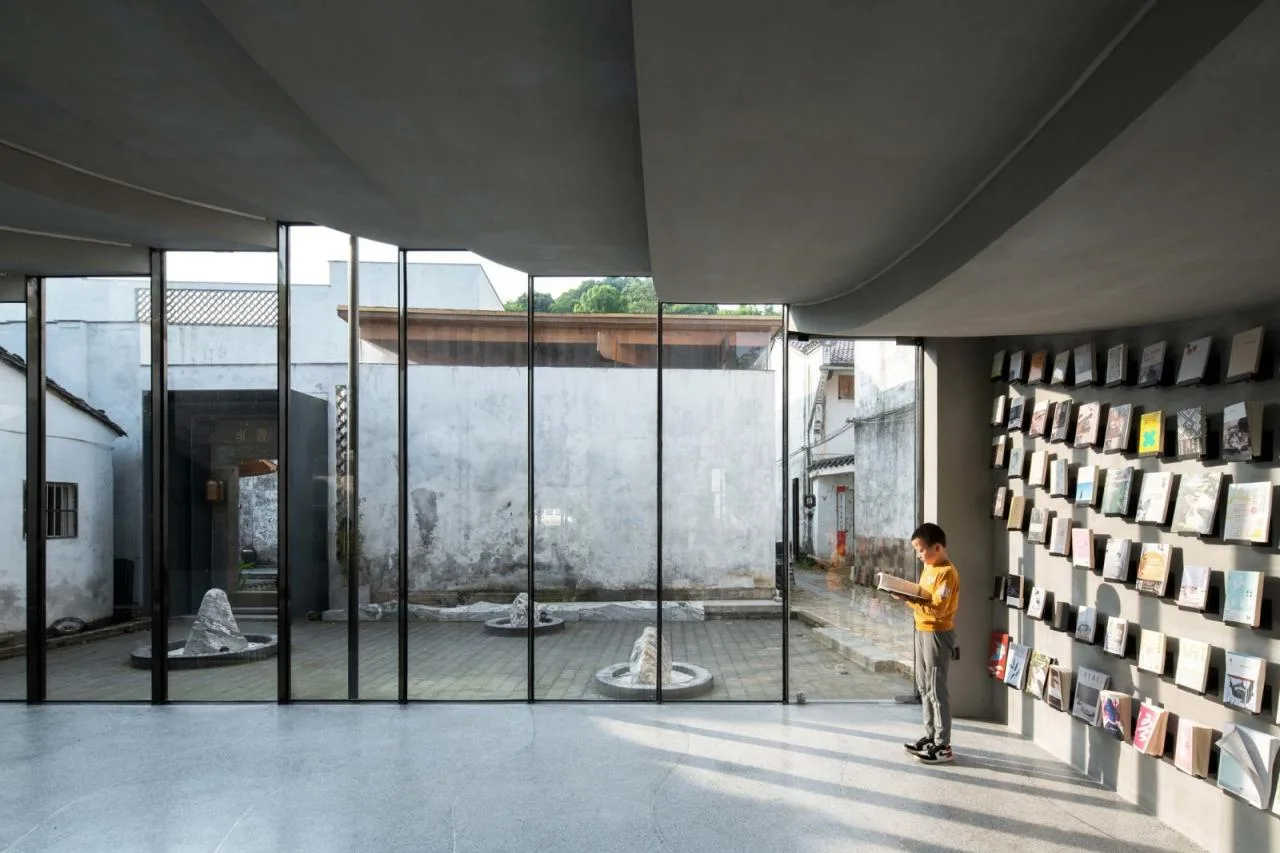
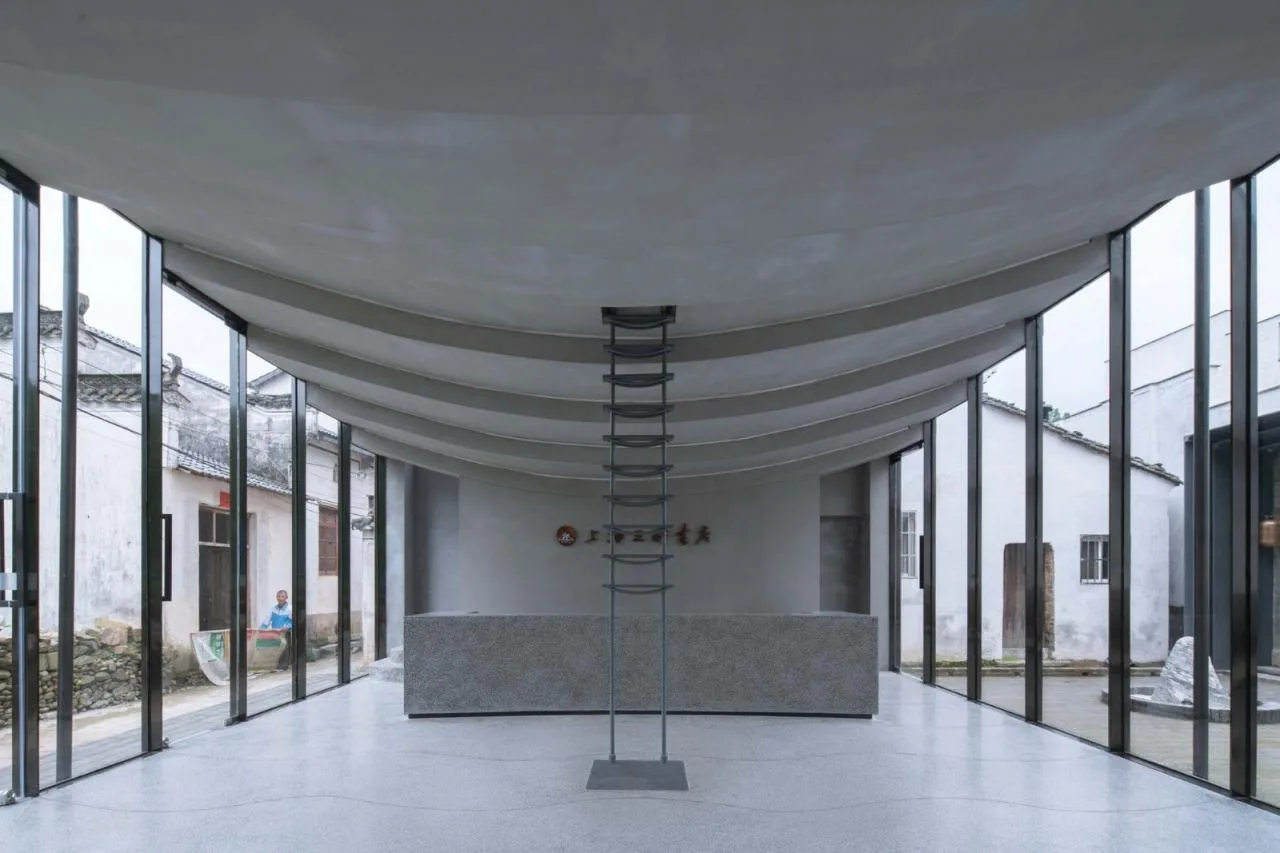
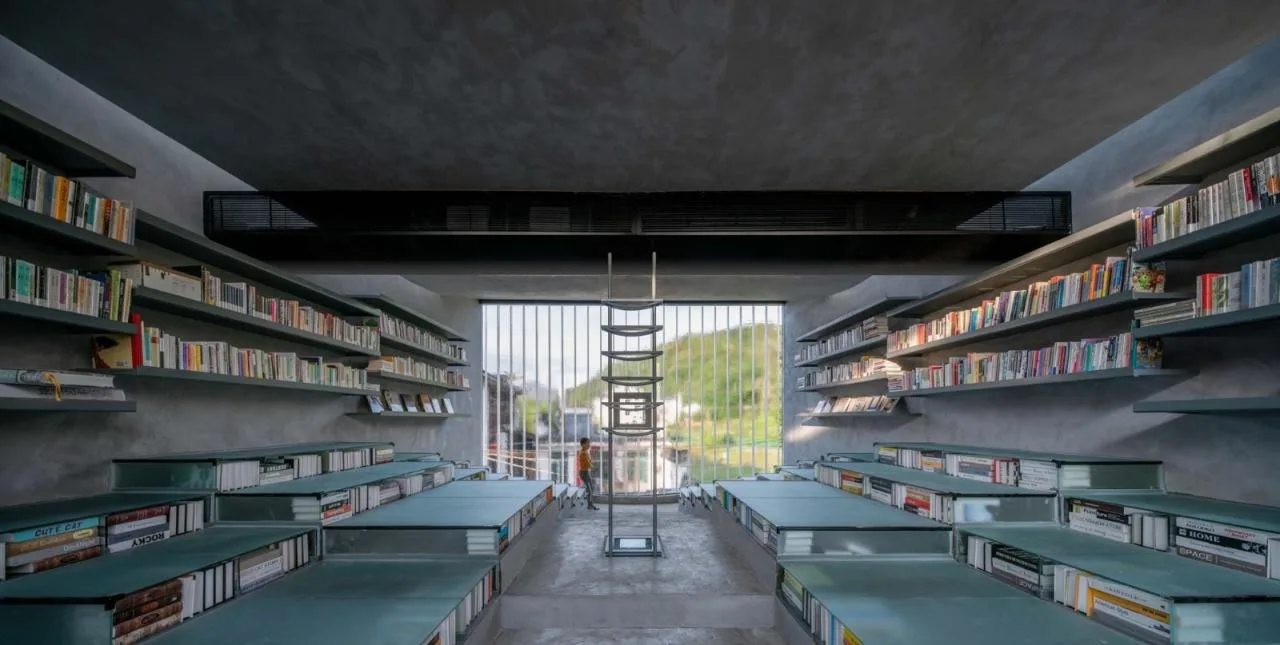
In this bookstore, the first floor is vertically open, mimicking the water flowing under a bridge, extending toward the alleys and courtyards of the village. This dynamic, transparent space is designed for browsing and purchasing books. The second floor functions as a reading area—a more enclosed, calm horizontal space. One side faces an ancient wall, and the other overlooks the fields. Since readers need to focus inwardly, the view outside is intentionally blurred using frosted U-glass. A ladder connects the two floors vertically, creating a dramatic interplay between the flowing water below and the pedestrians above.
Curved and Stacked: A Structural Design with Multiple Layers of Meaning
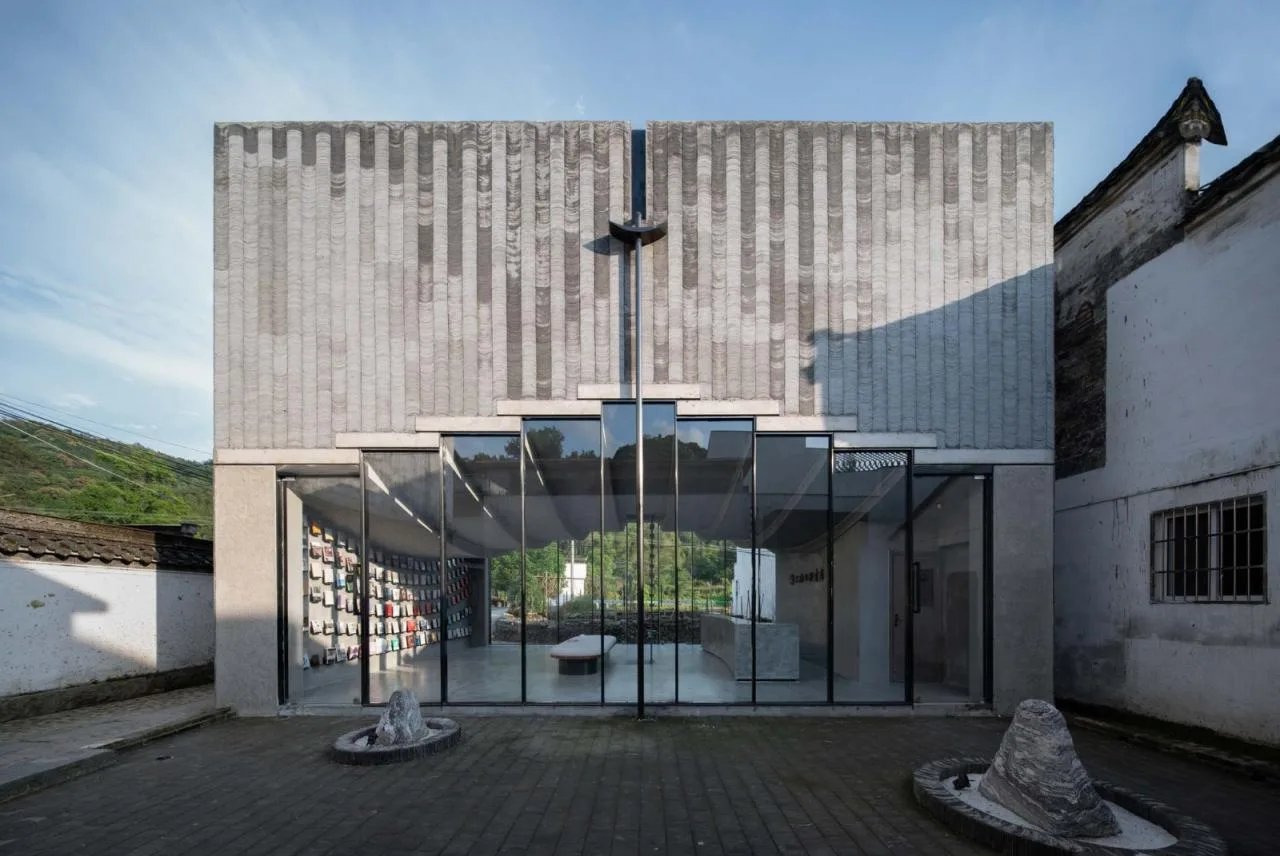
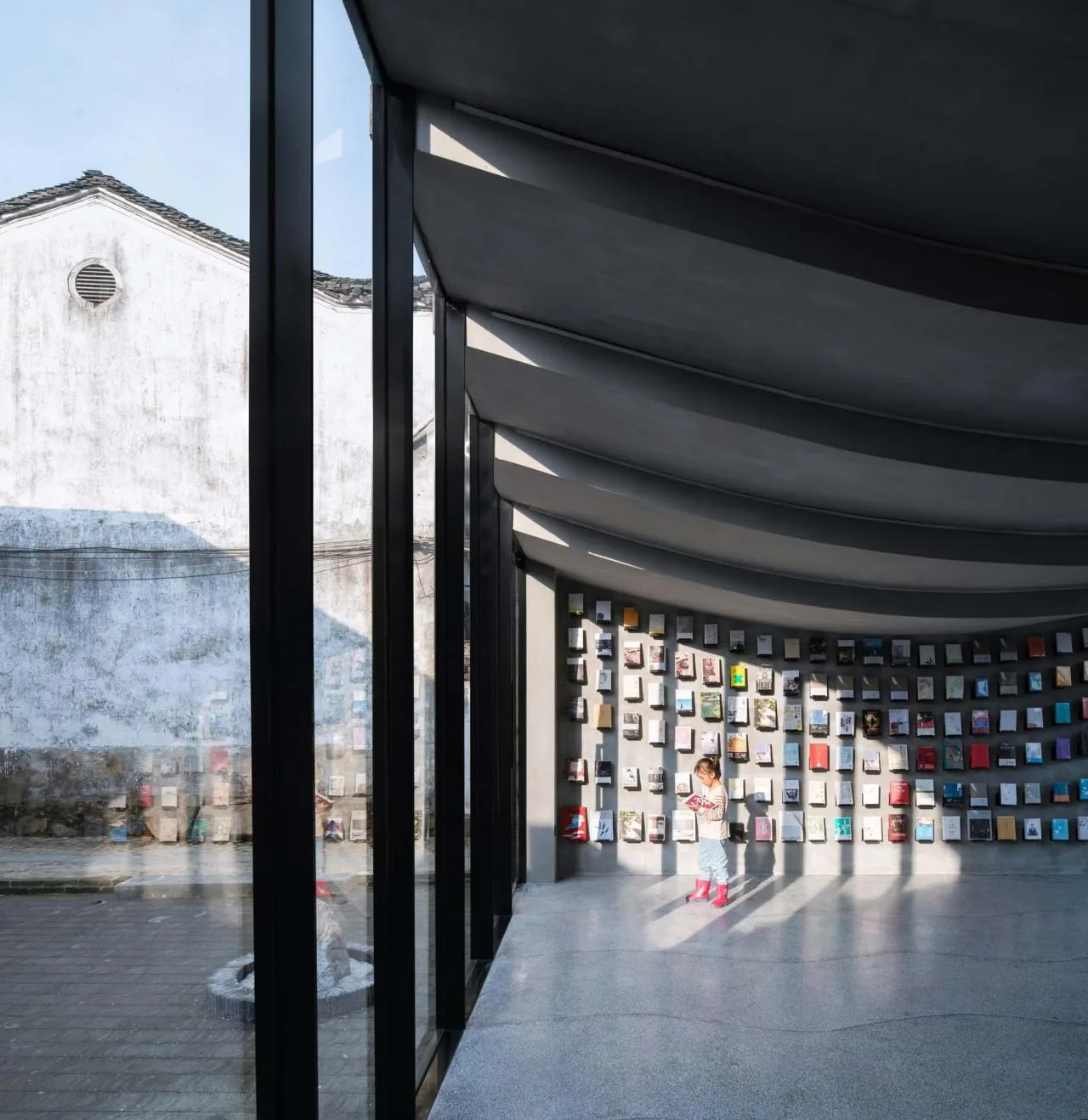
The building features a simply supported single-span structure, with concrete floor slabs bent under gravitational forces. These curved slabs are stacked, forming secondary beams at overlapping points. The entire assembly arches slightly upward, creating a “curved plate bending stacking” effect that completes the span. The slabs bend vertically and horizontally, establishing a subtle tension within the structure. Additionally, the roof panel curves downward over the second-floor space, compressing the area toward the opening. Curved skylights on both walls enhance natural lighting inside.
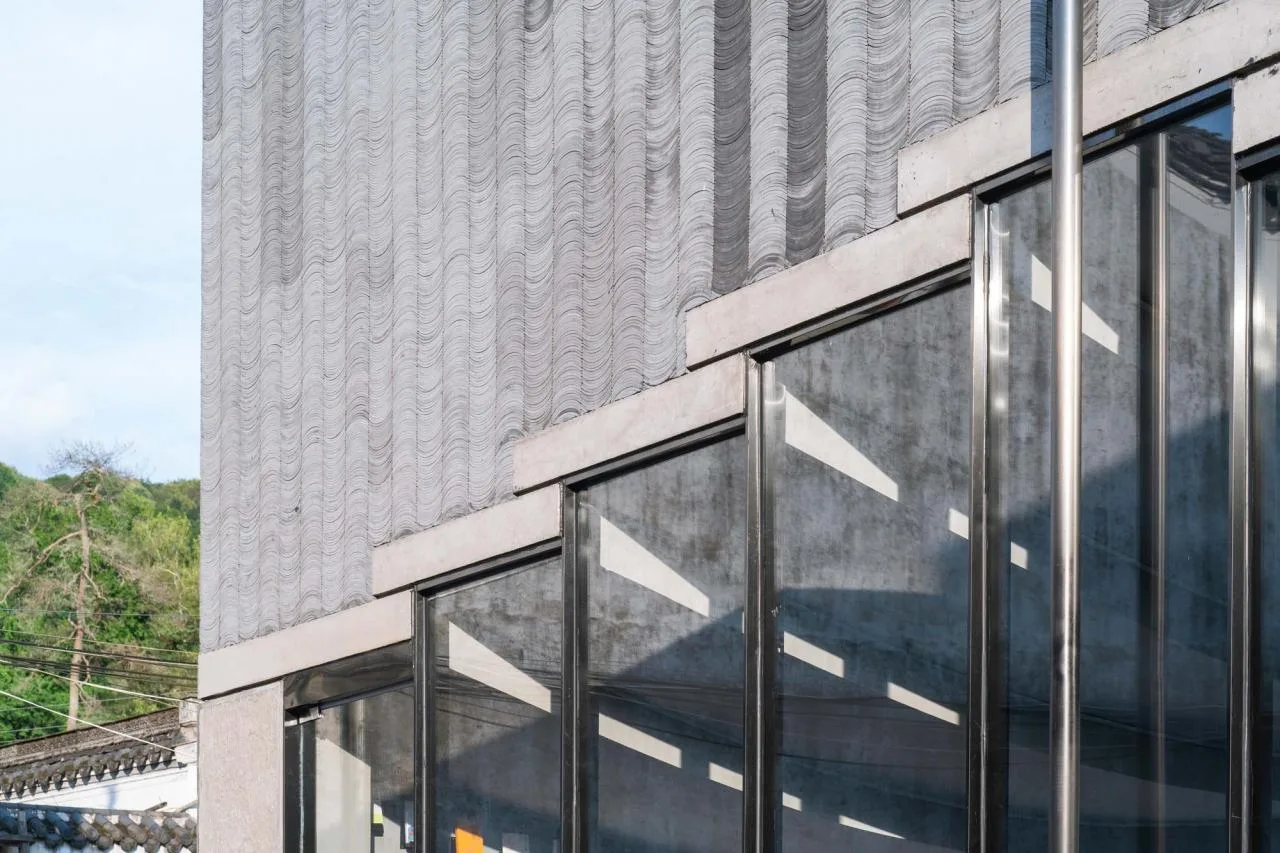
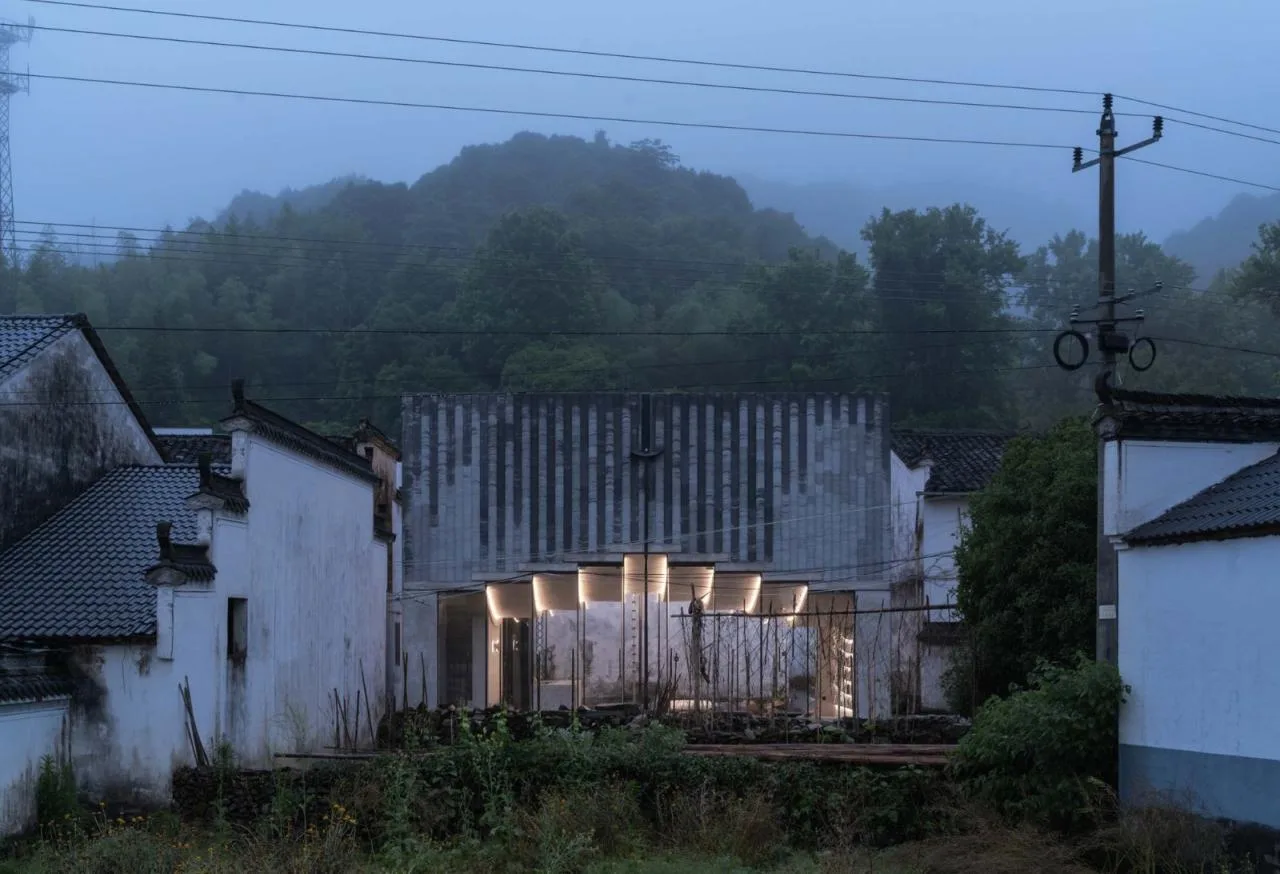
The concrete floor and roof were poured in a single operation, with all piping and lighting fixtures embedded within the structure. This “curved and stacked” design gives the space a dynamic sense of being pushed outward by gravity, reinforcing the spatial concept inspired by the traditional corridor bridge. The second-floor space naturally forms a staggered platform that matches the scale of seated users, creating an intimate, enveloping atmosphere. Along with the ladder, this arrangement adds a spiritual dimension to the space.
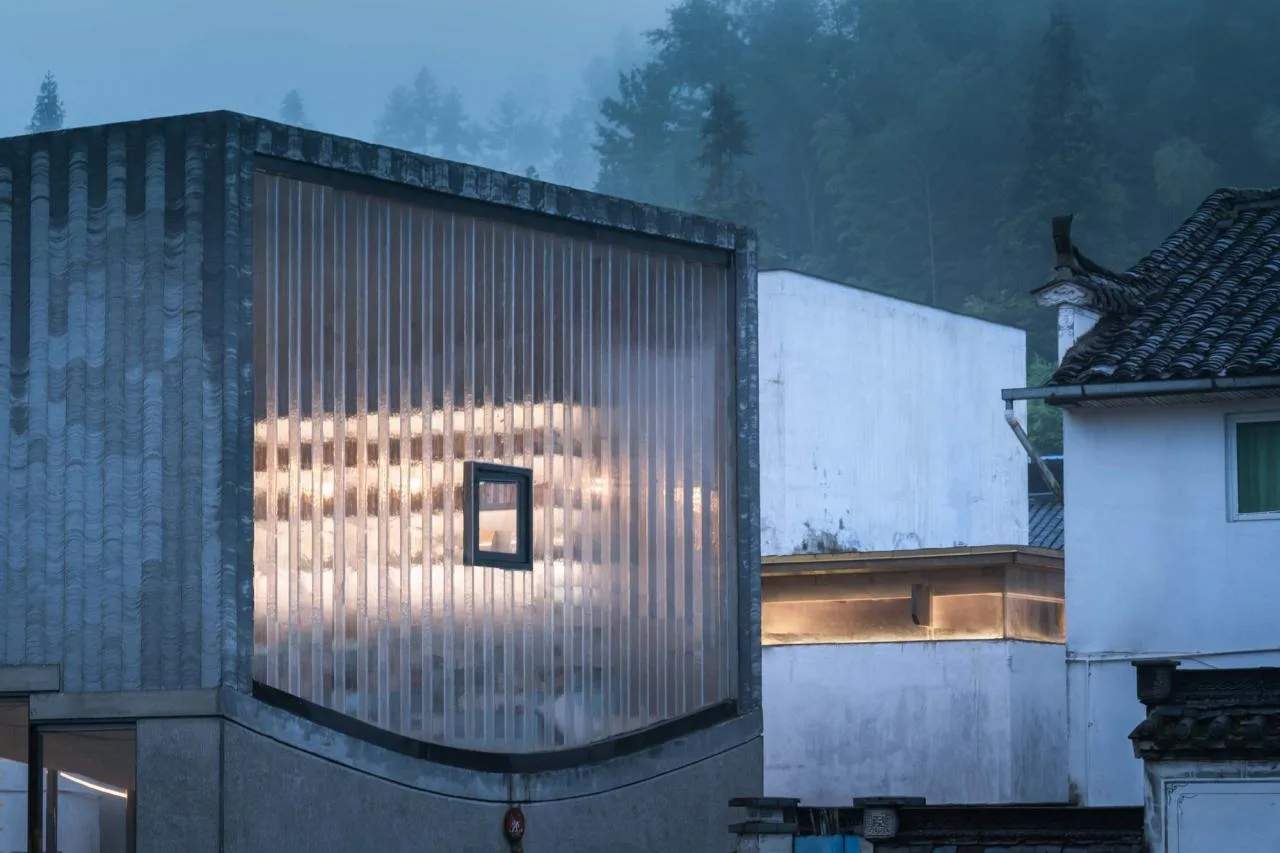
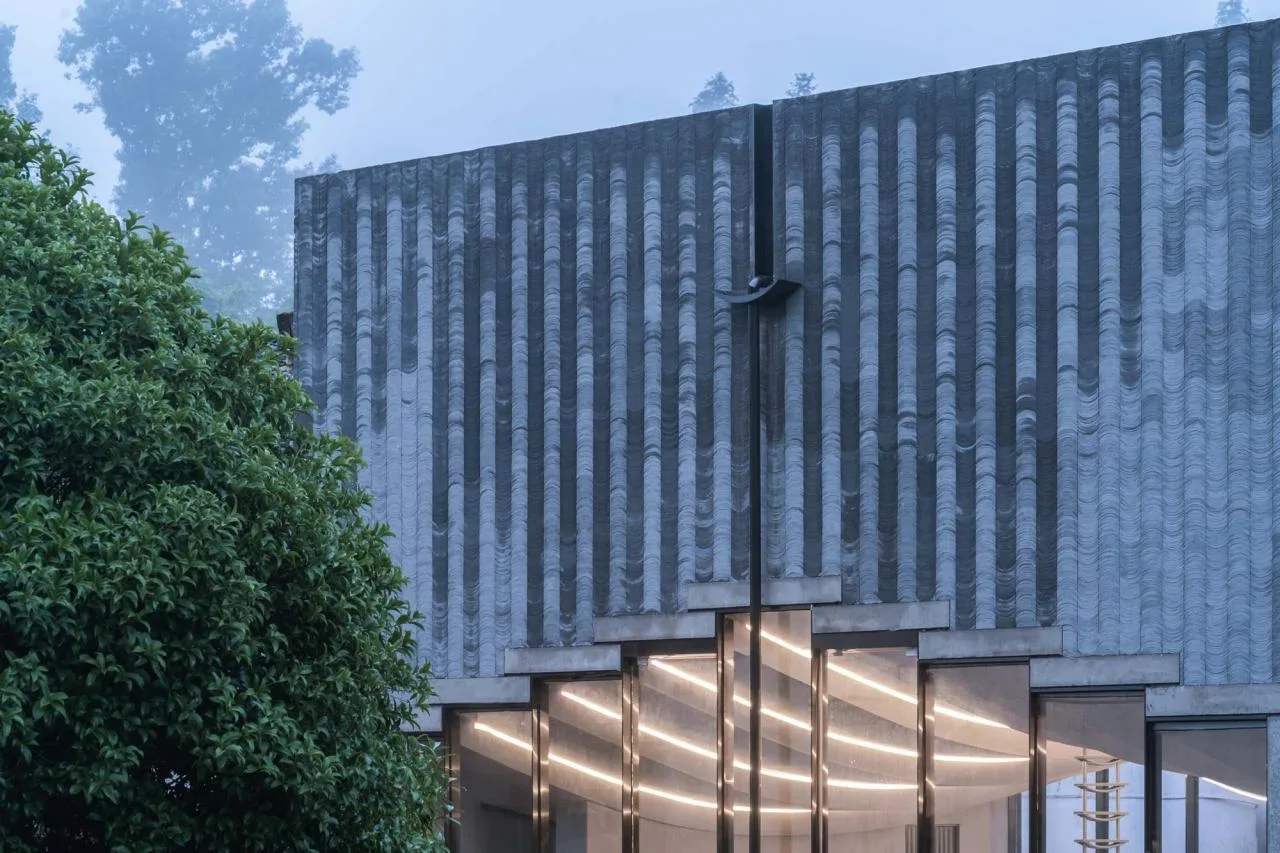
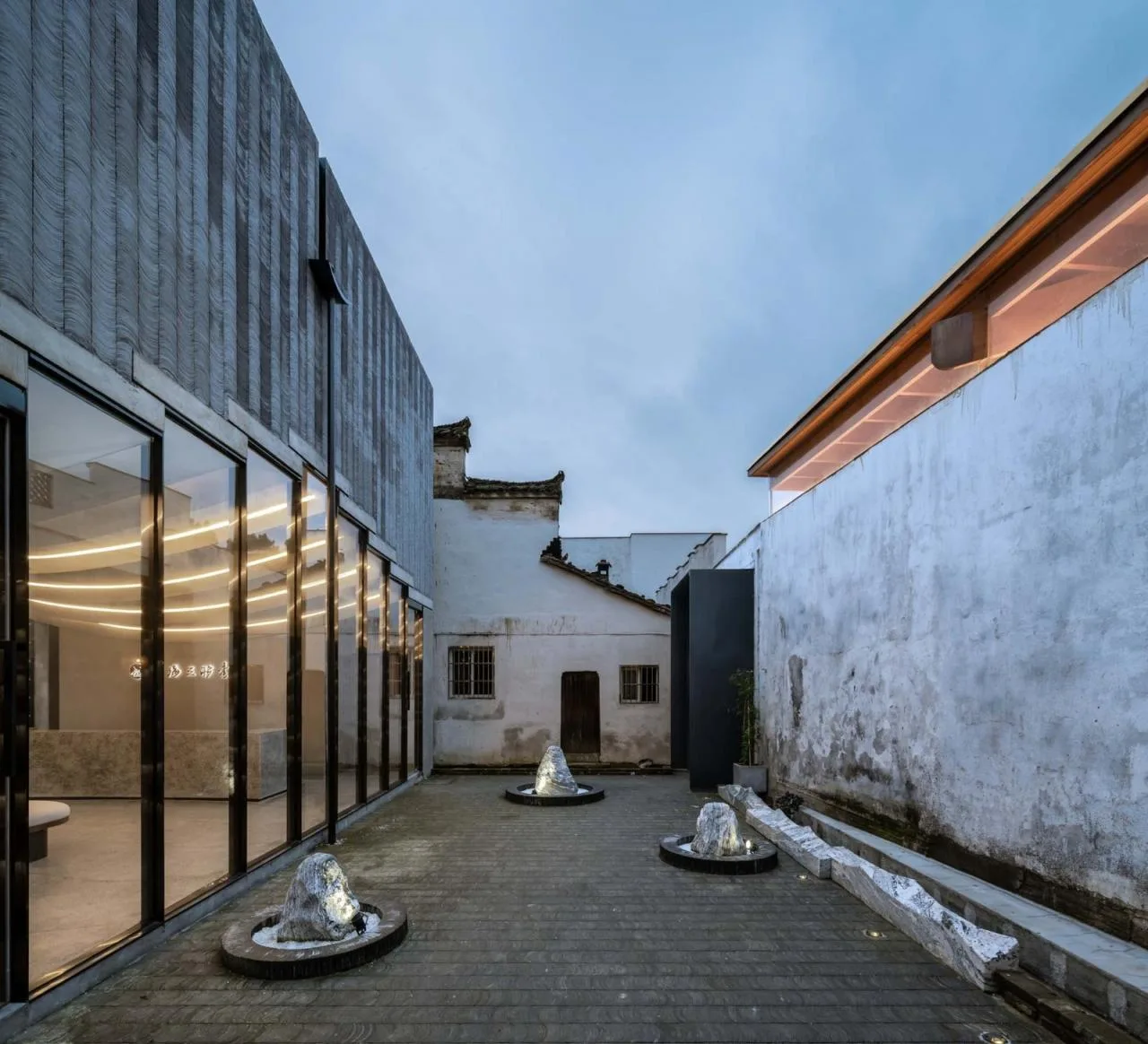
The design poetically imagines the roof’s drainage system as an ambiguous transition between inside and outside. Water flows from the lowest point of the roof to the center of the floor plan, then is guided to both sides, passing through the walls to the exterior. Independently hanging in the center, the drainage finally aligns with the curved tile flooring in the courtyard. This carefully crafted sequence vividly describes the movement of water. The curved tiles on the walls and the material joints on the first floor all employ curved lines to evoke the imagery of water waves.
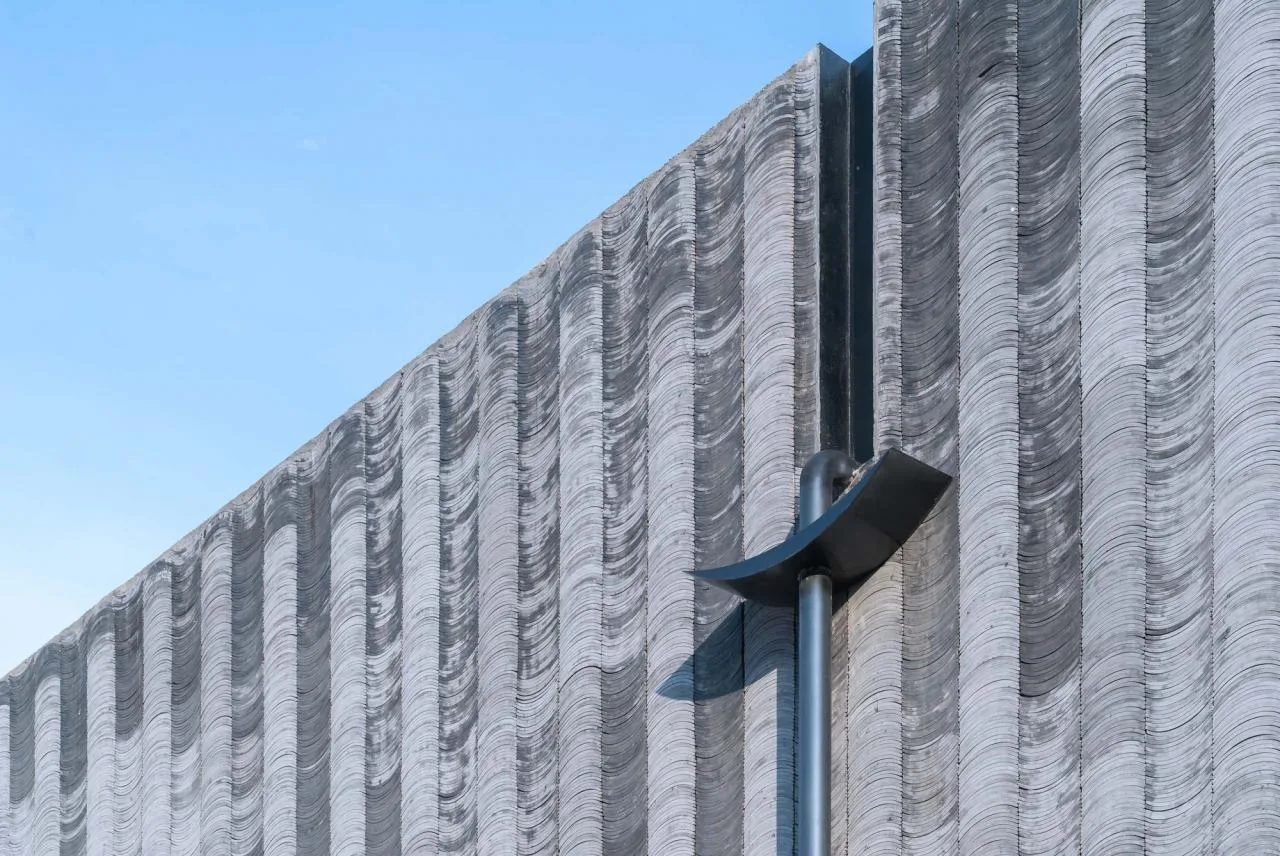
Conclusion: The entire building, dubbed the “long-awaited new home” in the countryside, represents a process of self-expression and reinterpretation. Interestingly, the curved vertical panels unintentionally echo the positive and negative interplay of the surrounding residential horsehead walls. Rather than blending into the village, the bookstore stands as a striking new landmark, like a long-lost home newly rediscovered.
As a beacon of modern culture from Shanghai, “Sanlian Bookstore” offers a cohesive and immersive space amid today’s fragmented, internet-driven environment. It delivers a tangible sense of literary tradition, guiding rural areas toward cultural renewal. Meanwhile, physical bookstores like this one help strengthen the cultural identity and presence of rural communities.
Project Drawings
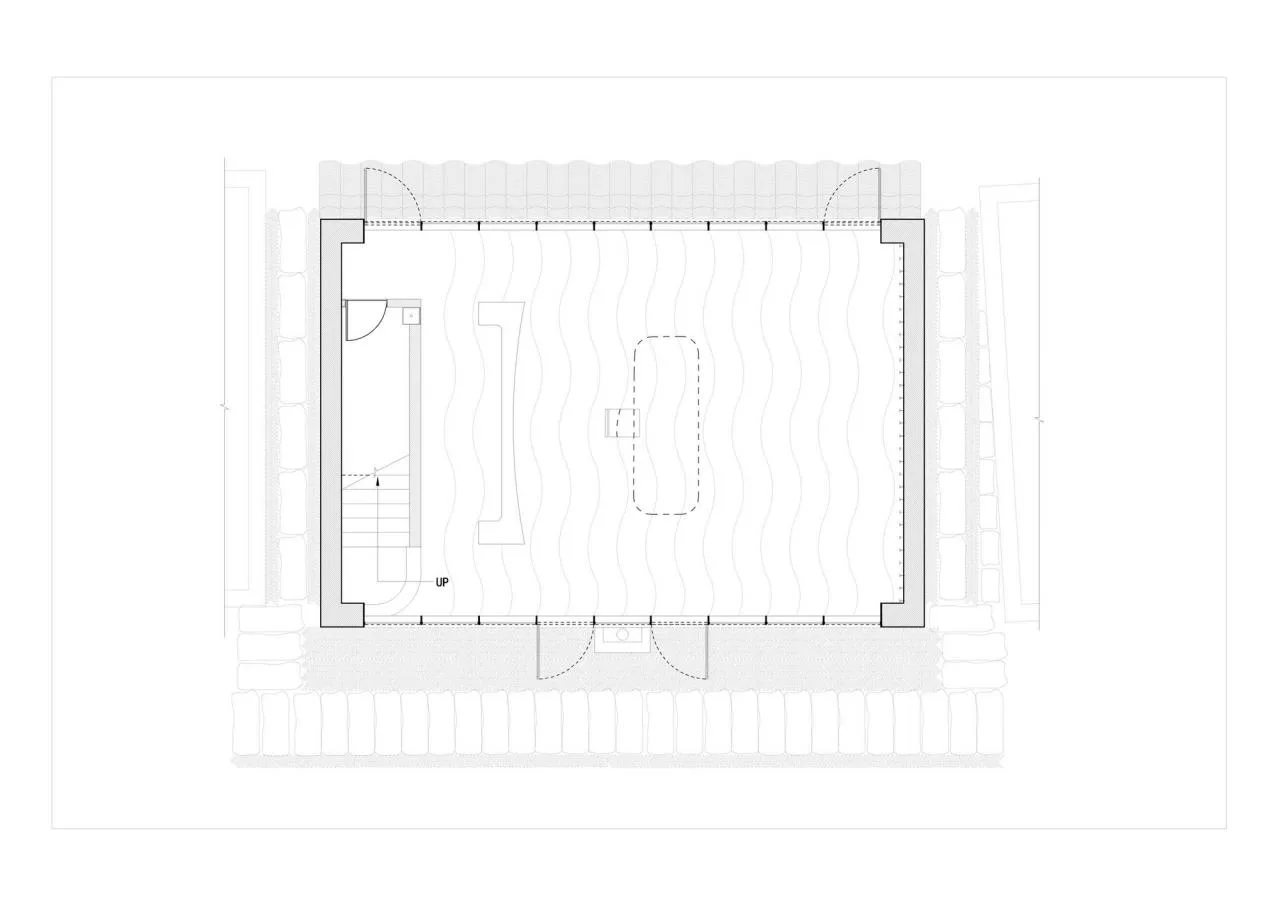
▲ First Floor Plan
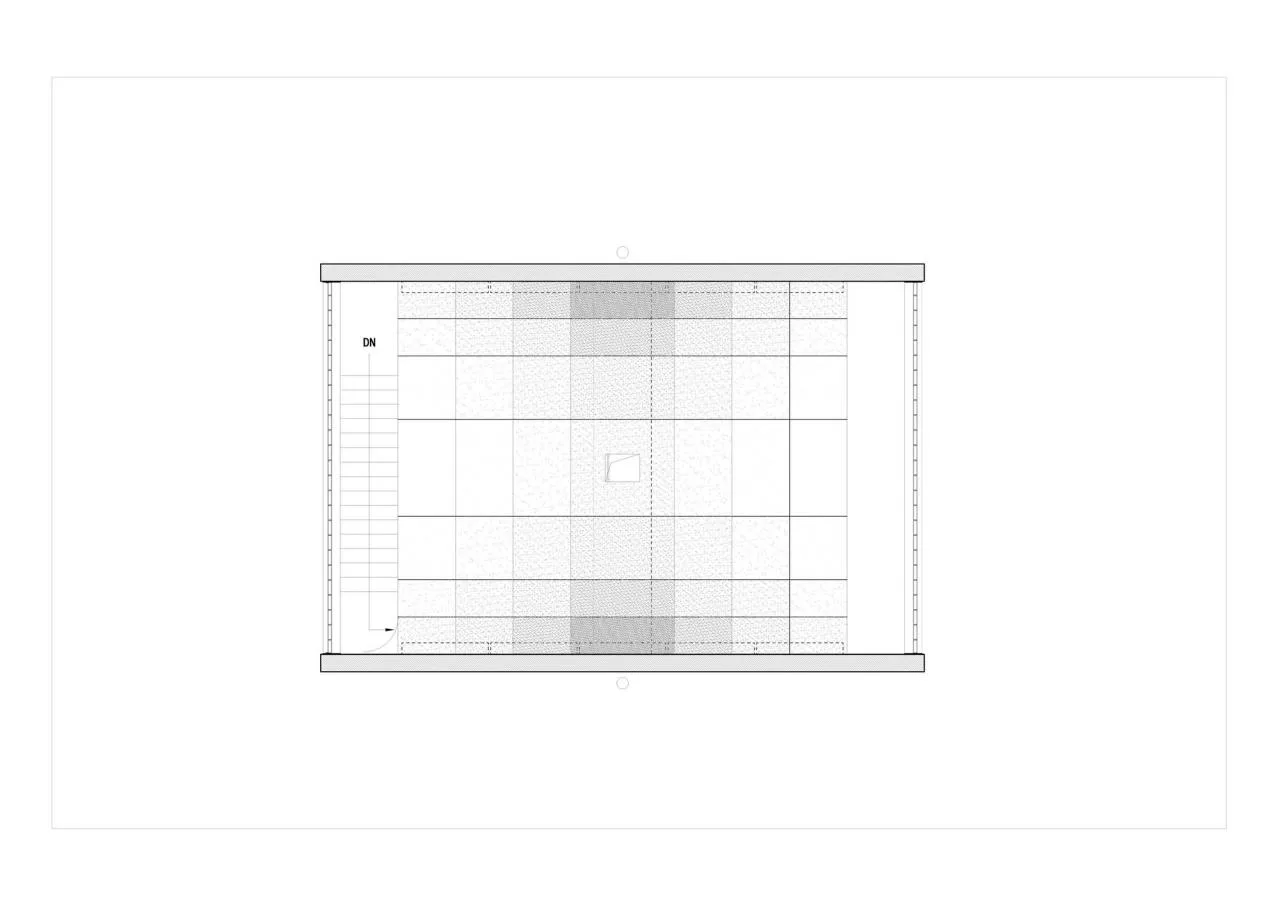
▲ Second Floor Plan
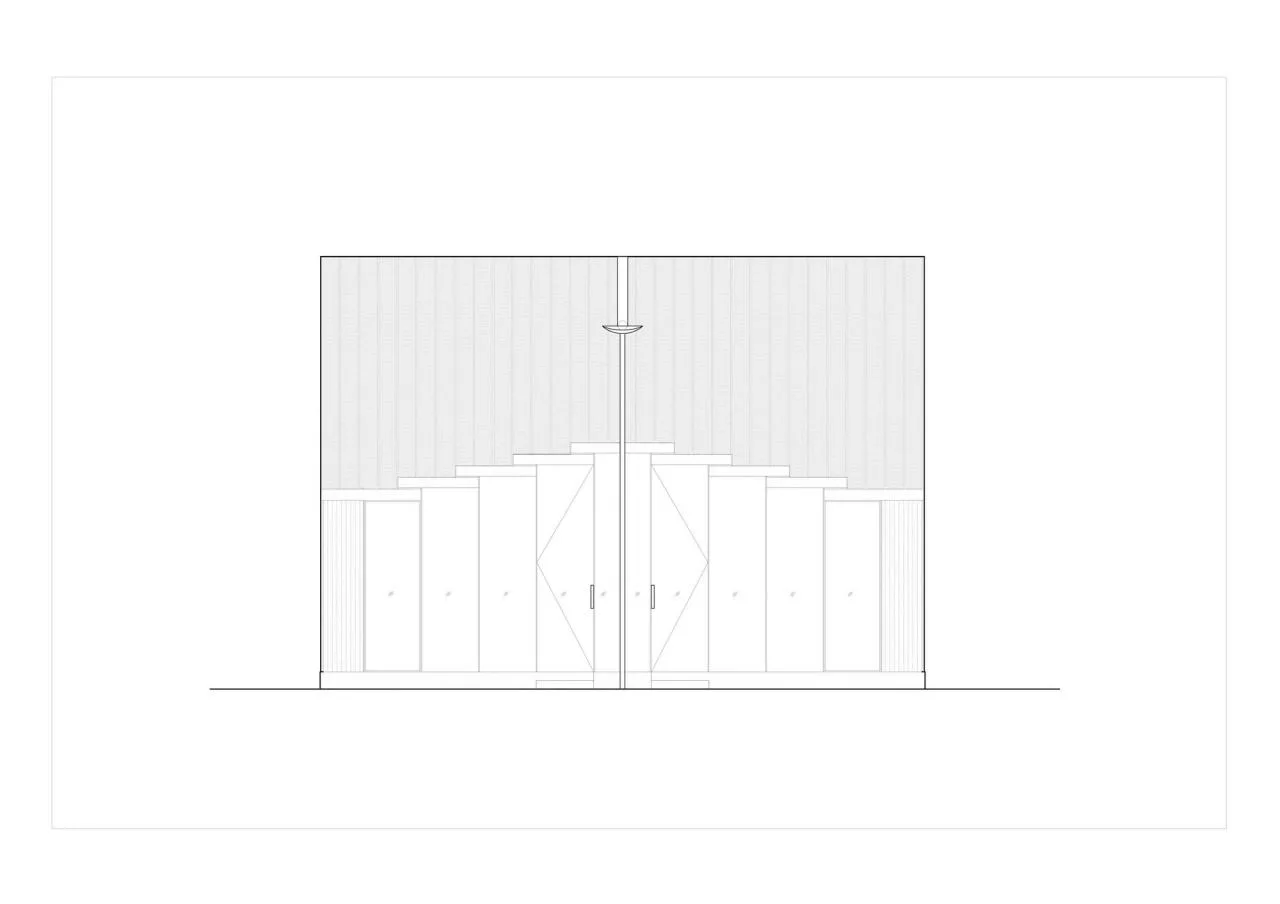
▲ Elevation View
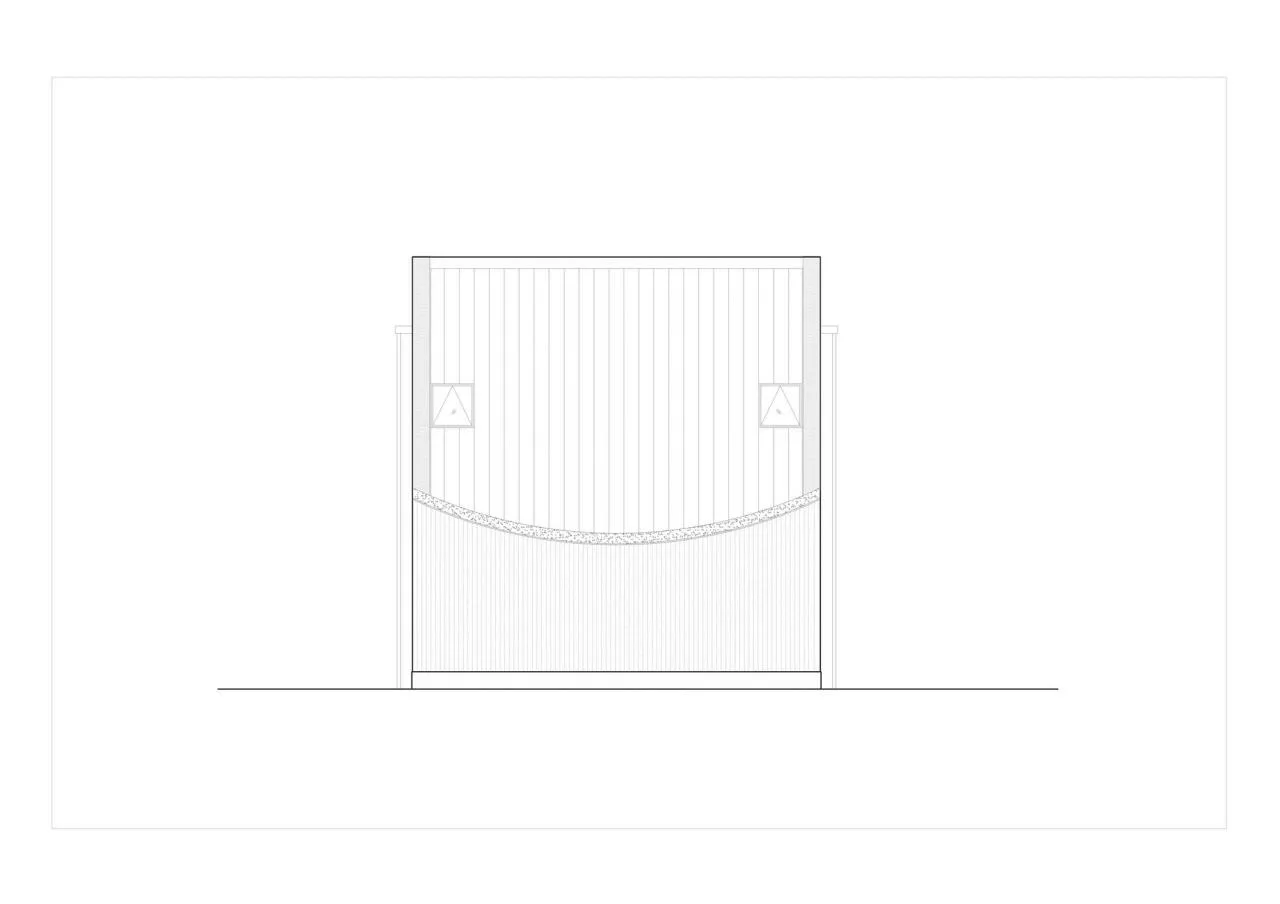
▲ Elevation View
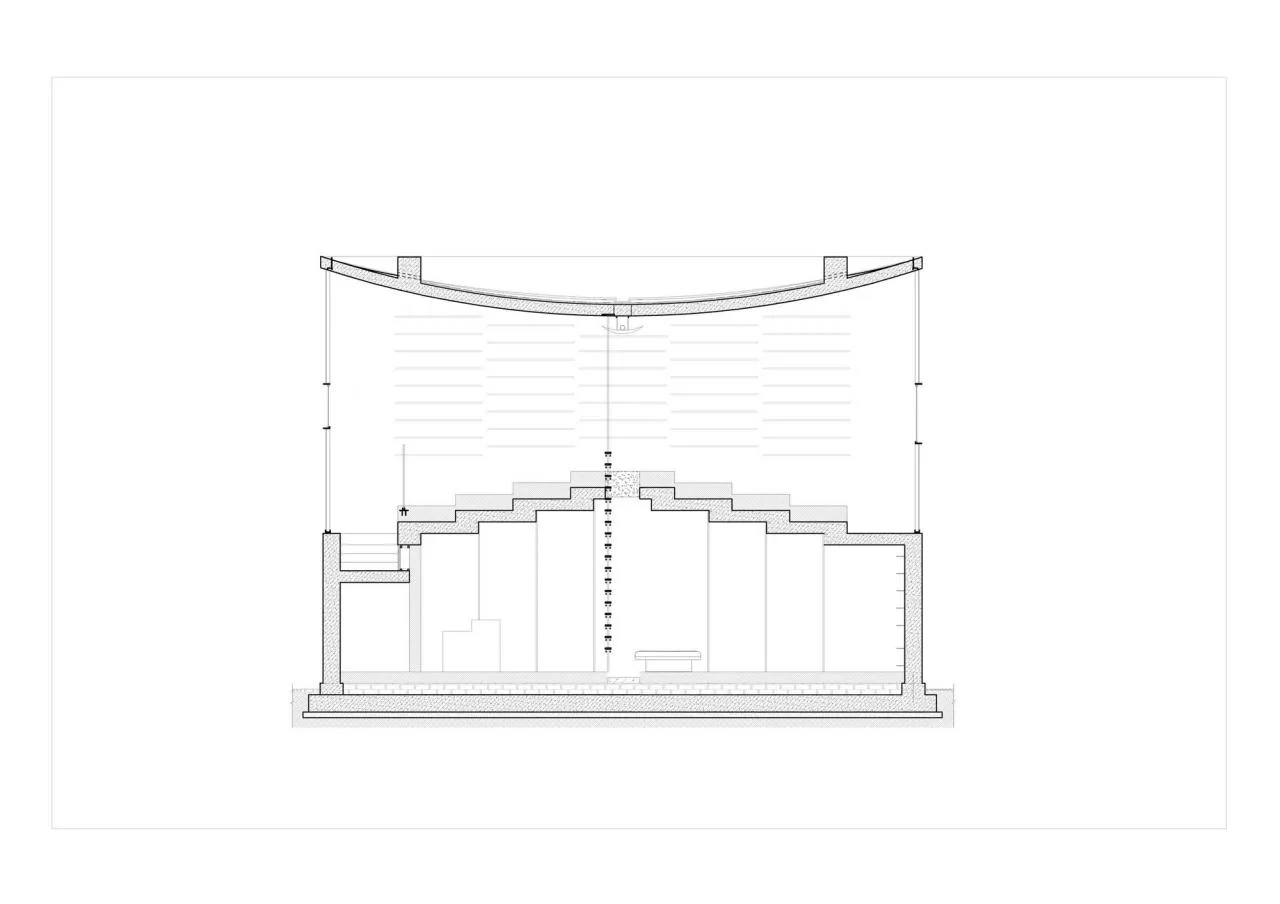
▲ Sectional View
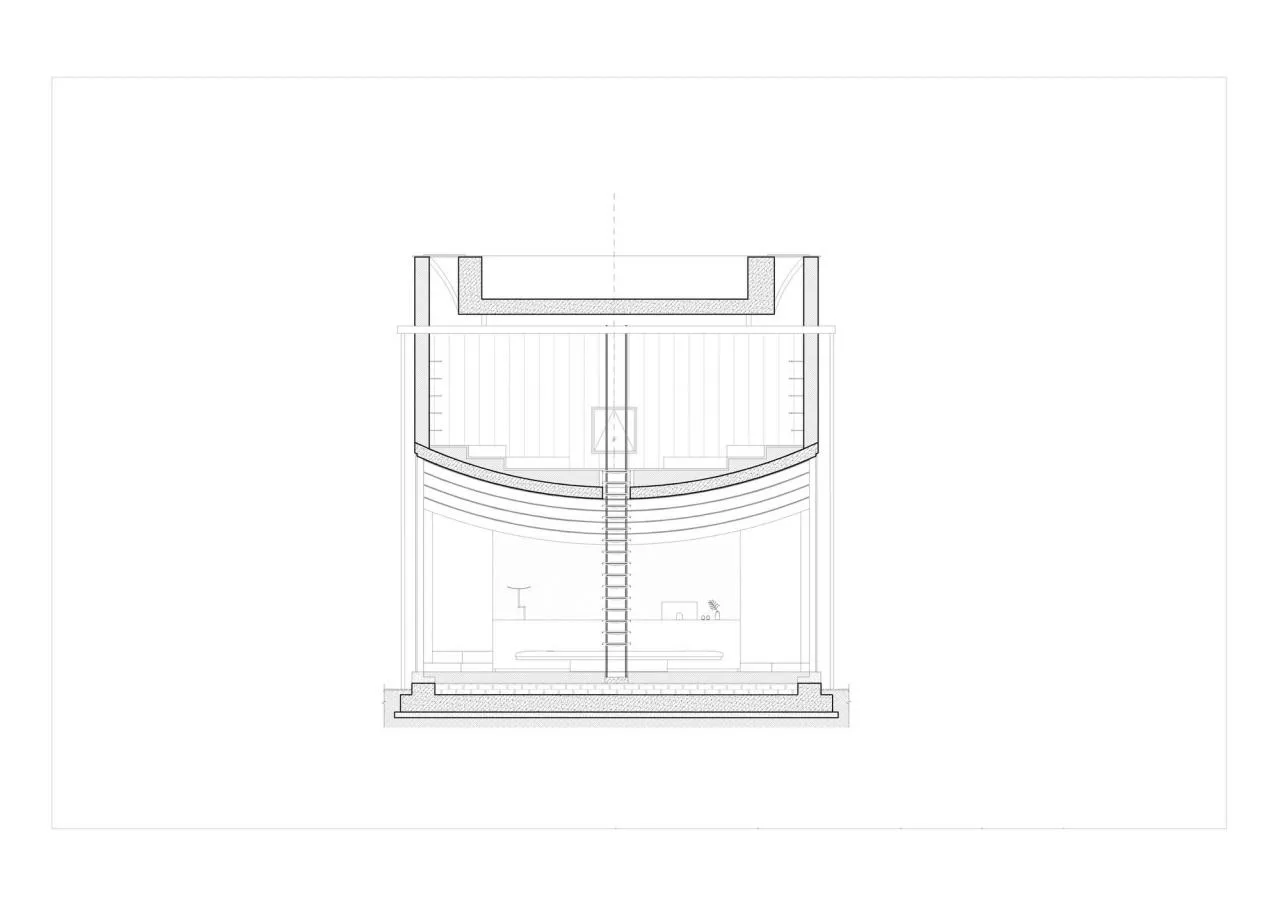
▲ Sectional View
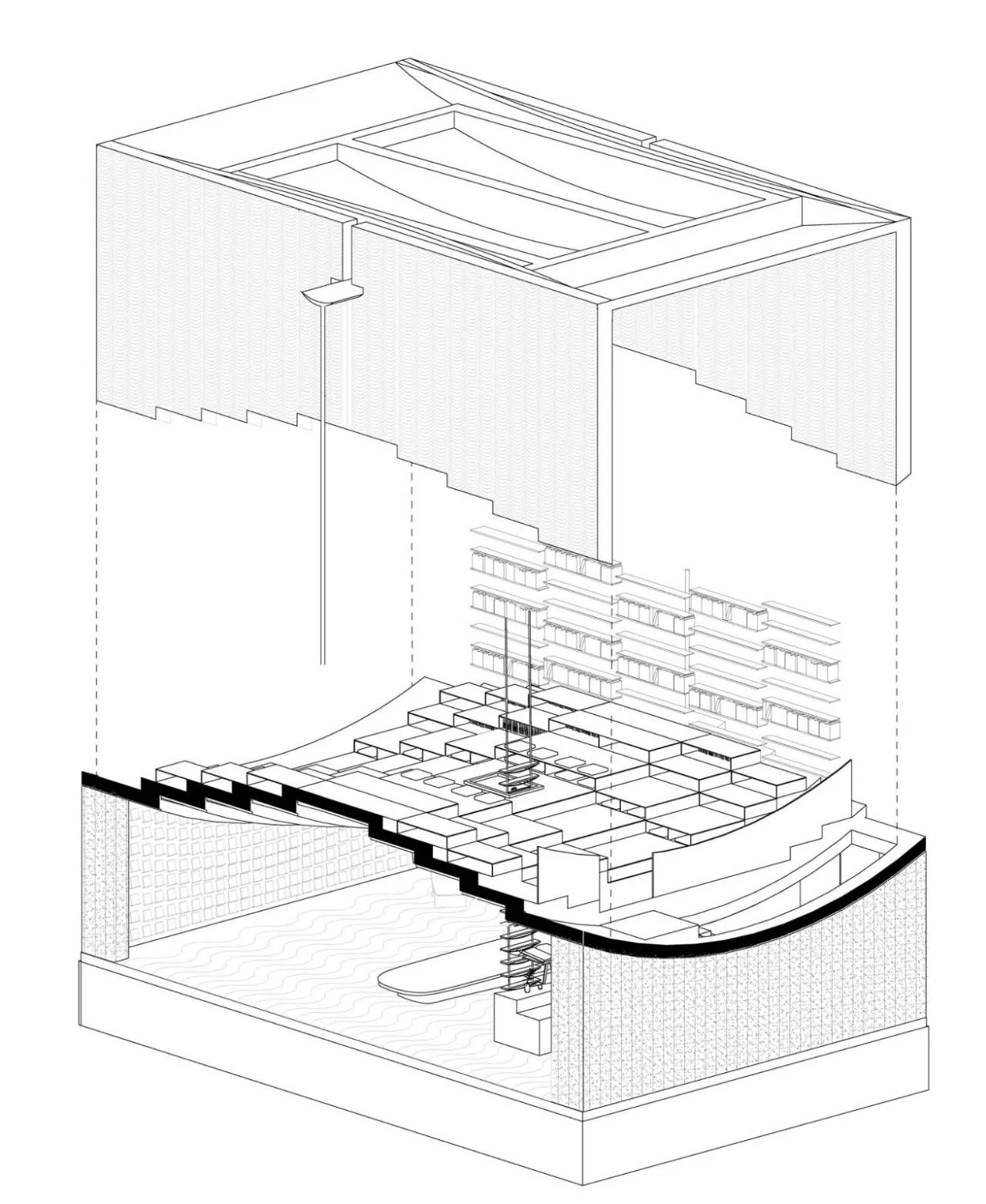
▲ Axonometric Diagram
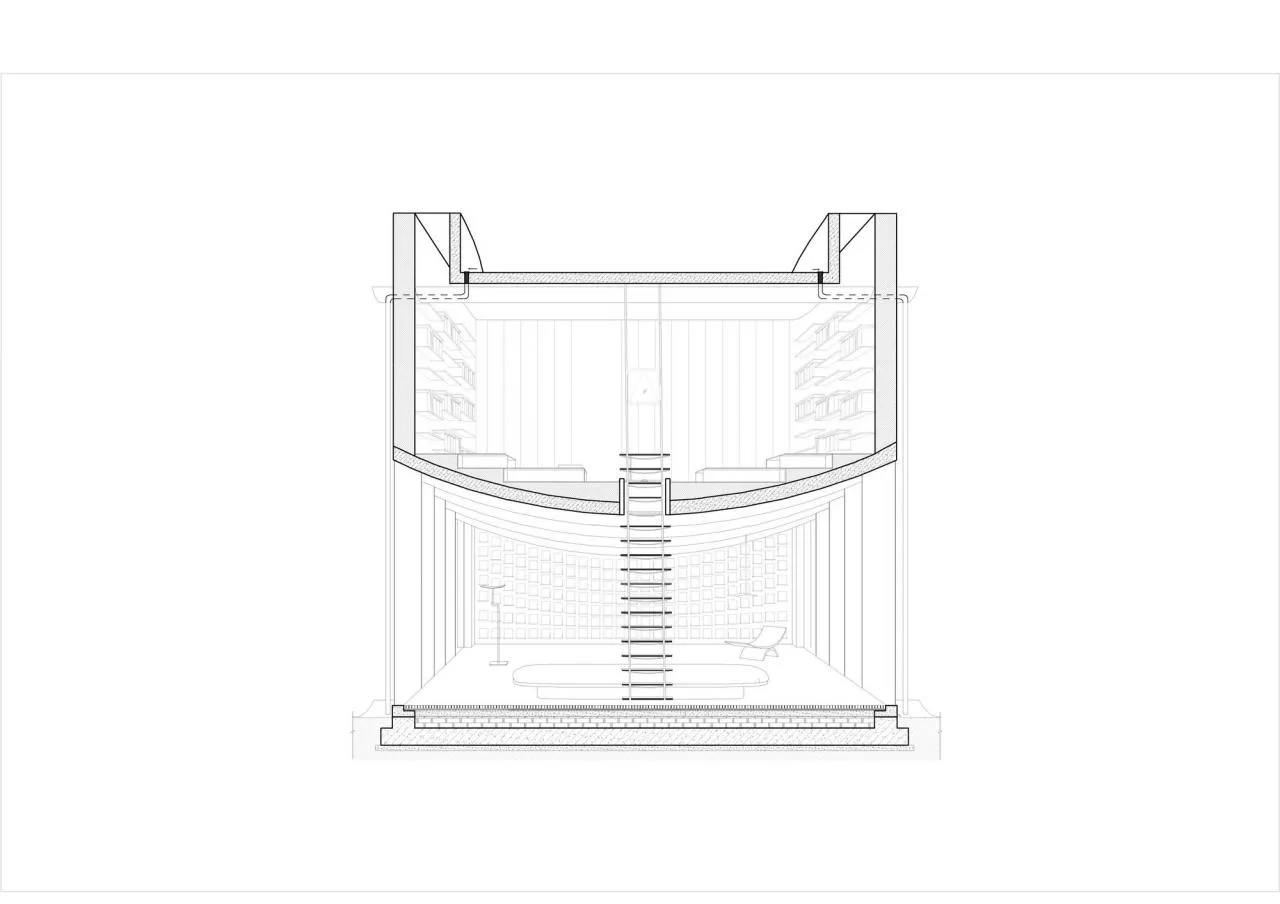
▲ Sectional Perspective
Project Information
Architectural Design: Come to Architectural Design Studio
Area: 142 square meters
Project Year: 2021
Photographer: Zhao Yilong
Lead Architect: Ma Dao
Design Team: Chen Yun, Tang Ming
Structural Engineer: Wang Wei
Owner: Qimen Wannong Tourism Investment Development Co., Ltd
Location: Mount Huangshan, China















Must log in before commenting!
Sign Up