
Baiziwan Public Rental Housing (Yanbao Baiwan Home)
Beijing, China
2014–2019
MAD Architecture, led by Ma Yansong, unveiled its first social security housing project—Baiziwan Public Rental Housing (Yanbao Baiwan Home). Situated on Guangqu Road outside Beijing’s East Fourth Ring Road, near the Chemical Station of Metro Line 7, the development overlooks the CBD. Spanning 93,900 square meters with a total built area of 473,300 square meters, it consists of 12 residential buildings housing 4,000 units. Since its completion in 2019, the project has been acclaimed by media and residents alike as the “most beautiful public rental housing,” boasting an occupancy rate exceeding 70%.
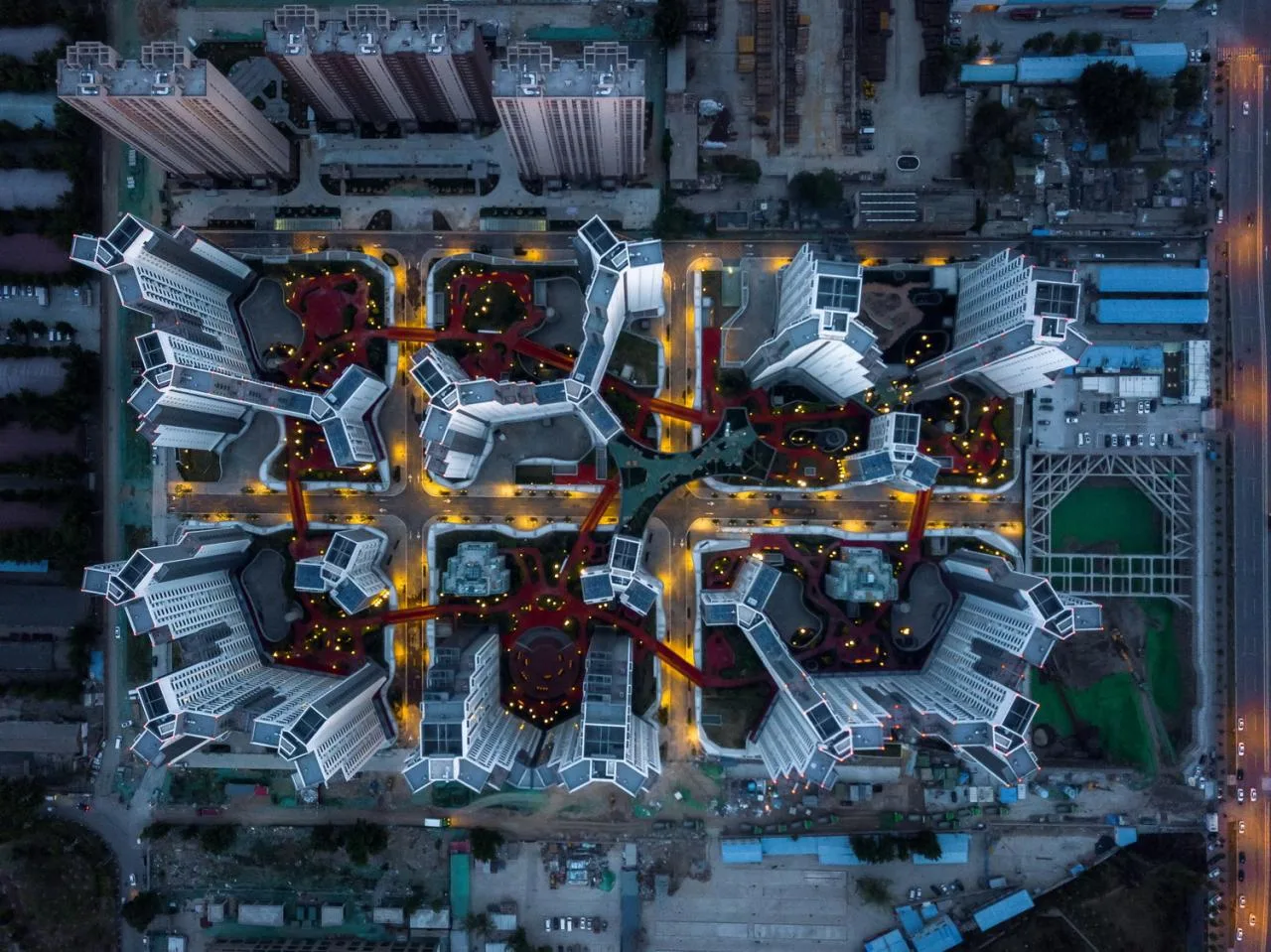
Since 2014, MAD Architecture has been researching social housing under the theme “the sociality of social housing,” exploring its historical development and design worldwide. Ma Yansong fostered this dialogue while teaching at Tsinghua University and Beijing Jianzhu University, encouraging students to envision their ideal homes.
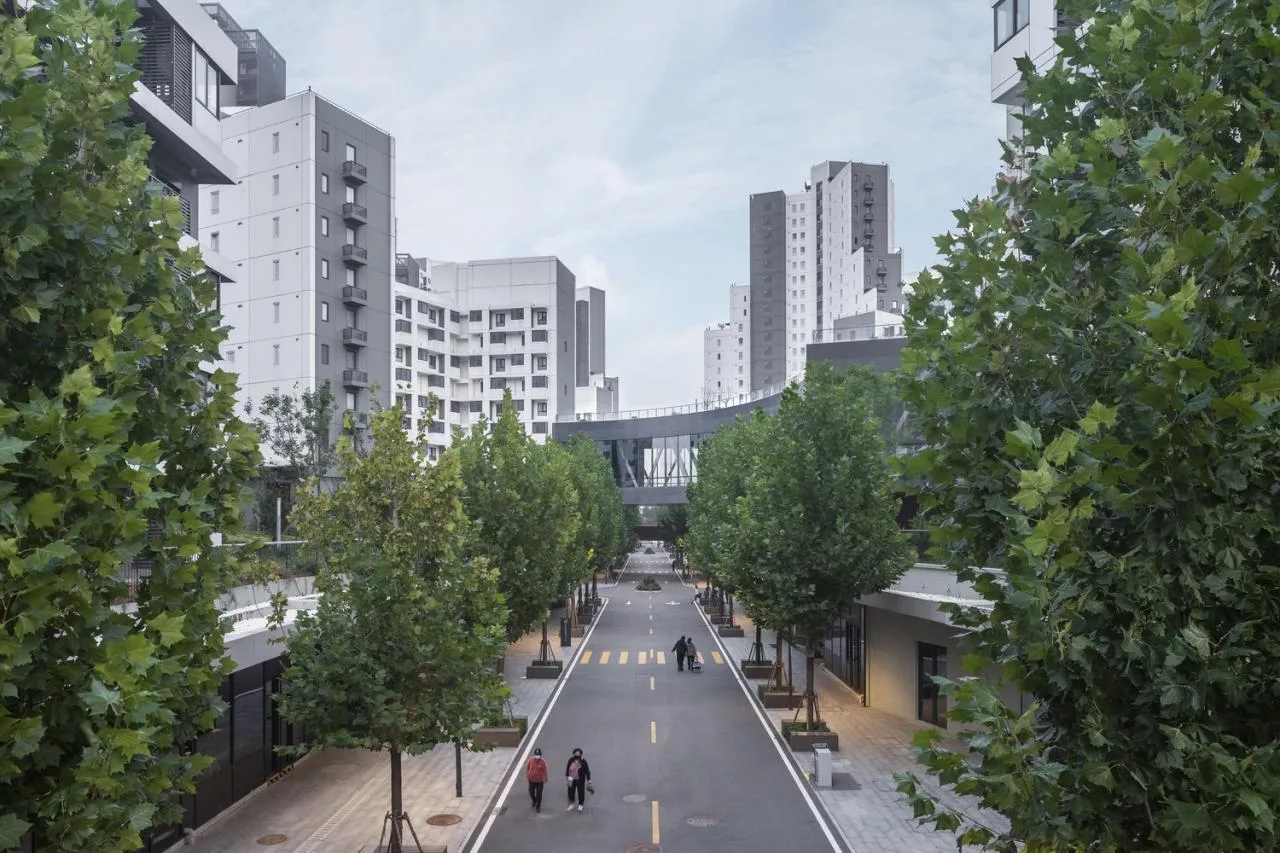
In 2014, the Beijing Affordable Housing Center invited MAD to design the Baiziwan public rental housing project. As MAD’s inaugural social housing endeavor, the firm aims to challenge conventions, drive innovation in Chinese social housing through design, and ensure that architecture serves people. The project integrates the vast community into the city and residents’ daily lives, revitalizing the social nature of housing and addressing challenges posed by China’s rapid urbanization.
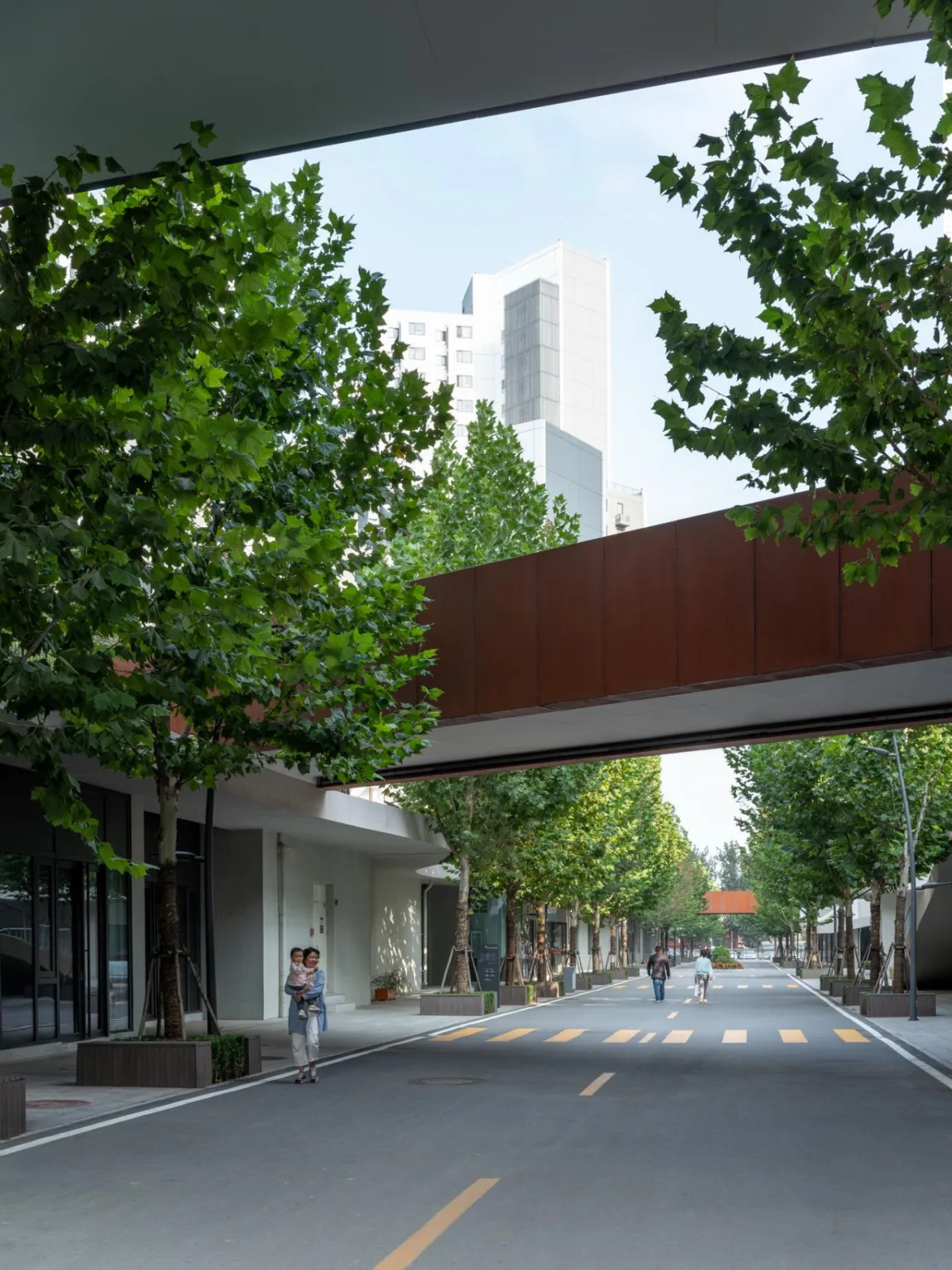
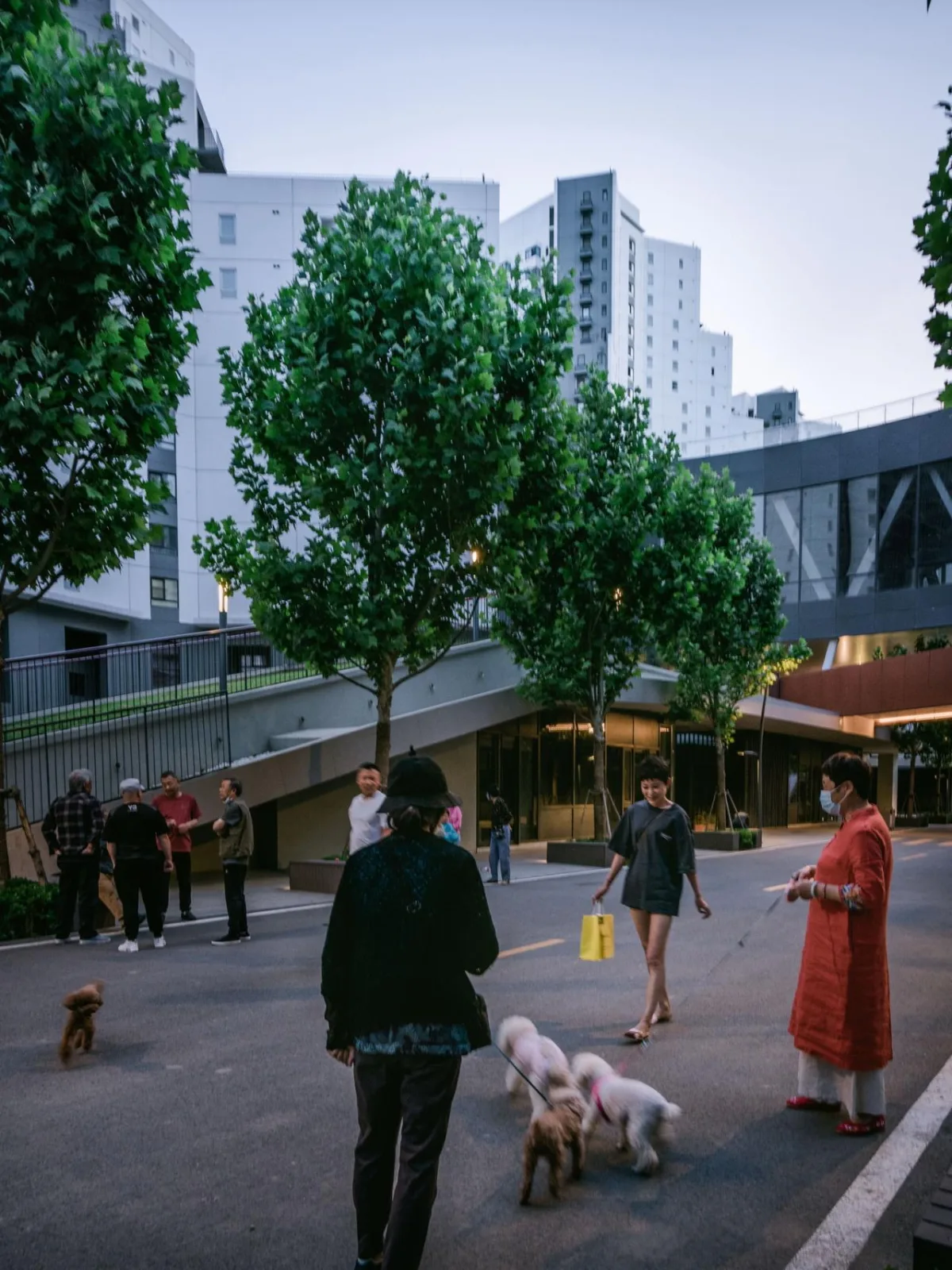
The design breaks down neighborhood walls by opening urban roads. The 12 residential buildings are grouped into six clusters, dividing the large site into six smaller blocks. Street-facing first-floor spaces accommodate a variety of amenities—convenience stores, coffee shops, restaurants, kindergartens, clinics, bookstores, and elder care facilities—seamlessly integrating community life into the city for a more vibrant urban experience.
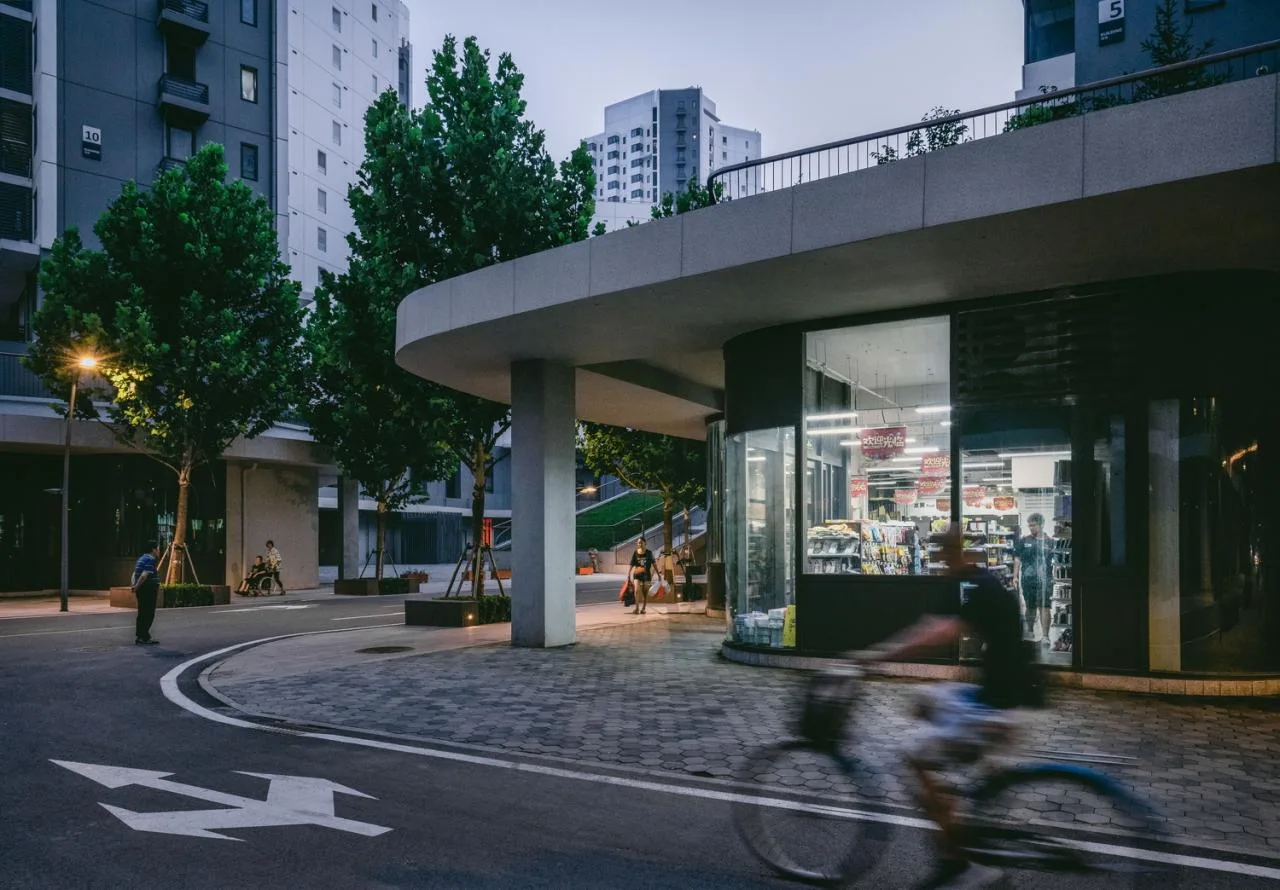
Three-Dimensional Community
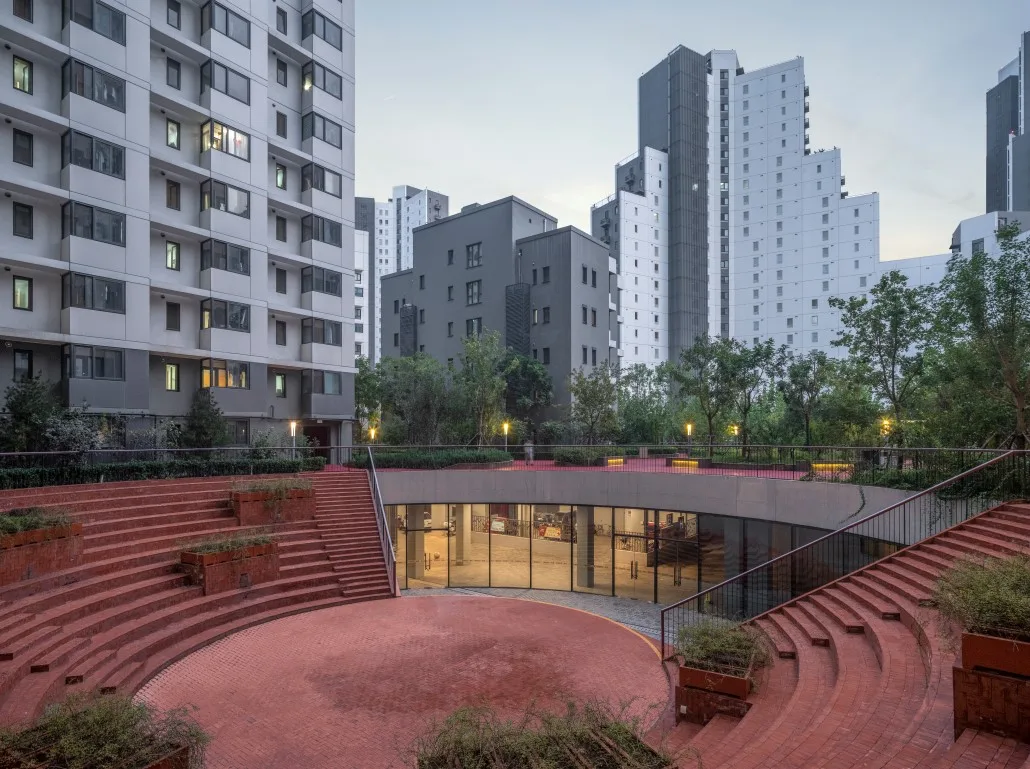
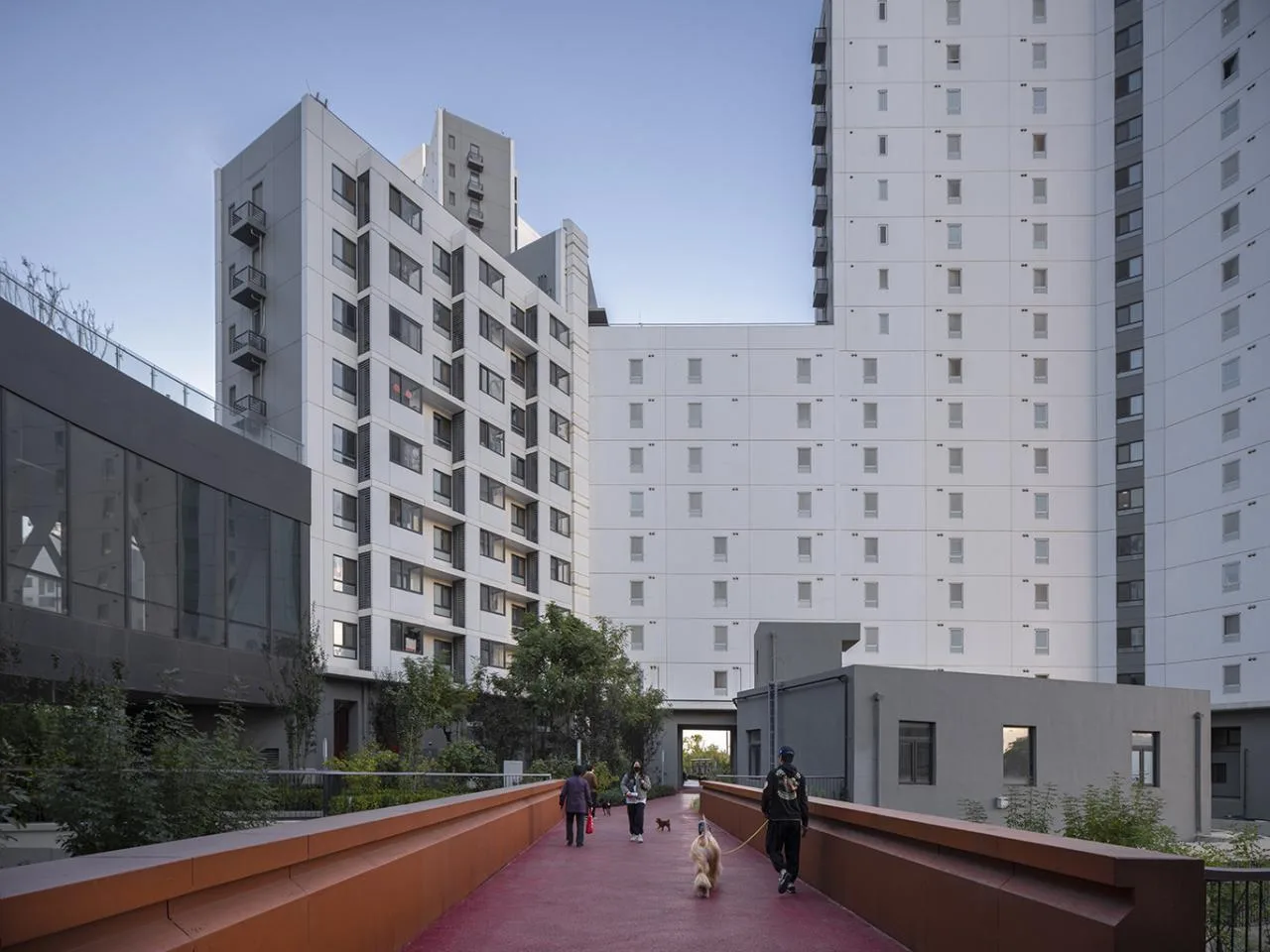
With ground-floor functions returned to the city, MAD reserved the second floor for residents, creating multi-level rooftop gardens. A circular running track unites the six blocks into a cohesive park that connects diverse community amenities such as fitness centers, badminton courts, playgrounds, ecological farms, and service centers, enhancing residents’ quality of life.
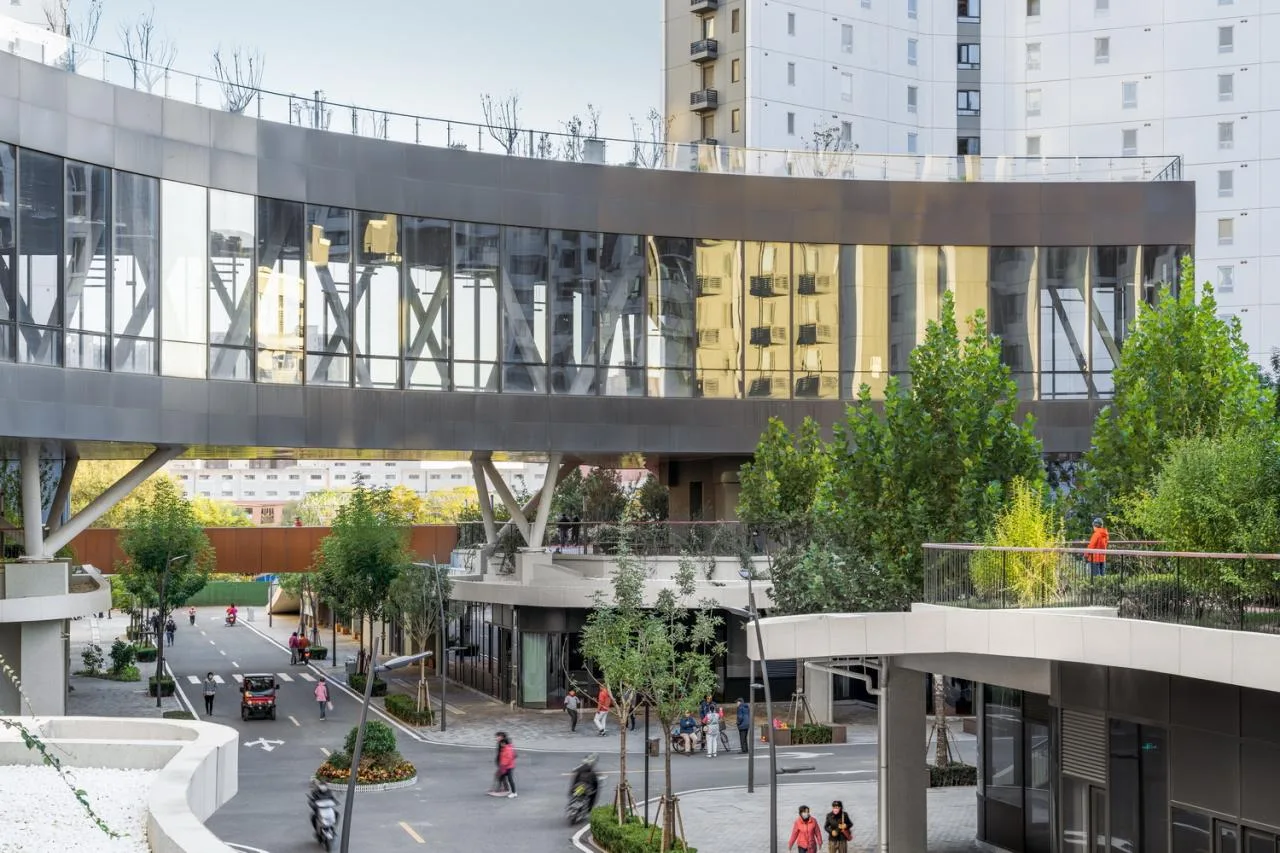
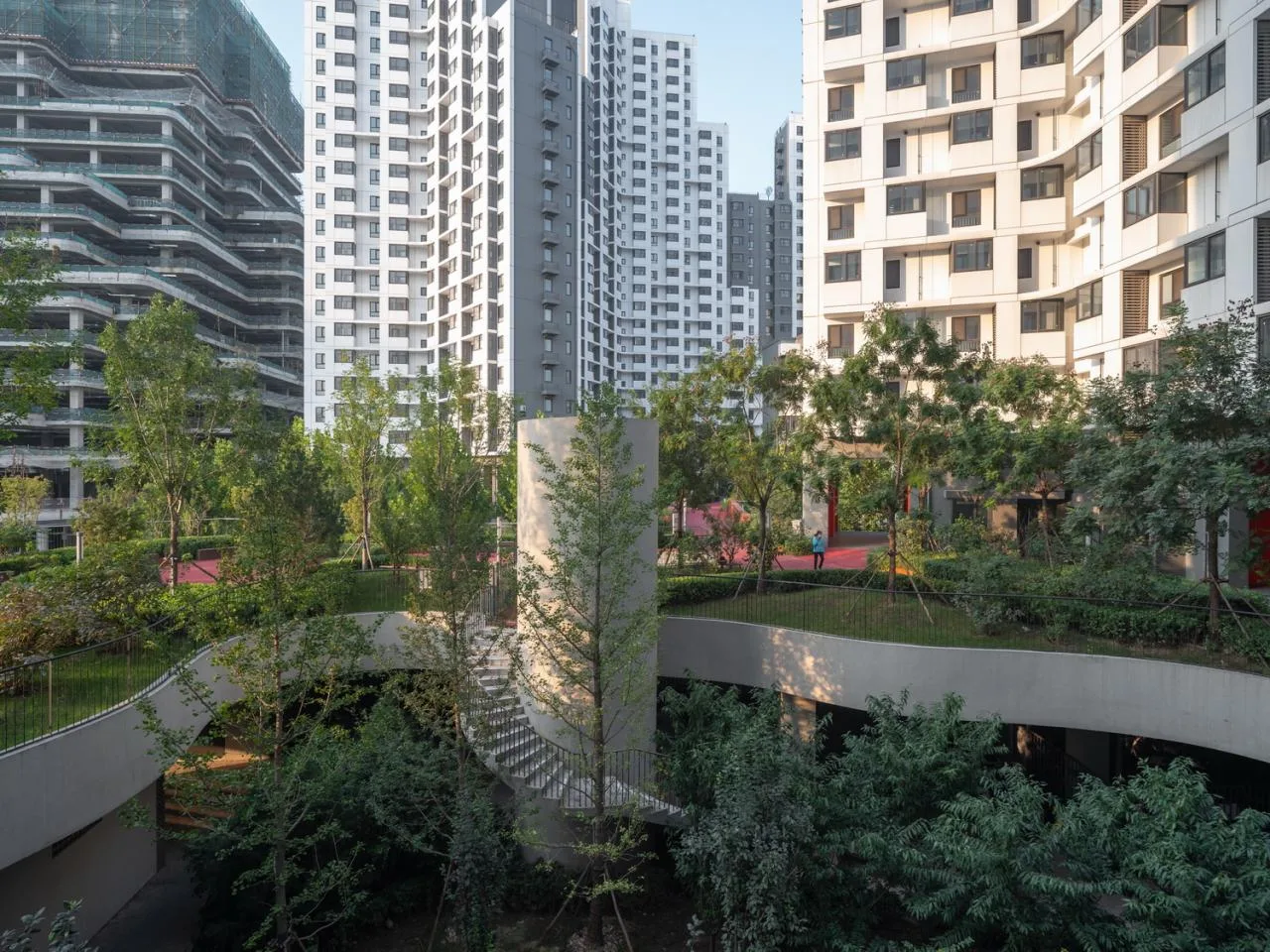
Floating Garden
Beyond the second-floor elevated park, the design incorporates green spaces at multiple scales on the ground, building rooftops, and semi-open grey areas. Despite the high-density urban setting, greenery covers 47% of the site, promoting comfort and closer contact with nature for residents.
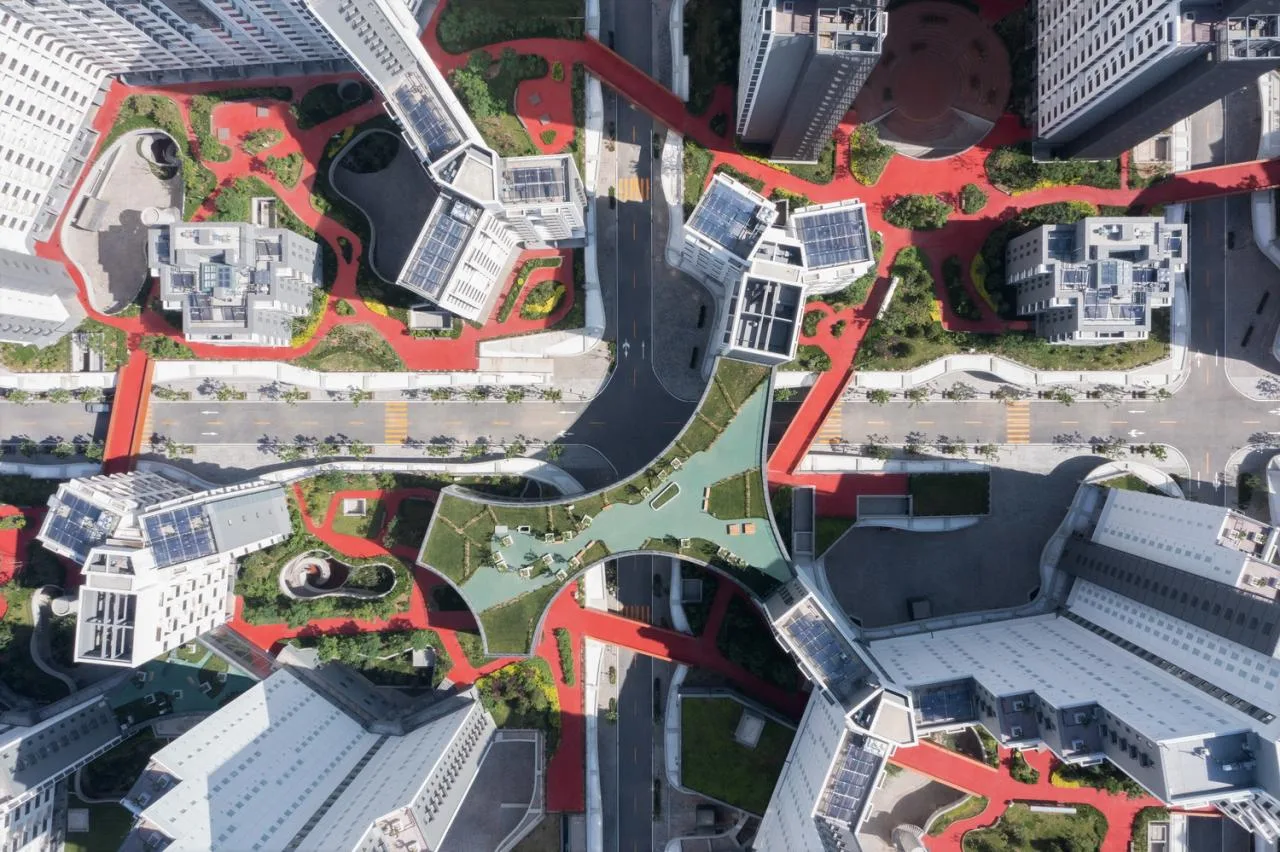
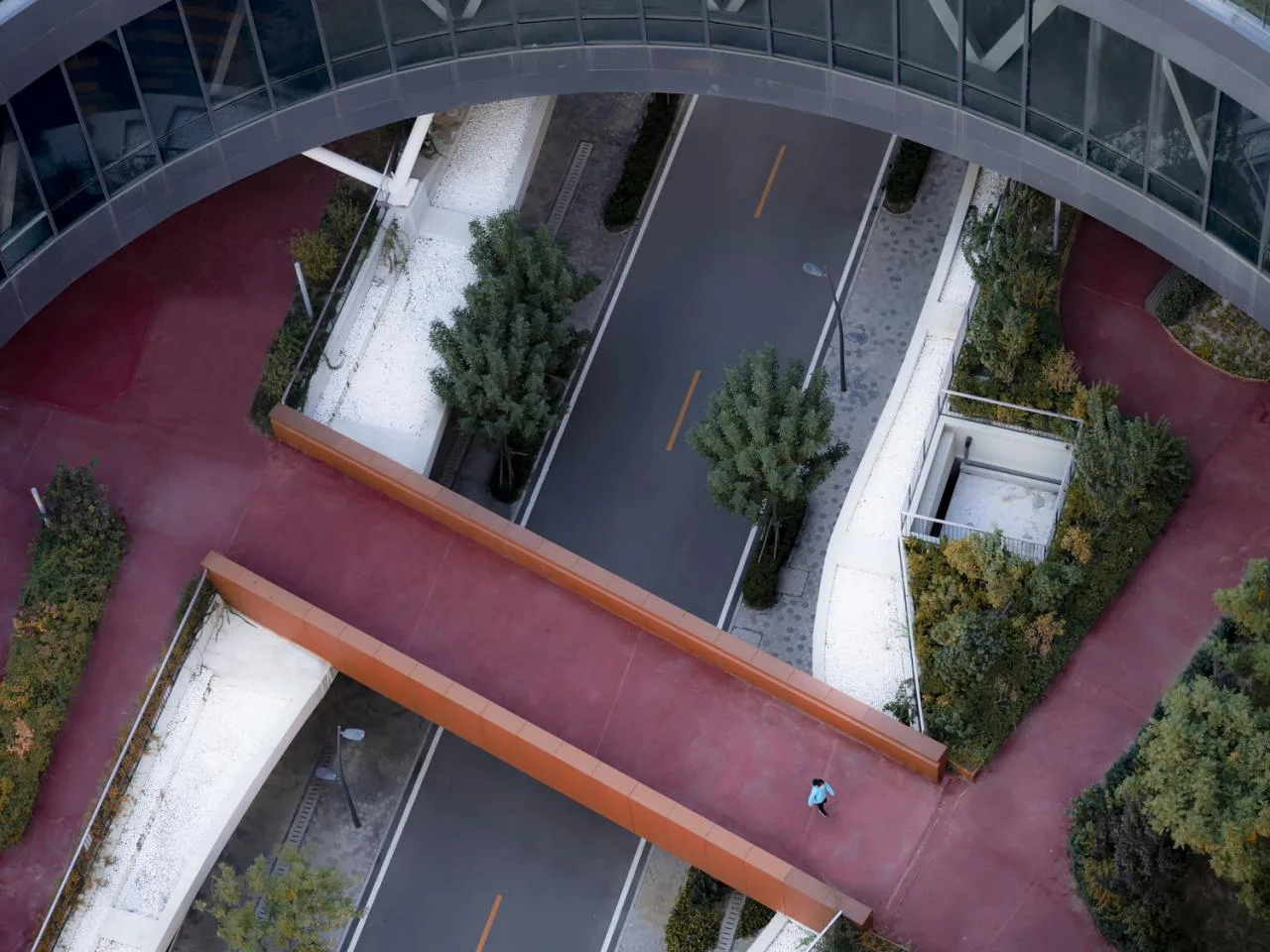
Maximizing Sunlight Access
Despite a high plot ratio and compact layout, the design ensures that as many rooms as possible receive sunlight from the east, west, and south. The buildings adopt a three-legged form, with corridors on the north side to guarantee sunlight for every unit, while also providing warmth and insulation.
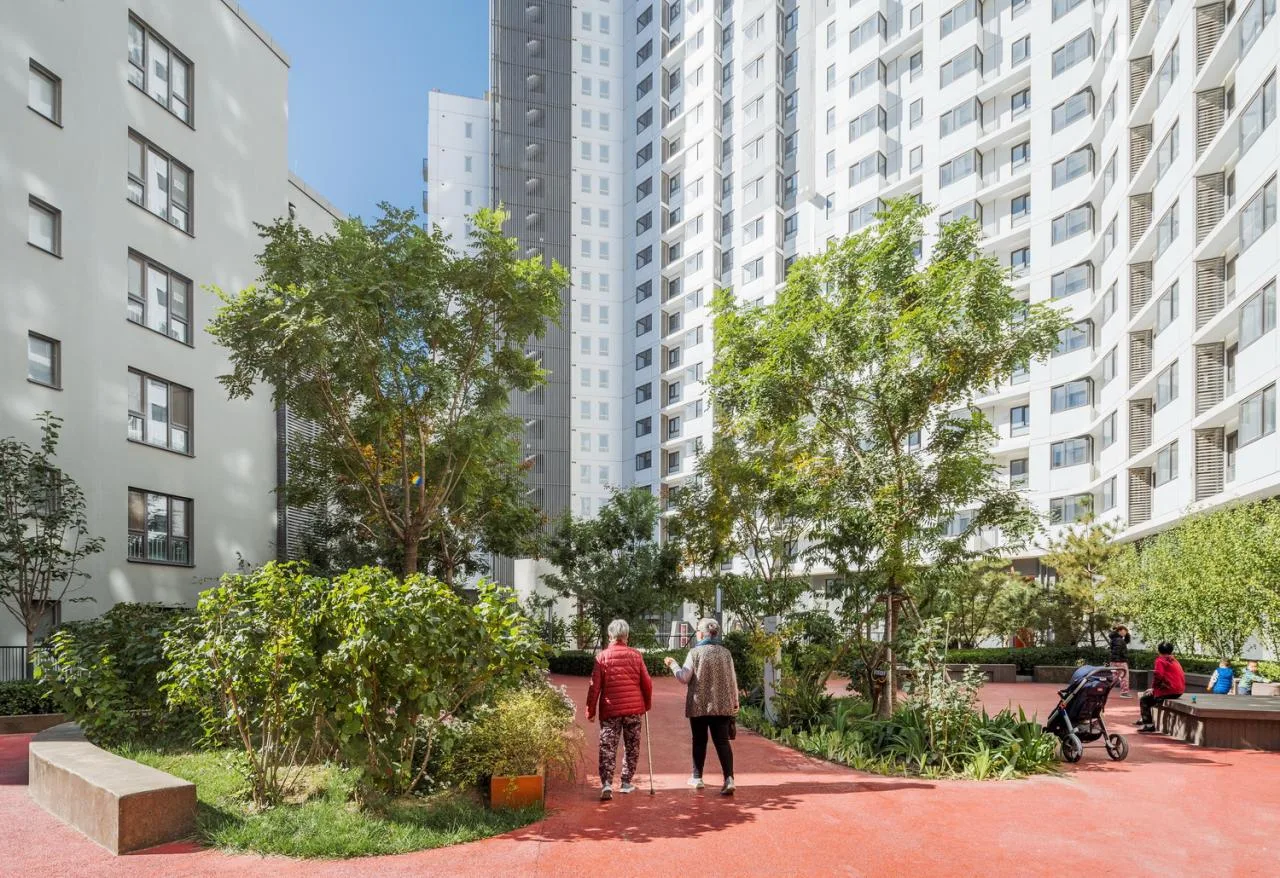
Mountain-Shaped Enclosure
The Y-shaped architectural plan features top-floor setbacks that create a staggered “mountain” form across the complex. The semi-enclosed spaces connecting the buildings foster a familiar, welcoming atmosphere. The simple white facades and undulating mountain-like roofs enrich the city skyline.
Unit Layout Design
The project includes six types of prefabricated units in sizes of 40, 50, and 60 square meters, plus four ultra-low energy consumption unit types. Interior partition walls use lightweight coated panels for easy maintenance and flexible future renovations.
Industrialization, Environmental Protection, and Energy Efficiency
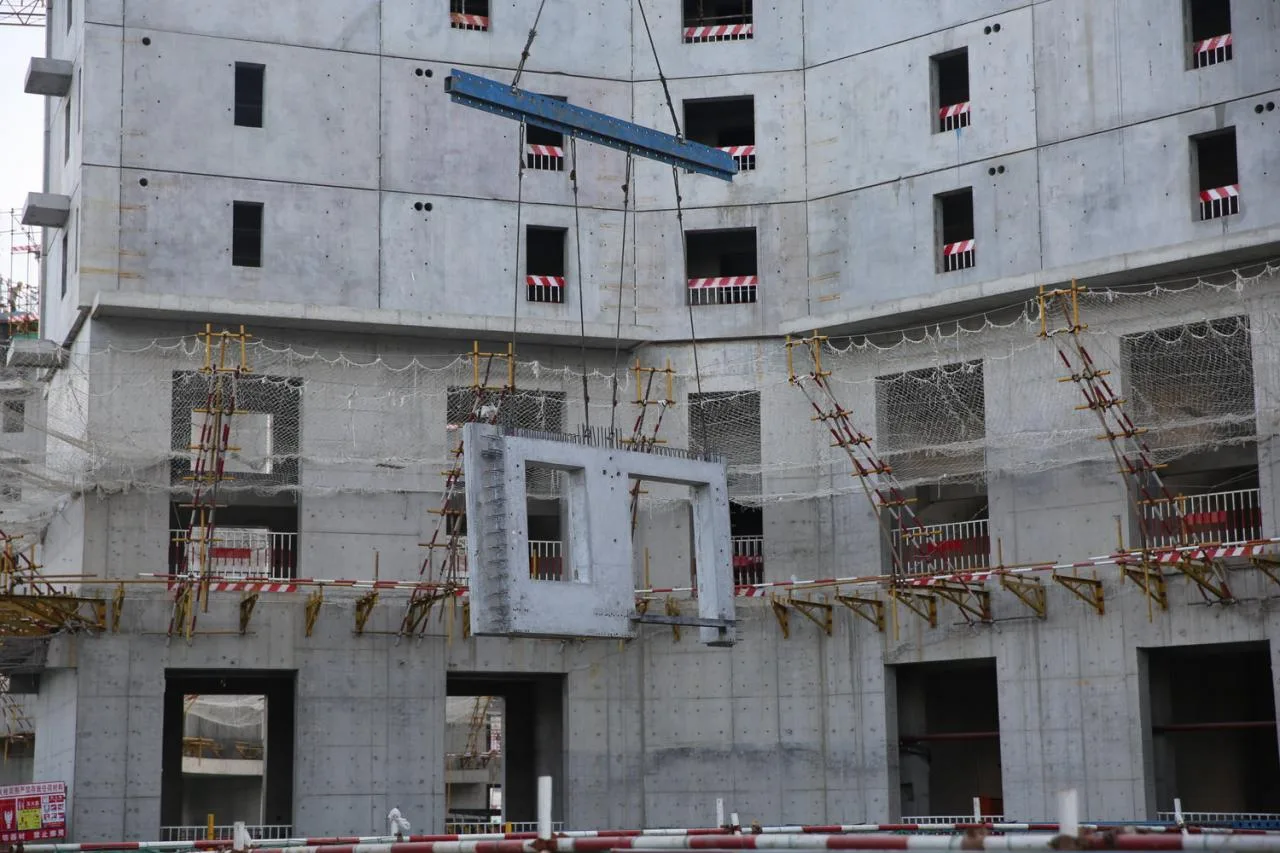
More than 80% of the Baiziwan project’s construction is industrialized, using prefabricated structural components and interior systems manufactured off-site. This approach reduces onsite pollution, lowers costs, and improves construction quality. Building modules are factory-made and then assembled on-site efficiently.
The community features two demonstration ultra-low energy buildings (known as “passive residences”), which consume minimal heating and cooling energy, achieving over 90% energy efficiency. These buildings maintain comfortable indoor temperature and humidity, excellent airtightness, and sound insulation. An efficient heat recovery fresh air system enhances indoor air quality.
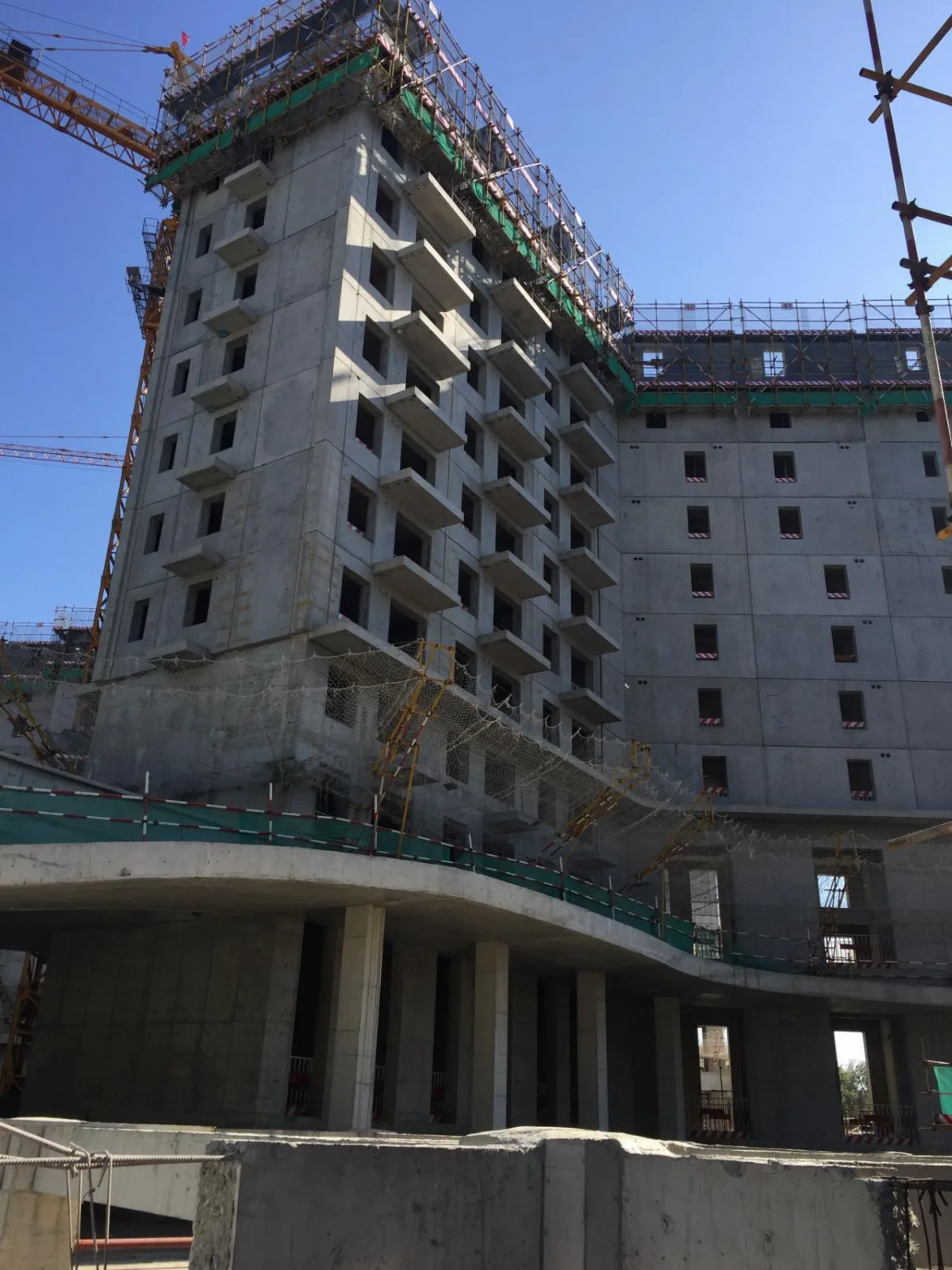
Participating in the Baiziwan public rental housing project deepened MAD’s understanding of housing issues in China. Ma Yansong stated in the People’s Daily, “Whether it’s a residential community, a large theater, or an art museum, the success of any project ultimately depends on caring for people.”
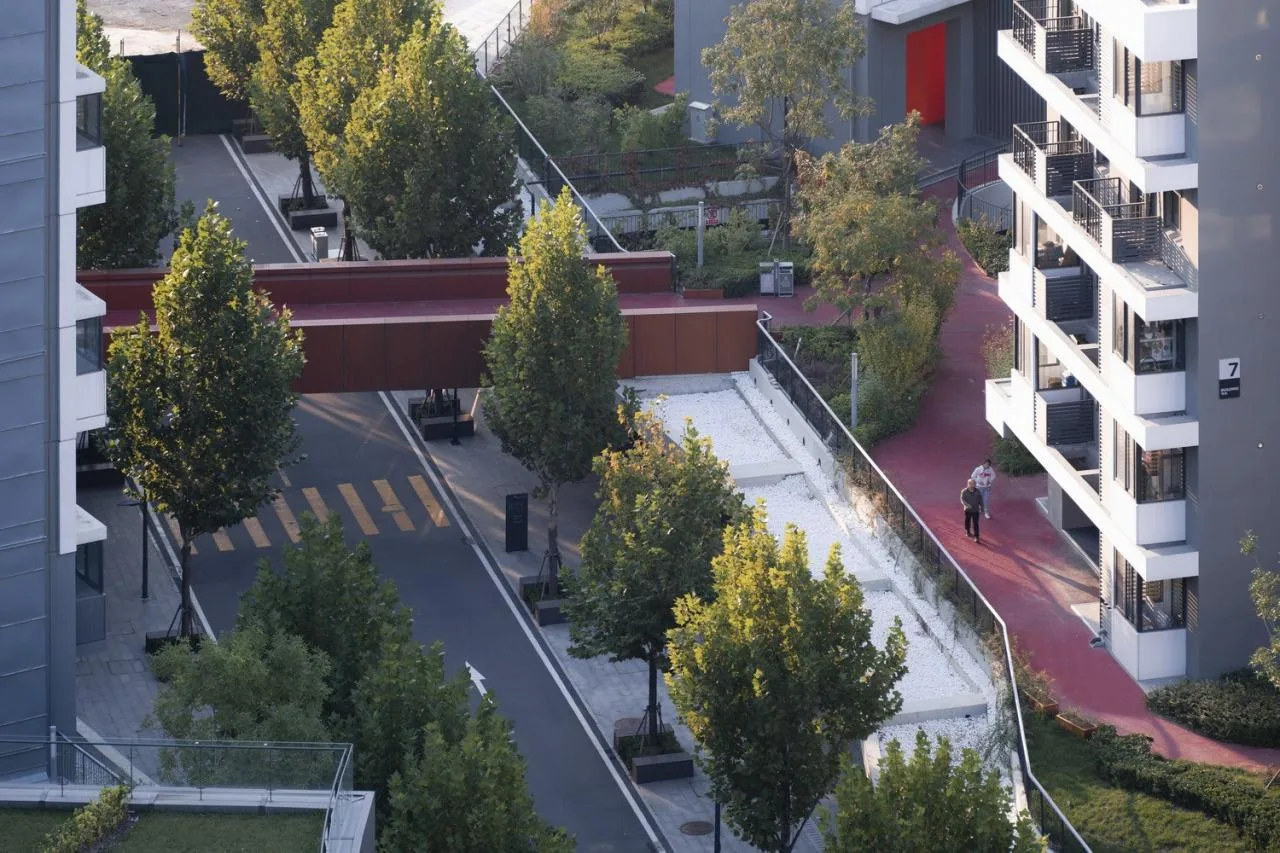
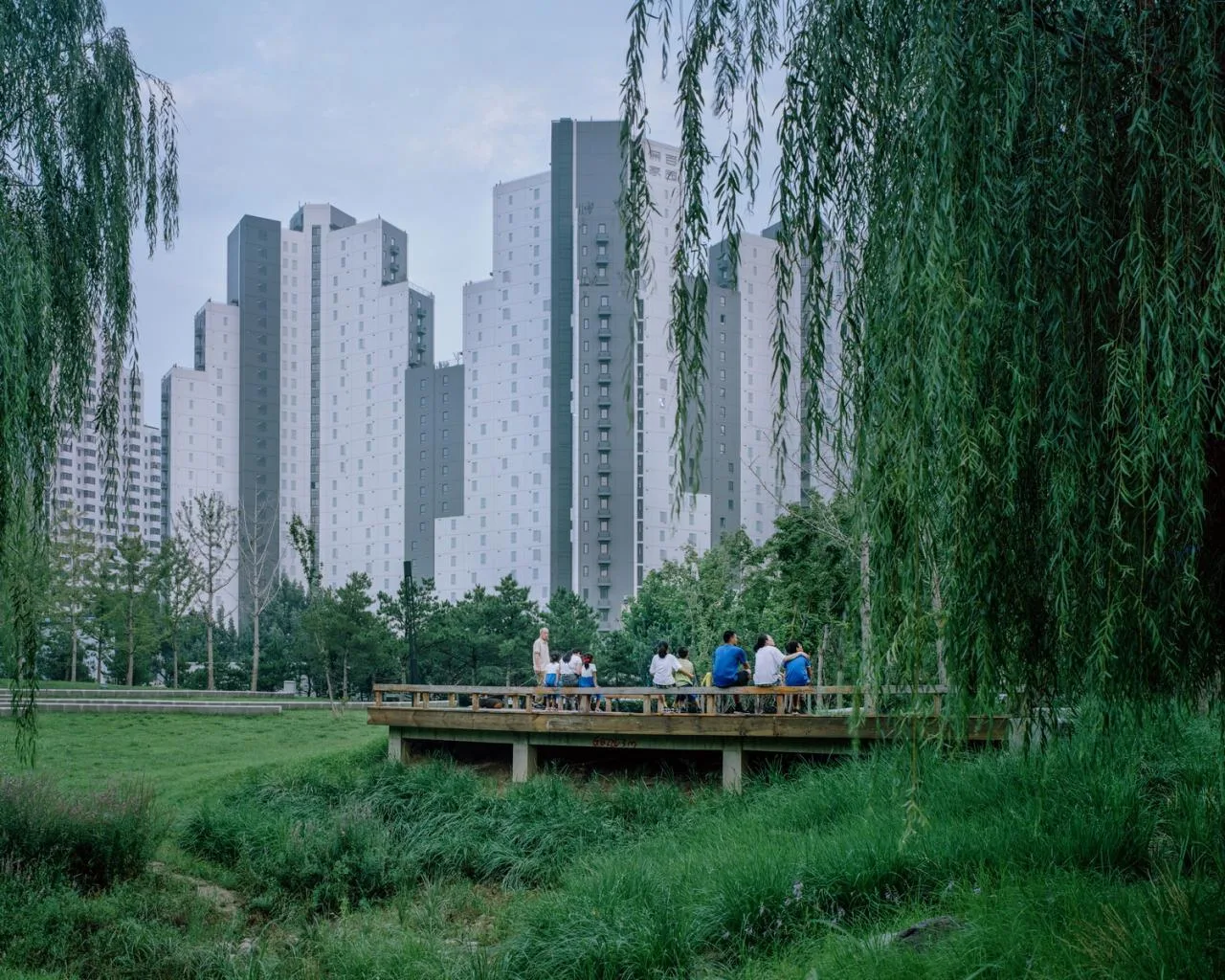
Modern residential planning in China began in the 1950s during the planned economy era. Influenced by the Soviet “micro residential areas,” large-scale enclosed “unit courtyards” became the primary urban housing form, a model that remains today. Following the reform and opening up, the 1990s saw a commodification wave, turning residences into mass-produced customized products.
At the heart of living is the people. Housing relates to life dignity and social equity. Baiziwan Public Rental Housing embraces integrating affordable housing into urban life by introducing streets through vertical communities, maximizing green space and public facilities, and focusing on simple aesthetics and humanized community spaces to inspire an ideal living environment.
Project Drawings
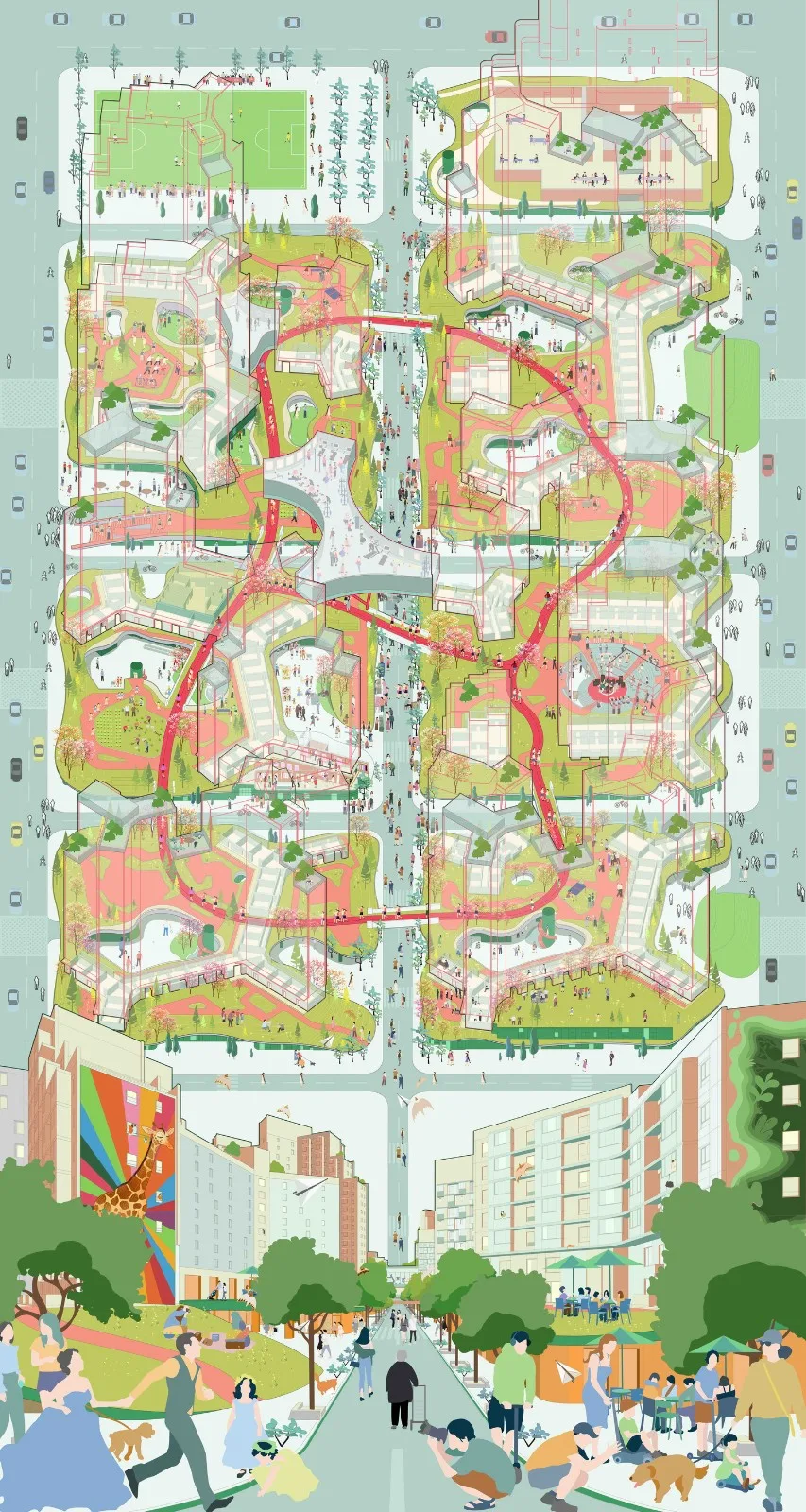
△ Project Illustration
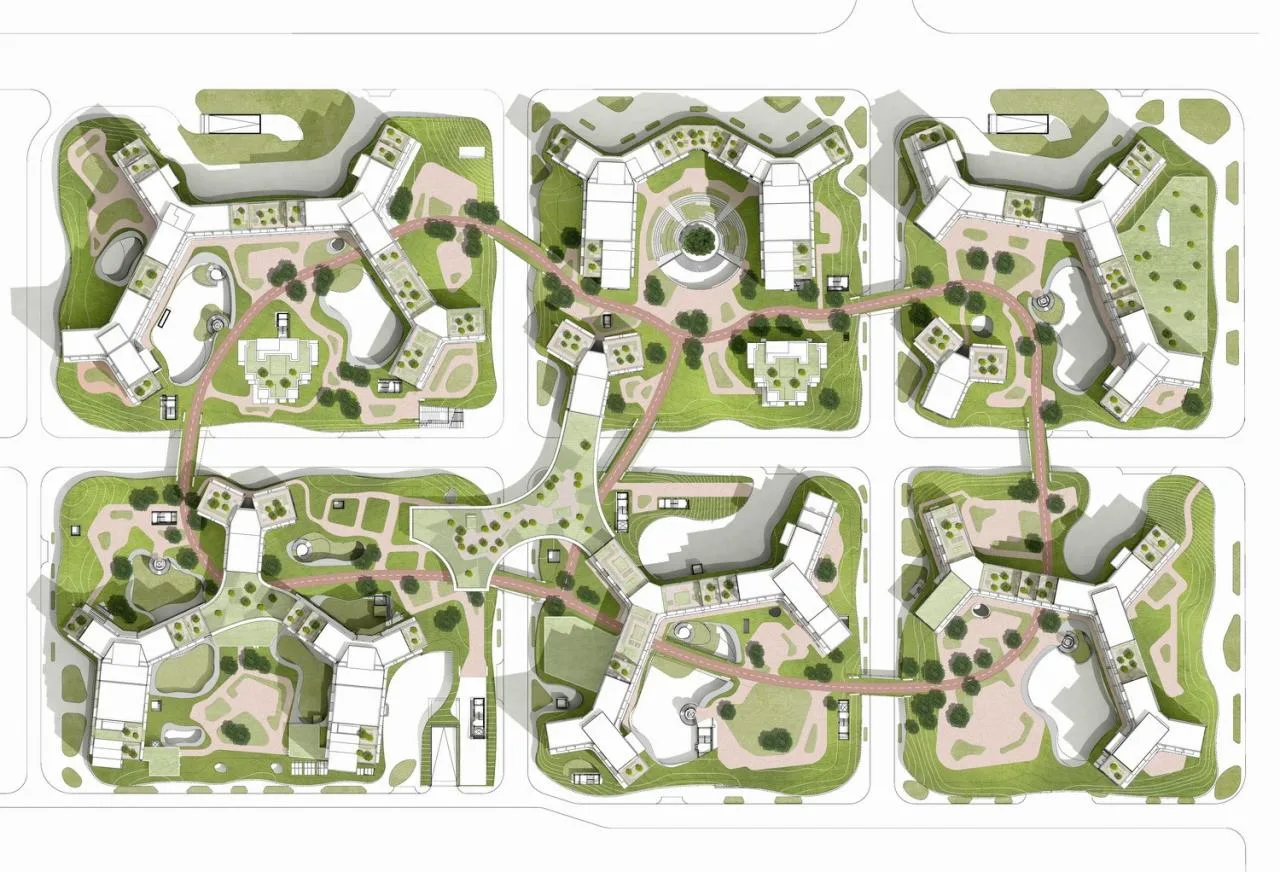
△ General Layout Plan
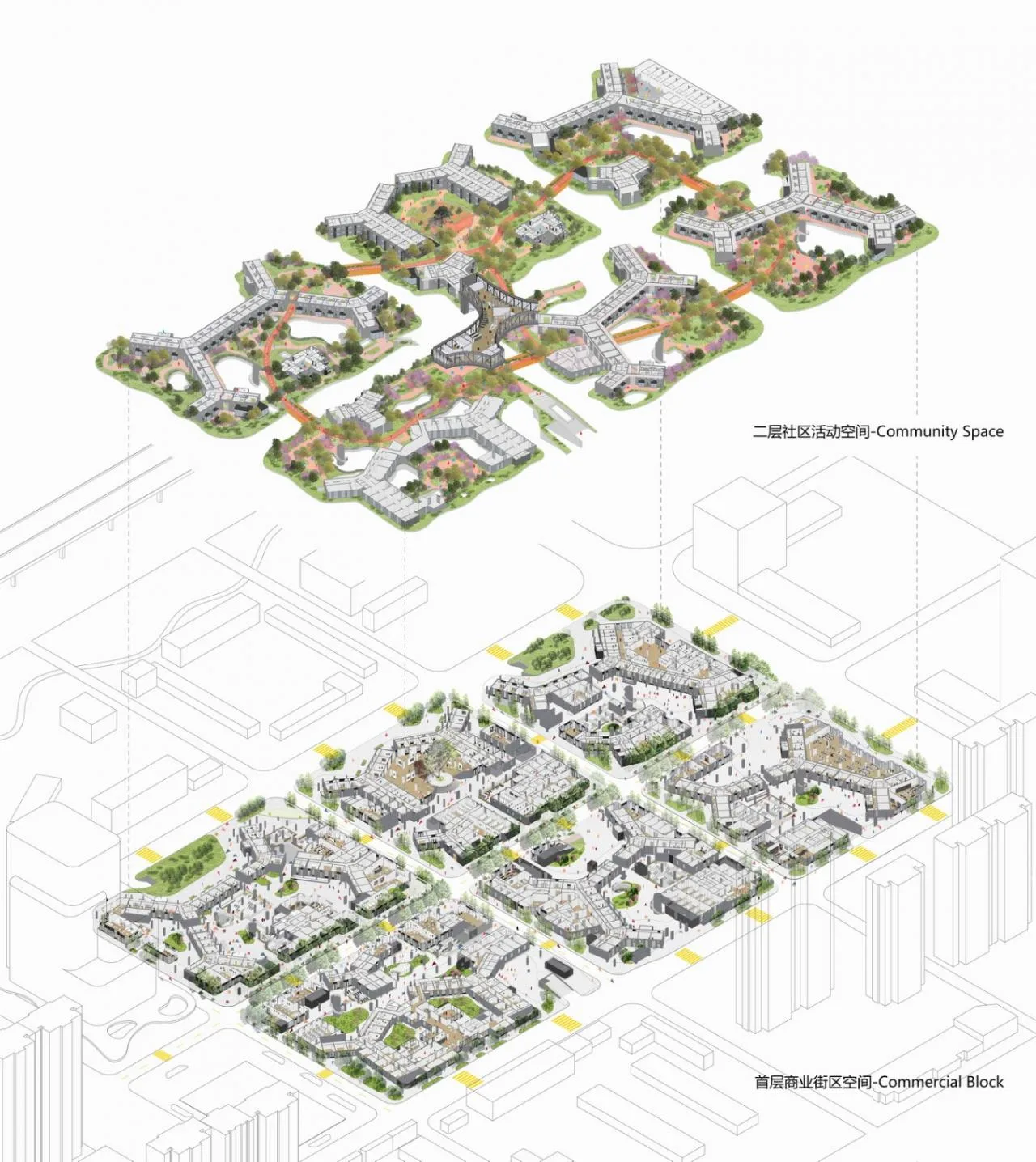
△ Axonometric Diagram
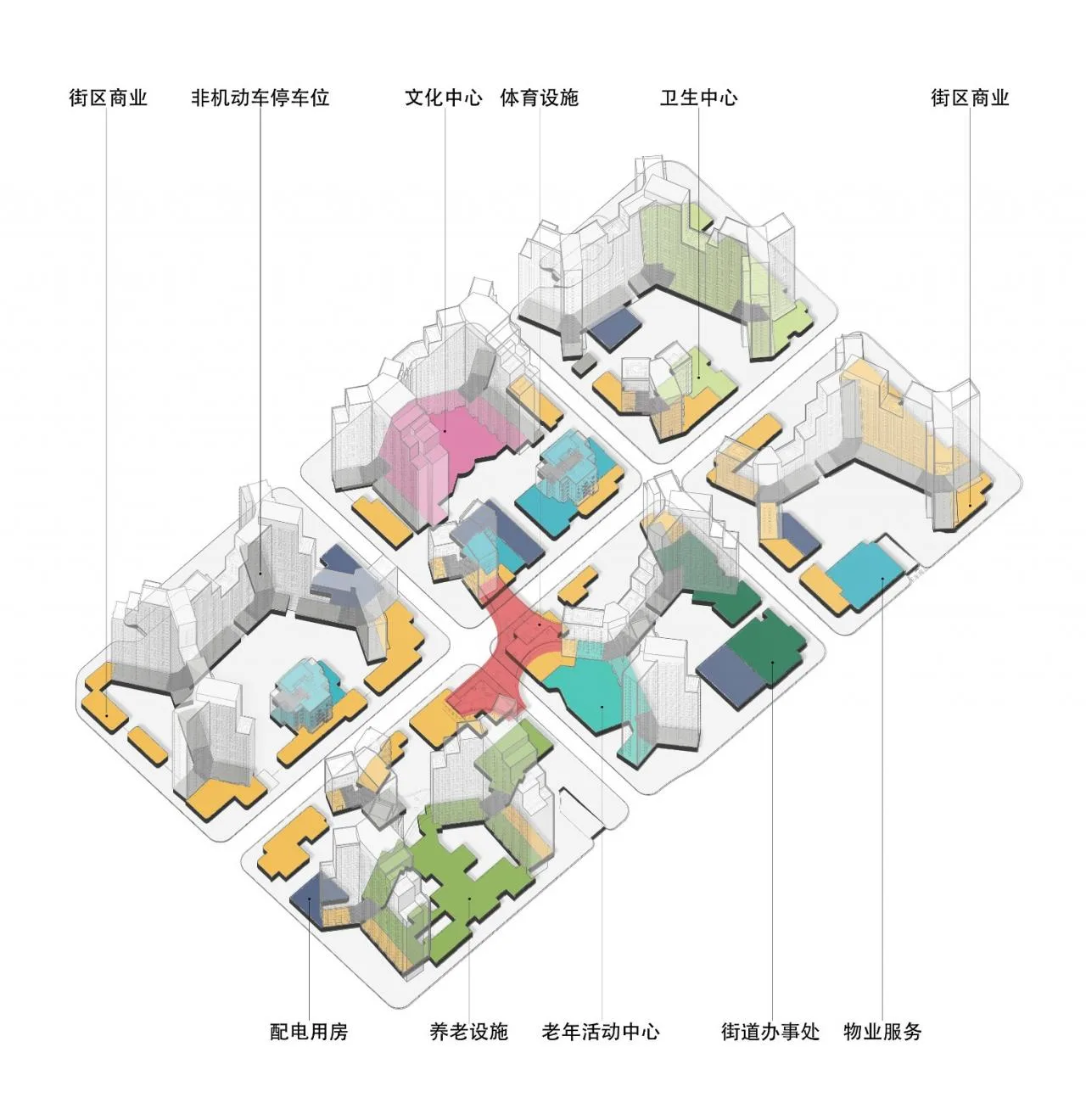
△ Functional Zoning Diagram
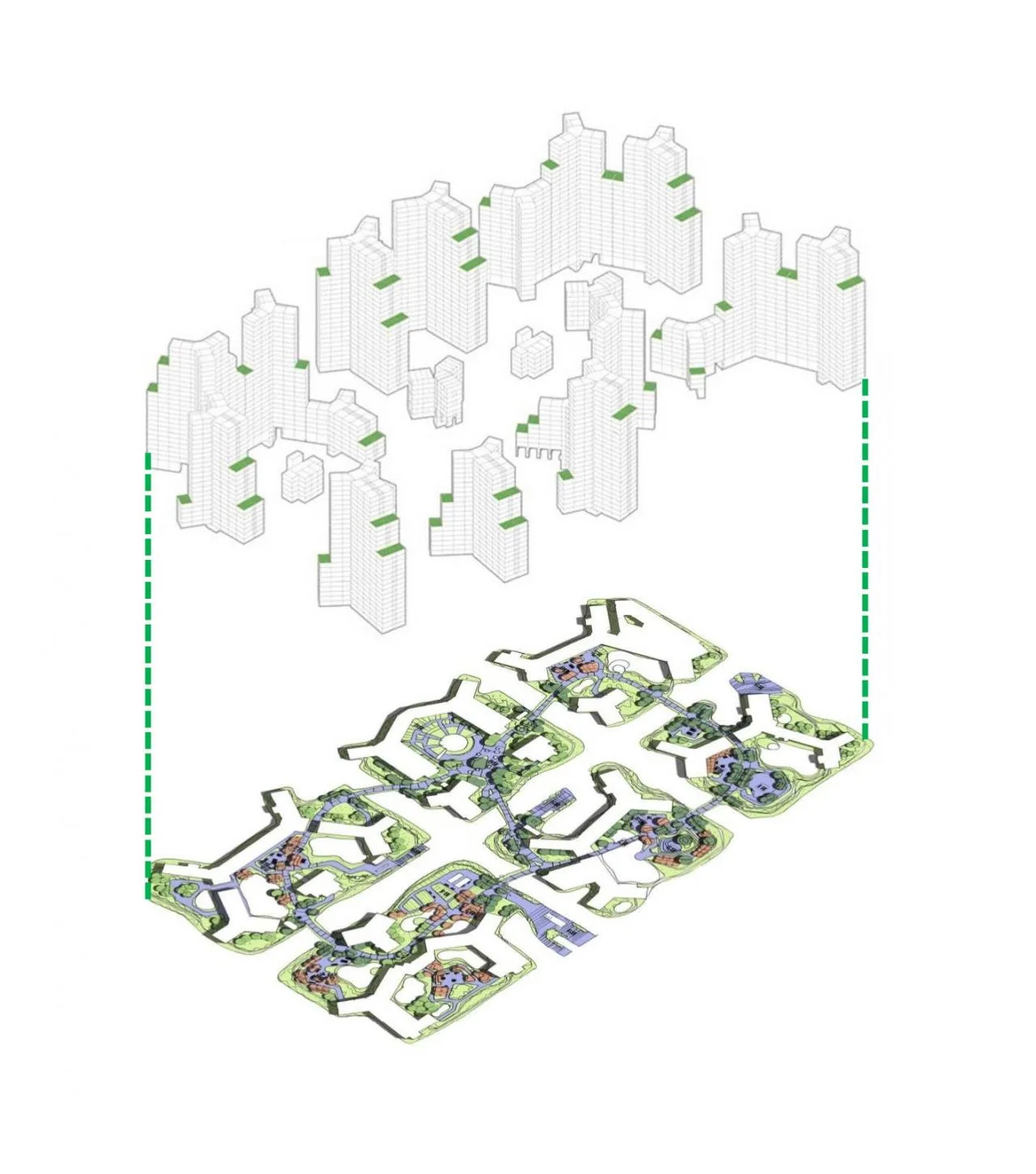
△ Analysis Chart
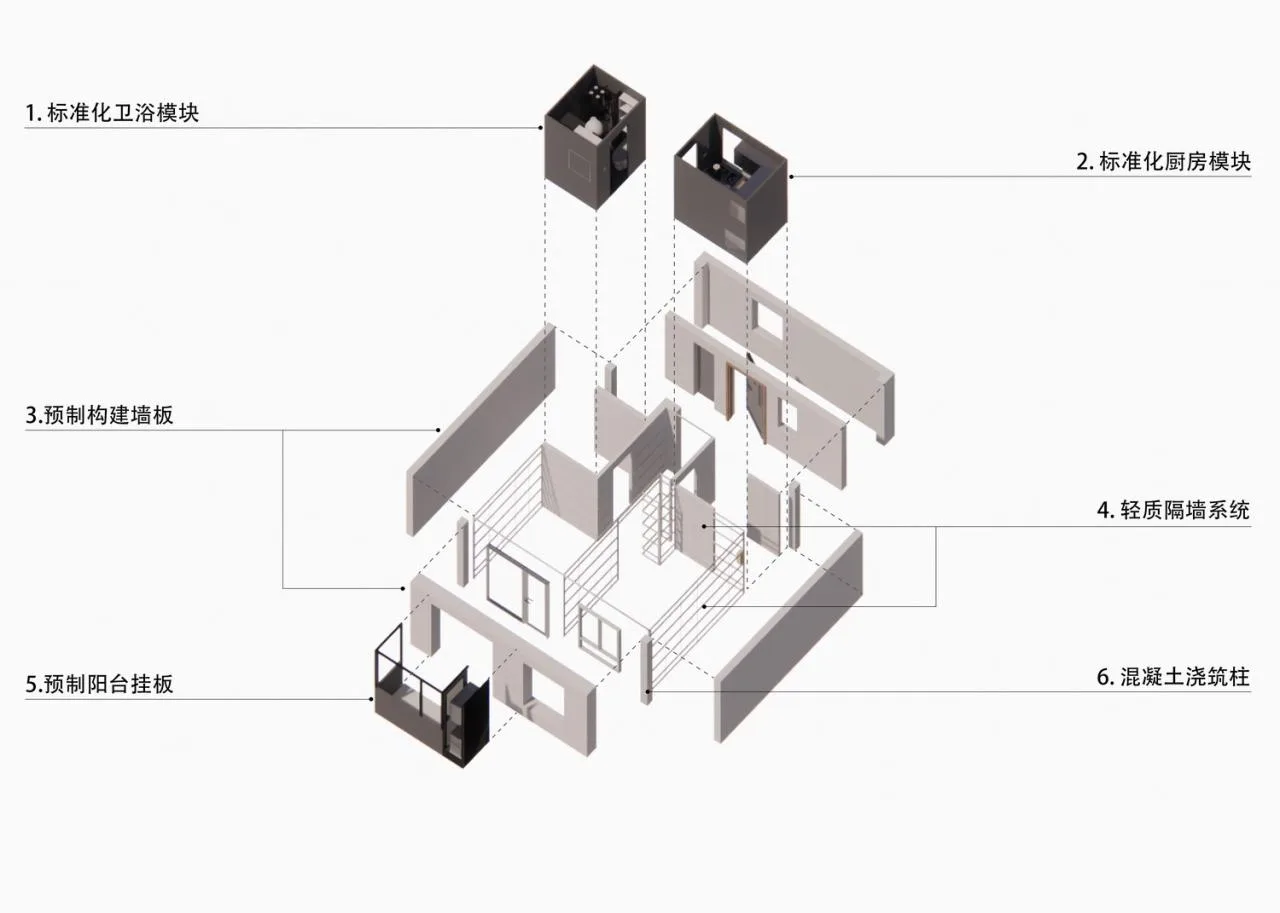
△ Module Structure Schematic
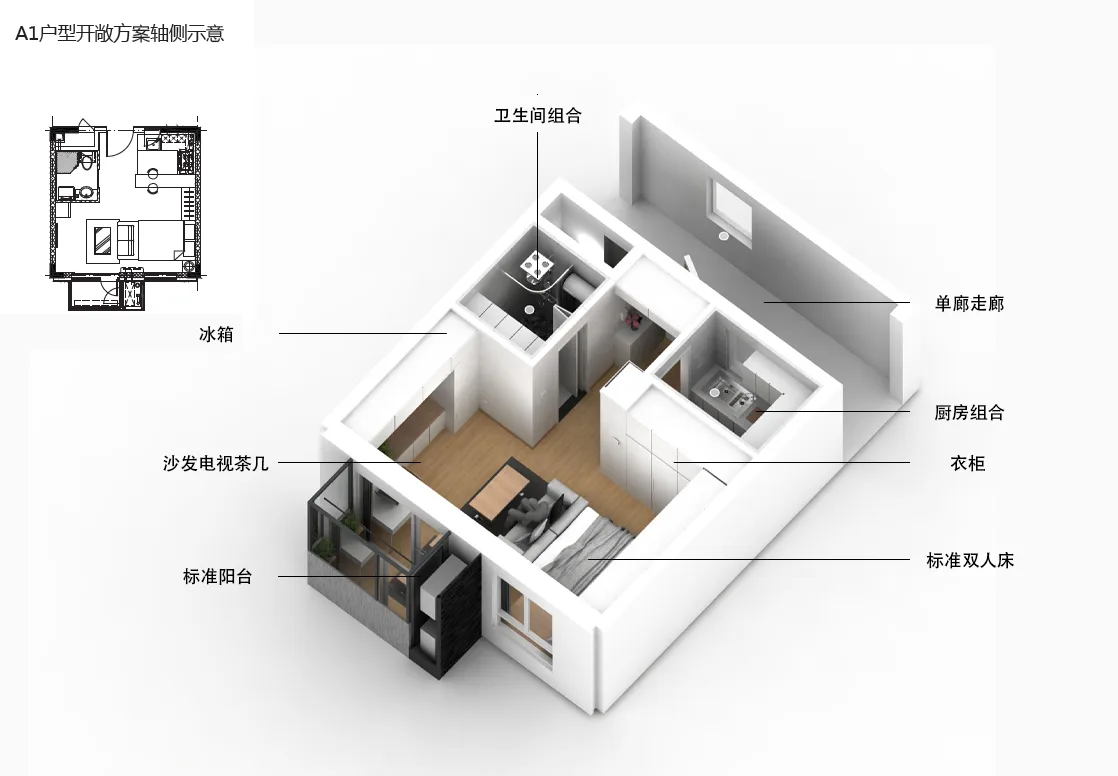
△ A1 Unit Axis Side Schematic
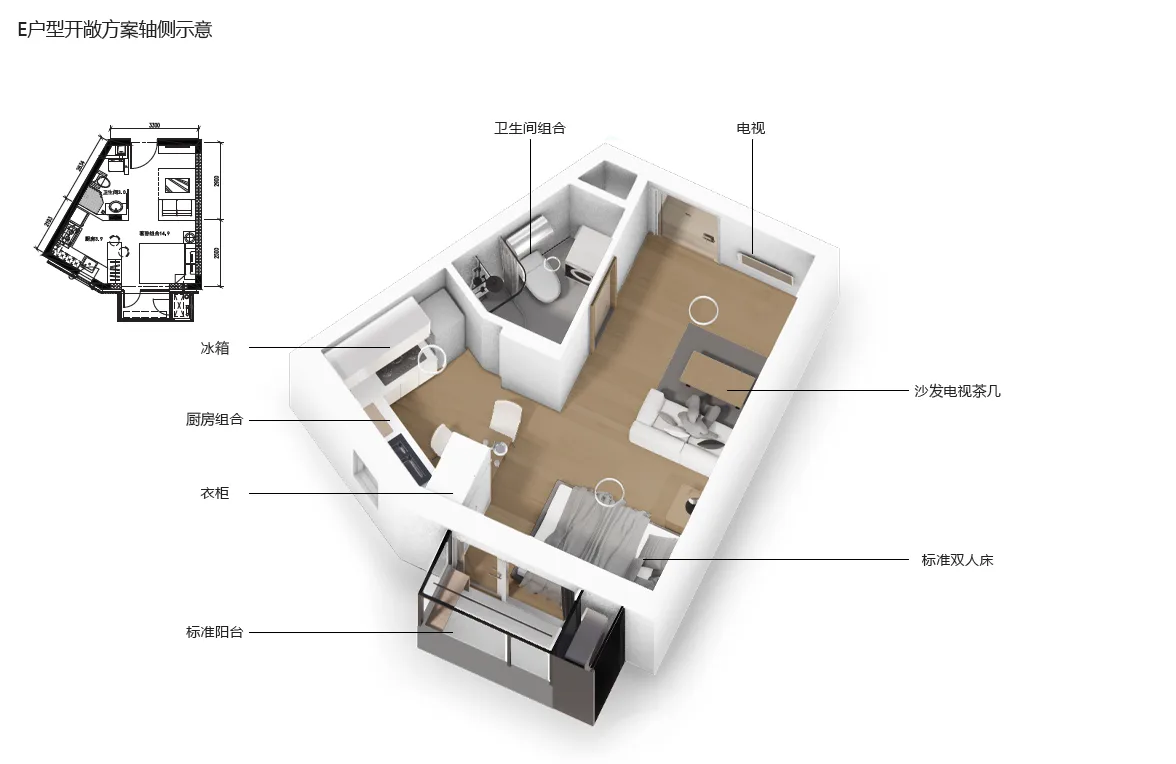
△ E Unit Type Axis Side Schematic
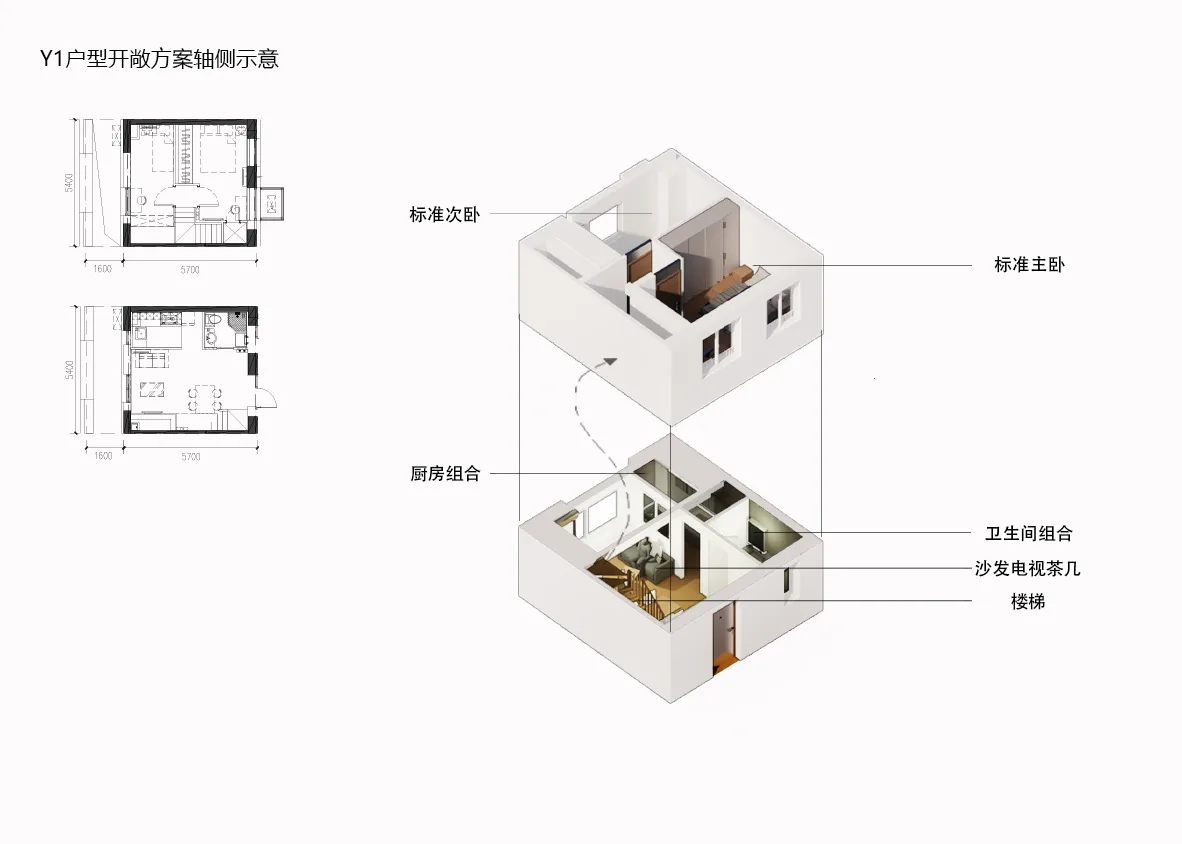
△ Y1 Axis Side Layout Schematic
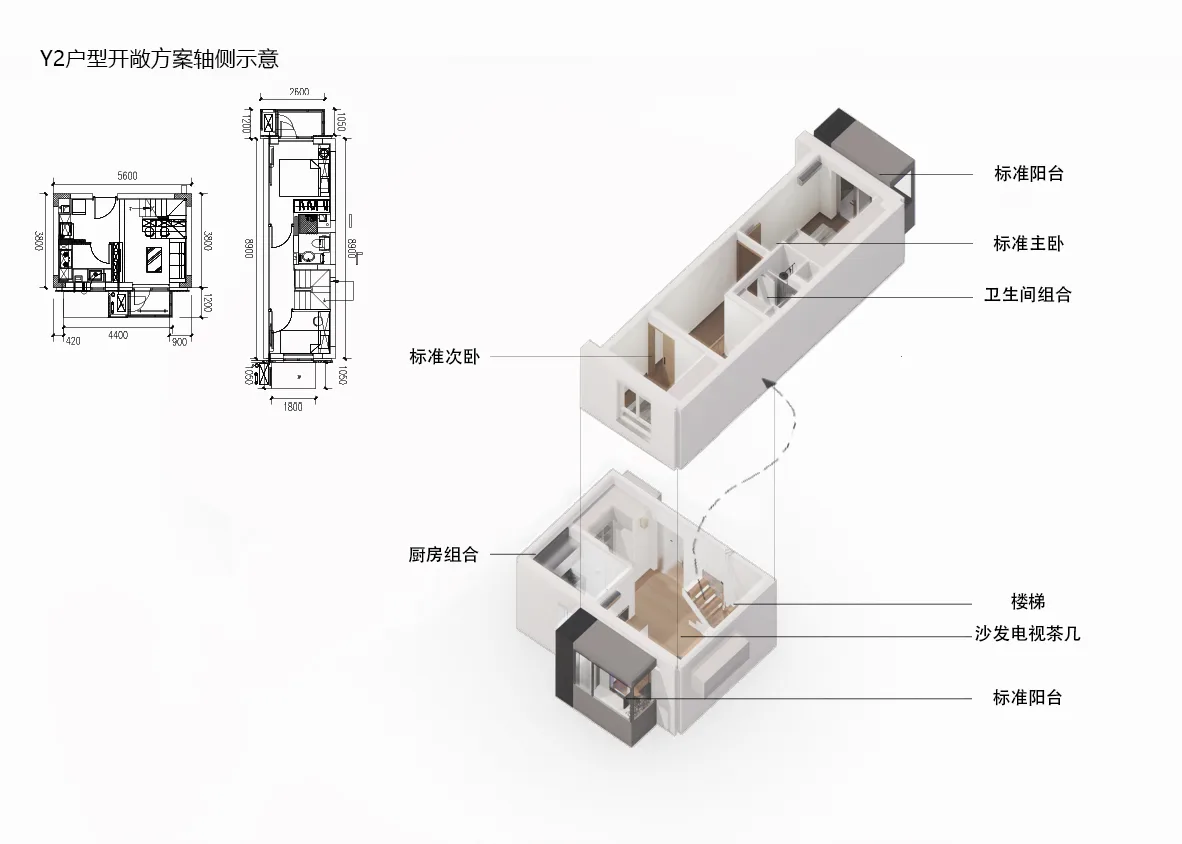
△ Y2 Unit Axis Side Schematic
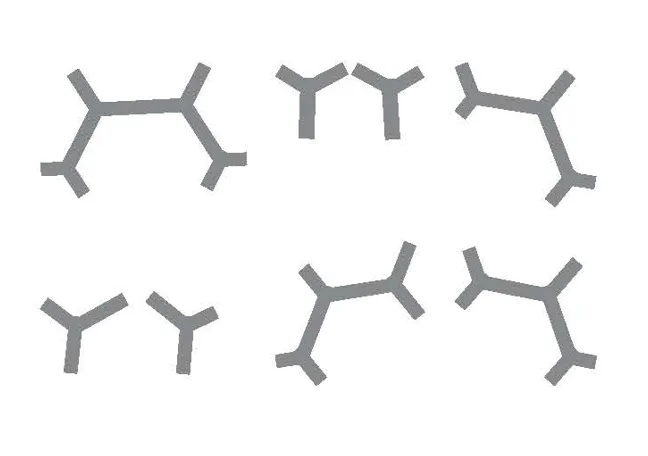
△ Analysis Chart
Project Information
Type: Social Security Housing
Total Construction Area: 473,346 m²
Ground Floor Area: 303,351 m²
Underground Building Area: 169,995 m²
Lead Partners: Ma Yansong, Party Masses, Yokosuke Hayano
Vice Partners in Charge: Liu Huiying, Fu Changrui
Design Team: He Xiaokang, Zheng Chengwen, Shang Li, Xu Chen, Li Guangchong, Wang Deyuan, Zheng Fang, Tong Shangren, Mujong Kang, Zhang Tingfu, Zhang Long, Zhang Kai, Kazushi Miyamoto, Yukan Yanagawa, Yu Zhipeng, Tomasz Czarnecki, Davide Signorato, Natalia Giacomino, Sear Nee, Yuan Yiwen, Steven Chaffer Park, Dookee Chung, Hiroki Fujino, Jiang Xuezhu, Chen Lumen, Dina Khaki, Yang Xuebing
Owner: Beijing Affordable Housing Construction Investment Center
Construction Drawing Design: Beijing Architectural Design and Research Institute Co., Ltd
Landscape Design: Pan Asia Landscape Design (Shanghai) Co., Ltd
Lighting Design: Beijing Ningzhijing Lighting Design Co., Ltd
Logo Design: Beijing Dasi Advertising Co., Ltd
Structural Consultant: Sidi International Design Consulting Co., Ltd
Construction Unit Section 1: Beijing Zhuzong Group Co., Ltd
Construction Unit Section 2: Beijing Construction Engineering Group Co., Ltd
Supervision Unit: Beijing Innoway Construction Engineering Management Co., Ltd
Prefabricated Concrete Component Manufacturer: Beijing Yantong Building Components Co., Ltd















Must log in before commenting!
Sign Up