
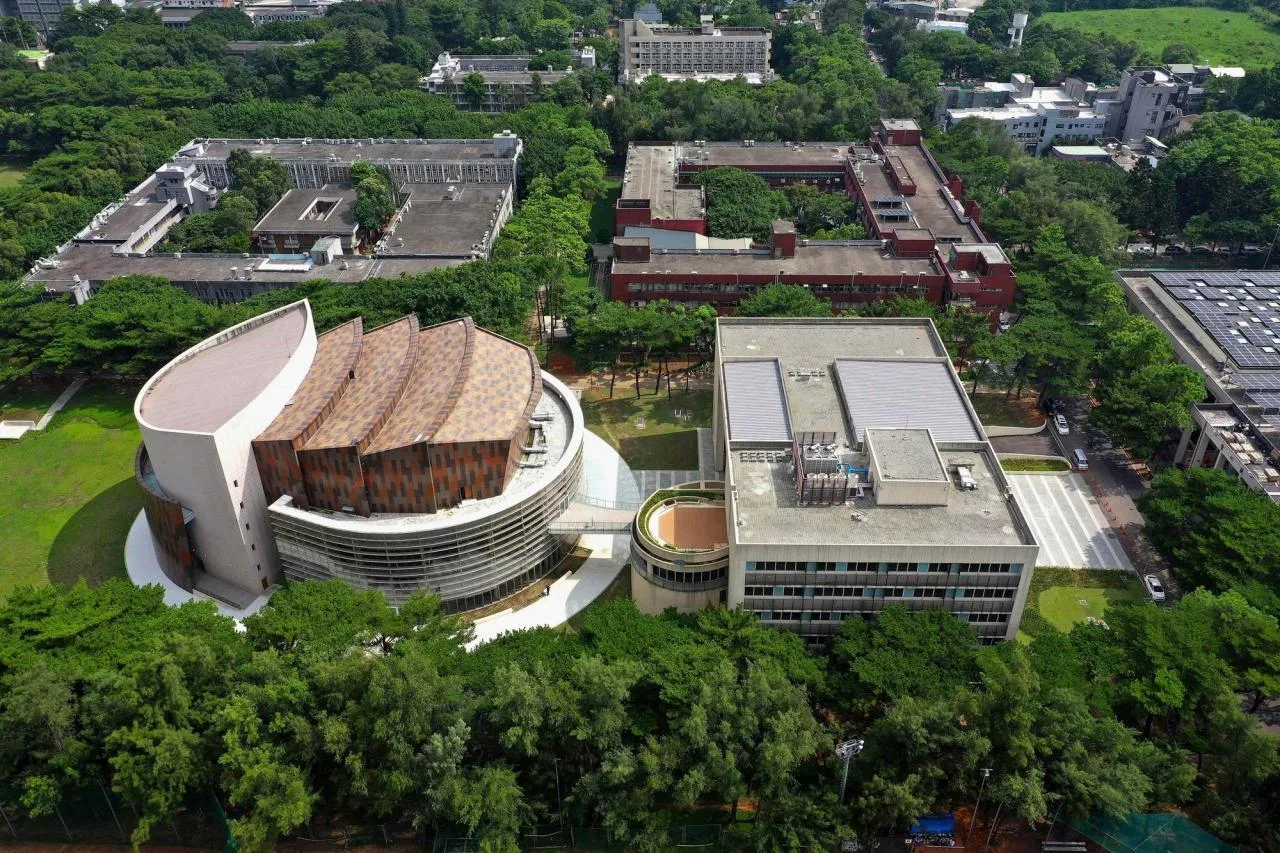
Central University, situated on Shuanglian Slope in Zhongli, Taiwan, overlooks the Taoyuan International Airport Aviation City and benefits from a well-connected transportation network. The newly completed auditorium serves as an “urban creative engine,” fostering frequent cultural and artistic exchanges between the campus and the city. This project actively embodies the university’s educational mission of integrating science and humanities.
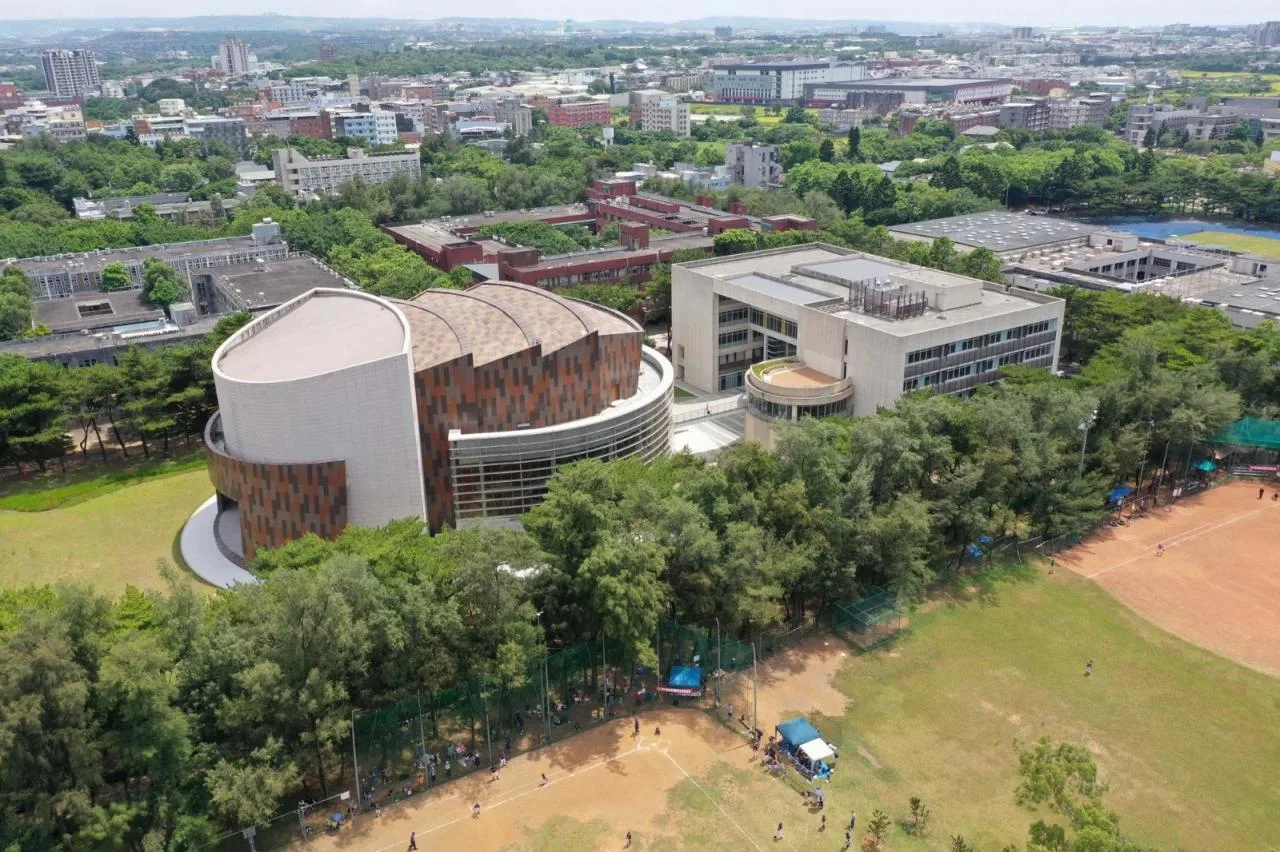
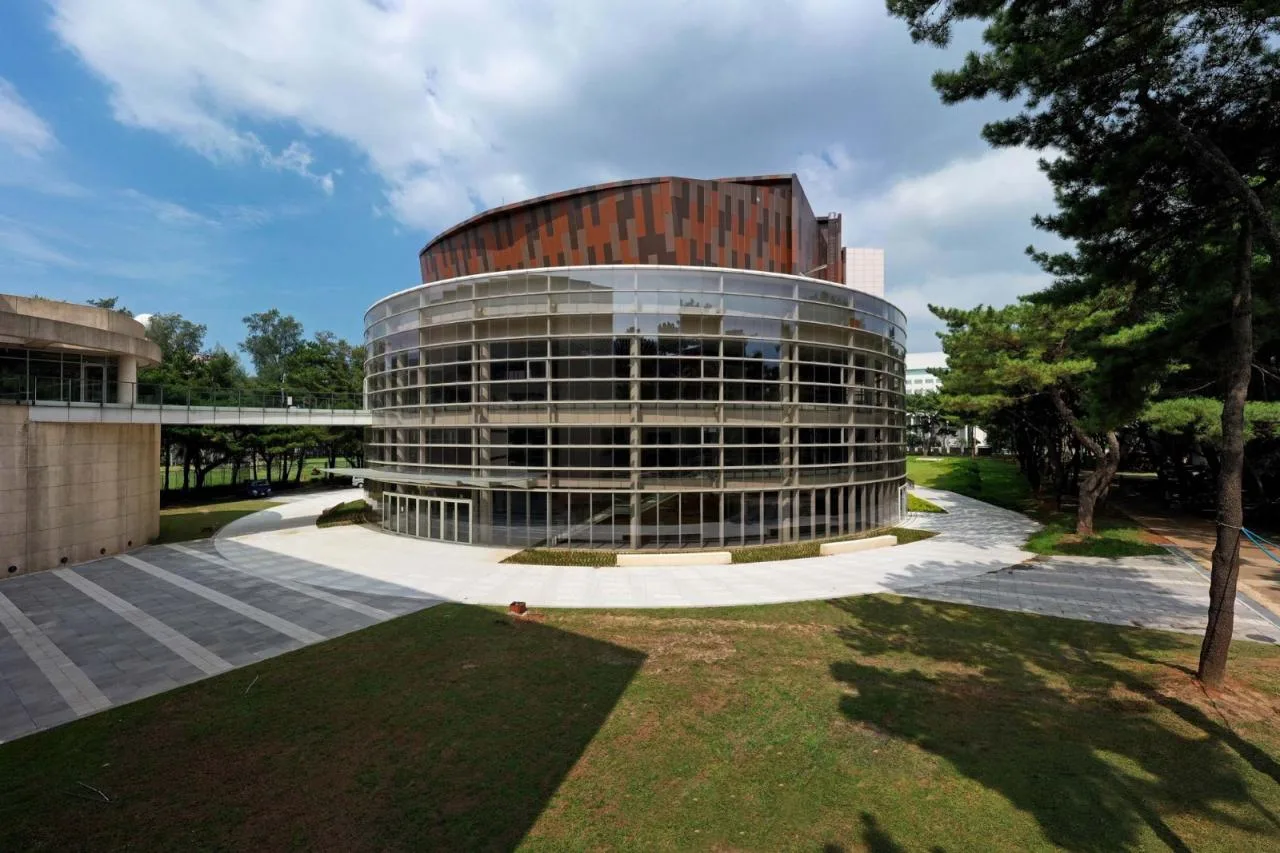
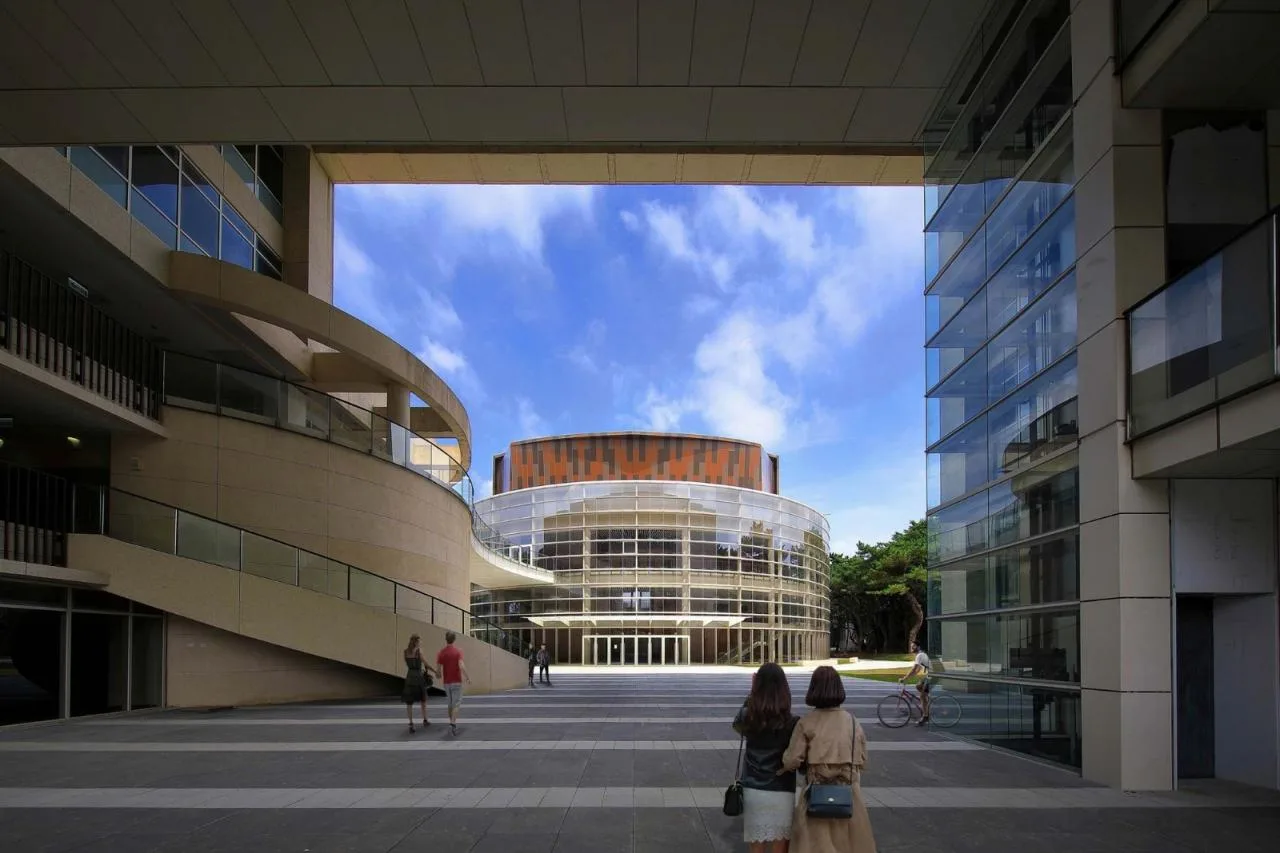
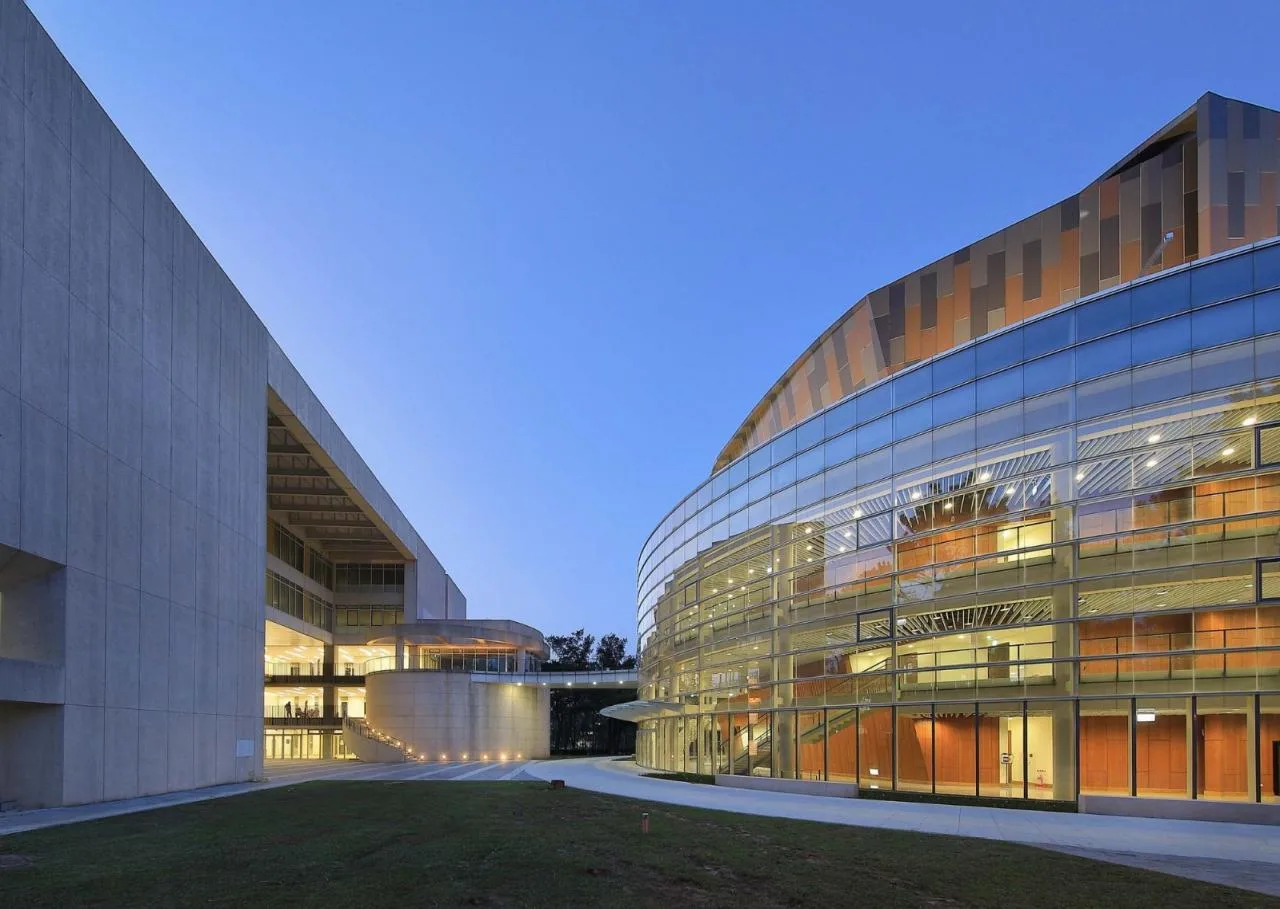
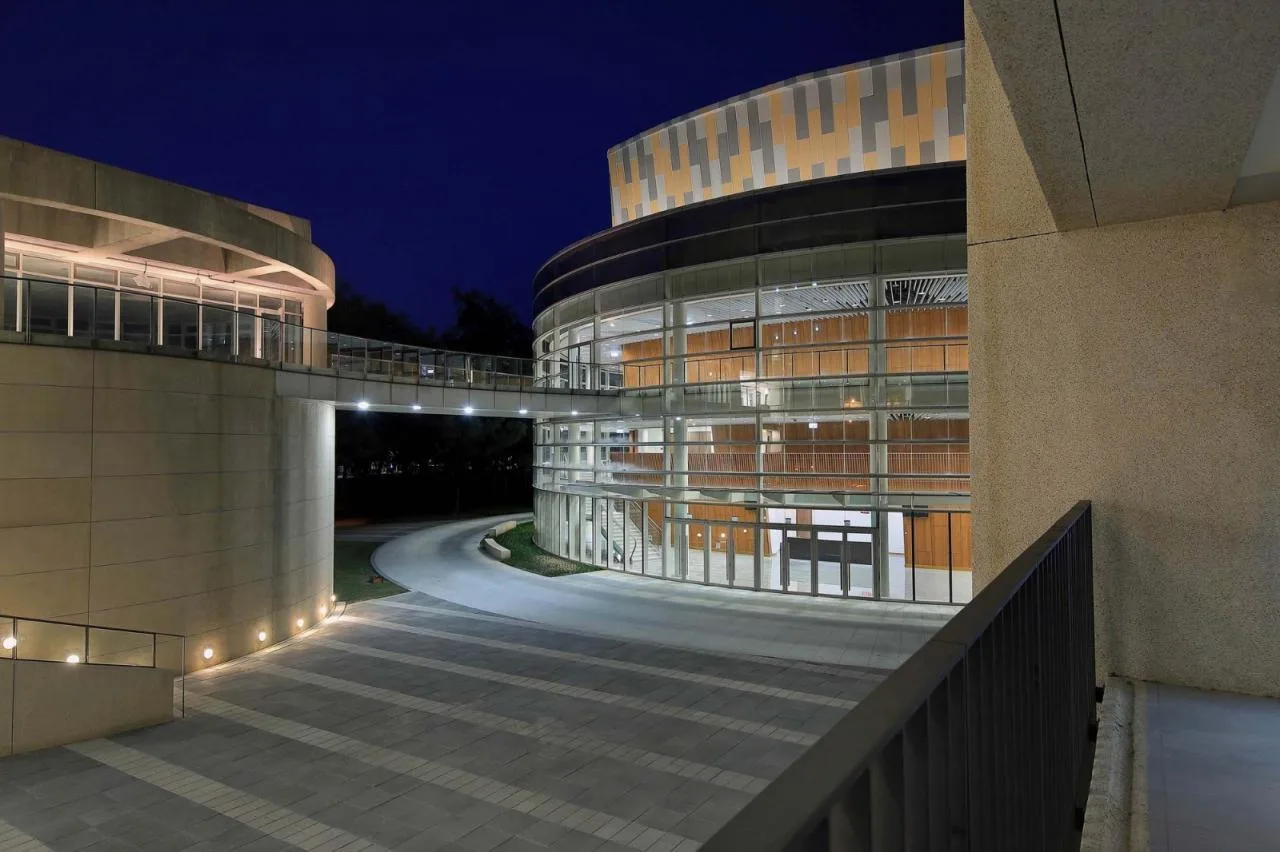
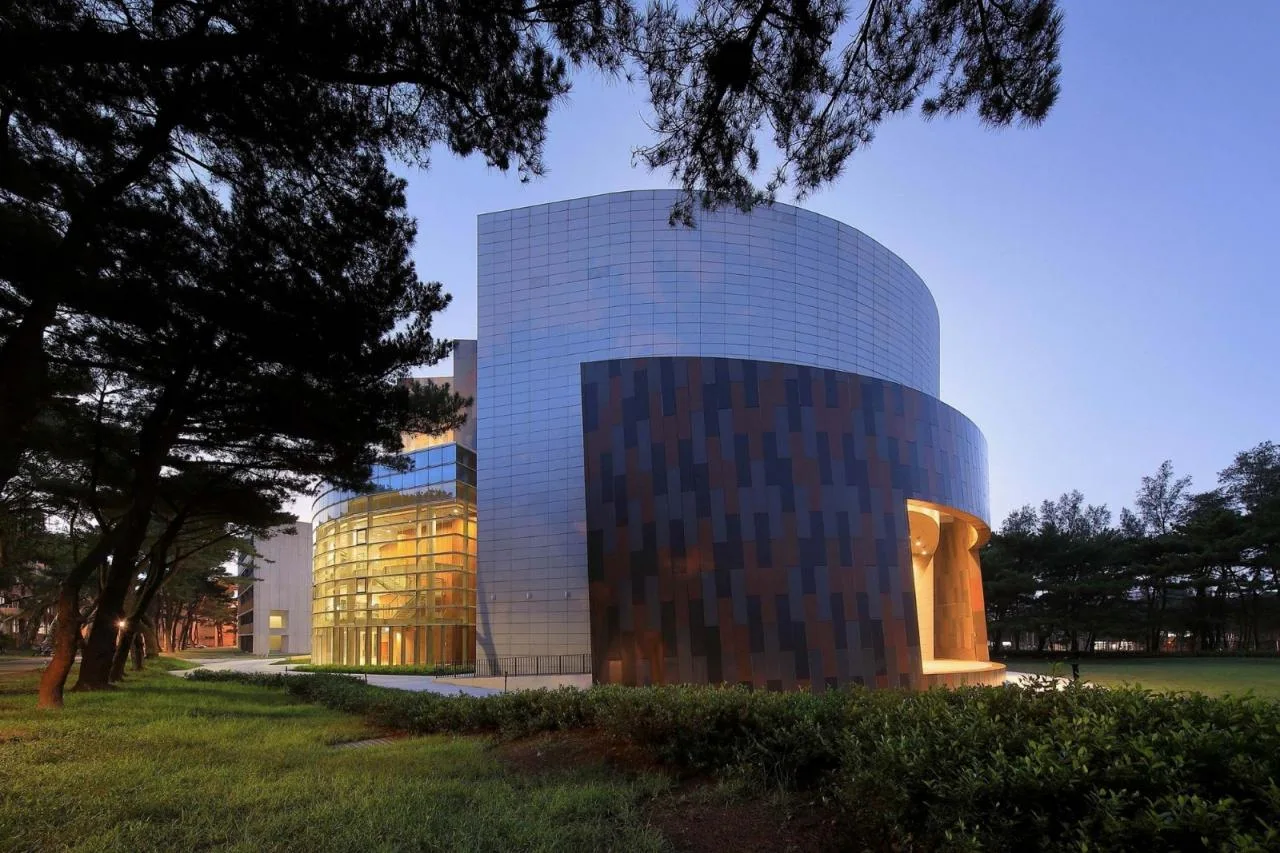
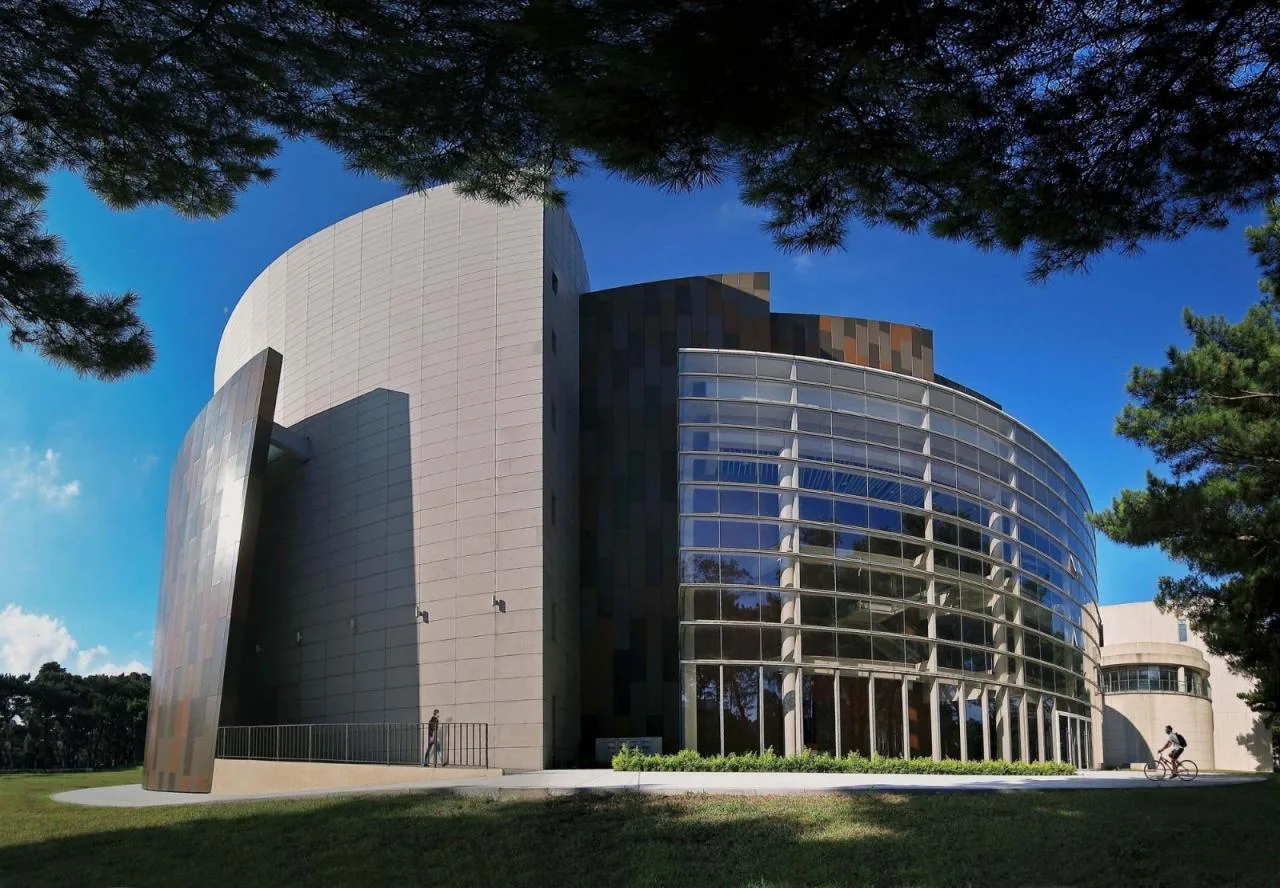
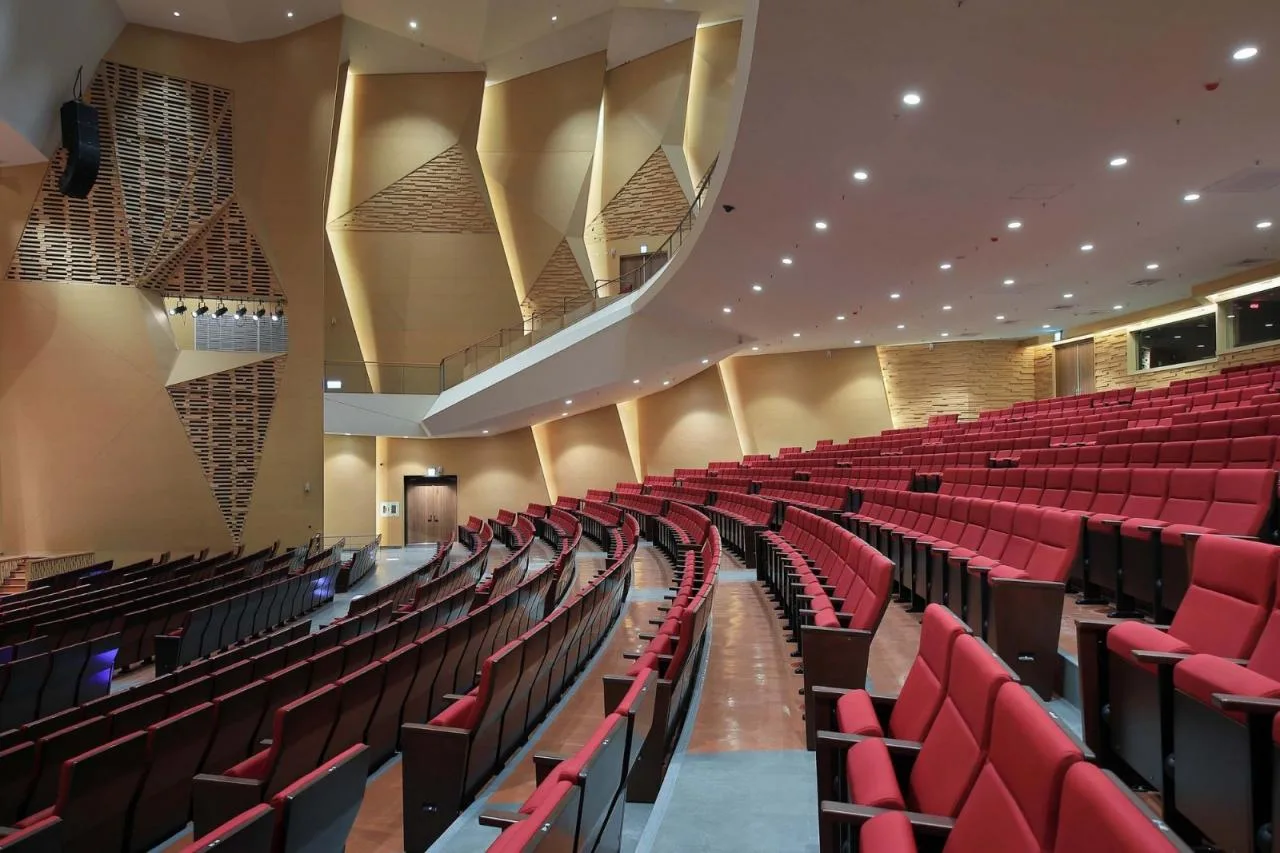
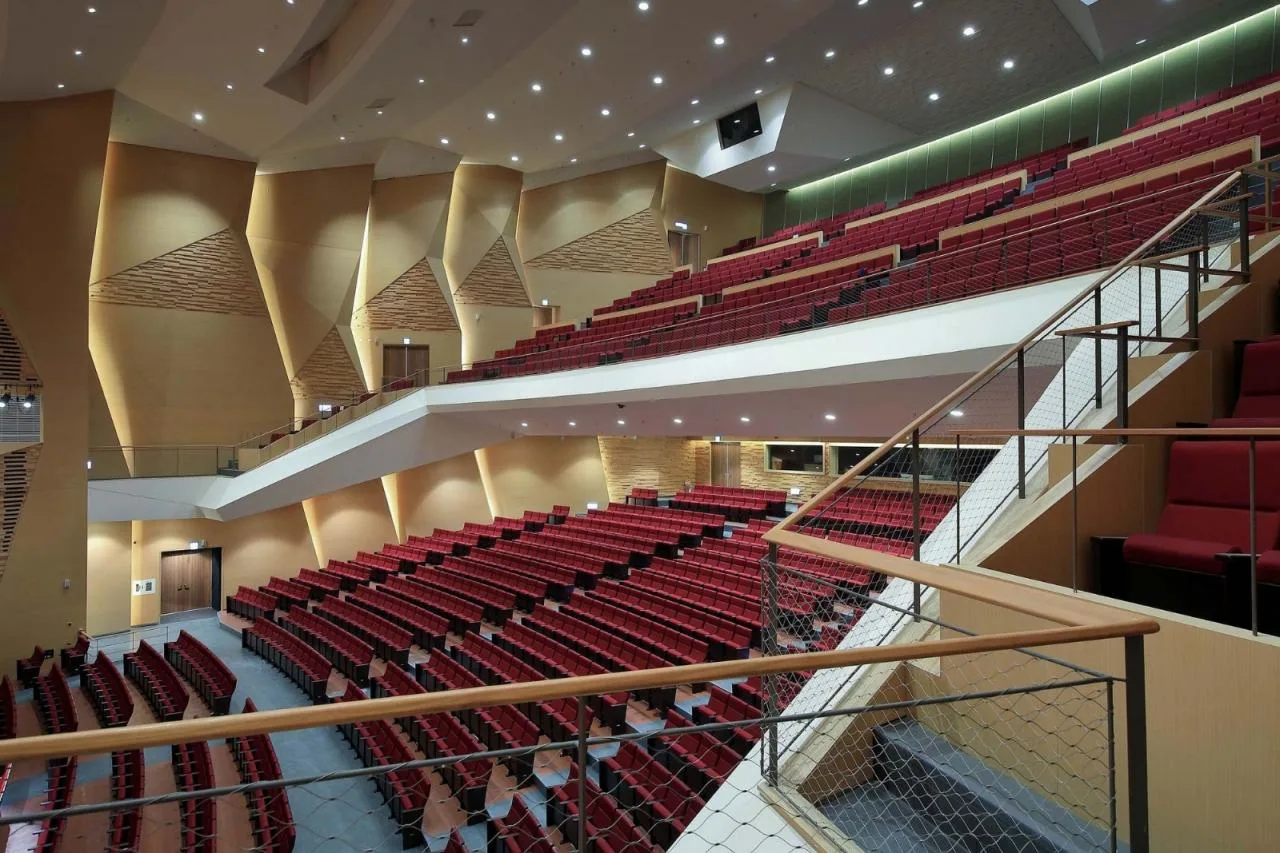
Positioned along the campus’s central axis and surrounded by a flourishing pine forest, the auditorium draws inspiration from the form of pine cones. This concept is reflected in the gradual spatial hierarchy and the building’s smooth, elegant curves, which also enhance the complex acoustic reflections within the space. The venue is designed to accommodate a variety of uses, including music performances, theater productions, gatherings, speeches, and outdoor events.
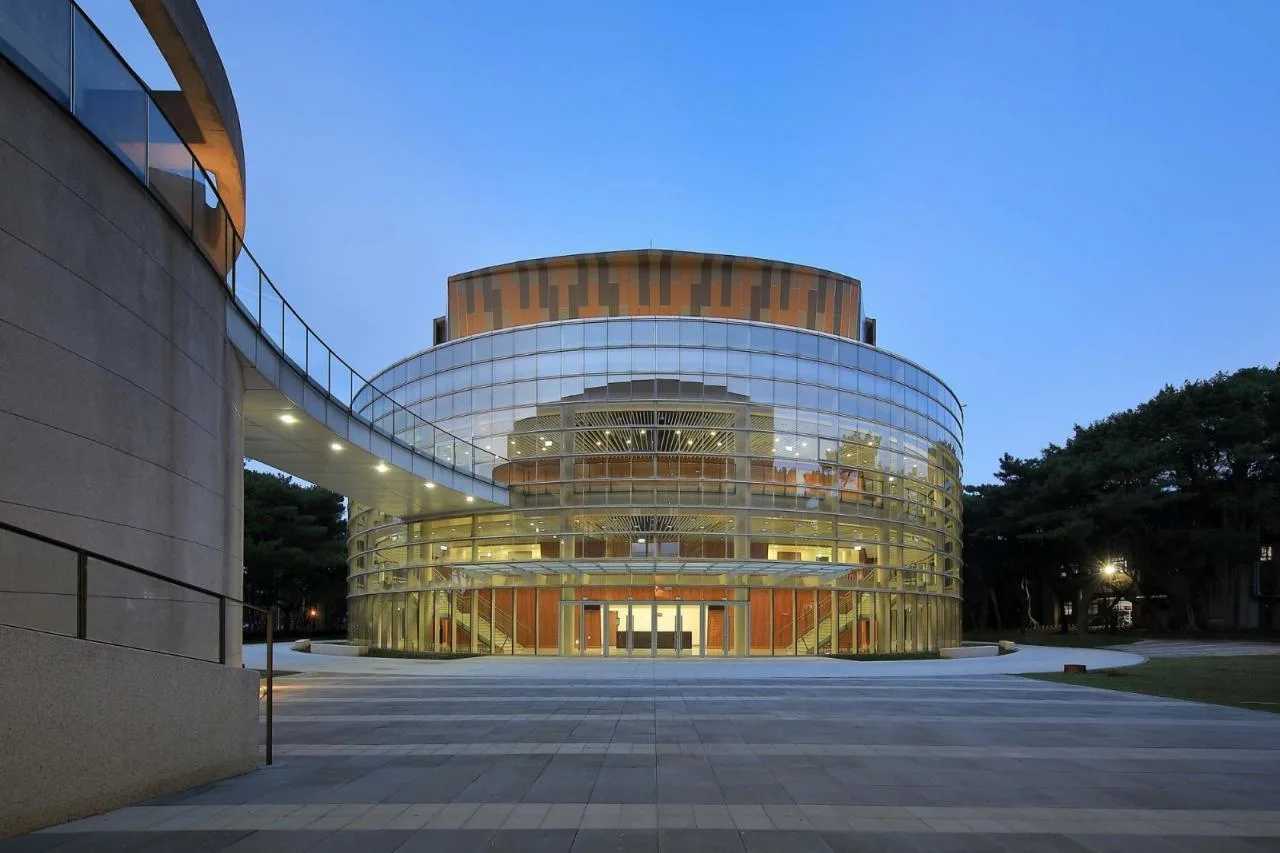
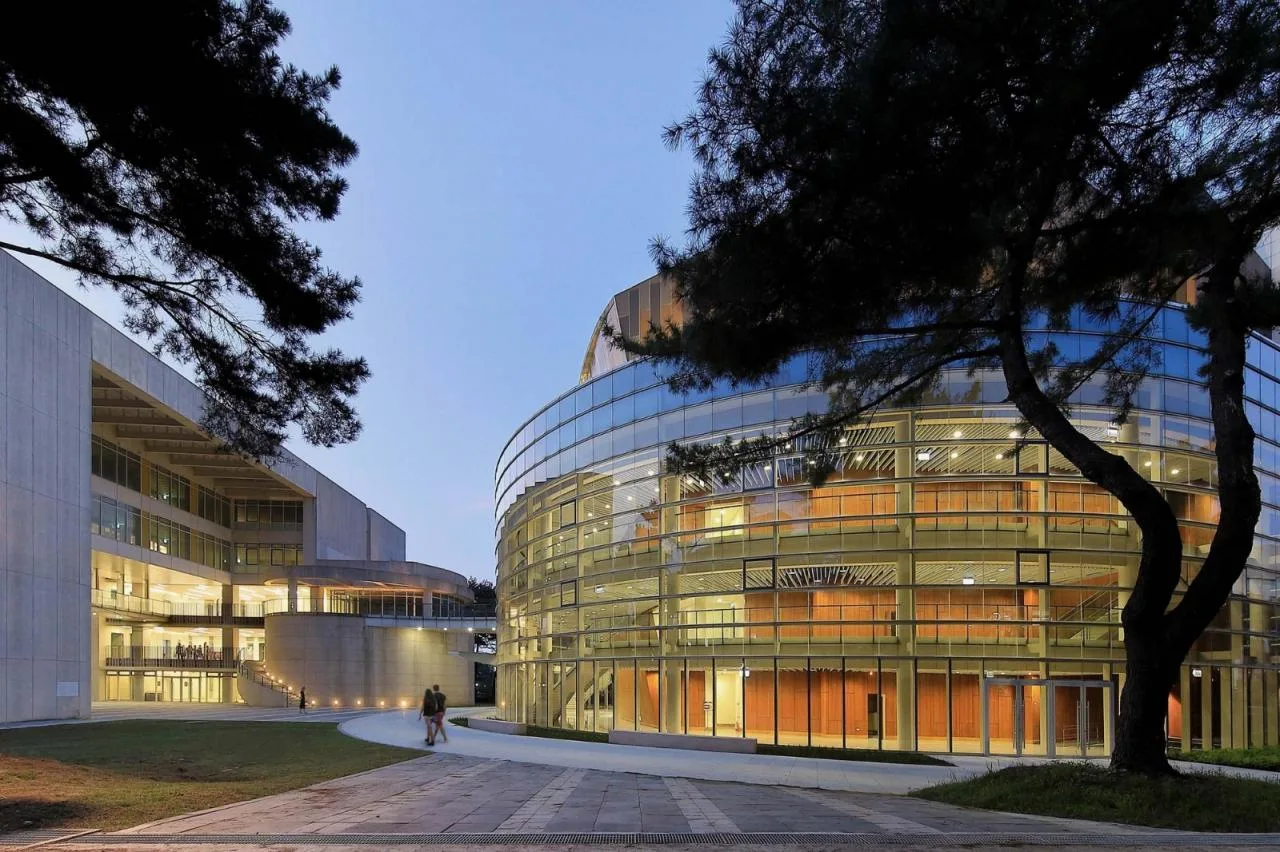
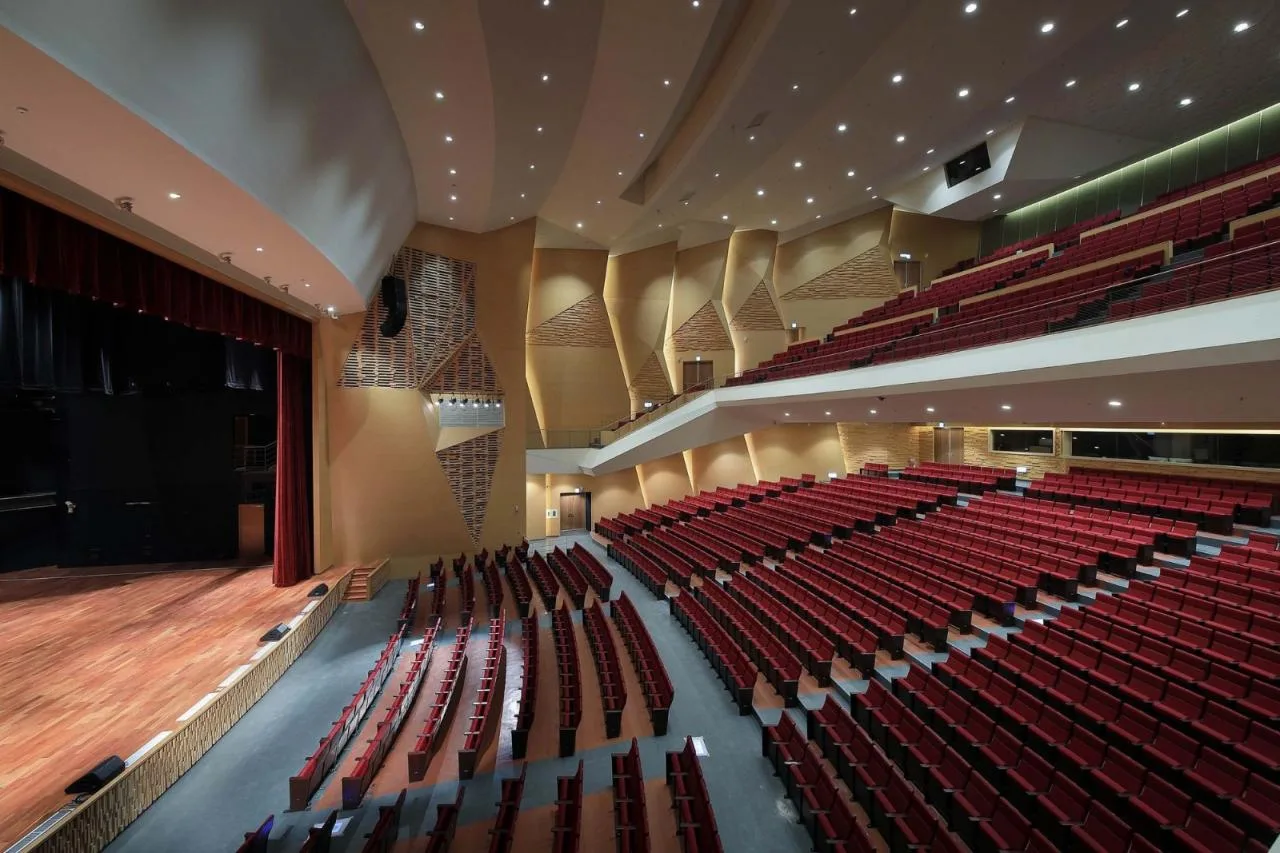
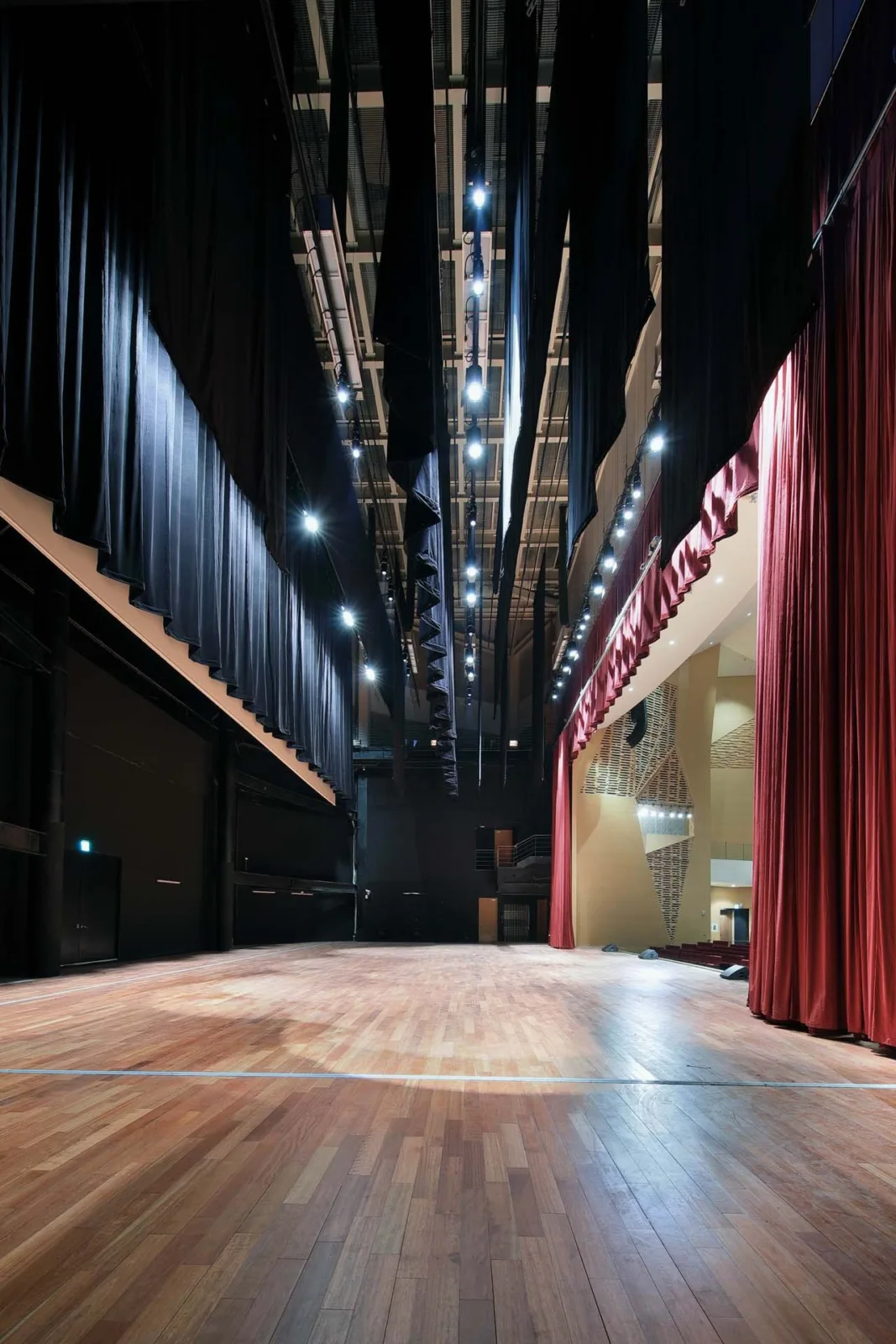
The stage is designed to host nearly a hundred musicians for orchestral performances. The stage reflector not only amplifies sound but also enhances the cohesion among performers. Additionally, the stage can be converted into an outdoor backstage area, where audiences can enjoy performances seated on the gentle grassy slope. During speeches or gatherings in the auditorium, a projection on the back of the podium prevents glare from obstructing the audience’s view.
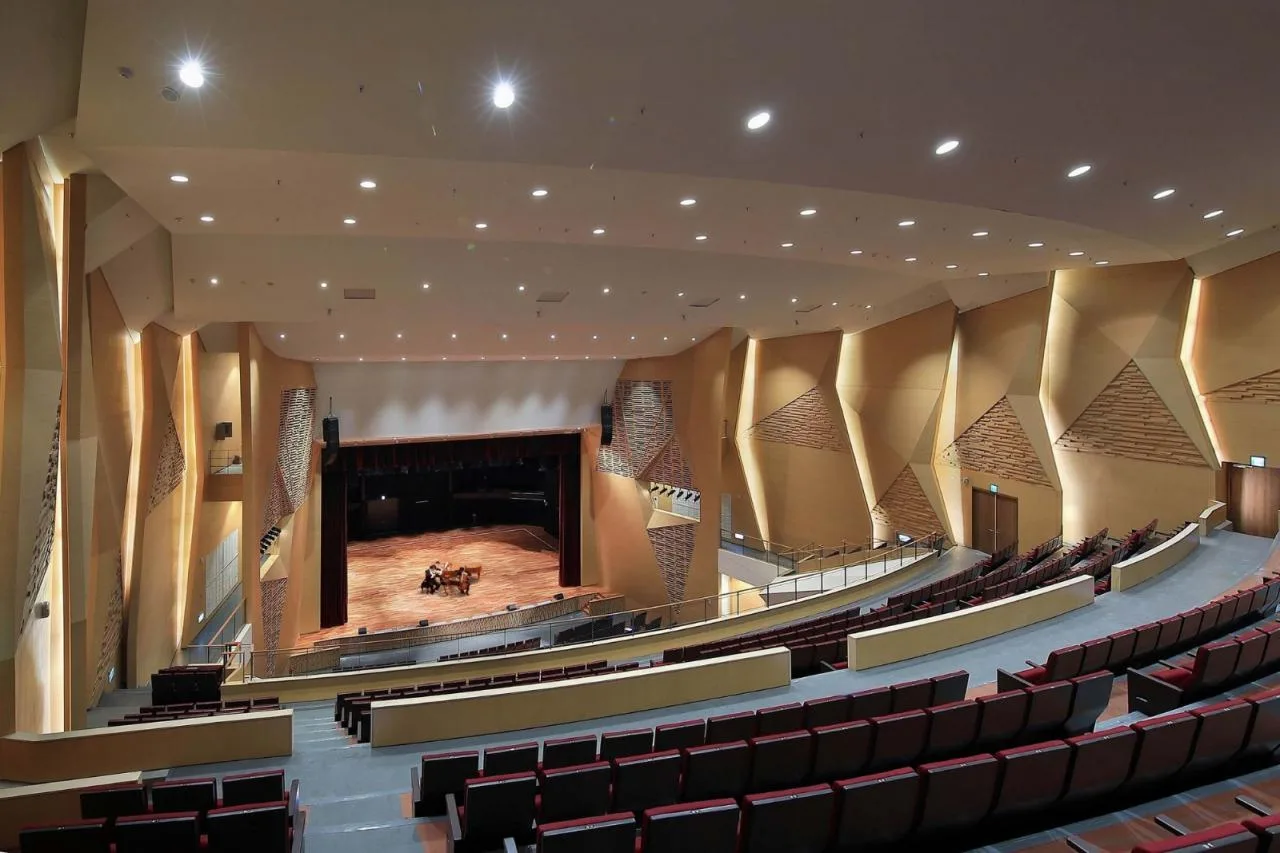
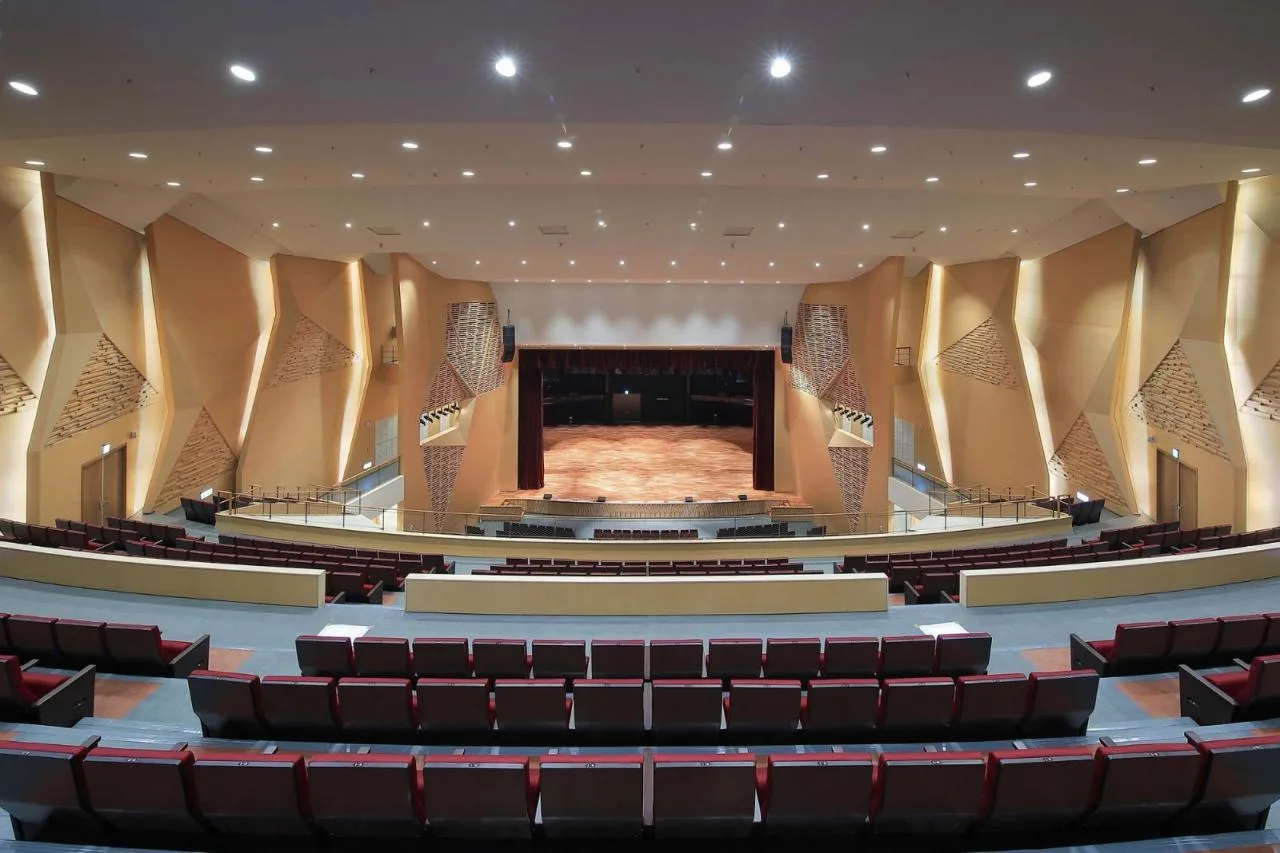
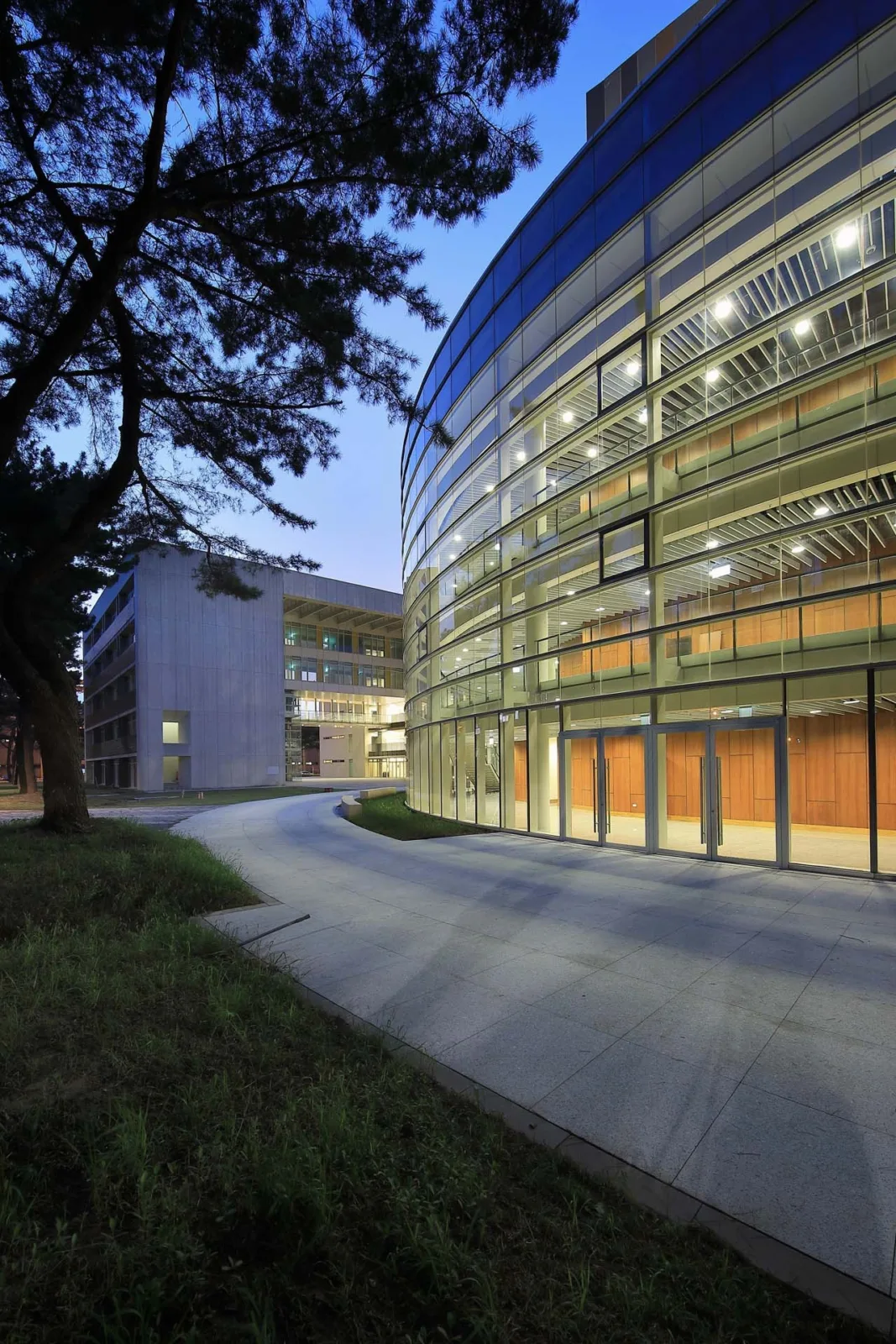
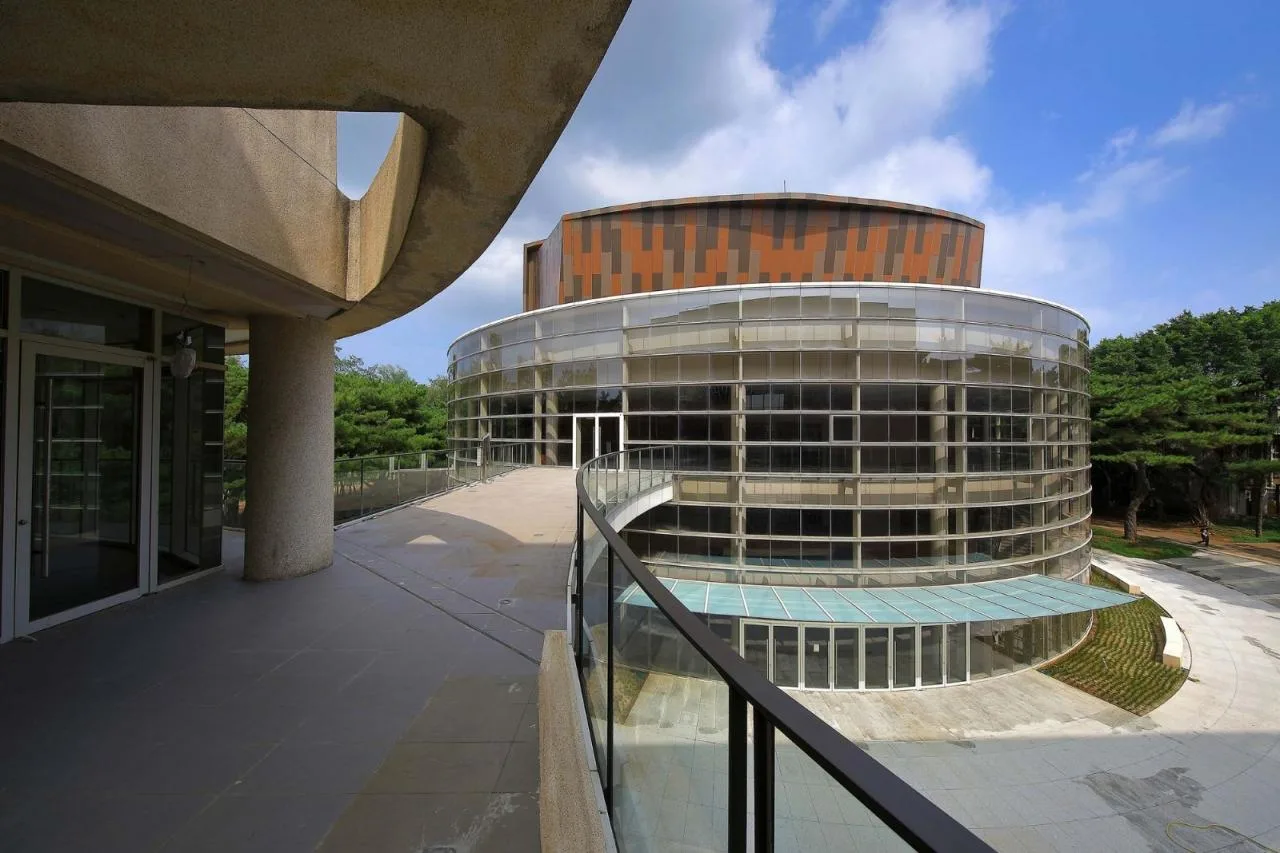
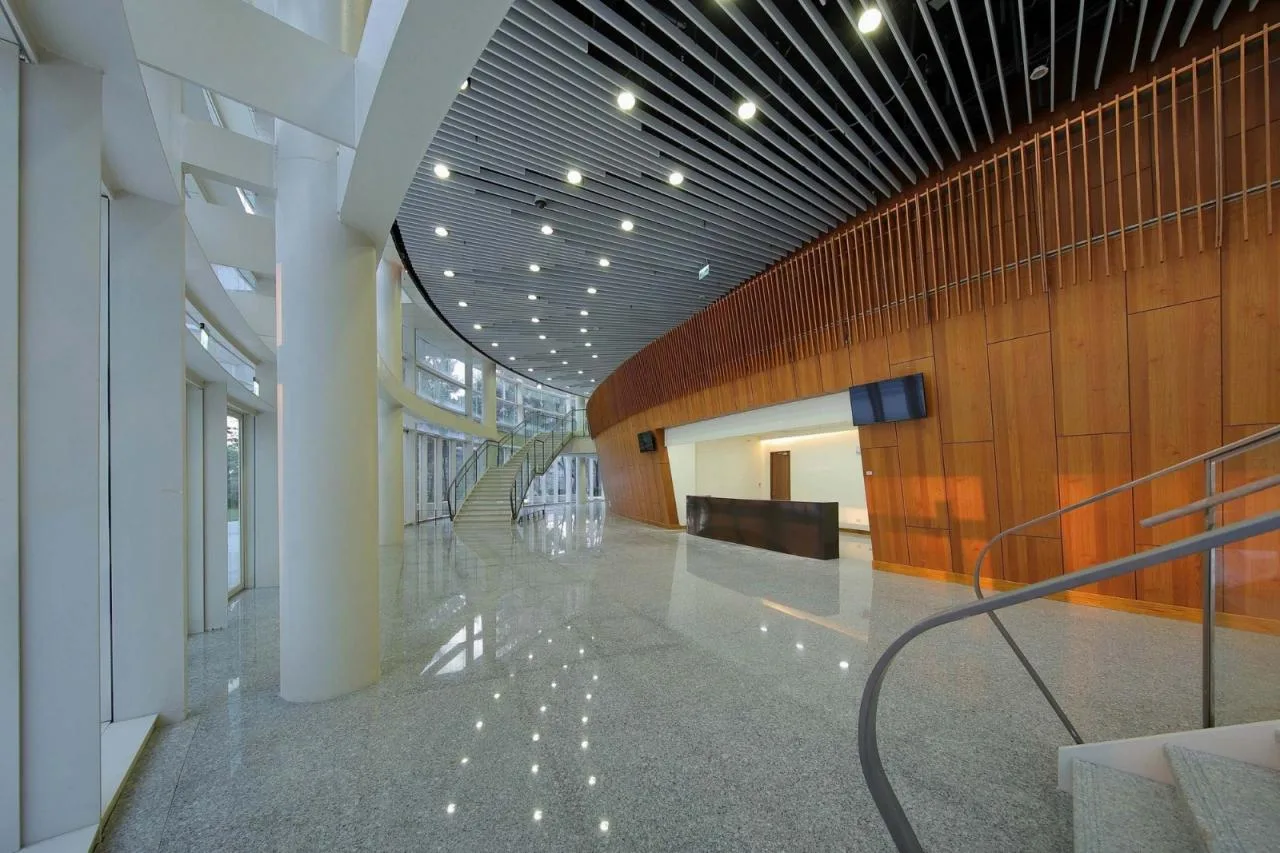
With a seating capacity of 1,600, the auditorium connects to several supporting spaces including an entrance plaza, foyer, art gallery, aerial corridor, and both indoor and outdoor seating areas. This multi-functional facility supports academic research activities on campus, complies with international standards, and serves as a venue for conferences and professional performances. Moreover, it plays a vital role in broadening the cultural experiences of residents throughout the Greater Taoyuan region.
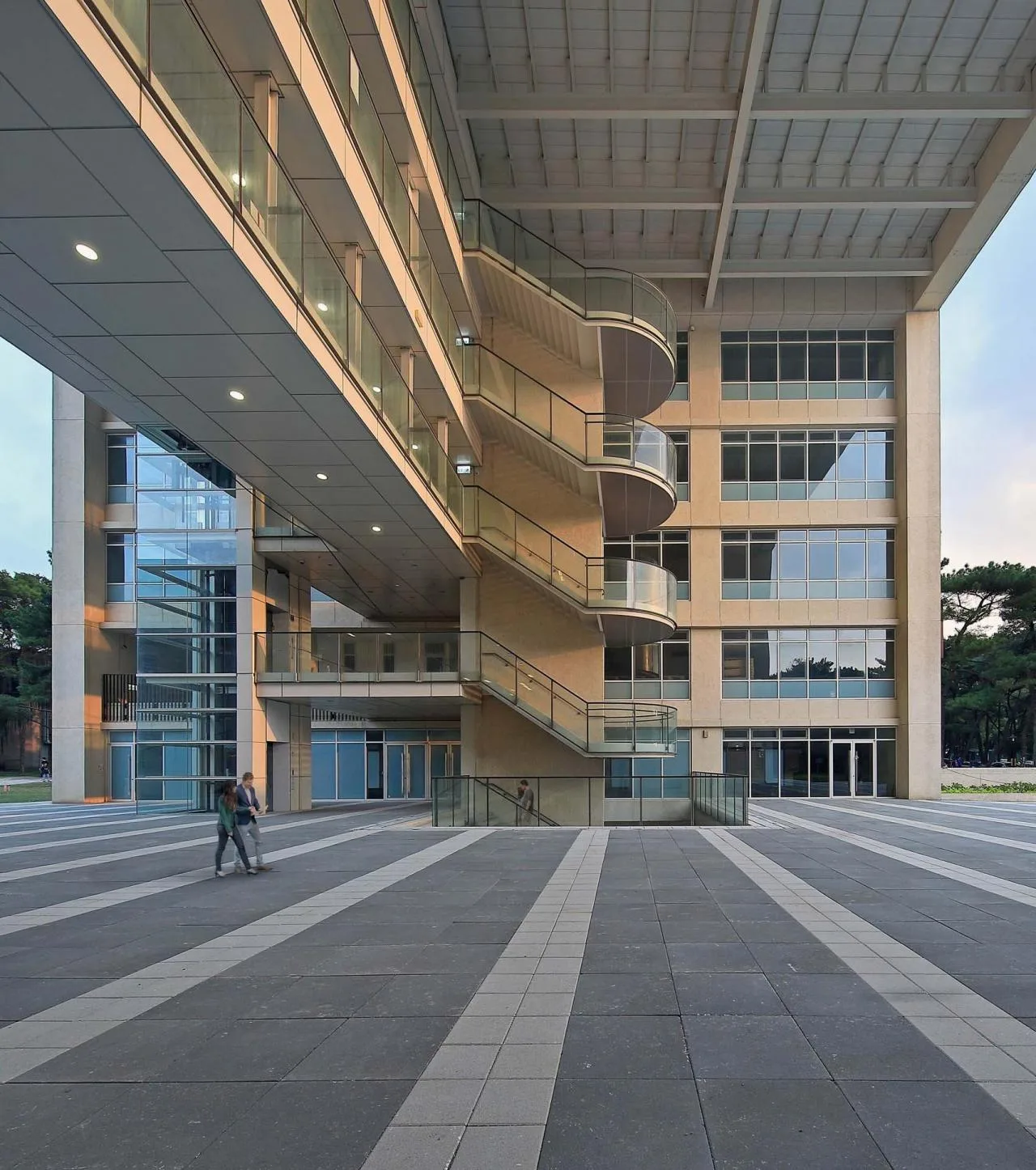
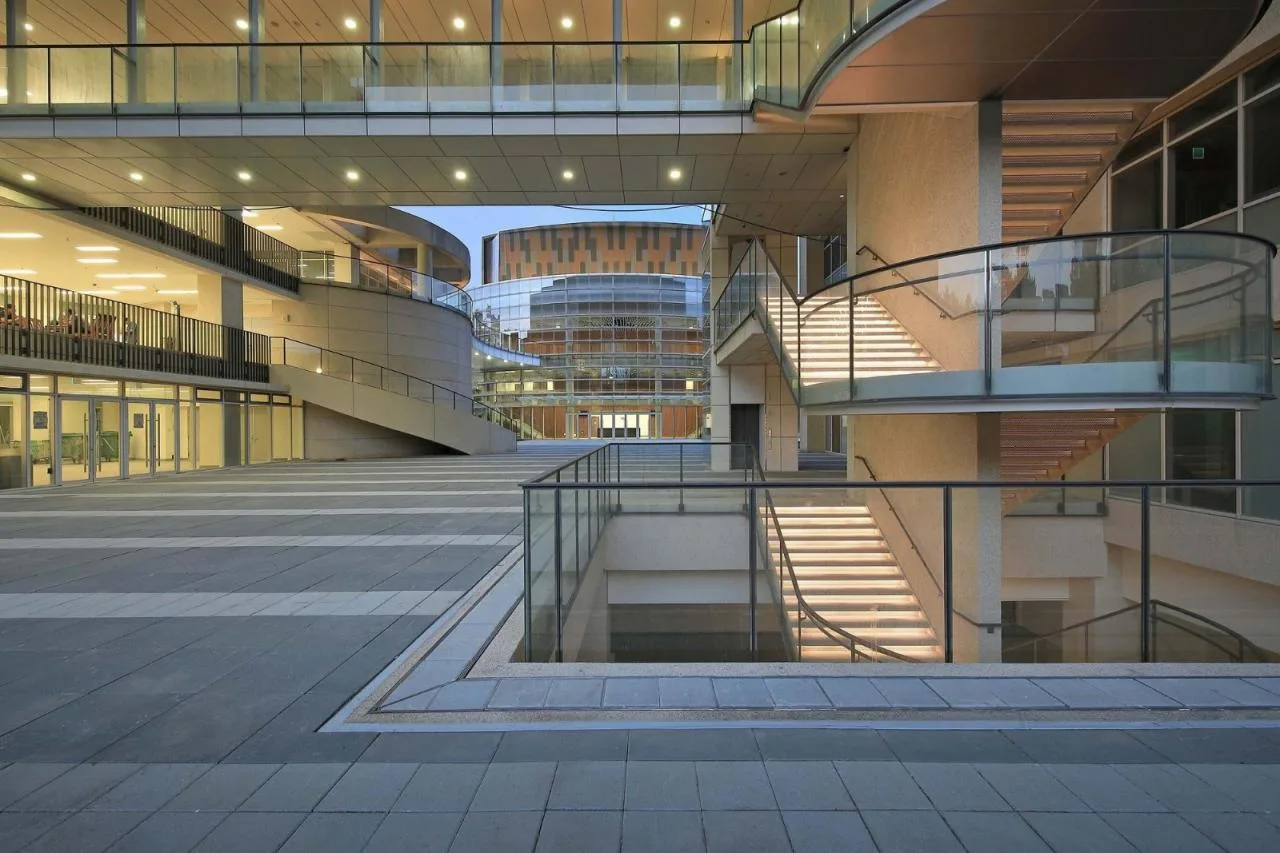
From a sustainability perspective, the design integrates the surrounding open spaces with the campus’s existing vegetation and textures. It features multiple outdoor and semi-outdoor activity areas, accommodating diverse functions. Beyond highlighting the multifaceted nature of university education, the project fosters regional cultural and educational development through interactive urban art and cultural platforms. This successfully implements a resource-sharing strategy among government, university, and local residents.
Project Drawings
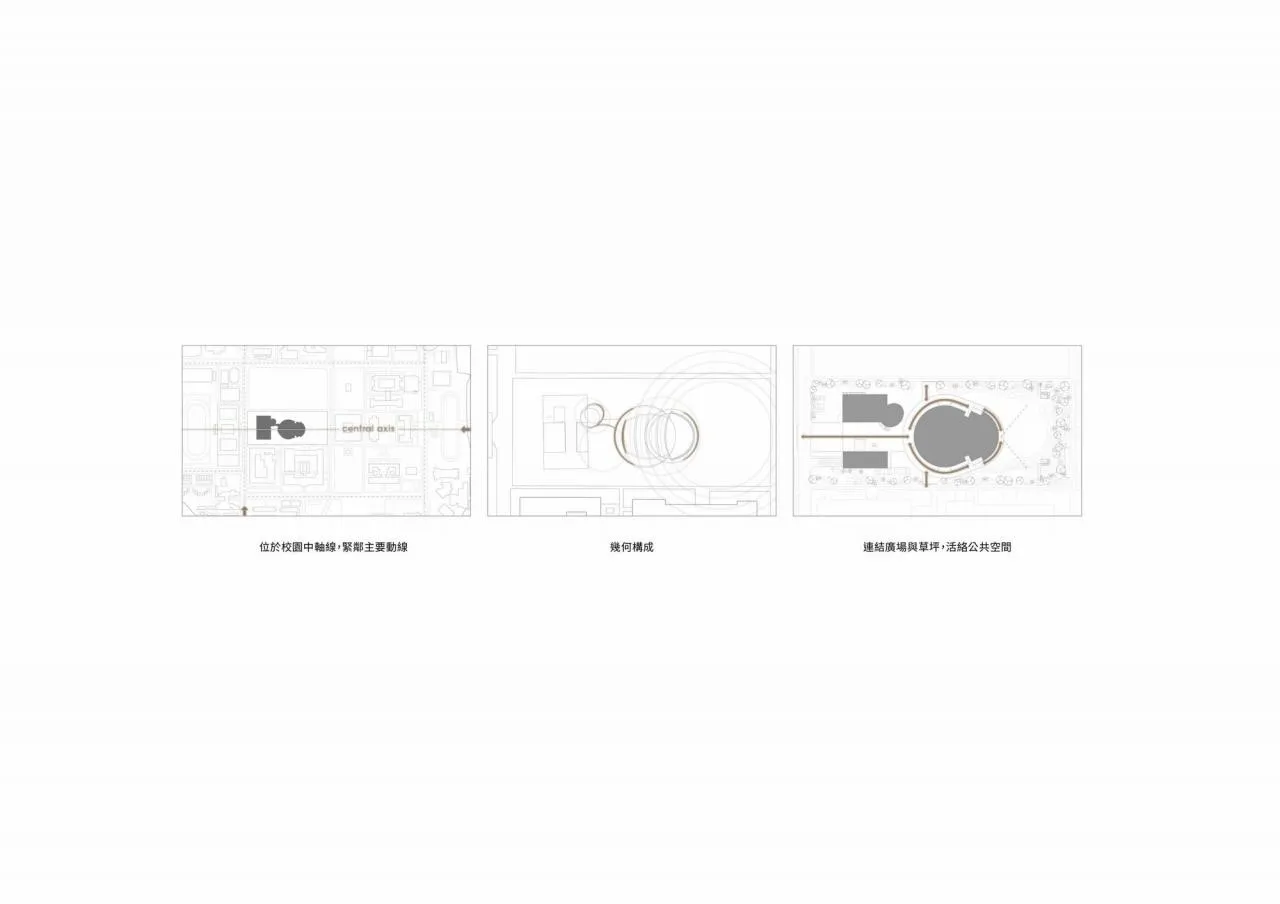
△ Design generation diagram
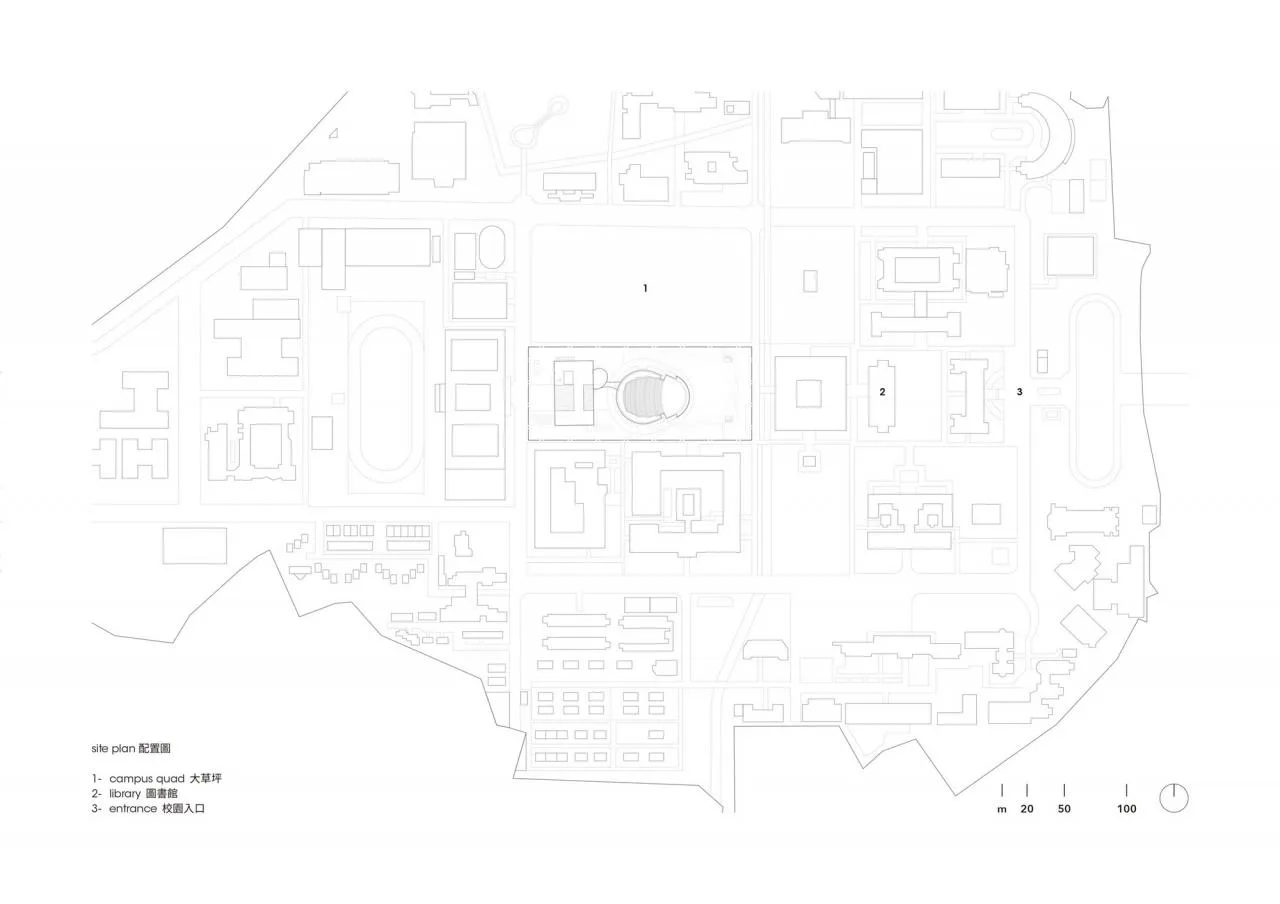
△ Base configuration diagram
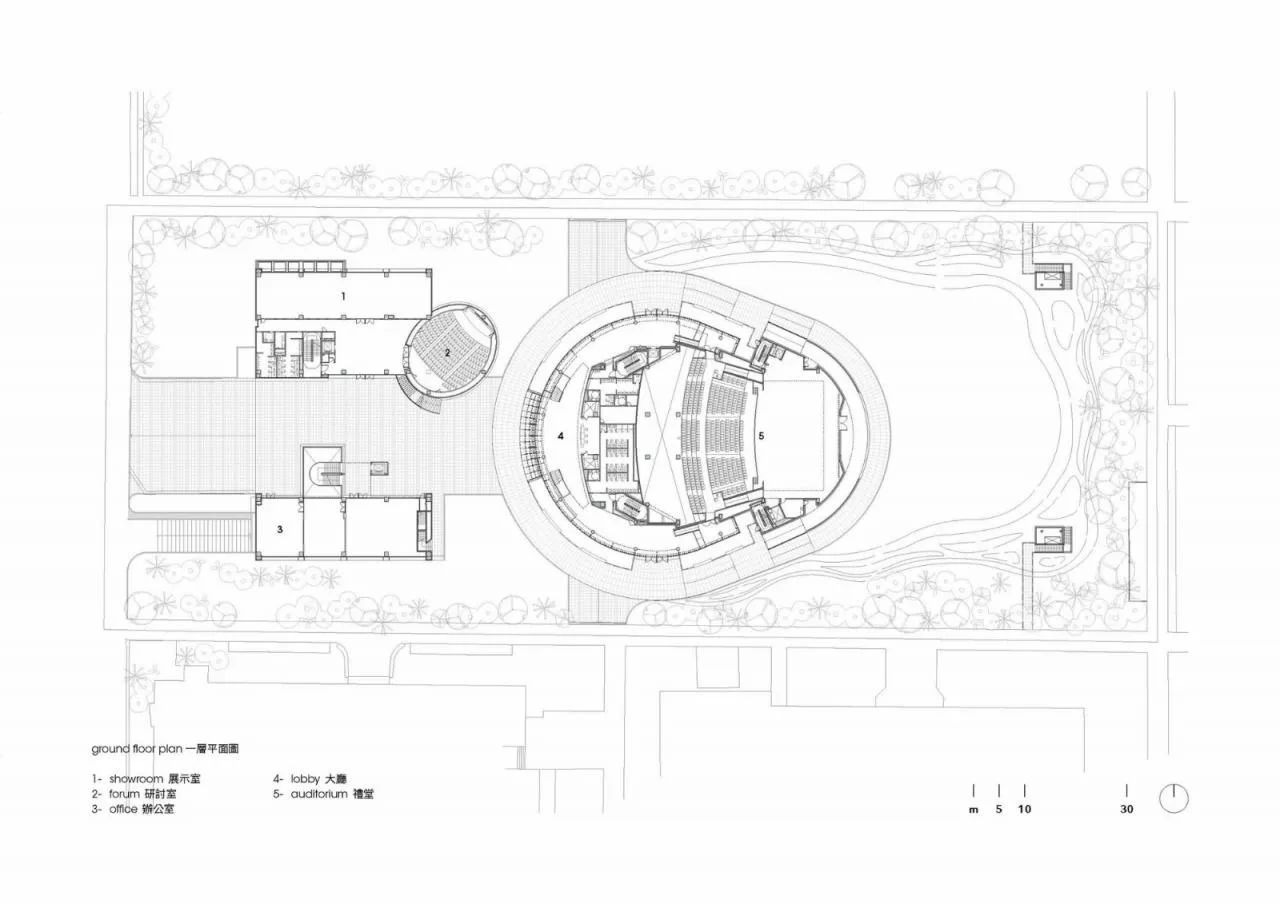
△ First floor plan
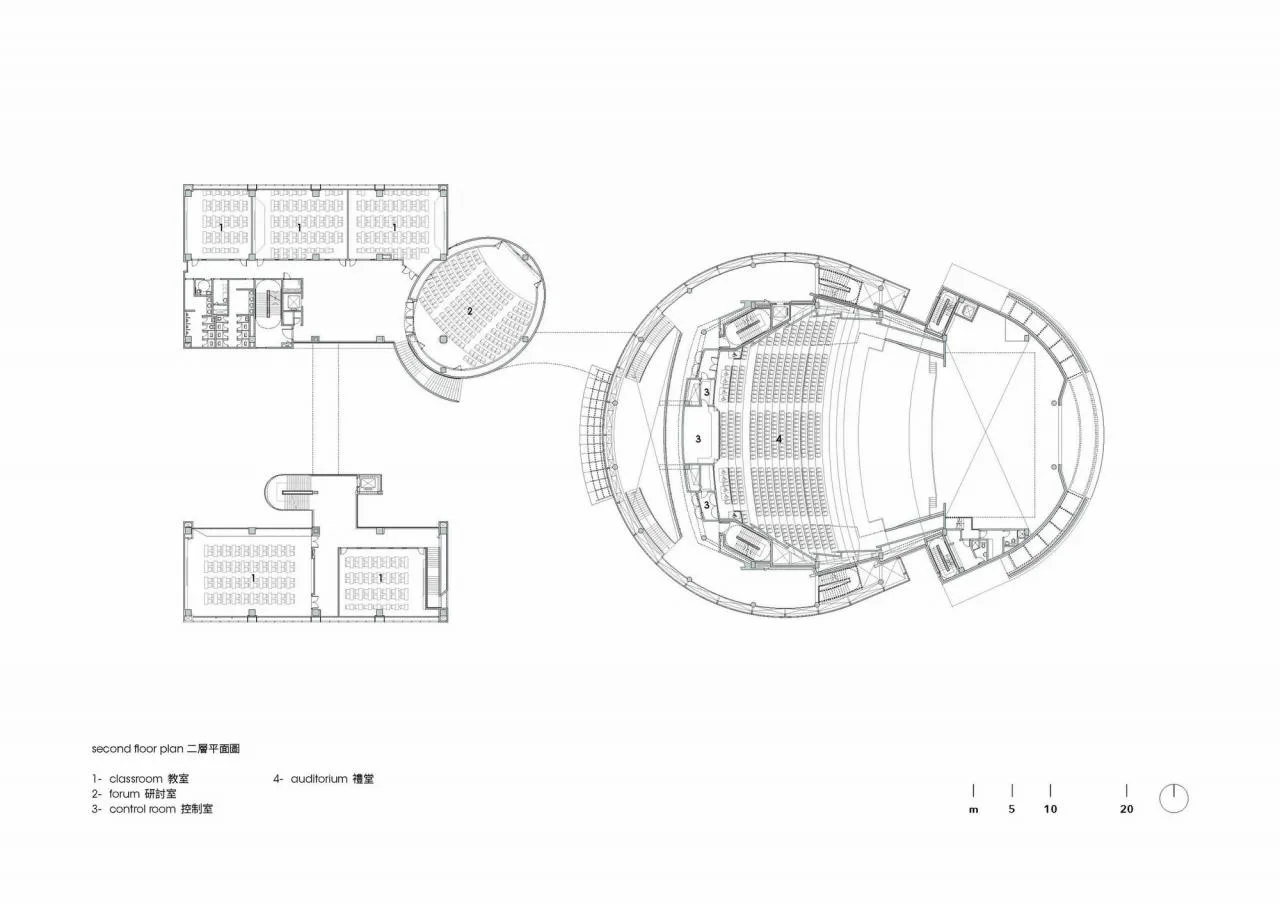
△ Second floor plan
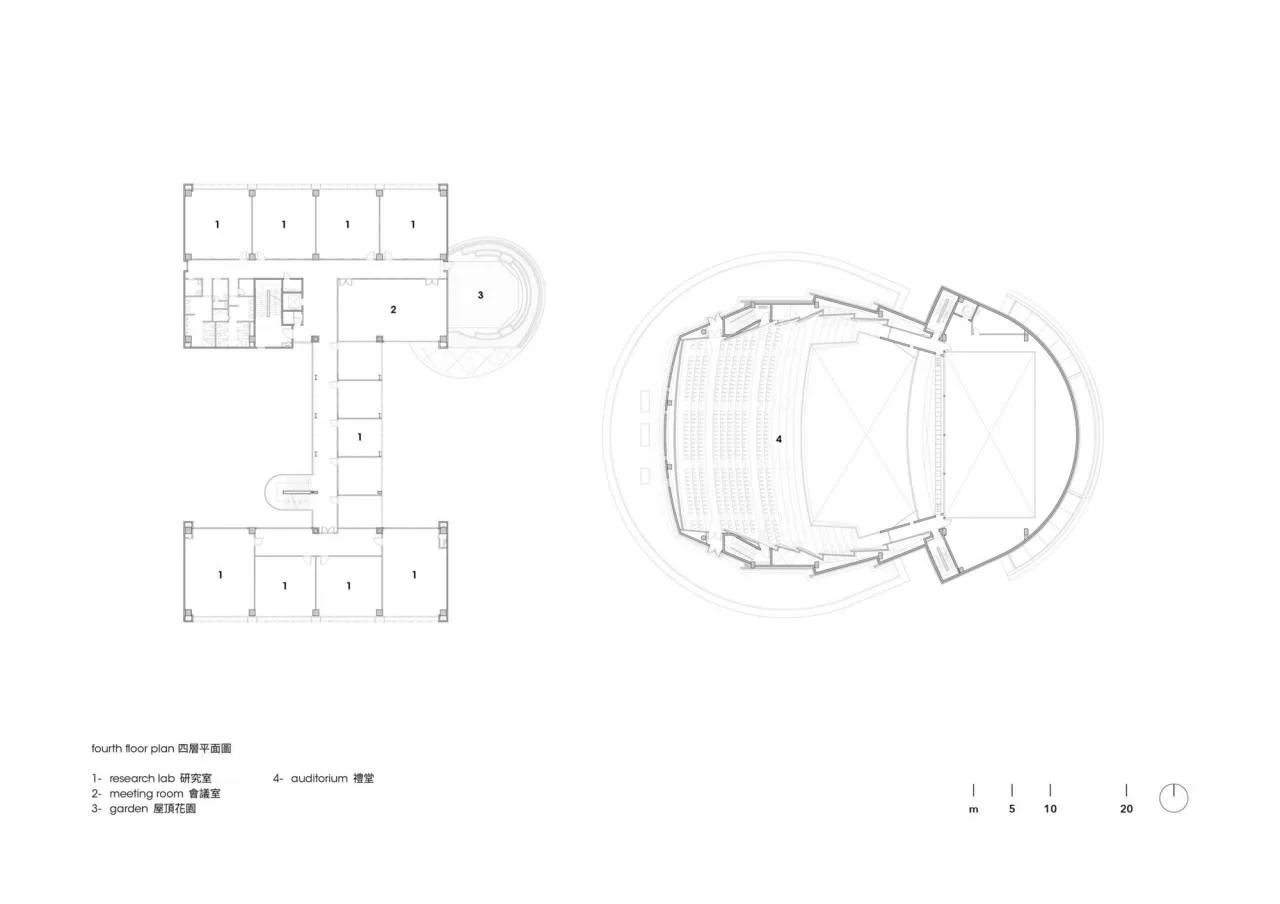
△ Fourth floor plan
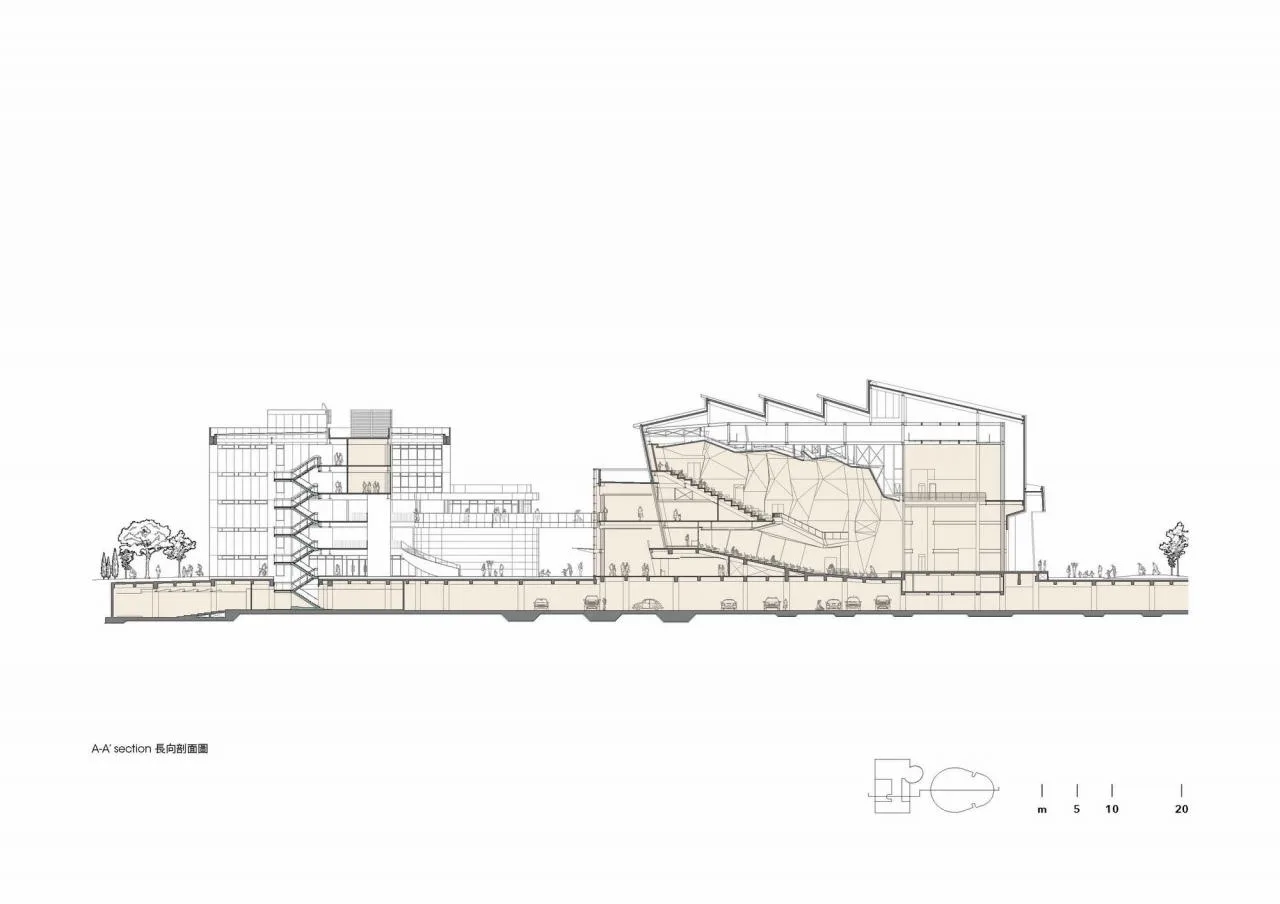
△ Section diagram
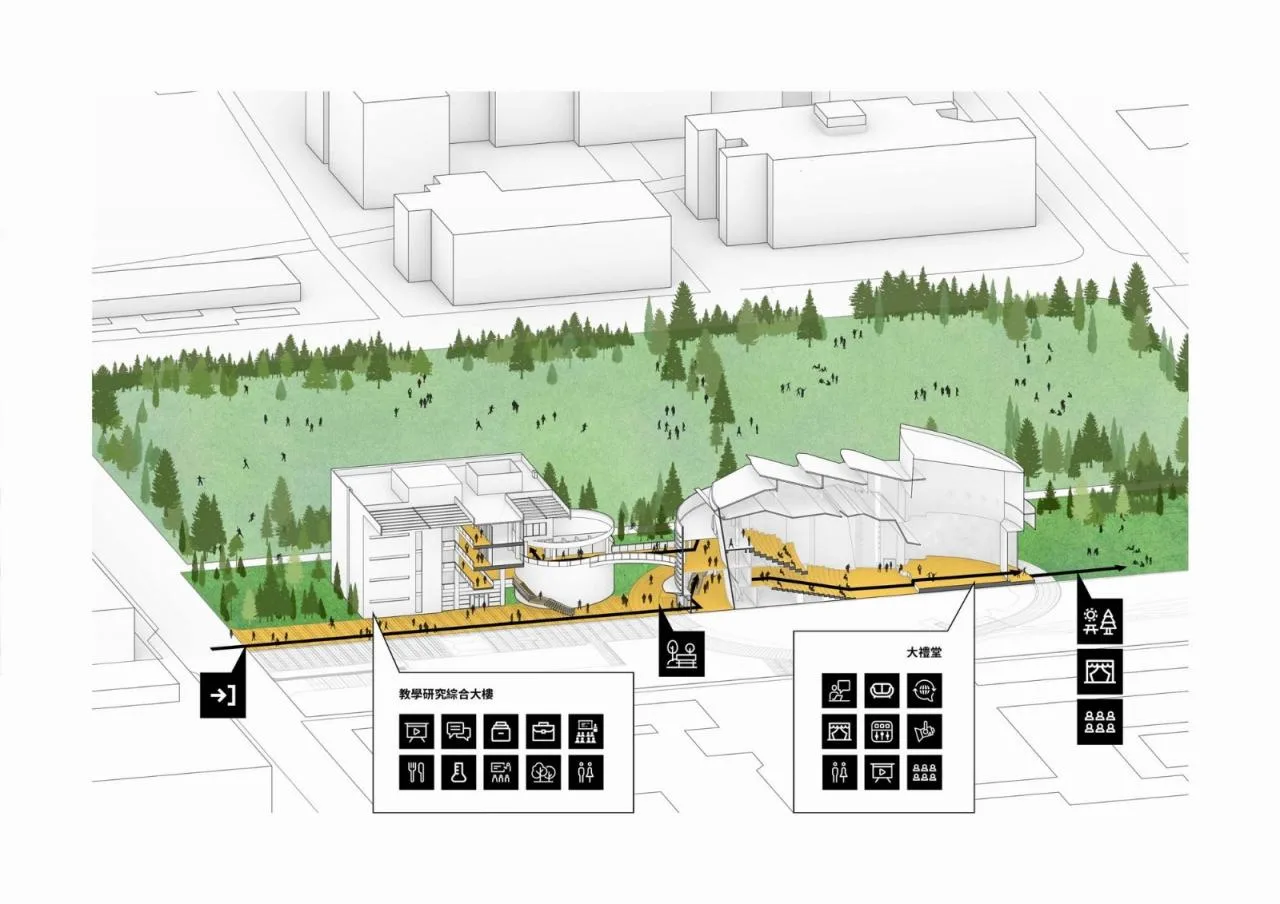
△ Sectional perspective
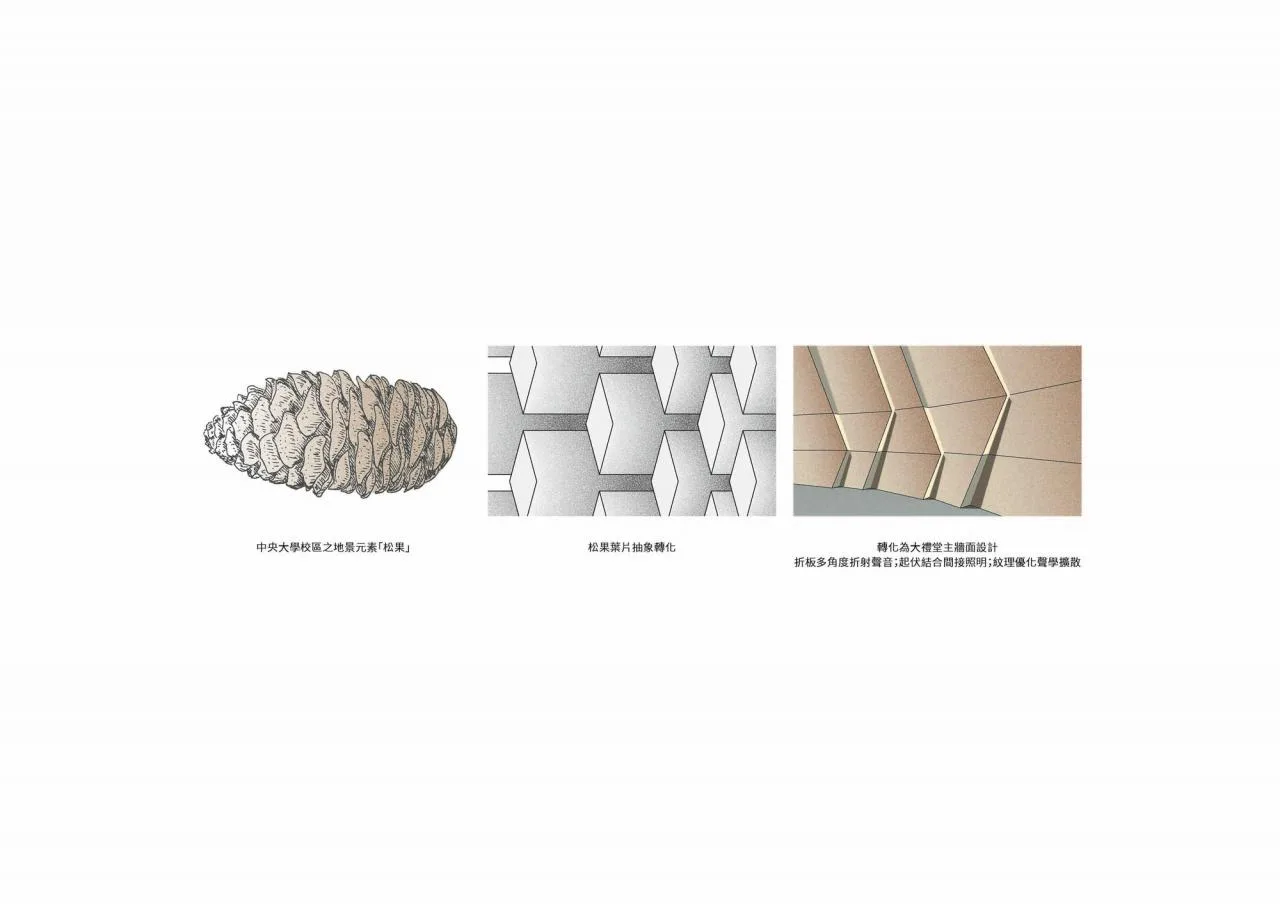
△ Detail analysis diagram
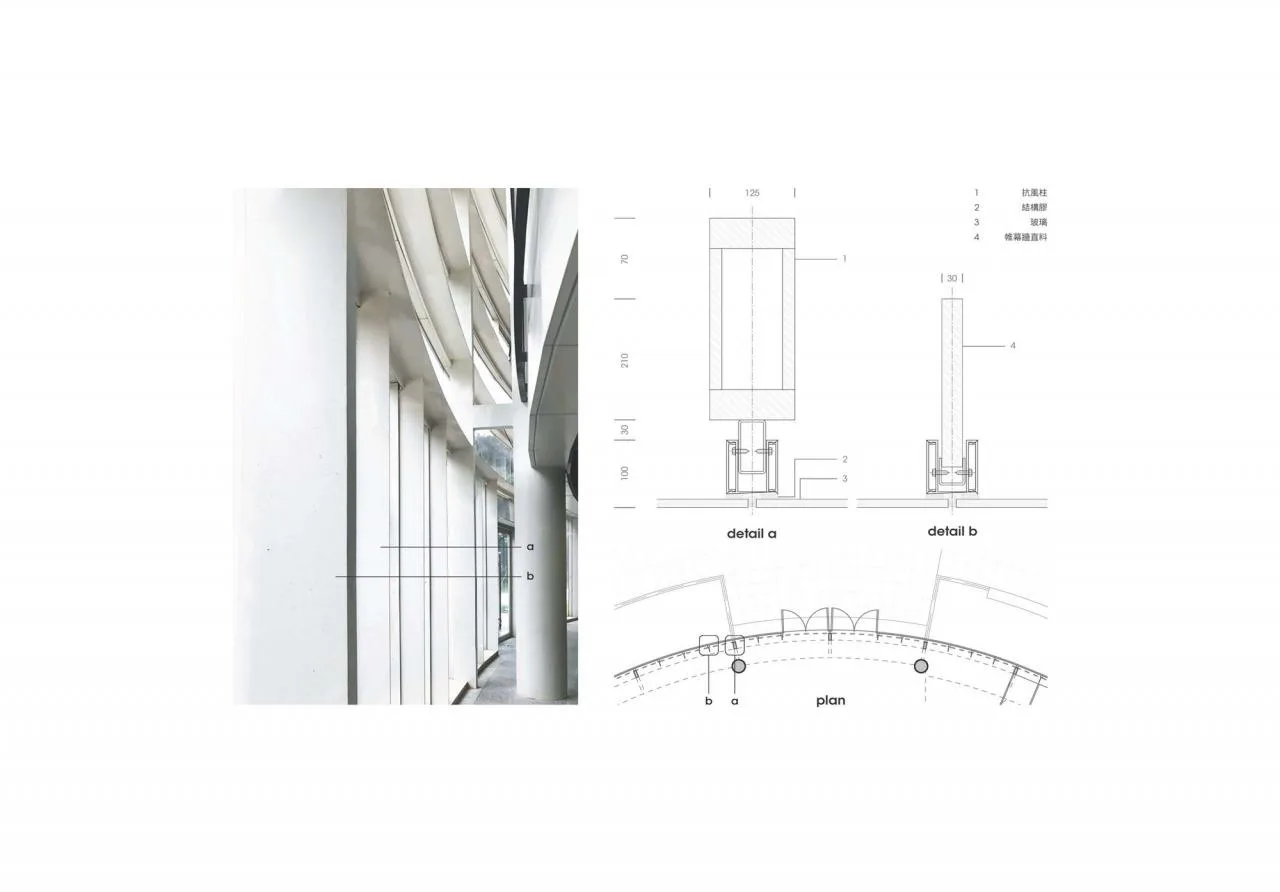
△ Structural detail drawing
Project Information
Architectural Design: Pan Ji United Architectural Firm
Area: 6,386 m²
Project Year: 2019
Photographer: Jay Liou
Lead Architects: Pan Ji, Zheng Rongyu
Design Team: Huang Zhongcai, Chen Weimin, Huang Jieshuai, Cai Hengsheng, Li Pian, Shi Xiaomei, Yang Xiuru, Guo Weike, Huang Yanlin, Liang Jianyuan, Huang Shifang, Li Xinping, Wu Shujing
Structural Consultant: Qunce Engineering Consultant
Mechanical, Electrical & Air Conditioning: Ganghong Baoxin Electric Refrigeration and Air Conditioning Technician Firm
Lighting Consultant: Dayu Design Consultant
Acoustic Consultant: Dayu Design Consultant
Construction: Lijin Construction
Location: Taiwan, China
















Must log in before commenting!
Sign Up