
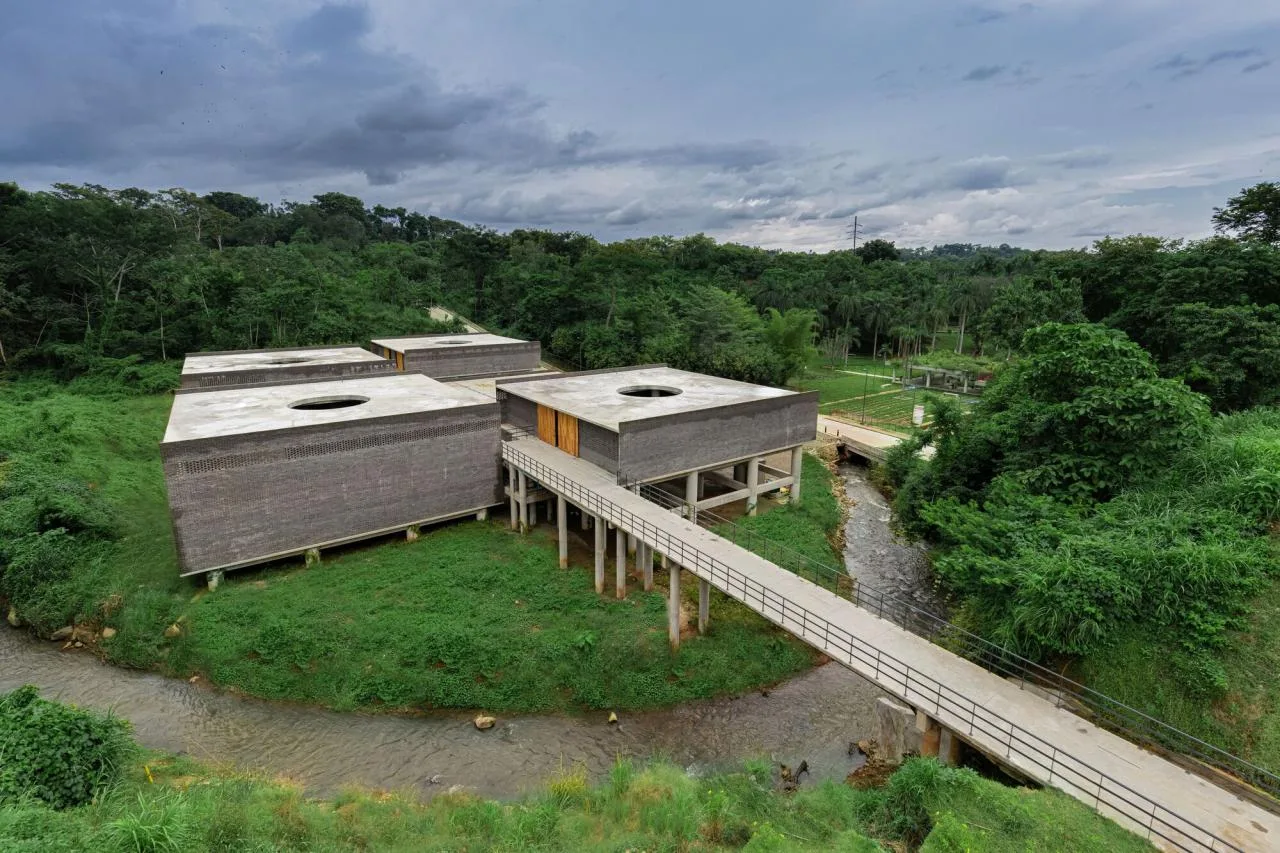
The Social Assistance Center is a multifunctional facility designed to offer a variety of social support services, fostering welfare sharing and encouraging active community participation. Through its diverse functional spaces, it establishes an efficient organizational framework and interconnected pathways for the community. The center promotes the overall growth of families and neighborhoods by addressing gender perspectives, serving local residents and vulnerable groups, and supporting public safety and environmental protection through population education and awareness initiatives.
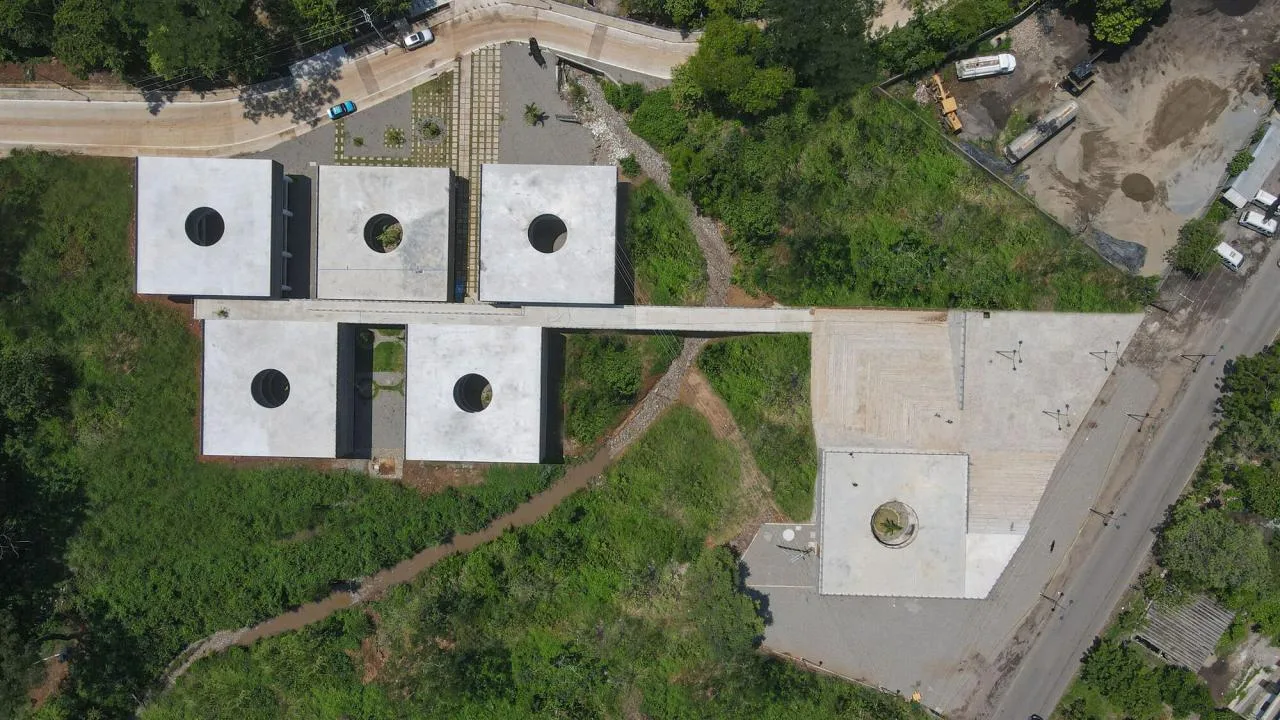
Located in Tapachula, Mexico, the Social Assistance Center is part of a strategic initiative to support local population growth and create new opportunities. The project aims to revitalize neighborhoods and nearby suburban areas, transforming them into safer, more productive, and livable communities. By offering accessible social services such as basic healthcare, mental health counseling, job training, recreational activities, childcare from infancy to preschool, direct food aid, and social work opportunities, the center emphasizes social integration and community development, fostering coexistence and strengthening collective identity.
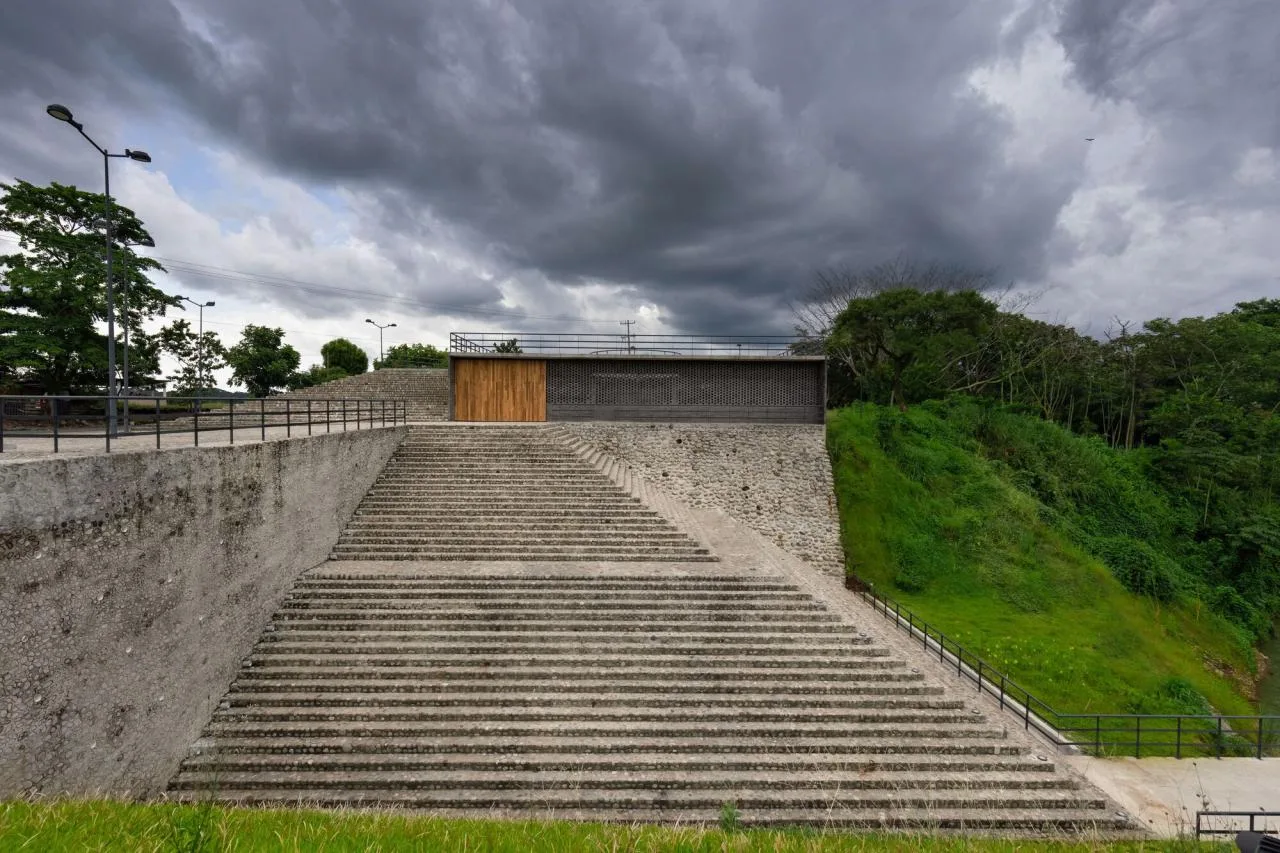
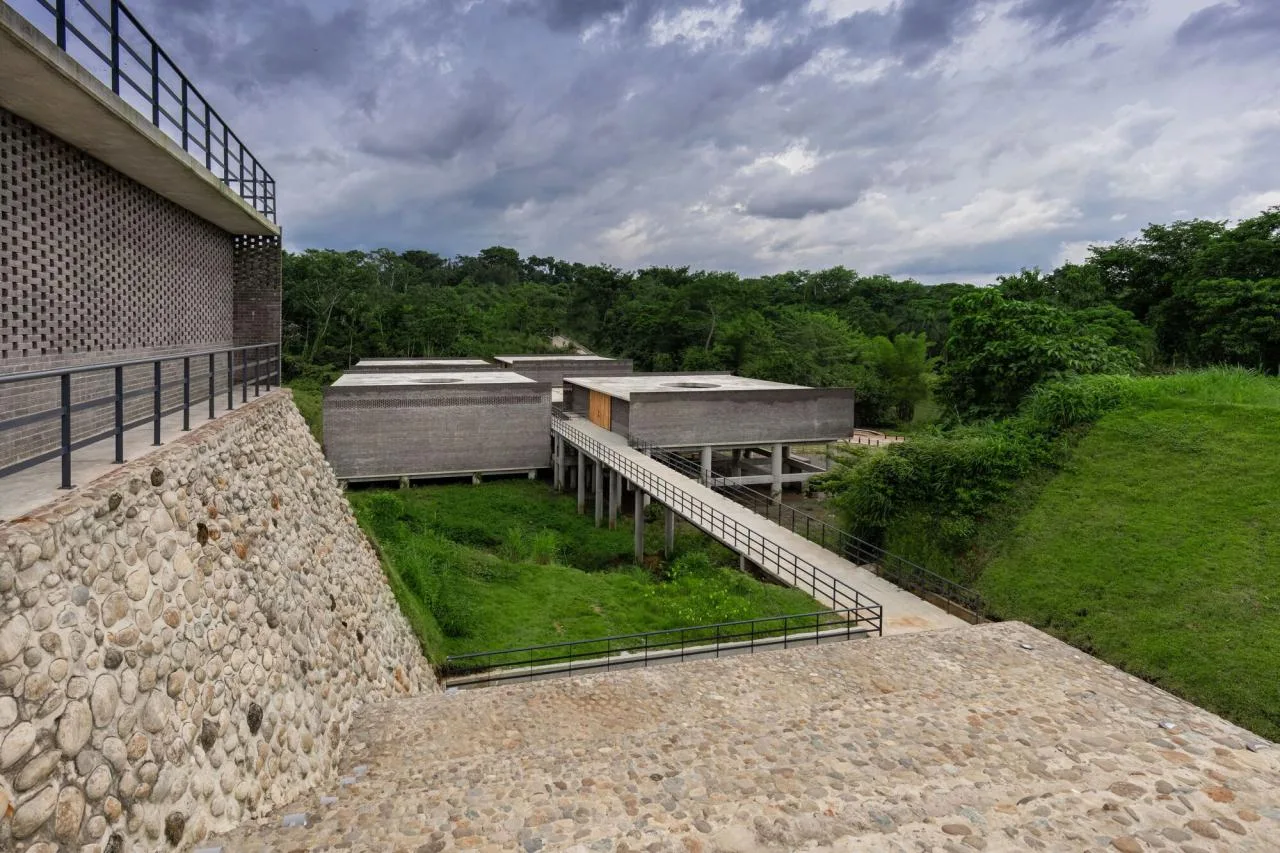
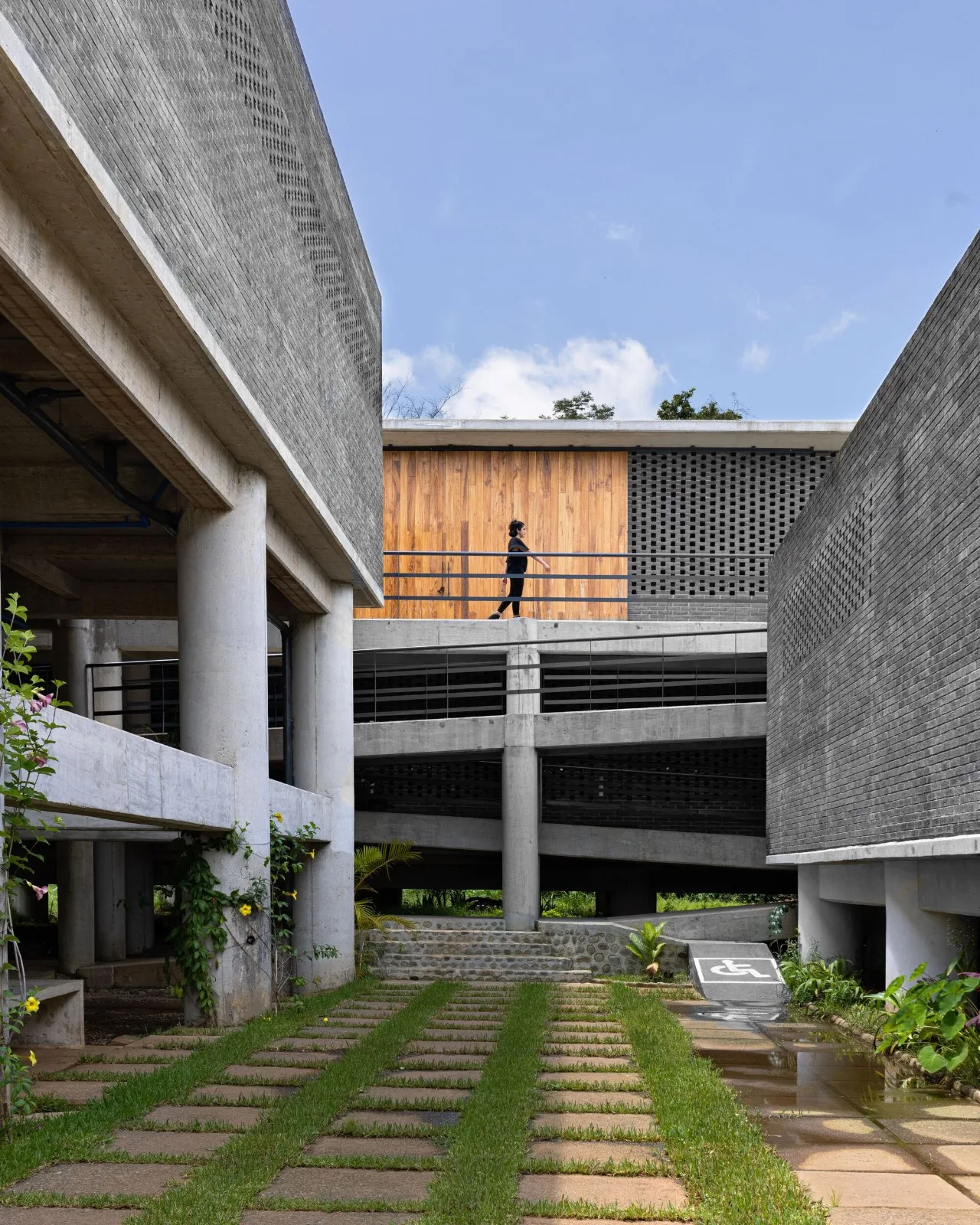
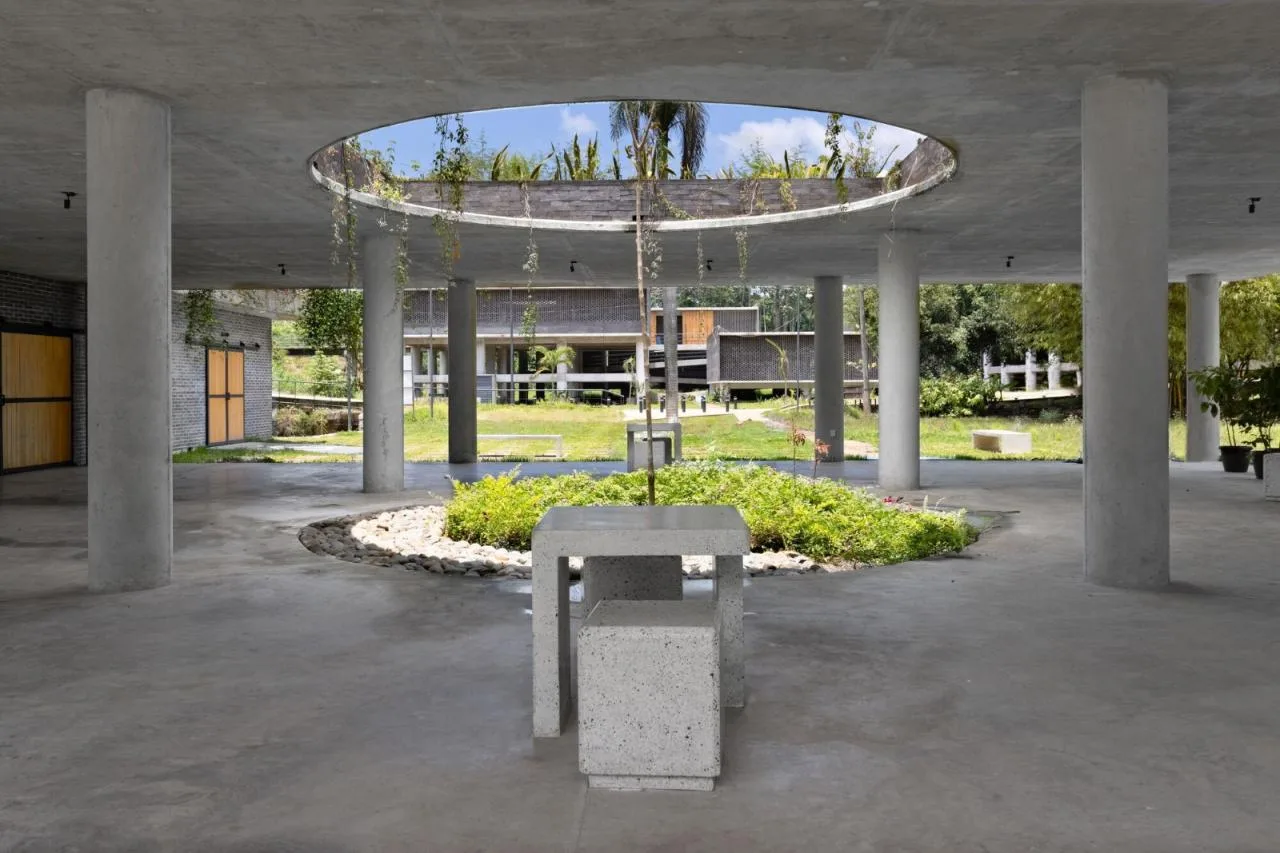
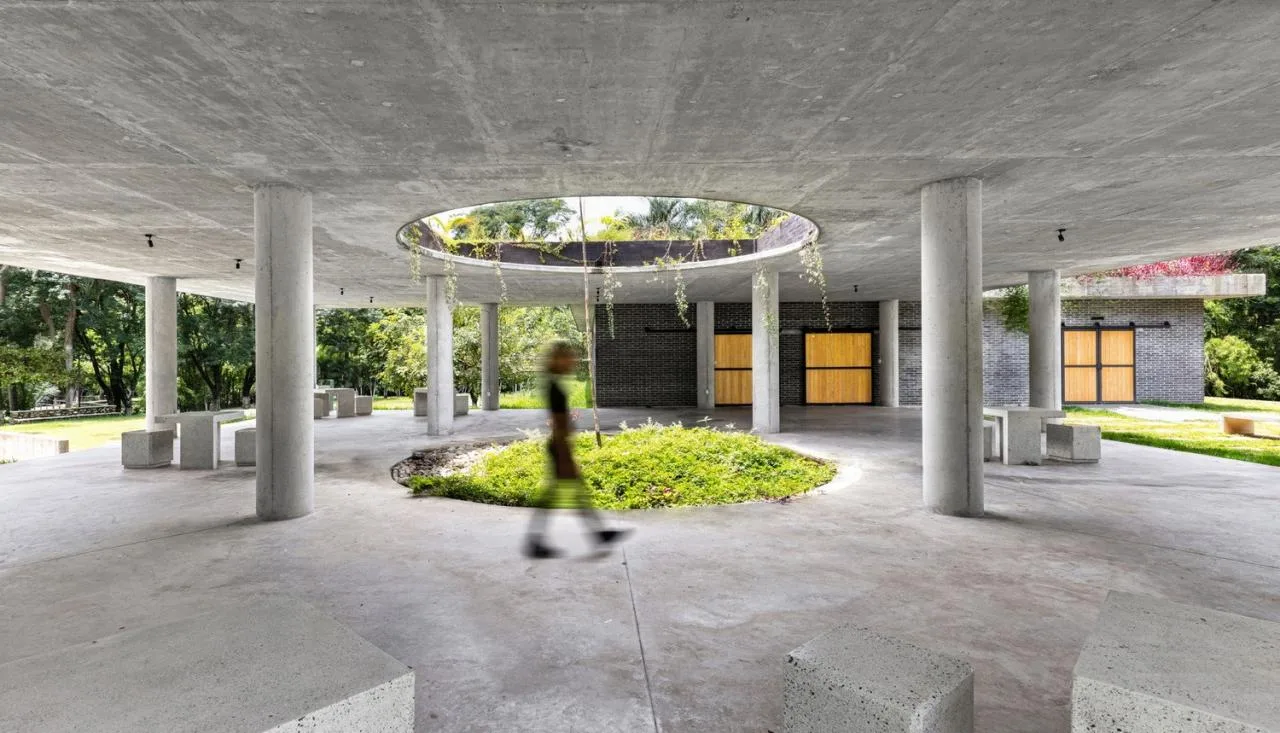
The project consists of two primary components: a built structure made up of six modular units and an outdoor area. The modular units are designed to deliver tailored social services to residents, including infants to preschoolers, people with disabilities, parents, and other vulnerable groups. The outdoor space features a forum, an accessible courtyard, parking facilities, and a loading zone. Each of the six modules operates independently and collectively covers services such as social support, government assistance, education and training, sports and entertainment, and the CADI Children’s Development Focus Center.
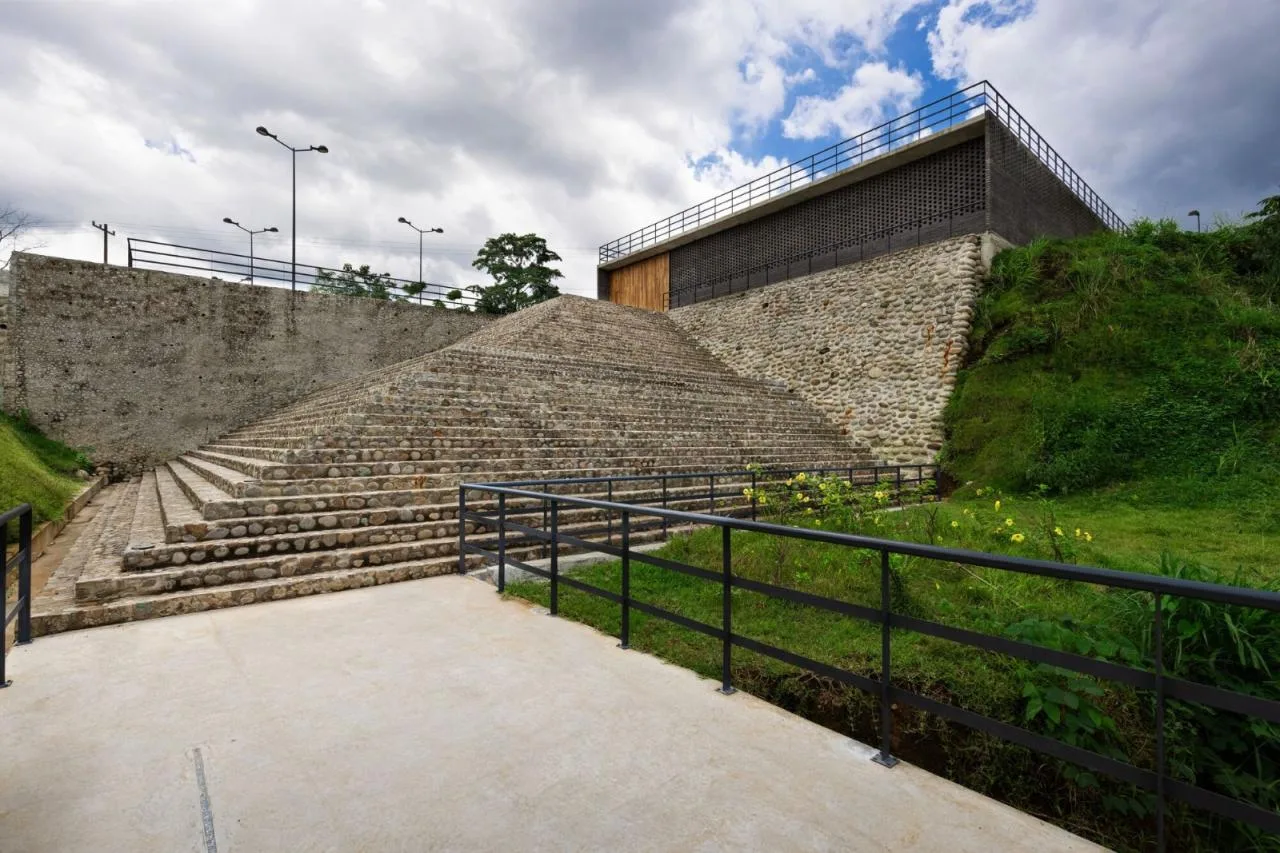
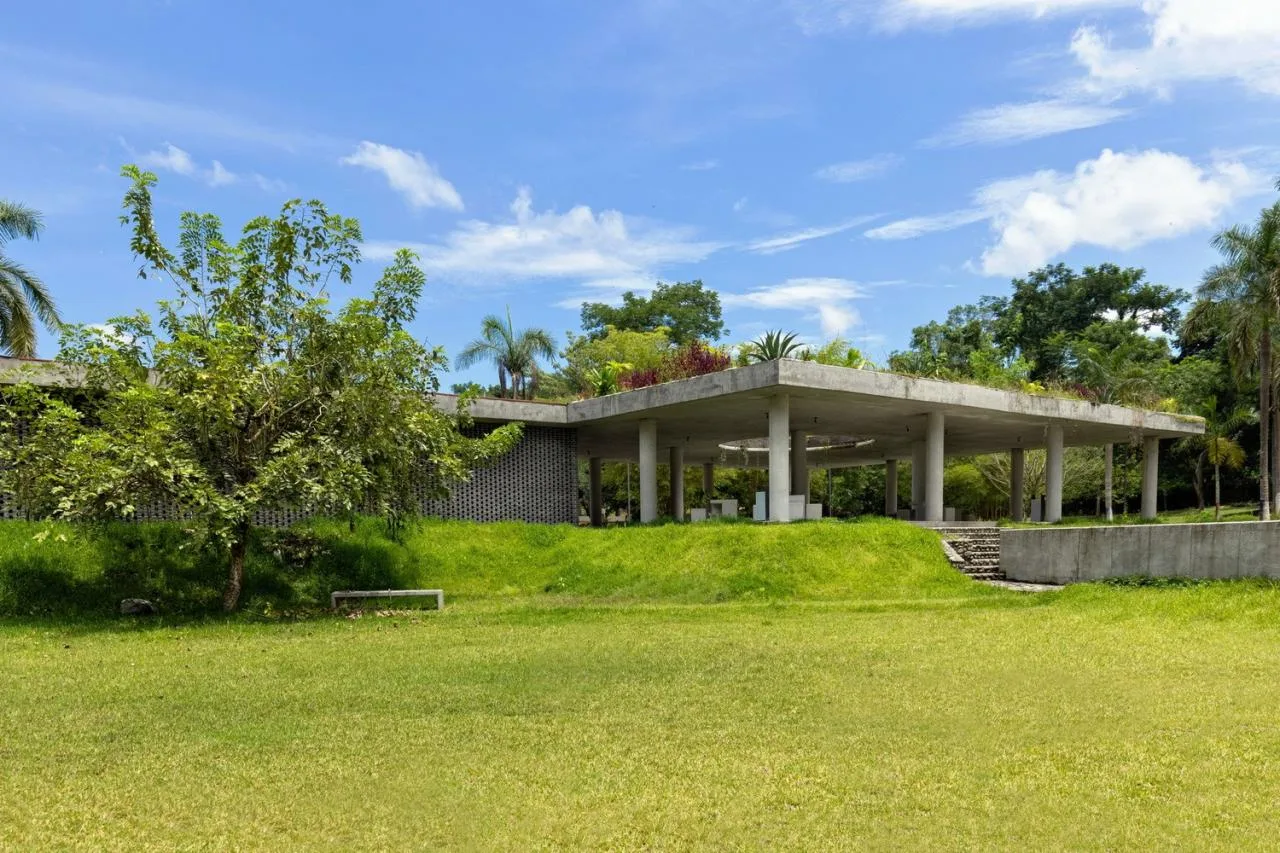
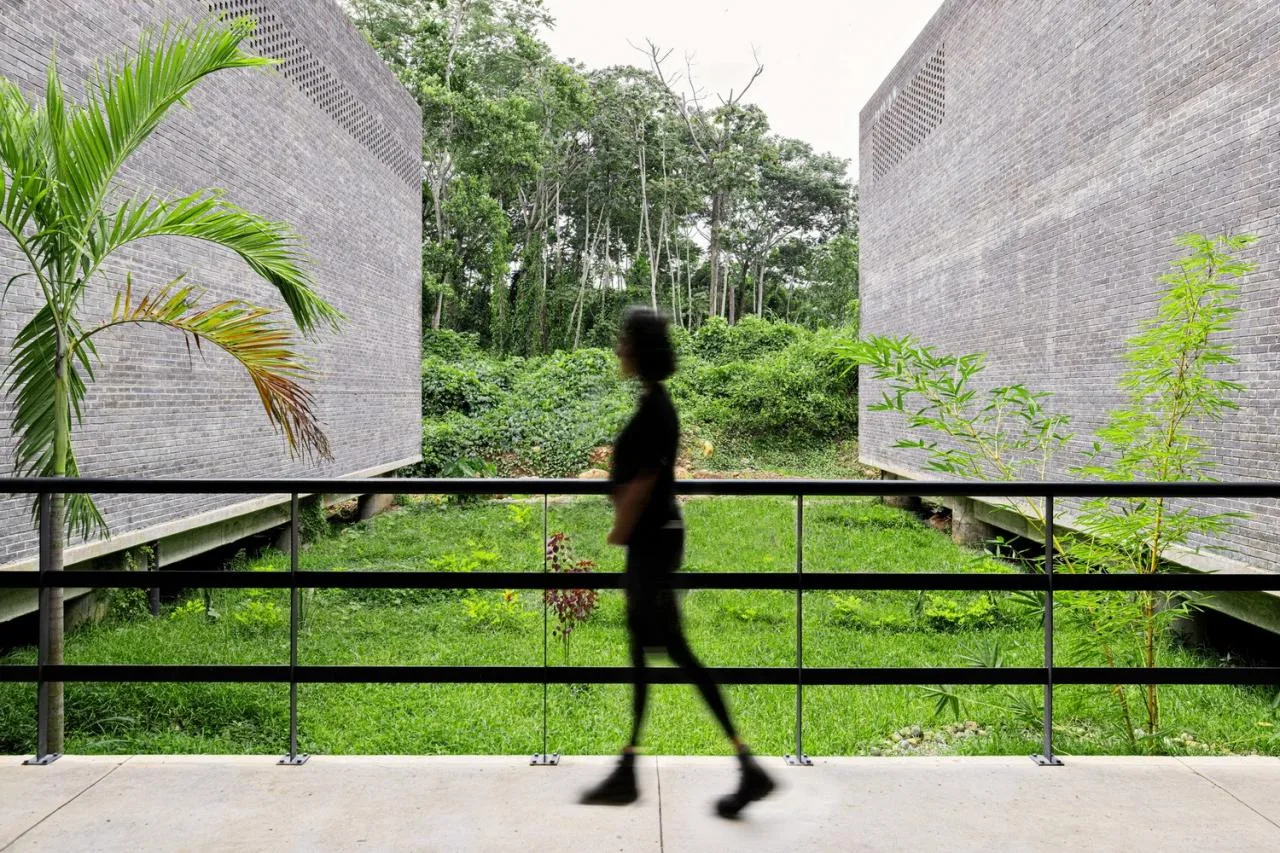
The main entrance faces Avenida 8va Norte Avenue. From the courtyard, visitors can access the outdoor plaza, with adjacent steps leading up to the terrace of the “social support” module. This terrace offers a comfortable setting for users and serves as a venue for outdoor cultural activities. All modules except the “social support” unit are situated on the lower north terrace, connected to the entrance via cantilevered walkways. This design promotes natural rainwater infiltration and provides shelter from sun and rain using the ground as protection. An elevated central walkway links the modules to the entrance, offering excellent vantage points to observe the surrounding natural environment.
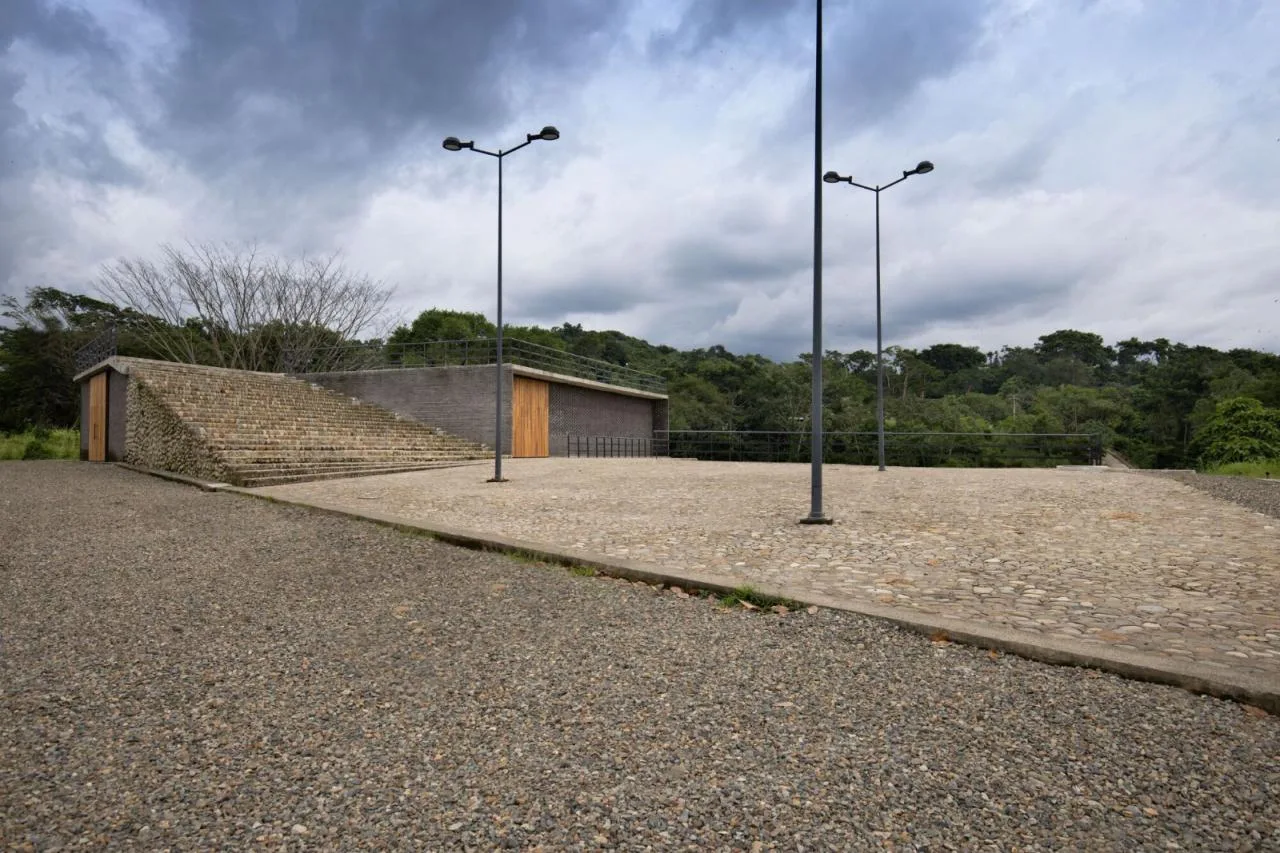
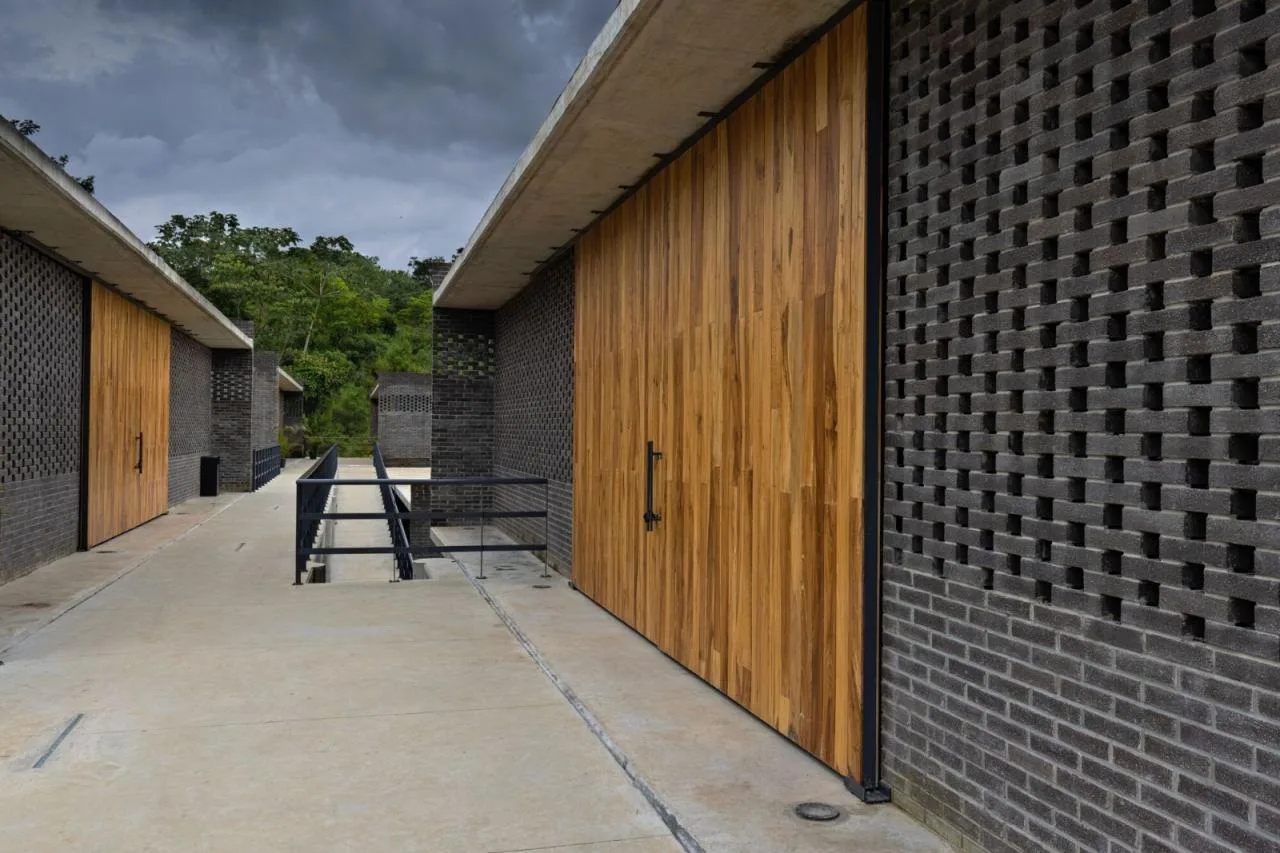
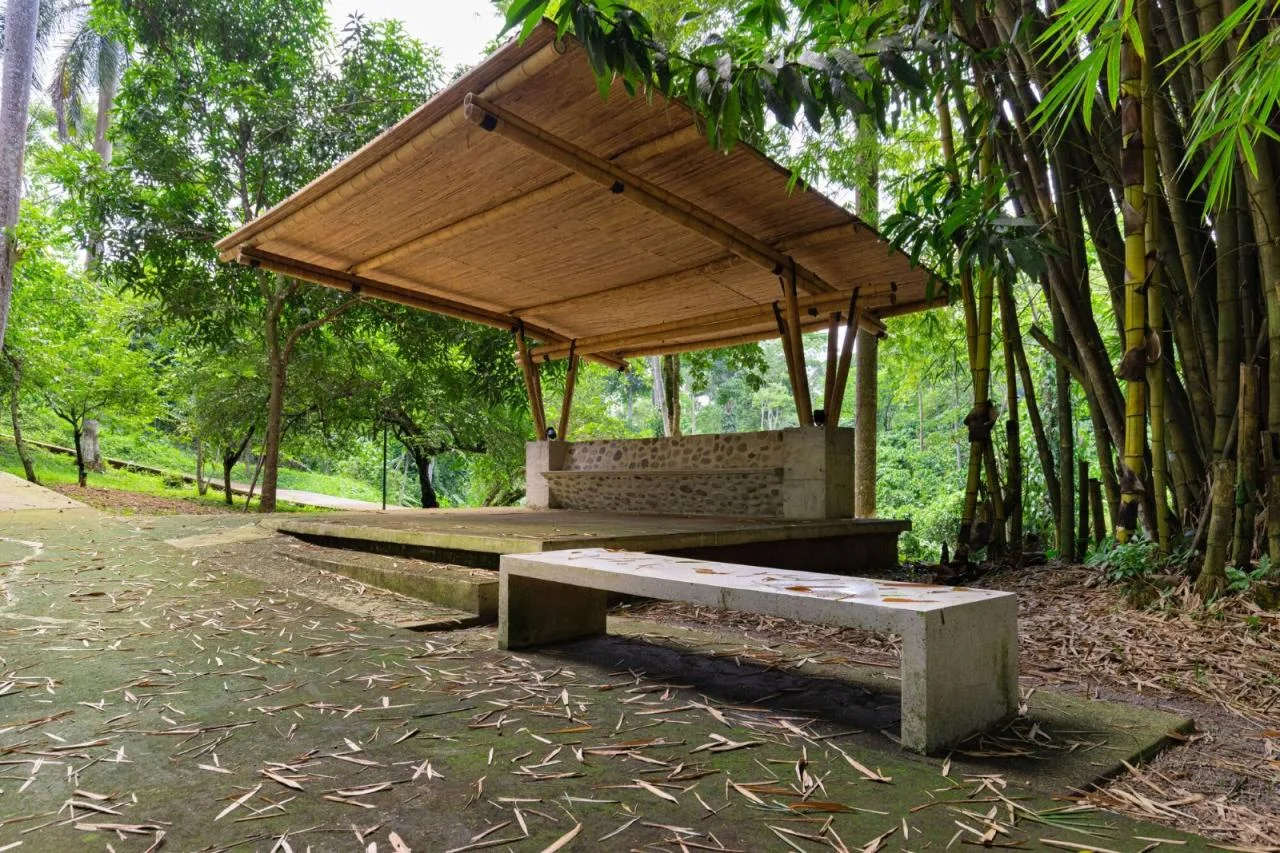
The coffee park, located within the “social service” module, is an open wooden area featuring pedestrian pathways and seating spaces for visitors to relax. The trail extends to an environmental intervention zone, a play area, open sports facilities, a children’s playground, restrooms, and green spaces. Serving as the main sports and recreational hub for locals, the coffee park is planned with equal emphasis on existing infrastructure and green areas.
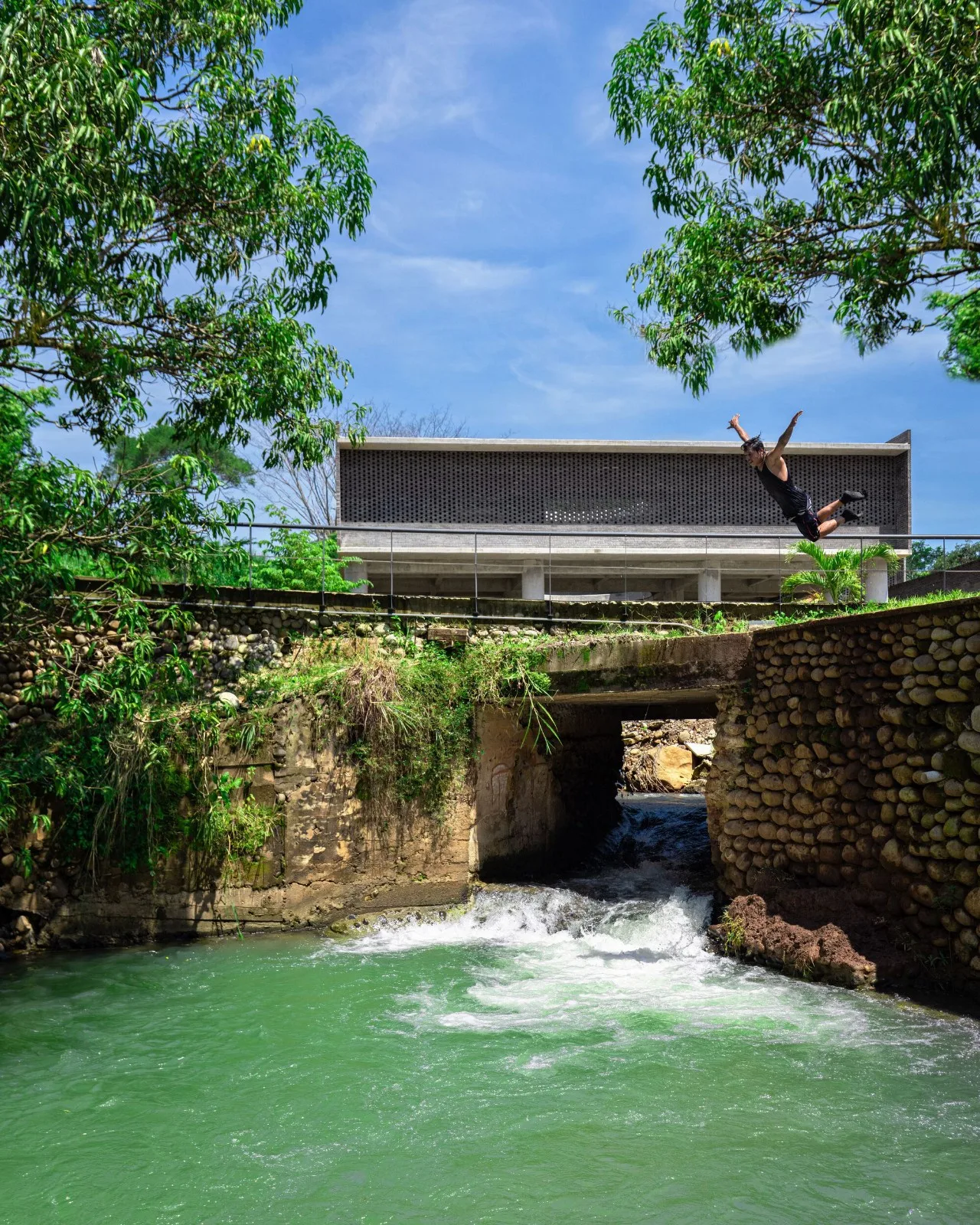
The entire project is divided into four zones: the entrance area, construction module zone, sports and entertainment sector, and the coffee park with pedestrian walkways. The entrance area includes a parking lot, courtyard, and a natural water pool, while the construction modules define the core structure of the social assistance center.
Project Drawings
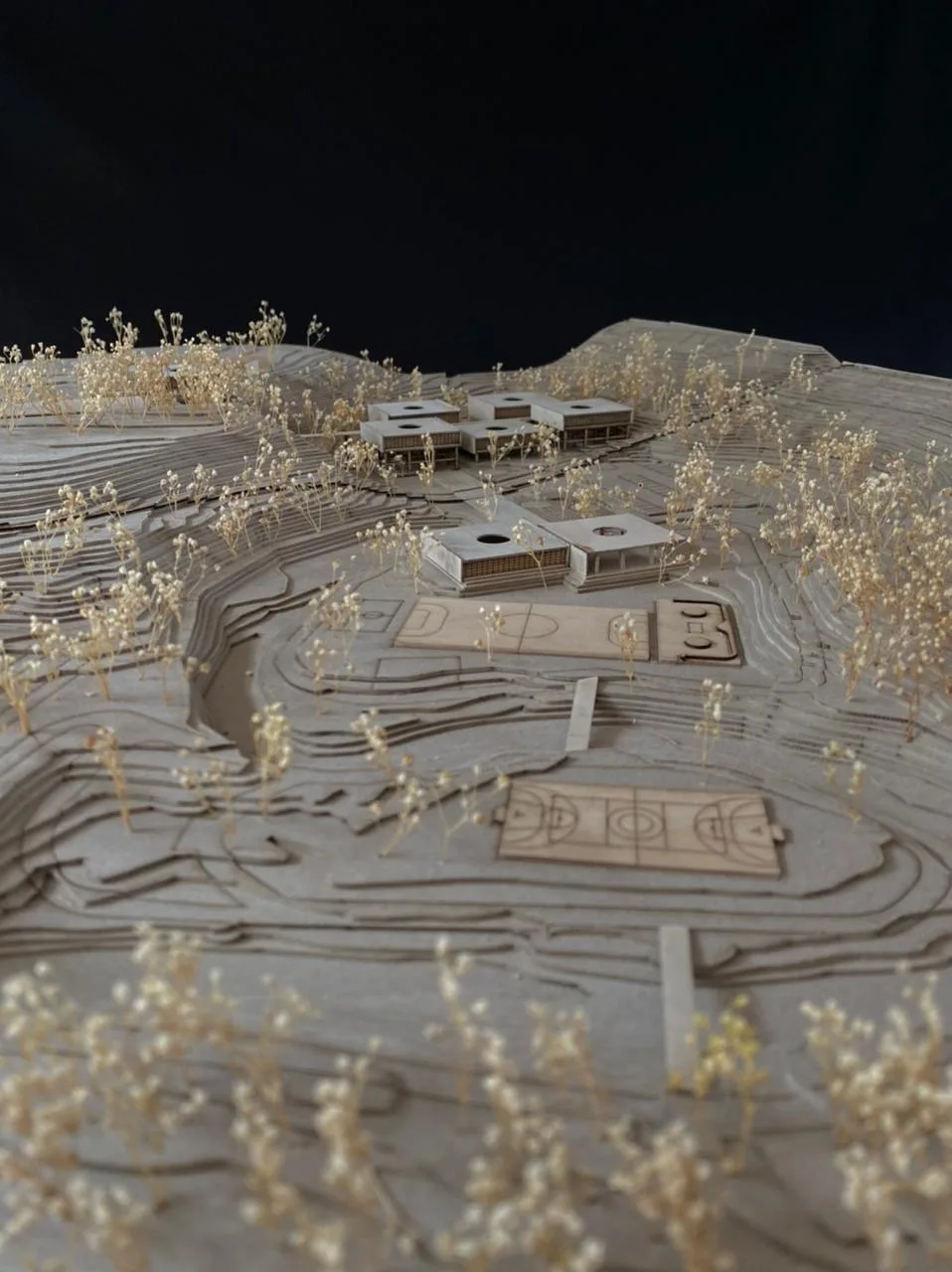
△ Model Diagram
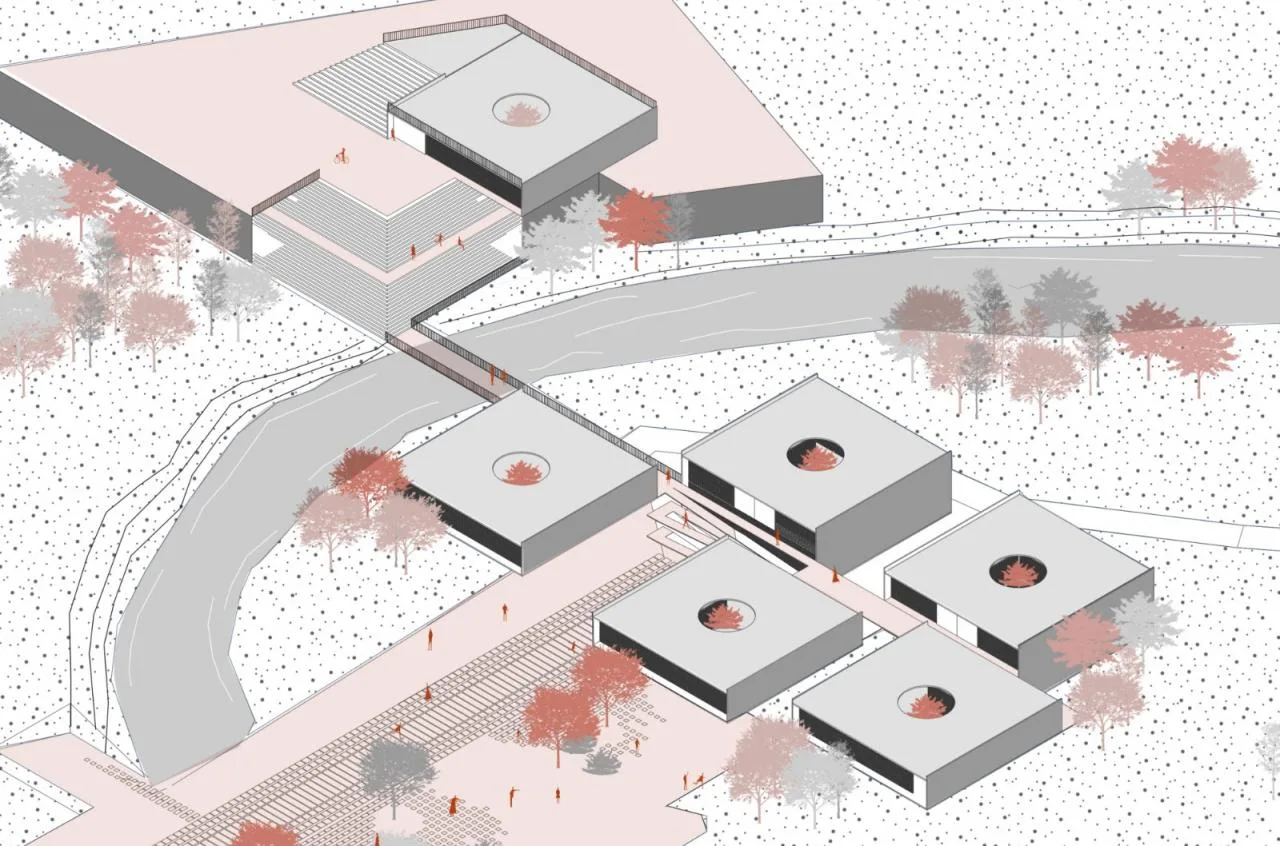
△ Side Axis Rendering
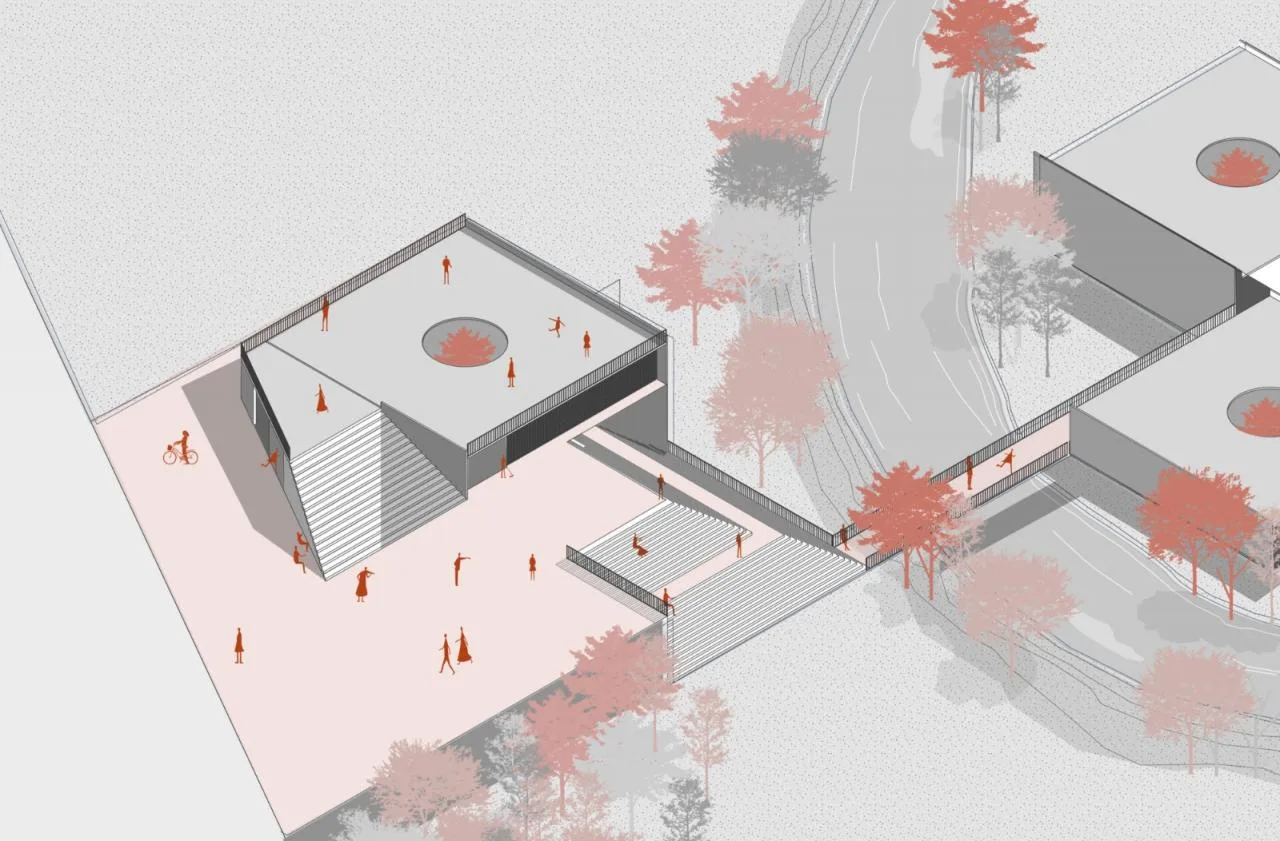
△ Rendering
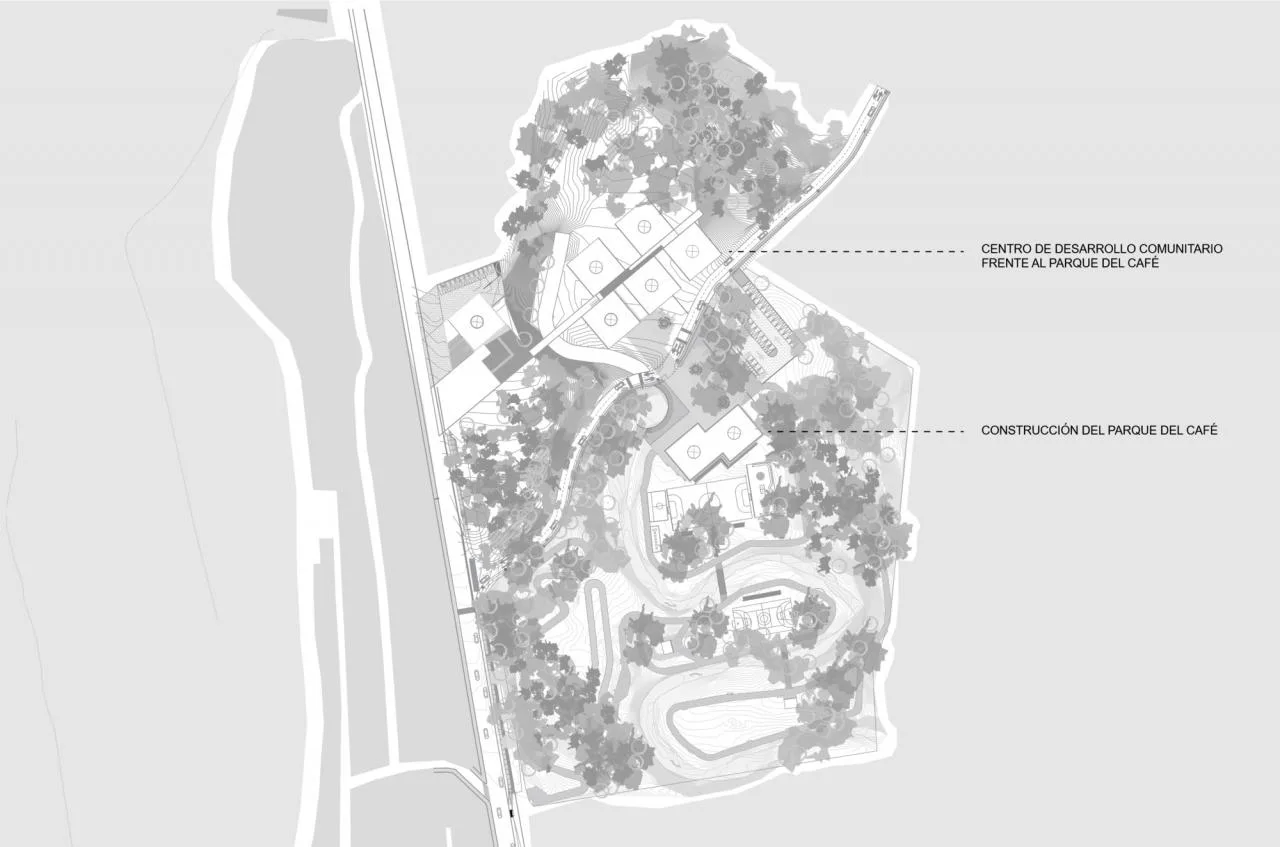
△ Base Map
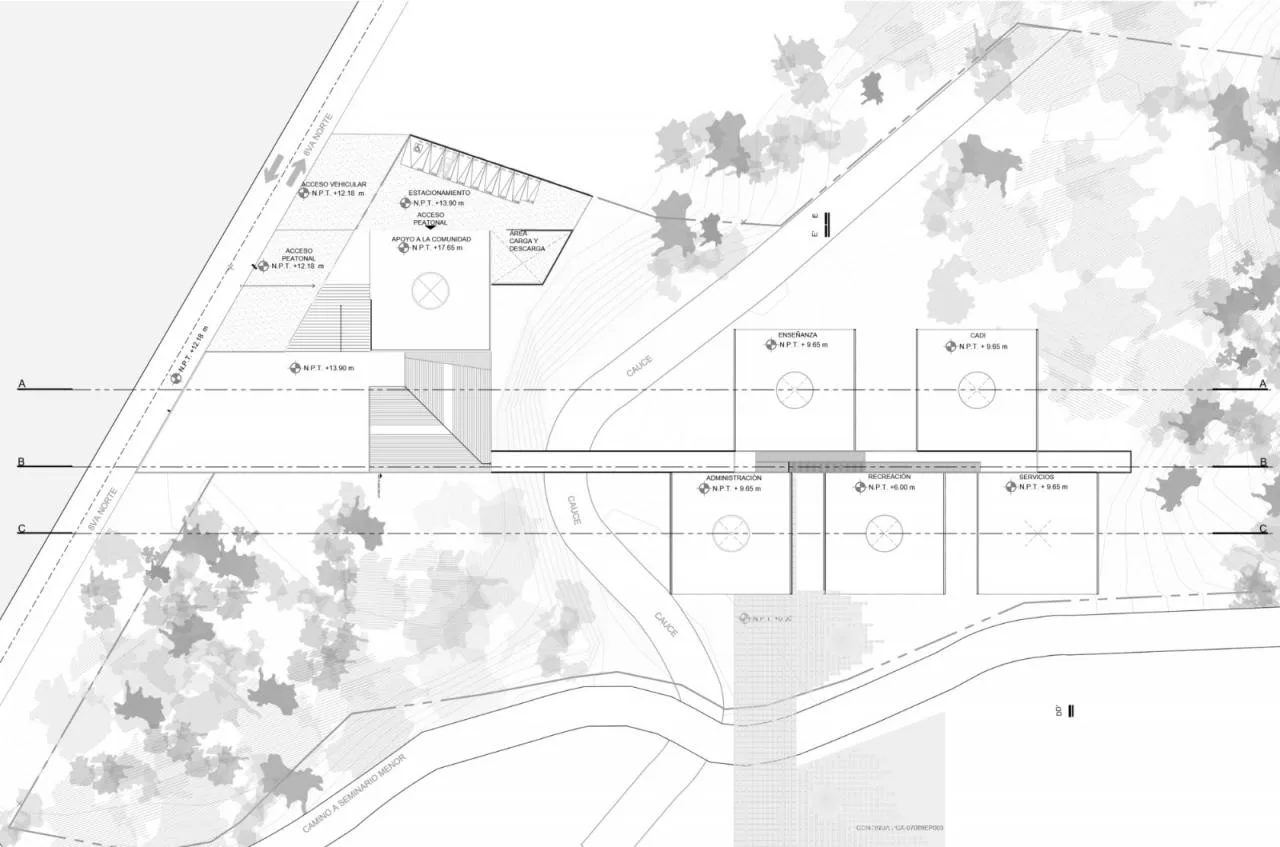
△ First Floor Plan
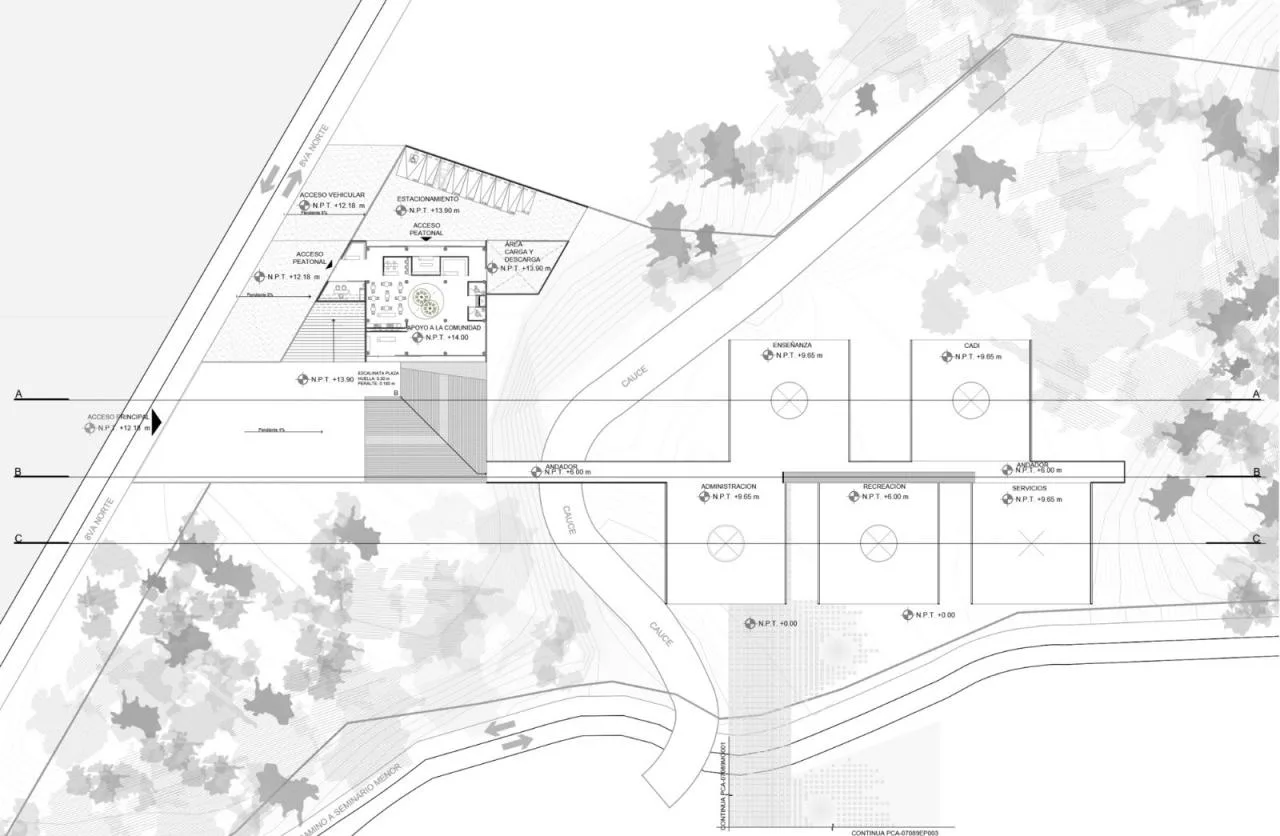
△ Second Floor Plan
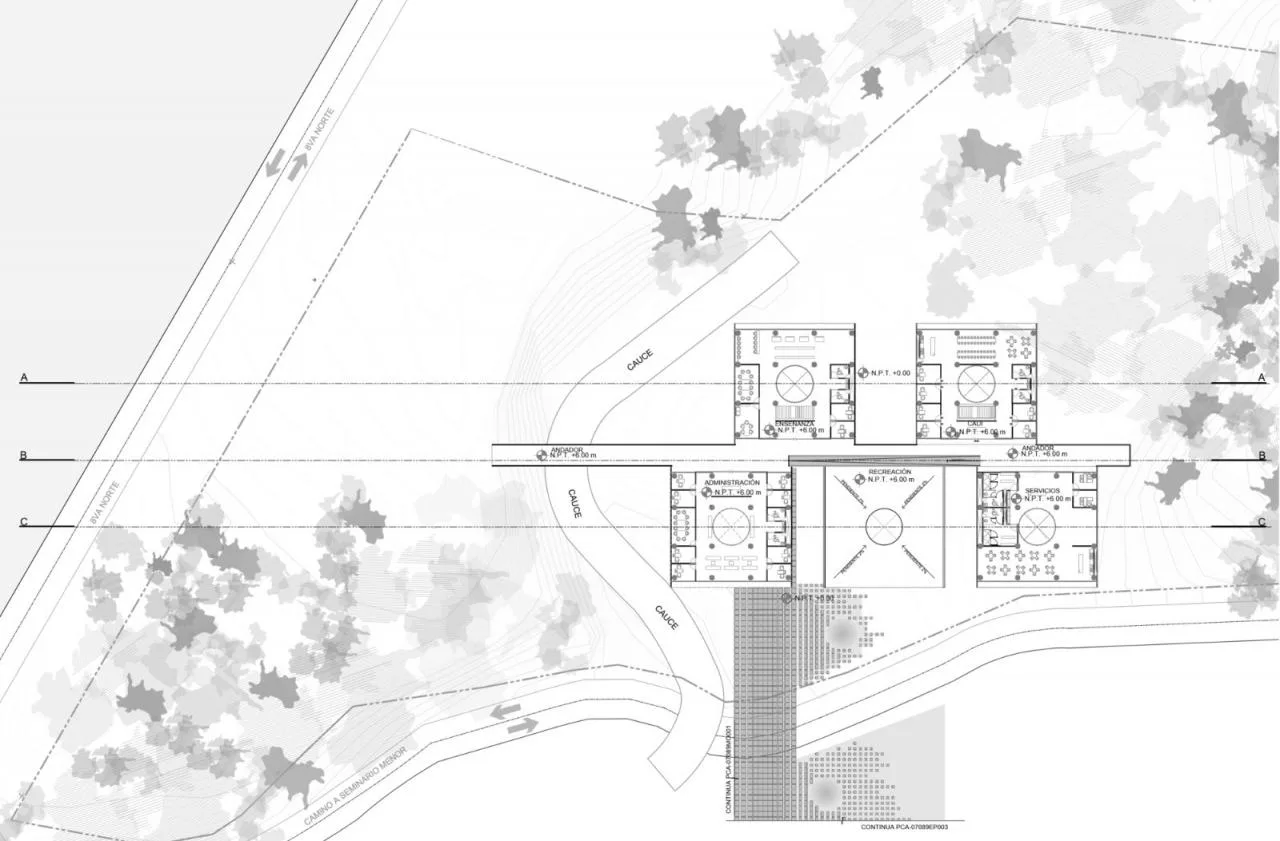
△ Third Floor Plan
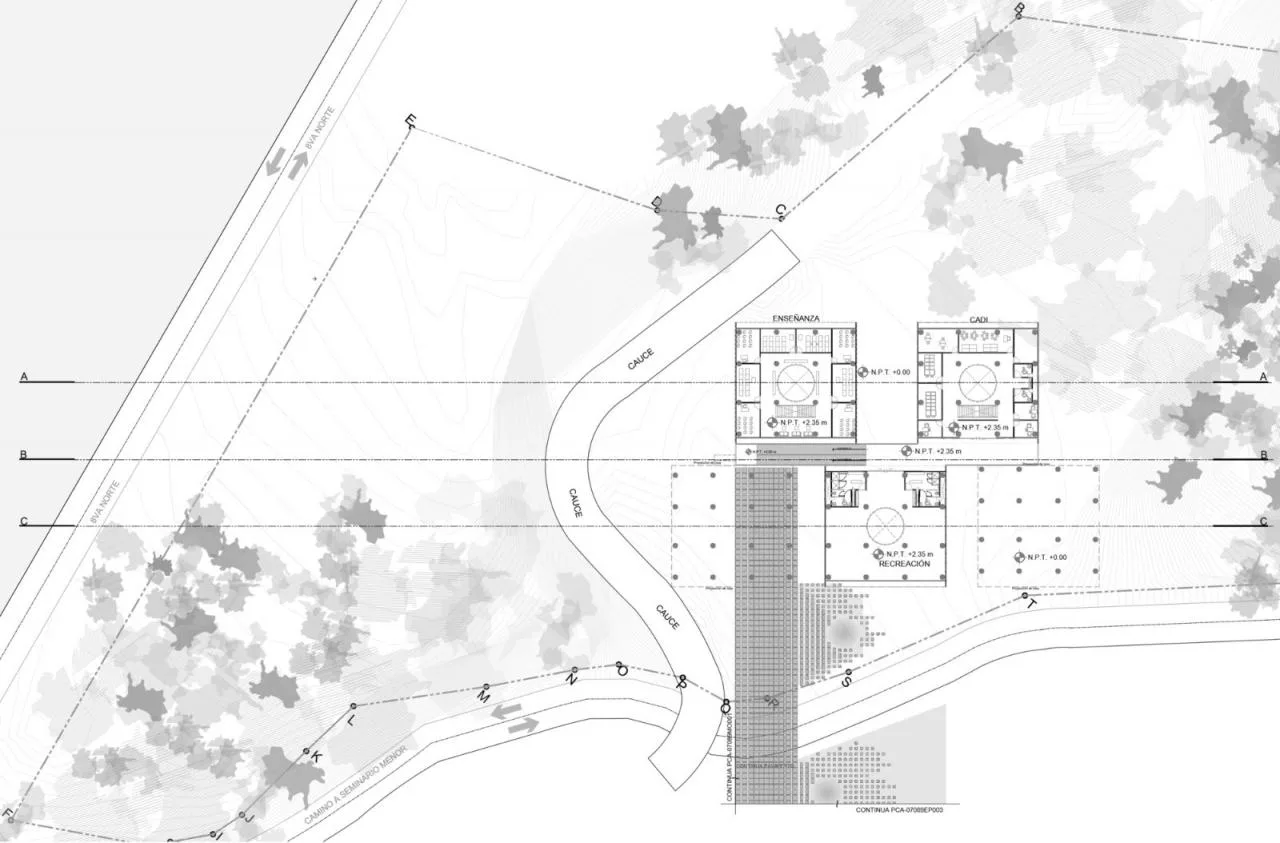
△ Fourth Floor Plan
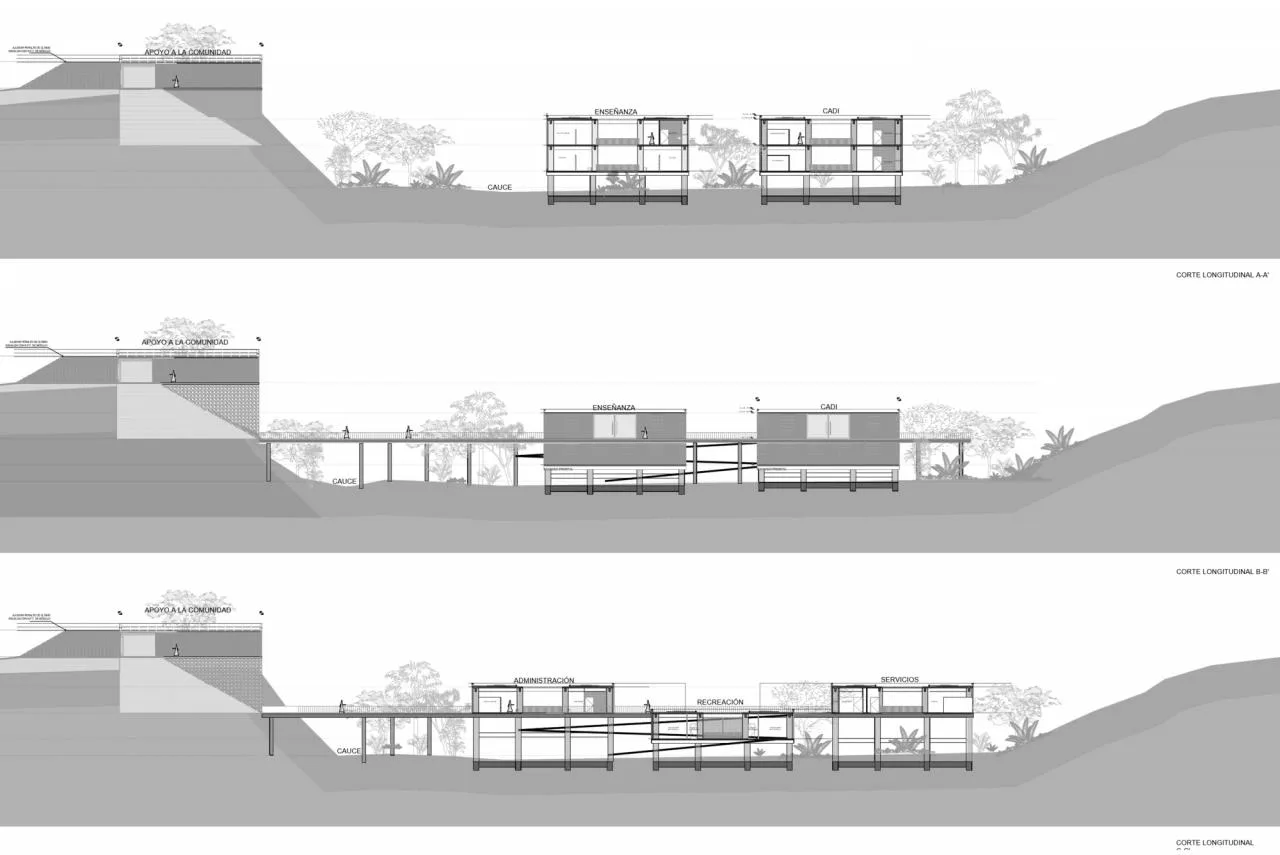
△ Section Diagram
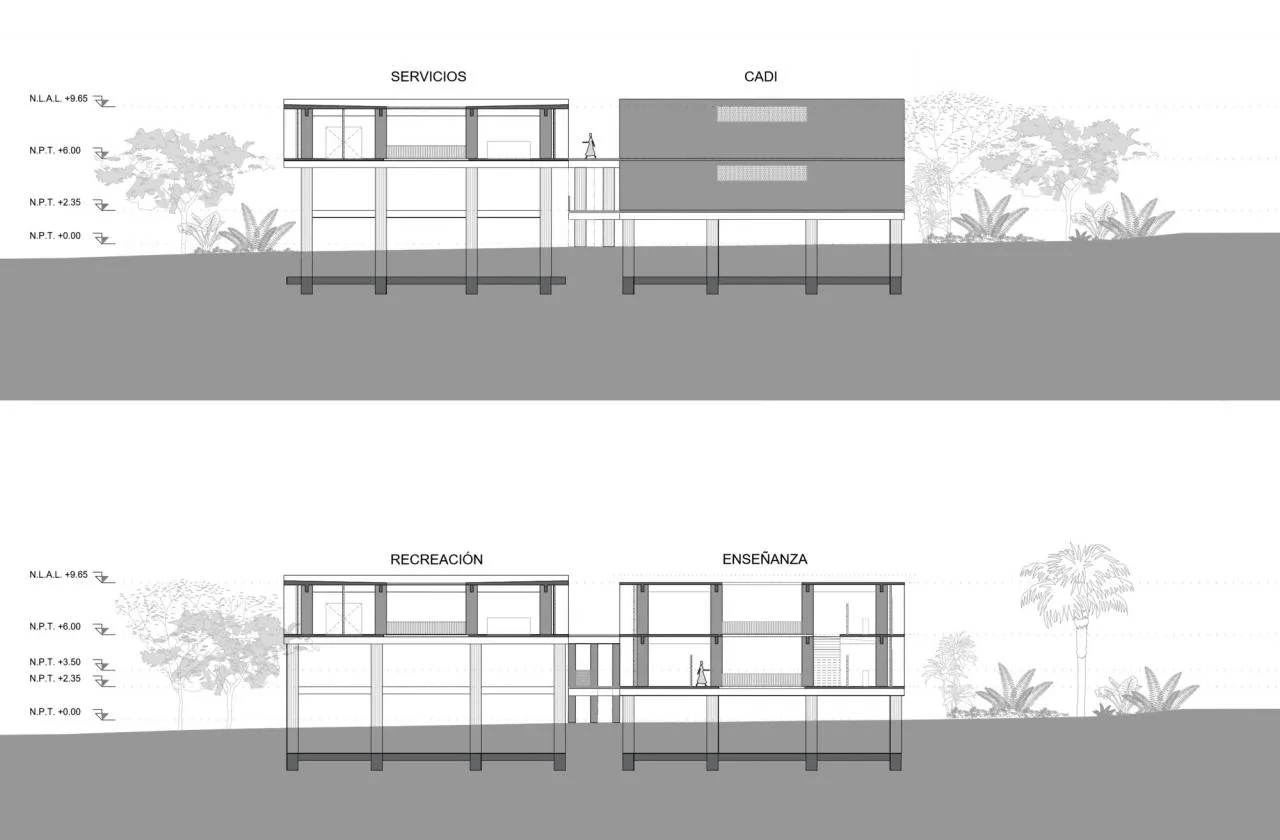
△ Section Diagram
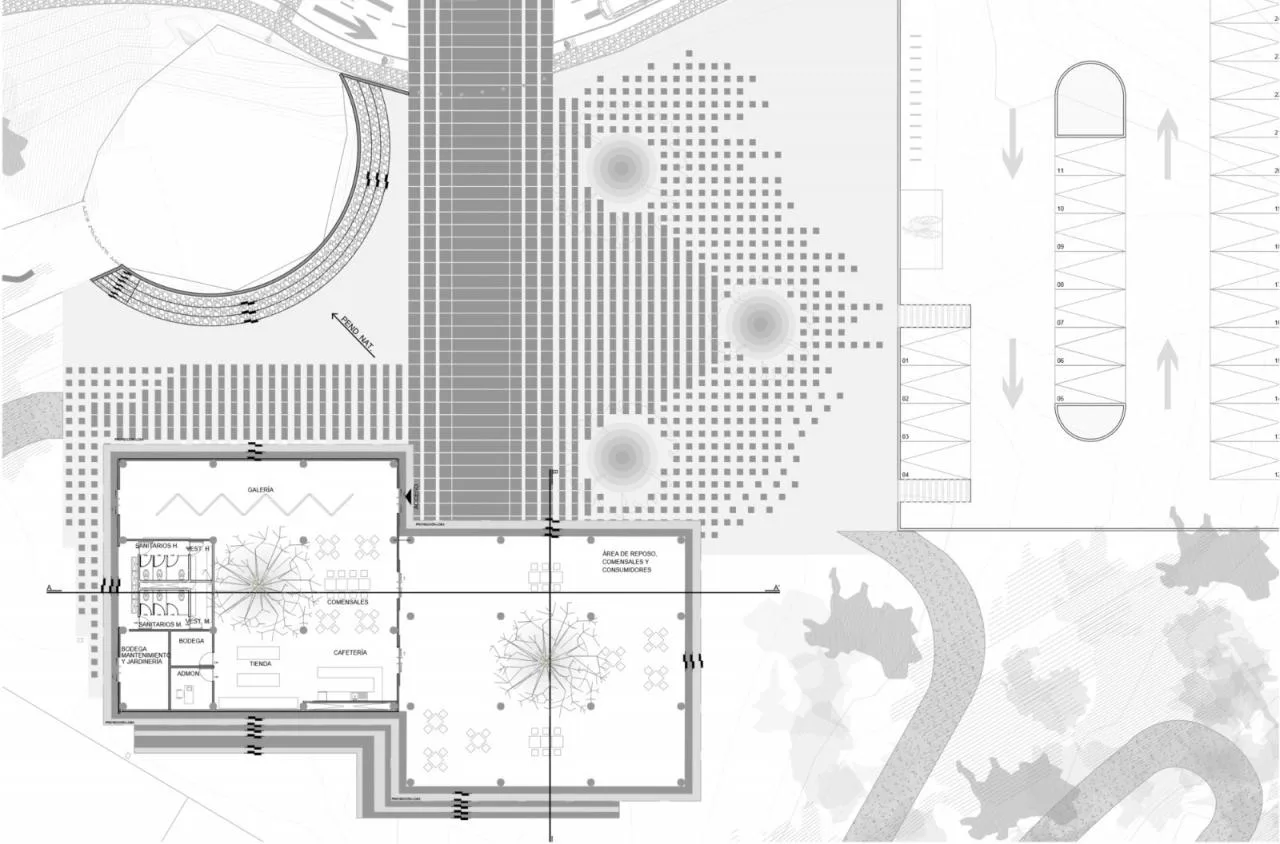
△ Sectional Schematic Diagram
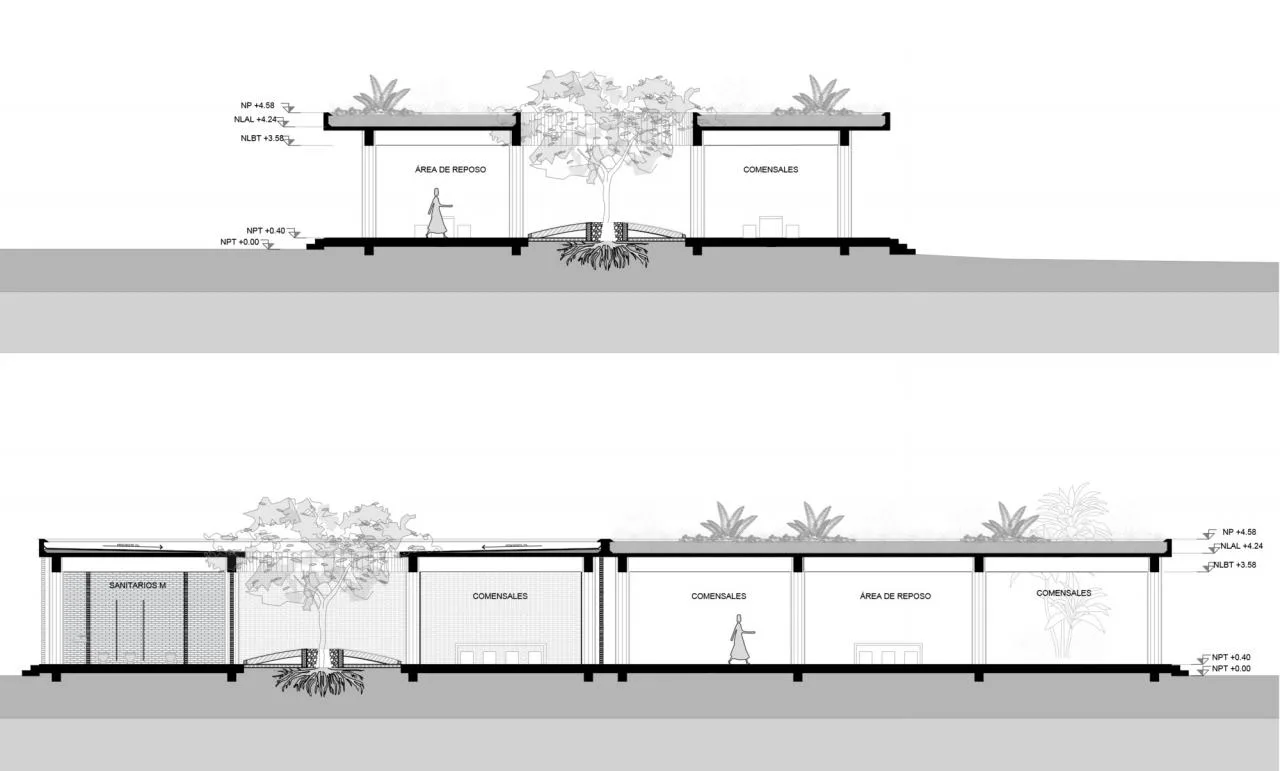
△ Section Diagram
Project Information
Project Type: Architectural Complex
Architectural Design: Laboratorio de Acupuntura Urbana
Project Year: 2021
Location: Tapachula, Mexico












Must log in before commenting!
Sign Up