
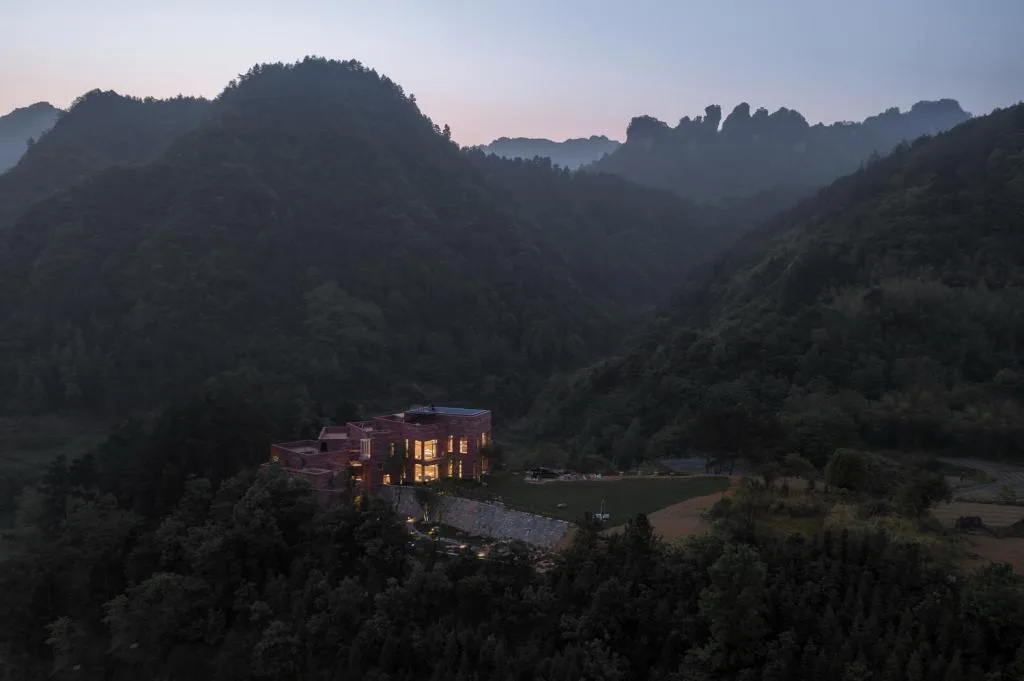
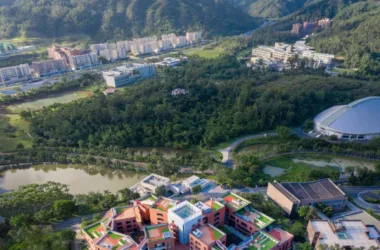
△ Aerial photograph © Tang Xuguo
The project is situated on a steep hillside in Zhangjiajie, featuring a ridge that spirals upward with a dramatic vertical drop. Zhangjiajie blends characteristics of Danxia and quartz sandstone landforms, creating a unique forested peak landscape. Between the site and the road lies a steep slope covered in dense, vibrant green forest, embodying a wild and untouched environment.
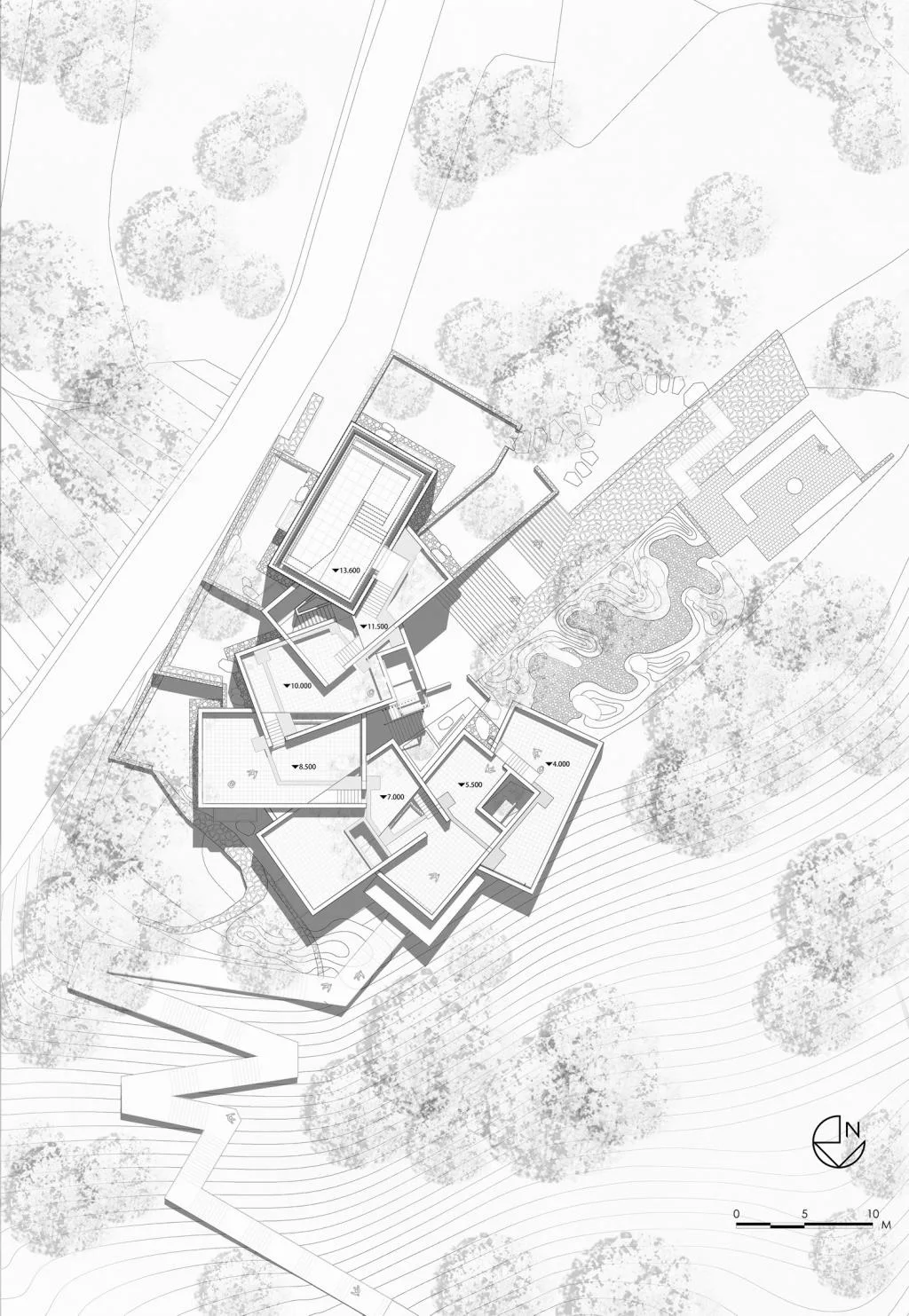
△ General layout plan
The design begins with a deep respect for the site’s topography. Rather than leveling the land extensively to avoid challenging terrain, the building is designed to immerse naturally into its surroundings. The structure adapts to the varying elevations, allowing the architecture and landscape to grow together harmoniously.
Overture: Choosing Materials from the Earth
During multiple site visits, we discovered a nearby river where red rocks, washed down by rain, tinted the water a subtle red. The towering pine forests and layered greenery left a lasting impression. Drawing inspiration from this, the design uses red sandstone from the area to craft red stone houses nestled in the valley, reflecting the original intention behind the project.
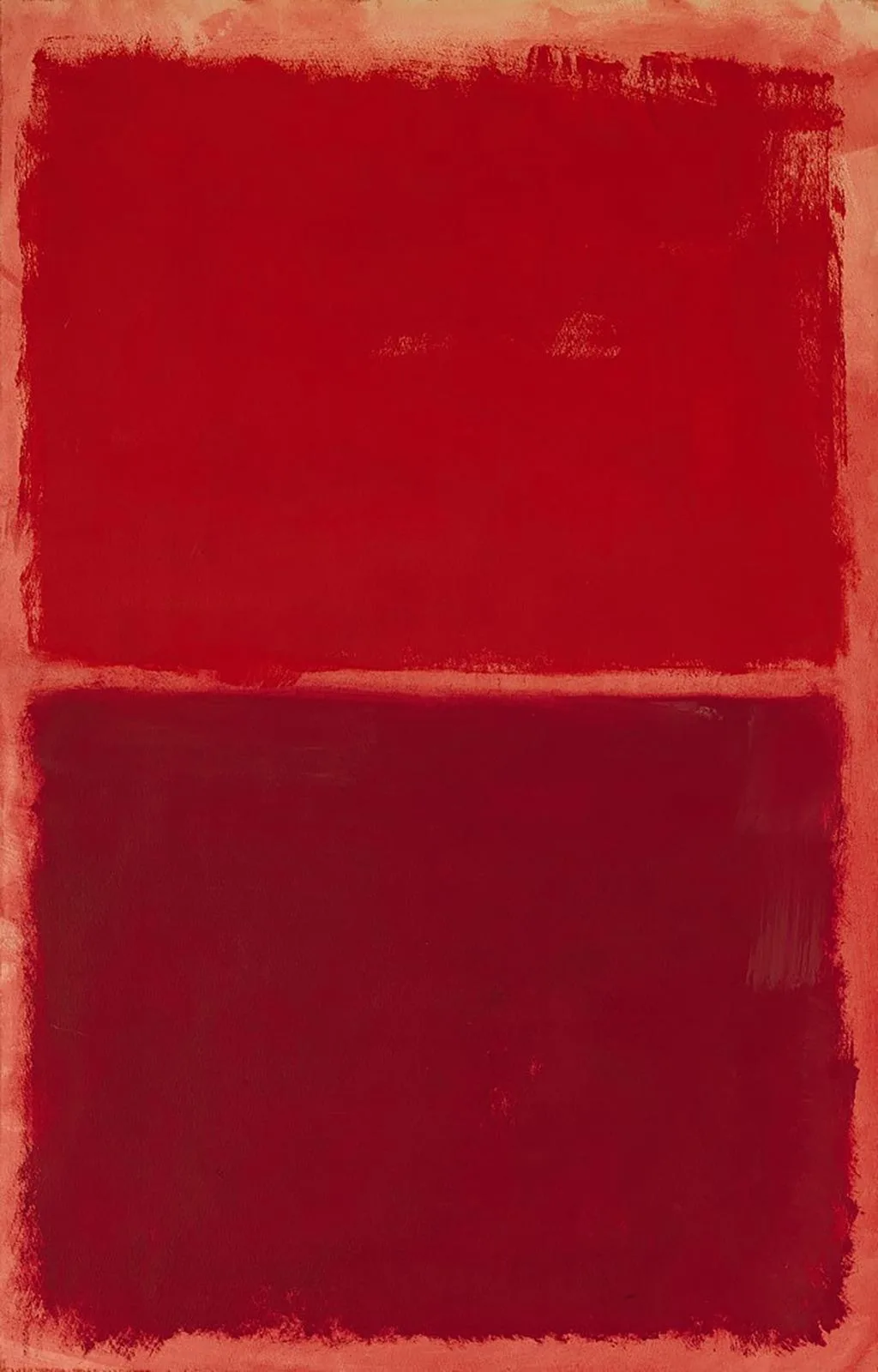
Mark Rothko, Untitled (Red and Red)
Monologue: Transparent Perception
In her book Opposing Explanations, Susan Sontag states, “Transparency is art — and also the highest and most liberating value in criticism. Transparency means experiencing the details of things themselves, or the clarity of experiencing the true nature of things.”
Susan Sontag
To preserve the raw dialogue between the building’s texture and the natural landscape, the design limits artificial interpretation in form and spatial rhythm. It fosters a multidimensional interaction between people and architecture, focusing on creating an atmospheric space filled with thoughtful silence — a presence felt through subtle wandering, experience, and empathy.
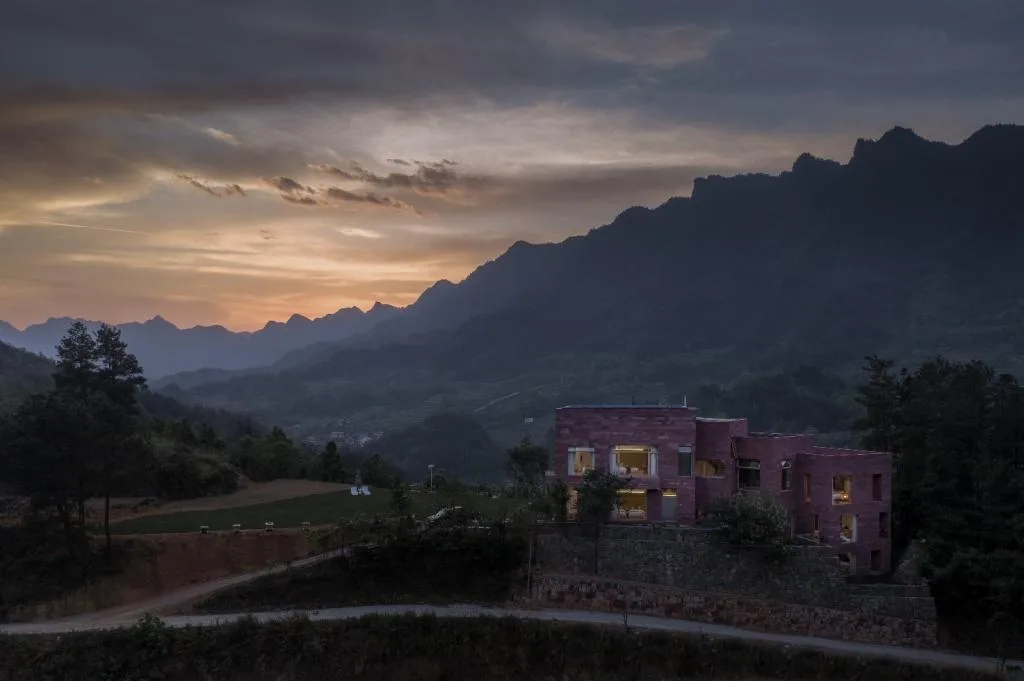
△ Architectural overview © Tang Xuguo
Interlude: Awakening the Five Senses
Qian Zhongshu once said, “Colors seem to have temperature, sounds seem to have imagery, warmth and coldness seem to have weight, smells seem to have sharpness. ‘Red Apricot’ loves to ‘make noise,’ ‘Yan Language’ is like ‘cutting,’ and ‘Yingge’ is like a circle.”
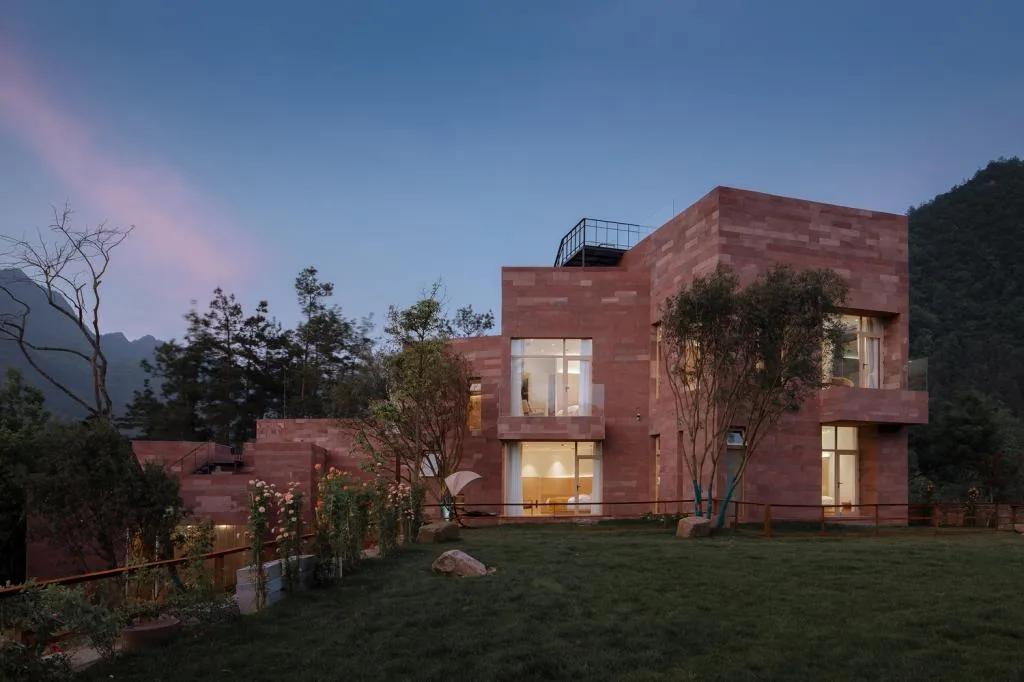
△ Building facade © Tang Xuguo
The design uses the natural order of the site, placing the entrance within the forest at the mountain’s base. The path unfolds like a narrative, guiding visitors through what feels like a ritual cleansing, releasing them from singular perception and enriching their sensory experience. The soft, low hum of the red house calms the mind, offering respite from the outside world.
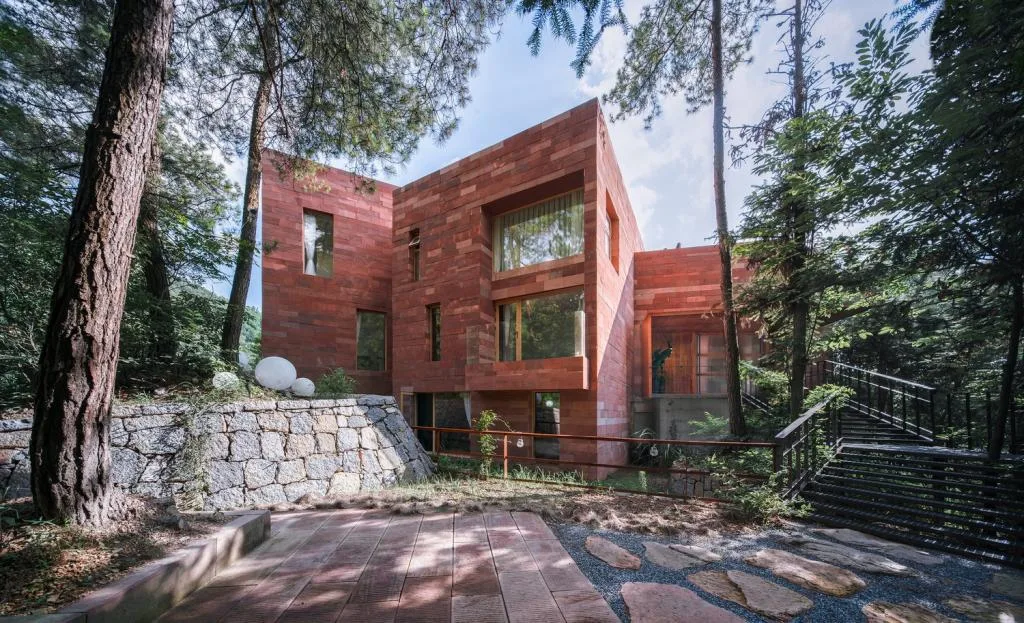
△ Architectural overview © Zhao Yilong
Propaganda: Blurring Boundaries
The architectural narrative begins at the entrance, with interior spaces flowing seamlessly from the natural exterior environment. This blurs the boundaries between inside and outside, creating an ambiguous spatial emotion. The original large volume required for function is divided into seven independent building units, each with its own purpose and identity. Arranged to follow the terrain upward in a spiral, the design twists and rotates to reduce the building’s massiveness and echo the mountain’s shapes. This balance creates a harmonious relationship between form and site — intertwined yet distinct.
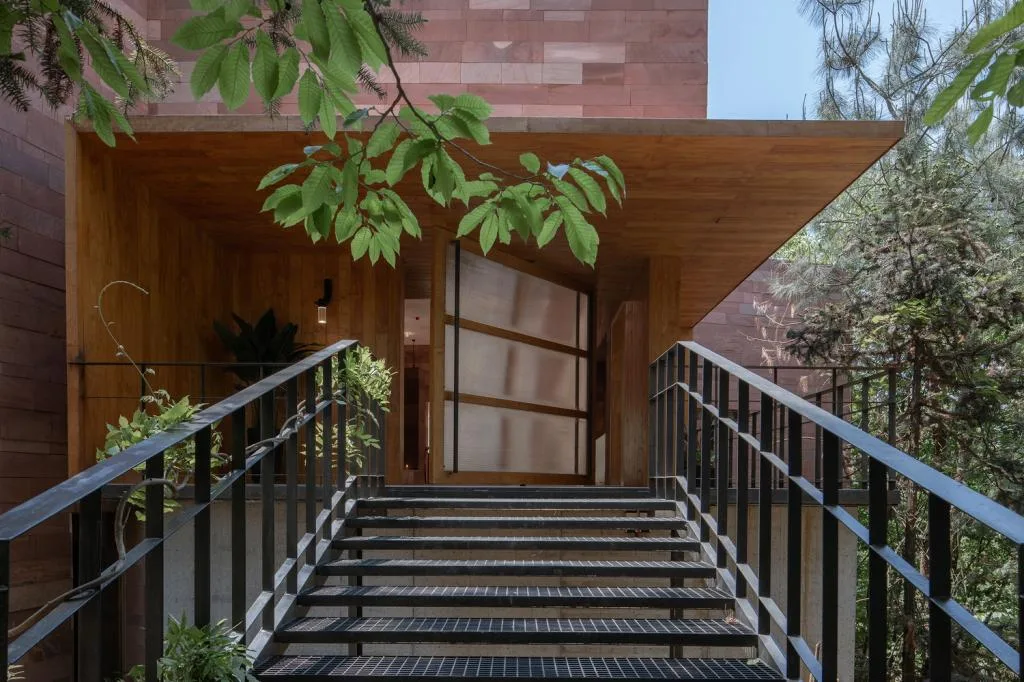
△ Building entrance © Tang Xuguo
The internal circulation avoids traditional floor divisions, instead scattering steps organically throughout the space to minimize level differences. The spatial path winds like a ribbon, leading visitors to secluded spots and shifting views at every turn. Vertical connections are fluid and natural, ensuring the mountain trekking experience remains uninterrupted and continuous.
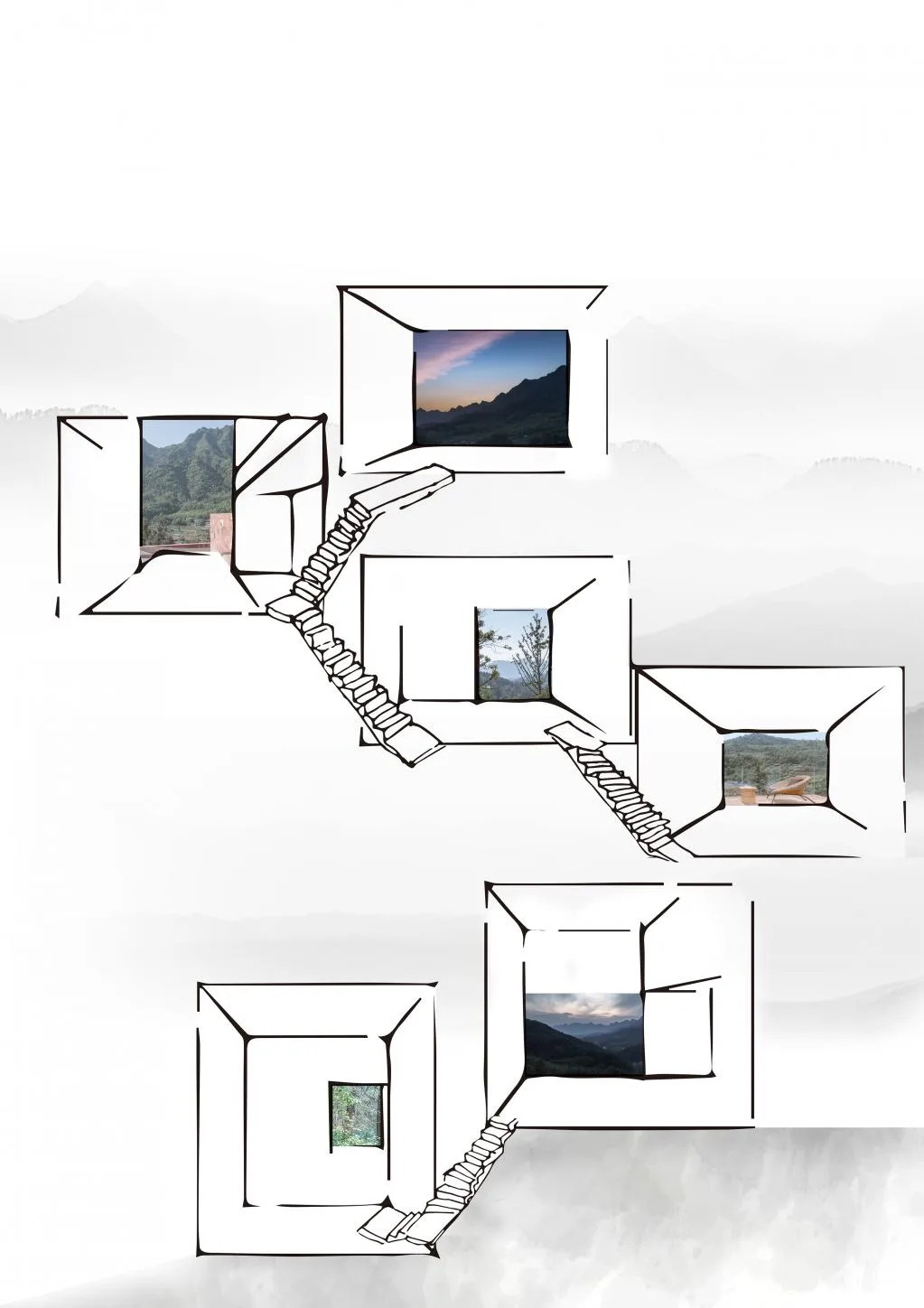
Concept analysis
Narrator: Building Logic
Initially, large sandstone fragments were planned for construction. However, the steep slopes made material handling difficult, and large machinery could not be used. As a result, the sandstone was cut into six different sizes to facilitate manual operation. This approach balances architectural form, structural integrity, and construction costs, using clear mechanical logic to arrange the fragments and evoke a natural sculptural drama.
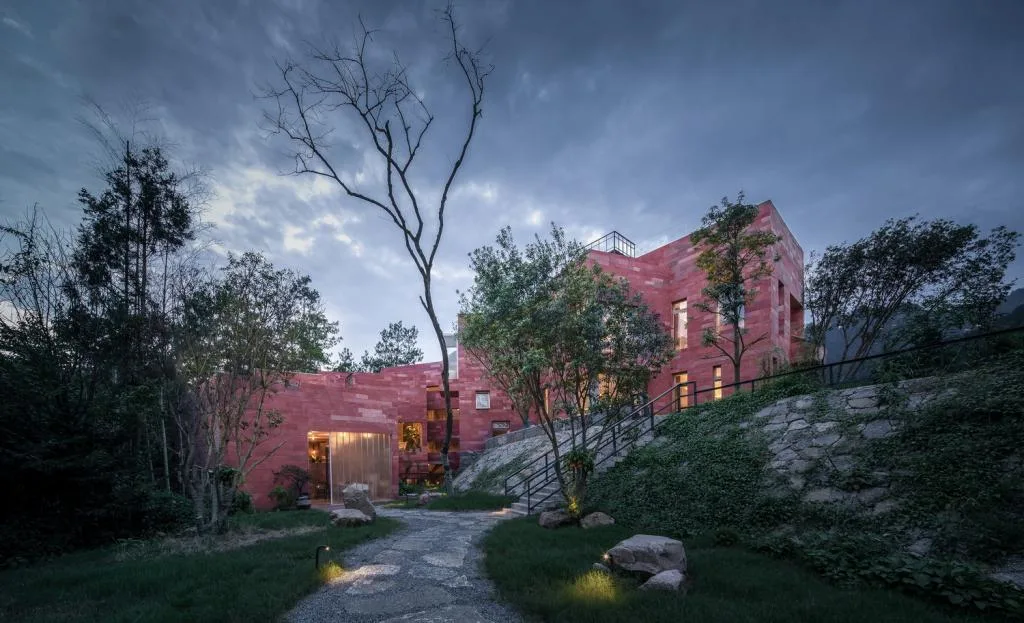
△ Architectural appearance © Zhao Yilong
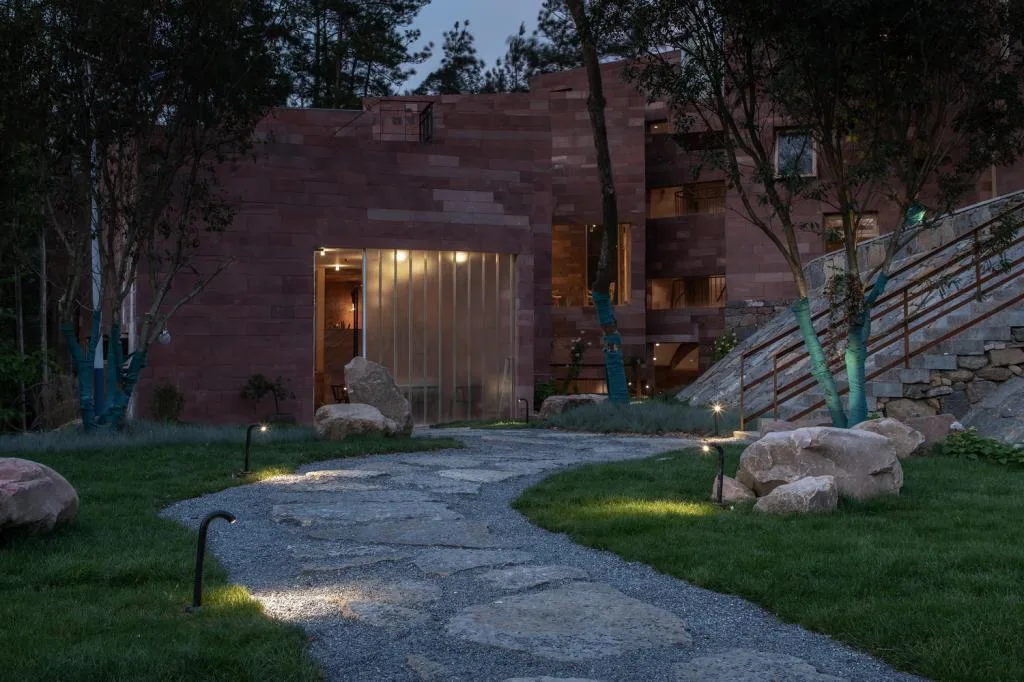
△ Architectural appearance © Tang Xuguo
Indoor and outdoor spaces are connected through a narrative path leading directly to the building’s first floor. This important public area accommodates reception, communication, and social functions. Auxiliary spaces like the restaurant and kitchen are located on a lower half-level. A viewing platform is created by utilizing the natural angles formed by the building’s twisted layout.
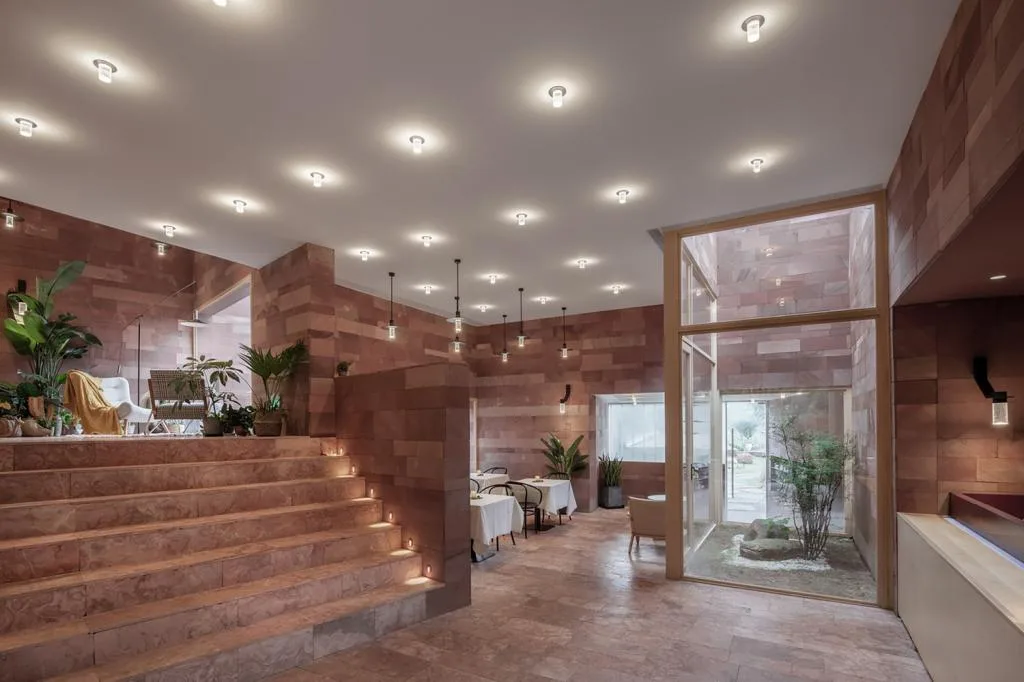
△ Indoor space © Tang Xuguo
The main guest areas are spread across five individual buildings, each offering distinct spatial experiences. Transparent French windows frame and connect guests to unique natural vistas, enriching the living experience. A spiral staircase anchors a cluster of three residential units and connects to two others through vertical circulation. The residential complex forms a multi-level organic whole with fluid spatial flow.
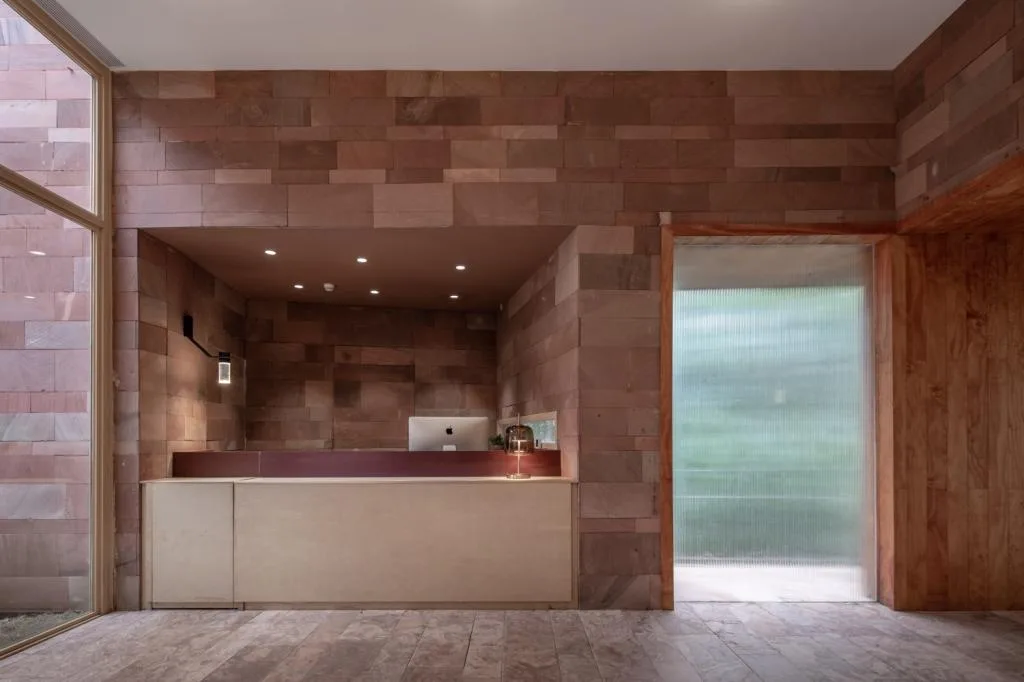
△ Indoor space © Tang Xuguo
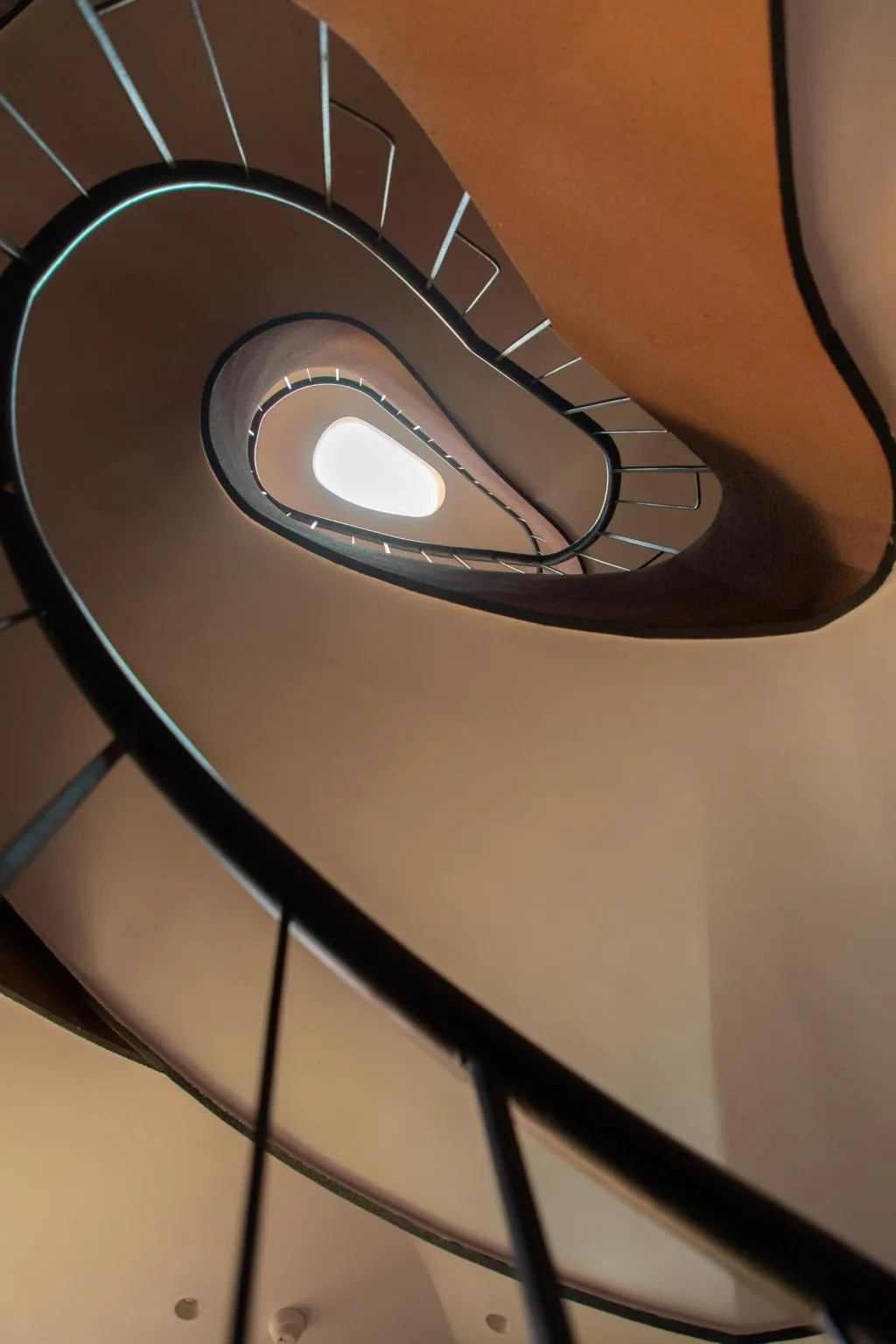
△ Spiral staircase © Tang Xuguo
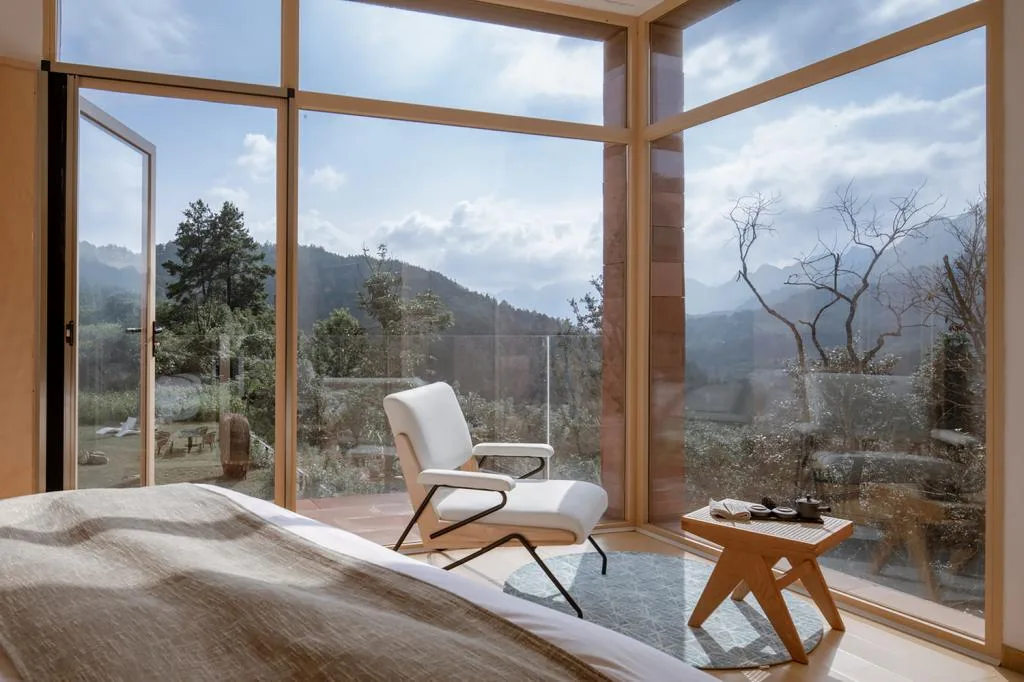
△ Indoor space © Tang Xuguo
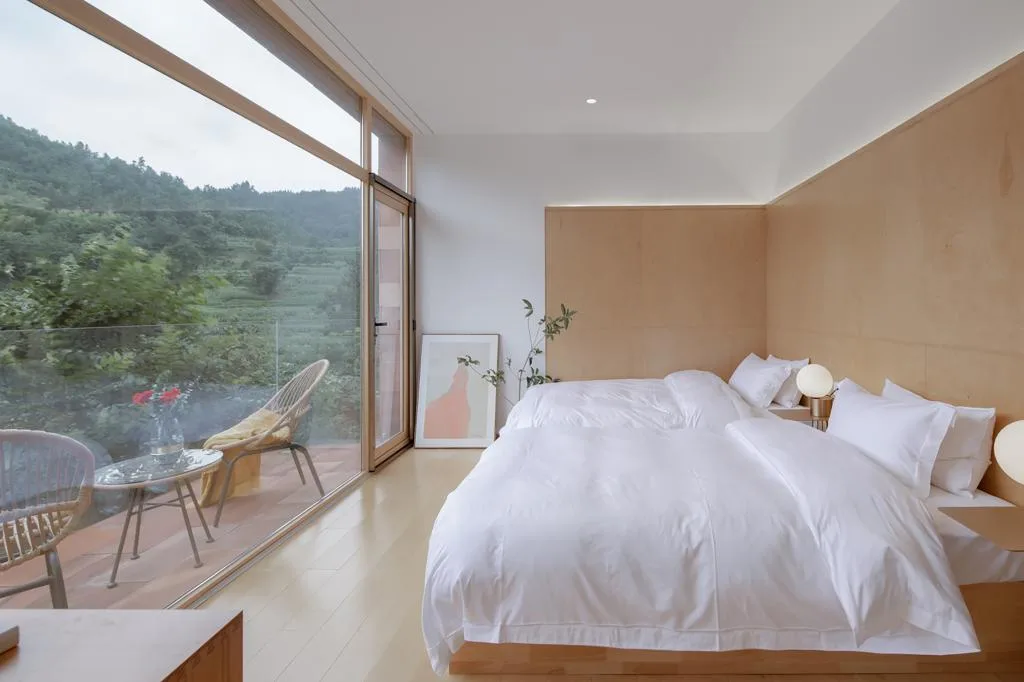
△ Indoor space © Tang Xuguo
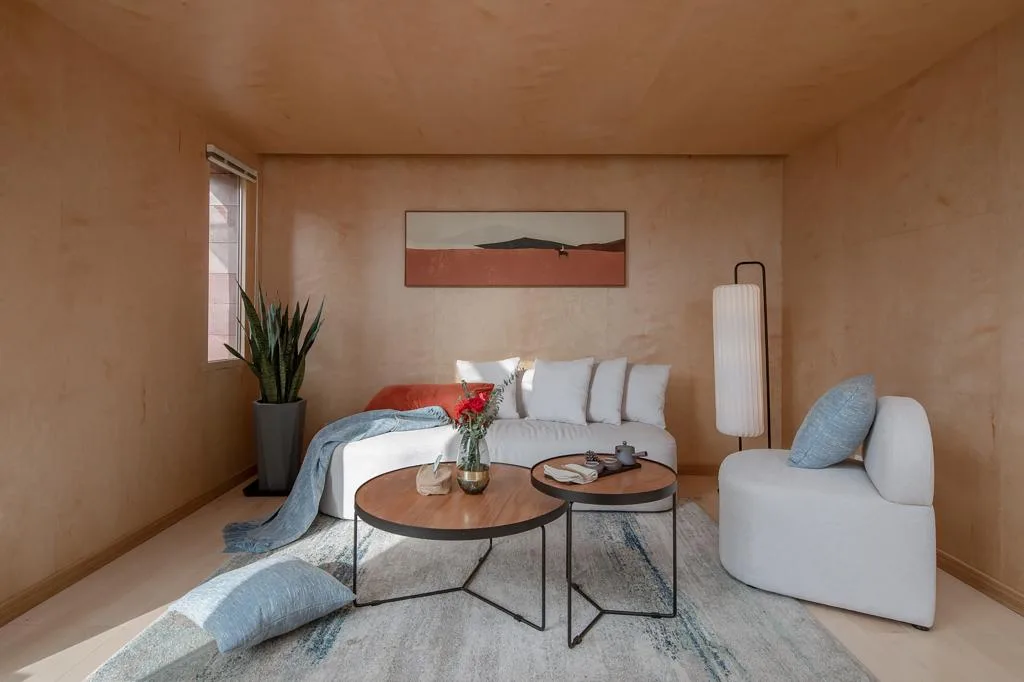
△ Indoor space © Tang Xuguo
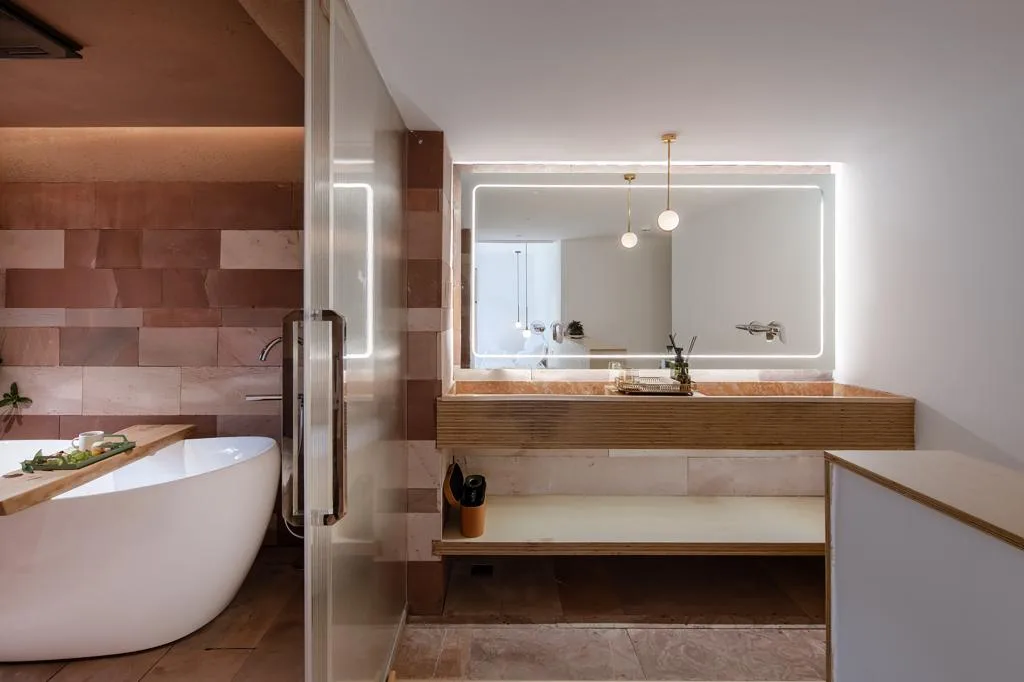
△ Indoor space © Tang Xuguo
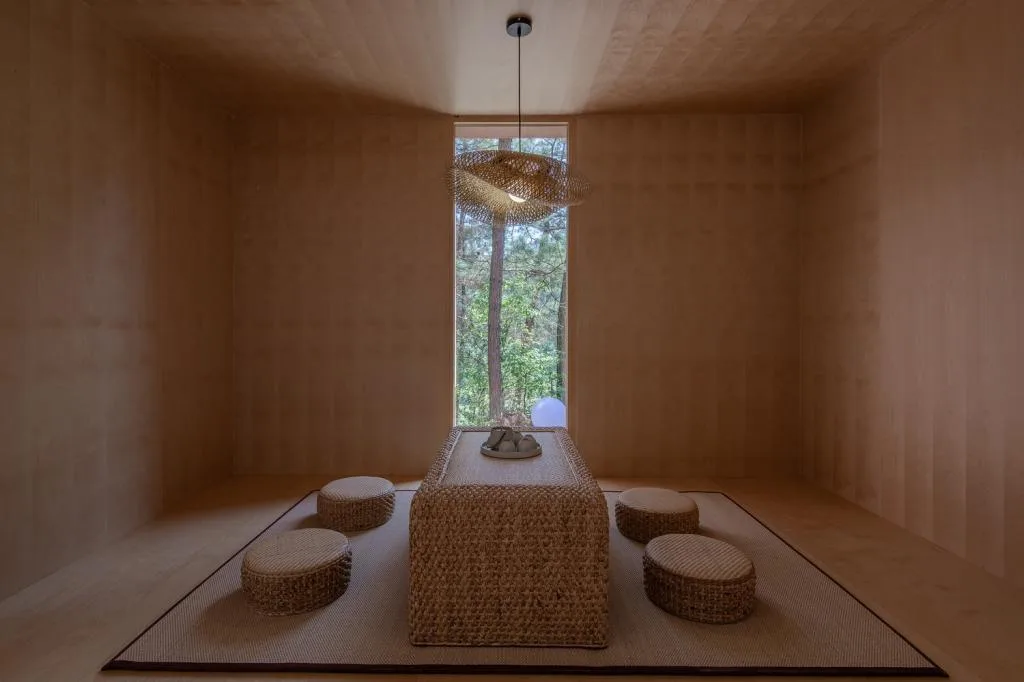
△ Indoor space © Tang Xuguo
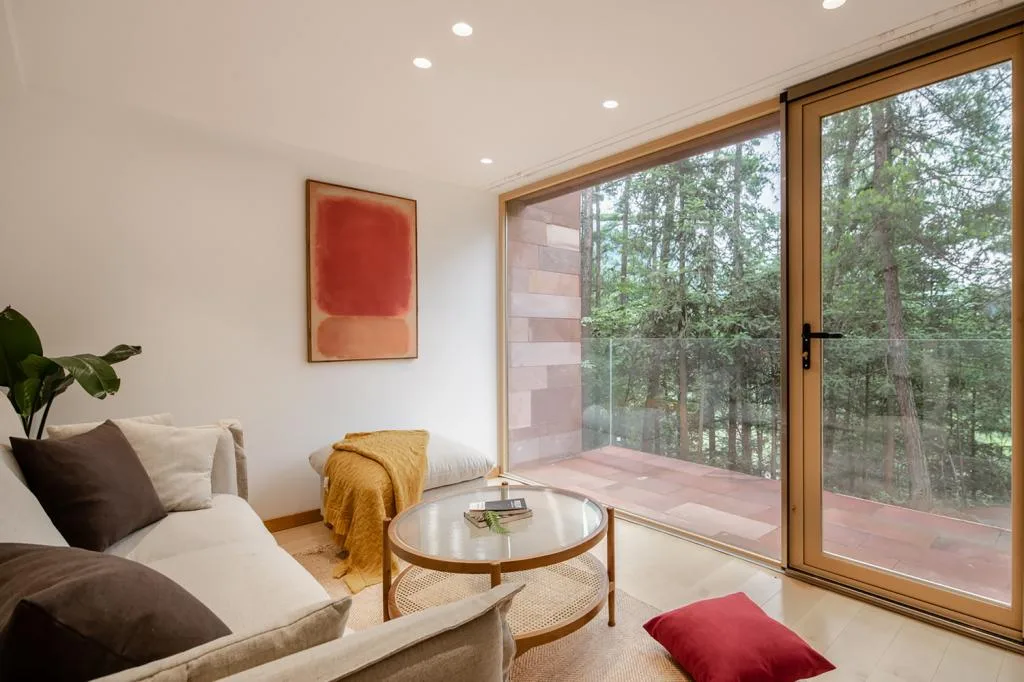
△ Indoor space © Tang Xuguo
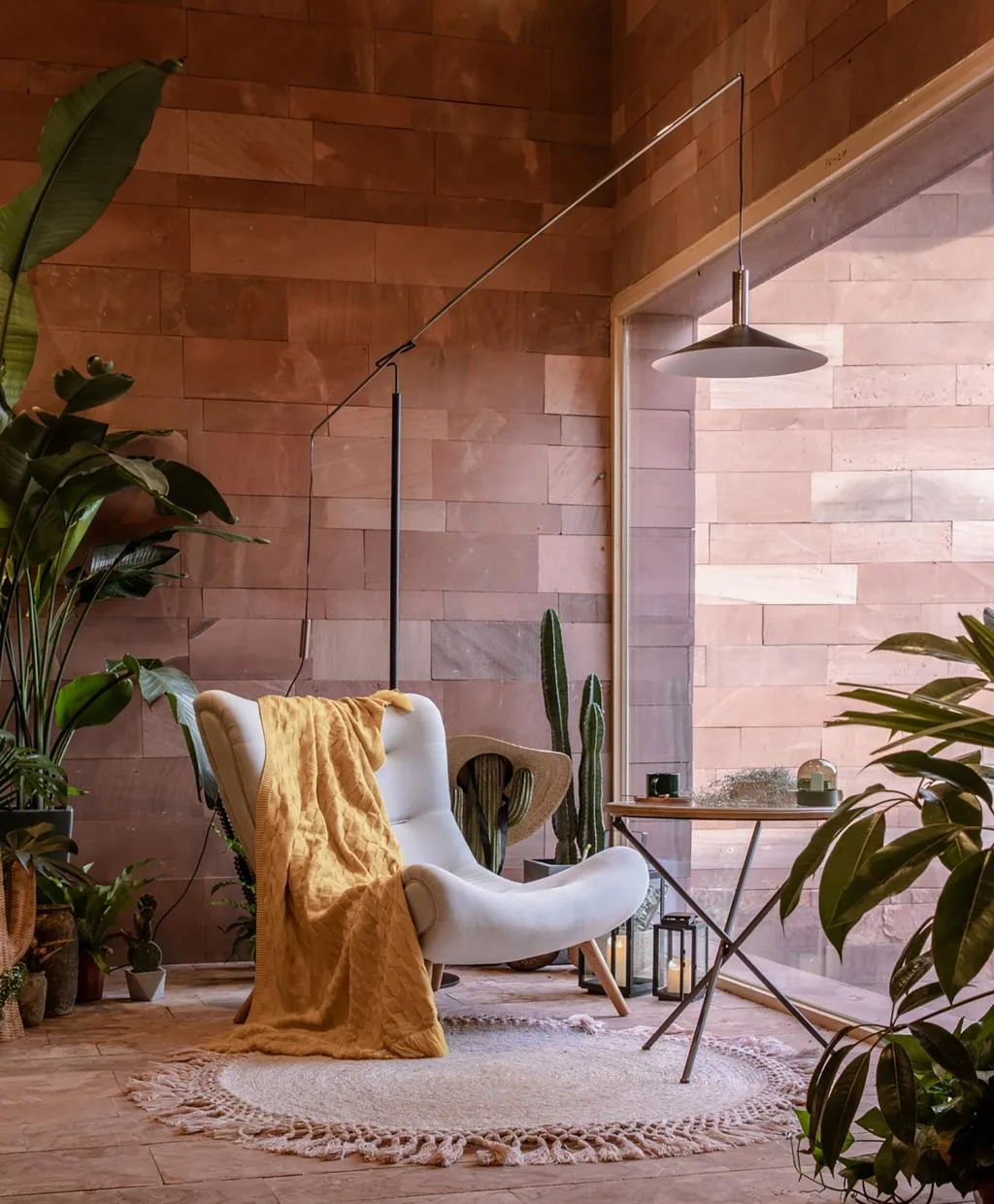
△ Indoor space © Zhao Yilong
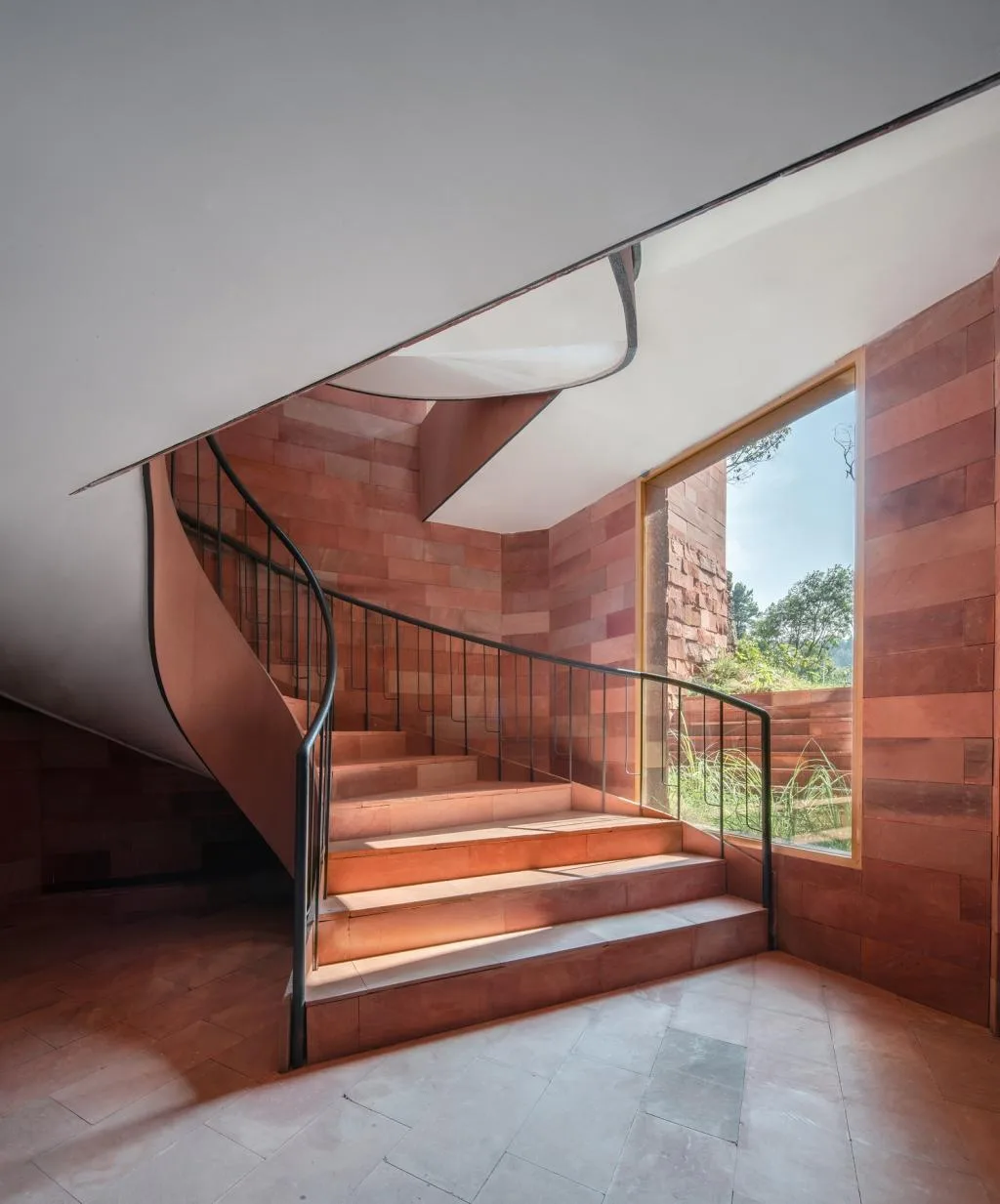
△ Indoor space © Zhao Yilong
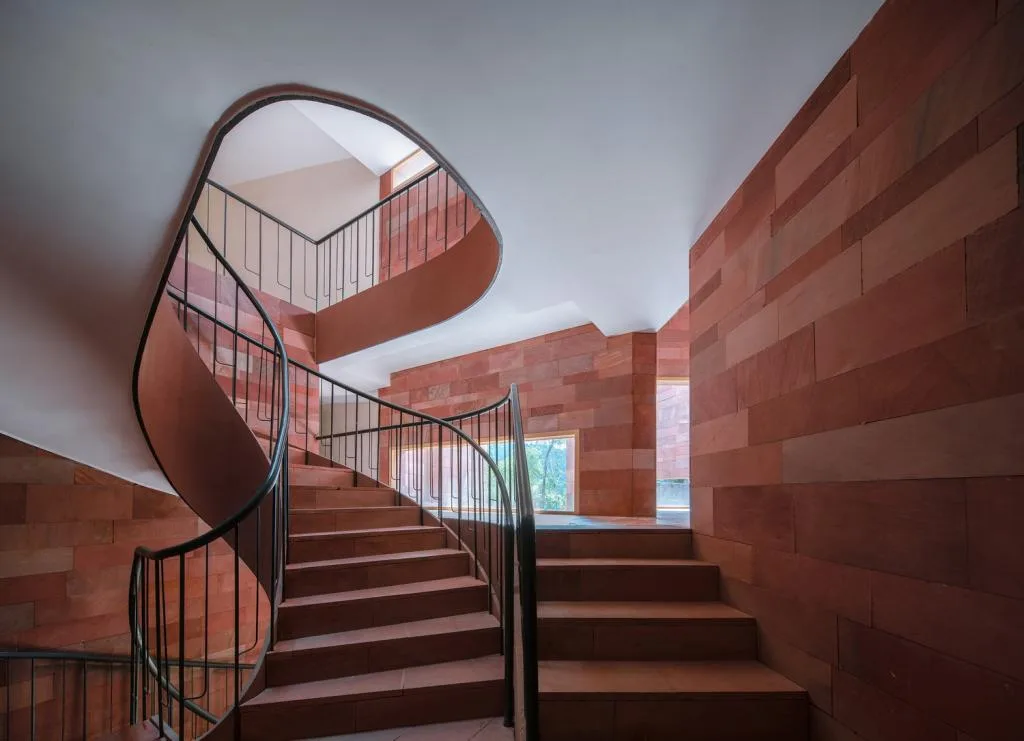
△ Indoor space © Zhao Yilong
Lament: High Mountains and Flowing Water
Traditional belief holds that rainwater represents wealth and fortune, symbolizing prosperity flowing from all directions like water from the sky. It serves not only as a resource but also as a metaphor for divine blessing and spiritual fulfillment.
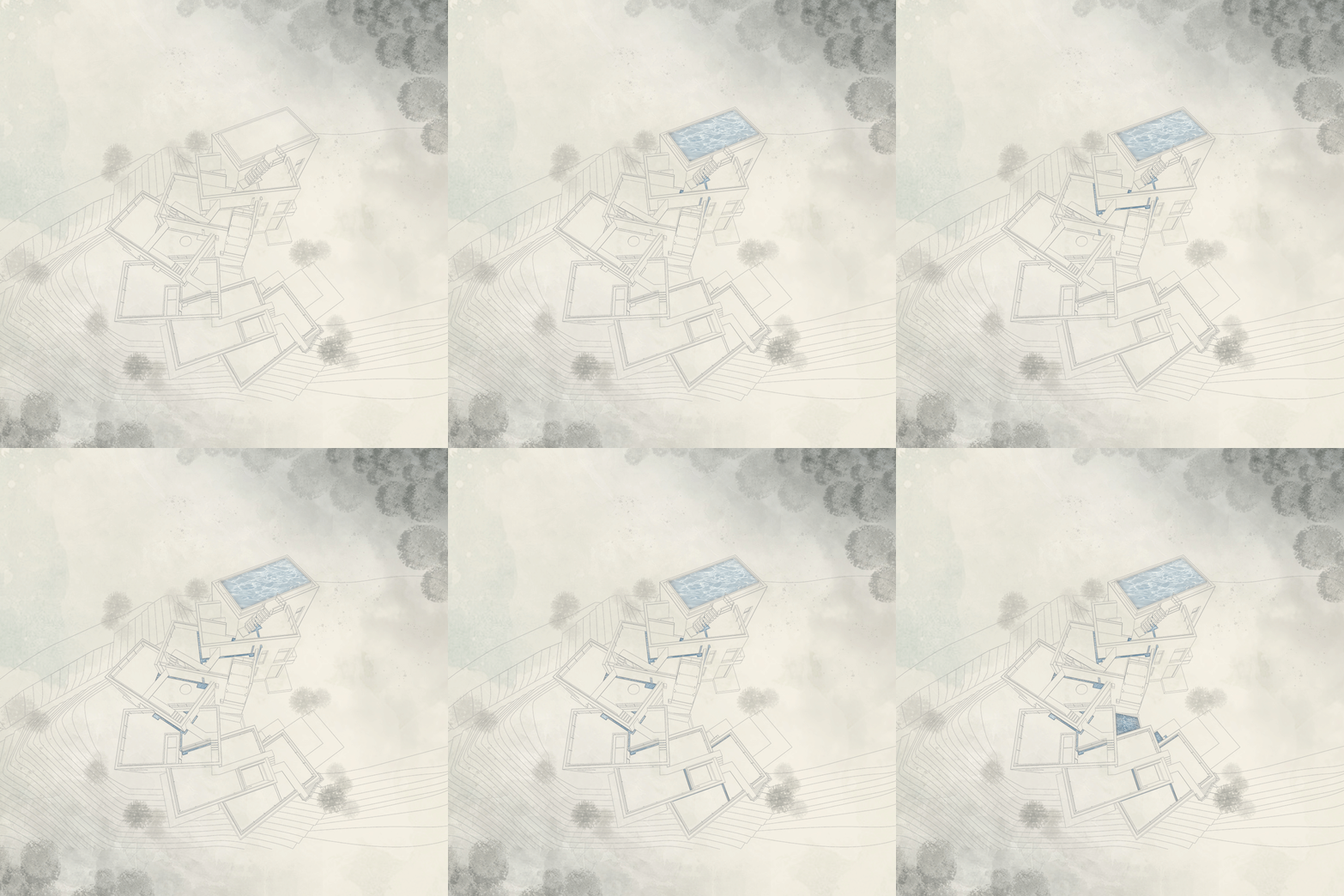
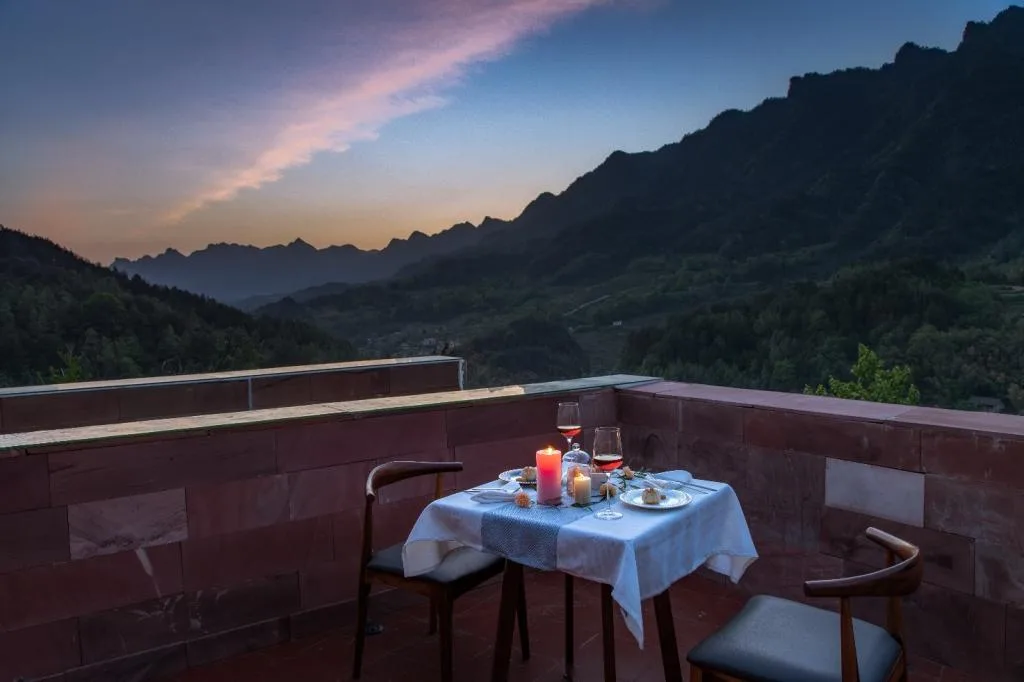
△ Terrace with scenic views
The design integrates rainwater as a spiritual element rather than a mere functional feature, channeling water from each level into sinks where it cascades down in layers. Symbolizing divinity and timelessness, rainwater enriches the spatial experience, embracing the present moment with poetic subtlety. This culminates in a tranquil courtyard, offering a place of rest and reflection.
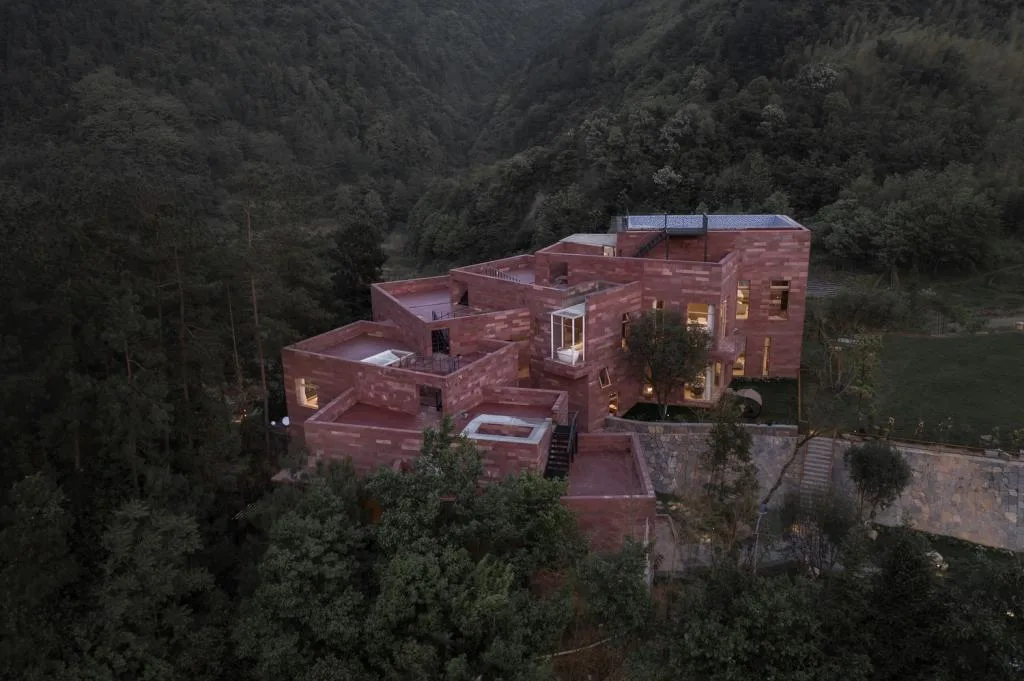
△ Architectural appearance © Tang Xuguo
Rainwater gently flows over the layered architectural “mountains,” creating a harmonious fusion of form and experience. Throughout the design process, the team exercised extreme restraint to minimize visible human intervention, ensuring that the architecture’s meaning lies in the experience it offers — an immersive composition of space and perception.
Conclusion: Defining Experience
The pursuit of harmonious coexistence between architecture, nature, and people remains an enduring theme. This project explores the concept of “transparent experience,” where architecture emerges organically from its natural context, and the relationship between building and occupant is forged through perception and spatial interaction. Together, they compose a vivid red symphony within the valley.
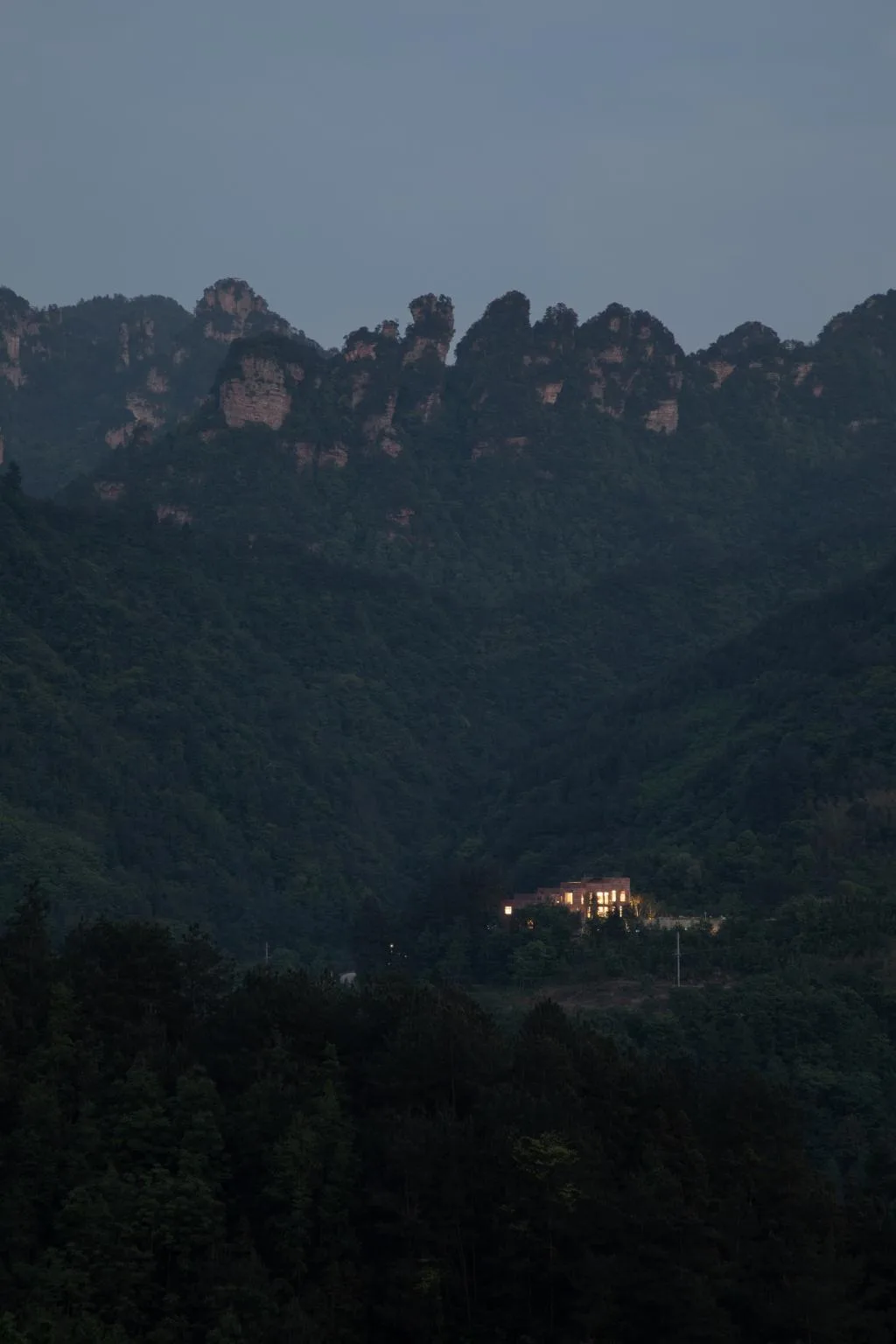
△ Distant view of buildings © Tang Xuguo
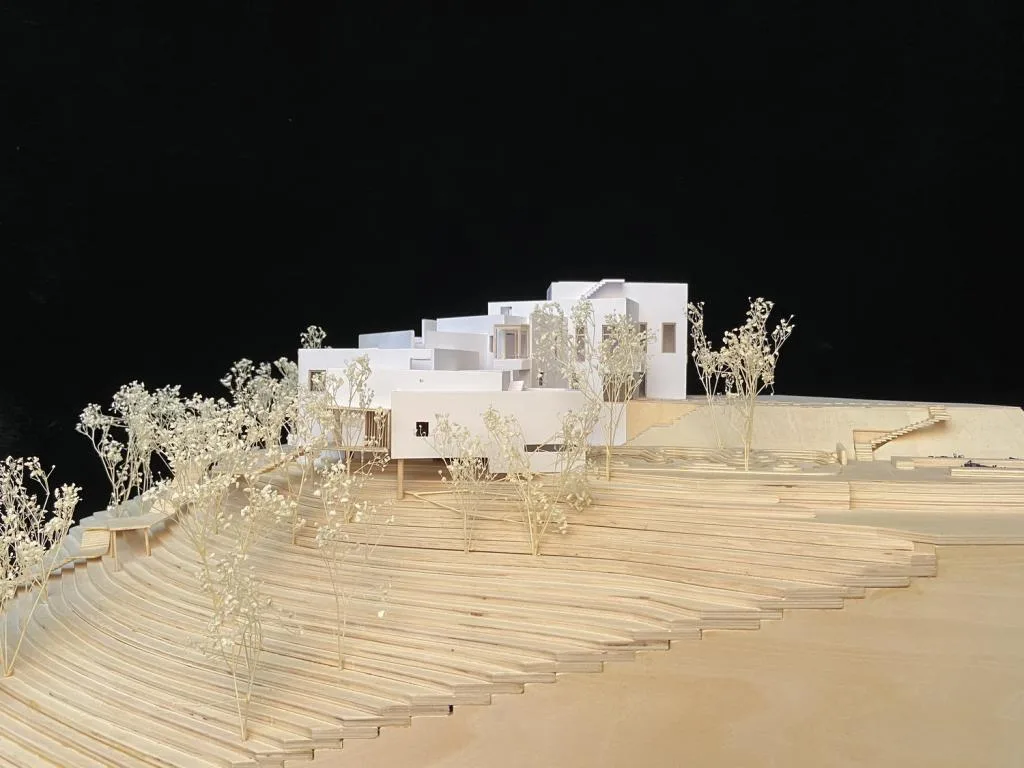
△ Model photo
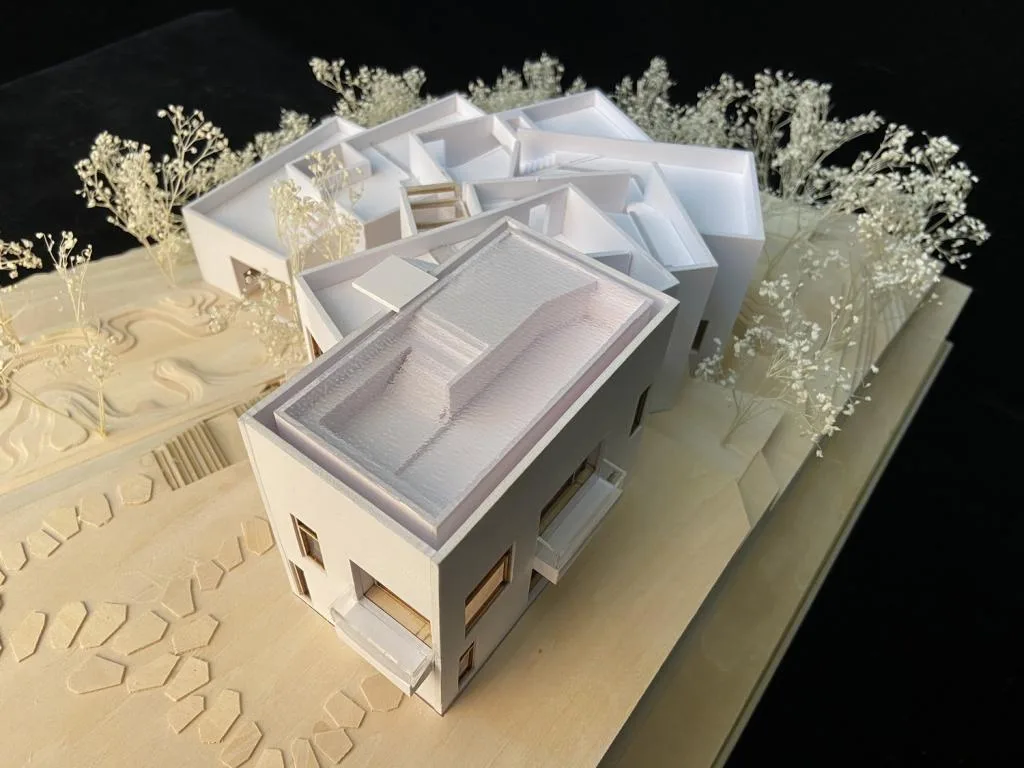
△ Model photo
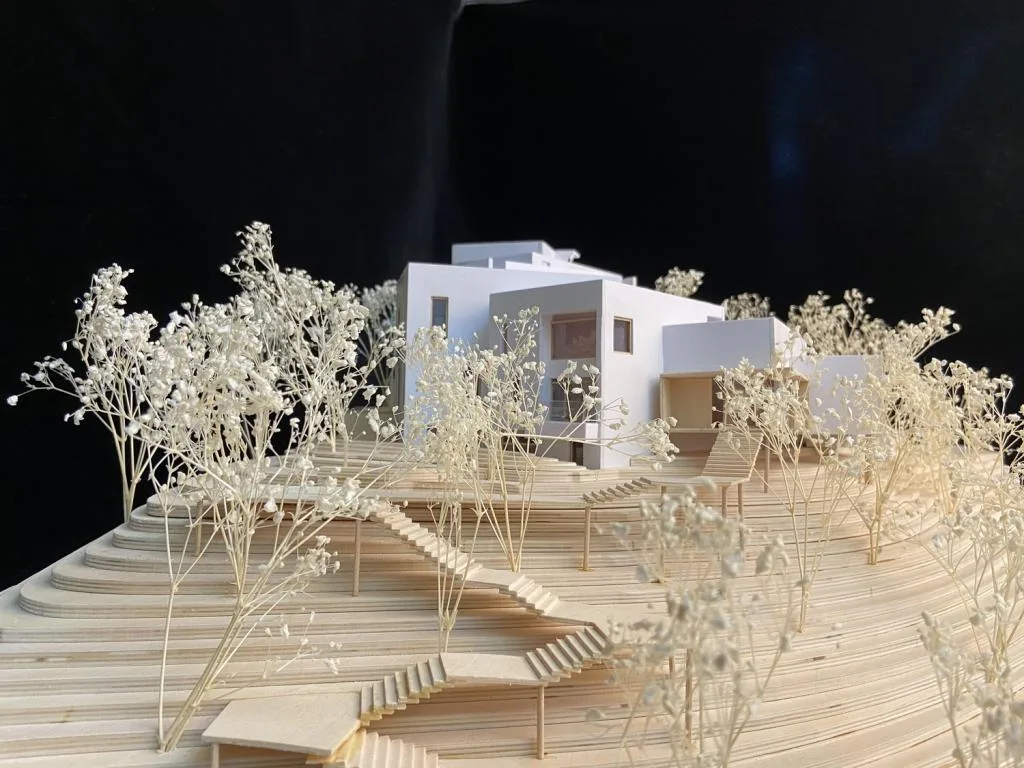
△ Model photo
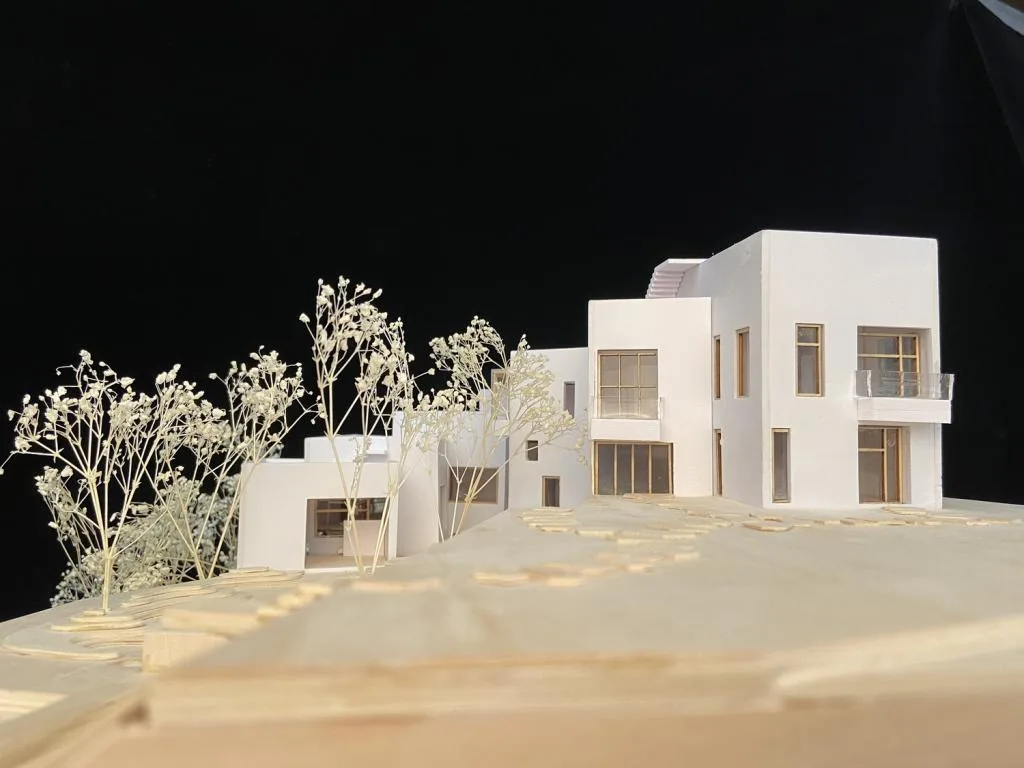
△ Model photo
Project Drawings
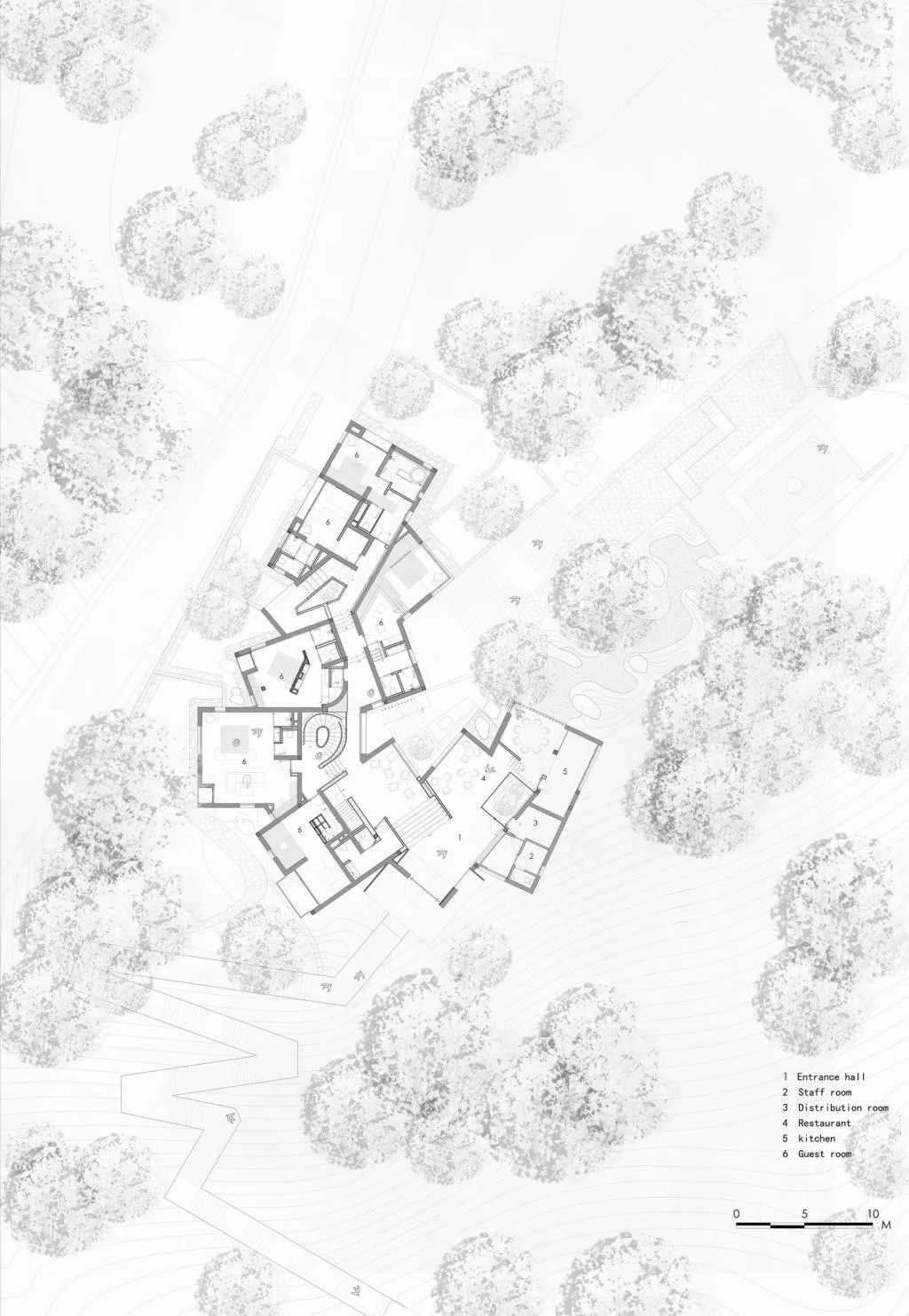
△ Floor plan analysis
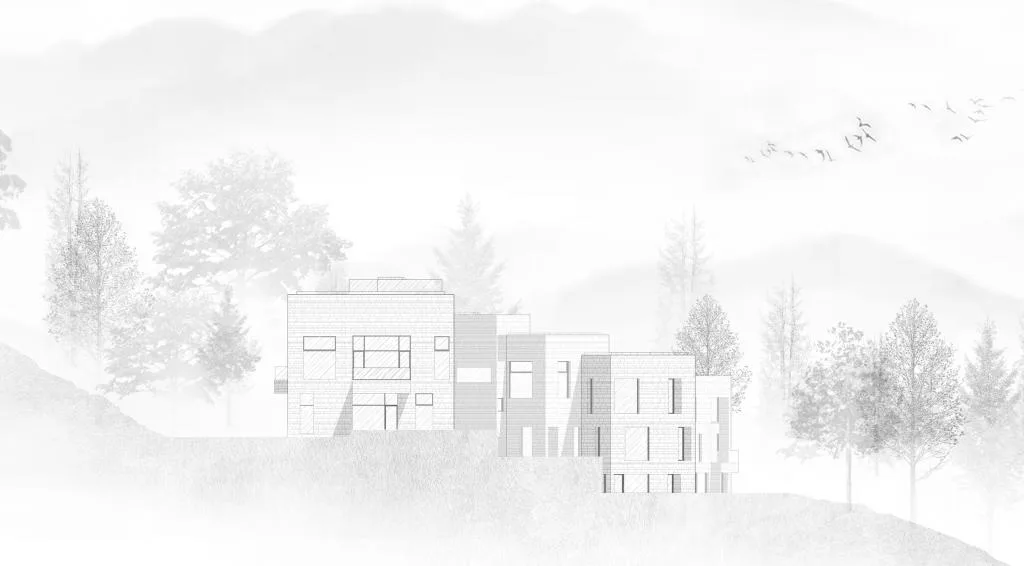
△ East elevation
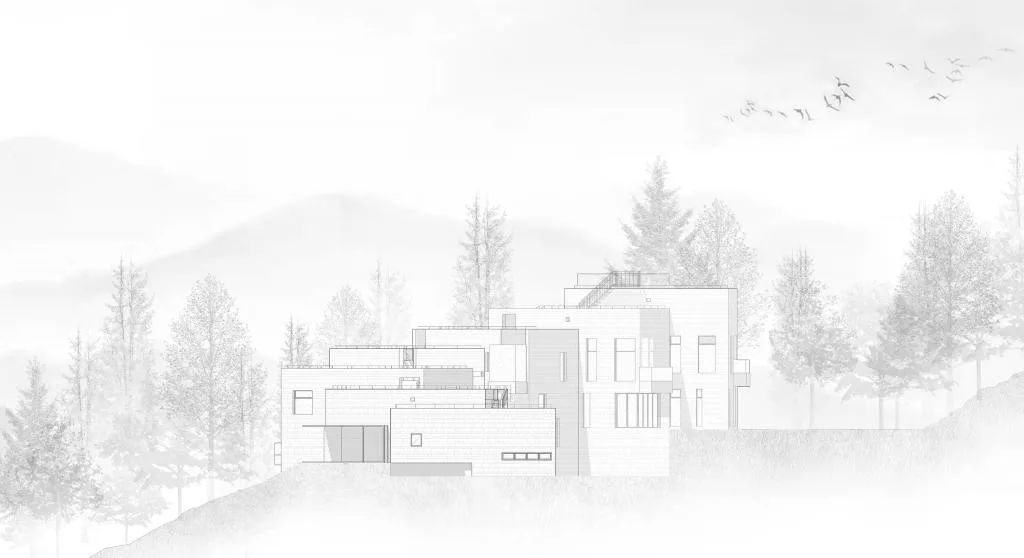
△ West elevation
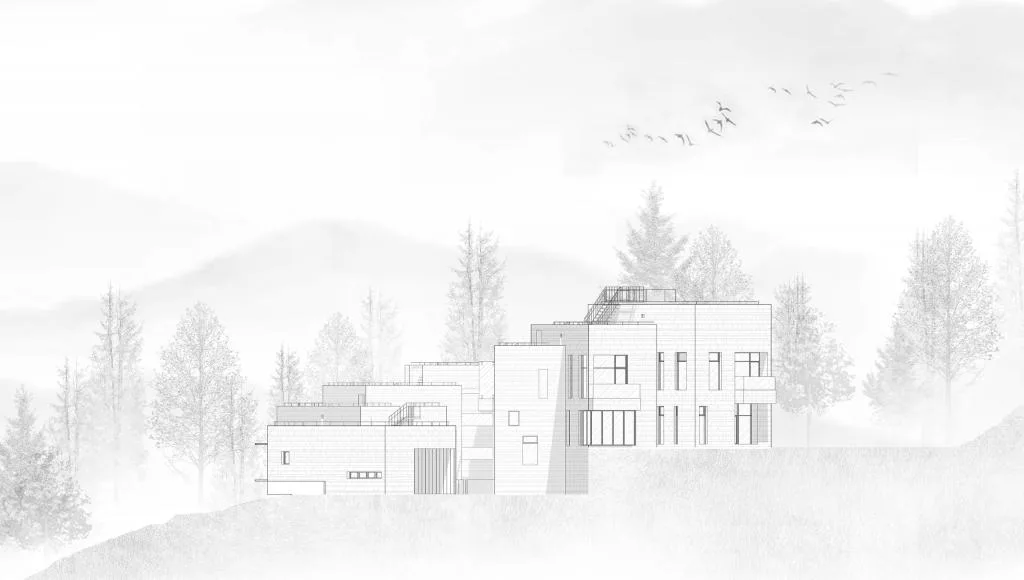
△ South elevation
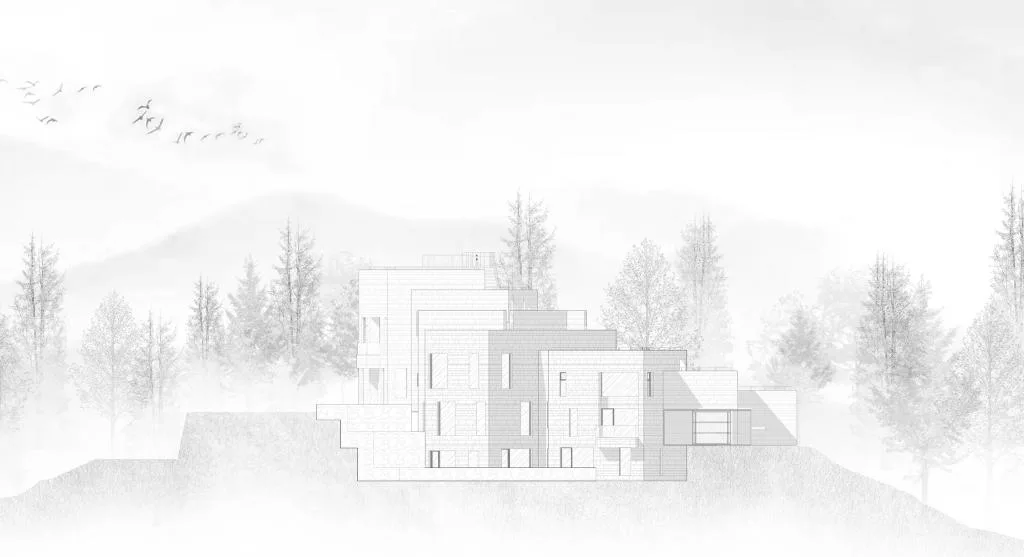
△ North elevation
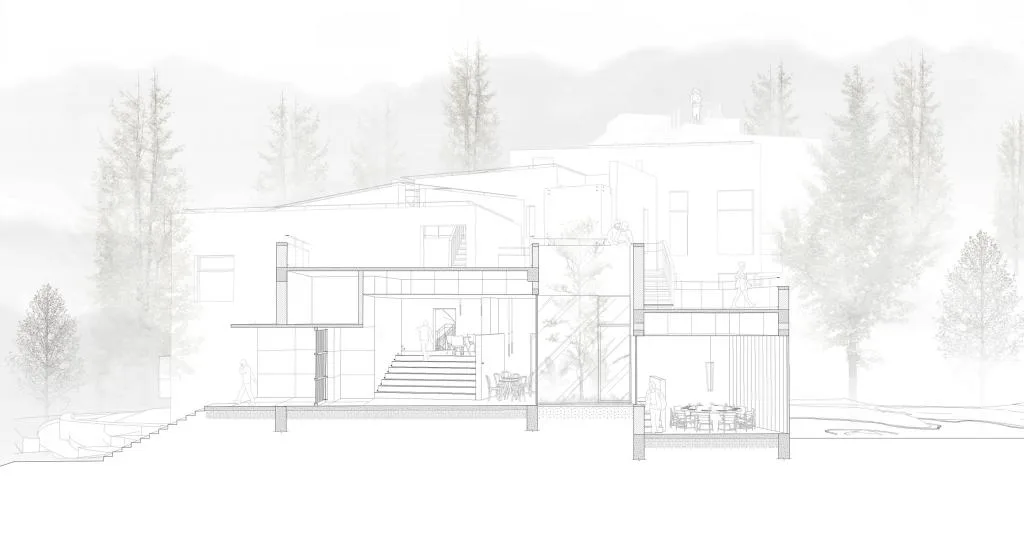
△ West sectional view
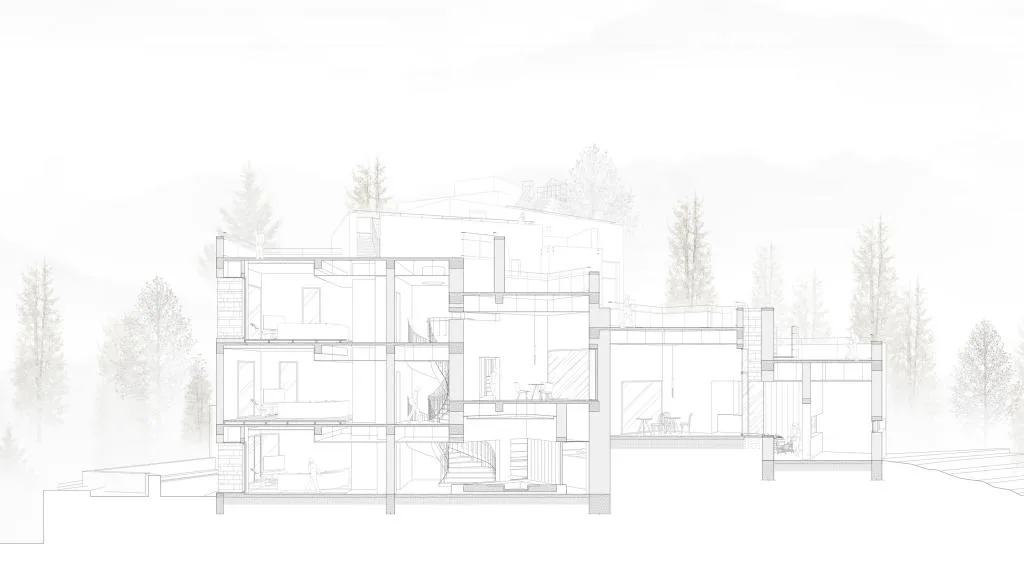
△ South sectional view
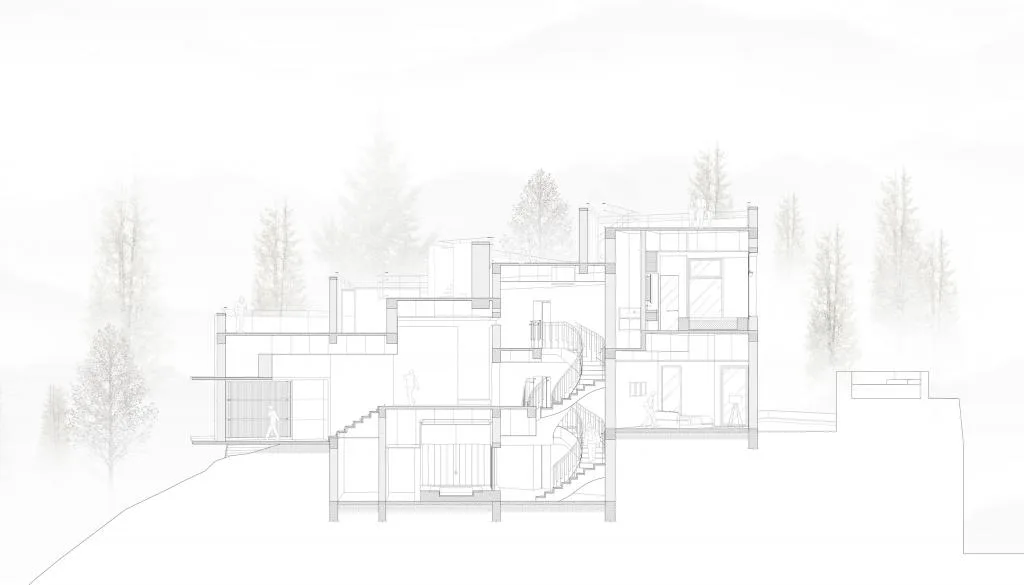
△ North sectional view
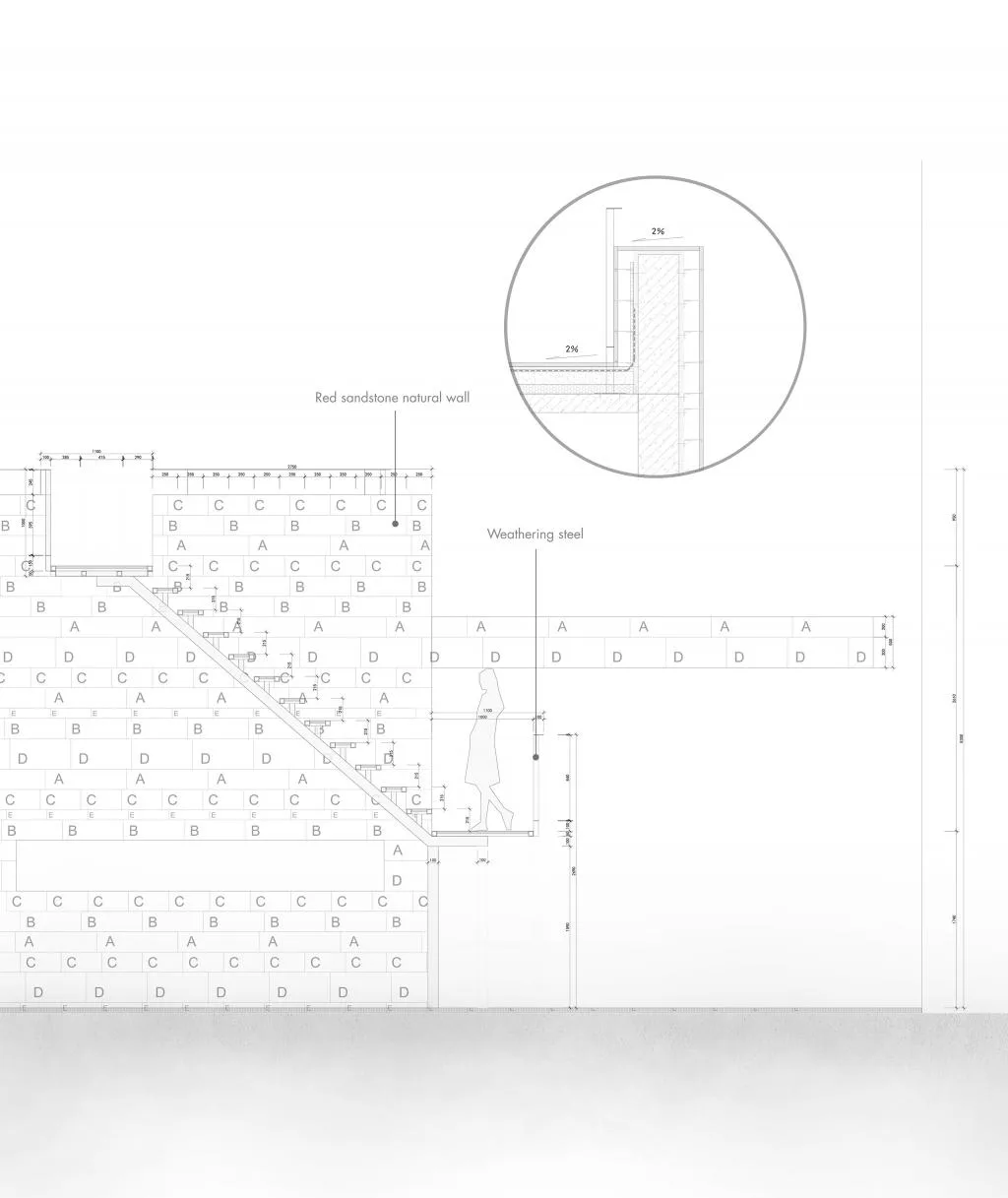
△ Detail node
Project Information
Design team (Architecture, Interior, Landscape): Su Architecture Design Firm (SUA)
Location: Hunan, China
Lead architect: Guo Shaojun
Team members: Yao Yilin, Zhang Zhikun, Liu Yue, Liang Xin, Zhao Zewei, Xu Hua, Han Yuen, Li Meng, Xu Wenjie, Lin Xiangui
Photographers: Tang Xuguo, Zhao Yilong
Structure: Framework structure
Land area: 2,500 m²
Building area: 1,000 m²
Design period: October 2017 – January 2020
Construction period: March 2018 – May 2020
Company website: www.suarchitects.com















Must log in before commenting!
Sign Up