
This article is authorized and reproduced from Voicer (official account ID: voicer_me).
Introduction
When rural dry toilets are mentioned, many immediately recoil, associating them with dirt, foul odors, and lack of water — stripping away the basic dignity of a fundamental human need.
While such scenes may seem extreme, United Nations statistics reveal that nearly half of the world’s population still lacks access to safe sanitation facilities.
Are dry toilets truly unsafe and unhygienic? Two Chinese architects offer different perspectives. Today, we explore the story behind rural toilets.
01
Not every village requires water-flushed toilets
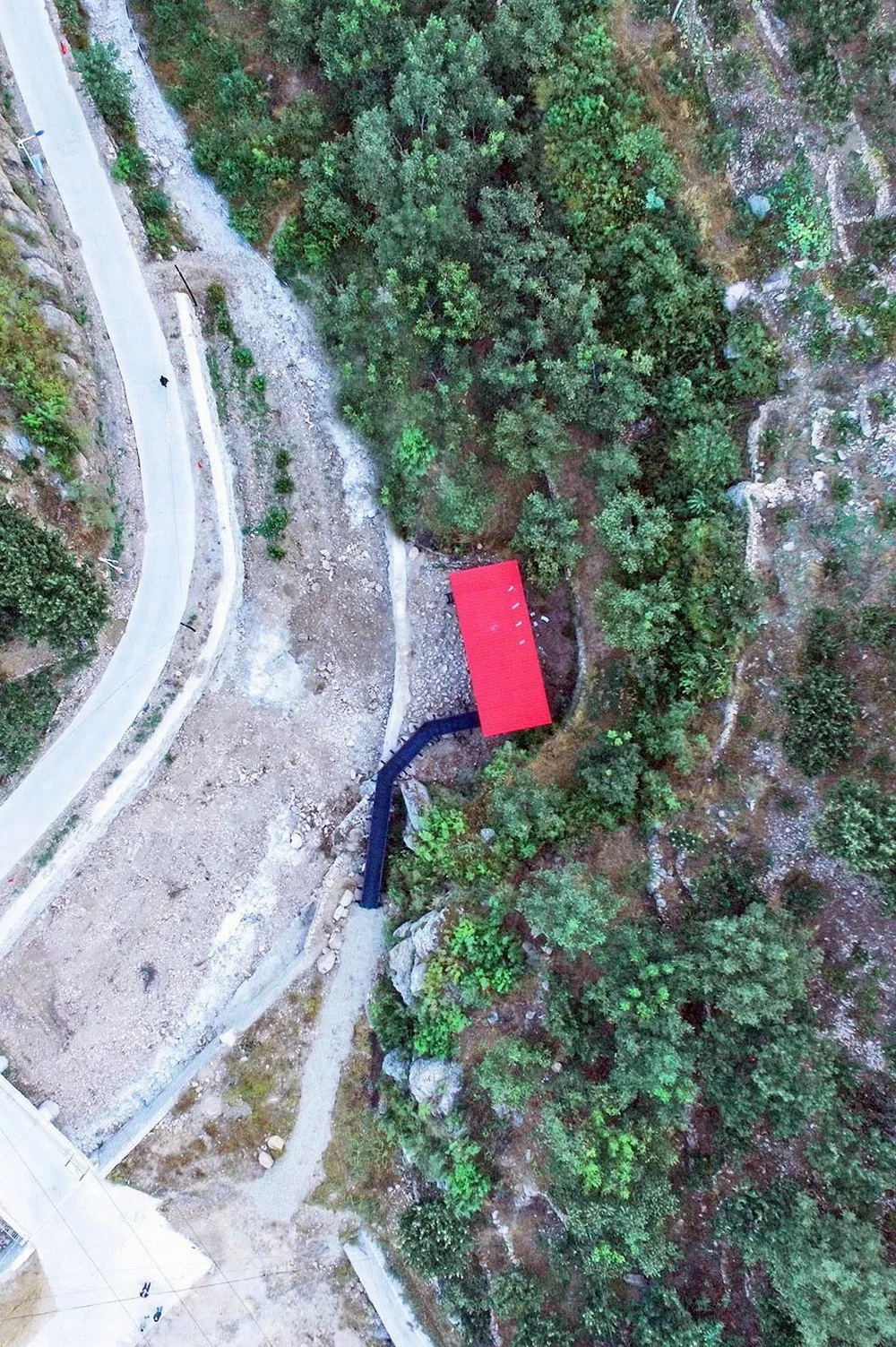
△ Shichengzi Village Public Toilet / Fu Yingbin Studio, Qinglong County, Hebei Province
A dignified toilet, in my view, is not about the immediate environment during use but whether the toilet exists timely and appropriately. In rural areas that rely on farm manure, dry toilets represent the highest form of dignity.
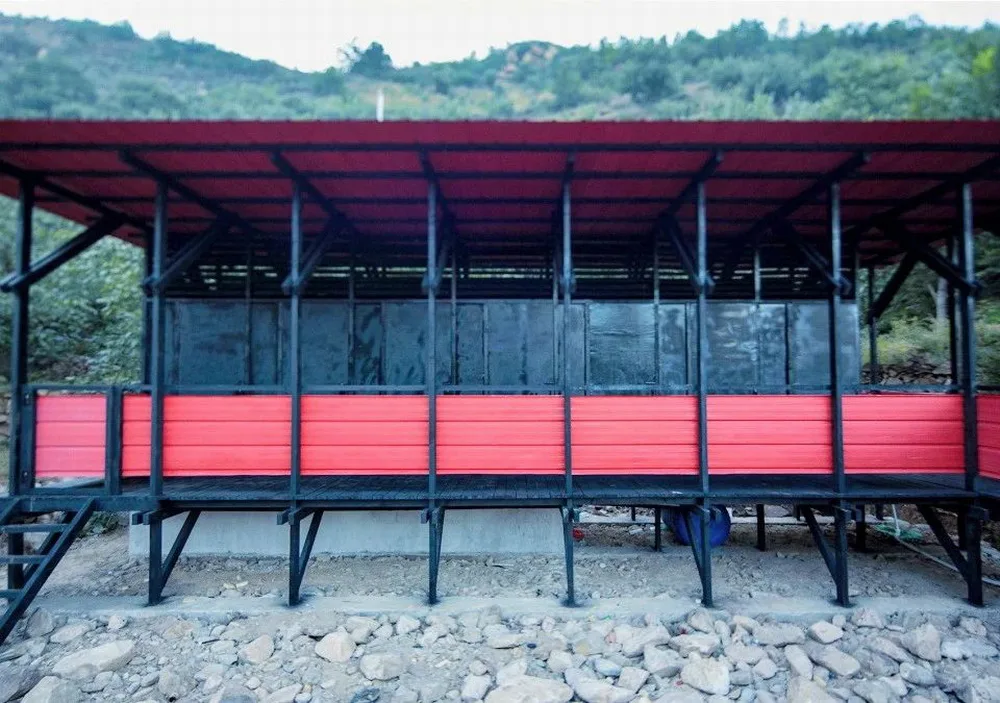
In small mountain villages along rivers or nestled in valleys, many resort to “wild” solutions to sanitation. The bright red public restroom in Shichengzi Village boldly declares its presence, reminding everyone that this is the proper place for nature’s call.
Architect Yingbin did not simply design a flush toilet. Instead, he asked, “What should rural toilets truly look like? Are urban toilets the right model for rural areas?” His design was shaped by these critical questions.
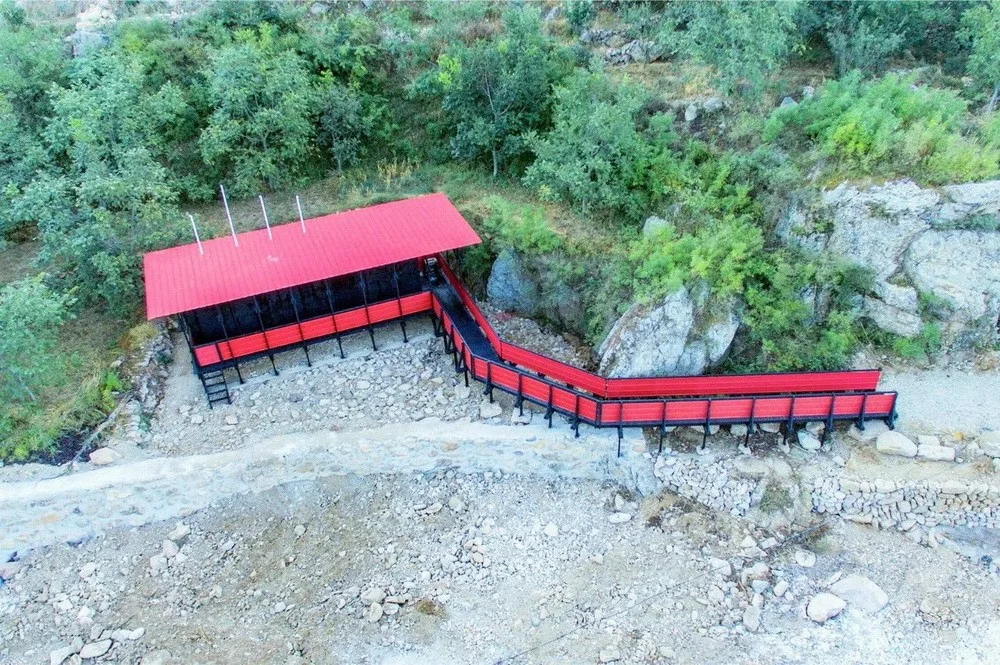
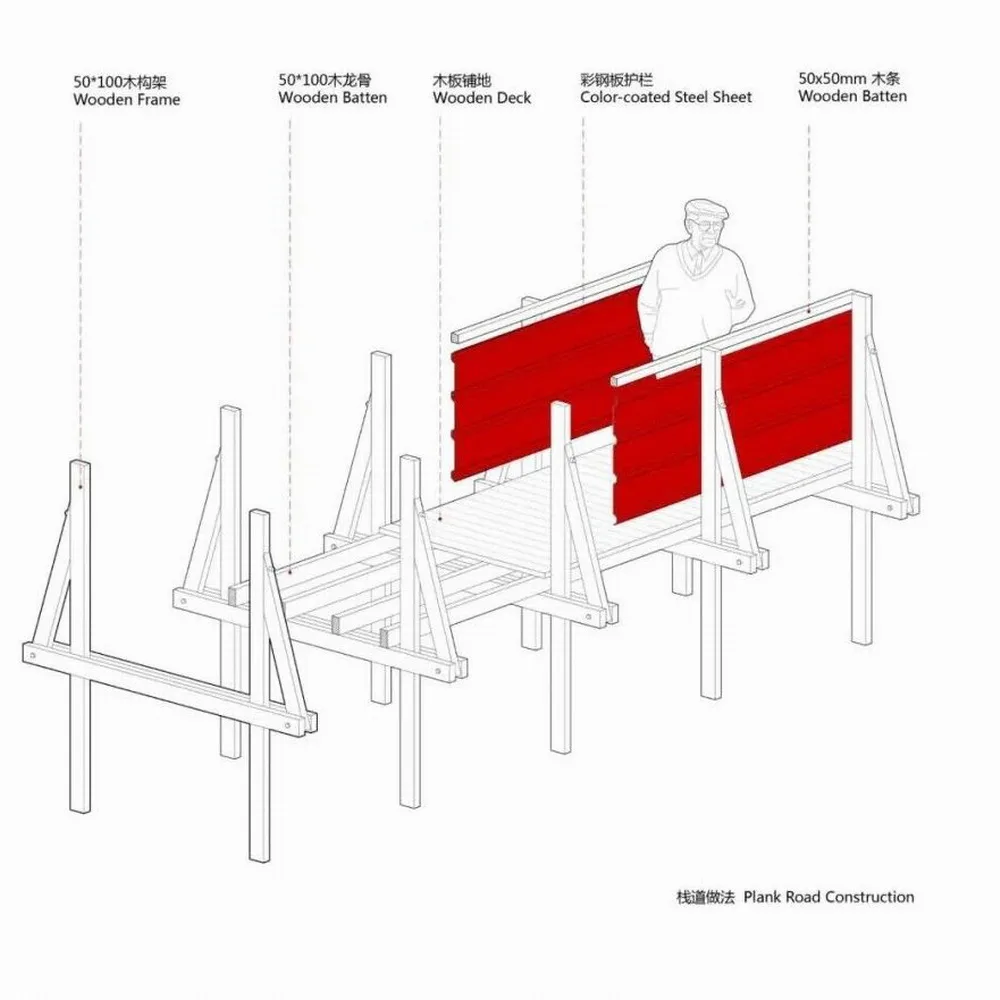
The public restroom in Shichengzi Village is nestled in a mountain valley by the river, accessible only by a narrow path less than one meter wide. To connect the road, an elevated boardwalk was constructed.
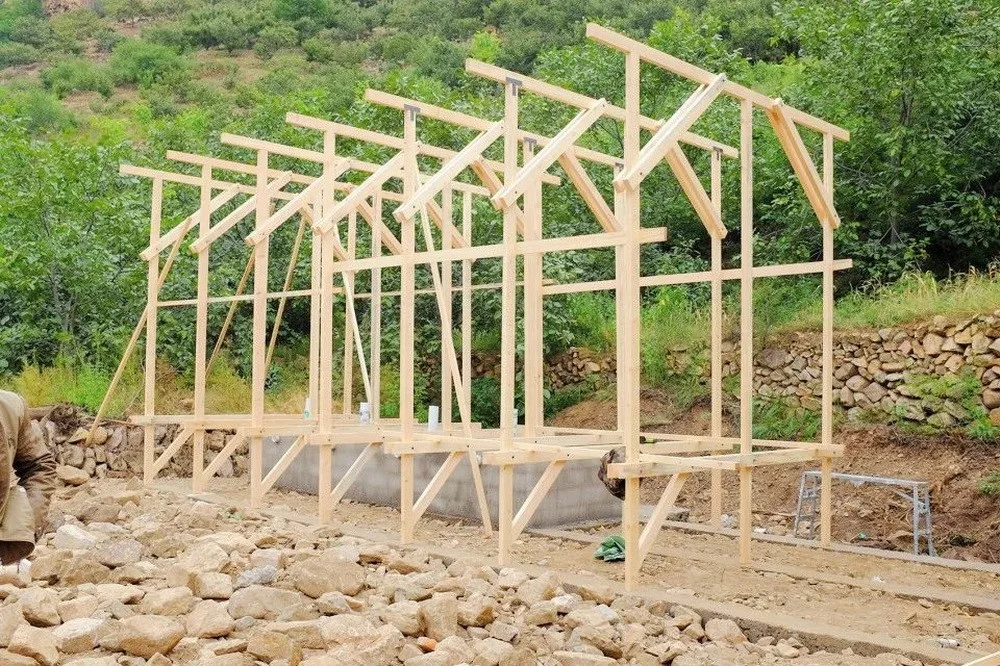
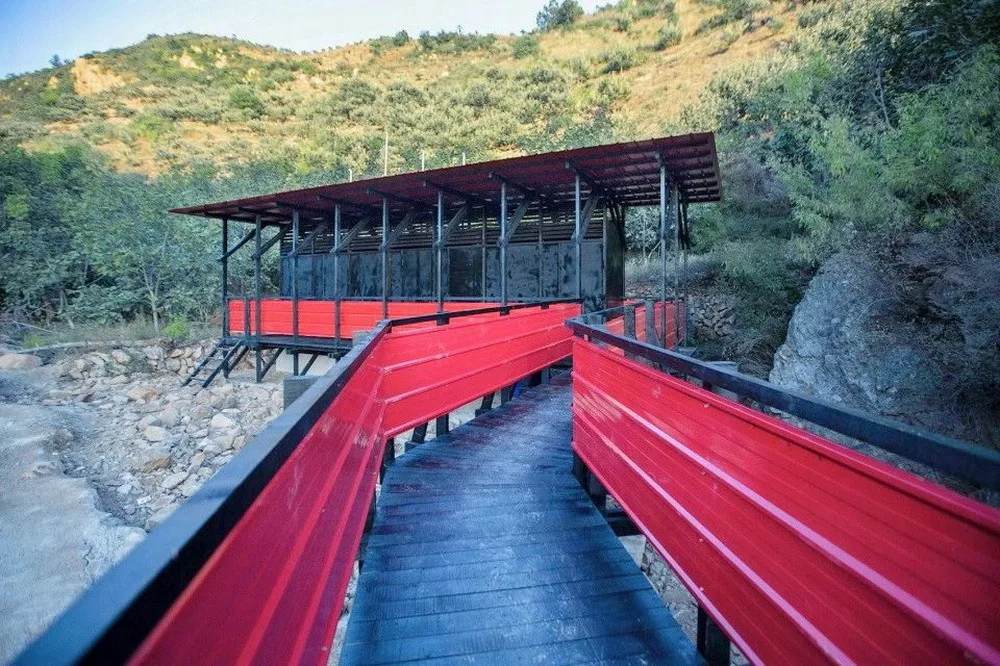
The structure uses readily available wood from nearby lumber factories and is clad with cost-effective, bright red steel panels for high visibility.
Fu Yingbin observed that the village cultivates organic chestnuts and walnuts without pesticides or fertilizers, relying heavily on traditional farmyard manure, primarily composed of feces. Consequently, these toilets must effectively collect feces.
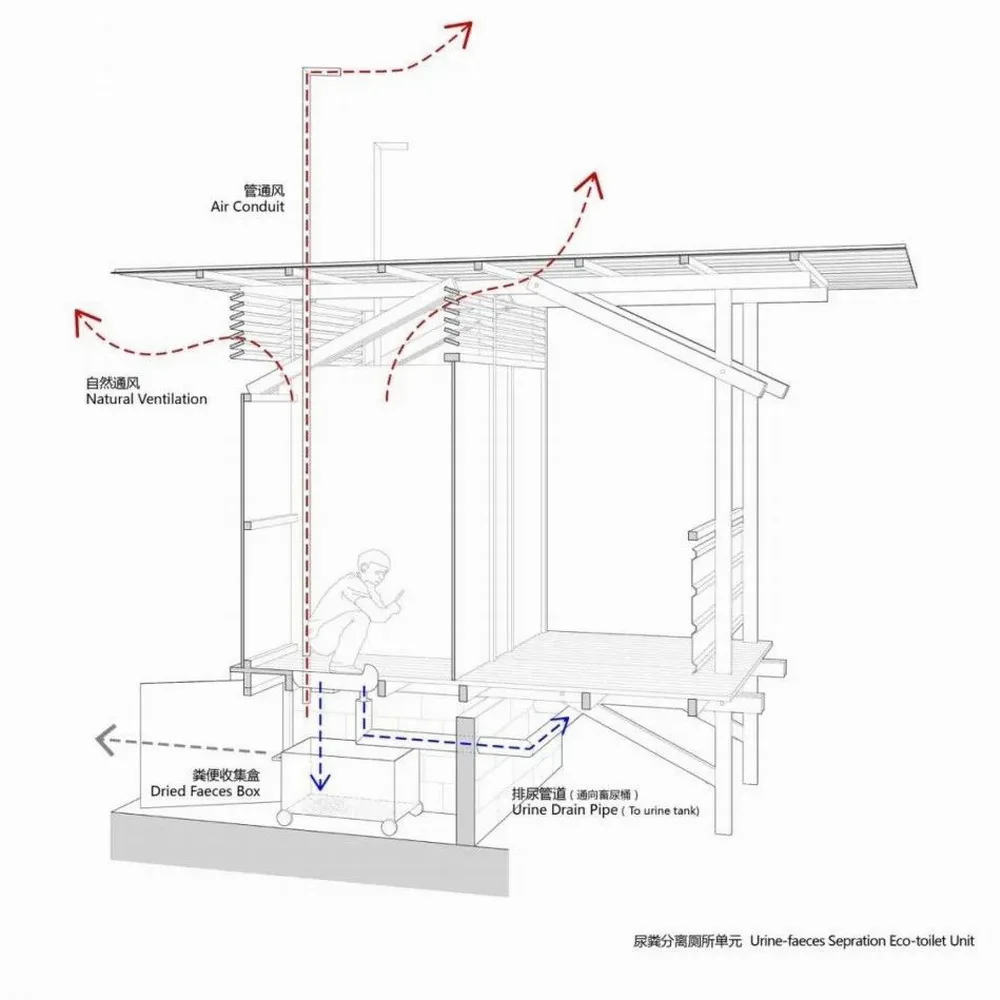
The main hygiene issue with traditional dry toilets arises from the mixing of urine and feces. The ecological dry toilet technology used here separates urine and feces, a well-established and mature approach.
△ High-quality farmyard manure output
These ecological dry toilets channel urine into storage tanks via pipes, allowing it to be fermented and used as fertilizer. Feces collect in boxes beneath each urinal, where they are covered with wood ash or sawdust to minimize odors and absorb moisture, maintaining dryness before composting and fermentation. The result is excellent quality farm manure.
This technology conserves water, is hygienic, meets agricultural needs, and is worth promoting in rural communities.
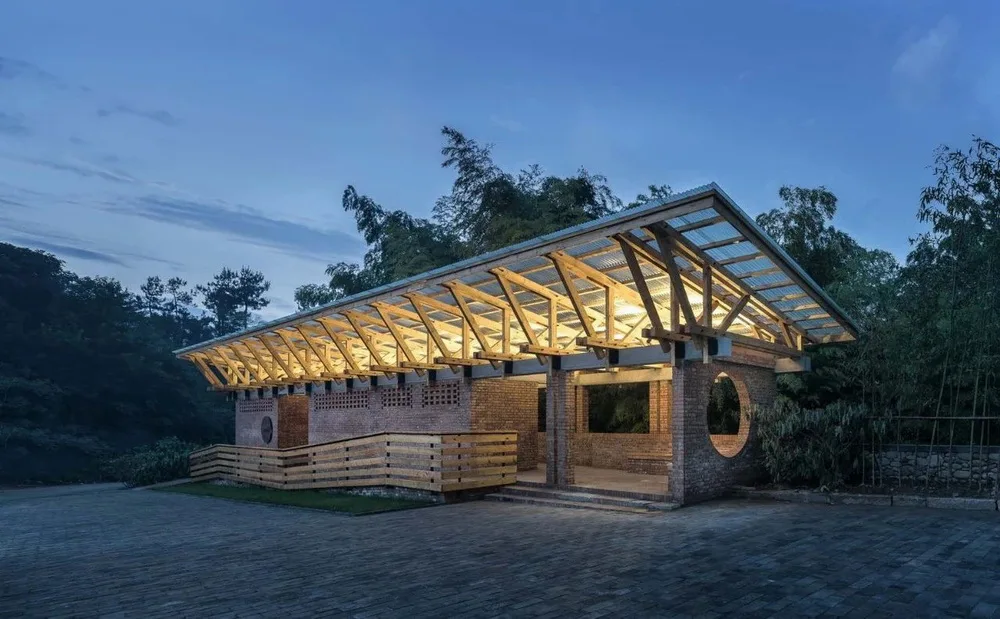
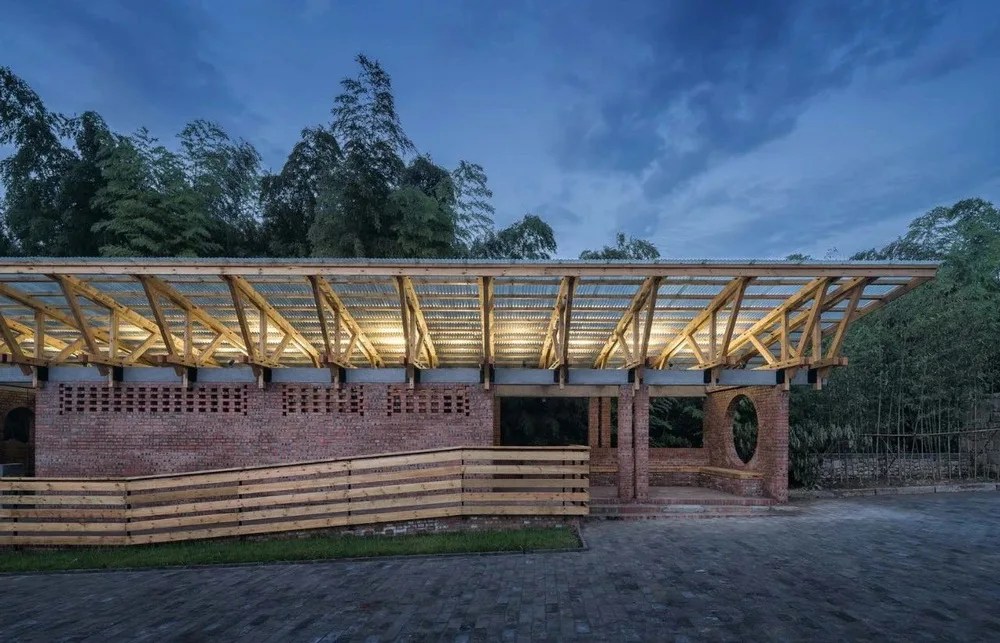
△ Public Toilet, Cangcang Village, Taiyang Township, Huoshan, Anhui / Fu Yingbin Studio
Fu Yingbin’s other design, the Taiyang Township Public Toilet, serves a different purpose. It primarily caters to tourists and aims to change perceptions of rural toilets from dirty and chaotic to scenic and inviting.
Poetic Serenity
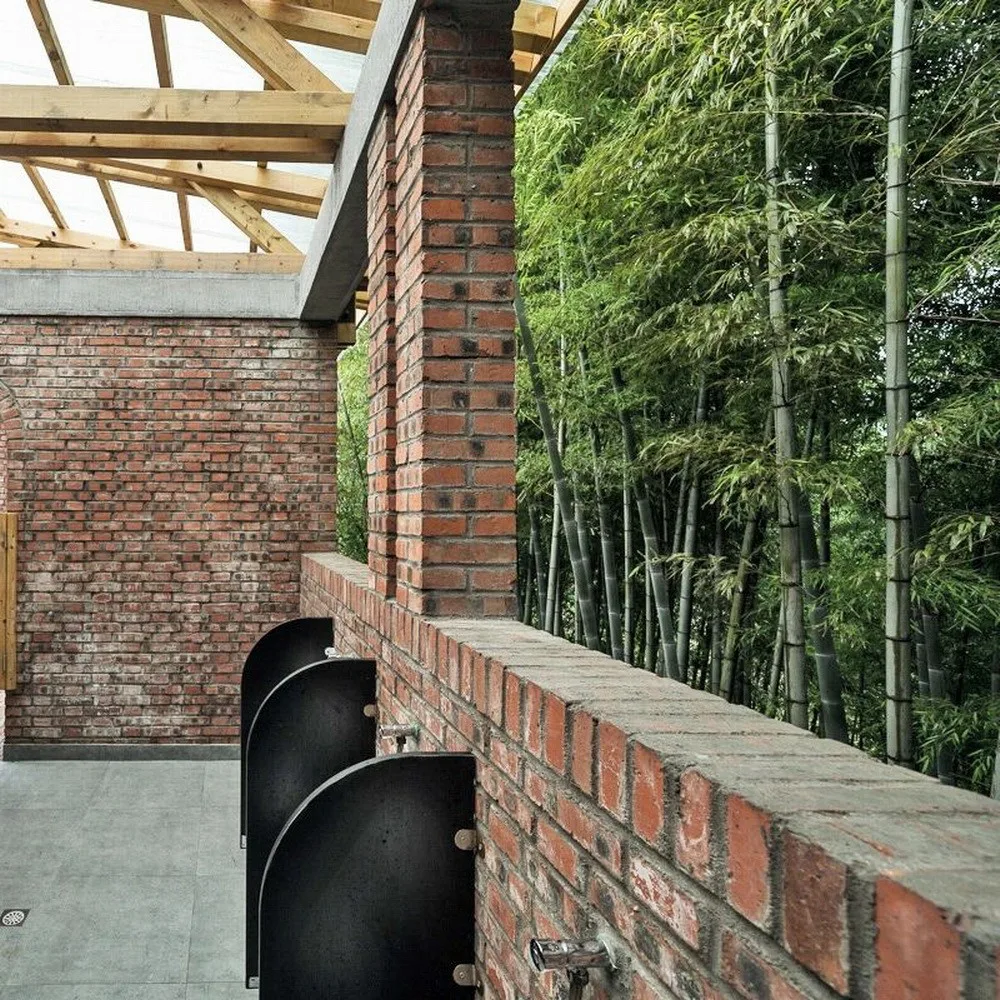
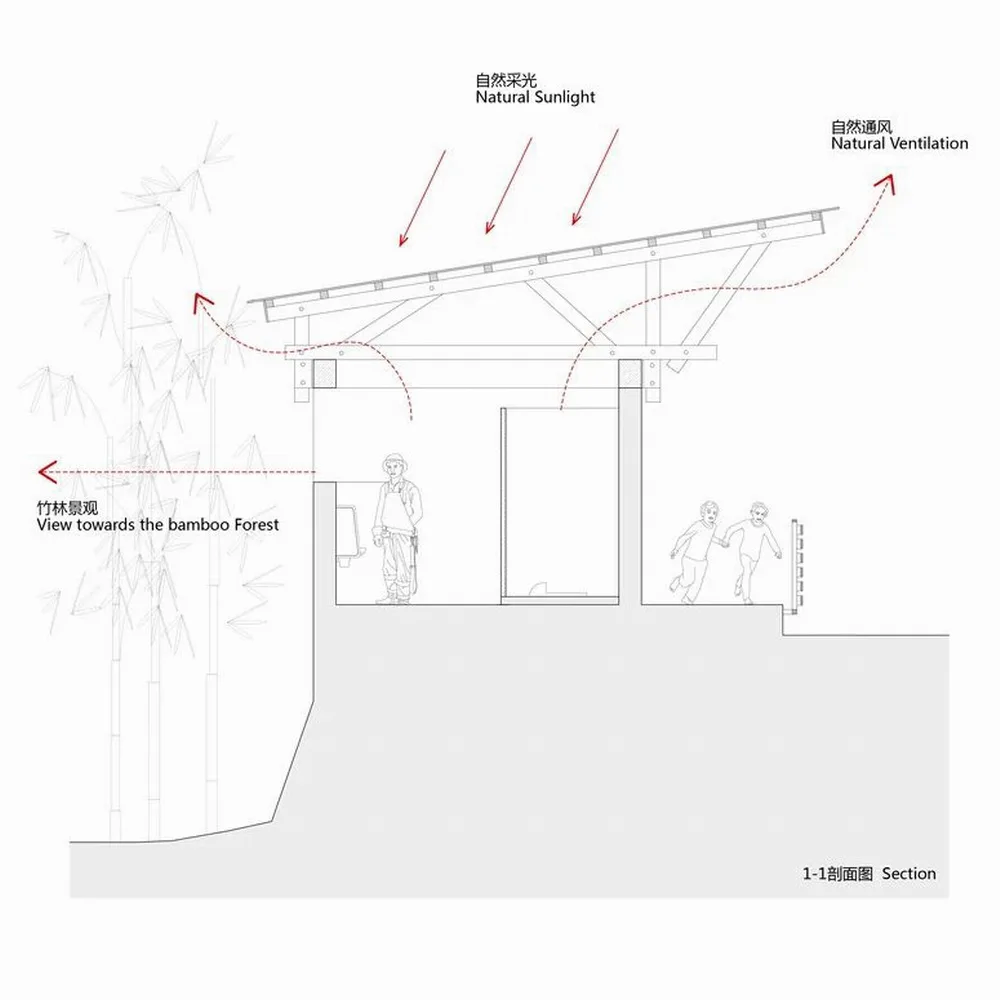
We boldly opened the side of the toilet facing the bamboo forest, ensuring privacy while inviting natural scenery, turning the restroom experience into a romantic and enjoyable moment.
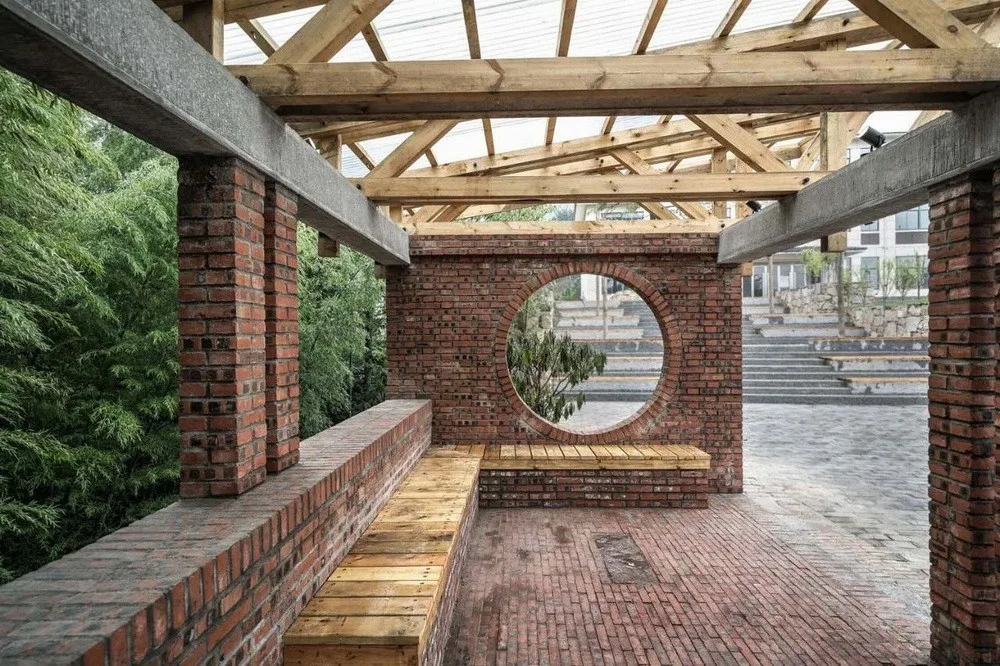
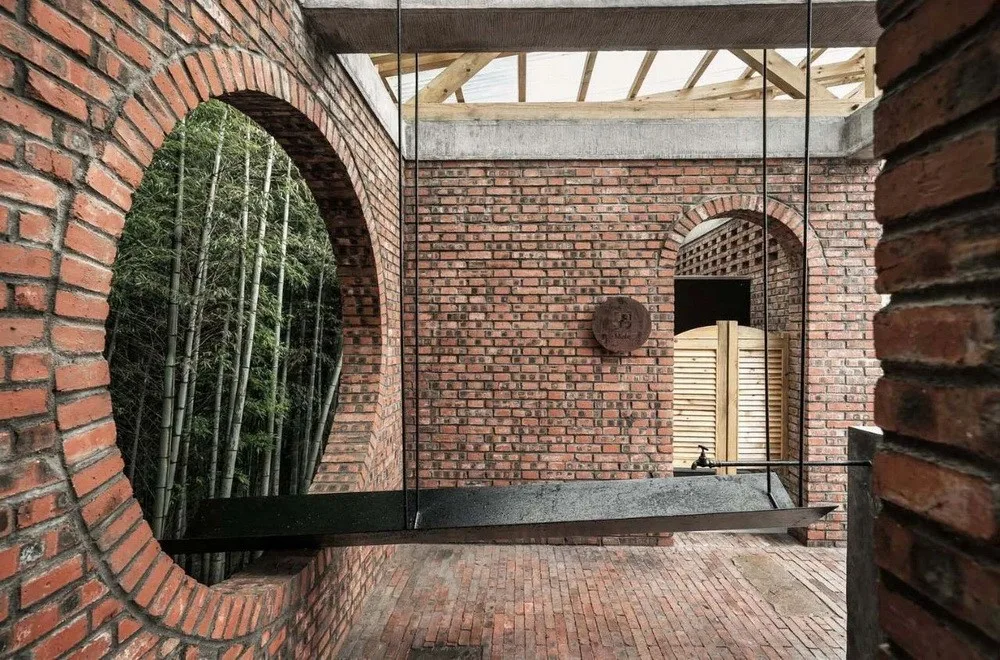
Even passersby who don’t use the restroom can enjoy views of the bamboo forest framed by the circular window, eliminating the typical unpleasantness associated with restroom spaces.
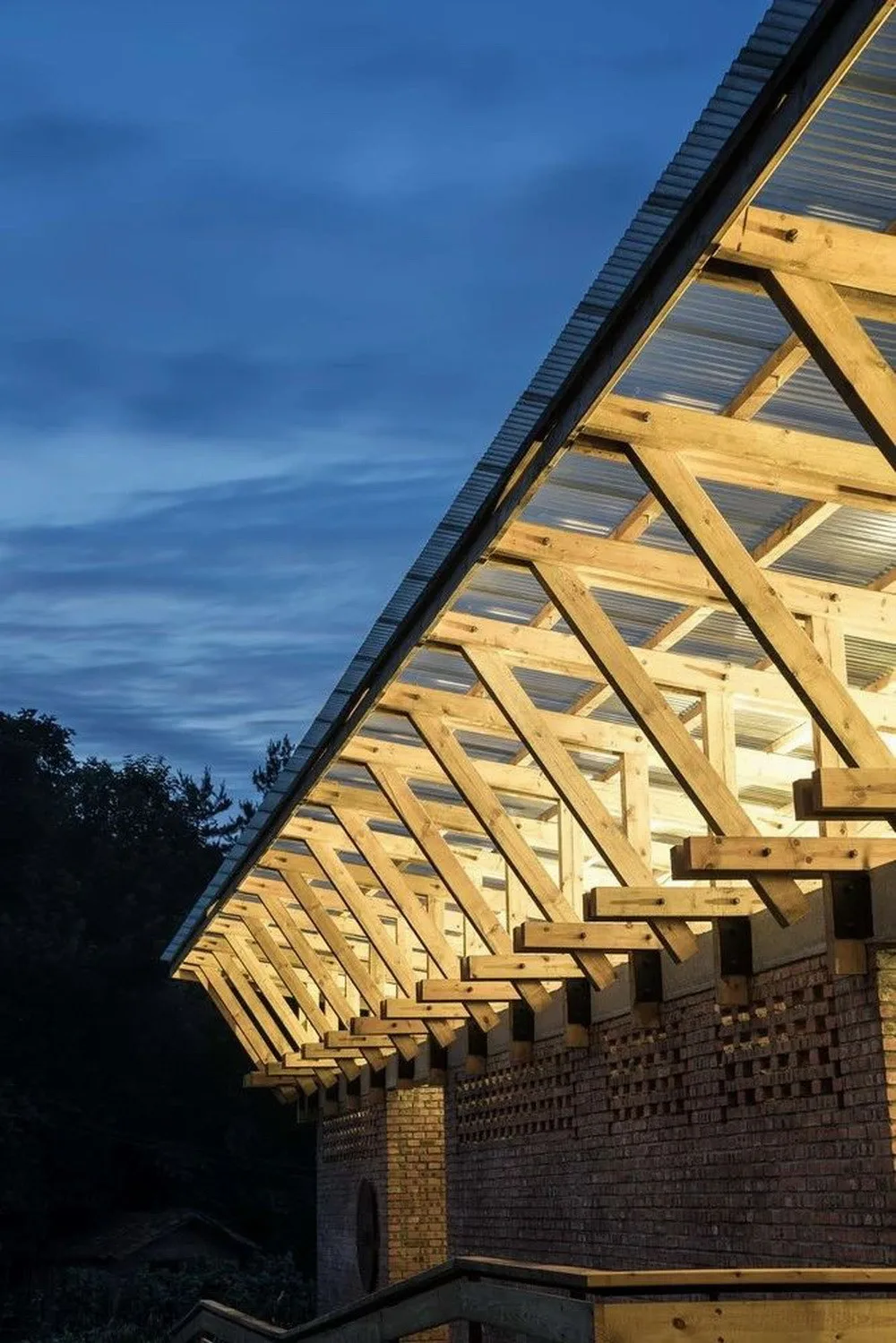
Good public toilets do not necessarily require high costs or luxurious finishes. The Taiyang Township public toilets use simple, common rural materials like red bricks, wood, and fiberglass tiles. Combined with natural lighting and ventilation, they create facilities that are beautiful, interesting, and practical.

Fu Yingbin
Chief Designer, Fu Yingbin Studio
What differences do you see when designing toilets for rural areas compared to cities?
In cities, there is usually a complete pipeline network and municipal maintenance, so toilets have a singular function and can be designed without considering other factors.
In rural areas, however, such infrastructure is often absent. Water-flush toilets common in cities lack a foundation here. Without water supply or drainage, questions arise: Where does the water come from? How is sewage disposed of? Urban toilets are integrated inside buildings with insulation, while rural toilets are often standalone structures, especially in northern regions. How to keep them insulated in winter? Should heating be provided?
Septic tanks are another issue. Urban residents typically share a large septic tank per building, but rural households are scattered with small septic tanks, posing challenges in sewage collection and discharge. These problems stem from applying an urban mindset to rural contexts.
Beyond the toilet itself, many related issues arise, often linked to rural living habits and production methods. Forcing flushing toilets into rural areas often leads to underused, failed installations. Rural toilets should prioritize practicality and adopt locally appropriate methods.
Have you ever experienced a toilet designed by Voicer?
I have personally used them and generally find them satisfactory.
How is the maintenance of Voicer-designed toilets post-completion?
Those toilets maintained well usually serve genuine needs. Conversely, toilets built to fulfill certain “tasks” often fare poorly. Both rural and urban public toilets leave room for improvement. Perhaps it’s time to shift public evaluation from “five-star decoration” toward focusing on rationality and convenience.
02
The most sensitive building type
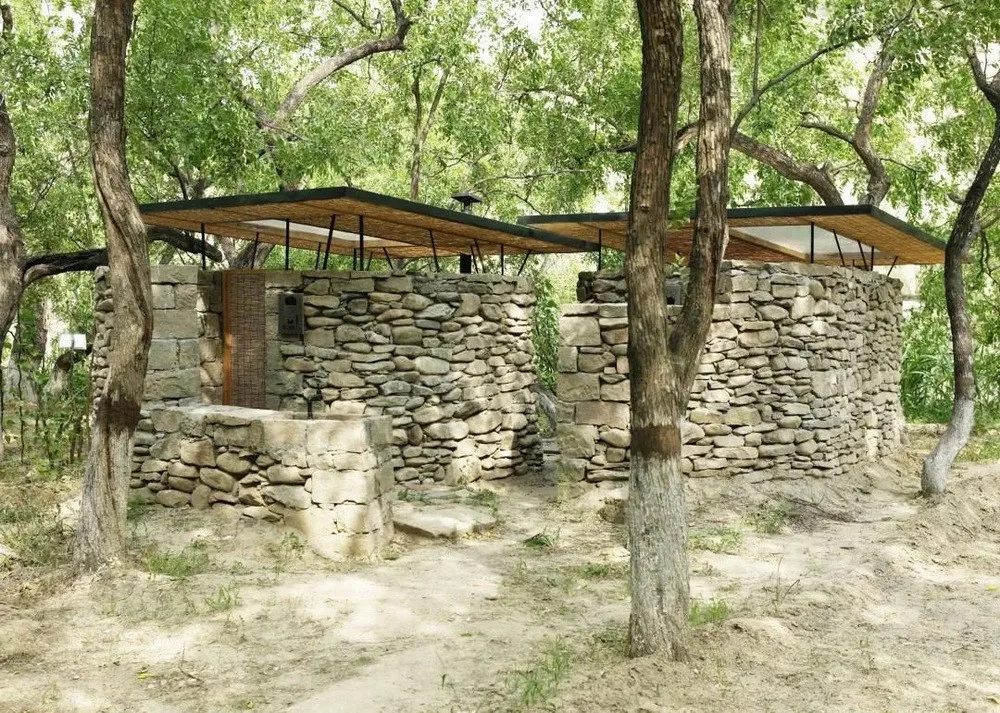
△ Jujube Forest Dry Toilet / Originally Built
Water toilets rely on large volumes of water to dilute small amounts of waste. In remote northwest villages where water is scarce and freezes in winter, traditional dry toilets consume almost no water and recycle manure and urine as fertilizer—an essential part of traditional farming systems.
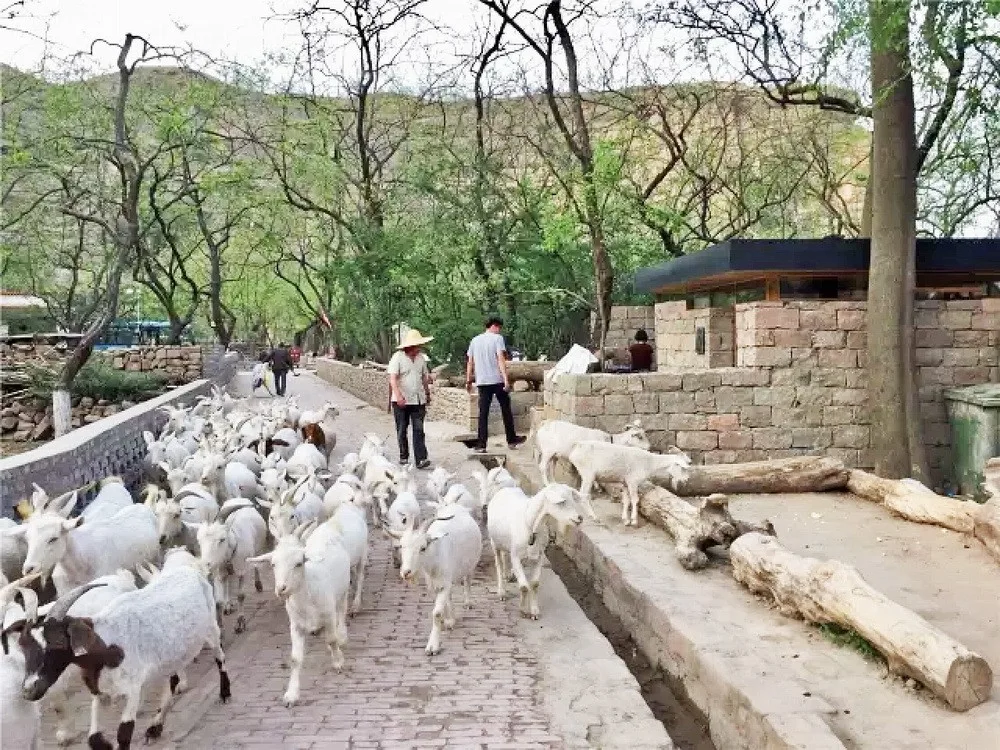
Nihegou Village, northern Shaanxi, recognized by the United Nations as a globally important agricultural heritage site, boasts the world’s largest millennium-old jujube orchard. It preserves ancient farming practices such as jujube-grain-vegetable intercropping and manure irrigation systems. The tradition of converting dry toilet manure into fertilizer is among the key protected elements.
However, architect Tang Yong observed that “the dry toilets here are rudimentary—dirty, smelly, and often roofless. People don’t mind hardship but struggle with poor hygiene; some girls even hold their urine because of this.” Protecting cultural heritage begins with designing improved dry toilets.
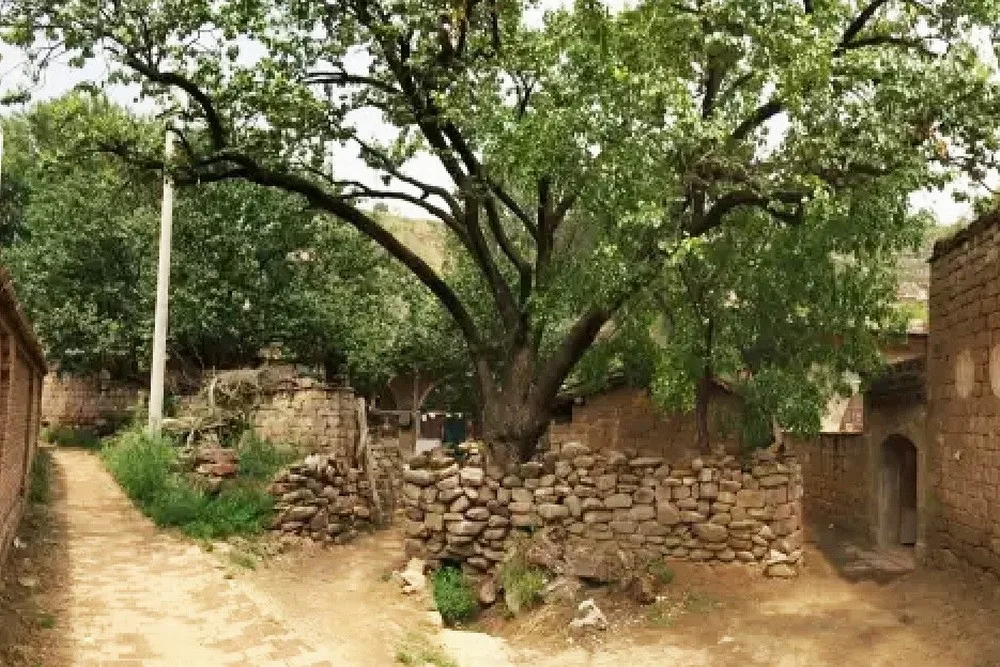
The old dry toilet had its merits. For example, this open-air pebble dry toilet was so temporary it hardly looked like a toilet, yet it was carefully constructed to align with the average person’s line of sight.
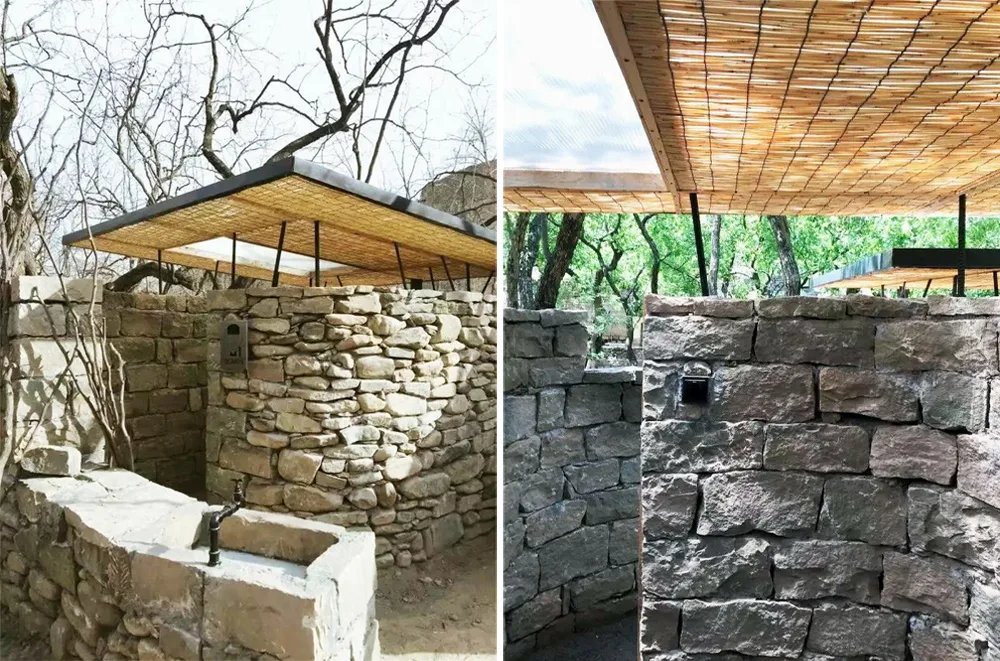
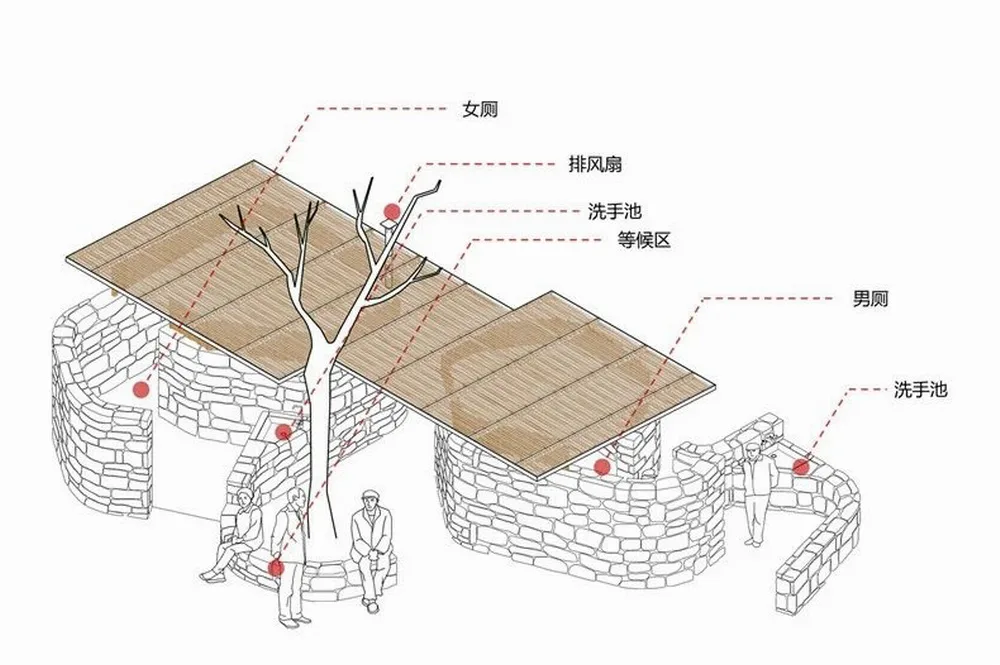
The new dry toilet adapts flexibly to the terrain. Tree formations allow the lower part to serve as a hand-washing sink, while a waiting and relaxation area occupies the lower level. The jujube forest landscape is visible from various heights.
Built using local materials—stones, branches, and willow twigs—the jujube forest dry toilets use squatting pits as the smallest unit, providing natural lighting and ventilation. The design incorporates urine-feces separation technology and employs readily available peanut shells to degrade feces, deodorize, and repel flies.
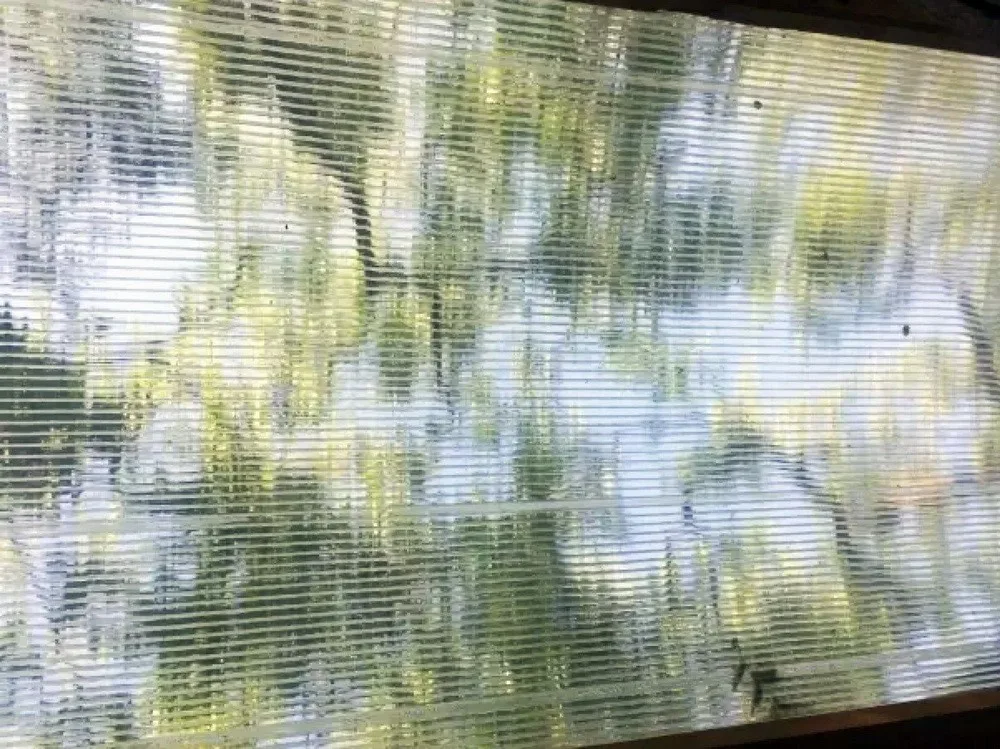
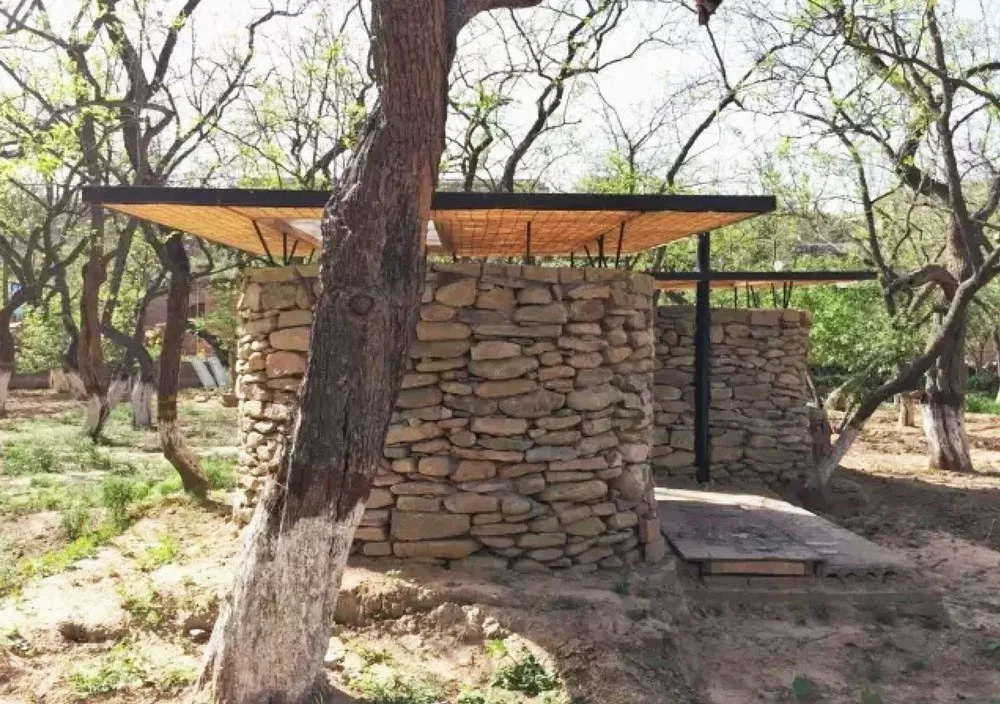
The skylight in the new dry toilet shelters users from wind and rain while allowing them to enjoy views of the sky.
However, Tang Yong acknowledges that management and maintenance of the Zaolin dry toilets were insufficient over time. “Although we considered cleaning needs, encouraged villagers to prepare willow garbage bins and sanitary pods, and placed odor-absorbing materials like peanut shells, limited management awareness and financial resources posed challenges. This experience deepened our understanding of the softer aspects of rural construction.”

Tang Yong
Partner, Peking University Architecture Research Center / Founder of Creation/Workshop
How does designing toilets with Voicer differ from designing other buildings?
Compared to other building types, toilets generally have lower structural weight but are highly sensitive regarding location layout and hygiene. Modern toilets involve water supply, drainage, sewage treatment, ventilation, and cleaning, making them the most integrated and costly basic spaces among building types. Public restrooms have even higher demands for daily management and upkeep than private ones.
Have you experienced a Voicer-designed toilet?
I often conduct follow-up visits and experience mixed feelings of frustration and empathy.
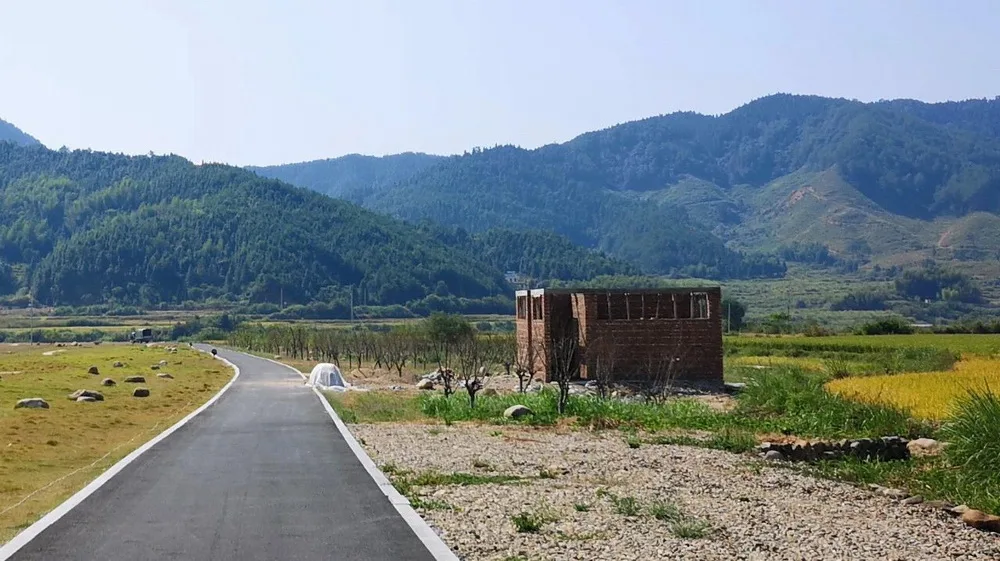
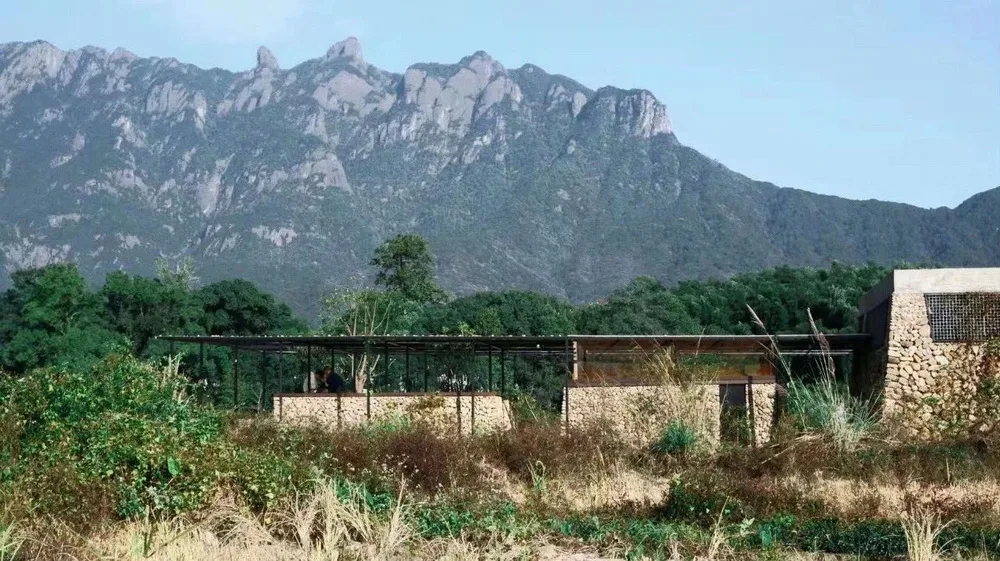
△ Original Toilet vs Shiguang Station
Voicer designed the “Toilet 2.0” Shiguang Posthouse at the foot of Mount Wuyi in Fujian after visiting the jujube forest dry toilet. How did this project evolve?
Based on issues observed in the jujube forest dry toilets, Tang Yong incorporated operation and management as key design elements. Public toilets generally require dedicated staff for maintenance, which is costly for typical rural areas. Whether administrators are willing to commit is a major concern.
Toilet 2.0 features two key evolutions: transforming a single public toilet into a small “urban-rural relay station” and upgrading the toilet manager’s role to that of a “small shop owner,” allowing the restroom and shop to support each other and encourage proper hygiene.
Public toilets typically sit along busy traffic routes and pedestrian areas, considered commercial zones in cities. The “toilet+” expansion model promoted in villages combines toilet space with a small shop and leisure platform. The convenience store increases services and revenue, with shop owners responsible for managing and cleaning the toilet. The leisure area serves as a waiting space, boosting shop visits. Strong business operations may even branch into cultural products and live streams.
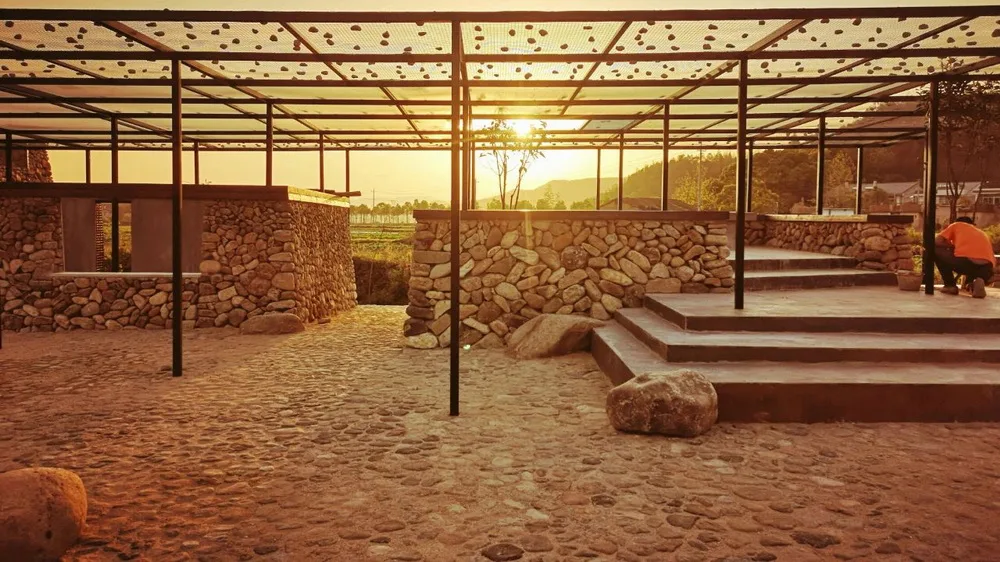
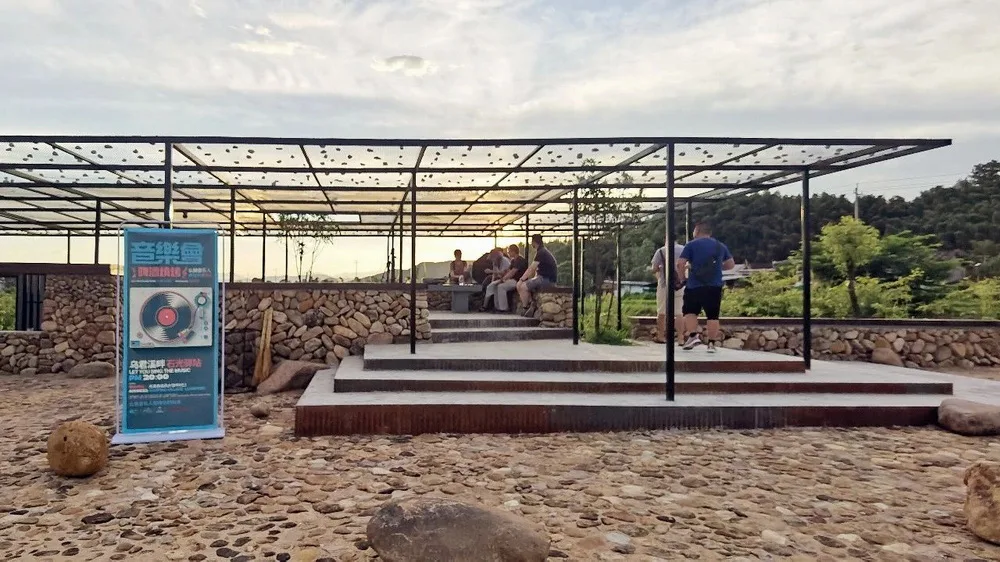
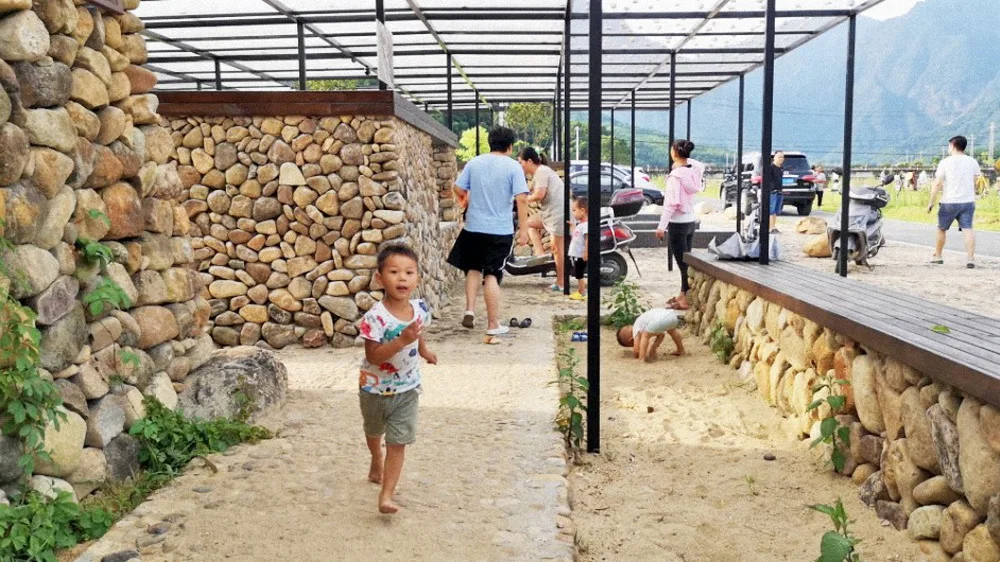
△ Toilet concerts and children’s playgrounds fully activate the space
Why does Voicer aim to add greater meaning to a seemingly single-function public facility like a “toilet”?
Tang Yong sees these challenges not merely as technical but as requiring supportive soft services. It’s akin to how smartphones evolved: from simple phones to devices with cameras and intelligent software, expanding functionality and convenience. Similarly, in urban and rural development, we can enrich basic spaces socially and psychologically, making them “small but impactful.”

In contemporary society, daily concerns often center on “what to eat,” while issues around sanitation, a near-universal concern, are rarely discussed. These rural toilet designs remind us that nourishing the spirit is as vital as producing material sustenance.
We look forward to exploring more diverse toilet designs with architects in the future. Wishing everyone joy and comfort in eating, drinking, and relieving themselves!
Editor – Nikki


Creative brand and online aesthetic magazine Voicer shares the beauty of life and design every day.
We recommend following us. Please search for “Voicer” or scan the QR code to connect.
















Must log in before commenting!
Sign Up