
©Arch-Exist
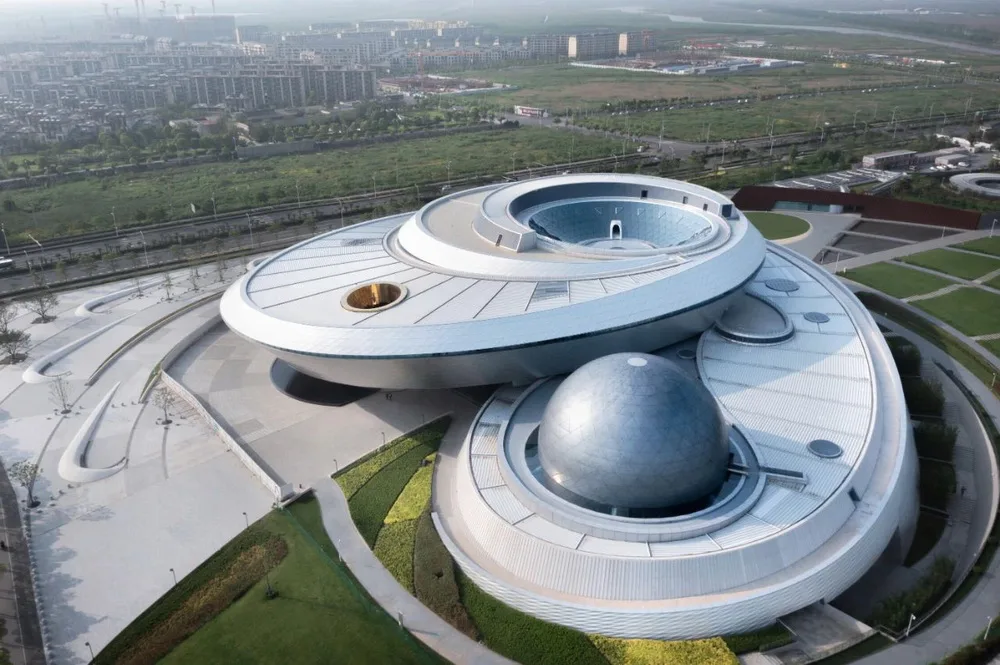
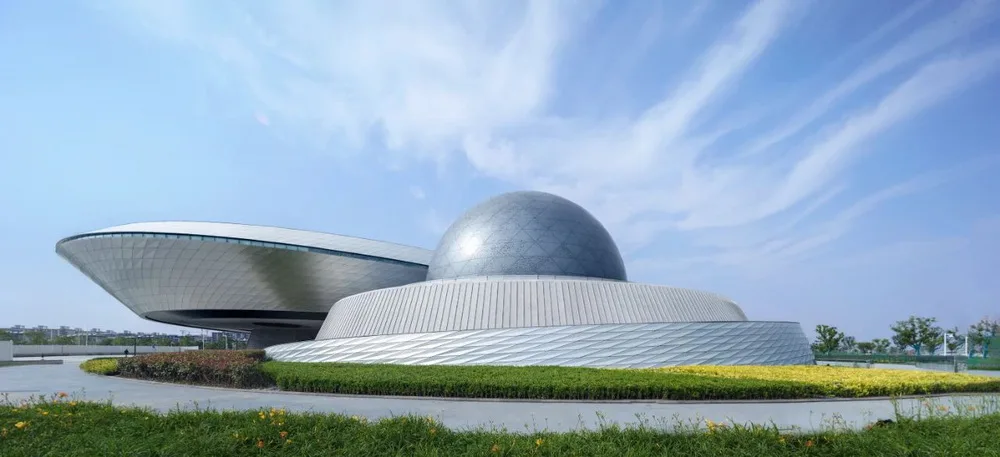
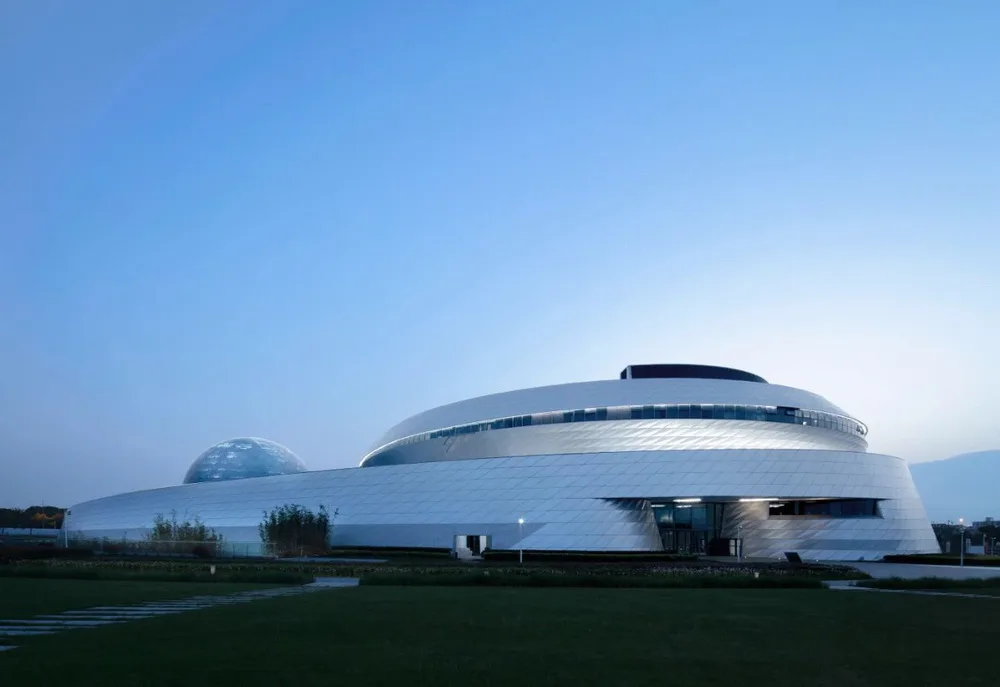
The Shanghai Planetarium, designed by Ennaid Architecture Firm, offers an immersive experience that allows visitors to interact directly with various astronomical phenomena. It enhances understanding of the fundamental relationship between the sun’s movement and the Earth’s orbit through careful manipulation of proportions, forms, and light.
As a branch of the Shanghai Science and Technology Museum, the new Shanghai Planetarium spans 420,000 square feet (approximately 38,000 square meters) and is set to become the world’s largest astronomy-themed museum. The grand opening is scheduled for July 18th.
©Arch-Exist
©Arch-Exist
During the design process, our goal was to fully integrate the planetarium’s functions with the building itself, creating an educational structure. The architectural form draws inspiration from the fundamental principles governing the universe’s operation. We aimed to embed the understanding of astronomy in the building’s exterior, so visitors experience this connection even before entering. By the end of their visit, when directly engaging with the starry sky, visitors can appreciate the vastness of the universe—a journey supported and enhanced by the building itself.
— Thomas J. Wong, Partner at Ennaid
©Arch-Exist
©Arch-Exist
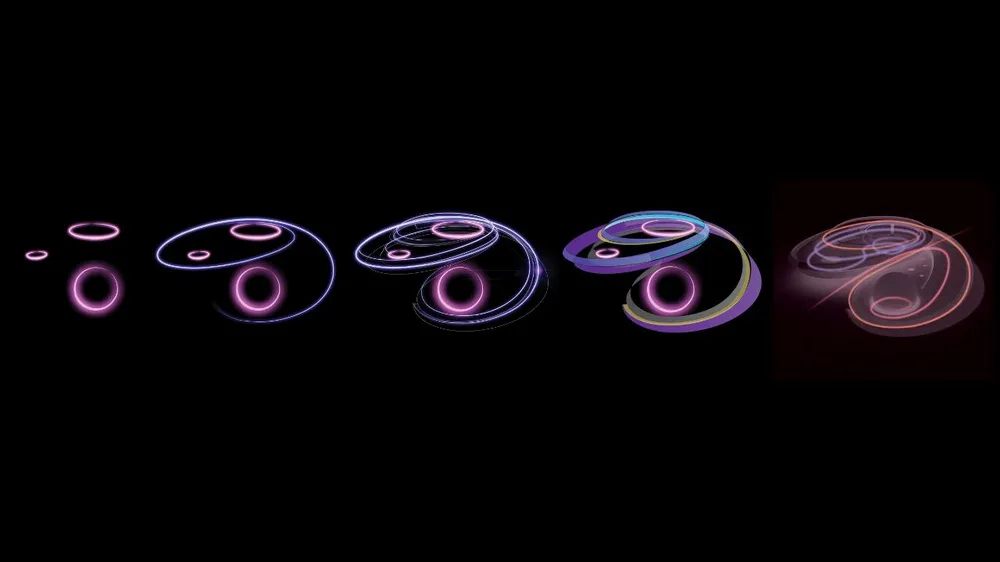
Ennaid Architects embraced a bold design approach by eliminating straight lines and right angles to authentically capture the universe’s geometric forms and the dynamic energy of celestial motion. Inspired by the classic “Three Body Problem” in physics, Thomas Wong focused on the complex gravitational trajectories between celestial bodies in the solar system.
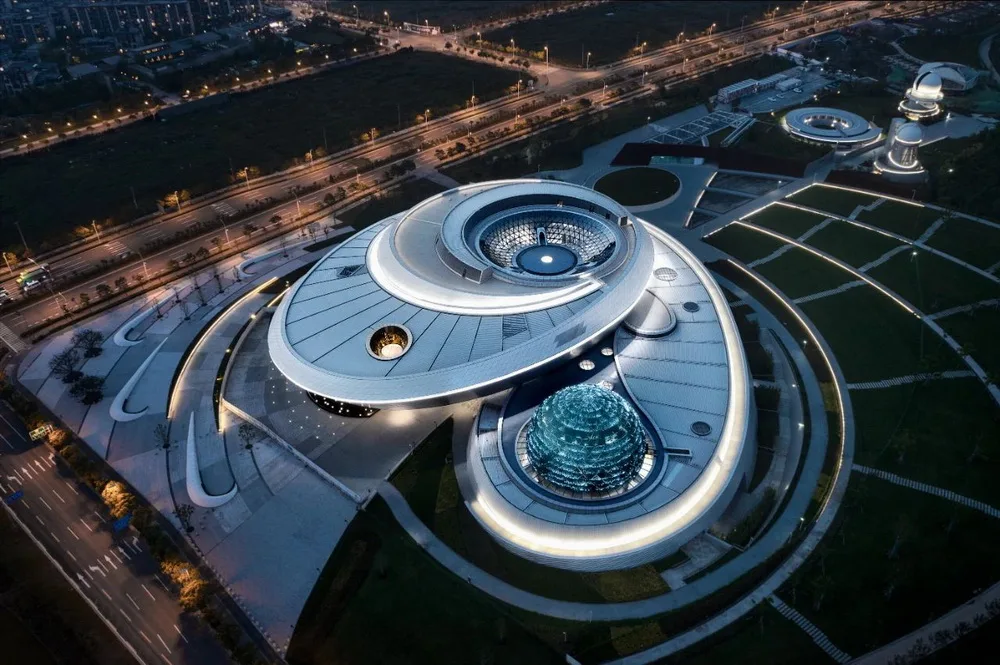
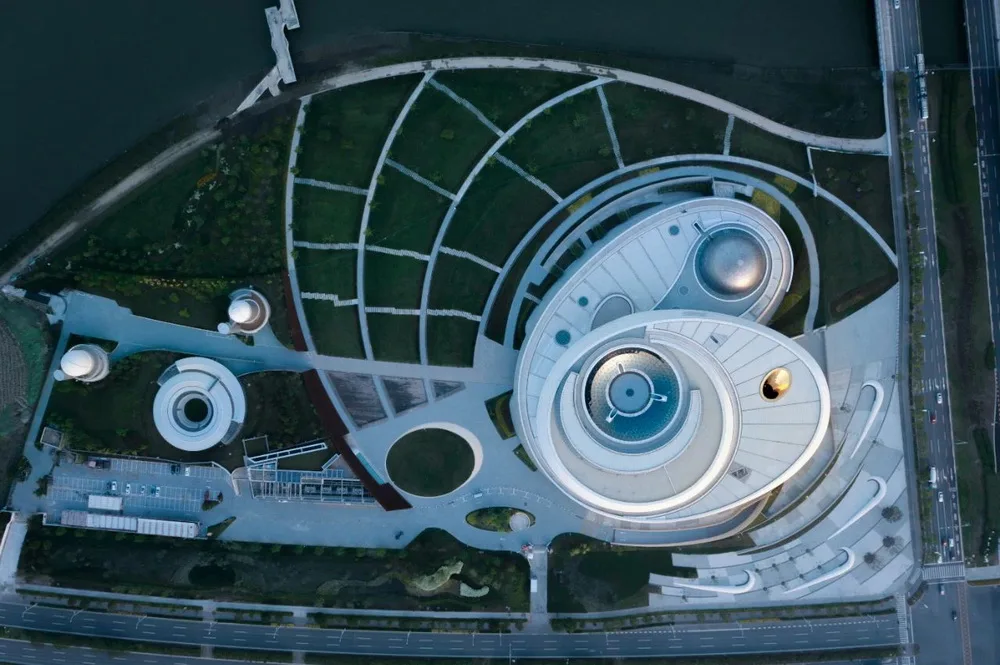
This concept is vividly reflected in the planetarium’s curved forms and narrow, ribbon-like structures. The exterior is dominated by sweeping curves and spiral green belts, symbolizing the elegant paths of celestial movement. This theme resonates throughout the building—from the atrium’s center and entrance skylight to the planetary sphere of the astronomical hall.
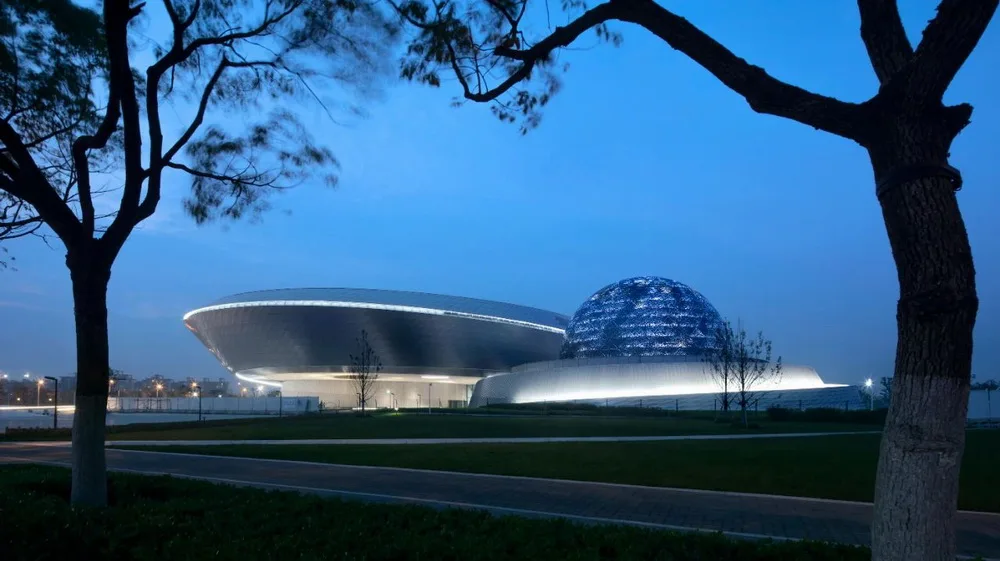
The planetarium’s three main components—the circular skylight, inverted dome, and celestial sphere—together illustrate the fundamental laws governing the motion of the sun, moon, and stars.
△ Facade Analysis Diagram
©Arch-Exist
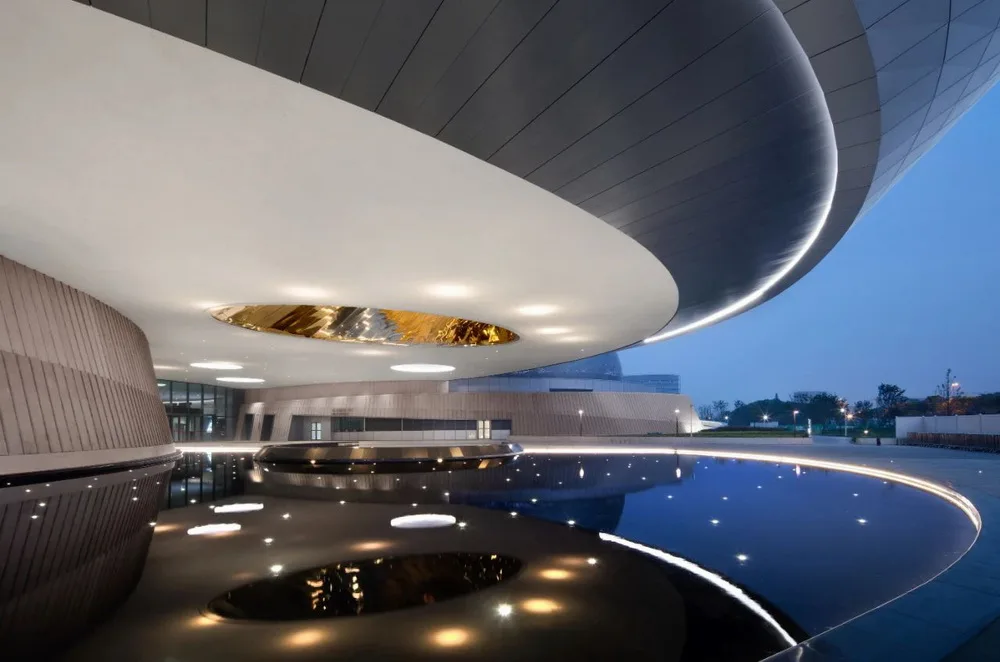
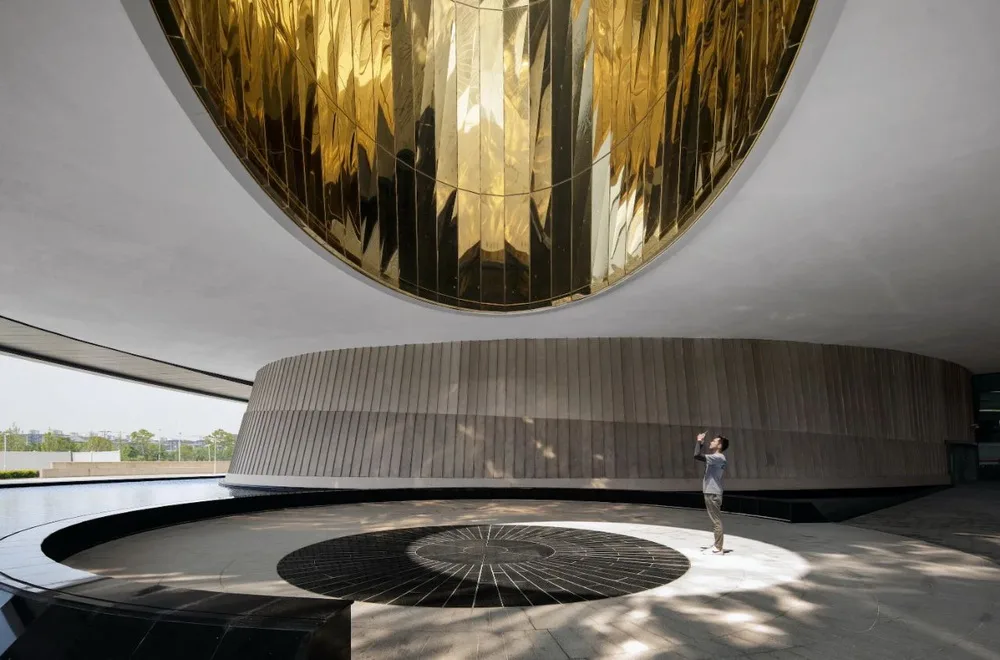
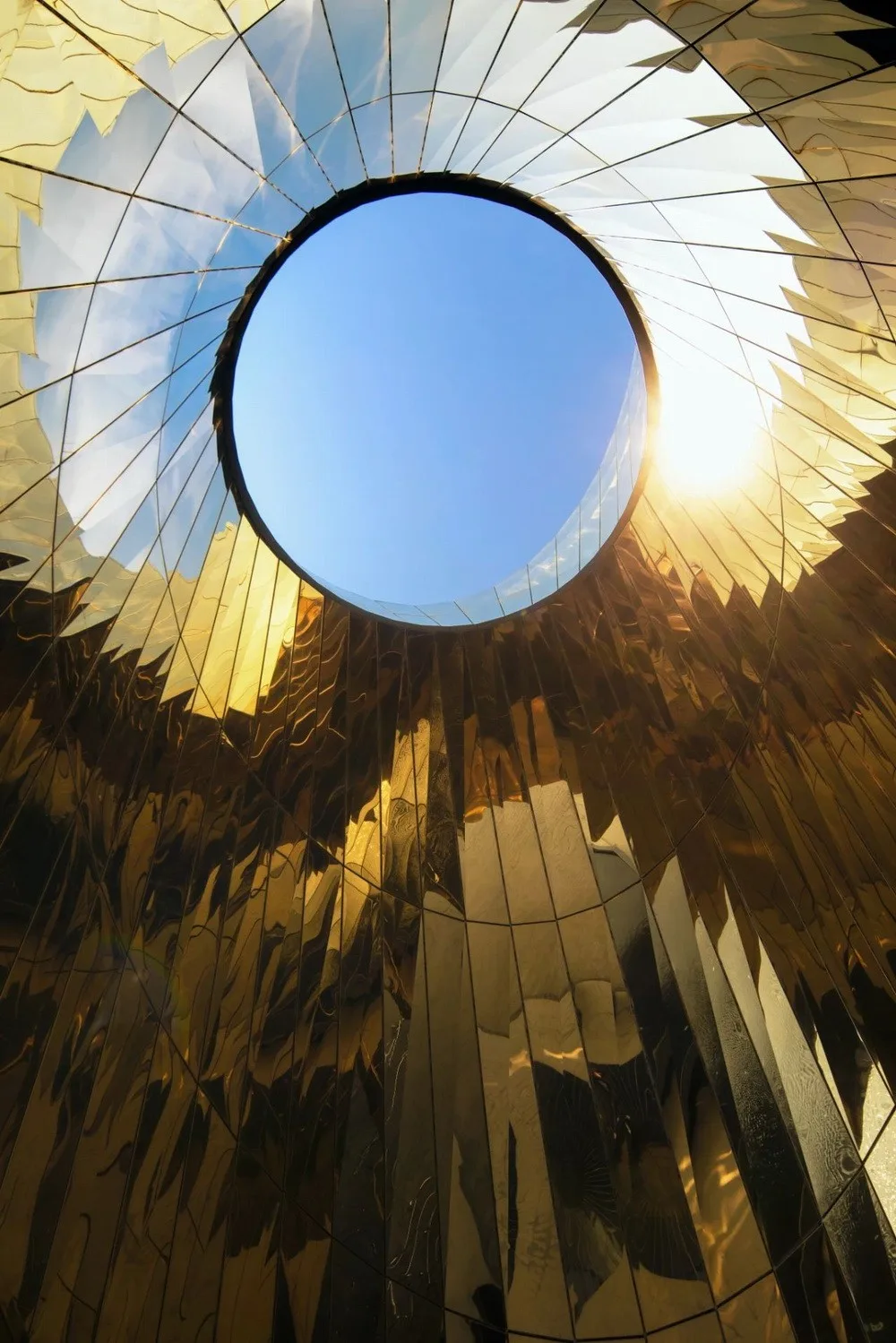
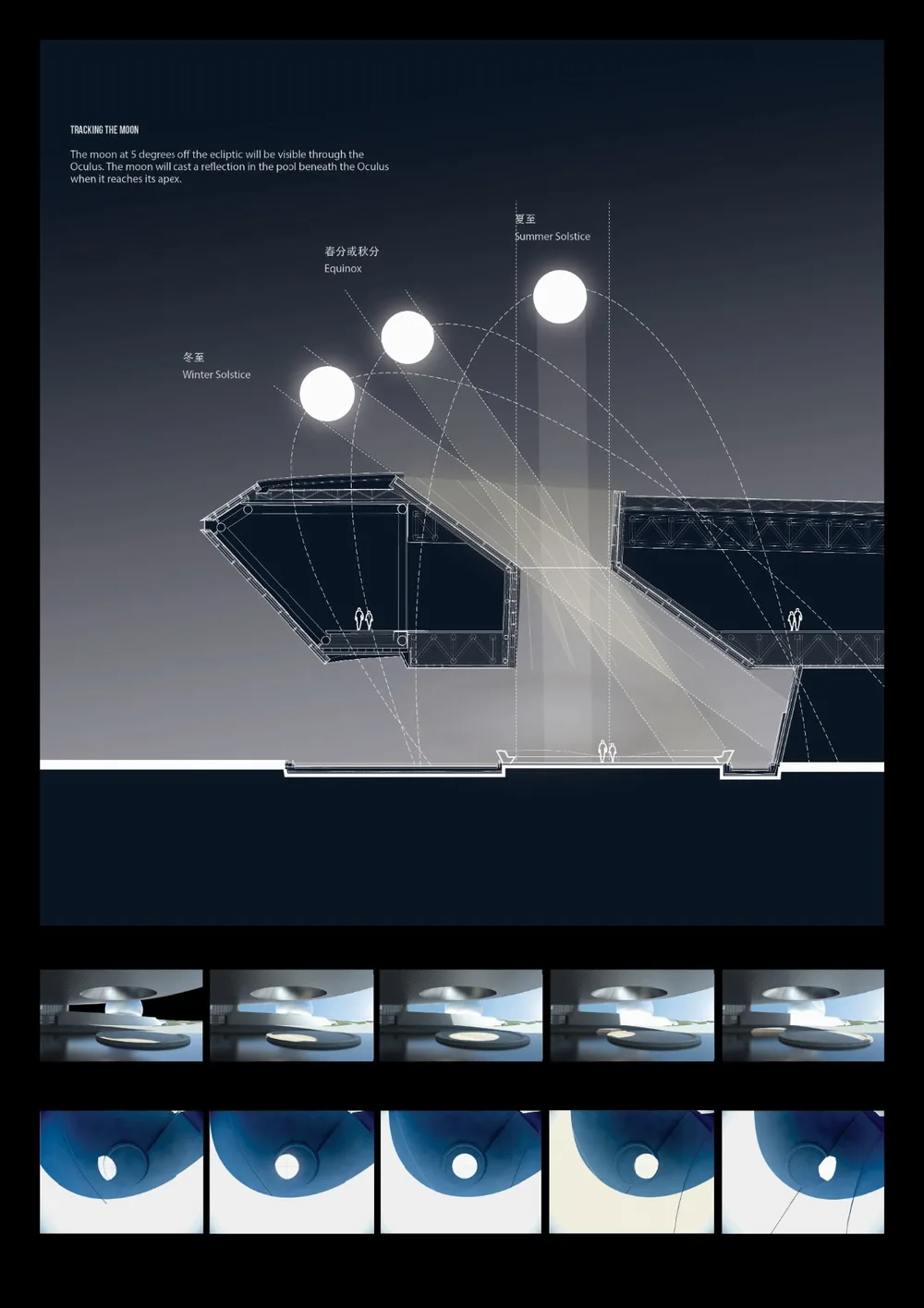
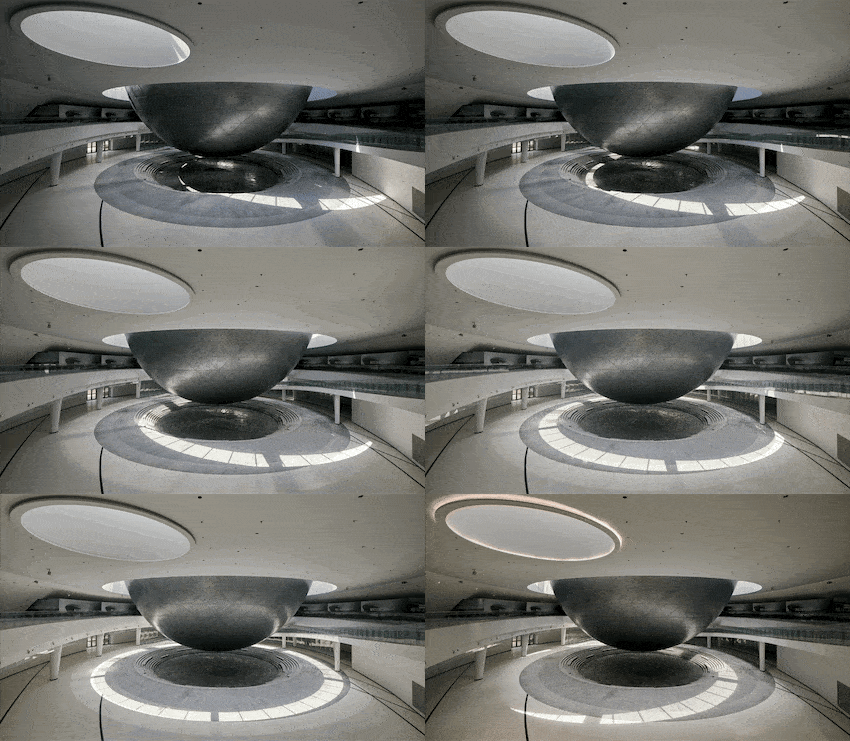
The circular skylight stands at the planetarium’s main entrance. As sunlight filters through, it projects a moving light spot on the ground that shifts with the sun’s path. This light travels across the entrance plaza and reflection pool, effectively recording the passage of time.
At noon on the summer solstice, the light spot aligns perfectly with a circular symbol embedded in the entrance plaza, marking the solar term. This skylight functions as a giant sundial, continuously capturing sunlight and symbolizing the measurement of time.
©Arch-Exist
©Arch-Exist
©Arch-Exist
△ Section diagram
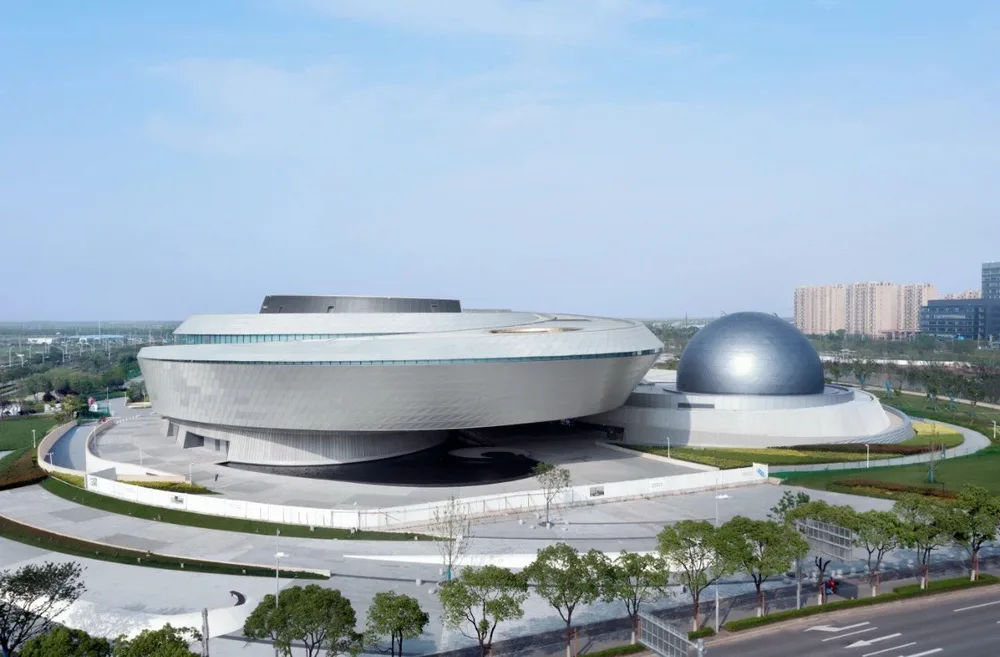
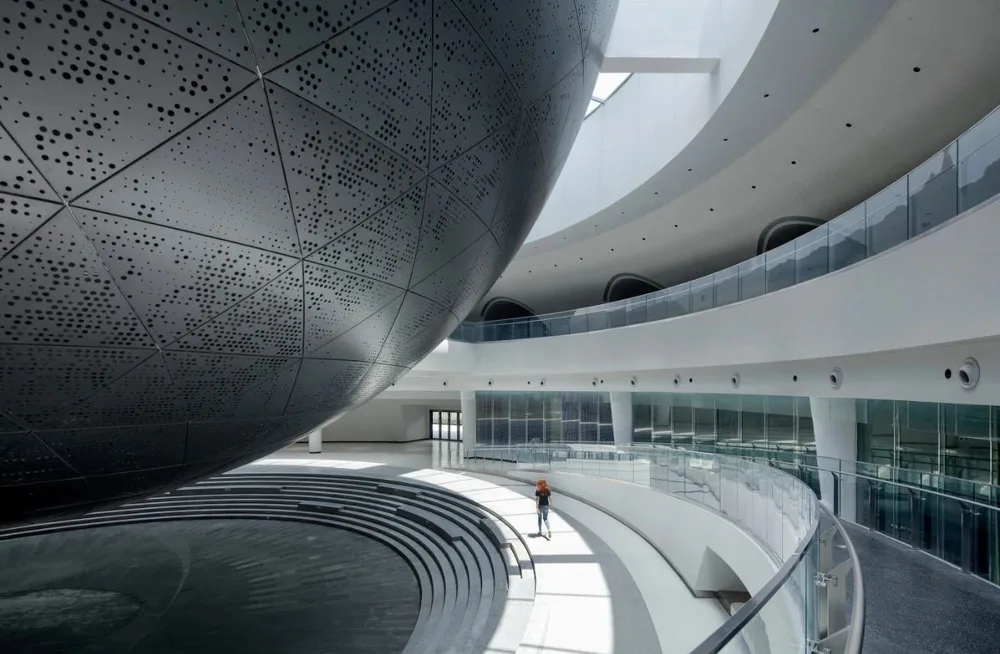
The celestial hall sphere houses the dome theater, with half of its spherical structure suspended above ground level. It uses minimal visual supports, allowing visitors to experience sensations of weightlessness and anti-gravity.
The sphere’s form is inspired by the universe’s original shape and serves as a permanent directional reference for visitors, similar to how the sun or moon can guide orientation. Embedded into the roof of the planetarium’s lower podium, the sphere resembles a rising star emerging from the horizon.
As visitors walk around the building, the sphere gradually comes into view, evoking the feeling of approaching a new planet from afar. Standing beneath it, visitors can experience a sense of weightlessness.
©Arch-Exist

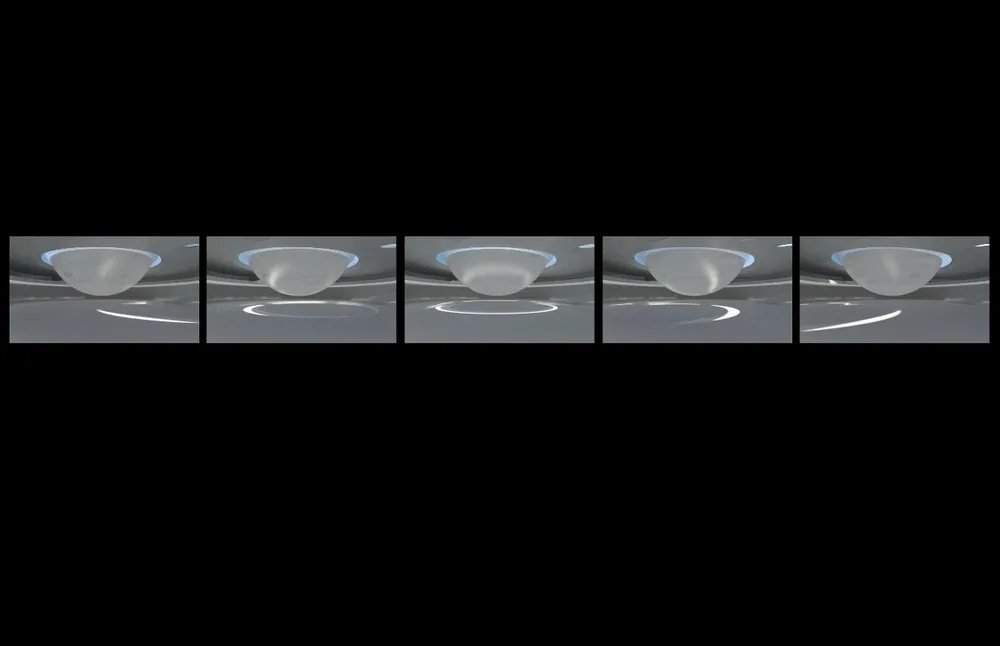
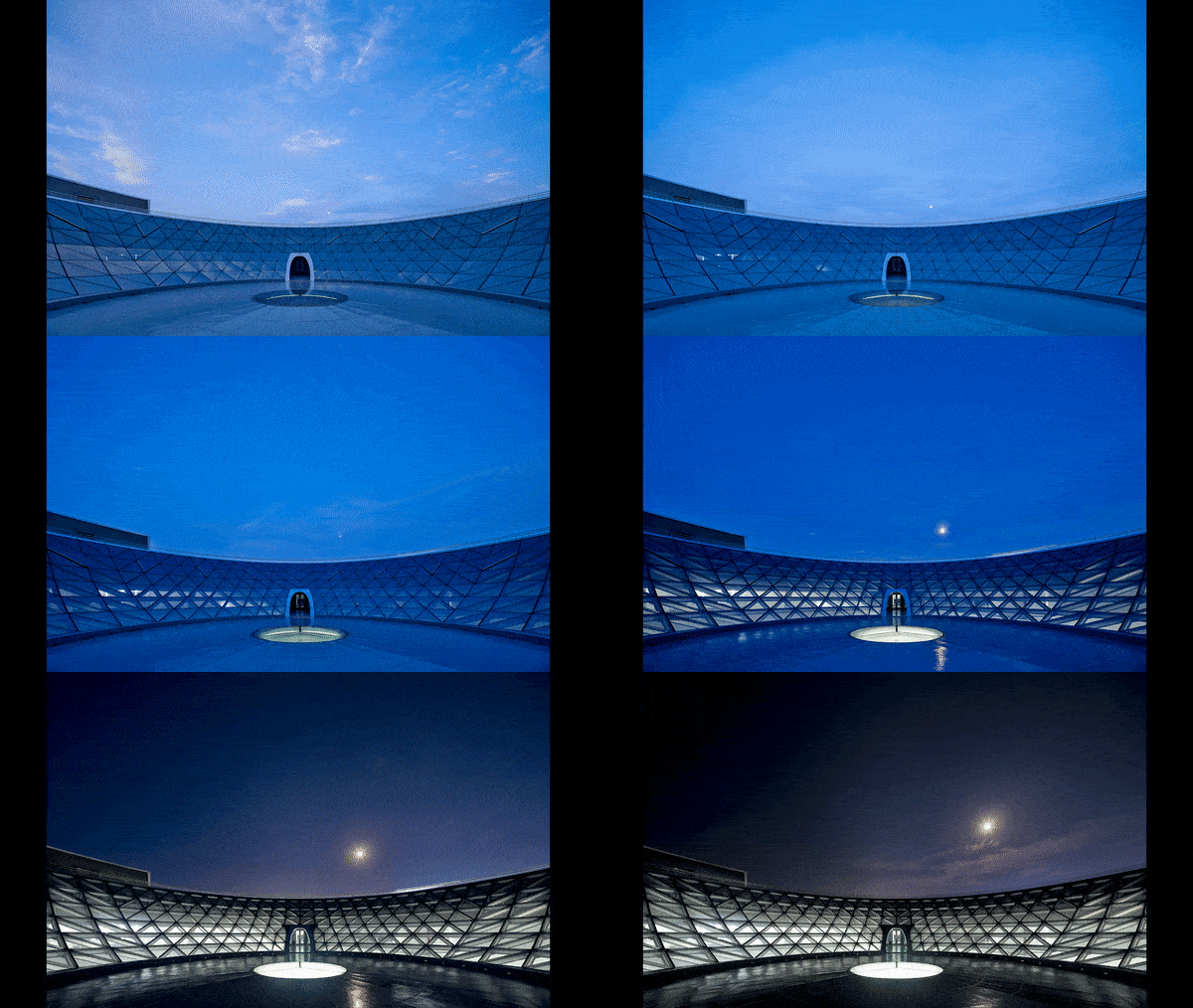
△ Light variation
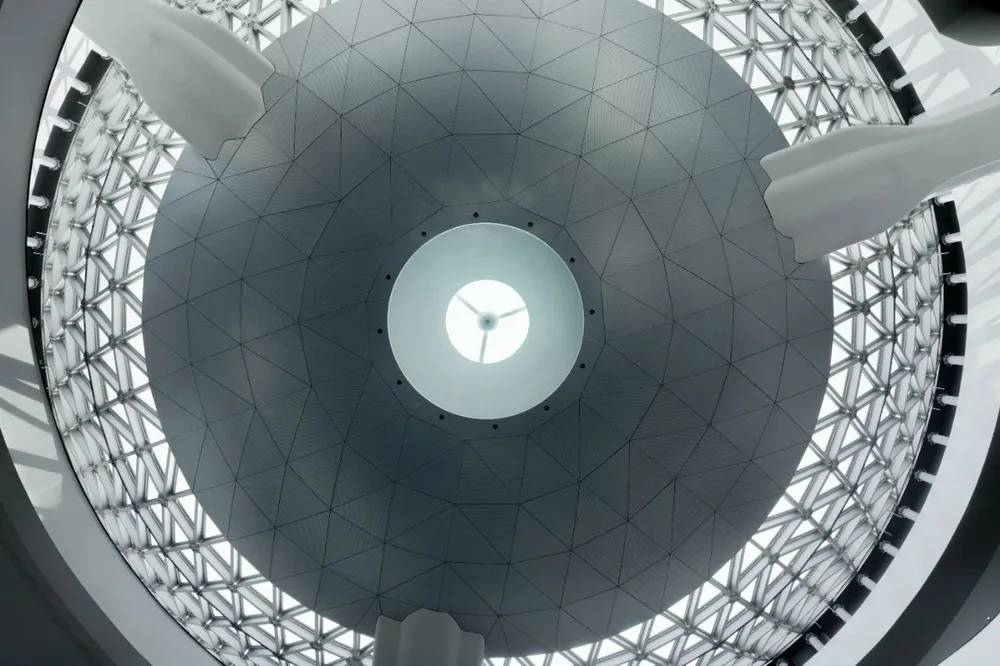
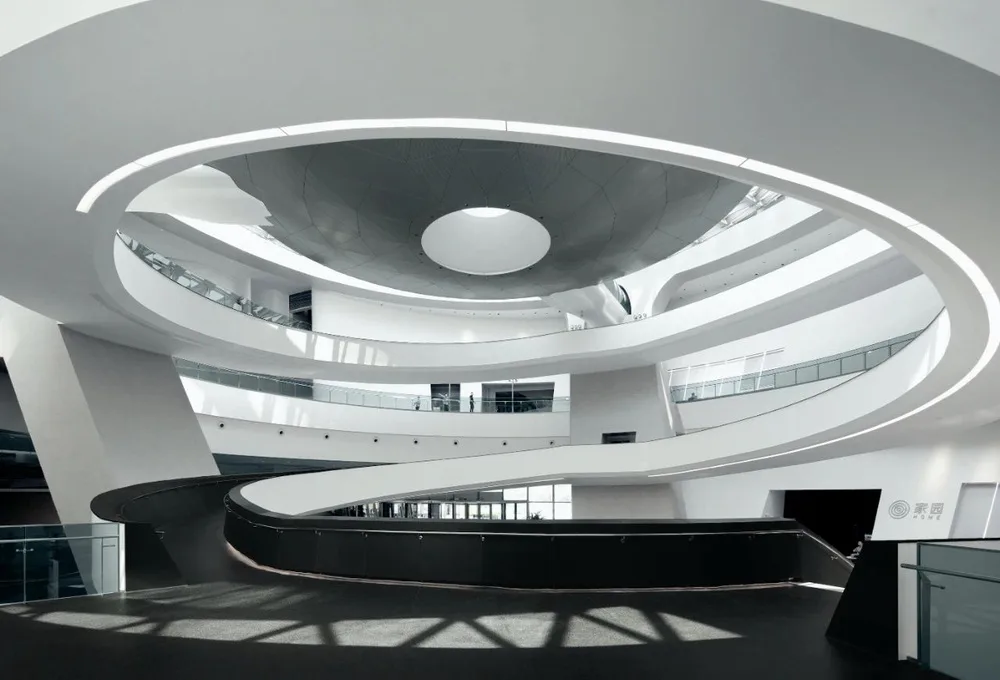
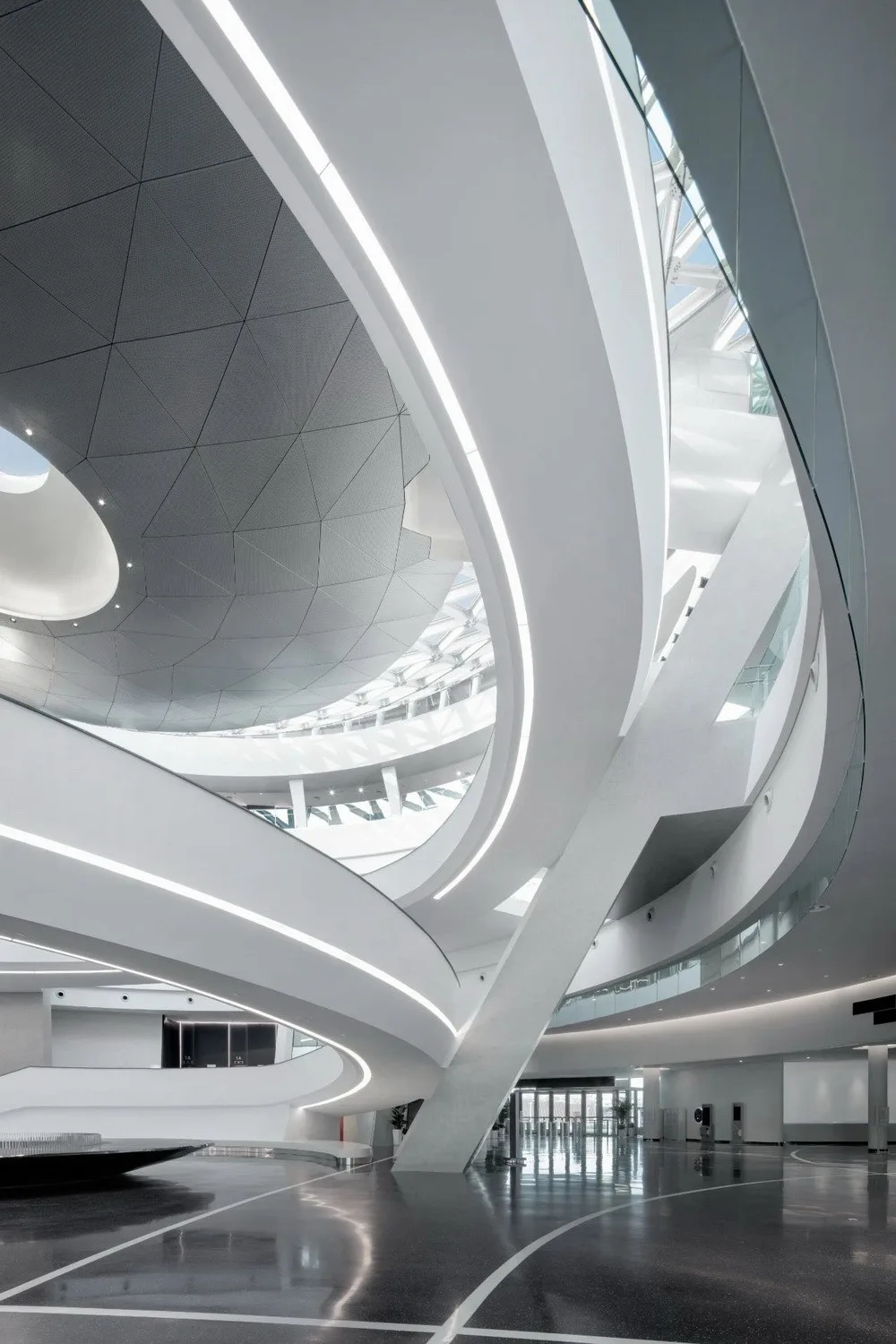
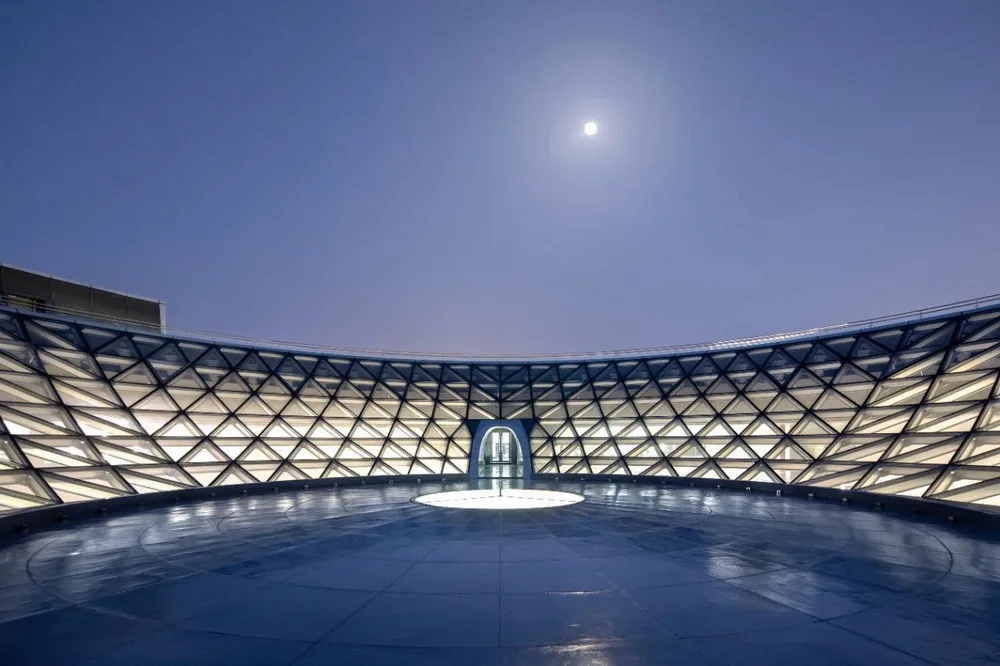
The inverted dome features a massive inverted glass tension structure situated atop the planetarium’s atrium. Here, visitors can quietly observe the sky and contemplate the cosmos in an immersive setting.
Serving as the tour’s climax, the inverted dome “shields” visitors from the city’s noise and distractions, focusing their attention solely on the vast sky to provide a profound encounter with the universe.
Below the dome, a 720-degree spiral ramp extends naturally from the main building, symbolizing the spiral arms of a galaxy and gently guiding visitors’ gaze upward towards the dome’s peak.
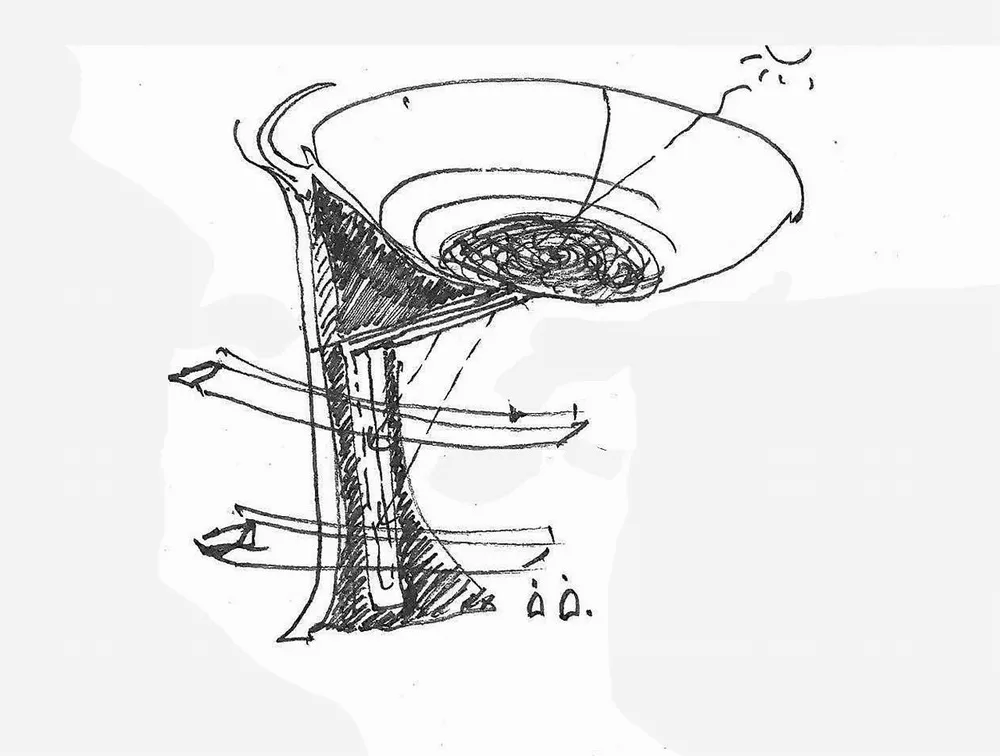
△ Inverted dome sketch
©Arch-Exist
©Arch-Exist
©Arch-Exist
The Shanghai Planetarium is situated within an extensive green belt and includes both temporary and permanent exhibition spaces. It houses a 78-foot (approximately 24 meters) tall solar telescope, observatory, optical planetarium, education and research center, and a Sky Digital Theater among other architectural entities.
The design emphasizes immersive experiences that educate visitors about the tools and equipment used in space exploration, making educational exhibitions a defining feature.
©Arch-Exist
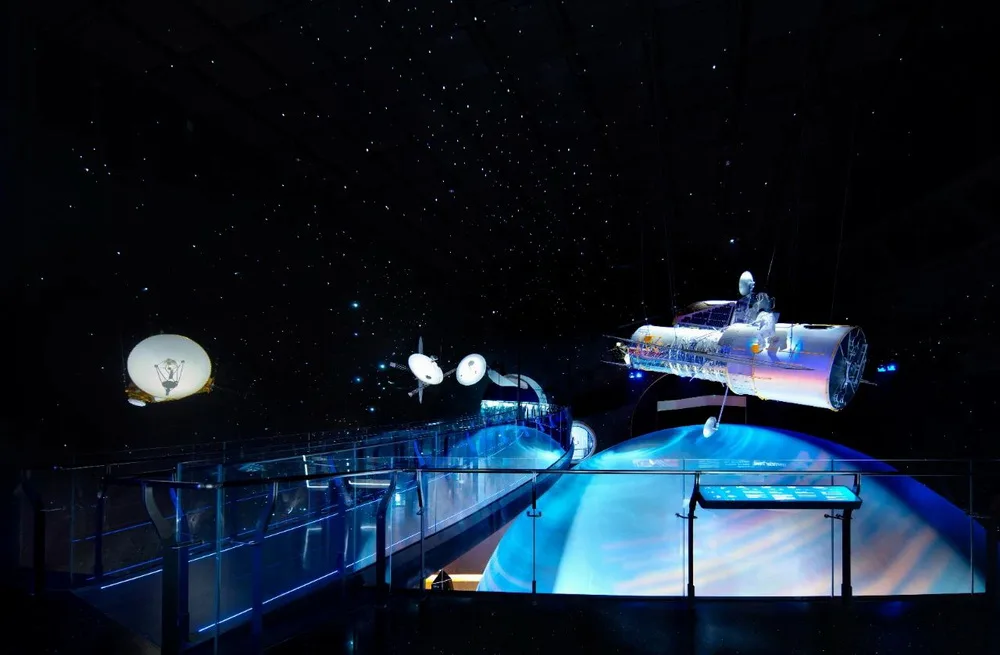
©Arch-Exist
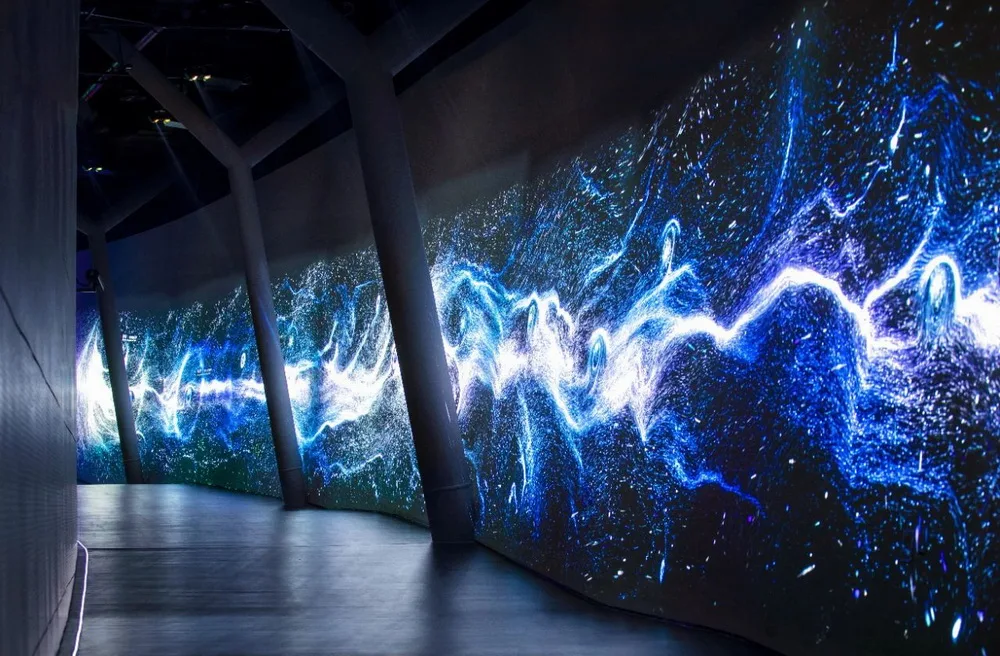
©Arch-Exist
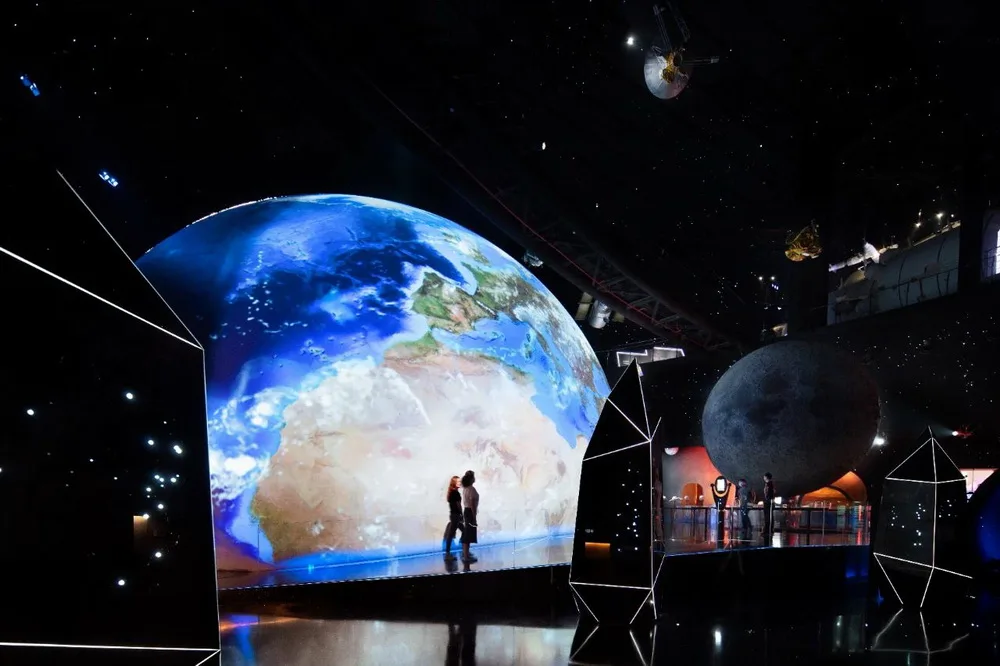
©Arch-Exist
The Shanghai Planetarium project was led by Ennead design partner Thomas J. Wong and management partner V. Guy Maxwell. Ennead director and Asia Pacific director Chen Xinfang served as the management leader, with the Shanghai Institute of Architectural Design acting as the local design institute.
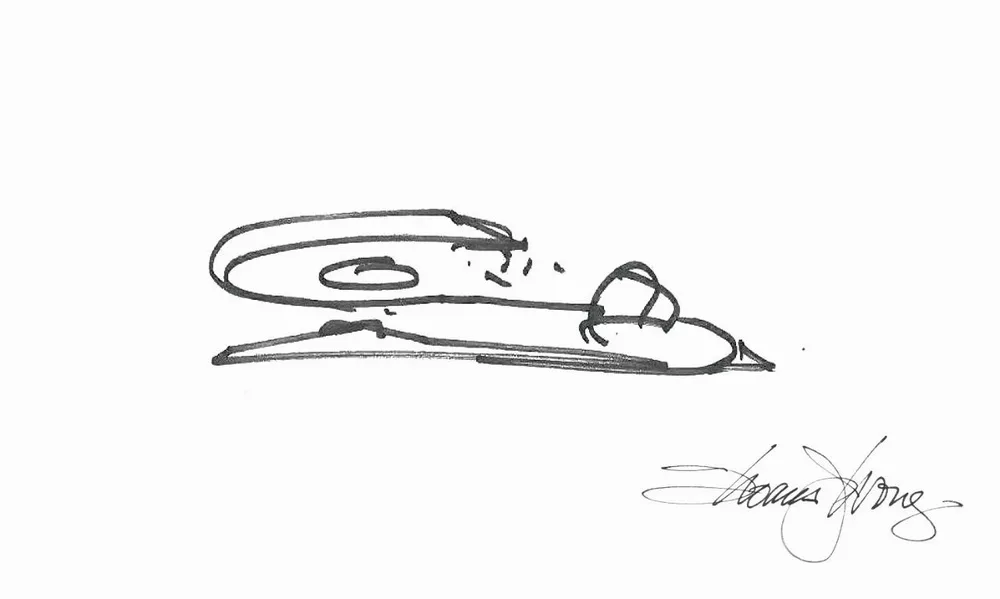
△ Sketch
©Arch-Exist
Technical Drawings
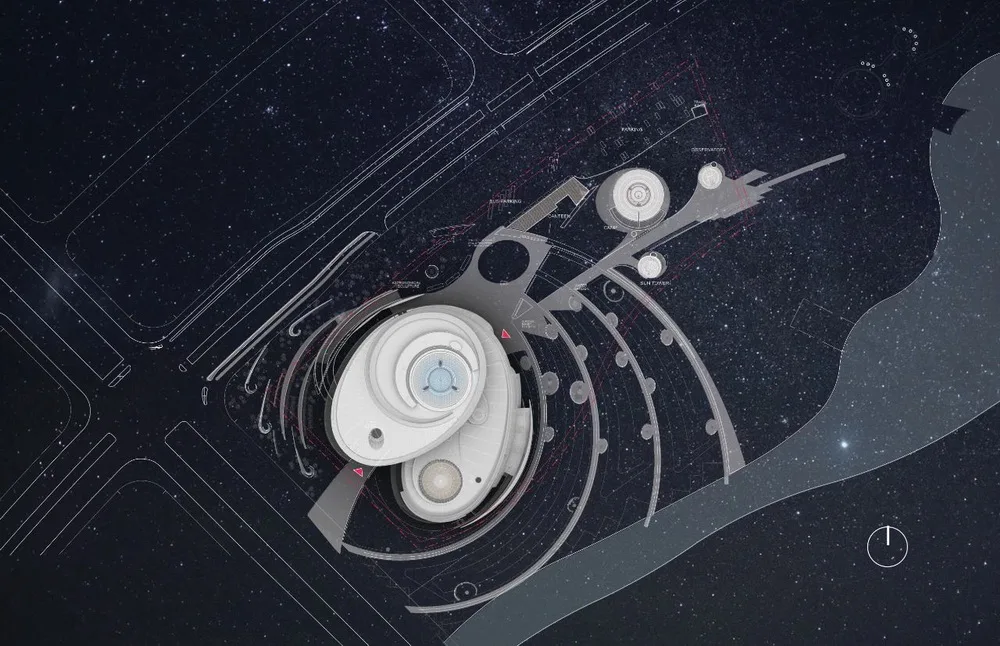
△ General layout plan
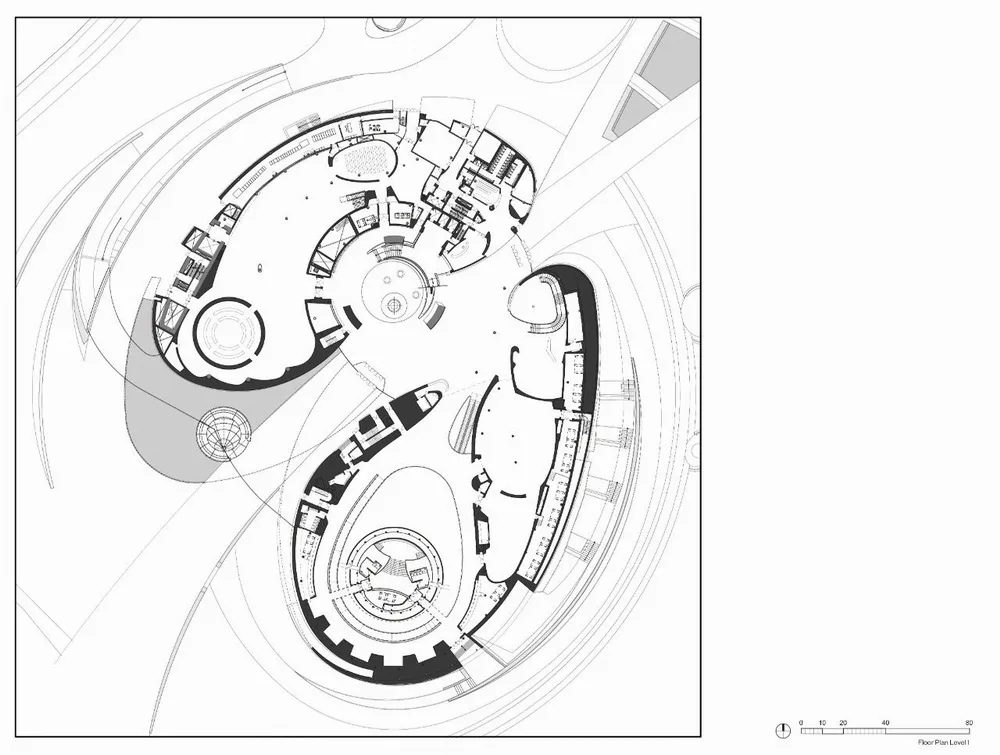
△ First floor plan
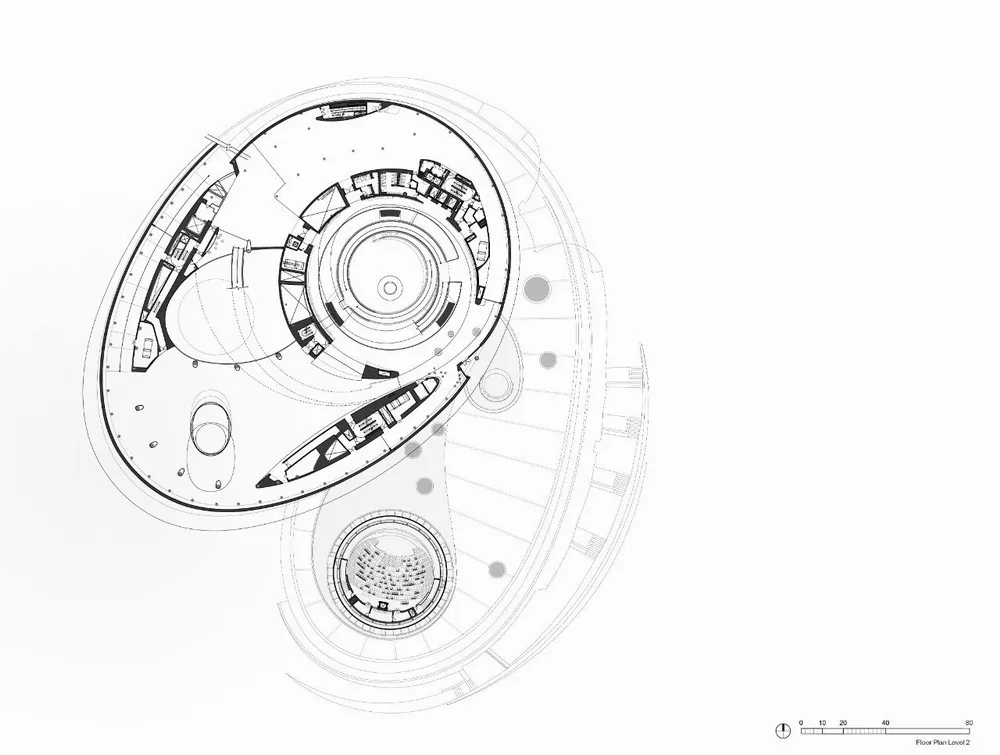
△ Second floor plan
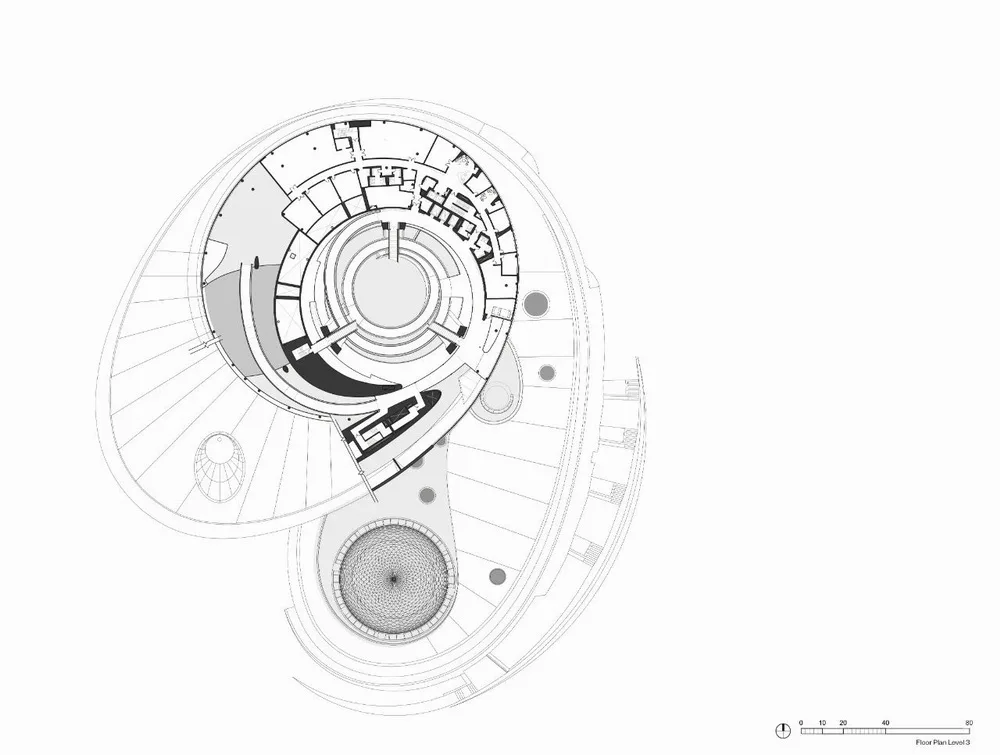
△ Third floor plan
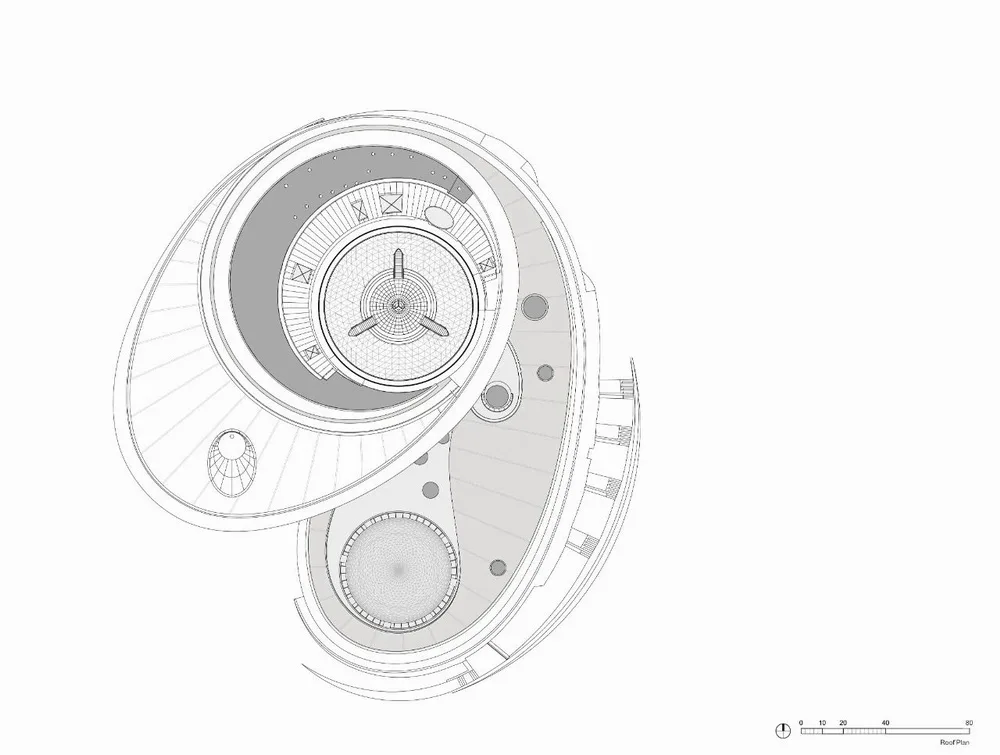
△ Roof Plan
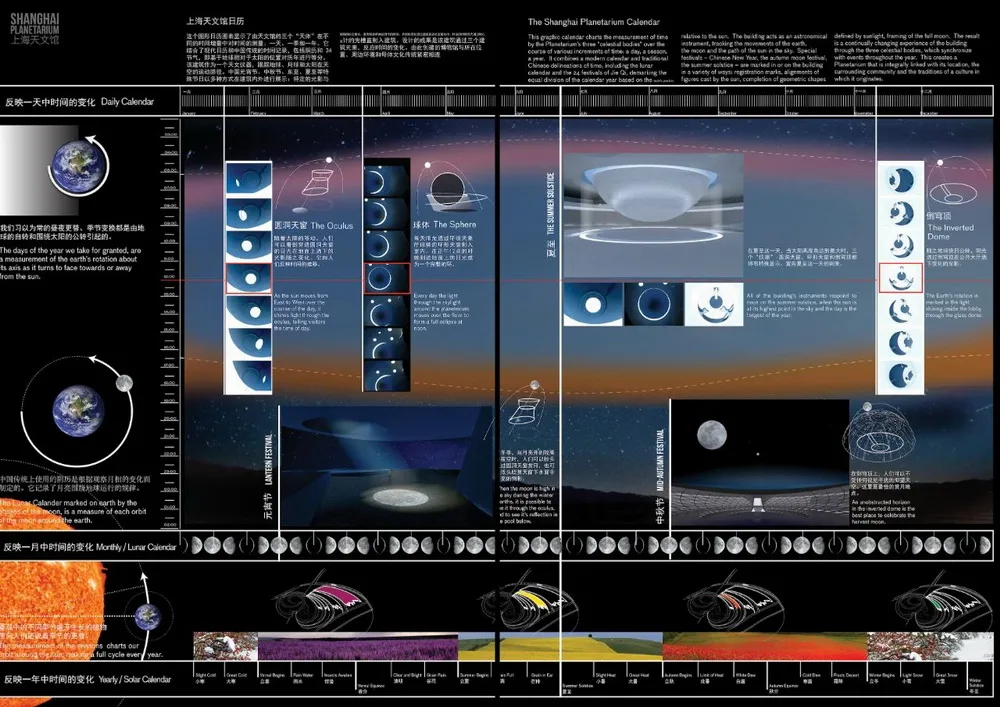
△ Calendar
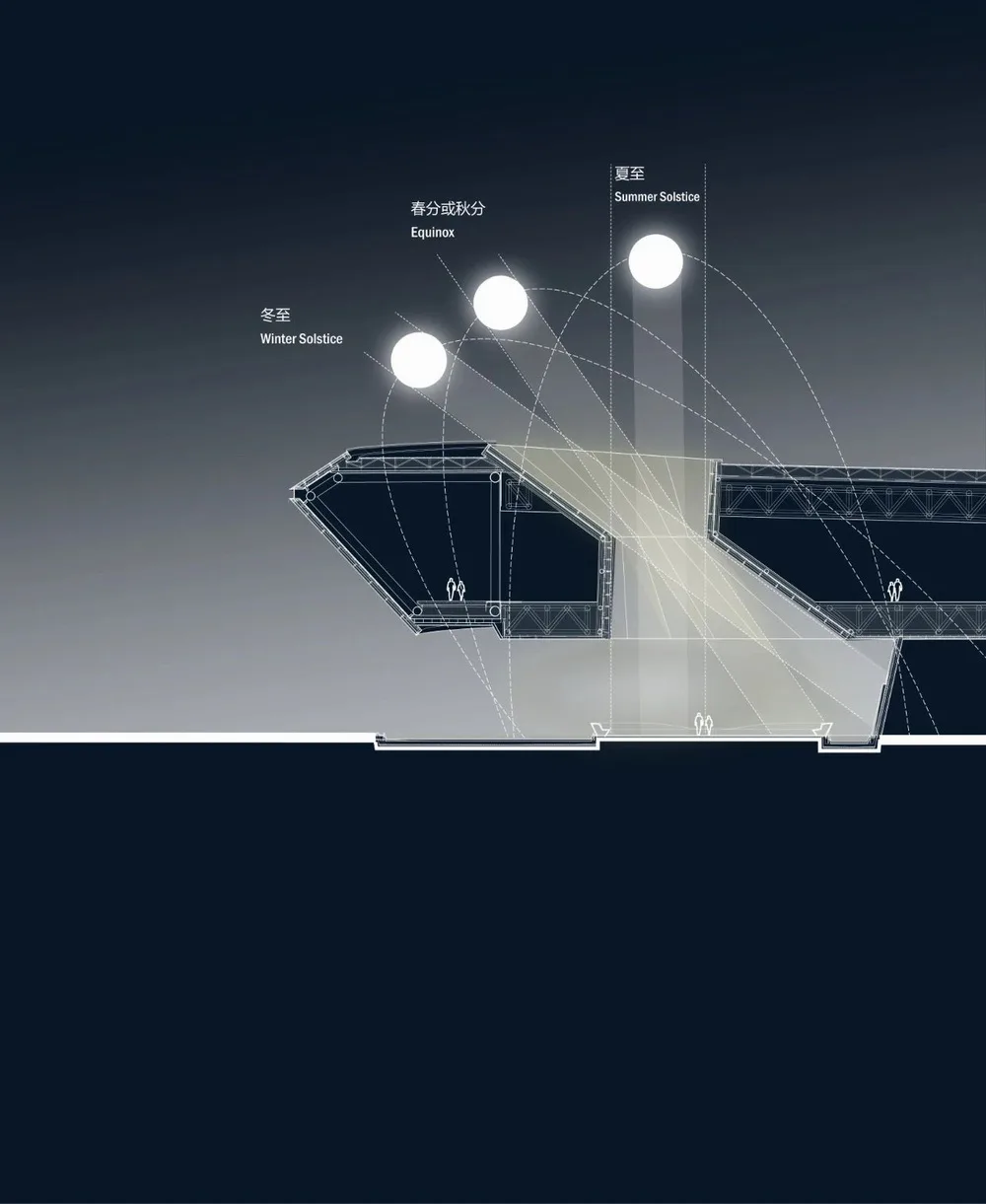
△ Section diagram
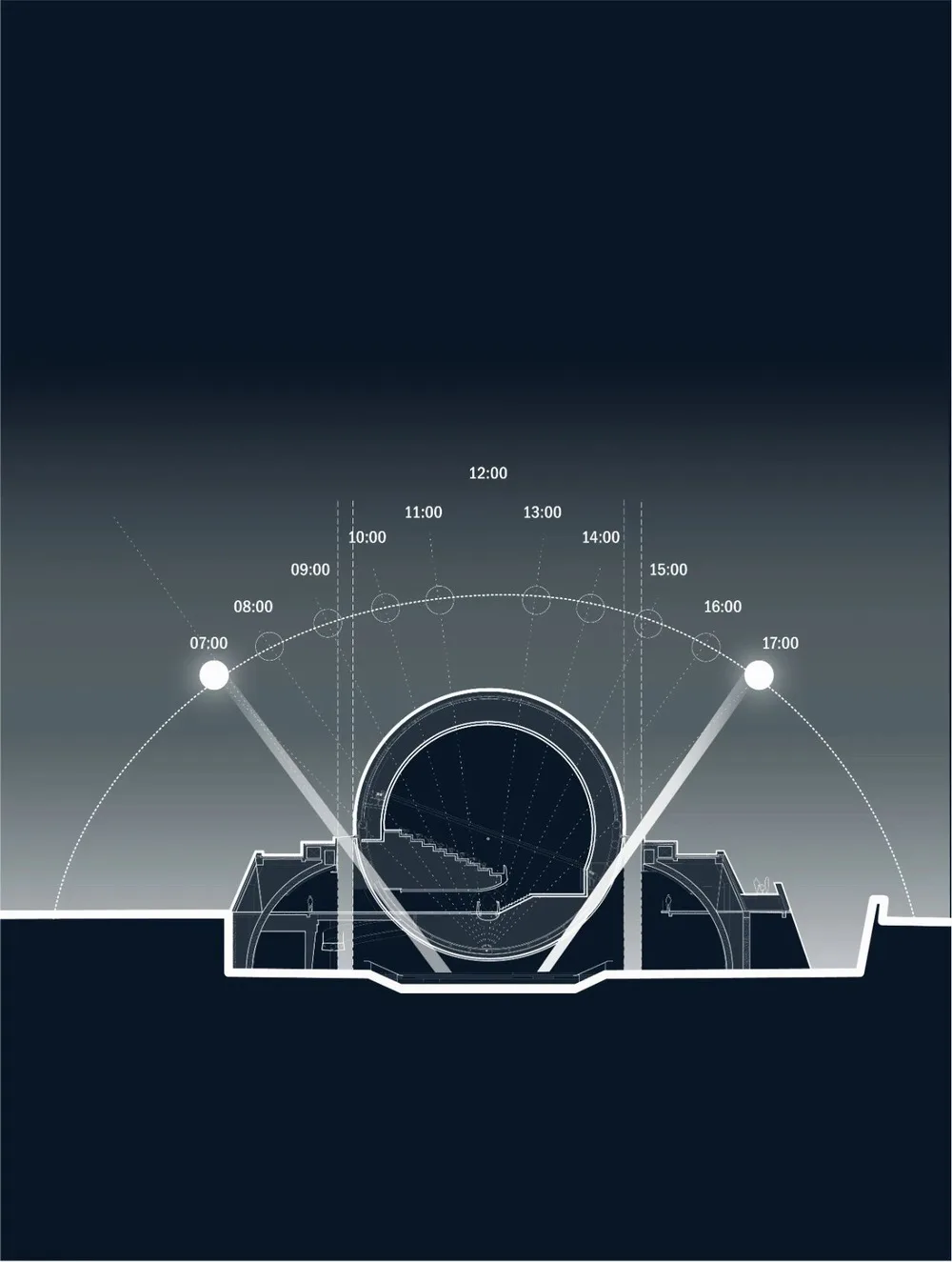
△ Spherical Pavilion Sectional View
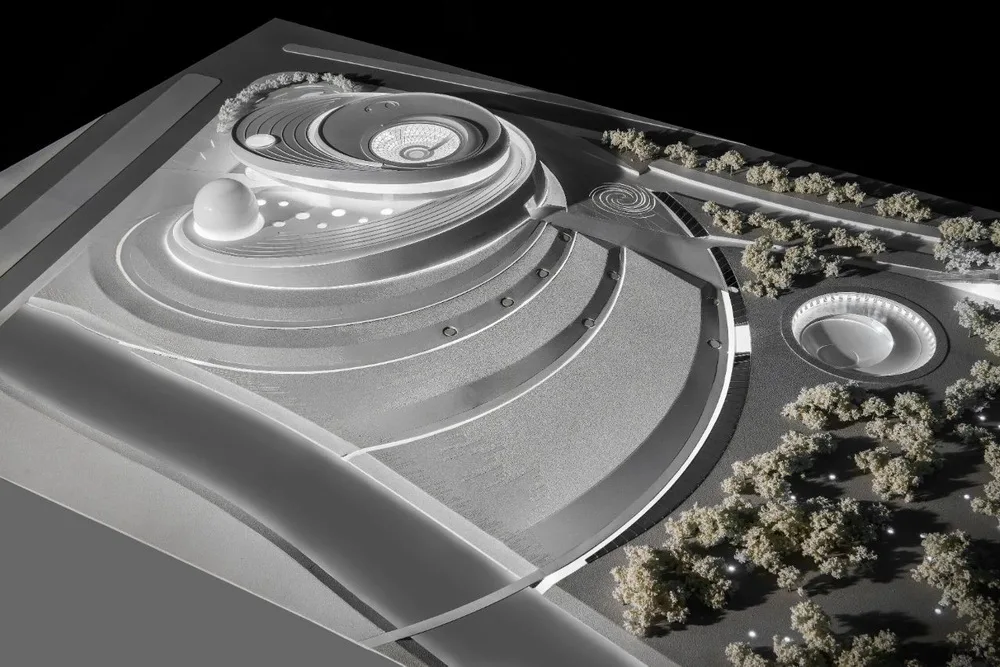
△ Model © Hu Yihuai
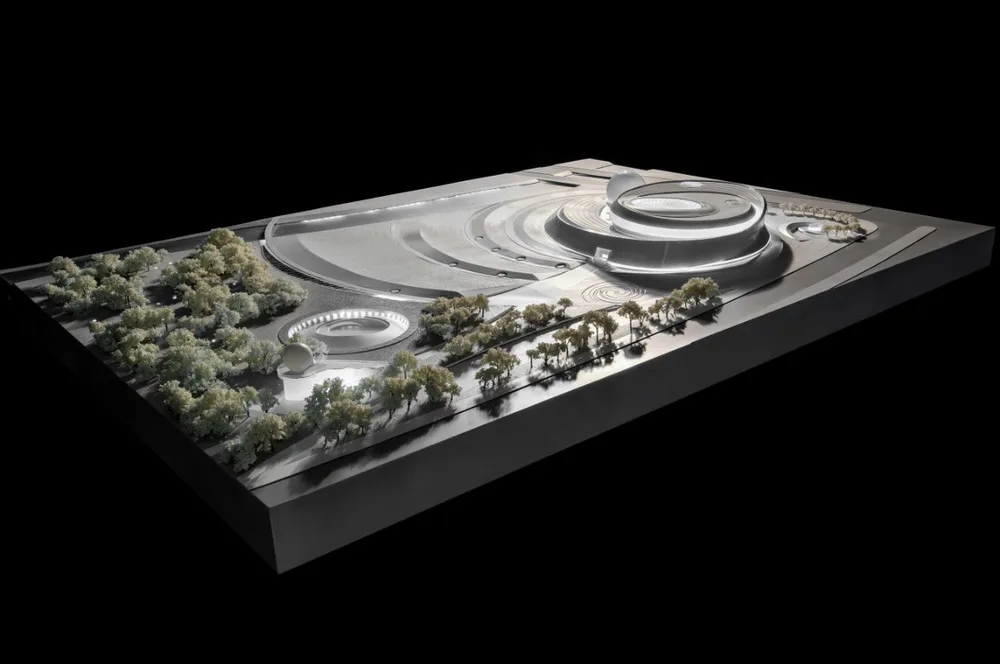
△ Model © Hu Yihuai
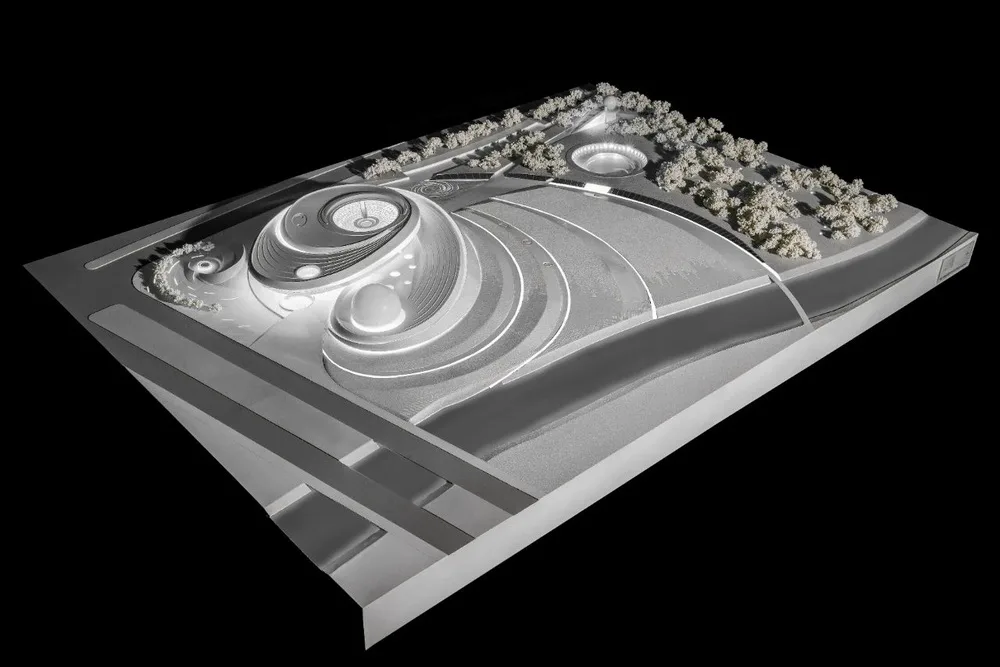
△ Model © Hu Yihuai
Project Information
Architect: Ennead Architects LLP
Project Year: 2021
Building Area: 38,000 square meters
Address: 380 Lingang Avenue, Pudong New Area, Shanghai
Lead Architect: Thomas Wong
Design Team: Thomas Wong, V. Guy Maxwell, Grace Chen, Chen Xinfang, Wei Wei Kuang, Kuang Weiwei, Charles Wolf, Anthony Guaraldo, Jorge Arias, Margarita Calero, Michael Caton, Christina Ciardullo, Eugene Colberg, Regina Jiang, Jörg Kiesow, Aidan Kim, Stefan Knust, Xinya Li, Francelle Lim, Xiaoyun Mao, David Monnar, Nikita Payusov, James Rhee, Yong Kyun Roh, Miya Ruan, Ruan Lingli, Na Sun, Eric Tsui, Xu Zhen, Stephanie Tung, Charles Wong, Huang Zexiu, David Yu, Le Chuan, Fred Zhang
Client: Shanghai Science and Technology Museum
Local Design Institute: Shanghai Architectural Design and Research Institute Co., Ltd.
Photographers: Arch-Exist; Delay Photographer: Hu Yihuai















Must log in before commenting!
Sign Up