
Project Background
Shimen Town, an ancient settlement located on the western side of Tongxiang and neighboring Wuzhen, is renowned as the hometown of the famous artist Feng Zikai. The town boasts highly developed agriculture and serves as a hub for numerous premium agricultural products. The organic restaurant is situated within the Shiwan Pig Farm, operated by Huateng Animal Husbandry in the northern part of the town. The landscape here is primarily man-made, featuring a variety of plants such as chestnut, sweet persimmon, pear, and vanilla, complemented by water systems that weave through the area, creating a self-sufficient miniature ecosystem.
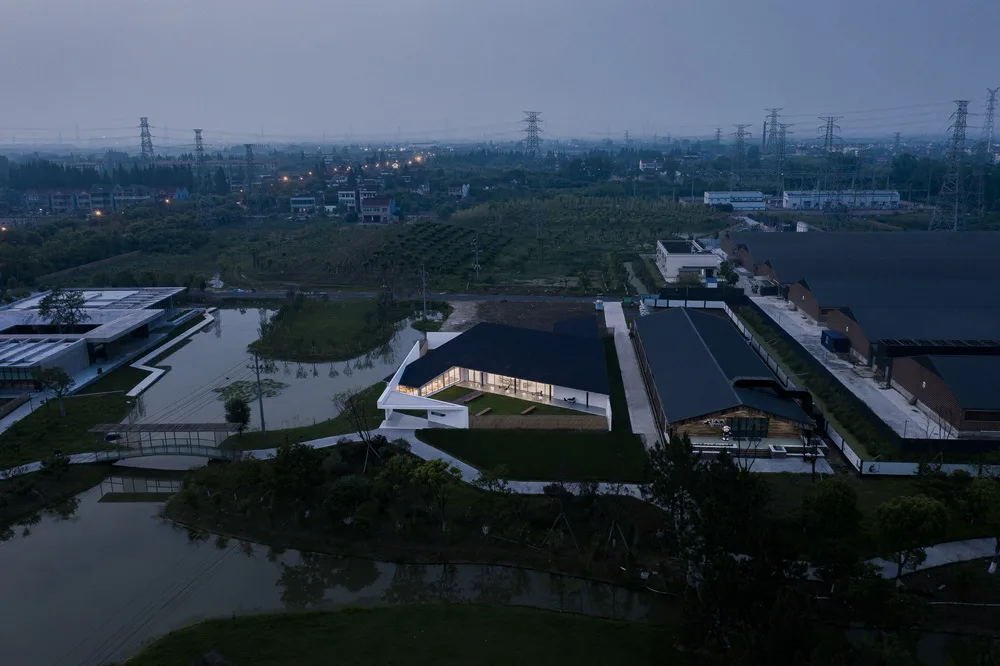
△ Aerial view of the venue © Photography by Wu Qingshan
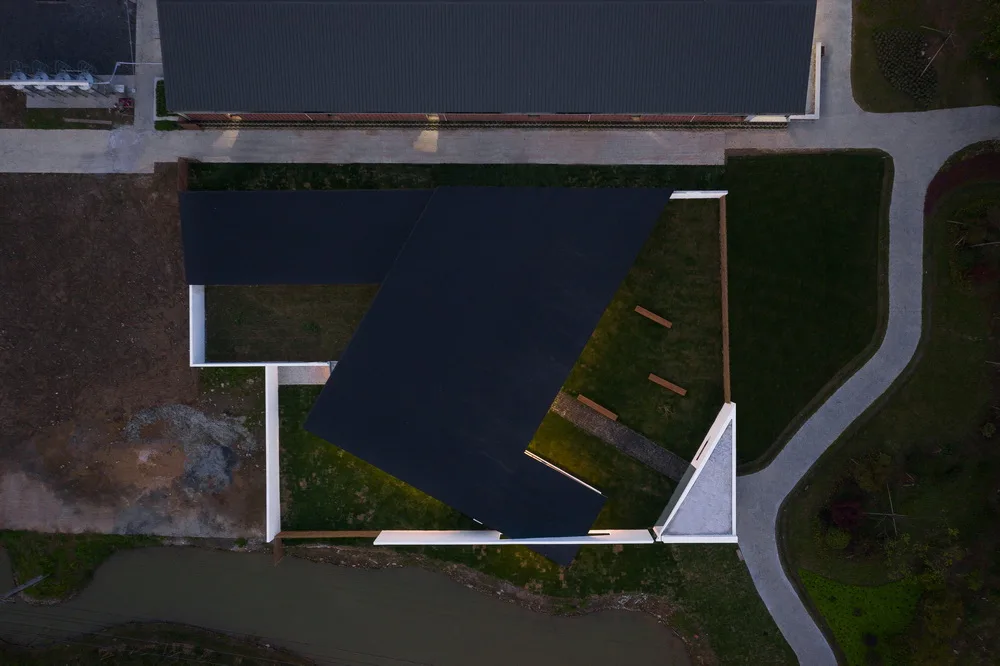
△ Another aerial perspective of the venue © Photography by Wu Qingshan
The Boat Without Ties
The restaurant features two single-sloped roof sections, rotated 60 degrees from east to south, creating a dynamic “turning” form. One corner of the building disrupts the long western wall facing the lake, while the opposite corner appears to “break through” a wall opening, evoking the image of a stone boat floating on the lake.
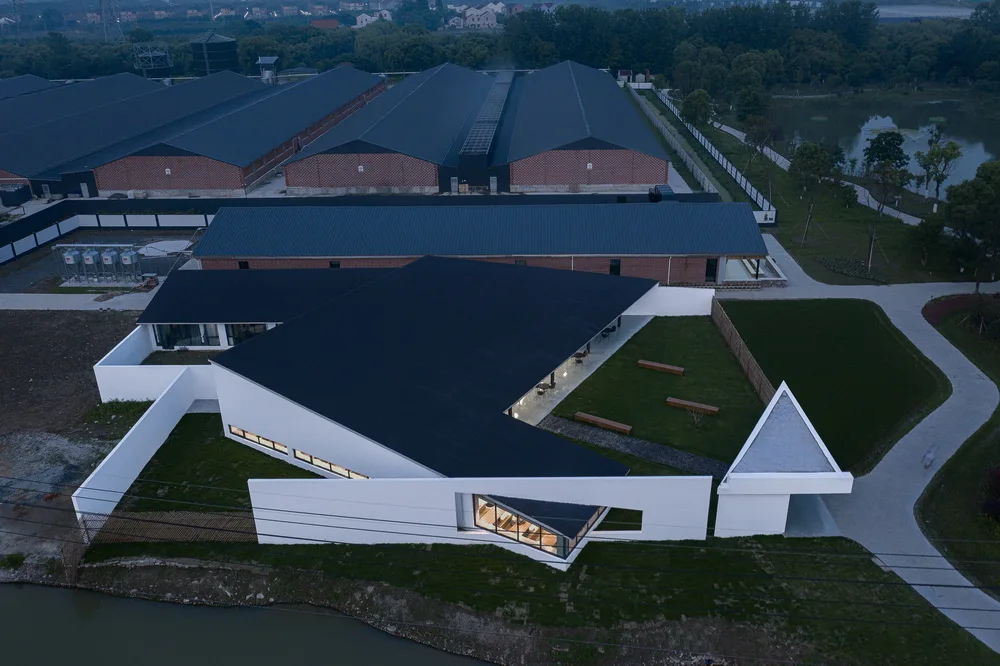
Bird’s-eye view showcasing the building’s rotation © Photography by Wu Qingshan
The ‘stone boat’ appears to break through the wall © Photography by Wu Qingshan
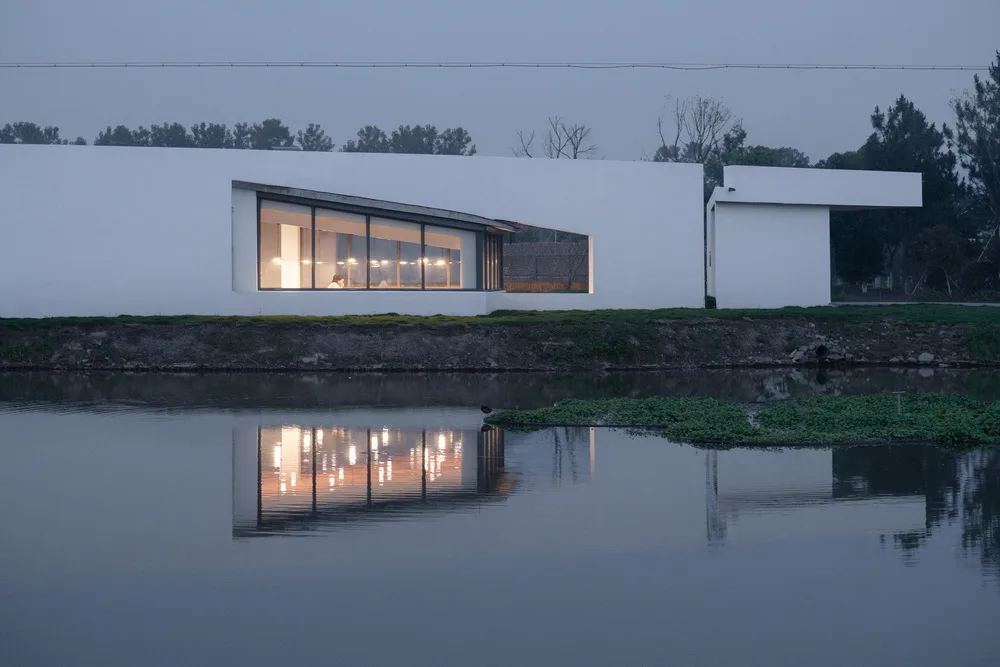
Visitors entering the park can stand across the lake and glimpse into the restaurant through a trapezoidal long opening in the wall, where they see an “incomplete” interior. The entrance door at the building’s southwest corner resembles a monumental sculpture, with a large cantilever extending toward the lake, inviting exploration up close.
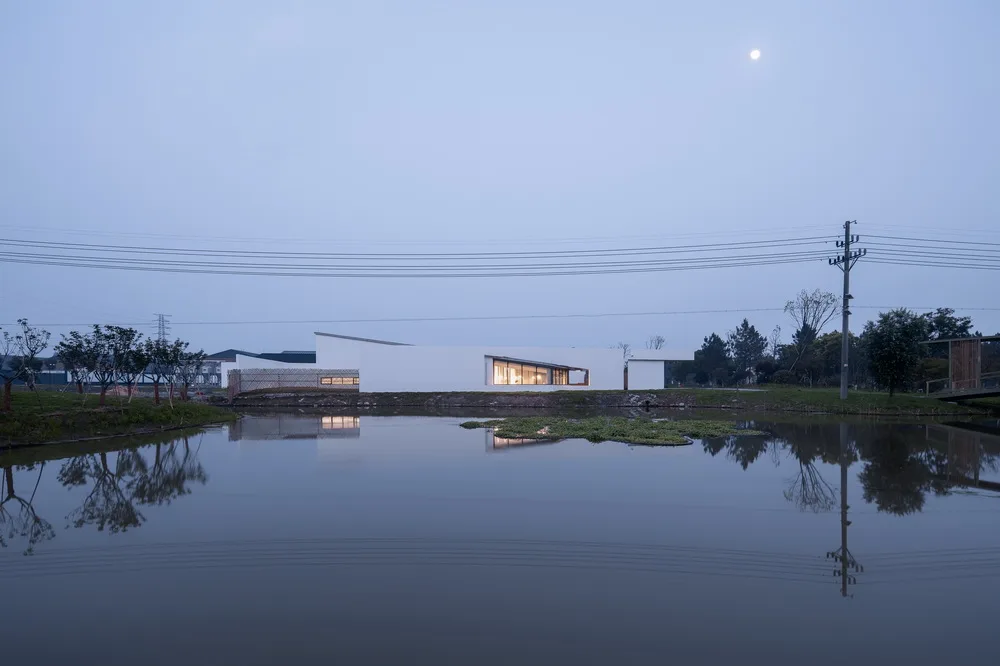
△ View of the west facade across the lake © Photography by Wu Qingshan
The Sunken Restaurant
Inside, the reception hall features a front desk, an open kitchen display area, and a custom oversized curved wooden table for group dining and handmade food preparation. To the left is the restaurant’s most distinctive feature: a sunken dining area. As you descend a few steps, the ceiling color transitions from a calm blue-gray in the lobby to a vibrant red-gray, signaling a shift in spatial character.
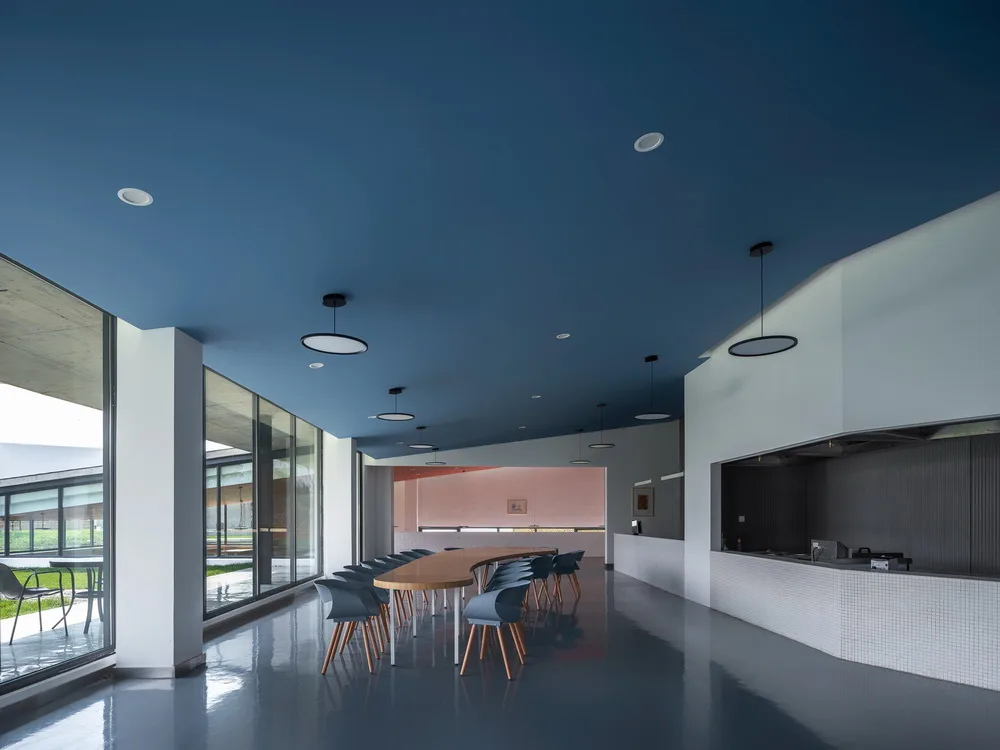
The serene blue-gray ceiling in the lobby © Photography by Wu Qingshan
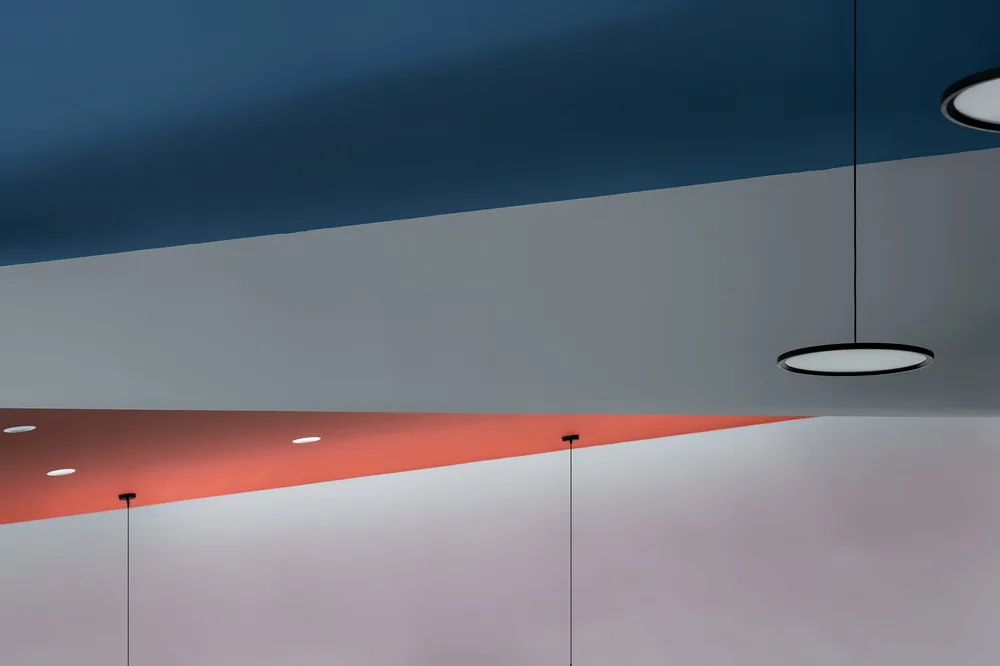
△ Contrast between red and blue ceilings © Photography by Wu Qingshan
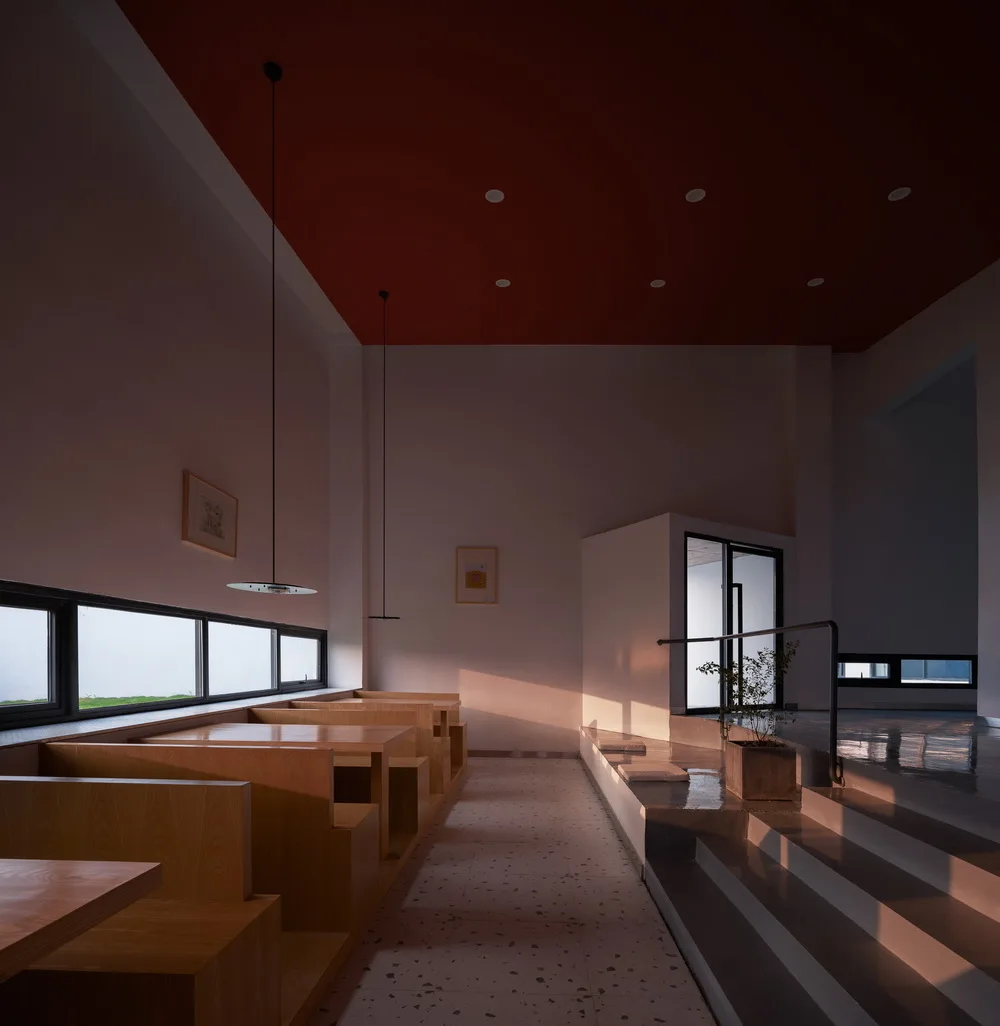
△ Interior spatial transition © Photography by Wu Qingshan
The sunken design enhances the building’s connection to the lake view. The sloping roof creates a striking drop in window height indoors, compressing the visual and physical space while directing attention to the lake and opposite shore. From outside, the sunken volume appears to float on the water, embodying the “stone boat” concept.
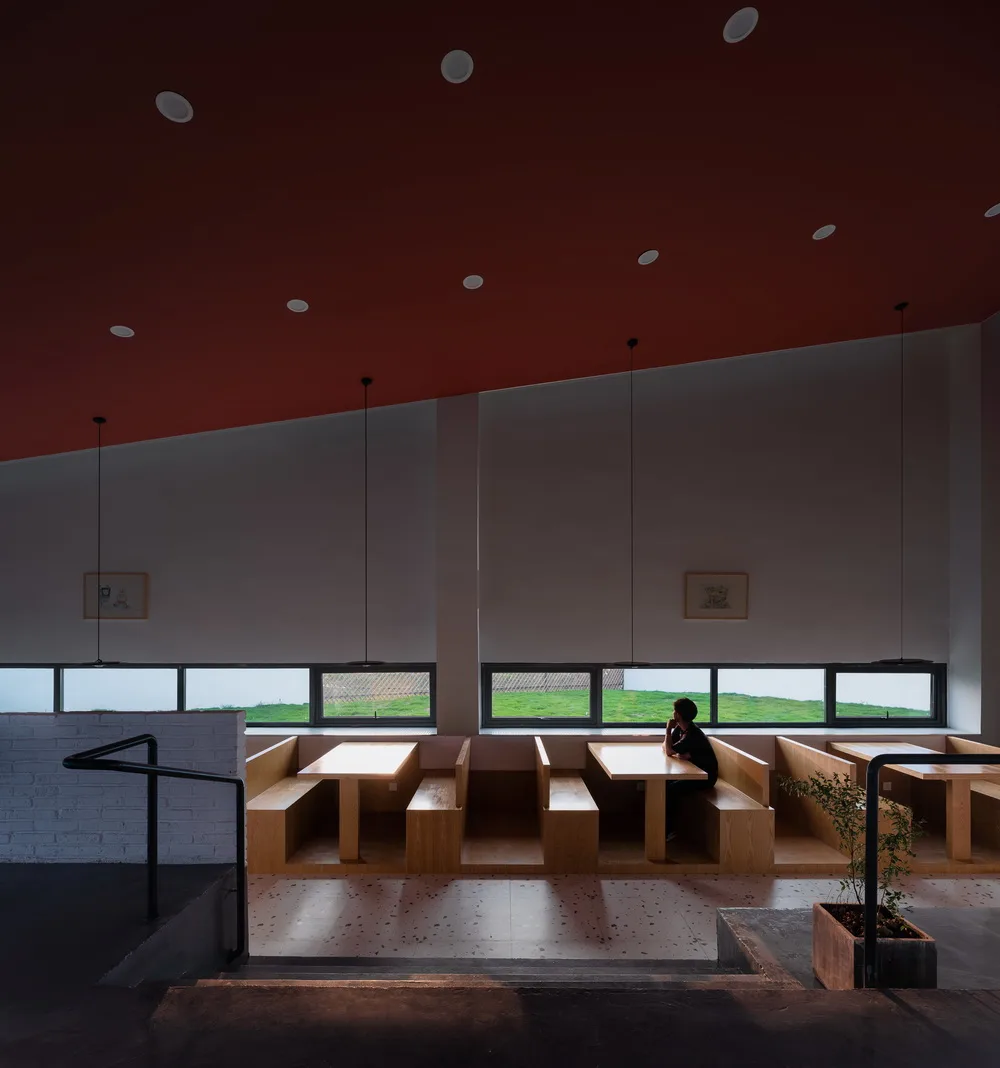
△ Visual connection with buildings across the lake © Photography by Wu Qingshan
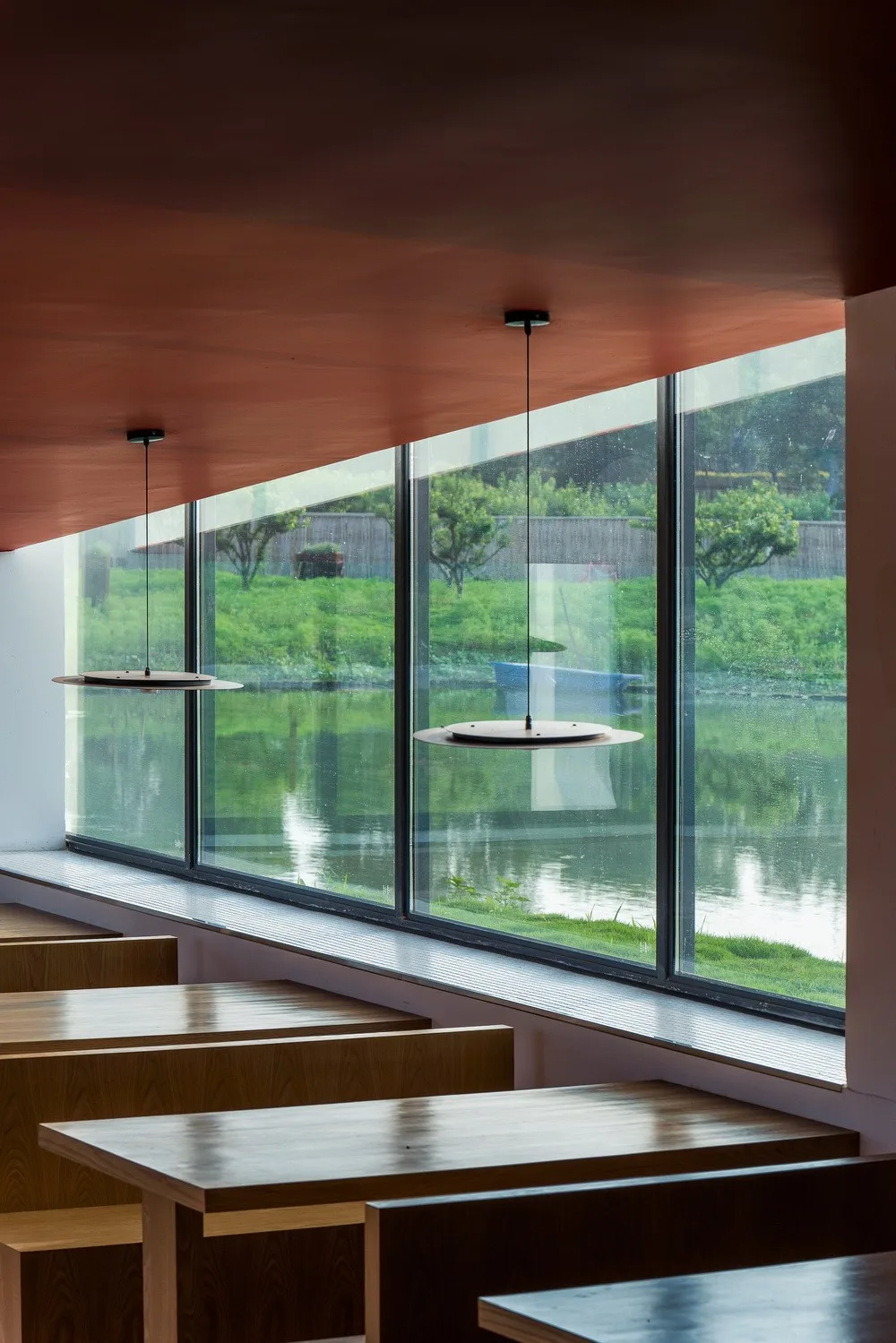
△ Sunken dining seats facing the scenic lake © Photography by Wu Qingshan
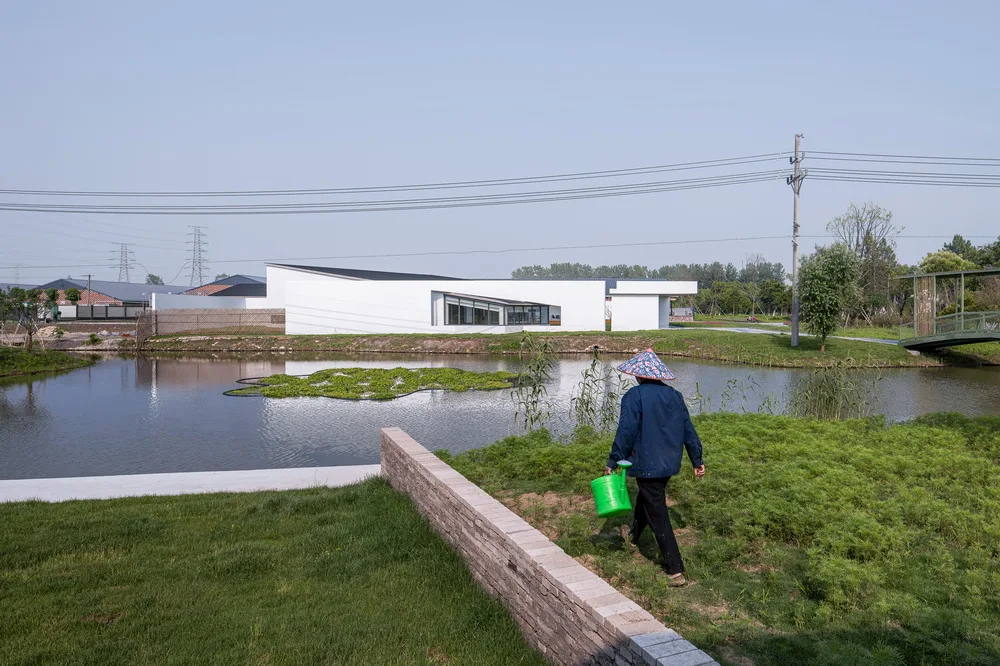
View towards the building across the lake © Photography by Wu Qingshan
The dining booths are designed to align with the building’s structure at outdoor ground level, lowering diners’ seating height to be even with the grass outside. Surrounded by greenery, flowers, and plants, the space offers a peaceful, natural dining experience.
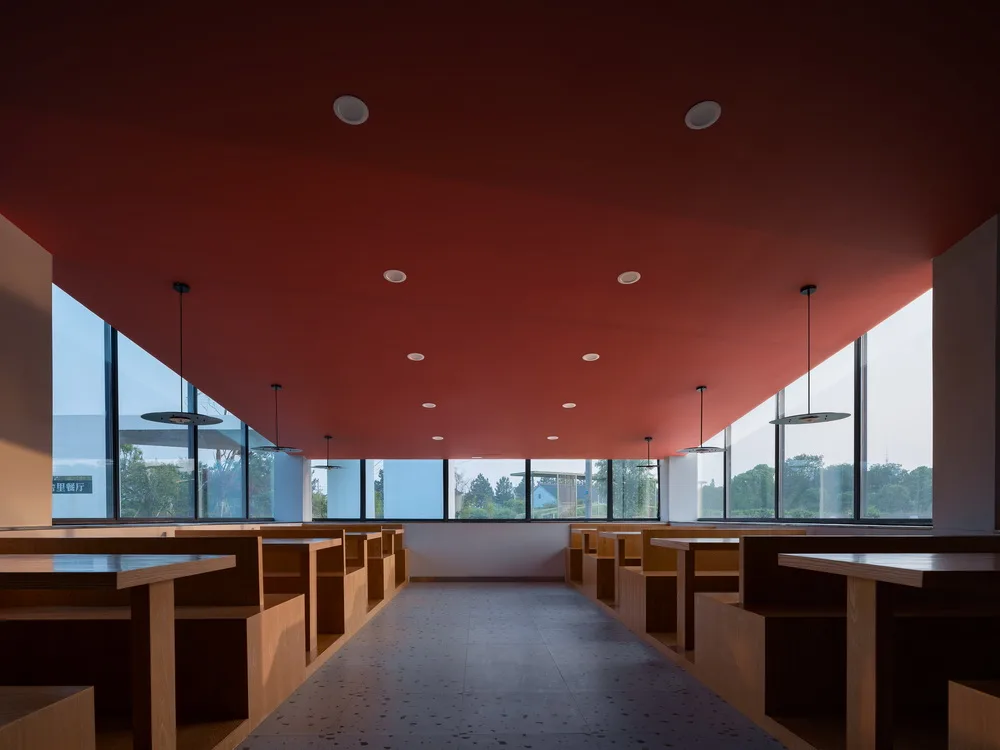
△ Continuous long window at the southern end of the sunken restaurant © Photography by Wu Qingshan
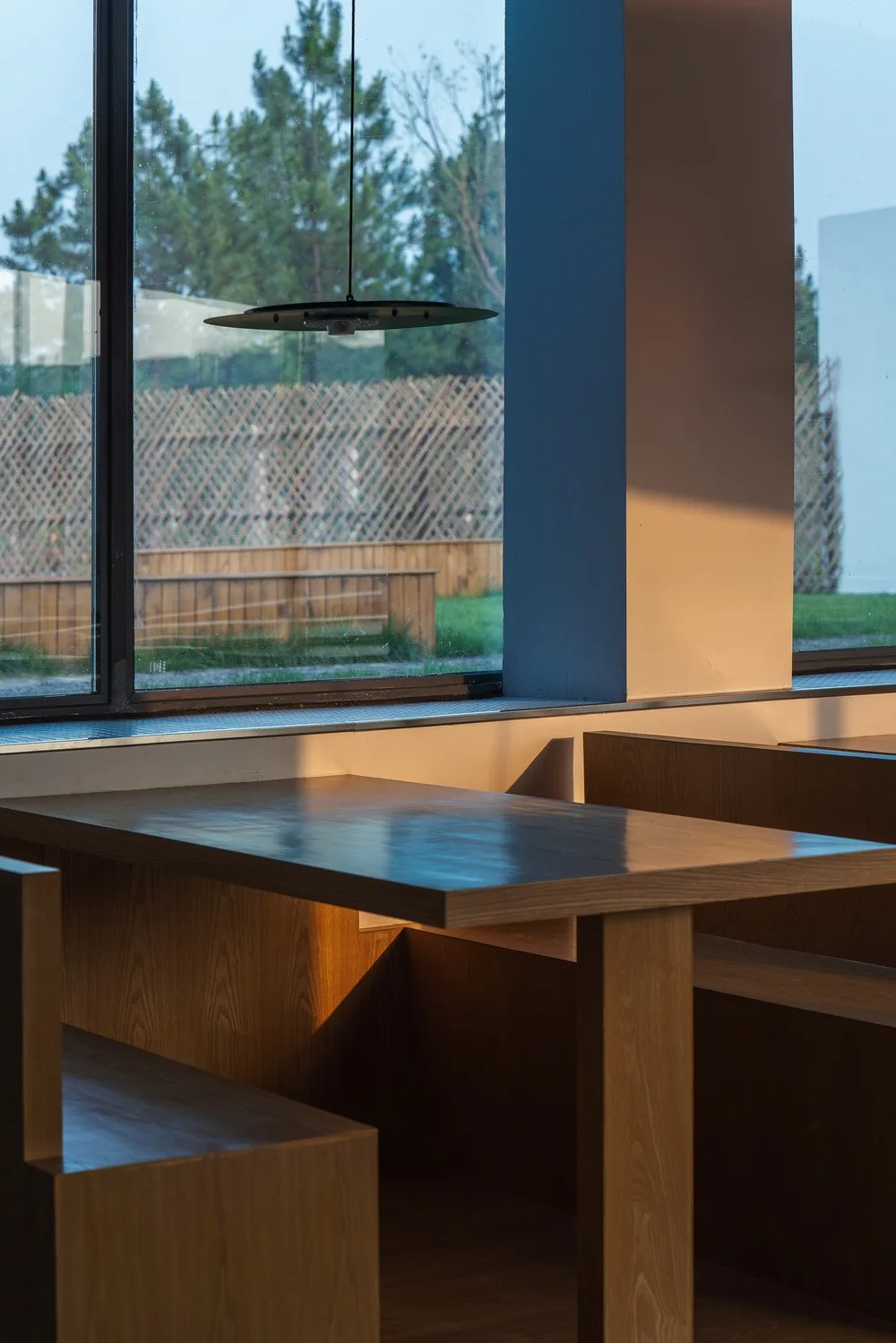
Seating level aligned with outdoor grass © Photography by Wu Qingshan
Hu Zhong Tian Di
The building’s “turning” design creates three distinct courtyards enclosed by surrounding walls. Upon entering through the restaurant’s gate, guests find themselves in the first courtyard. The nearly 26-meter-long concrete roof slab presses down over the main facade, creating an inviting yet modest appearance. This entrance courtyard includes a large lawn and seating areas, providing a space for relaxation and outdoor activities.
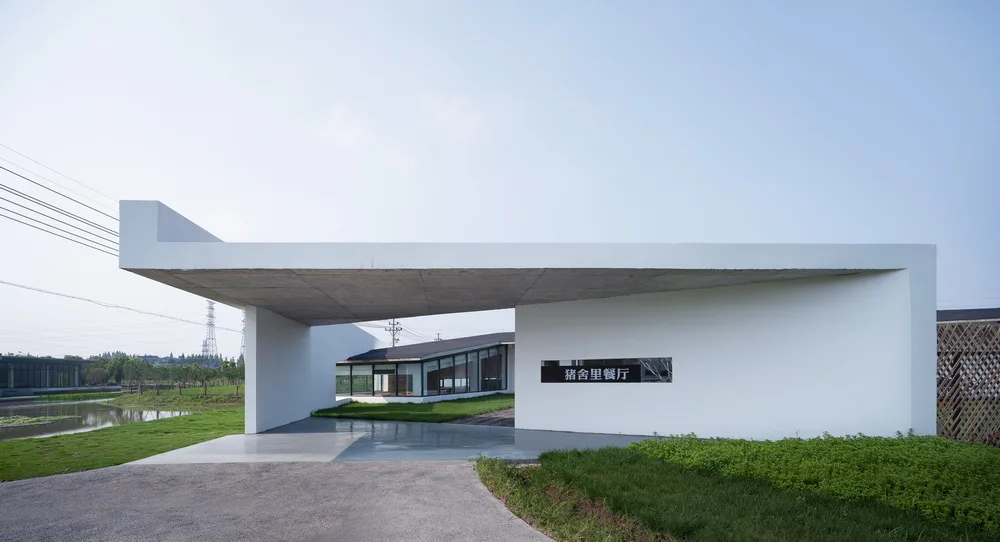
△ Main entrance of the building © Photography by Wu Qingshan
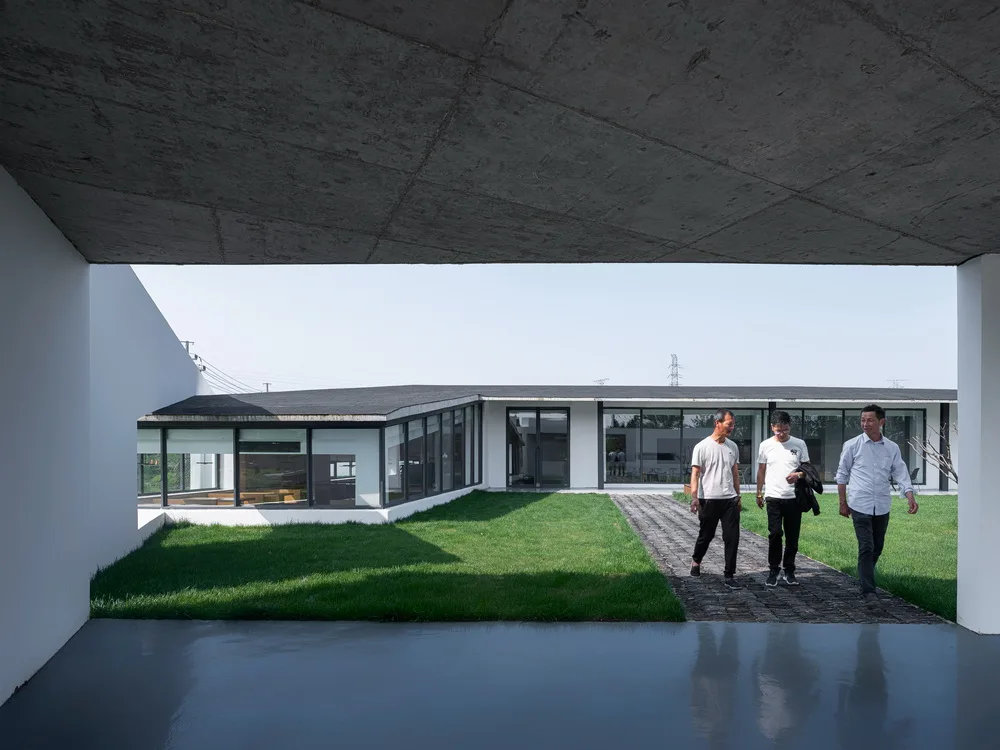
△ Interior view beneath the entrance eaves © Photography by Wu Qingshan
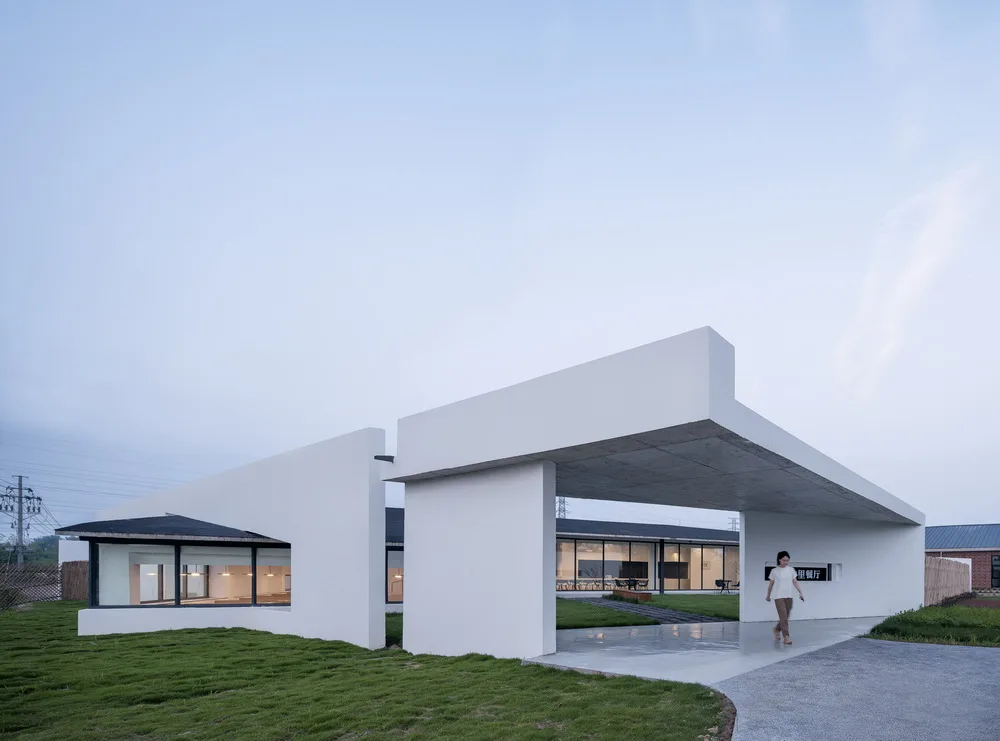
Southwest corner with notably low eaves © Photography by Wu Qingshan
To the north of the sunken restaurant runs a series of low, continuous long windows. Beyond these windows lies the second courtyard—a vanilla garden reserved for future use within the park. Its produce is intended to support the restaurant’s food production. Facing this garden is the third, more private courtyard—the Maple Grove Courtyard—offering a secluded scenic area for private dining rooms. These two courtyards connect via a gourd-shaped doorway symbolizing “a different world,” presenting evolving natural views throughout the seasons.
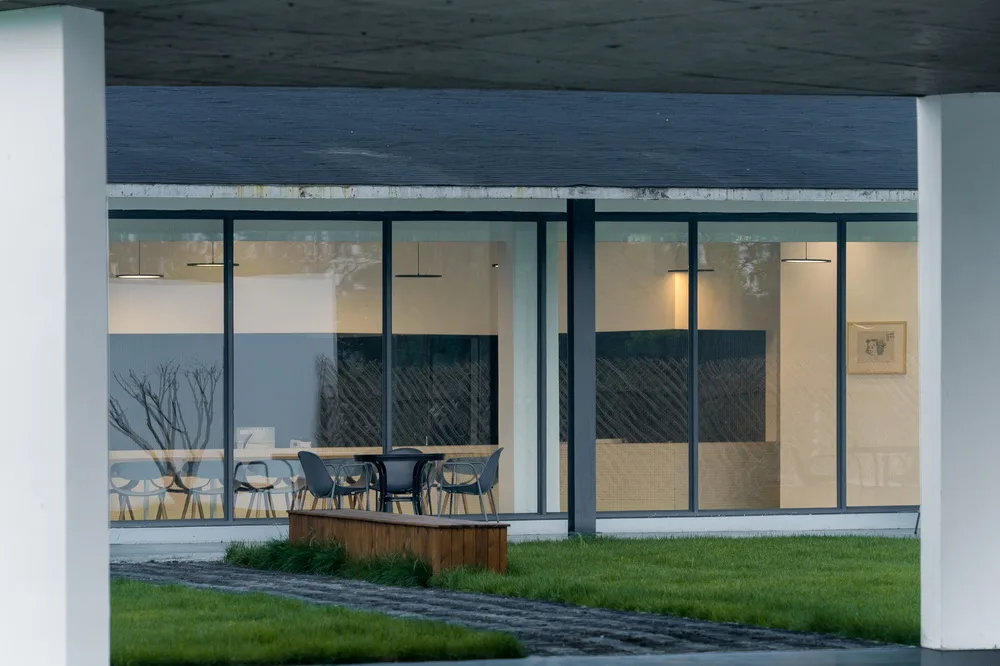
View through the gate towards the courtyard © Photography by Wu Qingshan
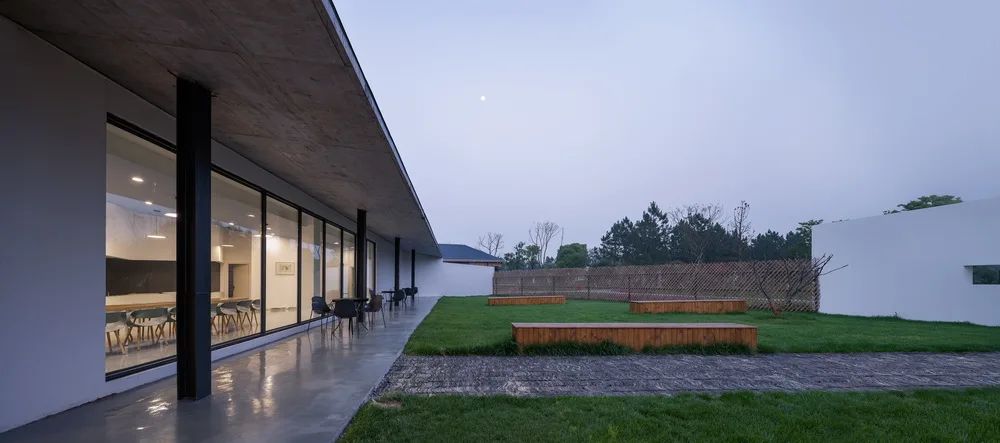
△ Interior view of the entrance courtyard © Photography by Wu Qingshan
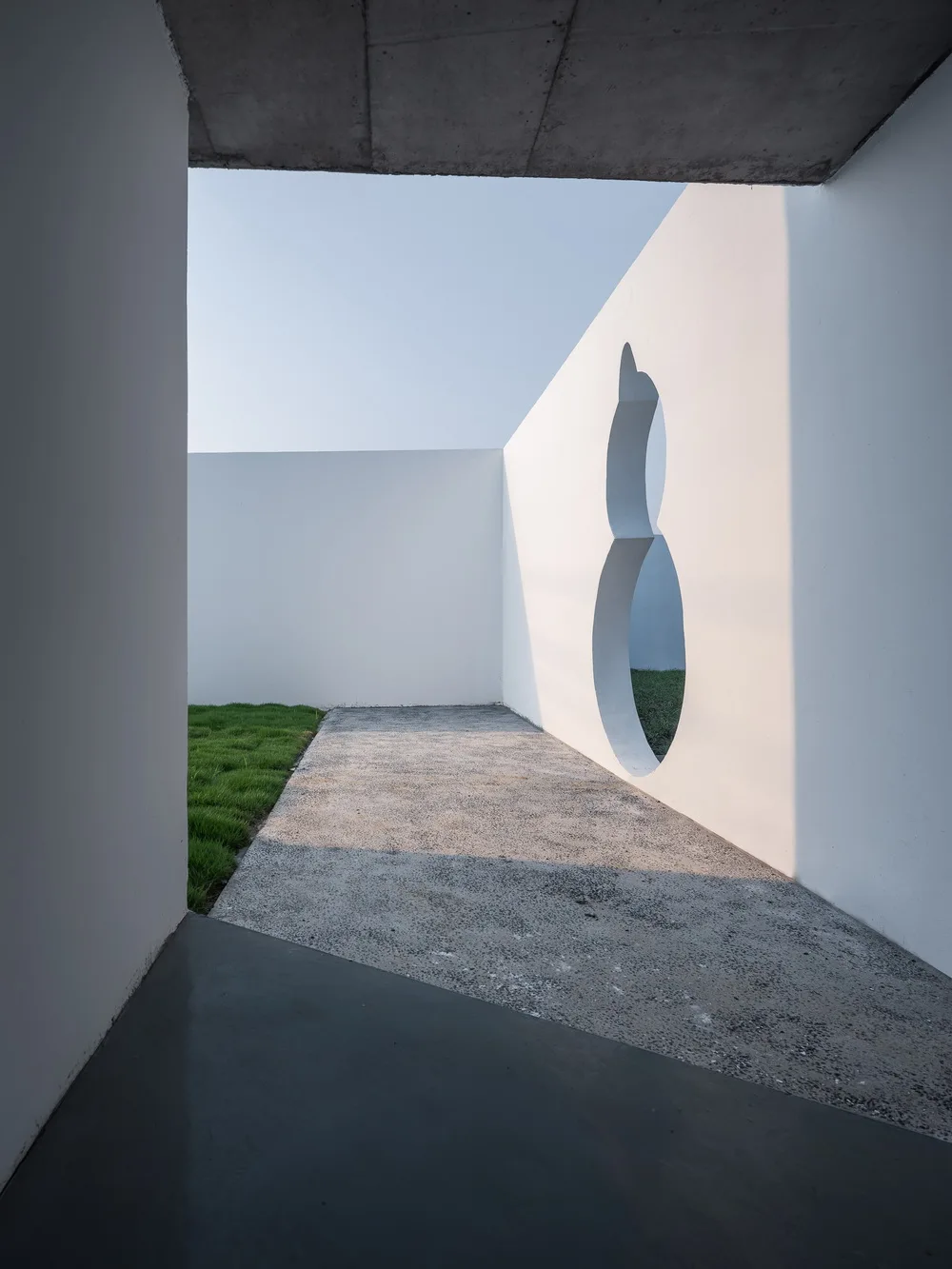
△ “Xiaohu Tian” © Photography by Wu Qingshan
Given the building’s limited budget, common construction materials were used. The main structure consists of brick and concrete, with coatings, tiles, asphalt tiles, glass, and some steel elements applied both indoors and outdoors to control costs. This approach aligns with the philosophy of “actual architecture”: employing ordinary materials to craft unique, experiential spaces that rationally respond to their environment and context.
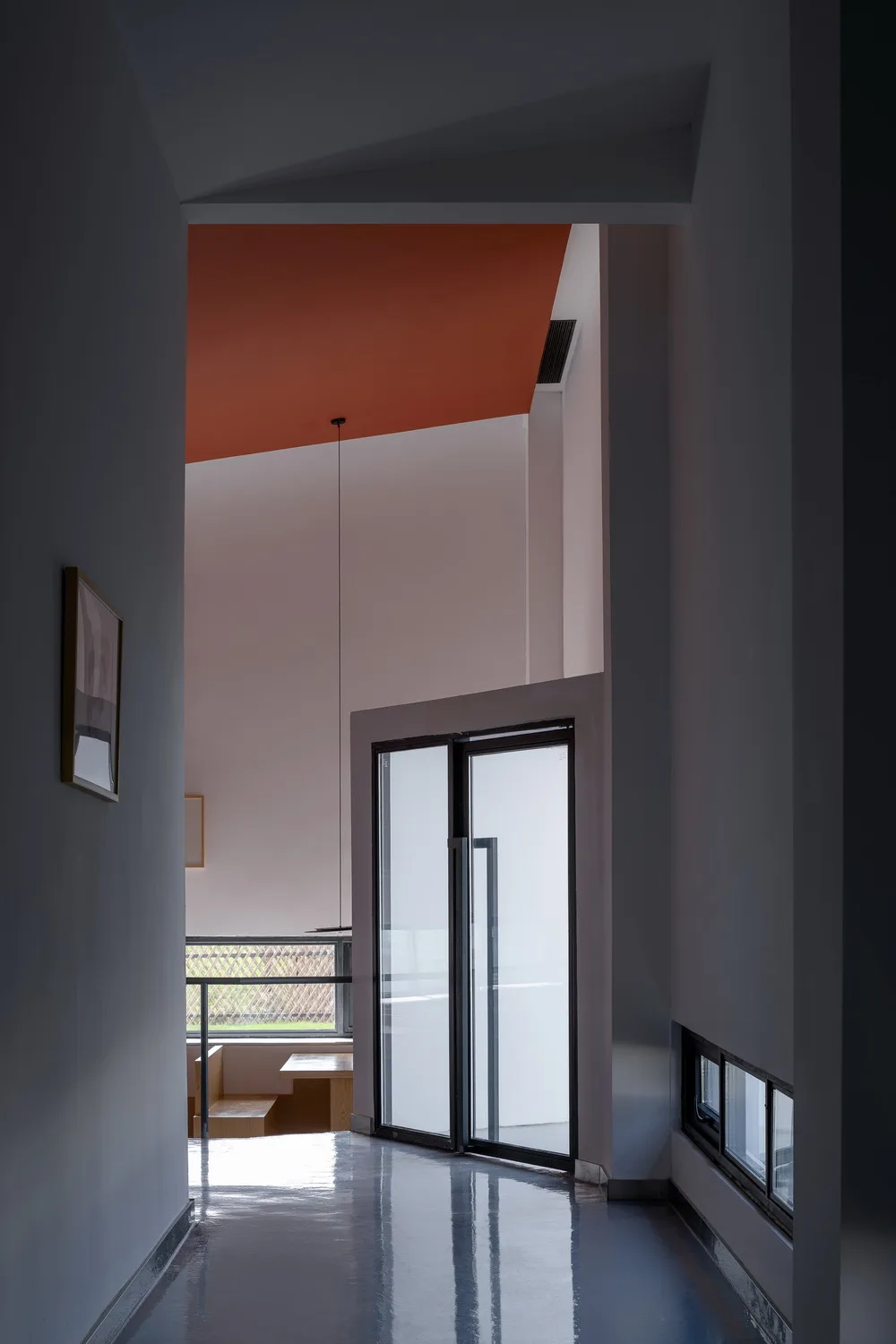
Private room passage leading towards the courtyard exit © Photography by Wu Qingshan
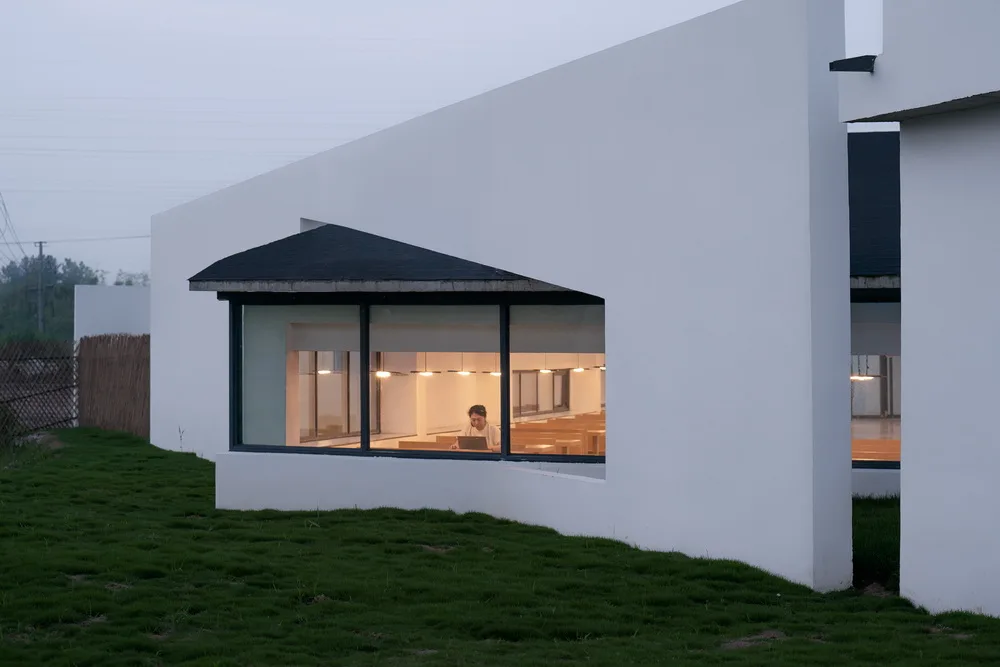
Breaking through the wall and emerging © Photography by Wu Qingshan
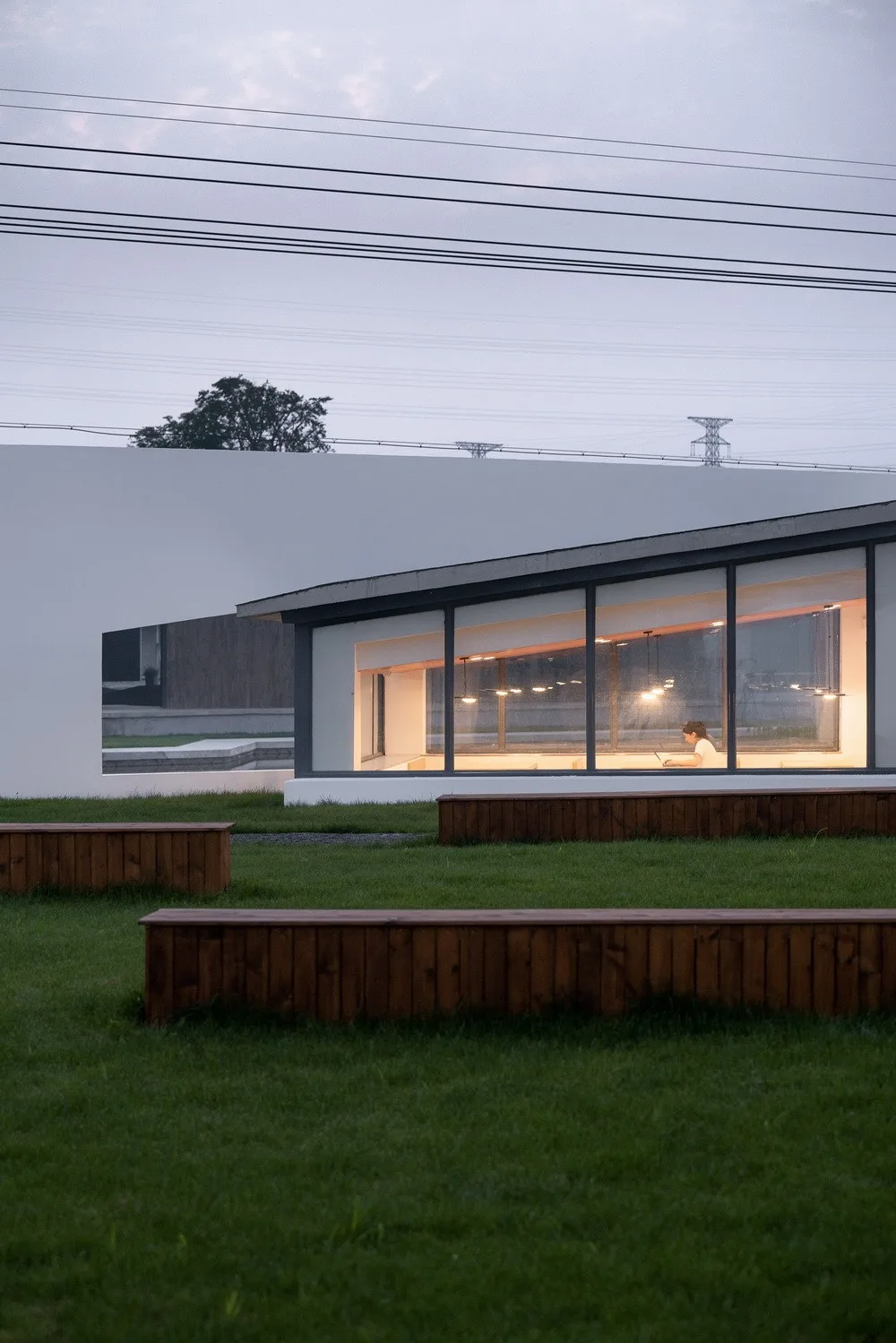
△ Building corner detail © Photography by Wu Qingshan
Technical Drawings
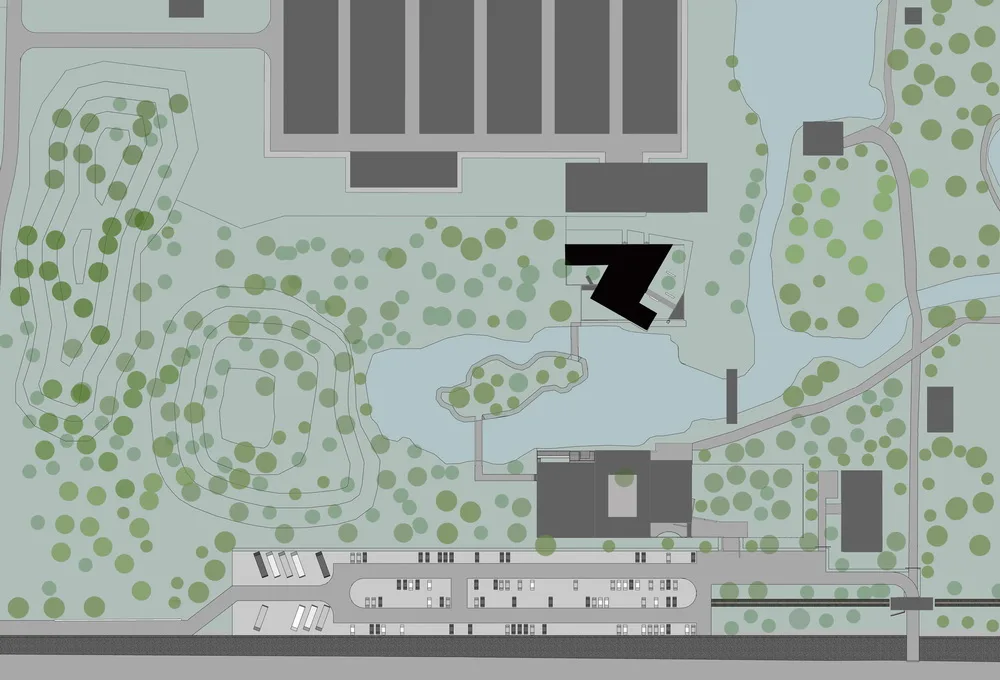
△ General layout plan © Actually, the architectural firm
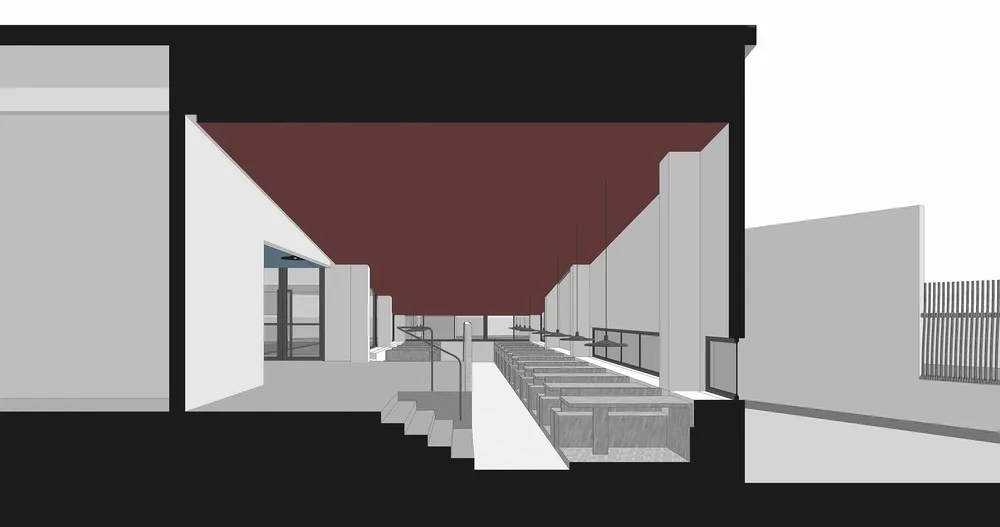
△ Sectional elevation of sunken restaurant © Actually, the architectural firm
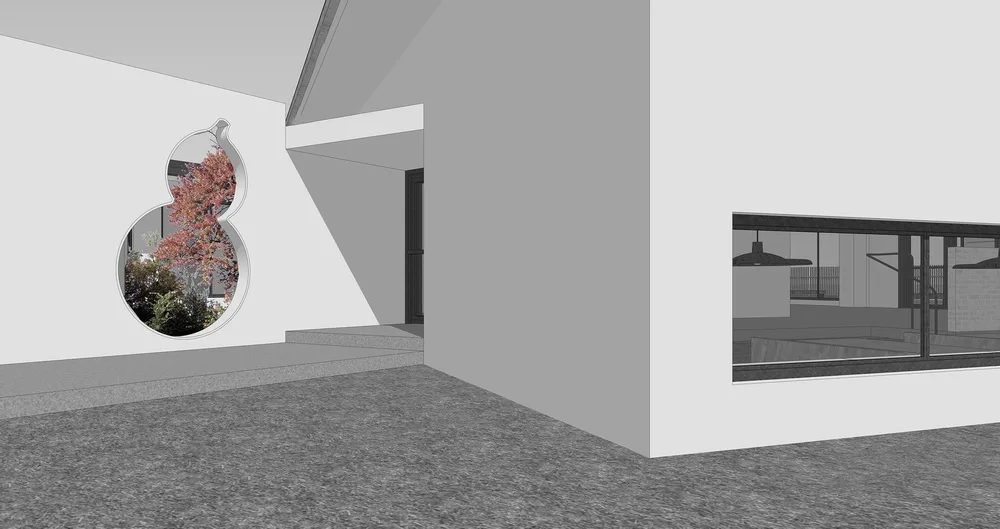
△ Garden and Hulumen plan © Actually, the architectural firm
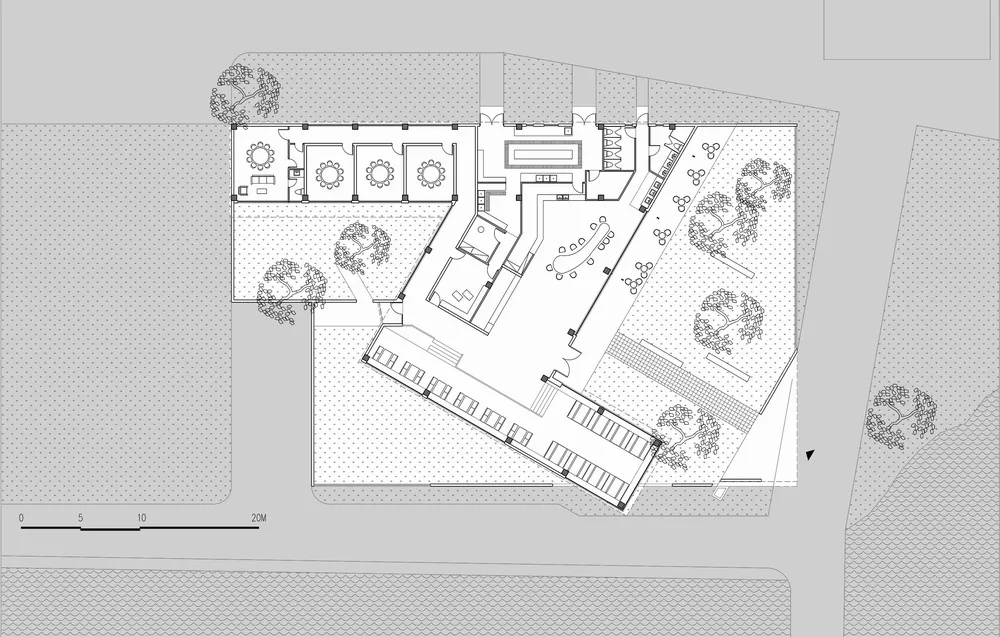
△ First floor plan © Actually, the architectural firm
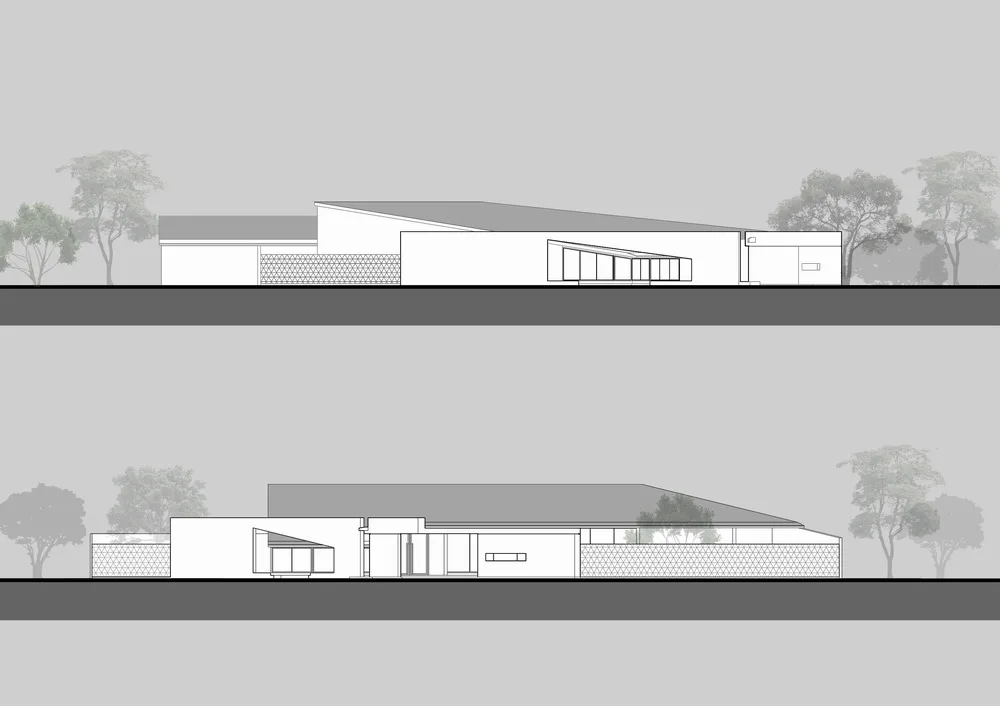
△ Elevation drawing © Actually, the architectural firm
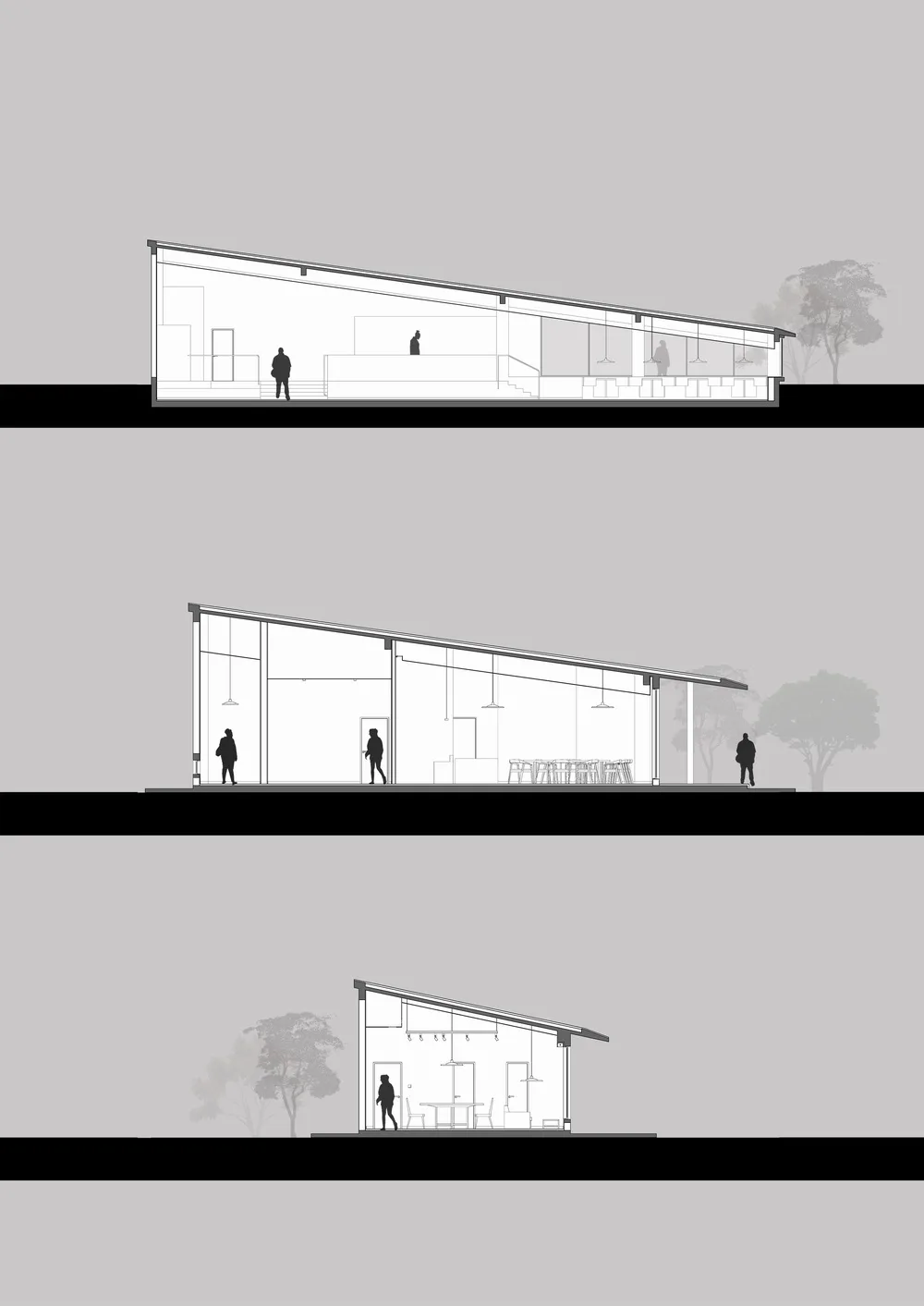
△ Section diagram © Actually, the architectural firm
Project Information
Project Name: Organic Restaurant in Shimen Pig Shed
Designer: Actually, the architectural firm
Company website: __AI_ST_URL_0__
Contact email: all_studio@yeah.net
Project Design & Completion Year: 2020-2021
Main Creators and Design Team: Li Shiqi, Jin Lei, Ai Mengjiang
Project Address: Shufeng Village, Shimen Town, Tongxiang City, Zhejiang Province
Building Area: 600 square meters
Photography Credits: Wu Qingshan
Architecture/Interior/Landscape Design: Actually, Architectural Firm
Client: Zhejiang Huateng Animal Husbandry Group












Must log in before commenting!
Sign Up