
Anting Old Street, Jiading, Shanghai
Shanghai, Jiading
The Intervention of Three Identities
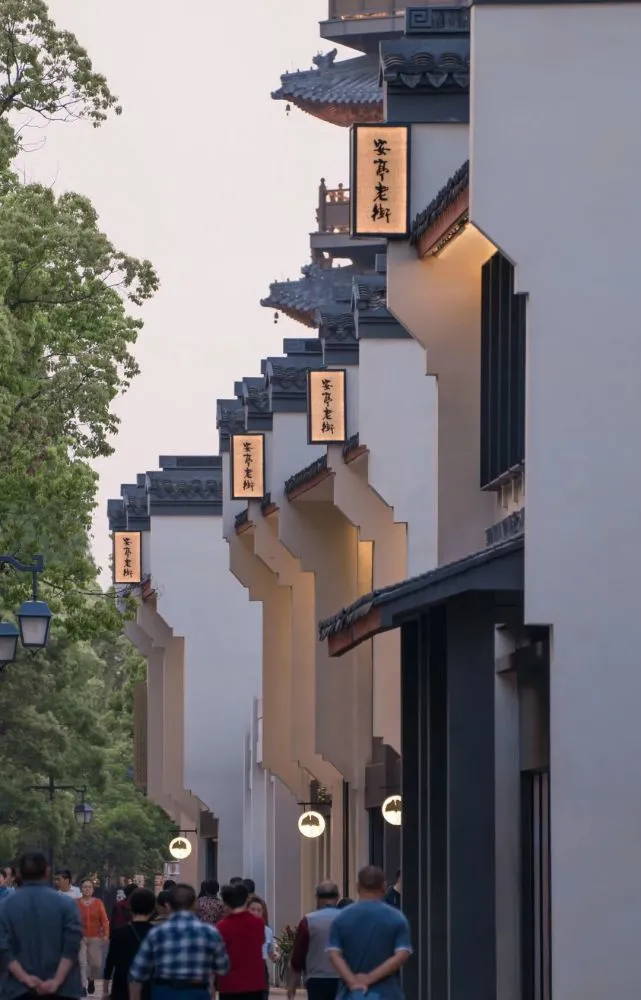
In Shanghai’s urban development, Jing’an Temple represents the city’s historical core, while Anting Town, located at Shanghai’s western gateway, offers a vivid cultural entrance to the city. Known as “Ten miles per pavilion, named after An, with the pavilion as the town,” Anting has preserved its name since the Han Dynasty. Amid the automotive industry’s growth, it developed a diverse urban landscape featuring the Shanghai 0001 ginkgo tree, numerous cultural heritages, and stories spanning over 1,200 years.
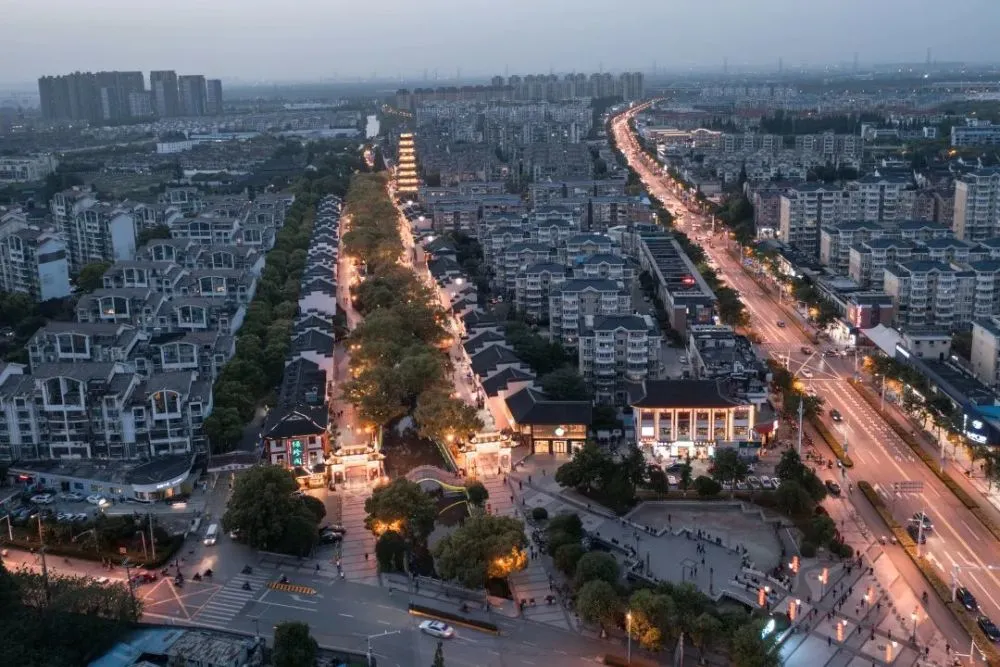
This year, the People’s Government of Anting Town aims to upgrade Anting Old Street’s business model to meet evolving consumer demands. The key challenge for Sanyi’s design team is how to preserve the “old street story” while enhancing the commercial framework.
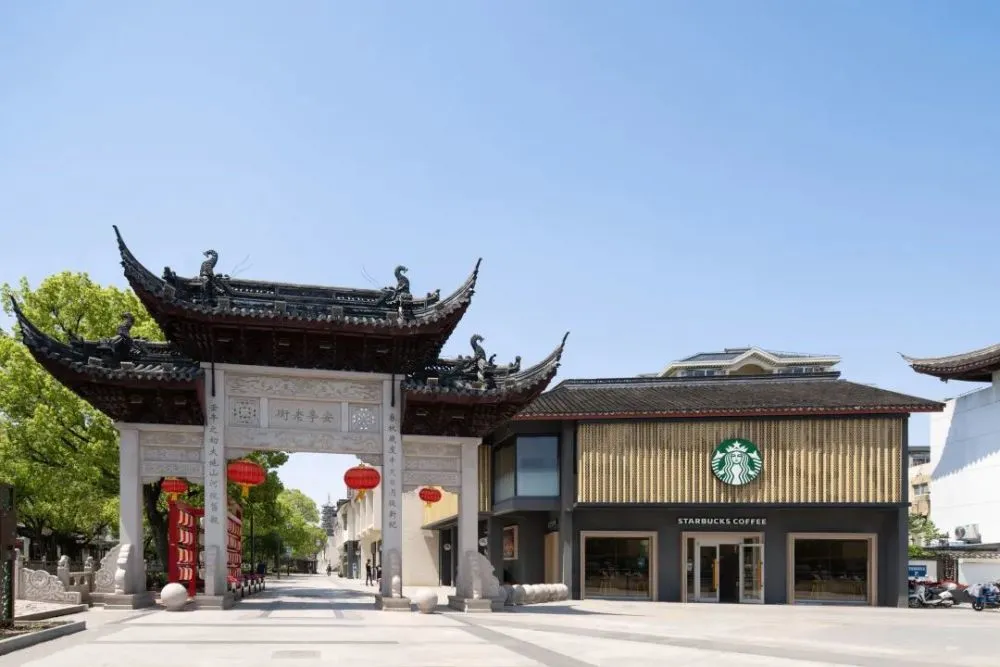
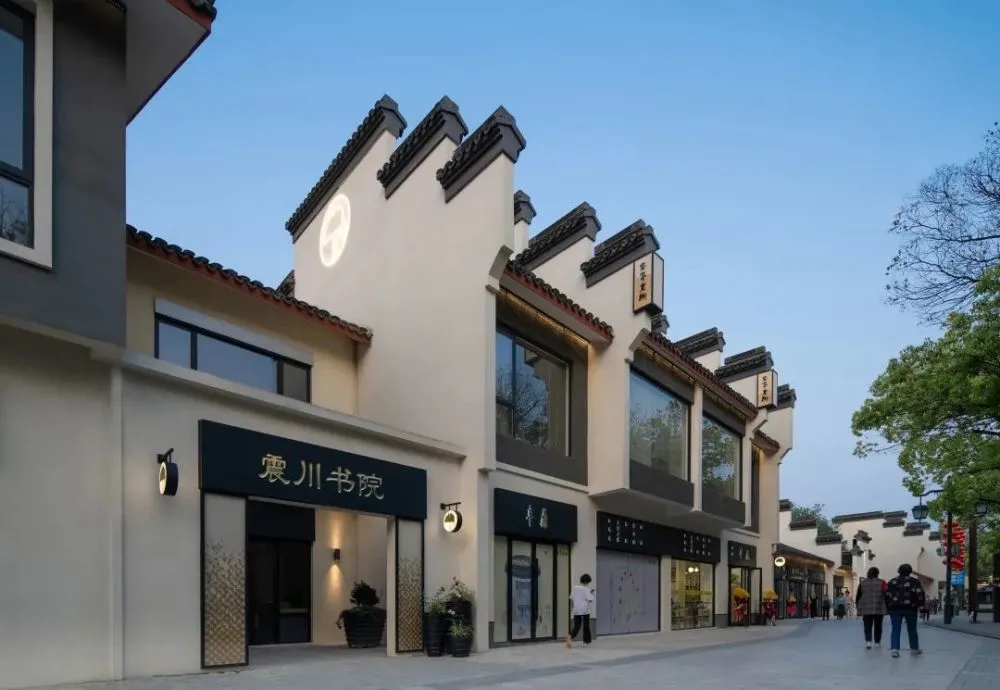
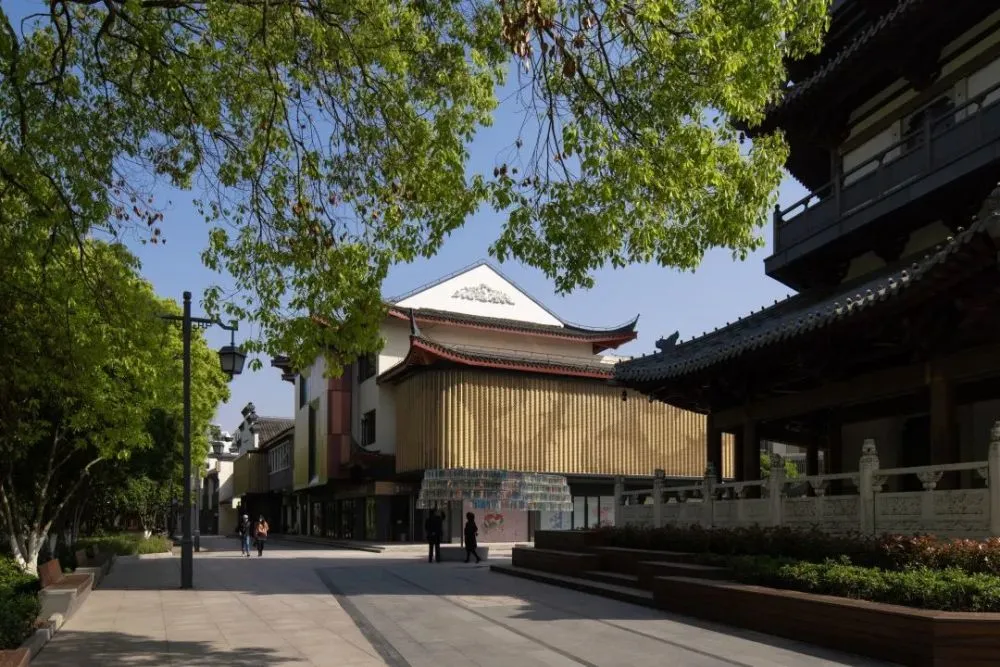
For historic commercial streets, spatial strategies move beyond material and economic considerations and return to the essence of the site. The goal is to find appropriate language and forms of dialogue inspired by the spirit of the place, constructing spaces through simultaneity and juxtaposition. Instead of focusing solely on spatial dimensions, the emphasis is on spatial transformation — from spatial organization and order to the integration of cultural symbols. With this approach, the architects from Sanyi engage the roles of ‘Repairer’, ‘Refiner’, and ‘Creator’ to revitalize the old streets.
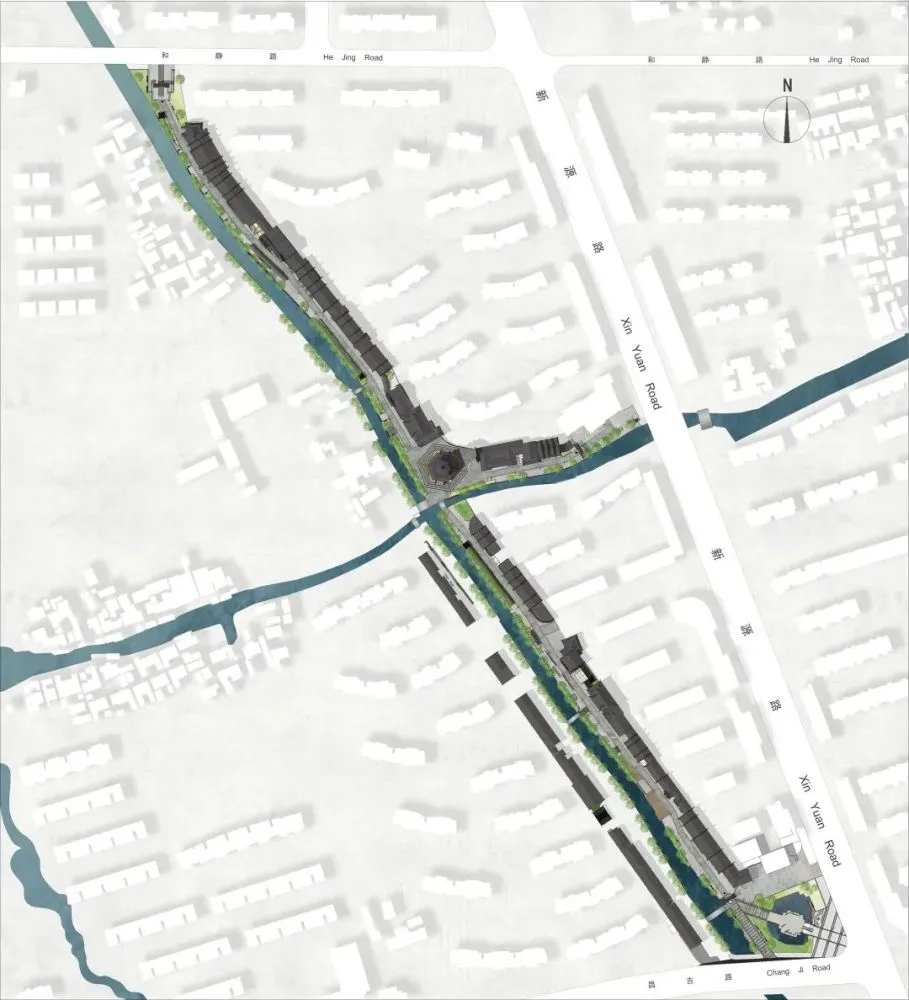
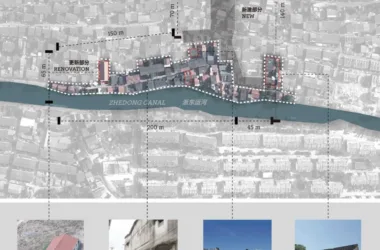
▲ General layout plan
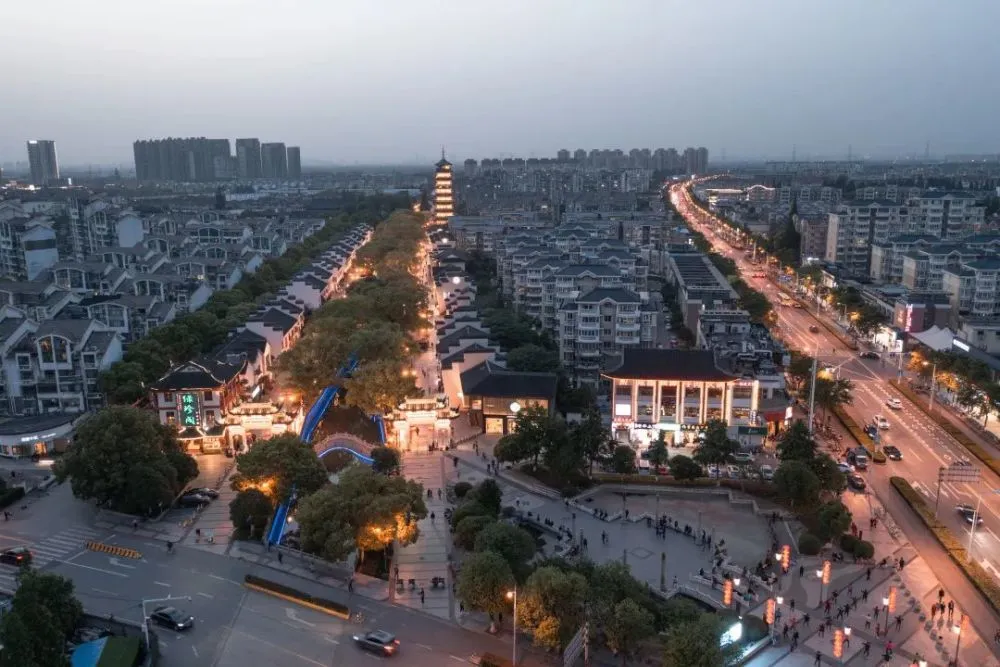
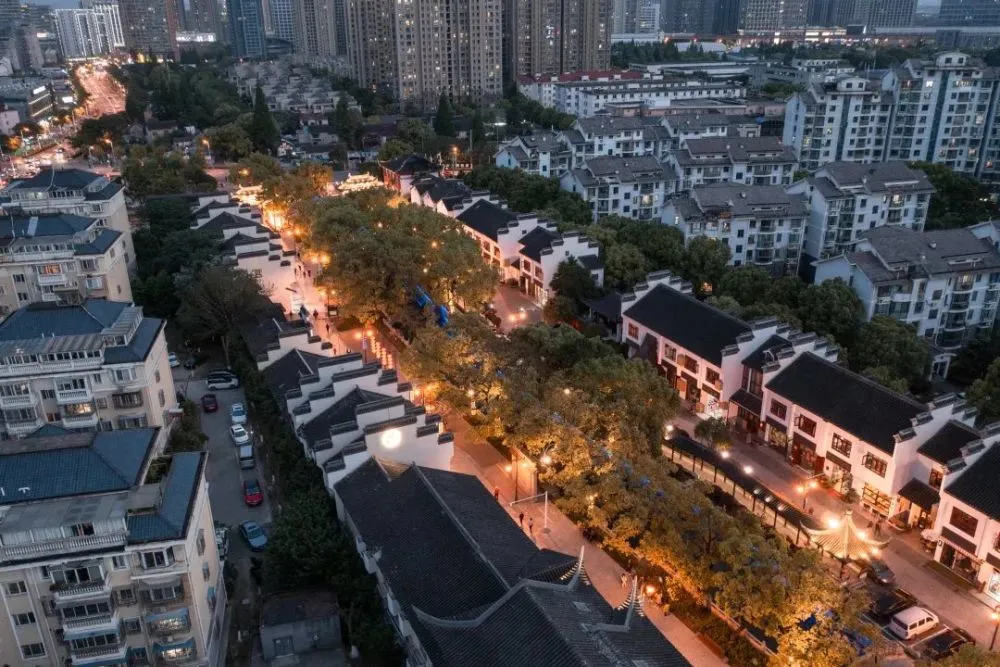
One: We Are ‘Repairmen’
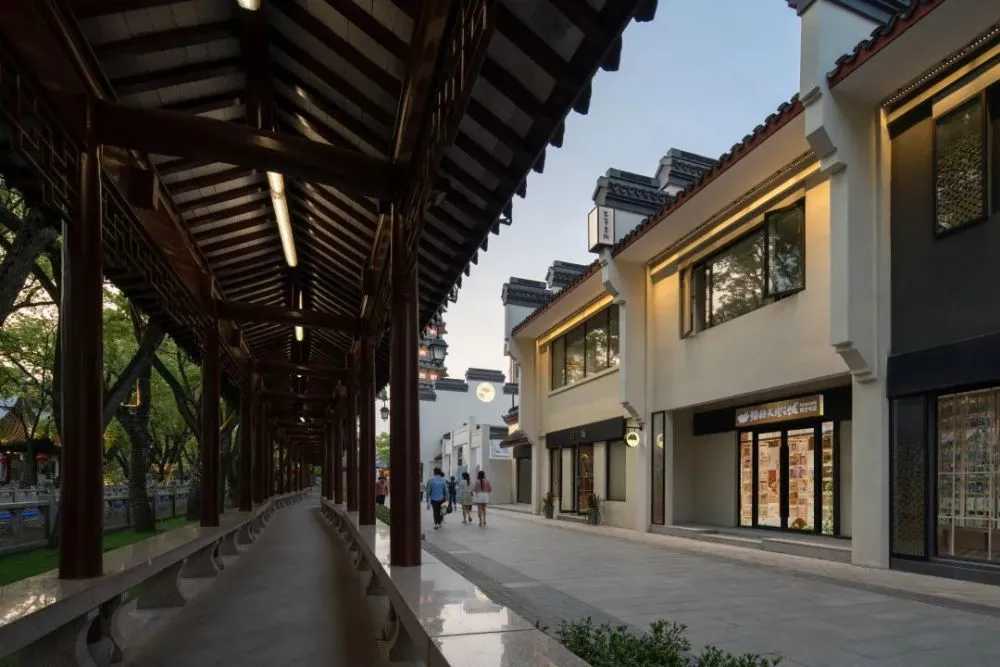
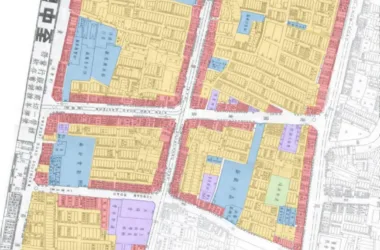
At the project’s outset, a detailed site survey was conducted. The existing commercial street runs alongside the river, bordered by Yong’an Tower and ancient ginkgo trees, extending toward the urban streets. Traditional cultural elements such as standard horsehead walls and single-eave gable roofs define the area’s character. A covered corridor provides a relaxing space between the commercial street and the waterfront.
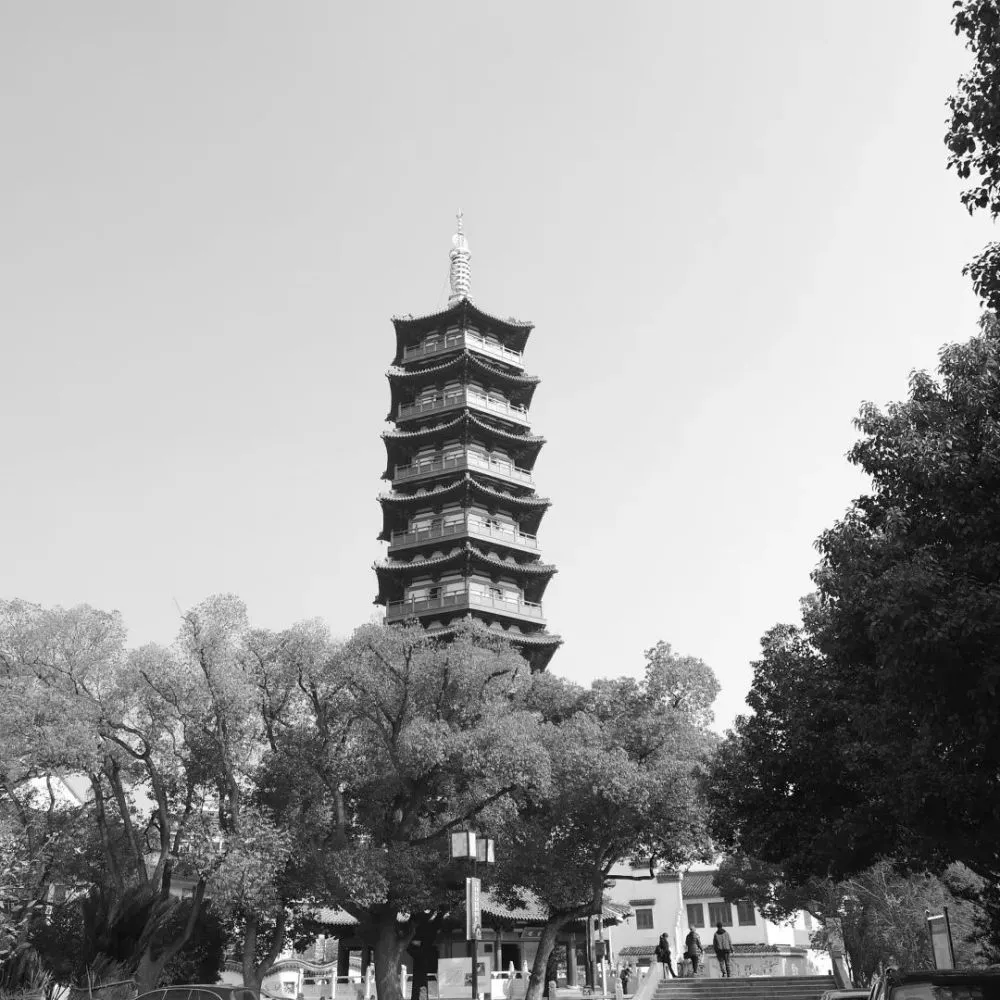
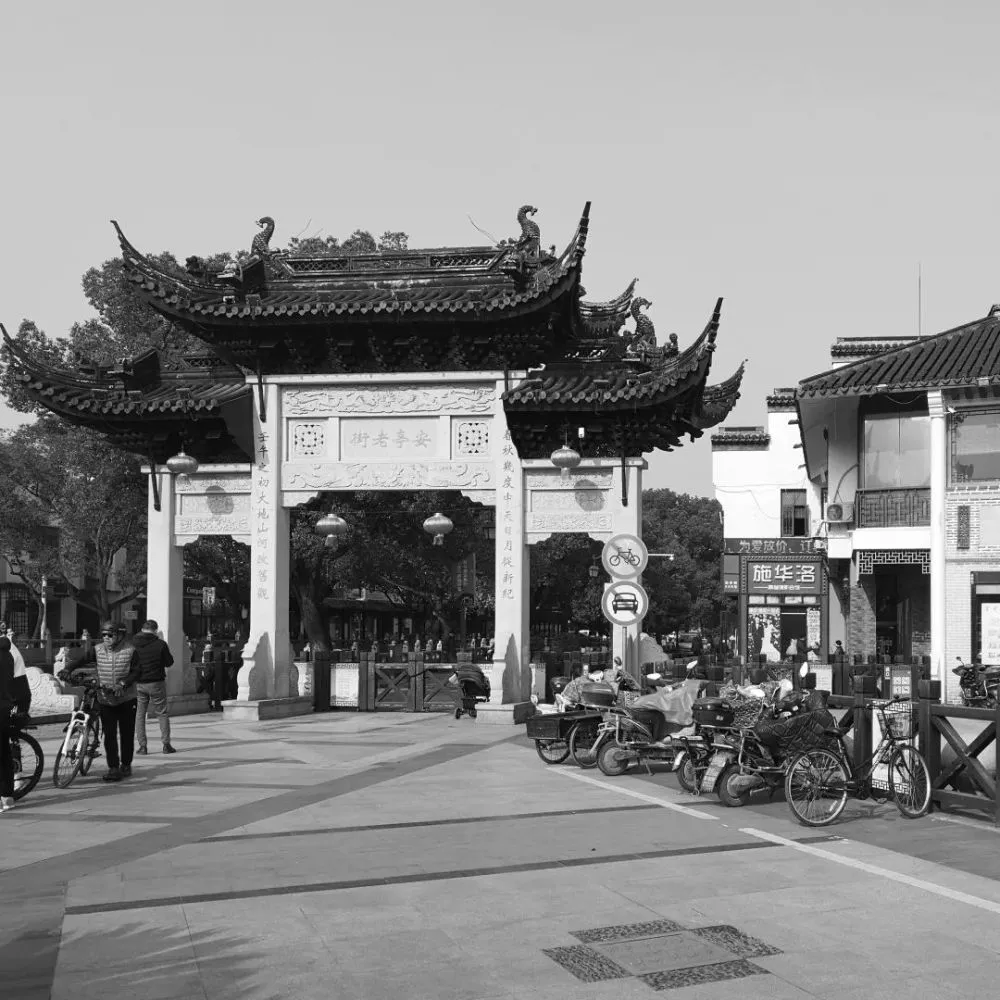
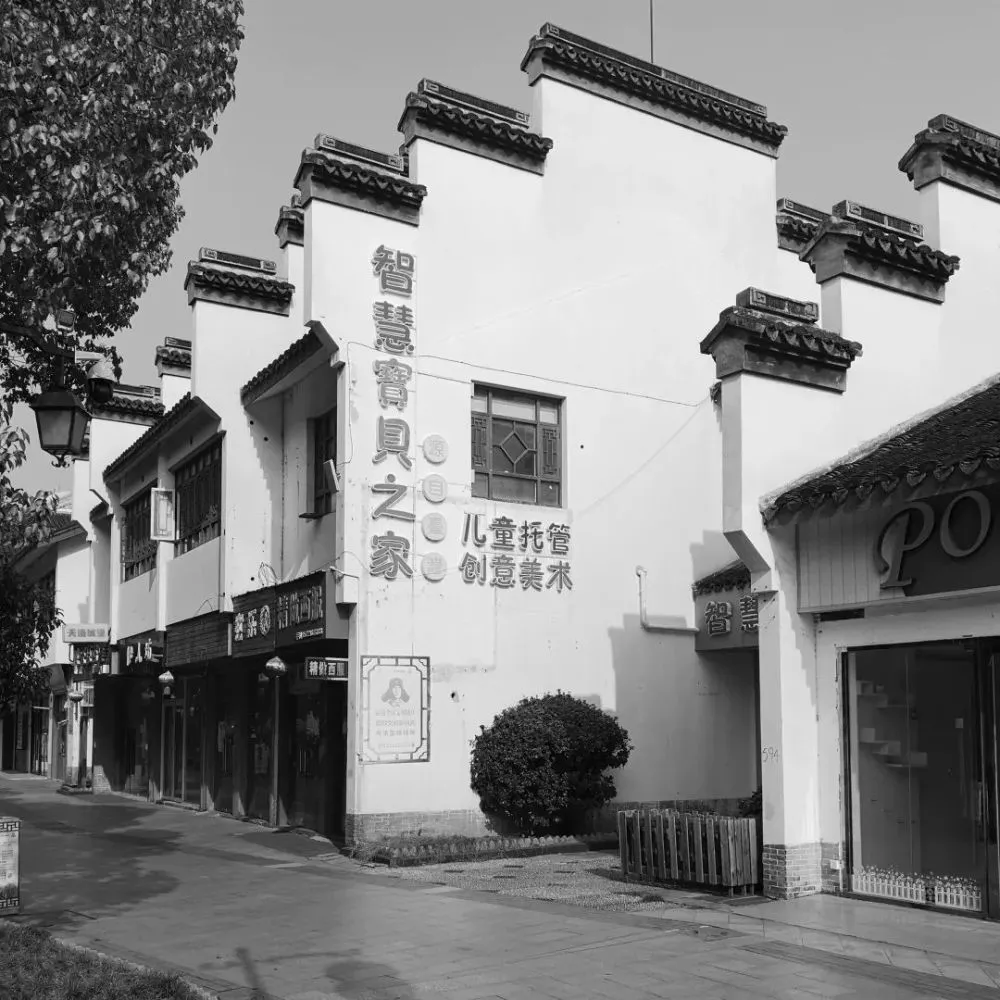
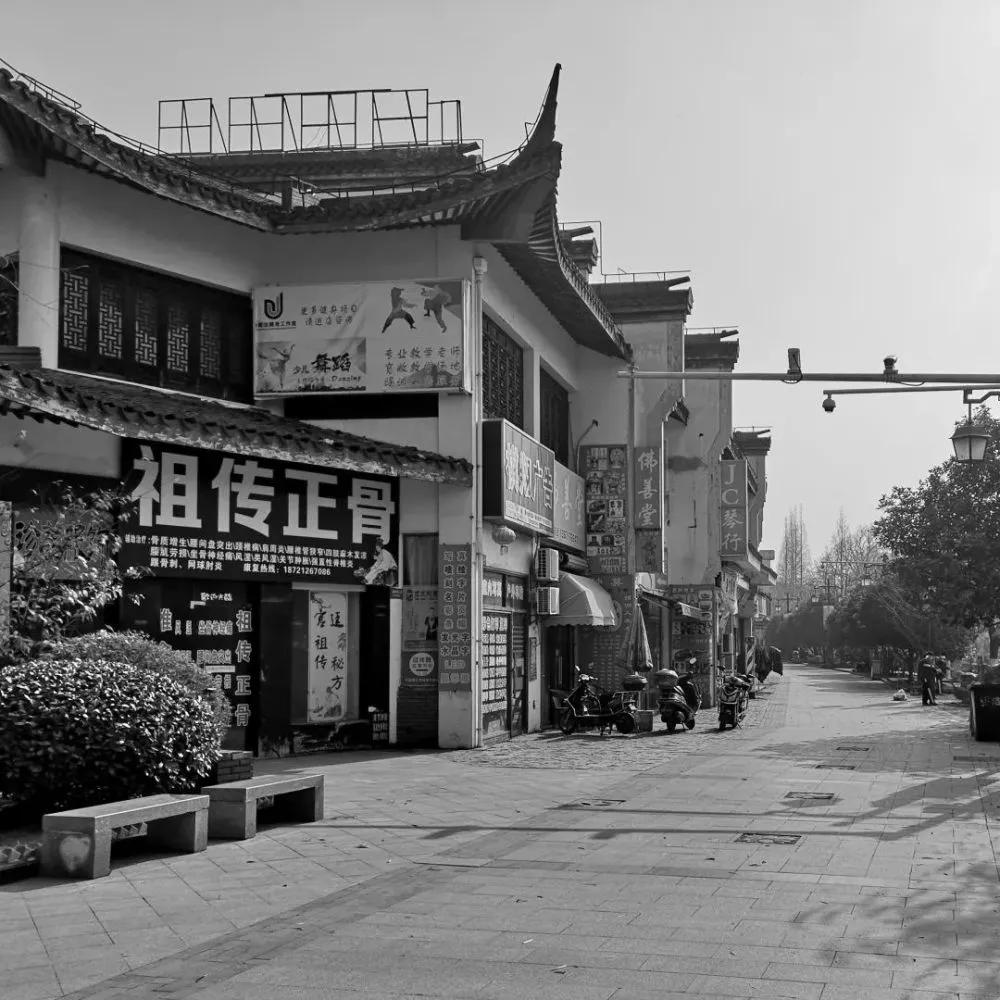
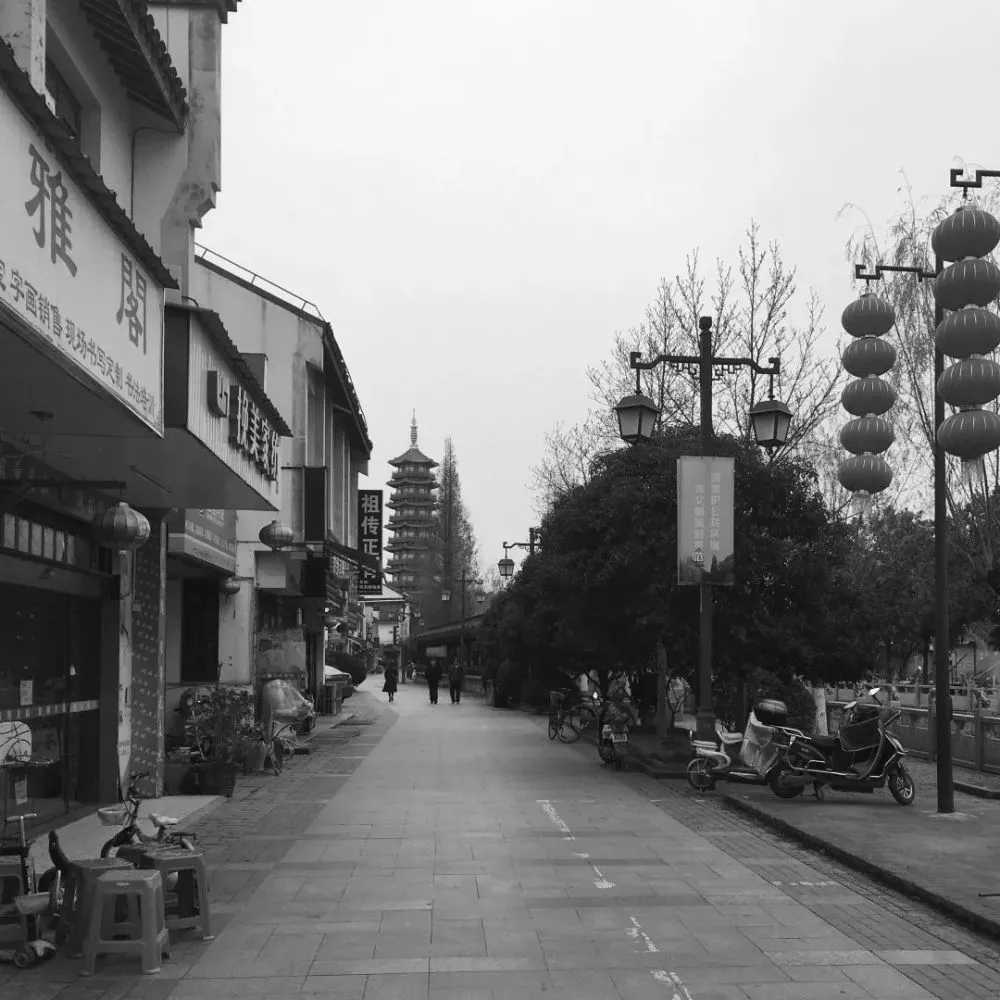
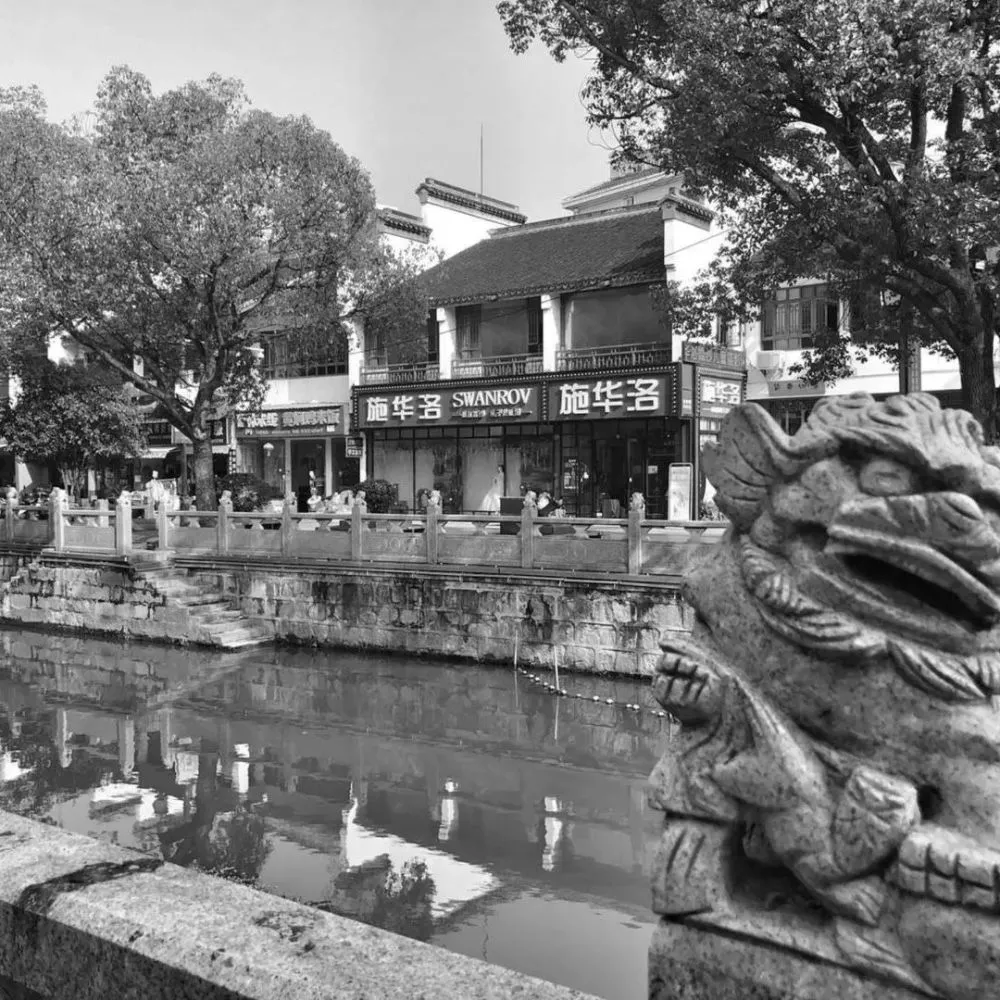
▲ Historical photo of Anting Old Street
Through interviews with local residents, it became clear they preferred to keep their leisure spaces free from excessive commercialization. Therefore, the design team adopted a restrained “repair” approach, seizing every opportunity to restore the site.
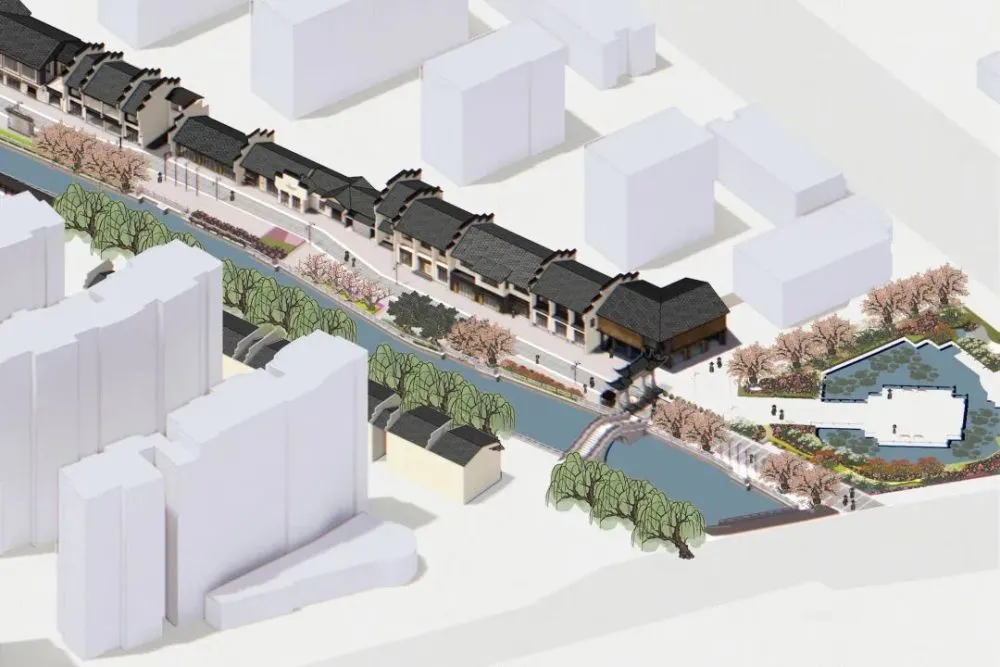
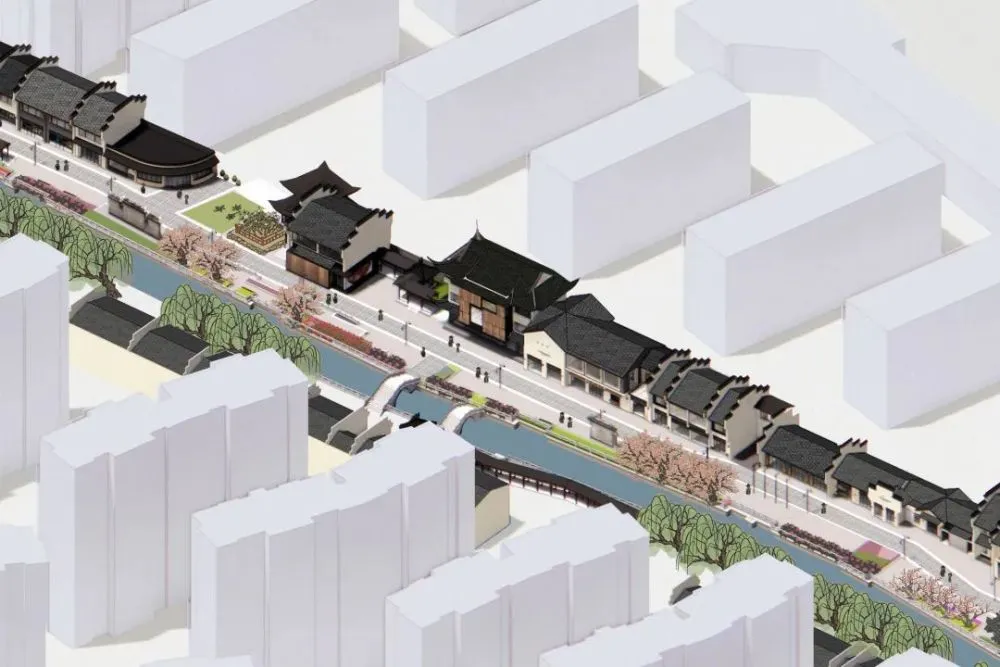
▲ Design rendering
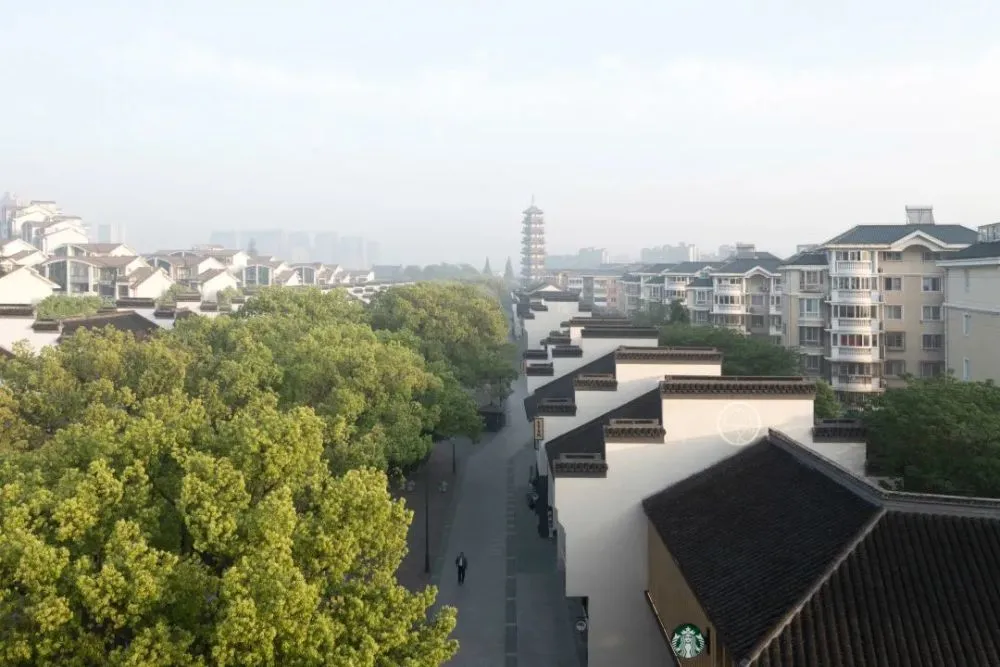
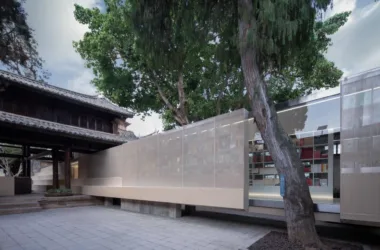
First, large-scale demolition and reconstruction were rejected. The original central square, tree landscapes, architectural forms, and covered corridors were preserved as the core spatial elements.
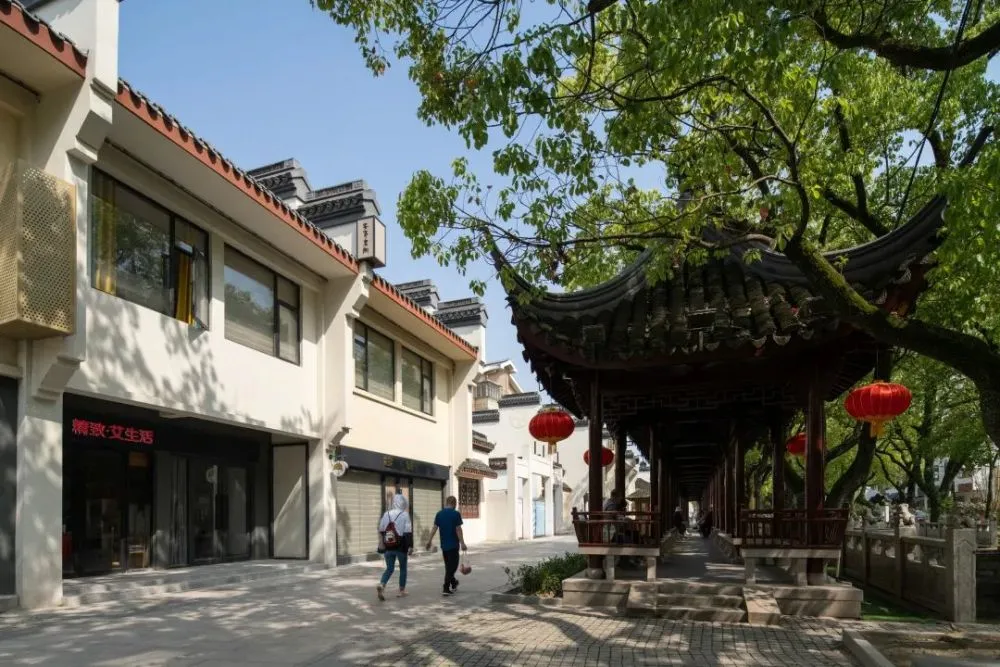
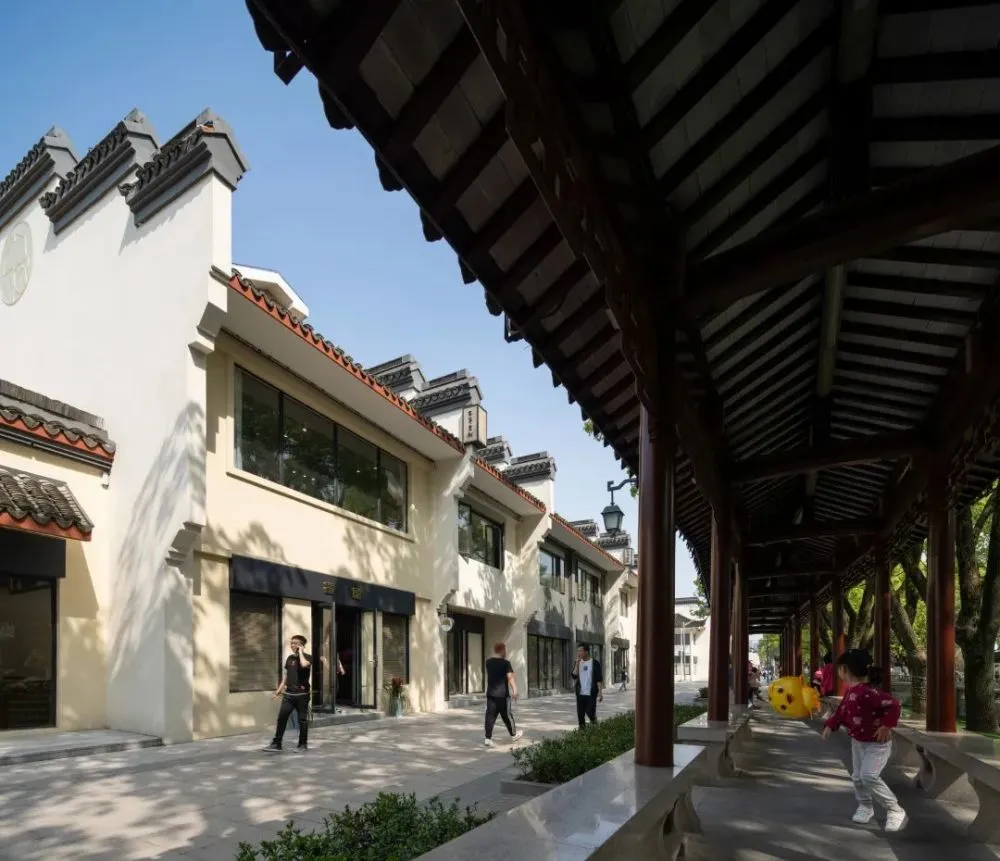
Second, elements that detracted from the charm of the old street were addressed—such as low-quality small storefronts, poorly installed electrical boxes, and cluttered signage.

▲ Analysis of transformation
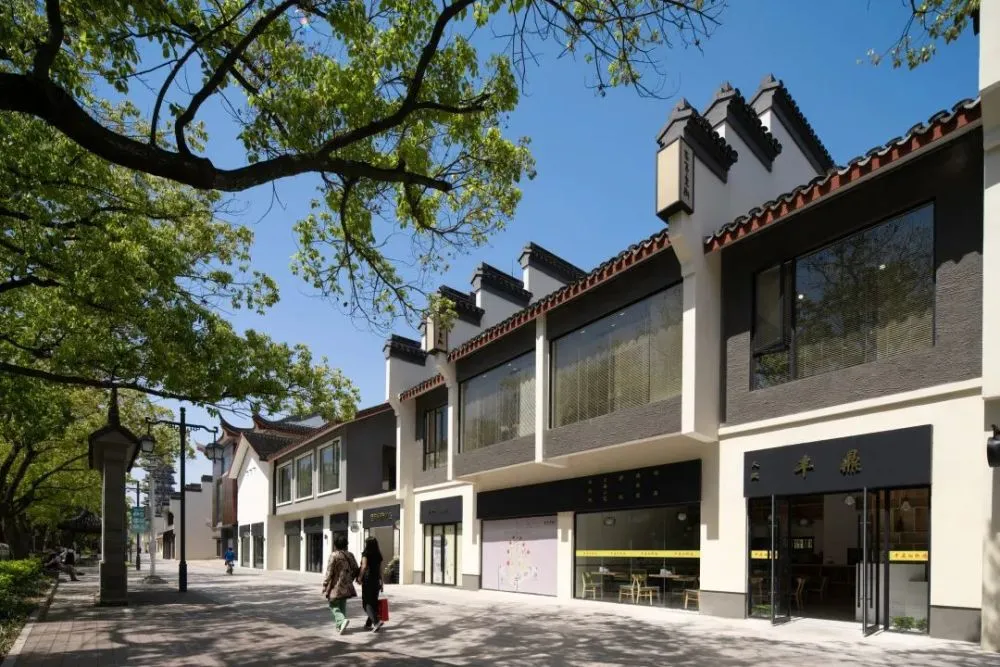
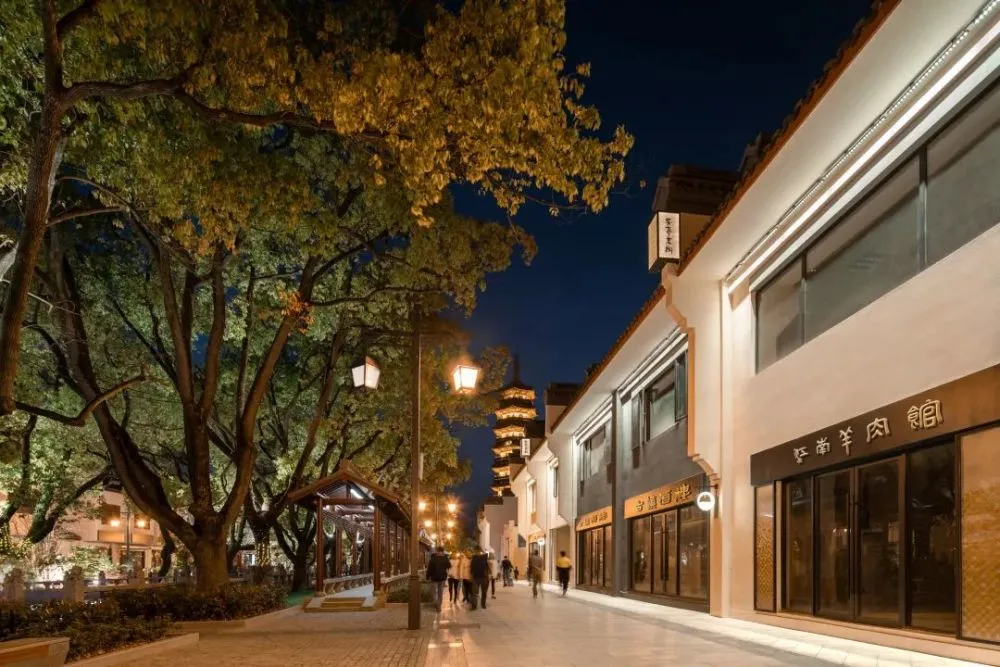
Finally, the layout of pedestrian areas was redesigned. Rest platforms were added along the streets and rivers, river channels were cleaned, and store signage and lighting were standardized to unify the streetscape.
Two: We Are ‘Cultivators’
Once the public spaces were organized, attention turned to the buildings with a refined “processing” design strategy.
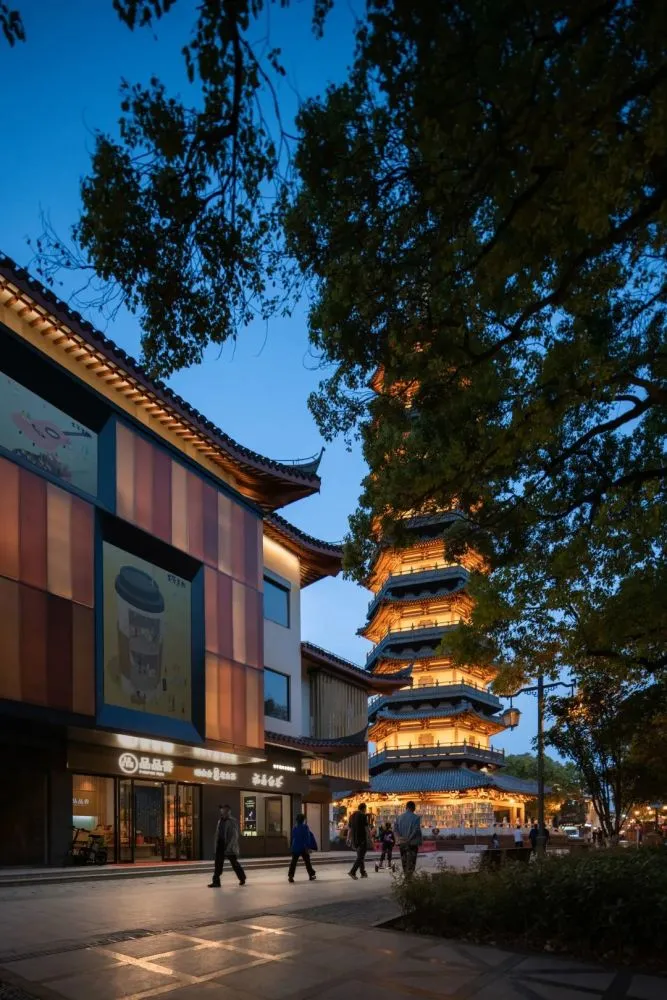
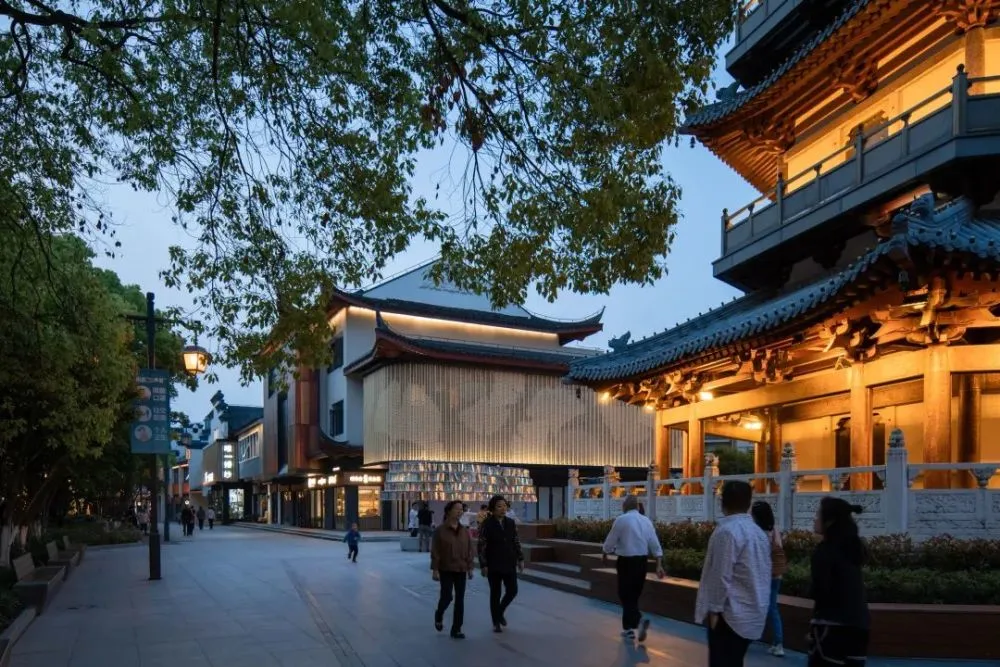
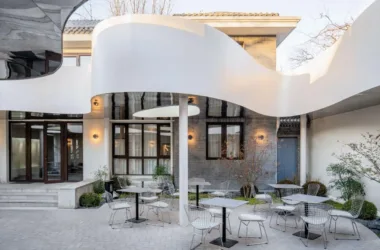
Research identified five building types along the street. The central square formed by Yong’an Tower is the most visited spot by tourists. Therefore, three buildings around the square were selected for refinement, extending the treatment along both sides of the street. By increasing the scale and spacing for pedestrians, the existing building facades were rhythmically enhanced to create an engaging experience.
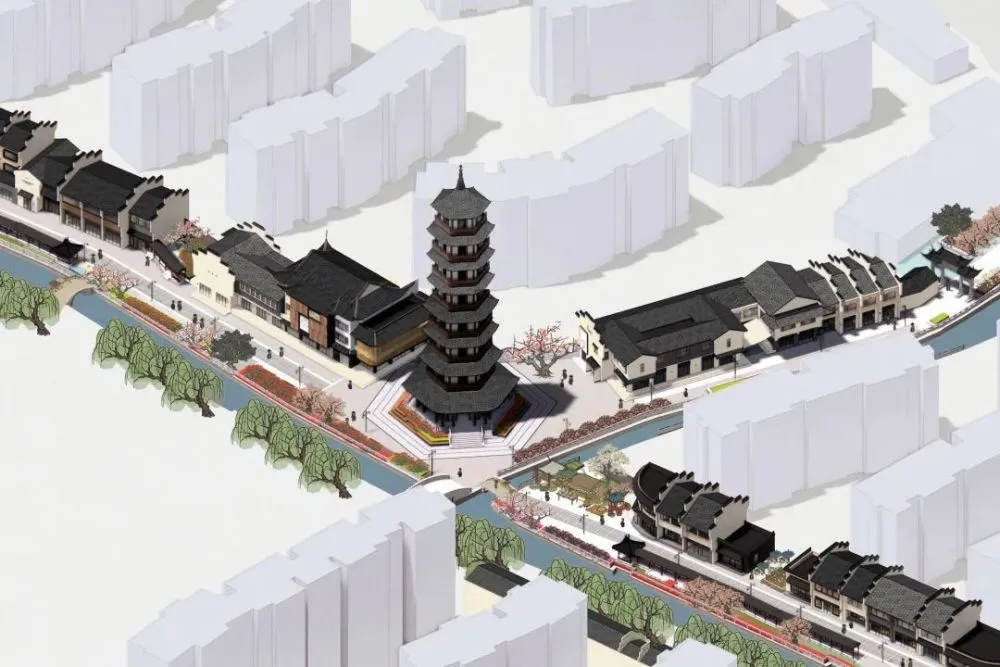
▲ Rendering
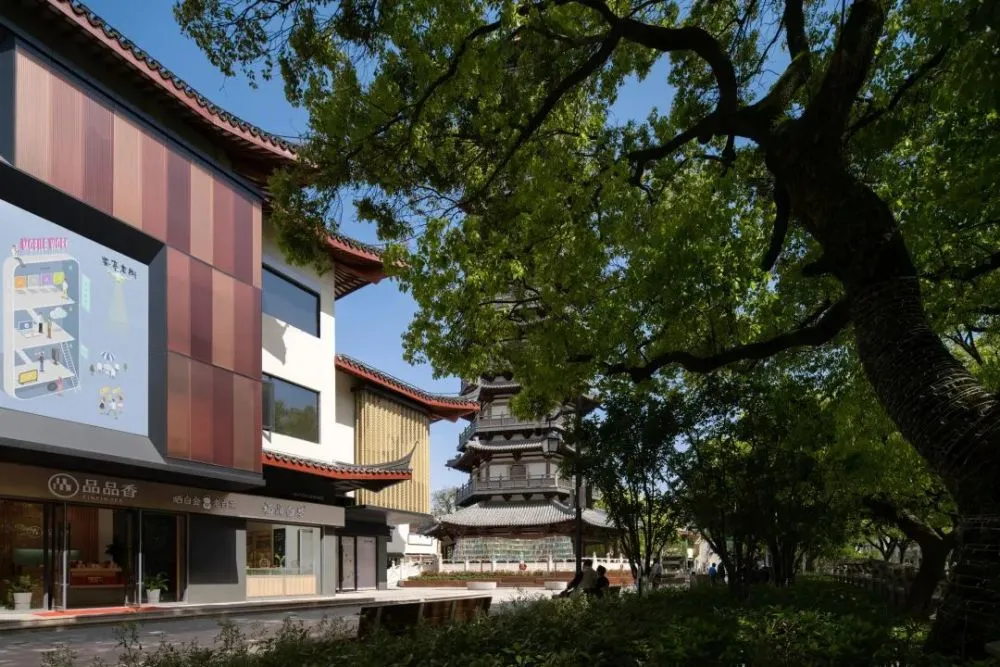
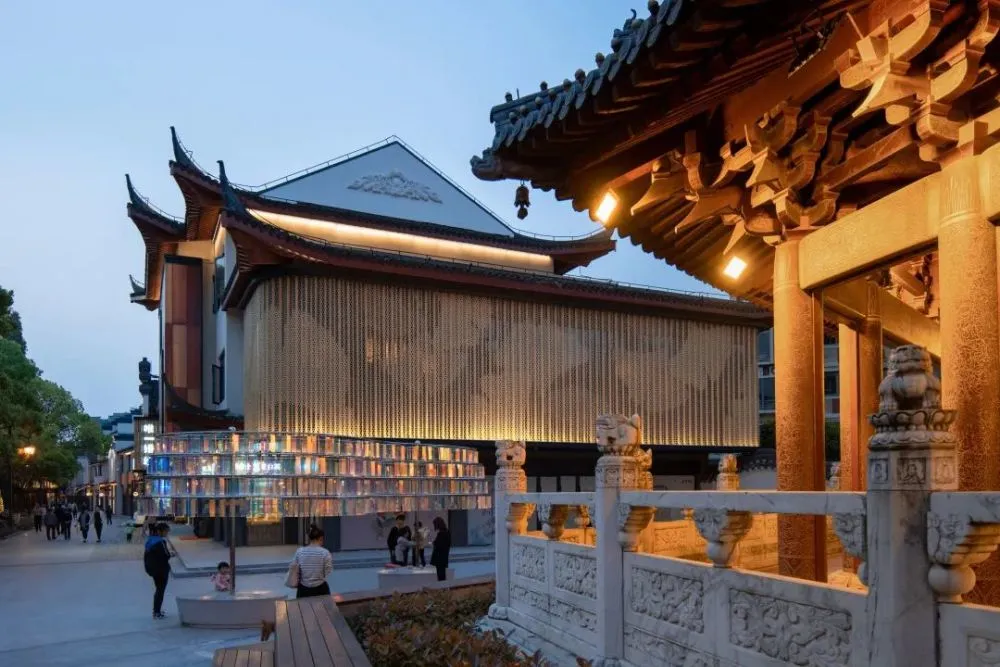
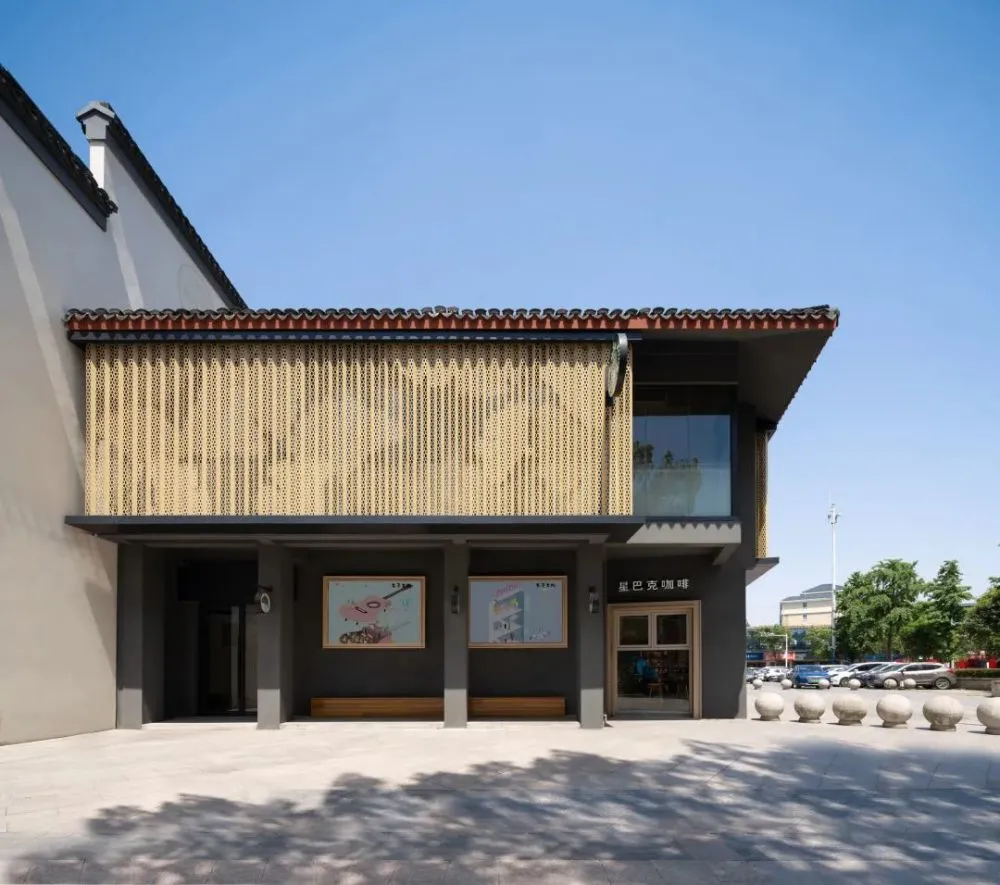
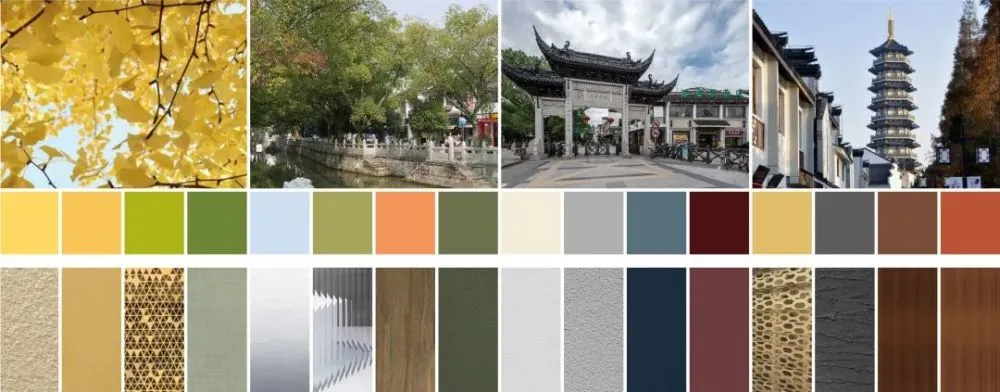
The facade updates were inspired by elements from ancient ginkgo trees. Perforated metal panels, matching the color of ginkgo leaves, were bent with small curves to create a unique texture. By adjusting hole sizes and metal colors, ginkgo patterns were printed on facades, allowing the yellow ginkgo imagery to remain visible even in summer. Door and window frames on the first floor were uniformly painted in ginkgo leaf tones.

▲ Transformation analysis
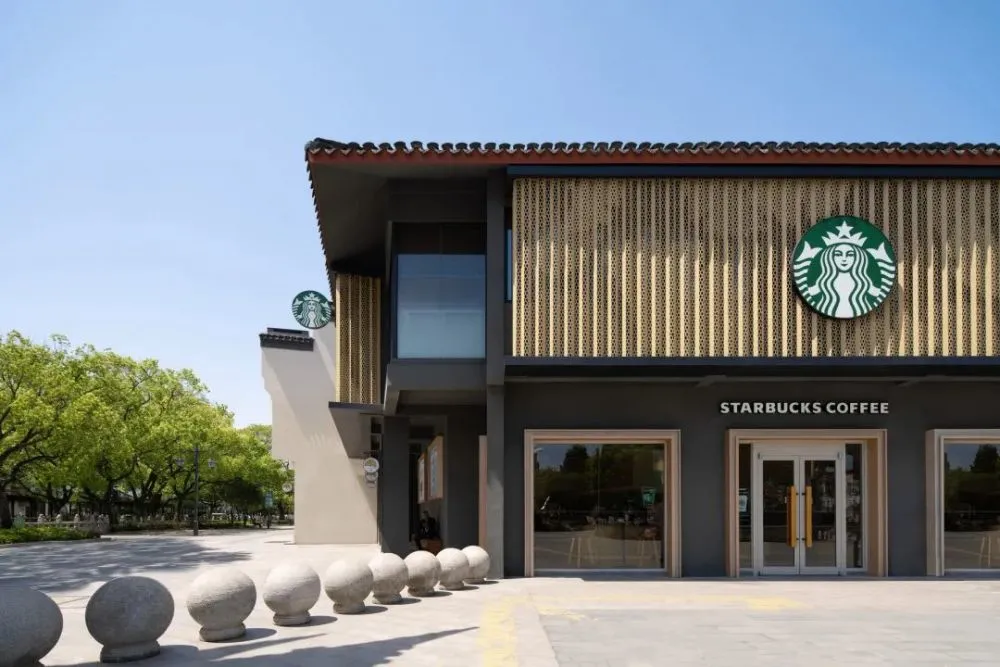
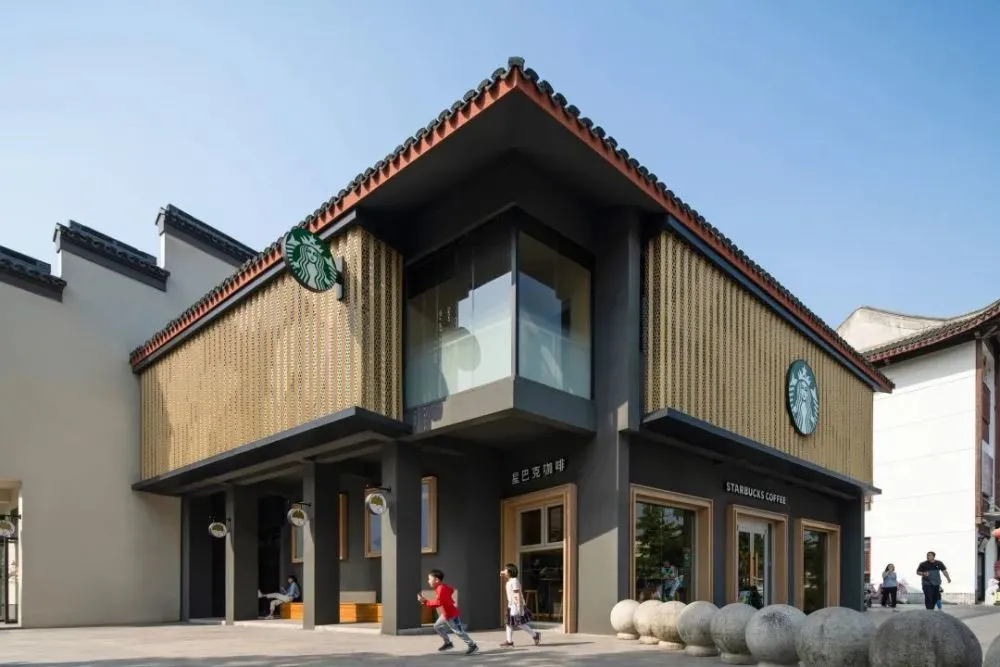
Rotate your phone
Explore ‘Jiangnan Hundred Scenic Spots’

Three: We Are ‘Creators’
How can commercial streets develop unique cultural attributes and identity? The 1,200-year-old ginkgo tree serves as the inspiration for a new narrative. We created the ‘Ginkgo IP’ as a thematic centerpiece.
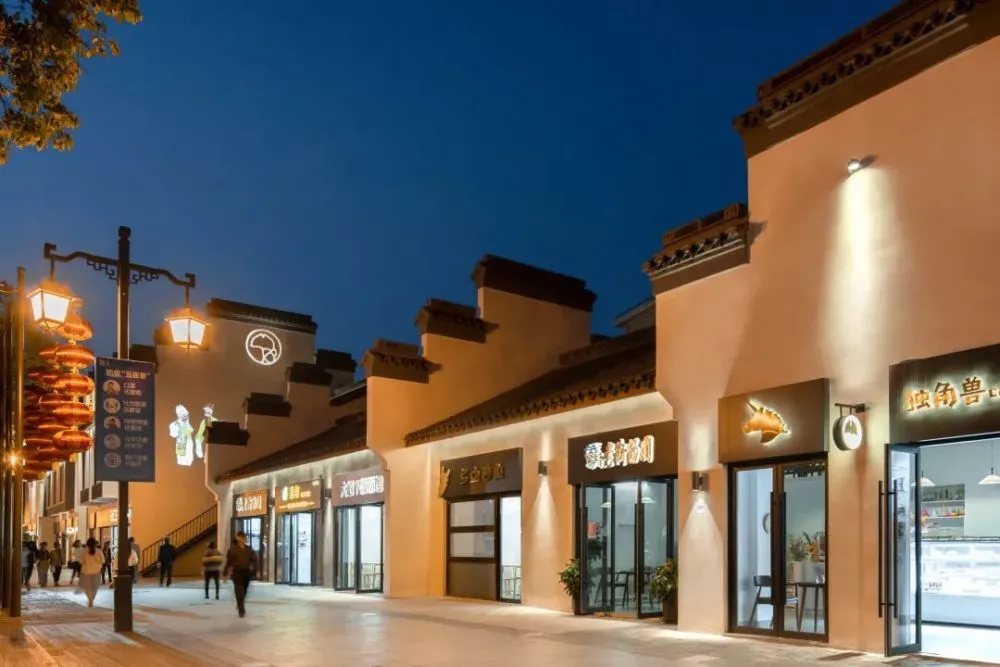
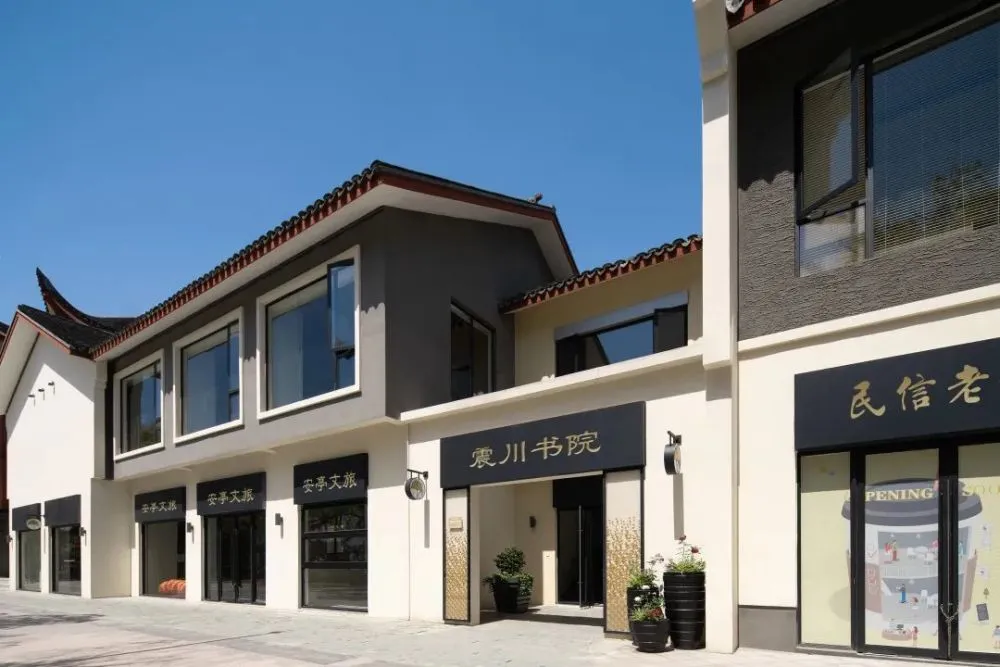
The side lighting fixtures are designed around ginkgo biloba motifs. Circular acrylic panels hang on the sides and facades. On storefront fronts, multiple ginkgo leaves are assembled into decorative panels that enhance the white walls’ beauty.

▲ Side lighting design
Walking along the street, the unified ginkgo logo has fostered a strong connection with both tourists and residents. The ancient ginkgo tree in Anting Town inspired a deeper appreciation of the area’s rich history.
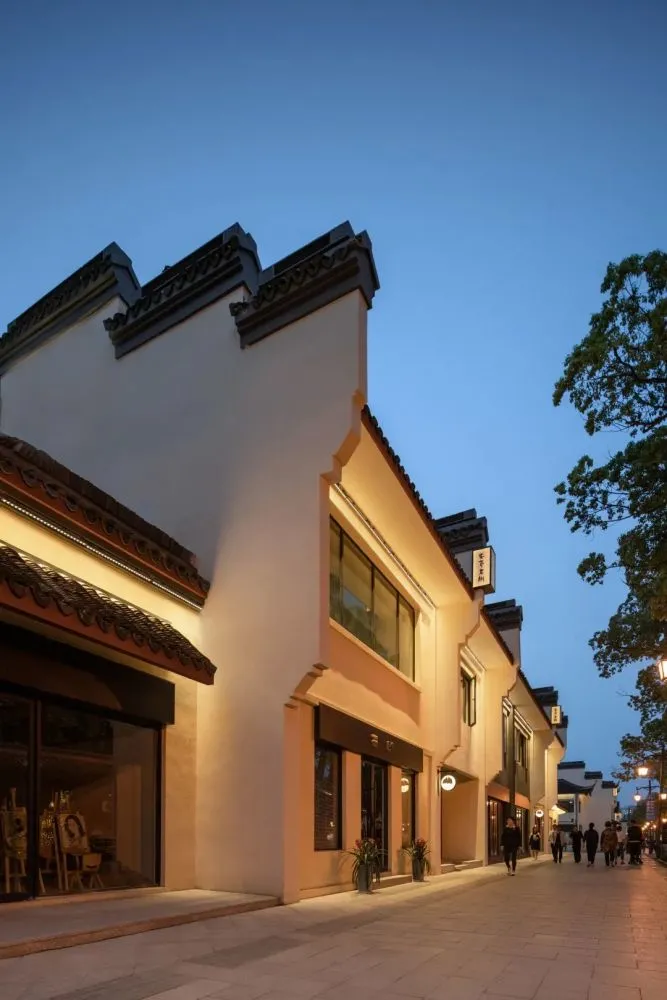
On the horsehead wall’s mountain facade, the words “Anting Old Street” are integrated using black matte metal frames with black text on a coarse-textured fabric background, blending seamlessly into the mountain wall’s visual design.
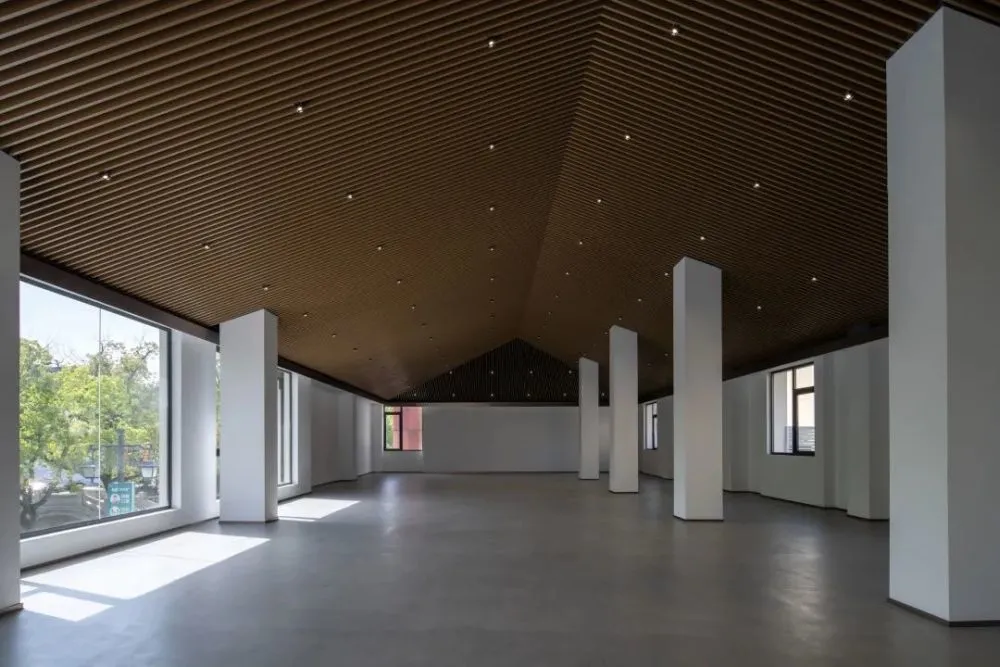
By integrating urban spaces, building facades, interior design, and signage, Sanyi’s architects transformed site elements into meaningful constructions, connecting the space and its historical memories with visitors. Acting simultaneously as “repairers,” “refiners,” and “creators,” they addressed issues of homogenization and disorder, preserved the district’s historic essence, and introduced fresh contemporary life and spatial experiences.

▲ Transformation analysis
Project Information
Project Name: Shanghai Jiading Anting Old Street Renovation
Project Type: Urban Renewal
Location: Anting Old Street, Anting Town, Jiading District, Shanghai
Site Length: Approximately 1,000 meters
Floor Area: 12,745.17㎡
Design Period: December 2018 – June 2019
Construction Period: June 2019 – December 2020
Developer: Shanghai Anting Cultural Tourism Development Co., Ltd.
Design Firm: Shanghai Sanyi Architectural Design Co., Ltd.
Lead Architects: Jia Zhengyang, Lv Jiajun, You Dengyang
Project Manager: Zhang Min
Design Team: Wang Jun, Yu Jiayu, Feng Ruoqian, Cao Dawei, Lu Chengyuan, Zeng Yuqian
Digital Design: Lv Jiajun
Construction Drawings: Zhang Min, Peng Cheng, Liu Jun, Xu Weidong, Ding Hongmei, Feng Xinzhou
Landscape Design: Wang Can, Zheng Zhicheng
Interior Design: Zhou Yixiang
Technical Support: Zhu Yumei, Wang Xiaohong, Jiang Hong, Chen Ying, Ju Yongjian
Partners:
Lighting Design: Shanghai Dengchao Lighting Design Co., Ltd.
Construction: Shanghai Anting Construction Engineering Co., Ltd.
Architectural Photography: Liu Songkai












Must log in before commenting!
Sign Up