
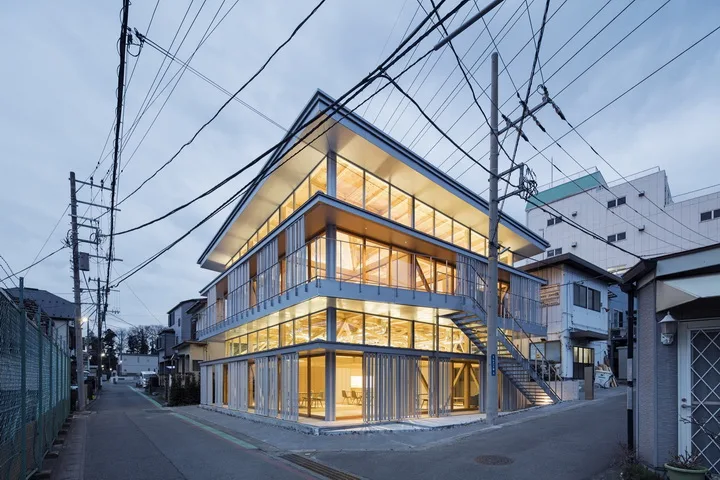
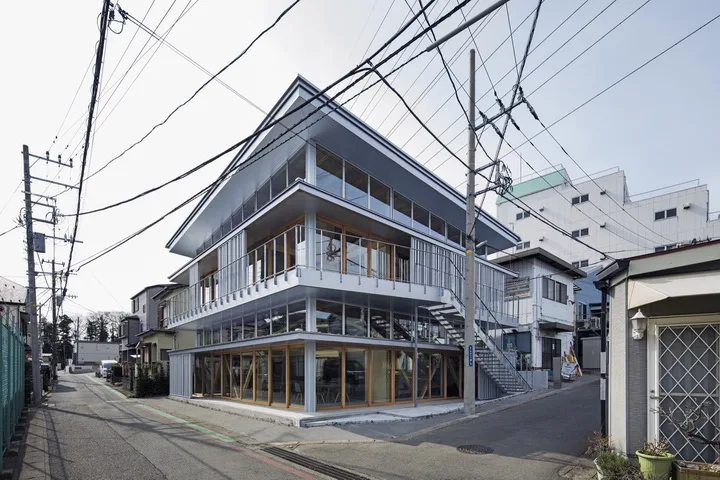
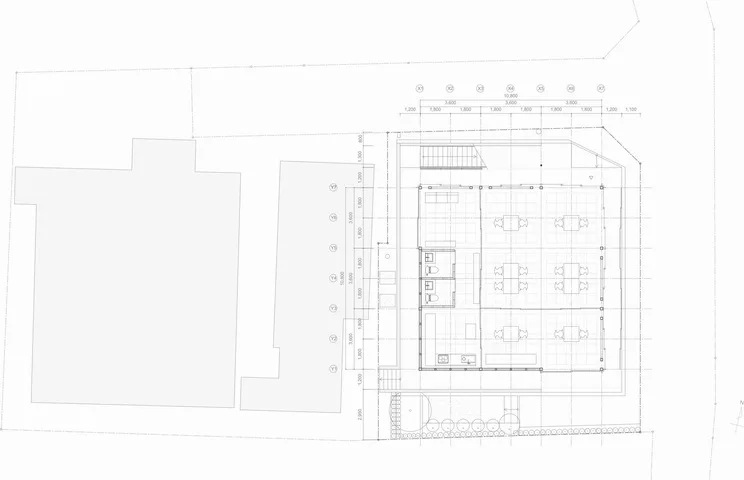
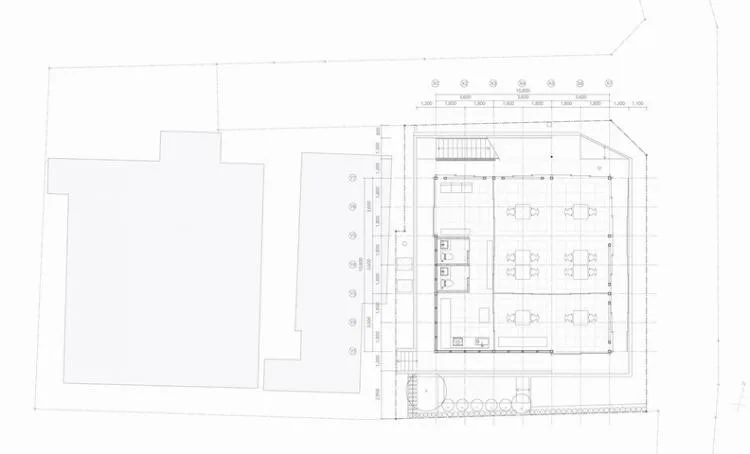
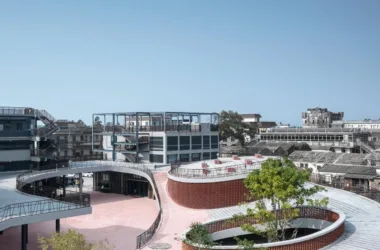
Situated near the Houmu base, this project serves as an extension to the original circuit factory.
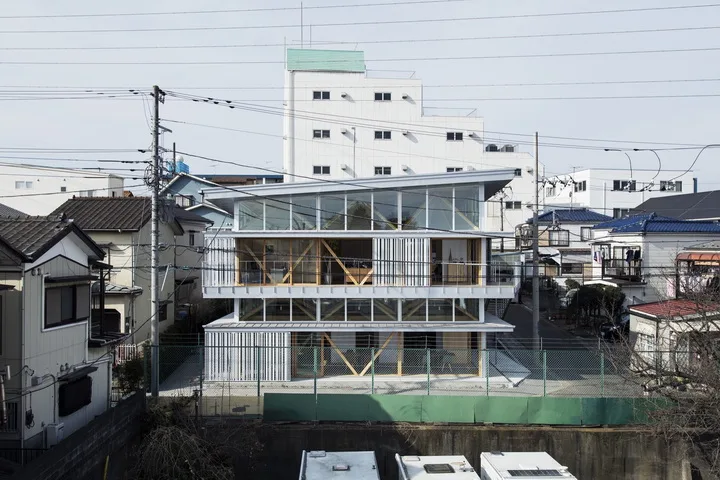
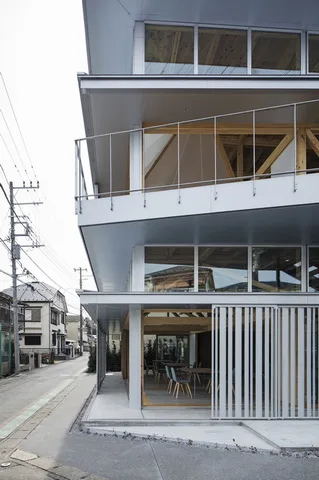
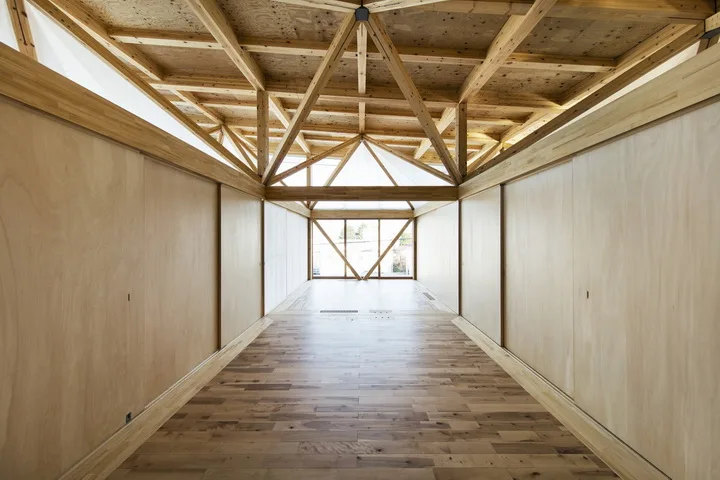
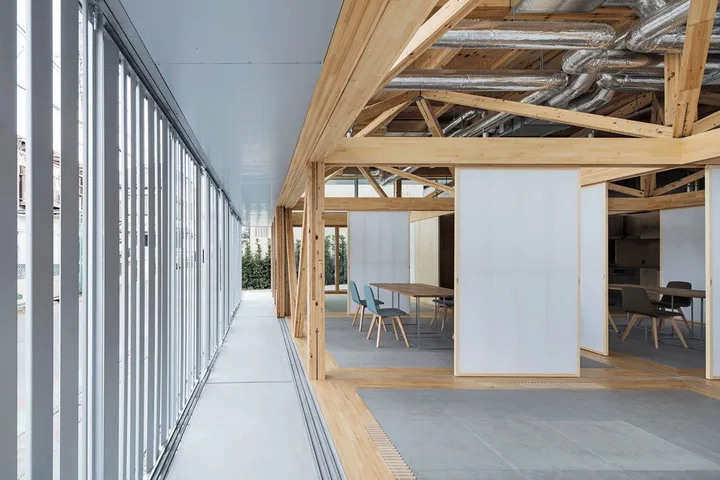
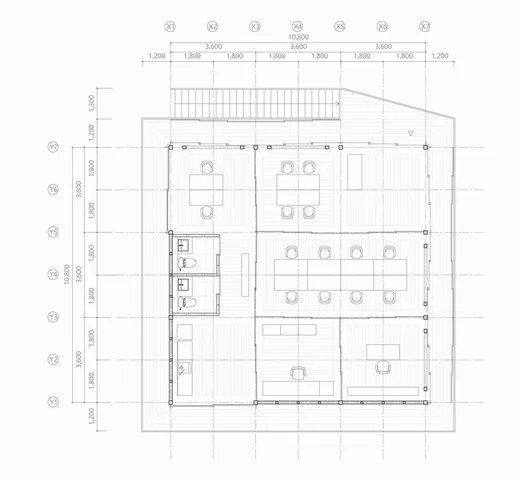
The former workshop on the first floor has been transformed into a display room and a multifunctional space designed to serve the community, emphasizing the need for flexibility and openness.
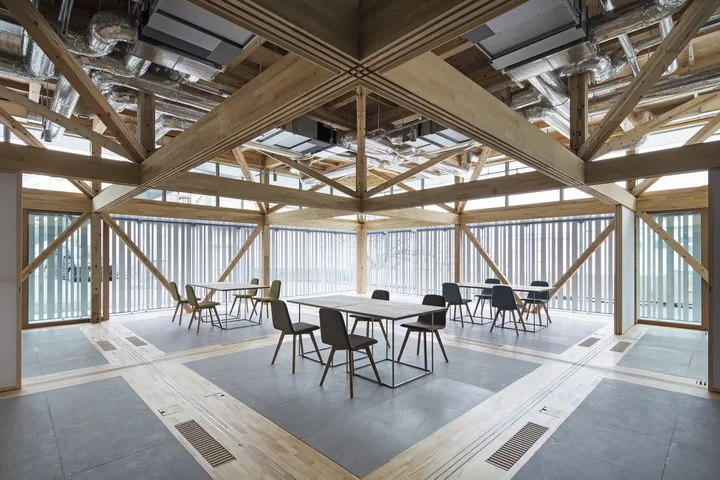
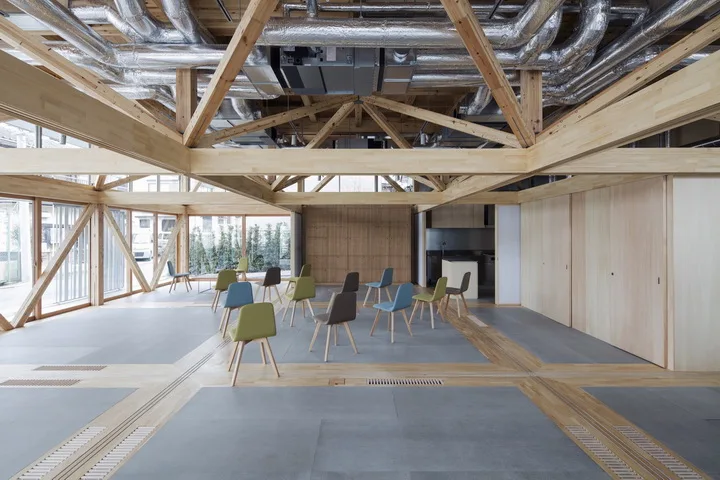
In addition, plans are underway to renovate the existing factory building, incorporating a multifunctional extension area that allows for adaptable configurations based on user requirements.
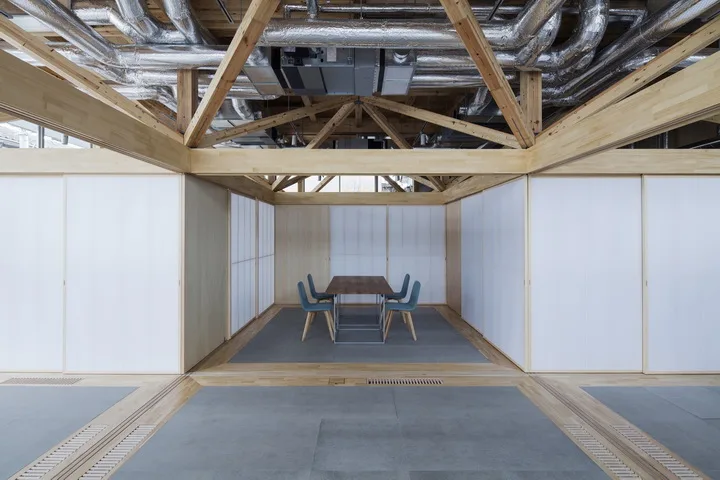
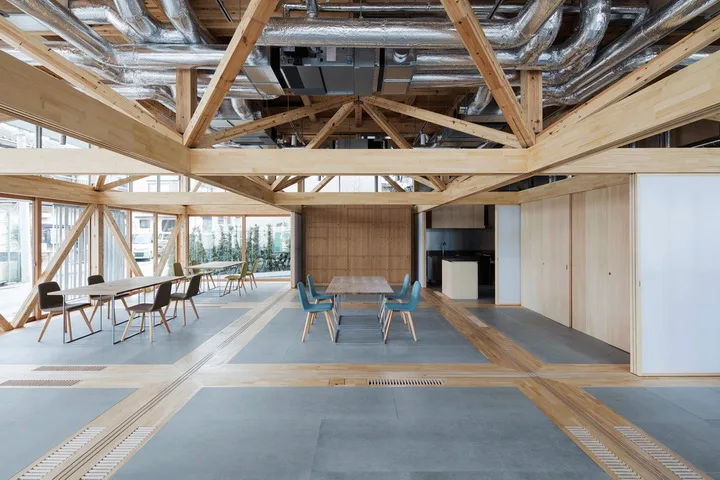
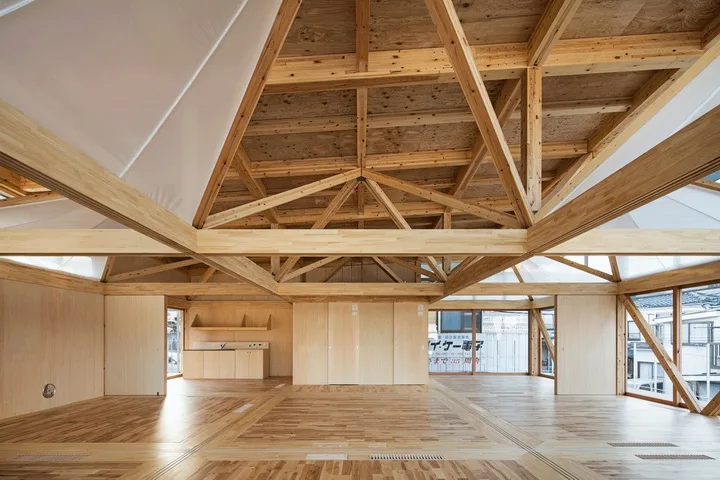
The structure features a framed design tailored to site conditions and project demands, enhanced by a range of accessories and hardware that optimize flexibility and upgrade potential.
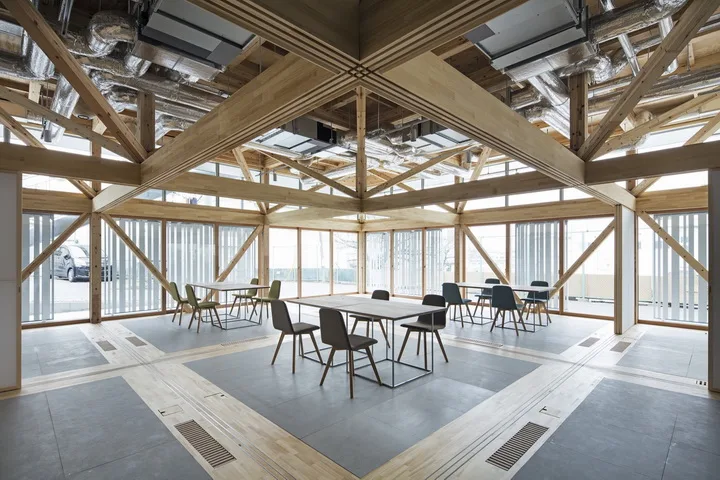
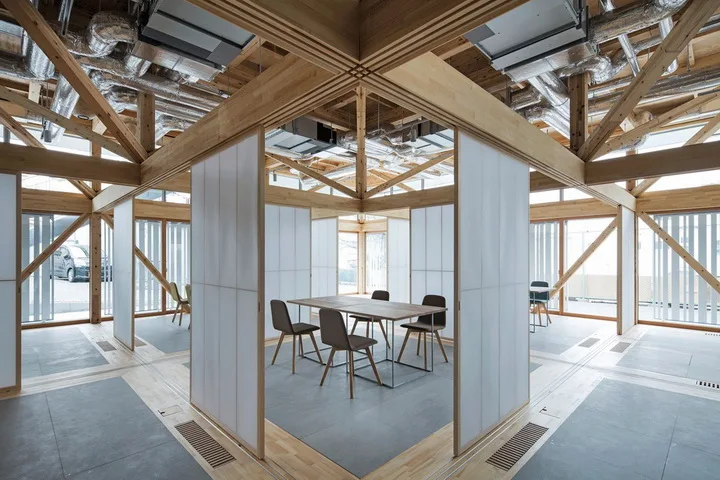
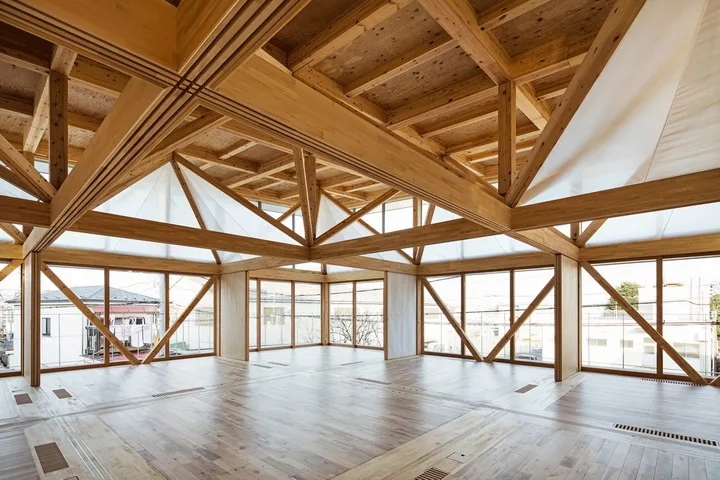
These components work harmoniously to preserve the original character of the architectural space while introducing fresh attributes.
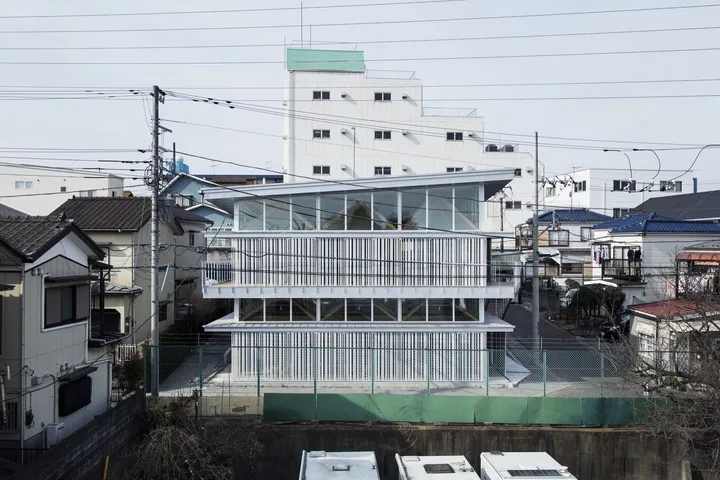
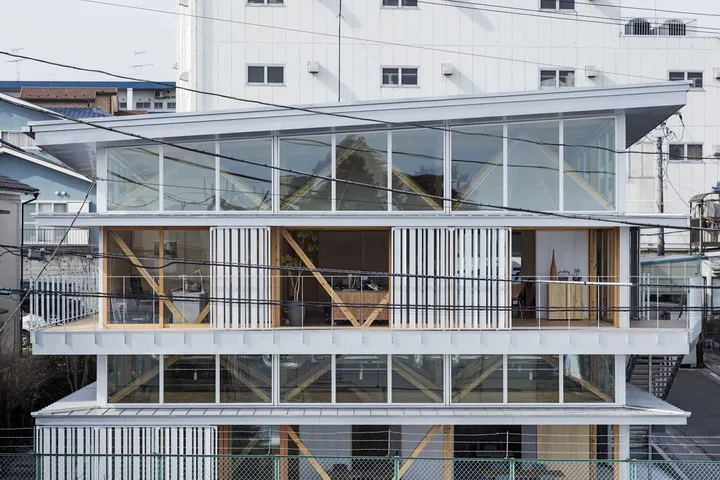
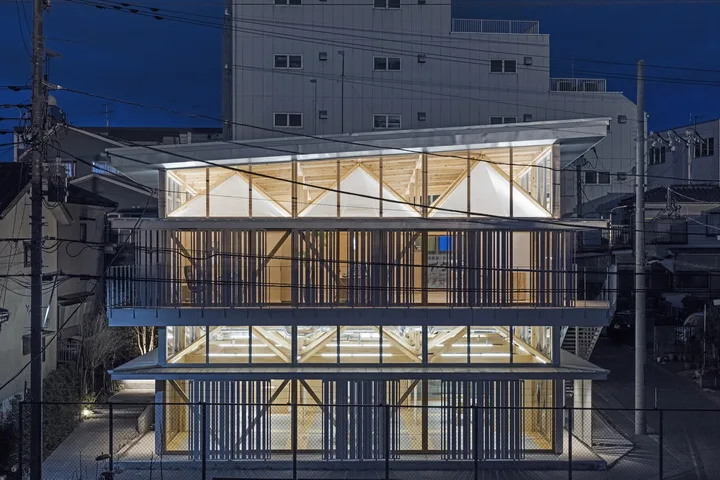
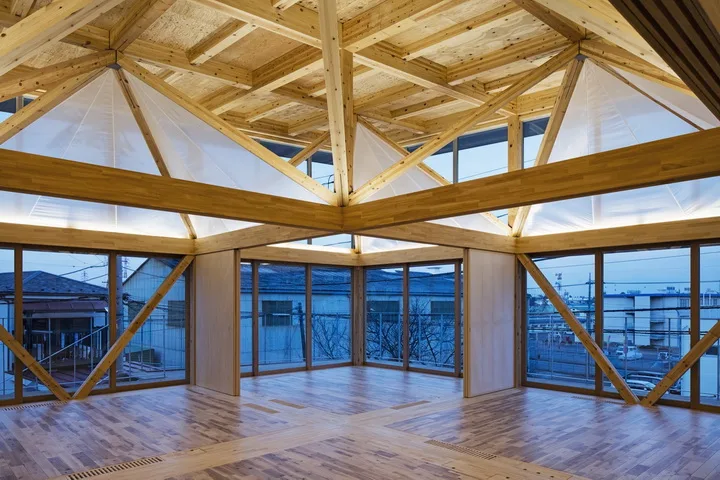
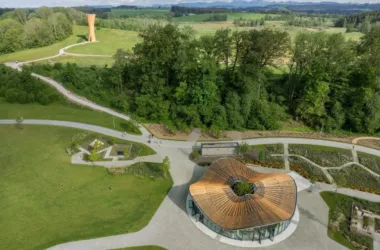
After defining the concept of an “open timber structure factory,” the next challenge was to design a building that ensures structural integrity and constructability without compromising comfort and livability.
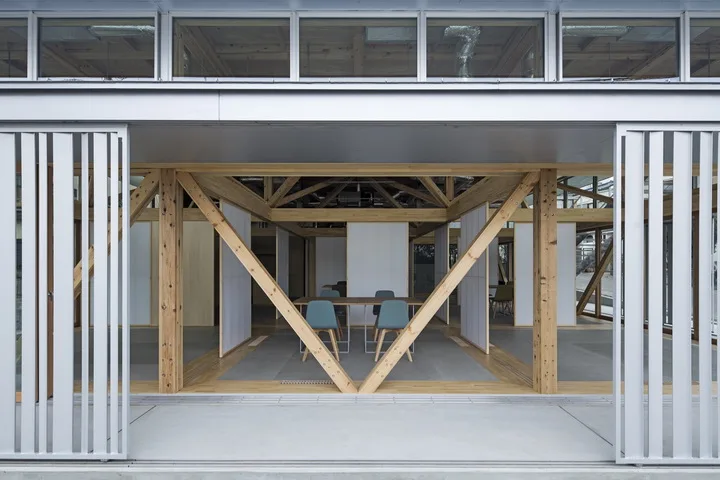
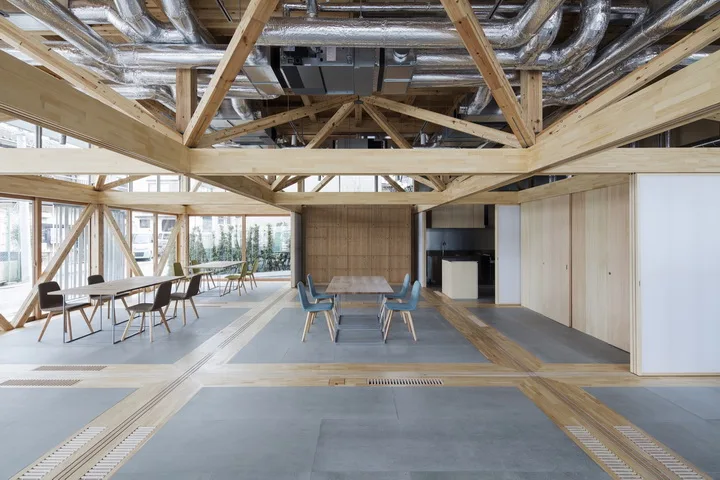
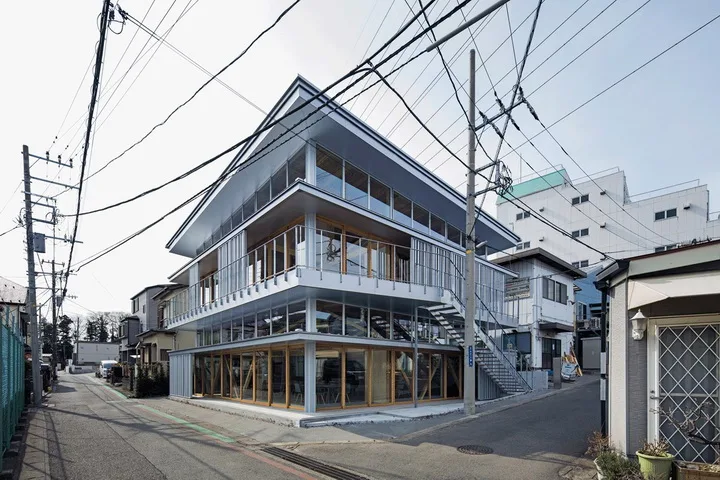
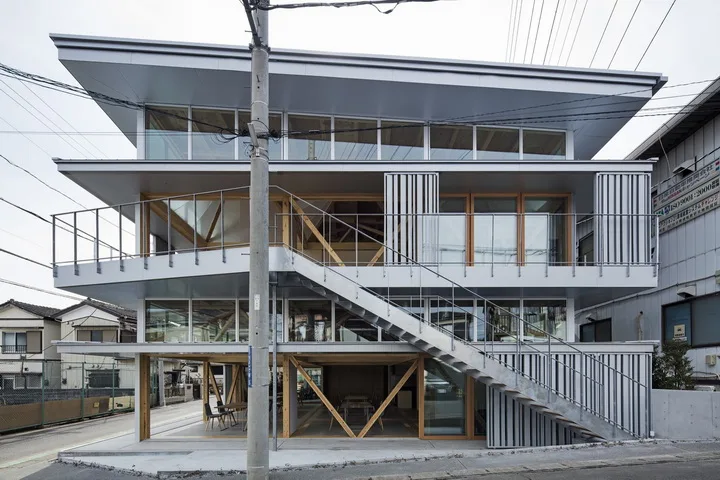
To address this, an adaptive model was developed by manipulating various design elements to generate multiple forms, with final selections made based on construction feasibility and aesthetic considerations.
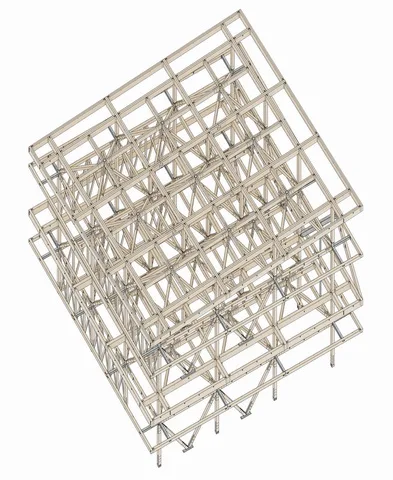
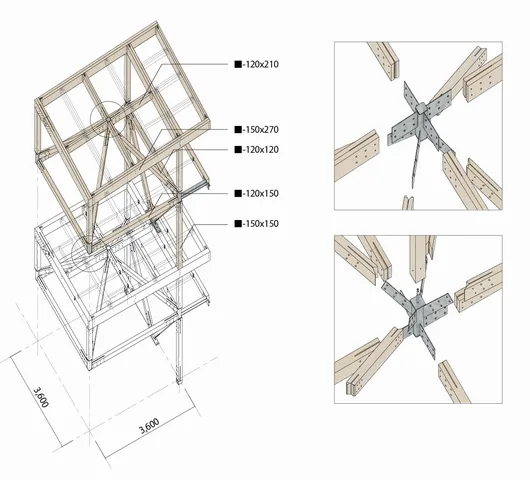
The ability to modify parameters iteratively throughout the process allows multiple design options to coexist simultaneously.
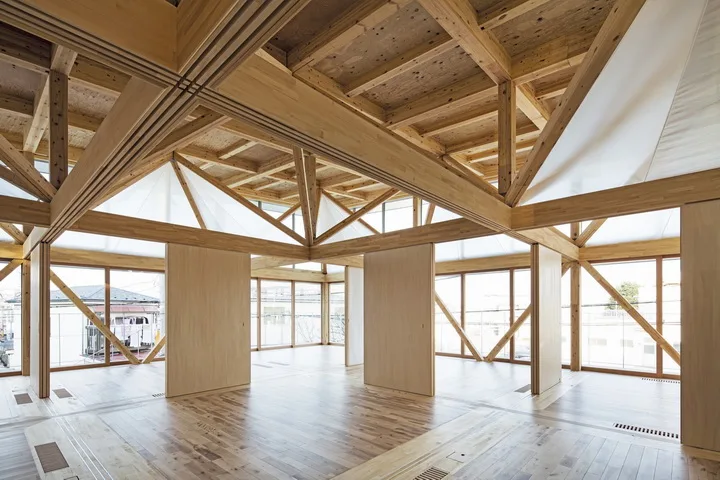
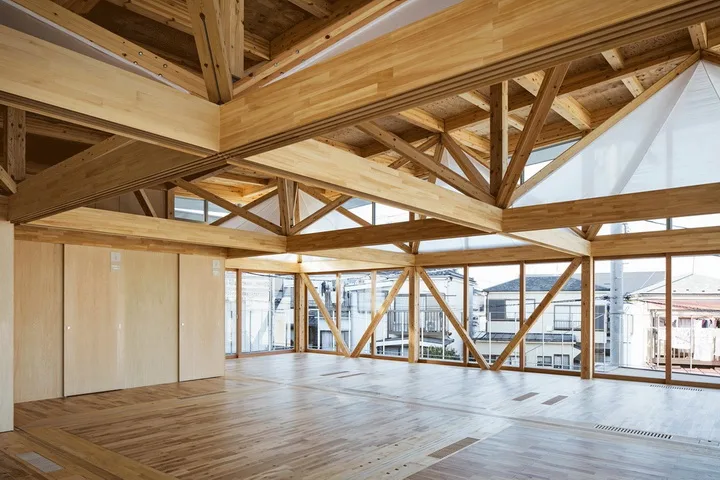
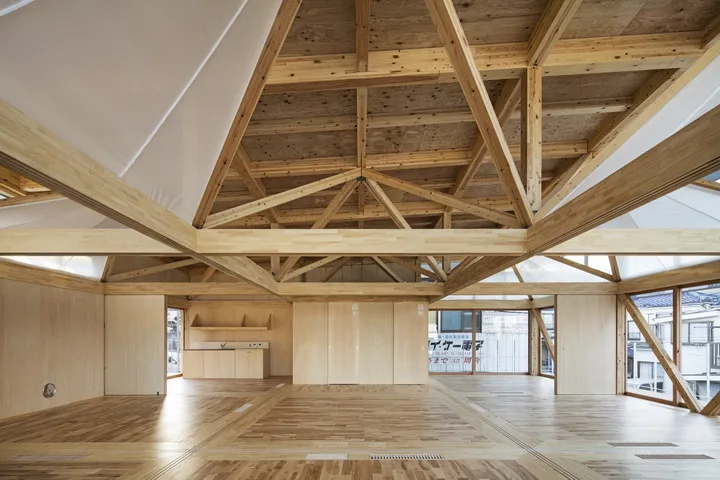
The residential floor incorporates movable elements, enabling diverse spatial arrangements.
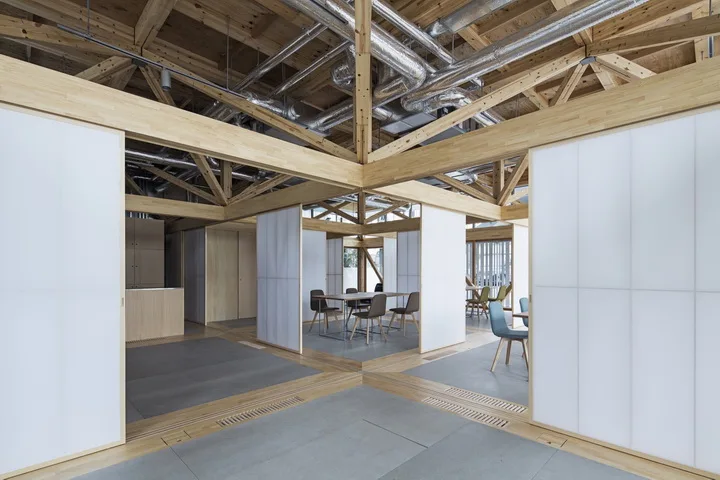
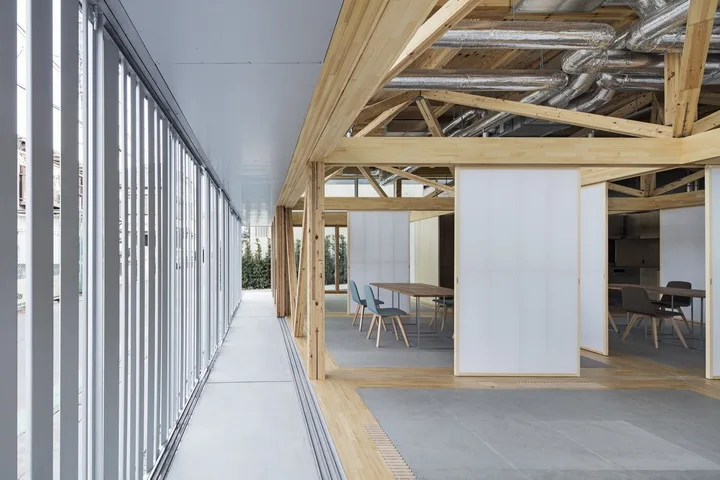
The structural diversity does impose certain design constraints on the building’s environmental envelope.
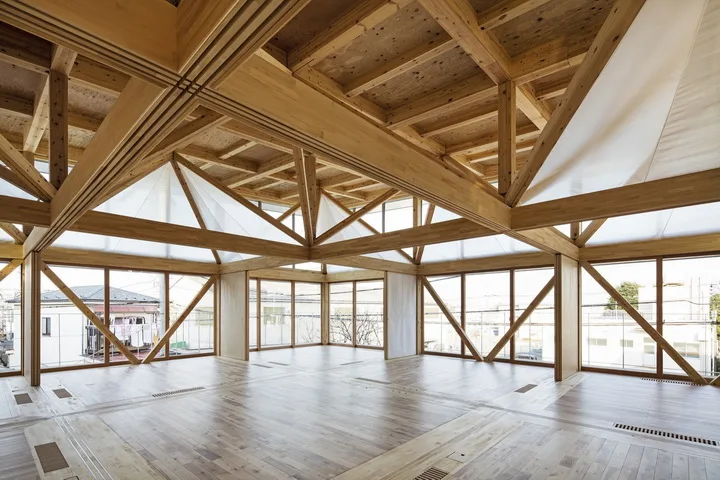
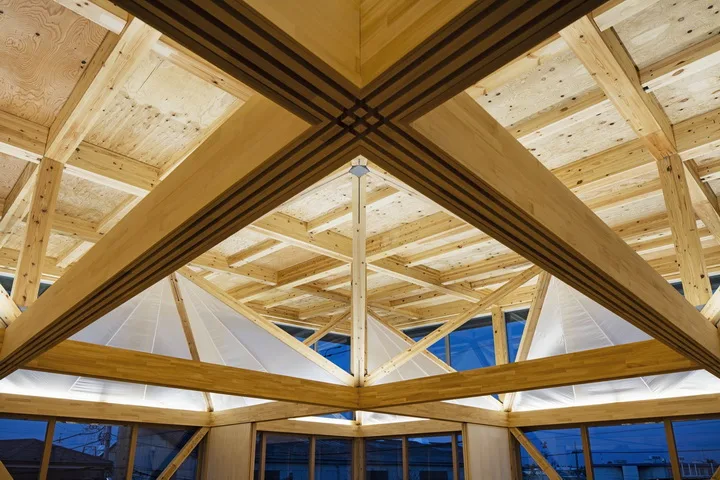
This is mainly because most users seldom access this area, and the final design choices were driven primarily by aesthetic considerations.
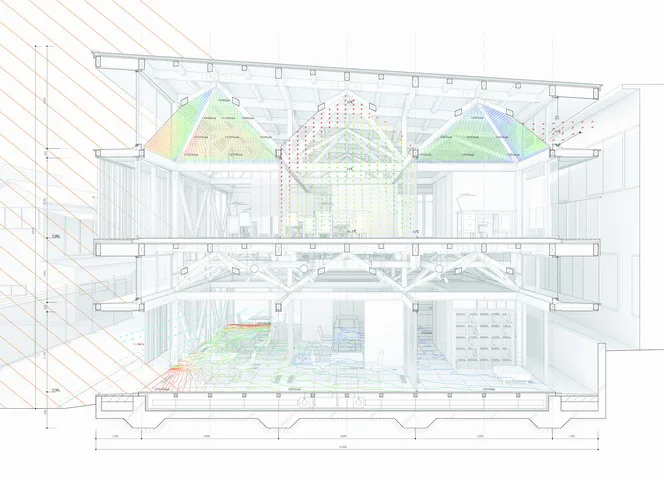
Instead of physical model testing, parameter-based modeling was employed to freely manipulate data.
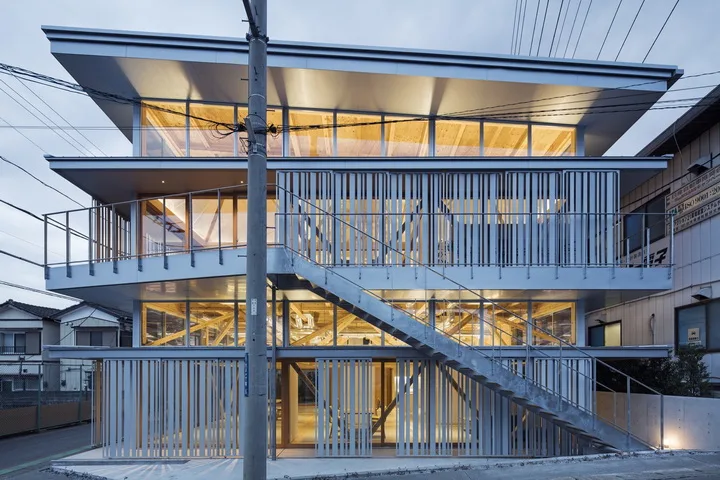
This approach enabled synchronized analysis of spatial aesthetics and structural performance with higher accuracy. The use of universal 3D CAD software combined with programming allows for unrestricted data input, a crucial requirement for this project that prefabricated BIM software could not fulfill.
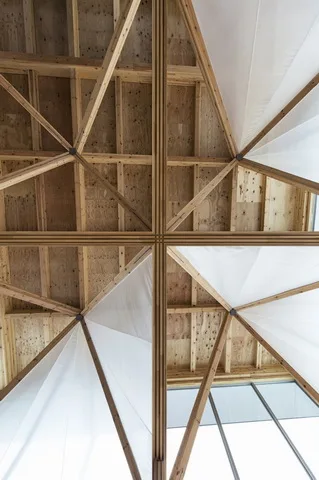
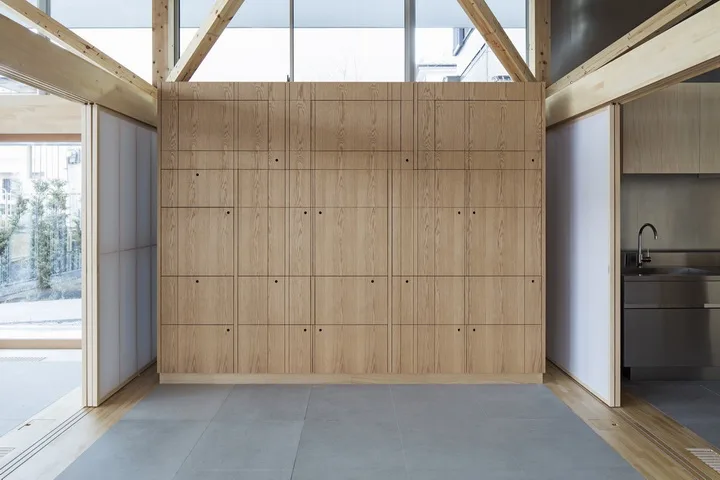
By objectively comparing and studying numerous models, even smaller design firms can leverage technology to deepen and enrich their project outcomes.
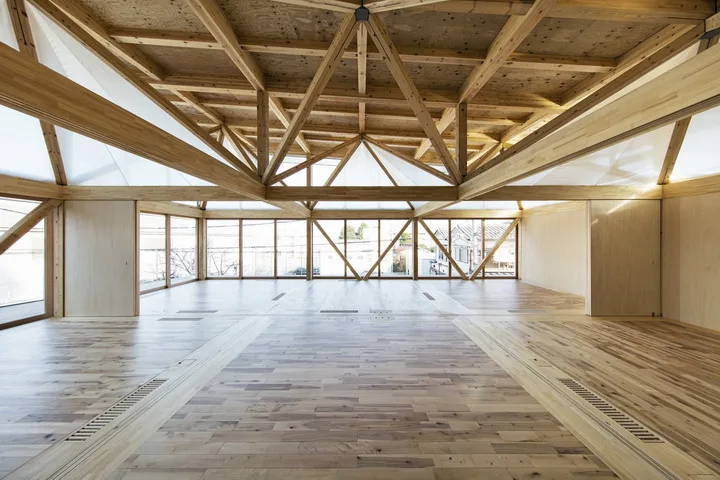
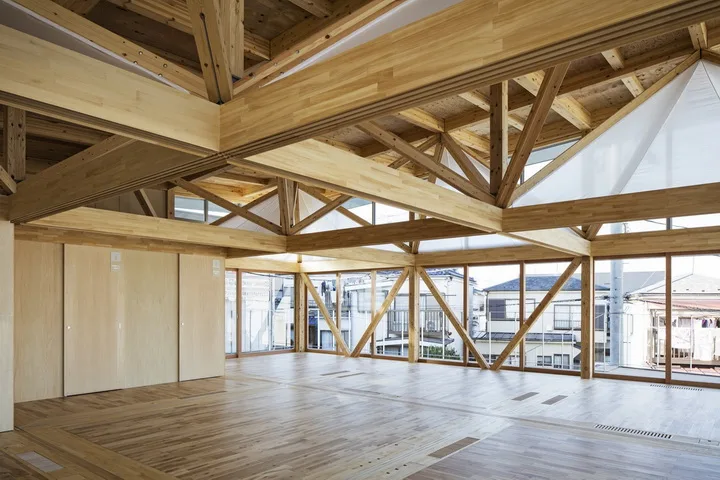
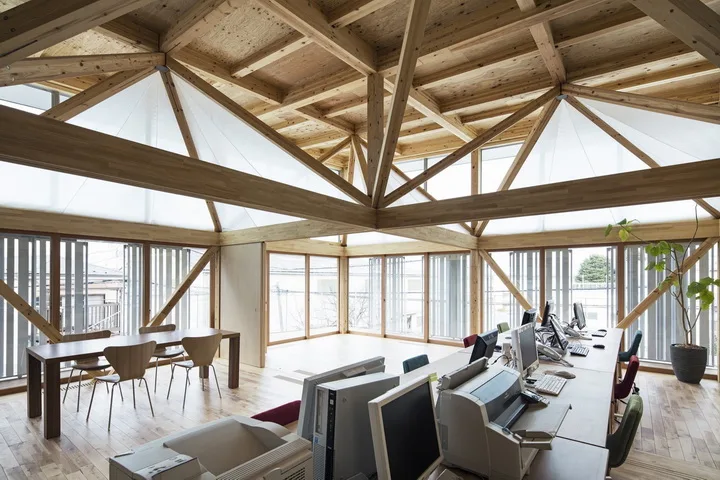
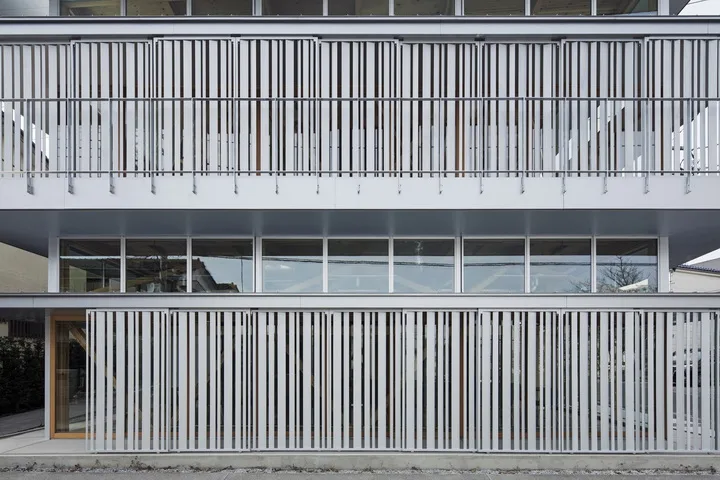
Throughout this process, architectural and aesthetic standards have become increasingly vital. These intangible standards represent a powerful advantage that small design firms continue to uphold.
Project Information
Architect: Aki Hamada Architects
Photographer: Kenta Hasegawa
Structural Design: Konishi Structural Engineers
Lighting Design: Sirius Lightning Office
Environmental Design: DE.lab
Principal: Y.K. Electronic Corporation
Lead Architects: Aki Hamada, Ryo Saito
Landscape Design: SfG Landscape Architects
Location: Japan












Must log in before commenting!
Sign Up