
Creating a Place for Early Childhood Education in the Information Society
In today’s information society, the way we work is continuously evolving. Unlike the past, it is now essential to switch roles and collaborate with people from diverse fields to achieve shared goals. In this context, young children need an environment that embraces diversity and fosters communication among different peers.
Spatial awareness is a key skill required in the information society. Studies show that in complex environments like forests and mountains, it’s difficult to grasp the entire space through sight alone. Such environments train both the body and mind simultaneously. Spaces have the power to shape people. When a space supports diversity, its occupants also learn to value diversity. Creating dynamic environments that encourage movement and interaction allows people to grow and develop freely. This kindergarten aims to provide children with experiences and mindsets essential for thriving in the information age.
Design Concept of KidsLabo Nanliushan Kindergarten
1. A Shared Space for Finding Common Ground While Respecting Differences
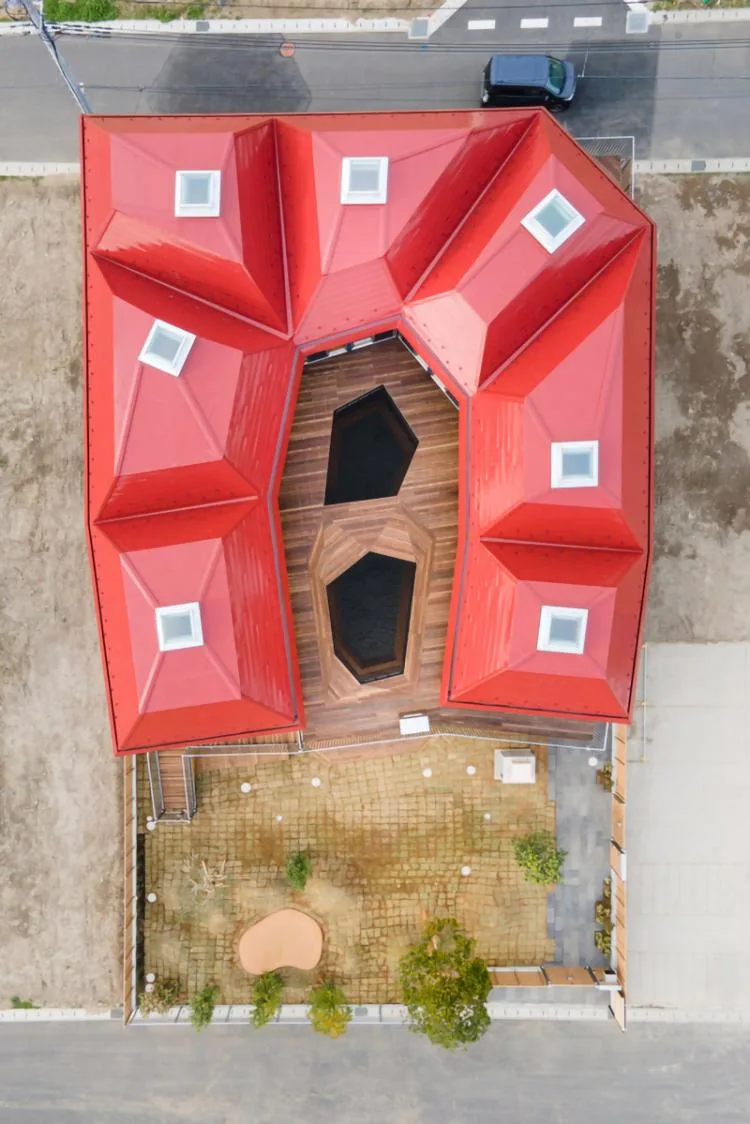
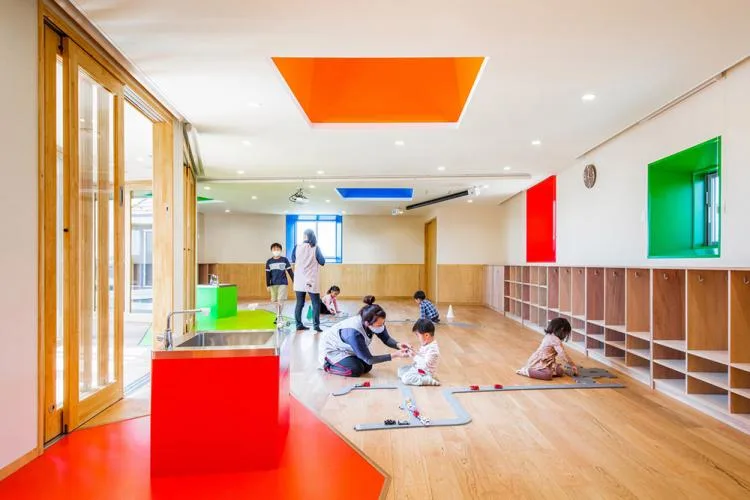
The kindergarten features an independent polygonal space where children can participate in varied activities. In the information society, individuals with different skills gather to brainstorm together. Not everyone does the same thing; instead, they find common ground while respecting their differences. The polygonal layout lacks a central point and can be divided into multiple functional zones, allowing children to pursue different activities within the same space.
2. Spaces with Blurred Boundaries
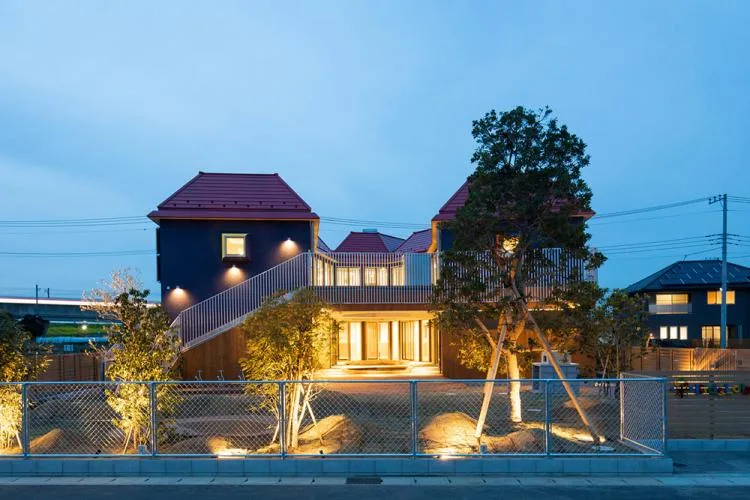
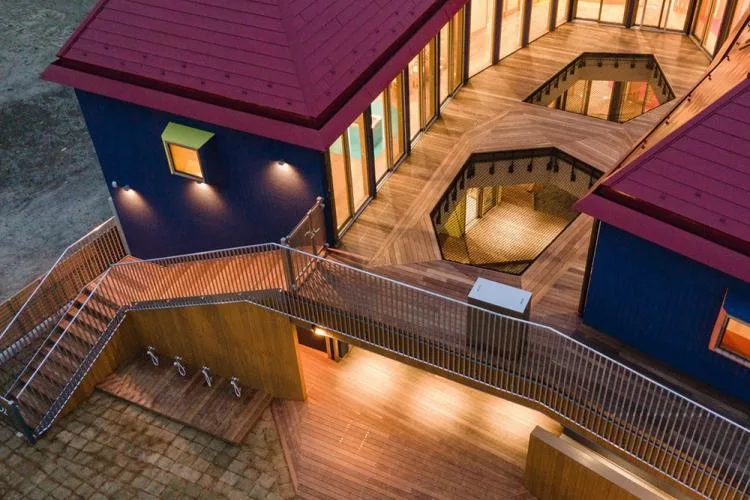
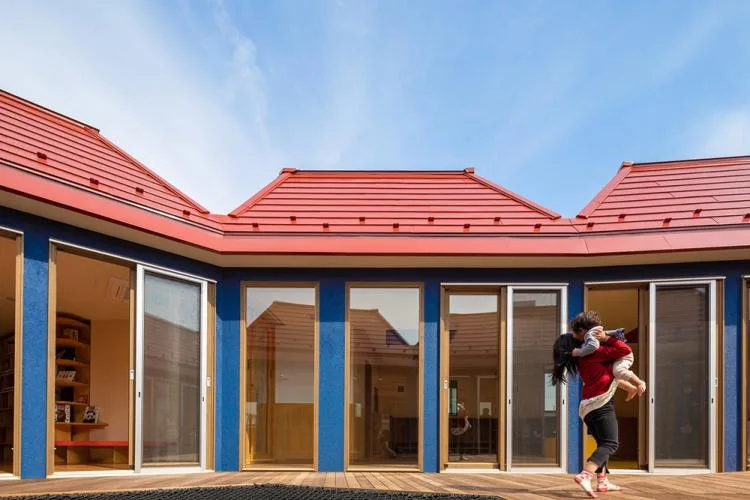
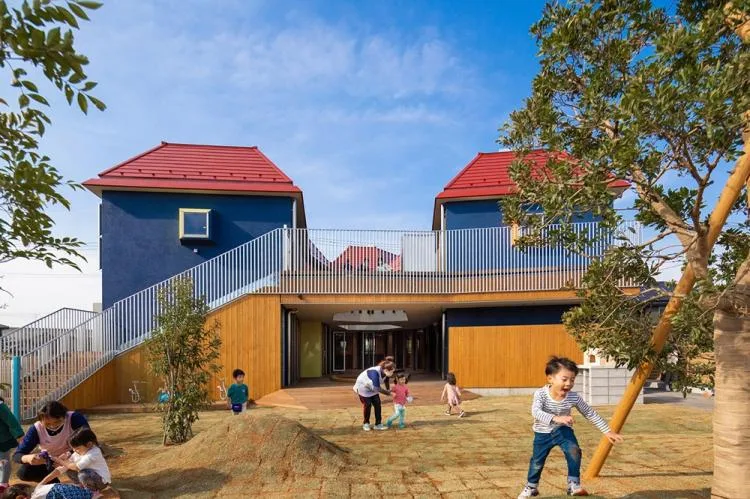
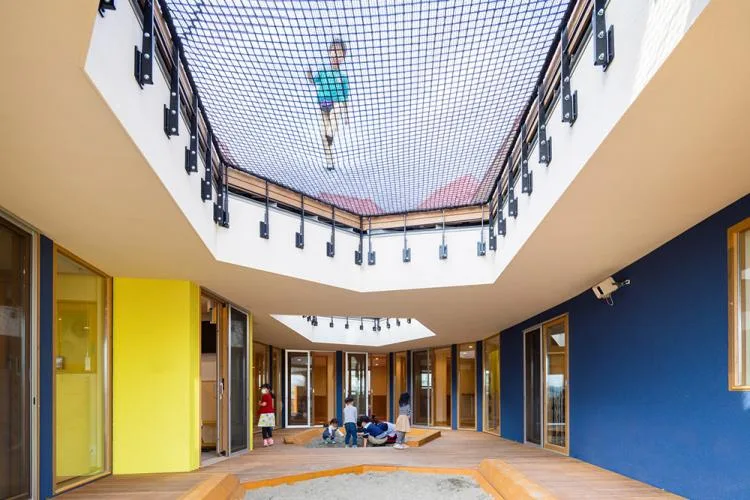
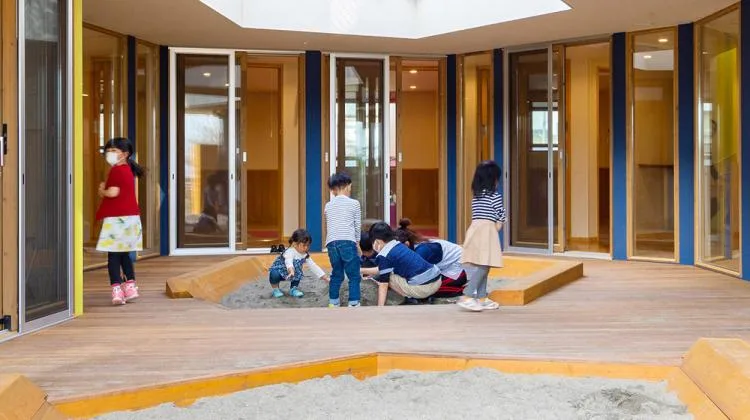
The project includes two gardens: an outer garden completely separate from the building, and an inner garden that is both indoors and outdoors. When children play in the outer garden, the boundary between the inner and outer gardens becomes indistinct. Similarly, in the inner garden, indoor and outdoor spaces blend seamlessly. The inner garden connects directly to indoor rooms, offering expansive views of the interior. Children freely move between the two gardens, engaging in various activities and often making friends across age groups. This design creates a space where inner and outer boundaries are intentionally blurred.
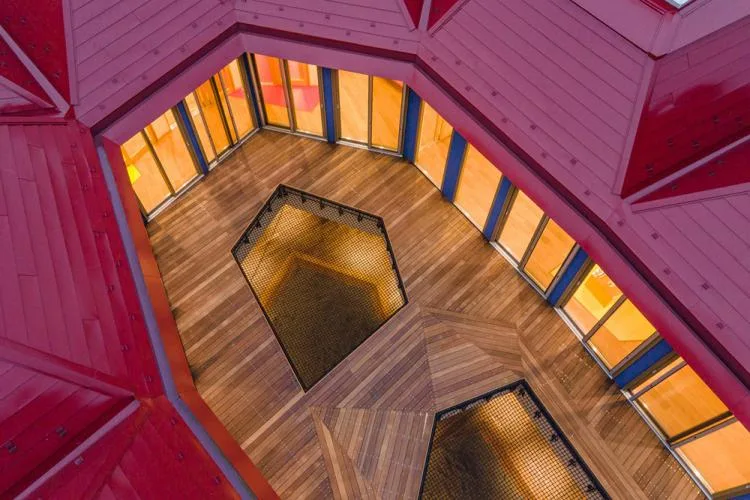
3. Encouraging Thinking Through Movement
The playground features uneven surfaces and soft mesh, with very few flat areas, creating a three-dimensional environment that encourages full-body coordination. Spatial awareness—a crucial skill in the information society—is developed through physical and mental engagement. While flat roads dominate urban landscapes, incorporating more three-dimensional spaces in kindergartens helps cultivate spatial awareness that children otherwise rarely encounter in cities.
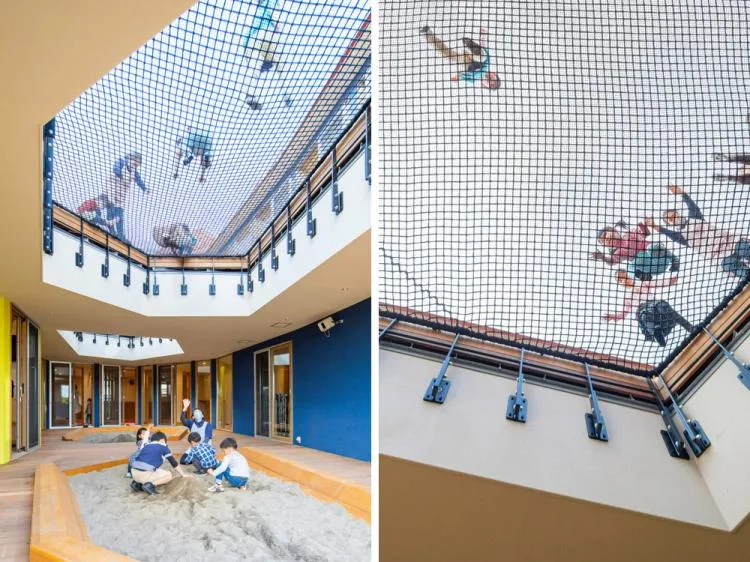
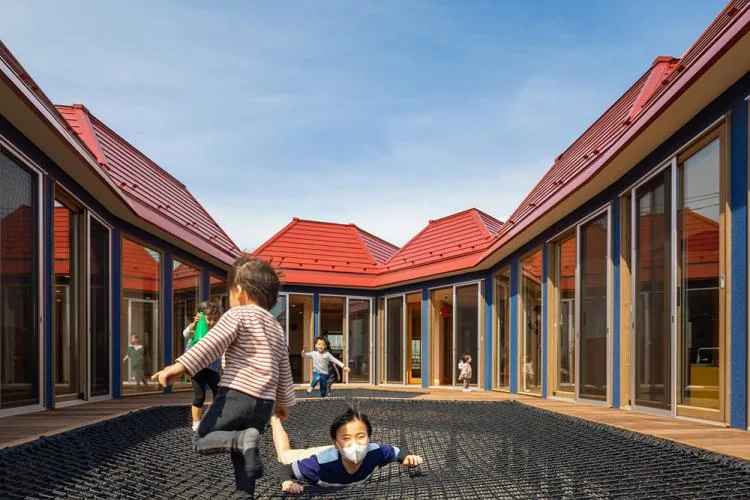
4. An Environment Where Children Can Freely Create Their Own Rules
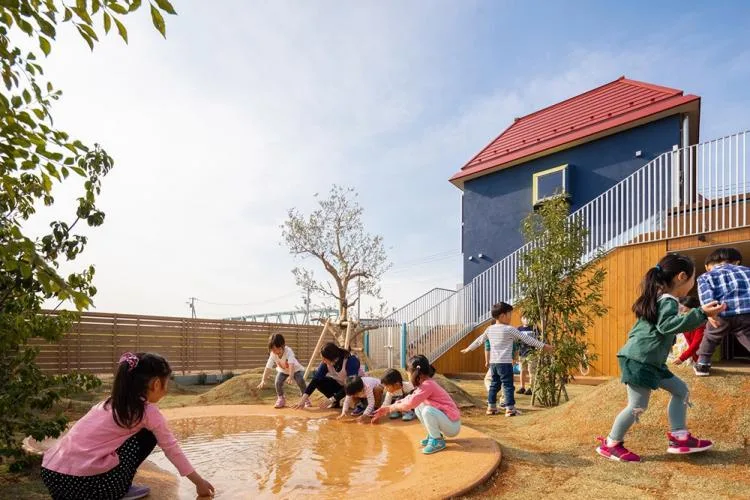
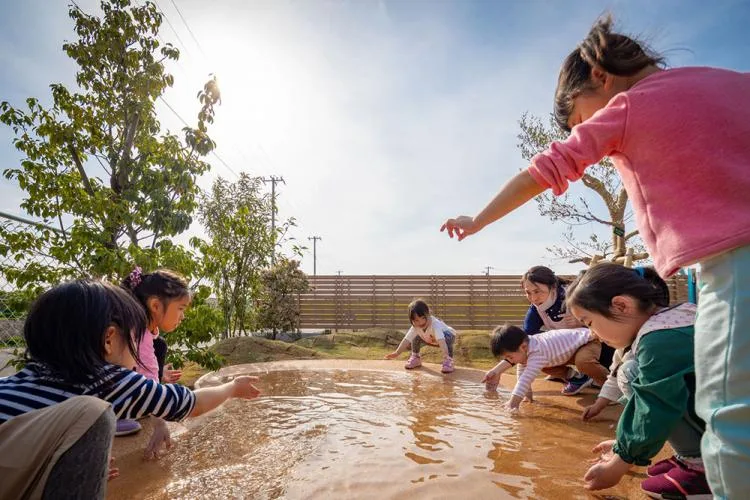
The outdoor environment consists simply of mountains, sand, and water, with no predetermined play structures or fixed activities. This simplicity allows children the freedom to invent their own game rules.
5. Embracing Individuality
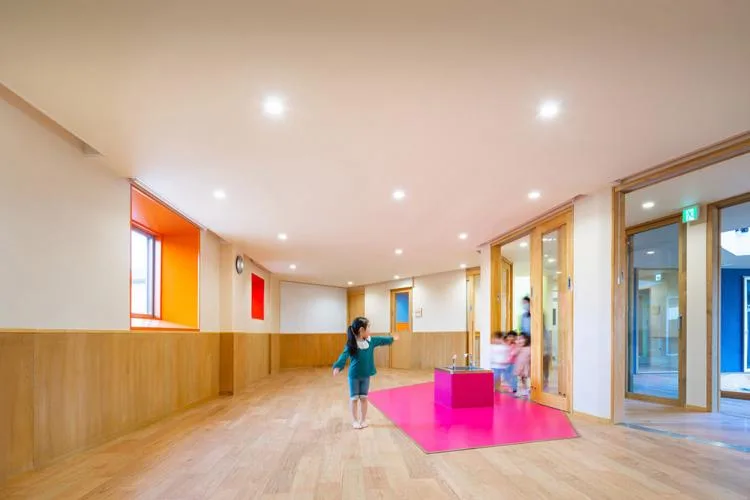
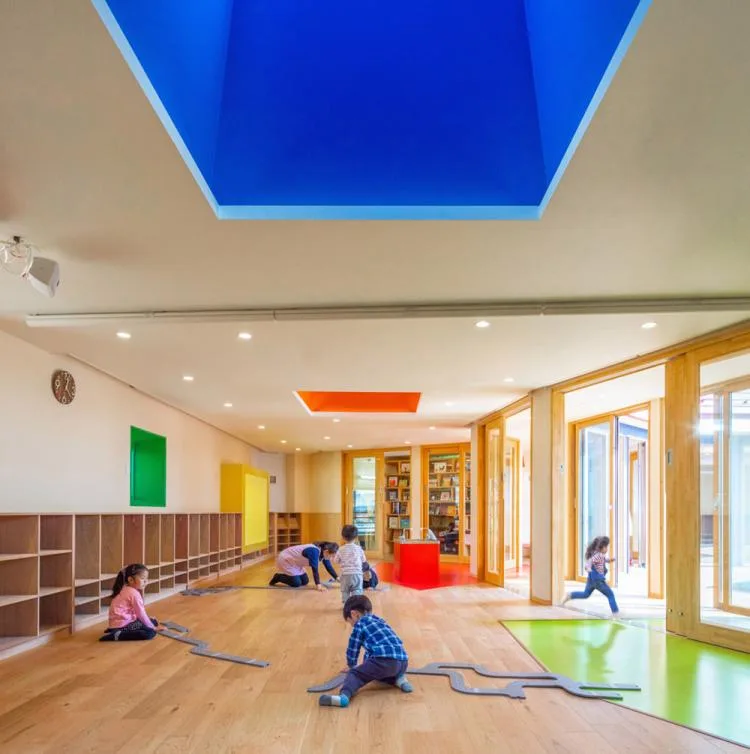
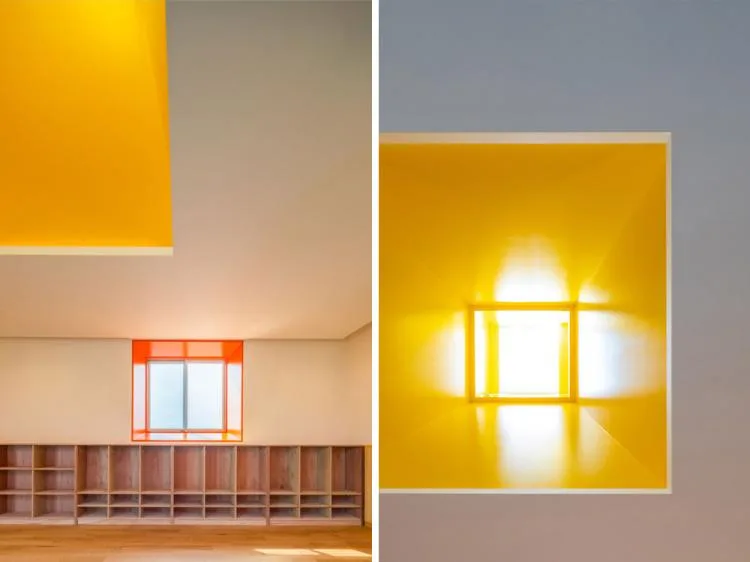
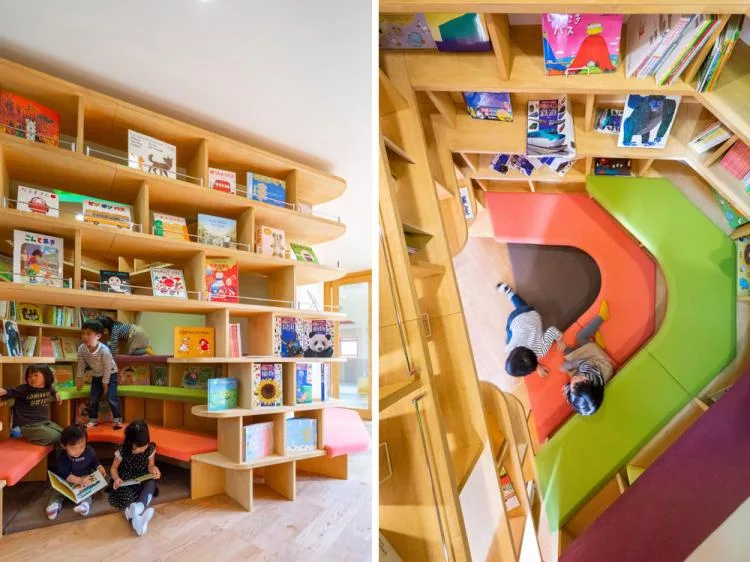
The interior colors are deliberately uncoordinated to create a space that embraces different personalities. This approach encourages children to understand that being unique is a positive and accepted trait.
6. Leaving a Mark on Children
At the kindergarten entrance, a sandpit invites children to leave traces of their play. As more children participate, the sandpit transforms, filled with their “creative works” by the end of the day.
7. Overall Appearance of the Kindergarten
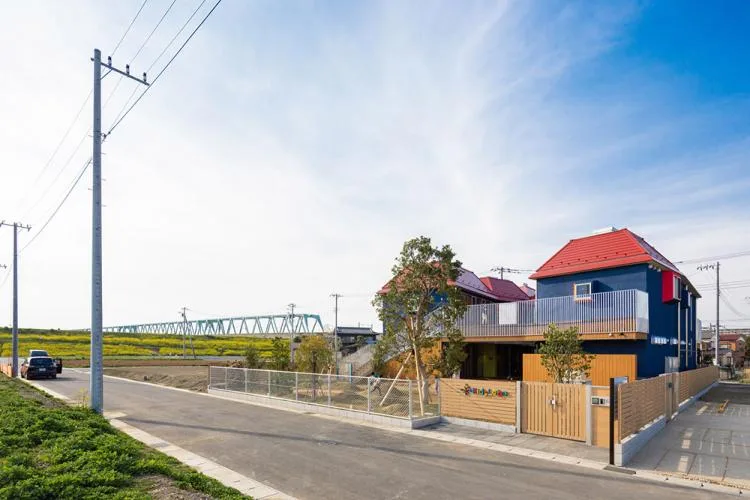
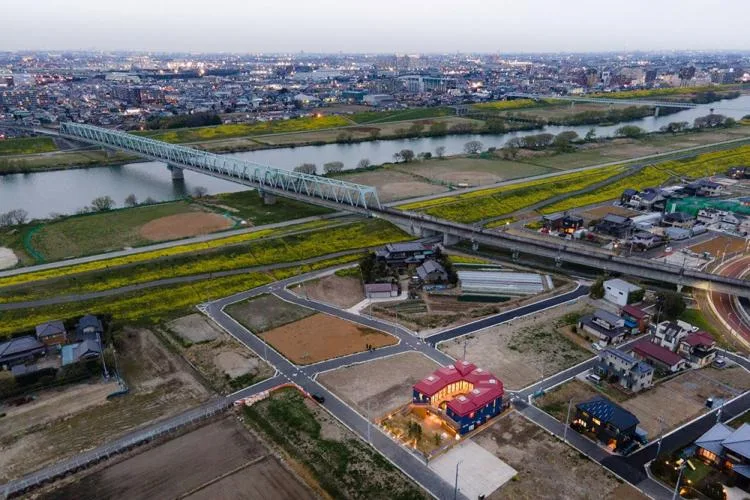
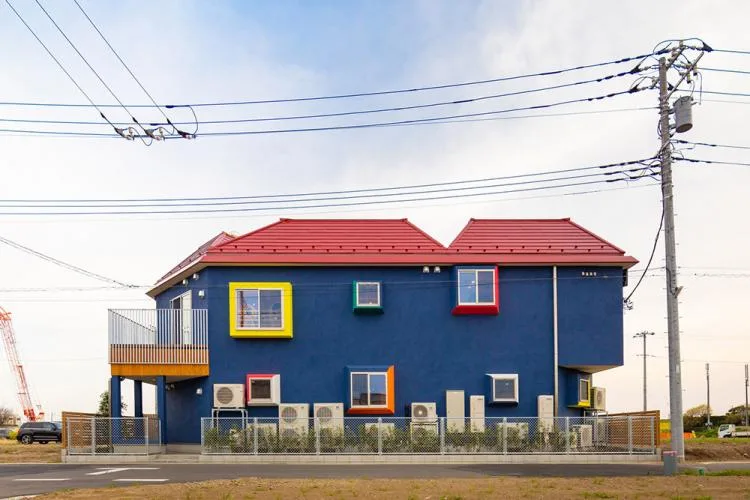
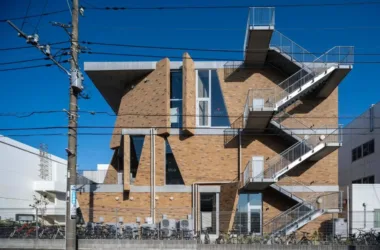
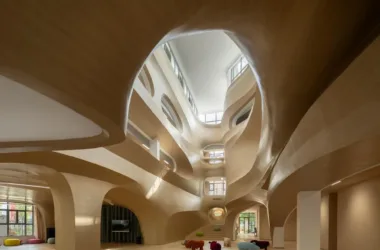
Located in a typical new residential area, most surrounding buildings were designed and built simultaneously. To harmonize with neighboring architecture, the kindergarten features a new sloped roof with windows proportionate to its surroundings. The roof is designed as a collection of small, individual roofs, symbolizing collaborative negotiation and collective thinking. Structural design complements the concept of brainstorming. Unique exterior windows protrude outward, adding an element of mystery to the exterior. Skylights in the roof allow abundant natural light to fill the interior.
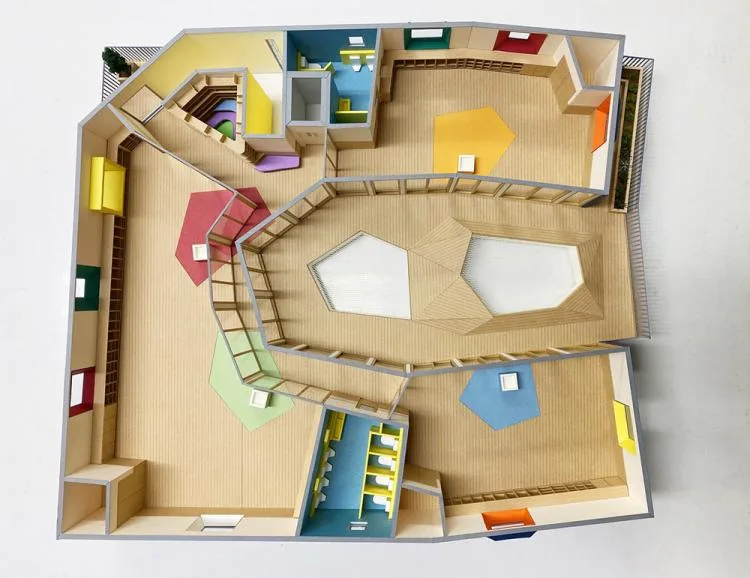
△ Model
Technical Drawings
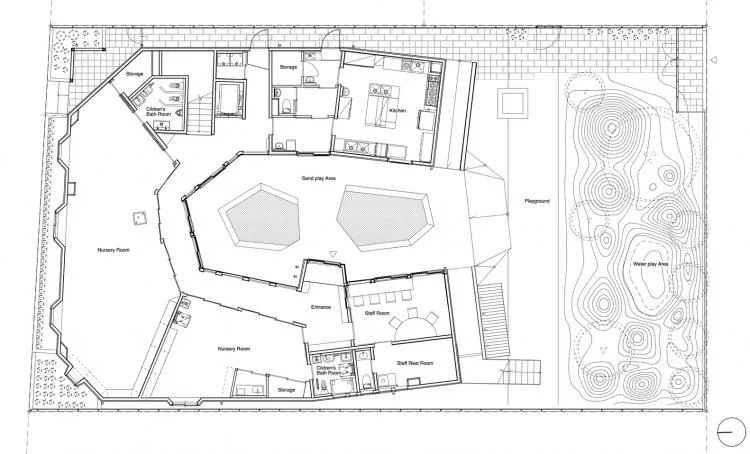
△ First floor plan
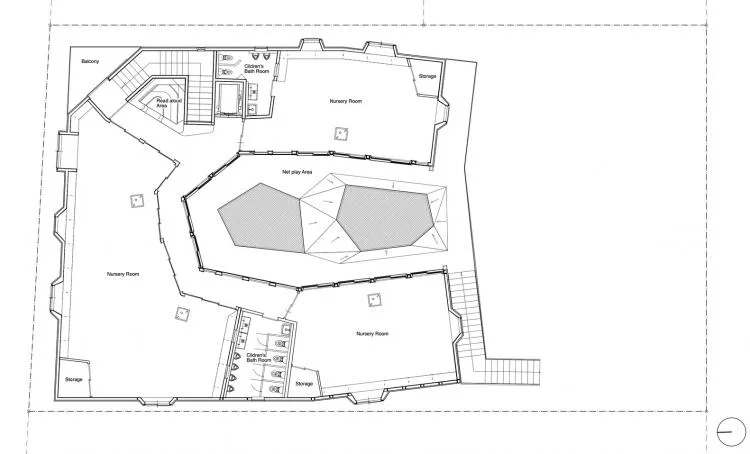
△ Second floor plan
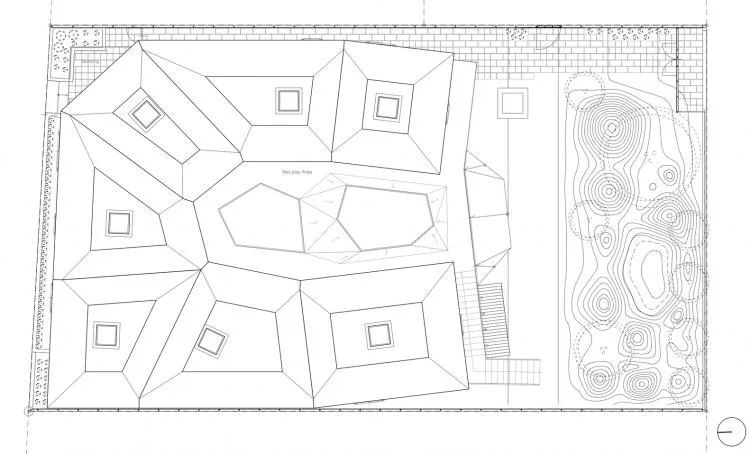
△ Roof Plan
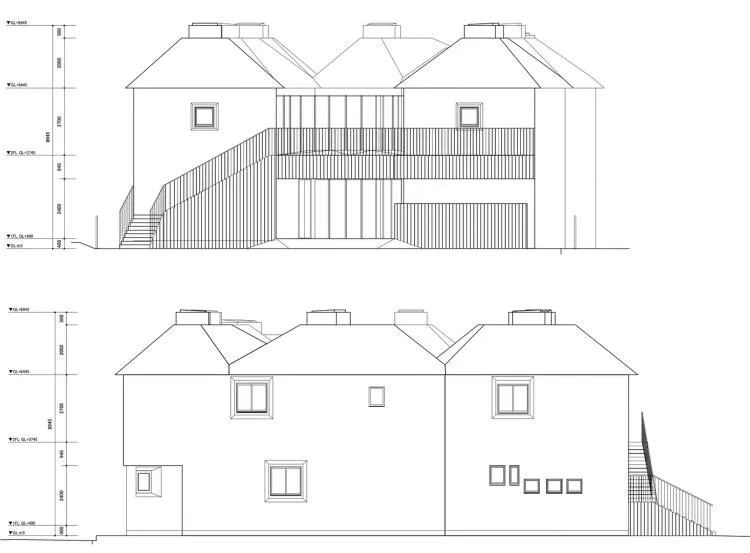
△ Elevation drawing
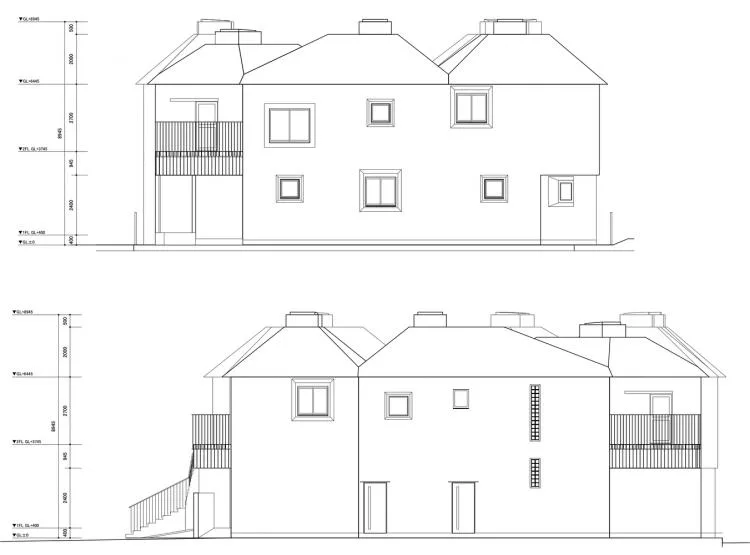
△ Elevation drawing
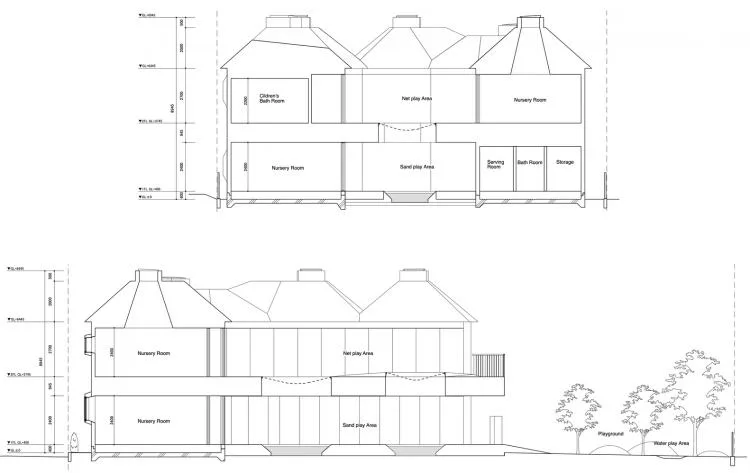
△ Section diagram
Project Information
Project type: Educational buildings, daycare centers
Location: Nagareyama, Japan
Architectural design: teamLab Architects
Area: 497m²
Year: 2021
Photographer: Vincent Hecht
Client: KidsLabo Incorporated













Must log in before commenting!
Sign Up