
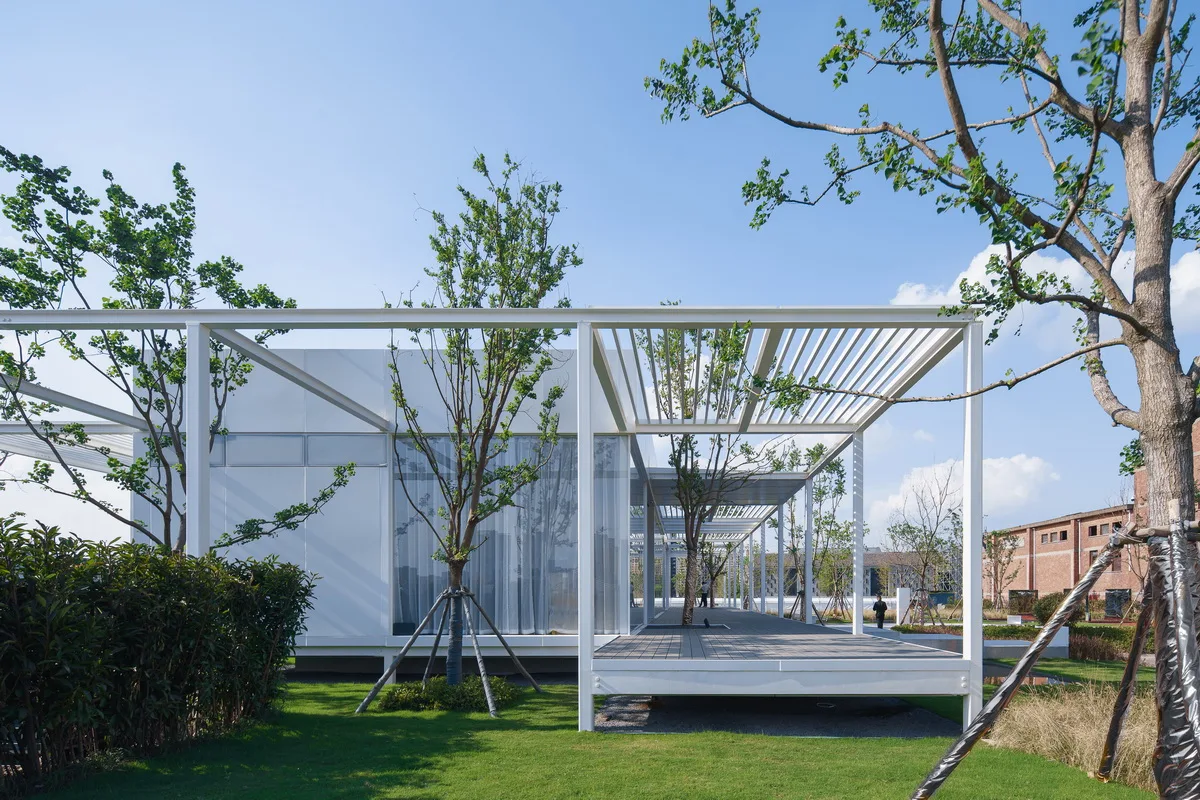
Origin
With the rise of rational consumerism, the traditional real estate model of investing heavily in luxurious sales offices is gradually fading. Sales offices, as crucial elements in real estate design, are now evolving in two directions: permanent sales offices focus on delivering a “what you see is what you get” experience, showcasing future living scenarios through exquisite architecture, inviting spaces, and beautiful surroundings. On the other hand, temporary sales offices prioritize rapid construction and cost reduction, often utilizing modular container assemblies.
This project explores and implements the concept of temporary, detachable sales offices in line with current trends.
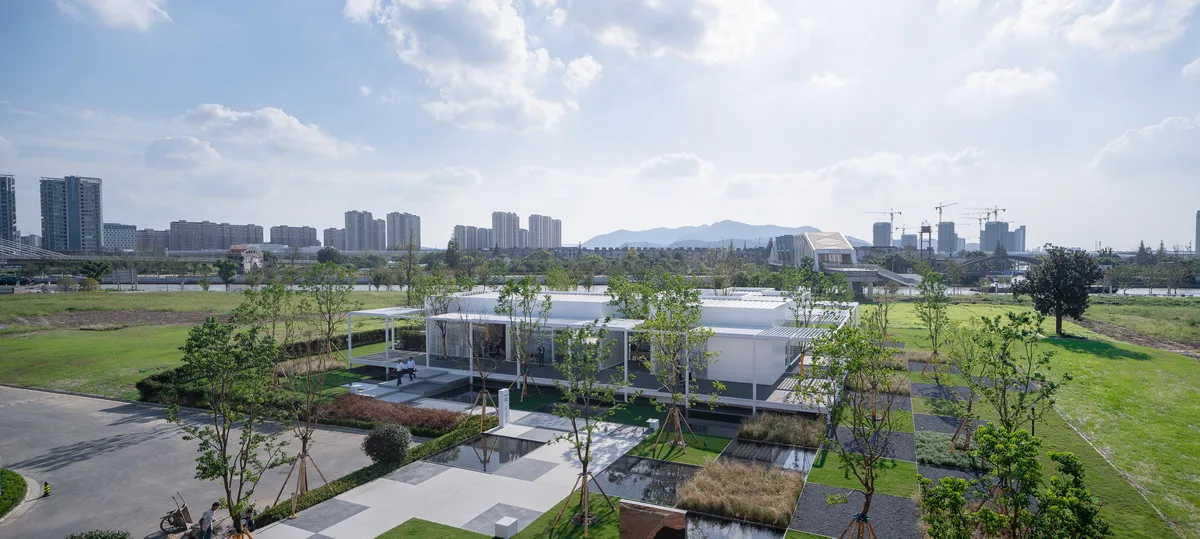
Venue
The project is situated on a flat grassland beside the Beijing-Hangzhou Grand Canal, in Suzhou’s Hushuguan area. To the east, the low-rise Canli Cultural and Creative Park, renovated during the Republican era, neighbors the site. The west side opens onto the Grand Canal with expansive views. Grasslands with scattered trees border the north and south. The pedestrian double bridges over the canal, nearby houses, grasslands, and trees, combined with the natural landscape, create a significant spatial node that embodies the unique memory of the place.
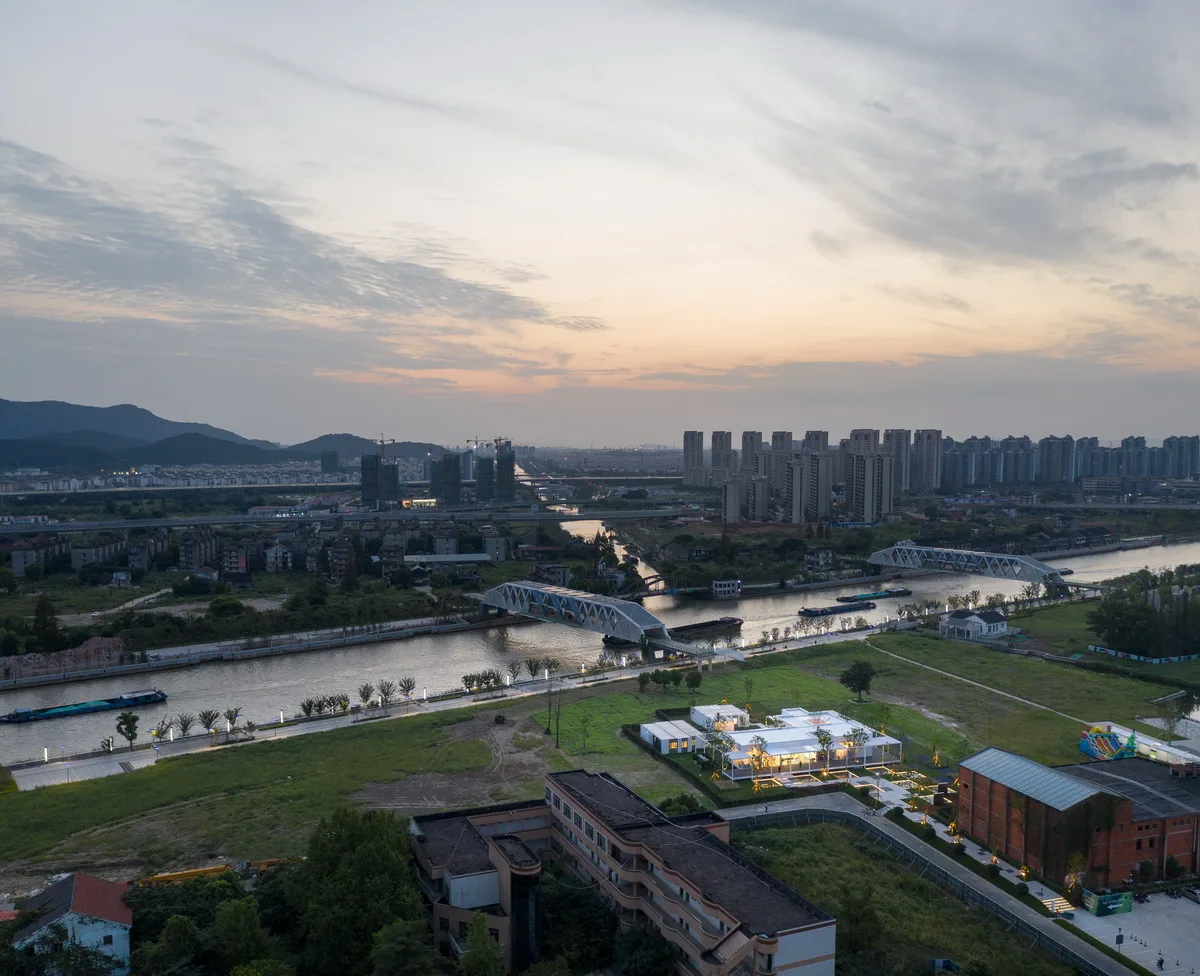
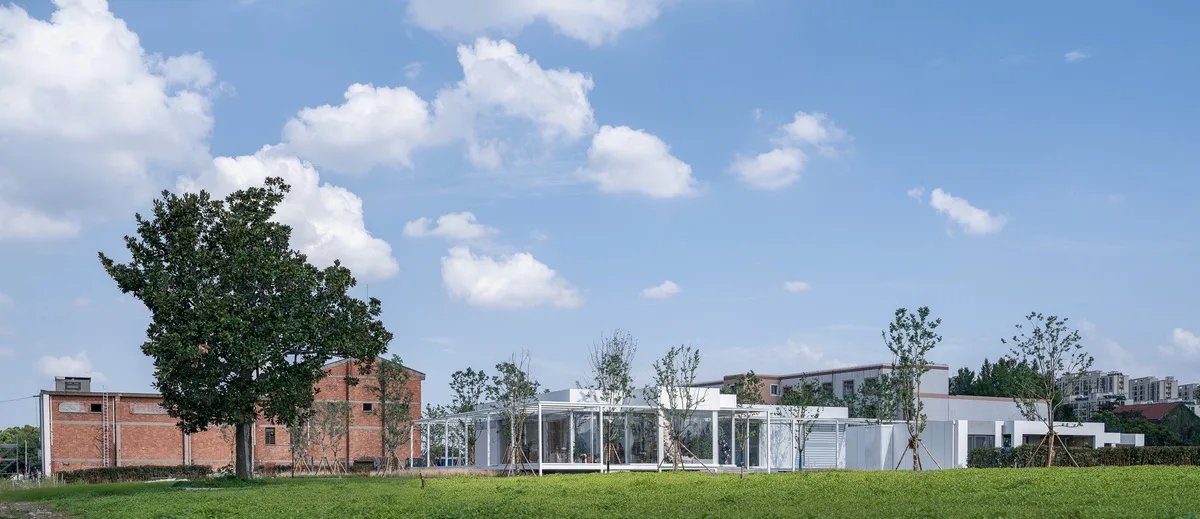
Modulus
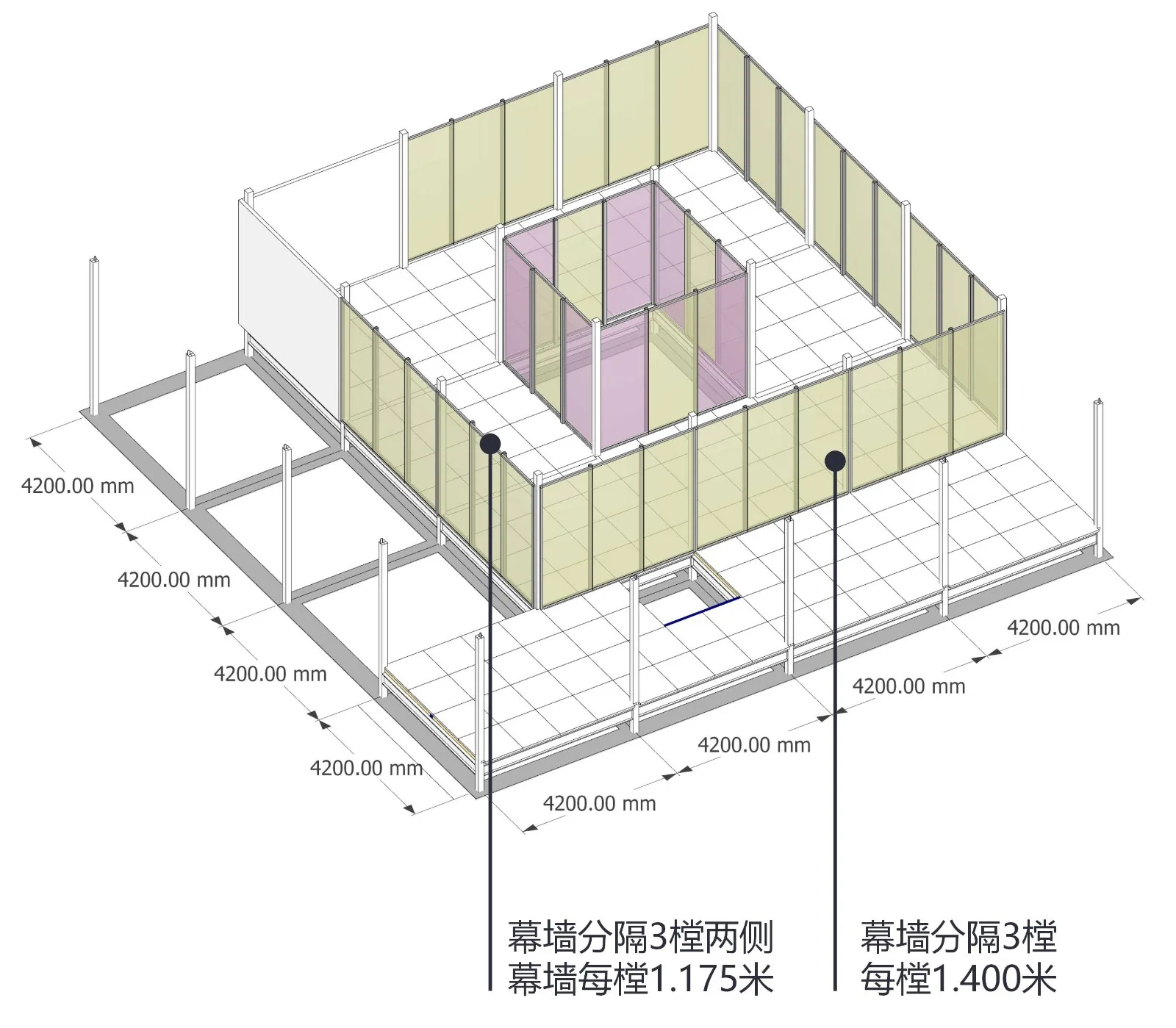
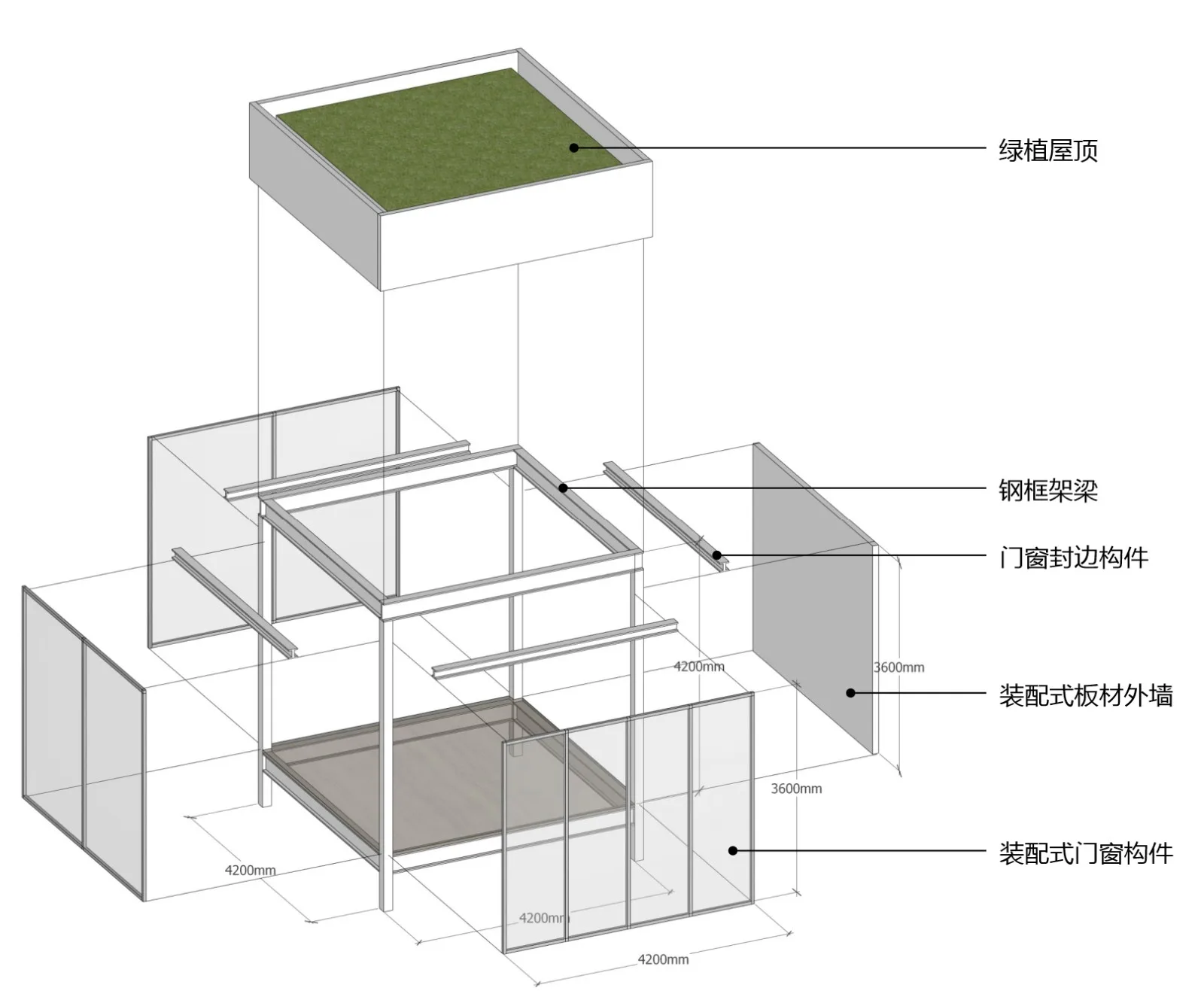
The design adopts a 4.2-meter grid module, with each module covering 17.6 square meters, suitable for essential spaces like office management and bathrooms. Four modules combine to create a larger 8m by 8m area for sand table displays. The negotiation area, the largest functional space, comprises nine modules. To maintain consistent beam height, the building’s height is also set at 4.2 meters, turning each grid into a three-dimensional module.
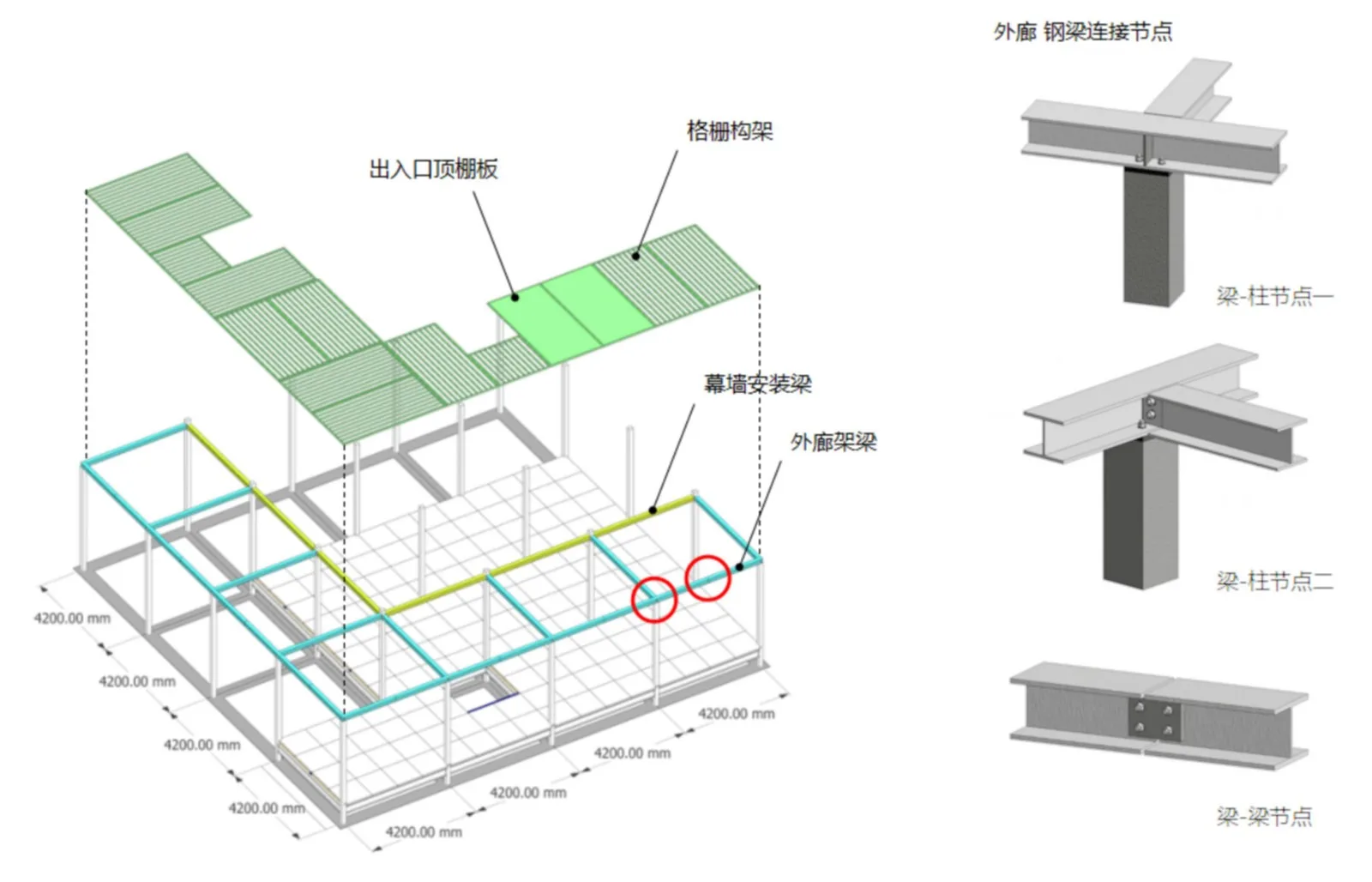
Each module breaks down into three component types: structural (beams and columns), maintenance (doors, windows, exterior panels), and base plates with roofs. All beams and columns connect via riveting, simplifying assembly and disassembly. The landscape layout continues the 4.2m by 4.2m grid, aligning seamlessly with the building’s facade and floor plan.
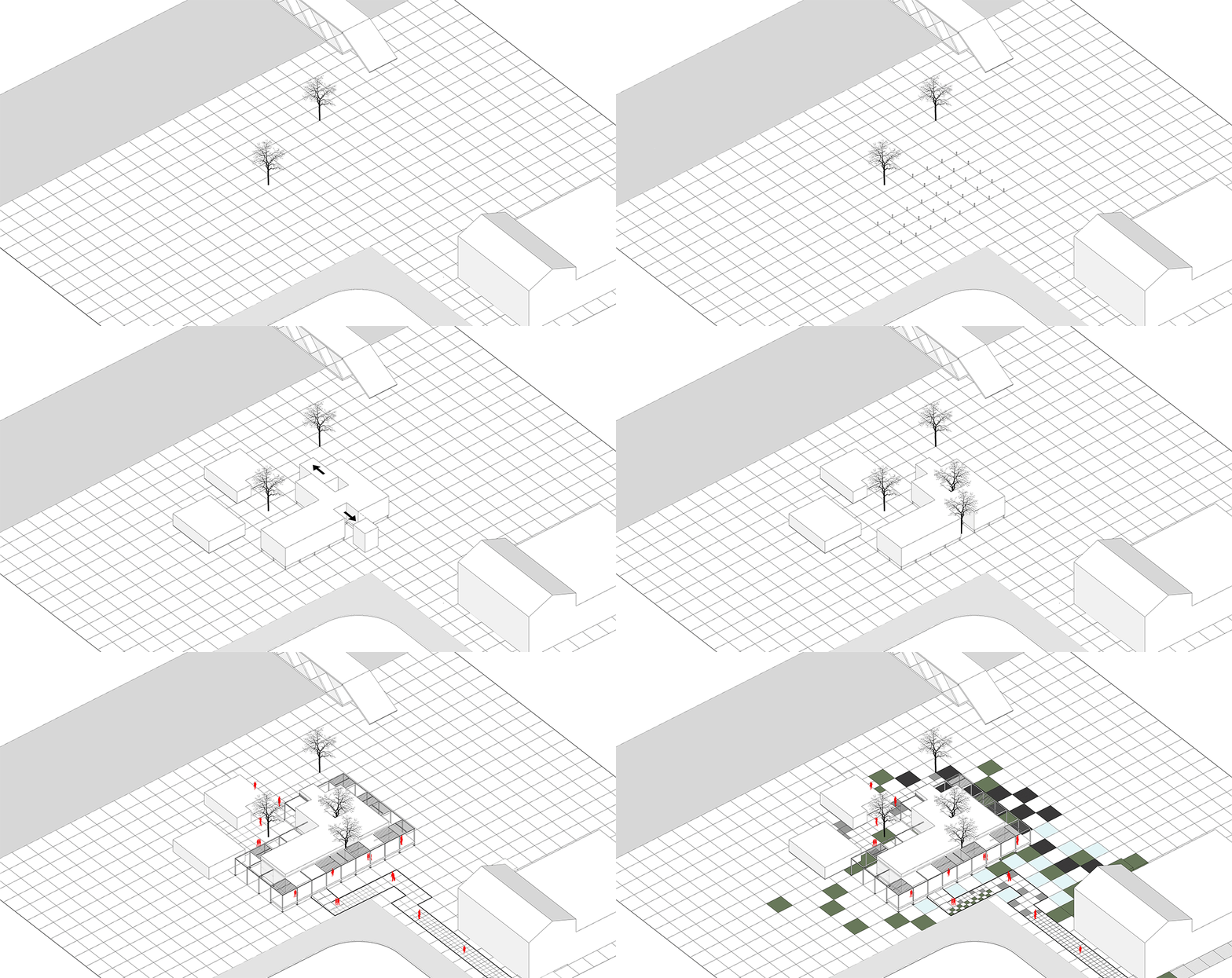
Penetration
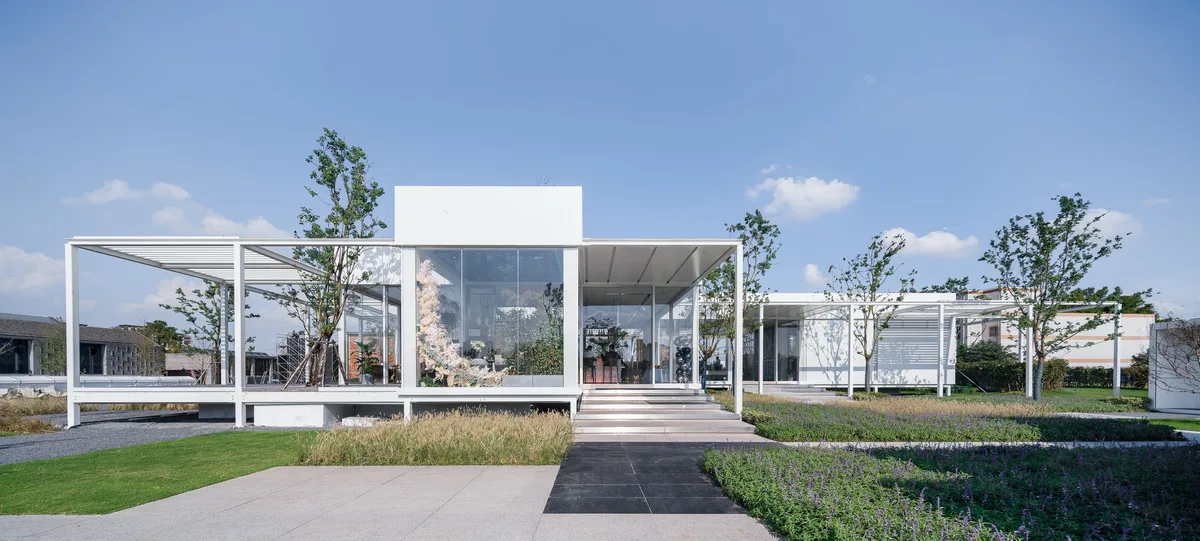
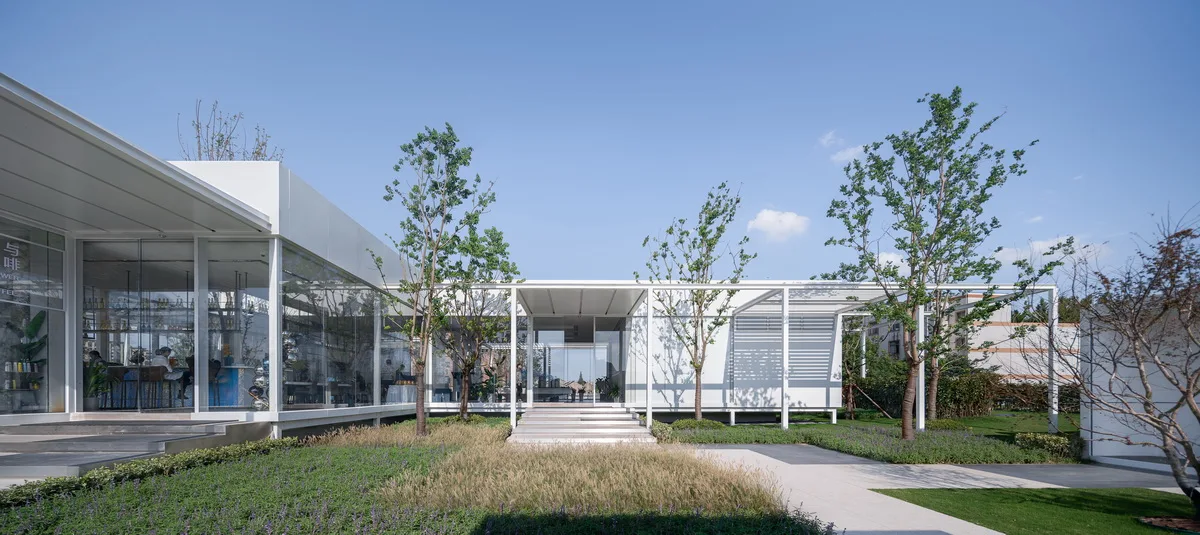
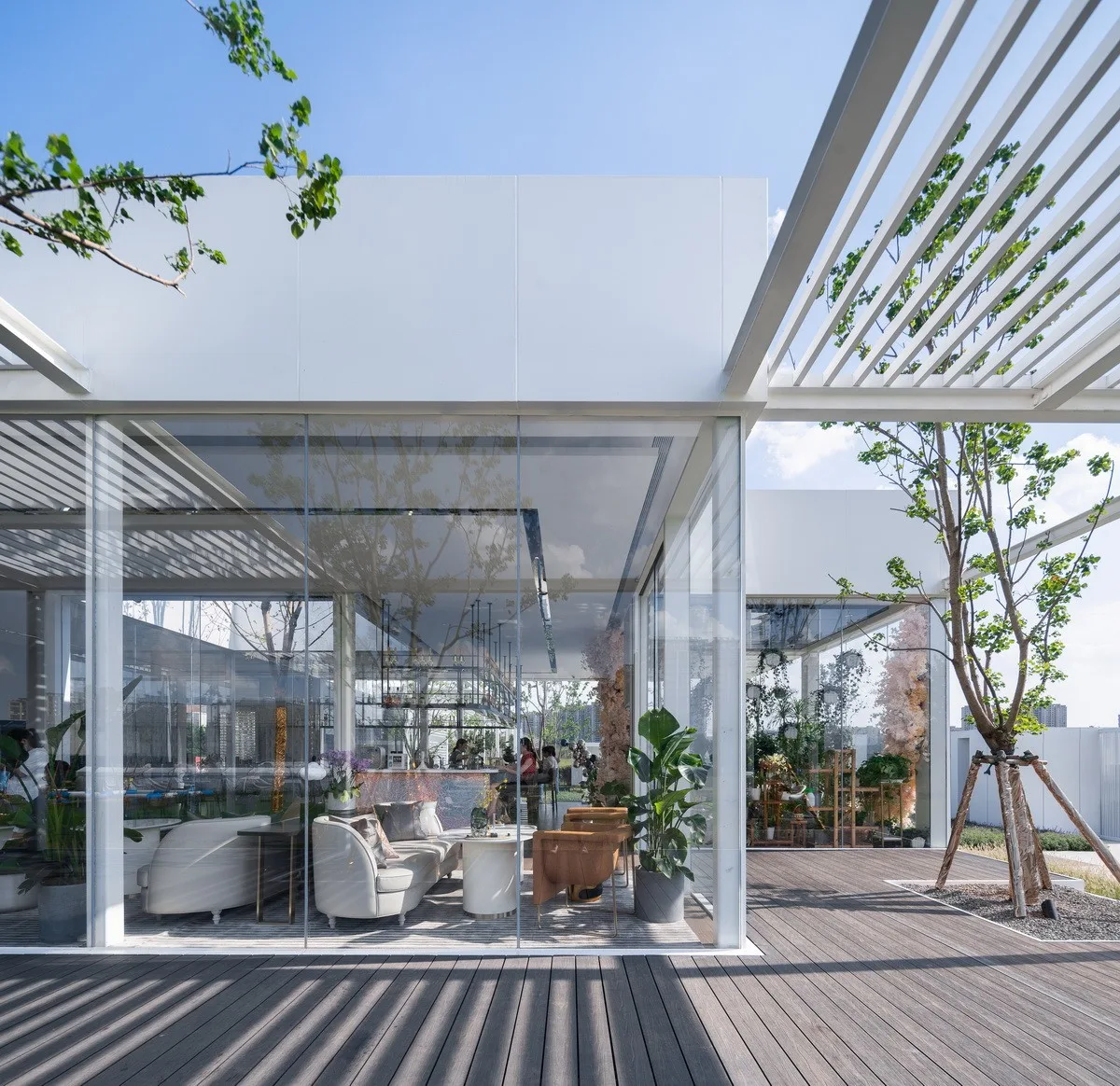
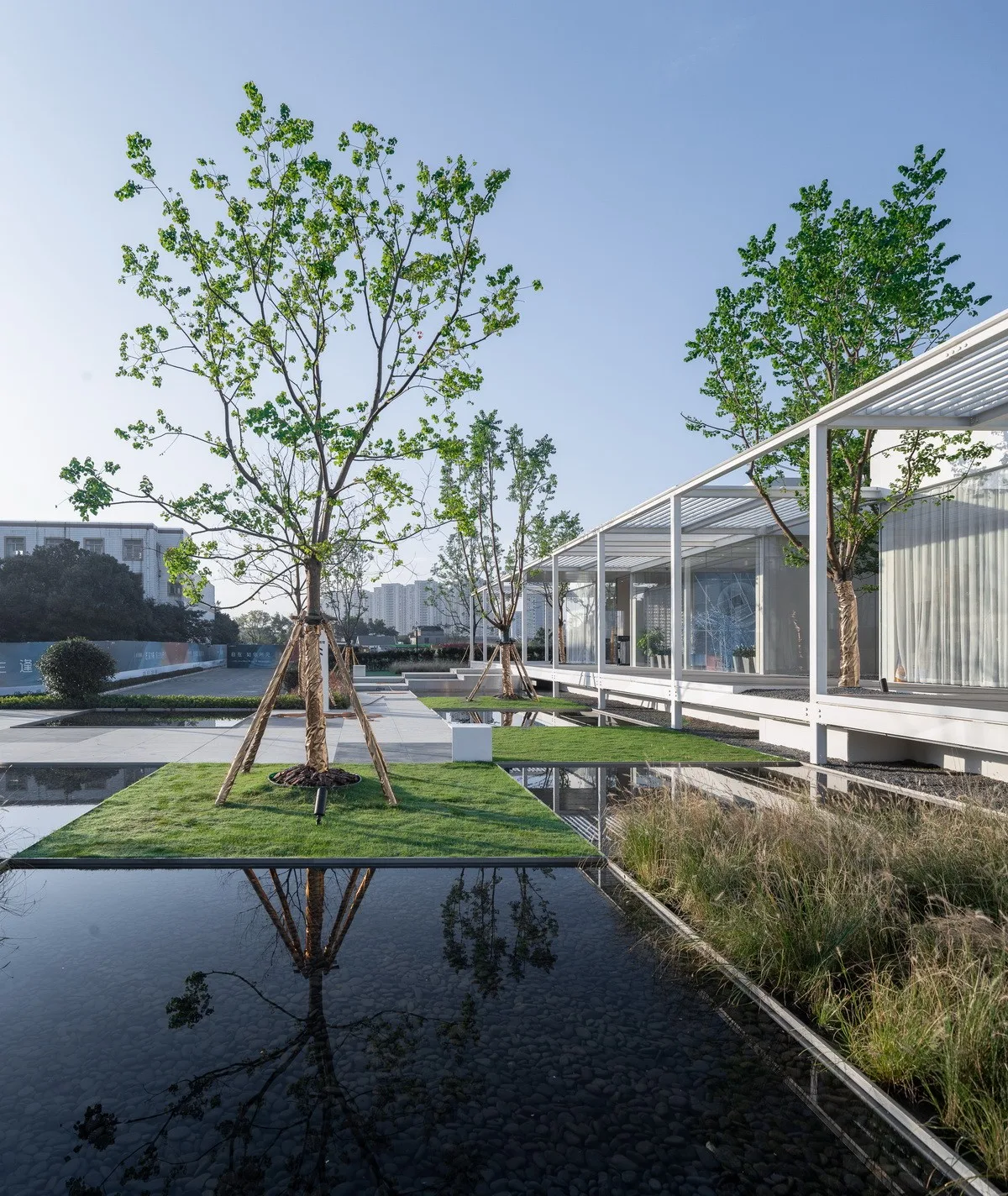
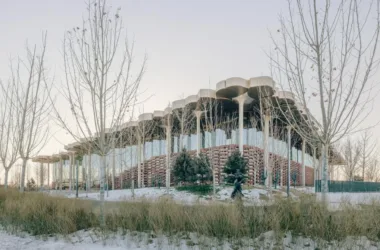
A tree grows within the site, and the sales office is shaped in an L-configuration, embracing the tree and enclosing a courtyard with two model house blocks. This courtyard and tree form the focal visual point, with the entire circulation path revolving around it. The negotiation area, positioned at the end of the route, faces the Grand Canal. Composed of nine modules, one module extends toward the canal, creating a three-sided protruding box as a tea room.
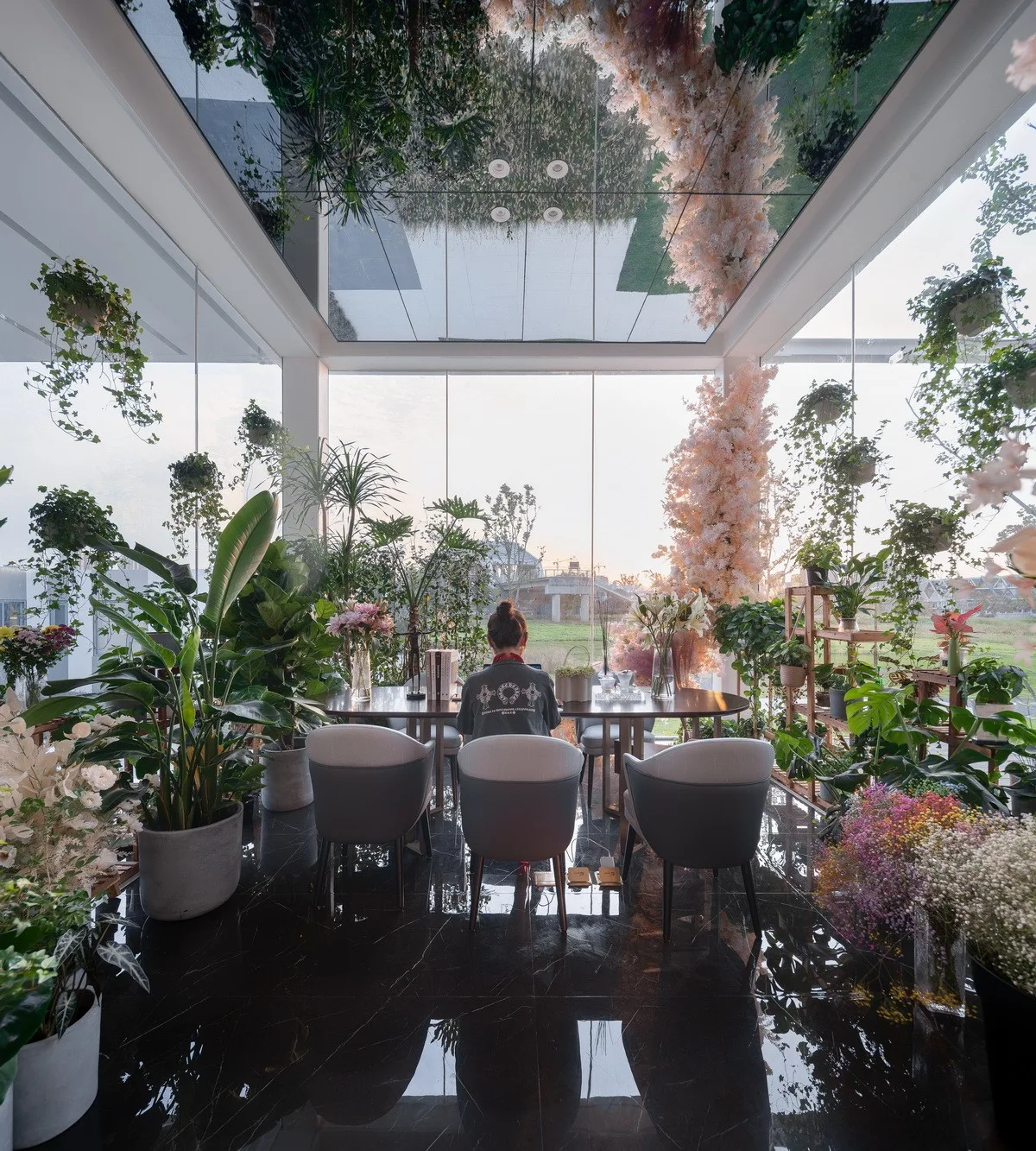
This detached box creates a courtyard at the negotiation area’s center, establishing a flowing space where nature surrounds both inside and outside. Additionally, a courtyard between the model and negotiation areas ensures every module has direct landscape views, fostering a seamless connection between interior and exterior.
Blur
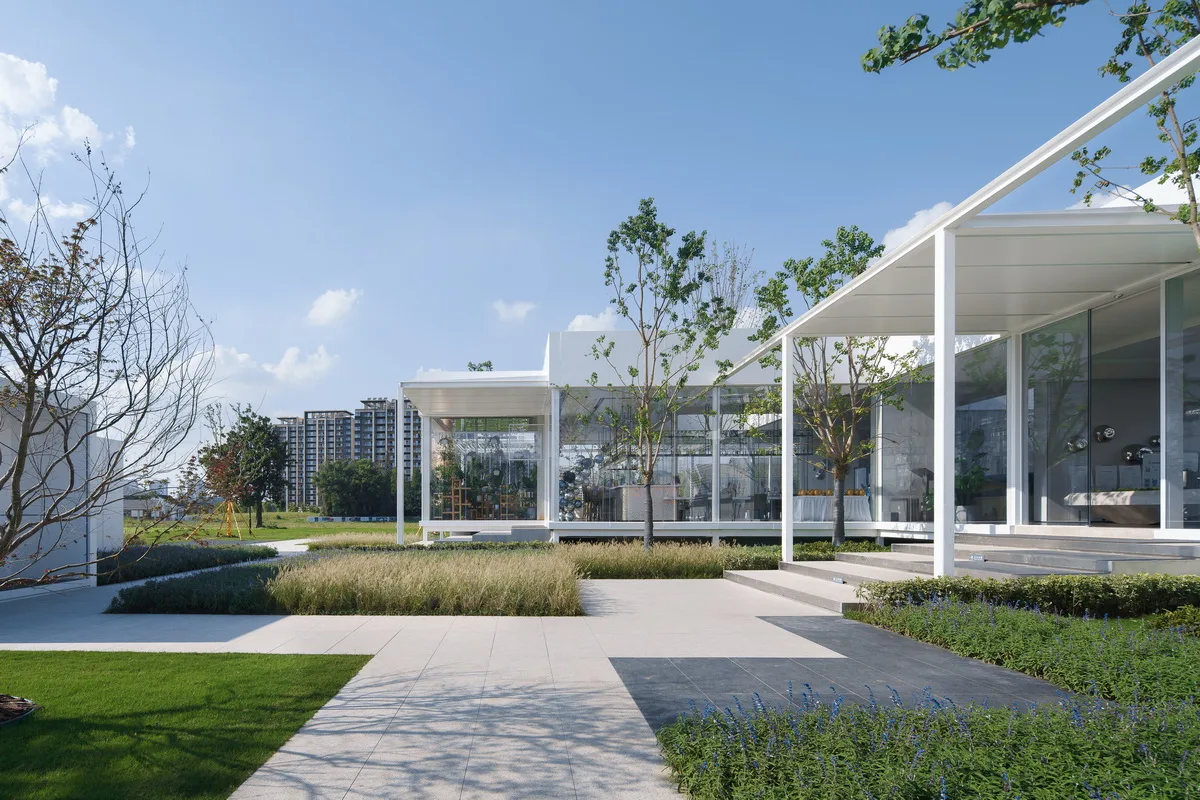
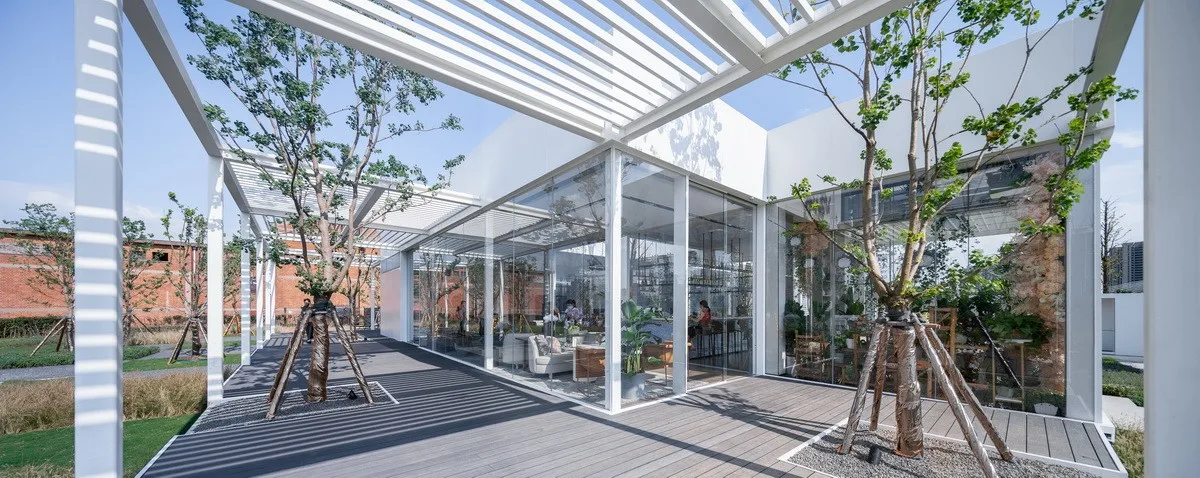
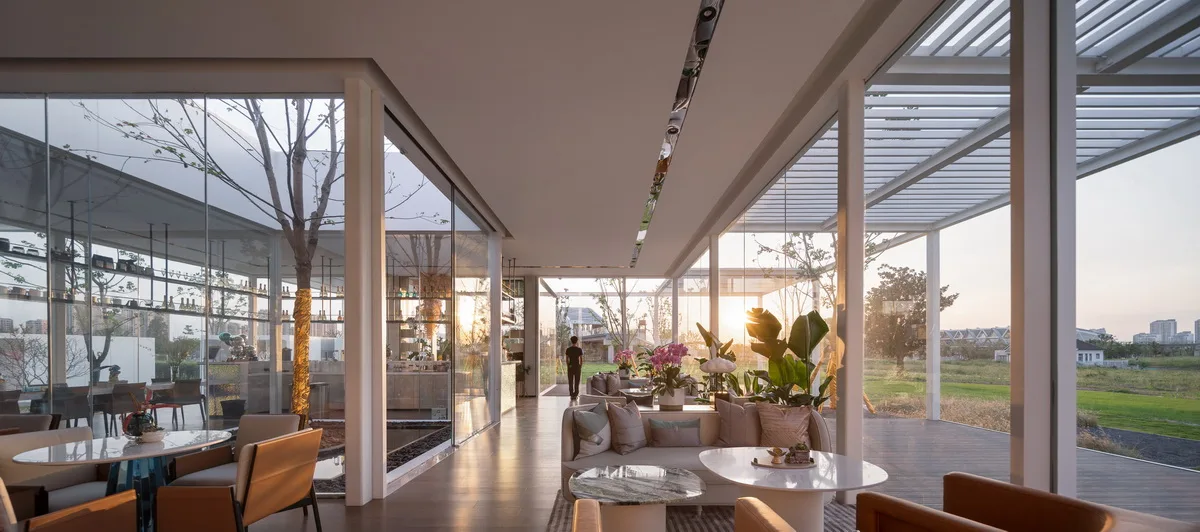
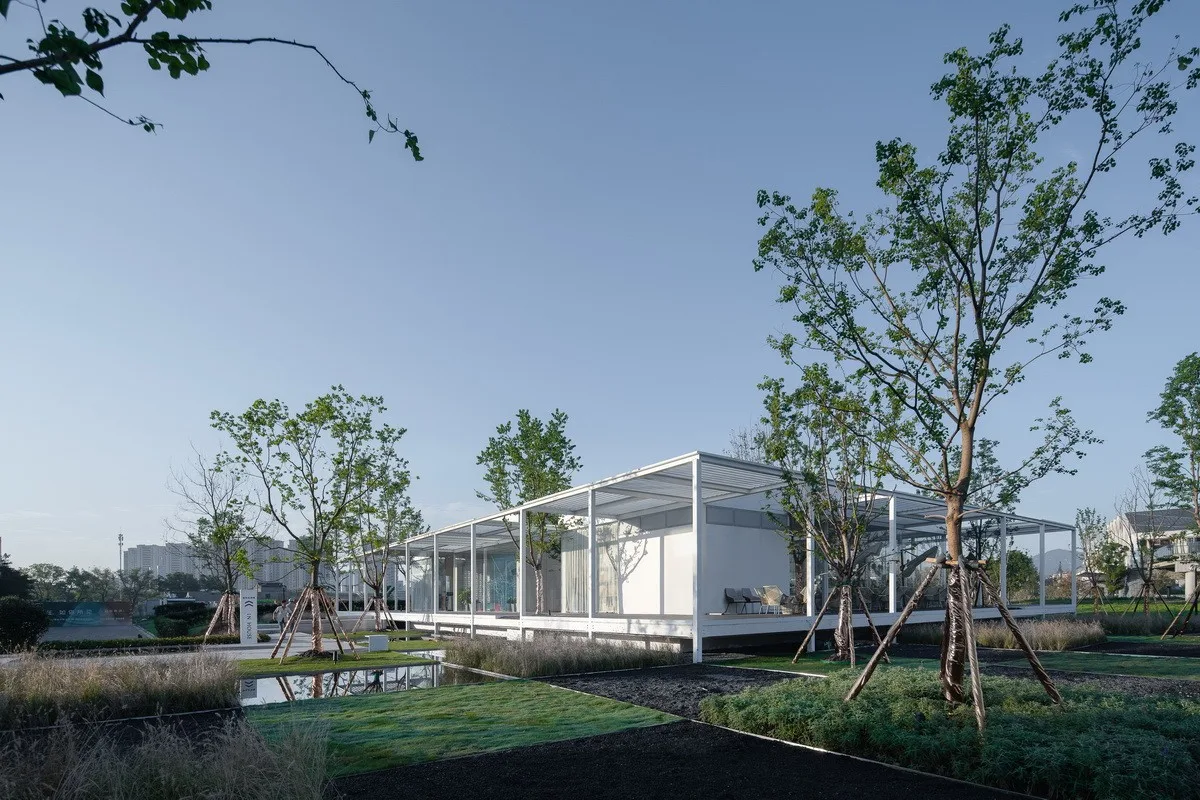
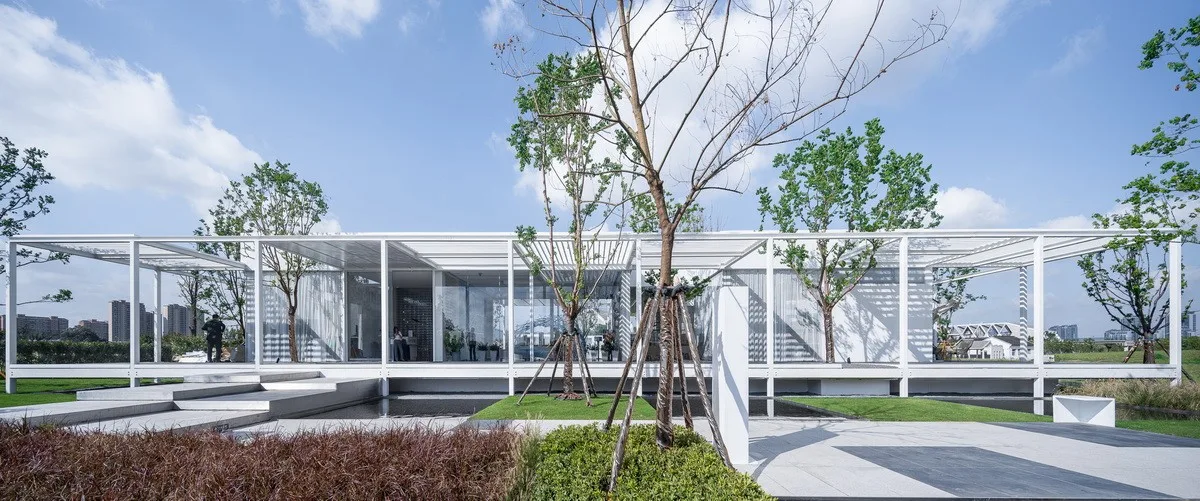
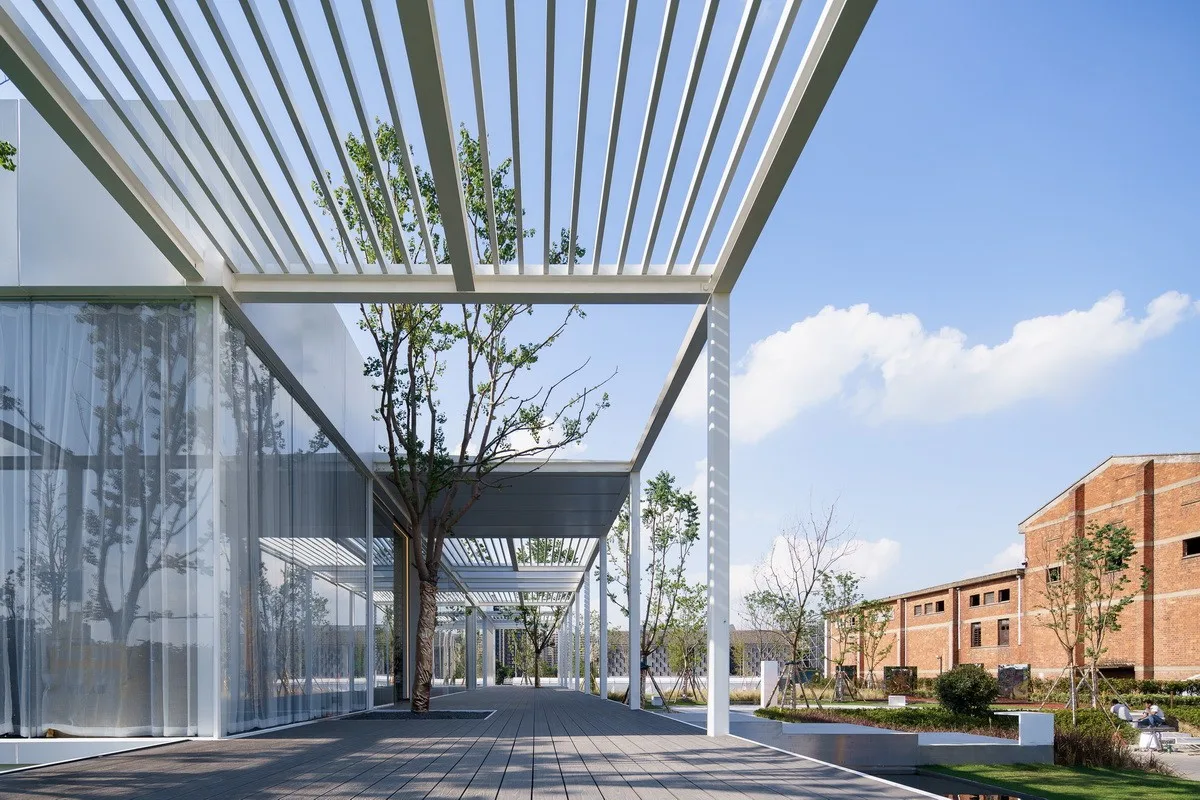
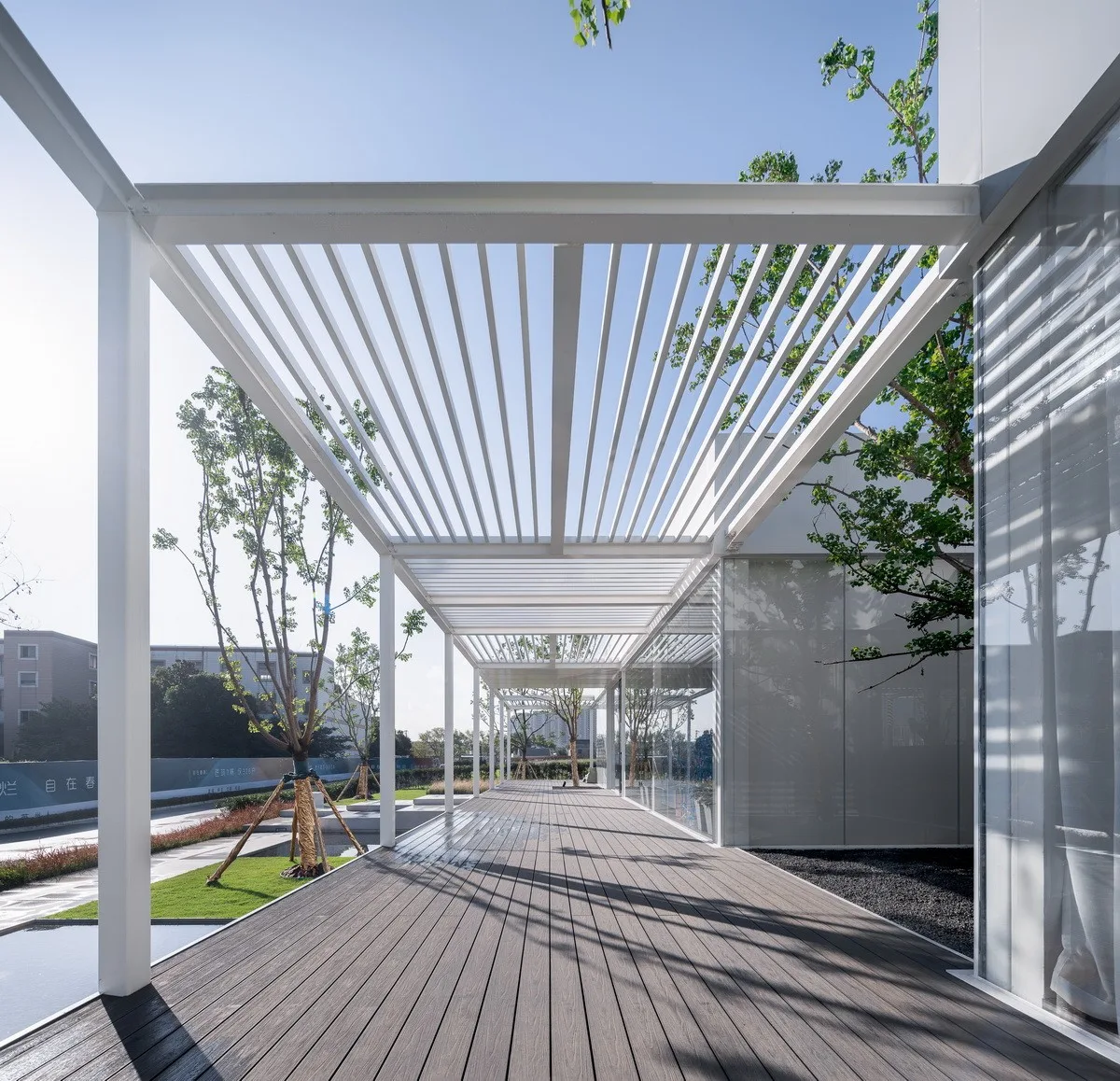
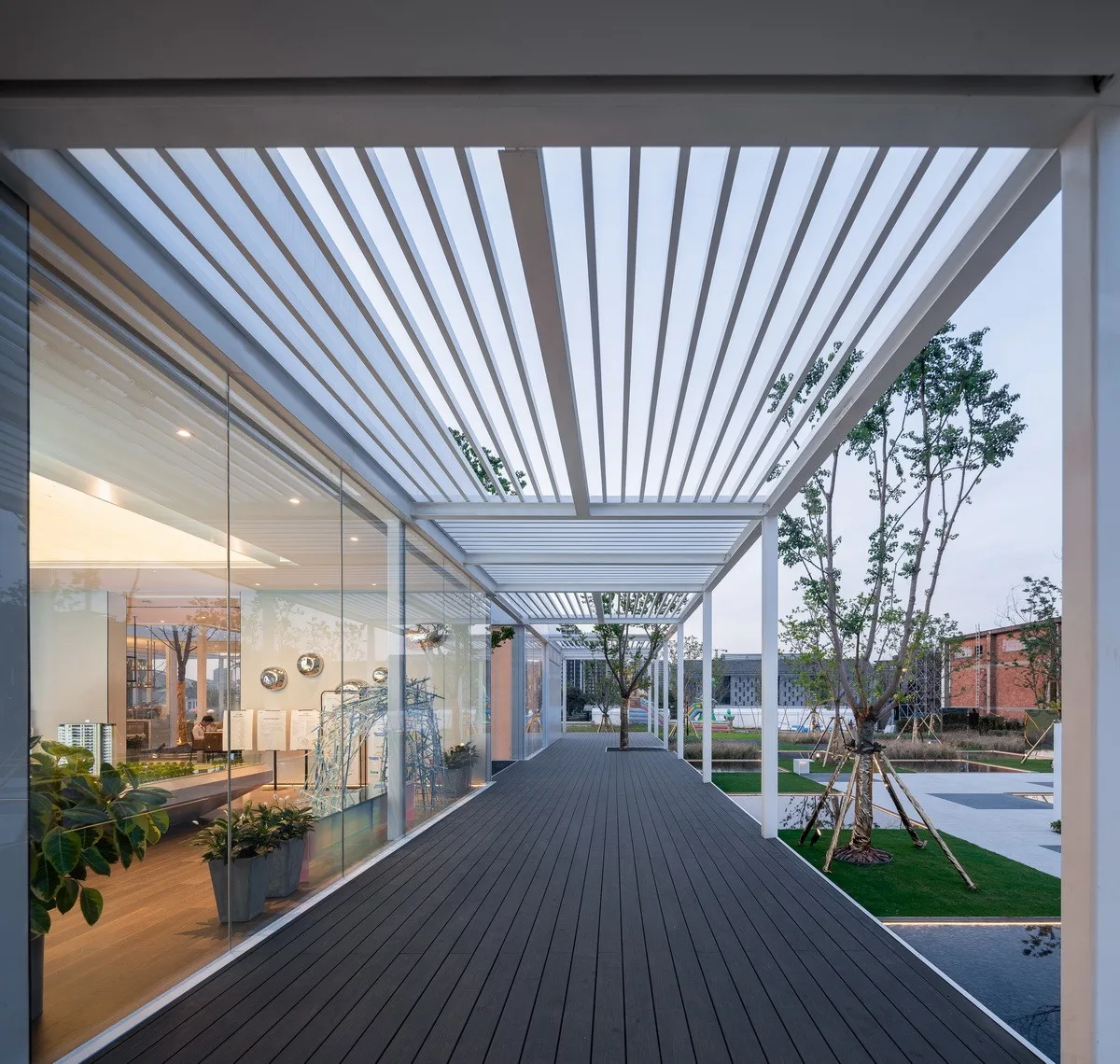
The architecture fosters a subtle interplay between space, light, and transparency, enabling people, the building, activities, and the environment to form a rich, cohesive backdrop. Both architecture and landscape are organized by the same grid system, with gradually shifting landscape grids creating a transitional third spatial layer that softens the boundary between the building and the site.
This blurring of inside and outside boundaries achieves spatial integration. Visitors move fluidly between interior and exterior, experiencing varied spatial sensations throughout their journey.
Transparency
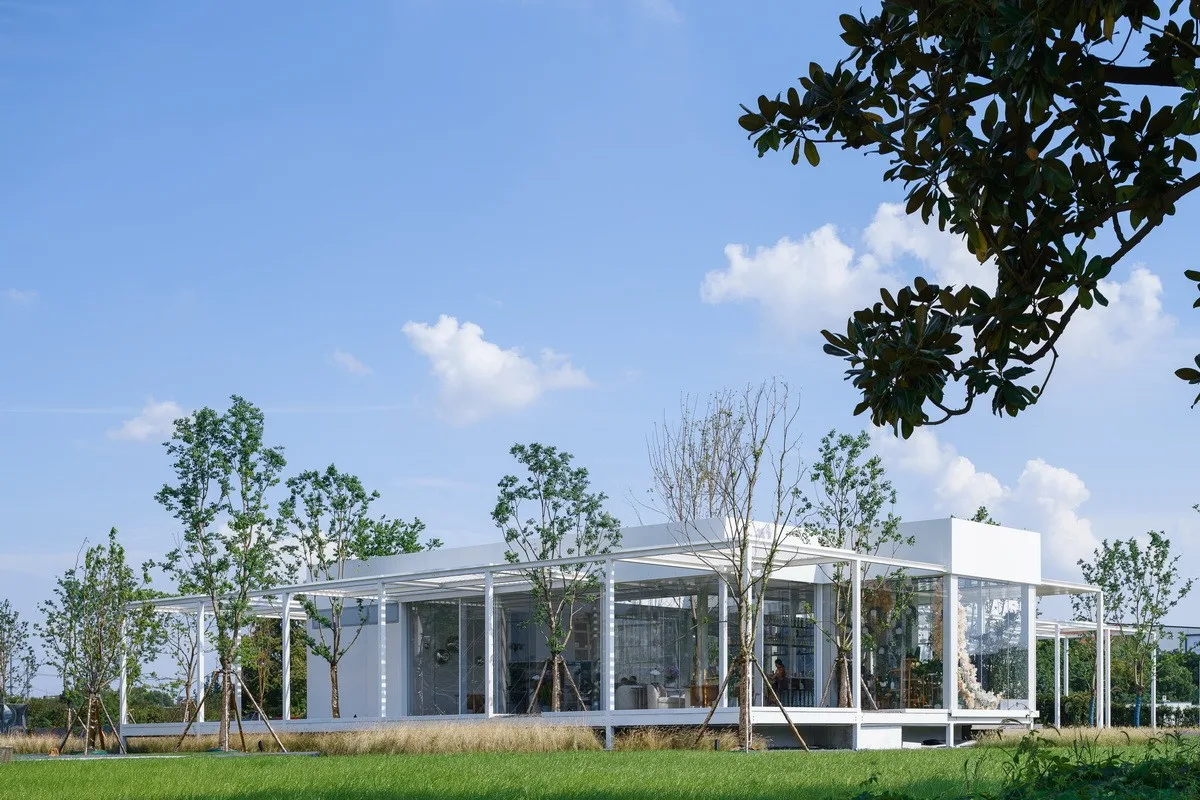
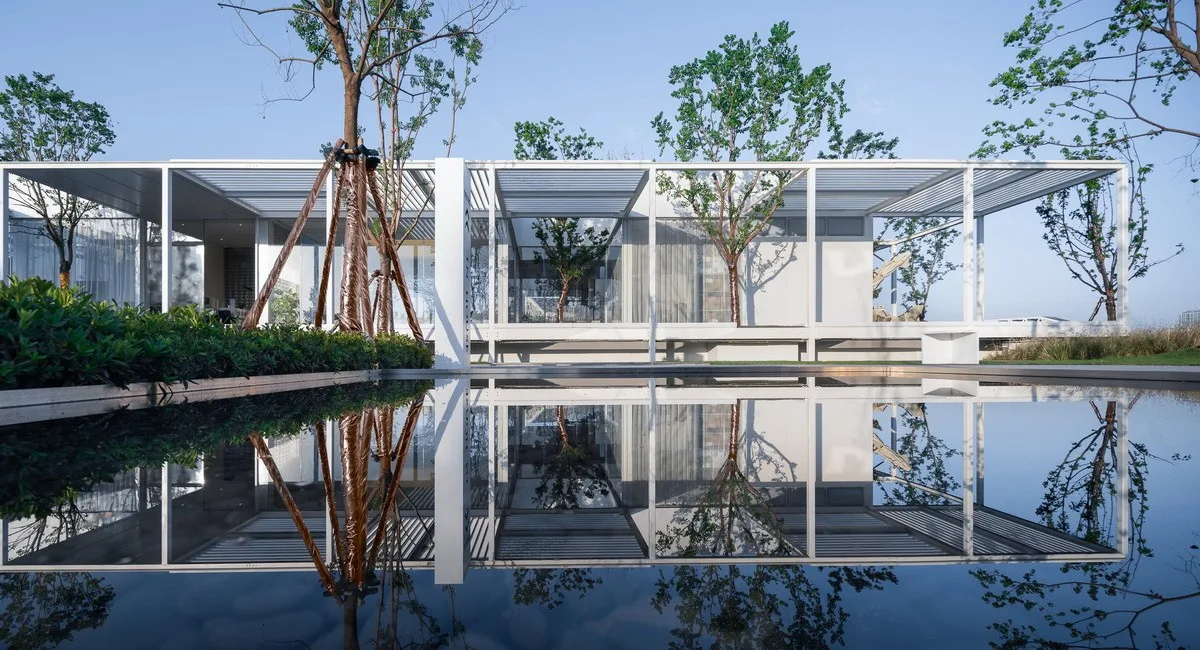
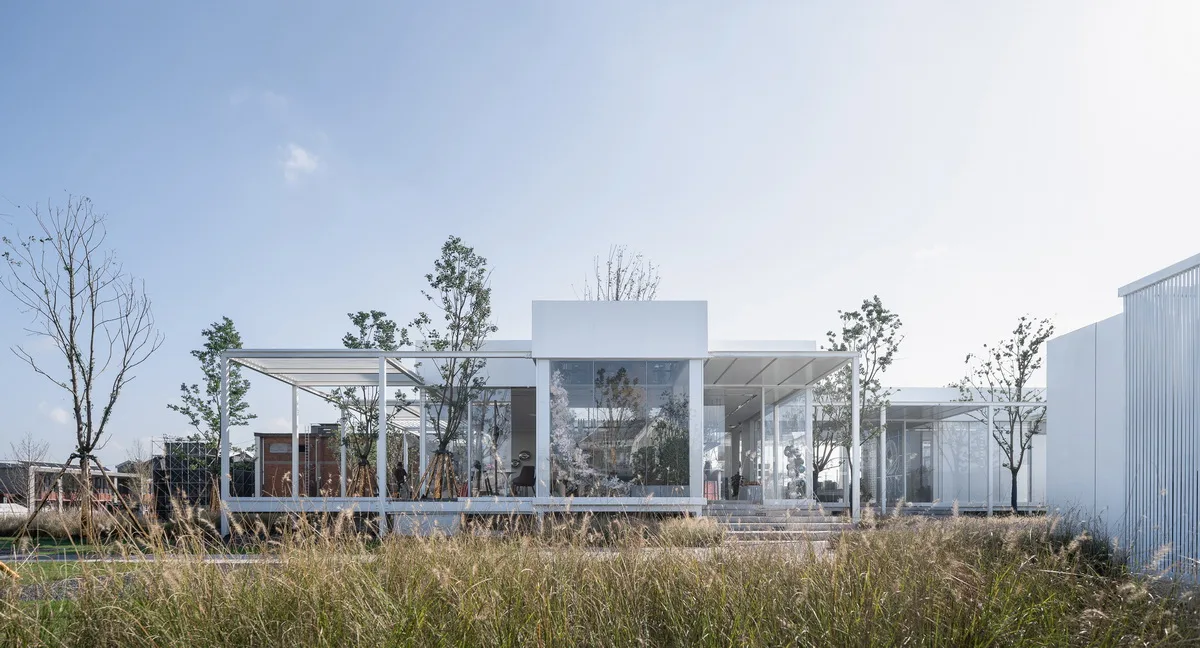
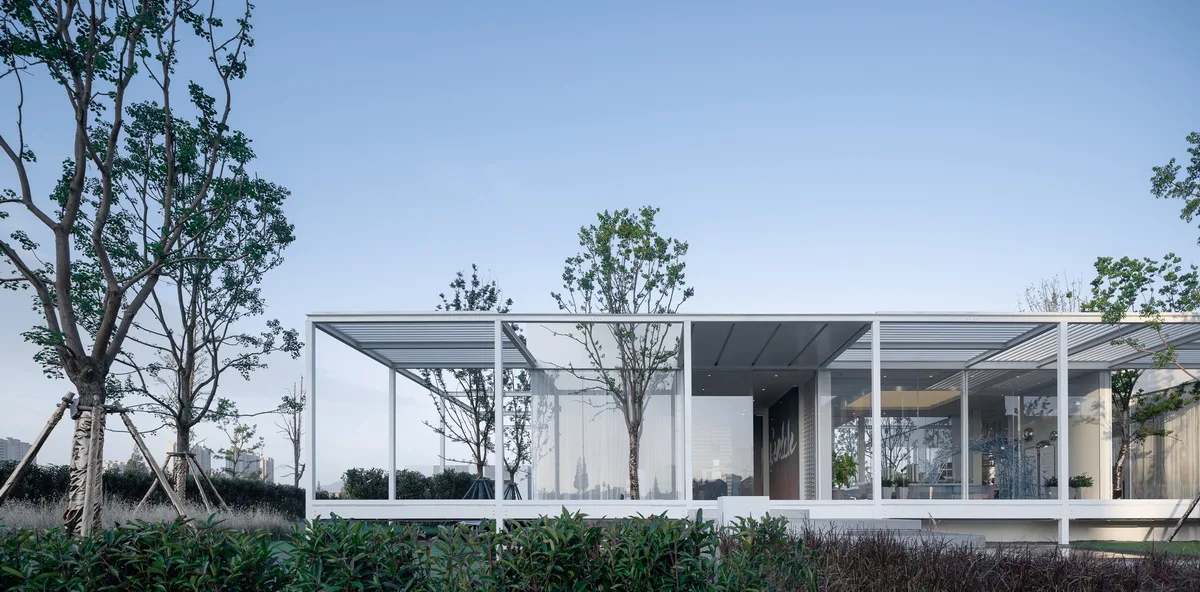
Colin Luo distinguishes transparency into physical and phenomenological types. The building’s elevated base, transparent maintenance structure, and slender white pillars embody physical transparency. The form resembles a box resting lightly on the site, maintaining a sense of near “emptiness.” A corridor encircles the central gray space, creating a transition zone between the building and its environment that extends infinitely into the void.
Inside, the space seems to overflow its boundaries, while natural elements outside permeate through glass walls, merging inside and outside horizontally. The suspended box on the ground floor represents the space between earth and sky; the two internal courtyards extend this vertical connection. The building achieves phenomenological transparency, meaning transparency as an experience, not just spatially.
As an exhibition space, it lacks a fixed flow path, allowing visitors to move freely between inside and outside from various vantage points, engaging with the building’s organization through movement, touch, and physical connection.
Build
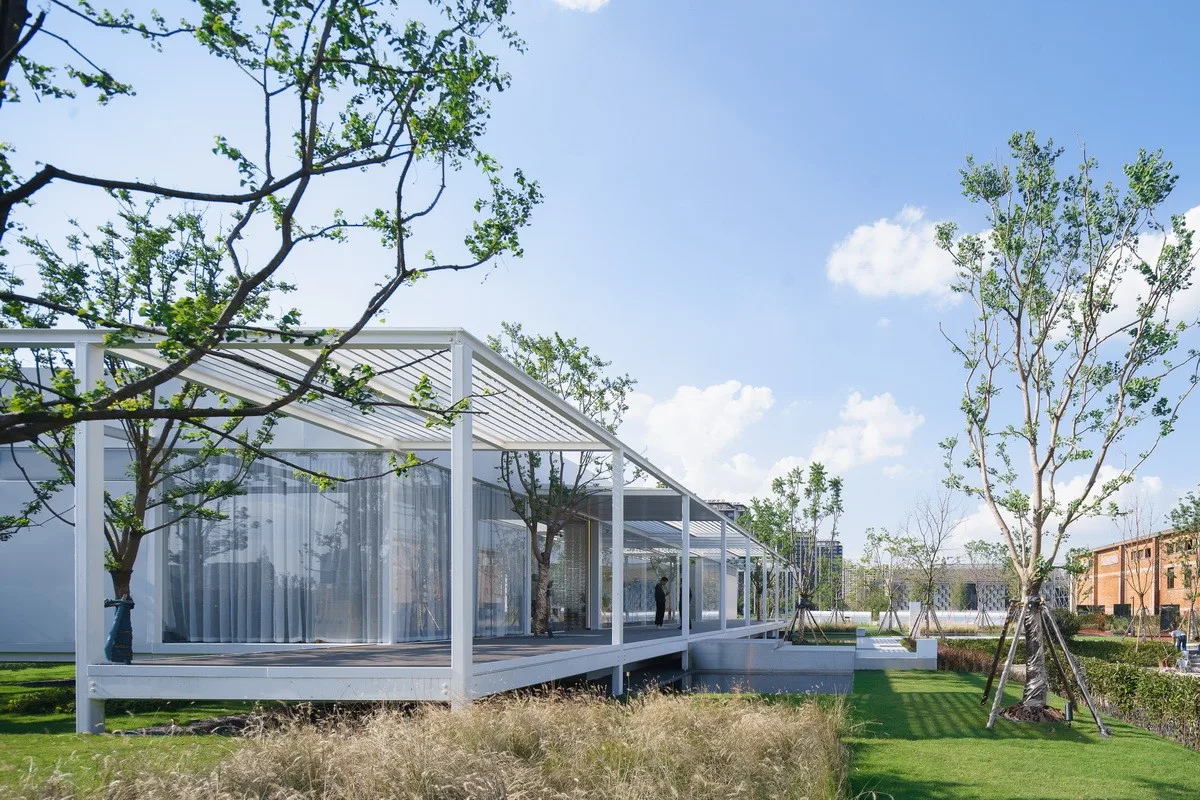
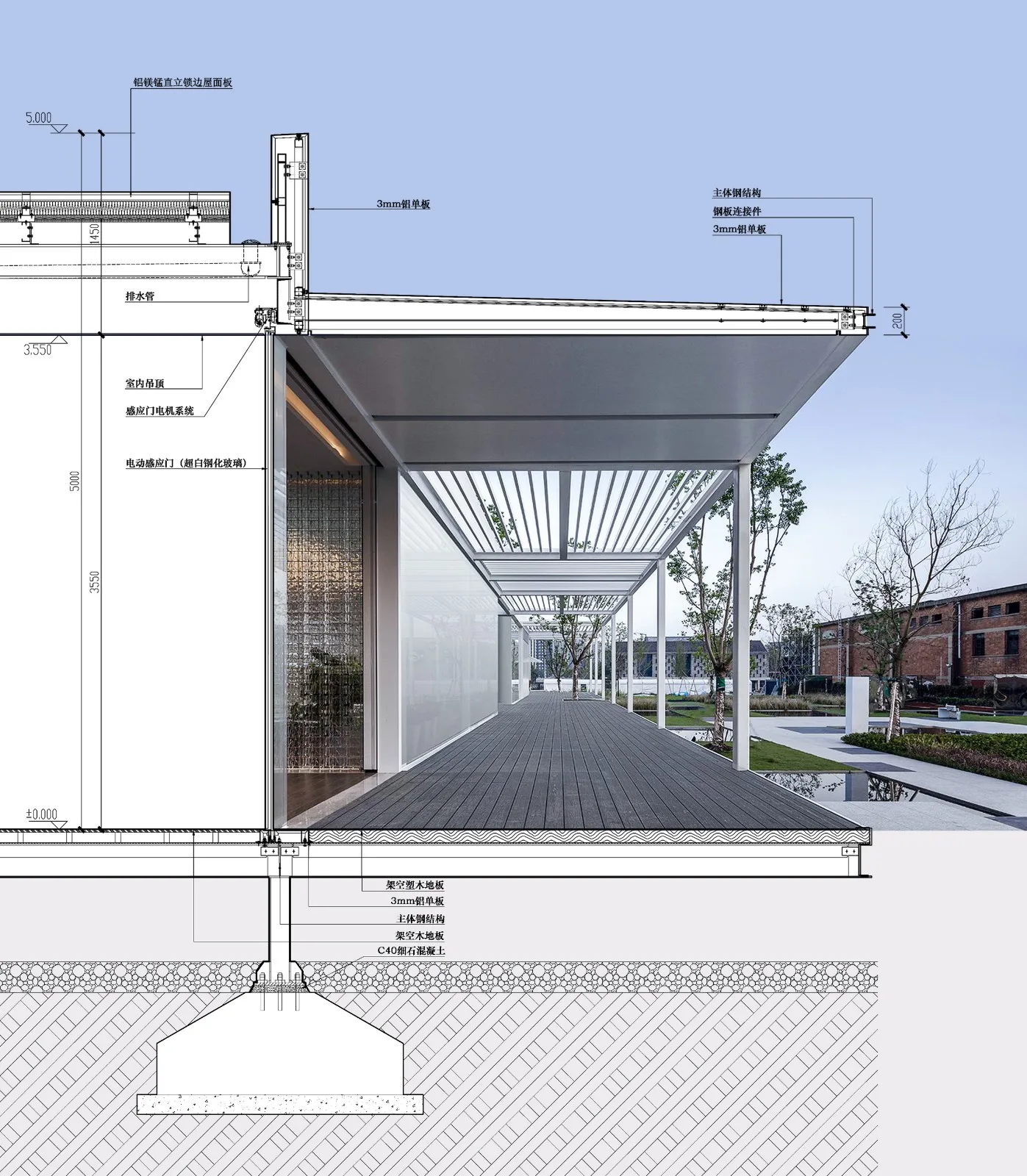
The design approach prioritizes addressing mechanical issues within the structural framework, focusing especially on connection methods and spatial combinations between structural elements. The same framework can generate various spatial forms depending on spatial attributes, resulting in a construction logic based on combining and splicing different modular units.
Indoor atrium columns reveal the underlying structural framework, and the repetition of uniform components highlights the relationship between the whole and its parts. The modular framework is designed to be dismantled, reassembled, reused, and easily transported.
Regeneration
1. Environmental Regeneration
The site itself embodies regeneration. Previously declining areas have been transformed into a vibrant cultural and creative center that revitalizes urban life. Through building renovations and spatial reconfiguration, the place has gained a new lease on life, injecting vitality into the site.
2. Building Regeneration
From the outset, the buildings are designed with assembly and disassembly in mind, giving them a dynamic life. The comparison of flowing liquid metal to flowing space best illustrates this regeneration: flexible, adaptable spaces that transparently integrate with diverse environments.
Design Drawings
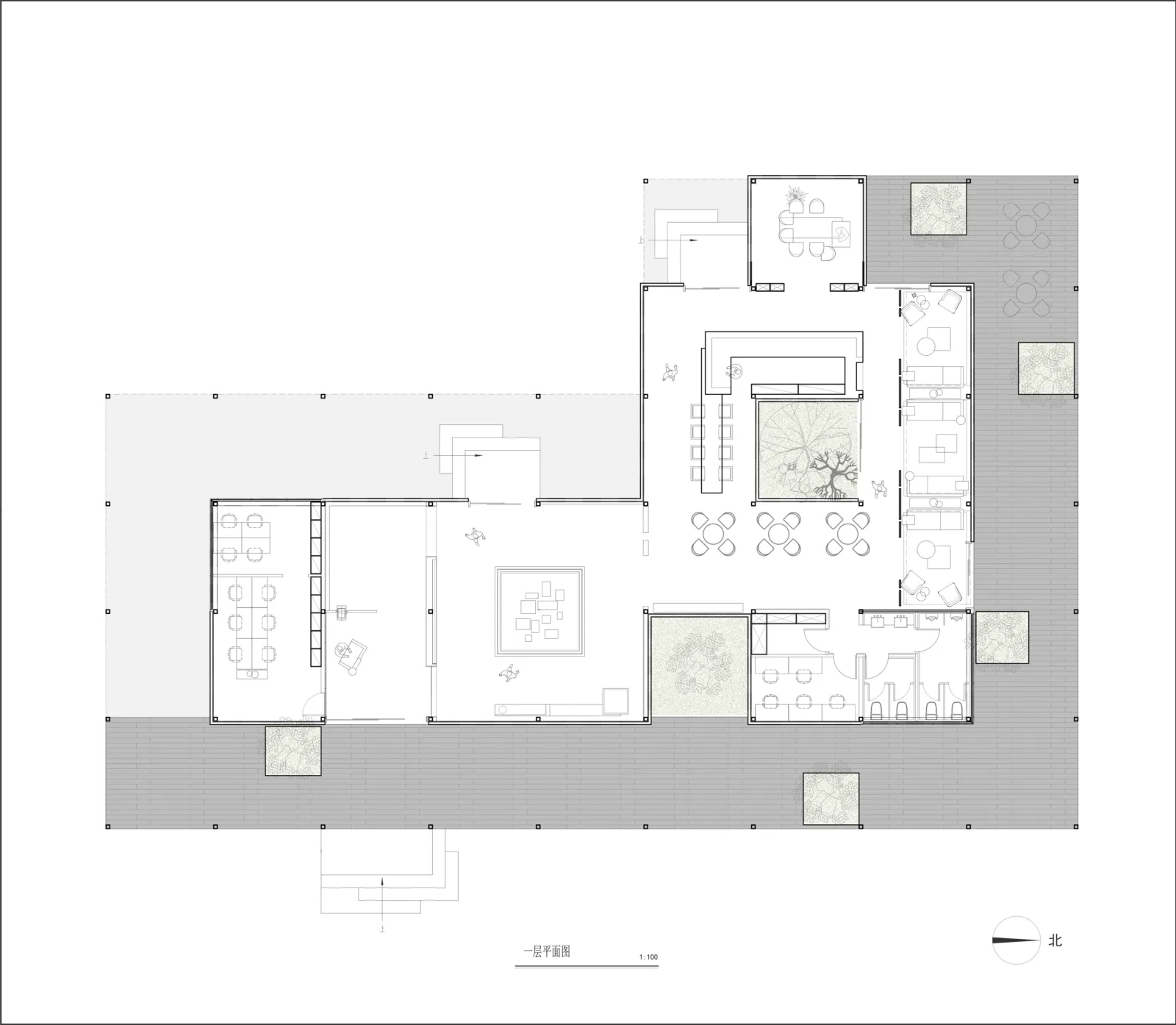
△ First Floor Plan
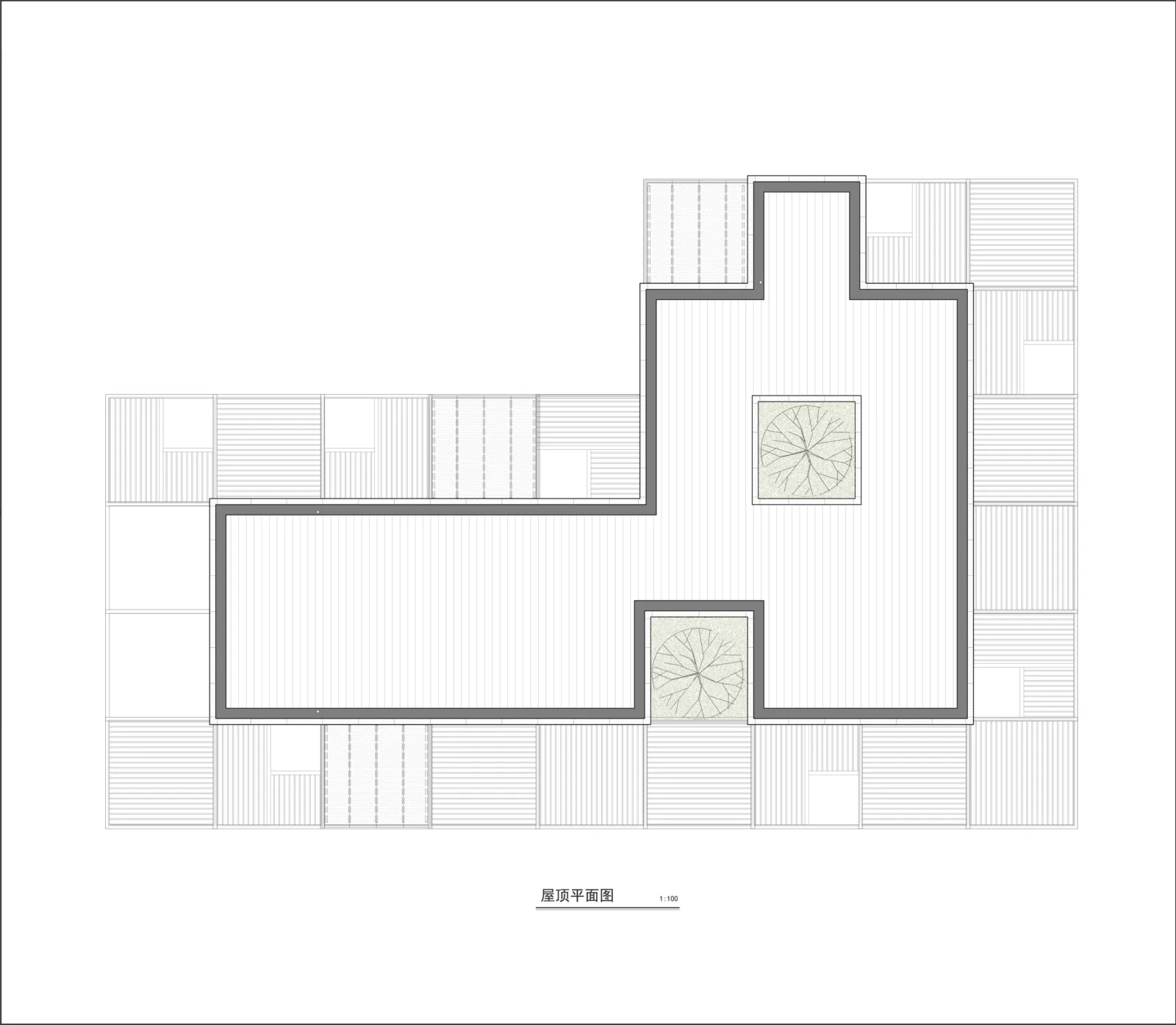
△ Second Floor Plan
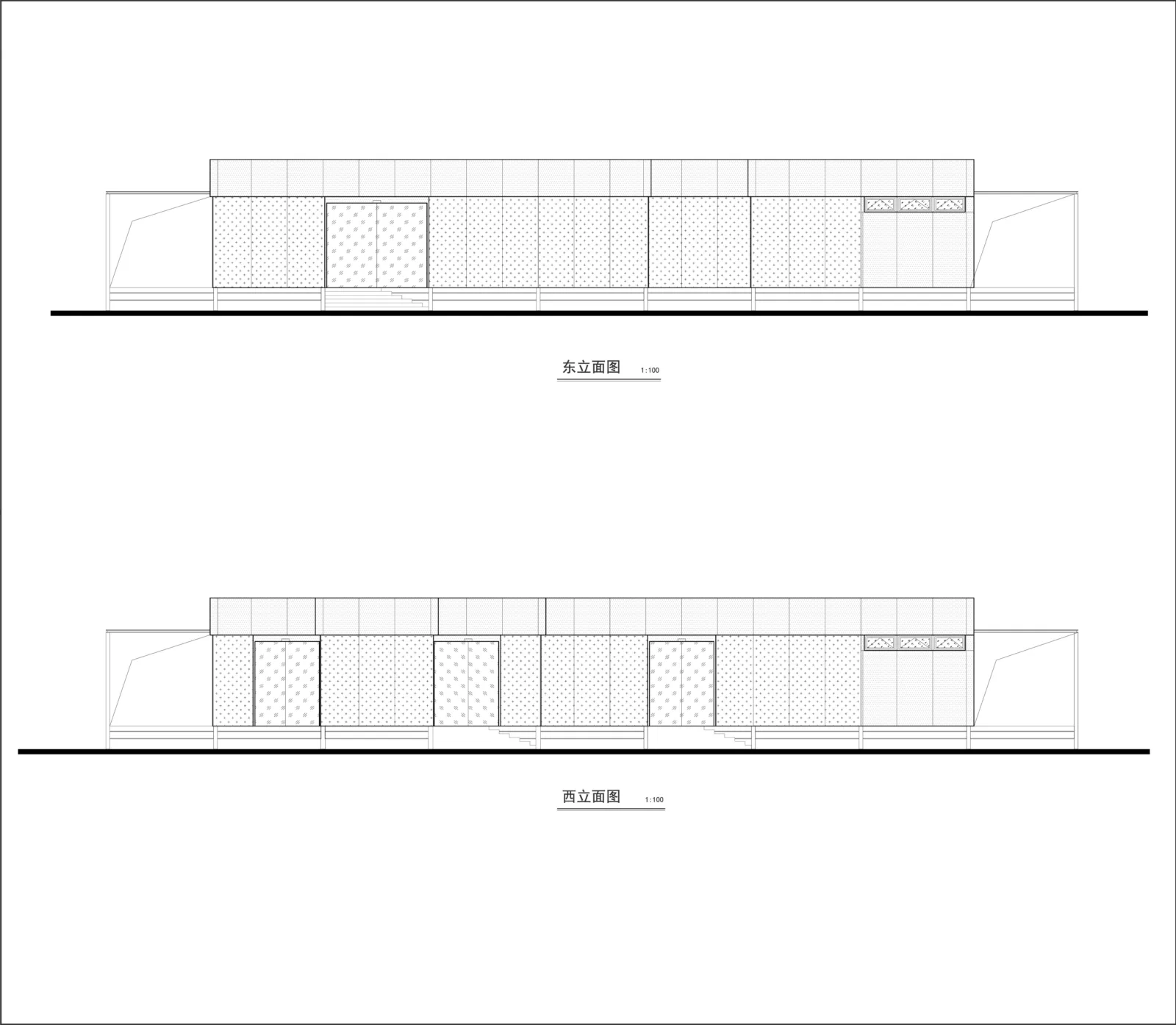
△ Elevation Drawing
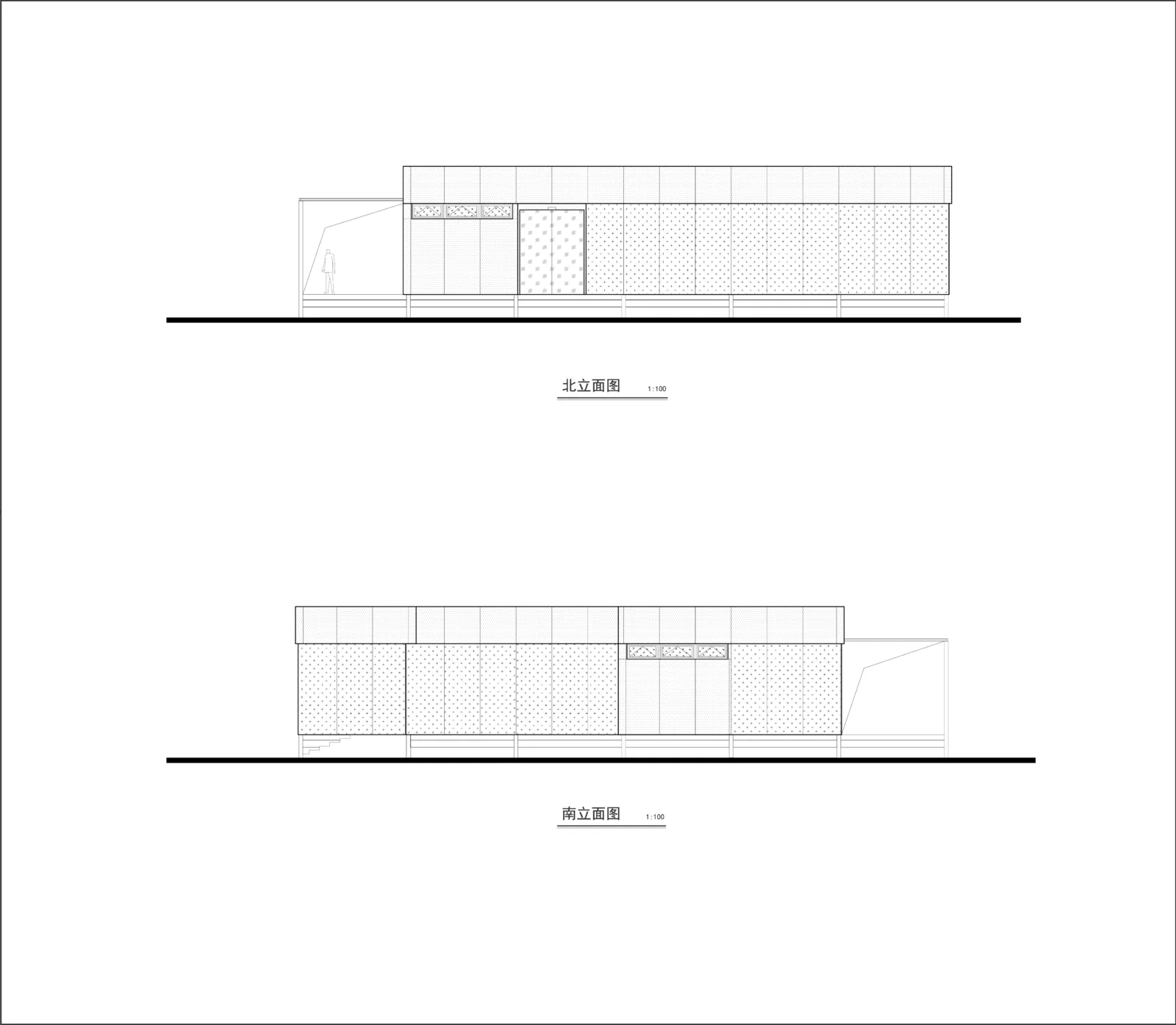
△ Elevation Drawing
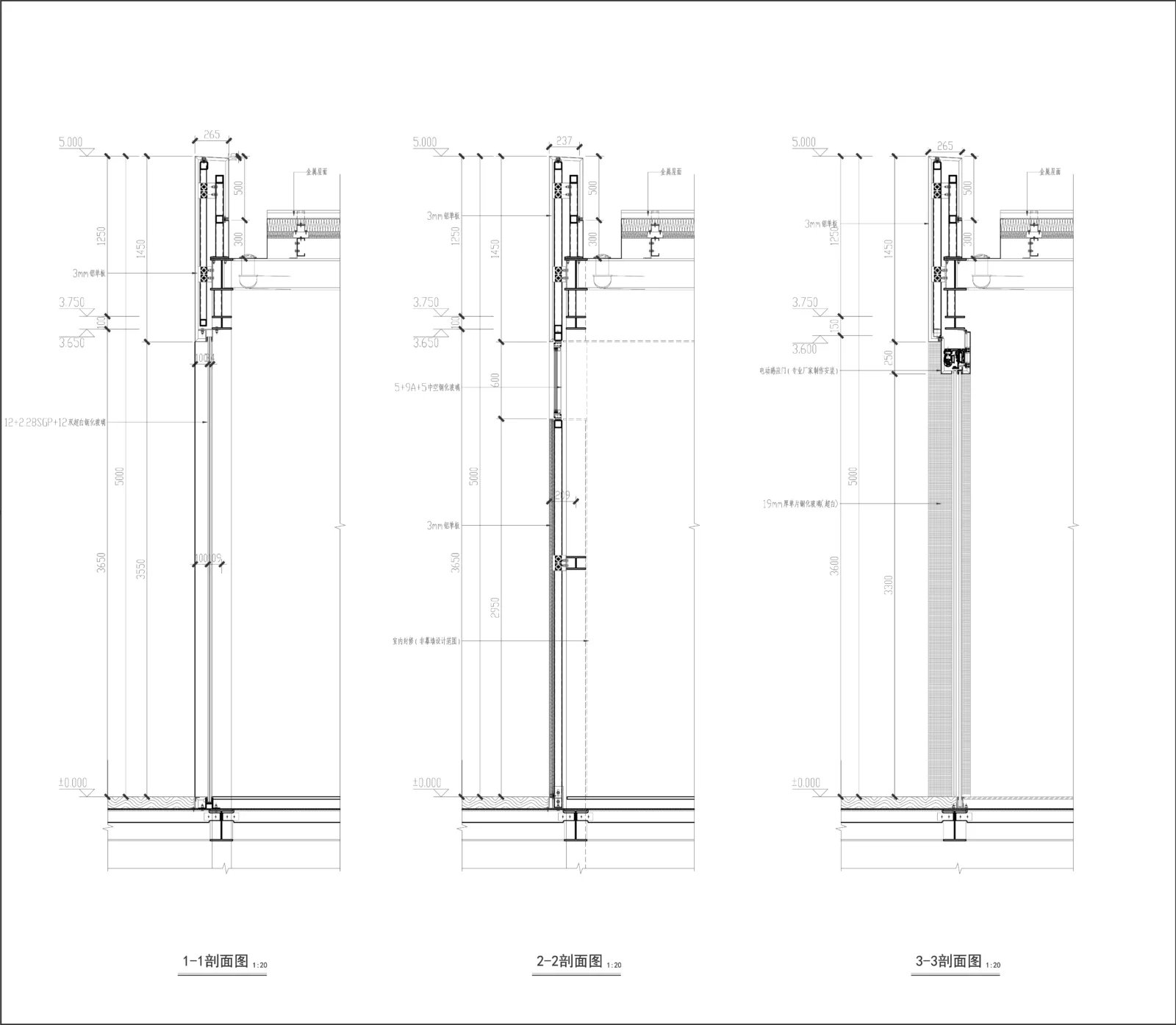
△ Node Details
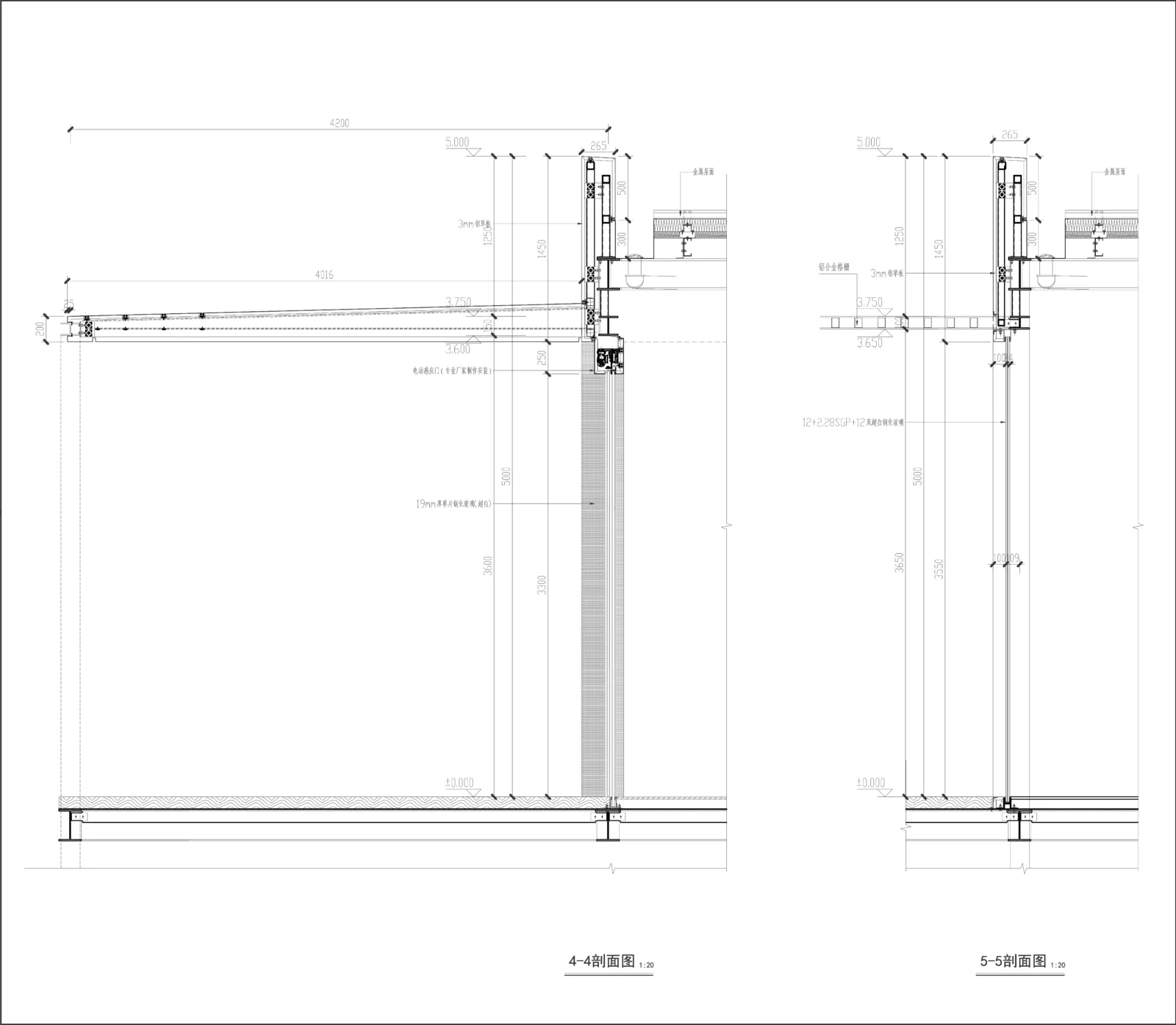
△ Node Details
Project Information
Project Name: Free Spring Morning
Location: Hushuguan, Huqiu District, Suzhou
Owner: Jindi Group
Design Firm: Shanghai Riqing Architectural Design Co., Ltd
Project Manager: Ren Zhiguo
Design Team: Shi Dengke, Zhang Zhuo, Luo Yaxin, Liu Ying, Du Yixin
Landscape Design: Shanghai Shuishi Landscape Environment Design Co., Ltd
Interior Design: Seravi Interior Decoration Design (Tianjin) Co., Ltd
Curtain Wall Design: Zhongheng Design Group Co., Ltd
Floodlight Design: Suzhou Shangmingtang Lighting Design Co., Ltd
Architectural Photography: Mountain Photography
Building Area: 350 m²
Design Period: April 2020
Completion Date: September 2020












Must log in before commenting!
Sign Up