
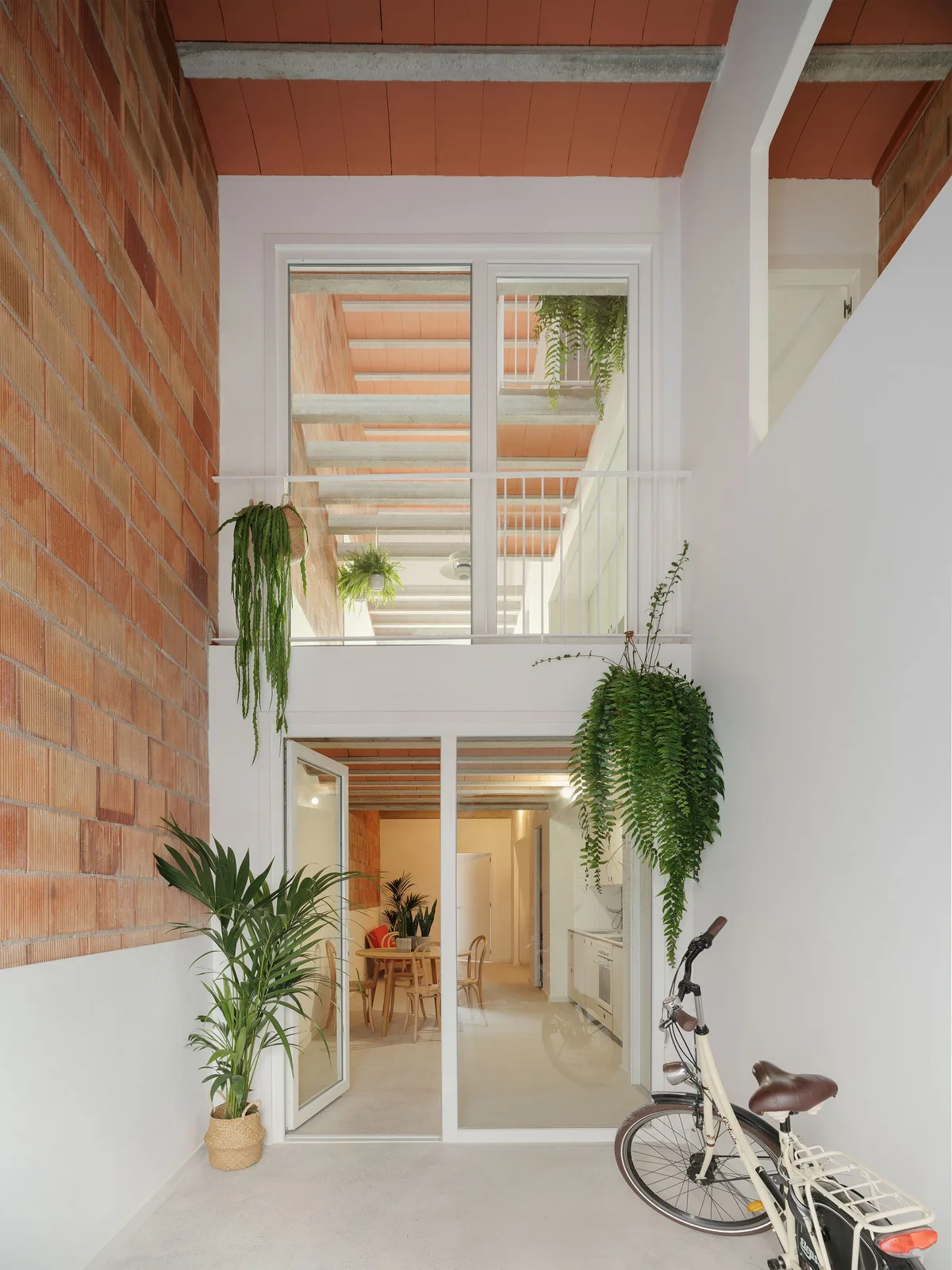
The city of Calella features a building system typical of the Catalan coast, where structures are built between boundary walls. This style, known as “case de c ò s,” is characterized by a narrow width of four to five meters, a height spanning two to three floors, considerable depth, and often includes a small internal courtyard.
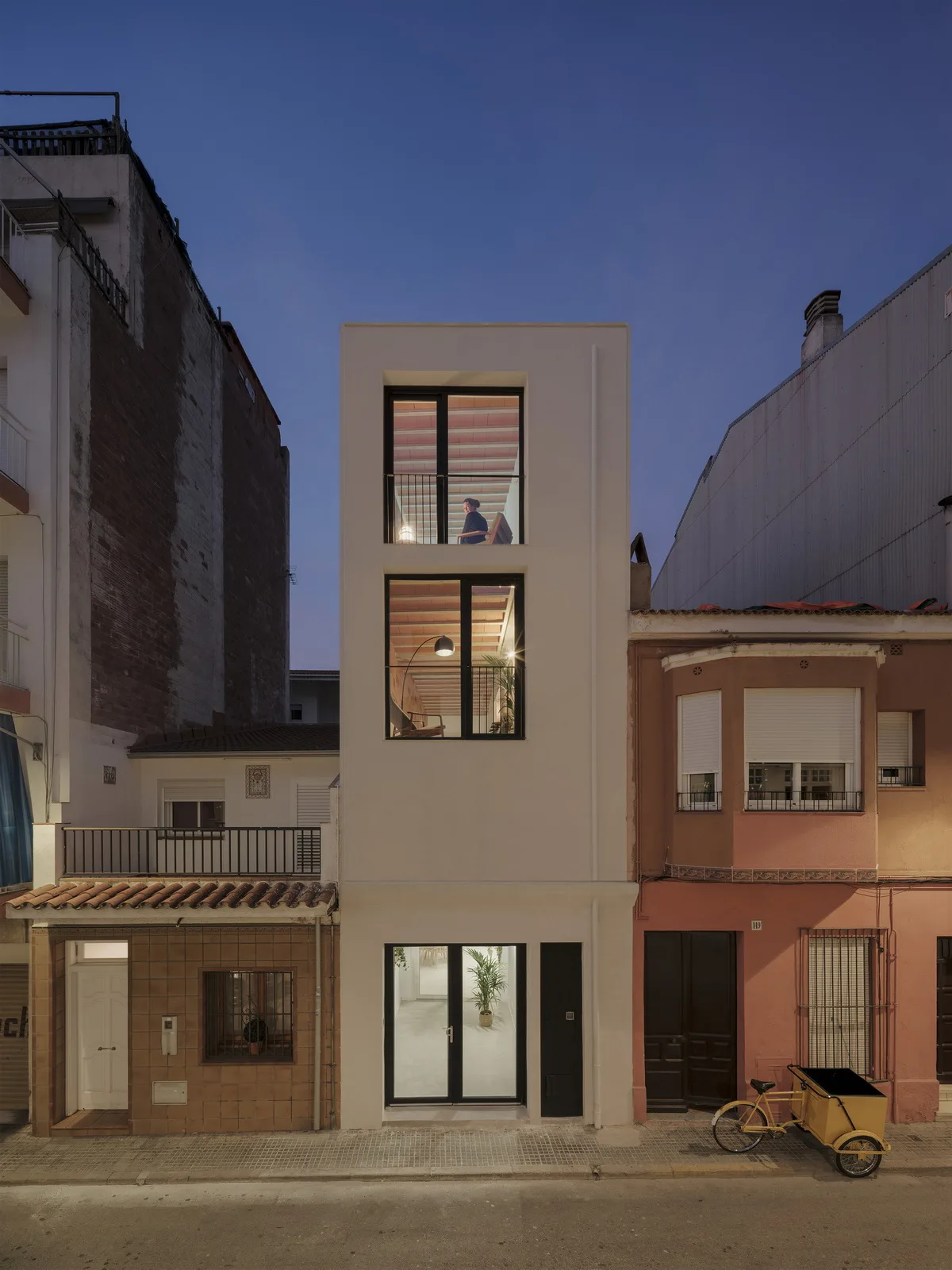
This project involved more than just constructing a home; it faced several challenges from the outset. Designed to accommodate a woman and her mother living together, the house is situated on a narrow plot only four meters wide but very deep. These constraints influenced the vertical flow of space and the natural lighting in the central areas of the residence.
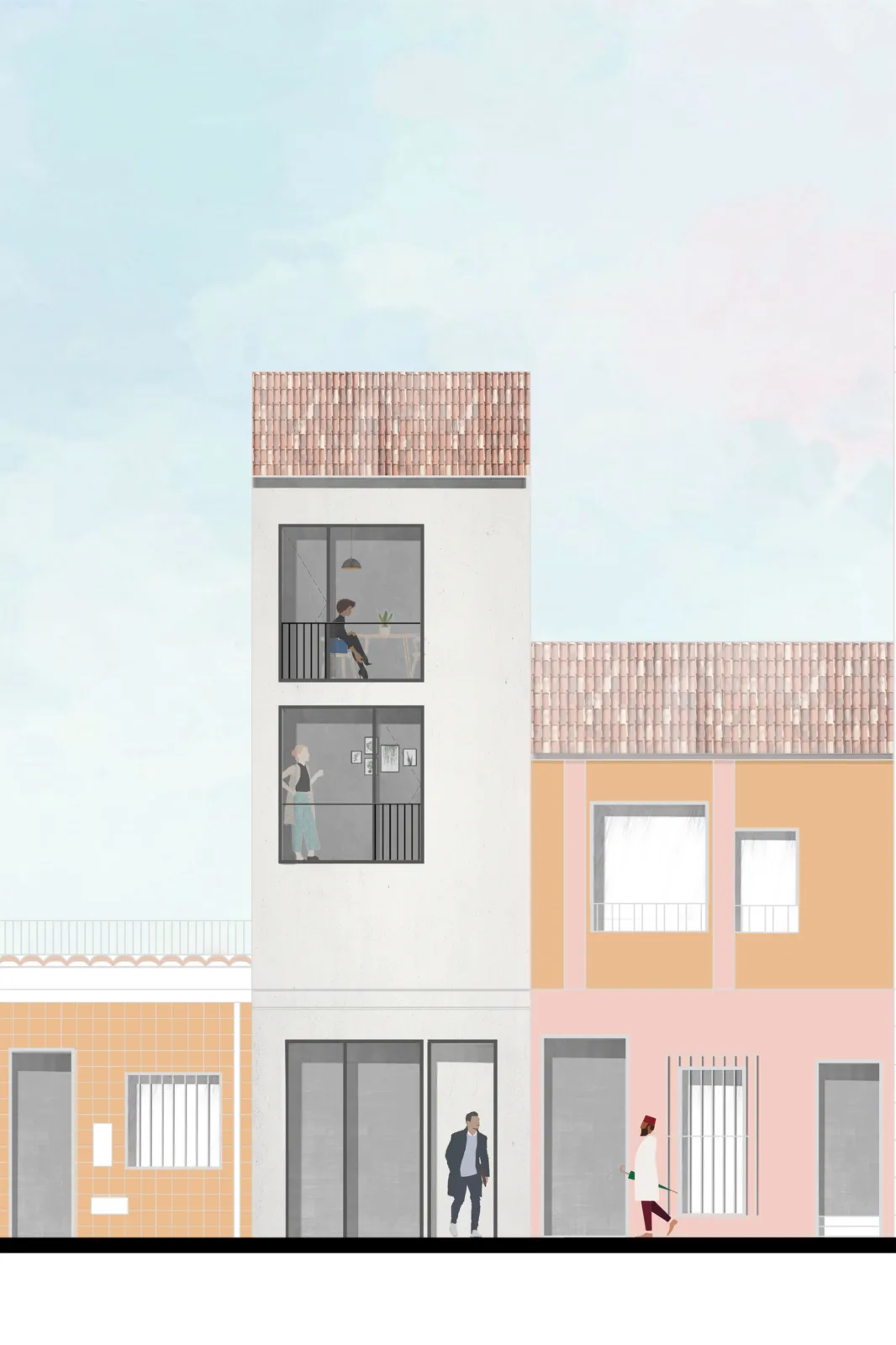
△ Elevation drawing
The layout confirms that the mother occupies the ground floor, while the daughter lives upstairs. The ground floor offers direct access to both the street and the internal courtyard. The second floor contains a kitchen, living room, dining area, and bedroom, forming a cohesive living space. Additionally, there is a guest room and a yoga studio.
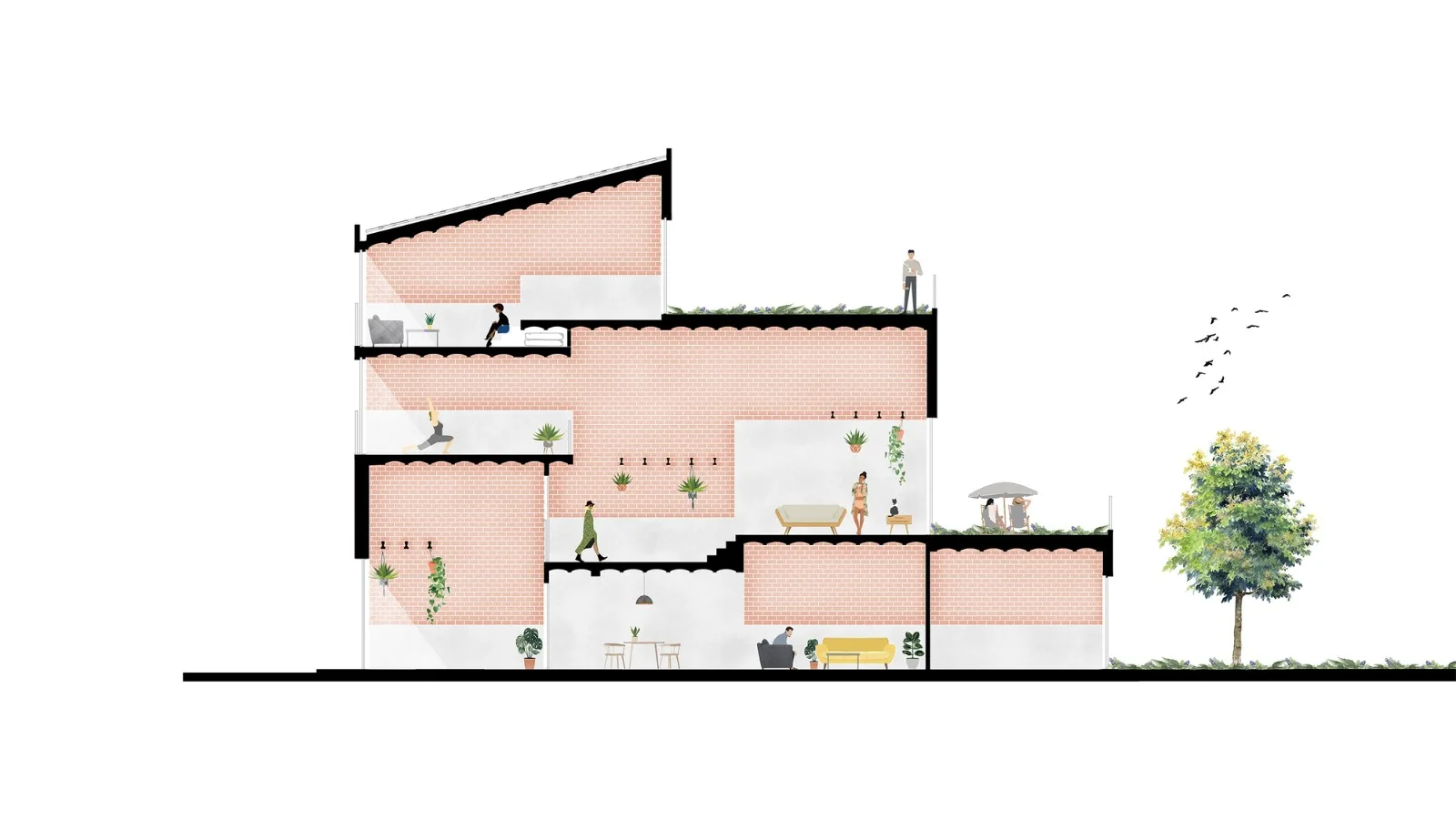
△ Section diagram
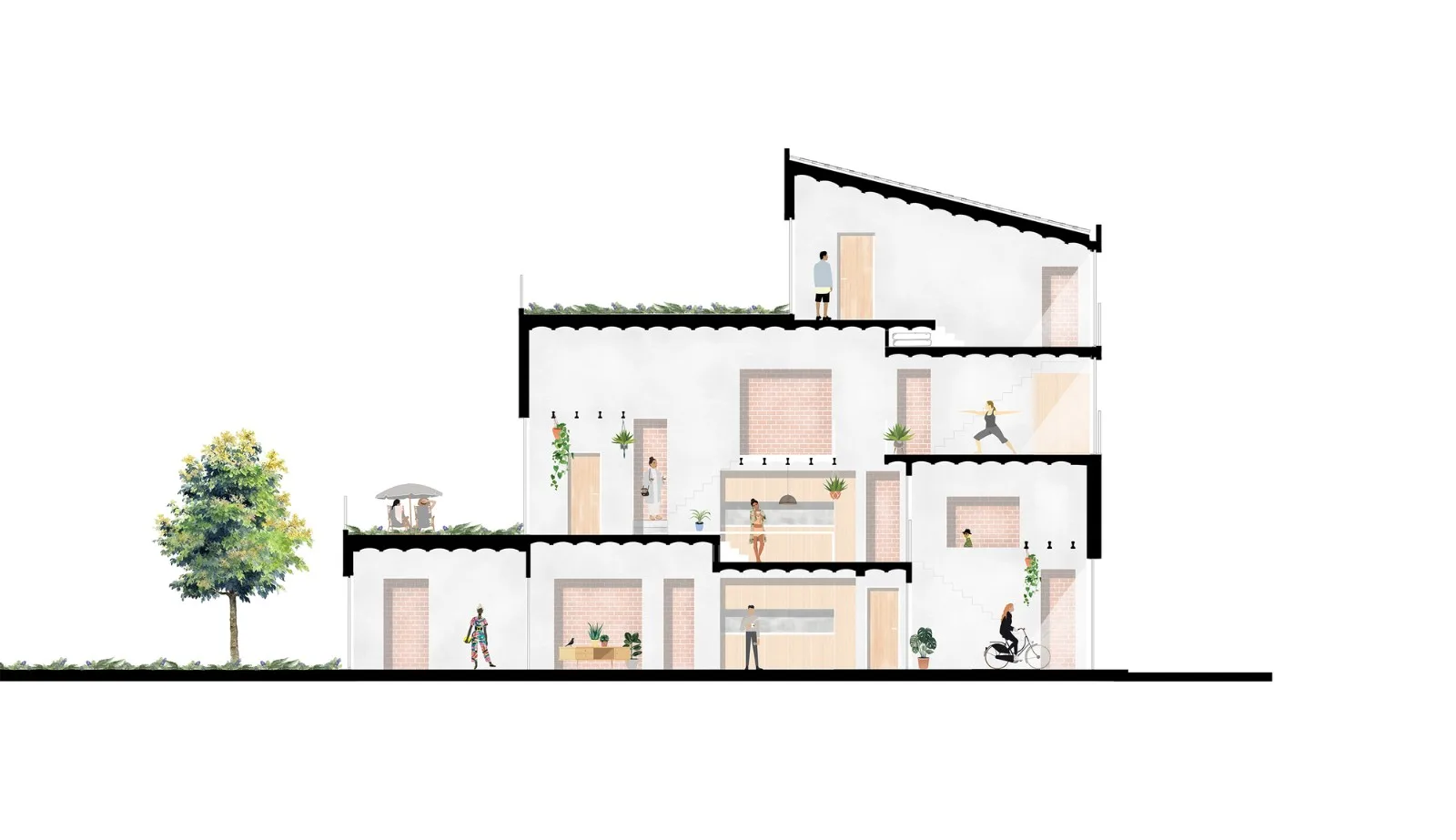
△ Section diagram
Despite the narrow width of the plot, the building’s cross-sectional design maintains a direct vertical connection between functional spaces on each floor, while allowing natural light to reach all rooms.
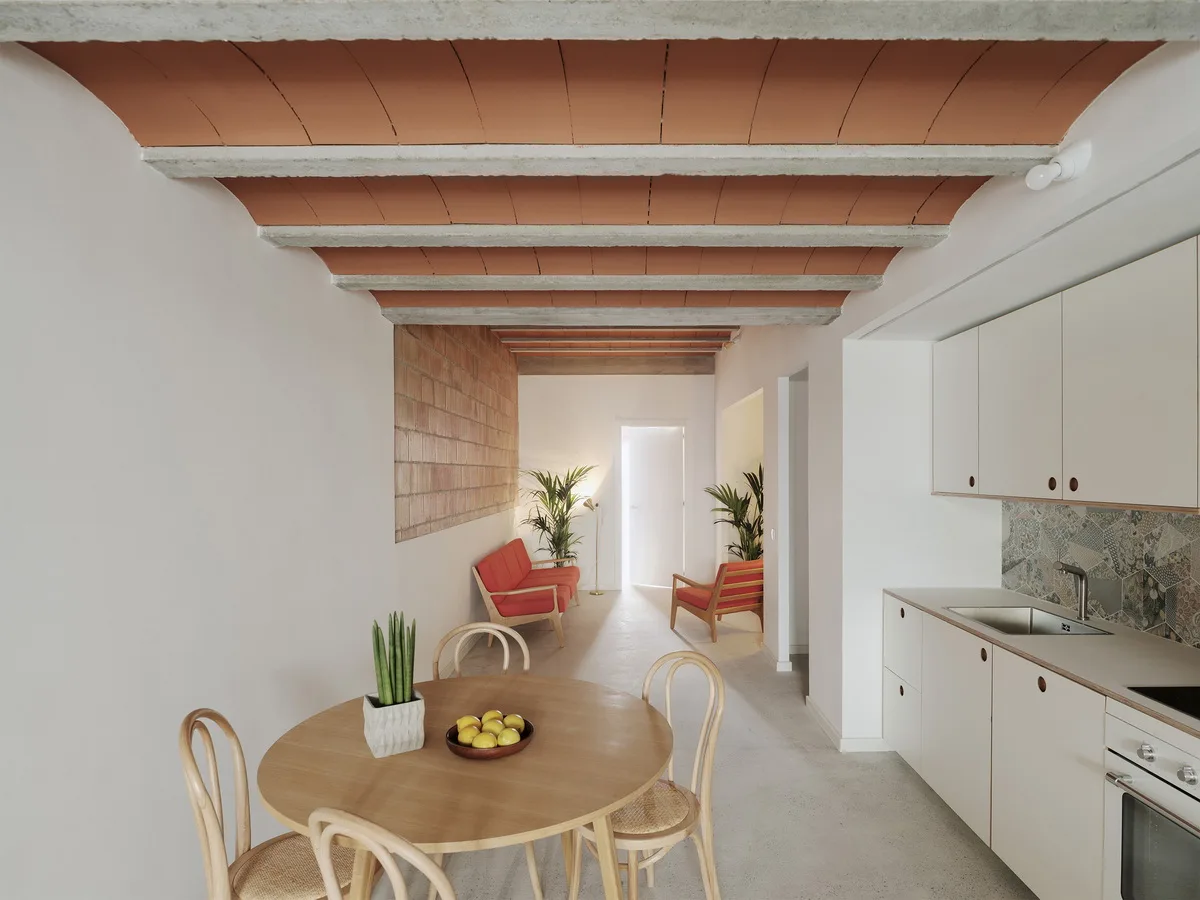
The first floor features an open-plan layout with varying ceiling heights that define different functional areas. On the upper level, changes in floor and ceiling heights create diverse spaces offering varying degrees of privacy. The design emphasizes flexibility, allowing the residence to adapt to different uses throughout its lifespan. Each functional area balances privacy needs with spatial cohesion.
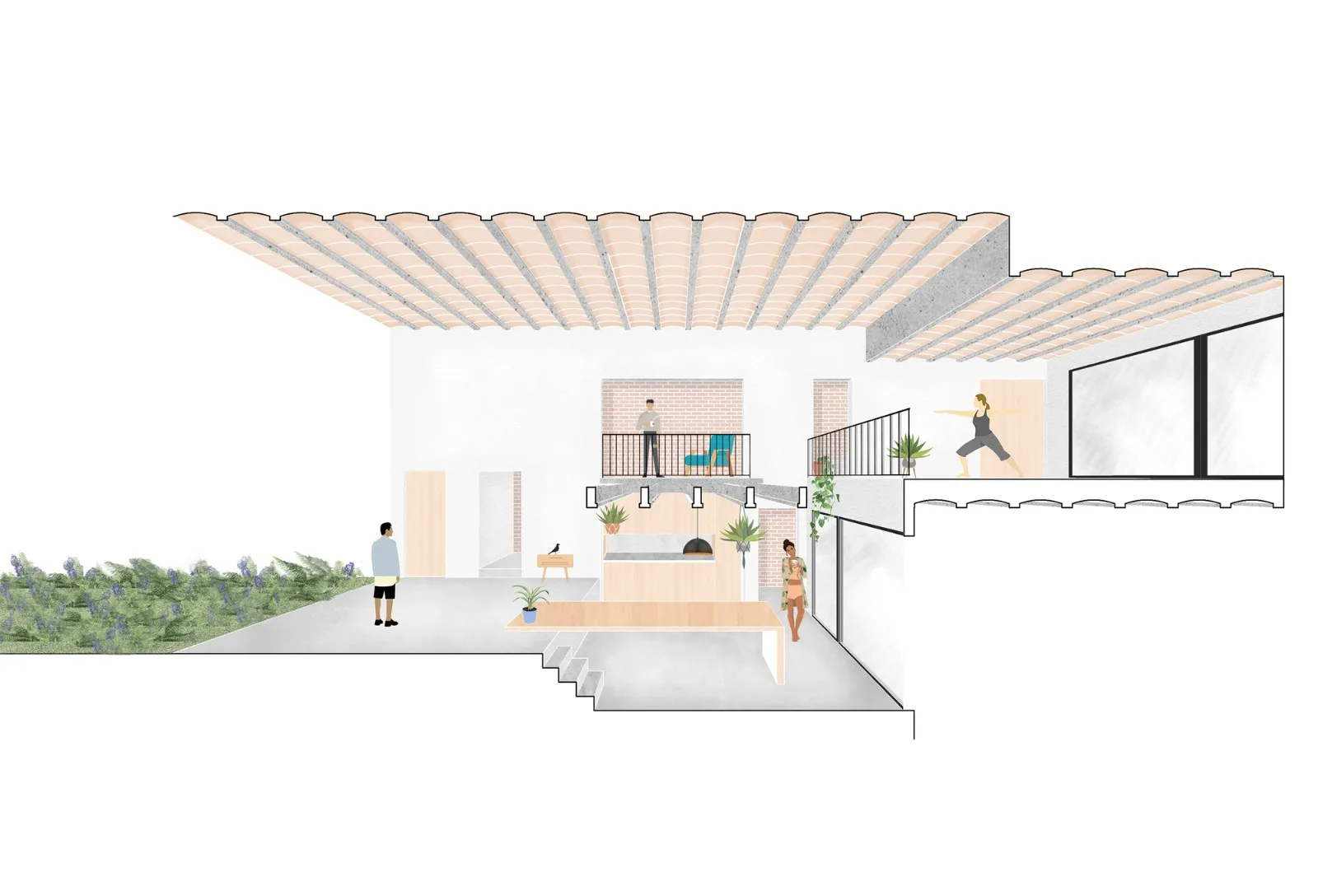
△ Sectional perspective view
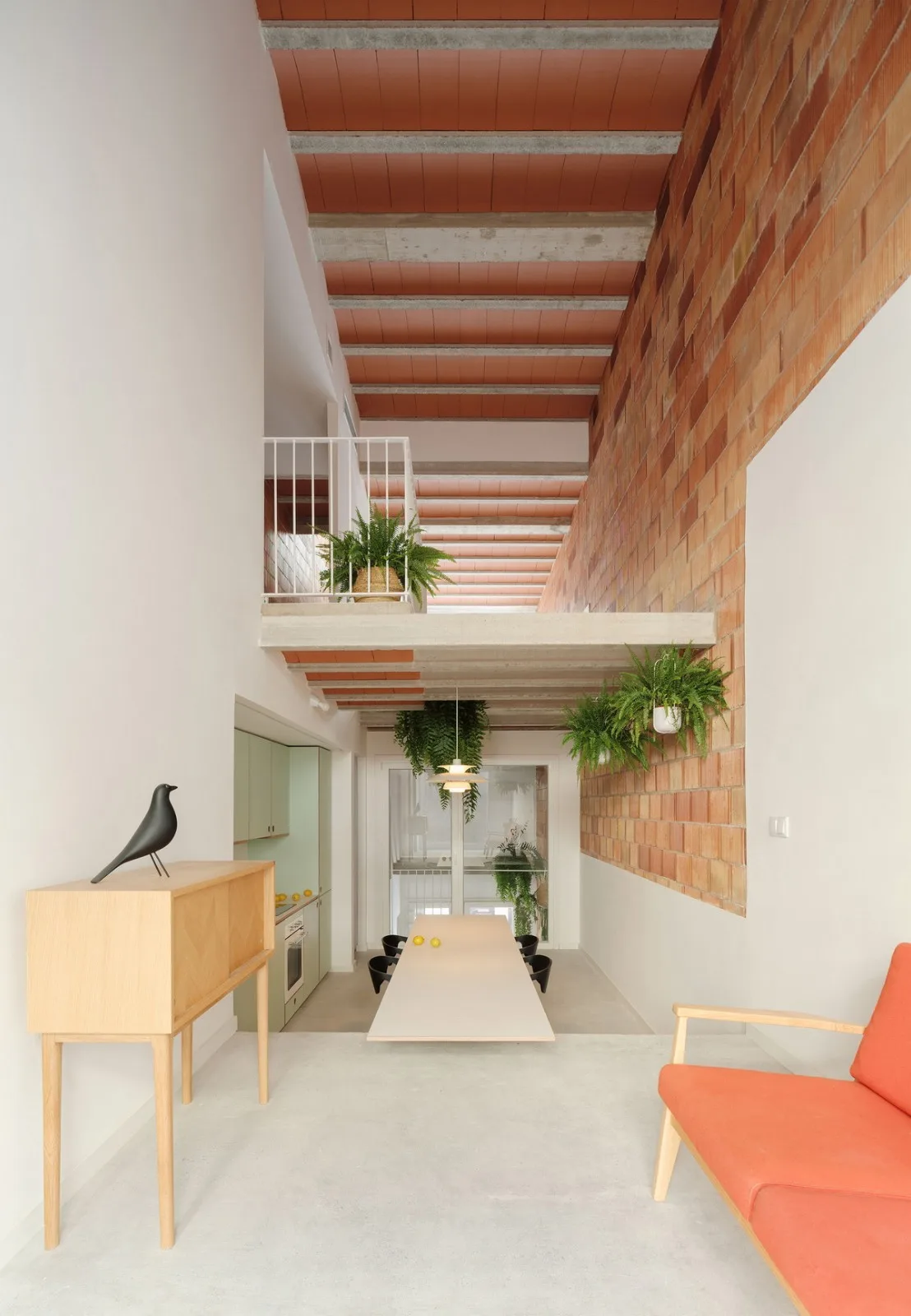
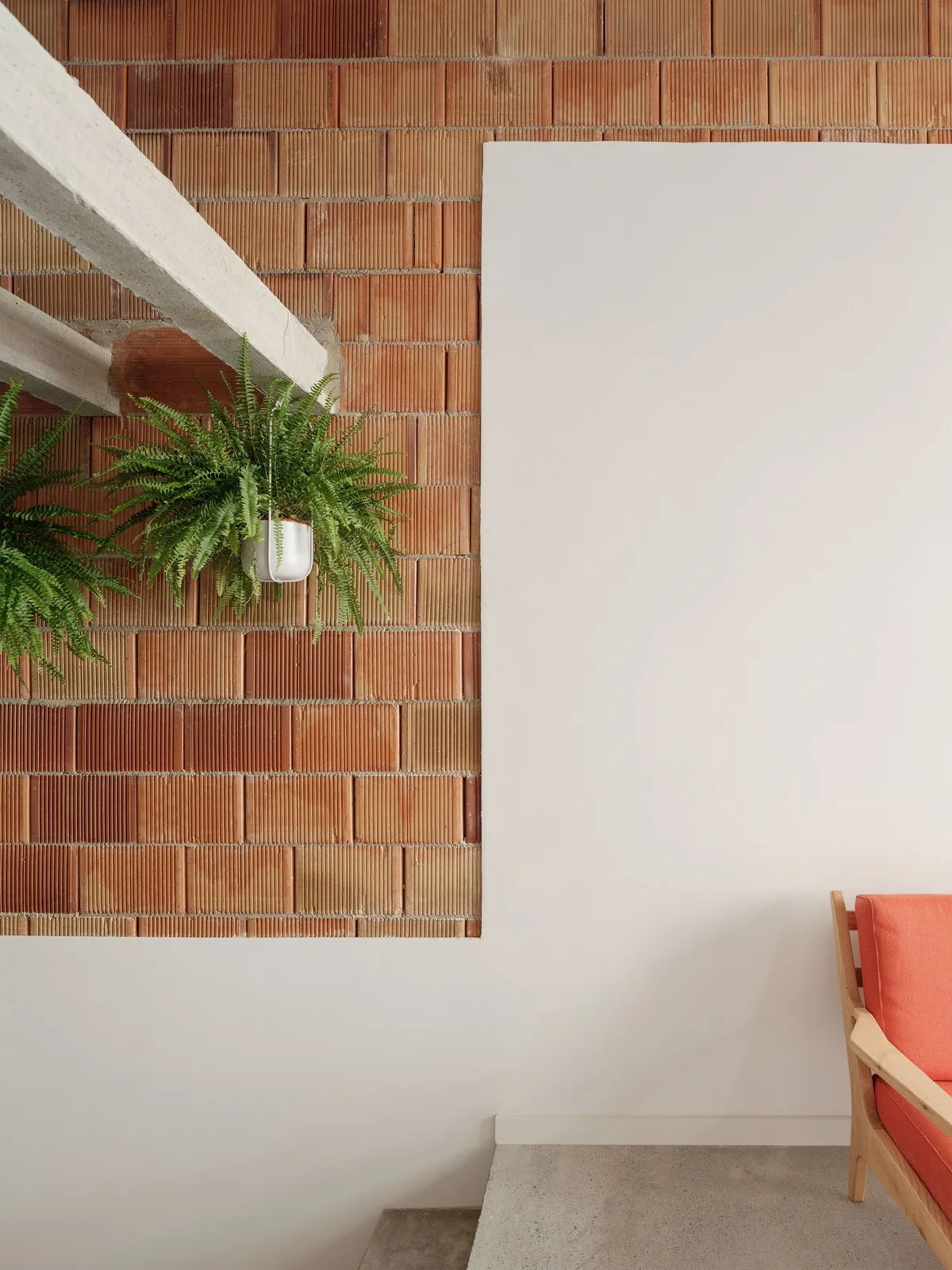
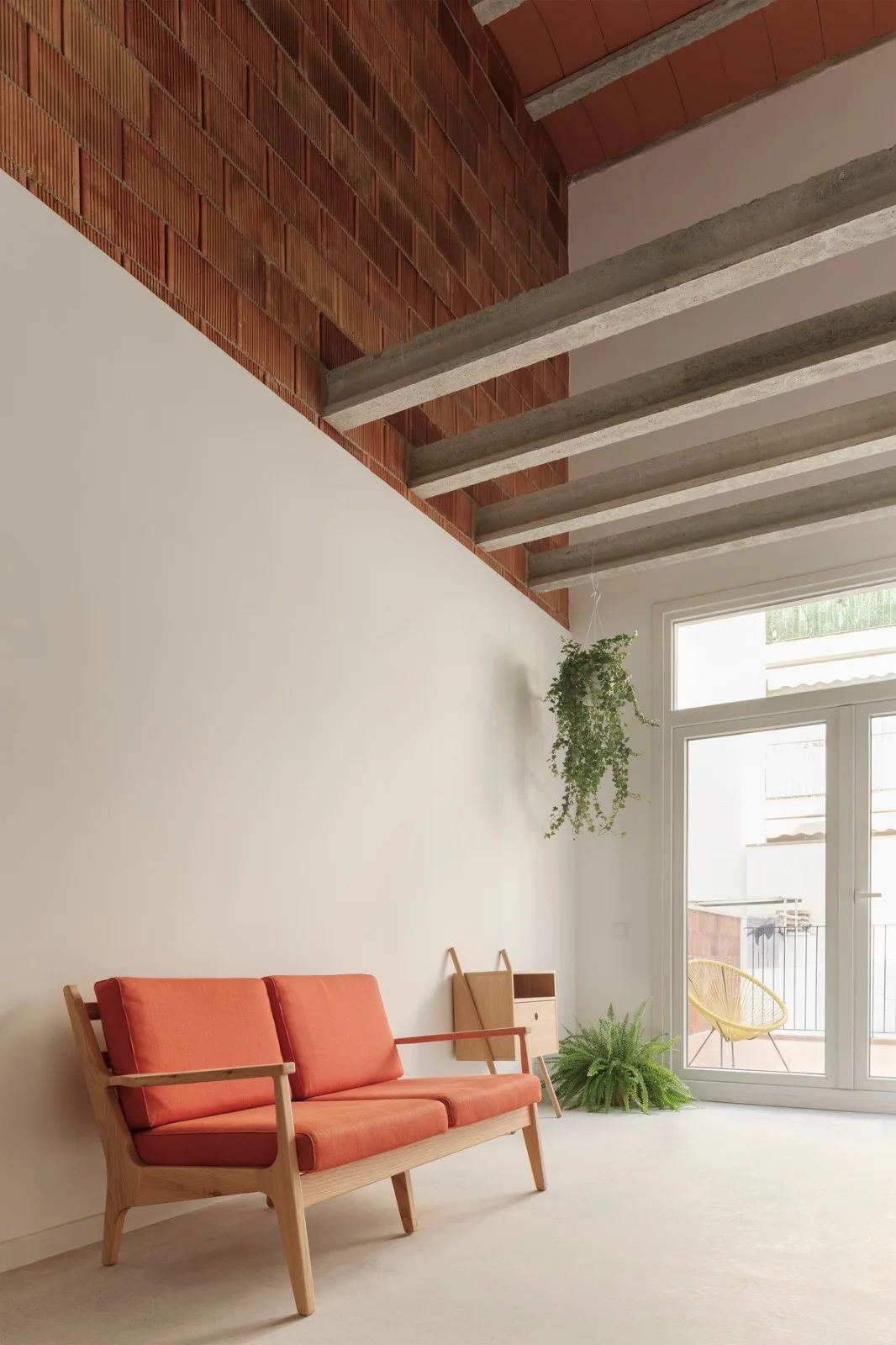
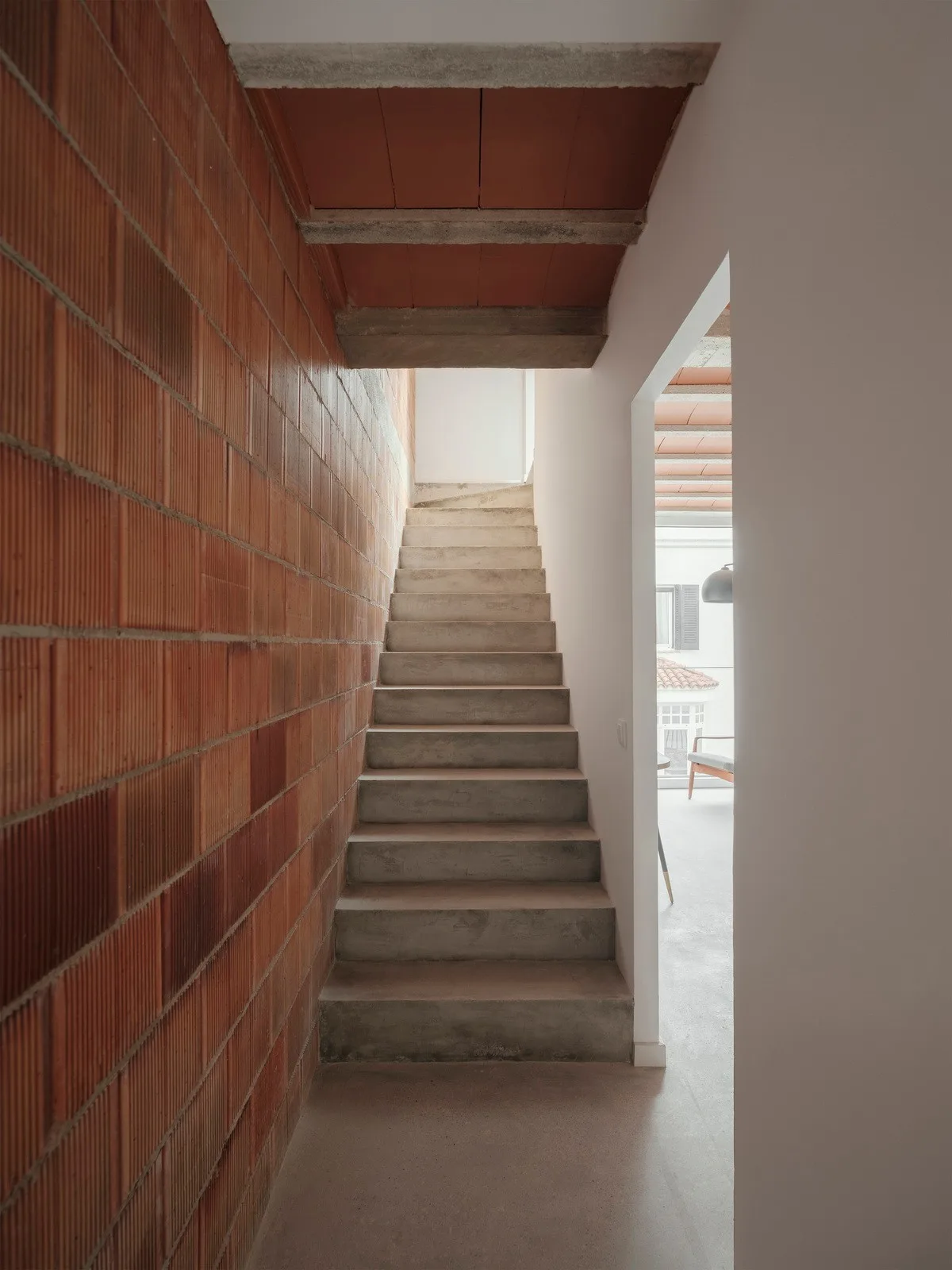
The design embraces an open diagonal line of sight, avoiding visual barriers and allowing a clear view of each space at any moment. From the entrance, you can see both the mother’s living area on the ground floor and the daughter’s space diagonally above. The stairs ascend continuously, revealing the diverse spatial possibilities within the home. Architectural elements appear and disappear, with beams supporting greenery that gradually integrates with the structure and other key features.
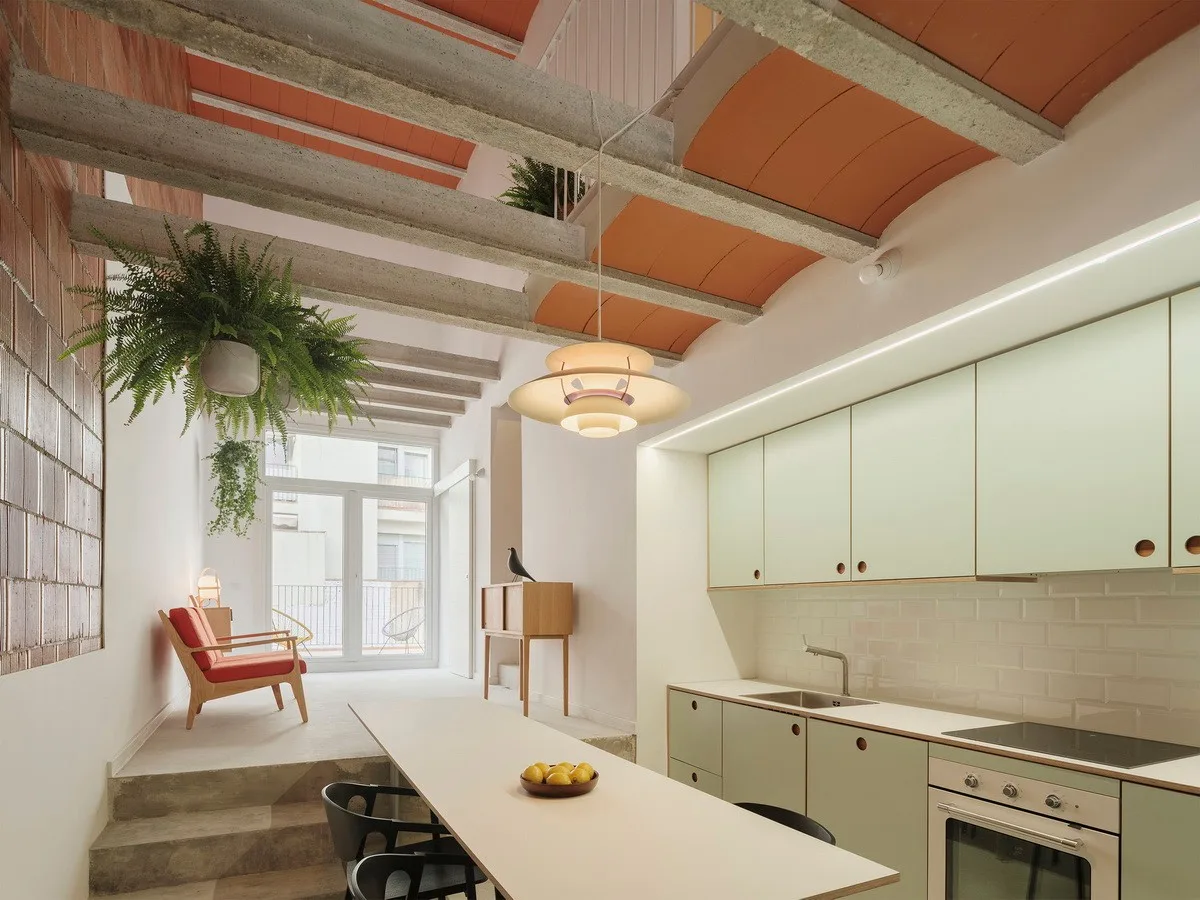
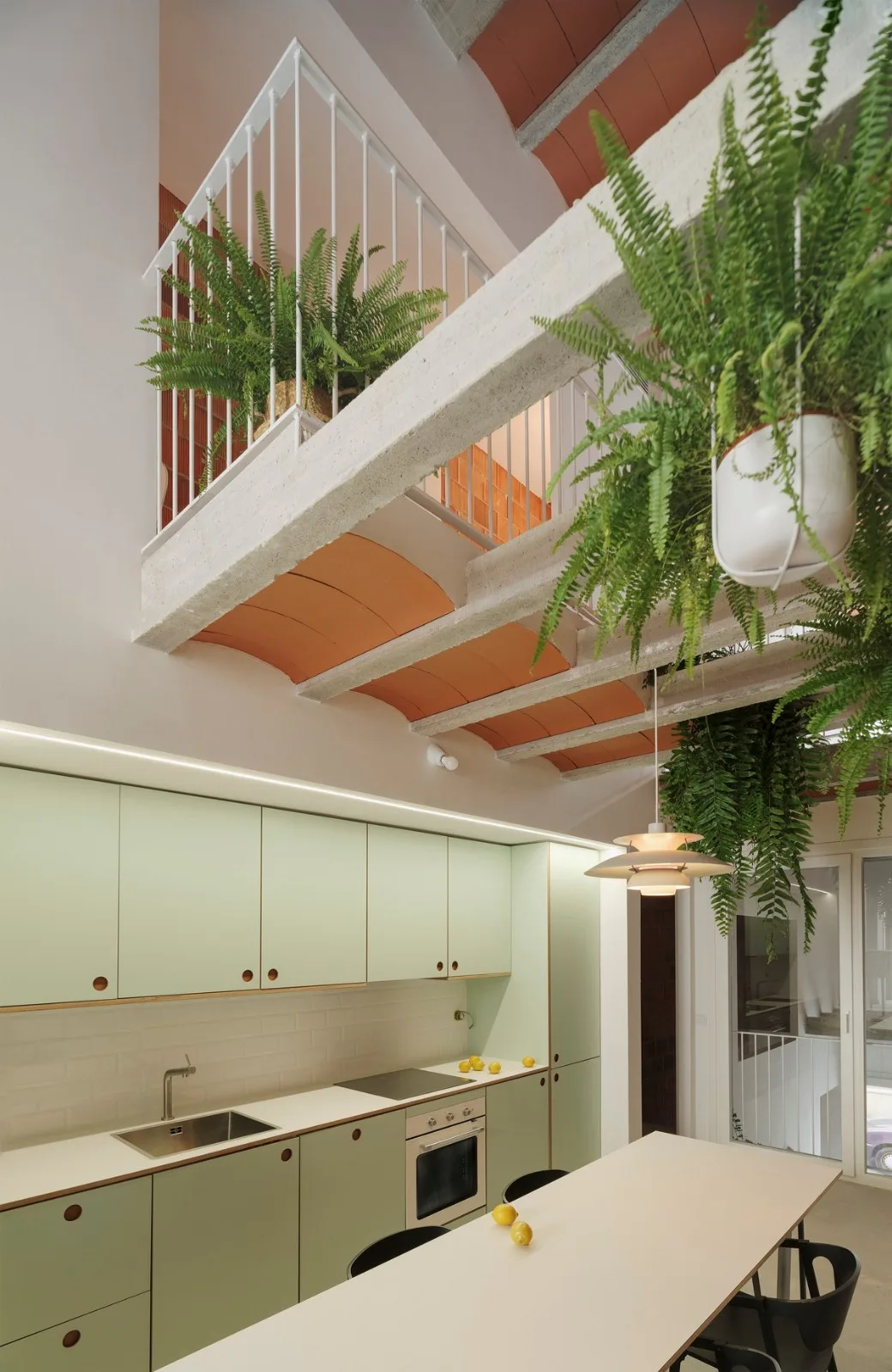
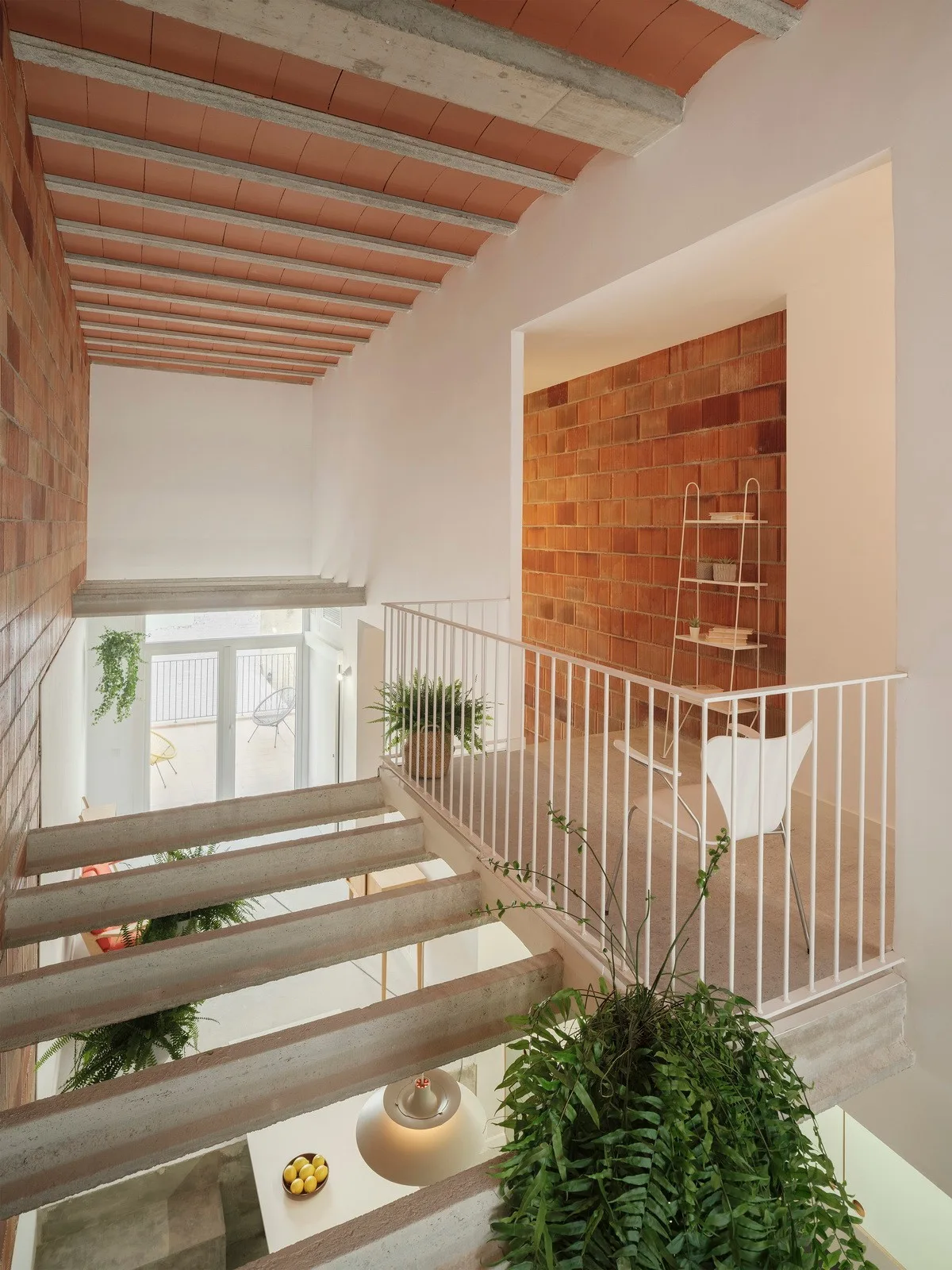
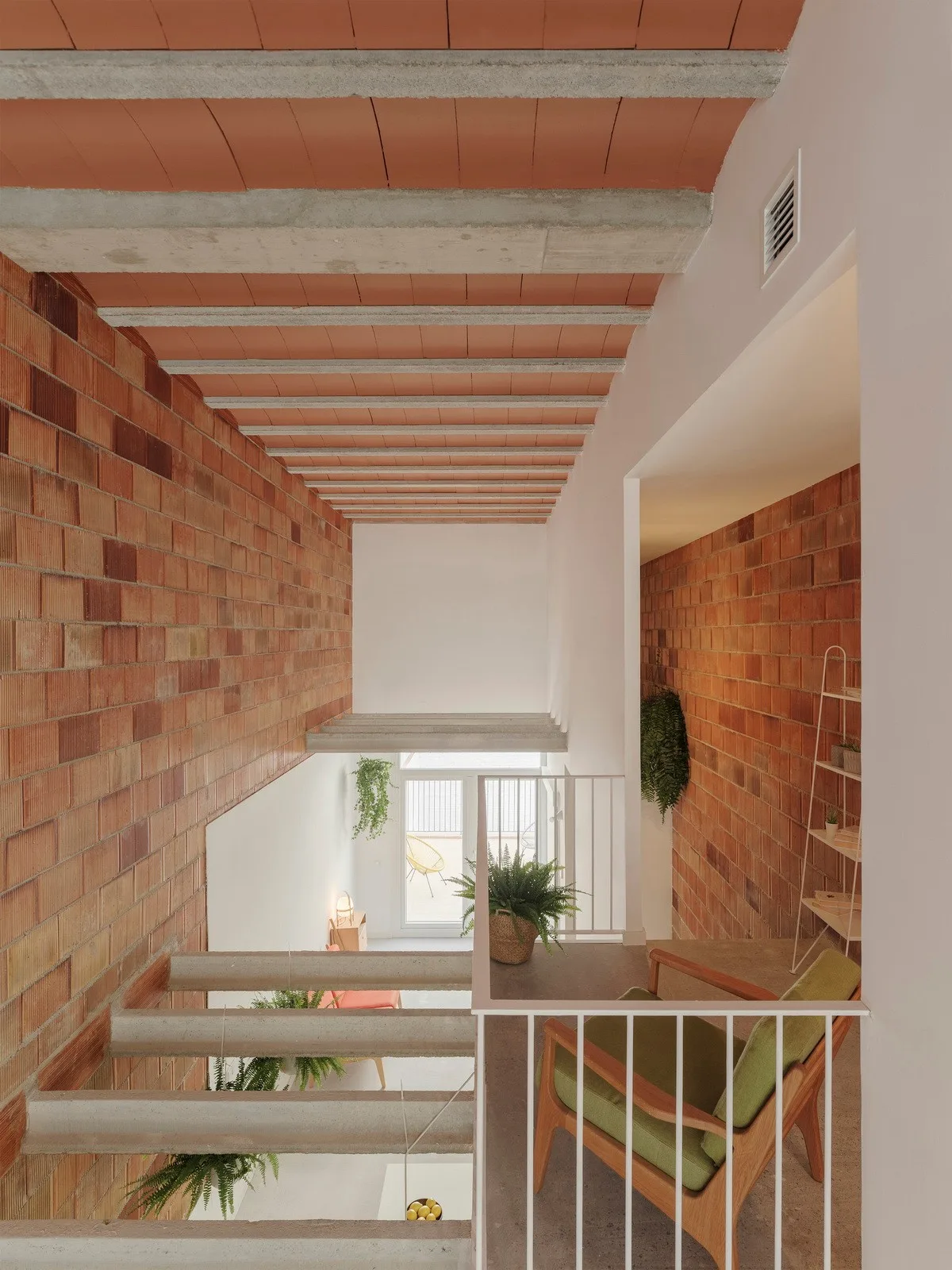
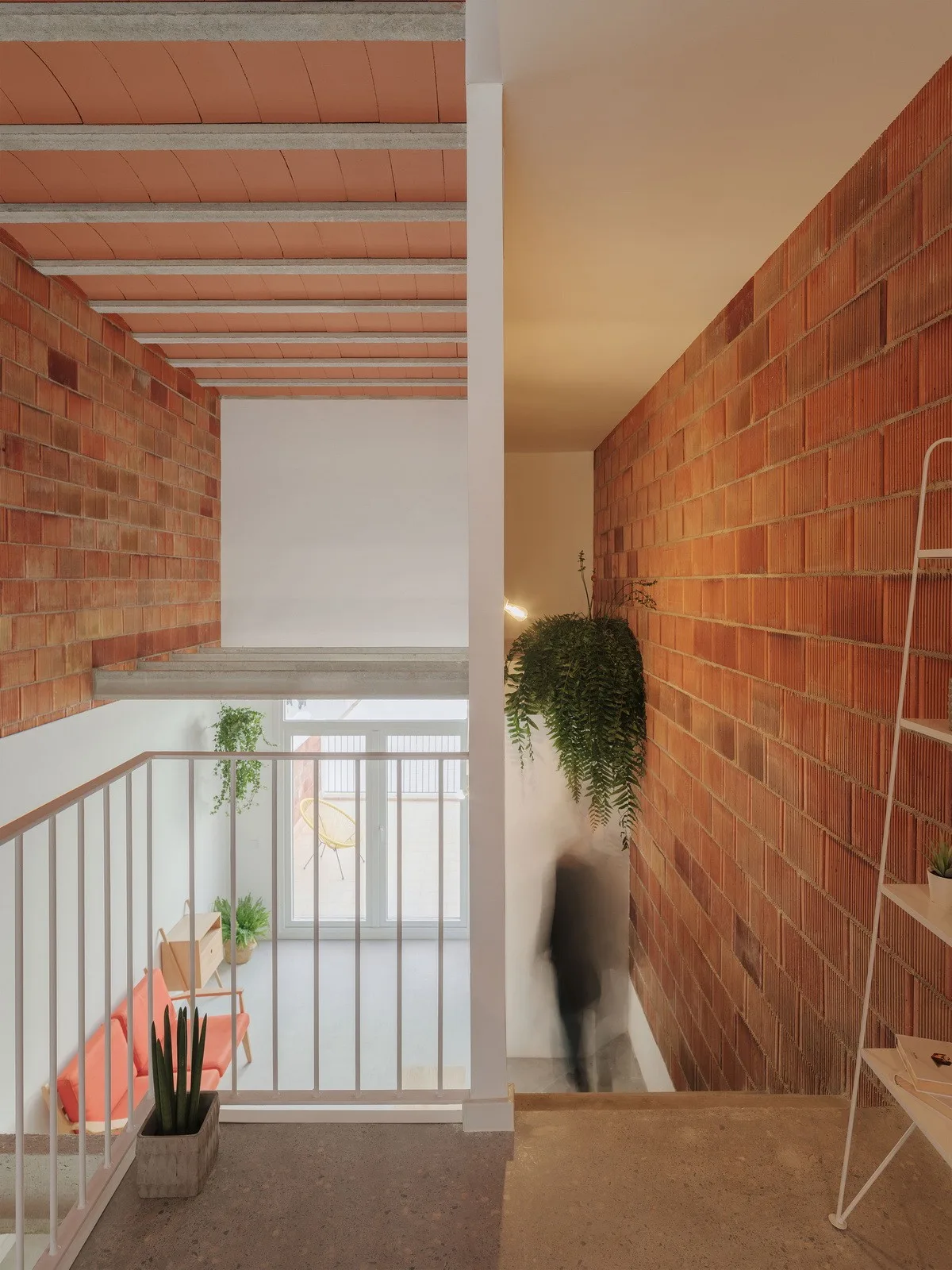
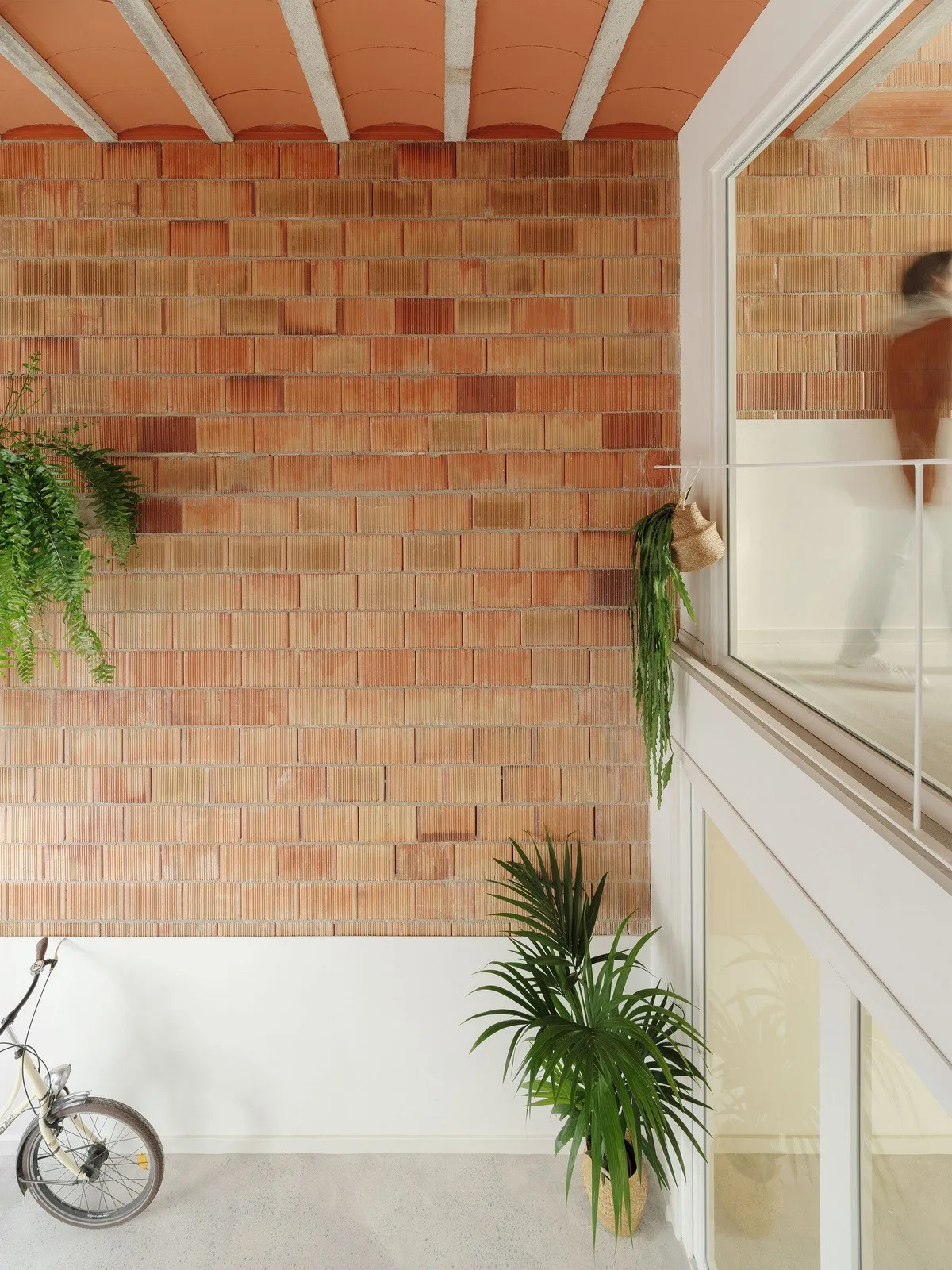
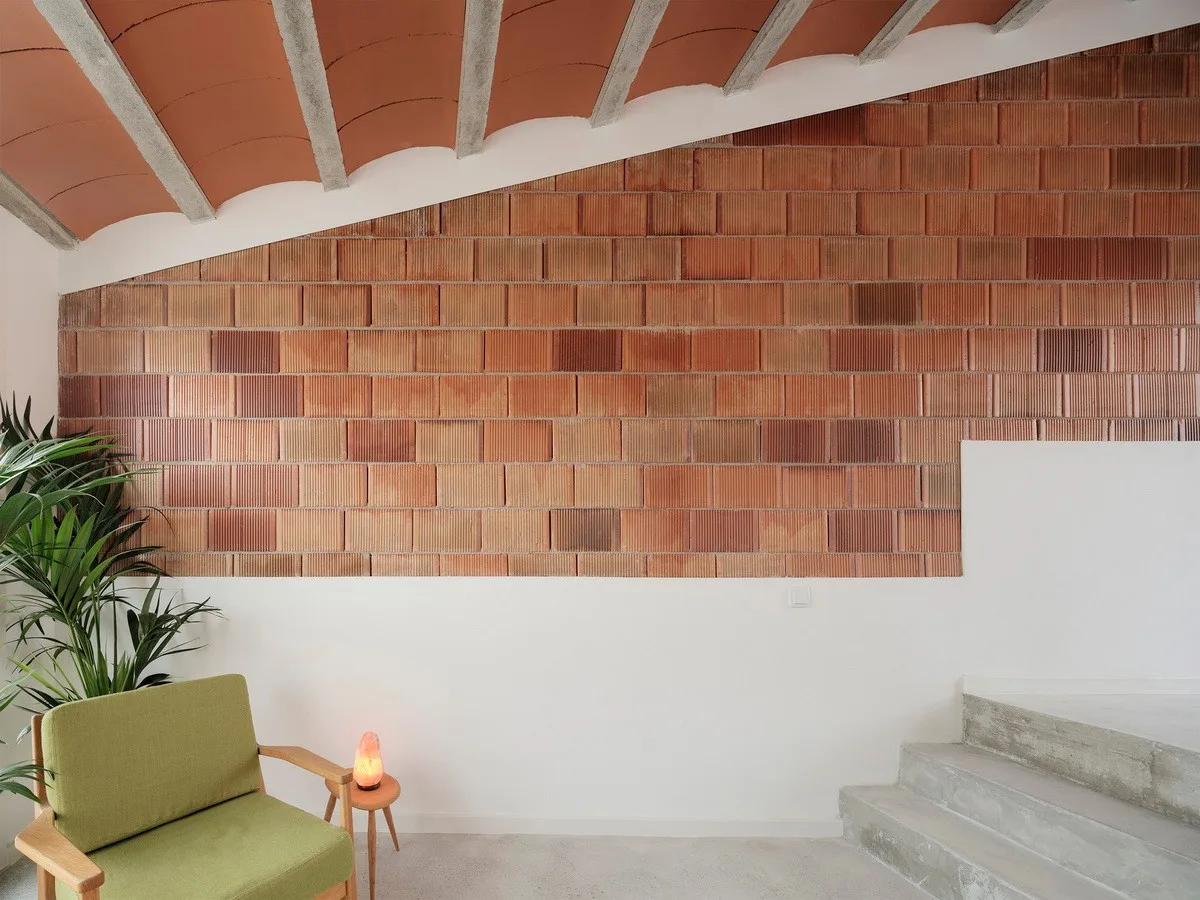
The residence is built using local materials and traditional craftsmanship. Throughout the project, the architectural expression is conveyed through the authenticity of the structure and the careful selection of materials. The simple, rustic framework complements the chosen materials, maximizing the natural beauty and character of ceramics, concrete, gypsum, and wood, which give the home its unique personality.
Design Drawings
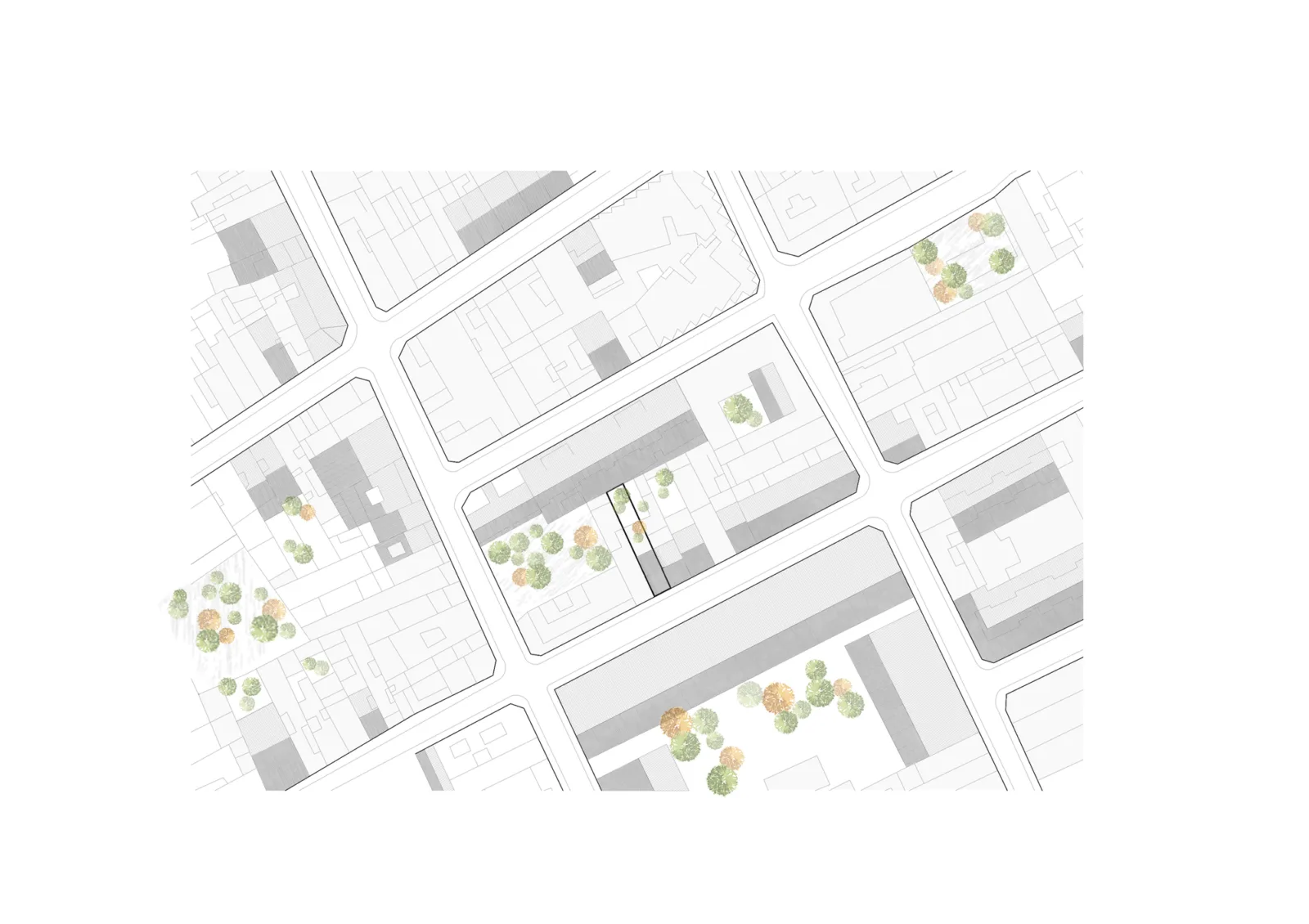
△ General layout plan
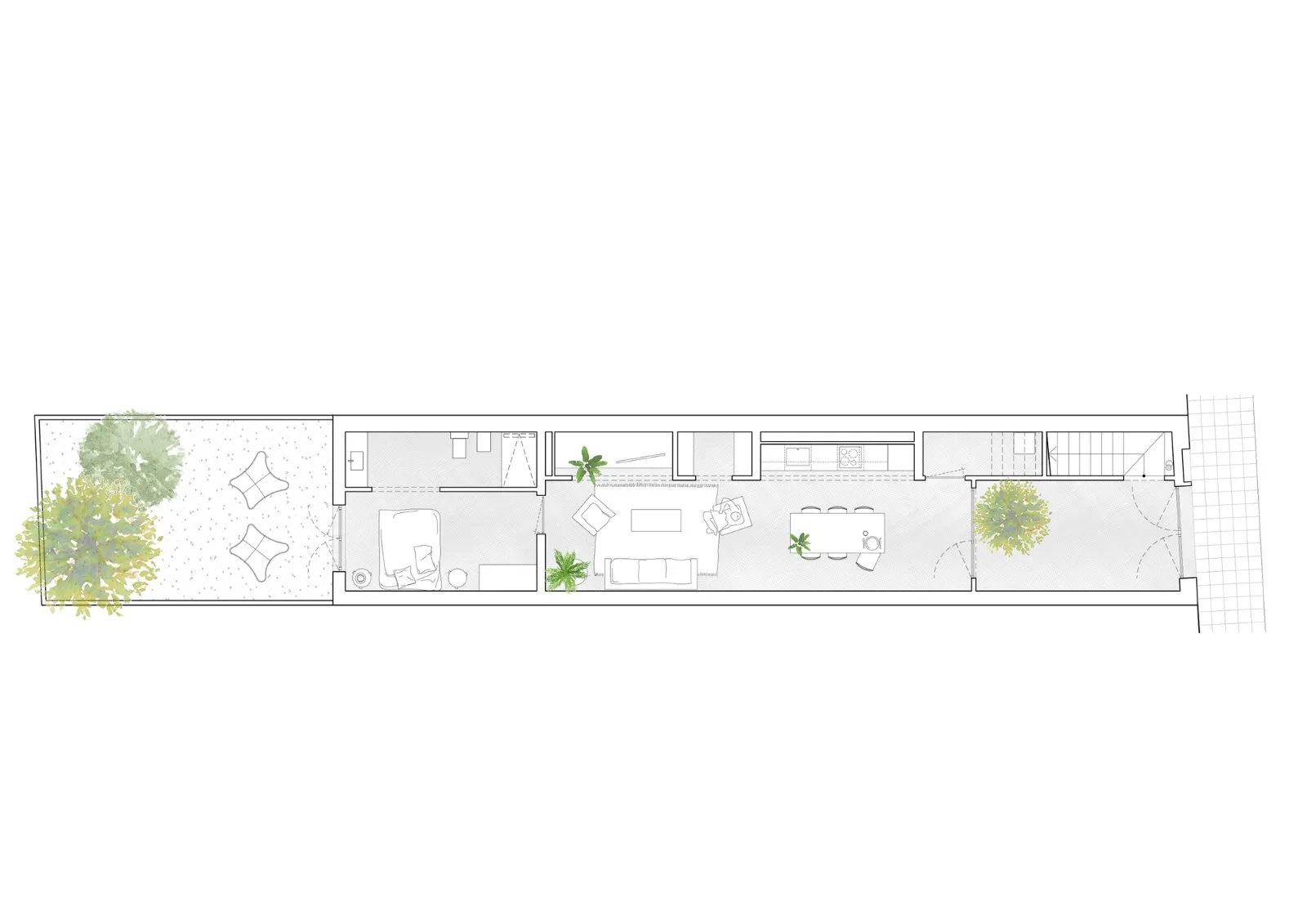
△ Underground floor plan
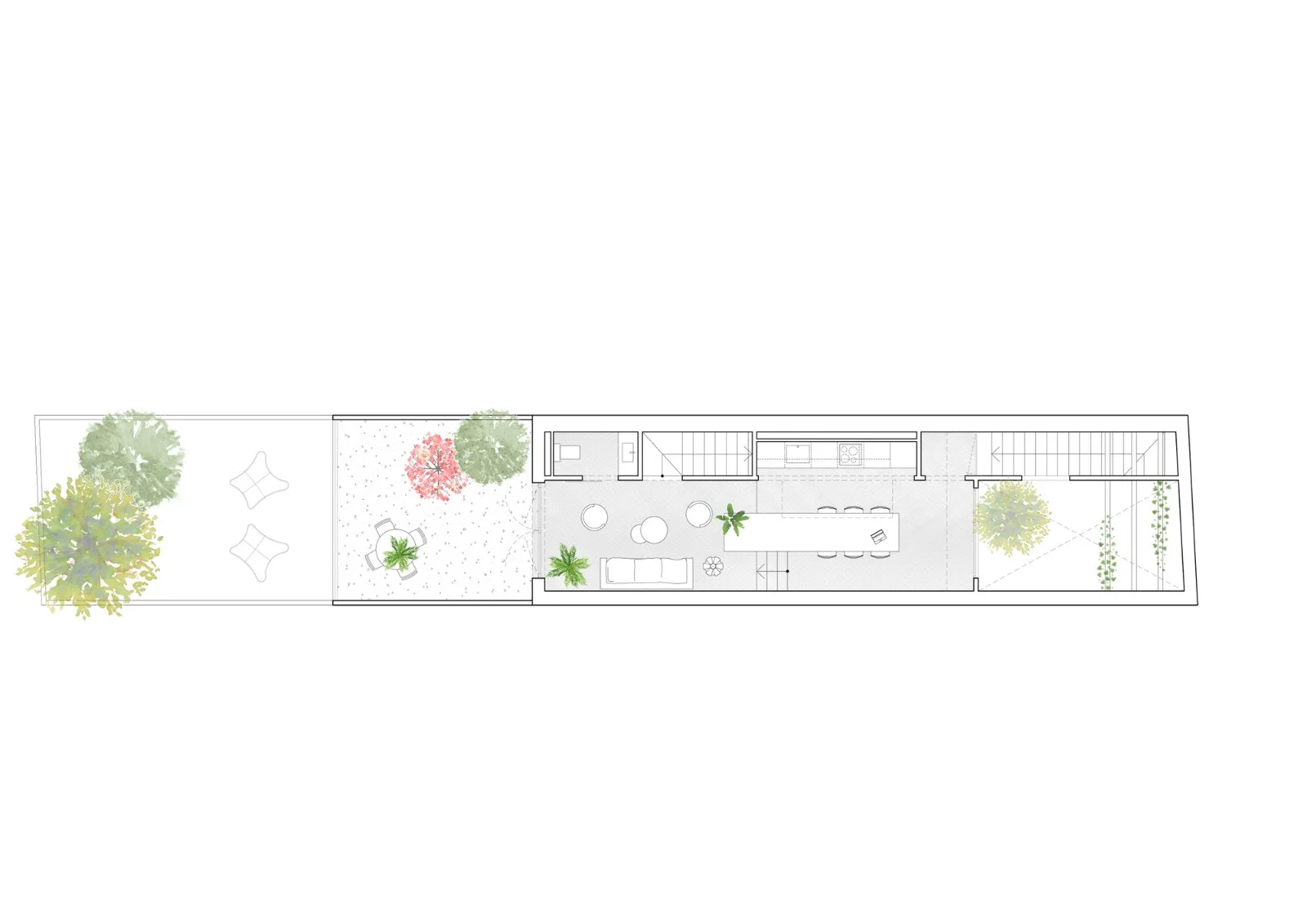
△ First floor plan
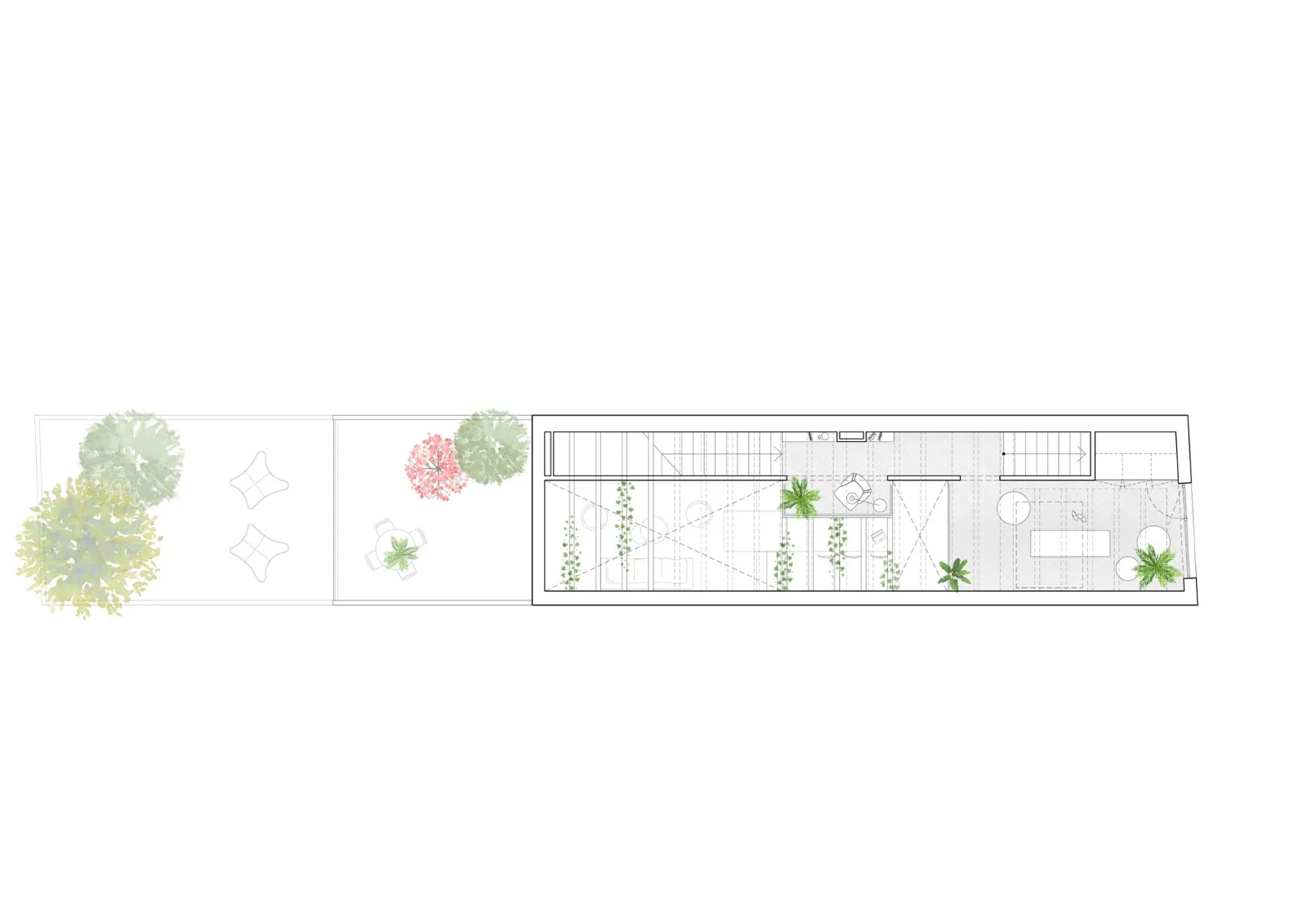
△ Second floor plan
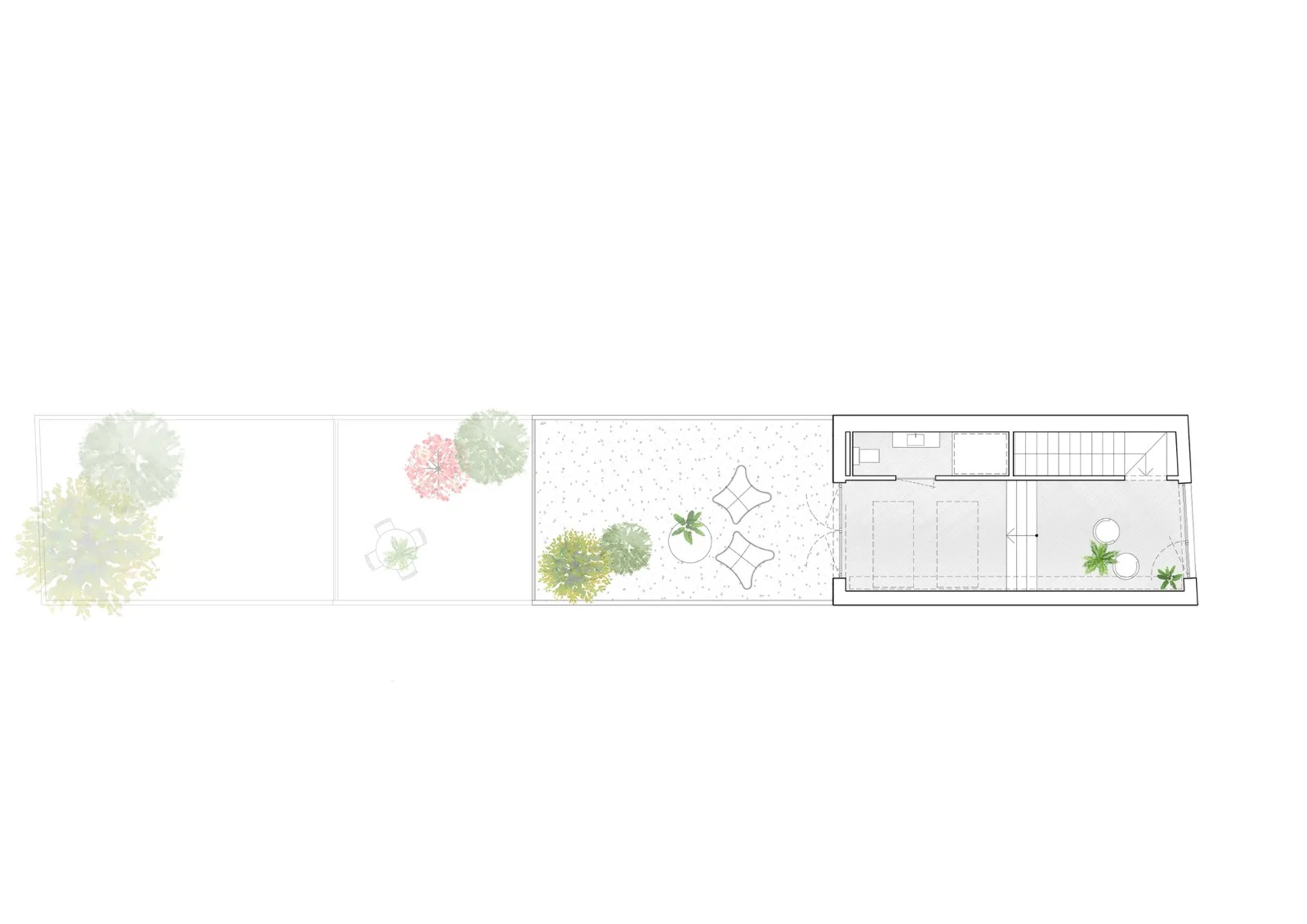
△ Roof terrace plan
Project Information
Project type: Independent residential building
Location: Calella, Spain
Architectural Firm: ABrito Architects
Area: 180 m²
Year: 2019
Photographer: Luis Díaz Díaz
Manufacturers: Adobe, AutoDesk, Louis Poulsen, Trimble
Design Team: Albert Brito, Inma Hervés, Paula Poblet












Must log in before commenting!
Sign Up