
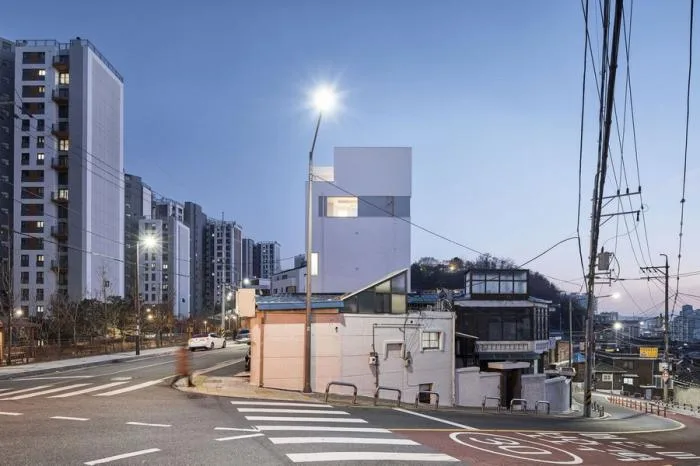
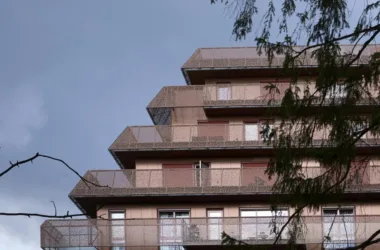
Chongren 1st Dong is an older neighborhood in Seoul, situated next to a newly developed high-rise residential area. This contrast creates a stark divide in living environments and landscapes, with the towering apartment walls serving as a clear boundary. These high-rise apartments offer comprehensive facilities and services essential for daily life, including social infrastructure. Residents enjoy comfortable living within the building, somewhat isolated from the surrounding community.
On the opposite side of this dividing wall, the situation is quite different. Residents here lack access to similar social infrastructure. Facilities commonly found in new apartment complexes—such as senior centers, libraries, and community spaces—are typically expected to be provided by the public sector.
However, in South Korea, private developers primarily supply apartment units, and social infrastructure has largely been commercialized. The availability of such infrastructure depends heavily on residents’ income levels, which contributes to the underdeveloped facilities in areas like Chongren Cave. In Chongren Cave 1, local residents form a significant portion of the population, which tends to be older with few young newcomers. This demographic imbalance fosters a somewhat stagnant community atmosphere.
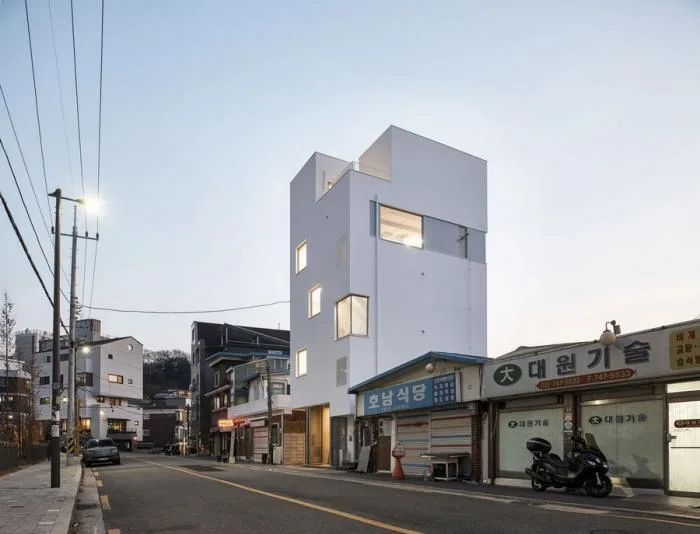
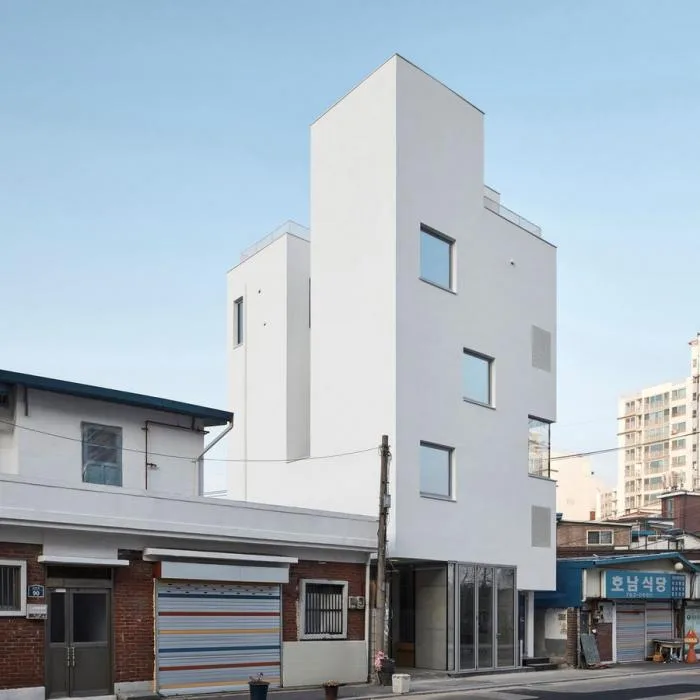
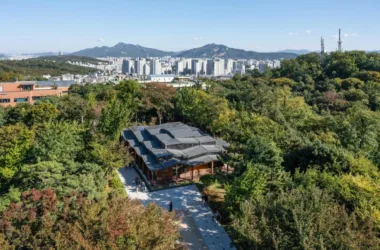
Sungin Space, located on Wangshan Street in Dong 1, Chongren, aims to revitalize the neighborhood and bridge the gap created by the nearby new apartment developments.
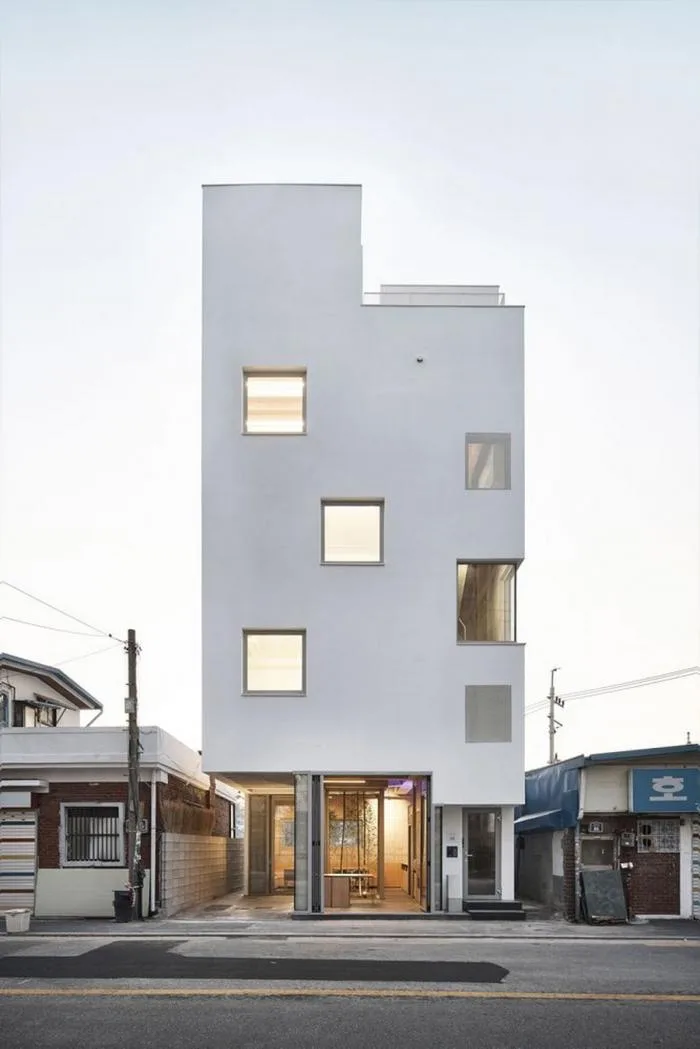
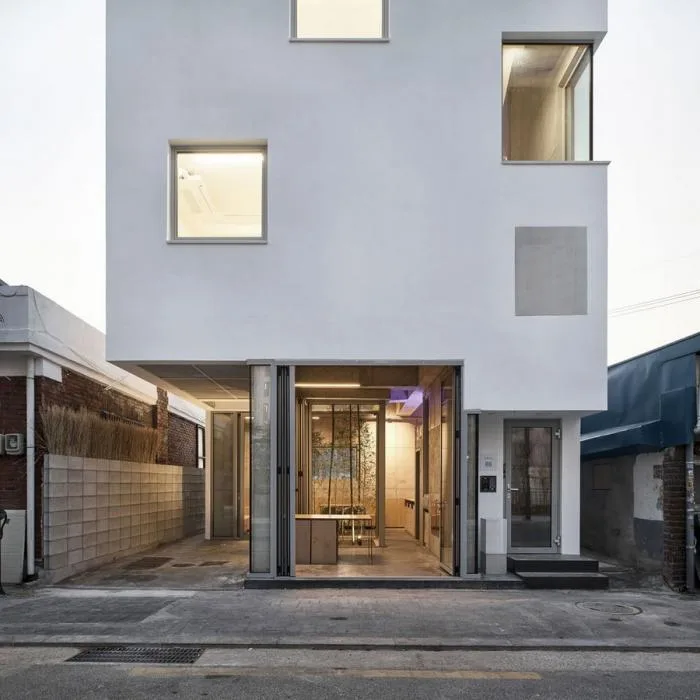
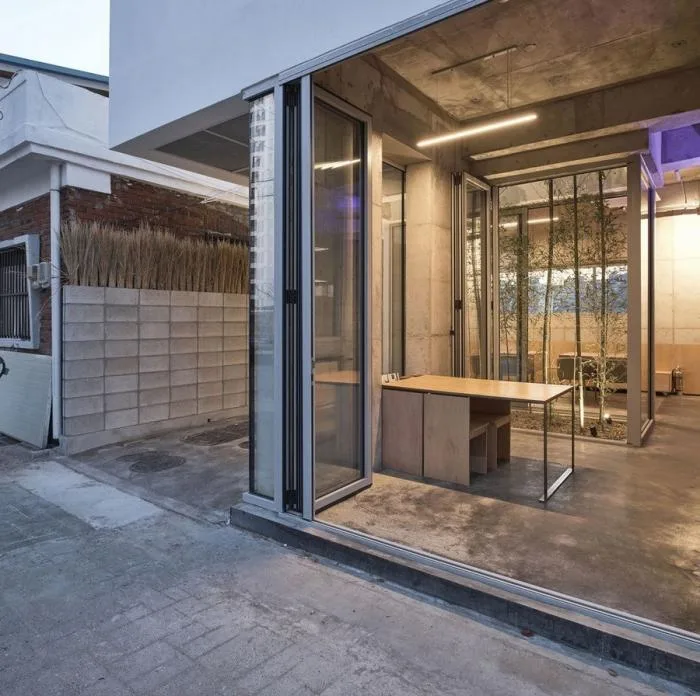
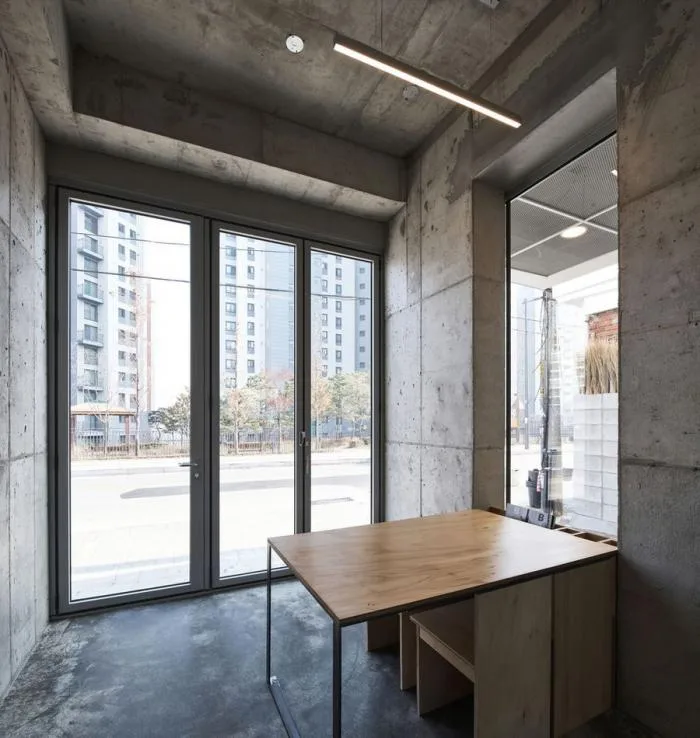
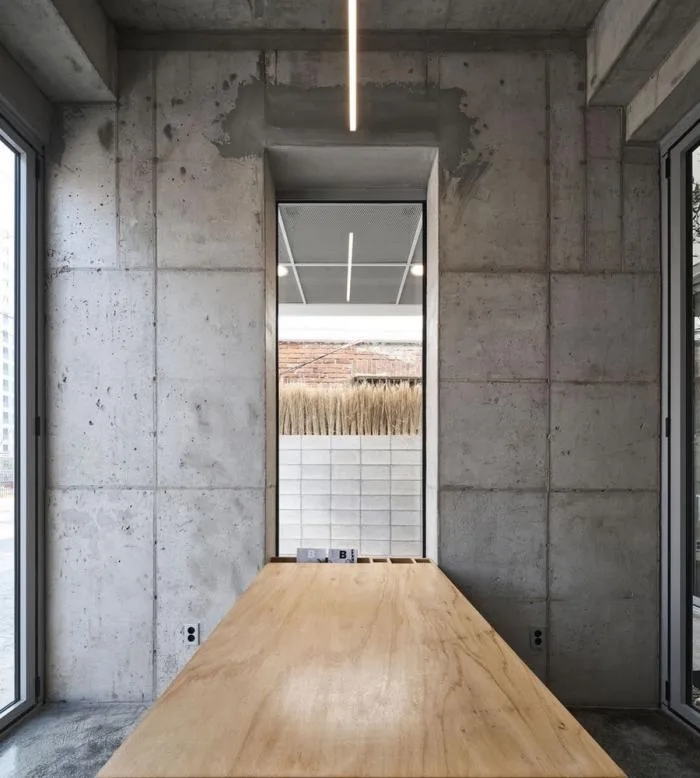
Chongren Space consists of two main components. The ground floor serves as a shared area accessible to everyone, including residents of the shared housing above, local community members, and visitors. This versatile space accommodates various activities such as group meetings, exhibitions, and pop-up shops. Floors two through five are dedicated to shared residences for young adults, intended to inject new energy into the community.
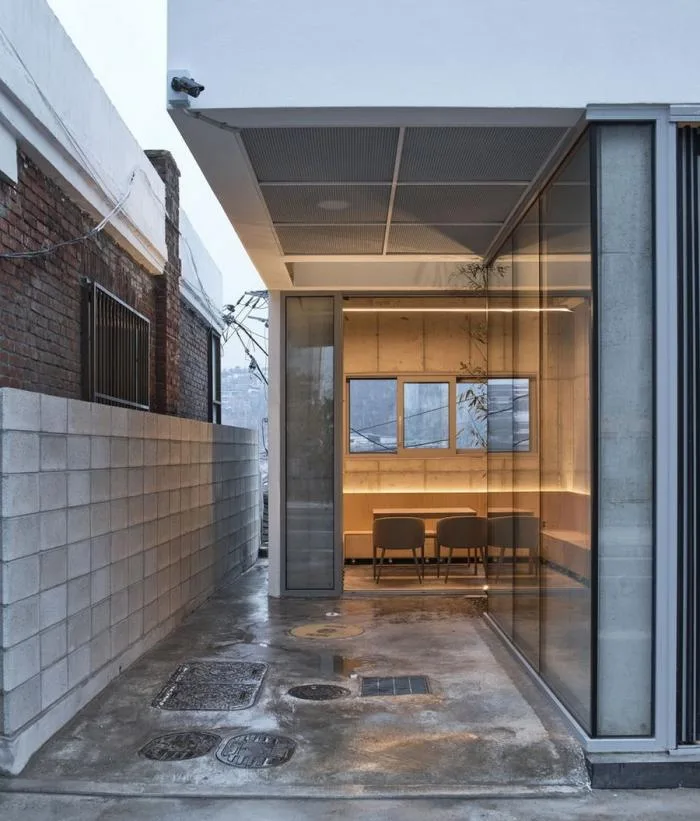
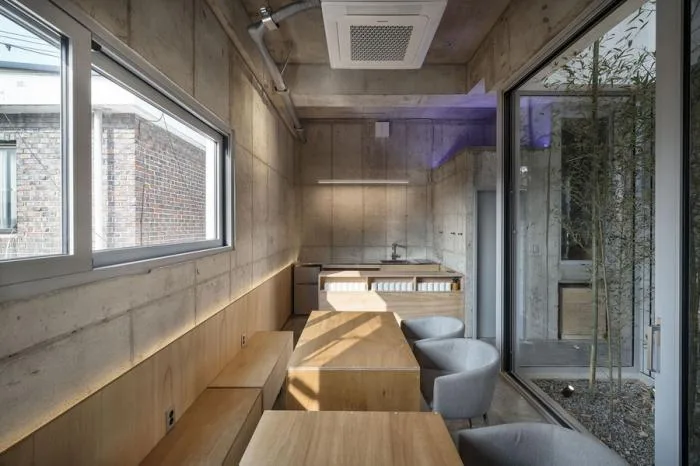
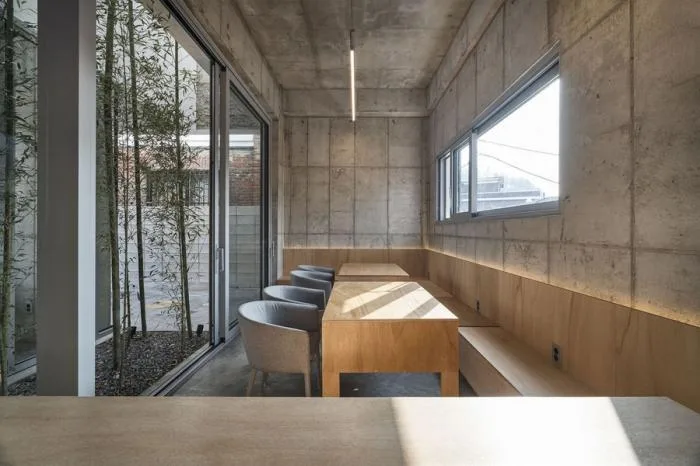
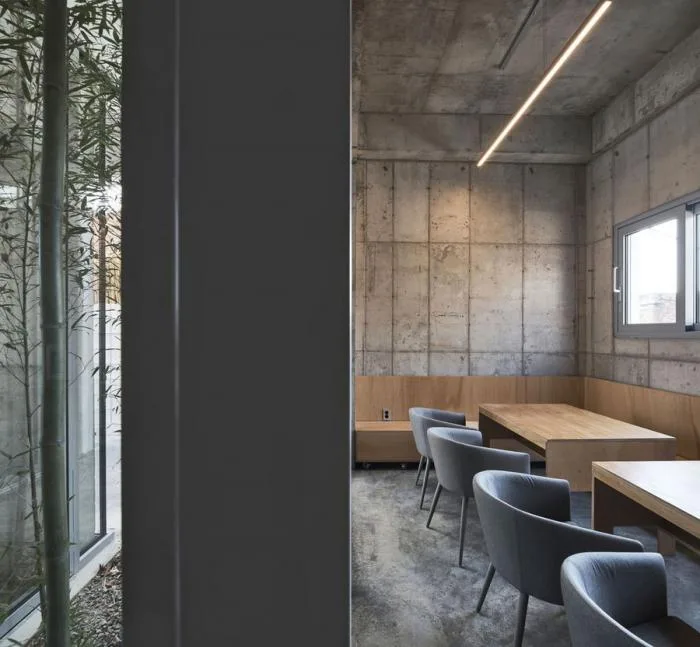
Shared housing has emerged as a new lifestyle largely influenced by economic factors. This shift in living patterns calls for innovative housing solutions. Most new lifestyles still fit within traditional residential forms like apartments and multifamily homes. However, in today’s era of solo living, shared housing presents a sustainable model of public housing that deserves serious consideration. It expands the concept of public space from the city’s exterior into the interior of residences—transforming the relationship between the city and public squares into a dynamic connection between private rooms and communal living areas.
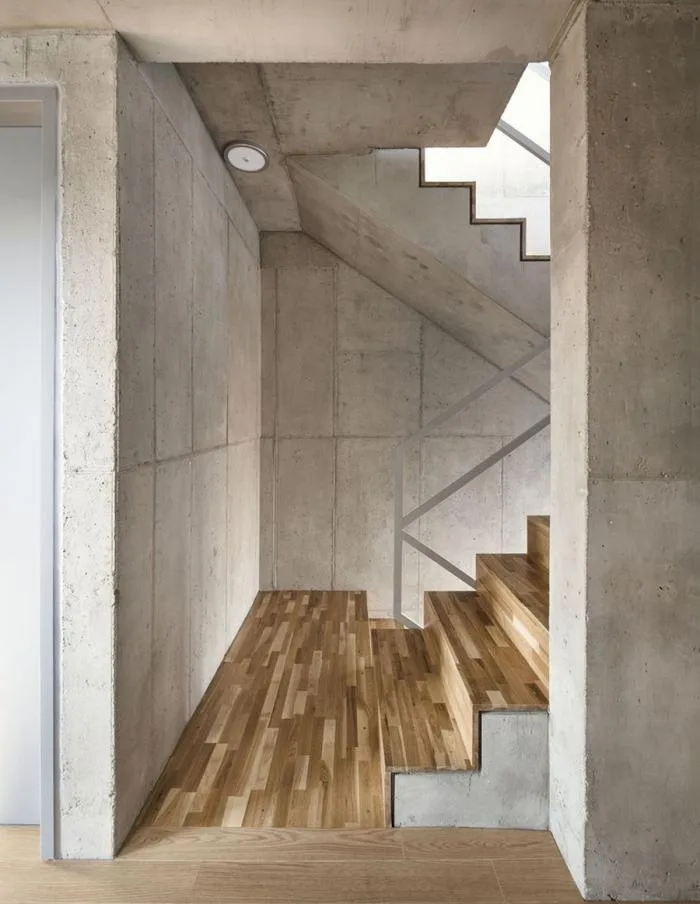
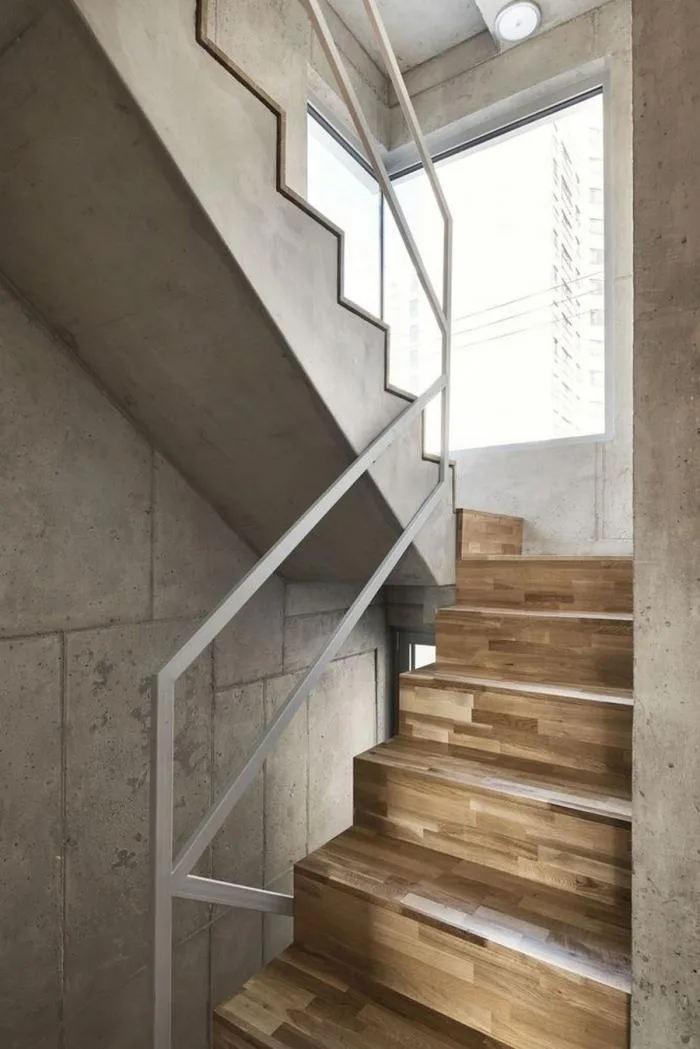
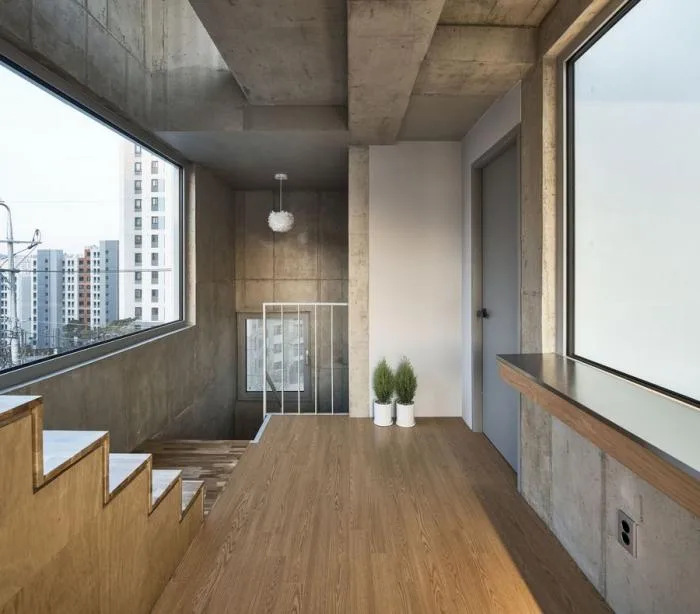
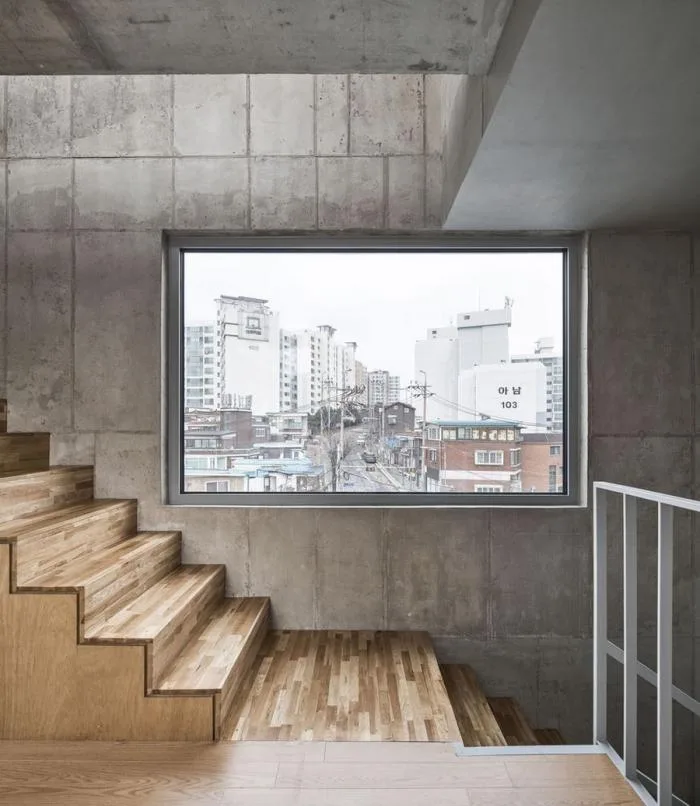
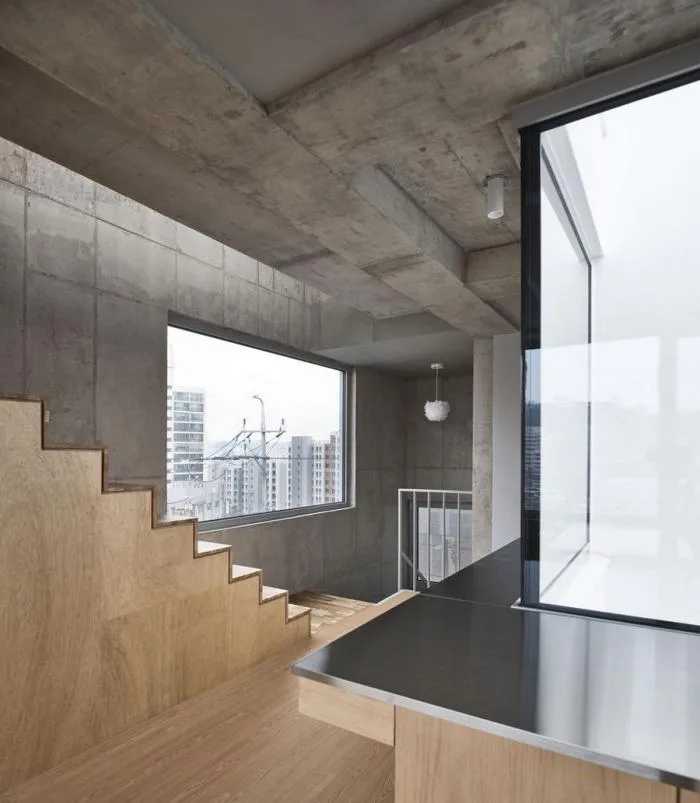
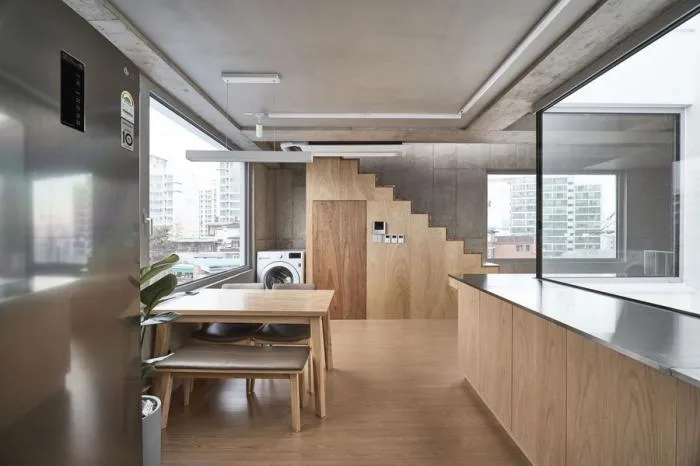
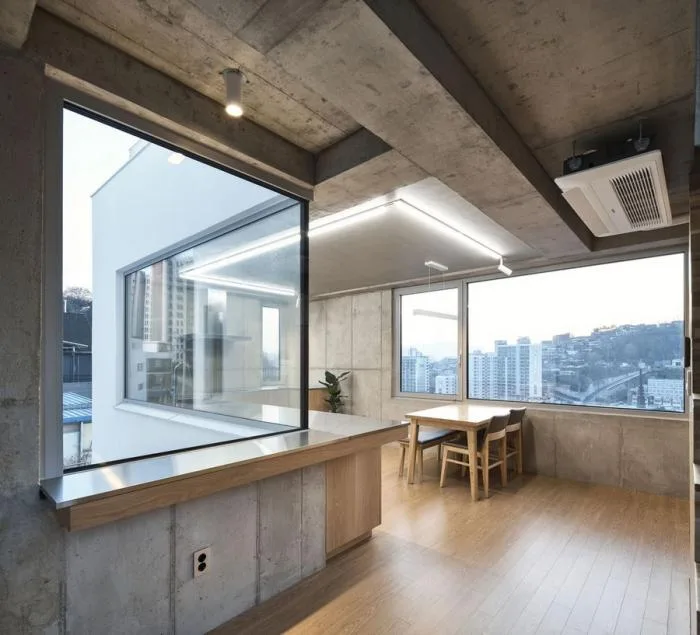
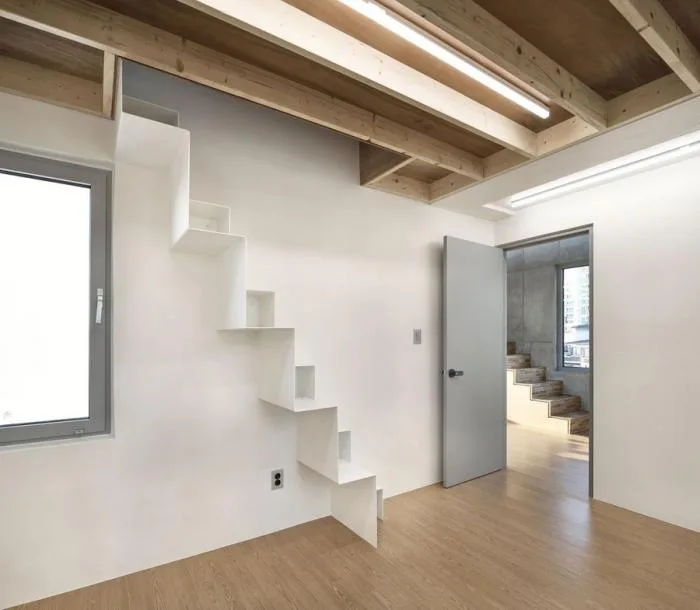
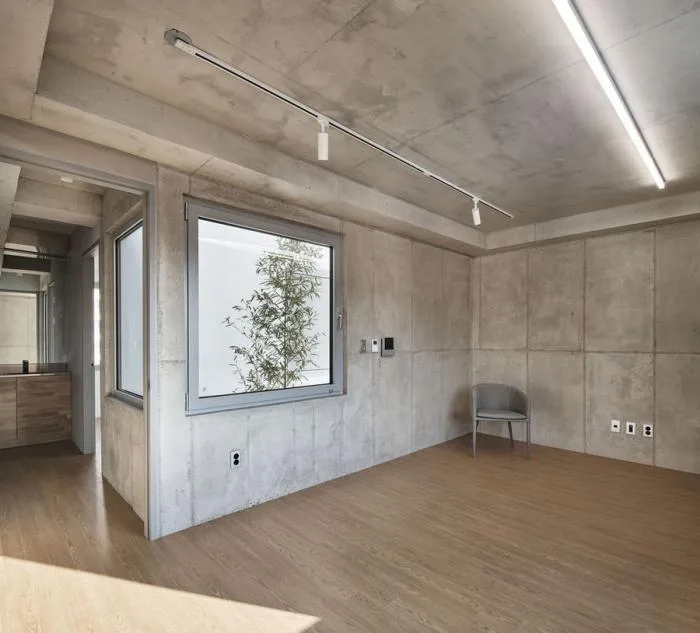
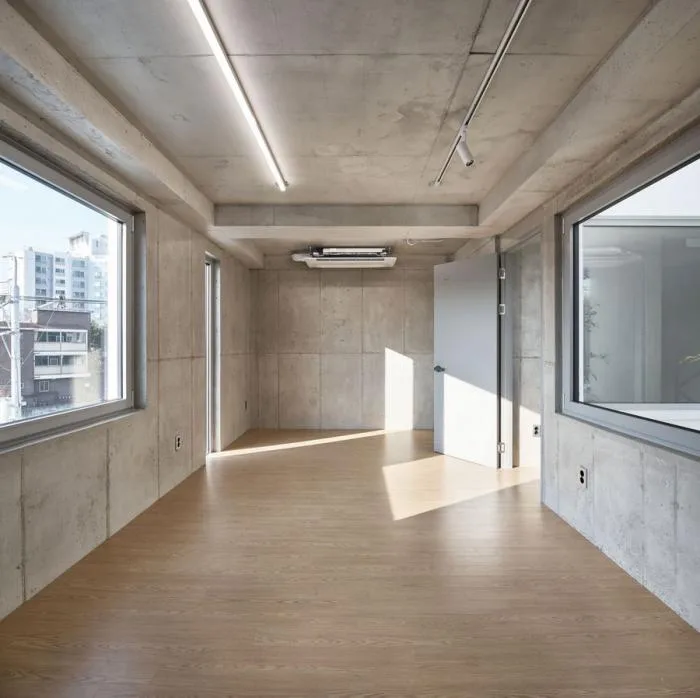
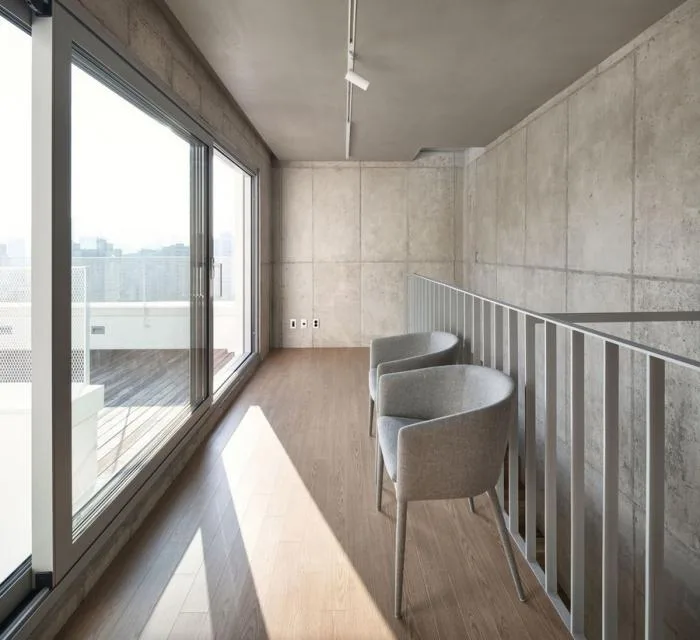
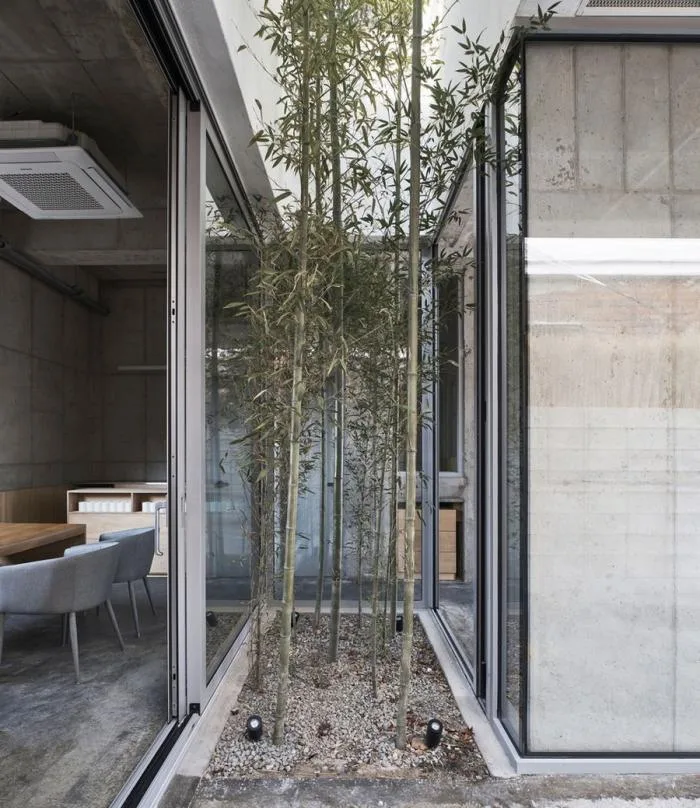
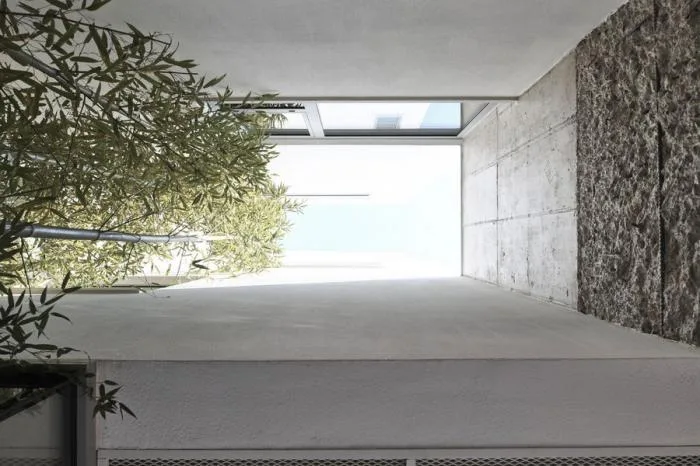
In shared residences, personal rooms are designed to maintain maximum privacy. Each resident requires their own private space to freely interact within the communal areas. This design approach divides the building into independent rooms, even when the overall structure is compact. Each room has its own ventilation system, with enhanced natural lighting and air flow. Meanwhile, the shared space on the ground floor transparently connects these separate blocks. Folding doors facing the street and the bamboo-planted courtyard are both transparent and openable, creating a spacious environment and fostering vibrant interaction with the surrounding street.
Design Drawings
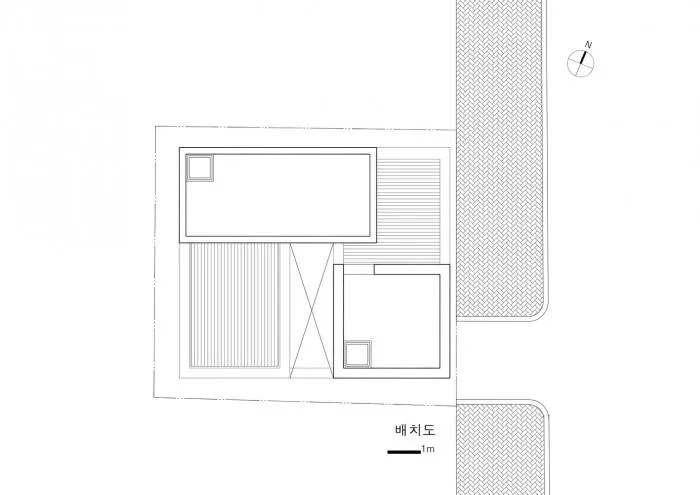
△ General Layout Plan
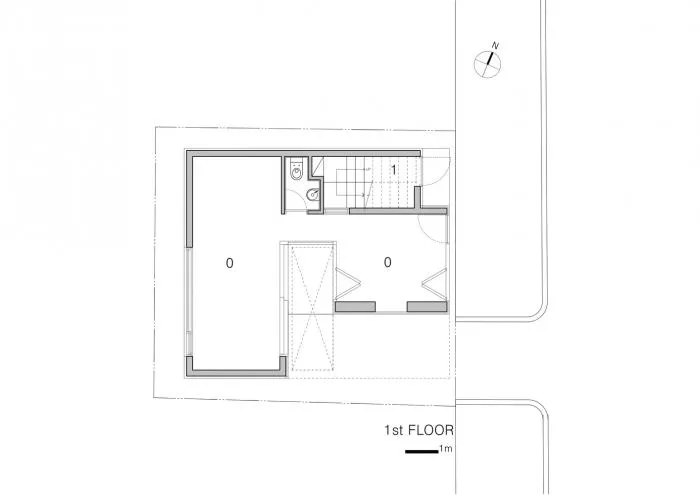
△ First Floor Plan
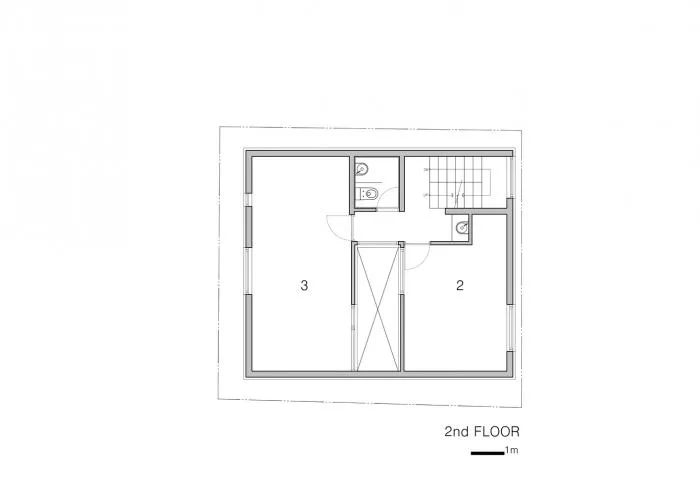
△ Second Floor Plan
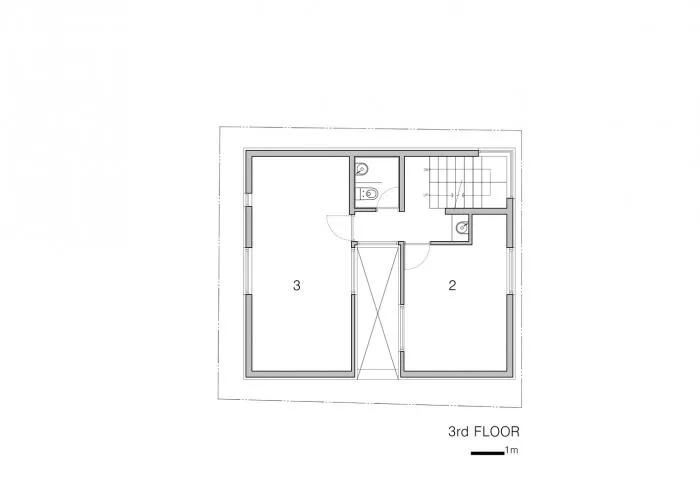
△ Third Floor Plan
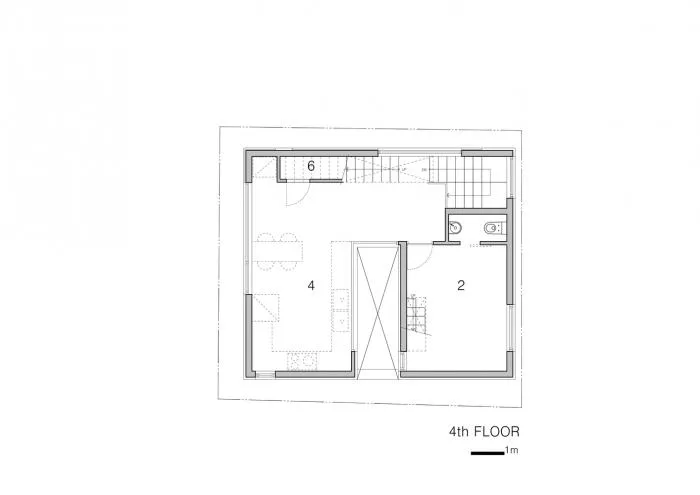
△ Fourth Floor Plan
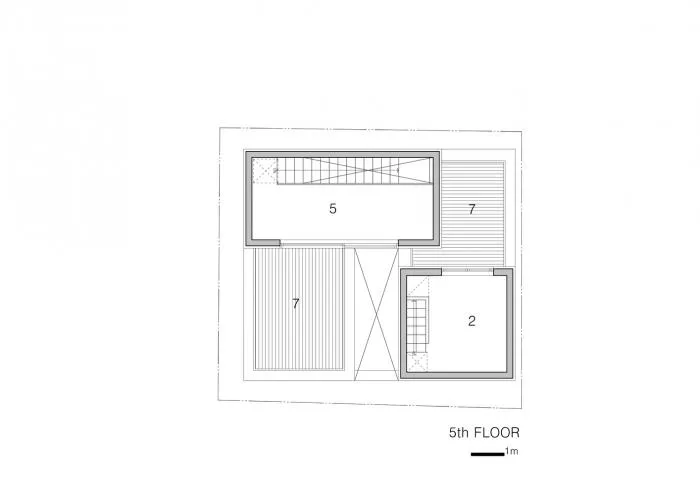
△ Fifth Floor Plan
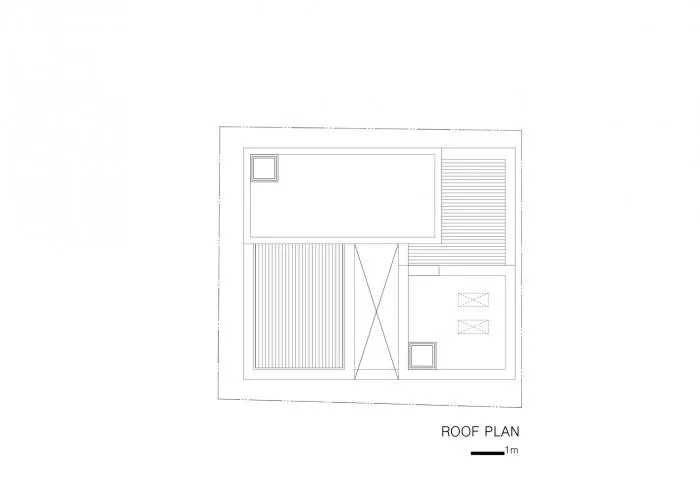
△ Roof Plan
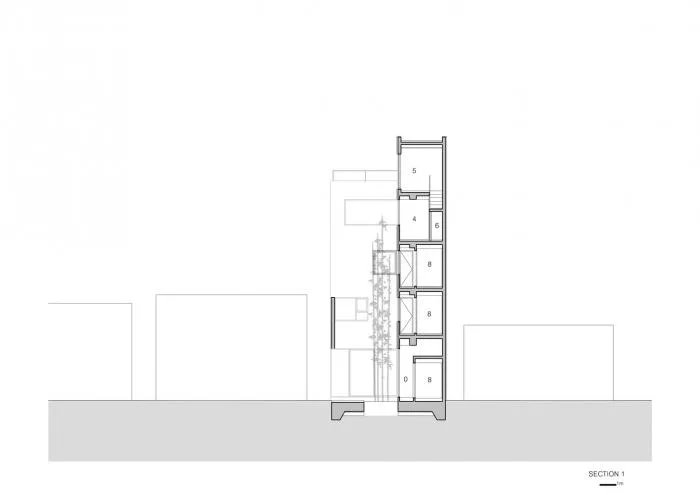
△ Section 1
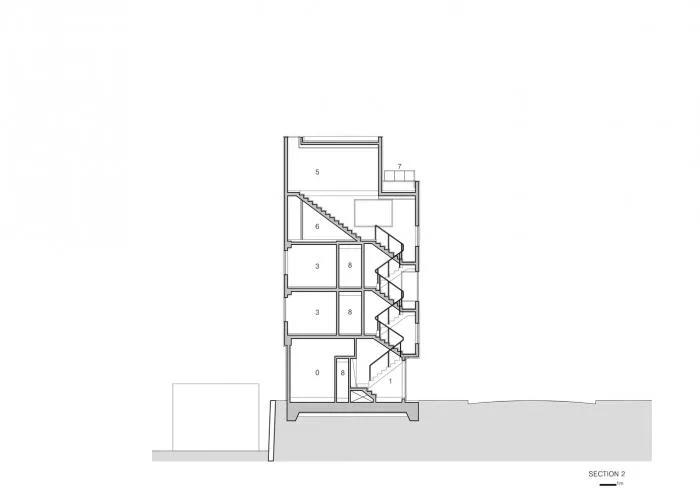
△ Section 2
Project Information
Project Type: Apartment
Location: South Korea
Architectural Design: Space Matter
Year: 2020
Photographer: Jinbo Choi
Lead Architect: Jeon Sang Hyun
Design Team: Lee Jung Min
Client: Younghwa Suh
Engineer: Re one Architects
Structural Engineer: Hangil Engineering
Mechanical and Electrical Engineer: Daemyung Engineering
Electrical Engineer: SD Engineering












Must log in before commenting!
Sign Up