
Nantou Ancient City: A Testament to a Millennium of Urban History
The renovation and upgrading of Nantou Ancient City is rooted in the mission to preserve a thousand years of cultural heritage and revive the city’s collective memory. Shenzhen-based emerging design firm Wanshe Design Various Associates was invited by Vanke to contribute to the revitalization of this historic urban block. At the heart of the project’s North South Street demonstration area, the team completed a multifunctional public space known as the “City Memory Exhibition Hall.”
Four Decades of Transformation, a Millennium of Legacy
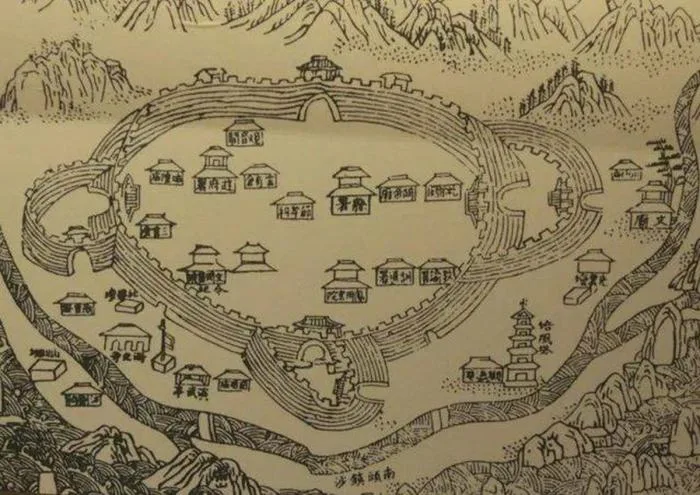
Situated in Shenzhen’s Nanshan District center, Nantou Ancient City has witnessed the city’s dramatic evolution—from a small fishing village to a bustling international metropolis in just 40 years. Yet, few know the deeper history beneath this rapid change. Dating back nearly 1700 years to the Jin Dynasty, Nantou once served as the administrative center and coastal defense stronghold of Lingnan, embodying the fusion of Nanyue and Central Plains cultures.
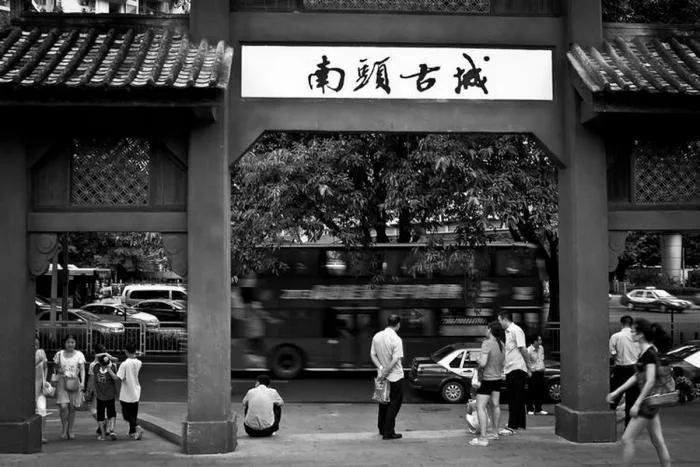
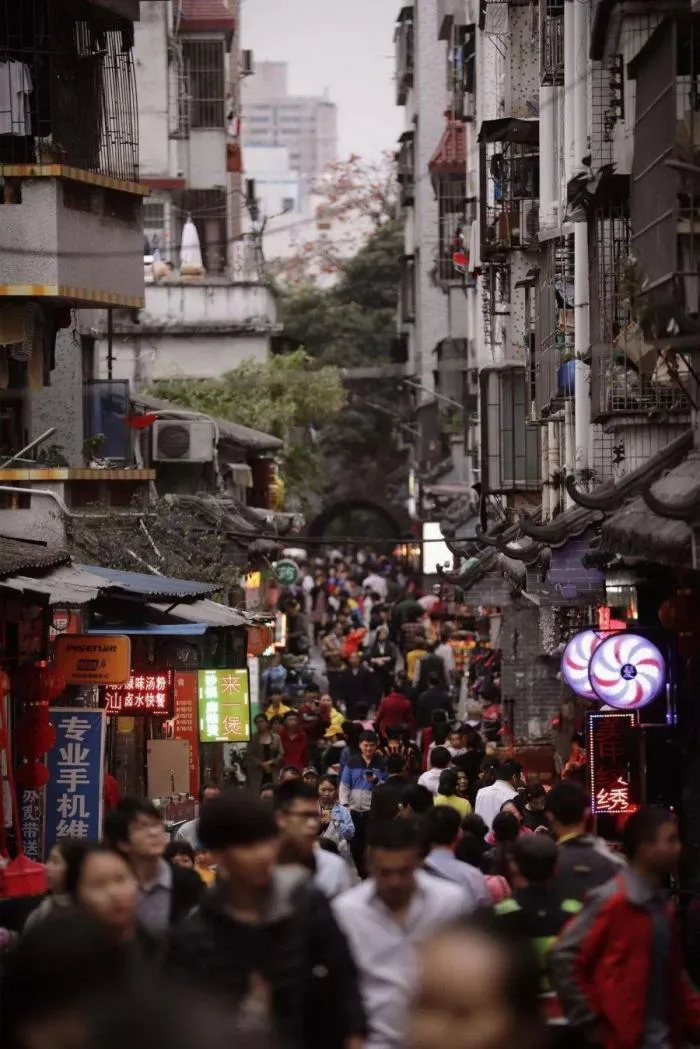
As urbanization progressed, the ancient city transformed into a “village within the city,” becoming home to new urban settlers. This urban village is a paradoxical space—appearing chaotic yet brimming with life. Wanshe Design embraces the site’s present condition while reconnecting with its cultural roots, breathing new life into the area through adaptive renewal strategies.
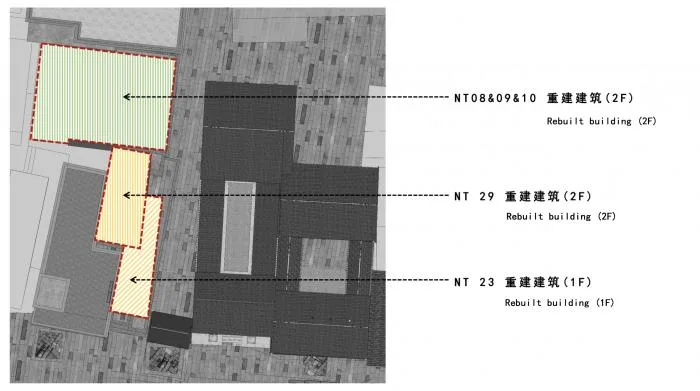
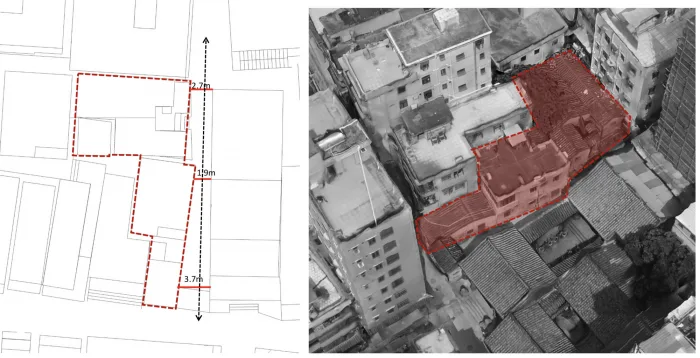
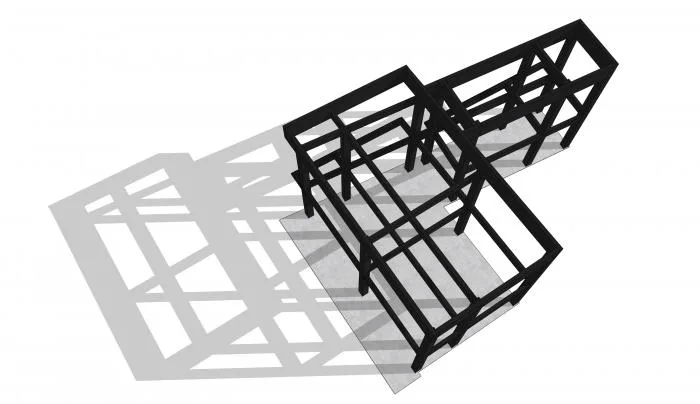
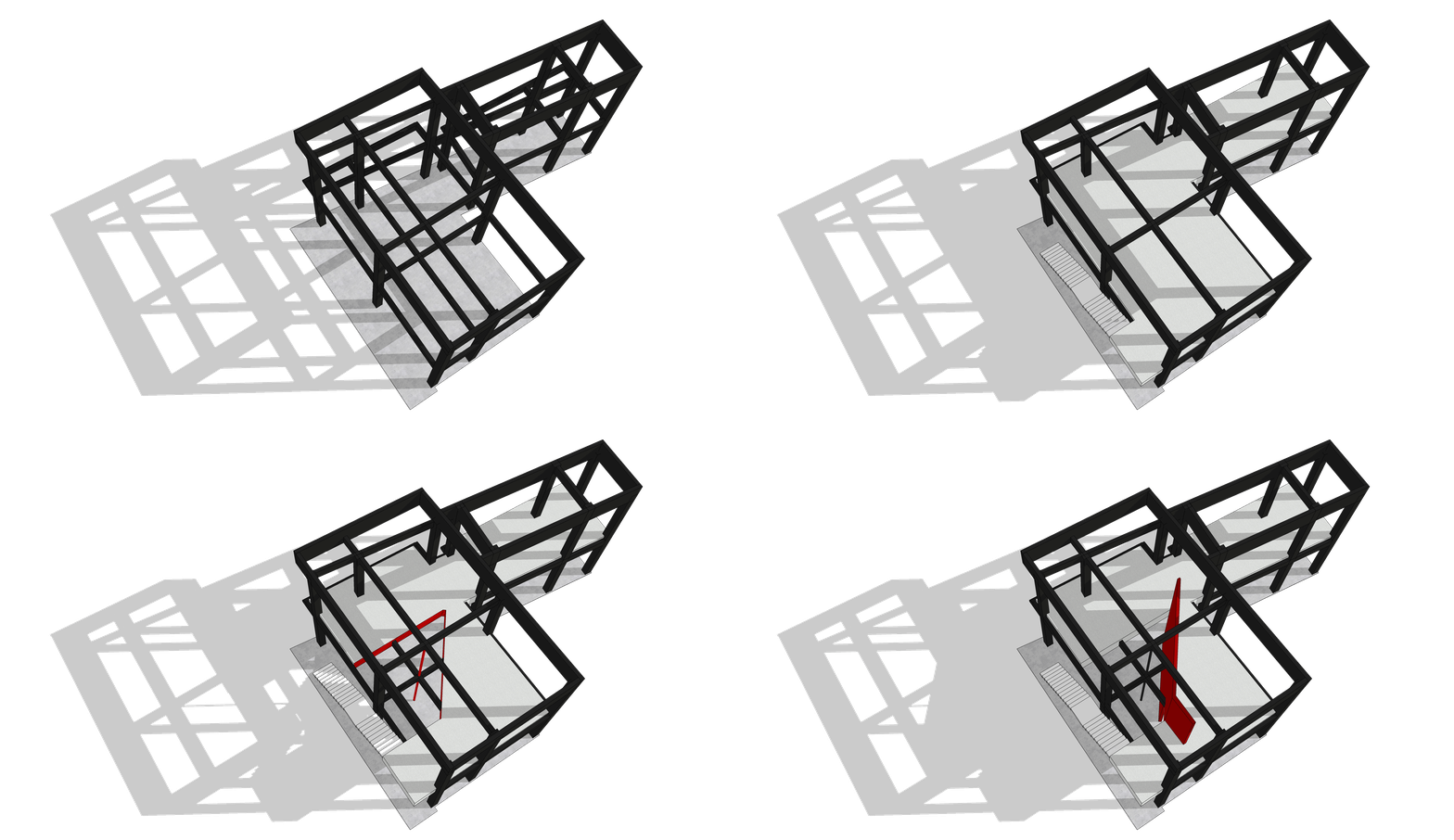
When Wanshe Design took on the project, the original building structure was already complete. The main composition consisted of three irregular historic building blocks connected by multiple beams and columns arranged in an irregular fashion. Due to safety and preservation concerns, the design could not alter the placement of stairs or beams.
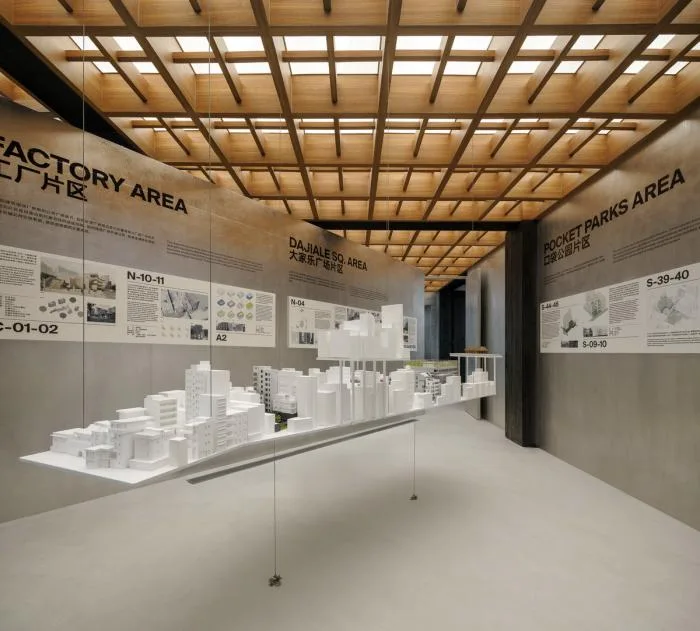
As a “comprehensive service center,” this 250 square meter building functions as an information hub, narrating Nantou Ancient City’s transformation. It houses a reception area, storage, monitoring station, offices, restrooms, a conference room, shared coffee space, and an exhibition area.
Faced with tight constraints, the primary challenge was to “break through” existing limitations—overcoming the single-route tourism flow and spatial restrictions. The design aims to stimulate vertical circulation, highlight the space’s unique character, and maintain an introverted, modern Chinese aesthetic.
Within the Walls: A Dreamlike Journey Along the Corridor
The design draws inspiration from the corridors typical of Lingnan architecture and gardens, creating an endless spatial experience within a limited enclosed area. The winding, looping axis connects multiple independent buildings, serving as a place for visitors to linger, rest, and appreciate the surroundings—mirroring the function of the exhibition hall.
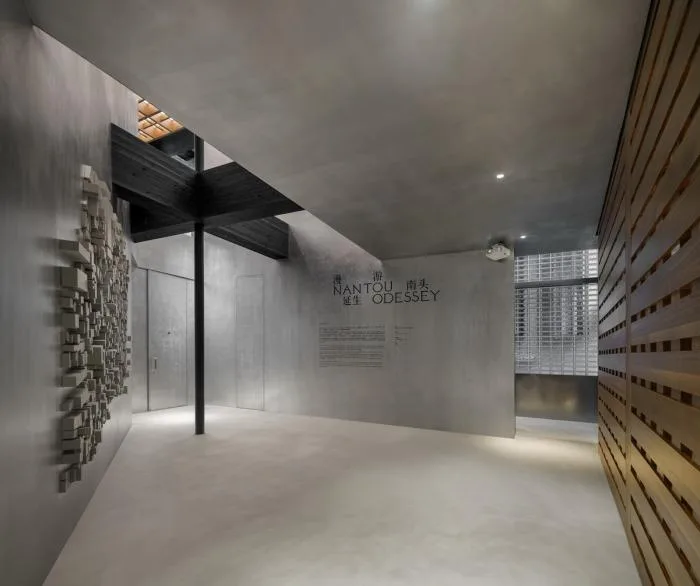
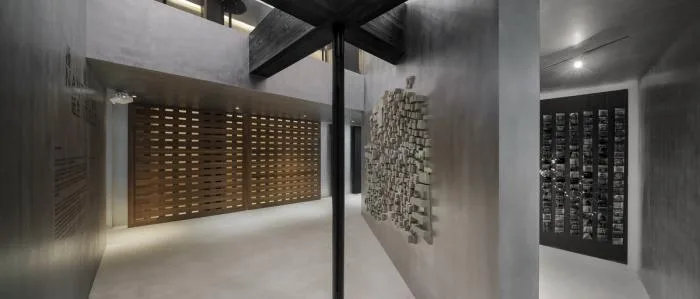
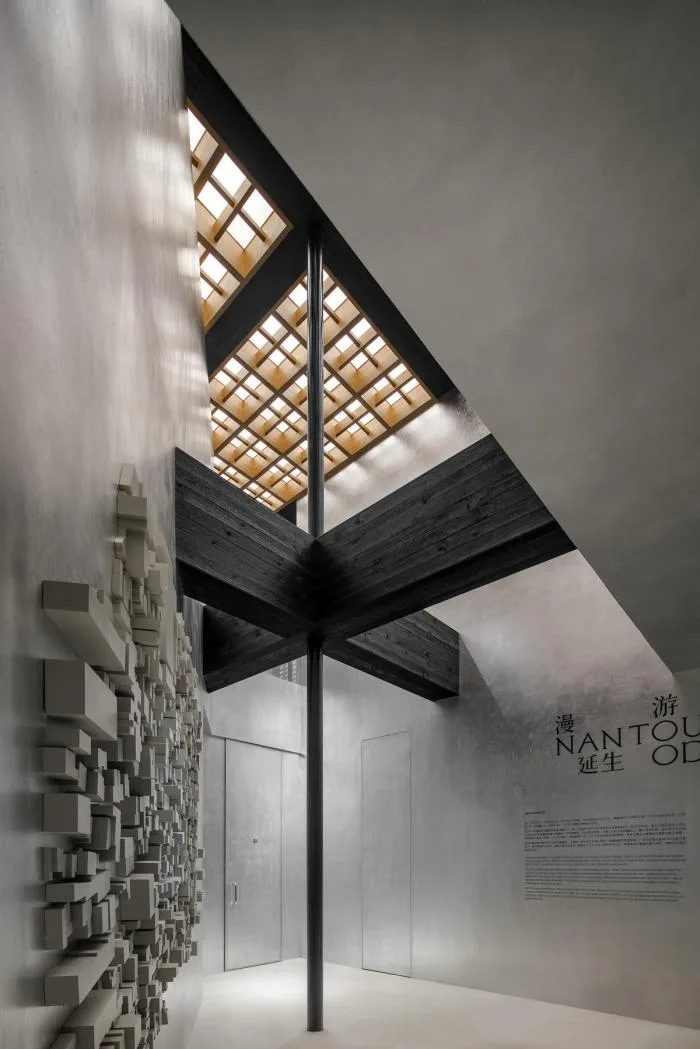
The first intervention involved the insertion of a tall sloping wall within the existing floor plan, creating a distinctive spatial experience. This sloped wall forms a high triangular atrium that connects the upper and lower floors, guiding visitors through an engaging exhibition path.
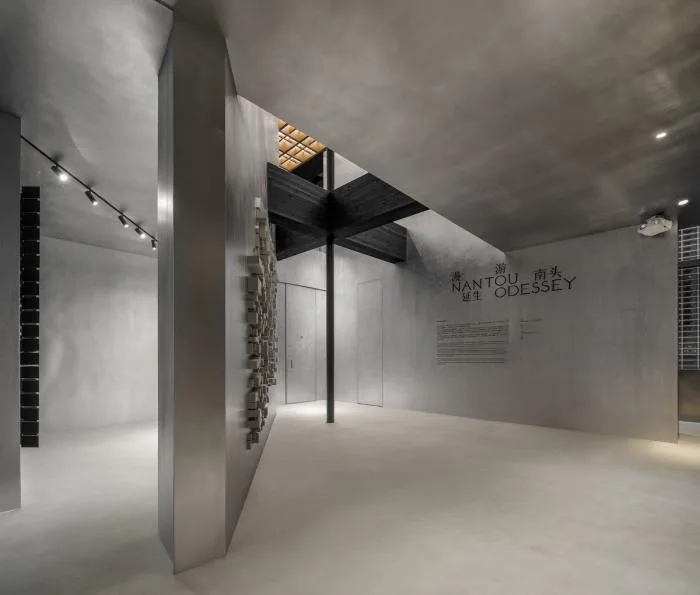
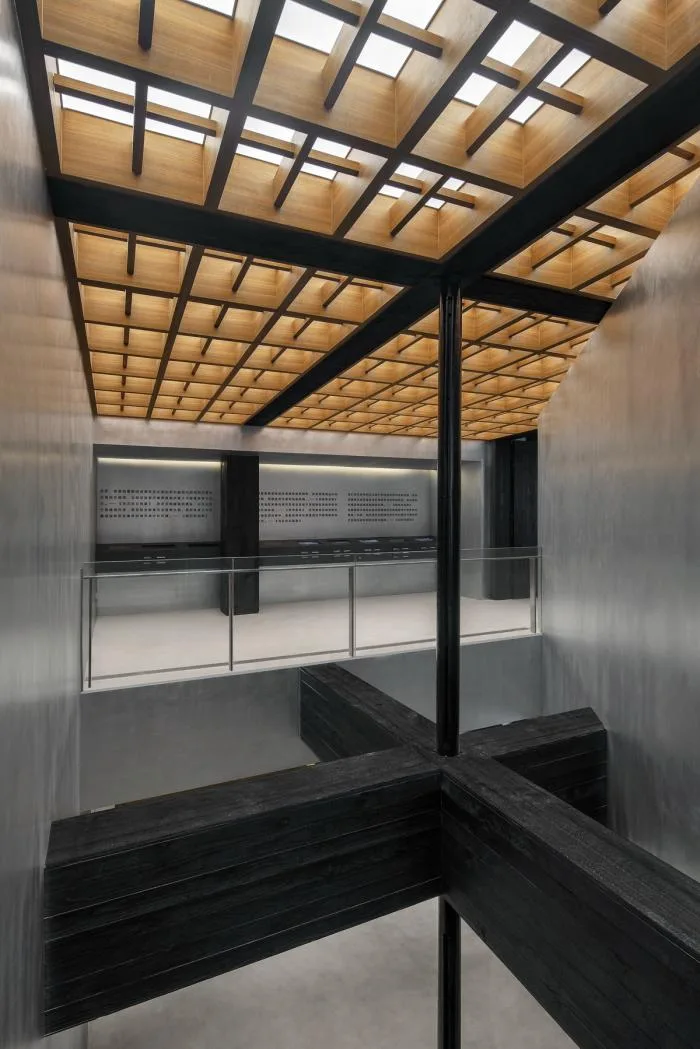
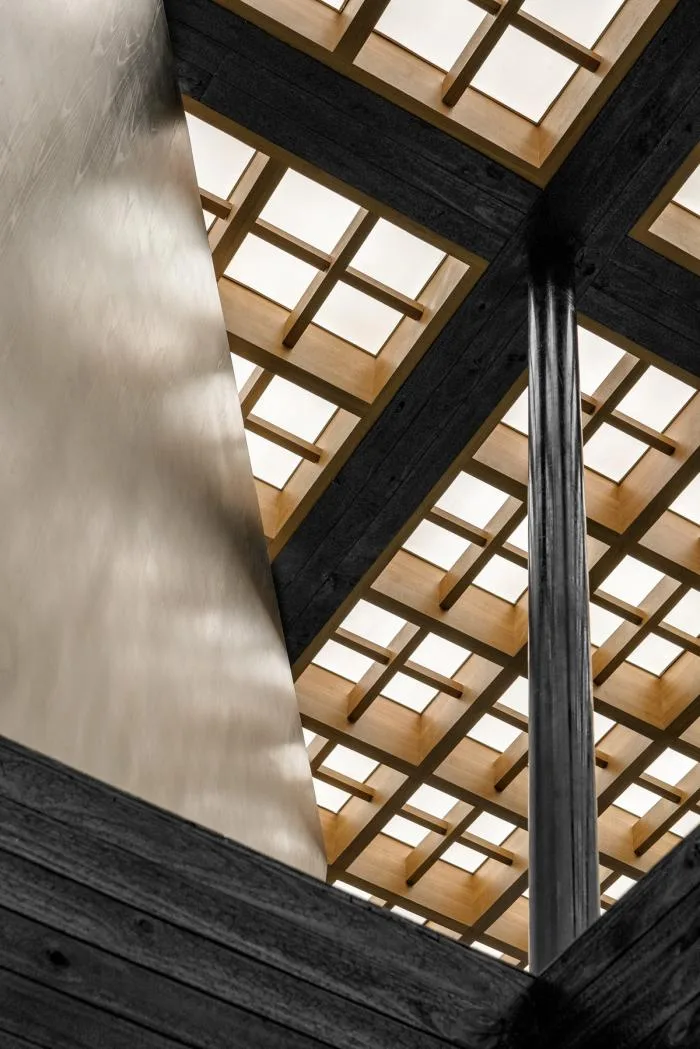
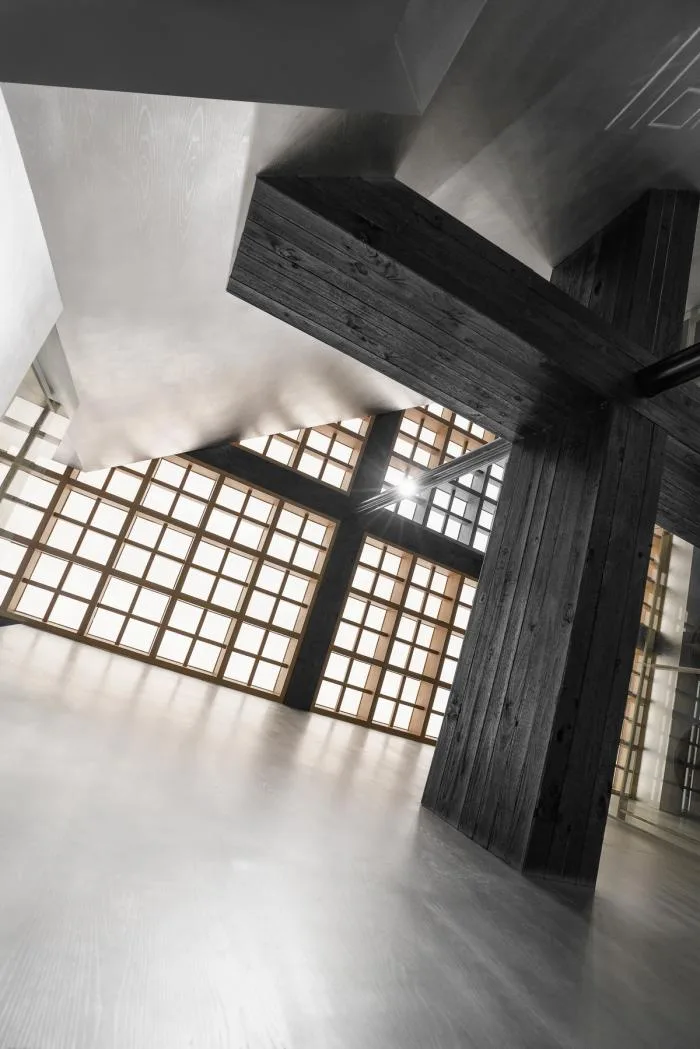
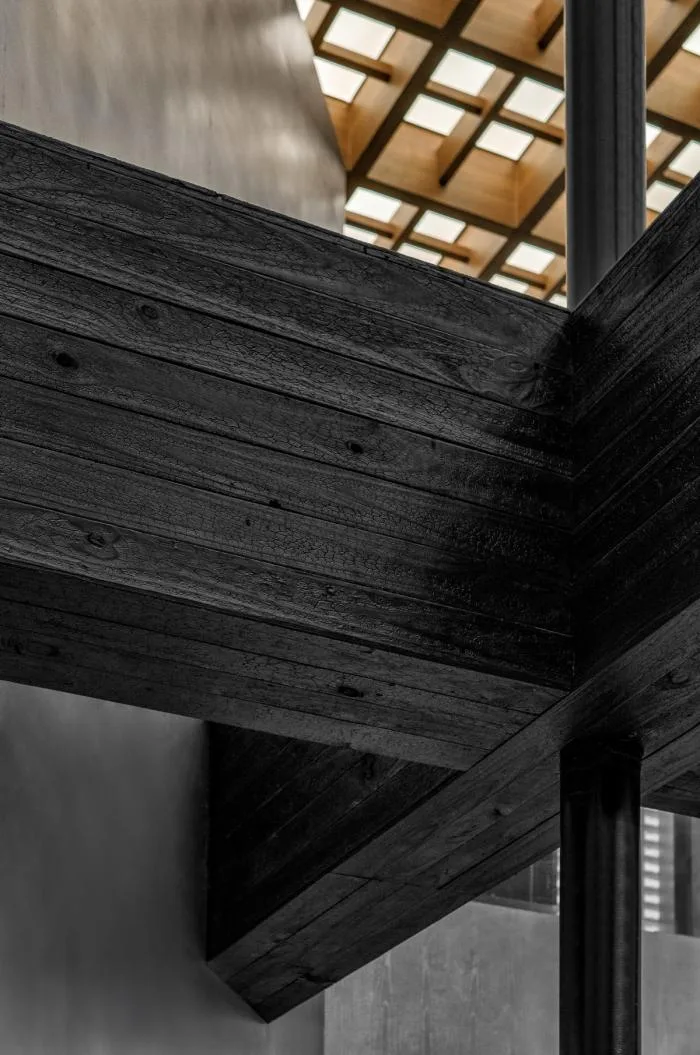
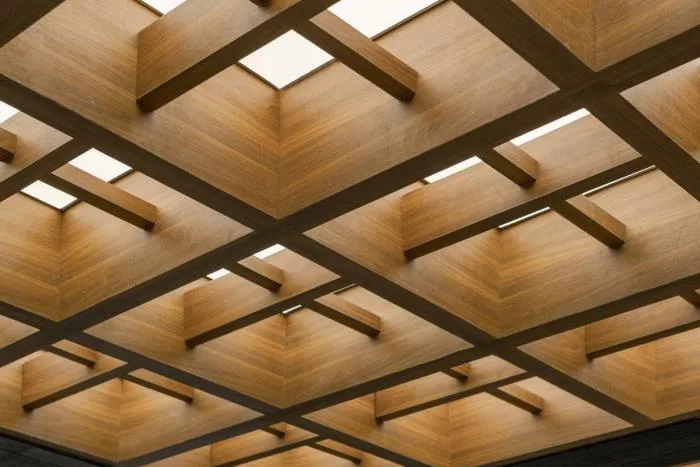
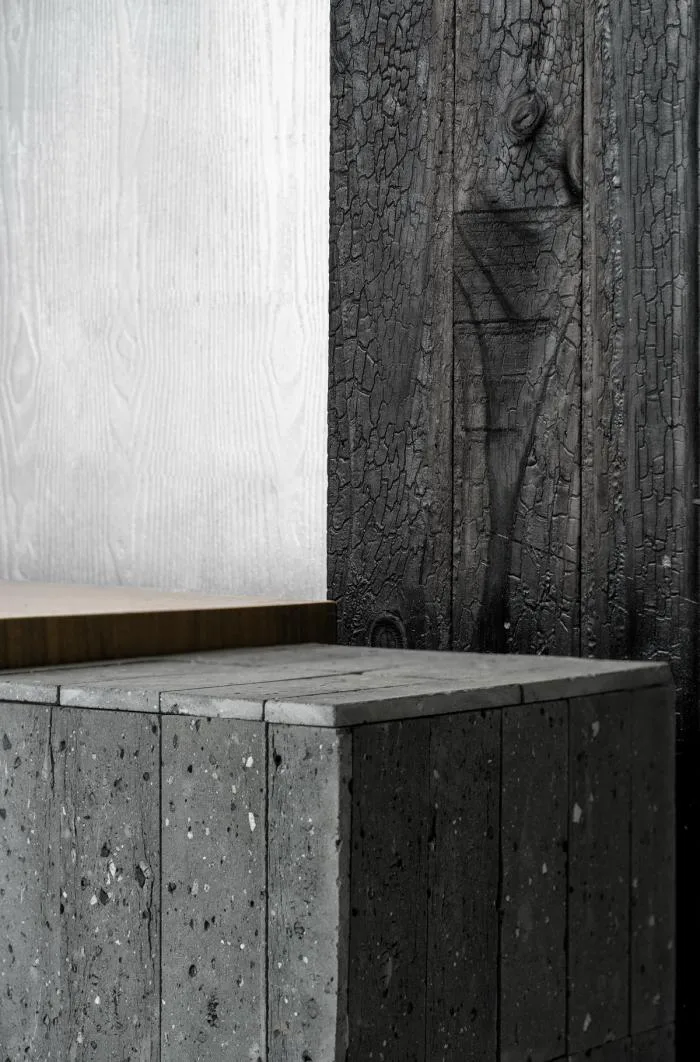
The original structural beams are preserved in the courtyard’s center, blending the natural ruggedness of carbonized wood with a rational wooden ceiling grid. This synthesis creates a spatial character that balances Chinese tradition with modernity, imbuing the space with a sense of ceremony.
Layering and Symbiosis: Blending Seamlessly into the Neighborhood
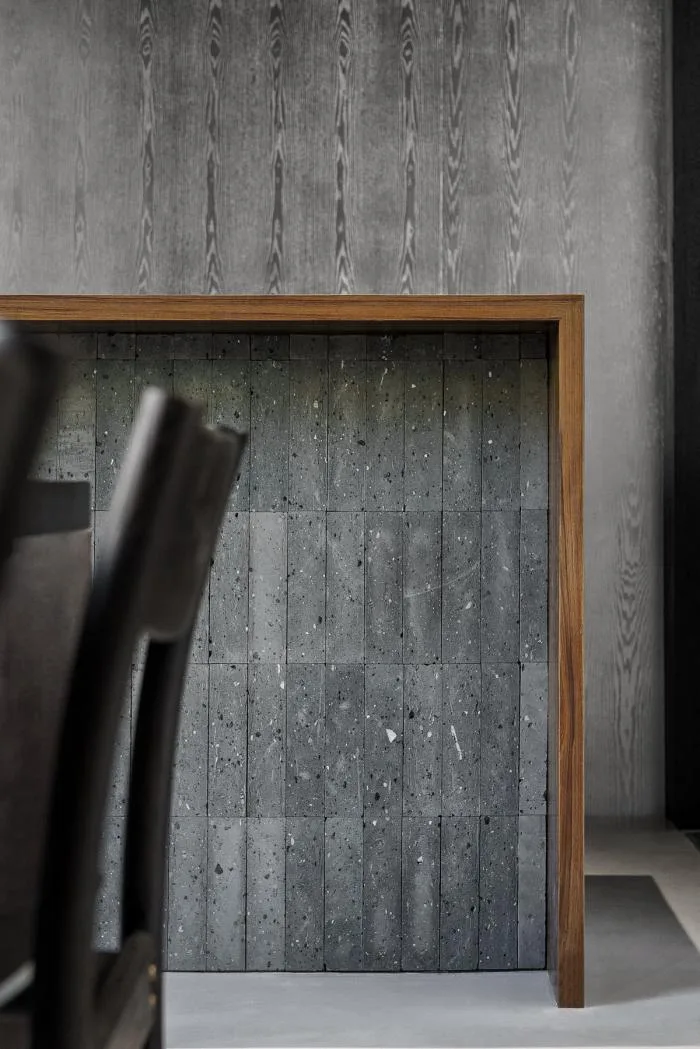
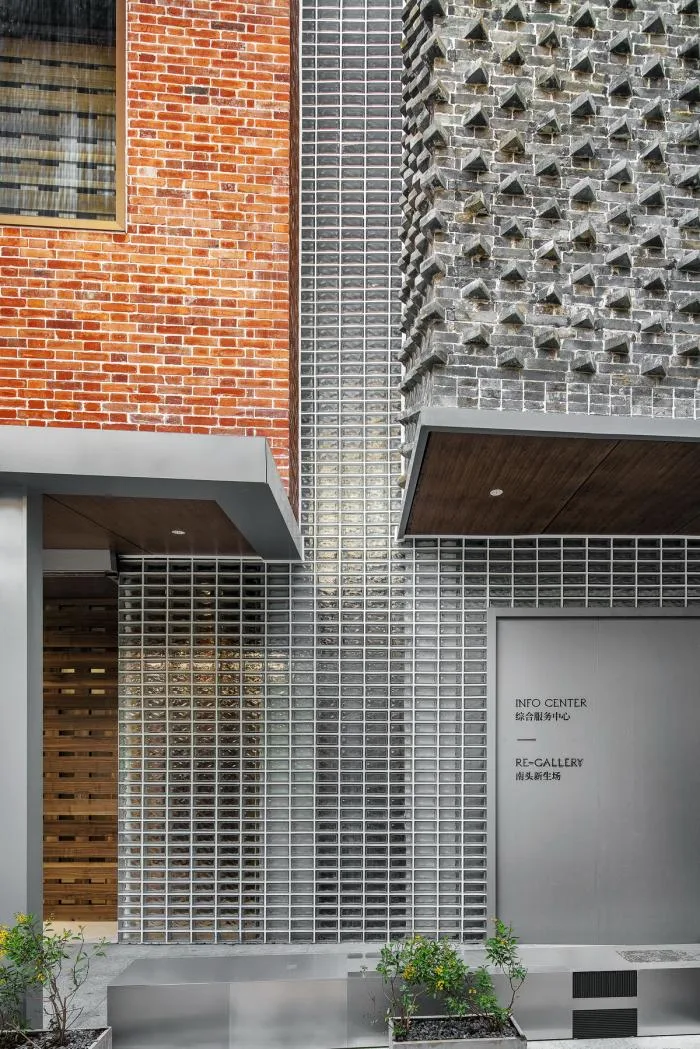
Known for bold use of materials and color, Wanshe Design adopted a more restrained and neutral palette for this project. Rough textures and muted colors continue from the exterior façade into the concrete interior, creating a cohesive material language.
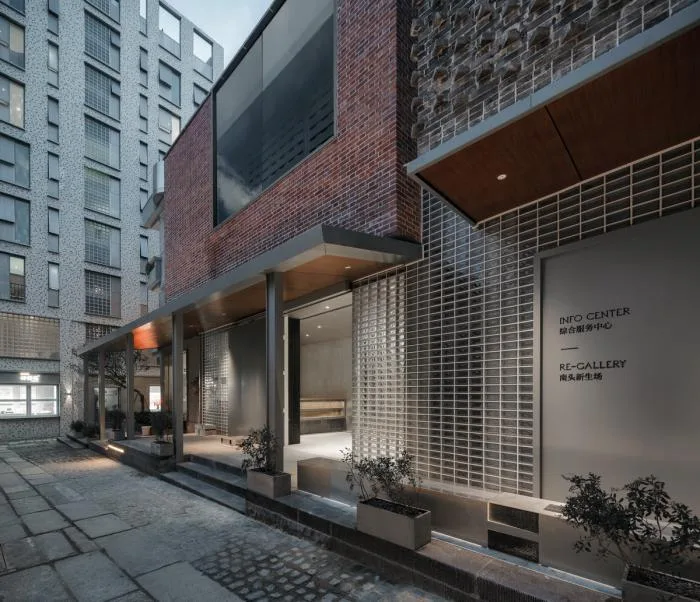
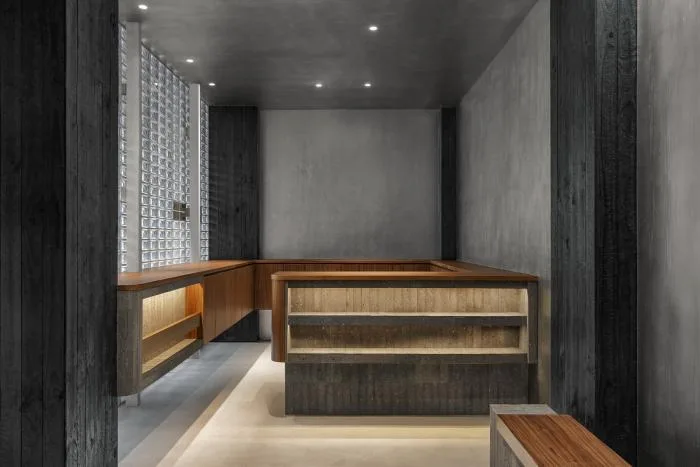
The interior prominently features gray bricks and wood—two iconic materials in Chinese architecture. Through varied combinations and textural contrasts, the design narrates the transformation from tradition to modernity. The natural surfaces of green bricks, teak, and carbonized wood carry the marks of time, quietly echoing the ancient city walls scattered throughout the site.
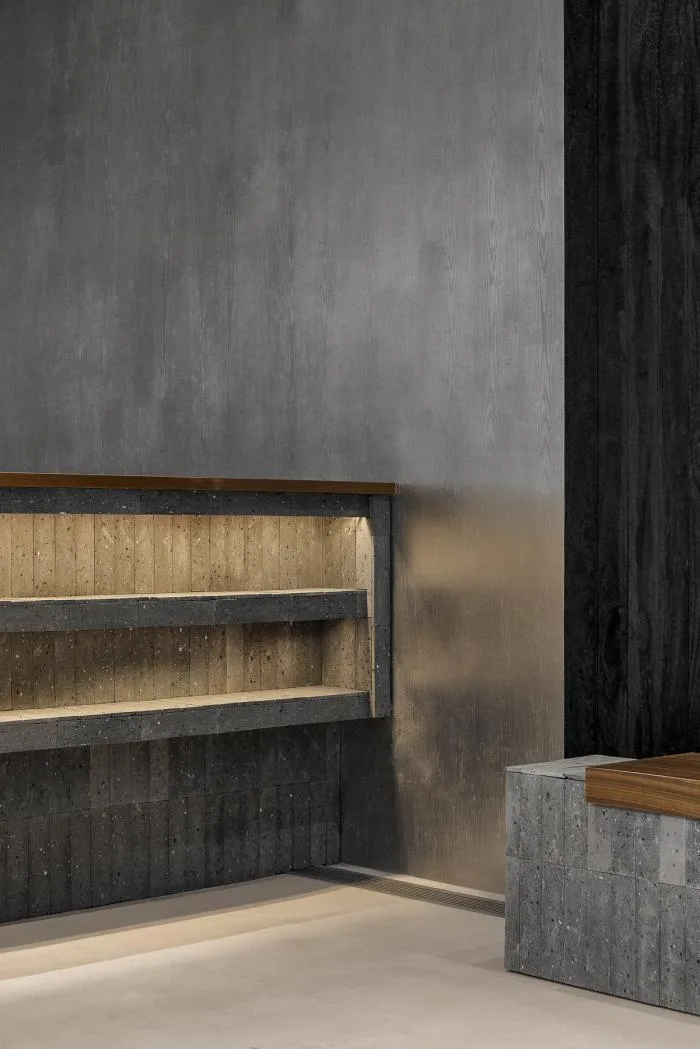
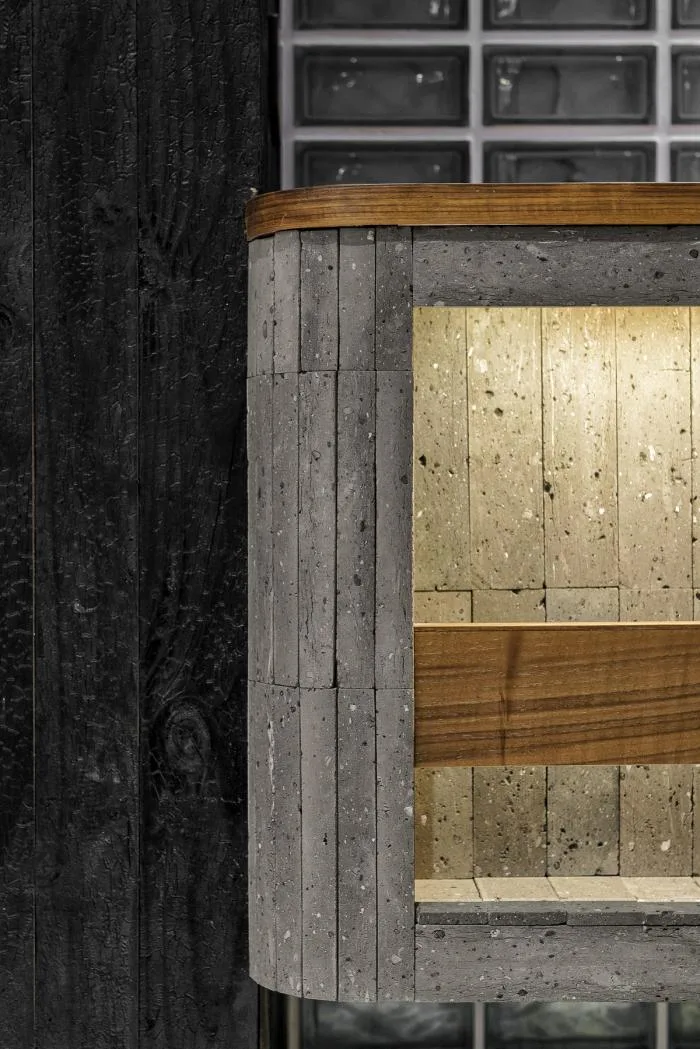
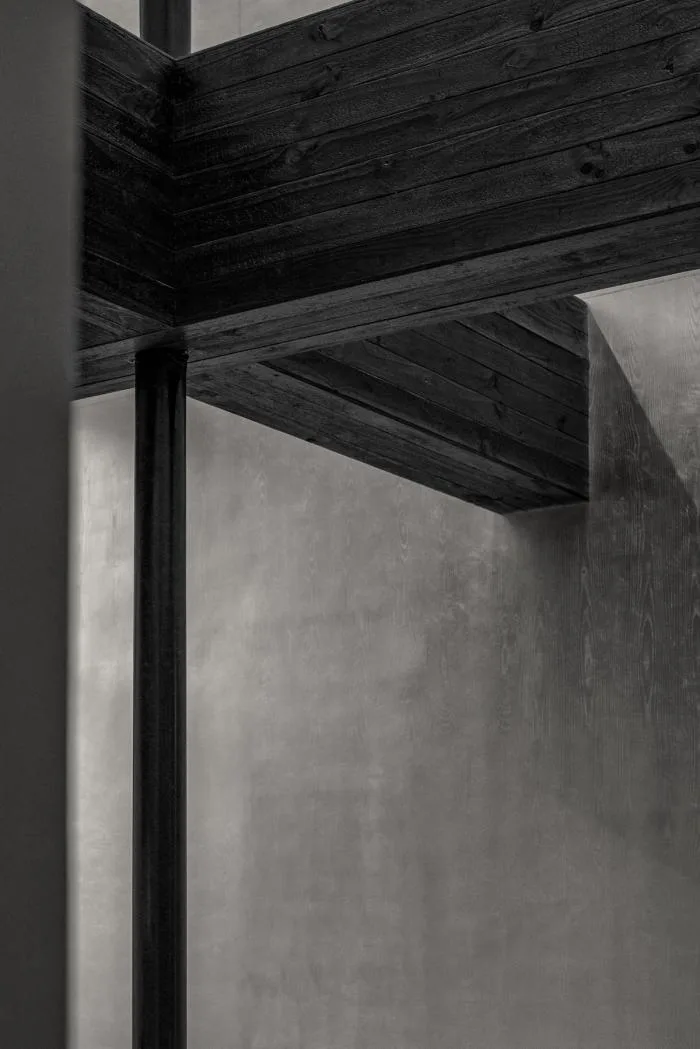
Rather than using silver foil in its traditional form, the design integrates it in a refined way by laminating it with wood veneer, creating a “silver foil” with a wood grain texture. This subtle treatment softens the austerity of charcoal black wood and the strict rectangular ceiling grid, imparting warmth and softness throughout the space.
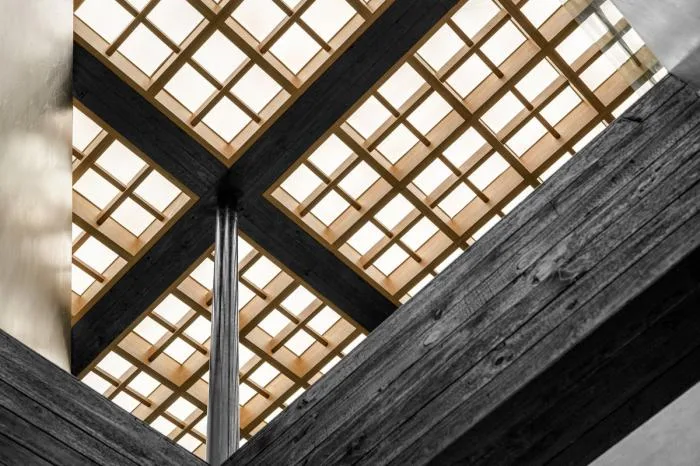
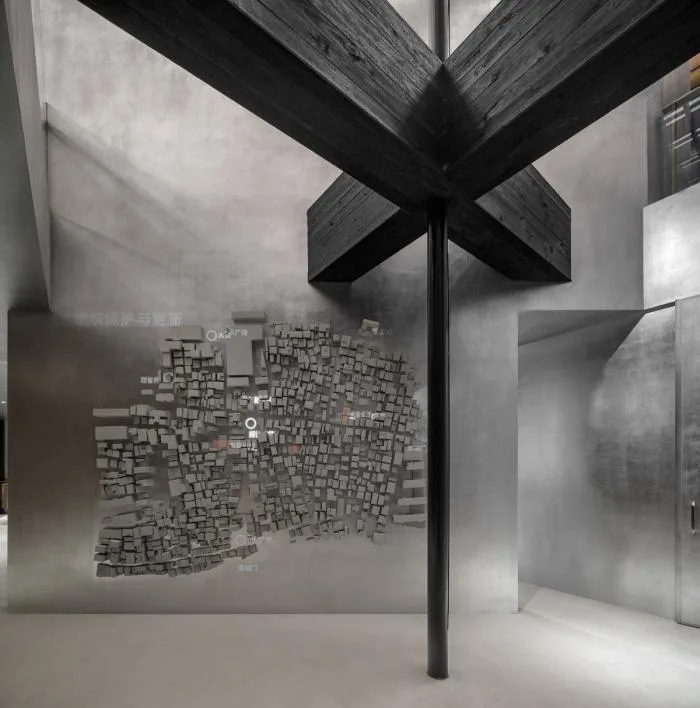
Beyond the corridor’s dynamic flow, the design emphasizes the integration of landscape and natural light, creating a natural display environment. Courtyard lighting articulates spatial hierarchy, evoking the open and layered effect characteristic of traditional Lingnan gardens, while reinterpreting these cultural meanings for a contemporary context. The interplay of exhibitions, light, and shadow enriches the spatial experience.
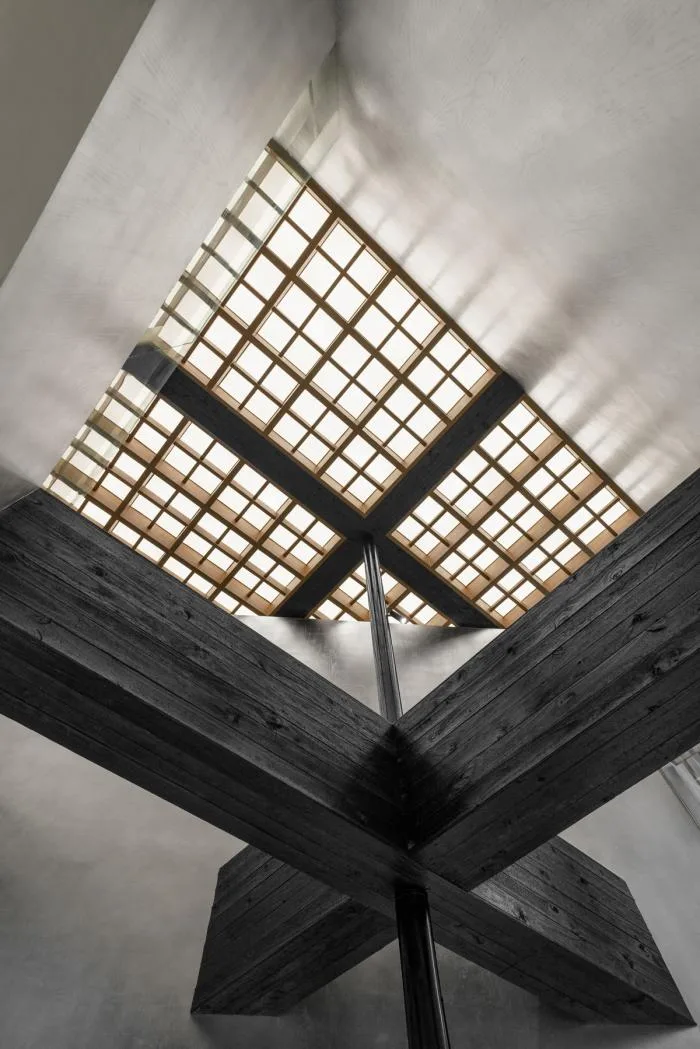
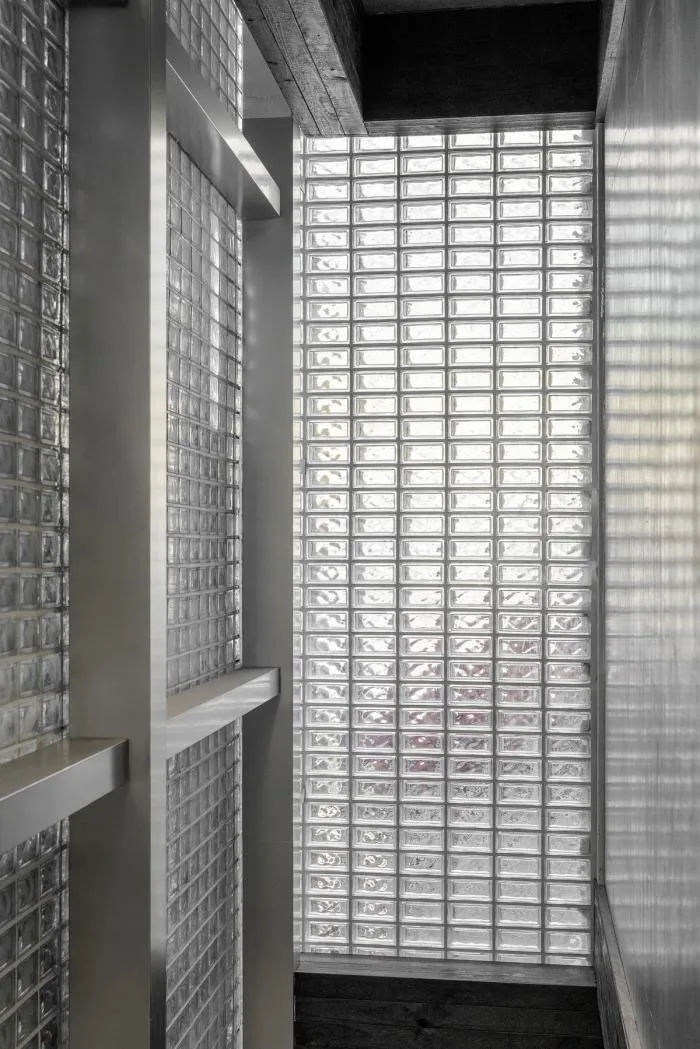
The visitor path flows along the corridor, rising and falling with the vertical spatial relationships. Narrow passages compress views, while grid windows admit diffused light, blending reality and illusion. These empty spaces evoke the contrast of a willow in shadow and a flower in light—a dynamic interplay that heightens the richness and enjoyment of the journey.
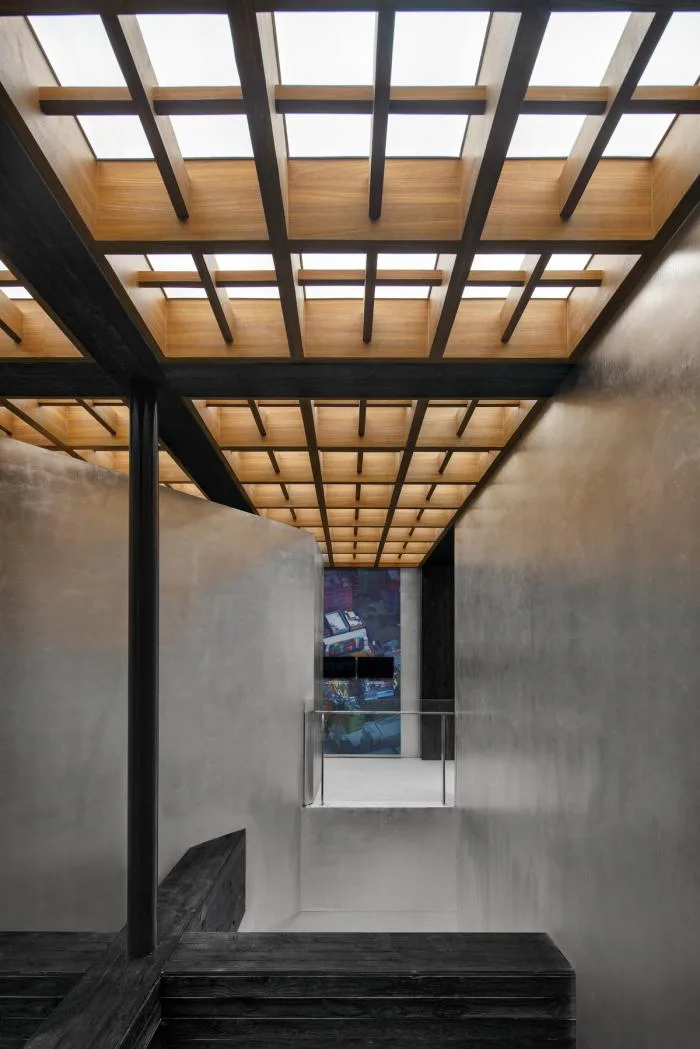
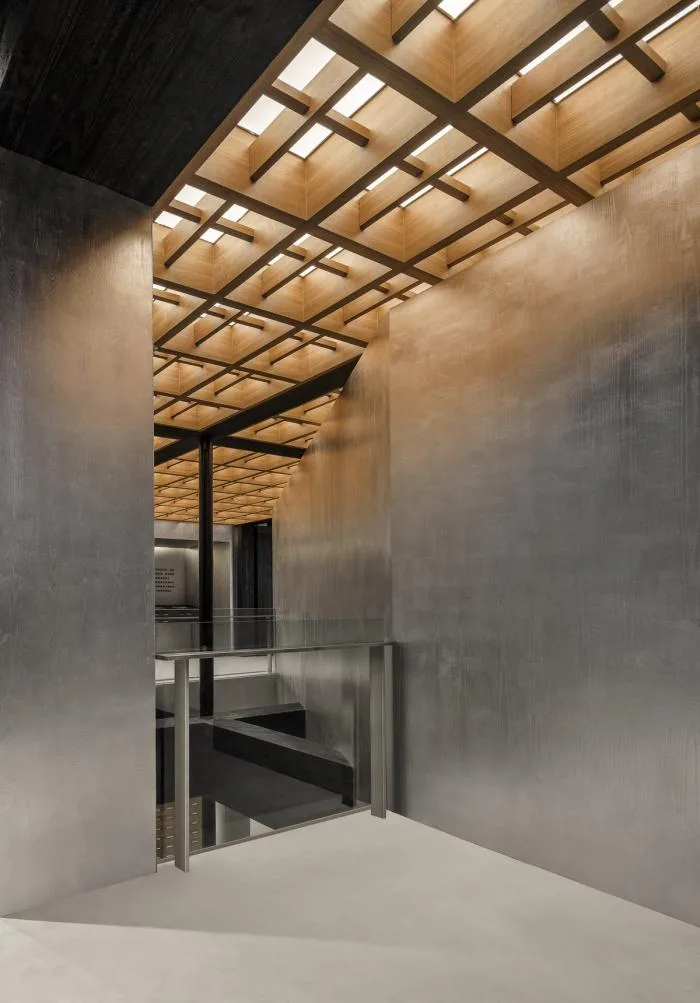
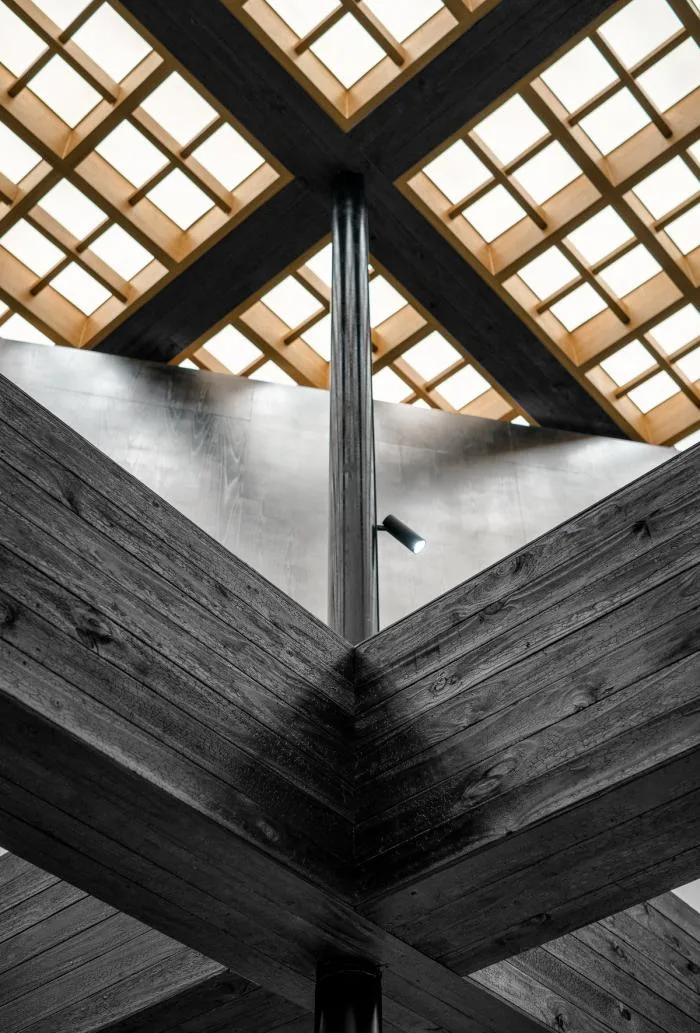
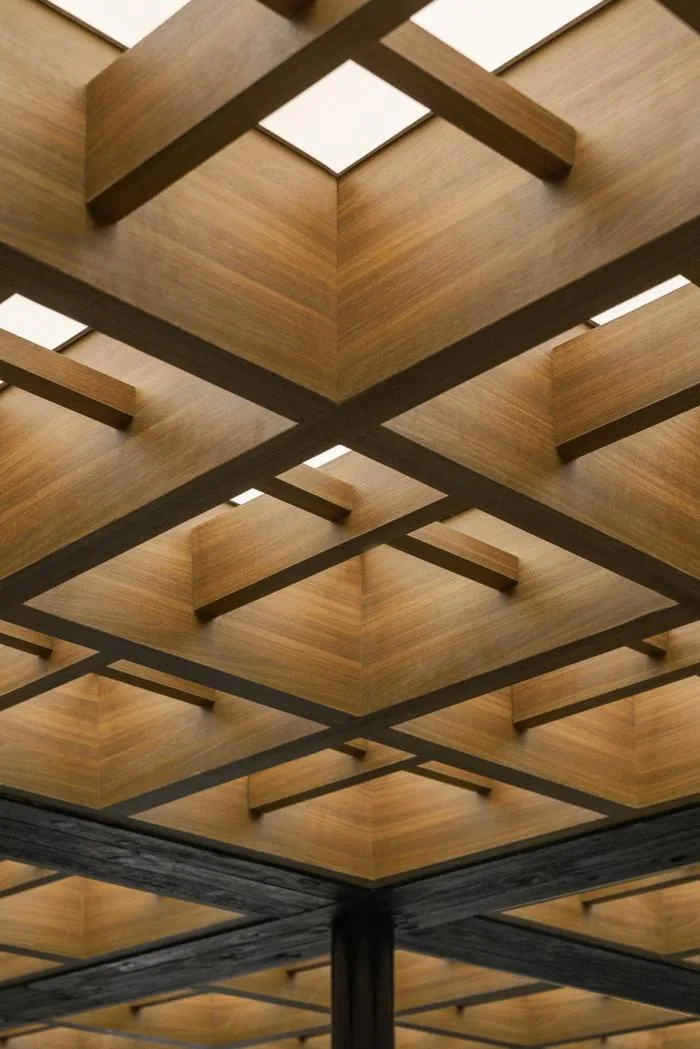
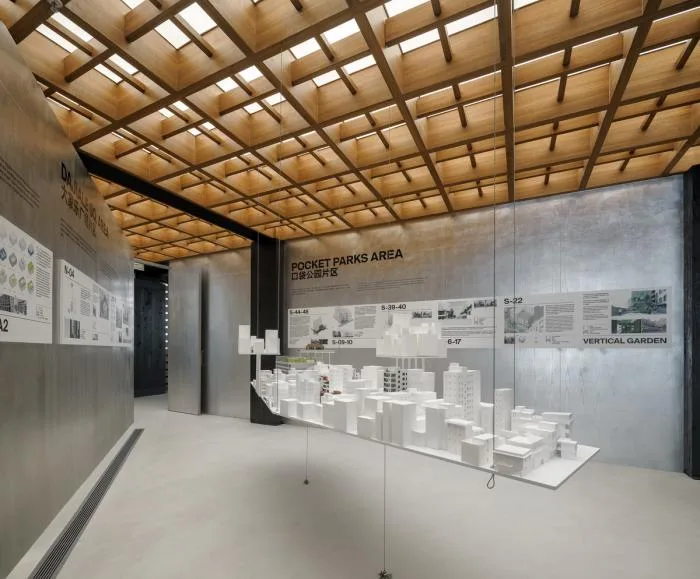
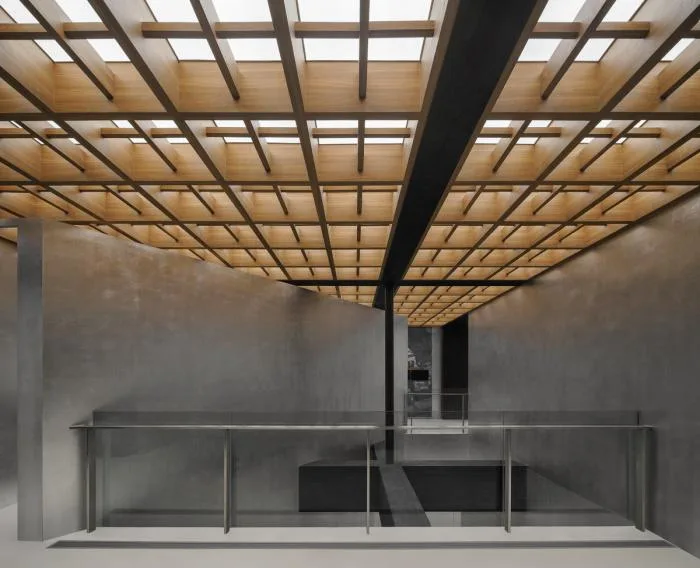
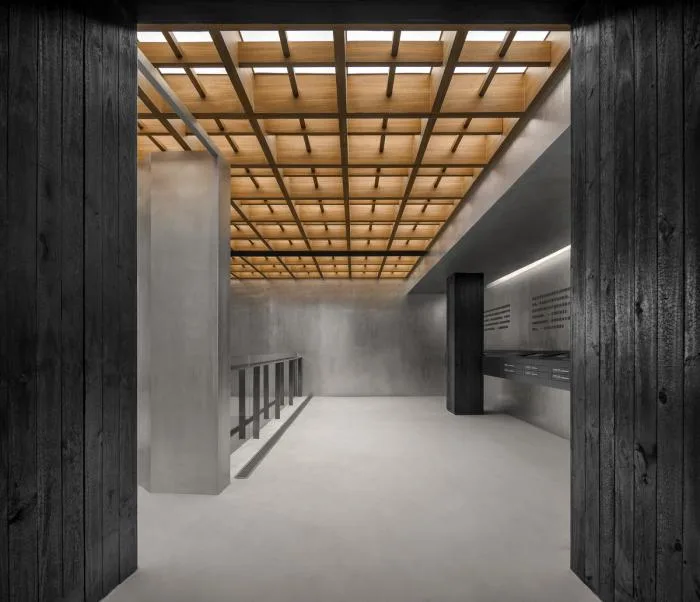
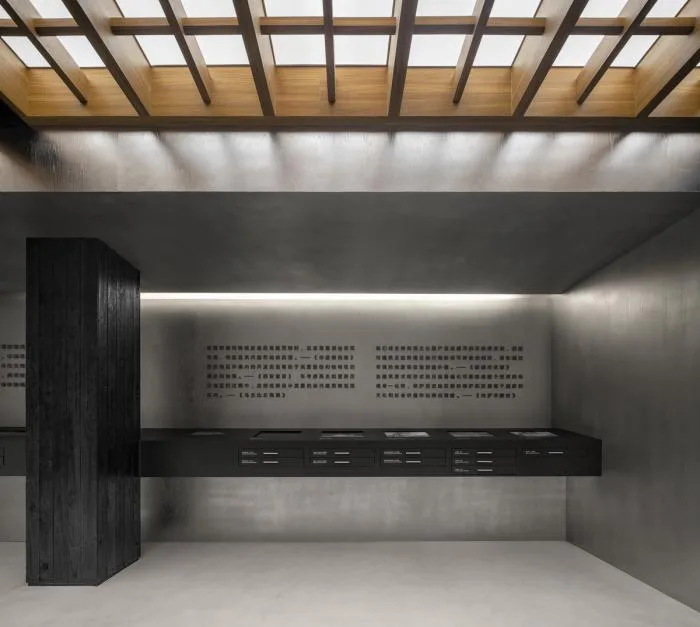
The flowing, winding circulation combined with the distinctive triangular silver foil space and wood-grain lattice skylight creates a unique spatial identity. The translucent glass brick facade subtly transmits external colors, while a rational cross-structure frame unifies the spatial language.
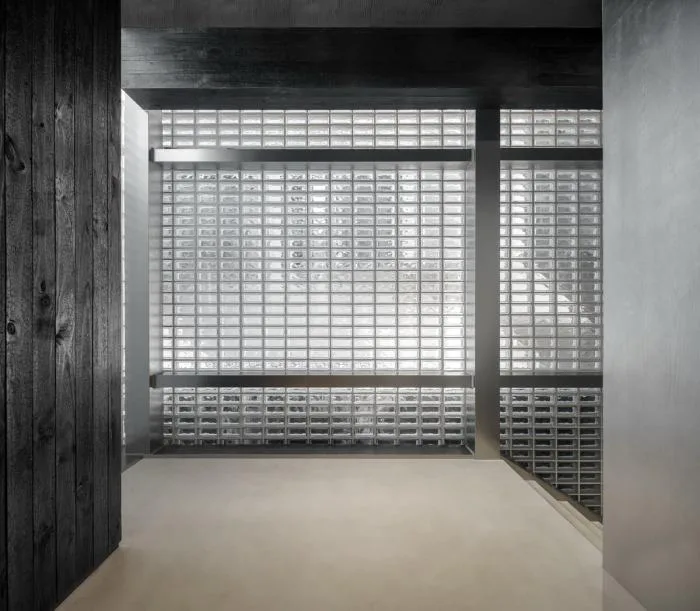
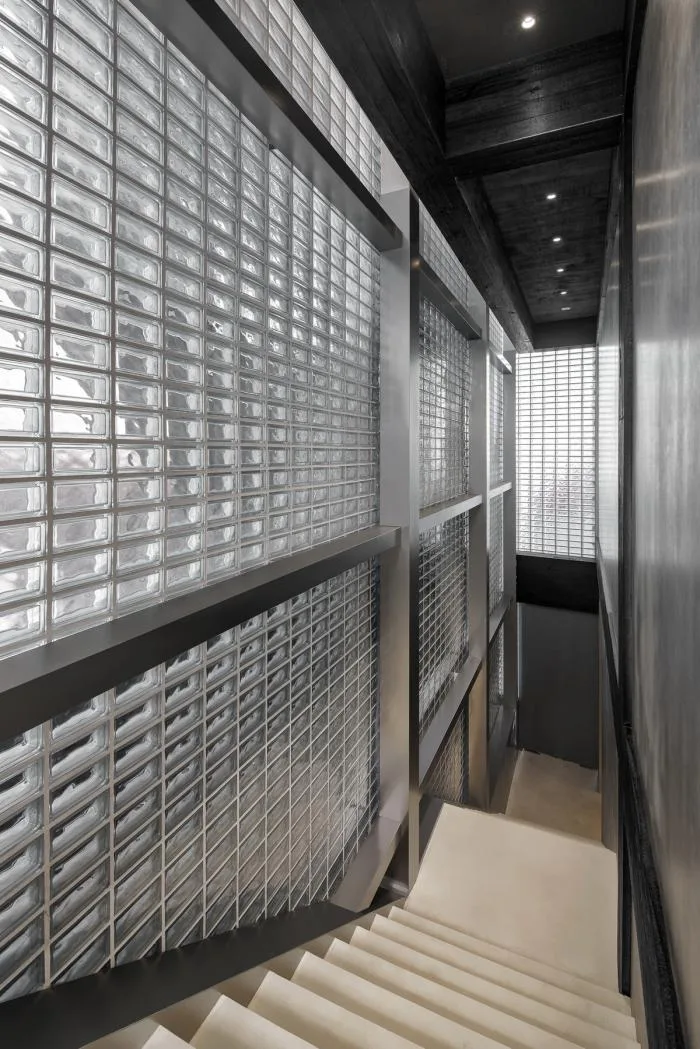
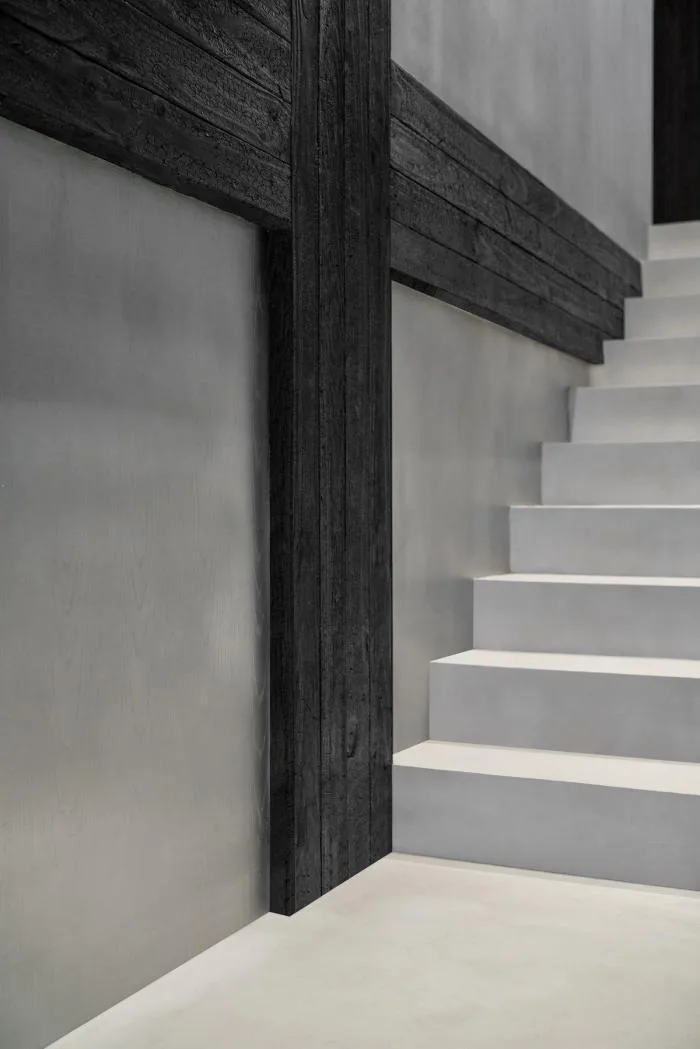
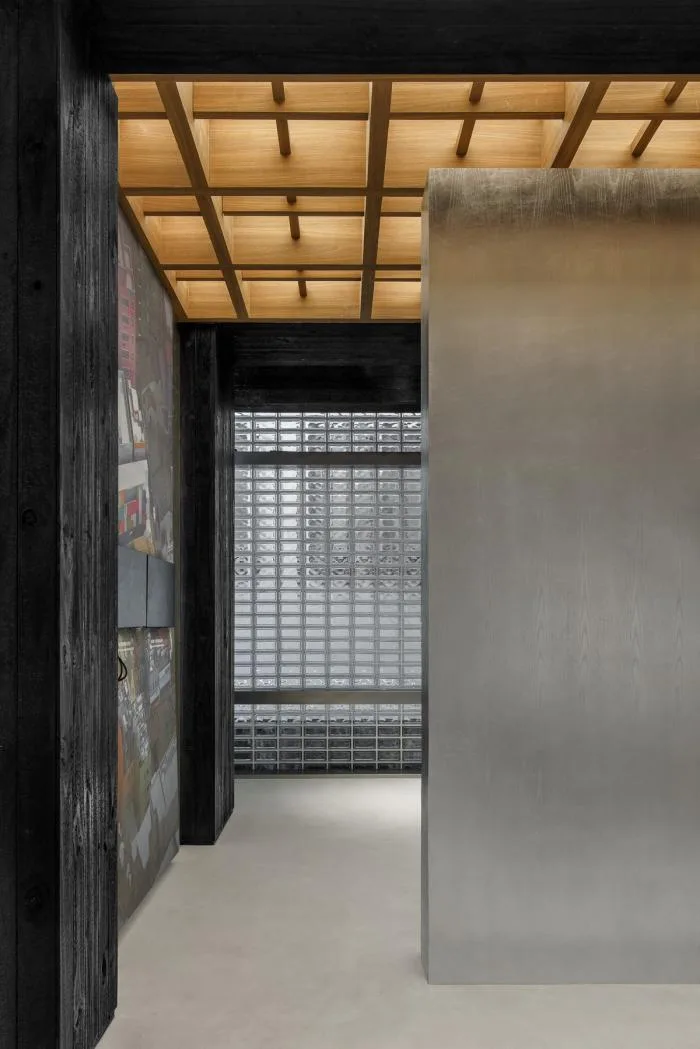
The shared coffee space, exhibition area, leisure zones, and conference rooms are thoughtfully arranged across two floors, connected by corridors and walkways. The matrix-like spatial sequence intertwines with wooden grid skylights that echo the courtyard’s form. Asymmetrically arranged interlocking cross-shaped blocks and sloping walls break the overall muted tone, reflecting the vibrant and organic street ecology of this urban village.
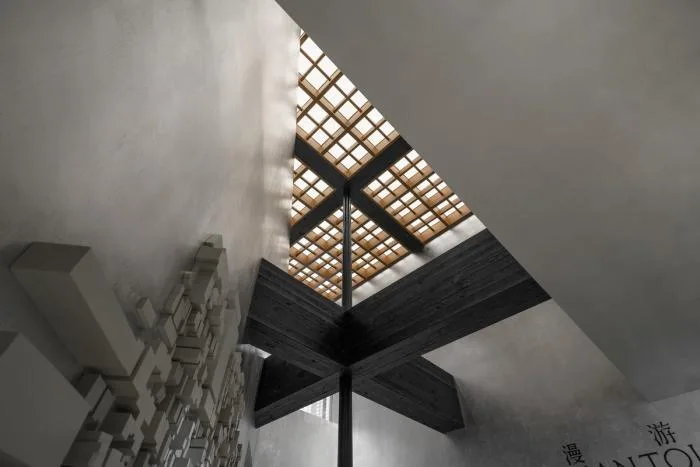
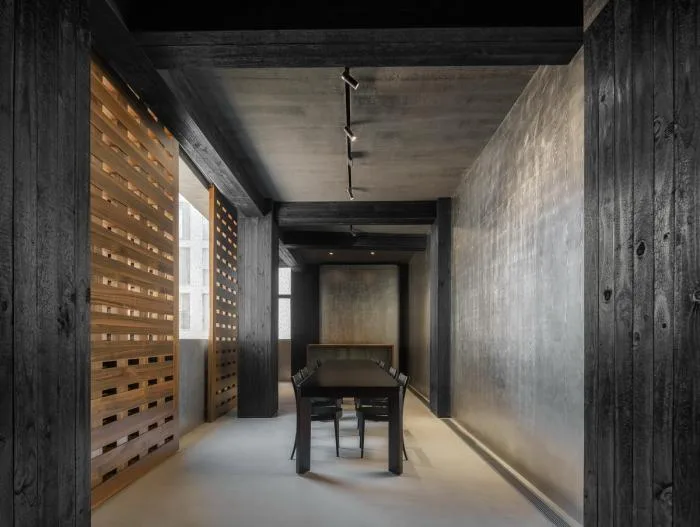
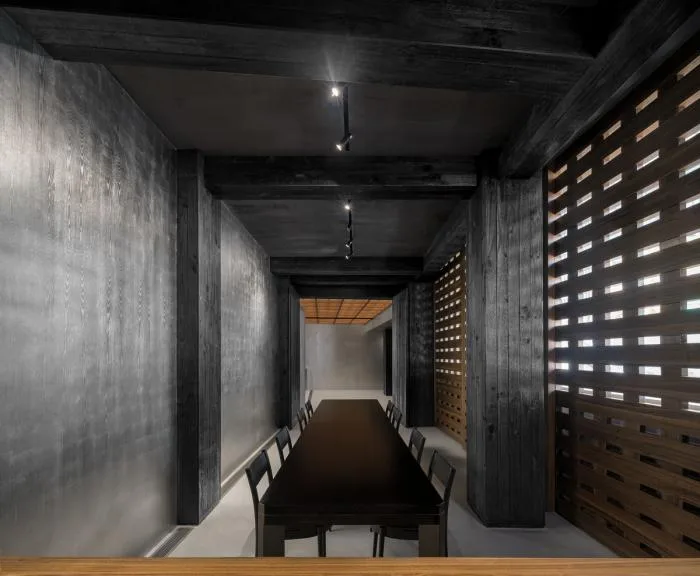
Through the interplay of structural elements, the design guides and enriches visitor circulation within the limited site. Material and detail choices give the project a distinctive character. Wanshe Design remains committed to honoring the cultural and human elements behind the project. The renovation of Nantou Ancient City seeks to blend contemporary culture with community vitality, transforming this historic area into a beloved and progressive landmark.
A key design focus is the innovative reinterpretation of traditional materials, emphasizing their age and uniqueness through modern techniques. Wanshe Design continuously advocates for contemporary expressions of traditional charm, merging heritage with innovation.
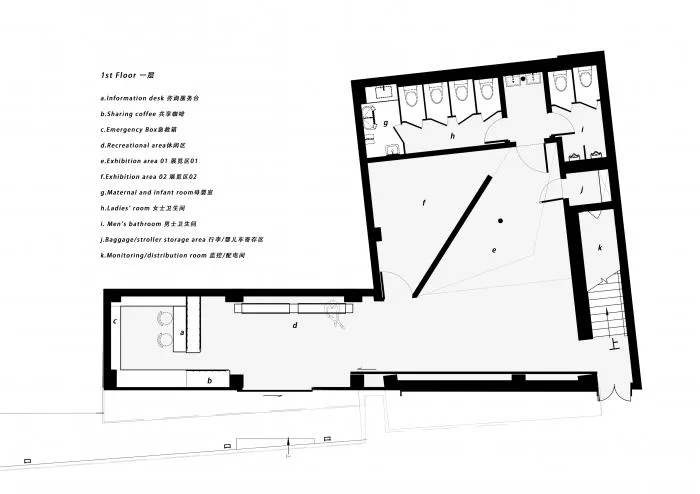
△ First Floor Plan
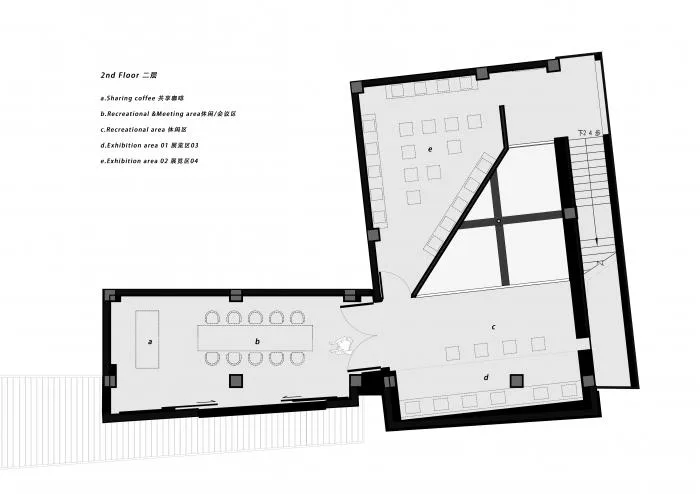
△ Second Floor Plan
Project Information
Client: Vanke Urban Research Institute
Location: Nantou Ancient City, Shenzhen
Status: Completed August 2020
Design Team: Wanshe Design
Project Lead: Lin Qianyi
Team Members: Yang Dongzi, Li Shiqi, Li Zebing, Lin Zhichao, Deng Yuwen
Photographer: Zheng Hangtian
Special Thanks To:
General Consultant: Vanke Urban Research Institute, Wanlu
Curator: CABLE
Exhibition Design: Ziji
Visual Design: United Design Lab
Multimedia: iPattern
Architectural Design: Shenzhen Bowan Architectural Design Firm












Must log in before commenting!
Sign Up