
Exploration Light: Gazing at the Bright Moon, Yearning for a Thousand Miles of Light
Chapter 1
Tonglu is situated in the heart of the “West Lake Fuchun River Qiandao Lake” golden tourist area in northwest Zhejiang. Tianxi Lake lies northwest of Tonglu—a young water area formed by a reservoir expansion, creating a vast marsh nestled between verdant mountains and lush valleys. Quietly positioned by this serene lake is the Conrad Hangzhou Tonglu Hotel.
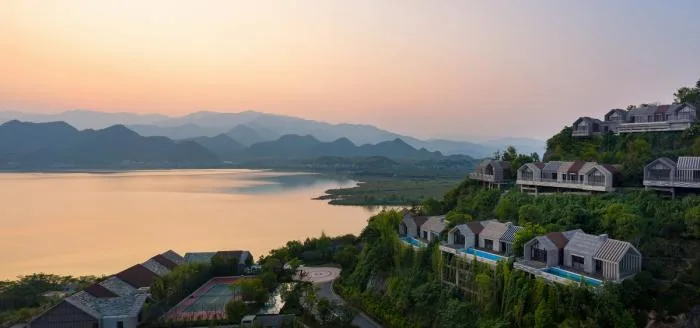
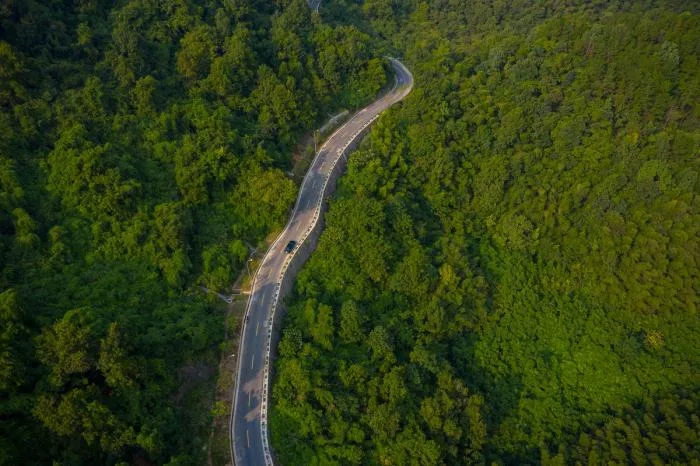
Each day, mountain mist formed by evaporation from the lake’s surface drifts softly over the shoreline, floats above treetops, and meanders through expansive valleys. Nestled in this landscape, the Conrad Hotel is enveloped by delicate veils of mist and fog. Visit during the most beautiful time of day before nightfall—follow the winding mountain roads, trace the gentle glow of lights ahead, curve around soft bends, and pass through layers of mist to arrive at your destination.
The lighting design for the Tonglu Conrad Hotel was crafted by PROL Light Stone, winners of the 2019 British Lighting Design Awards (LDA) in the Hotel Category. This project earned Guangshi a nomination for the 2020 LDA Hotel Design Award, placing it among eight finalists worldwide. It also received the prestigious 2020 “Meishang Award – Lighting Design Special Gold Award.”
As pioneers in exploring the hidden value of light, Guangshi focuses not only on illuminating hotels at night but also on managing the overall lighting environment. Their aim is to seamlessly blend the hotel into the mountains and forests, harmonizing with the natural mountain light and water reflections beneath a starry blue sky.
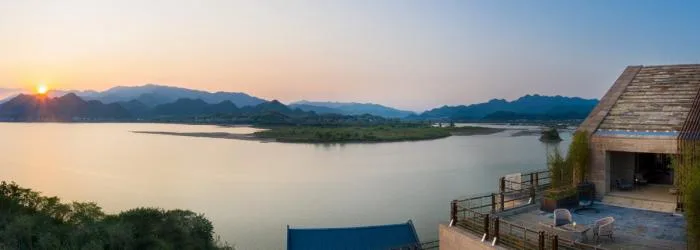
As the last light of sunset fades with the breeze, the contours of the Tianxi Lake mountains dissolve, painting a freehand scene of distant jade-black peaks and smoky waters. Hotel rooms are scattered in layered clusters amid the forests and hills, while stars begin to twinkle above. This adds warmth, tranquility, and a dreamy aura to the serene, slightly cool atmosphere.
Design Light: Designing Darkness First
Chapter 2
Guangshi believes that lighting design here requires restraint. Guests at high-end resorts seek a brief escape from urban chaos to rejuvenate their body and mind in a natural, relaxed environment. The challenge for designers is to create a soothing atmosphere by using light as a medium, integrating the architecture seamlessly into nature.
How can the complexity and tension of daily life be washed away? Lightstone’s answer is to design light by first designing darkness.
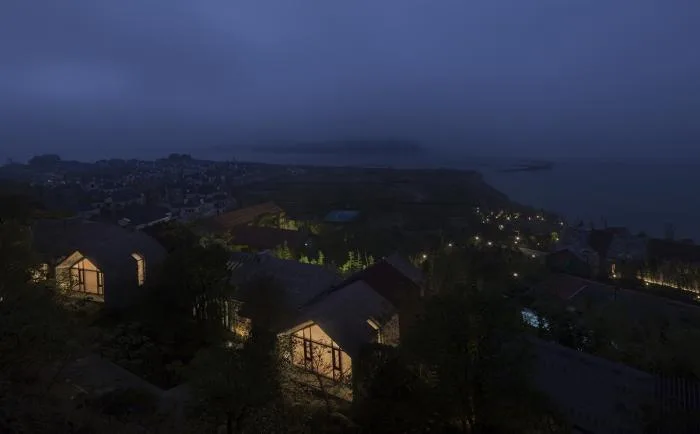
For the designer, darkness doesn’t mean pitch black. Guangshi strives to avoid excessive lighting, creating a natural environment where the naked eye can still perceive the faint starlight and bright moonlight. Forget the hustle of the world, rest on the shimmering reflections of light on the lake and the stars above, enveloped in a thin veil of gentle light, mist, and tree shadows. This living, breathing world is the Tonglu Conrad that Guangshi envisions.
Believing that outdoor moonlight can meet basic activity lighting needs, they introduced the concept of “moonlight lighting” into the resort design. By carefully adjusting the brightness ratios among interior spaces, building facades, and the outdoors, designers skillfully manage the contrast and blending of light and dark. This lighting strategy softens the boundaries between indoors and outdoors, allowing guests to enjoy natural views even from inside.
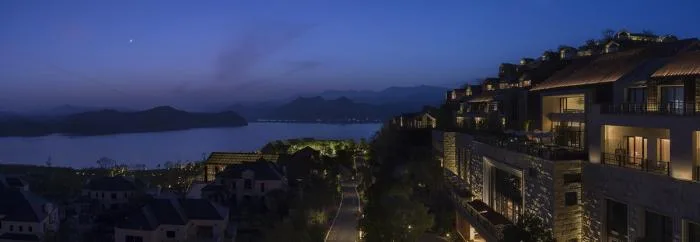
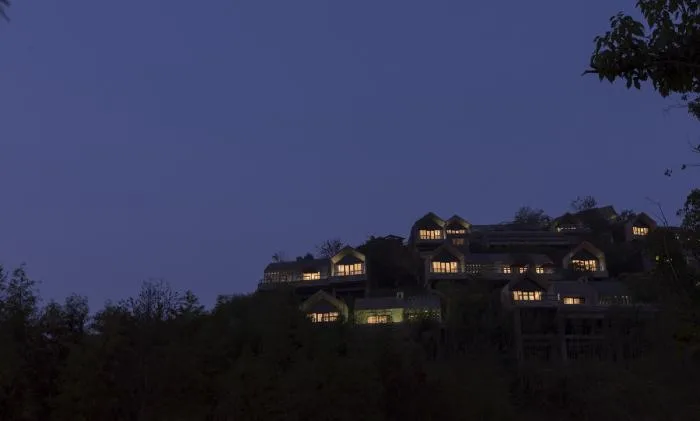
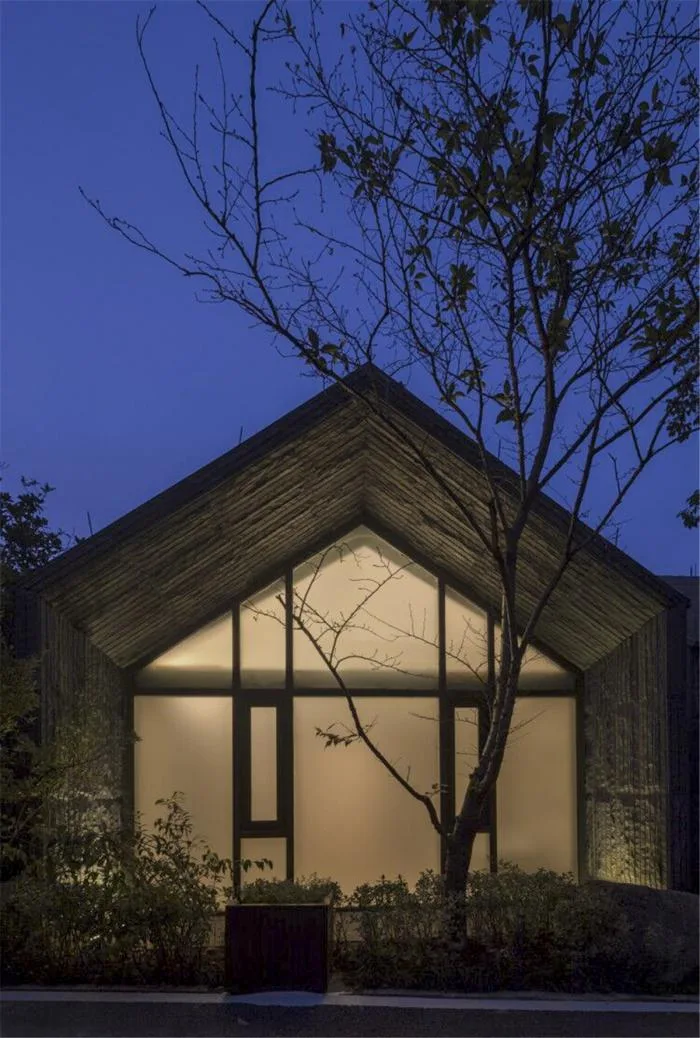
Taking advantage of the guest room buildings’ inward-concave herringbone eaves, Lightstone placed lighting points discreetly within these concave areas and inside the buildings. Without visible light sources on the exterior or rooftops, gentle light spilling over eaves and corners subtly outlines and enhances the elegant shapes and textures of the eaves and short walls.
The buildings, illuminated from within, are scattered along the lakeshore and valleys. Light softly traces the front facades and overall outlines, while roofs and side walls quietly dissolve into the moonlight. The sharp, clear daytime architecture perfectly transforms at night through the interplay and merging of light.
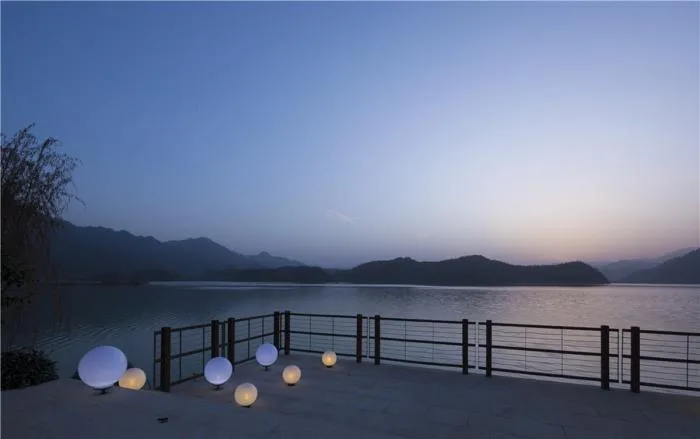
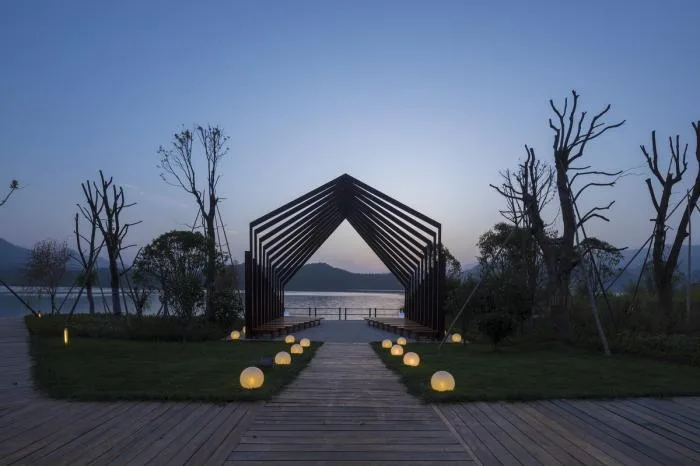
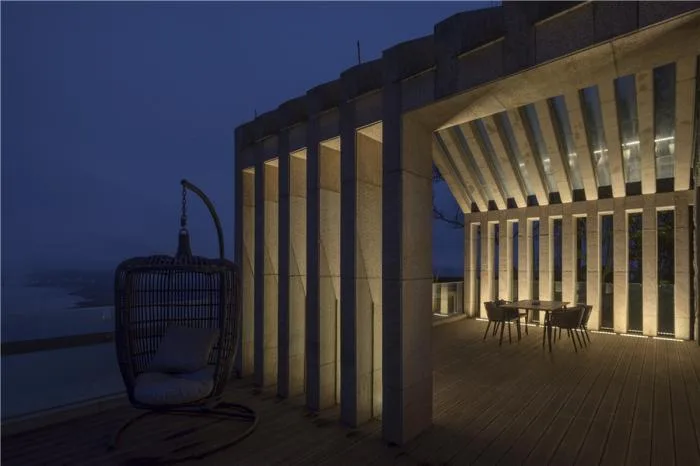
The hotel’s public areas follow a similarly restrained lighting style. Concealed light sources subtly outline the building’s spatial structure, while functional lighting caters to the relaxed state of vacationers, balancing comfort with appropriate brightness.
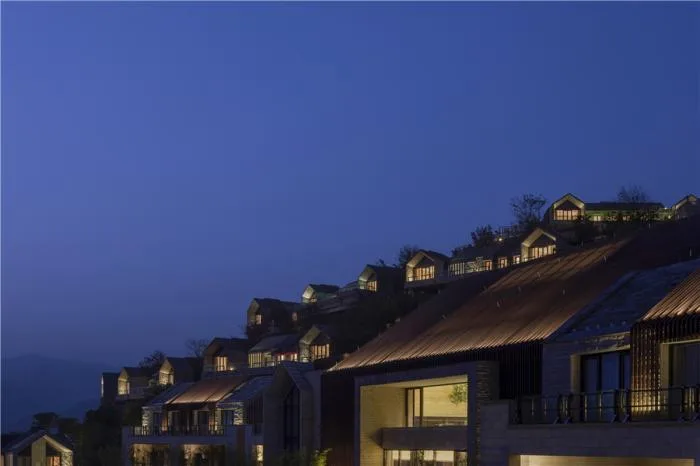
Each evening, some say Tonglu Conrad resembles a Chinese Santorini, while others liken it to a firefly-lit mountain village or a quaint town in Jiangnan.
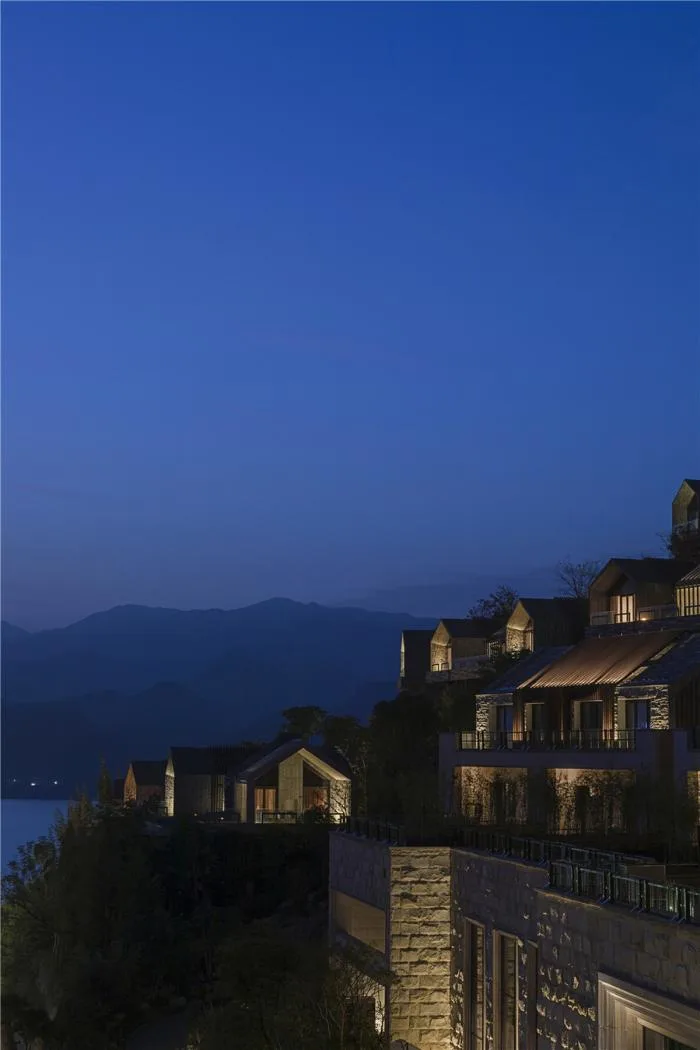
Lighting doesn’t merely depict a scene—it reinterprets the building through subtle illumination, blending it harmoniously with nature. Consequently, Conrad conjures a unique vision for every visitor, stirring countless emotions.
Experience Light: Originating from the Heart, Returning to Nature
Chapter 3
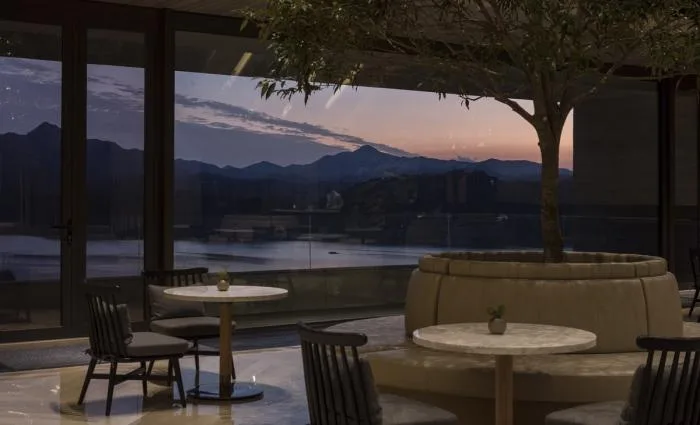
The experience of light must originate from the heart and return to nature—this encapsulates Eastern metaphorical beauty and philosophy.
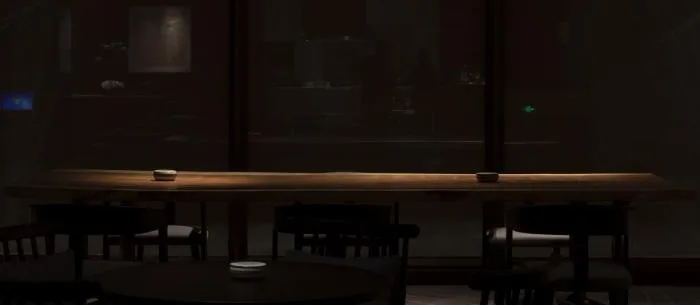
Within the hotel, Guangshi tailored lighting techniques to the functional needs of each space. While satisfying specific lighting requirements, they blended multiple layers and shades of light into a cohesive, organic environment. This carefully crafted lighting guides guests’ emotions—whether in bright or dim settings—leading them either inward to their hearts or outward to nature.
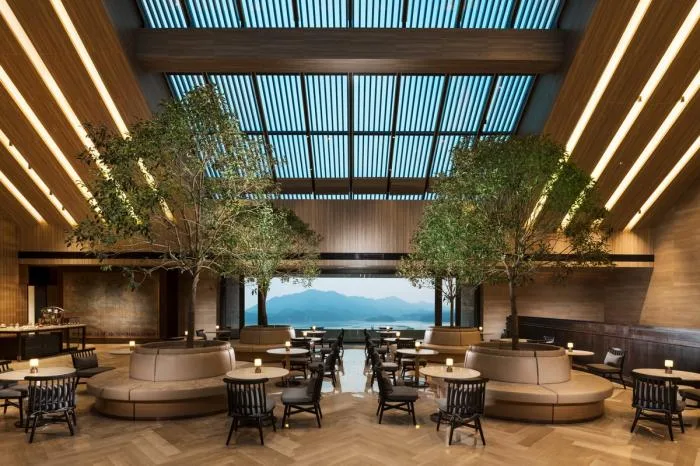
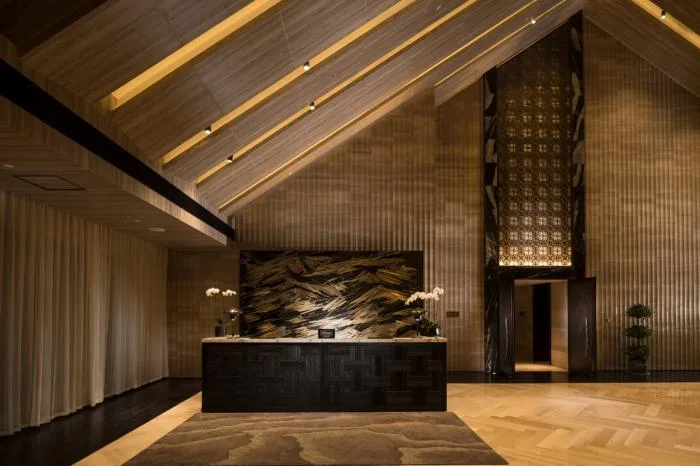
The hotel lobby features four tall trees surrounded by circular sofas as its centerpiece. Upward lighting illuminates the tree crowns, casting layered, swaying shadows onto the ceiling. If the light is placed higher, it tilts downward, projecting scattered tree shadows onto the floor reminiscent of sunlight filtering through leaves in a street park. This interplay of light and shadow inside creates a seamless transition from nature to the interior, allowing guests to feel the outdoors even while indoors.
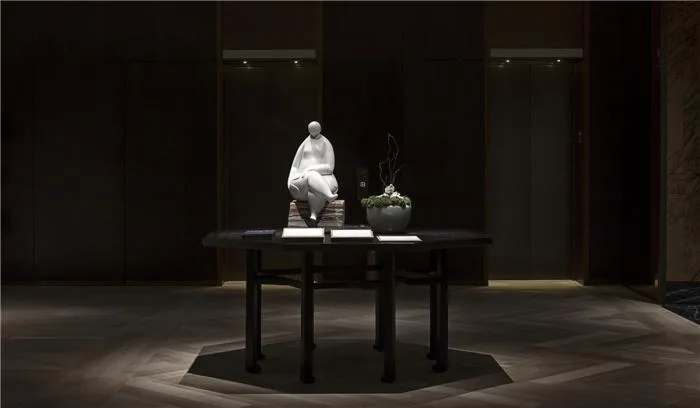
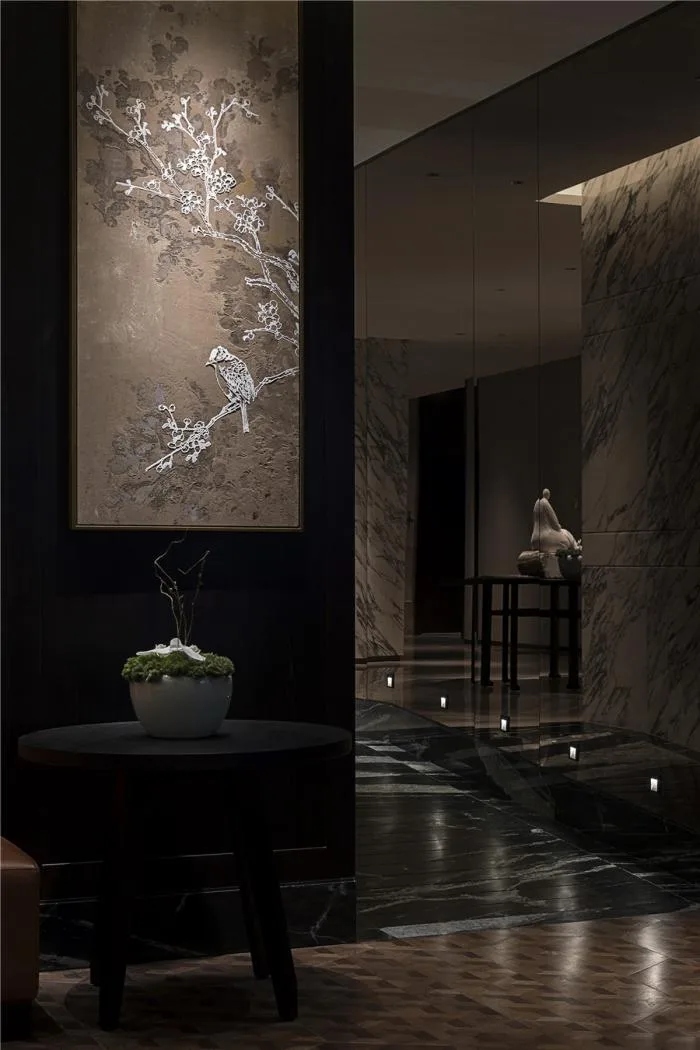
In the art display areas, surrounding spaces are intentionally dimmed. When guests enter these darker zones and encounter softly lit displays—a flower pot, painting, or sculpture—their attention is gently drawn, evoking feelings of purity and peace. These moments are filled with tranquility and heartfelt beauty.
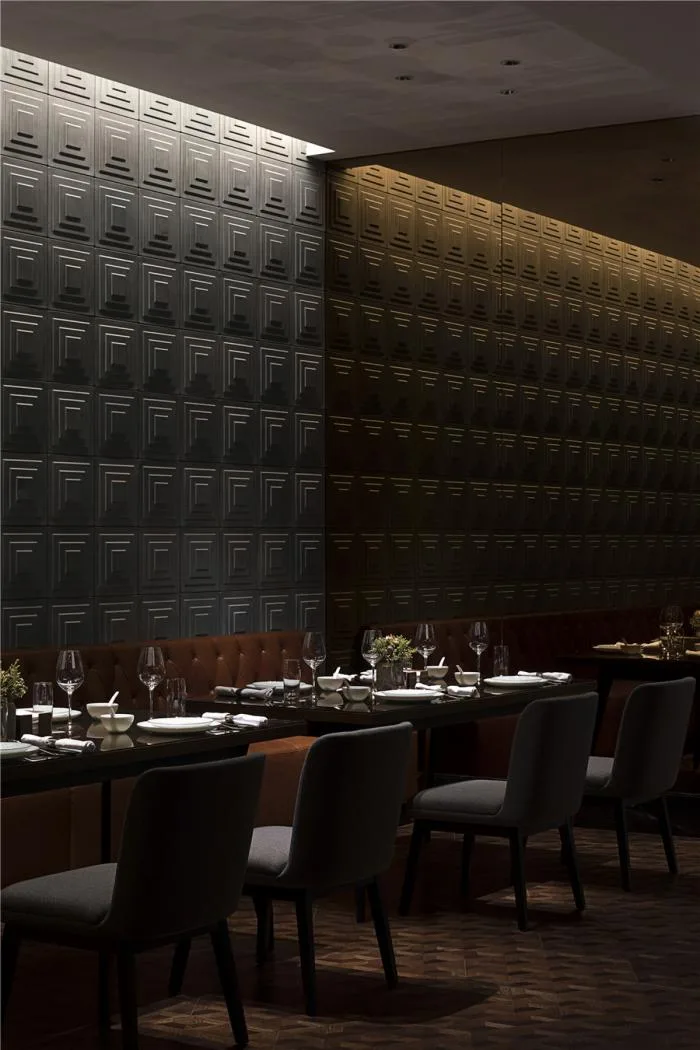
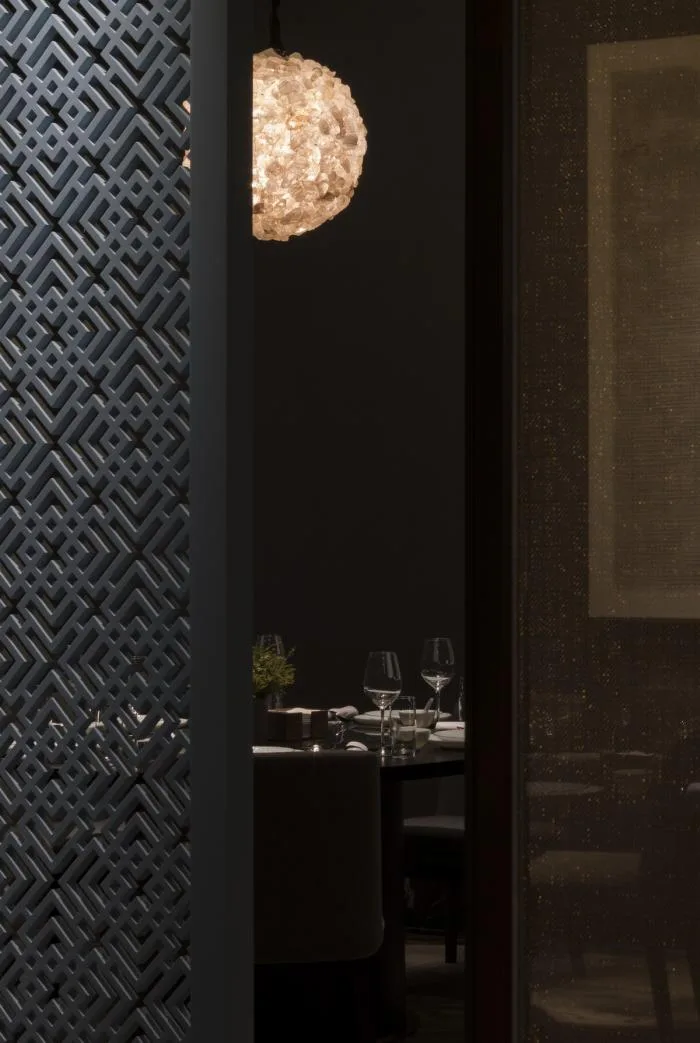
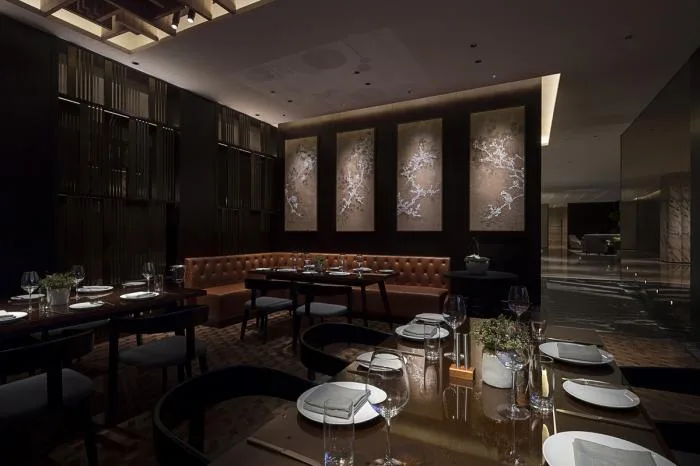
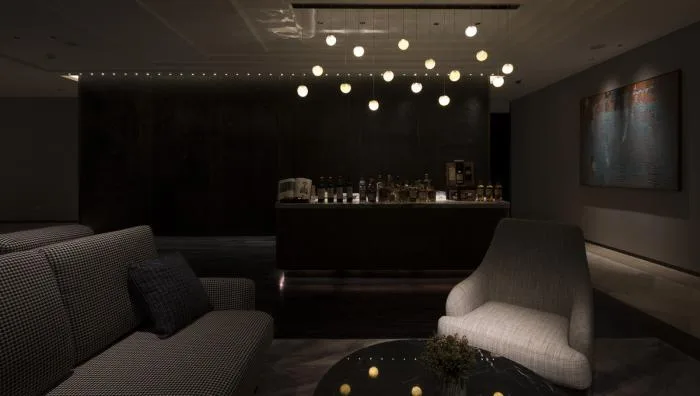
The restaurant’s lighting design reflects the gentle and delicate qualities of Huaiyang Cuisine. From the texture of surfaces and fabrics to the posture of bonsai branches and the semi-transparent elegant screens, light gracefully transitions between light and shadow, painting a detailed spatial environment.
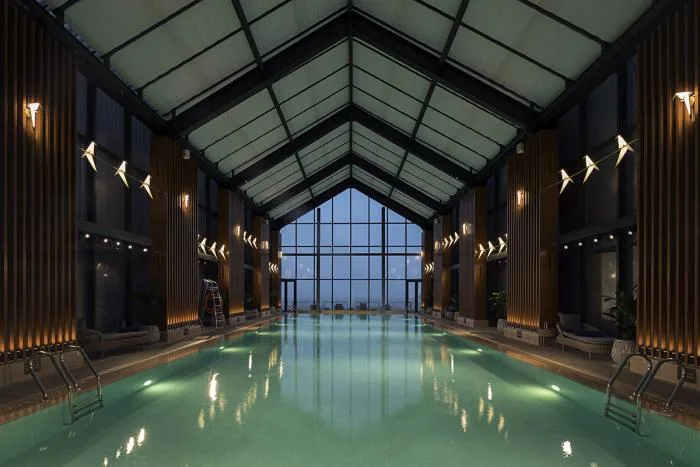
During initial research, designers observed birds perching in a row on power lines in nearby villages. Inspired by this, bird-shaped wall lights were installed beside the swimming pool. This subtle touch brings the outdoor village atmosphere indoors, seamlessly blending nature and hospitality.
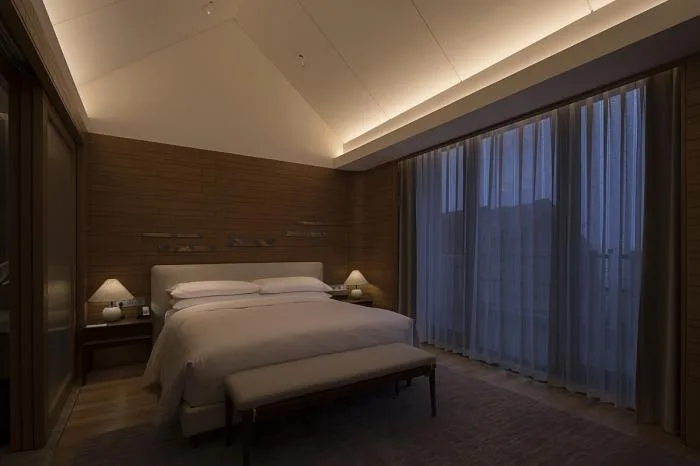
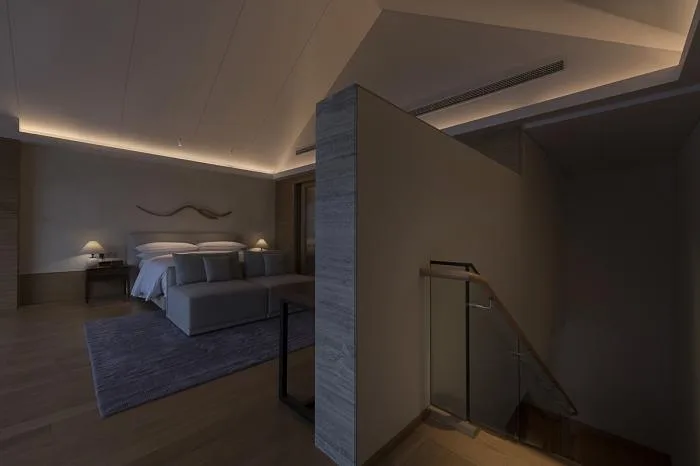
Inside the guest rooms, lighting retreats to more private spaces. Hidden light strips along floors and ceilings weave light throughout, while soft, warm point sources enhance comfort and coziness.
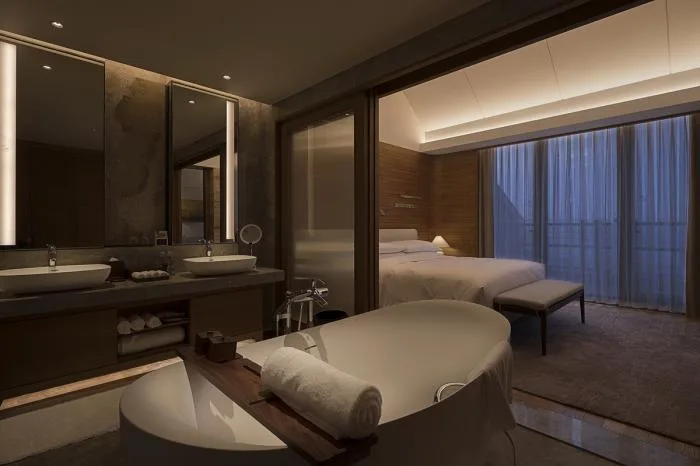
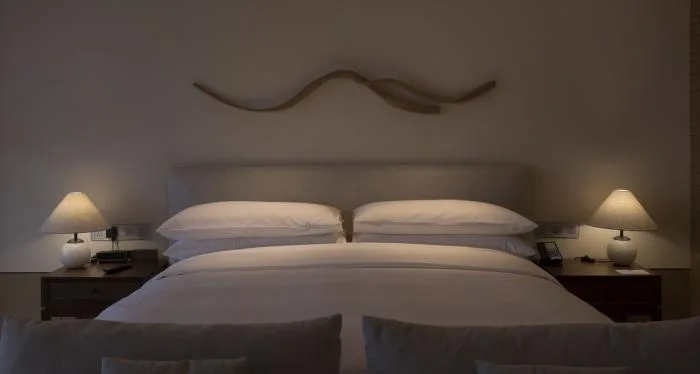
The warm, gentle point lighting maximizes comfort. Natural materials cast subtle, undulating shadows on the walls, while large windows frame the silent lake and night beyond. The indoor lighting blends effortlessly with the outdoor scene, evoking the feeling of an ordinary night in a secluded village untouched by human interference.
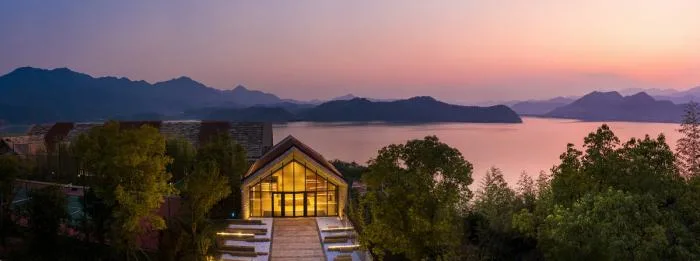
Architecture is a tangible creation of daylight, while light relies on architecture to redefine and reinterpret it after dark. Thanks to light, buildings bloom anew at night. The softest natural element by Tianxi Lake is not only the ethereal mist but also the light quietly hidden among trees and forests. This invisible light weaves through rigid steel and concrete on one end, merging with the bright stars and moonlight on the other, fostering an intimate dialogue between humans and nature, architecture and environment.
Project Information
Project Name: Tonglu Conrad Resort Hotel
Lighting Unit: PROL Stone Lighting Design (www.prol.co)
Owner: Zhongjin Real Estate
Architectural Unit: Hanjia Design Group
Interior Design: China Modern Academy
Photographer: Zhong Yonggang
Collaborators:
Project Planning: Sakae Brand Strategy Agency












Must log in before commenting!
Sign Up