
Imagine a building as a box: by opening its doors and windows, greenery and sunlight can flow into the underground space, allowing it to breathe. This poetic concept forms the heart of our design for this project.
This project is situated in a nearly 40-year-old house on Shidong Road. It is a typical apartment with adjacent rooms on both sides and natural front and back lighting. The homeowner aimed to transform the unused basement into a new living space for a family of four through thoughtful design.
The original basement presented several challenges. For example, the ventilation window was positioned 65 centimeters above the street level, but due to parking in the front yard and a drying area in the backyard, this window was blocked and ineffective. As a result, the basement remained dark and was only used for storage.
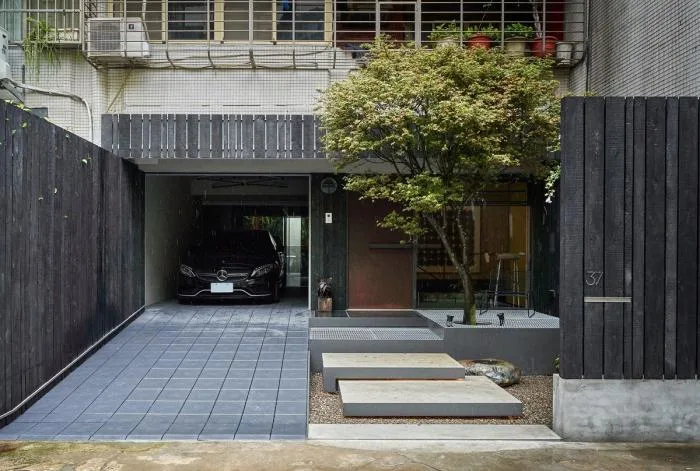
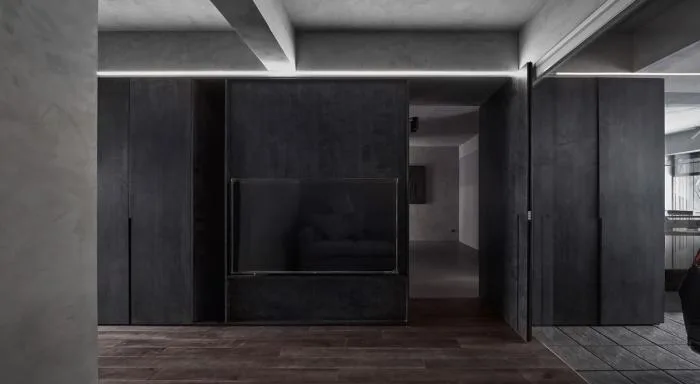
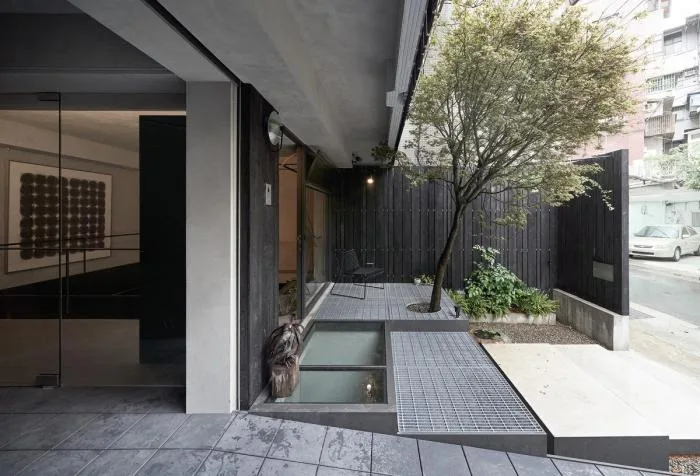
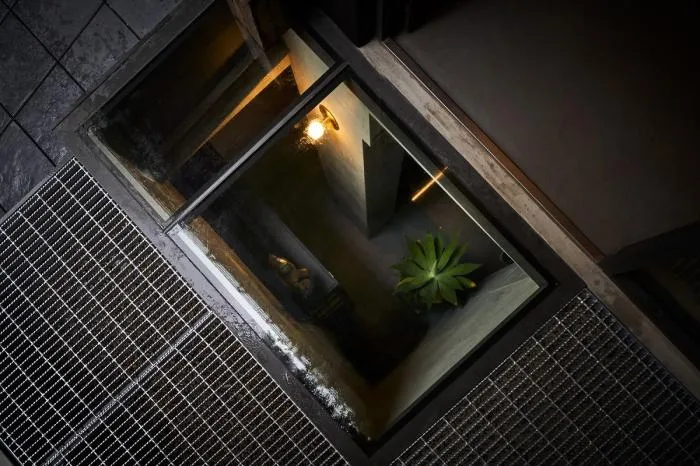
To integrate the basement into daily life, the first step was to address the environmental limitations. This involved sacrificing some floor area near the front and backyard on the first floor to create an open courtyard. This courtyard expands the basement’s exposure to natural light and improves ventilation, significantly enhancing the space’s environment.
With this transformation, the traditional concept of the basement as a dark, unused space disappears, and a new spatial relationship between the upper and lower floors emerges.
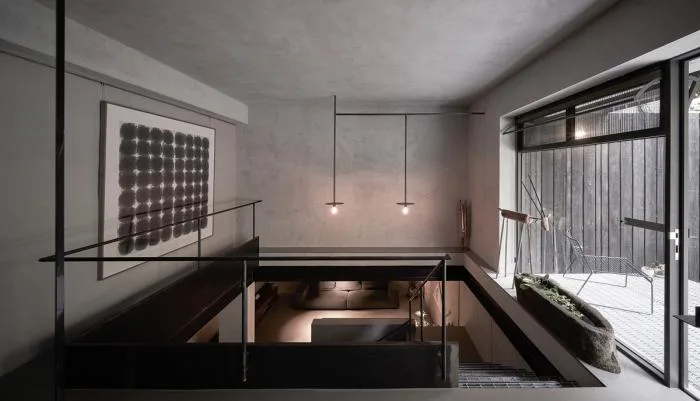
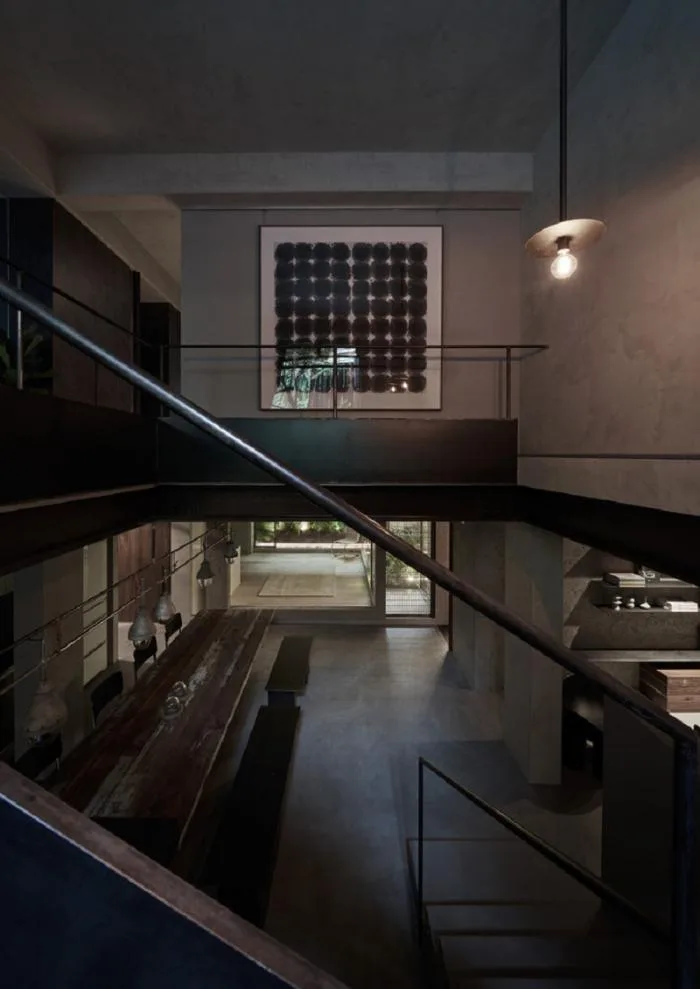
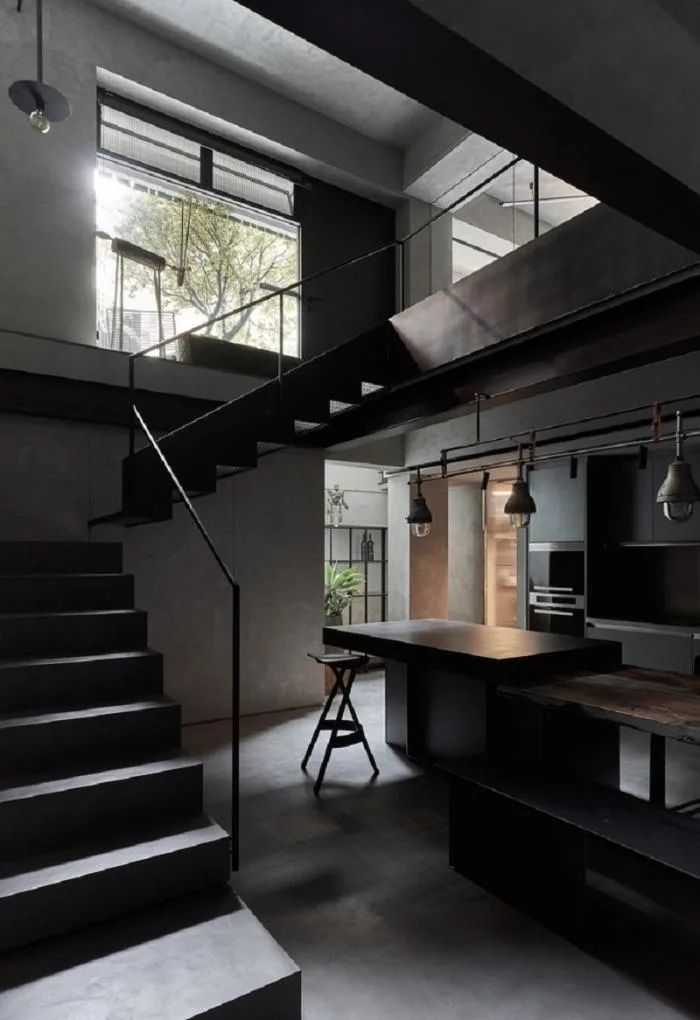
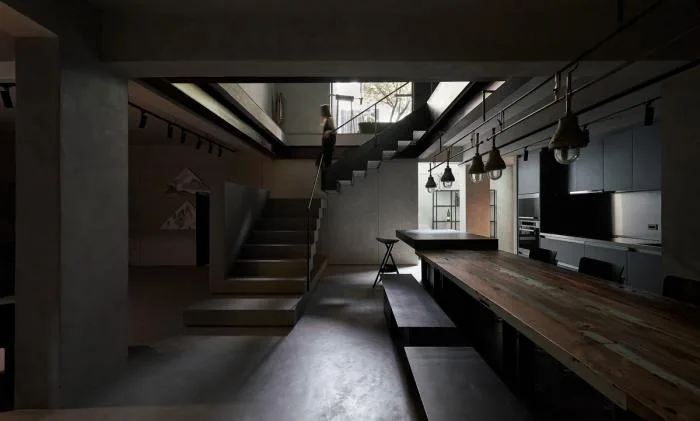
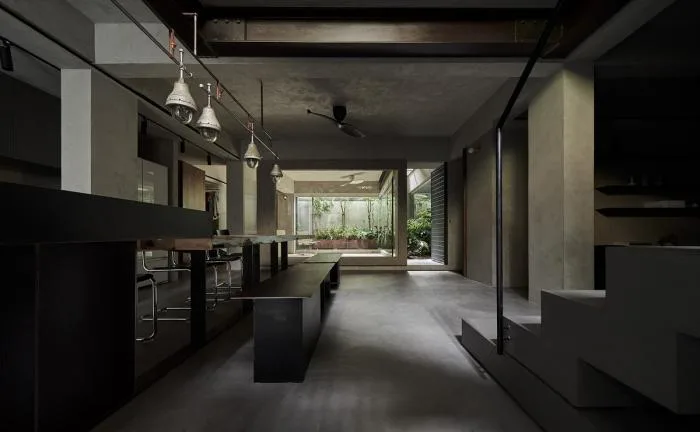
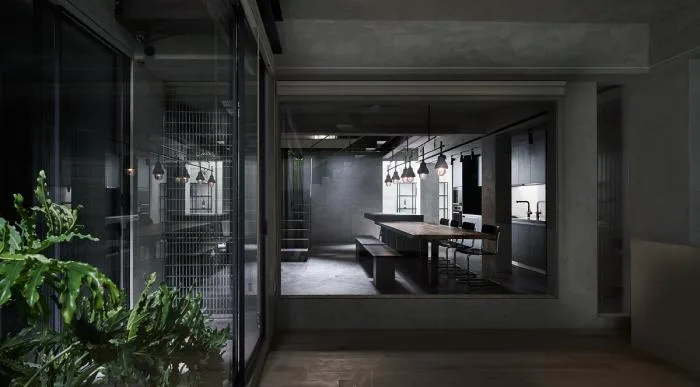
After the renovation, the area near the street is divided into parking spaces, stairs, a courtyard downstairs, and a shrine. This downstairs area serves as the main social zone for the family, extending into the living room, dining room, and kitchen. This layout allows the homeowner to enjoy the maple trees and sunshine in the front yard directly from the basement level, fostering quality family time.
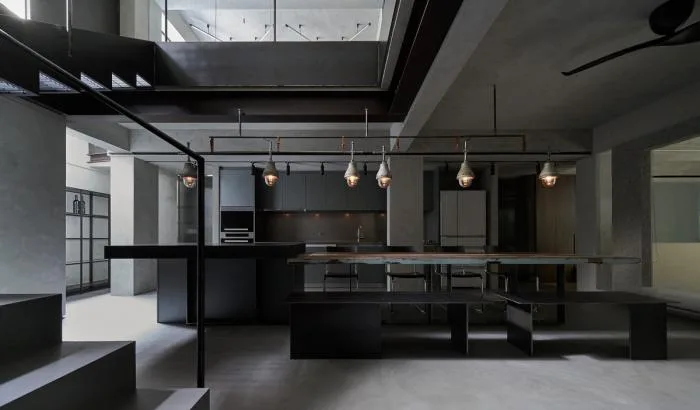
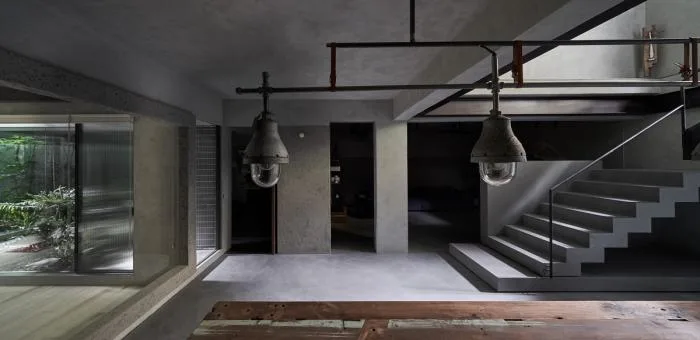
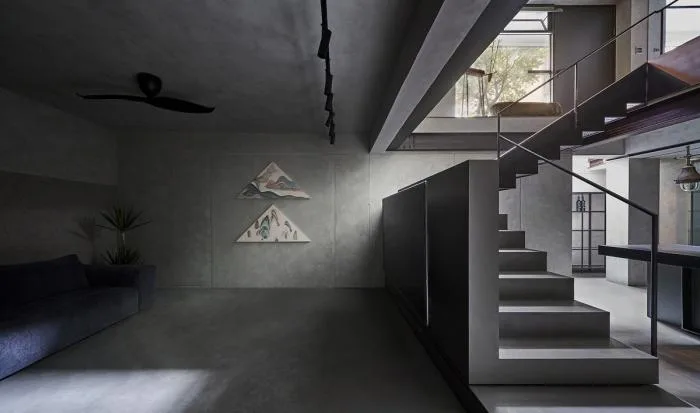
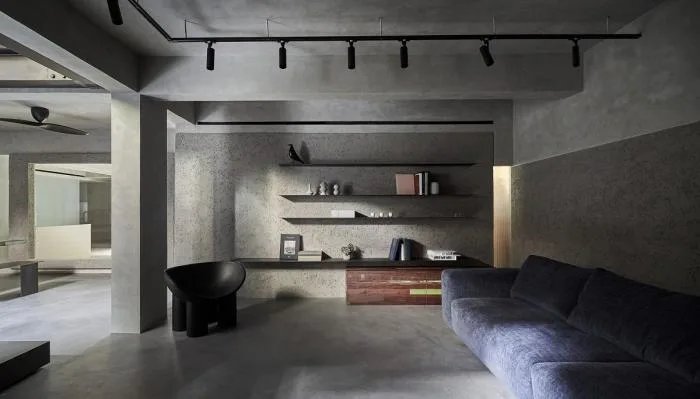
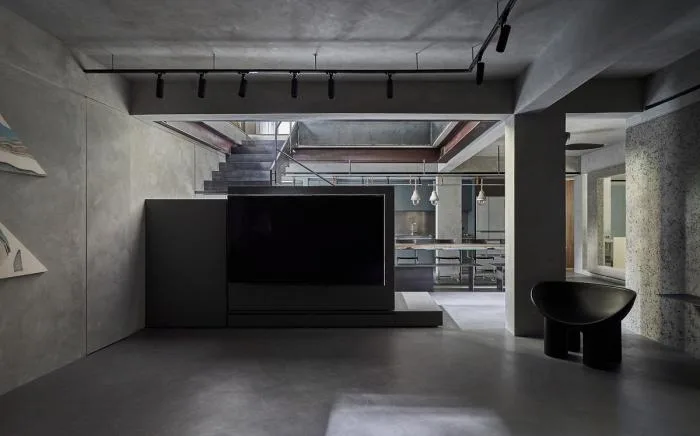
The private areas occupy the latter half of the space, including the master bedroom on the first floor and the male and female bedrooms downstairs. To ensure that these private spaces also have access to greenery, a low-maintenance Shan Ku Shu (Wangwang tree) is planted at the backyard downstairs. Through an opening in the first floor’s backyard ground, the treetop reaches the height of the master bedroom desk.
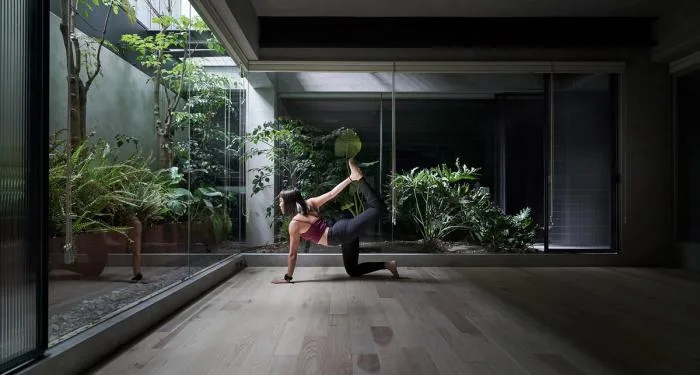
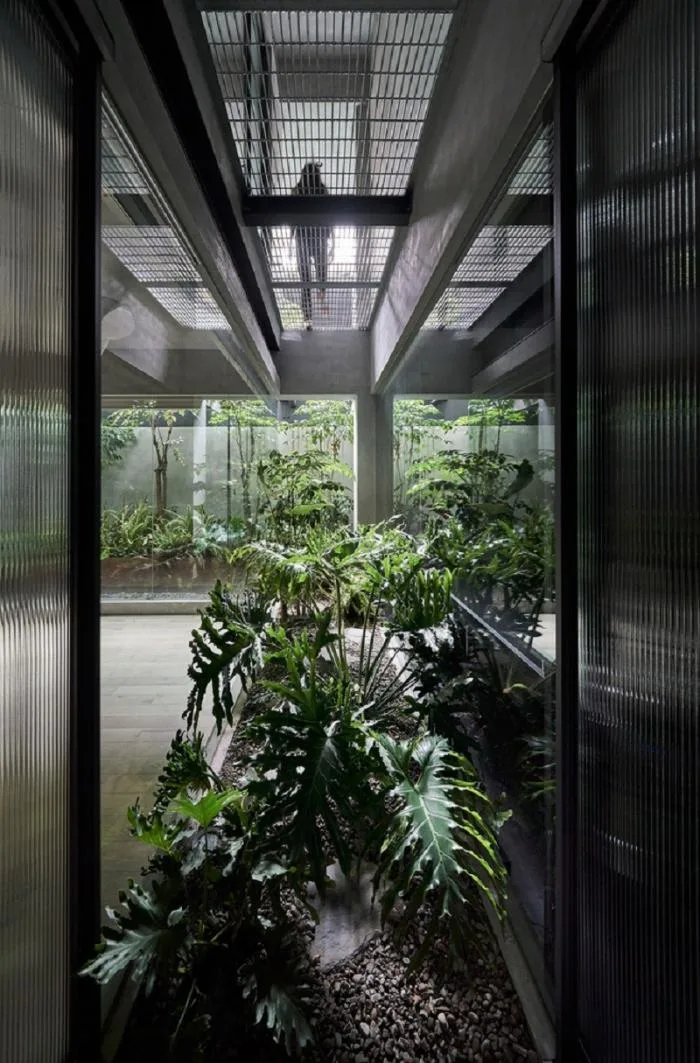
Additionally, kidney fern, turtle back bamboo, and Manchester green velvet plants downstairs extend into the center through the L-shaped courtyard on the first floor, acting as a natural divider between the male and female rooms. During the day, these plants provide fresh polyphenols; at night, lighting highlights the layers of leaves, creating dynamic shadows that enrich the spatial experience.
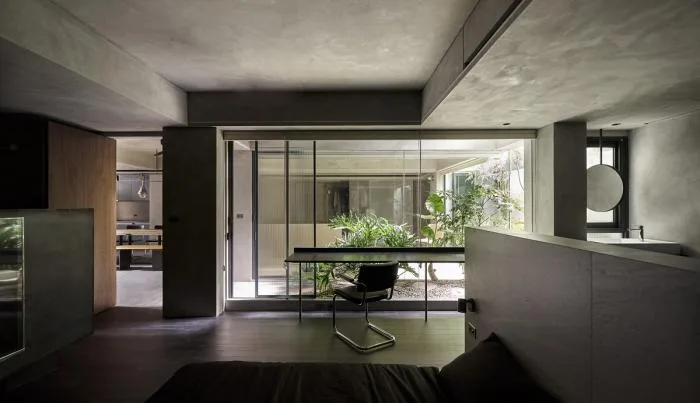
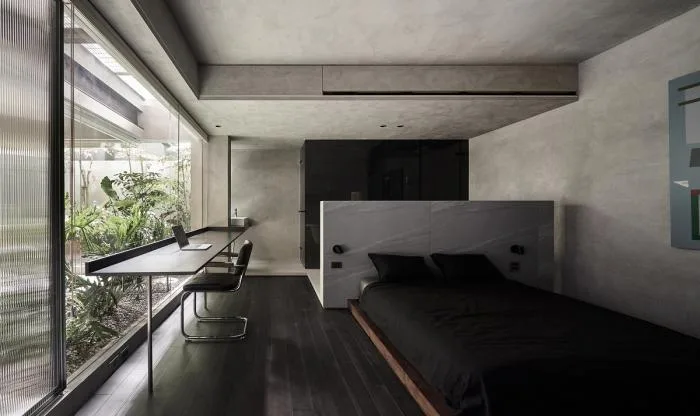
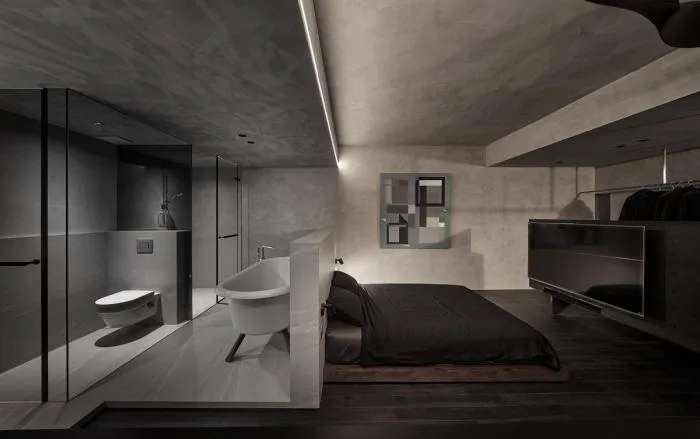
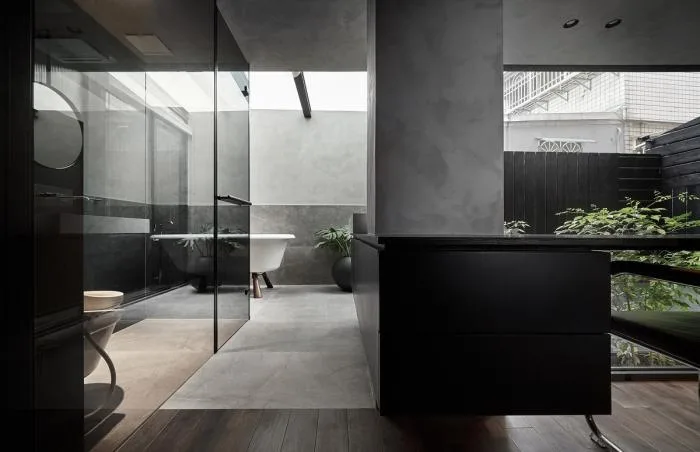
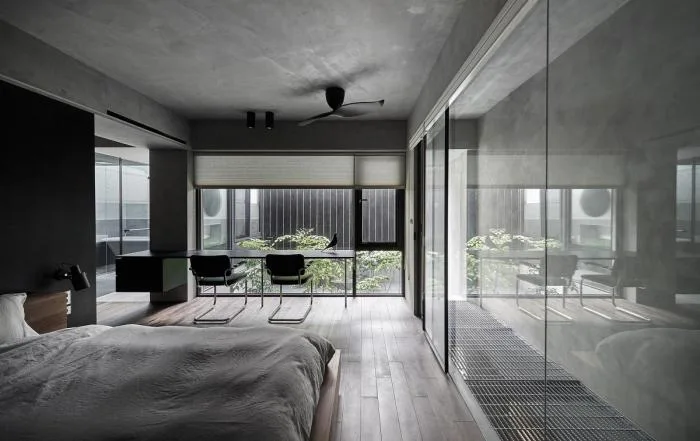
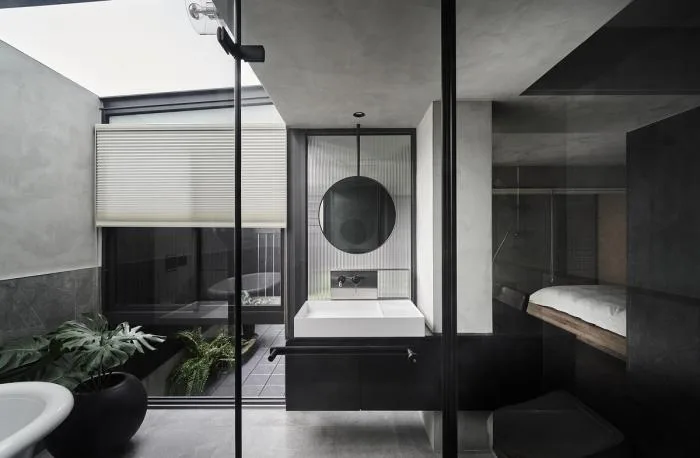
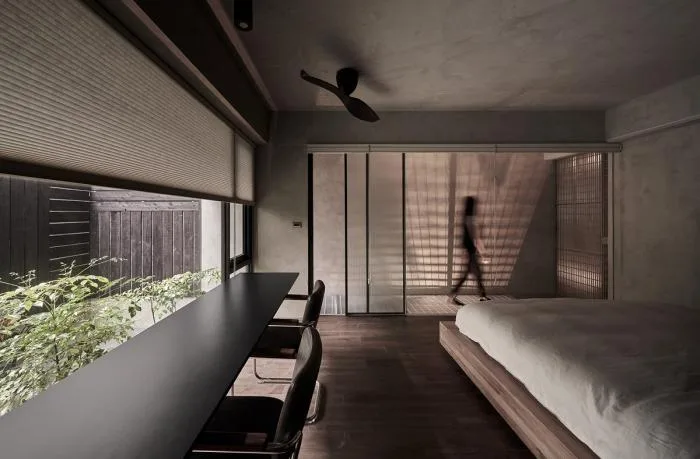
This reimagined indoor space infuses sunshine and fresh air into the living experience. It fosters a symbiotic relationship between people, plants, and the home, celebrating the changing greenery throughout the seasons and revealing the subtle joys hidden in everyday life.
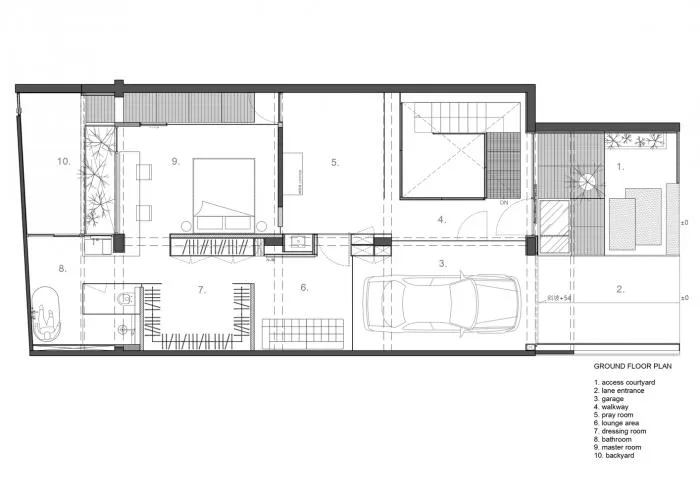
△ First Floor Plan
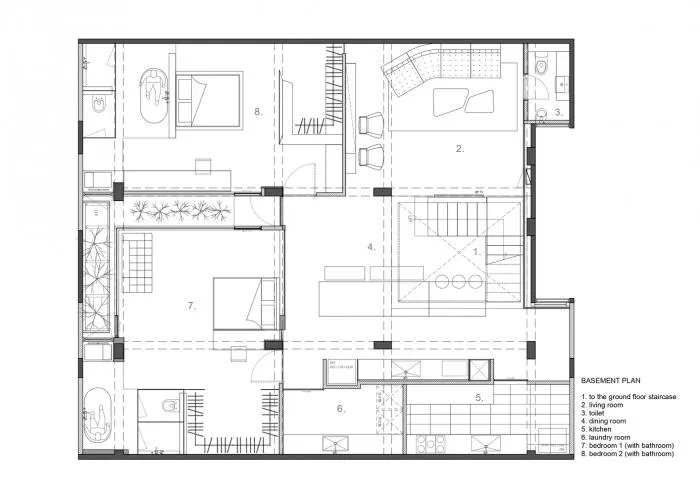
△ Underground Floor Plan
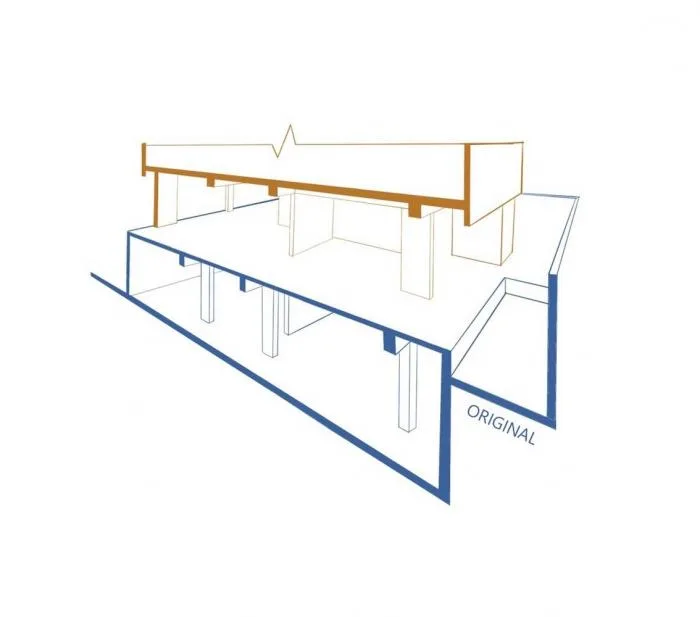
△ Original State
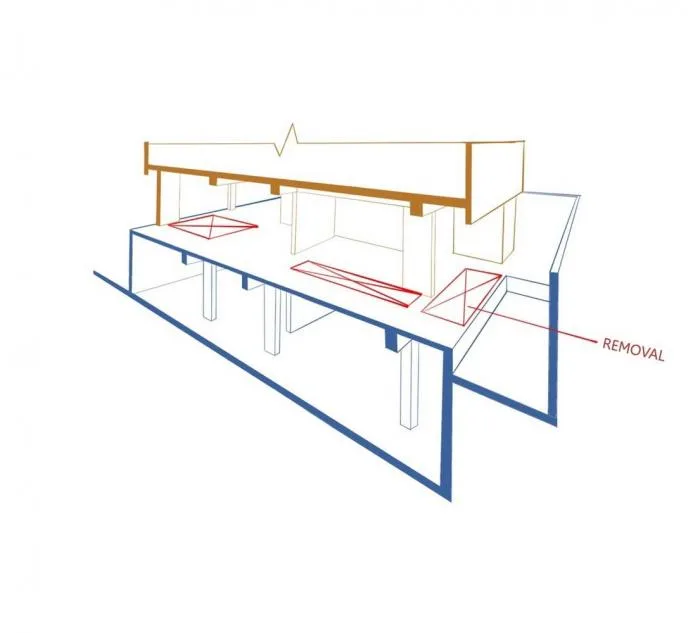
△ Demolition
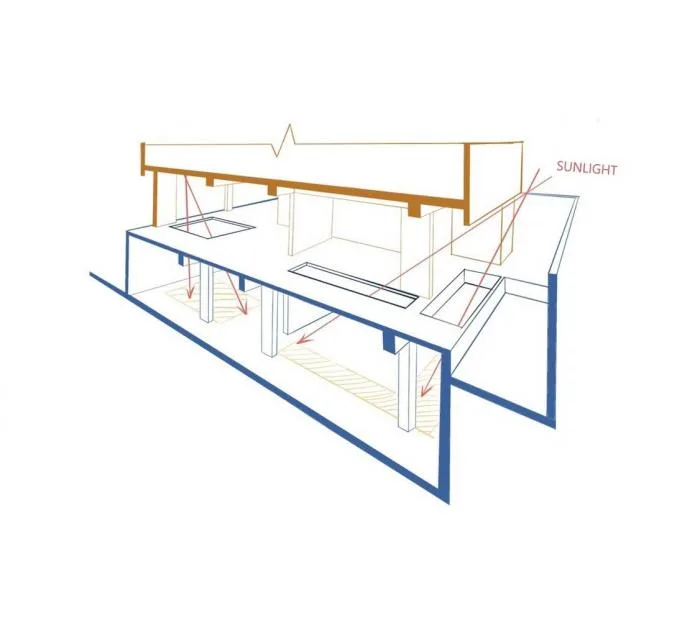
△ Sunlight Analysis
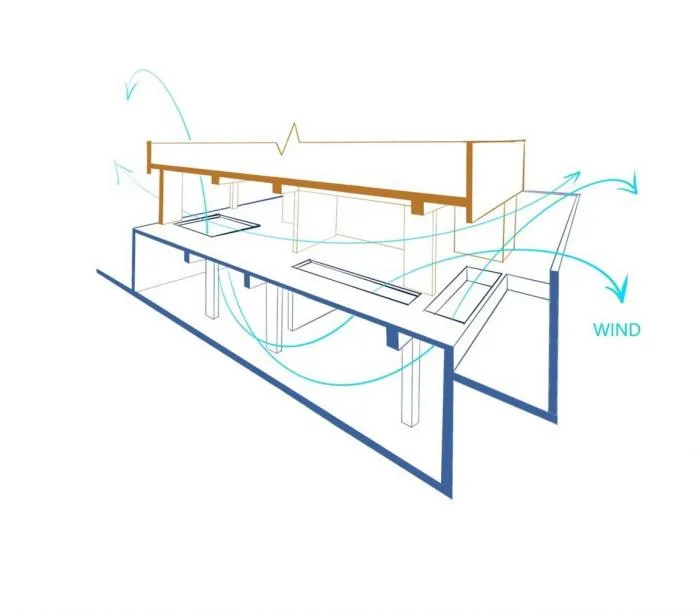
△ Ventilation Analysis
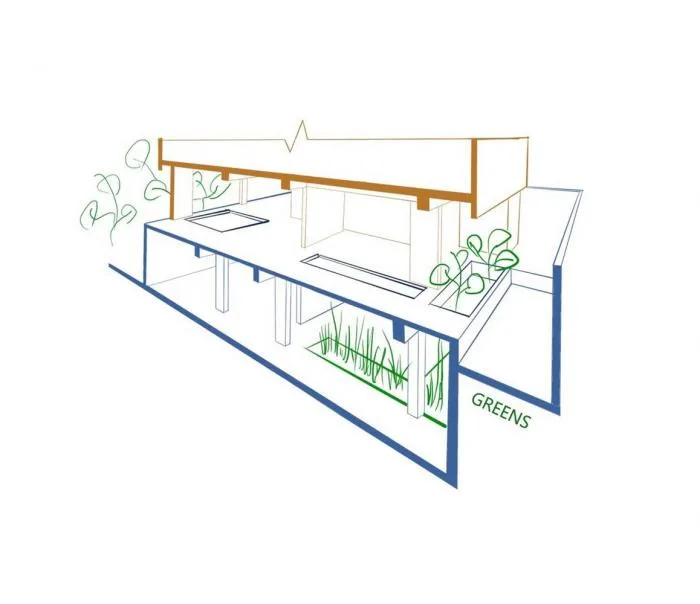
△ Green Plant Analysis
Project Information
Project Type: Residential Interior Design
Location: Taipei, Taiwan, China
Interior Design: Junhan Design
Area: 332 m²
Year: 2020
Photographer: Hey! Cheese
Manufacturer: Shuxi
Lead Architects: Cao Junda, Kuan Huan Liu
Co-designer: Siao Yu Sung
Principal: Mr. Hsu and family












Must log in before commenting!
Sign Up