
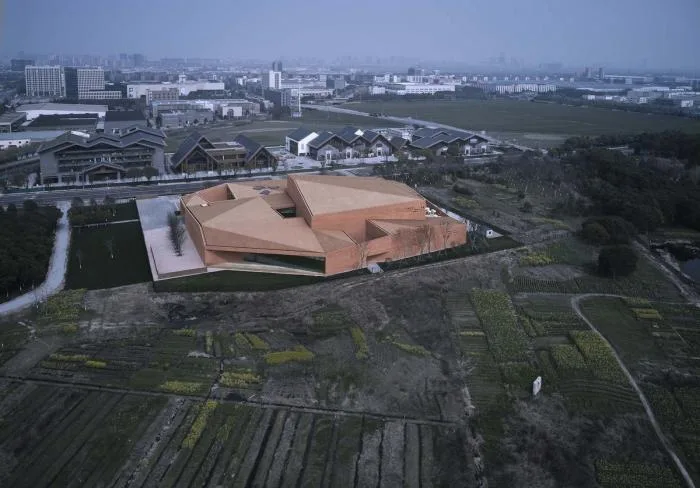
Project Background
The Majiabang culture derives its name from the excavation of the Majiabang site in Jiaxing City, Zhejiang Province. It primarily spans the Taihu Lake area, extending south to the northern bank of the Qiantang River in Zhejiang Province and northwest to Changzhou in Jiangsu Province. Radiocarbon dating places its origin around 5000 BC, making it over 7,000 years old. The discovery of Majiabang culture, along with its successors—the Songze and Liangzhu cultures—demonstrates the long, unique, and regionally distinctive history of Neolithic culture in the Taihu Lake area.
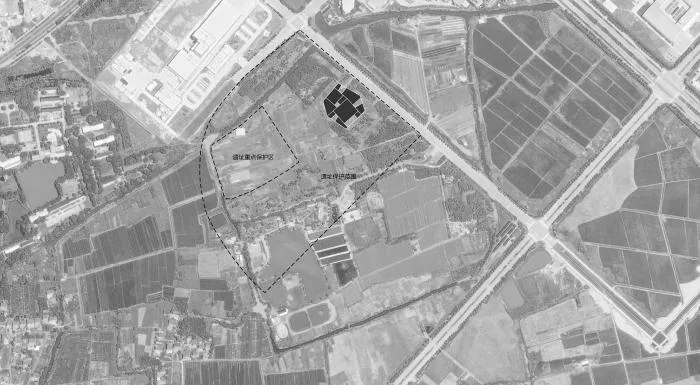
△ General layout plan
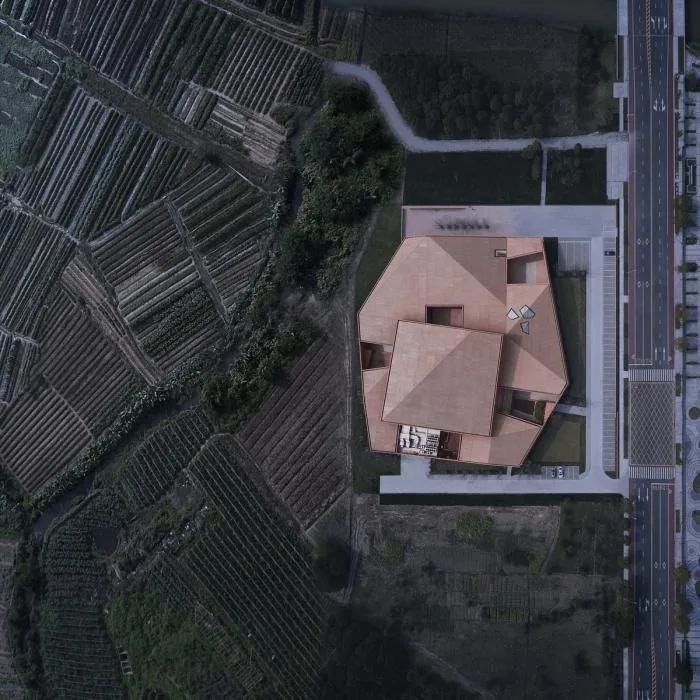
Form Generation and Functional Layout
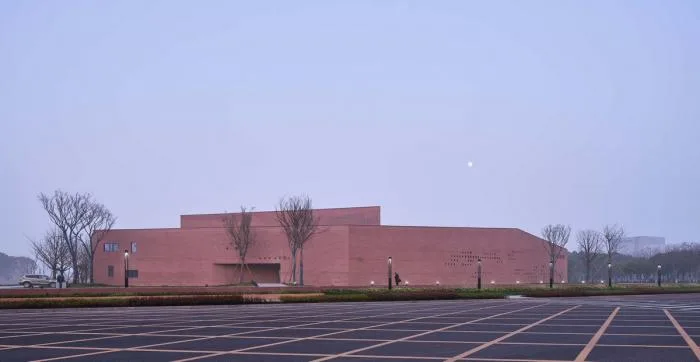
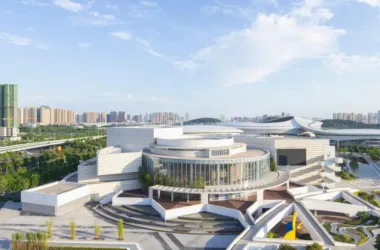
The building consists of several simple, pure prototype units arranged to form an engaging visitor experience reminiscent of an ancient settlement, with winding paths linking each structure. Exhibition and leisure spaces unfold along this path, welcoming visitors through a corner courtyard that sets a tranquil and immersive tone.
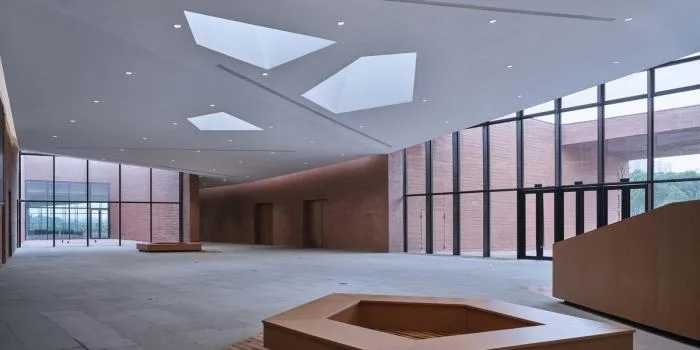
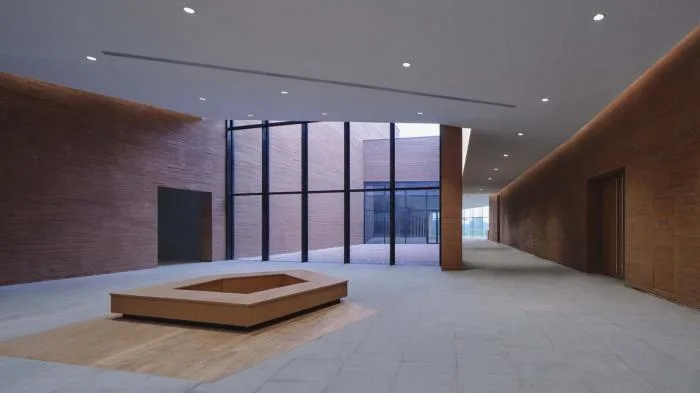
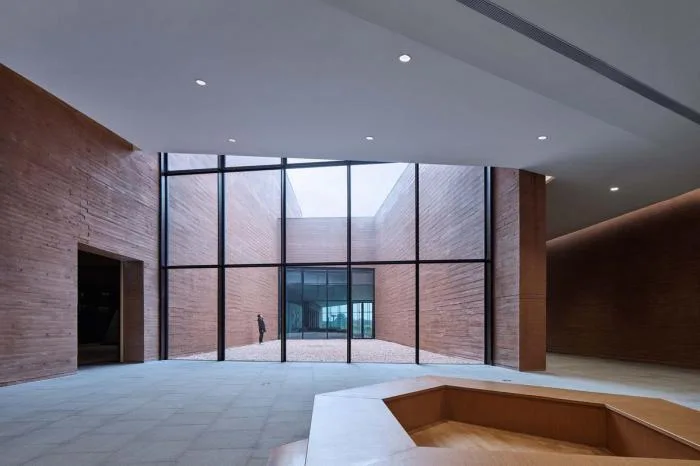
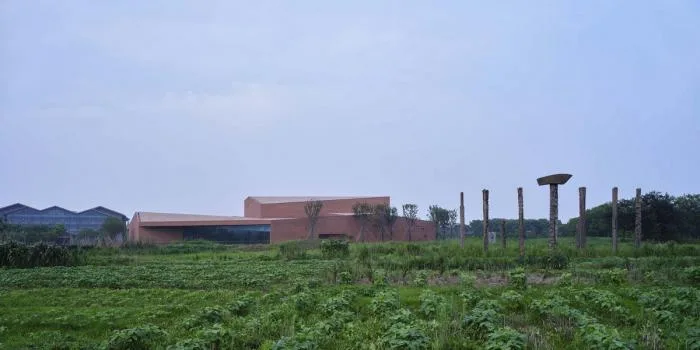
Inside, the lobby faces the main exhibition hall. Adjacent courtyards flank both sides, creating an overlap of three spaces: the lobby, courtyard, and lounge, alongside views of distant ruins. A narrow passageway guides visitors eastward, where the space gradually opens up, revealing expansive farmland. Sculptures by young artists placed in the distance create a quiet dialogue with the interior environment.
The museum’s research offices and storage areas are located on the southern side, isolated from the visitor pathways to maintain a peaceful atmosphere.
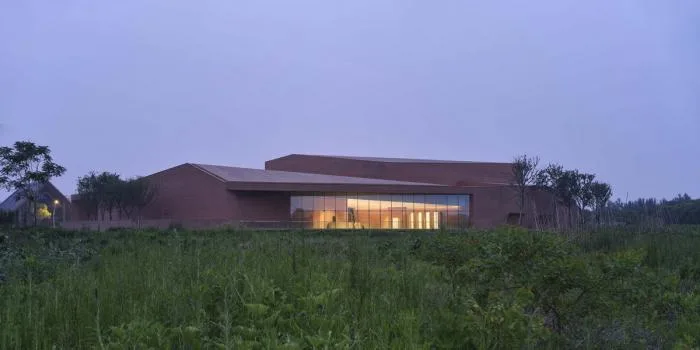
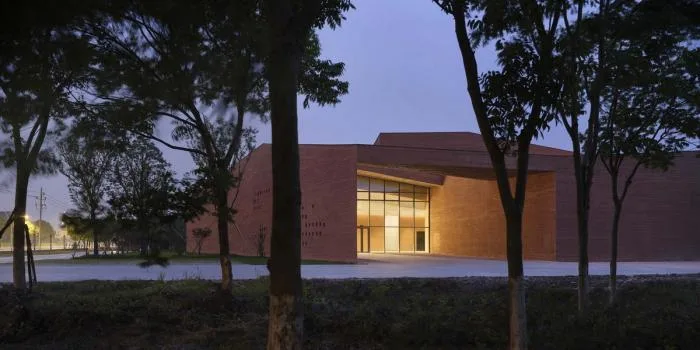
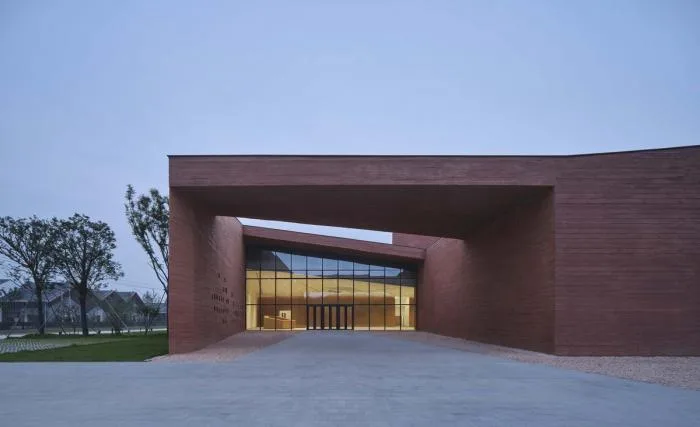
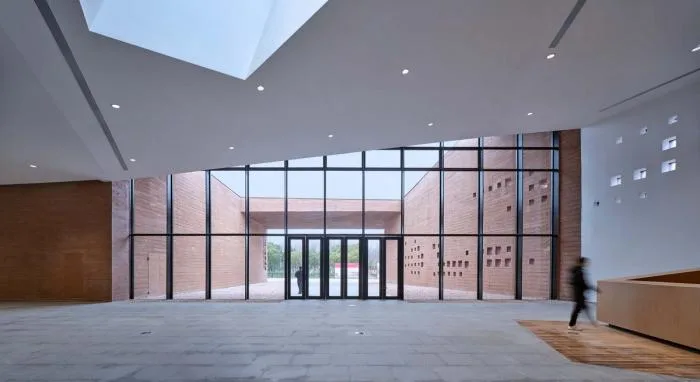
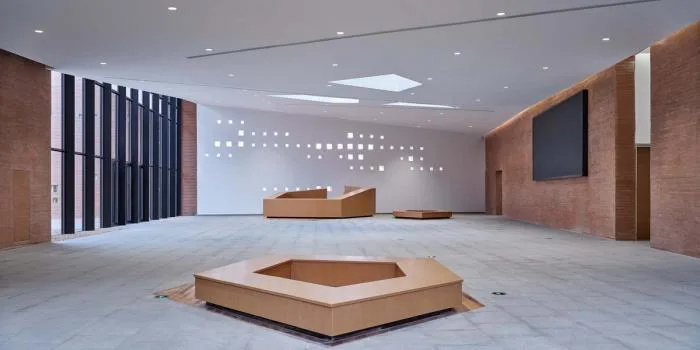
Imagery and Materials
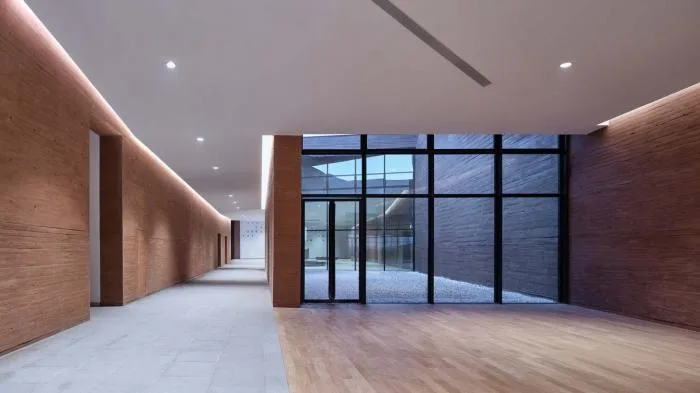
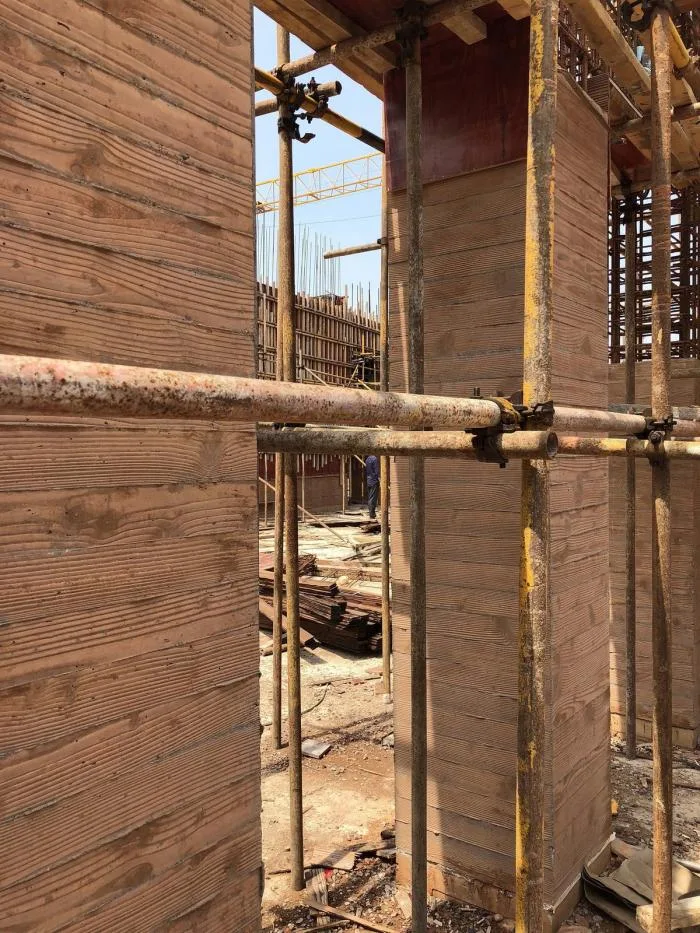
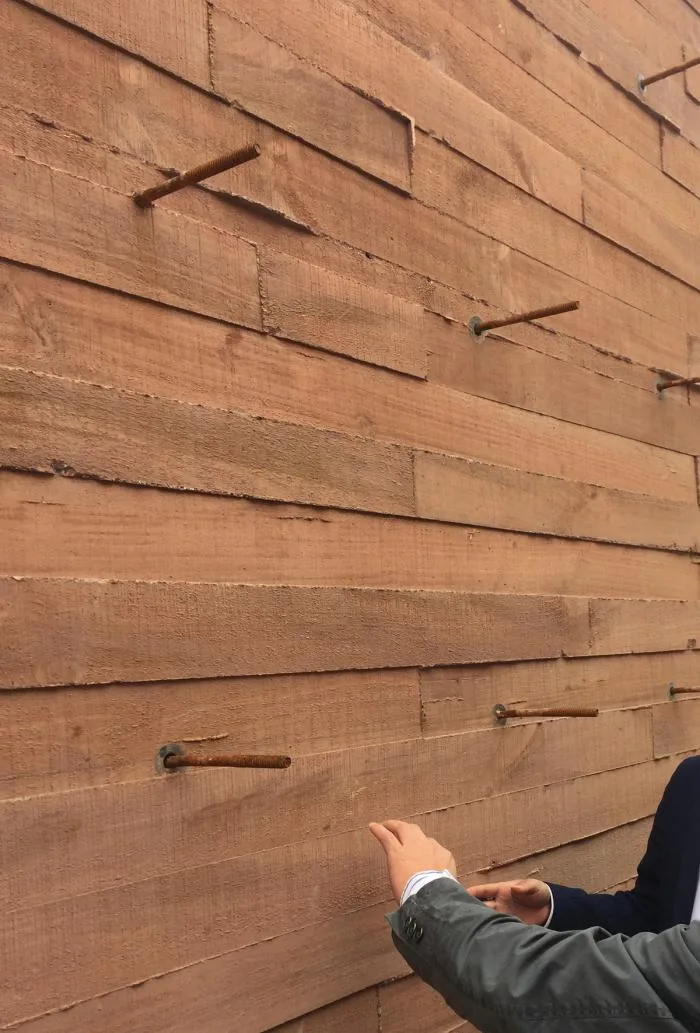
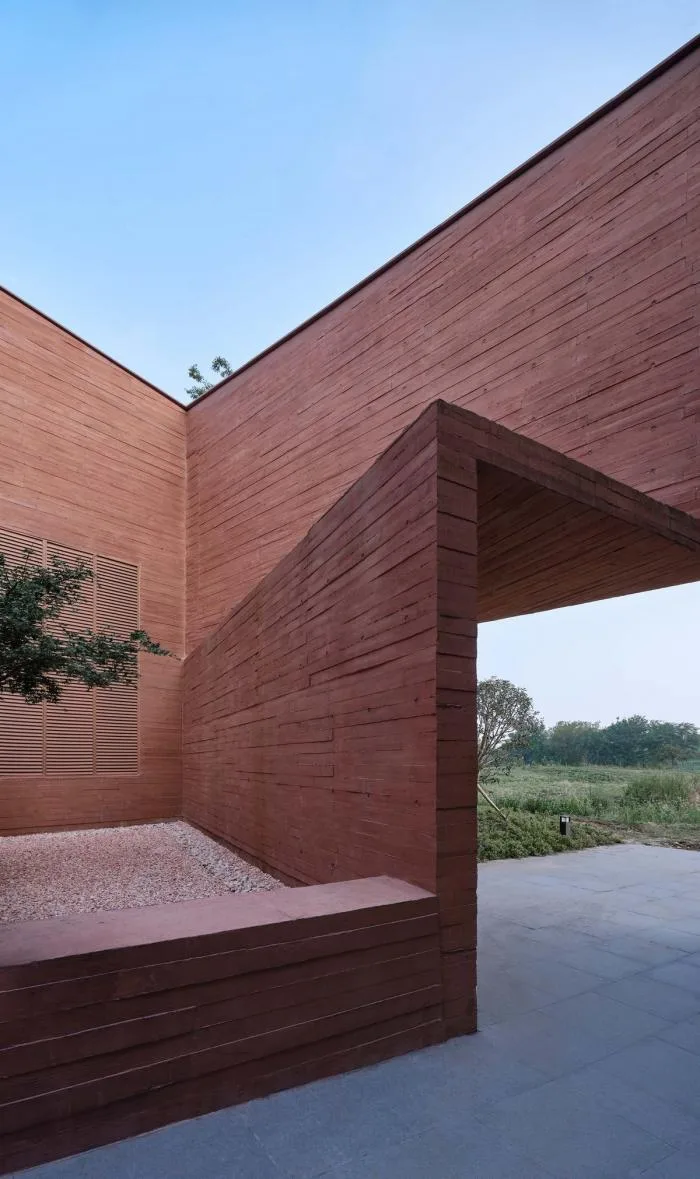
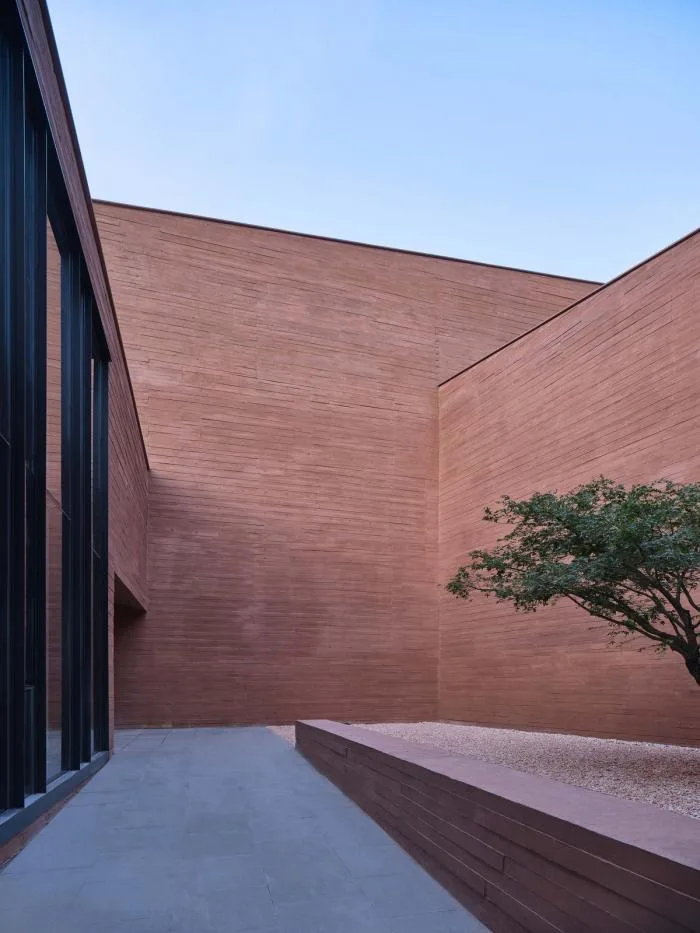
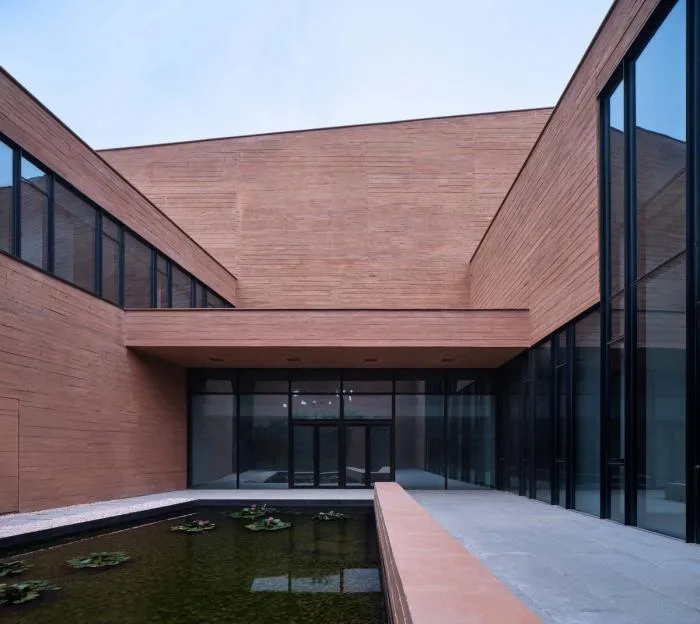
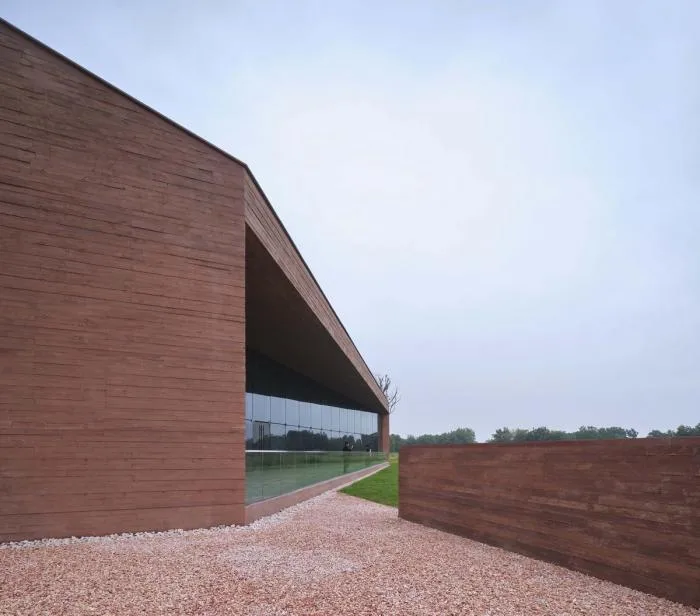
The pottery excavated from nearby sites is a hallmark of the Majiabang culture. To evoke this heritage, the museum uses clay-colored plain concrete to create an ancient civilization display container with a natural, textured finish. Sunlight plays across the surfaces, highlighting fine architectural details and animating the building’s simple courtyard spaces.
Unlike smooth modern facades, this rough, primitively treated material interacts with time and nature, changing color with varying climates—temperature, humidity, and time—making the walls seem alive and harmoniously integrated into the landscape.
Spatial Characteristics
Corridor: The Time-Space Corridor
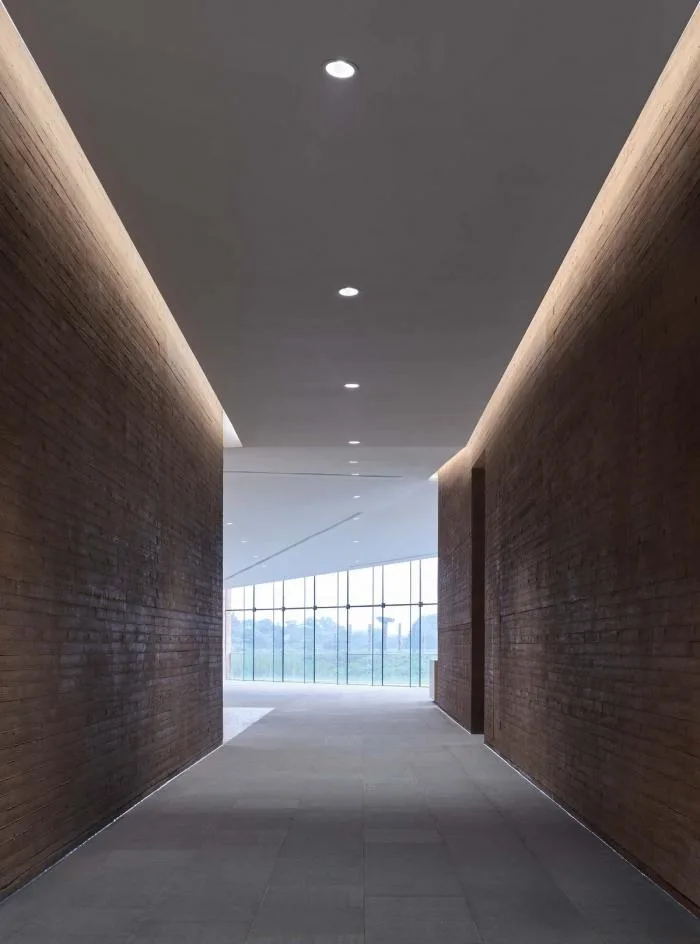
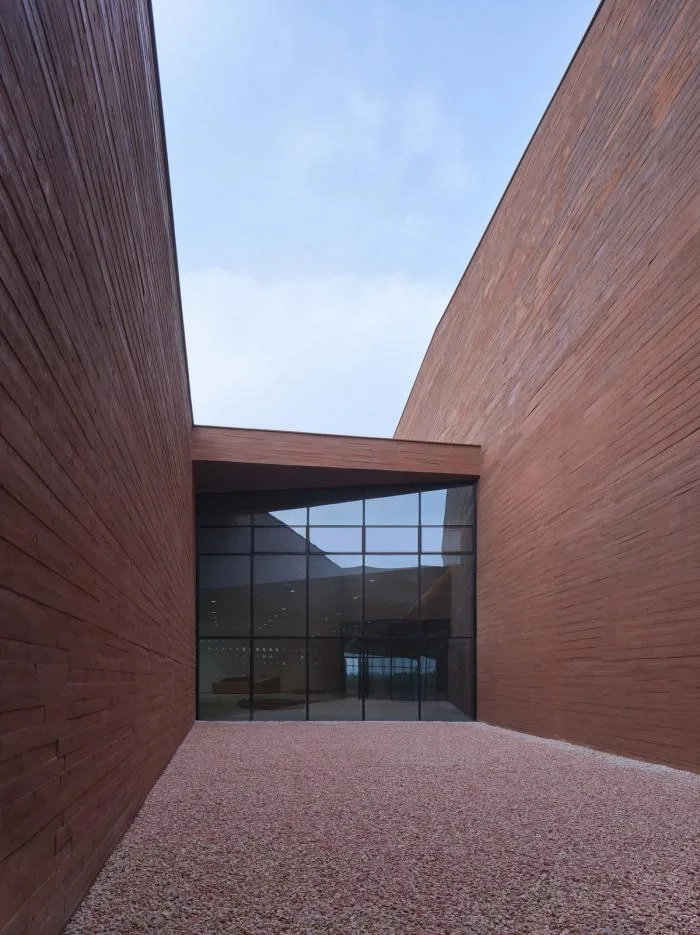
The corridor lies between the city to the east and the Majiabang cultural site to the west, symbolizing two different eras. Passing through it is like traveling through a time corridor. This corridor serves as a central hub, with exhibition halls, multifunctional rooms, and other spaces arranged along its north and south sides.
Courtyard: The Turning Space
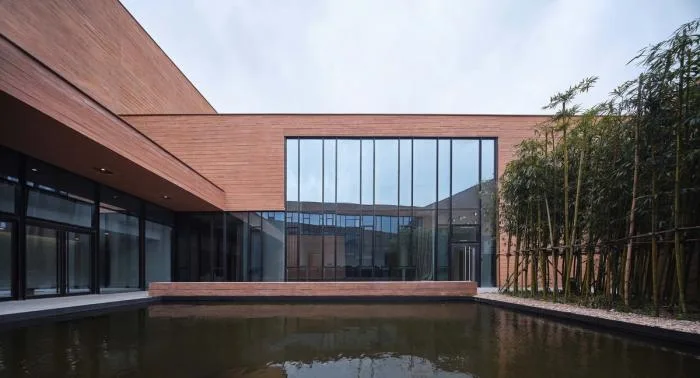
Five courtyards naturally form between the building volumes, creating dynamic transitions between indoor functions. Each courtyard holds its own unique character, enhancing and enriching the overall spatial experience of the museum.
Observation Deck: Engaging with the Site
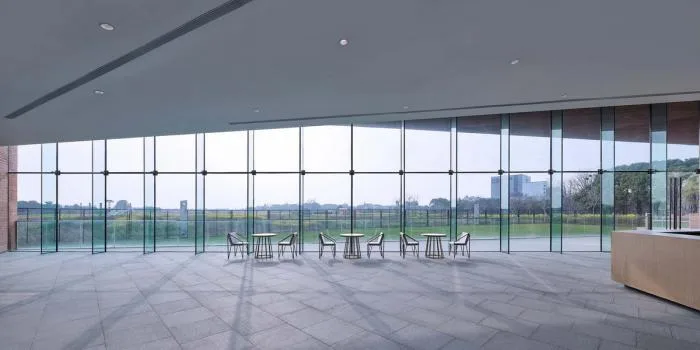
Facing the Majiabang site, a panoramic window opens up, marking the climax of the visitor journey and drawing attention toward the historical location.
Design Drawings
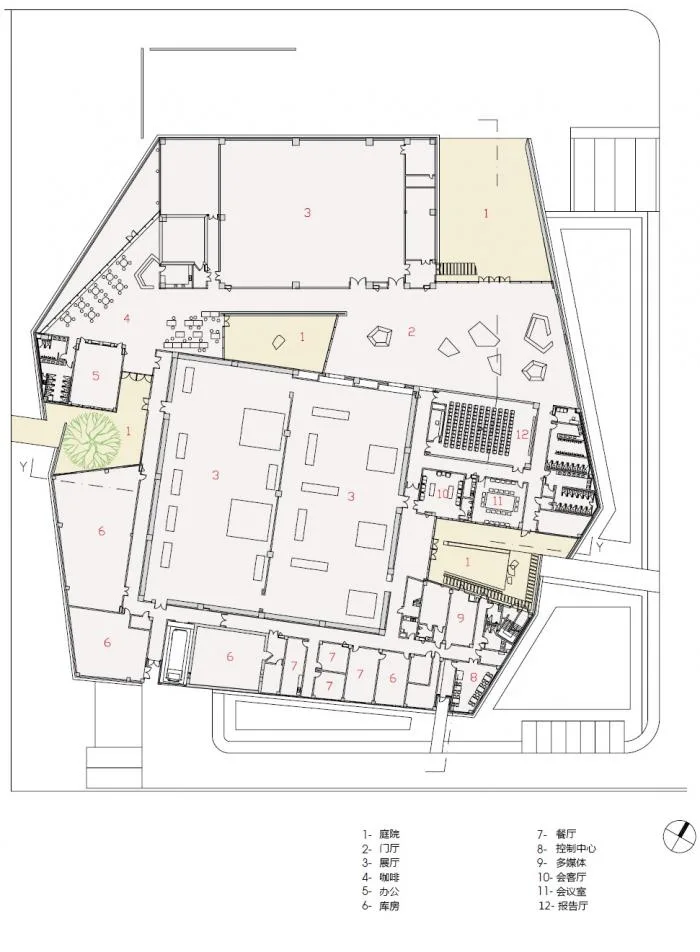
△ Plan view
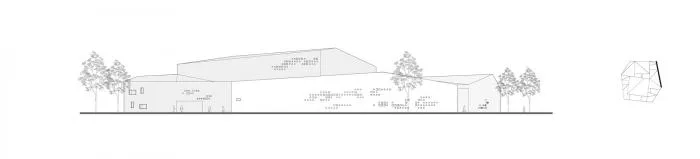
△ Elevation drawing
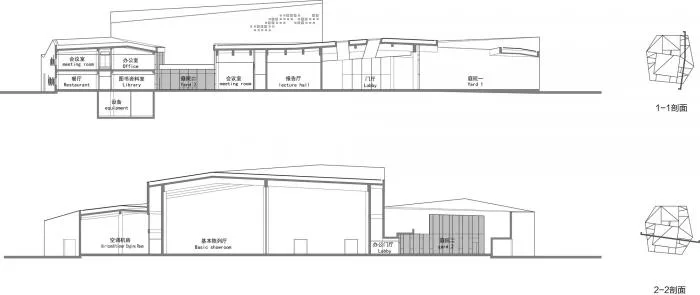
△ Section diagram
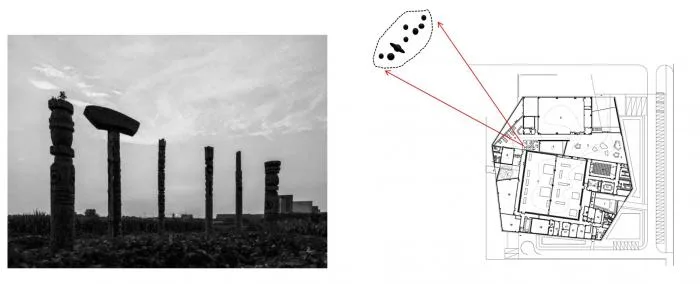
△ Analysis chart
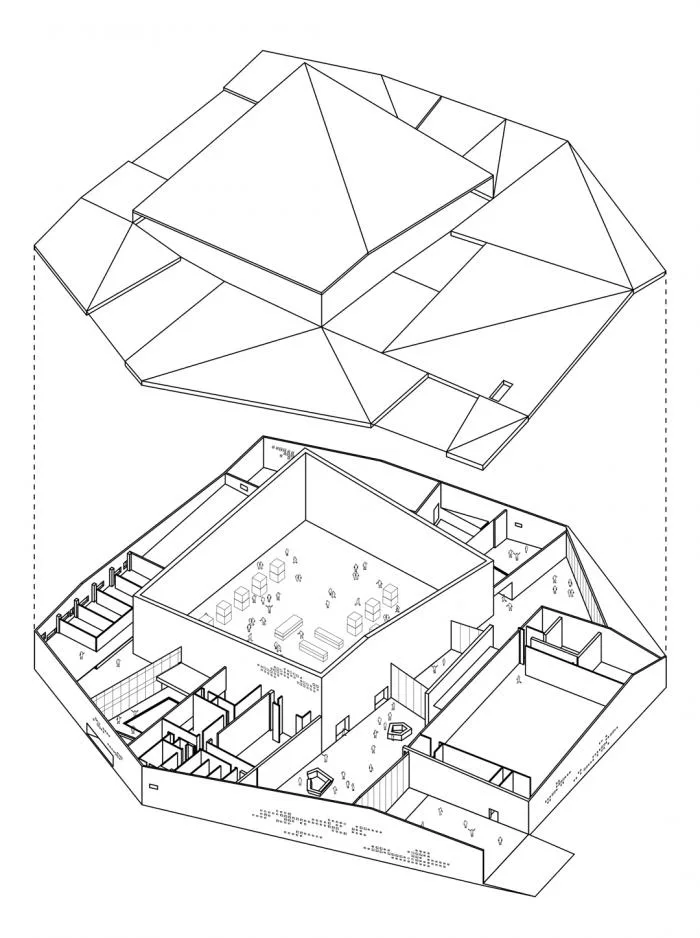
△ Axonometric diagram
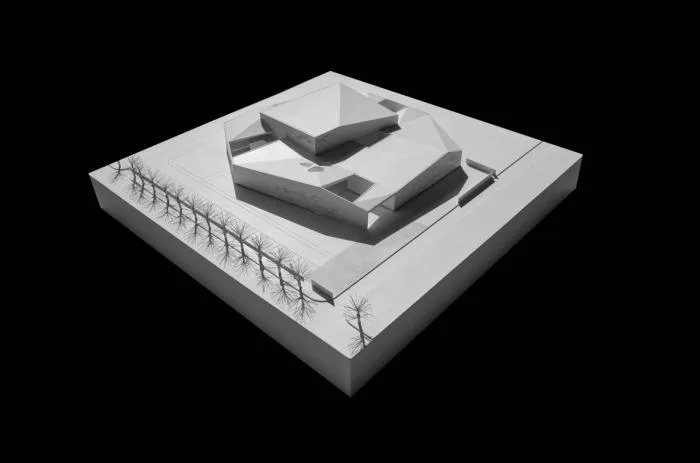
△ Model 1
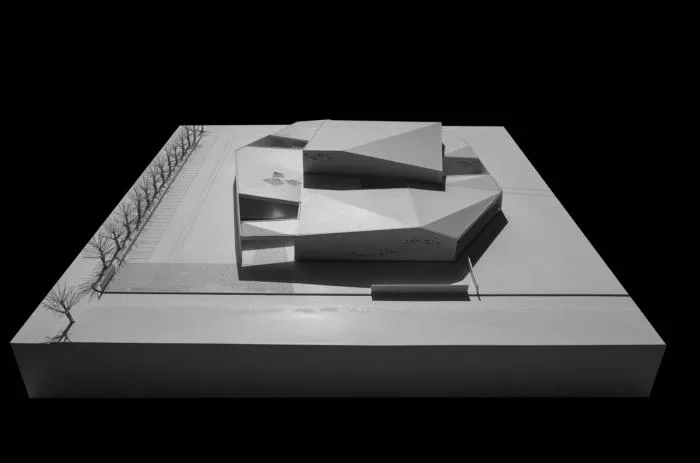
△ Model 2
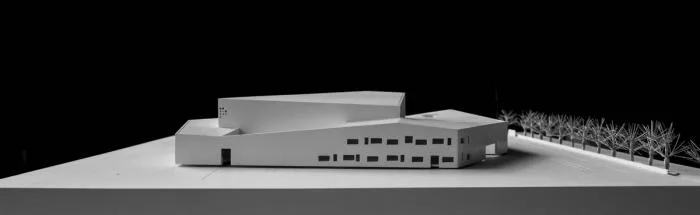
△ Model 3
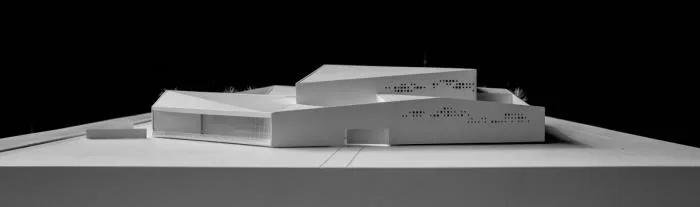
△ Model 4
Project Information
Project type: Museum
Location: Jiaxing City, China
Architect: TJAD / Zeng Qun Architecture Research Laboratory
Area: 7,840 m²
Year: 2019
Photographer: Zhang Yong
Principal Architect: Zeng Qun
Design Team: Zeng Qun, Wu Min, Li Rongrong, Ma Zhong, Feng Wanyao, Chen Weipeng, Sun Jiaqiu
Structural Design: Chen Xi, Xi Jiakai
Water Supply and Drainage Design: Shi Jinyue, Ji Xingli
HVAC Design: Zhou Jin, Bian Zheng
Electrical Design: Gu Yiyan, Chen Rongying
Client: Jiaxing Municipal Bureau of Culture, Radio, Television, Press and Publication












Must log in before commenting!
Sign Up