
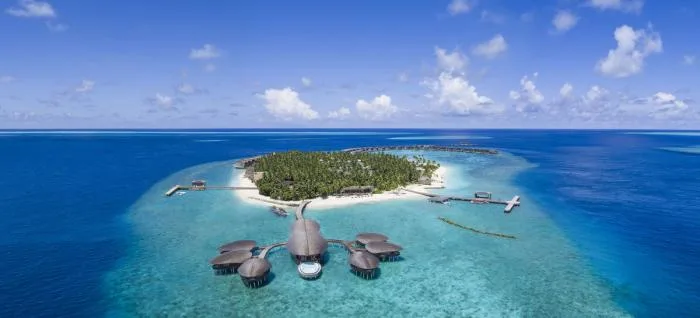
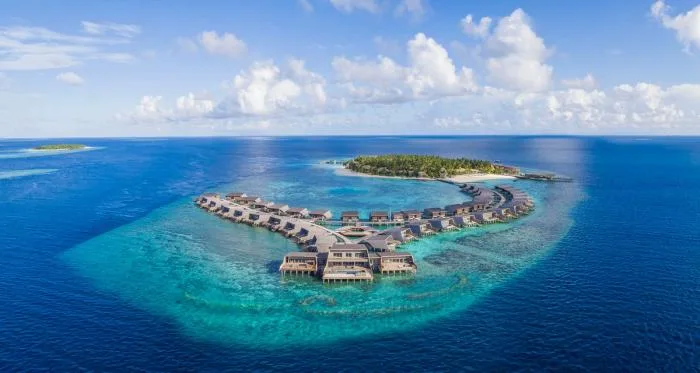
The Maldives is renowned as a stunning, pristine paradise, captivating visitors with its breathtaking beauty. This resort, an exemplary man-made haven, exemplifies the finest design. The local community lives in delicate harmony with nature, depending on trade, technology, and tourism for their livelihoods.
Visitors here embrace new sensory experiences through education, enhanced awareness, and interaction with the natural surroundings. This paradise offers not only emotional and intellectual enjoyment but also a deep appreciation of the intricate ecosystem that sustains it.
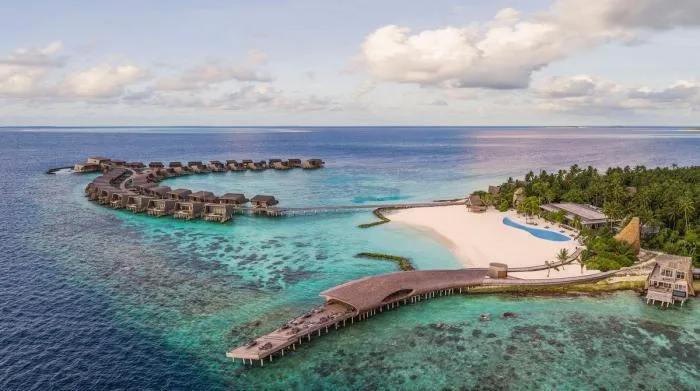
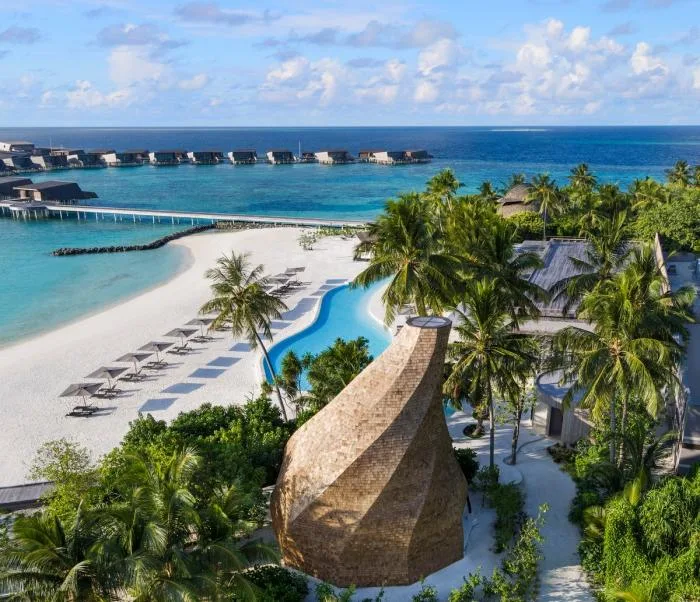
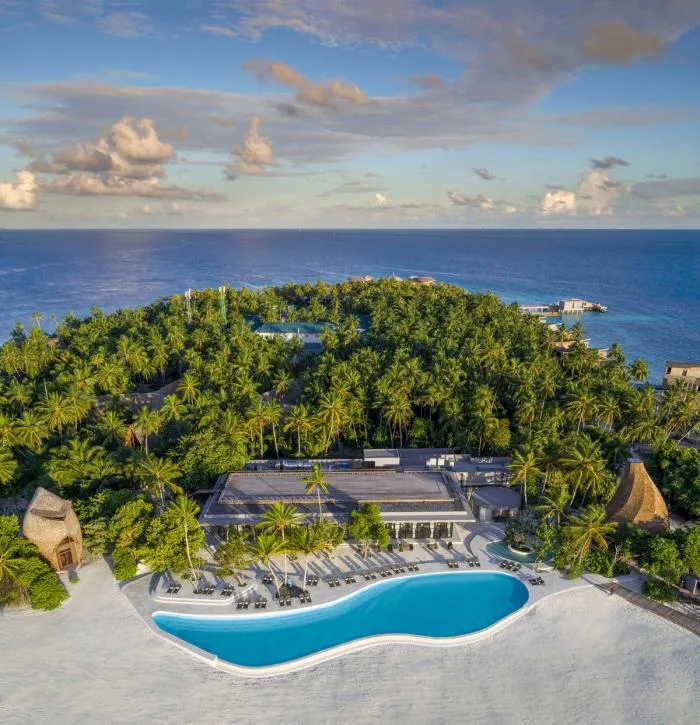
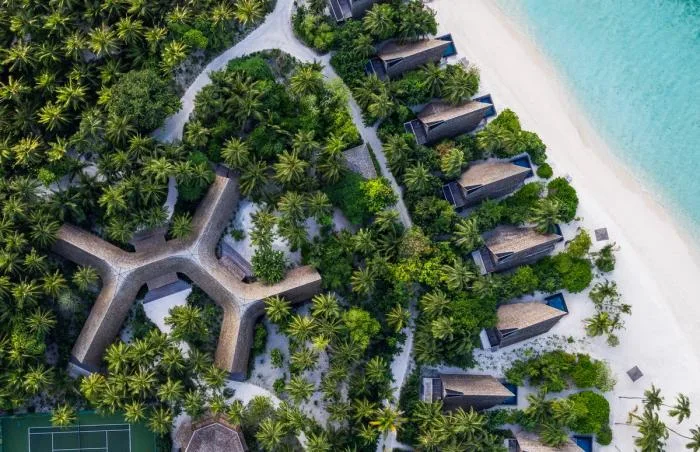
The island is encircled by a vast “reef house,” comprising distinct ecological zones: saltwater lakes, beaches, coastal areas, and jungles. These diverse environments form the basis for immersive experiences and guide guests through a journey of discovery and knowledge enhancement.
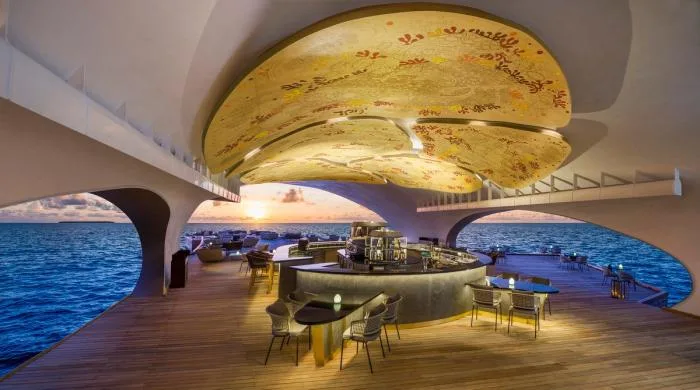
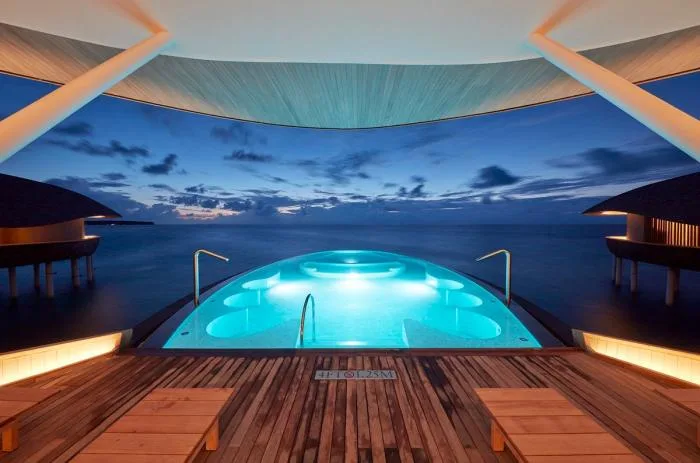
Each zone offers unique activities: the saltwater lake features a water theater and a specialized spa; the beach area hosts two unique restaurants; the jungle includes a nature exploration center and a pop-up café; and the coast boasts a diving center and a specialty bar.
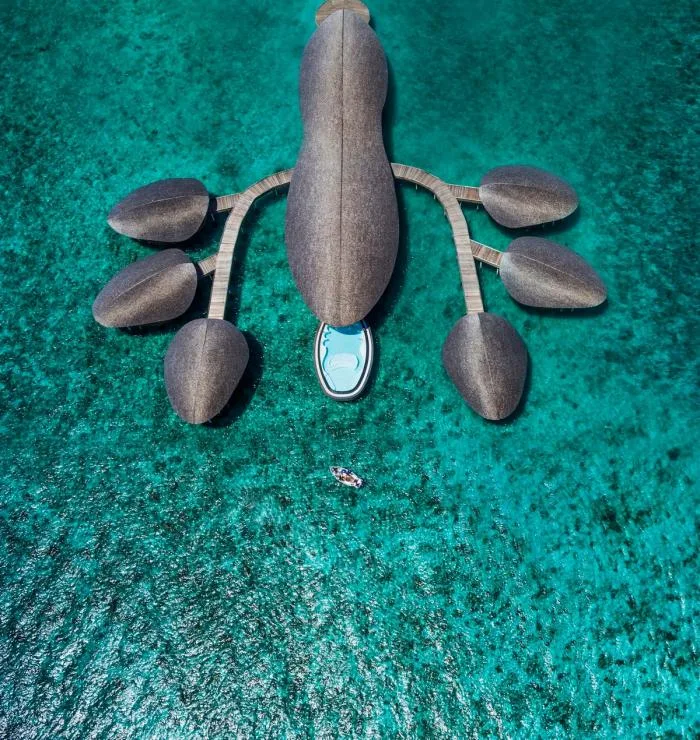
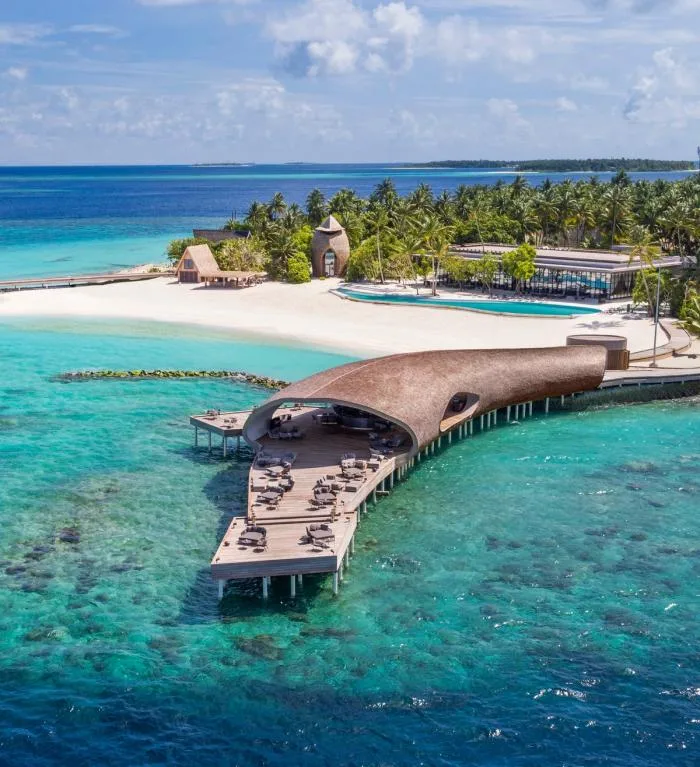
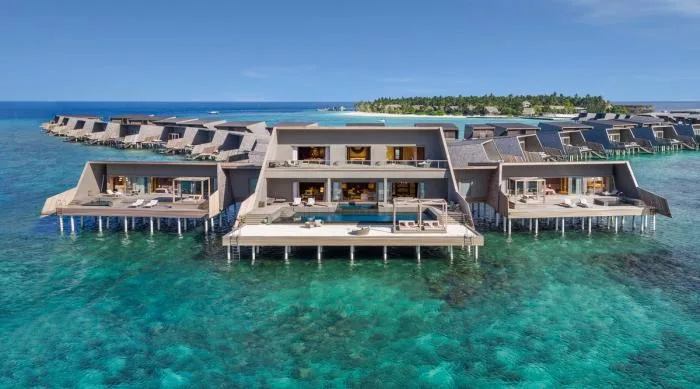
An ongoing artistic experiment is woven throughout these activities, showcasing seasonal works by resident artists. Their pop-up installations use natural object forms and locally sourced materials. The landscape design prioritizes protecting native flora and fauna, cautiously introducing local species from nearby islands to replace displaced plants.
Additionally, select plants—especially fruit trees, herbs, and salt-tolerant varieties—are integrated into experience zones to support activities such as food gardening and nature discovery tours.
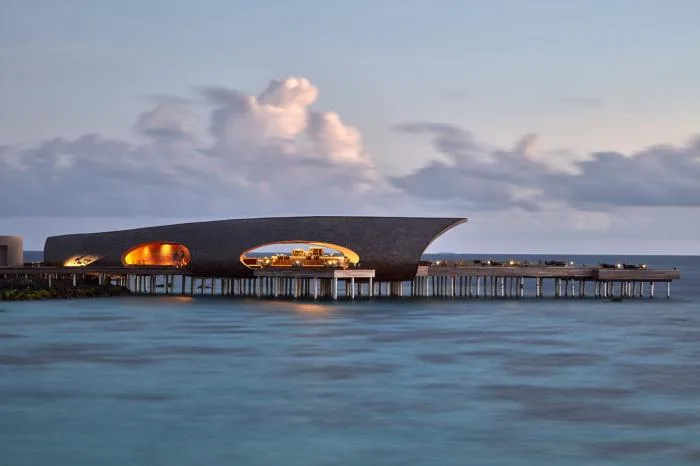
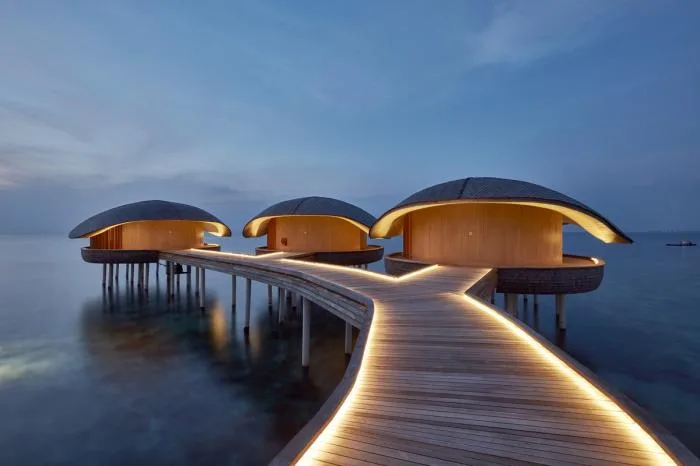
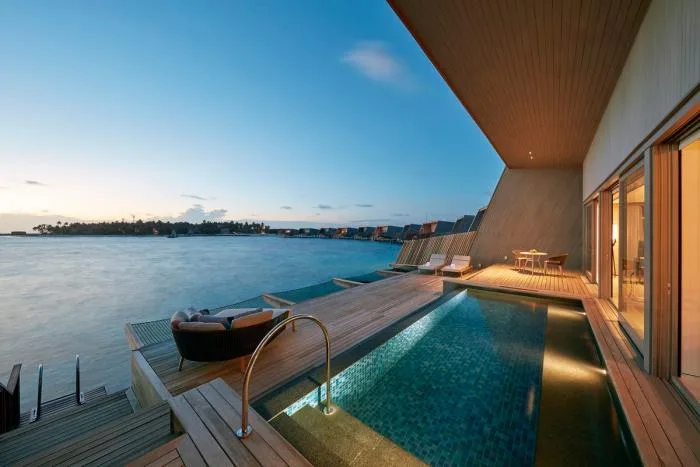
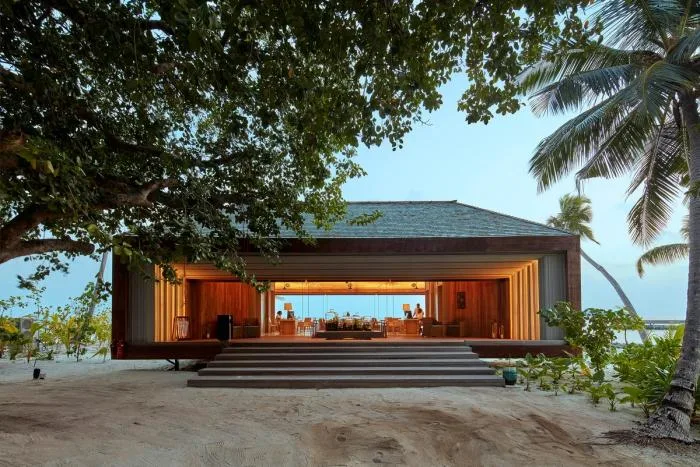
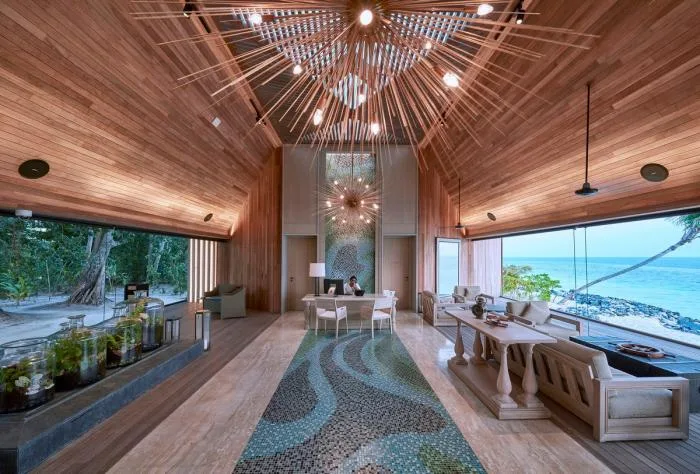
The architecture and interior design concept treats buildings as an extension of nature. Both form and space are inspired by natural elements and the evolution of original cabin structures, creating a unique architectural expression for the resort. This nature-inspired island village encourages guests to question, imagine, and deepen their understanding of these forms.
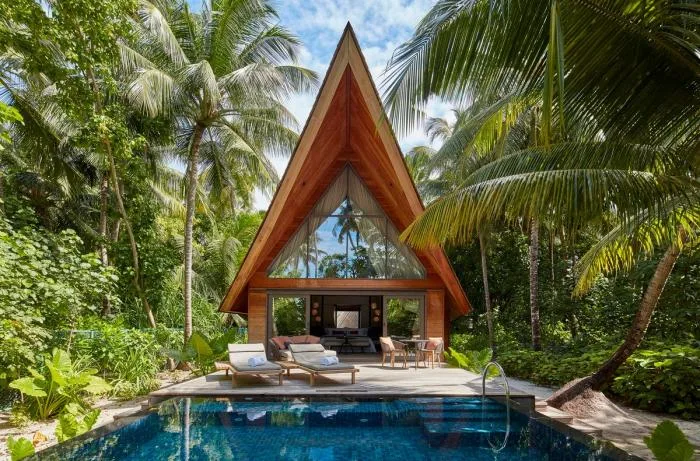
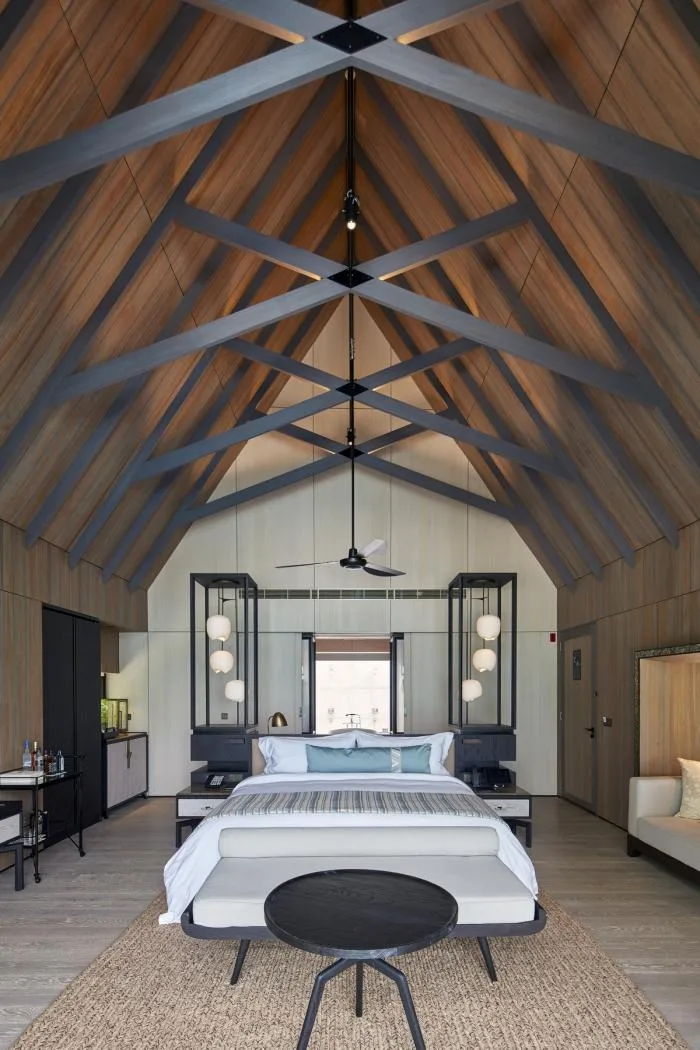
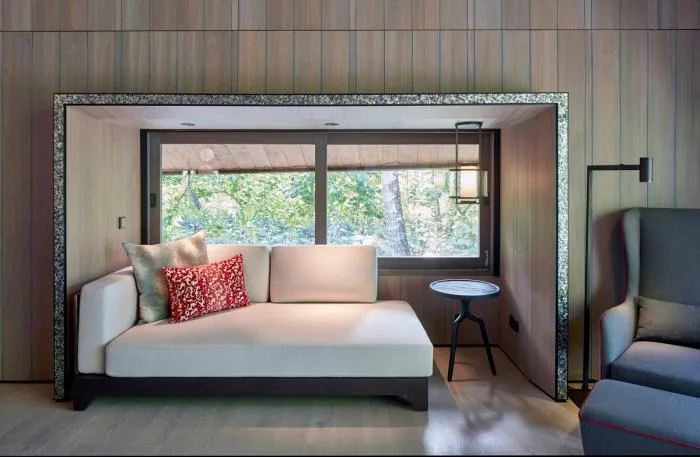
Guests engaging in these natural exploration activities gain a deeper appreciation for the island’s origins and fragile ecosystems. To reduce environmental impact during construction and minimize logistics and labor, prefabricated timber systems are the preferred technology. This renewable resource supports environmental protection and raises ecological awareness within the resort.
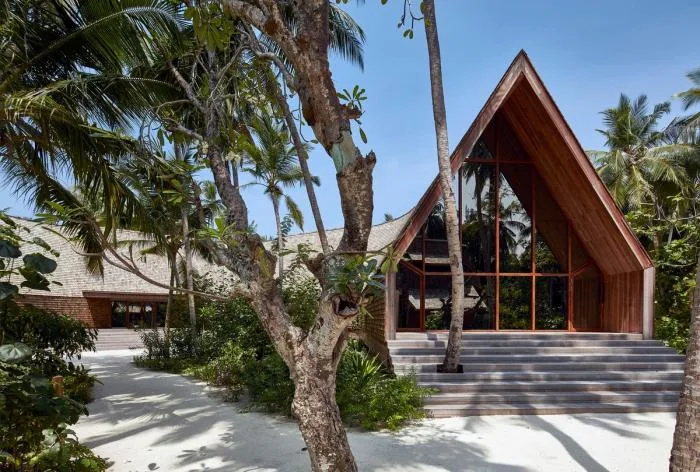
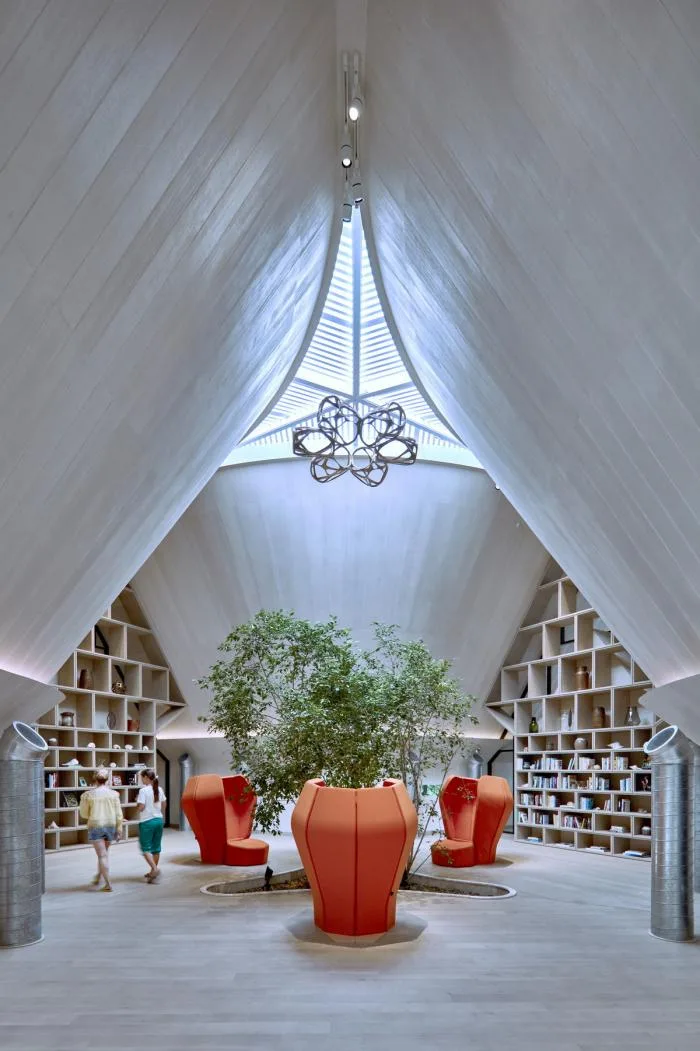
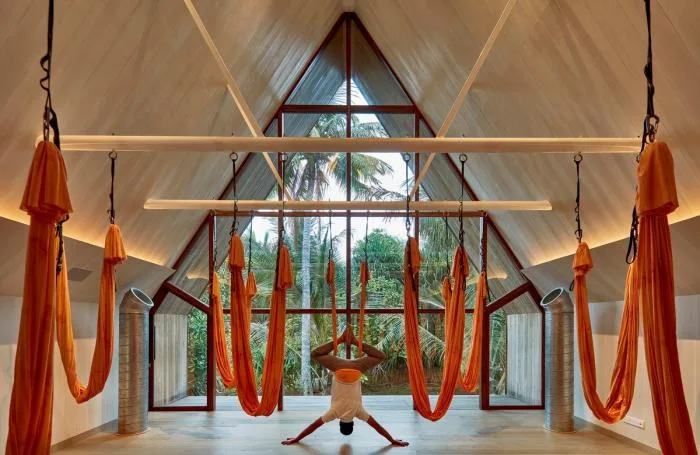
The architects prioritize minimizing the use of concrete and steel, instead maximizing cross-laminated timber technology in various applications. This commitment reflects their dedication to environmental stewardship.
To demonstrate sensitivity not only to the environment but also to the local Maldivian community, the project employs local labor extensively. Professional contractors provide advanced wood technology training to the workforce, empowering the community.
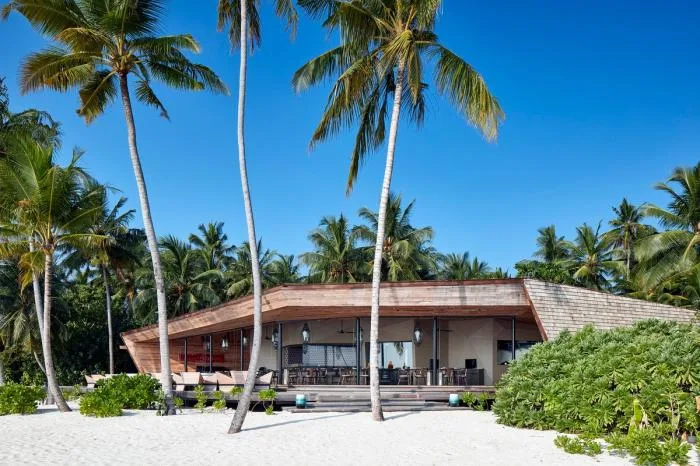
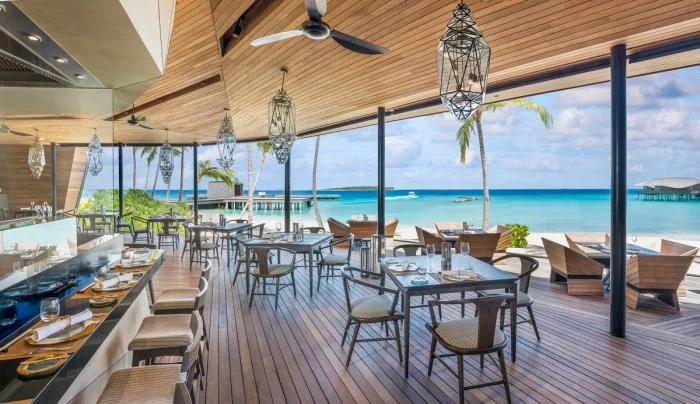
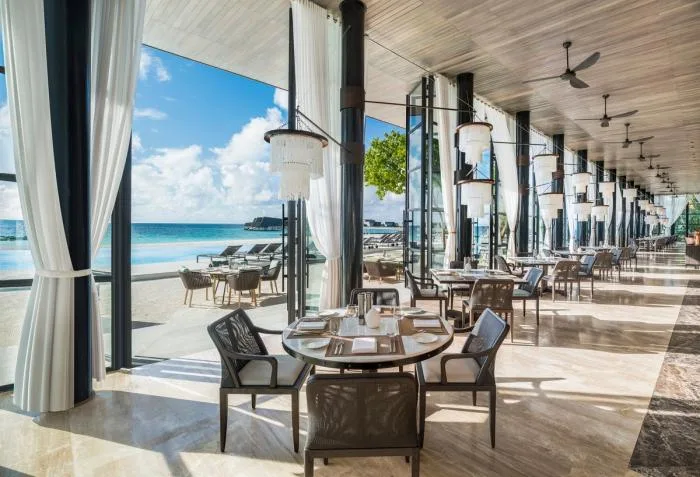
Local artisans have been carefully selected to craft interior art, handicrafts, and to apply traditional construction techniques, especially within the landscape design. In future operations, resort staff will be hired from neighboring islands to support local communities and preserve authentic island culture.
The luxury offered here is subtle and spiritual rather than ostentatious, emphasizing mindful enjoyment of nature’s beauty without overwhelming visitor volumes. Guests are rewarded not only with barefoot luxury but also with rich sensory experiences and heightened environmental awareness.
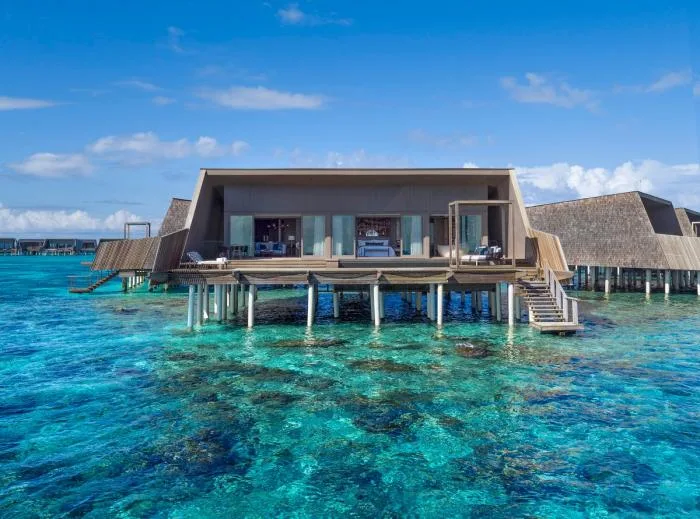
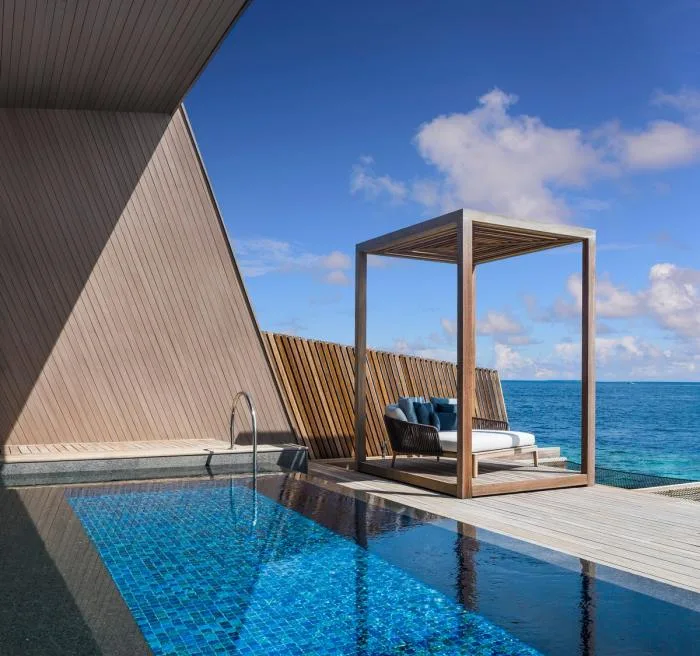
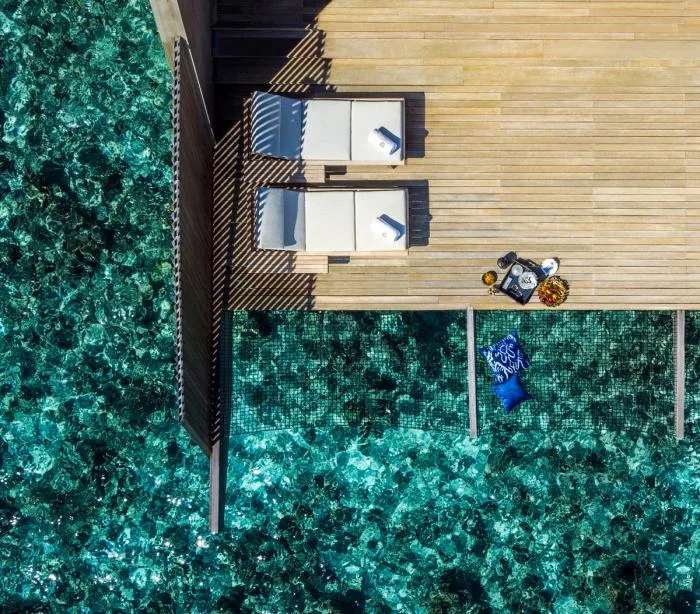
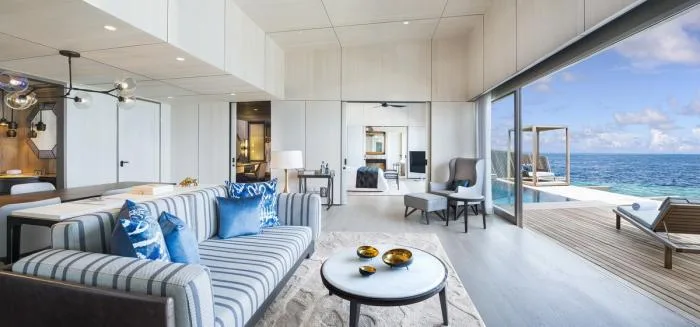
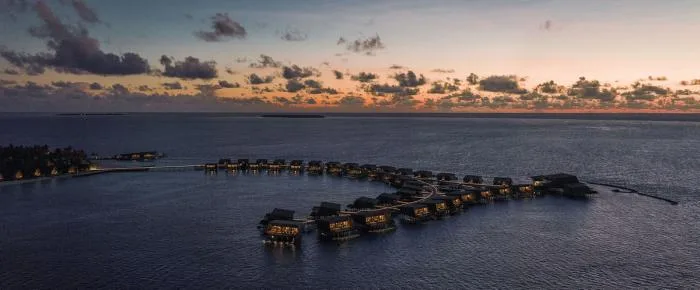
Night View of Buildings
Design Drawings
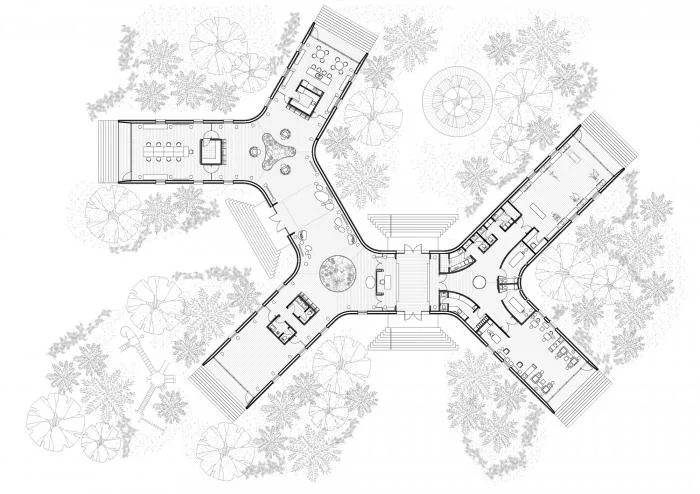
△ Reggie Island House Plan
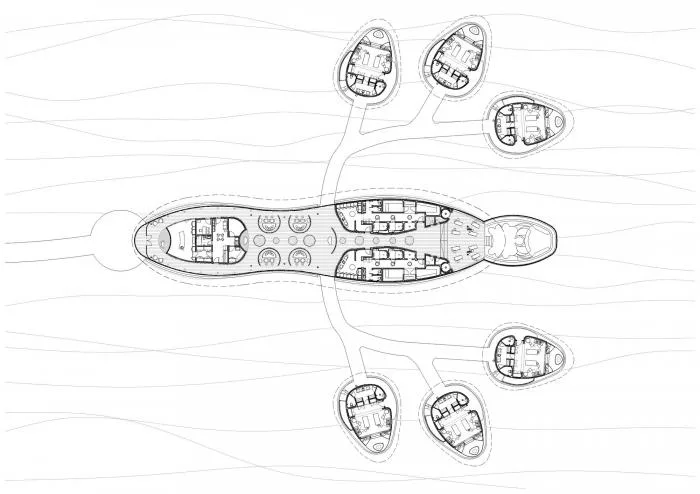
△ Spa Area Plan
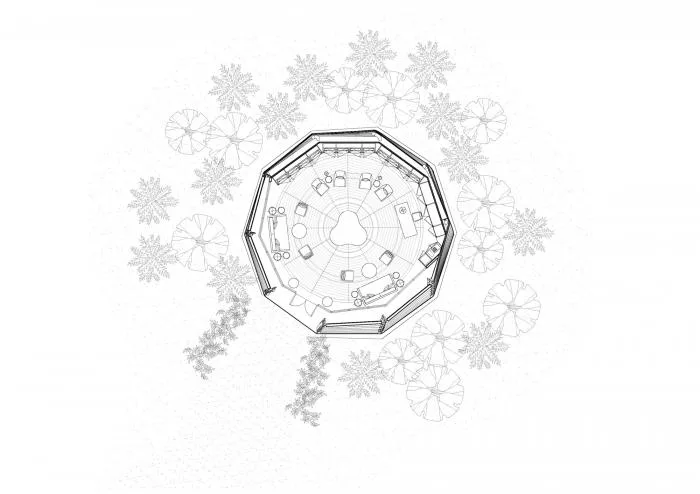
△ Library Floor Plan
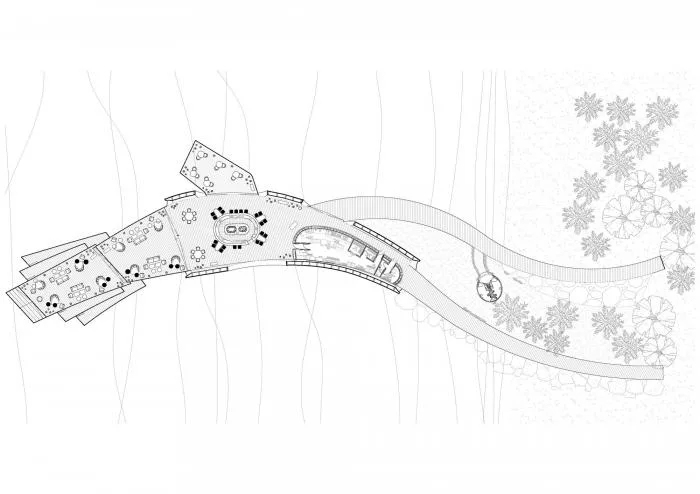
△ Bar Floor Plan
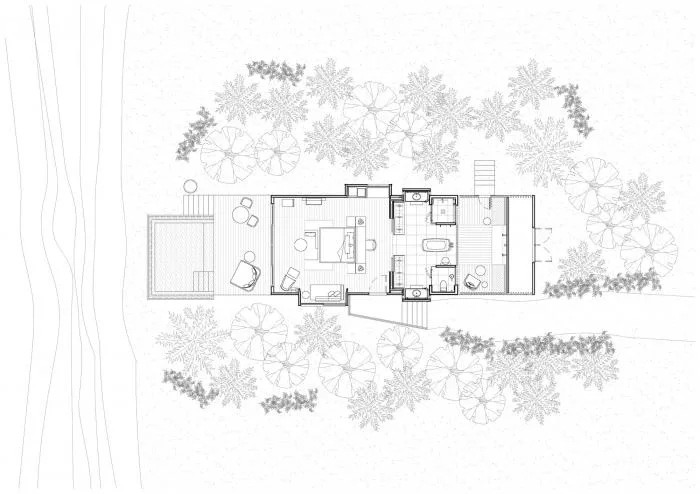
△ Beach Cabin Plan
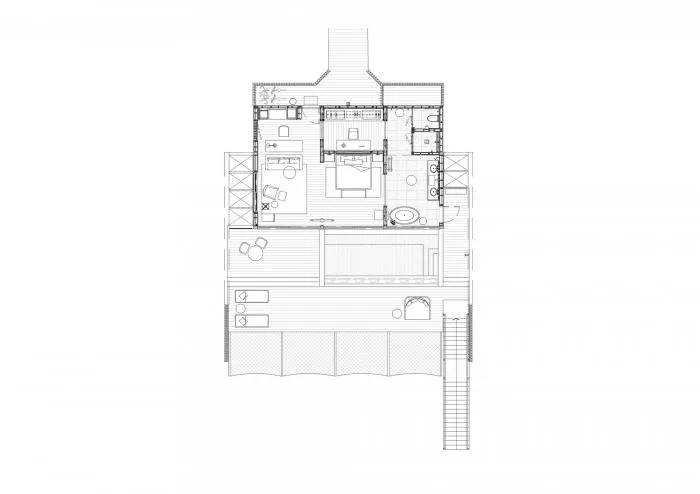
△ Atoll Lake Cabin Plan
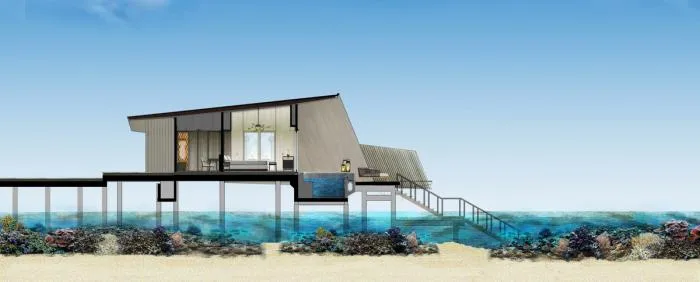
△ Profile of the Atoll Lake Hut
Project Information
Project Type: Hotel
Location: Maldives
Architect: WOW Architects
Area: 16,000 square feet
Project Year: 2016
Photographers: Aaron Pocock, Ralf Toolten
Suppliers: Toto, AutoDesk, Dandy Interior Products, GF+A, Goodrich, Grorich, Keding Enterprises, Kohler, Kinglong, Mobil Fresno, Omar Khan Rugs, Tribu, Trimble Navigation
Principal Architect: Wong Chiu Man
Design Team: Stephen Siew Meng Hui, Atsuko Kato, Diana Acio
Client: The Residency Group, Chennai, India
Structural Engineer: Webstructures
Engineer: Water Solutions Private Limited
MEP Engineer: Yonsan Engineering Private Limited
Landscape Design: Nyee Phone Flower Garden Private Limited
Lighting Consultant: Light Cibles Private Limited
Kitchen Consultant: Vital Concept Design Private Limited
Wooden Structure: Borneo Benar Sdn. Bhd., JL Resources
Partner: Spa AW Lake Design
Floor Plan: Corlette Design













Must log in before commenting!
Sign Up