
Topic 1: Positioning the Conversion Value of Civil Buildings
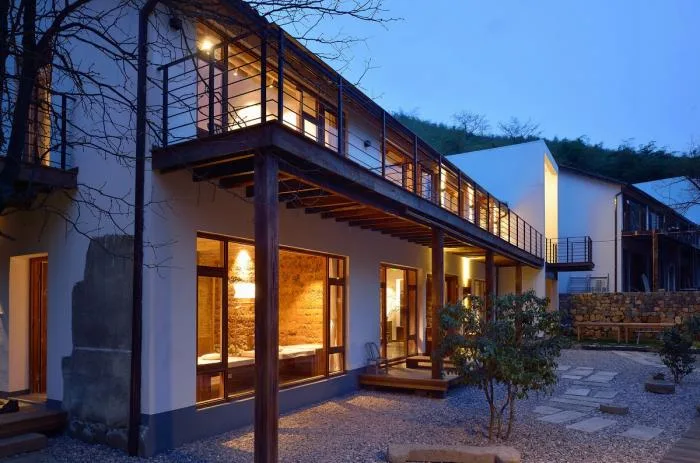
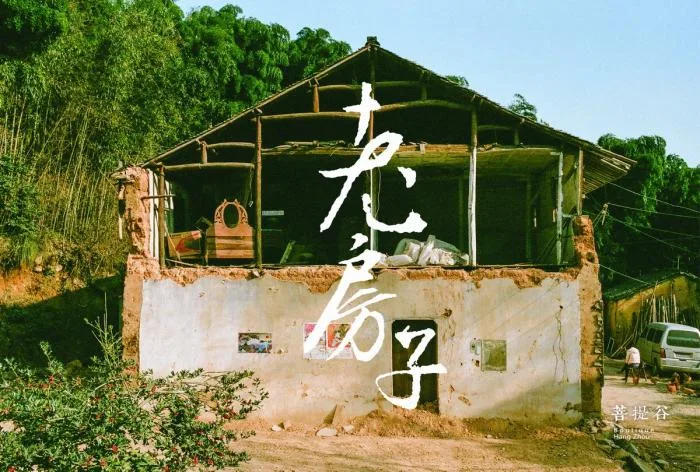
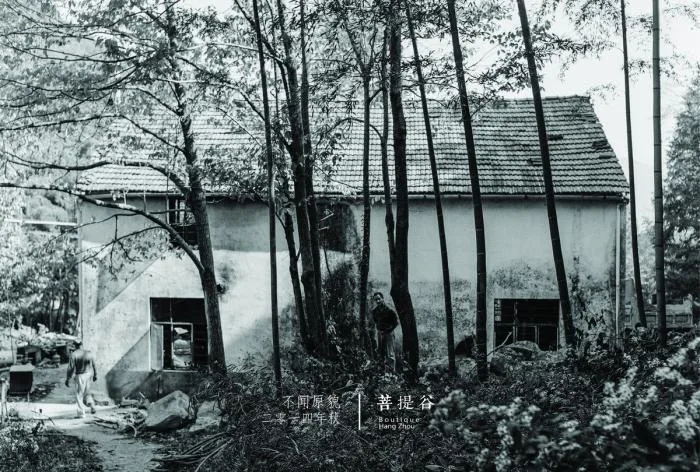
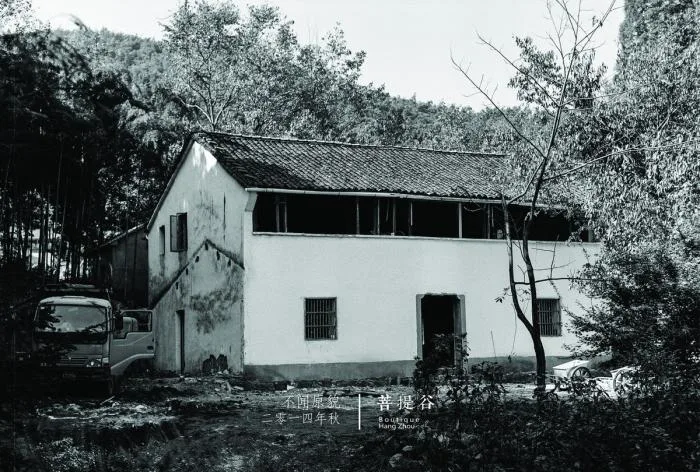
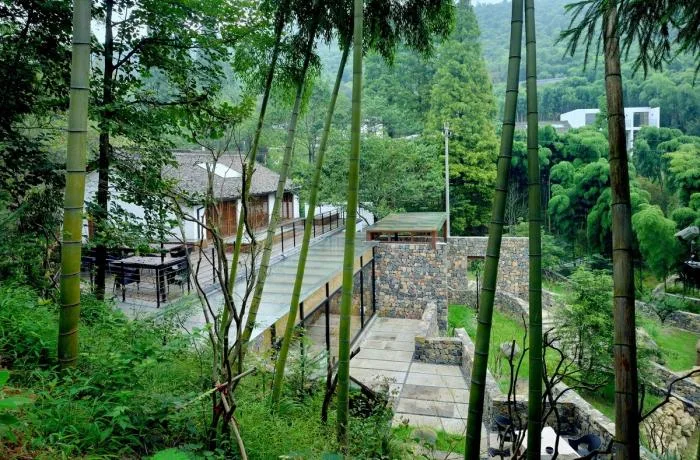
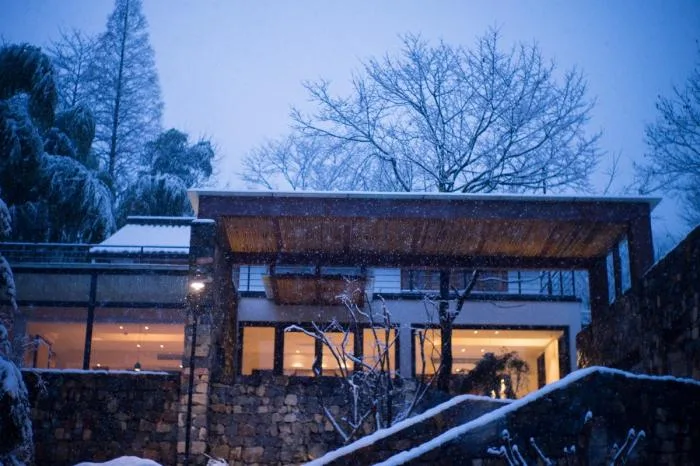
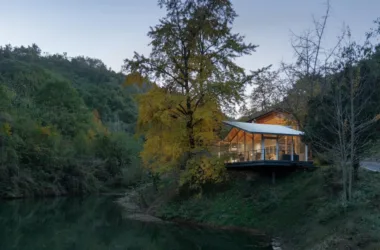
Bodhi Valley is an integrated design project that blends architecture, landscape, and interior design. This decades-old house, built using traditional construction methods, was originally used solely for basic residential purposes. The owner plans to transform it into a homestay that fulfills modern hospitality functions.
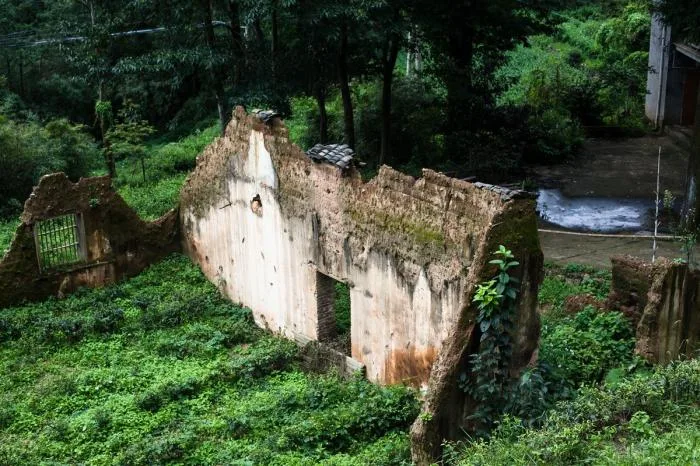
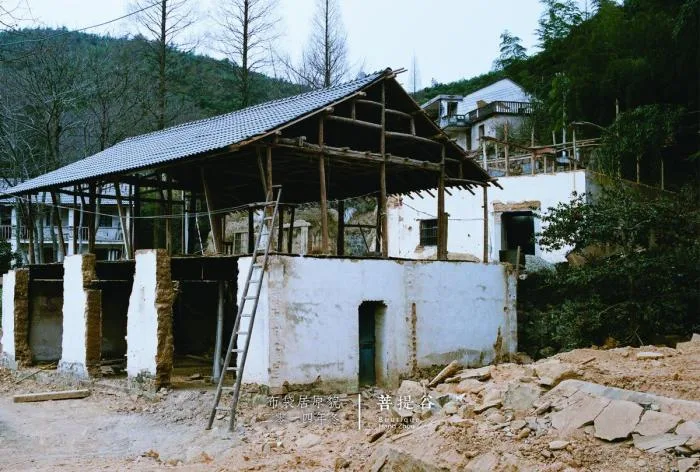
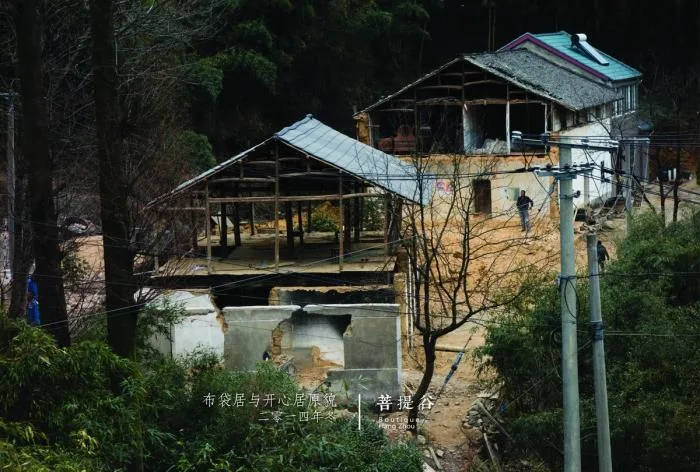
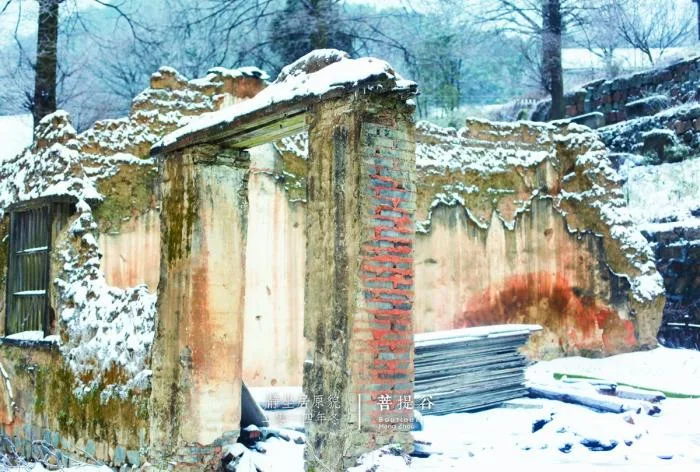
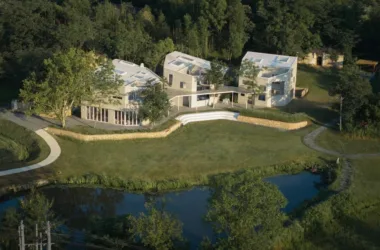
The Bodhi Valley complex includes six residential buildings, which have been adapted into four main structures: the Unheard Restaurant serving reception and dining needs, the Happy Residence designed for group activities, and the Budai Residence and Sitting Residence catering to private and individual guests. The site features well-preserved protected houses, partially collapsed old houses that remain unconnected, and even remnants of a single old rammed earth wall.
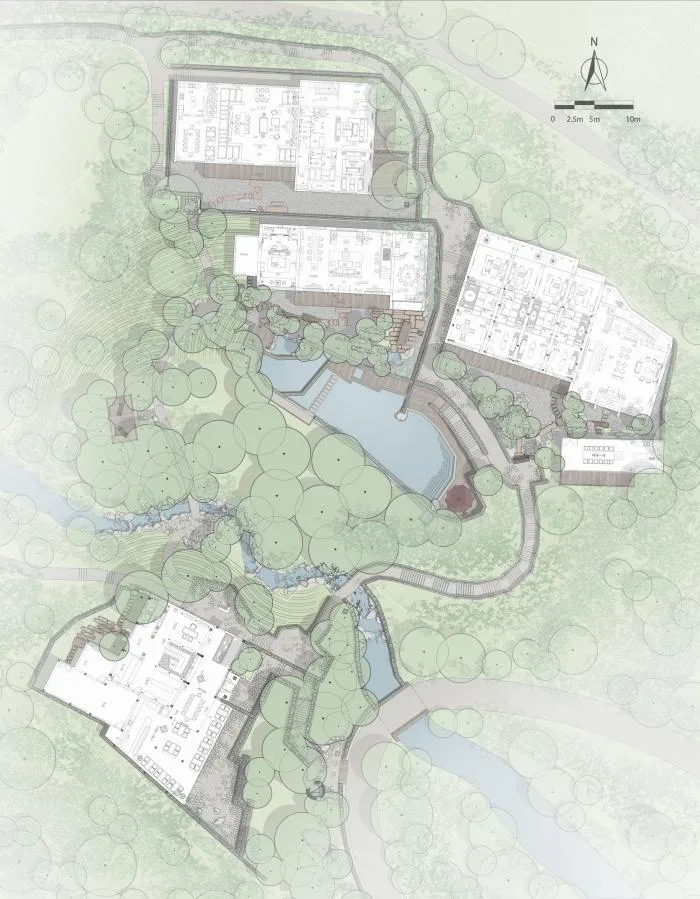
▲ Plan view
During the initial phase of this homestay’s development, at the height of the homestay trend, the key challenge was balancing the preservation and transformation of existing buildings with commercial needs. The owner desired a reception center with guest rooms suitable for both group activities and individual stays.
The current space was insufficient to meet these functional demands, so strategic additions and reorganizations were necessary. The design approach designated Building 1 as the main reception center; Buildings 2 and 3 as a large group facility with ten guest rooms plus individual guest areas; and Buildings 4, 5, and 6 as two smaller group building packages capable of accommodating individual guests.
The circulation design follows a one-axis, two-zone layout, centering reception and dining in Building 1. From there, two separate routes lead to the individual guest area and the group accommodation zones, effectively separating guest circulation from service pathways. A concealed service route, dubbed the “disappearing butler,” ensures back-of-house operations remain unseen by guests.
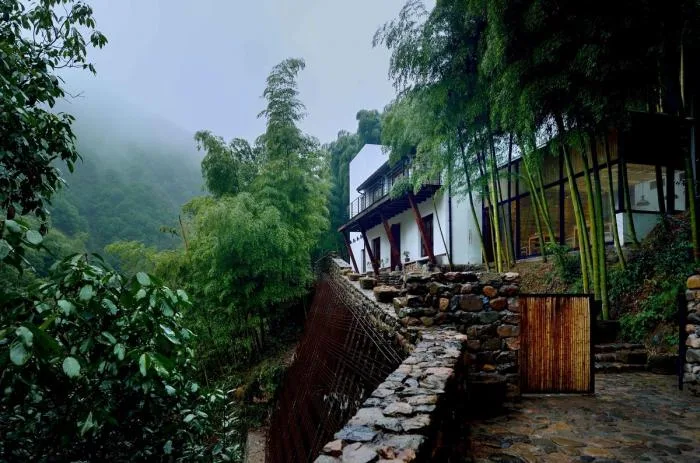
The design theme integrates seamlessly with the village’s texture and mountain environment, prioritizing occupant comfort and privacy.
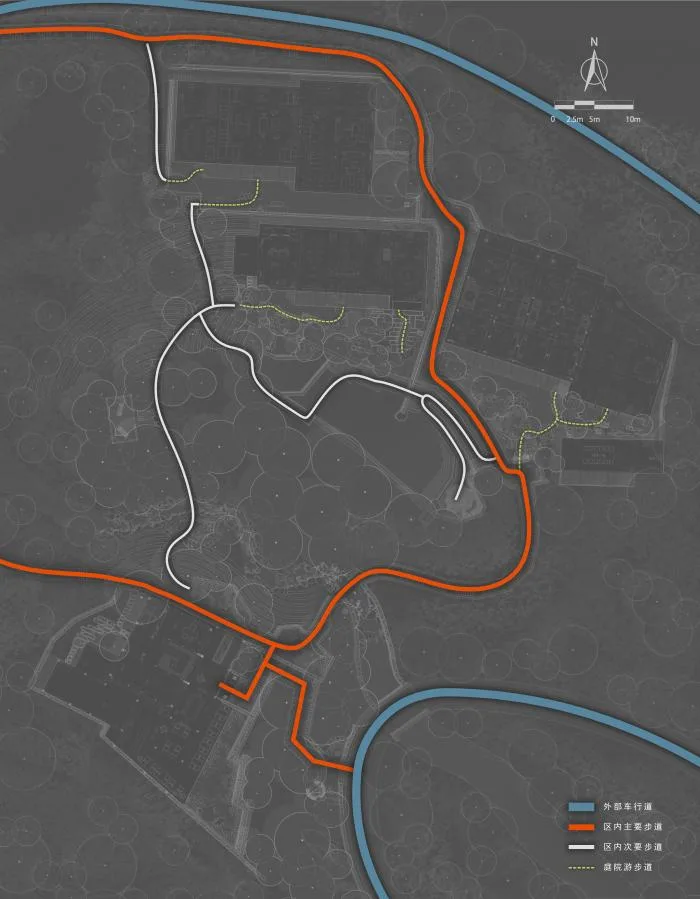
▲ Circulation flow diagram
Topic 2: Design Requirements for Mountain Architecture
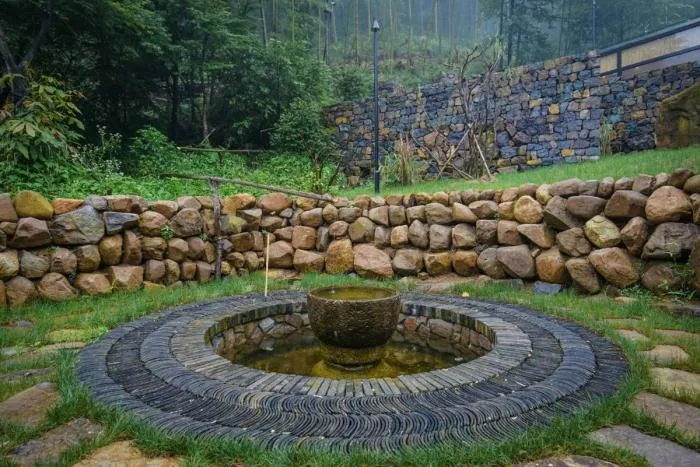
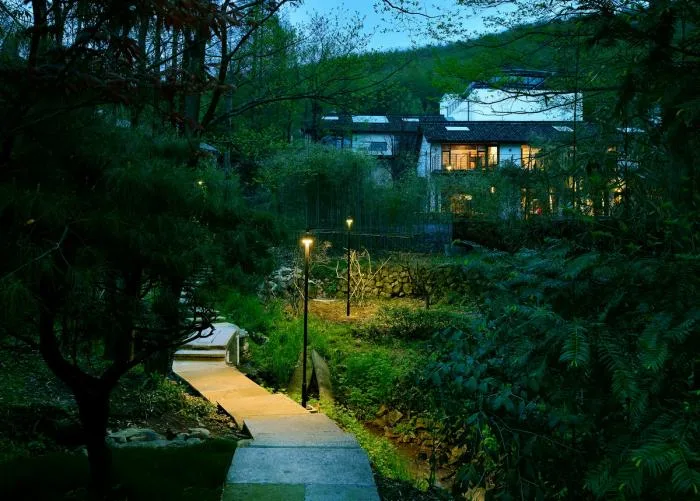
The overarching goals of this project are integration, comfort, and privacy. Integration emphasizes meaningful harmony rather than mere form, aiming to preserve and rework the village’s texture without destruction, while coexisting naturally with the surrounding vegetation and mountainous environment.
Comfort focuses on balancing the existing poor building conditions with real-life needs. Challenges such as soundproofing, insulation, ventilation, humidity control, and inadequate lighting required urgent solutions within the existing structures.
Privacy represents a sense of security and necessitates careful planning of spatial separation and timing within both the building interiors and circulation routes to avoid unwanted encounters.
Topic 3: Identifying Challenges and Solutions
This section interprets the intended function and requirements of each building, followed by the practical solutions applied on-site.
Building 1 – Reception, Dining, Kitchen
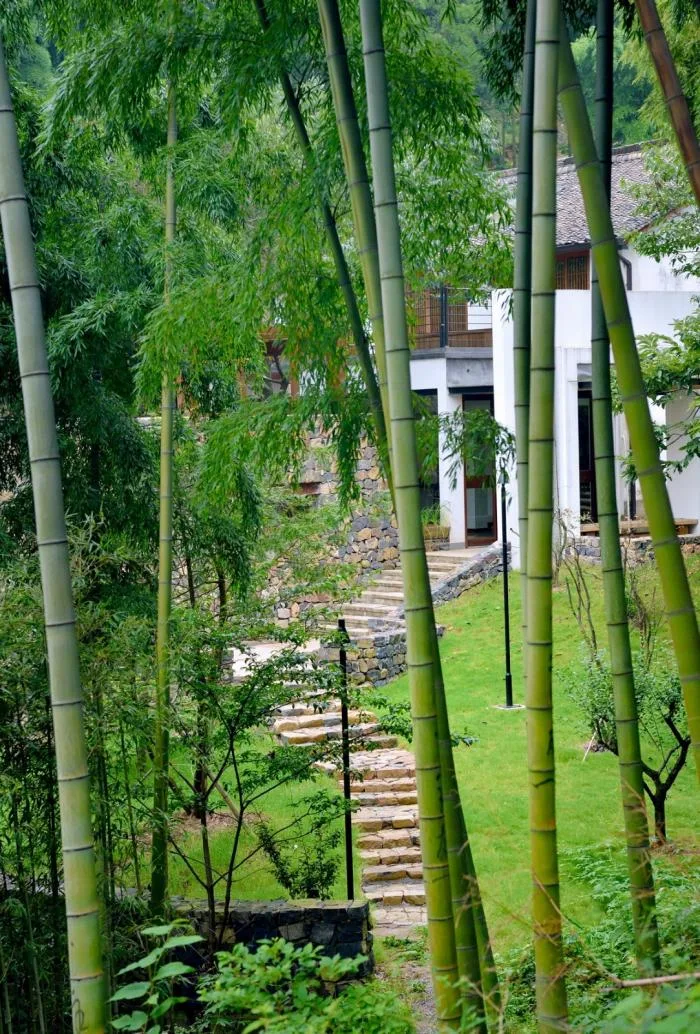
Building 1 is a relatively intact old three-bay house, but its area is insufficient for current use. Interiors are dark and damp, and the second floor suffers from low ceiling height and poor lighting. To address this, a new one-story addition was integrated, preserving the original structure’s integrity.
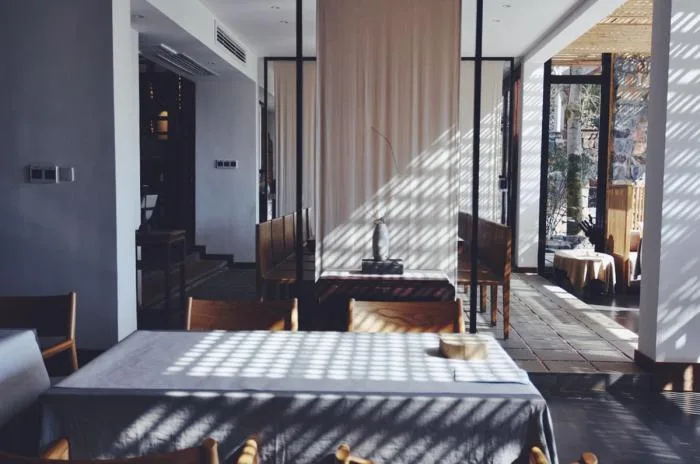
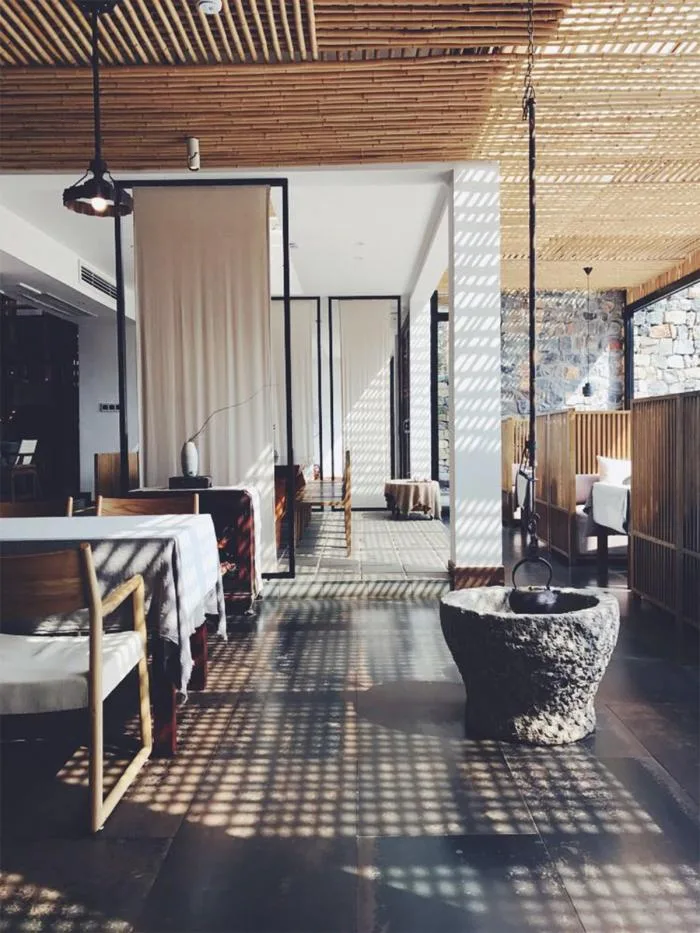
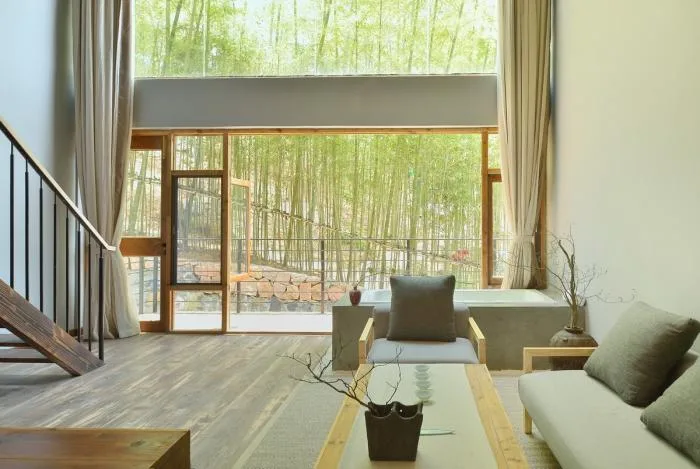
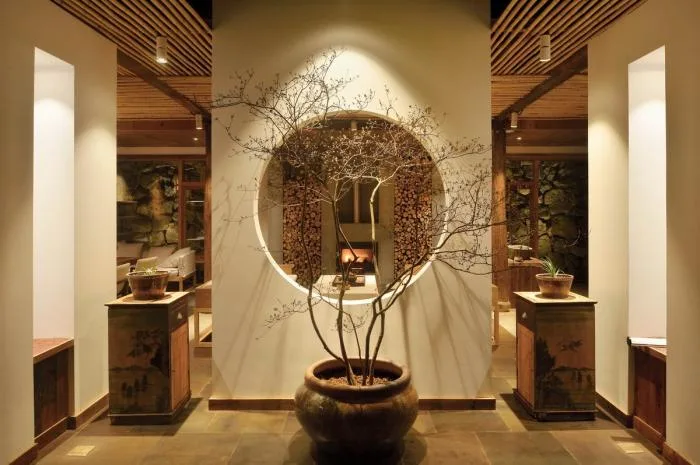
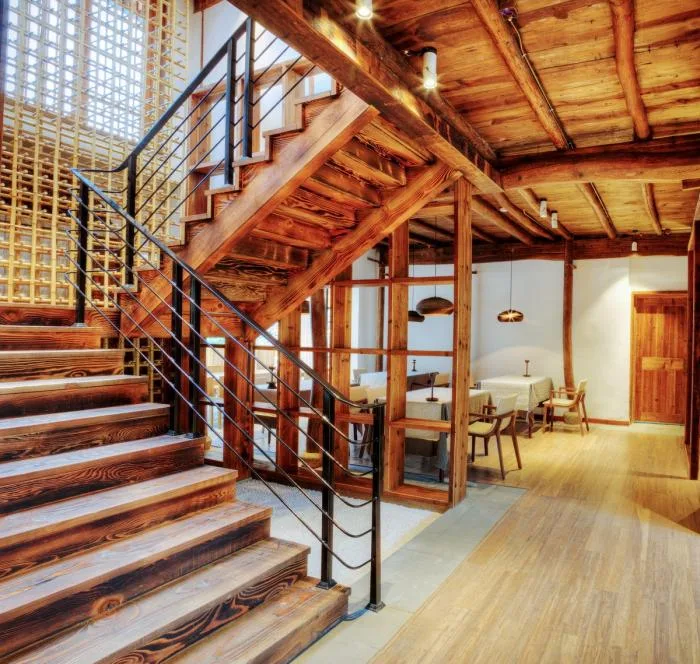
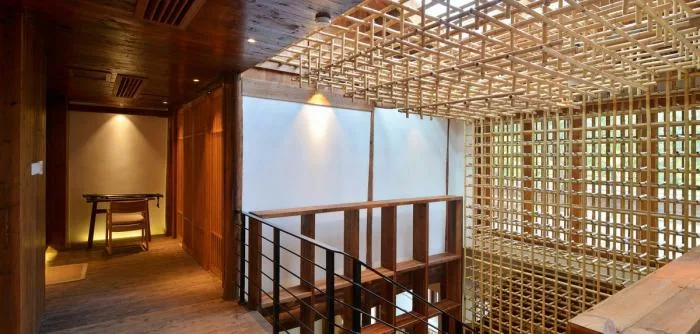
The new building includes an entrance hall, spaces suitable for both Chinese and Western cuisine, and a coffee shop, all designed to blend with the mountain terrain. Large glass panels on the front and roof improve lighting. The original second-floor roof was removed, reinforced, and elevated by local carpenters using traditional mortise and tenon joinery, with a skylight installed to brighten the interior core.
Moisture issues inside the old house were managed through rear equipment due to structural limitations.
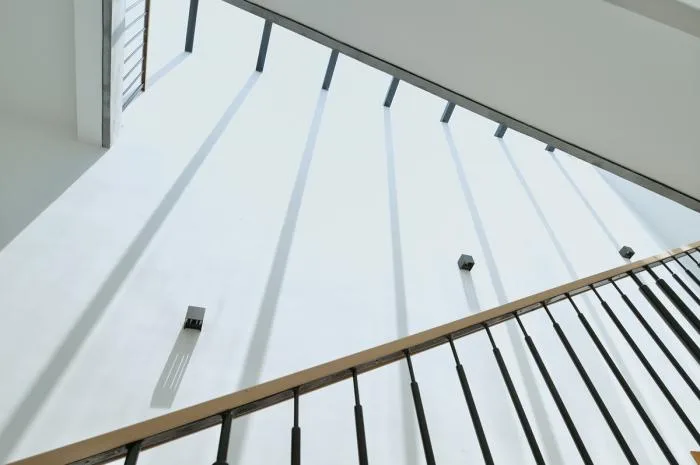
Building 3 – Large Group Building, Individual Guests
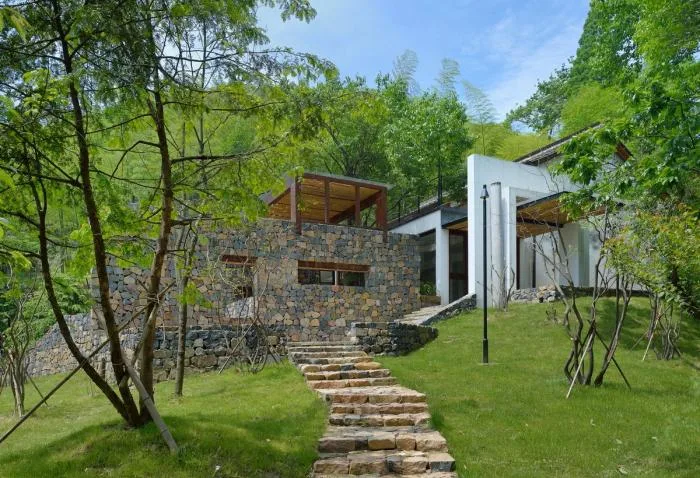
Building 2 was an old three-bay house with a collapsed ear chamber, now considered dangerous due to years of neglect. Building 3, constructed with brick and concrete after the original collapsed, disrupted the village’s mountain dwelling aesthetic.
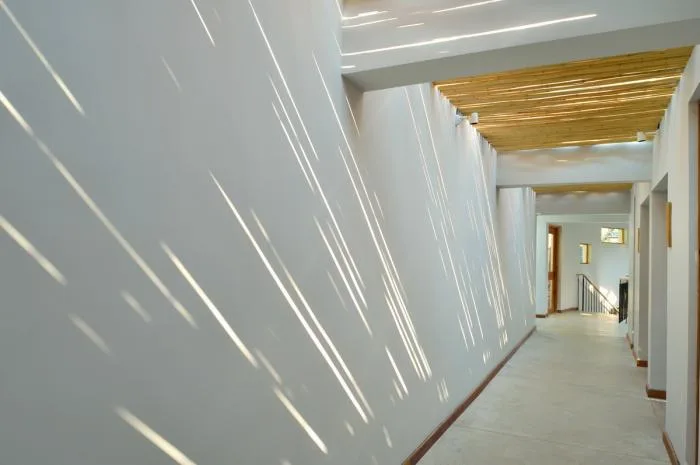
The renovation strategy involved demolishing these newer, incongruent structures and focusing on restoring the original wooden houses with new additions. To improve poor sound insulation, floors were repaired and reinforced with cast-in-place concrete.
Building 4 – Small Group Building, Individual Guests
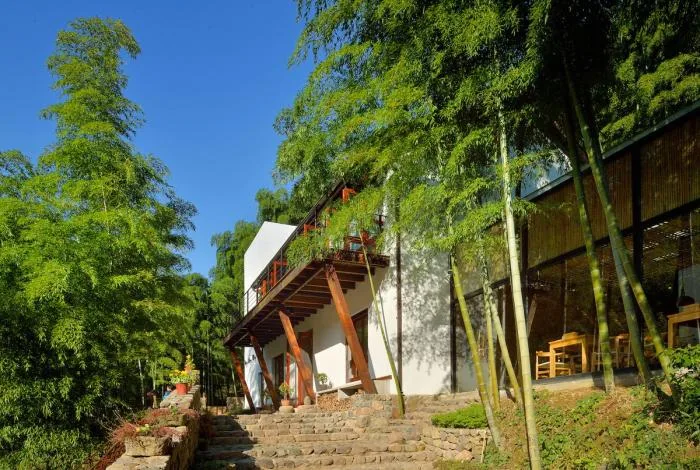
Building 4 features three bays, two floors, and double ear rooms. Although one ear room collapsed, the main structure remains intact. The renovation preserved the original style while boldly updating the exterior façade.
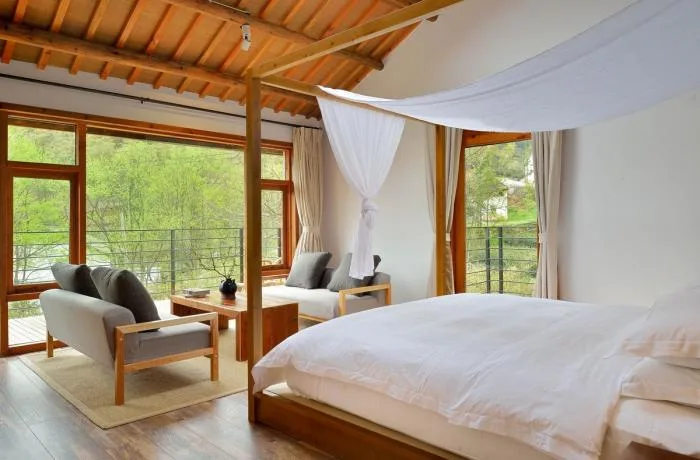
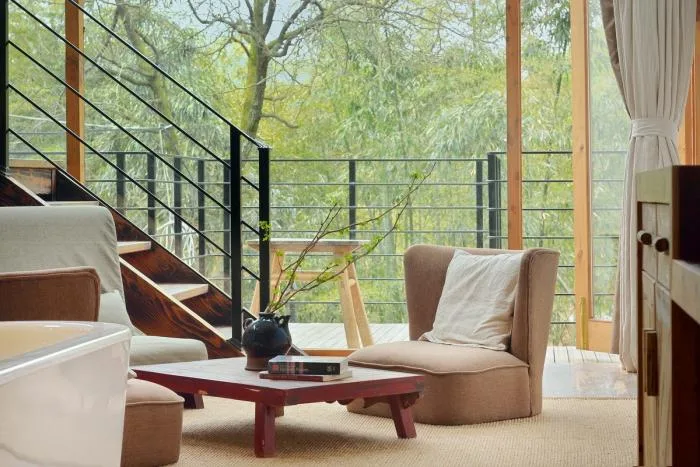
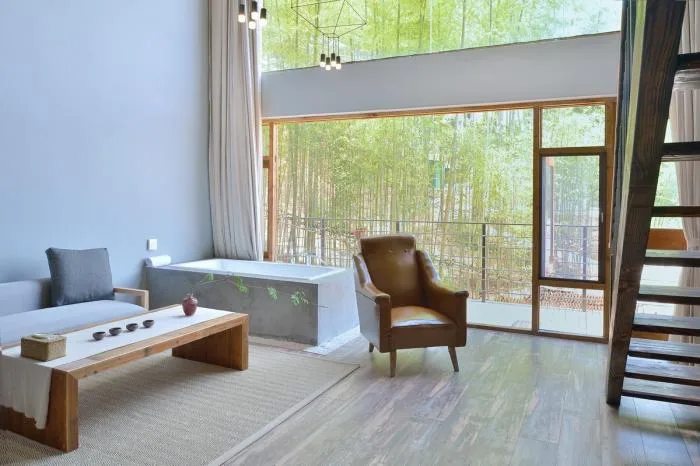
The collapsed ear room was replaced with a modern square box, while the other ear room was merged with the original house, adding a gray space on the first floor and a terrace on the second floor. Skylights were installed in each room, and original windows were structurally expanded, significantly enhancing spatial quality.
Building 6 – Small Group Building, Individual Guests
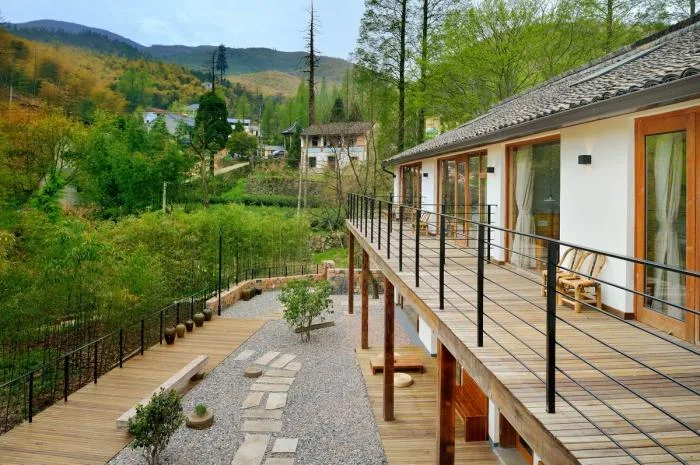
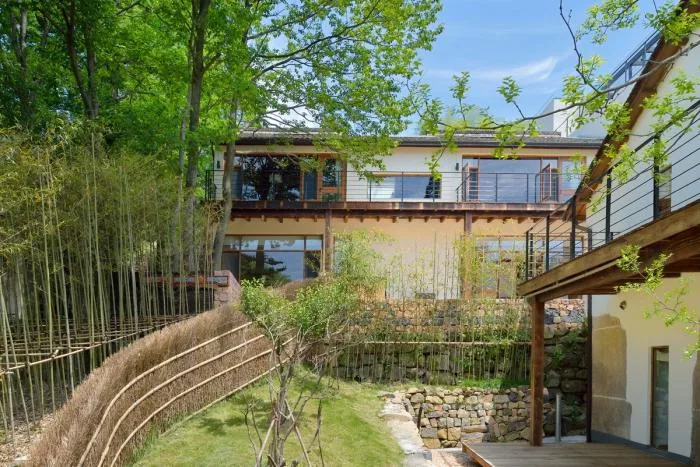
The original structures of Buildings 5 and 6 were nearly unusable. Building 5 had collapsed, leaving only a weathered wall with aesthetic appeal. Building 6 was also deemed dangerous, prompting an architectural exploration: how to create a building based on the mere existence of a wall?
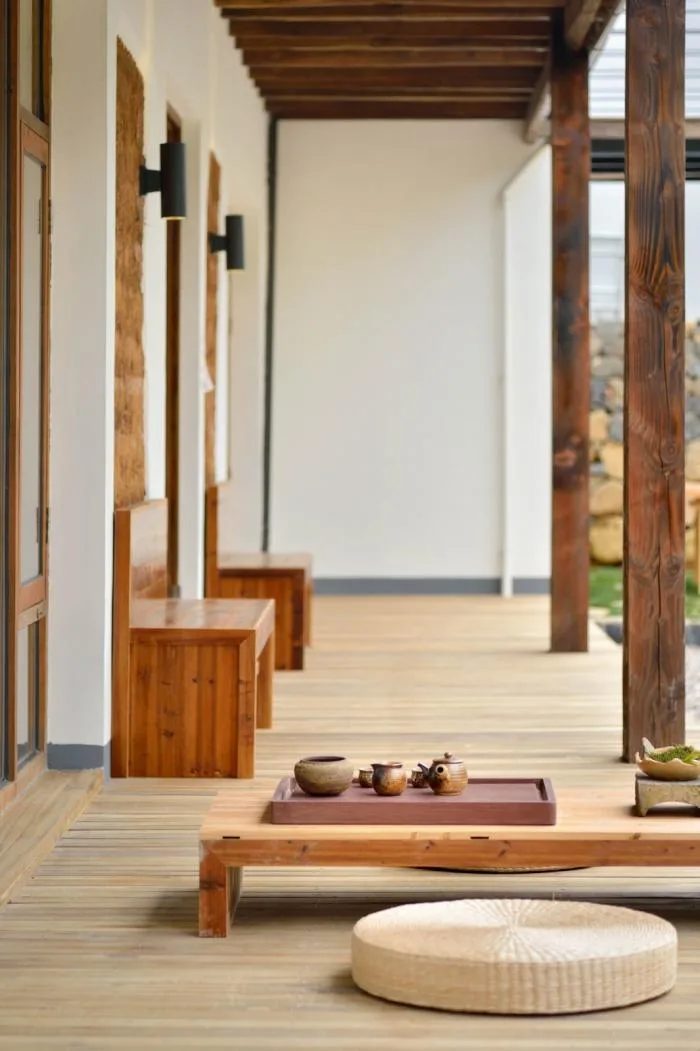
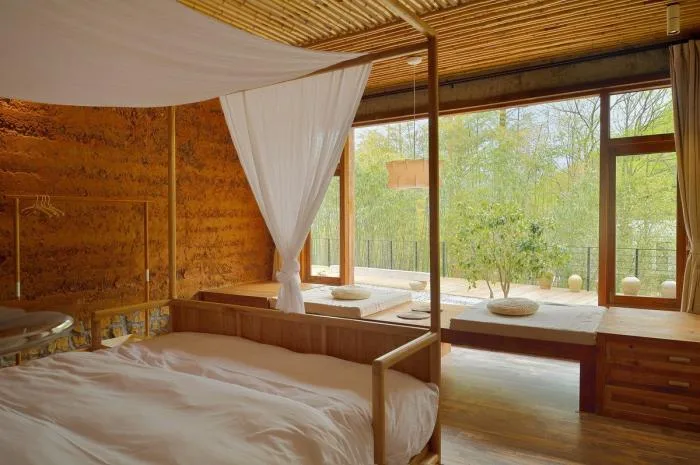
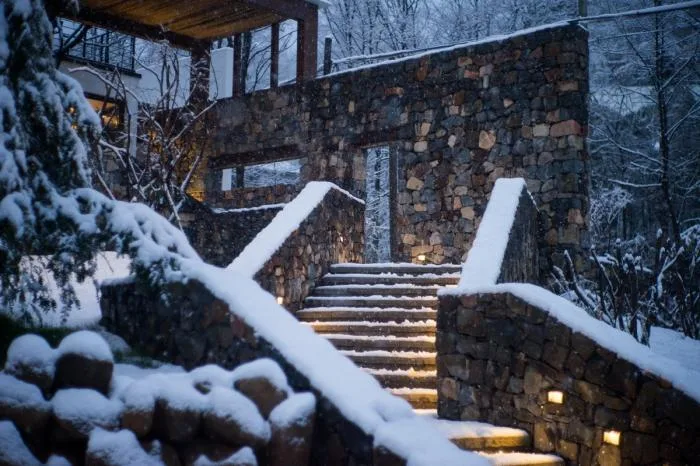
The renovation of Building 6 focused on shaping the building around preserving the natural and temporal qualities of the remaining walls. All functional and architectural elements were designed to yield to these remnants, creating a unique blend of the antique and the new.
Conclusion
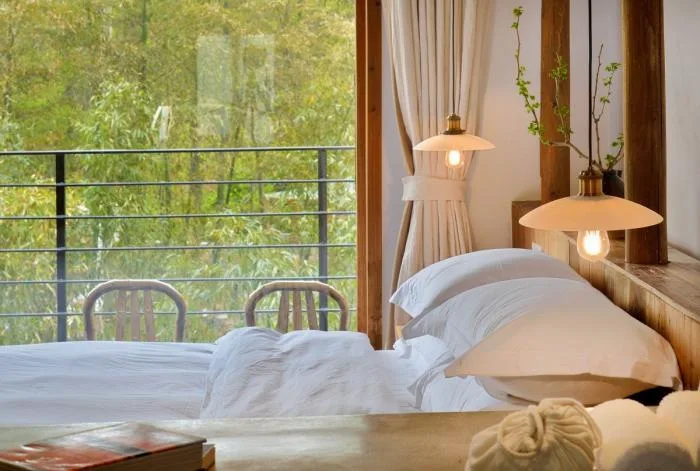
The renovation of Bodhi Valley continuously pursues the integration of traditional mountain dwellings with contemporary reinterpretation and the natural mountain environment, forming the core concept throughout the design process.
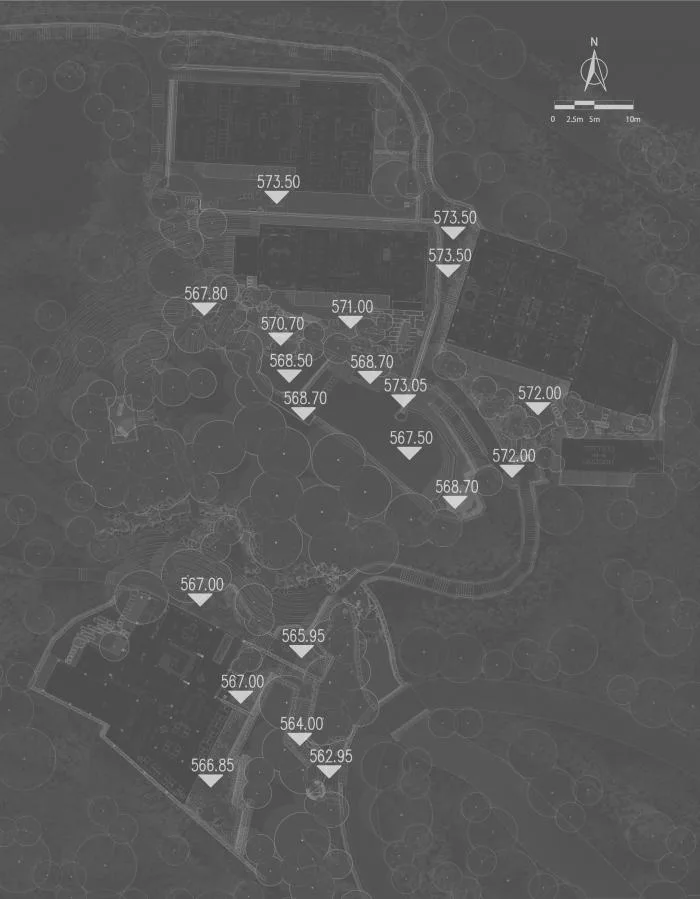
▲ Site terrain
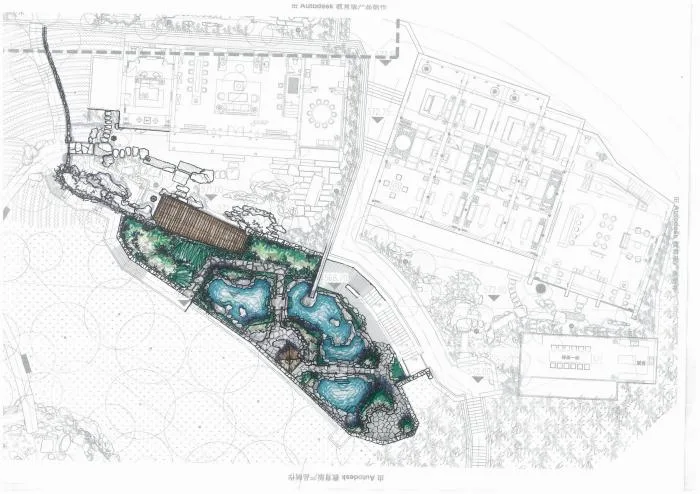
▲ Plan view
Project Information
Project Name: Hangzhou Bodhi Valley Resort Homestay
Architectural Firm: China Academy of Art Landscape Architecture Design and Research Institute Co., Ltd
Lead Designer: Huang Zhiyong
Architectural Design: Huang Zhiyong, Zheng Ruokan, Li Huajing
Interior Design: Wang Zhigang, Lin Yanhua
Landscape Design: Zheng Ruokan, Zhou Cheng, Qiu Jianyu
Structural Design: Lin Yingfeng












Must log in before commenting!
Sign Up