
▲ Southeast perspective of the project
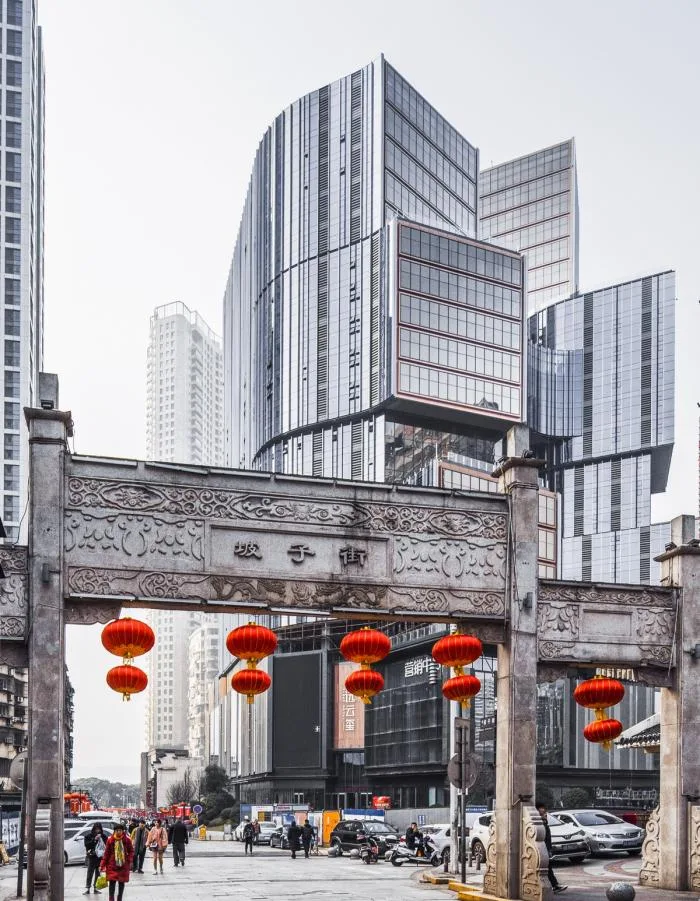
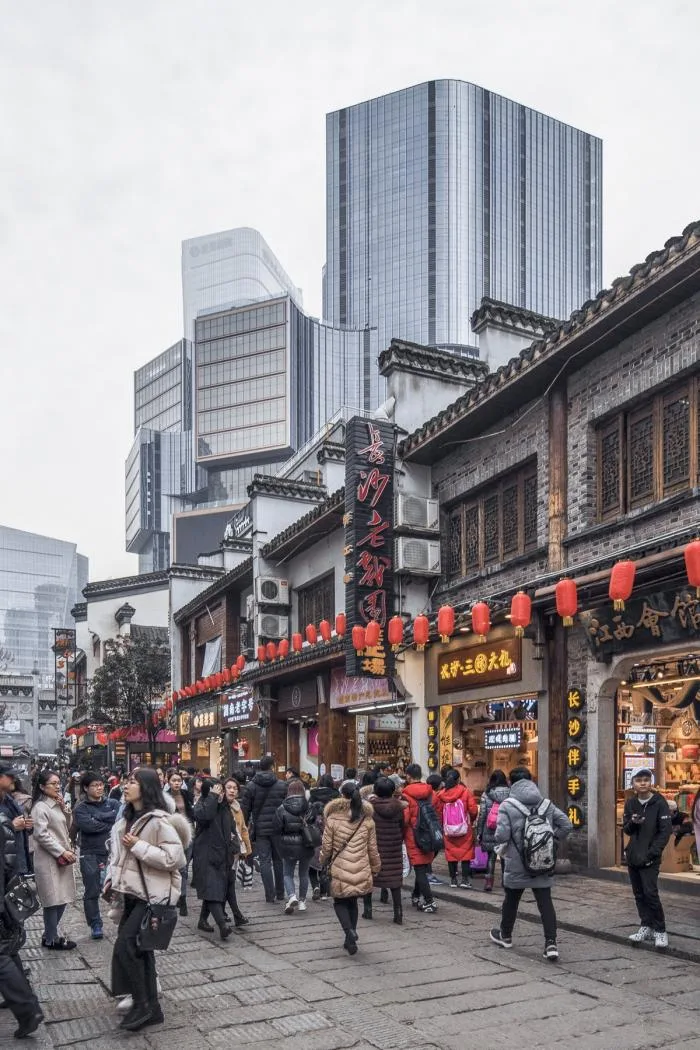
Generals of Zhongxing, what about the Nine Lakes and Hunan? Walking around Changsha at night reveals the unique blend of scholarly spirit and martial arts culture that defines Hunan. On Jiefang West Road, a lively bar street, you can feel the thrill of martial arts culture while enjoying drinks amid vibrant crowds. Pozi Street exudes a strong urban atmosphere, lined with shops housed in traditional blue brick and white tile arcades. Nearby, the pedestrian Taiping Street showcases fashionable individuals expressing their unique styles. At the tip of Orange Island on the banks of the Xiangjiang River, the scenery is breathtaking, with clear blue water and dozens of boats competing along the flow.
Aedas was commissioned by the property owner to develop a comprehensive complex occupying a plot overlooking Orange Island Head, situated at the intersection of Jiefang West, Pozi Street, and Taiping Street pedestrian zones. The challenge was to integrate Changsha’s distinctive cultural traits into a new landmark that connects surrounding businesses and revitalizes the land’s value. Aedas’ solution embraces and extends the bold spirit of the city.
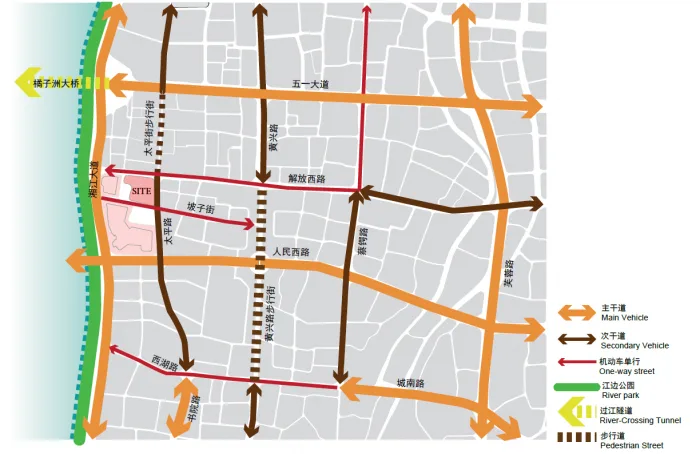
▲ Project site
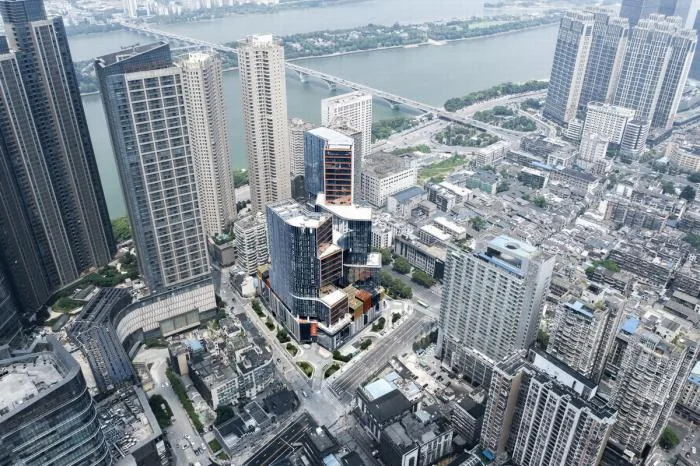
▲ Project overview
Why build a conventional building at the most vibrant junction in Changsha? The goal was to create a development that reflects the city’s personality while appealing to young people and blending seamlessly with the surrounding nightlife. This project is the final phase in the Hua Center series. Architect Dr. Andy Wen, Global Design Director at Aedas, carefully considered the site’s geography and urban demands to position it as an innovative cultural and creative hub for youth. The complex integrates retail, office spaces, residential units, and art exhibition venues.
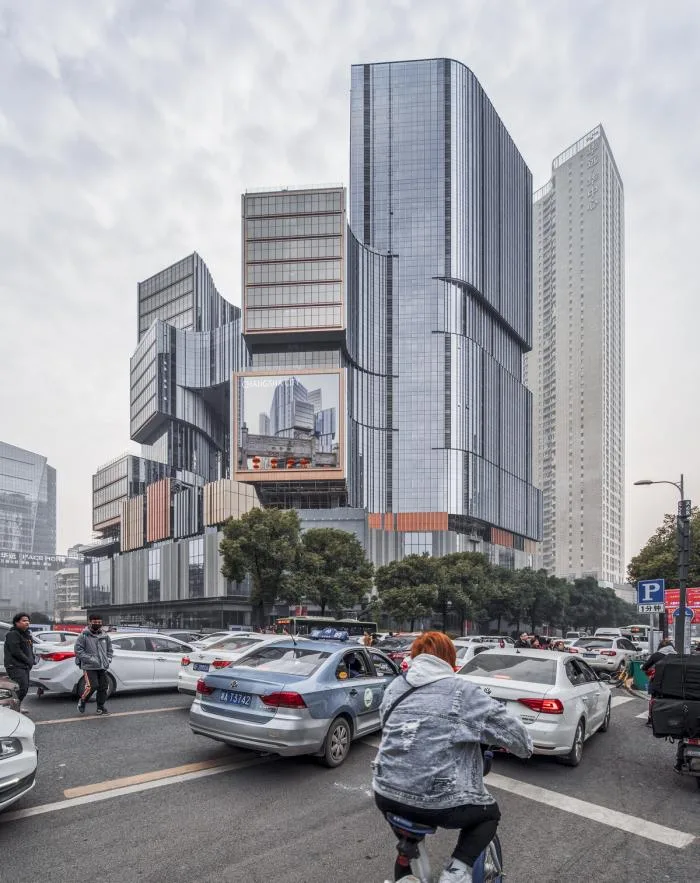
▲ Northeast perspective of the project
▲ Southeast perspective of the project
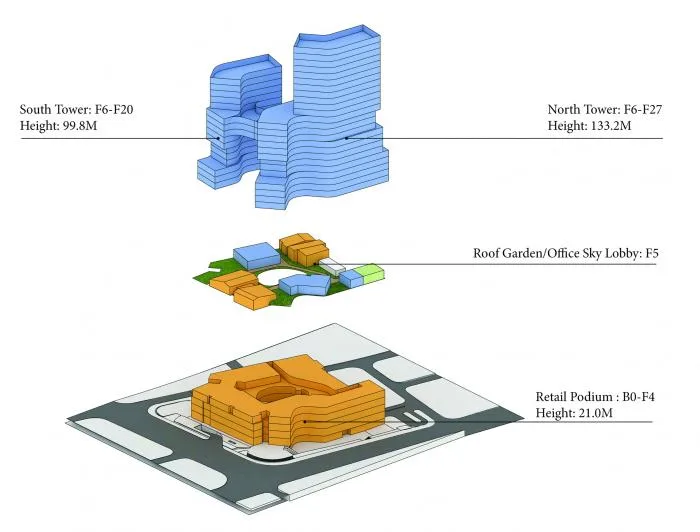
▲ Functional zoning diagram
The design draws inspiration from Zhangjiajie, known for its “three thousand peculiar peaks and eight hundred beautiful waters,” a place renowned for its grandeur and vibrant scenery. Dr. Andy Wen selected iconic natural features such as Huanglong Cave, ancient villages, rugged mountains, and Tianmen Cave as architectural prototypes, expressing the untamed spirit of Changsha’s people through a dynamic, organic form.
The podium building’s volume steps back in various directions, crowned by a massive glass dome on the top floor resembling a cave entrance. This design allows glimpses of bright yellow lighting and lively crowds inside, evoking the imagery of Yellow Dragon Cave. Between the podium and the towers, modern reinterpretations of ancient village houses serve as elevated transitional platforms. The contrast between traditional house forms and contemporary metal materials creates a striking blend of old and new.
Above the podium rise two slab-shaped towers, their staggered and twisted volumes mimicking Zhangjiajie’s rugged mountains and rocks. The uneven floor alignments create a natural, thriving landscape effect. The two towers, positioned north and south, are connected by a bridge that evokes the iconic Tianmen Cave and Tiansheng Bridge. The staggered volumes form a high mountain terrace, which can be transformed into rooftop gardens through greenery.
The design differentiates building functions using a clear facade language. The podium’s facade primarily features stone with horizontal glass display windows, while the first floor uses glass curtain walls to showcase commercial spaces. The towers’ facades emphasize vertical lines, echoing the podium’s design language but maintaining distinct boundaries.
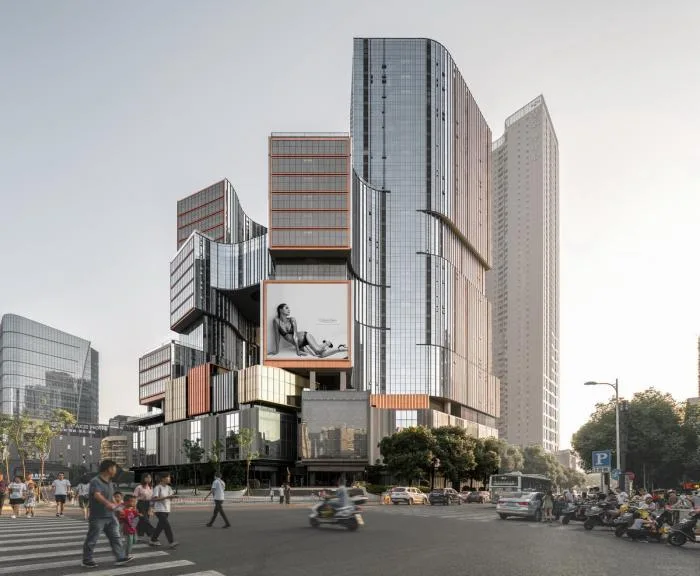
▲ Northeast perspective of the project
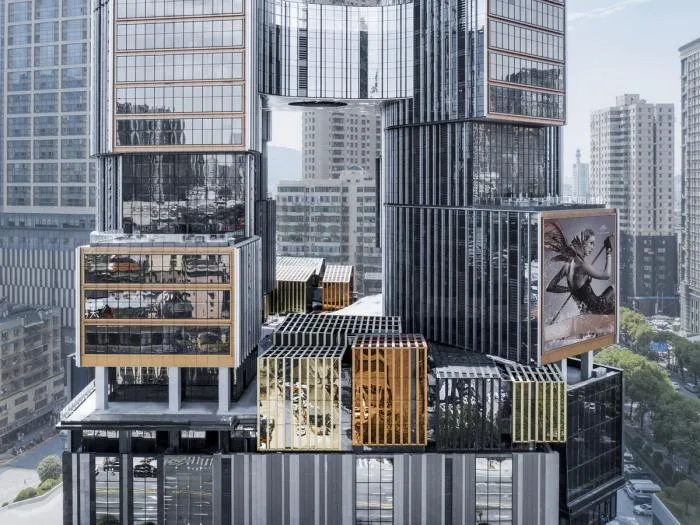
▲ Transition space on the top floor of the podium building
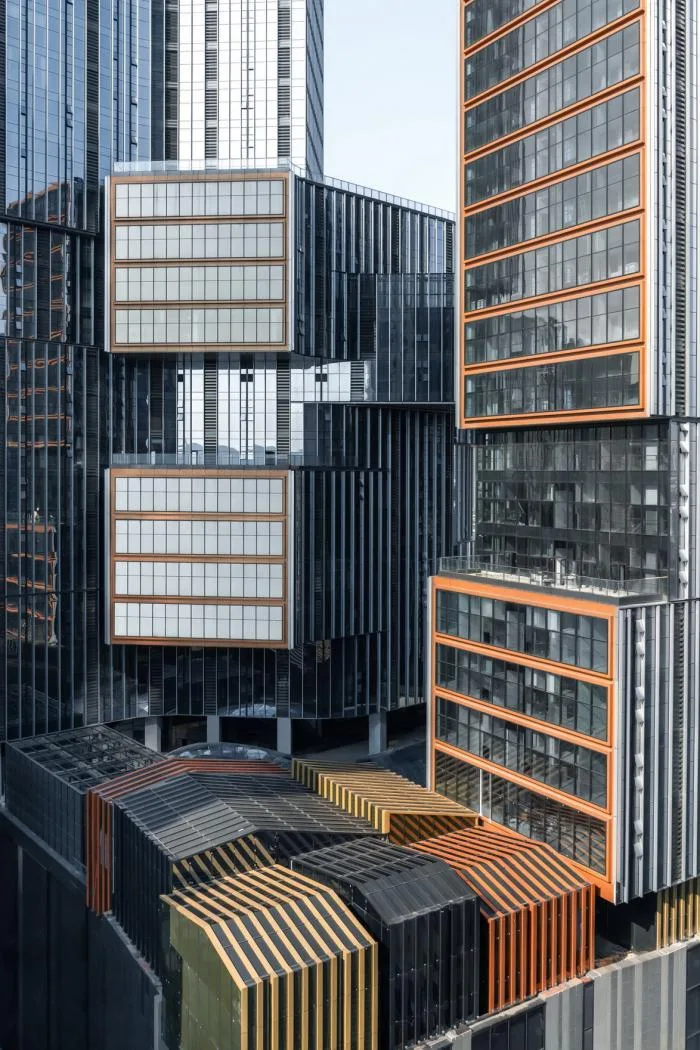
▲ Transition space on the top floor of the podium building
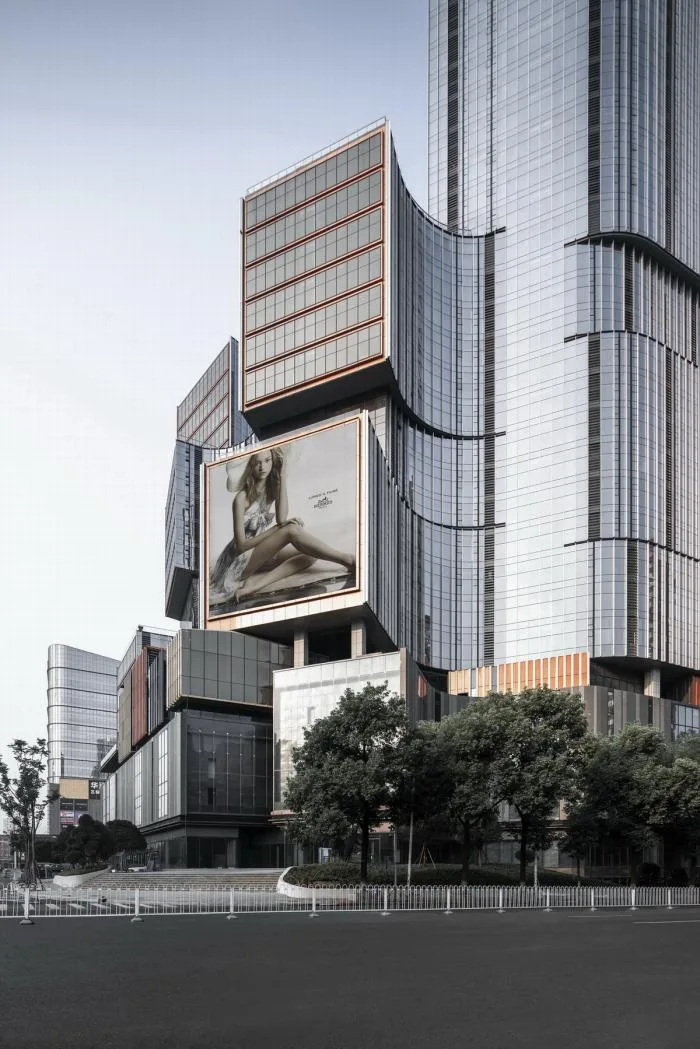
▲ LED screen
Dr. Andy Wen’s innovative architectural contours emphasize Changsha’s bold character while reflecting the region’s natural landforms. The building’s form enhances user experience and strengthens its connection with the city. The towers are designed with visual orientation in mind, featuring retreats, shifts, and connections that offer panoramic views of Changsha’s mountains, rivers, and urban landscape from various angles.
The curved building outlines create a semi-enclosed microenvironment that promotes natural ventilation and excellent sunlight by harnessing wind flow. The terraces and public spaces formed by the tower setbacks provide additional landscaped platforms, functioning as a welcoming urban reception area. The rooftop transitional platform on the podium building offers a new leisure destination for residents and visitors alike.
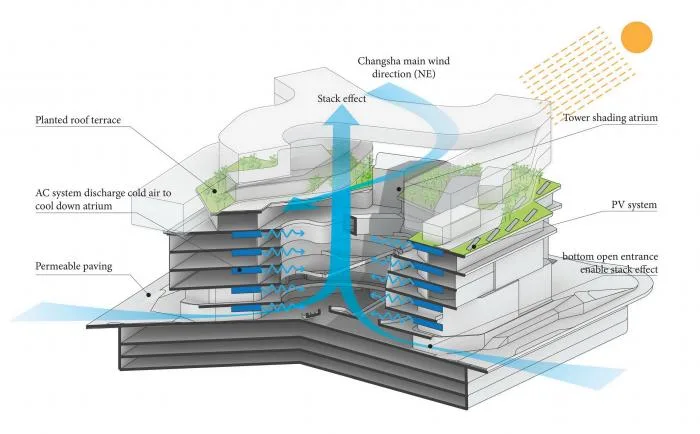
▲ Semi-enclosed microenvironment
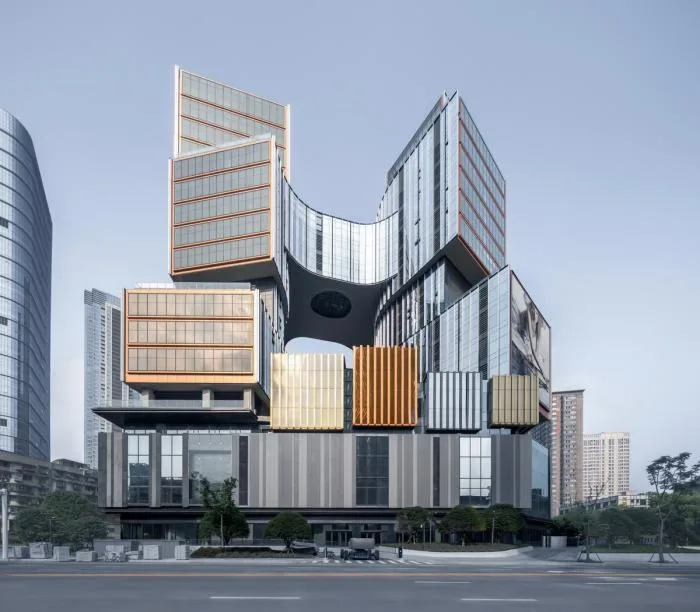
▲ Eastern perspective of the project
In high-density urban development, most focus on the economic value behind plot ratios, but this project aims to bring more meaningful change to the city. Dr. Andy Wen designed a commercial podium that integrates cultural and creative-themed shopping centers with scenic dining areas. The concept revolves around themed commercial spaces that offer a fresh shopping experience centered on art, culture, and nature, enriching the city’s cultural fabric.
The podium features a double first floor that cleverly utilizes the nearly 3-meter height difference across the site to maximize commercial value while reducing construction volume. The lower terrain serves as the main entrance to the lower first floor, and the northeast and southeast corners, boasting higher commercial value, serve as main entrances to the upper first floor. A commercial corridor links Taiping Street and Pozi Street, with a public square designed to attract visitors.
The podium’s large atrium serves as a venue for art exhibitions and performances, providing a vibrant cultural space for the public. The circular shopping mall layout efficiently guides pedestrian flow and enhances the spatial experience. Multiple vertical circulation points between commercial levels further improve user convenience and maximize the value of the high-rise commercial areas.
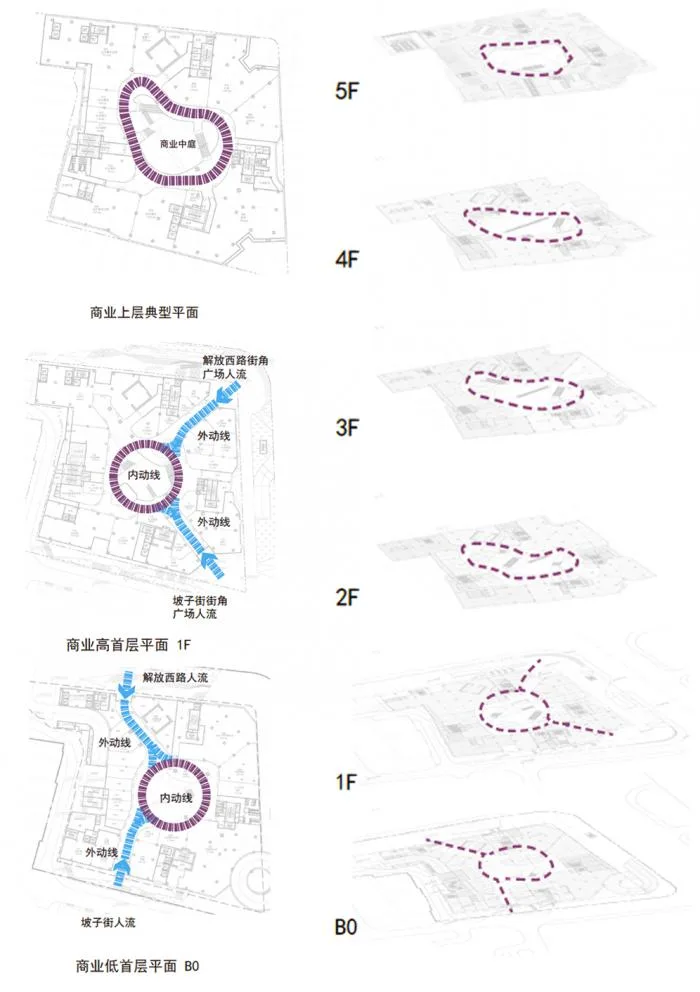
▲ Business flow analysis
The entrances to office and residential areas are separated from commercial entrances, ensuring distinct circulation paths. Elevators provide direct access to the podium’s rooftop transition space, passing through the rooftop garden and offering residents and workers garden-surrounded amenities. The towers feature 4.5-meter-high ceilings, offering spacious LOFT apartments and SOHO offices with panoramic views of Changsha.
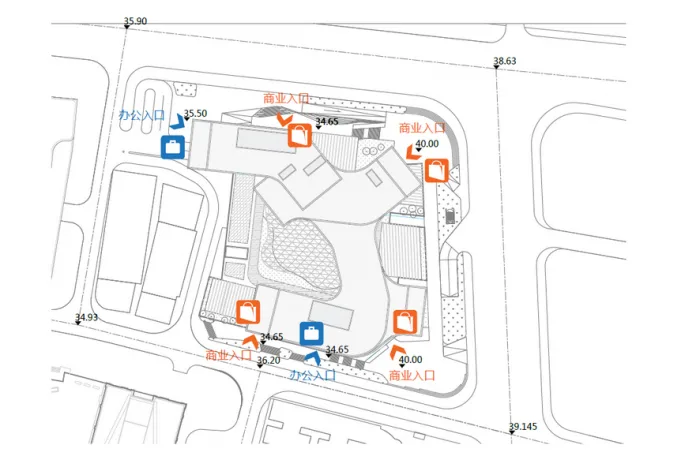
▲ Pedestrian flow analysis
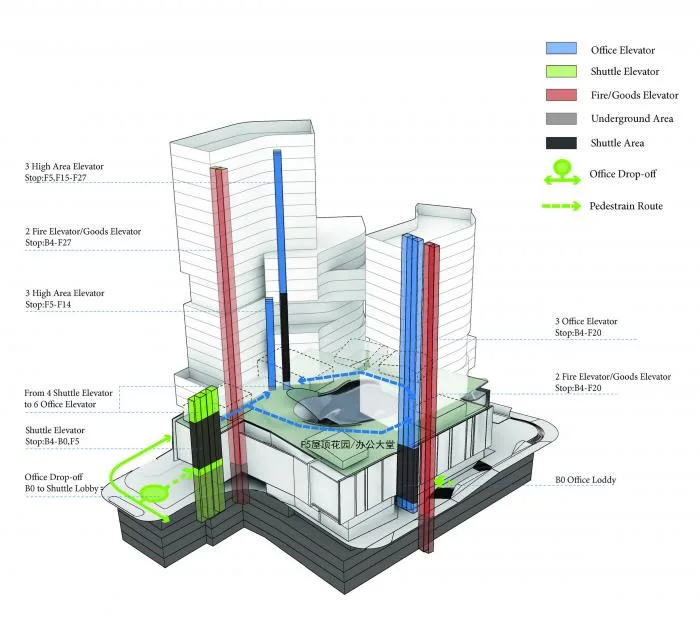
▲ Office flow analysis
Project Drawings
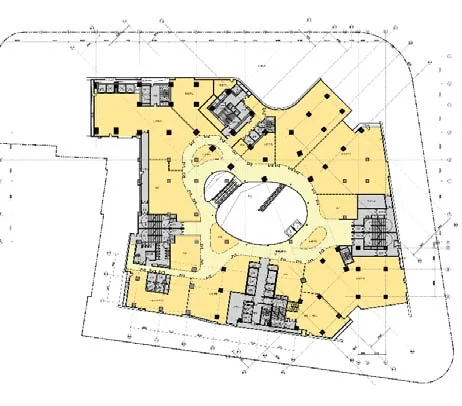
▲ Plan of the podium building
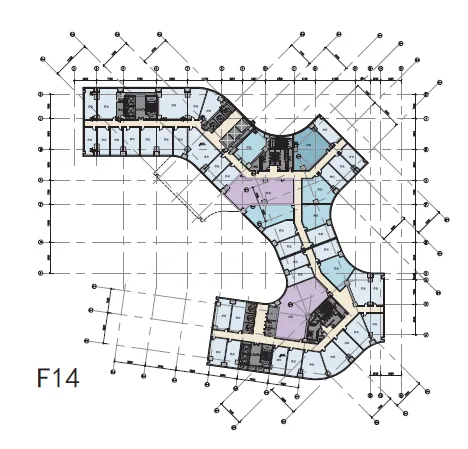
▲ Tower floor plan
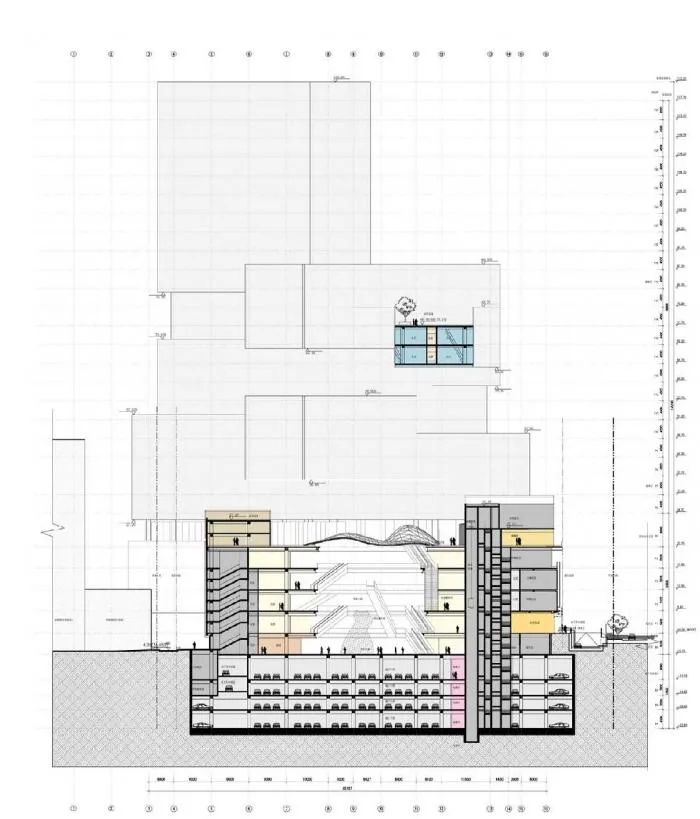
▲ Sectional drawing of podium building
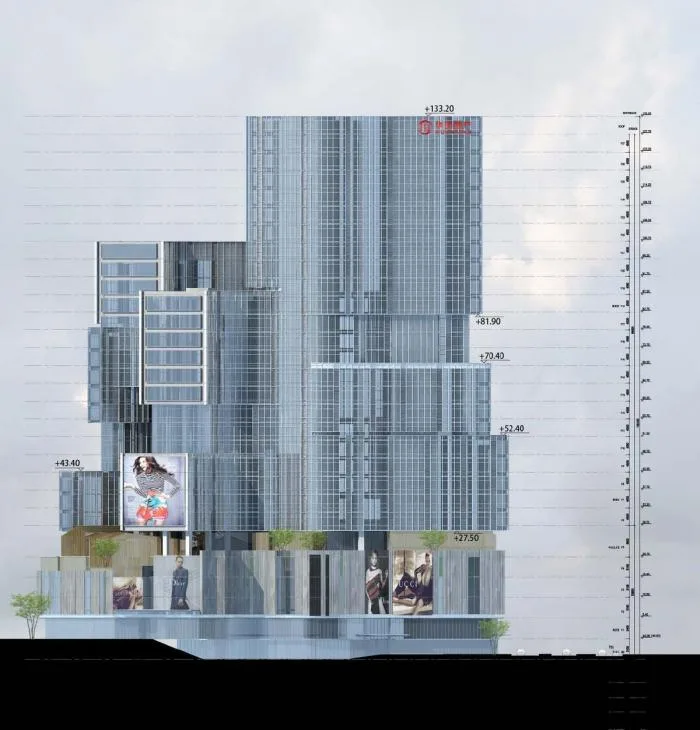
▲ North facade
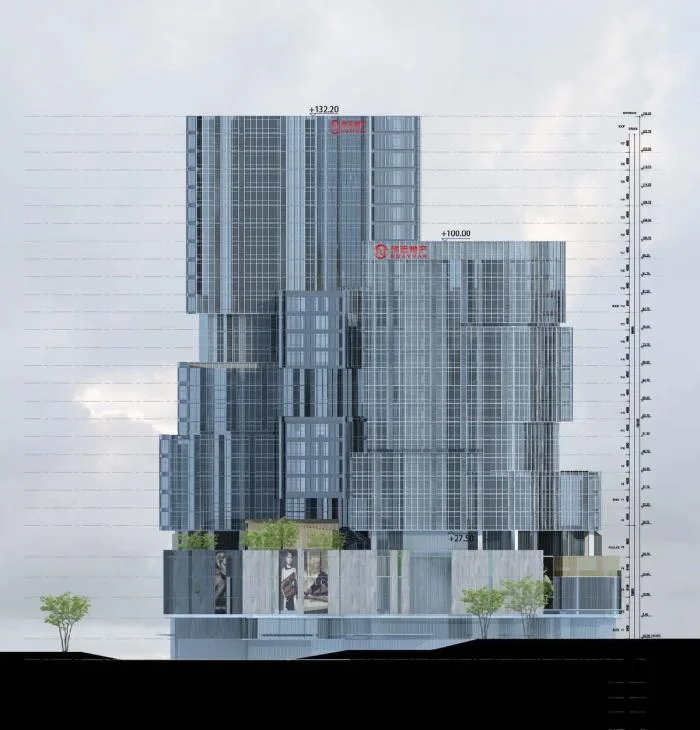
▲ South facade
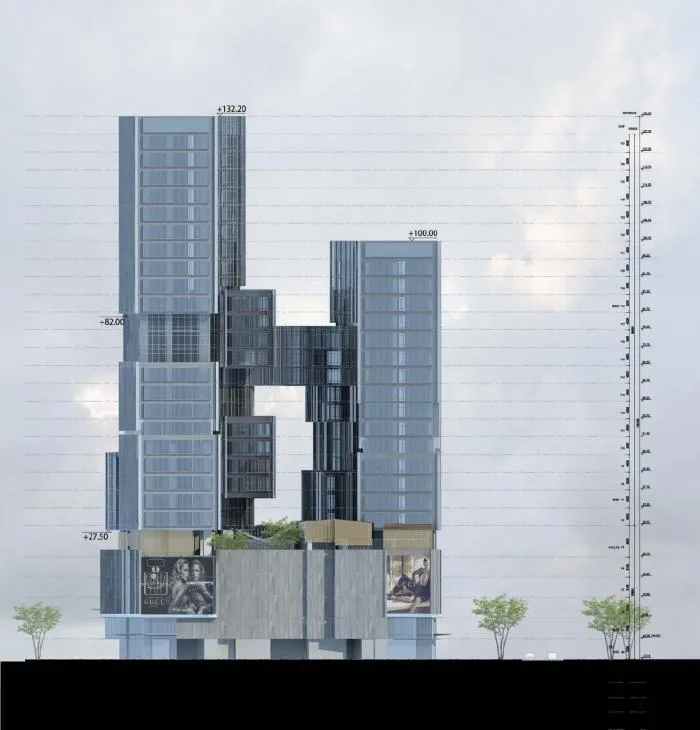
▲ West facade
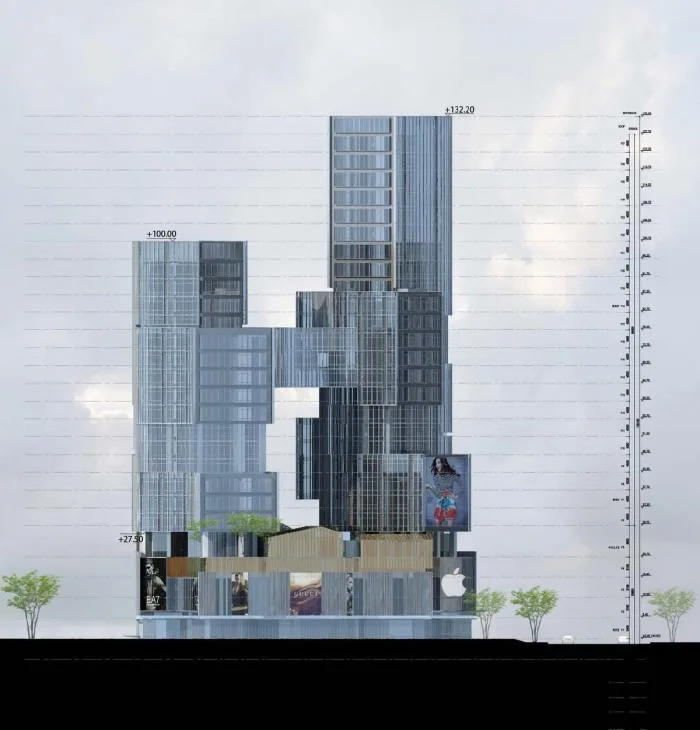
▲ East facade
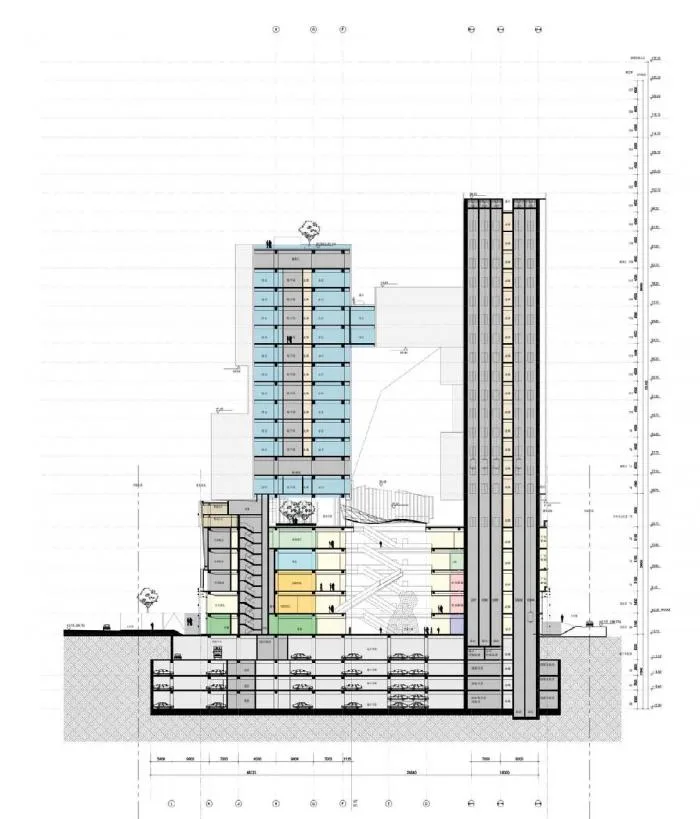
▲ Sectional view
Project Information
Project: Huayuan Yunxi
Location: Hunan, China
Design and Project Architect: Aedas
Owner: Changsha Juyun Investment Co., Ltd
Building Area: 122,154 square meters
Completion Year: 2019
Director: Dr. Andy Wen, Global Design Director












Must log in before commenting!
Sign Up