
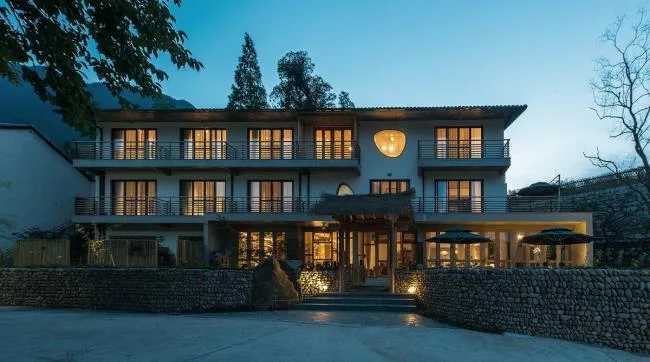
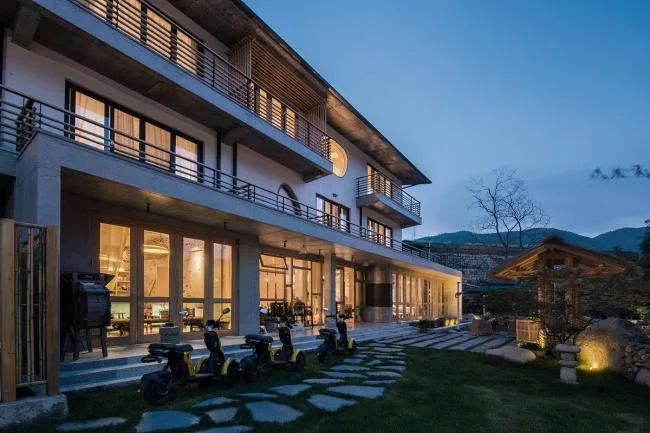
Seven Rooms is a rural resort hotel brand that has been operating for eight years, founded on the philosophy of “freedom and authentic fun.” The first location opened by Erhai Lake in Shuanglang, Dali, Yunnan, featuring seven rooms, which inspired the brand’s name. Over the years, it has developed a distinct identity and style.
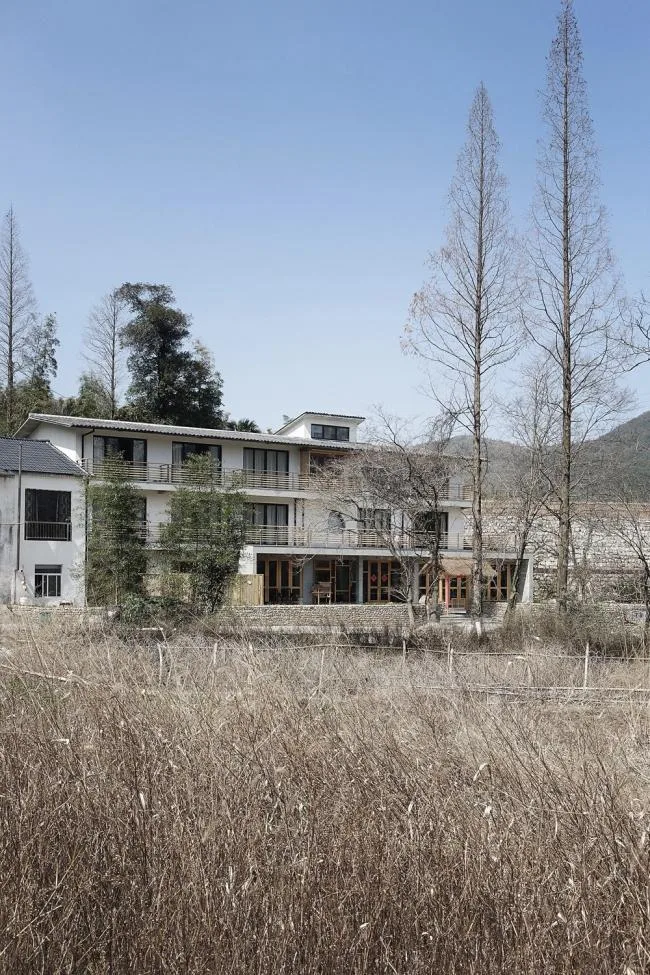
This particular location, named “Shanchuan Xiangju,” is situated in Shanchuan Township, Anji County, Zhejiang Province. The name reflects the village’s regional character. The site was once the homestead of two brothers, but the original house’s size and condition were insufficient for the hotel’s needs. After demolition, the building was completely rebuilt with an integrated design approach that includes architecture, interior, and landscape.
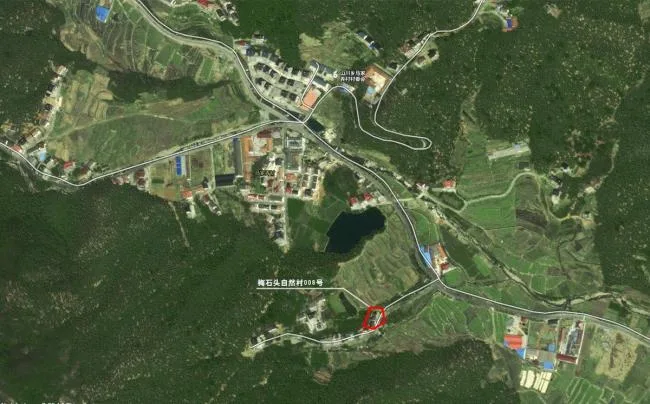
▲ Location of the project
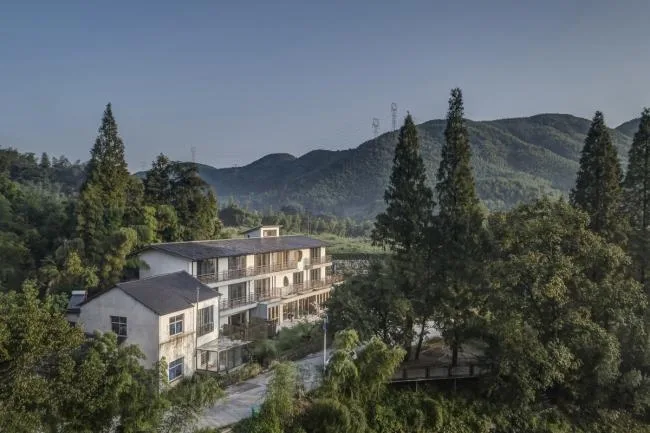
At the outset, the owner specified key design requirements:
They rejected the “minimalist” style that often sacrifices comfort and practicality for mere aesthetics, which many hotels adopt to appear visually appealing but end up being inconvenient and cold. The owner and designers agreed that a good architectural space should balance beauty with functionality.
The design needed to reflect local characteristics. Anji is nationally recognized as an ecological and tourism destination, famously known for the Great Bamboo Sea featured in Ang Lee’s “Crouching Tiger, Hidden Dragon.” President Xi Jinping’s environmental philosophy—”green mountains and clear waters are as valuable as mountains of gold and silver”—originated here, guiding Anji’s development and serving as a model for mountainous regions nationwide. This has attracted many vacation hotels and homestays that blend into the landscape and local culture.
According to local regulations, the total building area cannot exceed 870 square meters, and the eave height must be under 10 meters. The site features a steep slope, approximately 7-8 meters high, behind the building, which required excavation and stone masonry for slope protection while maintaining ample front courtyard space and a quiet distance from the village road. These constraints called for a compact building design without excessive non-functional spaces.
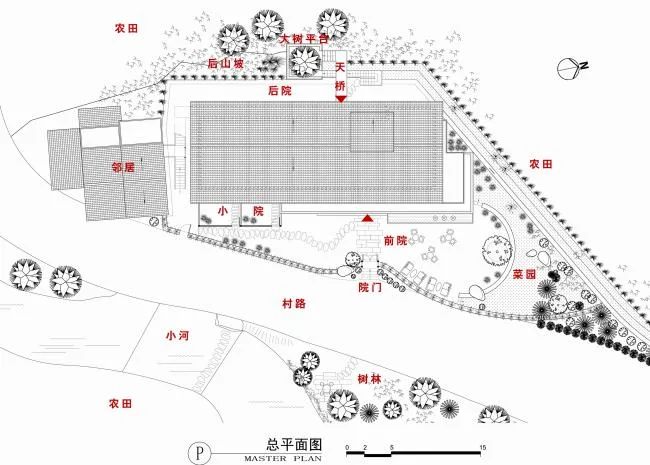
▲ General layout plan
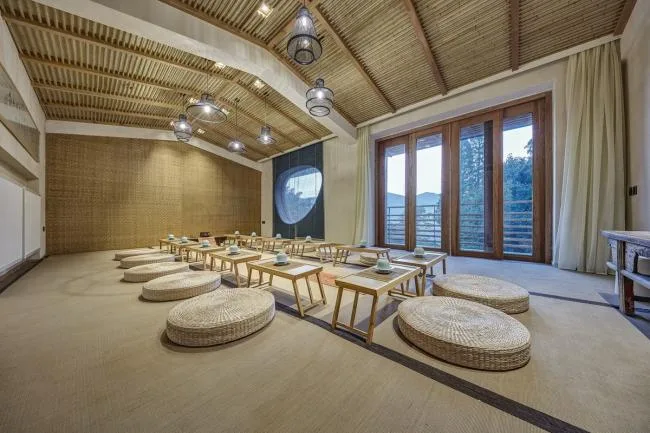
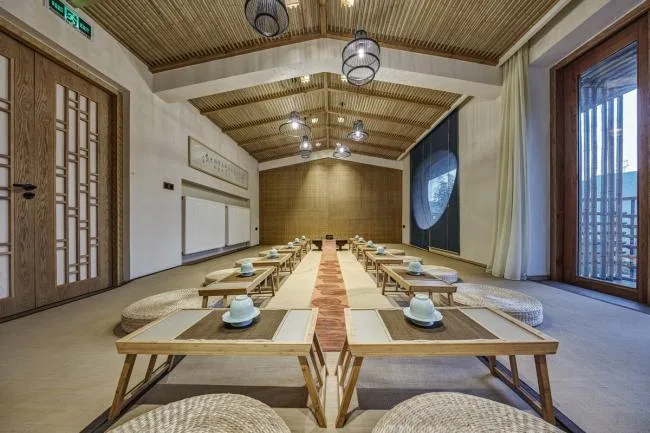
The functional program includes 11 guest rooms of varying sizes across three floors. The ground floor features an entrance living room, dining room, open kitchen and bar, coffee and reading room, and two guest rooms with bamboo-fenced courtyards. The second floor houses five guest rooms, while the third floor contains four guest rooms and a tea room. During construction, the owner added a rooftop attic as a personal meditation space.
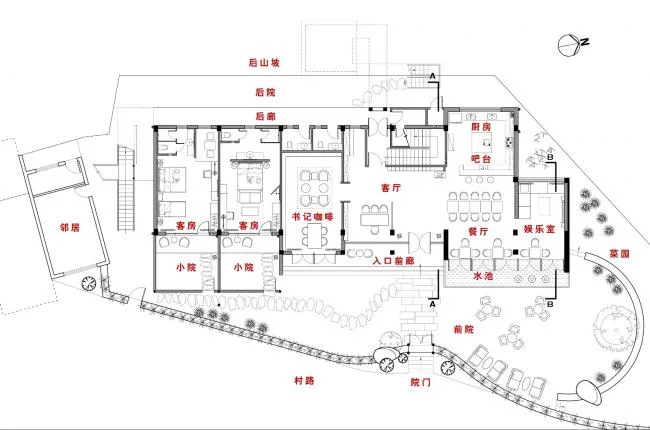
▲ First floor plan
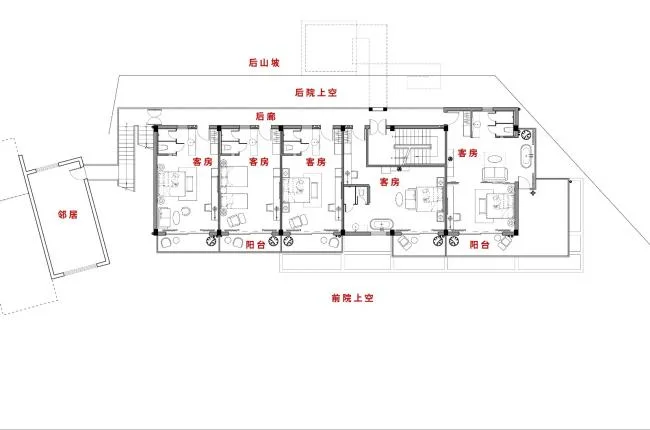
▲ Second floor plan
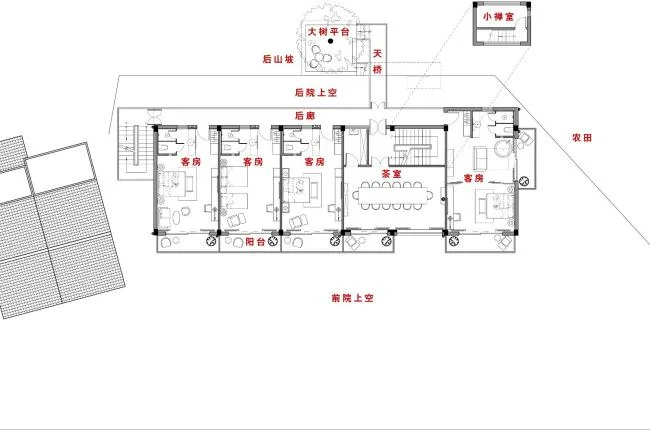
▲ Third floor plan
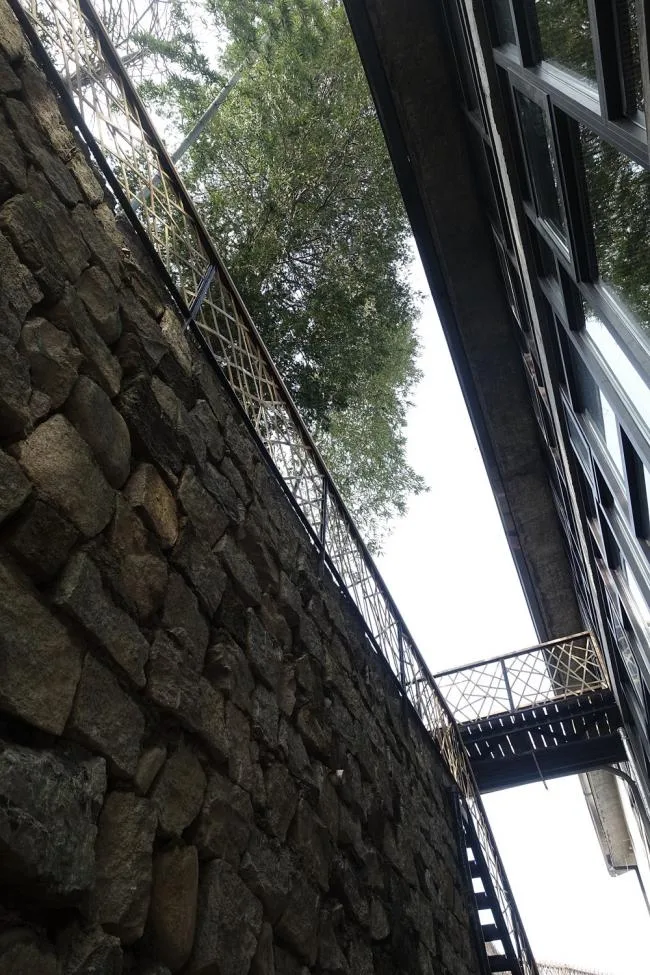
Behind the building stands a red cedar tree, reportedly the tallest in Anji County at about ten meters high. All agree it should be preserved and incorporated into the design. A steel pedestrian bridge connects the third-floor corridor to a platform beneath the tree, while steps from the first-floor backyard provide access, creating a relaxing space under its shade. The tree serves as a silent guardian of the courtyard, respected by all who visit.
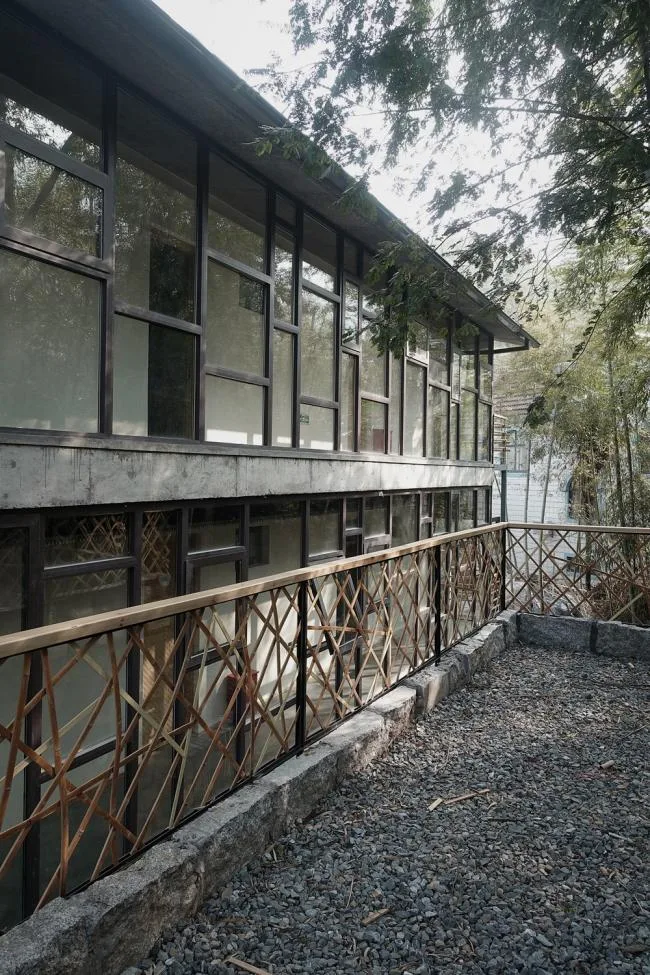
In response to the owner’s requirements, the designer adopted the following strategies:
Mies van der Rohe’s famous principle “Less is More” inspired minimalist design, but in many real-world projects, “less” does not always mean “more.” Some projects cannot achieve this ideal, and many do not require it. Therefore, this project did not pursue a strict minimalist approach.
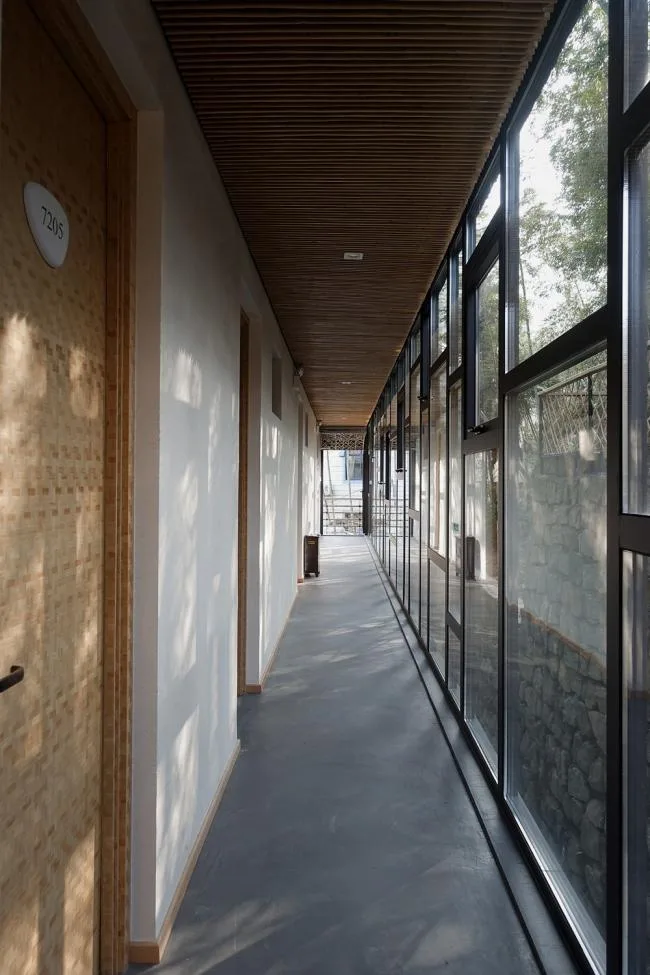
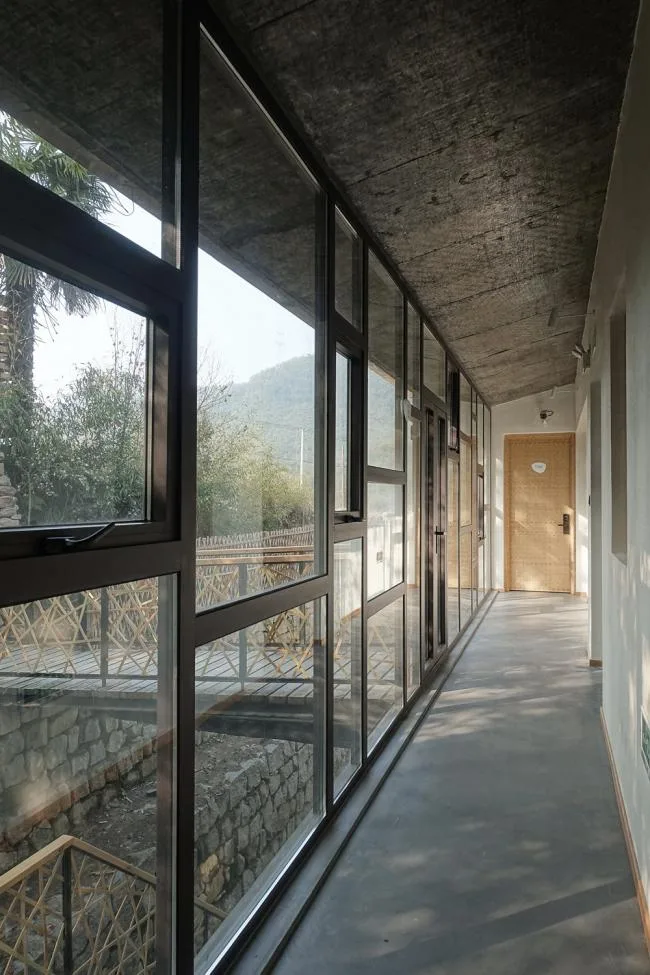
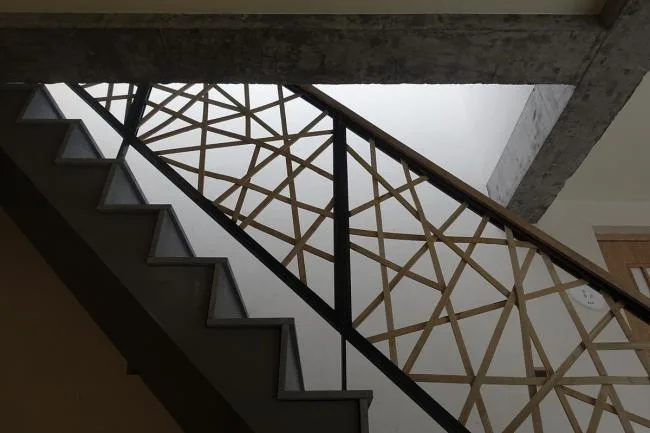
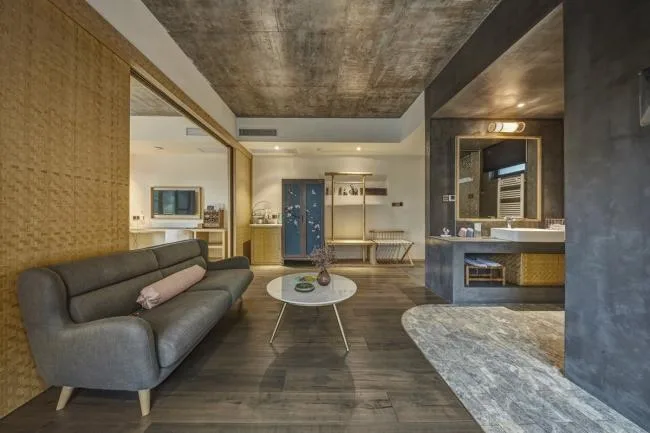
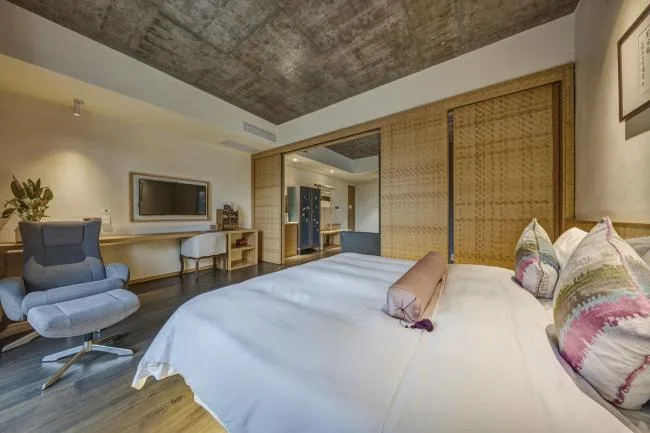
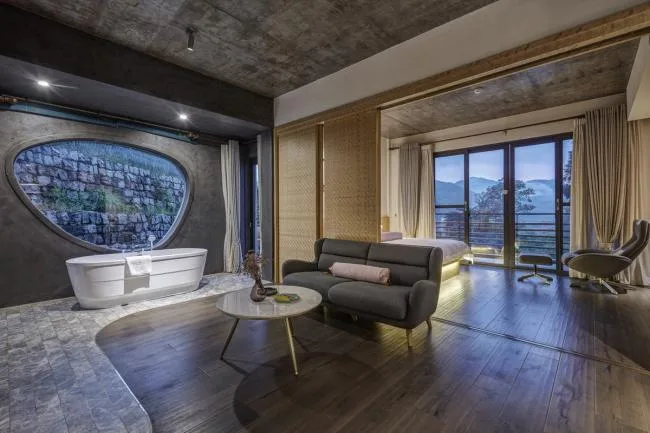
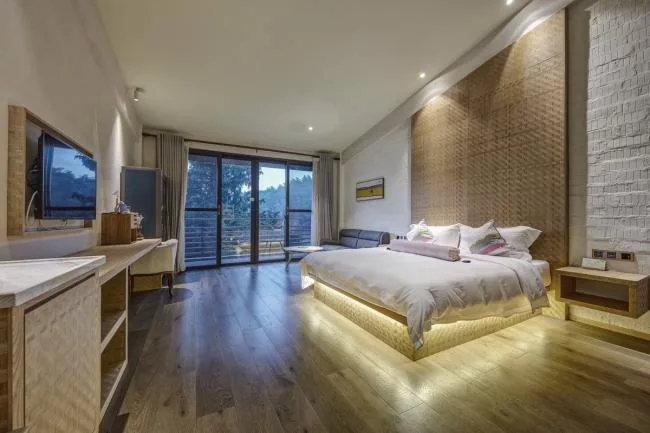
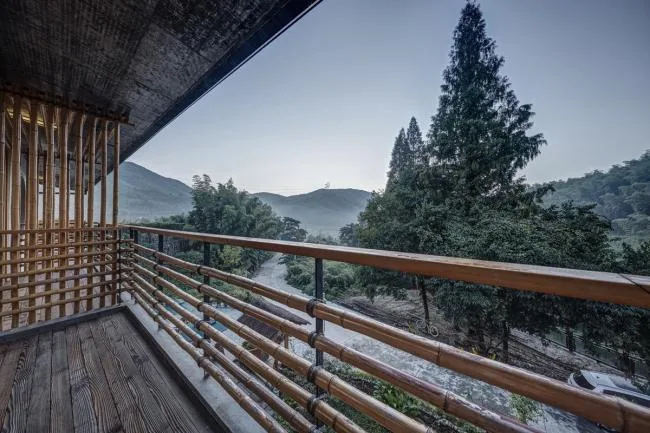
Conversely, architect Venturi’s philosophy “Less is a bore” highlights the pitfalls of excessive decoration, which can be costly and lack both function and aesthetic appeal. Such over-decoration sometimes comes across as vulgar and unpleasant. Hence, decoration was carefully controlled in this project, avoiding excess but not eliminating it entirely. Bamboo, a significant local element, is used thoughtfully throughout the building’s exterior and interior as the primary decorative material.
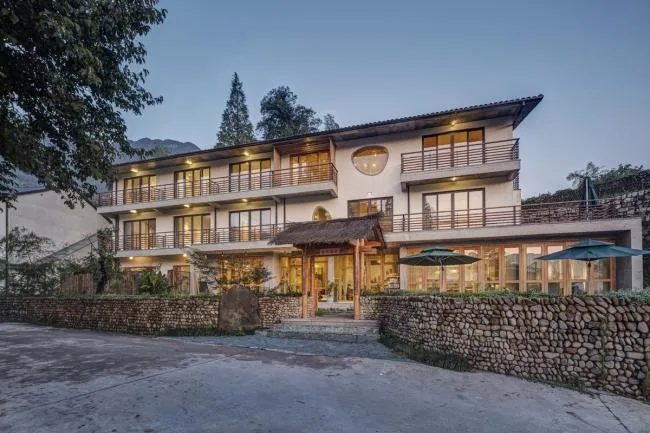
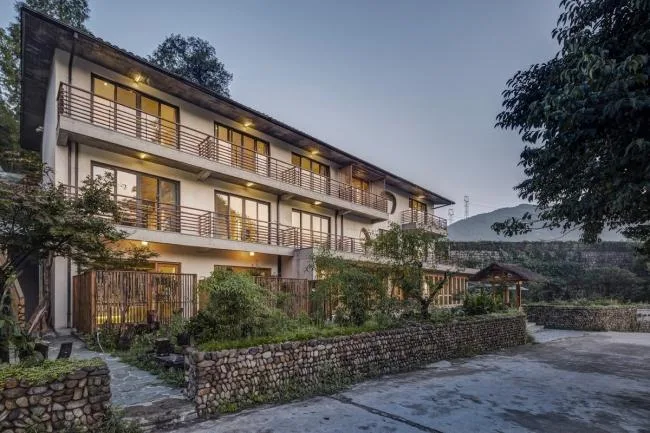
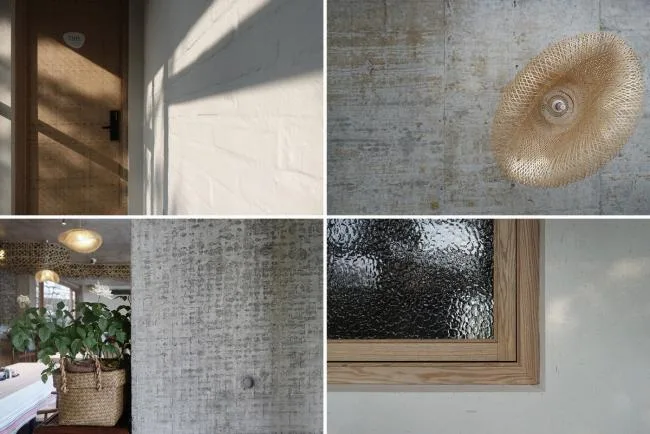
To express local character, the design draws on preserved cultural elements unique to Anji. Like many regions, Anji has lost some traditional architectural styles, with many rural houses now featuring tiled roofs that can feel uninviting to urban tourists. Traditional residences with pink walls and black tiles remain scattered in the area, and the design integrates these traditional features into the new building—not as an imitation of historic styles, nor to emphasize rusticity, but as a respectful nod to local heritage.
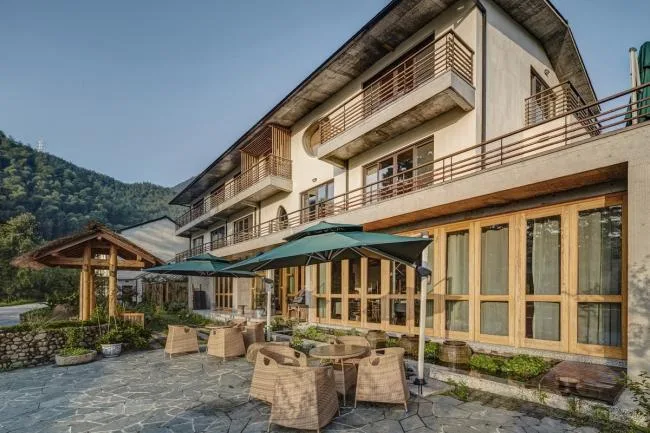
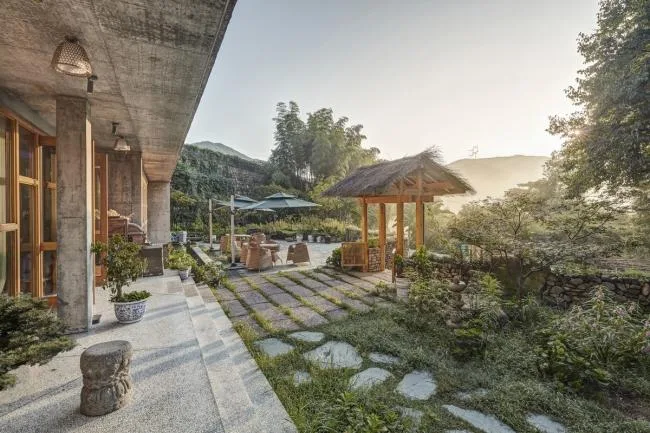
The project combines contemporary construction techniques and modern lifestyles. Reinforced concrete, the primary structural method used here, is widely adopted today and supports a spatial layout that aligns with current living habits. The building’s facade features simple rectangular volumes, with horizontal balconies and partial eaves creating subtle depth and visual interest. Natural concrete textures are left exposed, without concealment or imitation of Western industrial style, preserving an honest and straightforward aesthetic.
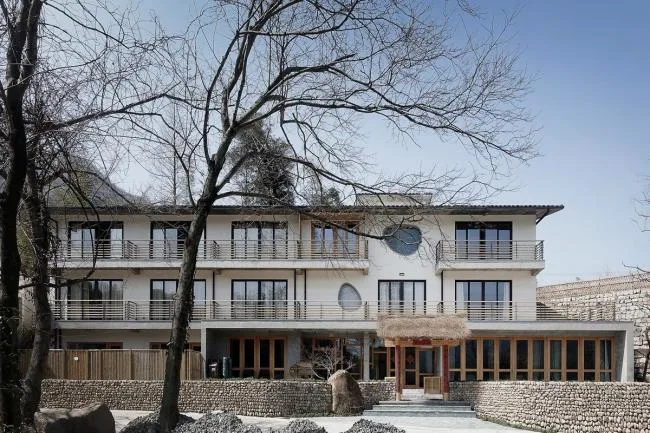
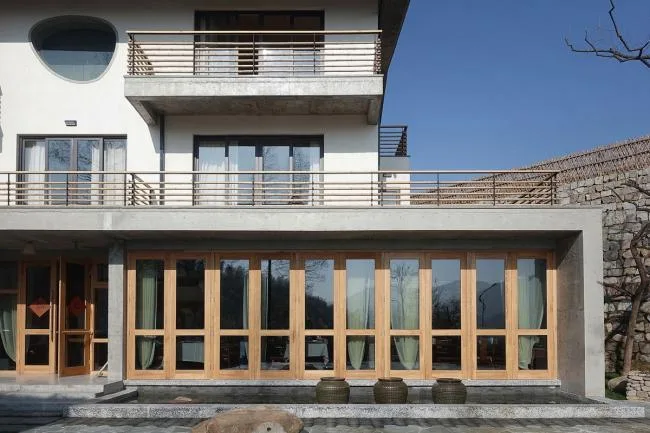
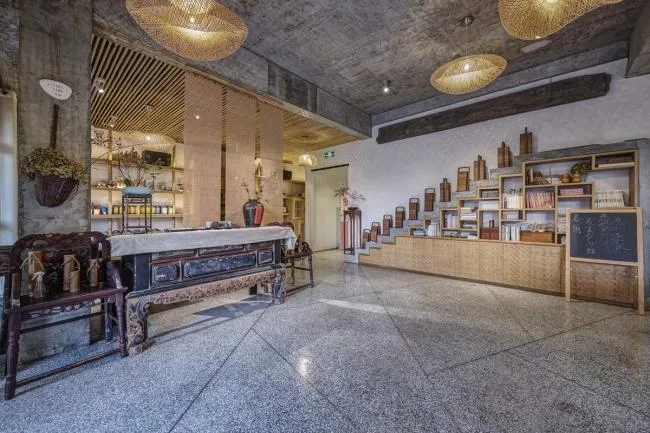
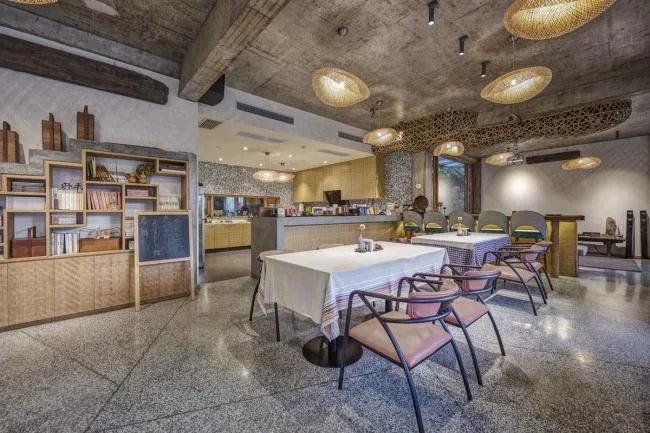
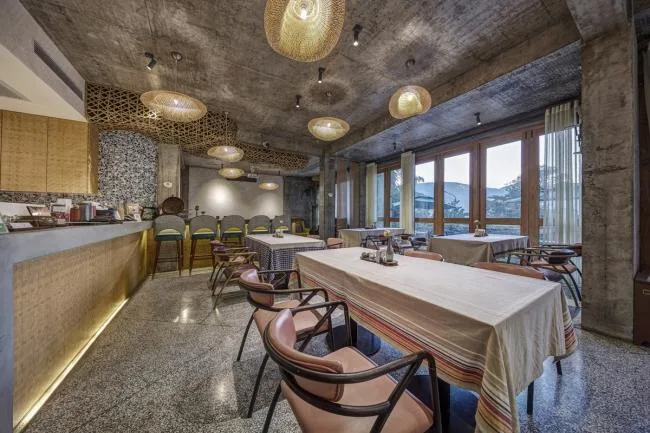
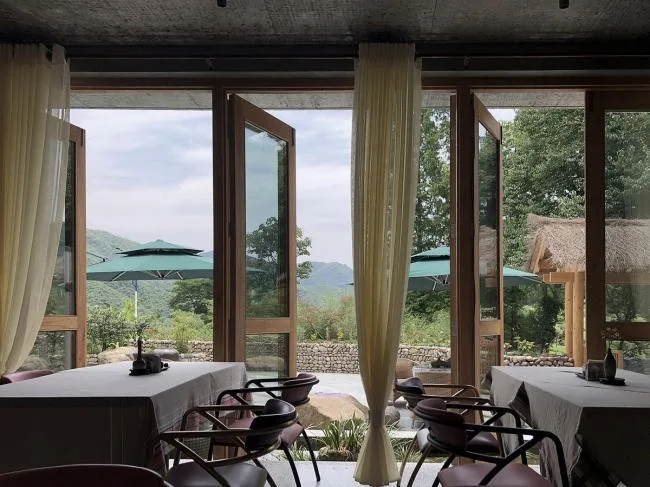
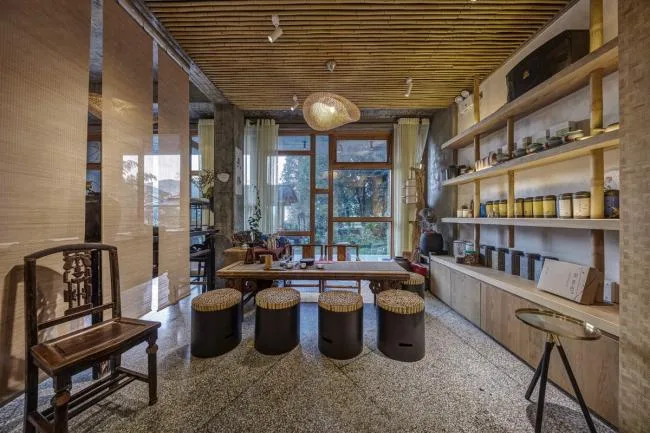
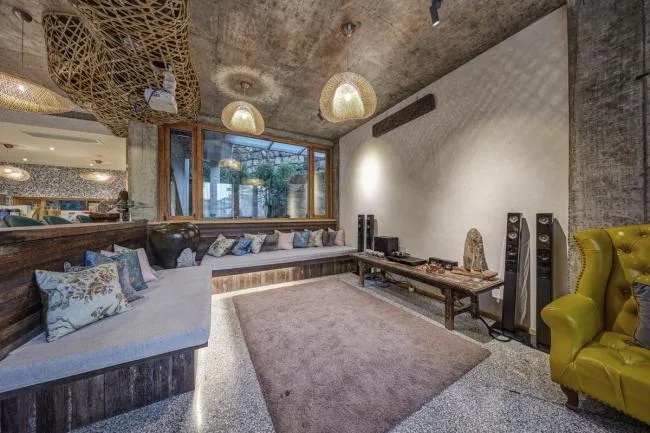
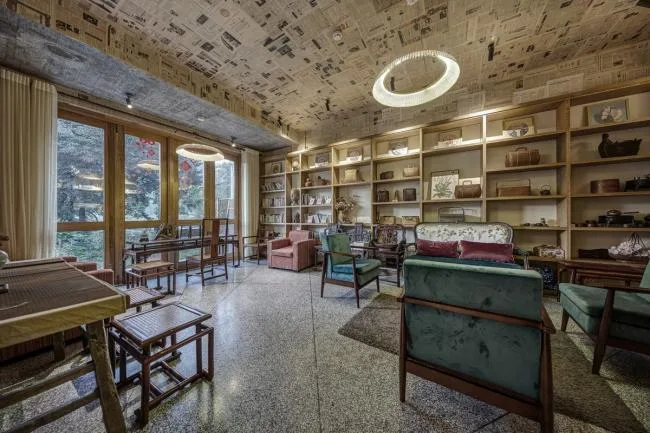
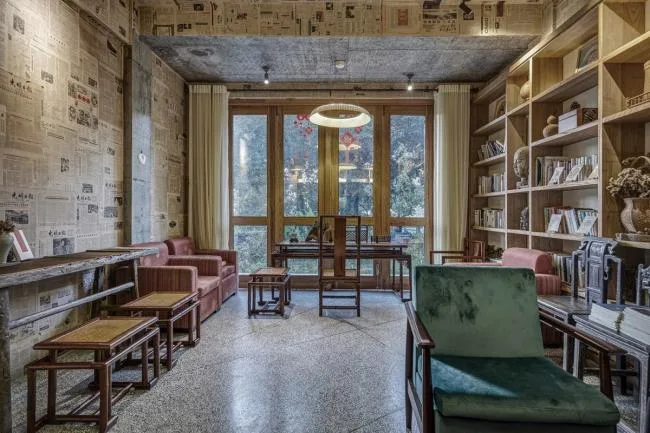
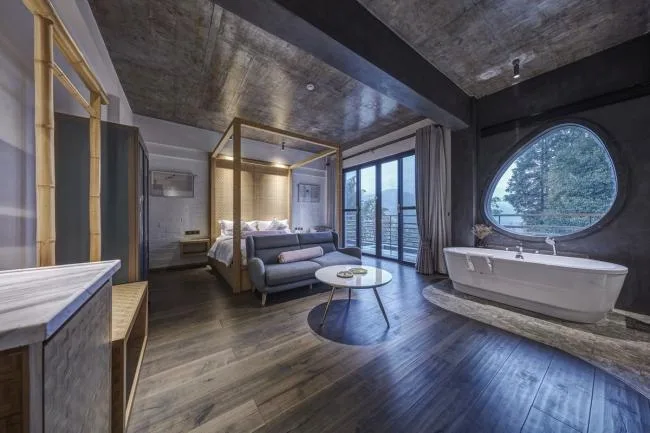
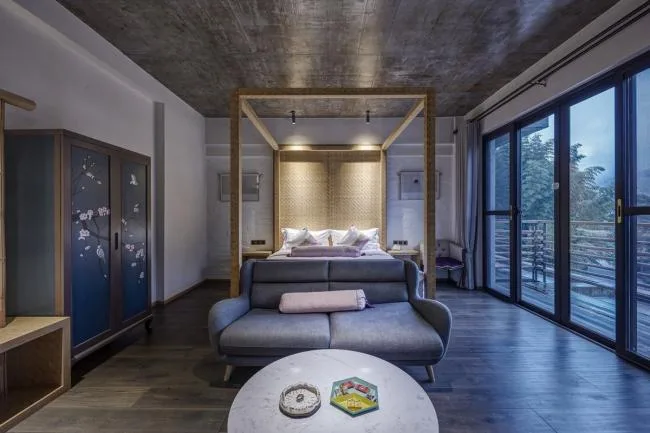
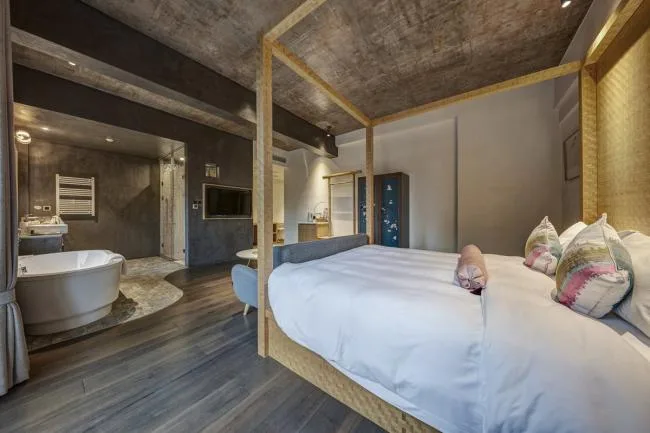
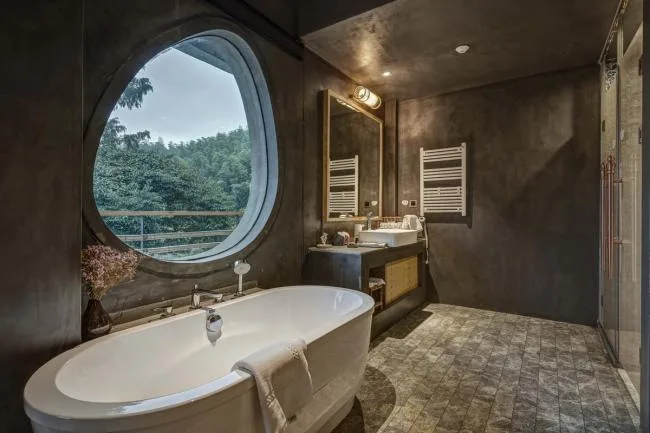
Together, these elements define the core character of this rural resort hotel: natural simplicity. This approach allows the creation of a quality small hotel without the burden of grandiose themes or forced promotion of “Chinese style” or “internationalization.”
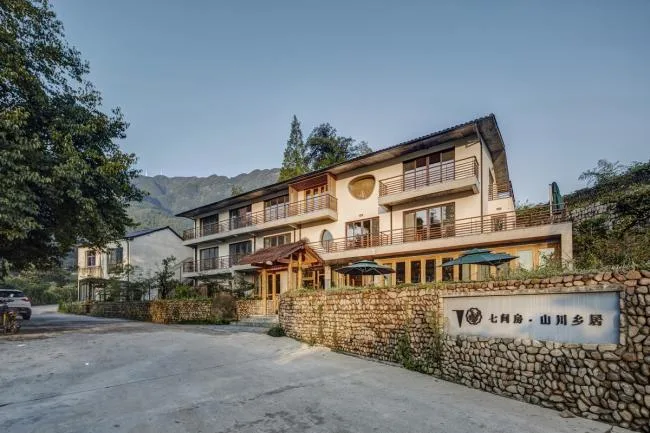
The construction process faced challenges, but the integrated architectural, interior, and landscape design ensured a cohesive atmosphere. The design phase simultaneously addressed interior and exterior, which helped maintain consistency.
During implementation, adjustments were made based on owner requests and site conditions, yielding some unexpected benefits and some unavoidable shortcomings. For example, some courtyard walls and gatehouses were not fully realized as planned in terms of scale and materials, reflecting minor lapses in measurement and control. Additionally, some furnishings and accessories leaned toward excessive refinement, slightly detracting from the intended simplicity.
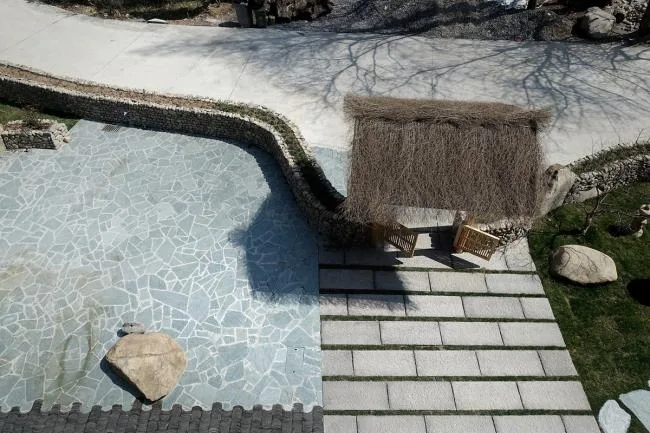
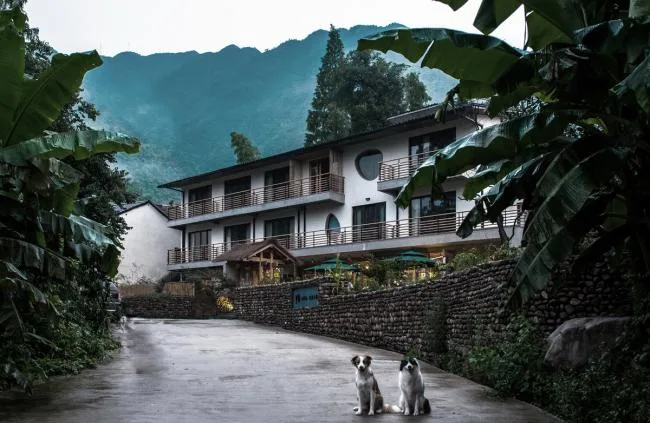
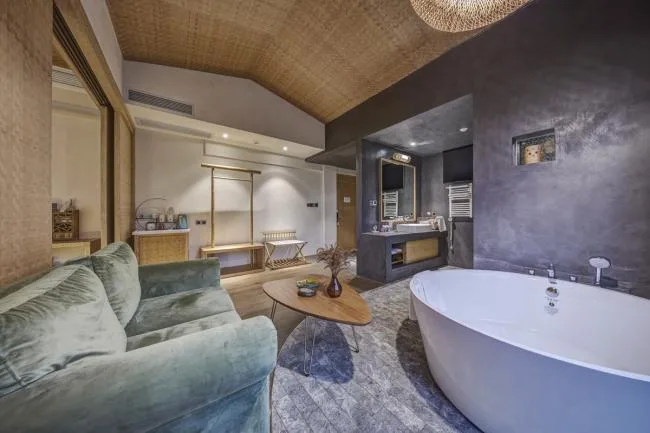
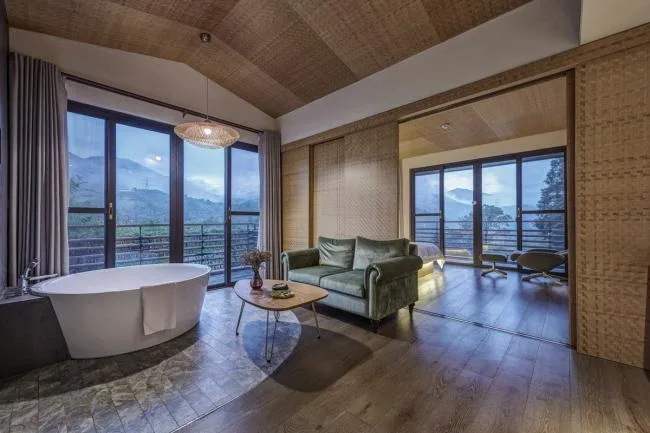
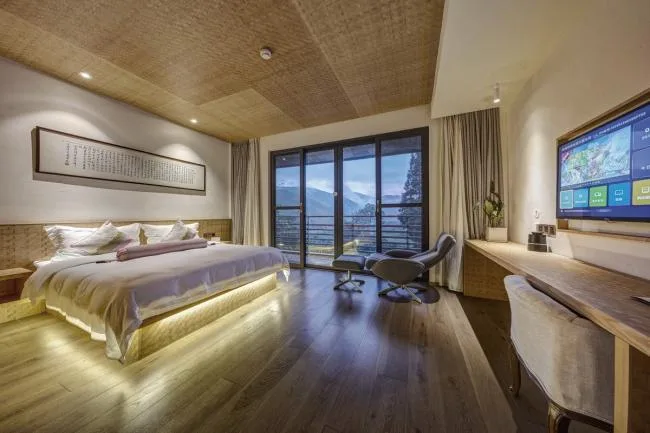
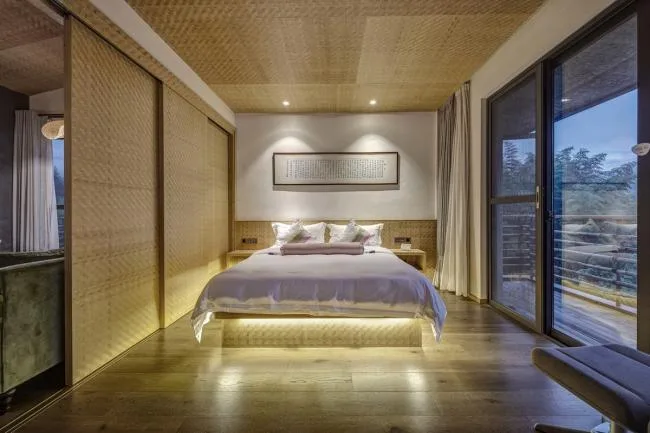
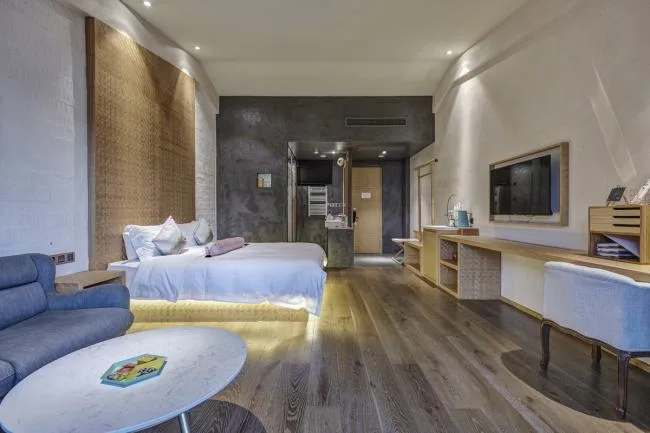
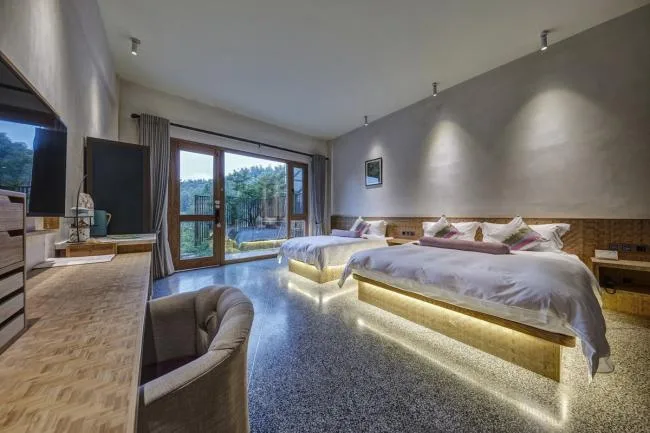
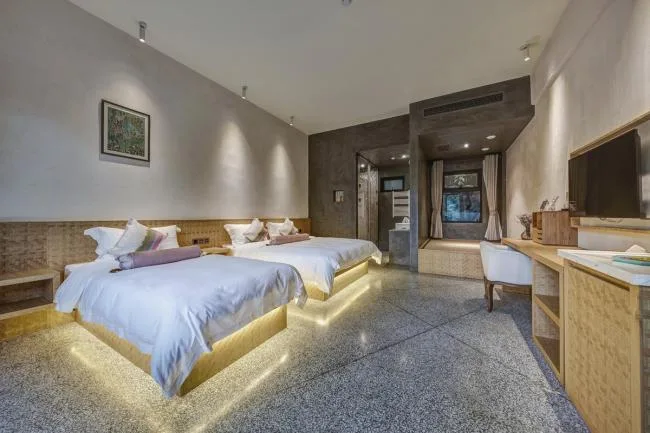
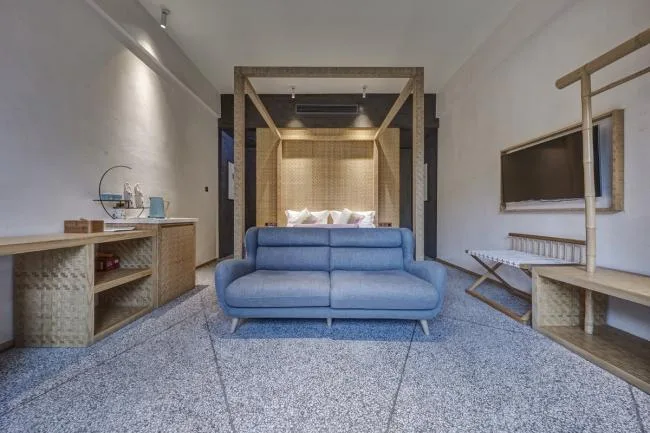
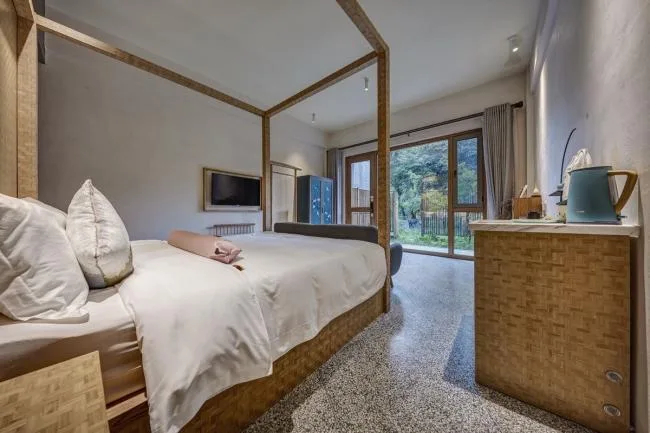
As the saying goes, design is an art that blends surprise and regret—much like life itself, which is a mix of excitement and reflection.
Project Drawings
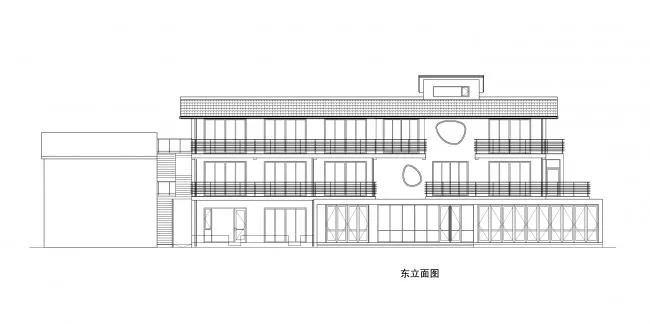
▲ East facade
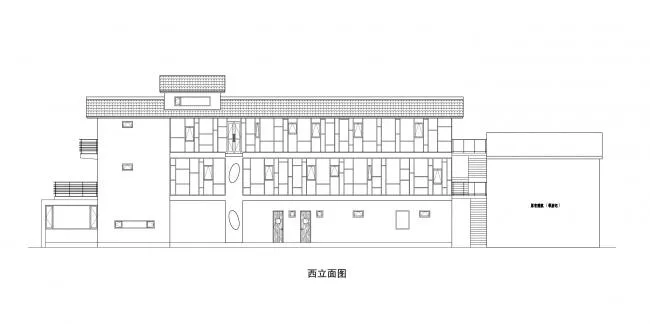
▲ Back (West) facade
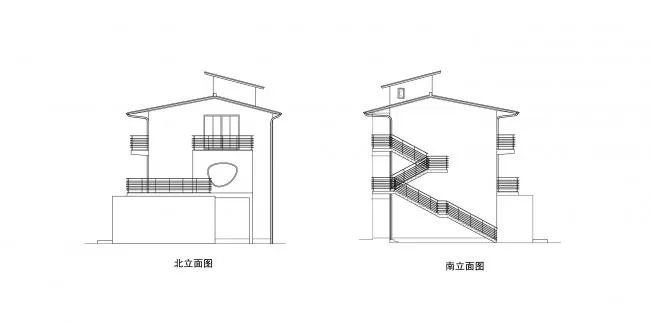
▲ Side (South, North) facades
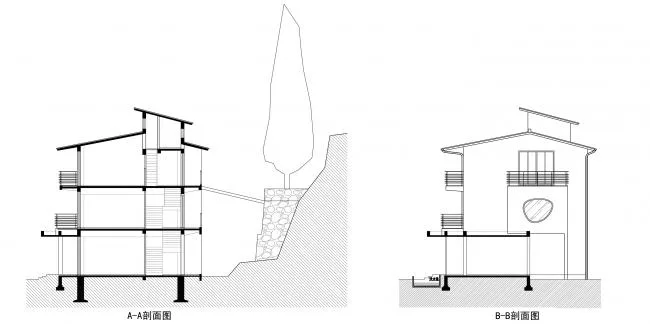
▲ AB section
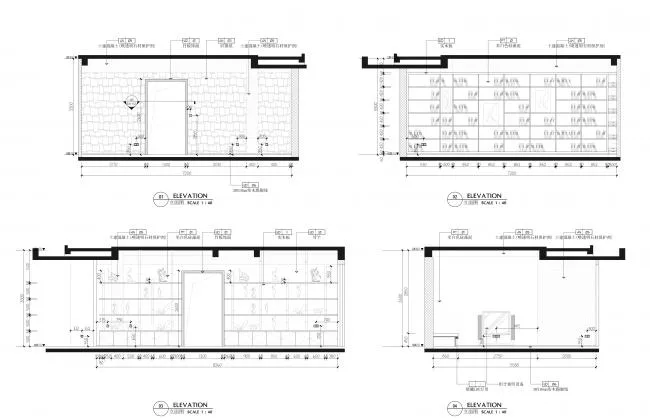
▲ 1F Secretary’s Coffee Room facade
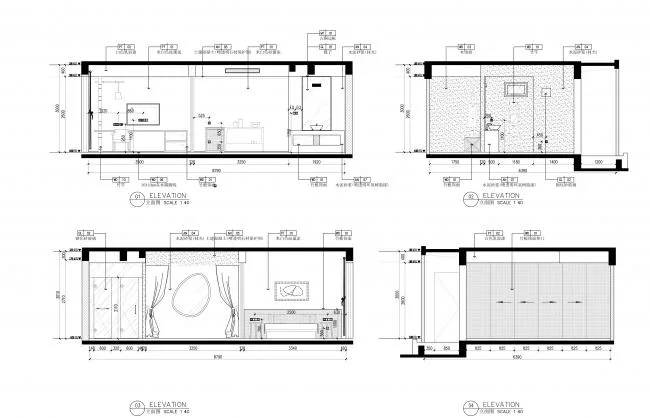
▲ 2F guest room interior facade
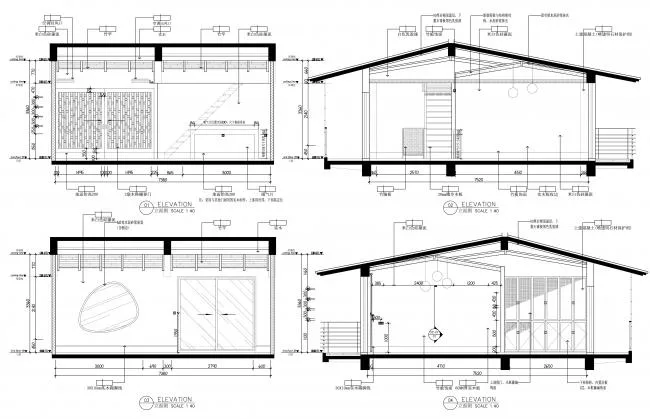
▲ 3F tea room interior facade
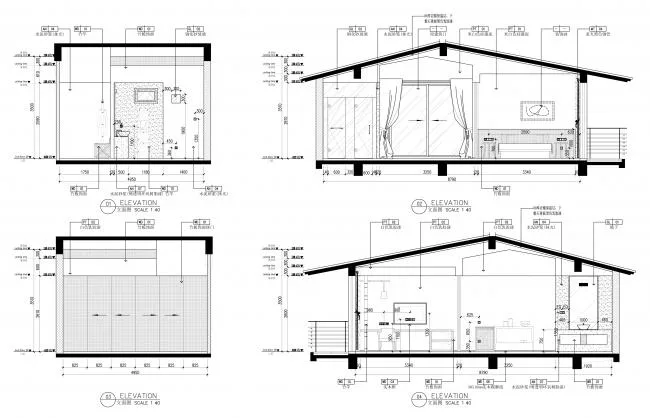
▲ Interior facade of 3F guest room
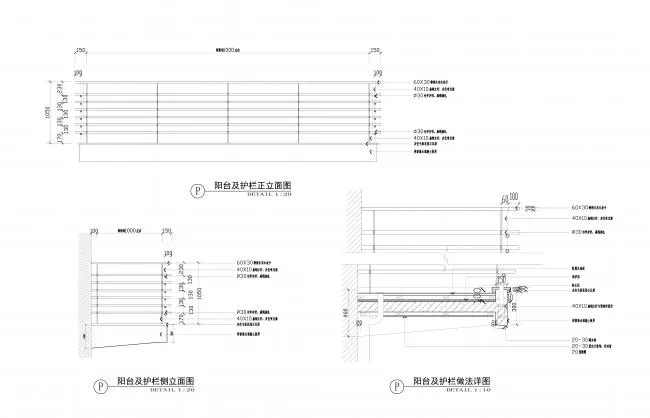
▲ Detailed balcony guardrail drawing
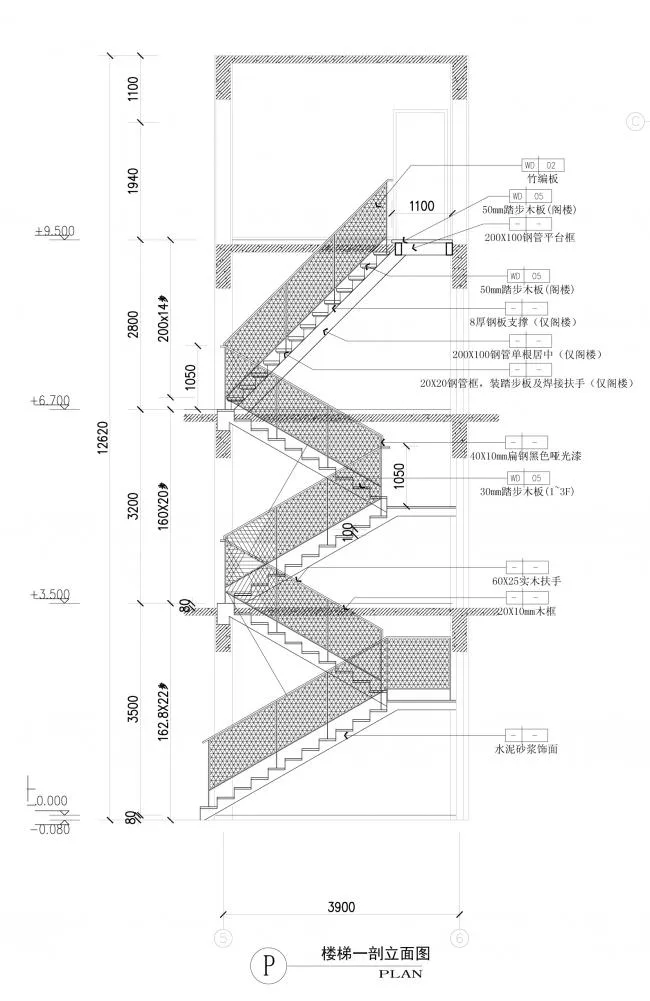
▲ Interior staircase decoration detailed drawing
Project Information
Project Name: Architectural, Interior, and Landscape Design of Anji Branch of Seven Room Rural Resort Hotel
Developer: Shanghai Seven Room Rural Resort Hotel Management Company
Location: Meishitou Natural Village, Majianong Village, Shanchuan Township, Anji County, Huzhou City, Zhejiang Province, China
Total Construction Area: 870 square meters
Scope of Design: Architecture, Interior, Landscape
Structural System: Reinforced concrete with partial steel staircase
Design Firm: Shanghai Shanxiang Architectural Design Co., Ltd. www.sxarchi.com
Design Director: Wang Shanxiang
Design Team: Wang Shanhui, Gong Shuangyan, Li Zhe, Ji Bin, Hu Jintao, Huang Guofeng
Structural Engineer: Chen Xiaofei
Hydropower Engineer: Ma Li
Construction Contractor: Zhejiang Anji Chen Xinghua Construction Team
Interior Decoration Contractor: Shanghai Changqing Construction Engineering Co., Ltd
Landscape Contractor: Zhejiang Anji Stone Art Garden Landscape
Main Materials: Concrete, steel profiles, paper-reinforced gray coating, small green tiles, wood, bamboo, glass, stone, terrazzo, etc.
Project Cost: Approximately 6.5 million RMB
Photography: Xiong Wei (chief photographer), Isaac Zhang, Wang Shanxiang
Completion Year: 2019













Must log in before commenting!
Sign Up