
Project Description
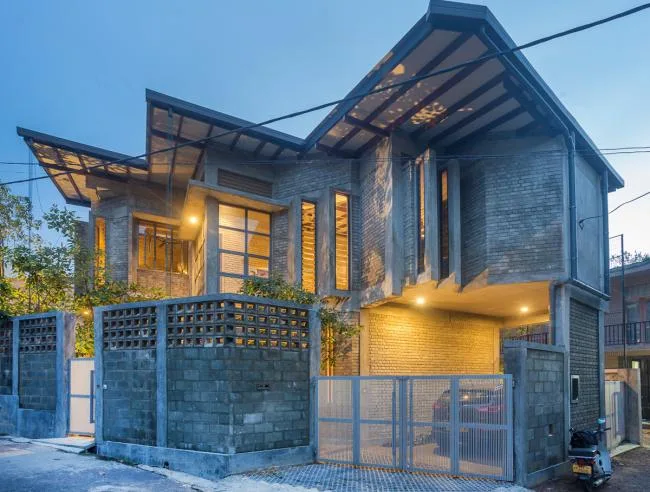
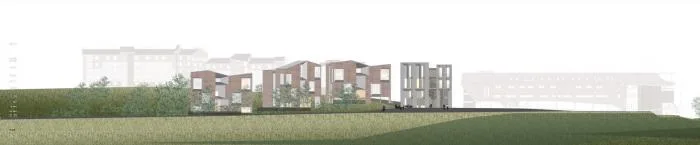
This project is situated on a typical suburban site: along both sides of the street, staggered plaster brick boxes are aligned along the building setback line, echoing the rhythm of bricks and roof tiles. The site is bordered by existing houses on both sides and a main road to the east. The density and close proximity of neighboring homes pose challenges that this project addresses thoughtfully.
Located among separated one- to two-story older homes, this residence begins its story with a towering living room facade that stands out in the neighborhood.
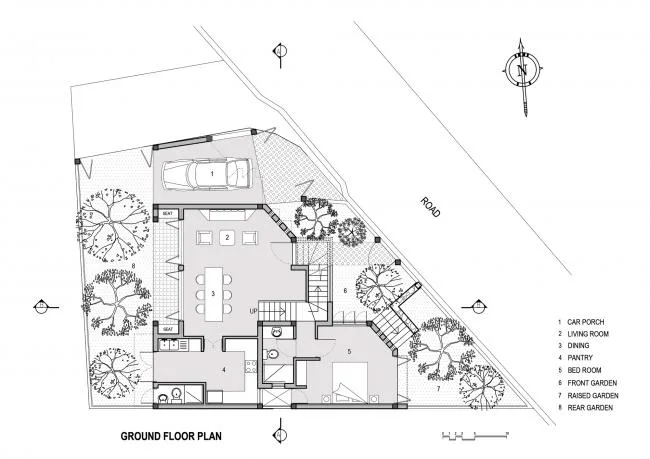
▲ First floor plan
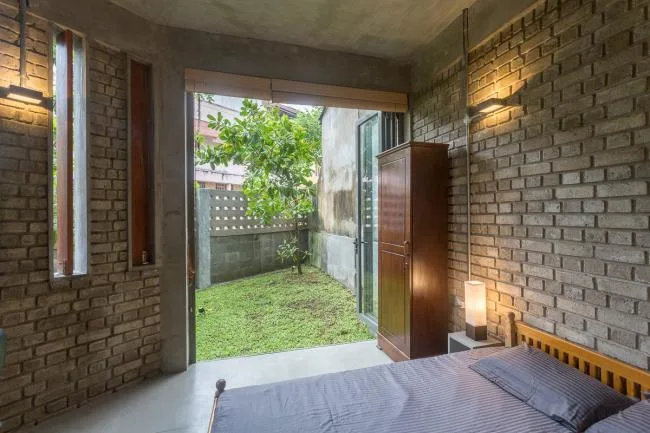
The Pagoda House encloses its transparent interior within a raw concrete structural frame, wrapped by an unpainted cement brick shell. At the rear, the house features a living and dining room on the first floor, with a kitchen and bedroom located upstairs. From the living and dining area, looking west reveals the backyard and the guest room opposite.
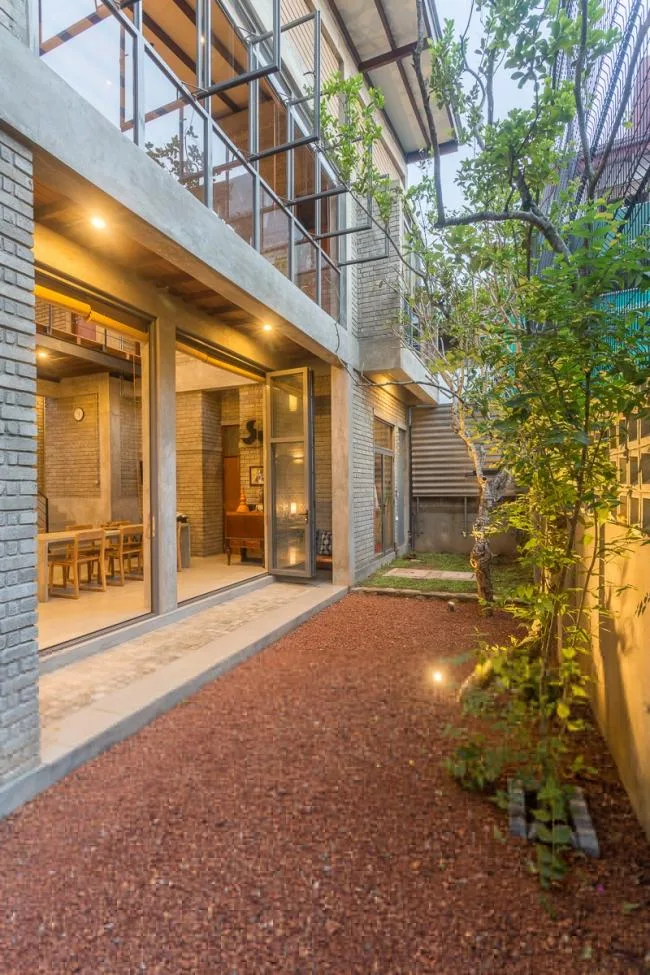
This building explores the use of cement bricks—a relatively new material to the Sri Lankan market—to impart a unique character while harmonizing with the colorful rows of neighboring houses. The design aims to create a subtle, ‘invisible’ presence through a neutral backdrop.
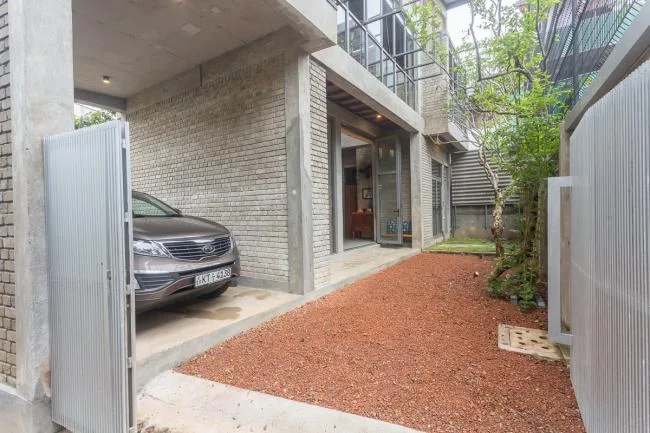
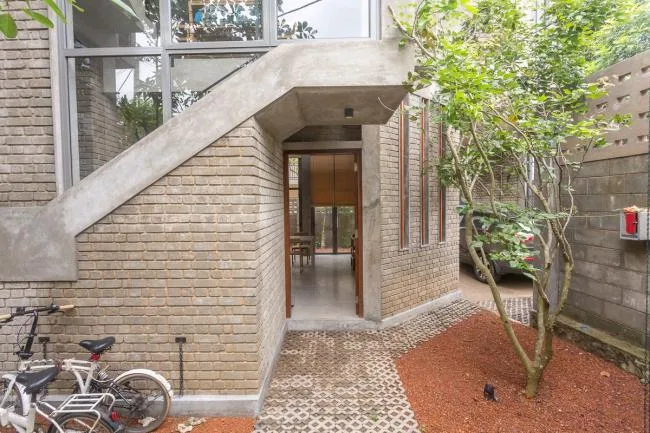
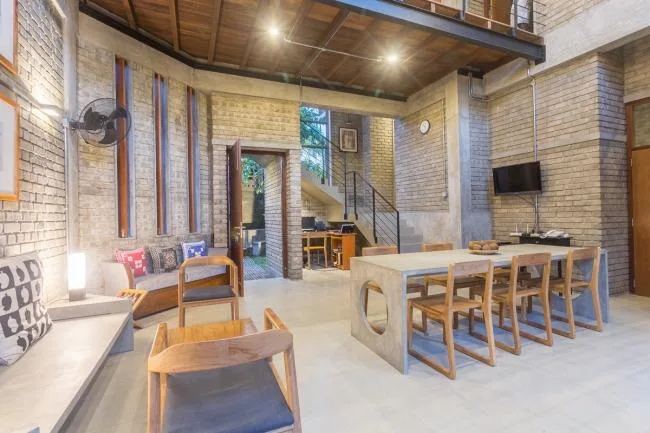
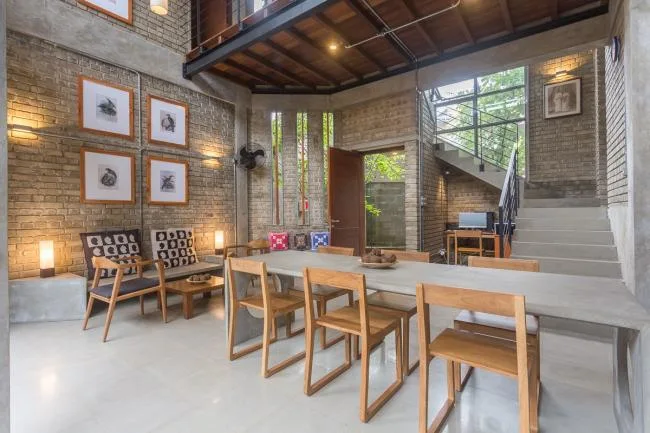
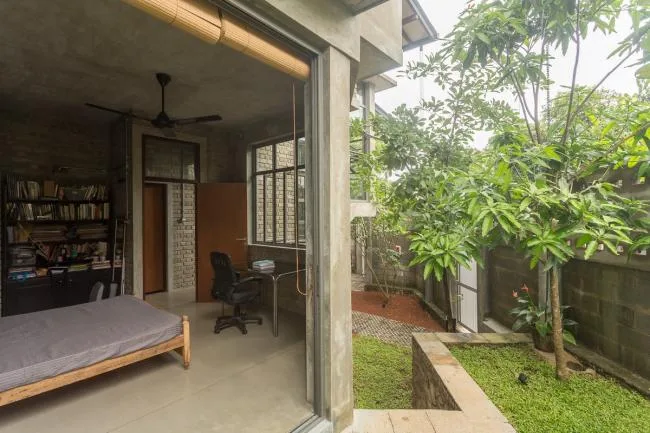
The design features a single-sloped aluminum zinc roof that follows the road’s contour. The double-height living room physically and visually connects the two floors of this compact home.
Eight fruit trees, which can be replanted, are incorporated into the front and back yards to introduce urban wildlife and greenery into the surrounding environment—an intentional contrast to the high-density outskirts of Colombo in Nuguda.
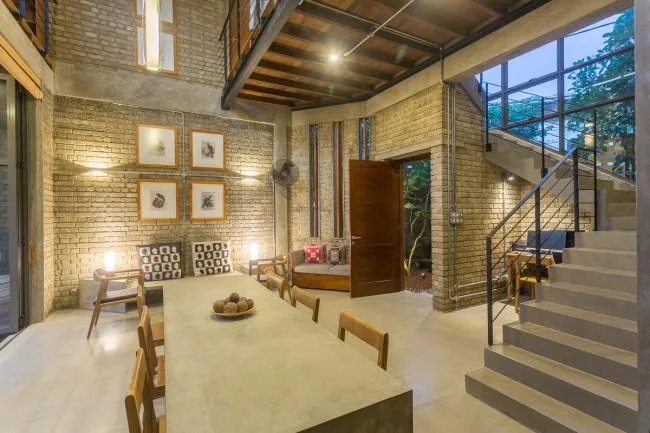
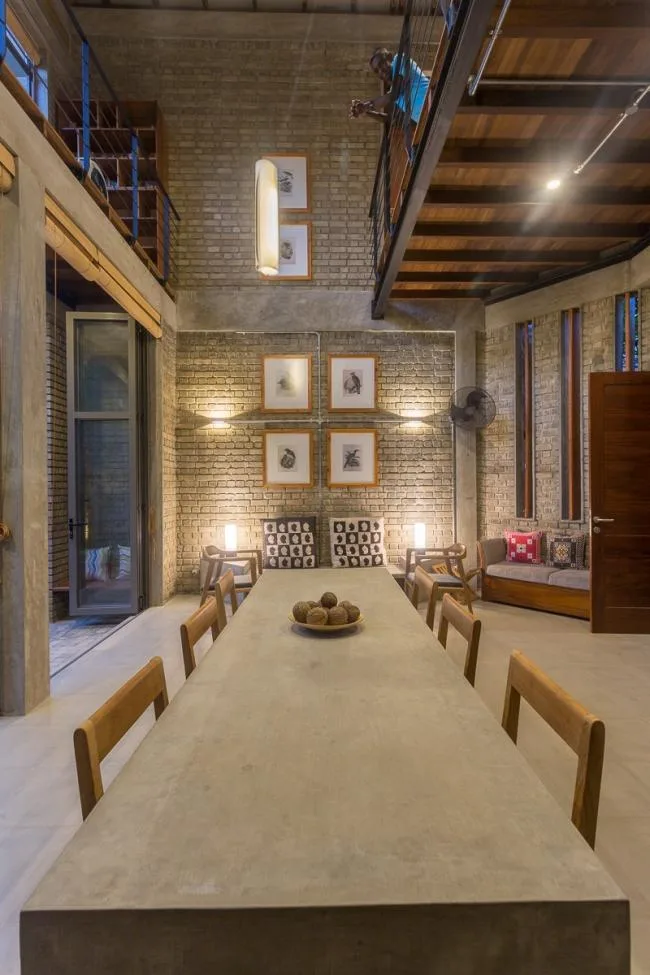
The house’s unique features include a cantilevered staircase leading to the main entrance and glass louvers shaped trapezoidally to mimic the triangular plot of land. This combination of architectural elements and cantilevered triangular windows gives the building a mechanical, “living machine” aesthetic, as the famous architectural adage states: “A house is a living machine.”
Materials, Structure, and Construction
Material choices were guided by budget constraints, focusing on affordable yet durable and wear-resistant products rather than more advanced materials optimized for climate and longevity. This approach taps into Sri Lanka’s characteristic imperfect construction culture, bringing renewed vitality to the project.
From a construction economics perspective, simple cement brick walls form the core foundation. Their relevance lies in their ability to improve over time. The palette of aluminum, glass, concrete, and cement bricks adds tactile quality to the new home. Thoughtful detailing and the choice of cement bricks support both conceptual continuity and aesthetic coherence while being cost-conscious.
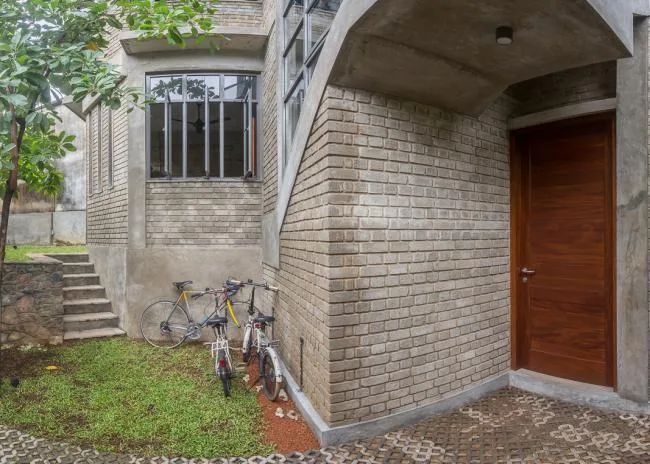
The demand for simplified construction combined with exposed brick aesthetics, driven by tight budgets, became the economic foundation of this architecture. Overall, the Pagoda House balances solid and void spaces, forming its distinct shape through the careful assembly of cement bricks, concrete, aluminum, and glass.
Significance and Impact of the Project
The Pagoda House draws inspiration from the concepts of incompleteness and contrasting textures. The delicate cement bricks and glass contrast with the aluminum frames and the neatly painted ceilings throughout the home. Designed as a residence, it prioritizes natural ventilation and daylight while maximizing usable space for added value.
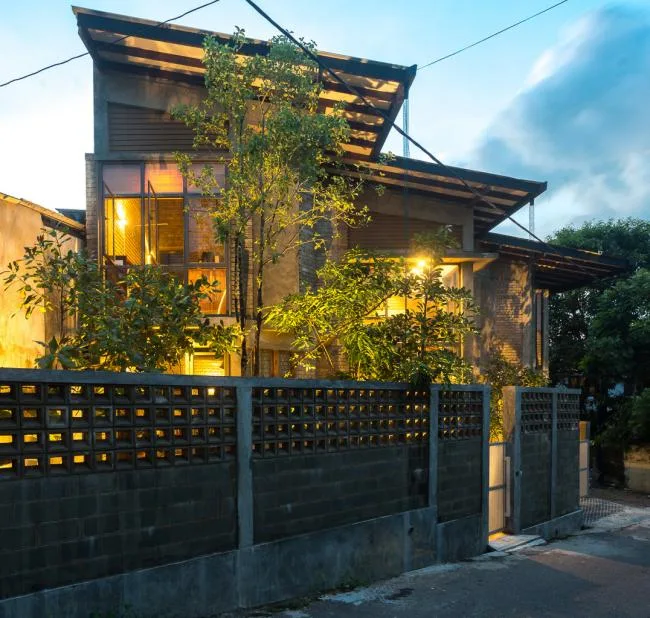
Maintaining economical construction while achieving the envisioned raw, unprocessed aesthetic posed a challenge. The building’s structural order serves as a decorative element in its outer shell, creating color tone harmony throughout.
Preserving the house’s structural integrity as an architectural feature remains relevant both economically and aesthetically, delivering a balanced and refined effect.
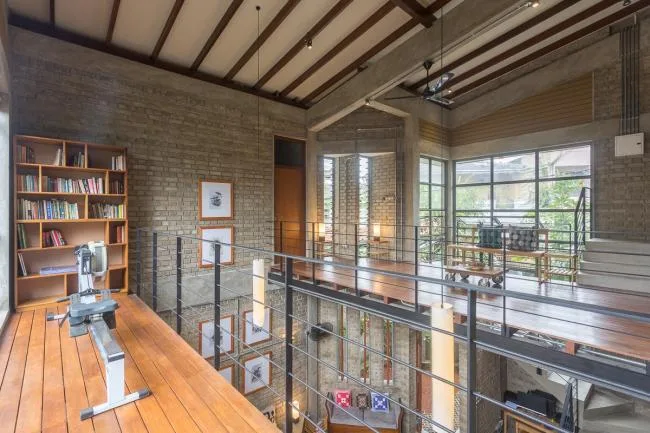
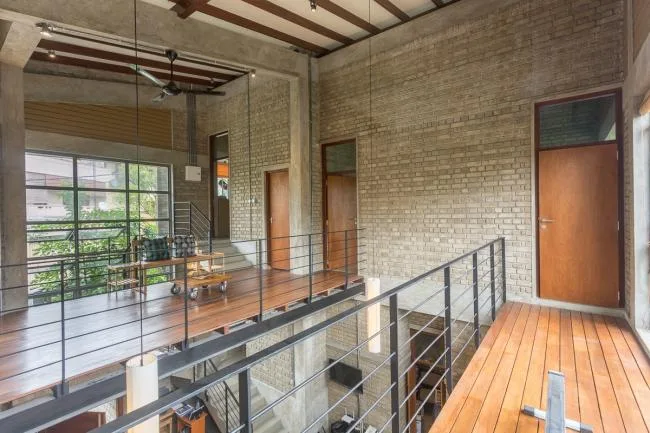
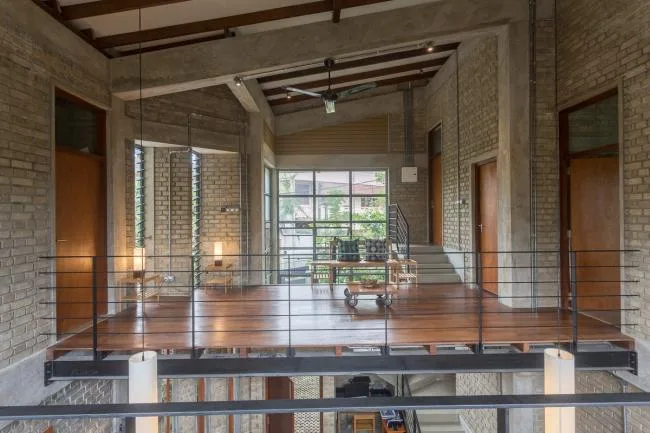
Architecture here distinguishes every natural or constructed element based on texture and spatial character. This intentional search for cost savings embraces finishes that appear ‘still under construction’—less polished but thoughtfully executed. The project’s form is shaped by its specific site context, materials, and treatments selected to optimize function and economy over time.
For committed architects, site context includes budget constraints and functional relevance.
The Pagoda House exemplifies how site characteristics drive design and shape. It is intended to age gracefully, embracing the colors and life of those who inhabit it. Much of the architecture is concealed by leafy front yard landscaping, yet the true value lies in how light and tactile sensations define the space.
This design exploration balances functionality and spatial experience, enhancing the sense of touch.
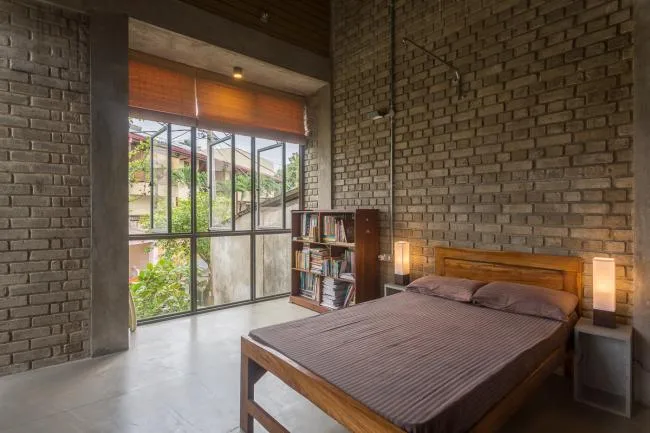
In summary, the Pagoda House embraces raw, unfinished details, enriching our understanding of how materials age and develop texture in the Asian monsoon climate. The home achieves a delicate balance of gray, black, white, concrete, and time.
Designed with natural ventilation, functionality, and economic building methods suited to tropical humidity, this is a remarkable, sustainable, and visually concise design. As a pioneering model, the Pagoda House maximizes local materials and minimizes costs, demonstrating a philosophical commitment to expressing ‘texture’ through economic means.
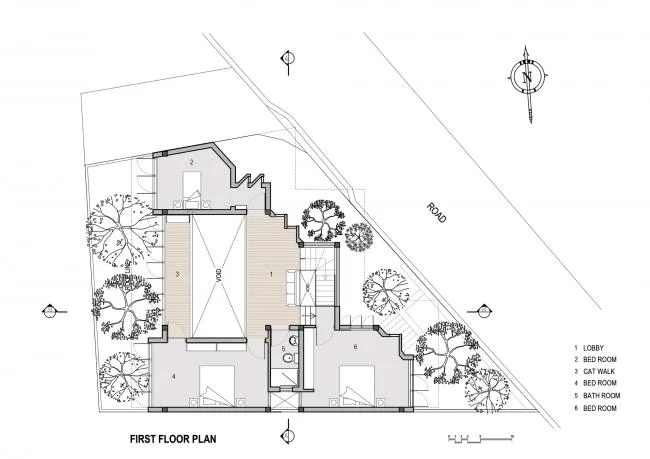
▲ Second floor plan
Project Information
Project Type: Villa Interior, Sustainable Development
Location: Novoguda, Sri Lanka
Architect: Chinthaka Wickramage Associates
Area: 223.0 square meters
Project Year: 2018
Photographer: Kesara Ratnavibhuhana Photography
Lead Architect: Chinthaka Wickramage
Owner: Dr. Vajira Dharmawardhane
Structural Engineer: Ranjith Wijegunasekara
Producer: Sunanda Gnanasiri













Must log in before commenting!
Sign Up