
When you hear the term “green buildings,” what keywords come to mind? Perhaps low carbon emissions, energy efficiency, pollution reduction, environmental protection, sustainable development, minimizing ecological damage, maintaining ecological balance, and lowering greenhouse gas emissions. Naturally, the color green might also come to mind.
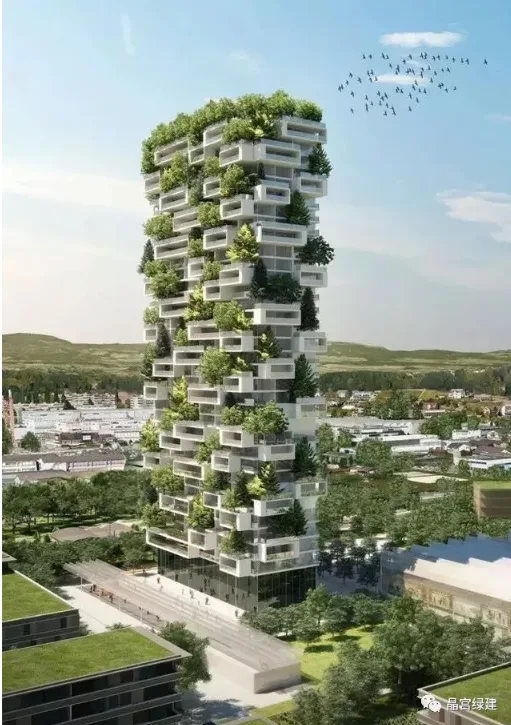
So, what exactly is a green building?
The world’s first green building standard was introduced in the UK in 1990. The definition of a “green building” has since become clearer: it is a building designed to maximize resource conservation—covering energy, land, water, and materials—while protecting the environment and reducing pollution throughout its entire lifecycle. Such buildings provide healthy, comfortable, and efficient spaces for occupants and promote living in harmony with nature.
In 1992, during the United Nations Conference on Environment and Development held in Rio de Janeiro, Brazil, green buildings emerged as a key development goal. This marked a shift in architectural design, moving beyond just aesthetics, space utilization, structure, and color, and instead embracing an ecological perspective. Architecture began to be viewed not merely as an inanimate object but as an organic part of the ecological cycle.
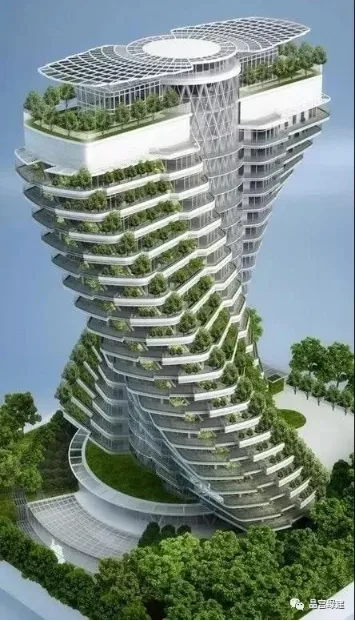
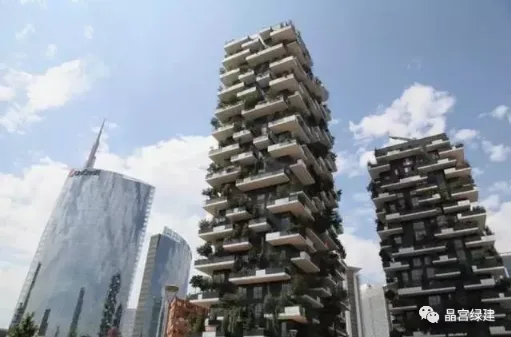
Is this the “green city” you envision?
Following this, several milestones occurred: the United States established the Green Building Association in 1993; Hong Kong introduced its own standard for prefabricated components in 1996; Taiwan followed with its standards in 1999; Canada introduced green building standards in 2000; and China launched the “National Green Building Innovation Award” in 2004.
Since then, the concept of “green buildings” has gained widespread recognition and adoption. Beyond architects and industry professionals, the general public has also become increasingly aware of how green buildings relate to the cities they live in.
Green buildings go beyond simple ideas like planting flowers, rooftop gardens, and landscaping. The term “green” also embodies a lifestyle and philosophy, incorporating guiding principles and technology aimed at minimizing environmental damage during construction, maximizing natural resource use, and preserving ecological balance.
While cost-effectiveness and efficiency remain key priorities in real estate development, there is a growing emphasis on adopting green trends.
Sustainable development and eco-friendly principles are becoming standard in architecture and continue to evolve and branch into new directions.
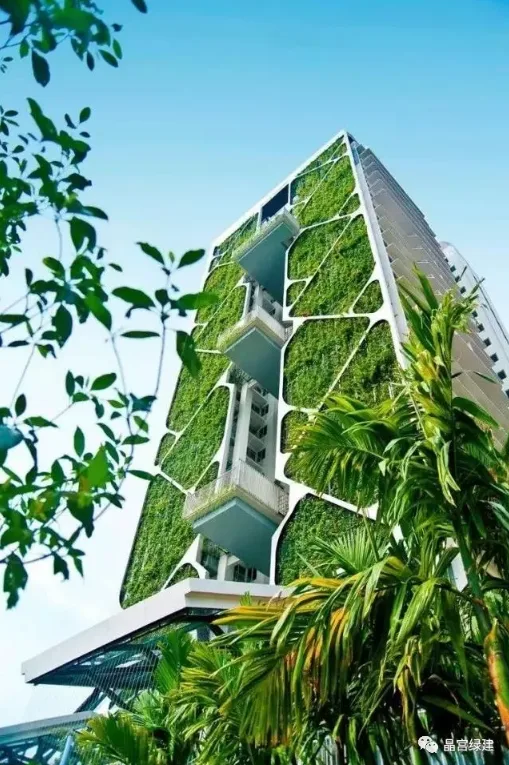
Can prefabricated buildings become the future of green construction?
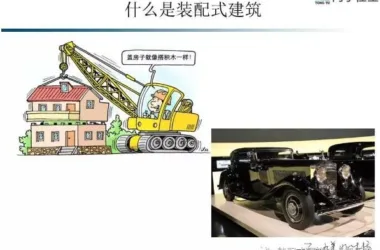
Prefabricated buildings have become the dominant construction method in many developed countries. As a product of industrial civilization, prefabrication encompasses comprehensive systems in design, materials, manufacturing, and more. It represents a natural progression in the evolution of the construction industry.
Currently, China is actively promoting prefabricated buildings that meet the new standards for green and smart cities. The “13th Five Year Plan for Prefabricated Buildings” aims for over 15% of new constructions to be prefabricated by 2020, with more than 50% of prefabricated buildings using green building materials. This initiative has accelerated nationwide, with various provinces and cities implementing region-specific green building plans and emphasizing prefabrication in key urban centers.
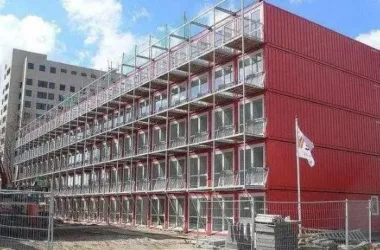
Compared to traditional construction, prefabricated buildings offer superior energy efficiency and environmental benefits, particularly concerning water consumption, construction wastewater, and waste reduction. Their industrialized production results in shorter construction periods and aligns well with green building principles.
In countries like Japan, North America, and Europe, prefabrication rates reach between 50% and 75%, while in China, the rate remains around 15% to 20%. This indicates substantial growth potential for China’s prefabricated construction market.
The Chinese government continues to support prefabricated construction through policies encouraging factory manufacturing, waste reduction, and resource recycling. Despite the vast market potential, strict technical requirements pose significant challenges for enterprises.
Compared to traditional cast-in-place methods, prefabricated buildings reduce maintenance costs significantly, save approximately 50% of water, reduce mortar use by about 60%, wood by around 80%, construction energy consumption by 20%, and construction waste by over 70%. They also dramatically decrease dust and noise pollution. The total construction period is shorter, with high-rise residential buildings typically completed 2 to 3 months faster. Additionally, the decoration phase is expedited by eliminating plastering, integrating exterior walls, and overlapping interior finishing tasks.
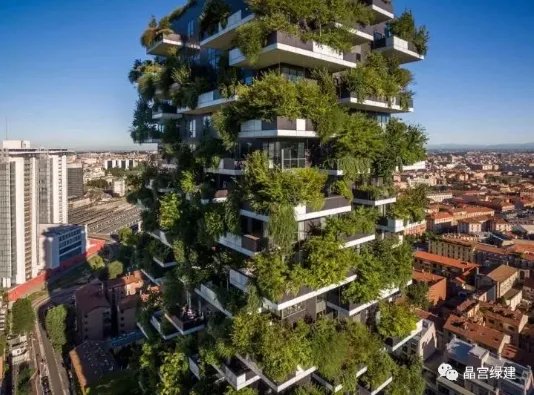
Can prefabricated buildings lead the green transformation of the construction industry?
Prefabricated construction marks a major shift from traditional, labor-intensive building methods to high-end manufacturing processes. It represents a profound transformation within the construction industry. Developed nations widely adopt prefabricated techniques to meet demands for rapid, large-scale housing construction while improving building quality.
In China, on-site concrete pouring remains the dominant construction method, with prefabricated buildings accounting for less than 5% of new projects—significantly lagging behind global standards.
Advancing prefabricated buildings aligns with China’s core development principles of innovation, coordination, sustainability, openness, and shared growth. It promotes innovative construction methods that prioritize practicality, economy, safety, environmental friendliness, and aesthetics. This approach is vital to stabilizing economic growth, driving reform, adjusting economic structures, advancing ecological civilization, accelerating urbanization, and realizing the Chinese Dream.
However, in recent years, China has faced challenges in top-level design support, technical standards, and regulations for prefabricated buildings. This has resulted in a significant gap between China’s standards and the advanced international benchmarks for sustainable prefabricated construction.
The total cost of prefabricated buildings is approximately 300 to 500 yuan per square meter higher than traditional methods, primarily due to material production and transportation costs. As a relatively new technology, prefabricated components require specialized manufacturing processes. Currently, there are too few manufacturers capable and willing to meet this demand, which remains a critical issue to address.
With prefabricated buildings constituting less than 5% of new construction in China, there is still a notable gap compared to developed countries. Industry experts predict that the cumulative market size for prefabricated buildings in China will reach 2.5 trillion yuan over the next decade. Given their stronger alignment with green building standards, prefabricated buildings represent a vast opportunity for market growth.
Responsible Editor: Shi Dandan













Must log in before commenting!
Sign Up