
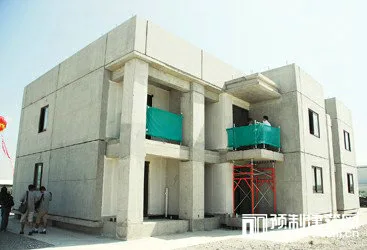
The prefabricated modular frame structure system is designed with standardization in mind. Based on both structural and architectural features, components such as columns, beams, slabs, stairs, balconies, and exterior walls are prefabricated in a factory setting. On-site, large equipment like tower cranes is used to assemble the building structure efficiently.
Construction on site primarily involves mechanized installation, except for cast-in-place concrete used in foundations and component joints. The typical installation sequence follows: columns → beams → slabs → stairs and balconies → exterior walls. This method allows for rapid construction, high efficiency, and significantly reduces the number of workers needed on site.
All steel bar connections and anchorages utilize mechanical connections to ensure reliability. Exterior finishing materials are prefabricated as part of components such as columns, walls, and balconies. Joints between components are sealed with joint and waterproofing materials to ensure durability.
The manufacturing, transportation, and loading sequence of each vehicle’s components are carefully coordinated with on-site construction and lifting schedules. This coordination guarantees that each component arrives precisely when needed, maintaining continuous installation progress.
This system features standardized construction procedures, strict plan and process management, a high level of mechanization, dependable quality, enhanced safety, and environmental protection.
Key Technologies:
1. Components are logically divided into units by floor and span to facilitate efficient processing and hoisting in prefabricated building construction.
2. Management is optimized by closely linking production, transportation, and lifting processes; components are partitioned and numbered to streamline installation.
3. Methods for hoisting and accurate positioning of structural components are carefully controlled to ensure proper assembly.
4. Appropriate connection techniques are employed to address challenges related to steel reinforcement anchoring during hoisting.
Economic and Social Benefits
This system is easy to operate, safe, and reliable, ensuring consistent project quality. It significantly shortens installation time and reduces labor requirements by approximately 50% compared to traditional construction methods. It saves around 80% of conventional turnover materials. The timeframe for interior and exterior finishing is shortened by about 20%. Since wet operations on site are largely avoided, construction waste is reduced by approximately 70%, water usage cut by 50%, and noise pollution minimized. These advantages contribute to clear improvements in energy conservation and environmental protection.




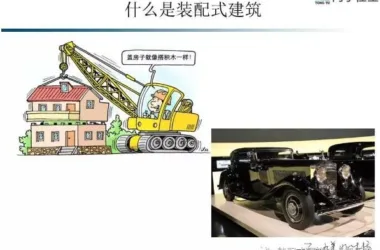
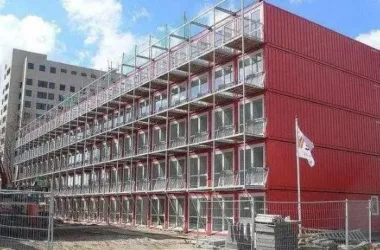










Must log in before commenting!
Sign Up