
Today, energy conservation and environmental protection have become global priorities. The advancement of technology combined with innovative concepts has led to new processes, buildings, and passive steel structures. Passive houses are green, energy-efficient buildings that have driven innovation in construction and accelerated the growth of the green building materials industry.
The concept of the “passive house” originated abroad, rooted in Germany’s low-energy buildings of the 1980s. It involves using various energy-saving technologies to create an optimal building envelope and indoor environment. This approach significantly enhances insulation and airtightness, minimizing heating and cooling demands. Notably, passive houses represent the integration of multiple technological advances—such as high-performance insulation, soundproofing, tightly sealed exterior walls, and renewable energy use—ensuring that the total primary energy consumption does not exceed 120 kilowatt-hours per square meter annually.
Passive (prefabricated residential) houses incorporate several cutting-edge technologies, including energy-efficient enclosure structures, prefabricated construction methods, high-efficiency heat recovery ventilation systems, and renewable energy utilization. These homes maintain indoor temperatures between 18°C and 24°C year-round, provide continuous fresh air, prevent humidity and mold, and consume only 10% to 25% of the energy used by conventional energy-saving buildings. When converted to domestic standards, these buildings achieve an energy efficiency rate of approximately 92%. In northern heating regions, it is estimated that by 2050, 3.4 billion tons of standard coal could be saved, keeping the annual heating energy demand increase under one million tons. Additionally, in the Yangtze River Basin during winter, issues like “warmer outside than inside” will be eliminated, effectively resolving southern heating challenges.
The original design principles and technical methods of passive houses were developed for the climate of central European countries such as Germany and Austria. Since then, Northern and Southern European nations have adapted these concepts to their own climates, while Eastern European countries like Hungary and the Czech Republic are actively researching and applying similar practices. Given that China’s land area and climate zones resemble those in Europe, the country can reference European experiences tailored to comparable climatic conditions when constructing passive houses.
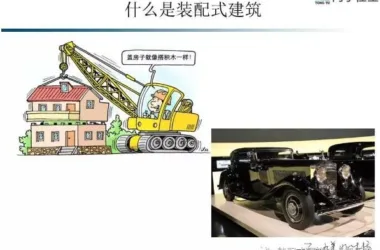
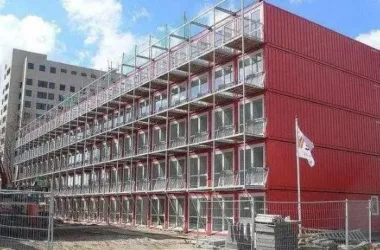
In China, a new type of building called the “passive house” has emerged, innovatively integrating steel structures and prefabrication. Steel offers advantages including lightweight strength, rapid construction, flexible pipeline installation, and reduced environmental impact during building. Prefabrication ensures high component quality, simplifies and speeds up construction, shortens building schedules, and effectively cuts costs related to materials, labor, and handling.
Therefore, combining steel structures with passive house design and prefabrication achieves a truly low-pollution, low-cost, and energy-efficient building solution across all aspects of construction.
The success of the passive house experiment has transformed the traditional construction industry development model. It aligns with local climate conditions, harnesses renewable energy sources such as solar, wind, and geothermal power, and minimizes or even eliminates the use of traditional materials and fossil fuels, making “zero energy” buildings feasible. Moreover, passive houses embrace climate-responsive design, redefining the relationship between people, buildings, and the environment. They enable natural ventilation and lighting, reduce noise, light, and air pollution, and prioritize enhancing the surrounding ecological environment. This approach represents a vital path toward sustainable development and points to the future direction of architecture.













Must log in before commenting!
Sign Up