
Background and Current Situation
Mashhad, the second-largest city in Iran, is also one of the world’s major religious centers. Despite its significance, the city faces ongoing social challenges. Prioritizing personal interests over the common good and rejecting cultural diversity has led sociologists to label Mashhad as a “city of anti-dialogue.” This is reflected in Iran’s high divorce rates, frequent social conflicts, and widespread slum settlements.
This lack of dialogue is also evident in urban development, manifested through the large-scale demolition of historic districts, imbalanced urban textures, and the proliferation of high-rise buildings.
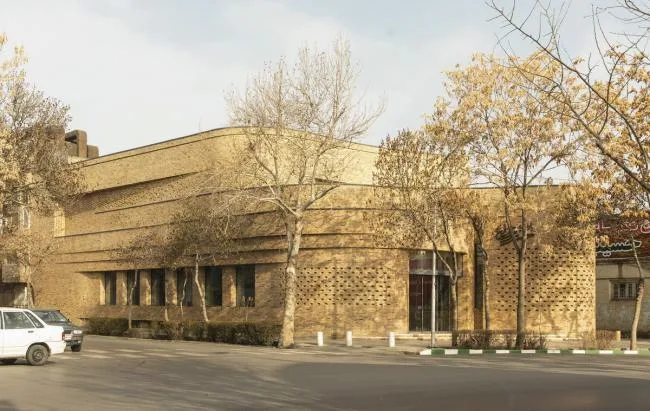
The project site covers 571 square meters in a historic district adjacent to the 400-year-old architectural heritage site, Gonbad-e-Sabz. This tomb of the renowned Safavid mystic Sheikh Mohammad Momen is not only highly respected but also serves as a social gathering place. Unfortunately, the uncontrolled construction of high-rise buildings nearby has compromised the sanctity and dignity of this revered site.
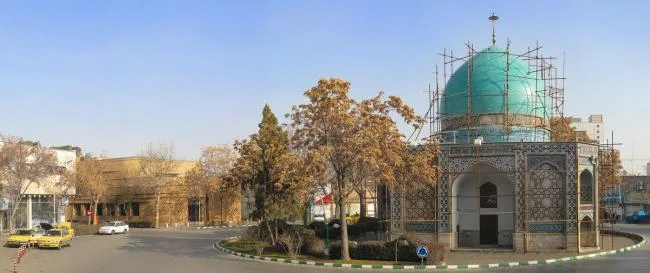
Meanwhile, the client’s commercial ambitions for the land have created tension between their expectations and the surrounding environment, especially the Gonbad-e-Sabz site. Without constructive dialogue, these conflicting interests risk resulting in economic losses and cultural dissonance.
A key challenge in designing this building was to establish a dialogue between the site and its sensitive context, integrating cultural values while fulfilling commercial functions.
Strategy
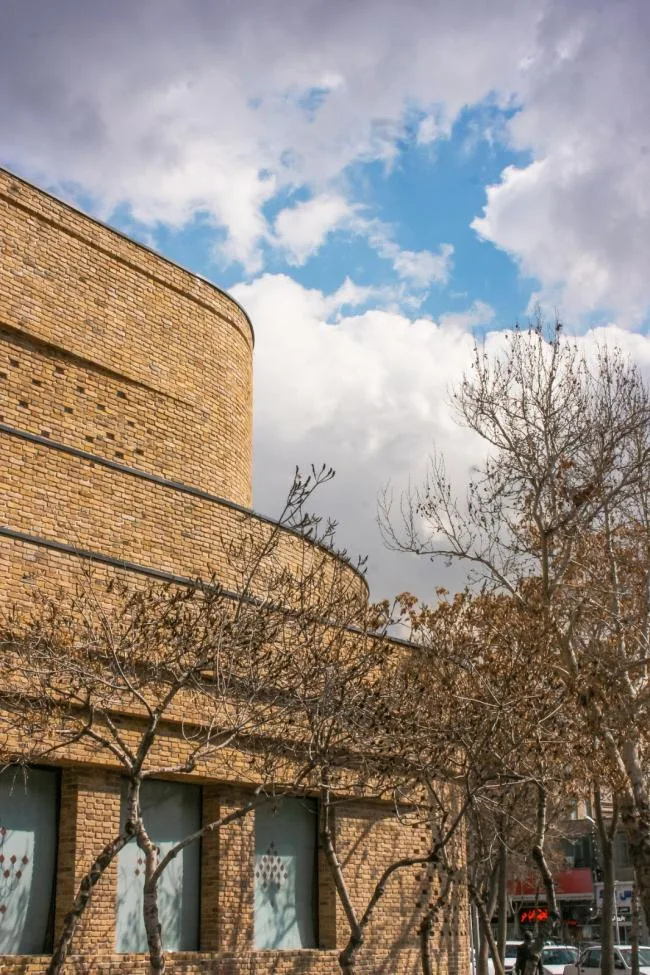
The city government permits construction up to three floors, with the possibility of adding two more according to regulations. However, we chose not to exceed this limit and decided to build one floor below the maximum allowed height to respect the sensitive surroundings of Gonbad-e-Sabz.
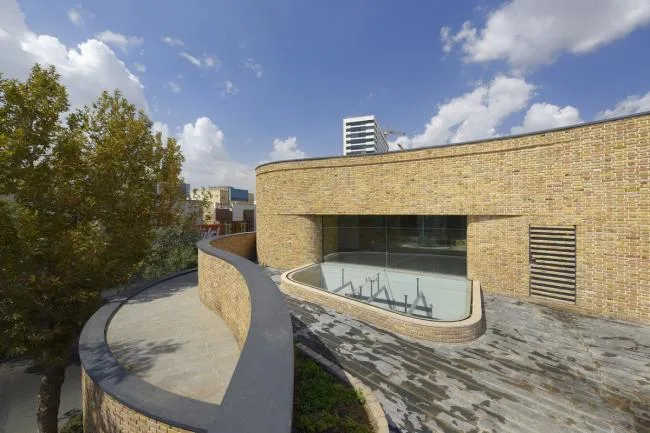
To satisfy the client’s needs while controlling the building’s scale, we integrated the structure into the ground, balancing the building’s volume with the site’s topography.
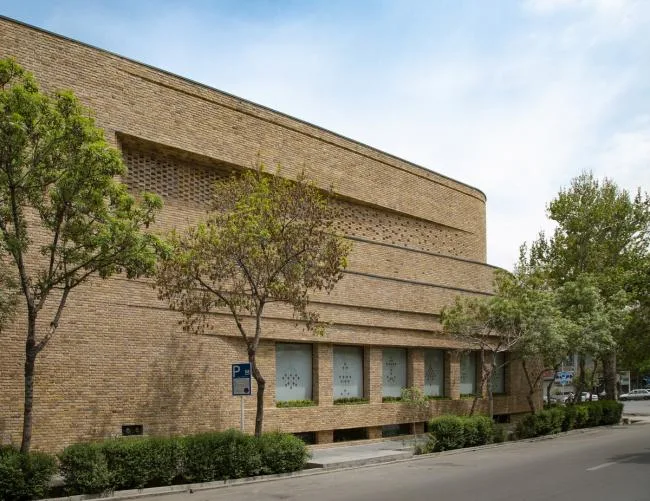
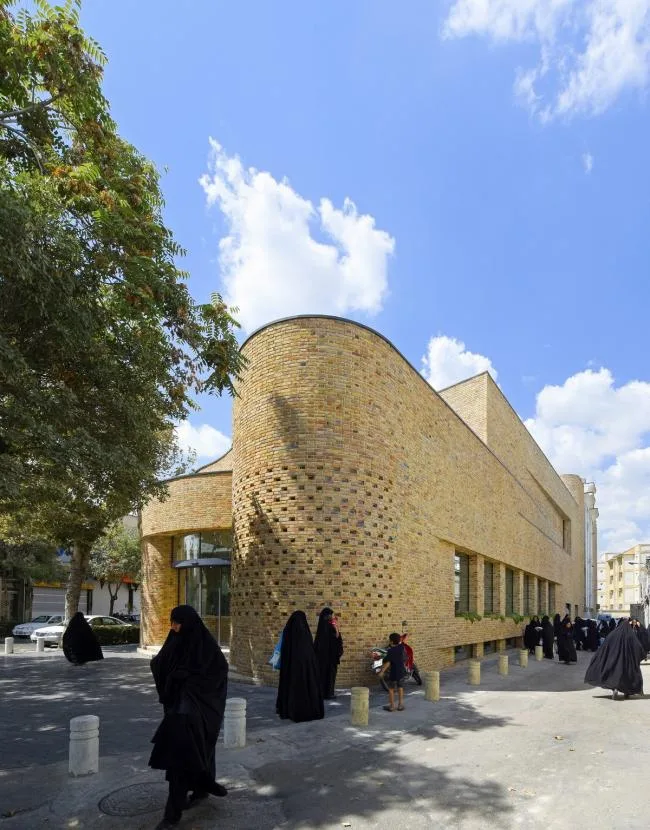
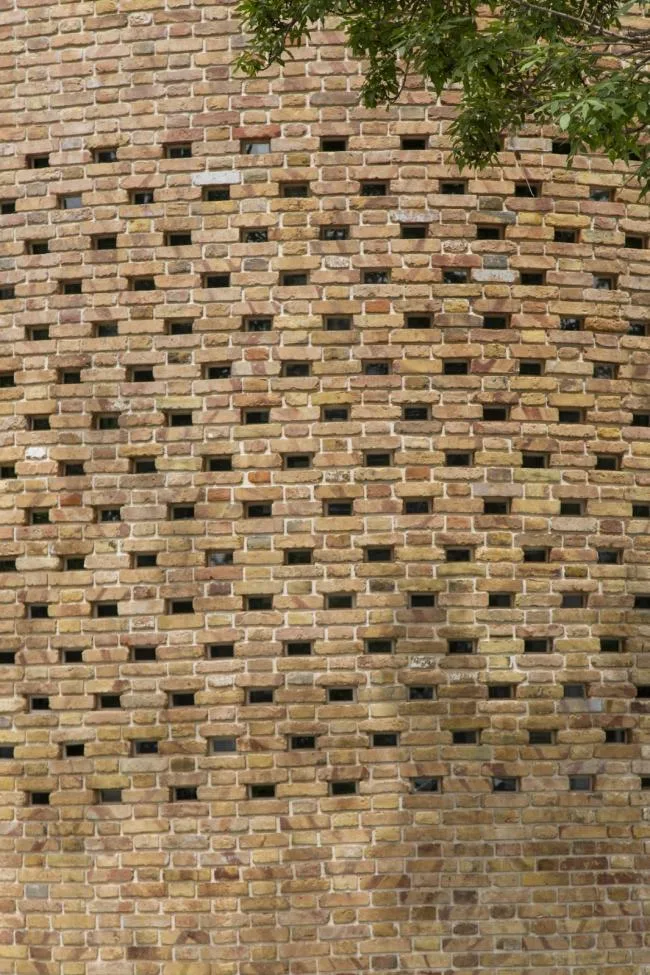
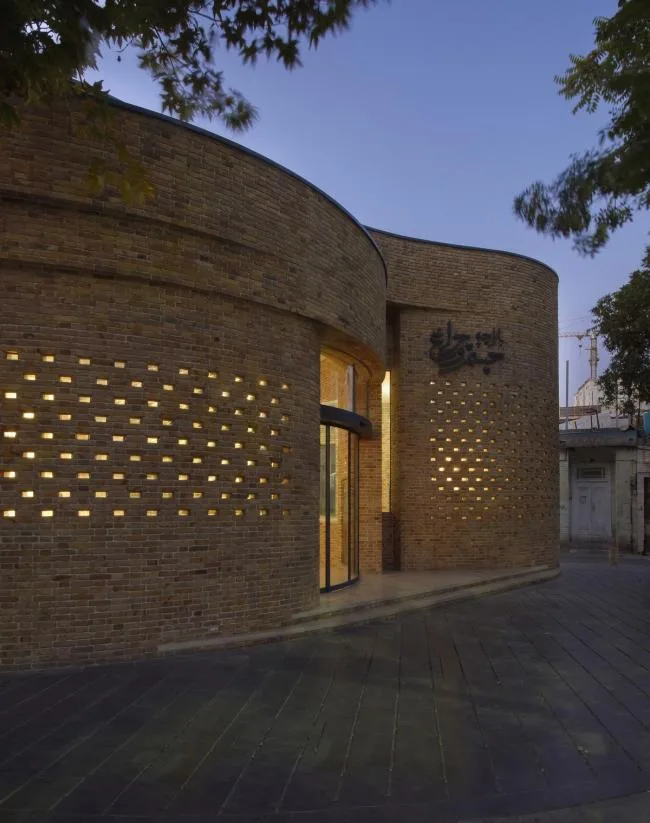
The traditional square where the project is located posed design challenges. By controlling the edges, we achieved a building interior that is fully transparent and uninterrupted, while maintaining a solid exterior with minimal openings. Using several vertical gaps, engineered through BIM technology, the design allows visual permeability from top to bottom, creating a transparent and fluid interior form.
This approach contrasts with the typical public building typology in the area, as we aimed to establish a contemporary market concept that preserves spatial integrity, visual continuity, and natural light introduction.
Cheshm-o-Cheragh Market actively critiques the large-scale demolition of historic districts and architectural heritage, highlighting the damaging consequences of such developments in Mashhad.
Interior Space
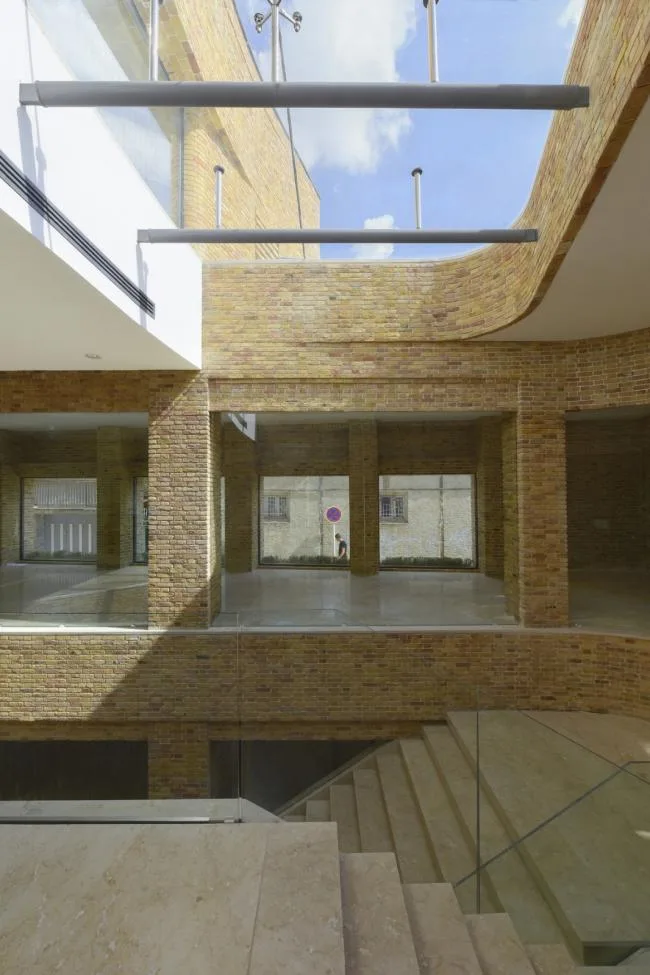
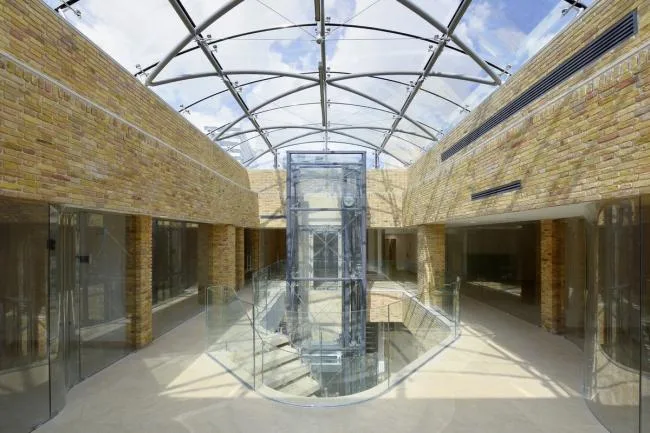
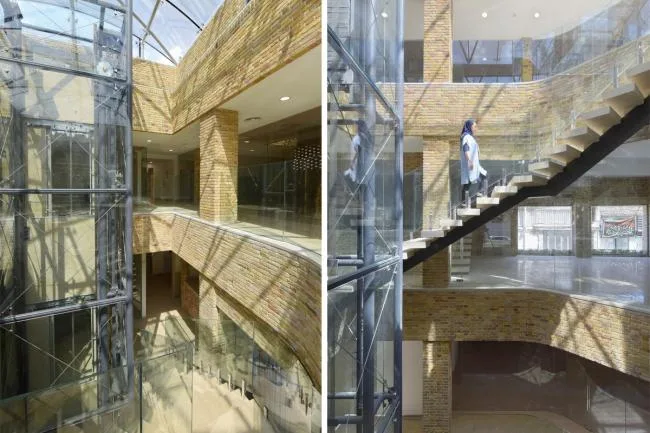
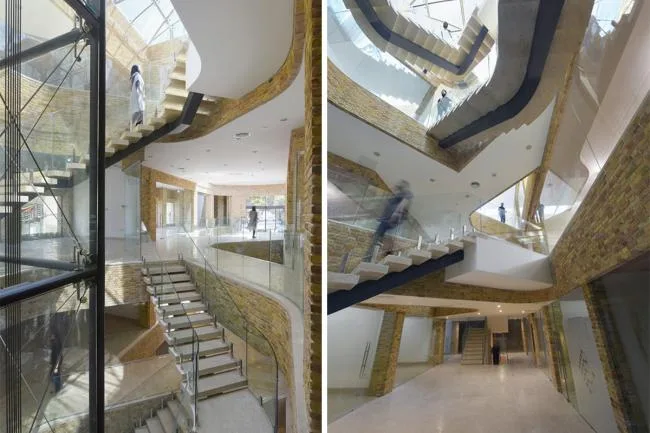
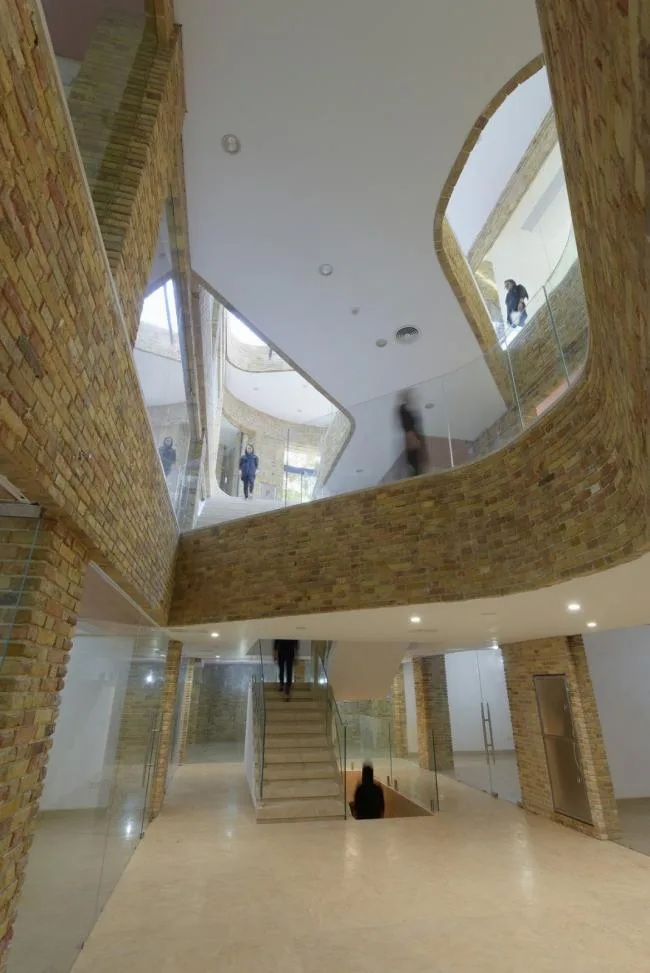
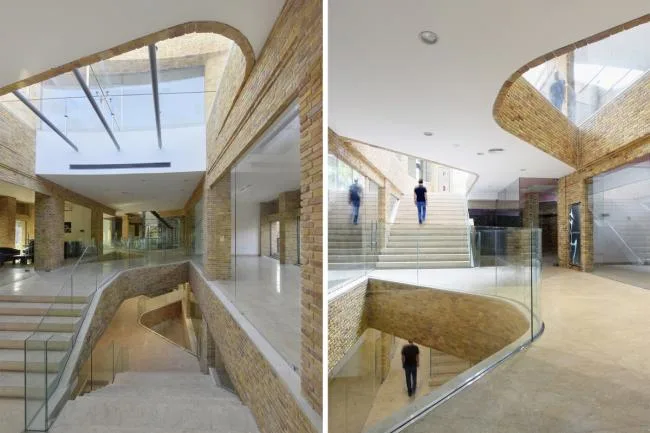
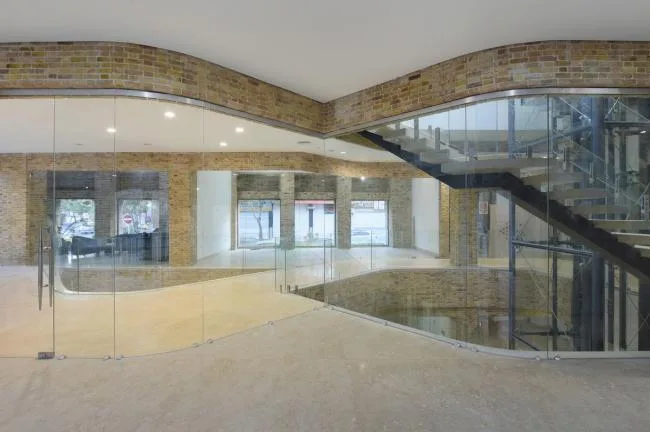
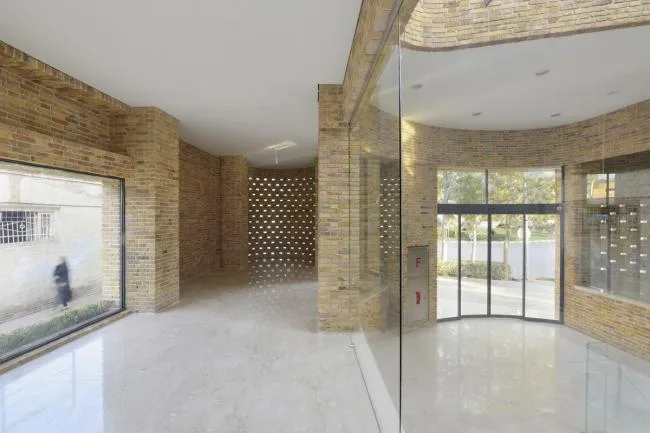
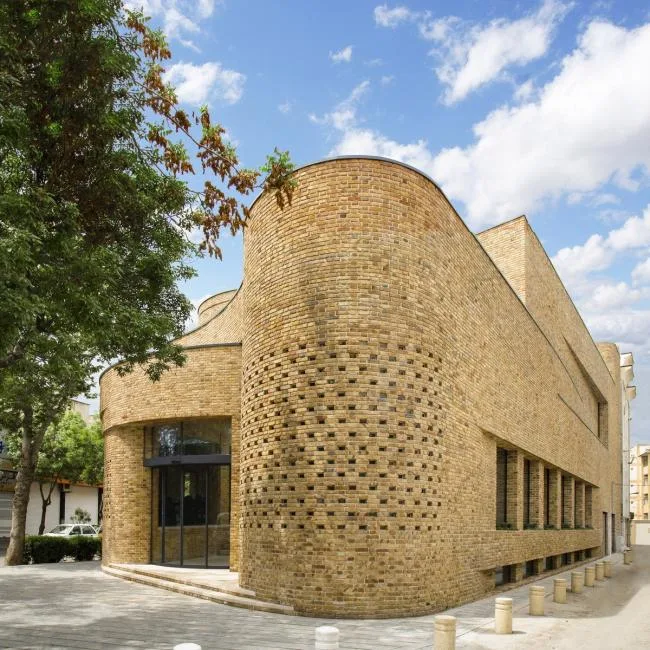
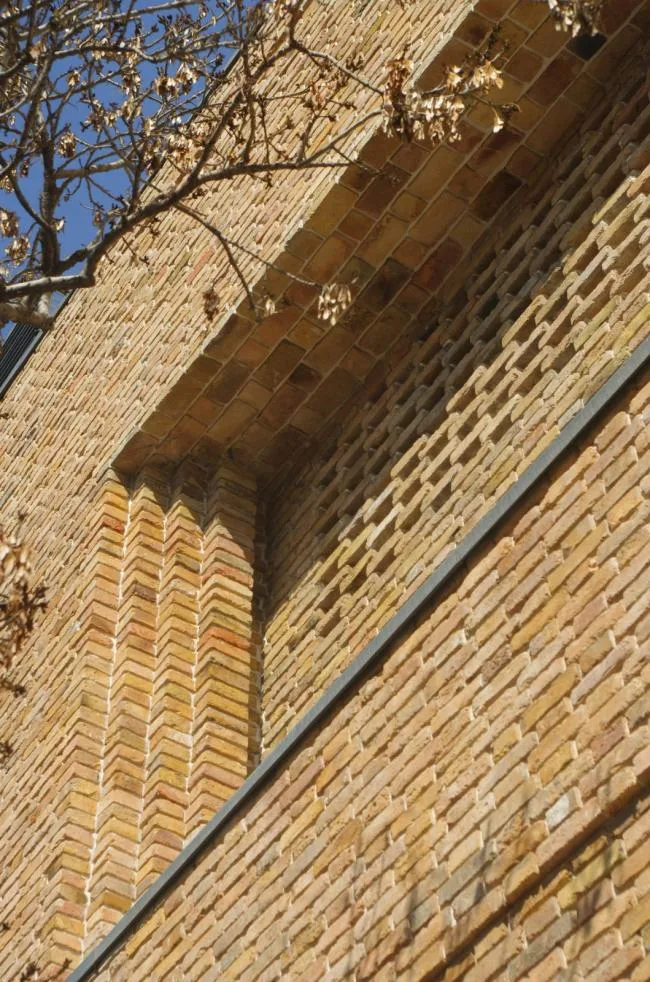
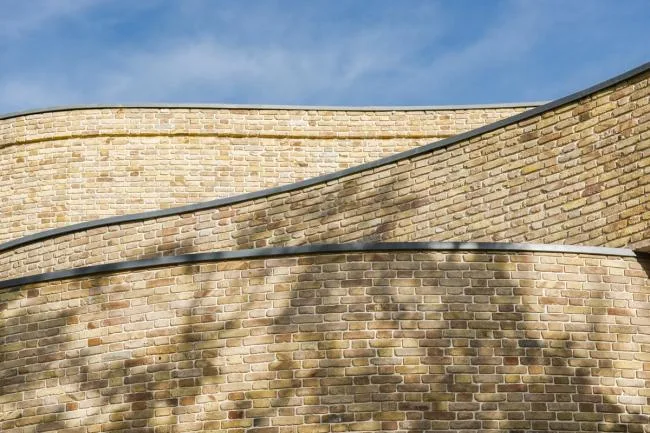
Following recent urban renovations in Mashhad, bricks have become an inexpensive building material. However, due to extensive demolition of architectural heritage in the historic district, many bricks are discarded as waste.
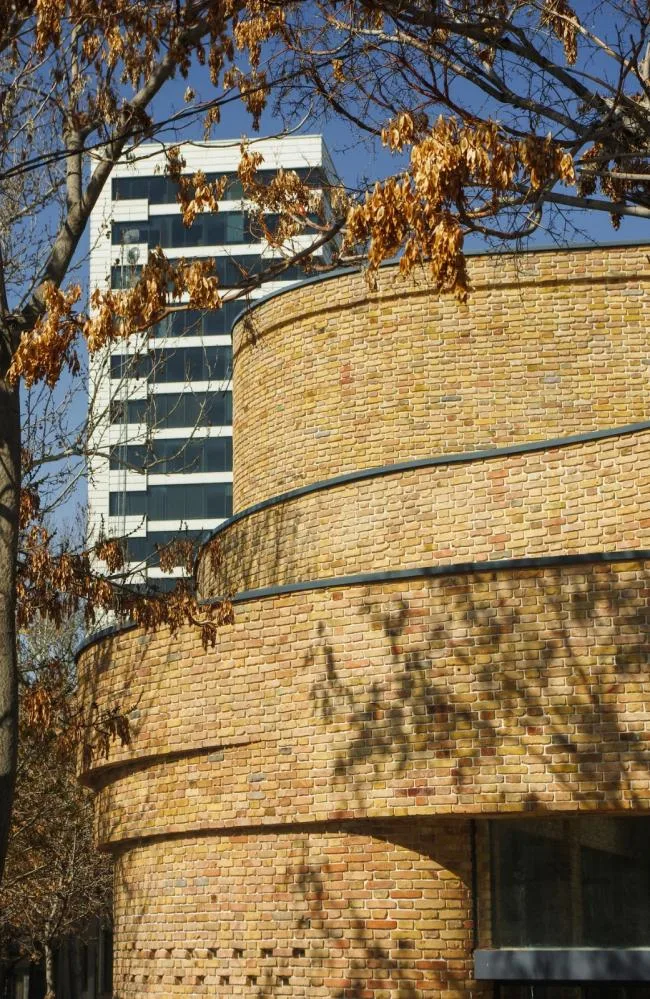
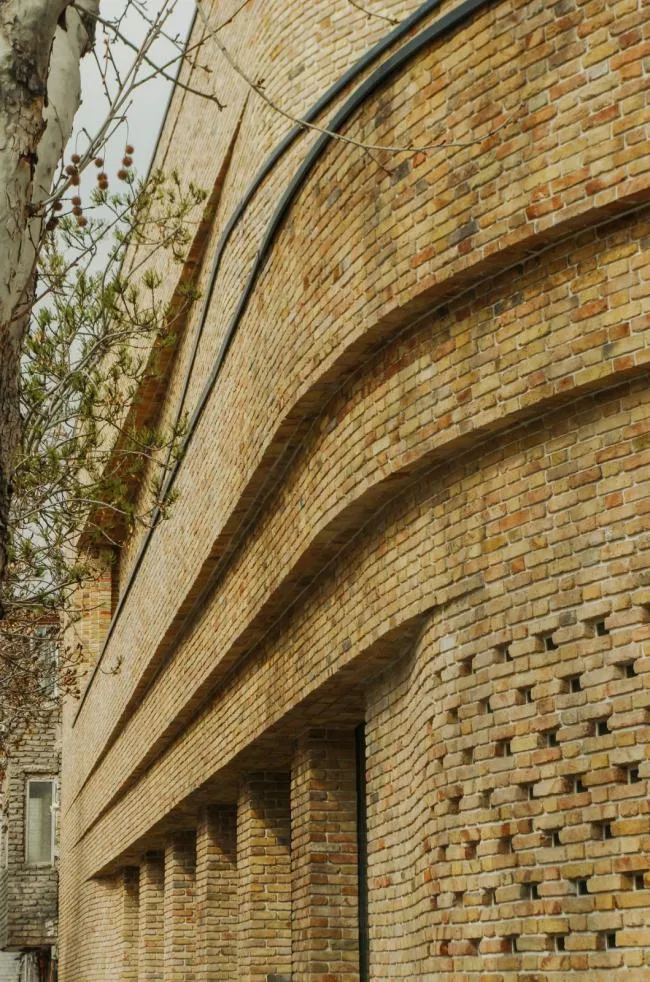
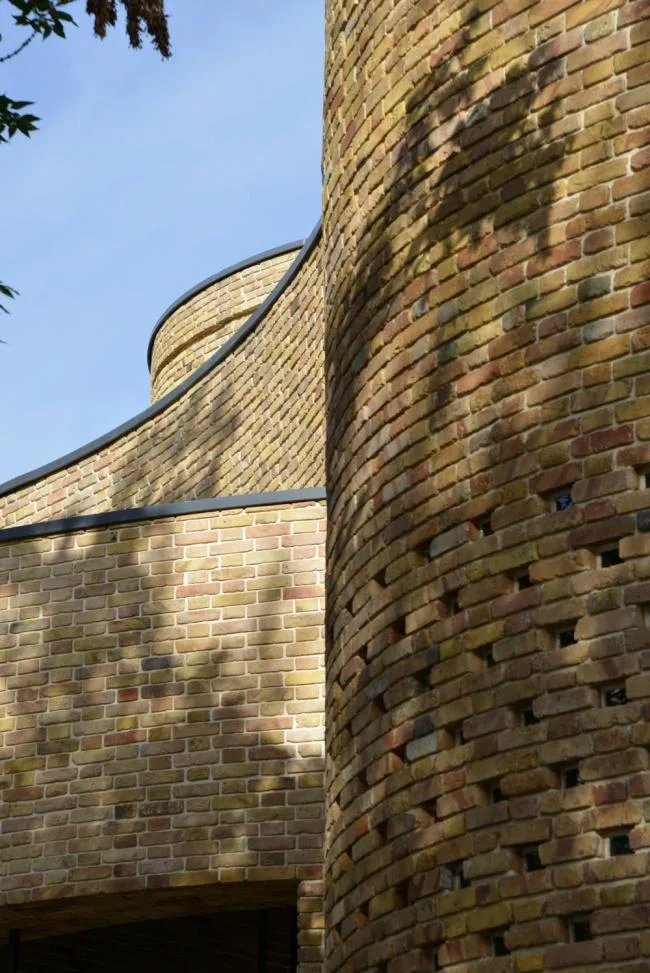
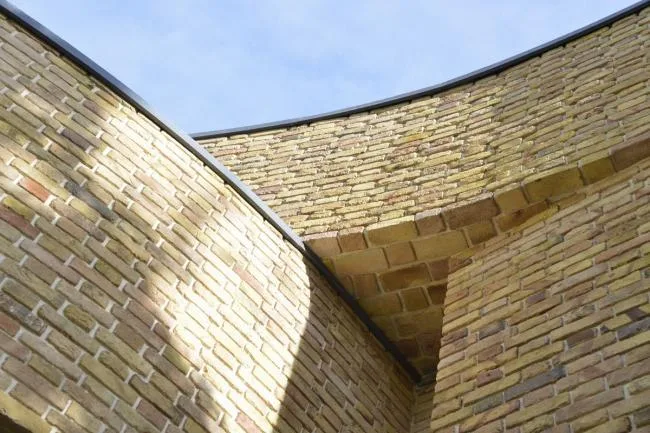
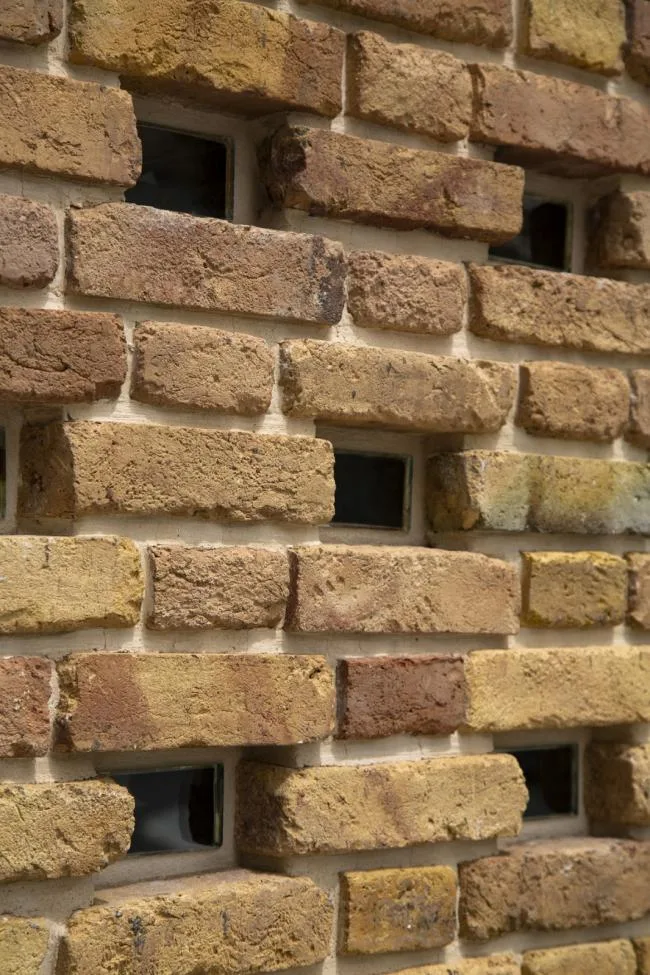
To express a critical stance against this wasteful behavior, the entire market, especially its interior and exterior edges, was constructed using reclaimed historic bricks. Covering an area of approximately 4 million square meters, the project collected 230,000 bricks aged between 60 and 300 years, a feat made possible only with local community support.
Given the technological challenges, these bricks vary significantly in size, color, and texture. The project was developed by heritage conservation advocates, blending traditional bricks with contemporary materials like metal and glass indoors, fostering a dialogue between context and modernity.
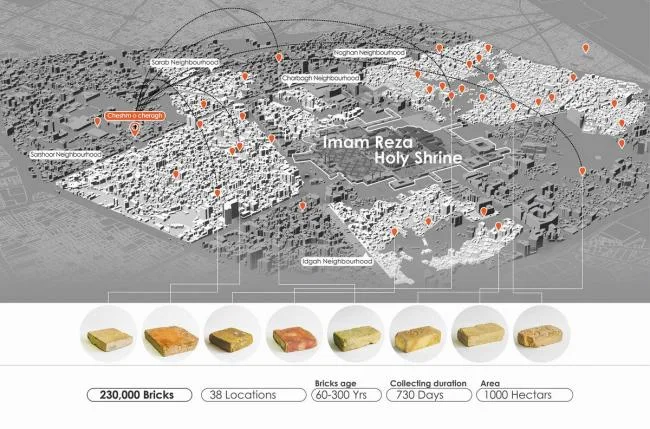
▲ Brick Map
Project Drawings
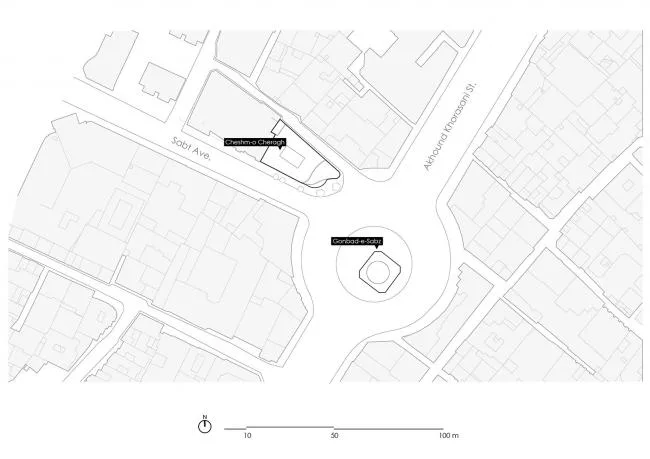
▲ Site Plan
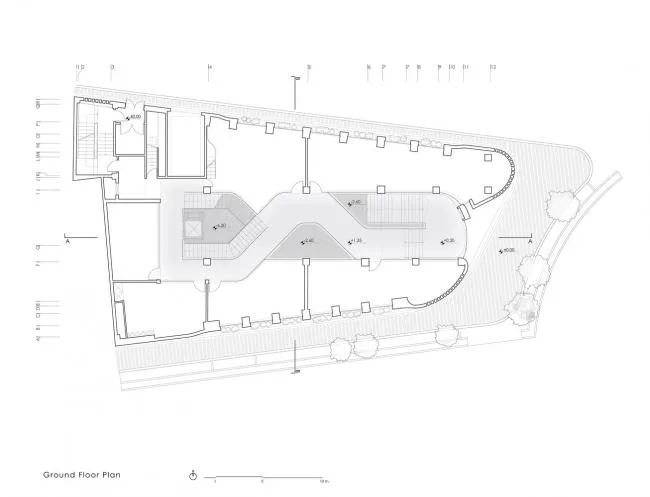
▲ First Floor Plan
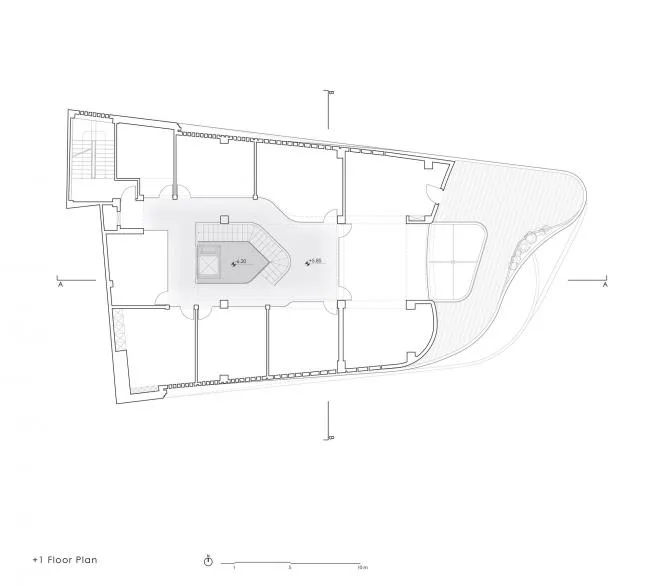
▲ Second Floor Plan
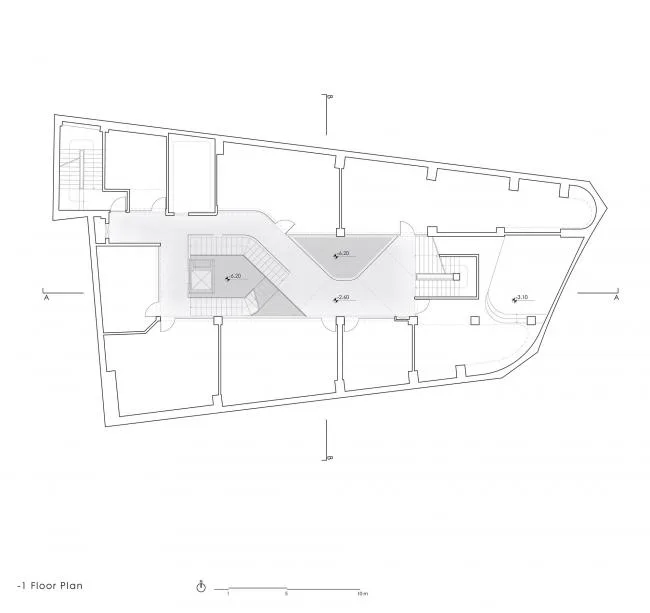
▲ Underground Floor Plan
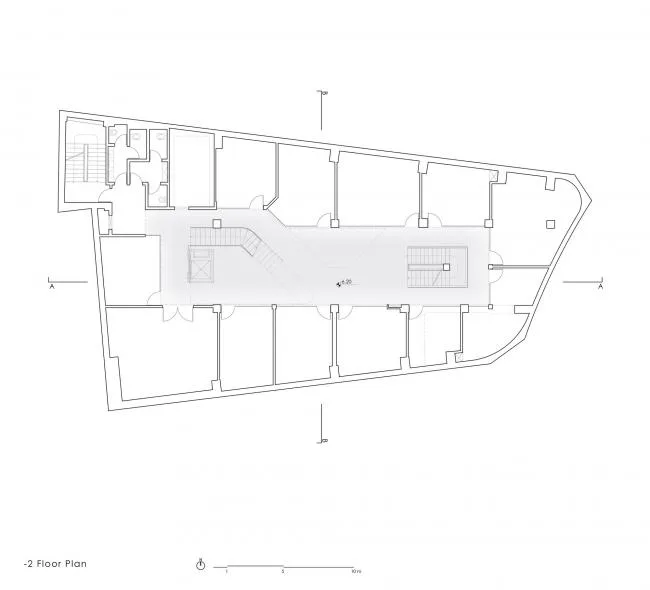
▲ Underground Second Floor Plan
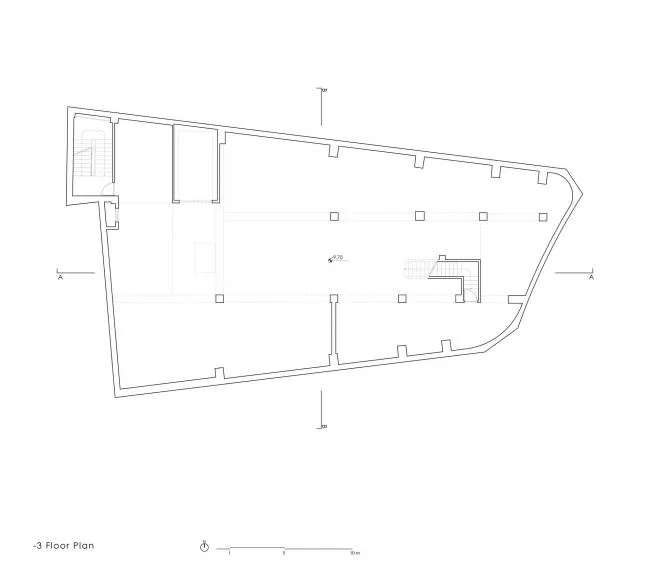
▲ Underground Third Floor Plan
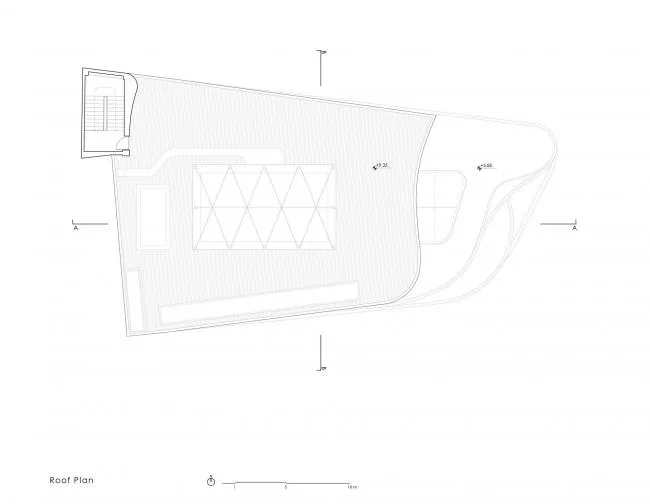
▲ Roof Plan
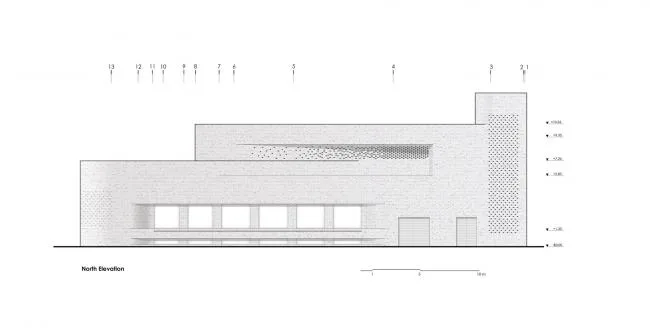
▲ North Elevation View
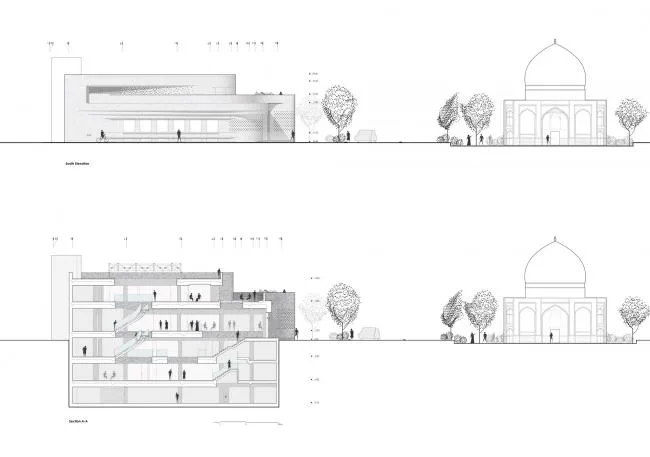
▲ Section A-A & South Elevation
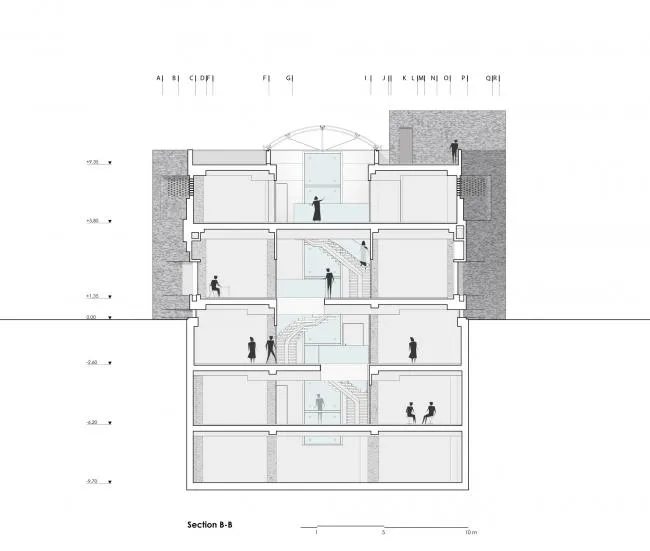
▲ Section B-B
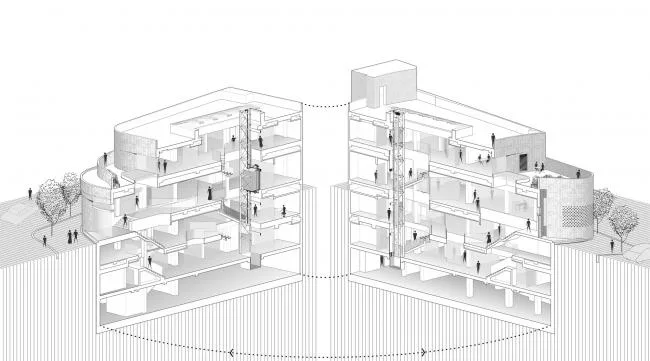
▲ Sectional Axonometric Drawing
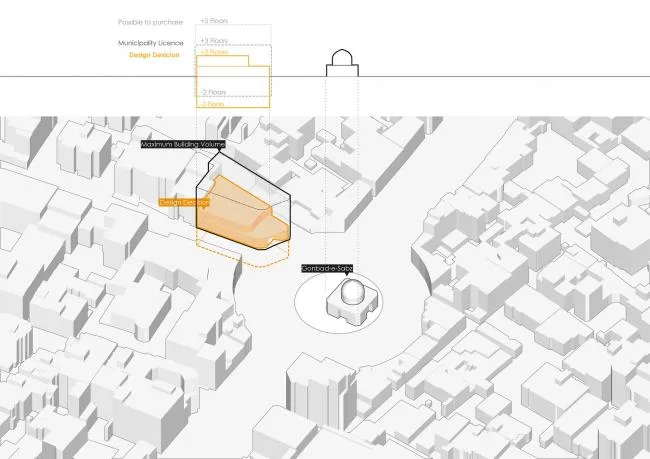
▲ Conceptual Analysis Diagram
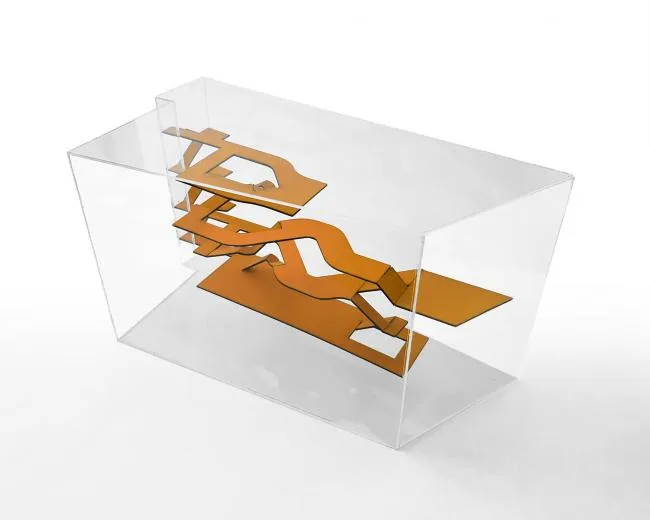
▲ Conceptual Model
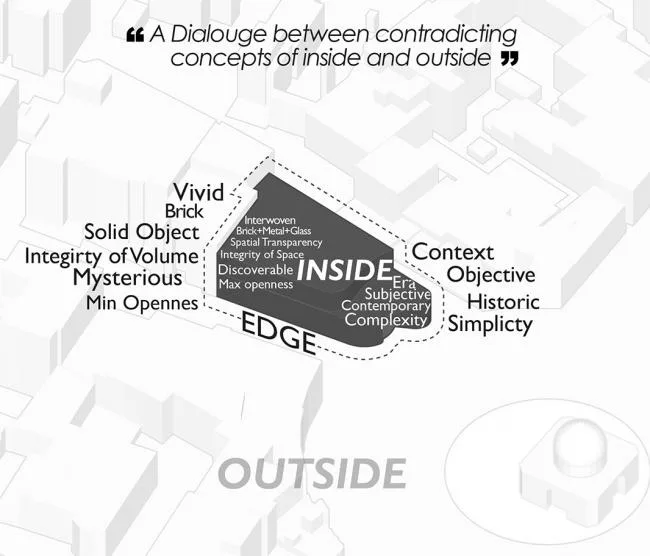
▲ Analysis Chart
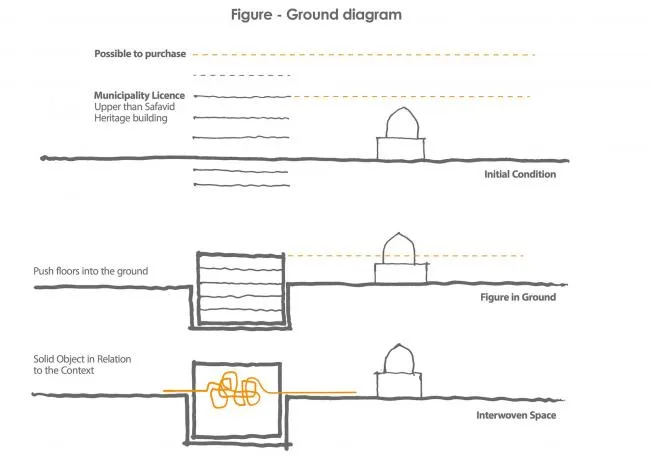
▲ Analysis Chart
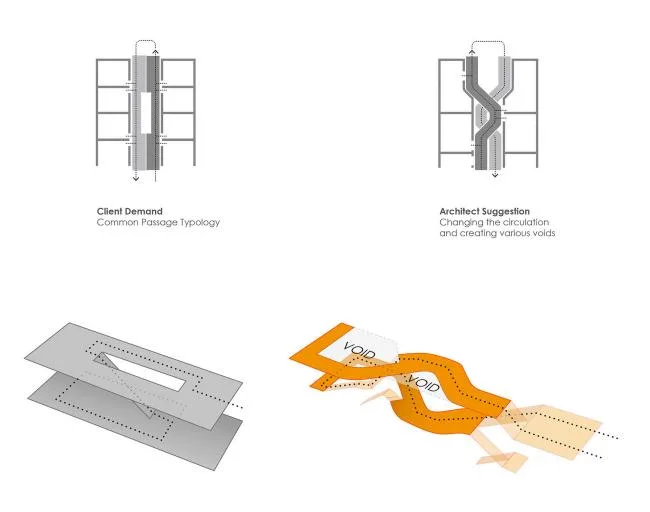
▲ Loop Analysis Chart
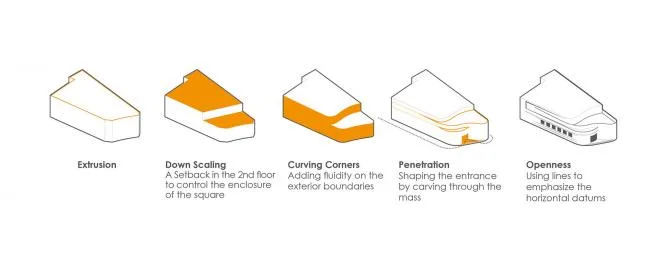
▲ Design Evolution Analysis Diagram
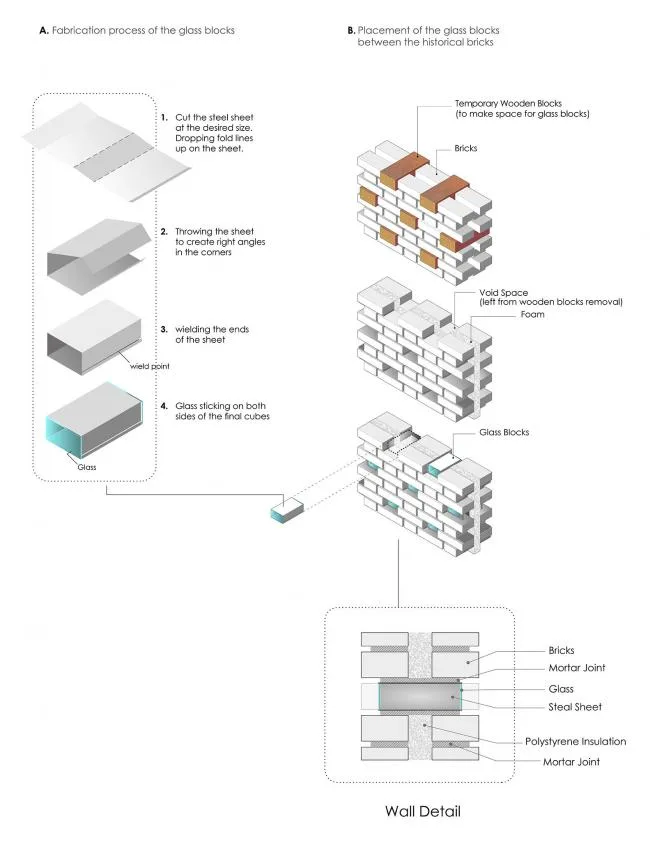
▲ Glass Brick Analysis Diagram
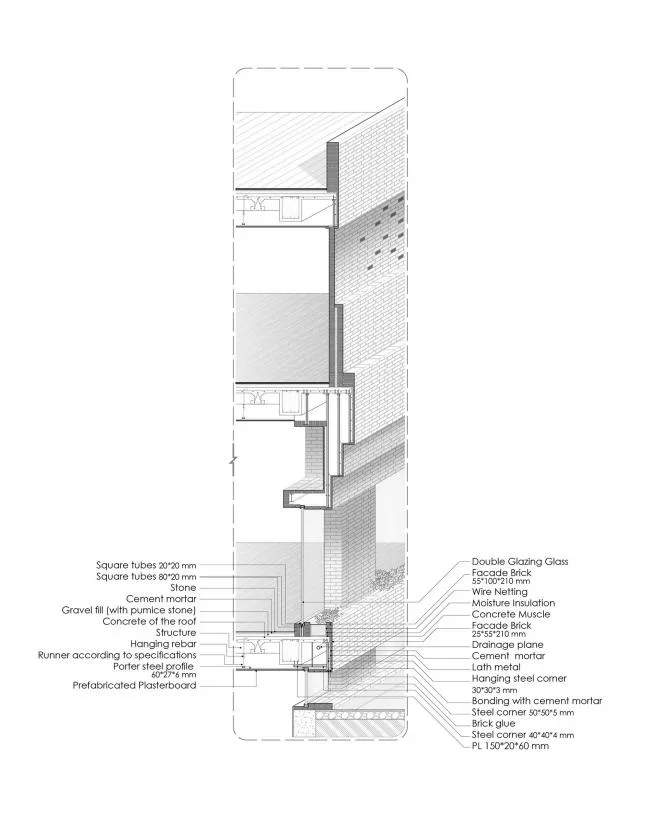
▲ Wall Section Details
Project Information
Architectural Firm: ABAR Office
Location: Mashhad, Khorasan-e Razavi Province, Iran
Category: Commercial Buildings
Lead Architect: Javad Khodaee
Building Area: 2,654 m²
Project Year: 2018
Photographers: Mostafa (BIM training) Delbarian, Ali Hosseinian, Deed Studio
Design Team: Naghshe Puya Company, Mahdi Abbaspour
Client: Sanat Beton Shargh Company
Contractors: Seyyed Mahdi Mahdizadeh, Mostafa Elahi
Construction Supervisors: Javad Khodaee, Farajollah Sadeghi
Brick Collection: Seyyed Ruhollah Mahdizadeh
Brick Application: Hossein Farouji
Design Research Laboratory: Reza Ashraf Yazdi
Print and Media: Mostafa Delbarian, Navid Maani Ghafouri
Visuals: Chapchin Studio
Model: Azam Soleimani
Speech Assistants: Ahmad Farahi, Masoud Erfanian, Mona Rashidi
Structural Consultant: Javad Sirjani
Electrical Consultant: Naser Gharavi
Mechanical Consultant: Mohammad Gheitaghi












Must log in before commenting!
Sign Up