
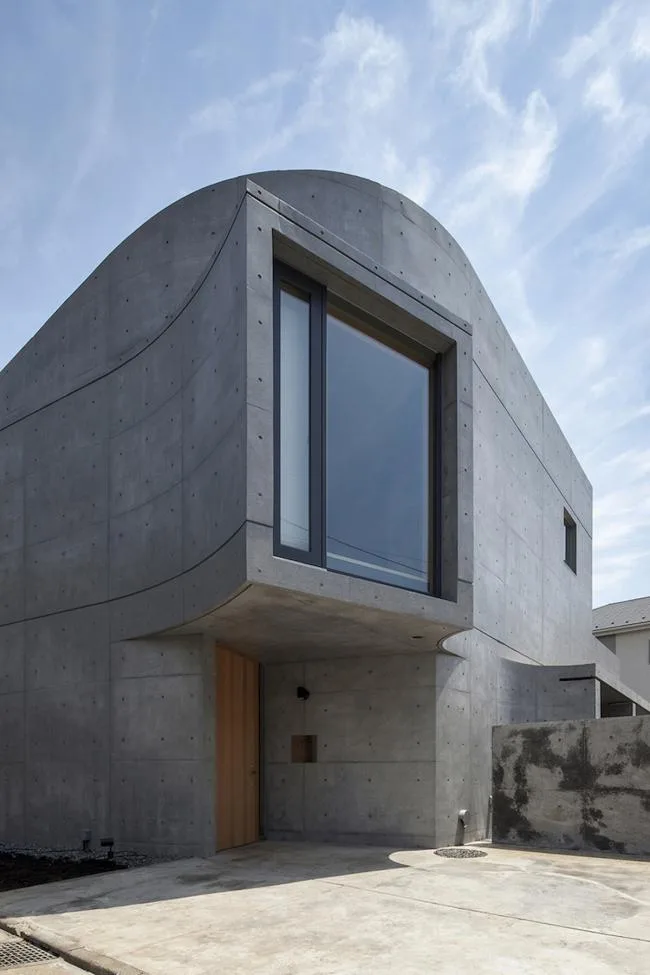
This residence is situated near the Tama River canal, an area also known for some Musashino dependencies (BIM learning). The neighborhood mainly consists of low-rise residential buildings, bordered on the southwest by a dense forest and on the north by a row of trees along the canal, which has been interrupted. Due to the homeowner’s passion for stargazing, a secure rooftop area was designated for telescope placement, carefully separated from light sources near the rear boundary wall to minimize interference.
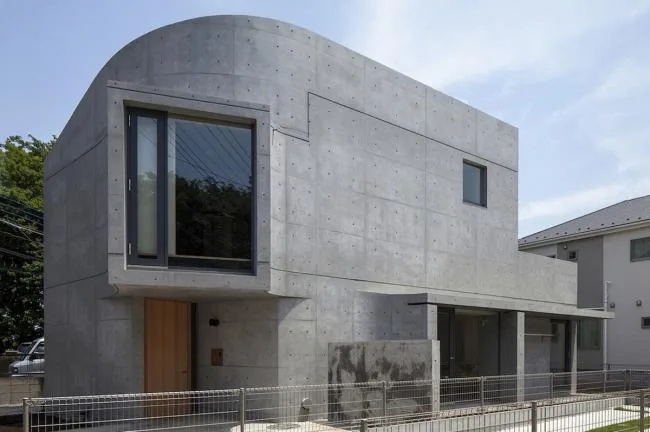
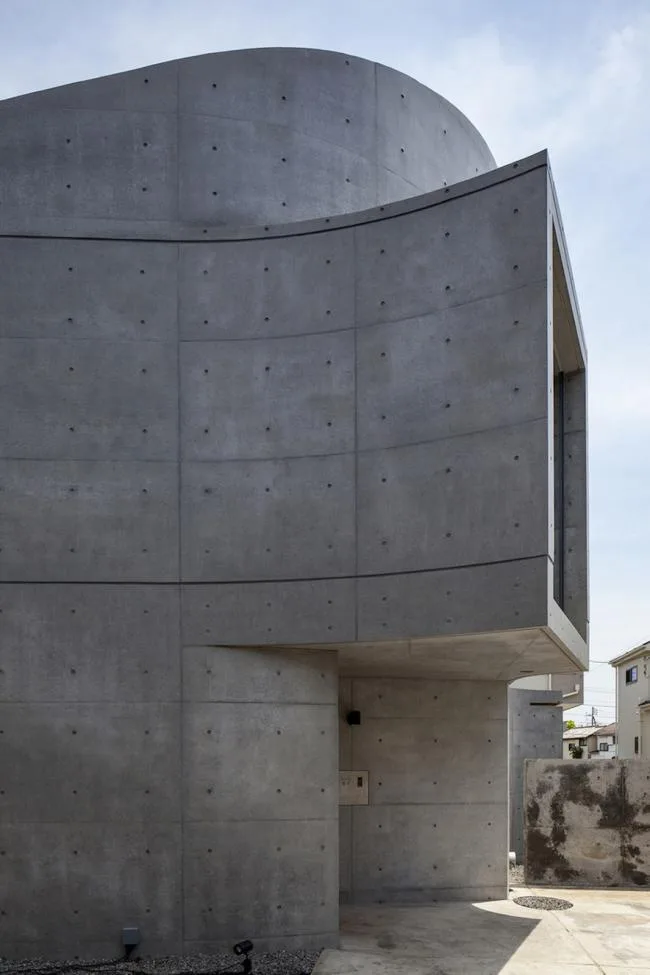
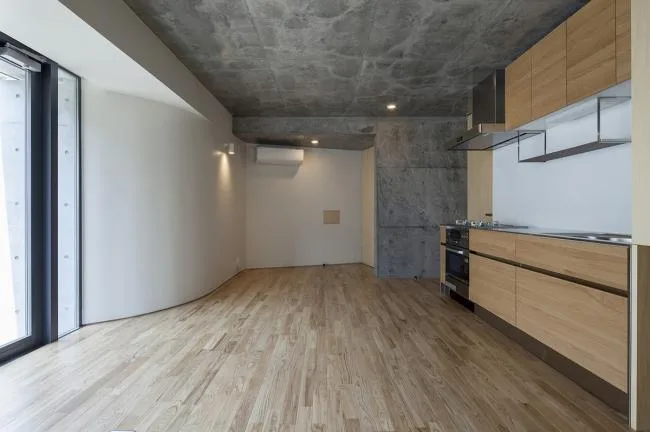
The first floor hosts essential living spaces, including the living room and bedroom. On the second floor, there is a dedicated area for the homeowner to enjoy high-quality indoor music as well as a meditation room. A large window extends through the first floor, offering views of the southwestern trees.
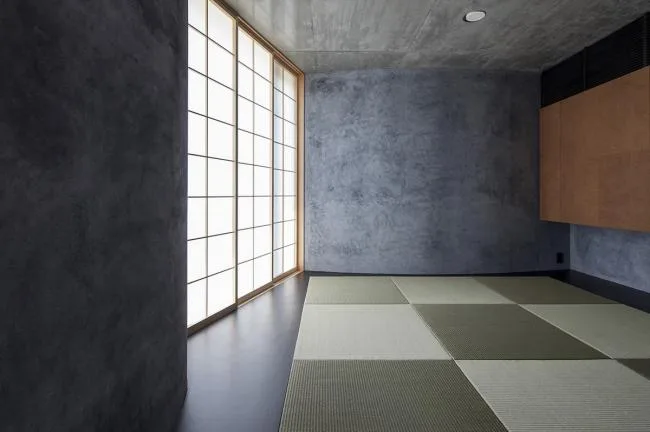
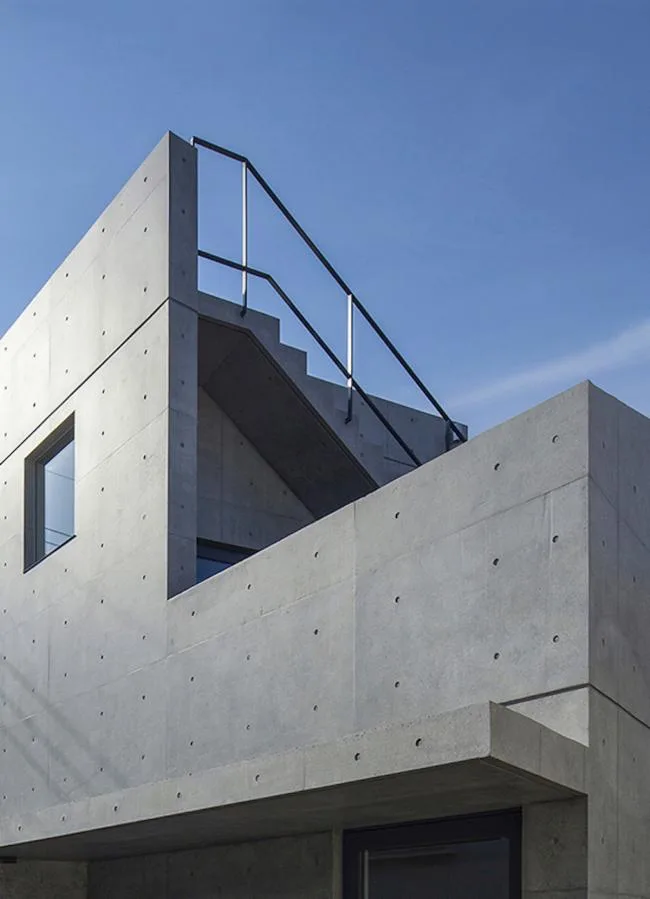
Connecting the east side of the second floor is a grand staircase leading up to the roof. This architectural choice reflects the residence’s aspiration to connect with nature and the cosmos, bridging the forest and the sky. In essence, the house fosters direct engagement with the potential life forces surrounding it.
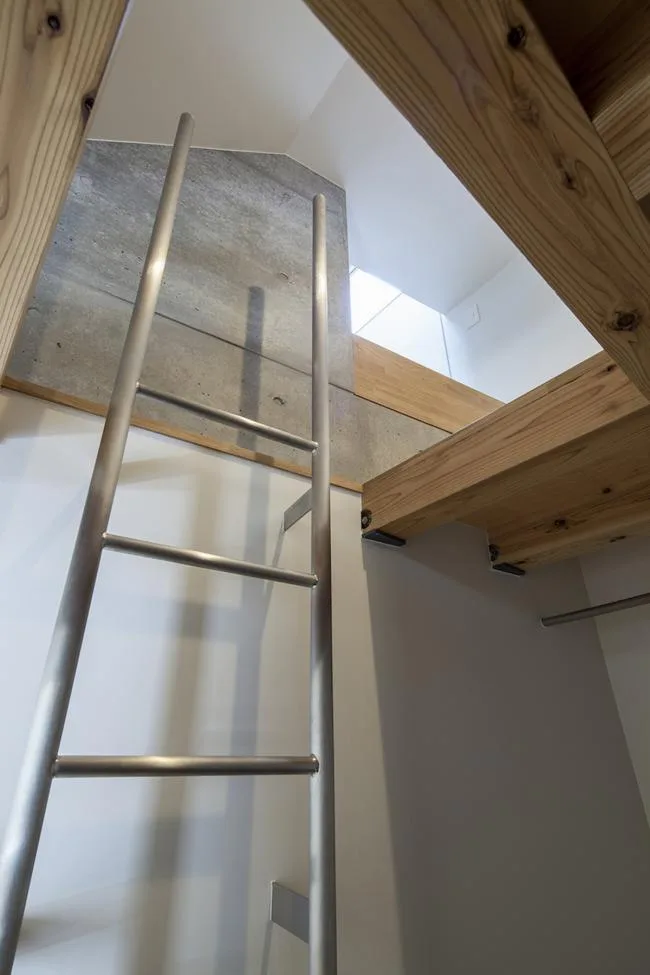
Behind the first-floor bedroom, in the attic mezzanine, there is a small door resembling an entrance to a tea house (BIM tutorial). This doorway leads to the second floor, which serves as a workspace for producing audio equipment and other projects. This area creates a secondary flow of movement, contrasting with the main flow from the entrance hall staircase leading to the triangular skylight. Together, these two pathways connect the daily and less frequently used spaces, forming a Möbius loop that establishes a core circulation throughout the house.
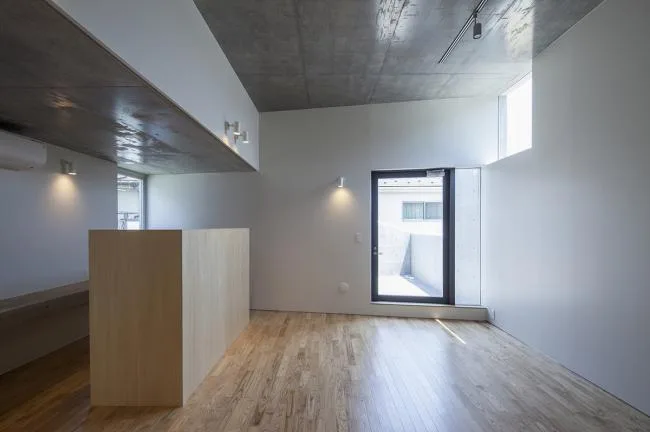
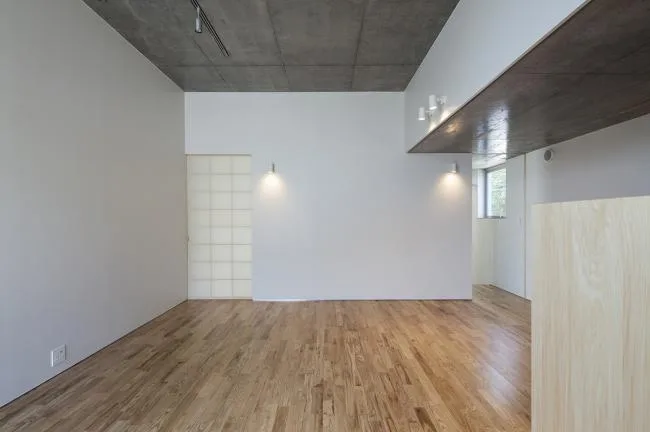
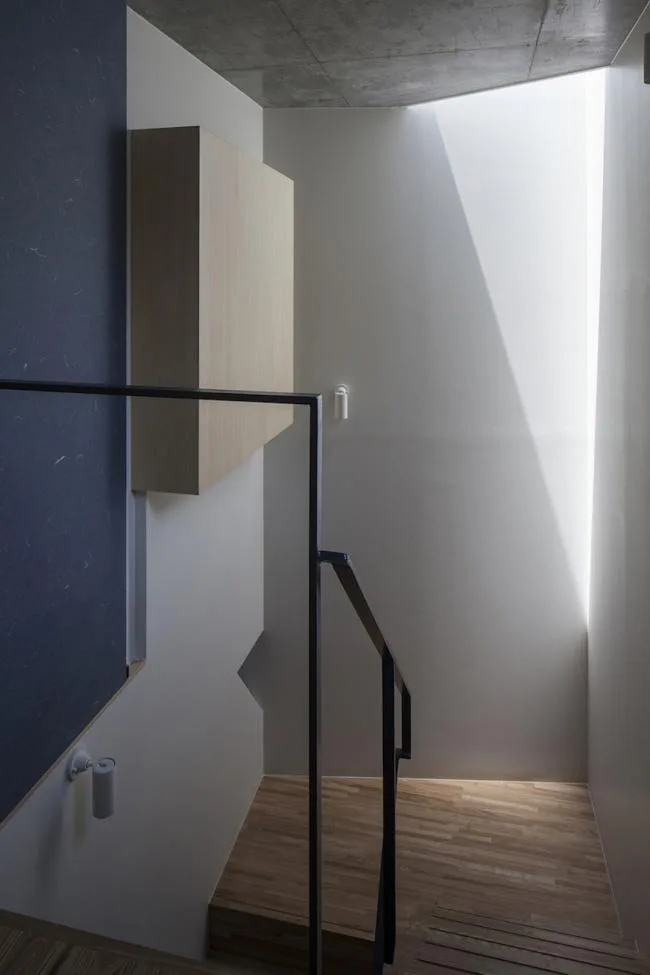
The rooftop-level staircase introduces an additional spiral element to the house’s circulation. The fluidity of space is integral to the architecture, which guides movement and brings the design to life. The two curved walls defining the residential floor plan act as flow rectifiers, enhancing and accelerating the hidden pathways within. Life forms constantly navigate these streamlines, living within their own spatial constraints. It is hoped that the residents will preserve and nurture these dynamic flow lines.
Project Drawings
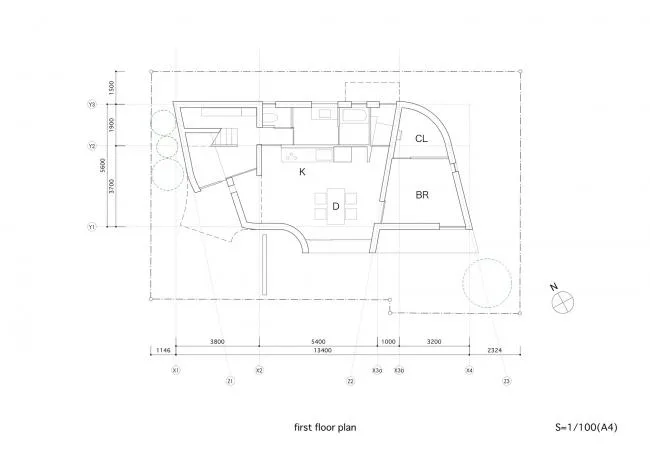
▲ First Floor Plan
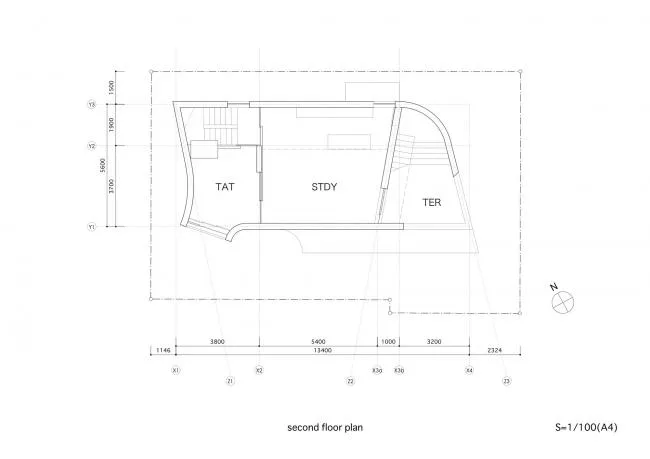
▲ Second Floor Plan
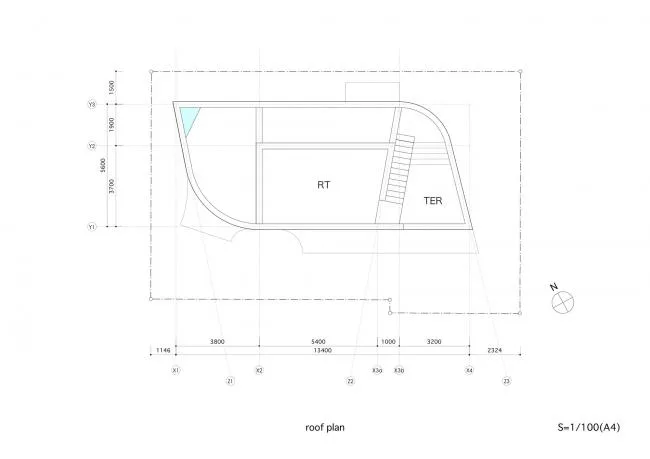
▲ Roof Plan
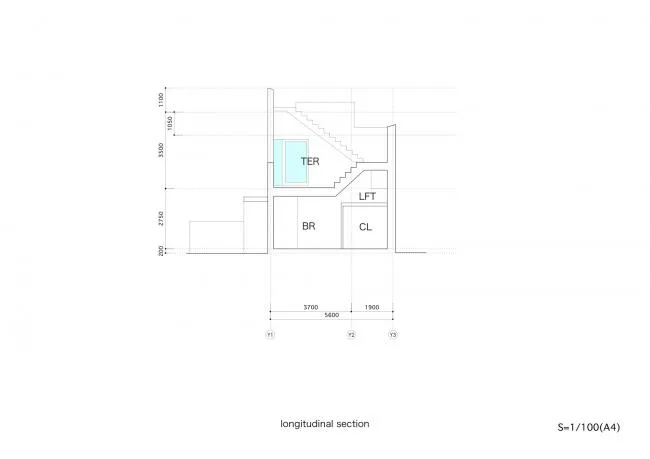
▲ Longitudinal Section
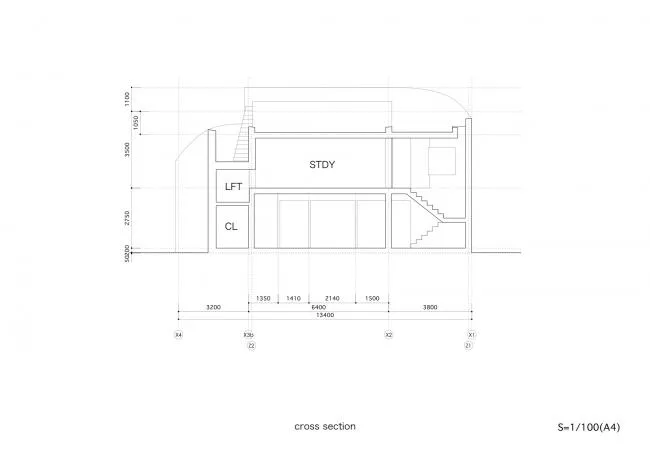
▲ Horizontal Section 1
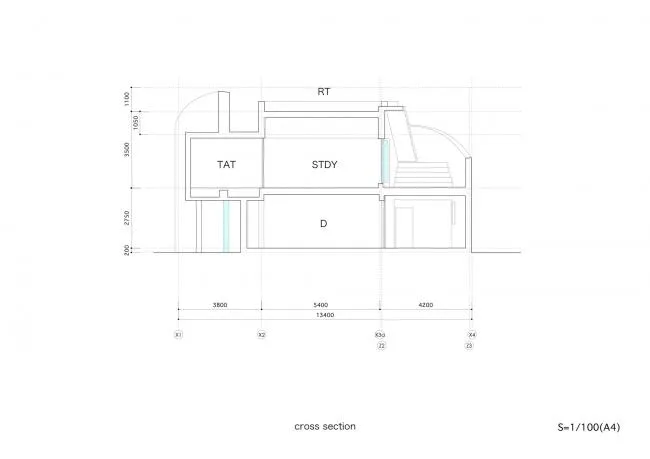
▲ Horizontal Section 2
Project Information
Architectural Firm: AMORPHE
Location: Japan
Category: Independent Residential Buildings
Lead Architect: Kiyoshi Sey Takeyama
Building Area: 71.17 m²
Year Completed: 2017
Photographer: Yoshio Shiratori
Manufacturers: Toto, Hygolet de México, Acor, A&A, Koizumi, Nissin-EX, Sanwacompany












Must log in before commenting!
Sign Up