
The Royal Opera House is a vibrant hub at any hour, showcasing the immense energy behind the scenes. Nestled in one of the world’s most stunning opera houses, visitors can unwind while enjoying coffee, lunch, or drinks, all while appreciating the artistry on display. This venue stands as a beacon of leading drama and a thirst for cultural enrichment.
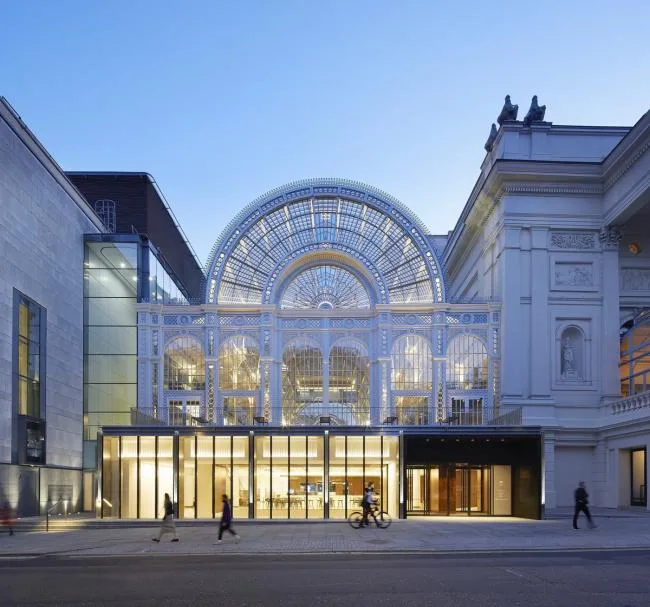
This design thoughtfully reflects the evolving cultural identity of the Royal Opera House. Serving as a diverse cultural and social center for BIM work, the public area on the first floor has been expanded to include cafés, shops, and spaces for informal events and exhibitions. Additionally, the architects renovated the entrance at Covent Garden Square and the glass entrance on Bow Street. The lower level now houses the new Lindbury Theatre, a foyer connecting various parts of the building, study areas, and updated women’s restrooms. Visitors can also enjoy the new restaurant, bar, and terrace situated on the same level as the circular theatre, offering beautiful views of Covent Garden.
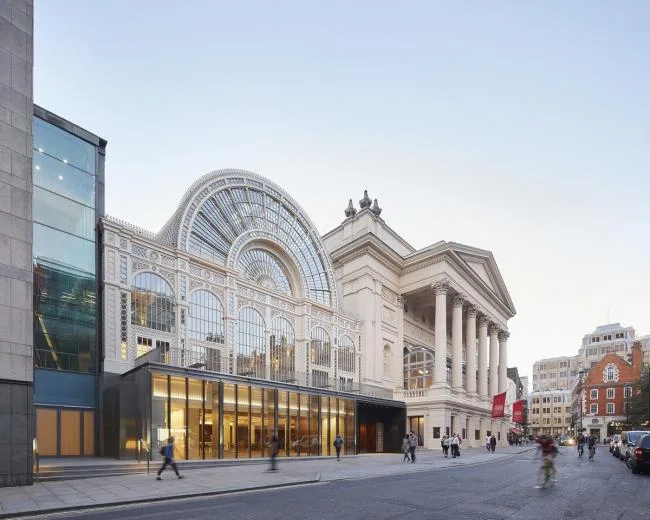
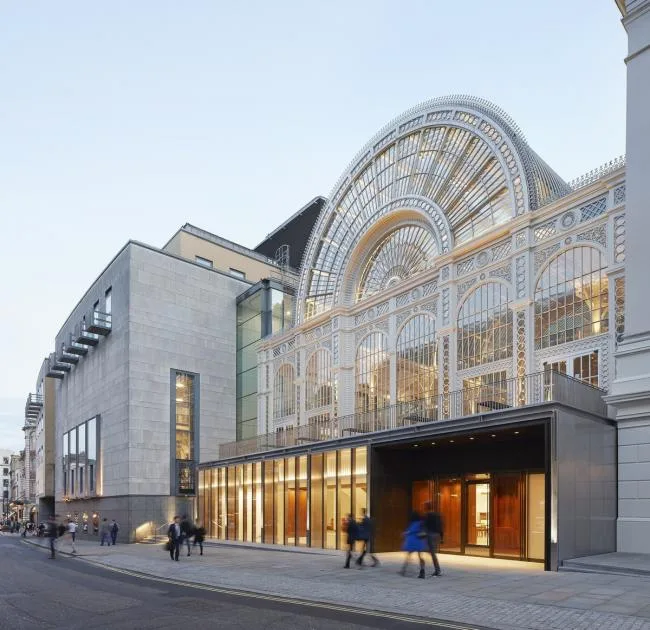
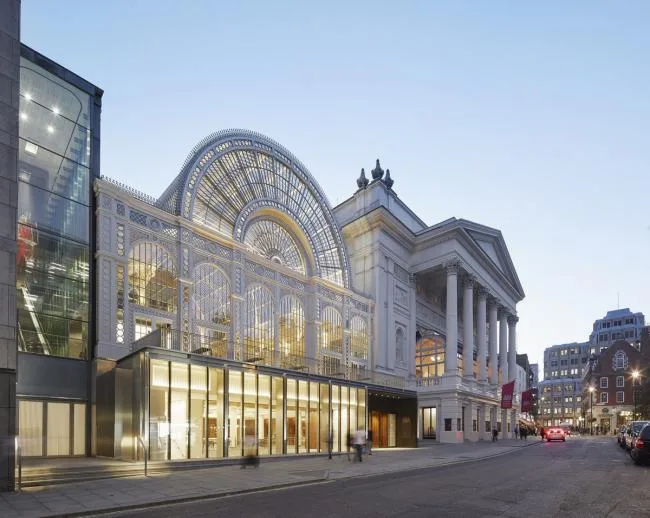
As a heritage-listed building still in active use, one of the main challenges was to visually open the structure to its surroundings. Beneath the historic Paul Hamlin Hall, the architects have expanded the building with a glass extension. This expansion required significant structural renovations and reconfiguration of the existing lobby ventilation system, resulting in a two-story space with enhanced airflow.
The street-facing glass was meticulously designed with inspiration from the traditional wrought ironwork above. The glass panels match the proportions of the Paul Hamlin Hall’s frame and are connected seamlessly with special coverings. The extension features detailed craftsmanship with brushed stainless steel, while dark copper-plated brass accents are used at the northern entrance.
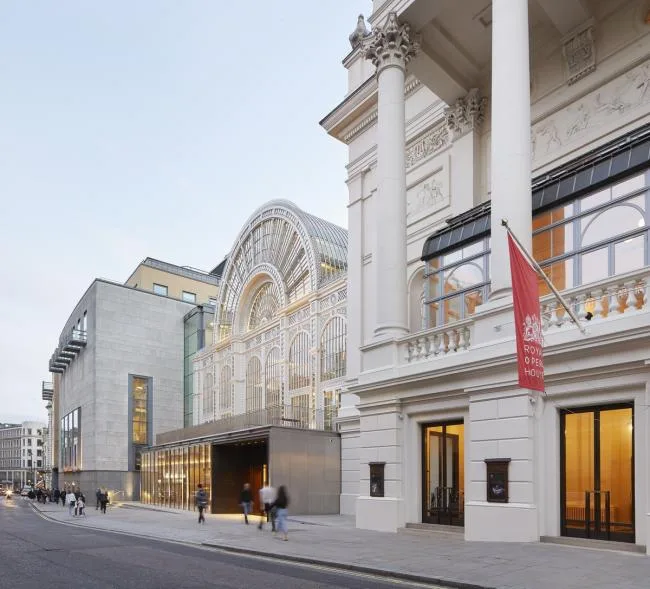
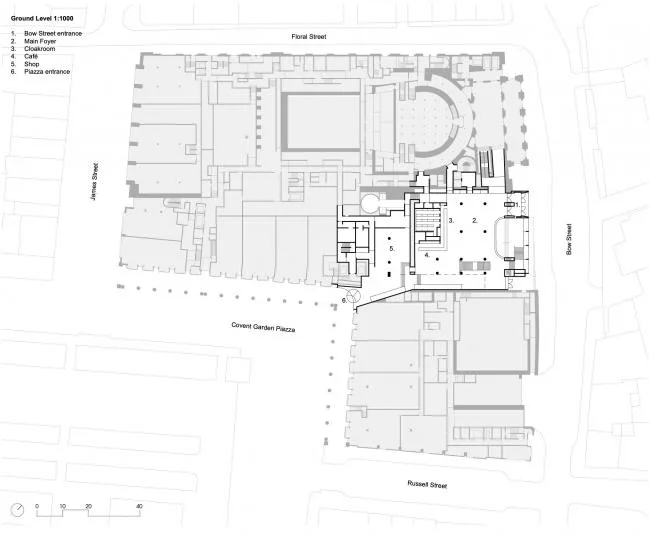
Previously considered a ‘backdoor’, the entrance to Covent Garden Square on the west side now welcomes over half of the visitors entering the building. However, the available open space here is confined by two retail units, as seen in the image showing the stage freight area. To address these limitations, Stanton Williams introduced a curved glass revolving door and a floor-to-ceiling digital screen behind the glass entrance. This new gateway sits within the square’s colonnade, warmly greeting visitors passing through Covent Garden.
The redesigned foyer connects the renovated Bow Street and square entrances through an expanded space that spans the first floor and descends to the new Lindbury Hall foyer. These lobbies are linked by two levels of elevated areas suitable for spontaneous activities and performances. Stanton Williams significantly increased the lobby’s capacity by reorganizing cloakroom and women’s restroom spaces and rethinking box office operations.
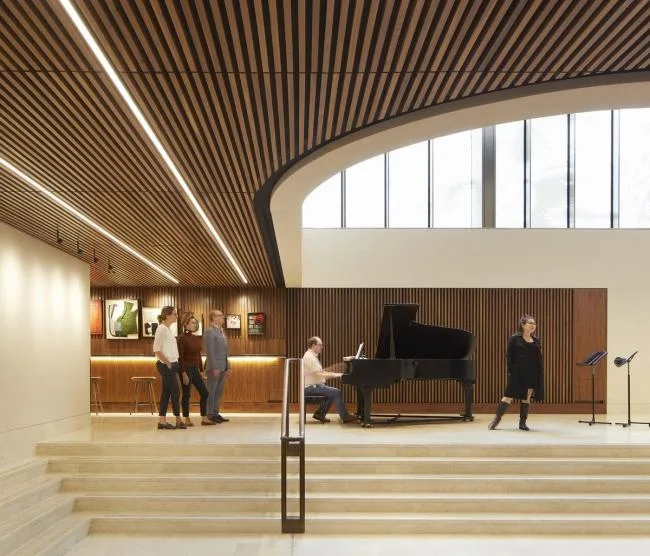
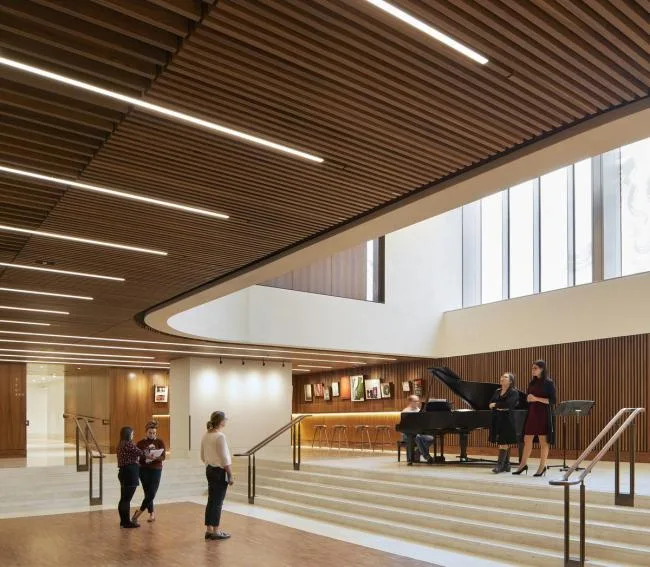
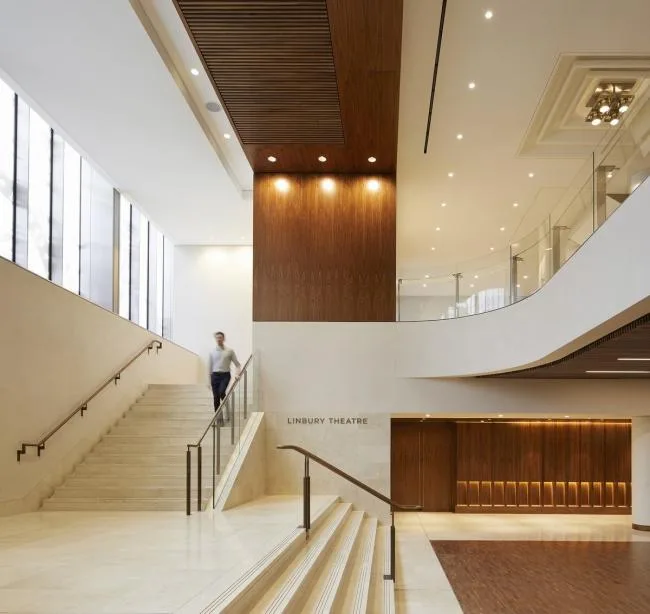
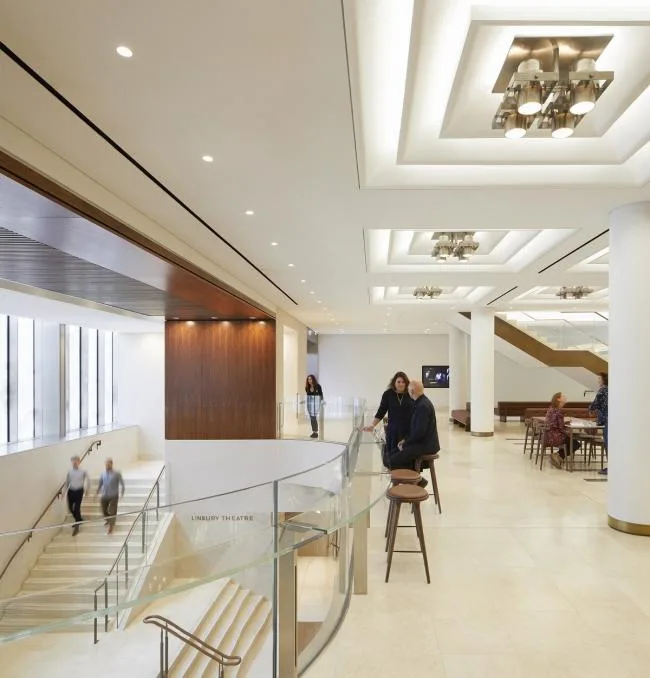
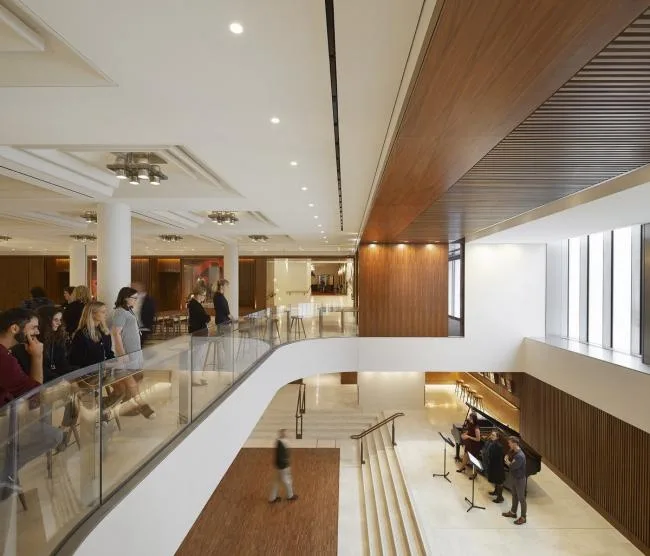
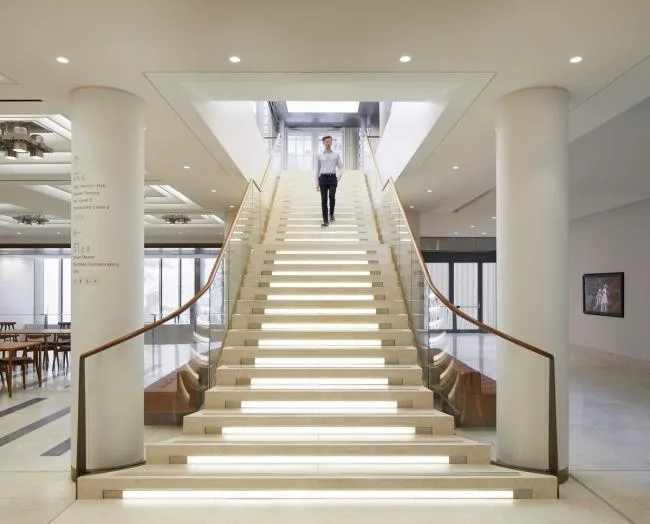
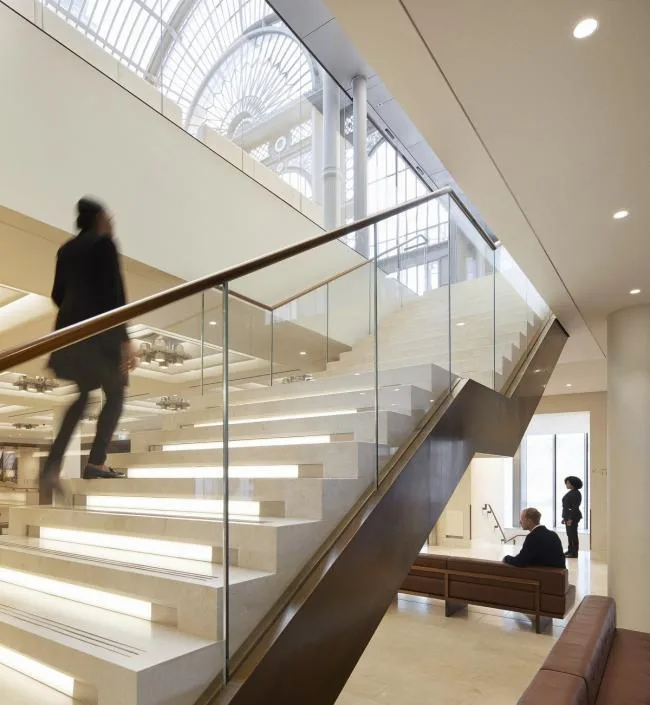
The renovated foyer now includes a larger shop designed by Drinkall Dean and a café with open, transparent spaces that enhance visibility and accessibility. The main staircase has been repositioned to better accommodate public use on the upper level.
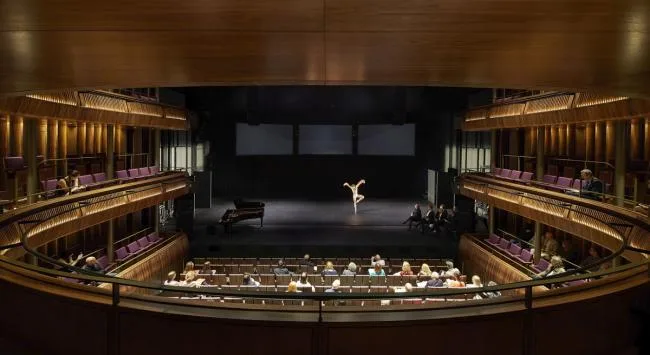
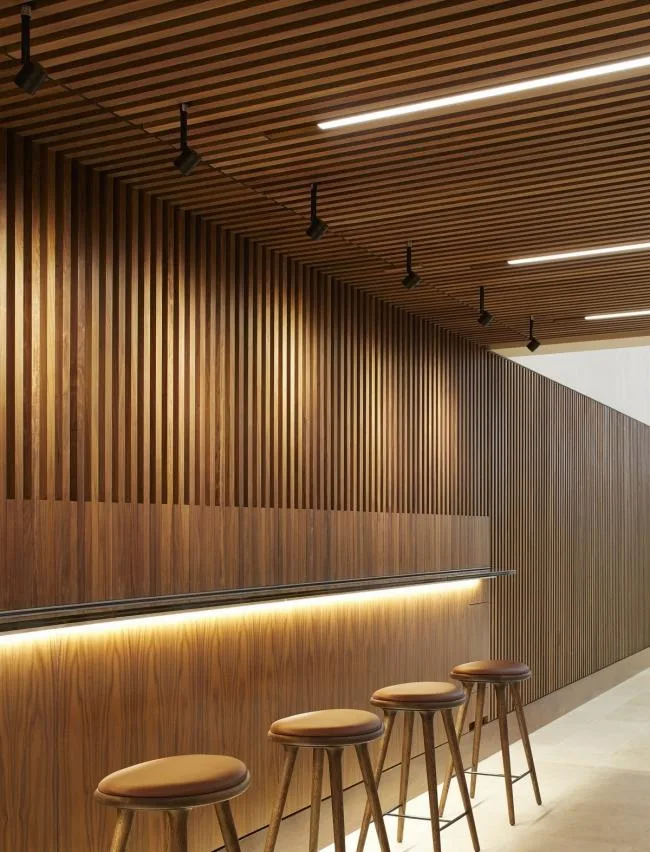
The new Lindbury Hall replaces the former studio theatre, offering a more comfortable and personalized experience with improved accessibility and technical capabilities. Retaining the intimate atmosphere of a 400-seat auditorium, the hall is crafted from American black walnut wood and features advanced adjustable cushioned seats along with state-of-the-art electroacoustic technology.
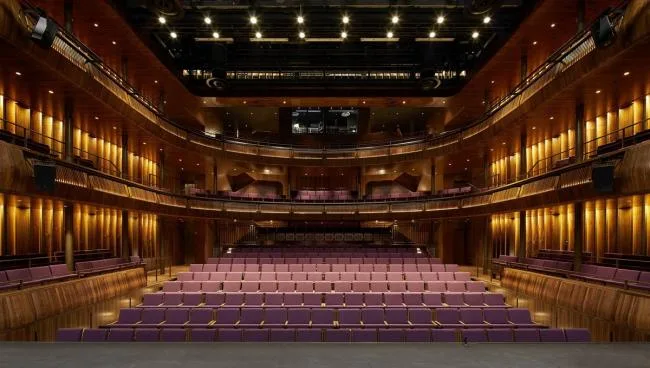
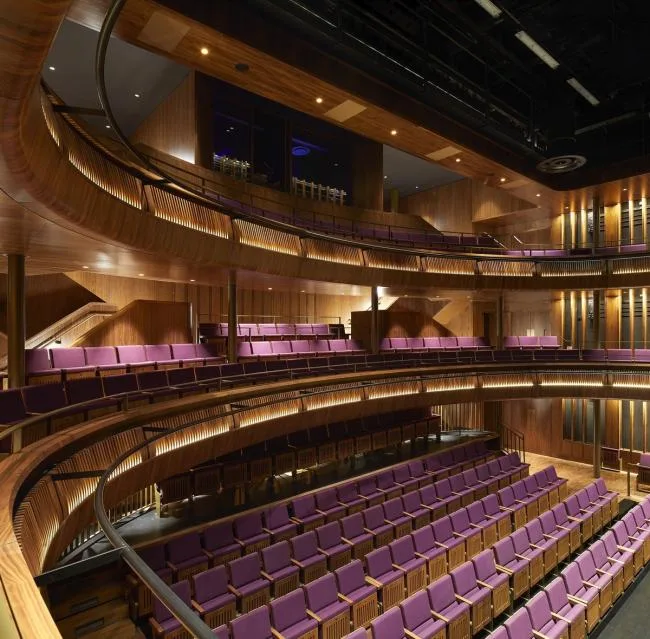
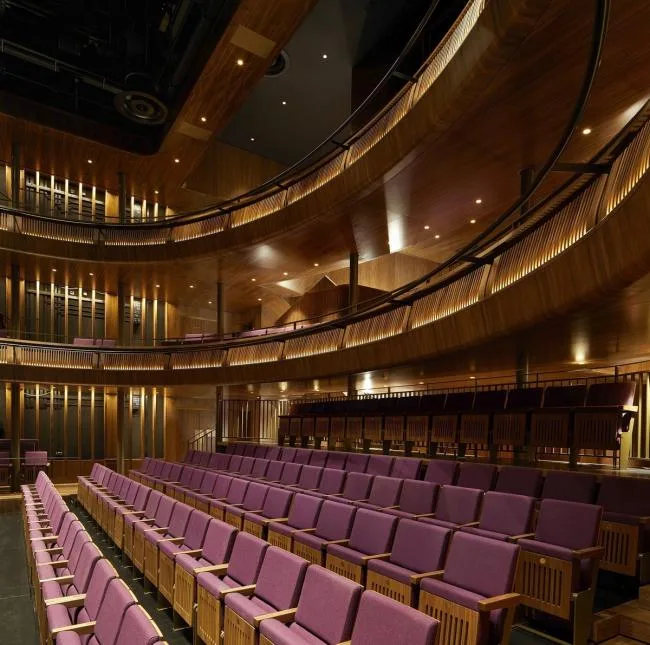
Beginning in December 2018, the new theatre, alongside the main building, serves as an experimental venue for the Royal Ballet and Royal Opera Company, and is open to the public for performances.
On the upper level, Stanton Williams has transformed the Amphitheatre Hall, adding a new bar and a 230-seat restaurant designed by Studio Linse, open to performers and the public alike.
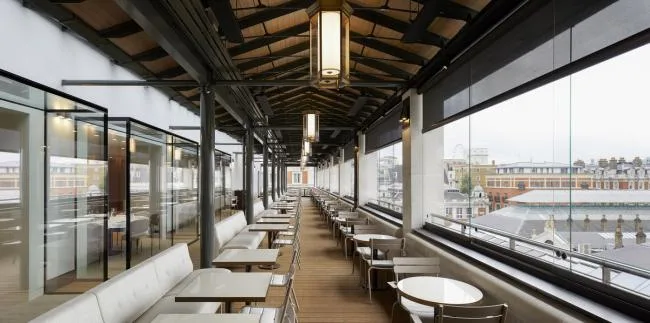
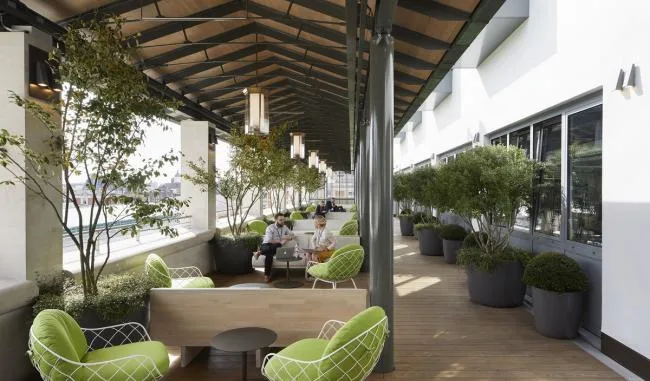
The circular theatre platform is partially enclosed by new sliding glass panels and roof lights, creating a glasshouse environment that can be used year-round. From the terrace, visitors can enjoy panoramic views of the square as well as a glimpse into backstage areas, including the costume department.
Design Drawings:
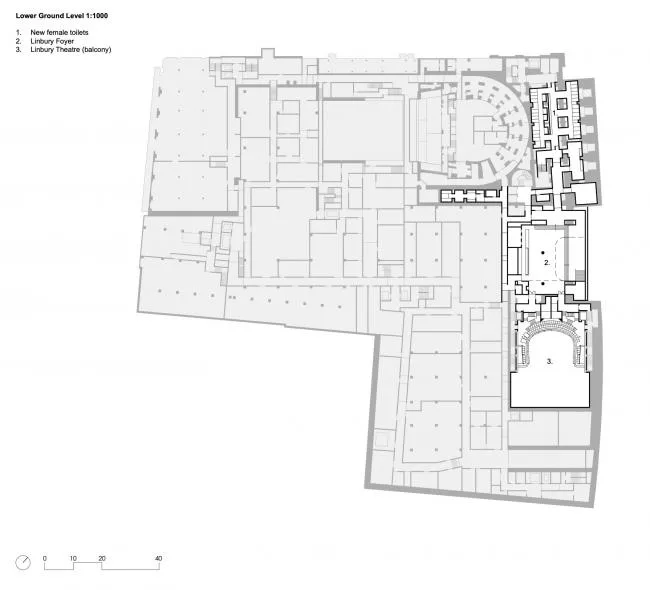
▲ Underground Floor Plan
▲ First Floor Plan
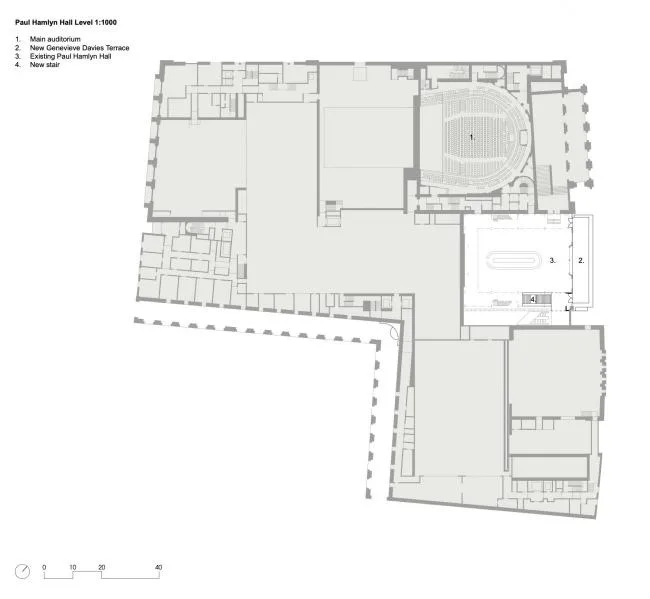
▲ Plan of Paul Hamlin Hall
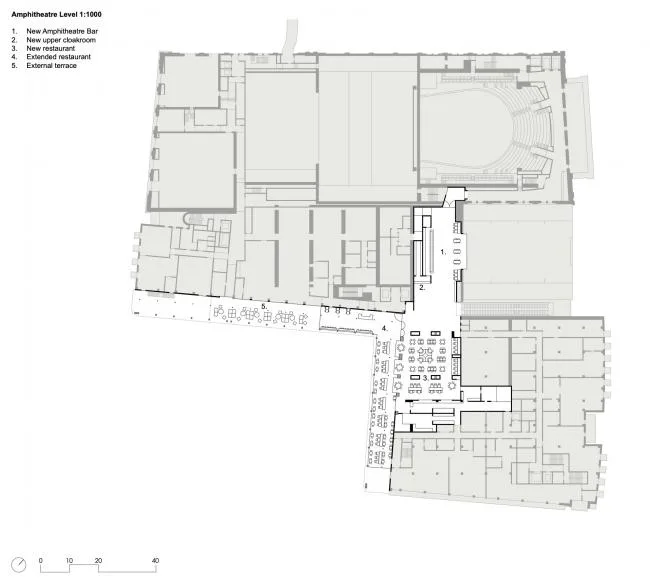
▲ Plan of the Circular Theatre
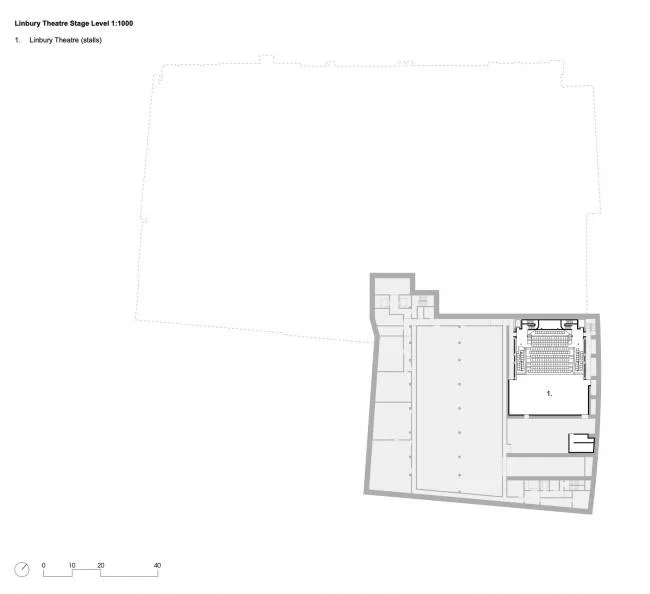
▲ Plan of Lindbury Hall
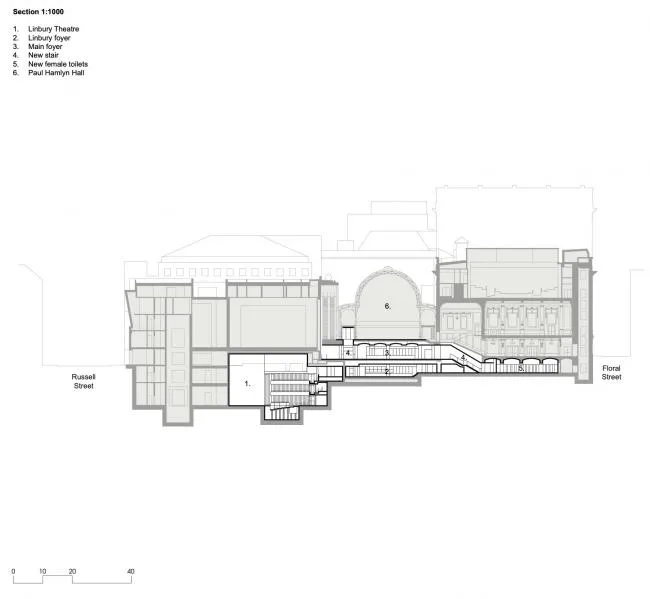
▲ Sectional View
Project Information:
Architectural Firm: Stanton Williams
Location: London, United Kingdom
Category: Renovation Project
Year: 2018
Photographer: Hufton+Craw
Client: Royal Opera House
Restaurant Interior Design: Studio Linse
Retail Interior Design: Drinkall Dean
Project Manager: Platform | Equals Consulting
Construction Manager: Rise
Fifth Floor Retail & Kroll Contractor: 3 Interiors
Lighting Design: Studio Fractal
Wayfinding & Signage Design: Endpoint
Service Engineer: Arup
Structural Engineer: Arup | Robert Bird Group
Acoustic Engineer: Arup Acoustics
Fire Engineer: Arup Fire
Flow Distribution: Arup
Theatre Consultant: Charcoalblue
Entrance Consultant: All Clear Designs
Planning Consultant: Gerald Eve | The Planning Lab
Heritage Advisor: Donald Insall Associates
Catering Consultant: Kendrick Hobbs
Approved Inspector: AIS
IT Consultant: Fixation Networks












Must log in before commenting!
Sign Up