
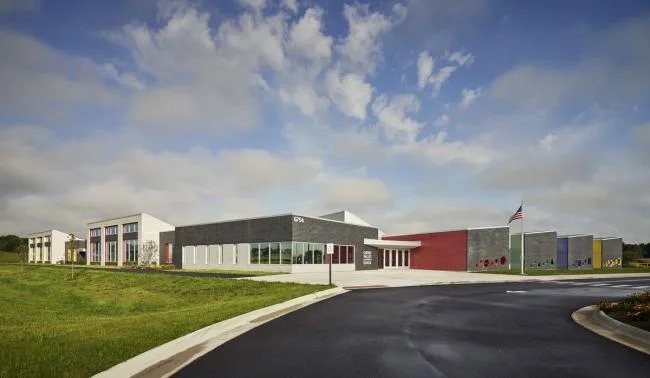
Children represent an important part of the population, yet they generally lack political power. Their interests are typically represented by their guardians. The design process and final concept for the new K-5 public school in Rockford City revolve around this interactive philosophy: designers collaborate directly with students, rather than designing solely for them. In this way, the building itself becomes a true community.
During a seminar with the school principal, the design team learned about the school’s daily “morning briefing” sessions. Many students face physical disabilities, challenging home environments, or difficult family circumstances. These sessions aim to help students release negative energy so they are better prepared to absorb new information and collaborate with peers throughout the day.
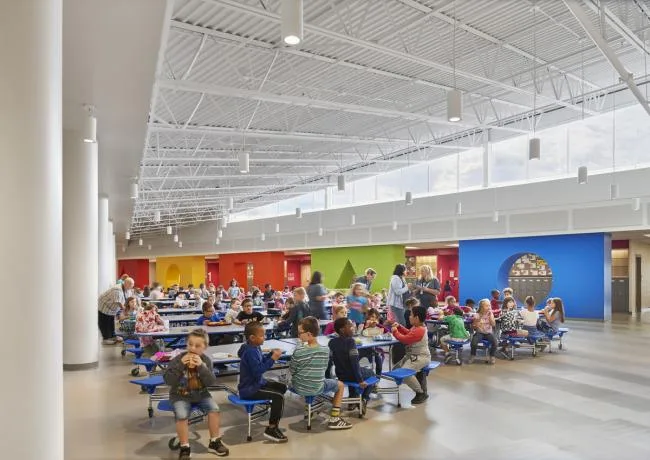
Recognizing the importance of these morning briefings, the team focused on designing functional spaces to support this activity and promote student growth. To balance budget and space limitations, the team collaborated with fourth-grade students to develop a covered central assembly hall. This versatile space integrates the gymnasium, cafeteria, art studio, library, and other communal areas, providing a dedicated venue for morning briefings.

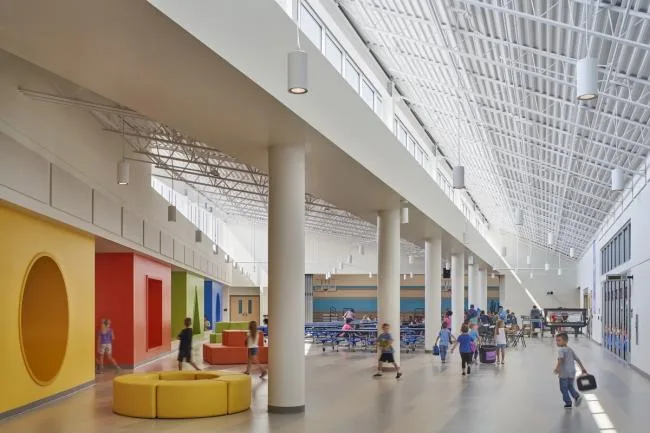
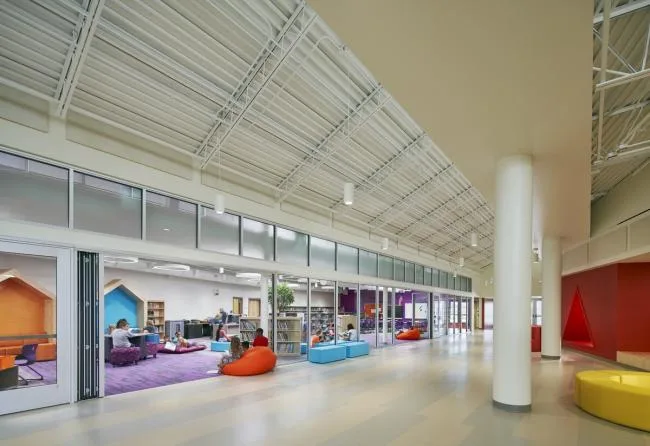
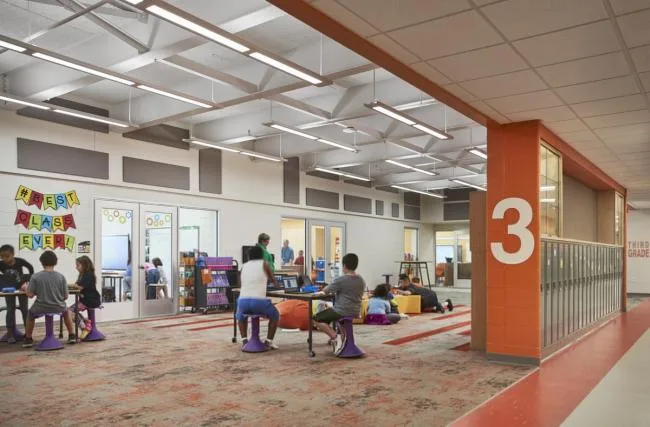
The central hall is surrounded by dedicated learning zones tailored to different age groups: kindergarteners have their own space, first and second graders share a zone, and third through fifth graders share another. By involving students in the design process, the school moved away from traditional features such as long corridors and fixed classroom furniture, which often hinder teacher-student interaction and skill development. Instead, a more open, communal design was embraced, creating a central hub that strengthens the school community. This approach embodies the idea that “the whole is greater than the sum of its parts.”
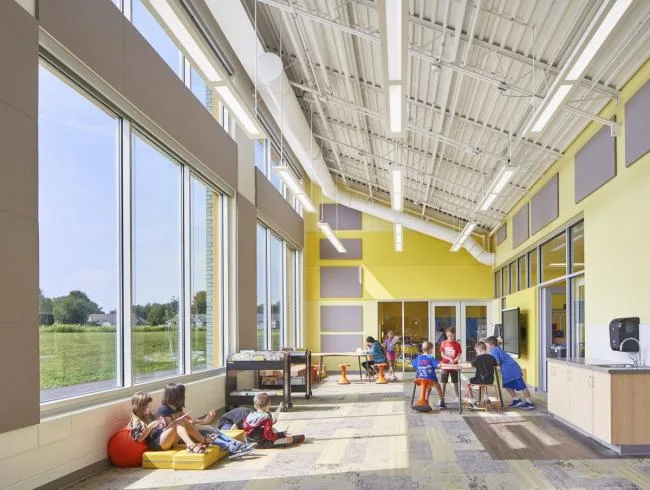
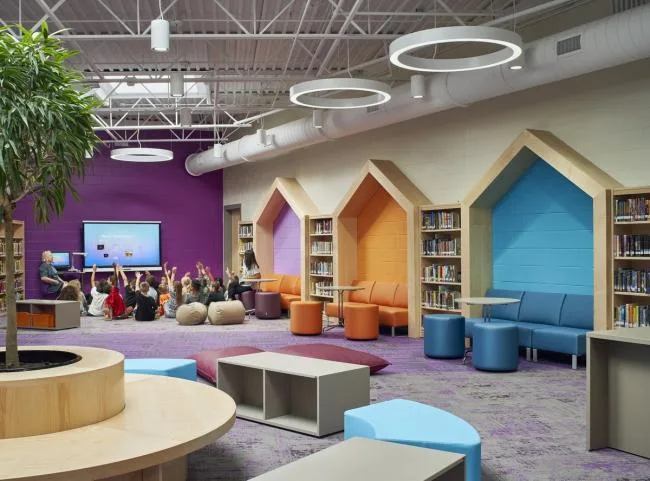
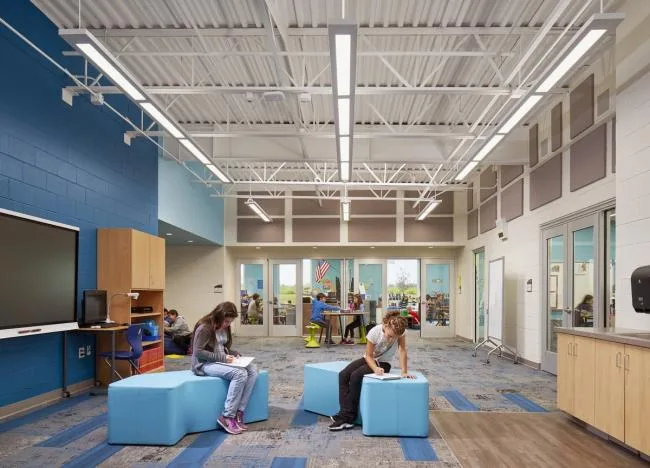
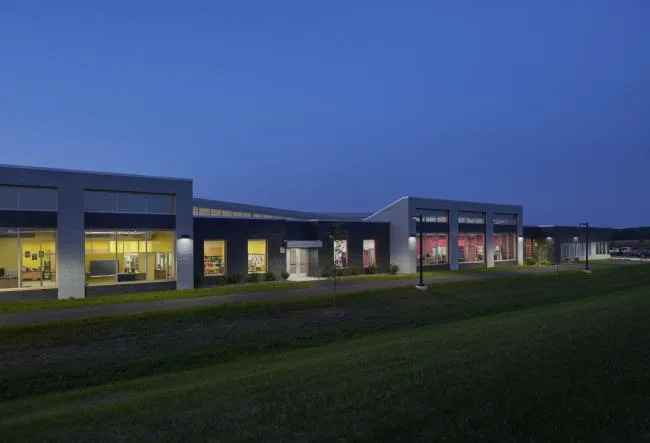
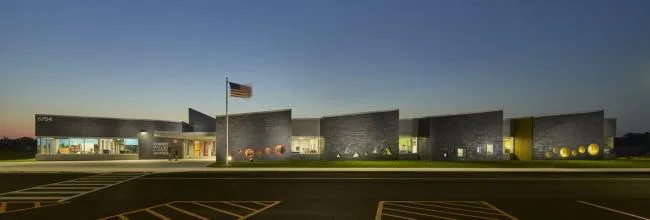
Architectural spaces that directly engage children are both stimulating and educational. Upon entering this 86,000-square-foot building, kindergarten students instinctively feel the challenges and excitement of growing up. Inspired by children’s drawings, the design team created a unique kindergarten environment. These spaces are visible from the street, helping to reduce anxiety and providing a sense of comfort. Each space is distinct and thoughtfully designed.
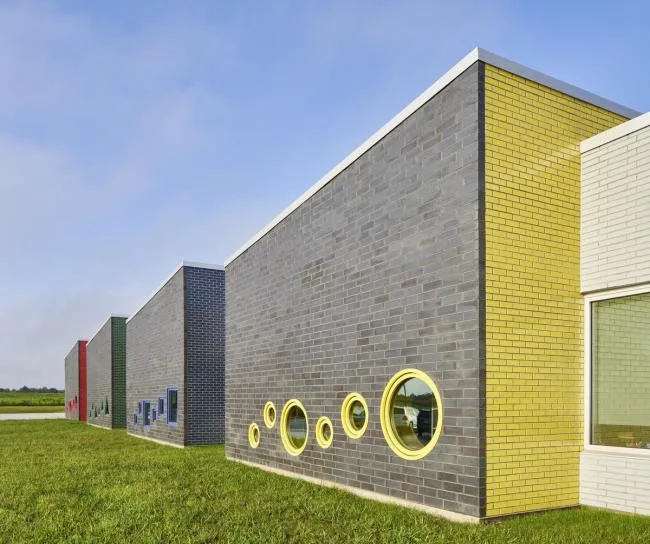
The colorful geometric windows break down the building’s scale into smaller, more approachable parts, dividing the school into identifiable sections. This design helps kindergarteners understand their place within the larger community.
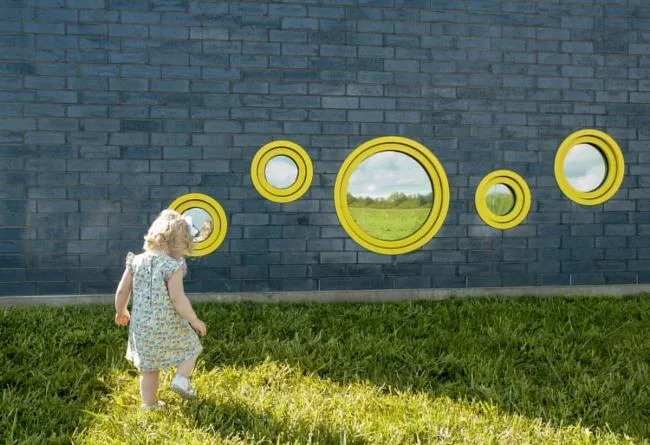
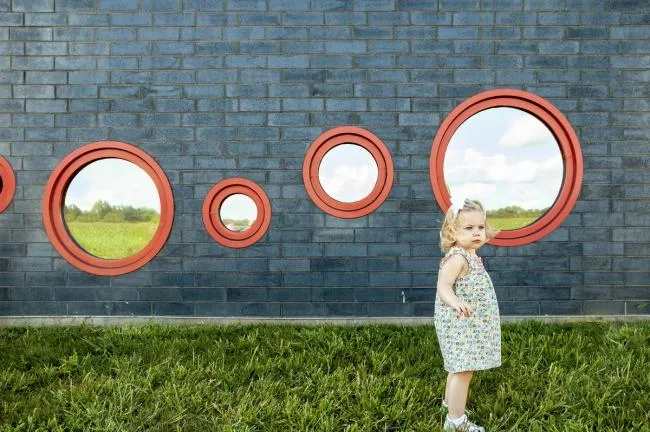
Windows positioned close to the ground captivate kindergarteners, encouraging them to engage with their surroundings. This geometric design approach extends throughout the school, creating spaces where students can simultaneously play and learn. Integrated furniture helps students grasp the interconnectedness of real-world concepts. Such spatial reasoning is essential for their development.
In the learning areas, furniture and teaching aids are soft, movable, and flexible. Students can push, pull, and rearrange them freely, allowing them to redefine collaboration, community, and their campus experience every day.
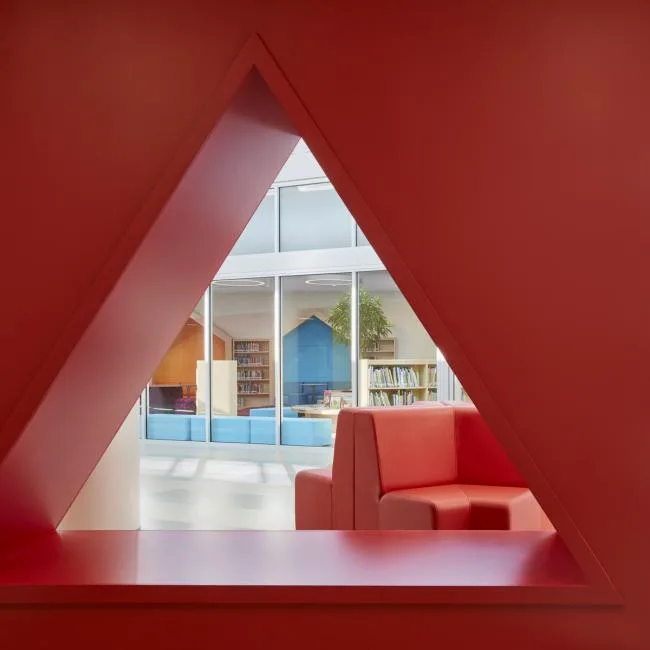
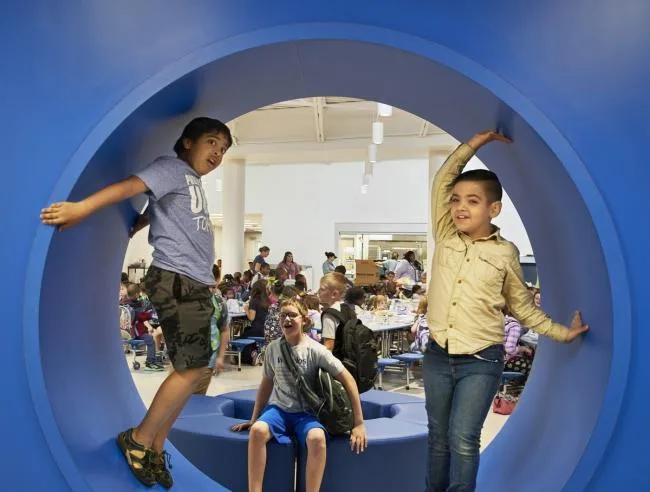
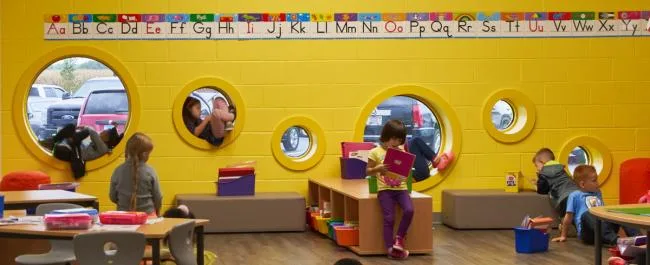



The overall design reflects the broader community landscape of Rockford City. Rooted in its agricultural and industrial heritage, the 86,000-square-foot facility is divided into smaller, recognizable volumes, mirroring the students’ understanding of architecture and locality. By considering both macro perspectives (history, culture, community) and micro elements (posture, cognitive development, learning methods), the design team has created an innovative campus prototype that serves both students and the wider community.
Design Drawings:
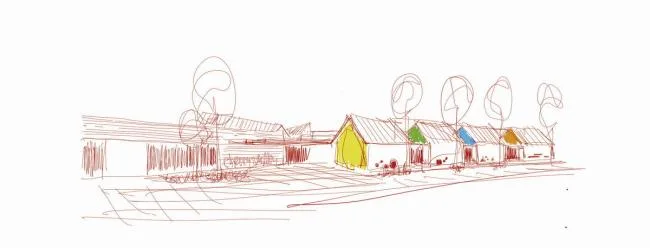
▲ Sketch

▲ Sketch
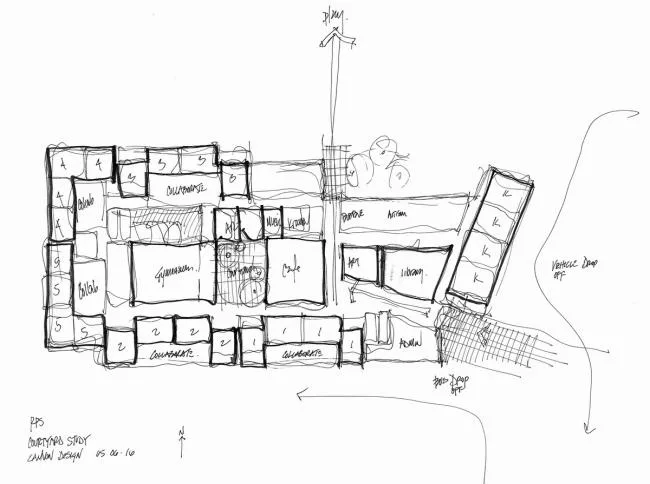
▲ Sketch Plan
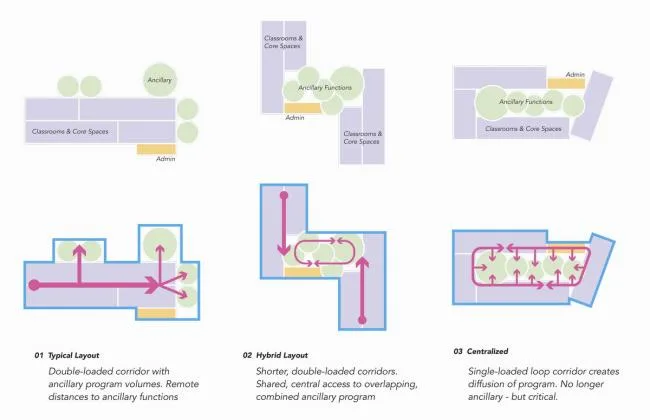
▲ Analysis Chart
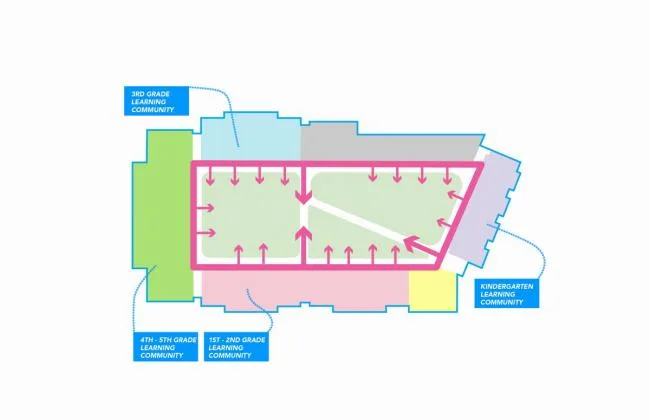
▲ Analysis Chart
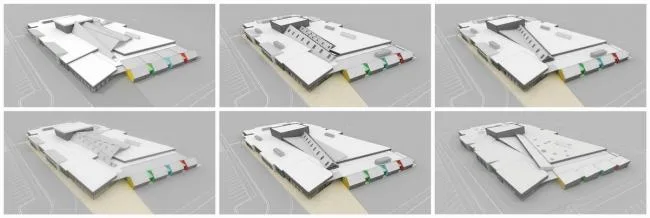
▲ Analysis Chart
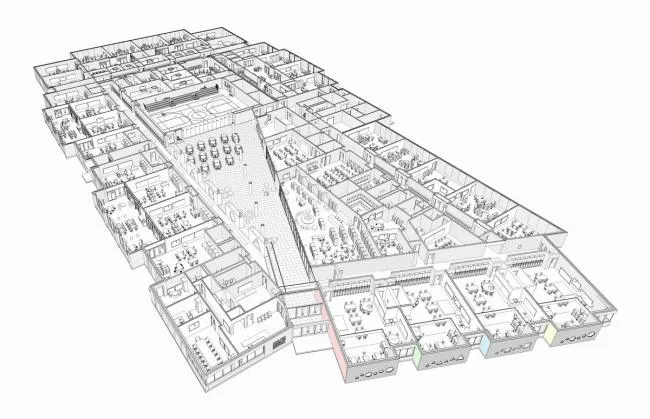
▲ Axial Plan View
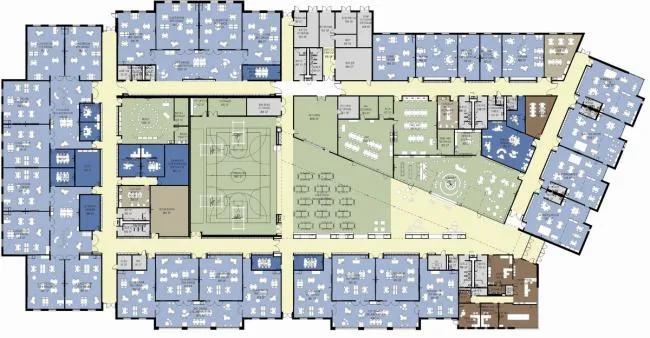
▲ Plan View
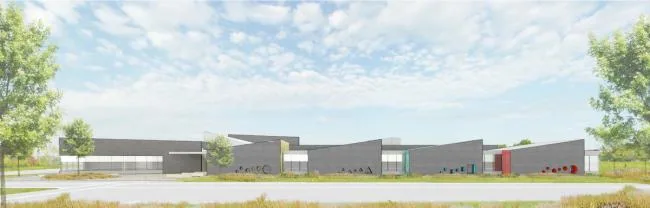
▲ Elevation View
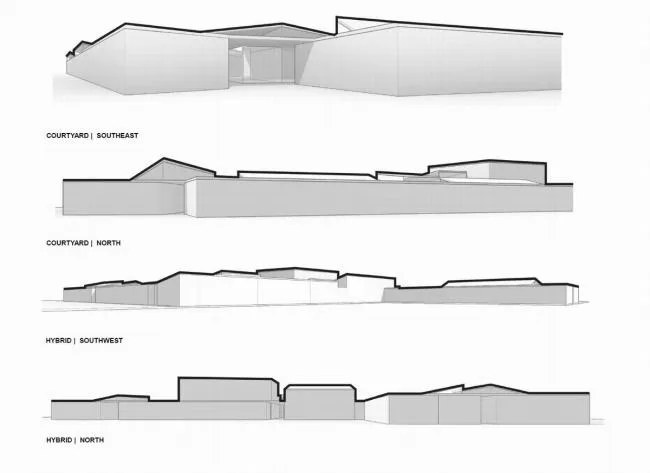
▲ Elevation View
Project Information:
BIM Design Firm: CannonDesign
Location: Rockford, Illinois, USA
Category: Primary and Secondary Schools
Architects: Darren Poon, Eric Wyszkowski
Design Lead: Robert Benson
Project Manager: Stuart Brodsky
Building Area: 86,000 sq ft
Project Year: 2018
Photographers: Robert Benson, Christopher Barrett
Suppliers: Sunflex, Draper, McNeel, HUFCOR, Autodesk, Tandus Centiva
Mechanical Engineers: Keith Hammelman, Javier Madrigal
Electrical Engineers: John Economou, Kassam Mas (BIM Engineer), Sarah Bower
Lighting Designer: Raisa Shigol
Fire Protection Designer: Andrew Grabowski
Structural Engineer: Justin Holmes
Budget Controls: Mike Hepp, Bill Grill, Gerry Horner, Bryan Knapp
Architecture Team: Geoff Walters, Ronald Harrison, Marion Lawson, Keri VanSant, Mary Cavanaugh, Sanja Kuntz, Raquel Morales, Nicole Wiznitzer, Christopher Defosset
Engineering Team: Pedro Tenorio, Tasnim Tanveer












Must log in before commenting!
Sign Up