
▼ Project Overview
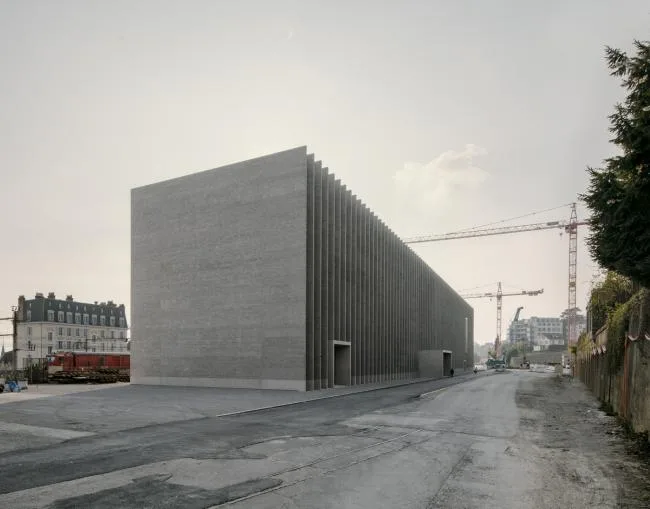
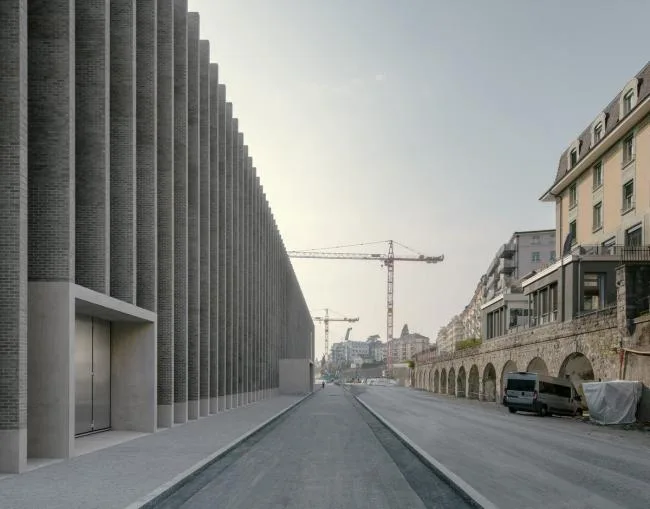
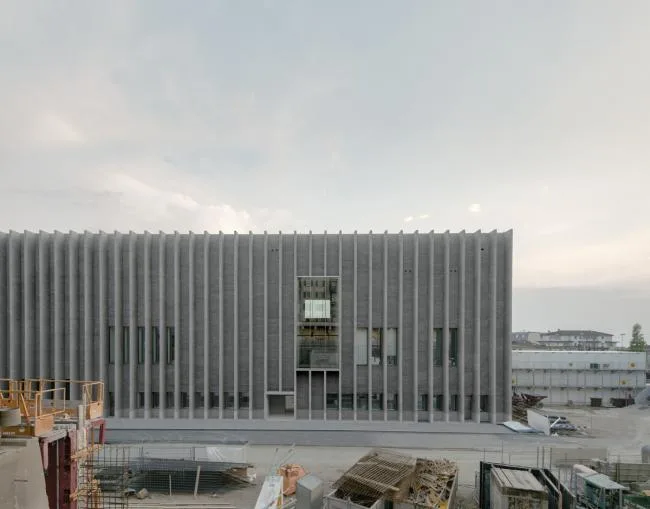
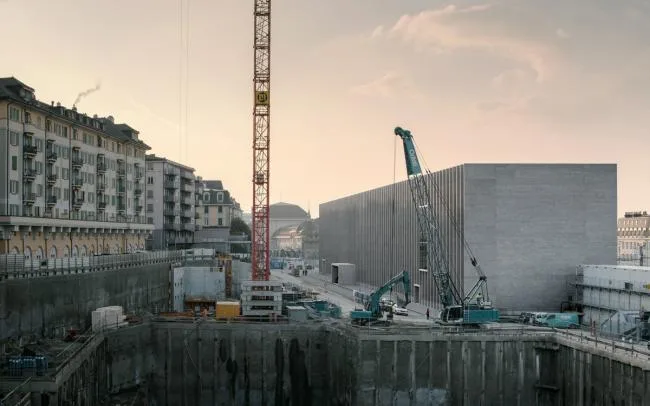
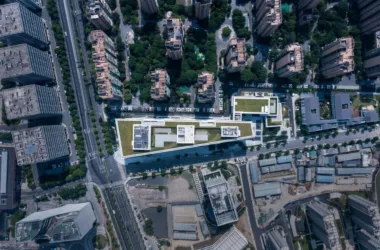
This project is situated in the city center and presents a master plan for three prominent museums: the State Museum of Fine Arts (MCB) designed by BIM Architecture, the Museum of Contemporary Applied Art and Design (MUDAC), and the Élysée Photography Museum (Musée de l’Élysée). The new art museum is located on the southern edge of the site, designed as a vertical volume parallel to the railway tracks. Much like a train station, this museum defines the urban space and acts as a buffer, shielding the area from train disturbances.
The largest of the three, the State Art Museum, embraces the site’s industrial heritage through its pragmatic design, featuring a rigorous volume and sharp lines that echo the original industrial background.
▼ Project Location
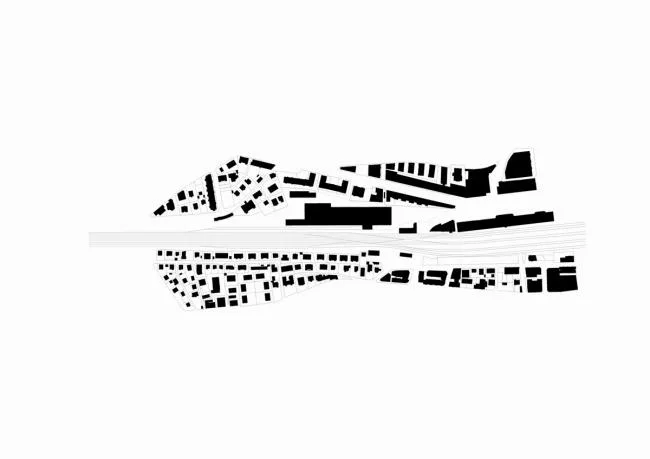
▼ Urban Planning
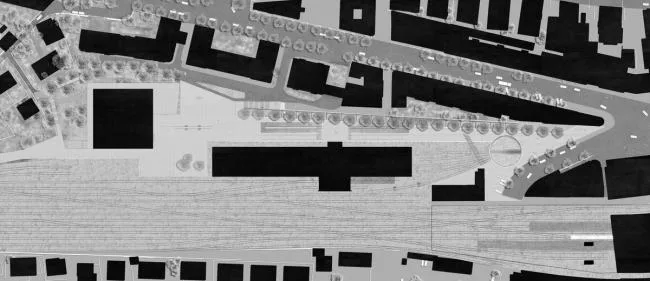
▼ South Facade: Art Museum Parallel to the Train Tracks
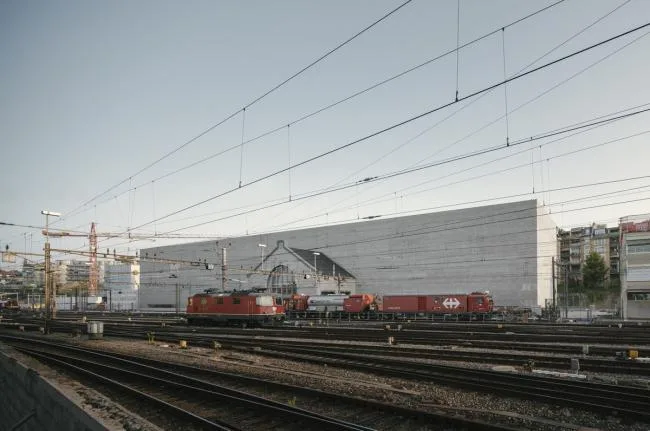
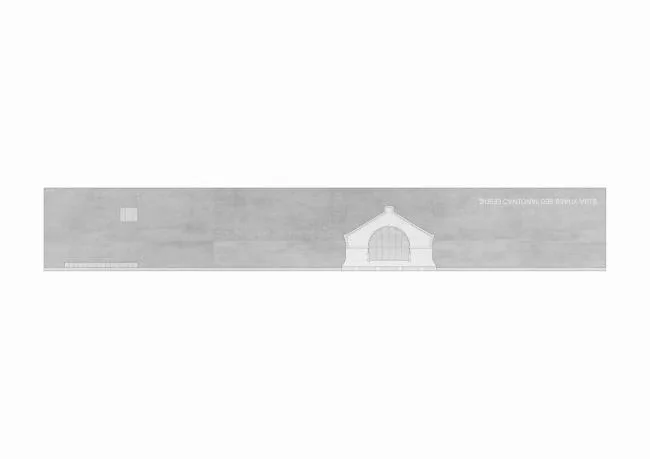
To create meaningful urban space, parts of the existing train hall were demolished while preserving fragments that safeguard the site’s memory. The building is largely enclosed to protect its collections, with a closed south facade facing inward and a more open, transparent north facade that engages with the city.
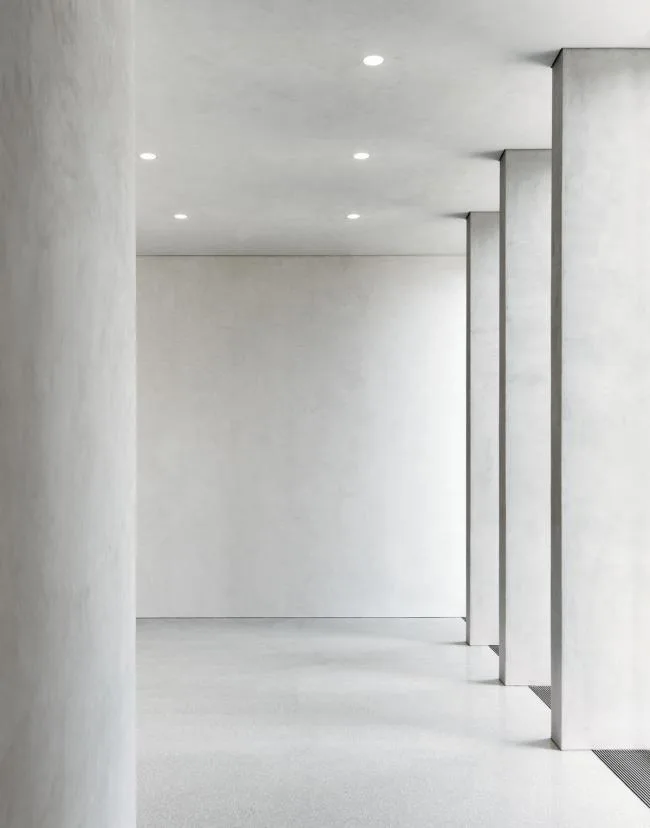
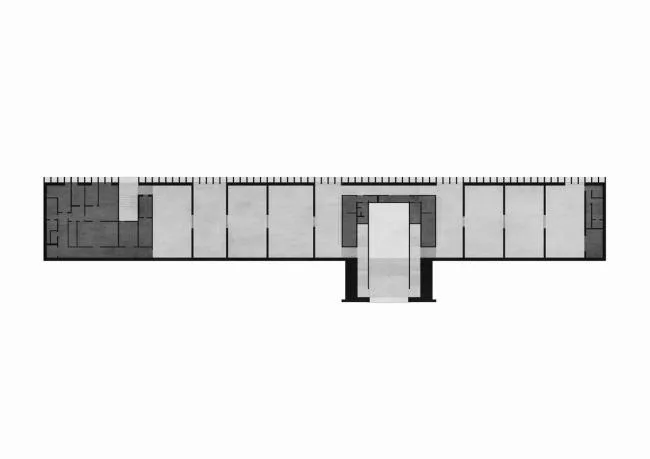
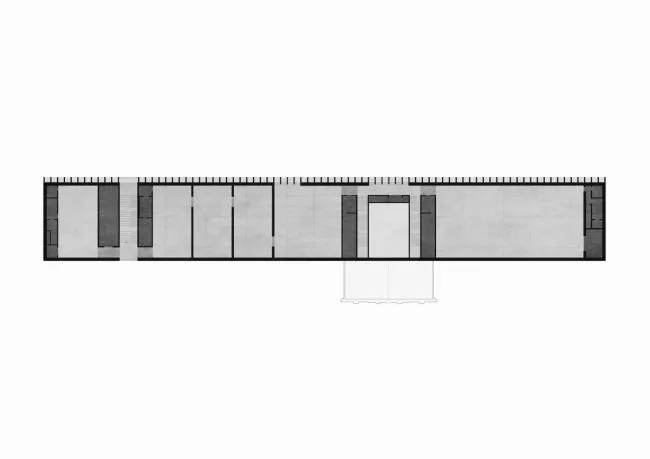
The first floor extends the public square, encouraging social interaction. The preserved fragments within the hall serve as load-bearing structures for the new museum. The design tackles complexity simply and comprehensively: five core structural elements on each floor both support the building and shape its architectural form.
▼ North First Floor Public Square
▼ First Floor Lobby
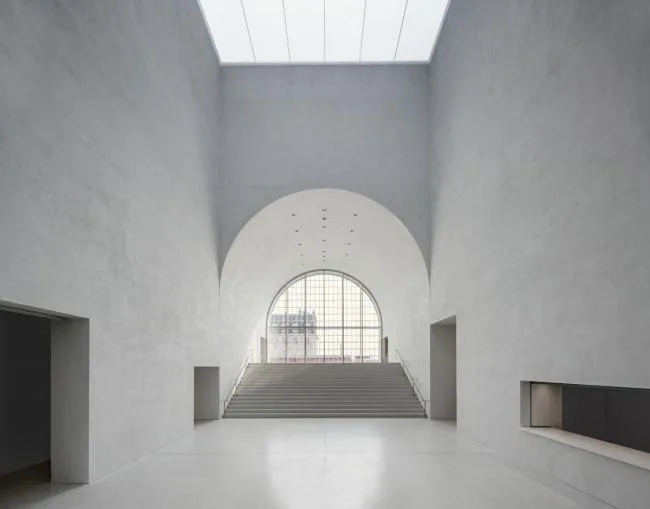
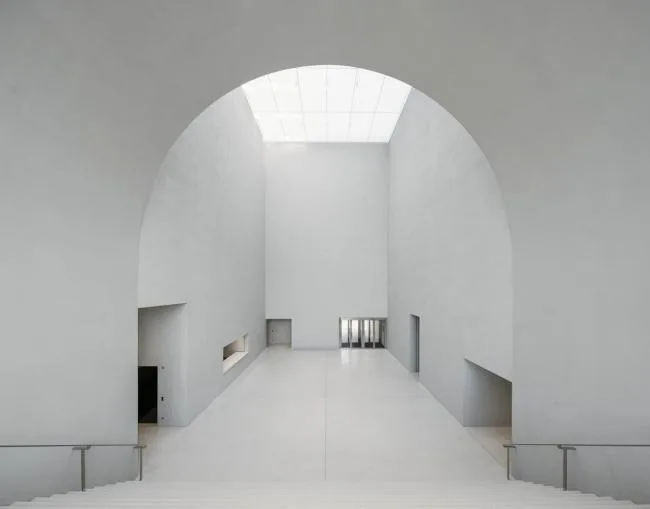
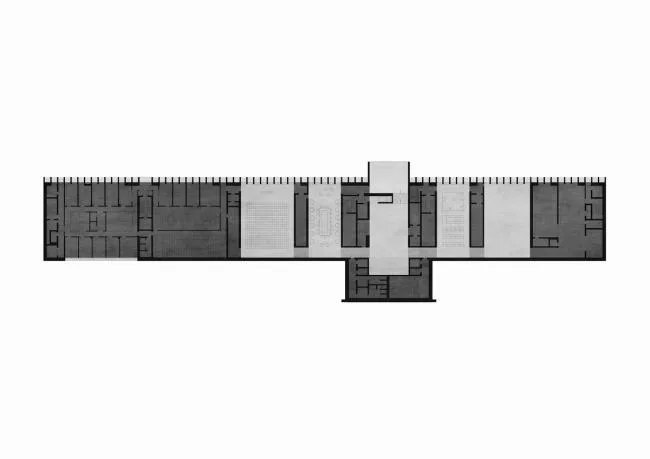
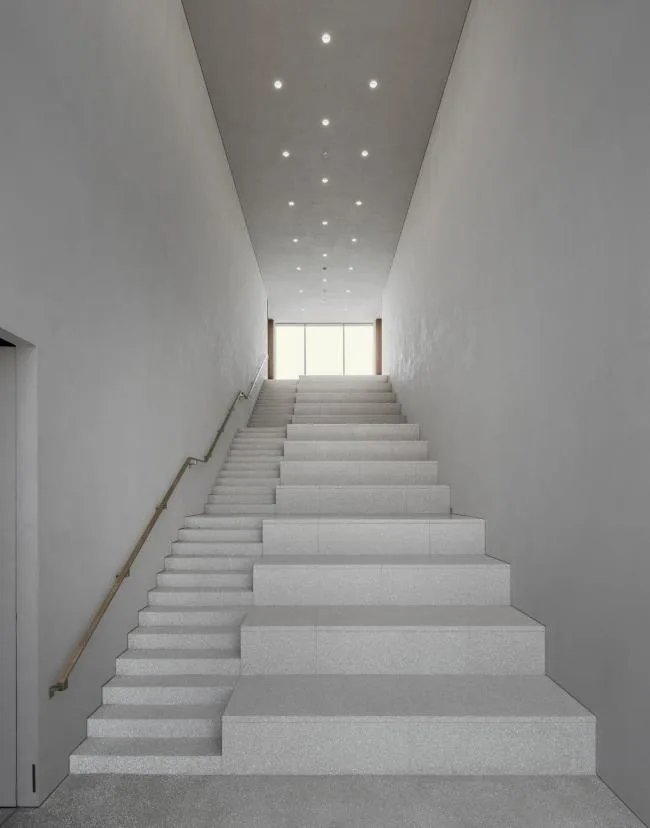
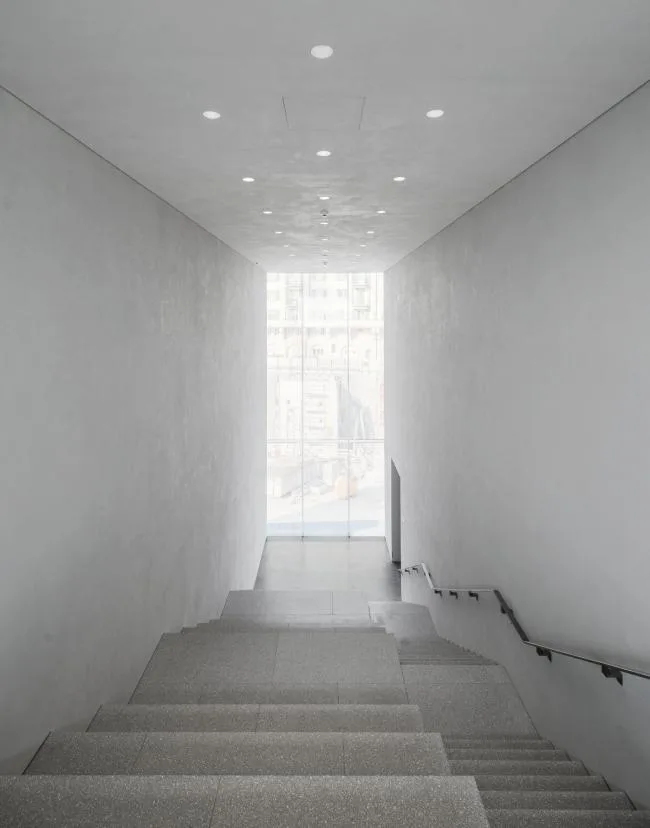
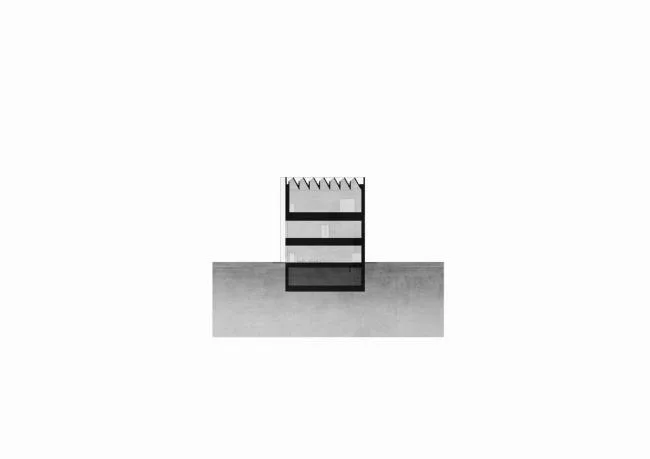
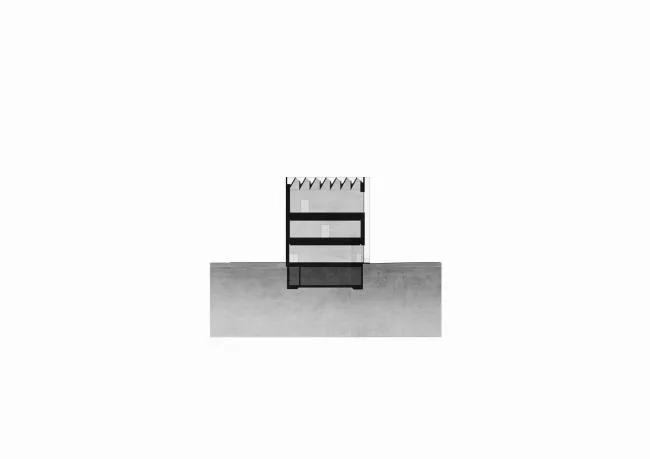
The State Art Museum spans three floors, connected by a continuous lobby space. The first floor hosts all social functions, including the lobby, bookstore, restaurant, auditorium, and a temporary contemporary art gallery. To harmonize these interior spaces with the external public square, porous materials were used on the first-floor facade. Upper floors contain exhibition areas flanking the entrance hall.
▼ First Floor Plan of the Art Museum
▼ Hall
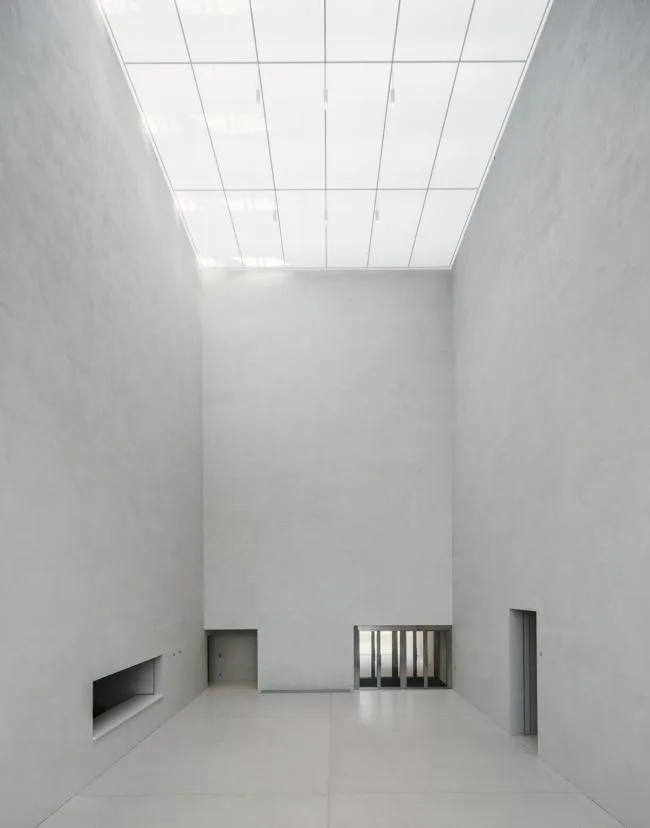
▼ Exhibition Space
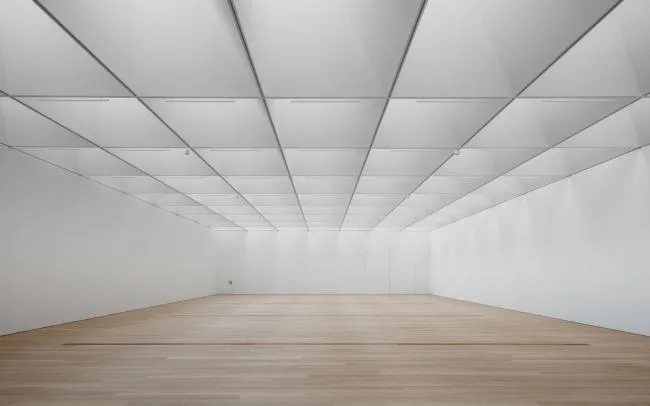
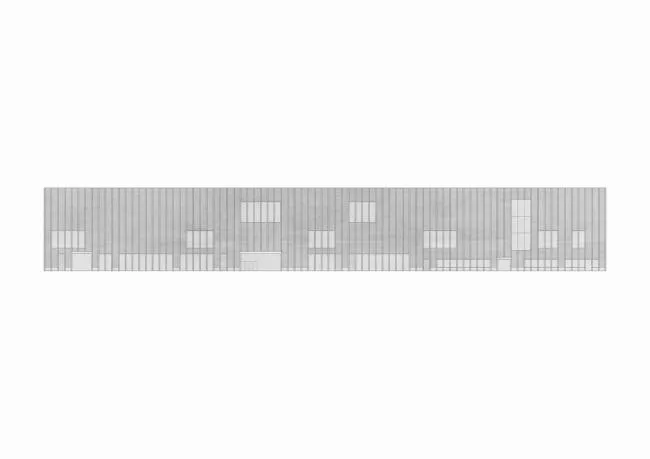
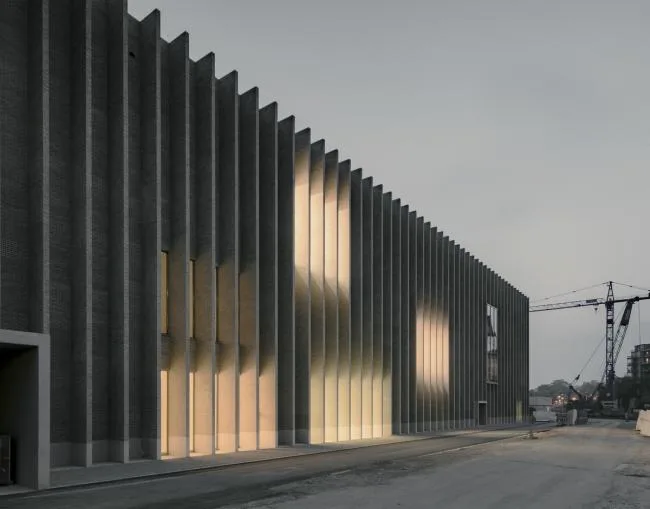
The building features two contrasting facades: a solid, opaque south side and an open, lively north side that faces the new public square. Vertical ribs traverse the north facade’s tall windows to minimize direct sunlight exposure on sensitive areas. Natural light enters the upper levels through modular sheds facing north, which filter and control sunlight via an internal louver system, creating a subdued, atmospheric lighting.
▼ South Elevation of the Art Museum
▼ North Elevation of the Art Museum
▼ North Facade Opened Along the Street
Light filtered through the vertical ribs creates a dynamic interior atmosphere.
Natural light illuminates the upper staircase area.
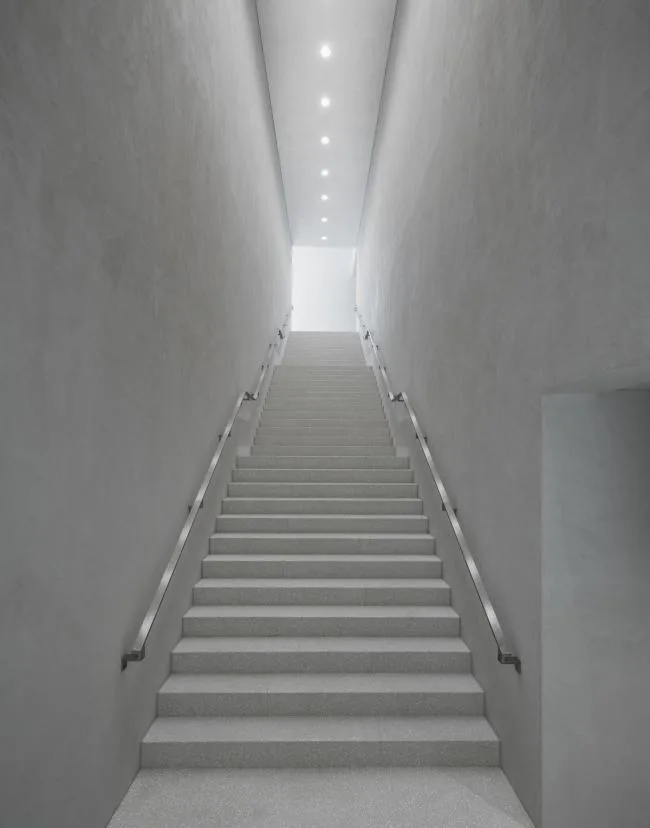
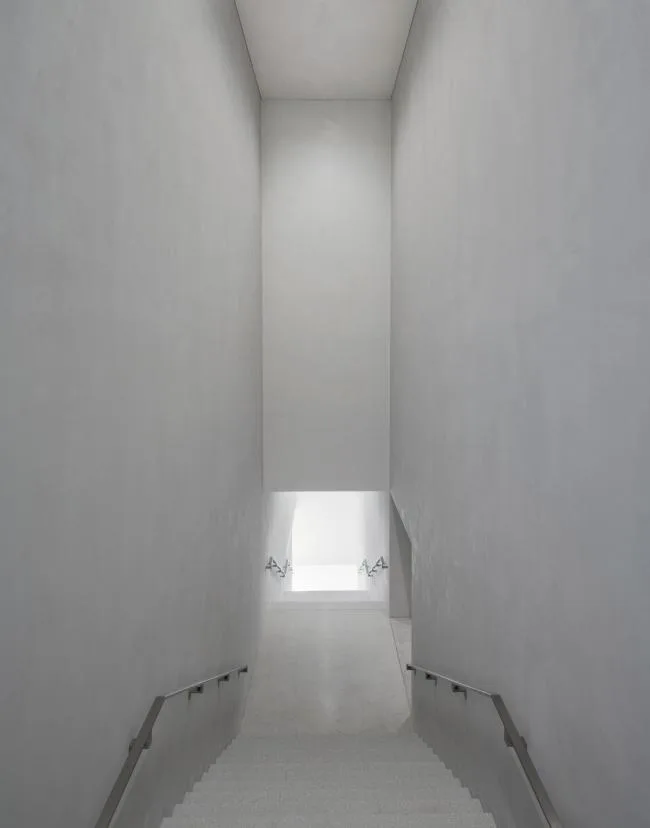
The brick facade reflects the industrial history of the site, adding texture and lively patterns to the architecture. The vertical rhythms of the blinds on the square break the mass of the large stone blocks and mark the building’s entrance. At night, light from inside the museum filters through the blinds, transforming the facade into a glowing canvas that animates the square.
The design concept of the square aims to create an external public space that fosters a dialogue with the museum, blending fragmented memories of past industries such as railway tracks and turntables into the urban fabric.
▼ Art Museum with Industrial Heritage Memories
At night, light from the museum shines through the blinds, enlivening the building’s presence.
▼ Second Floor Plan
▼ Third Floor Plan
▼ Sectional Drawing 01
▼ Section 02
▼ Section 03
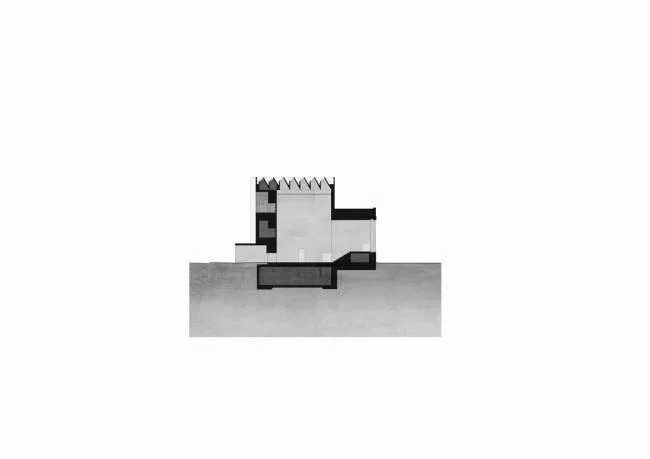
▼ Section 04
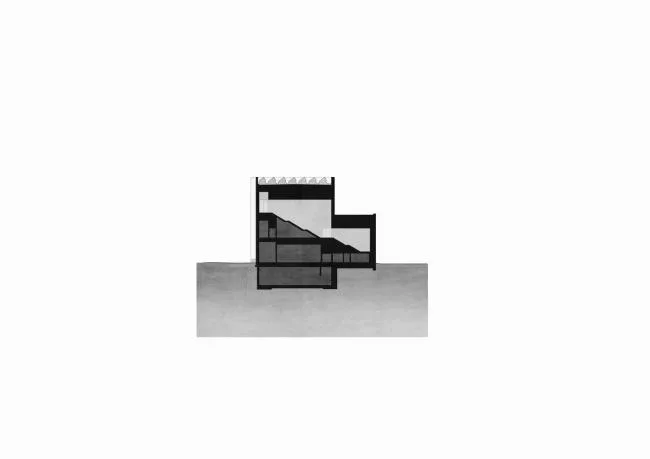
Project Information:
Architectural Firm: BAROZZI VEIGA
Location: Lausanne, Switzerland
Category: Museum
Lead Architects: Fabrizio Barozzi, Alberto Veiga
Project Manager: Pieter Janssens
Year of Completion: 2019
Photographer: Simon Menges
Suppliers: Moll, MOOS licht AG, Forbo Flooring, EUTRAC Stromschienen GmbH, LUCE-ms, Cinca, Hörmann Schweiz AG, Armstrong Plafonds Métalliques, Protektor Profil GmbH, Röben Tonbaustoffe GmbH, Franke Holding AG, Bauwerk Parkett, LAUFEN BATHROOMS AG, RENTEX WAND- UND DECKENSYSTEME GMBH, Regent, Monolicht GmbH, Erco GmbH, Zumtobel, Silent Gliss AG, Clestra Hauserman + 15 others
Design Team (Construction Phase): Claire Afarian, Alicia Borchardt, Paola Calcavecchia, Marta Grządziel, Isabel Labrador, Miguel Pereira Vinagre, Cristina Porta, Laura Rodriguez, Arnau Sastre, Maria Ubach, Cecilia Vielba, Nelly Vitiello
Design Team (Competition Stage): Roi Carrera, Shin Hye Kwang, Eleonora Maccari, Verena Recla, Agnieszka Samsel, Agnieszka Suchocka
Local Architect: Fruehauf Henry & Viladoms
Project Manager: Pragma Partenaires SA
Structural Engineer: Ingeni SA
Service Consultant: BA Refining SA
Facade Consultant: X-made SLP
Lighting Consultant: Mat í AG
Museum Expert: BOGNER.CC












Must log in before commenting!
Sign Up