
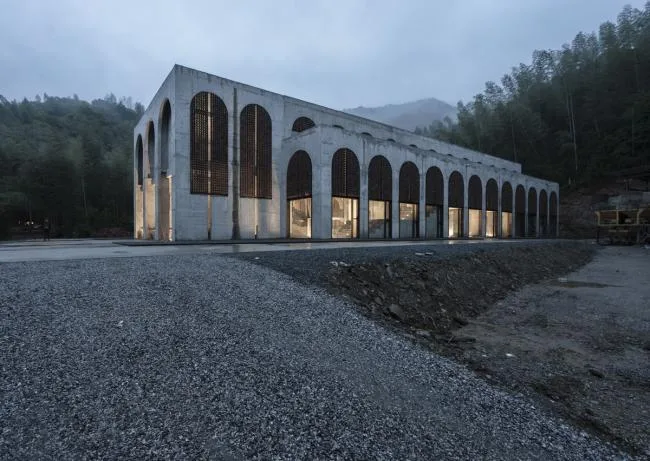
▲ Architectural exterior photography: Dong Suhong
Fuliang was once under the jurisdiction of Jingdezhen, known as the source of porcelain capital, and the Gaoling ancient mine site is also an international holy land of ceramic culture. Bingding Chai Kiln is located in Qiancheng Village, Fuliang County, less than an hour’s drive from Jingdezhen City. The base is surrounded by mountains and bamboo forests on all sides, with streams flowing through the middle of the base, creating a peaceful environment.

▲ Aerial view of Qiancheng Village, Fuliang County
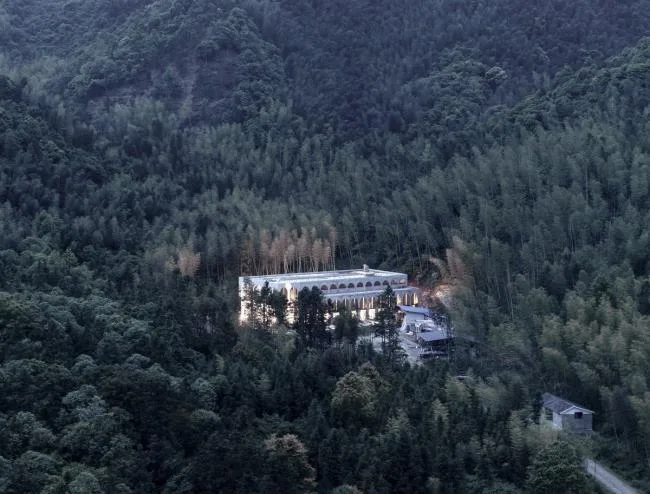
▲ Aerial photography of Bingding Chai Kiln: Yao Li
Jingdezhen Chai Kiln is named after its use of Masson pine as fuel and is a symbol of the traditional porcelain firing industry that has been passed down for nearly two thousand years in the local area. Chai kiln, also known as Jingdezhen kiln or Zhen kiln, is facing the impact of modern technology and new firing methods, just like any traditional handicraft that has been accumulated for thousands of years. As a traditional porcelain making technique, the development of Chai kiln is limited due to its consumption of forest resources and difficulty in controlling the firing effect. In recent years, due to the widespread adoption of industrial technologies such as coal and natural gas fuels, as well as the impact of environmental requirements, it is facing the threat of extinction. At present, the inheritor of the egg shaped Chai kiln technique in Jingdezhen is only Mr. Yu Hezhu, who is over 70 years old, and his three or four disciples.
▲ Master Yu Hezhu, the only inheritor of the Chai kiln in Jingdezhen at present
Compared to large-scale gas kiln products, the cost of firing in a wood kiln is high and the yield of finished products is low. However, the porcelain body bones fired in a wood kiln are delicate and oily, the glaze color is warm and thick, and the color is subtle but not exposed. It is said that using Yonghe Xuan’s Harvest Bowl will have a refreshing tea aroma, a feeling of not getting drunk when drinking alcohol, and a rich coffee flavor. Traditional handicrafts like the Chai kiln, which we have not yet truly understood, may soon disappear into the long river of human history.
The creation of porcelain is the soul of kiln fire. Ms. Huang, the owner, named the firewood kiln Bingding. Bingding is full of fire and yang, like the radiance of the sun, radiating outward with energy; Ding Huo is yin and soft, like moonlight and candlelight, introverted and radiant, soft yet within. The combination of fire from Bing Ding symbolizes the harmony of yin and yang, the coexistence of spiritual energy, and the peaceful coexistence of all things. As practitioners with great interest in revitalizing the traditional Chai kiln, Mr. Yu and Ms. Huang, the owners of Bingding Chai kiln, returned to their hometown Jingdezhen nine years ago and founded the high-end porcelain brand “Yonghe Xuan”. Ms. Huang was born into a ceramic family, and her father was Mr. Huang, a master of Chinese arts and crafts. As an iconic figure of contemporary blue and white porcelain in Jingdezhen, she is famous both domestically and internationally for her works in water blue and white porcelain and half knife clay. Lao Yu started learning kiln firing from 83 year old master Yu Xunquan in 2012; In 2014, he also followed Master Yu Hezhu, the only inheritor of the Chai kiln in Jingdezhen, to learn the Huan kiln. Bingding Chai kiln was the masterpiece he completed with his master. Being able to become the inheritor of both the master of kiln making and firing, and having their own porcelain studio and firewood kiln, is unique in Jingdezhen. During the process of learning kiln firing, Mr. and Mrs. Yu began to appreciate the charm of Chai kiln. Taking Bingding Chai kiln as a new starting point, Mr. and Mrs. Yu faced the reality of the decline of Jingdezhen Chai kiln and had the dream of integrating the three completely independent production processes of porcelain industry molding, kiln rolling, and kiln firing to enhance the height of traditional handicrafts. Realizing its ambition to reshape the dignity and contemporary representativeness of Jingdezhen egg shaped charcoal kilns through the Bingding kiln.
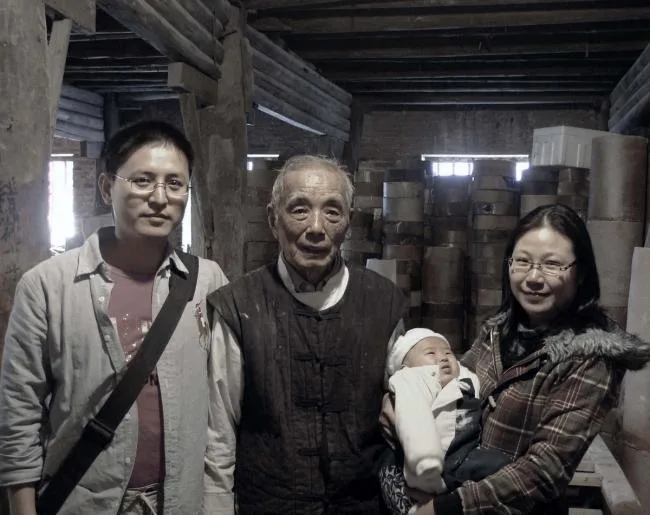
▲ Mr. and Mrs. Lao Yu, the owners, and Master Yu Xunquan, the master of the pile
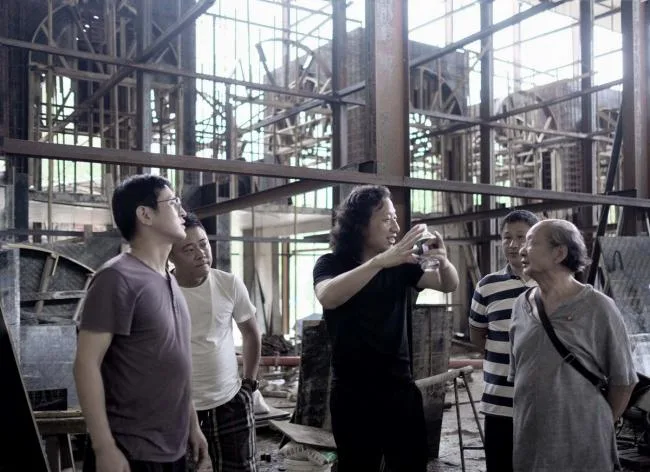
Zhang Lei and Mr. Huang Sell Nine Old Men at the Construction Site of Bingding Chai Kiln
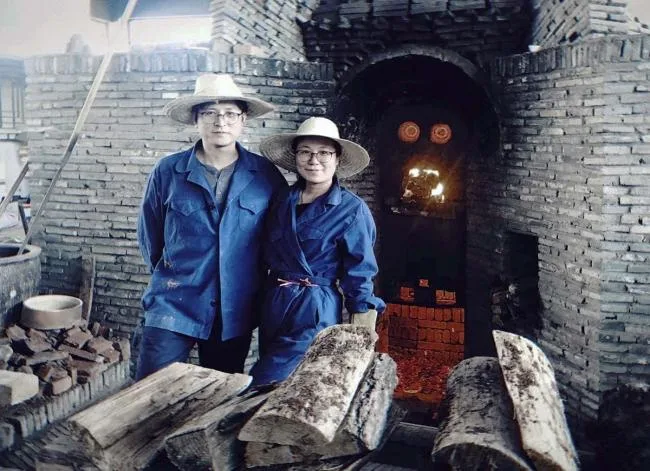
▲ Owner Lao Yu and his wife take a photo in front of the kiln
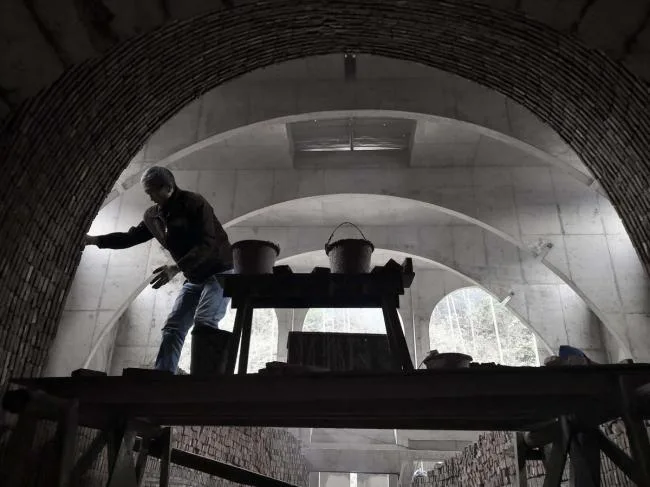
The Bingdingchai kiln consists of two parts: the kiln room and the kiln. The design focuses on the kiln as the core, with two parallel routes for production and visitor experience. The kiln of Bingdingchai kiln has a capacity of 160 dan, a length of about 11 meters, and a chimney height of about 11 meters. Built by Master Yu and his disciples within two months. The complex hyperbolic brick arch masonry of the egg shaped firewood kiln relies entirely on experience, and its inheritance relies on master apprentice relationships and is generally not passed on to outsiders. There are no drawings or written records of the entire kiln process. The arched hyperbolic kiln built with handmade kiln bricks can withstand high temperatures of 1100-1300 degrees Celsius in one go. By adjusting the temperature distribution in various areas of the kiln through the chimney, different effects of porcelain can be fired. The power of the furnace is amazing. Chai kiln can generally be used about 60 times. The kiln bricks will gradually lose their strength after high temperatures and need to be dismantled and restarted, while the kiln house can be used continuously.
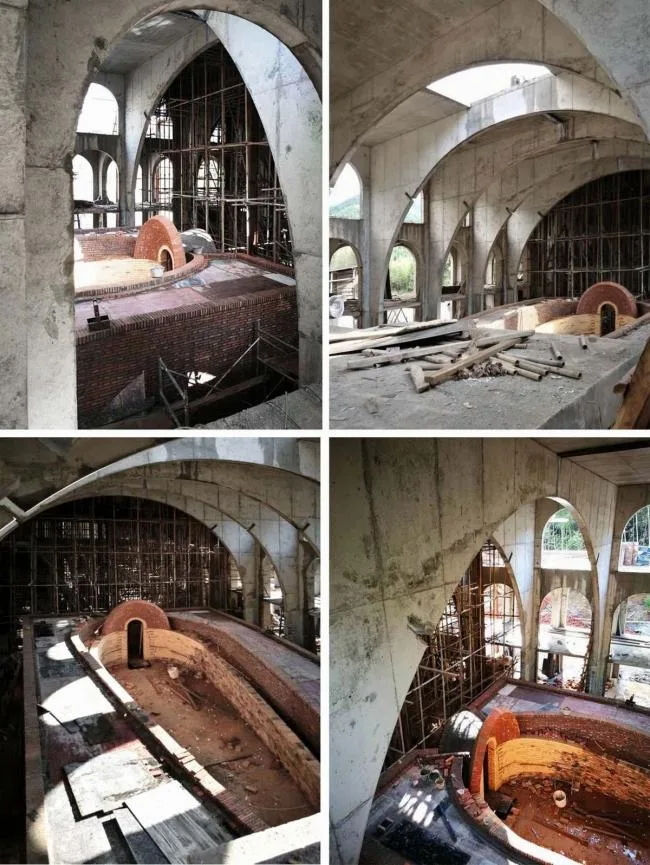
▲ On site kiln
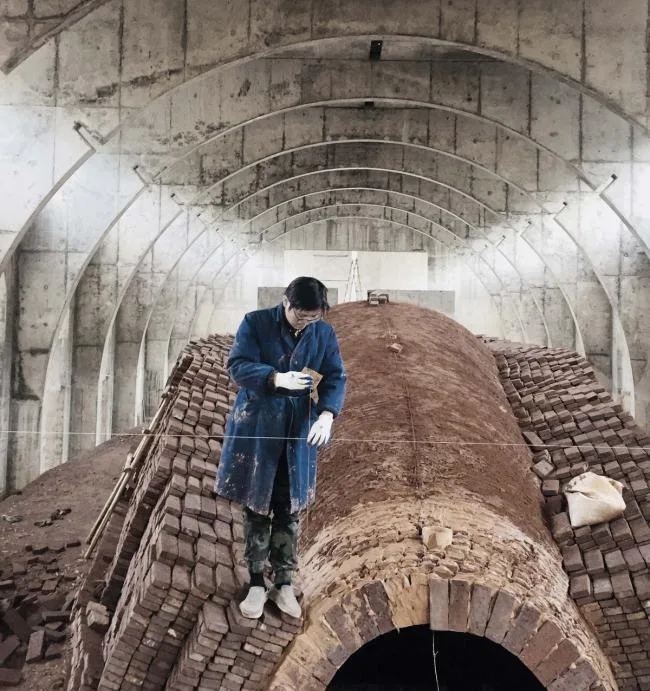
▲ Owner Lao Yu personally participated in the production of Bingdingchai kiln, kiln and kiln
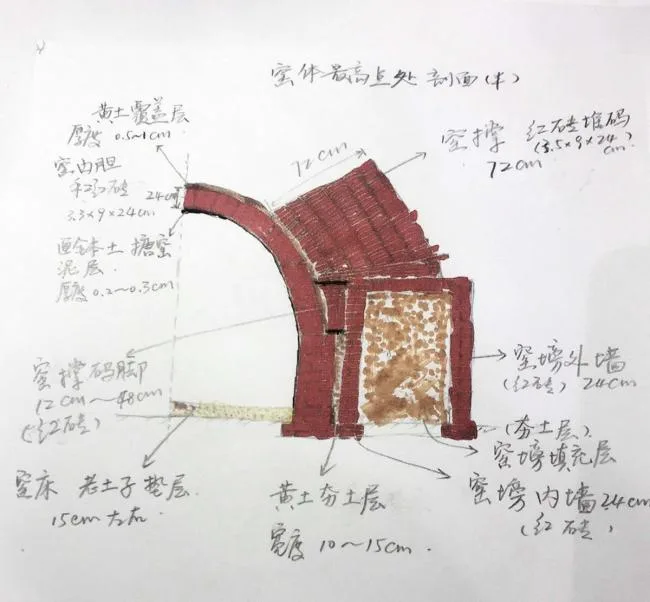
▲ Yanyao Manuscript
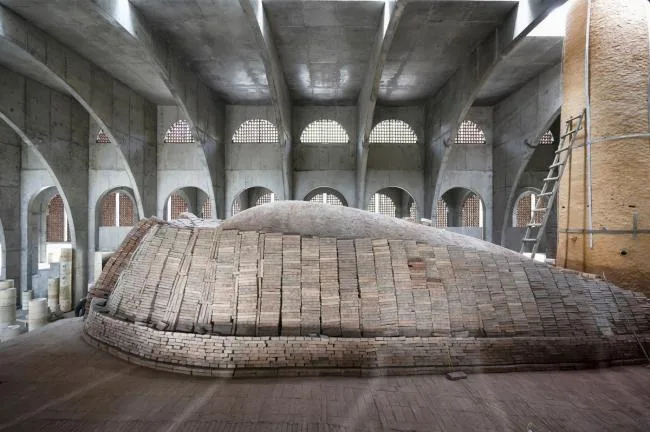
▲ Kiln photography: Dong Suhong
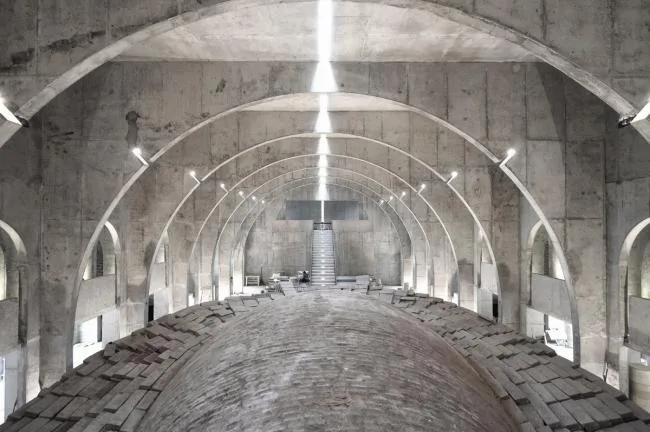
▲ Kiln photography: Dong Suhong
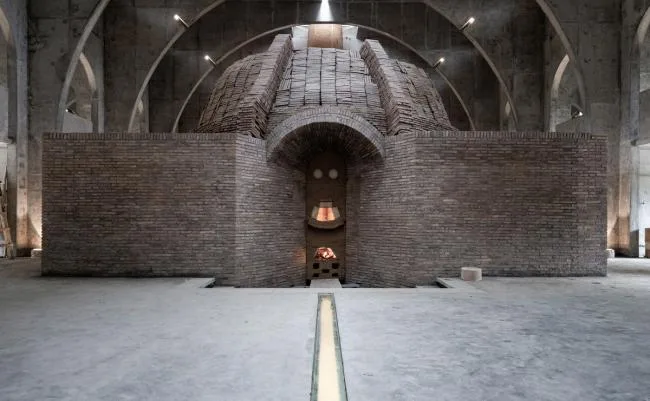
▲ Kiln photography: Dong Suhong
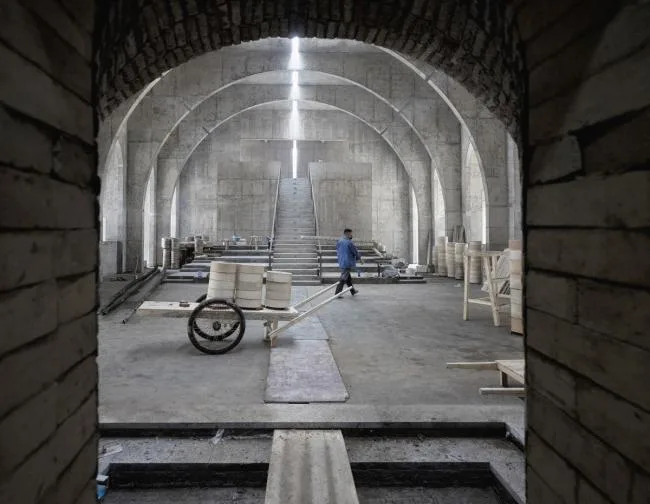
▲ Photography from the kiln: Dong Suhong
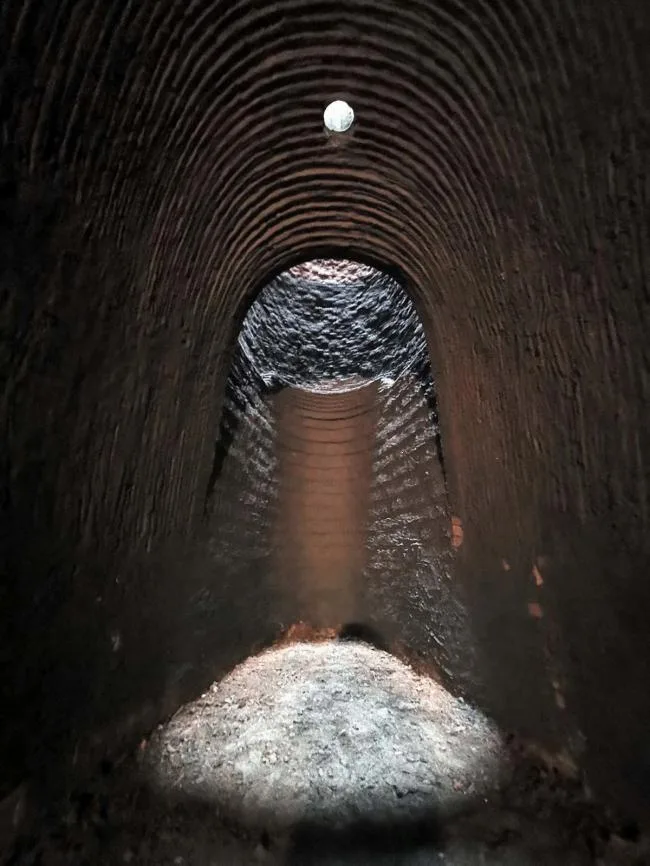
▲ Arched hyperbolic kiln
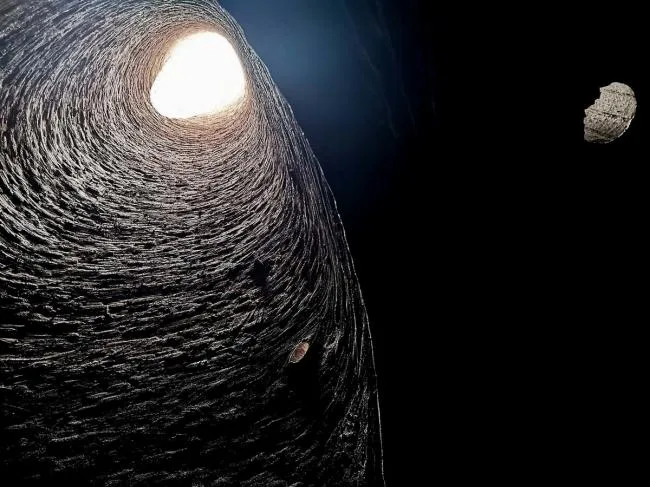
▲ Arched hyperbolic kiln
In history, kiln houses were ordinary production workshops that used wooden structures to solve the roof span and meet the production process of porcelain. Today, handmade firewood kilns are a nearly lost skill with a mission to inherit history. We hope that the Bing Ding Chai kiln can become a sacred hall for traditional craftsmanship and artisan spirit, shaping a sense of respect and pride in the ceremony.
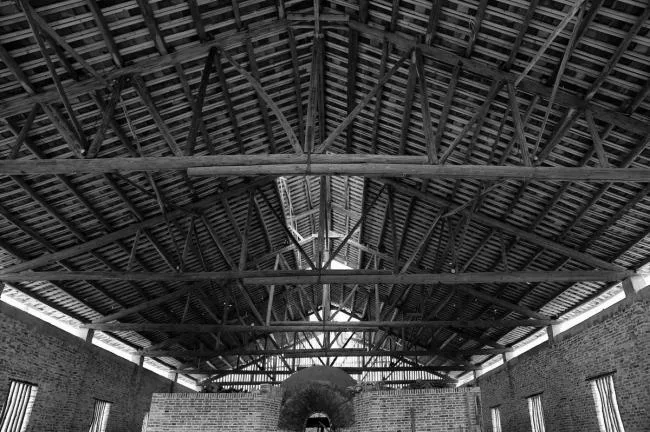
▲ Traditional wooden kiln house
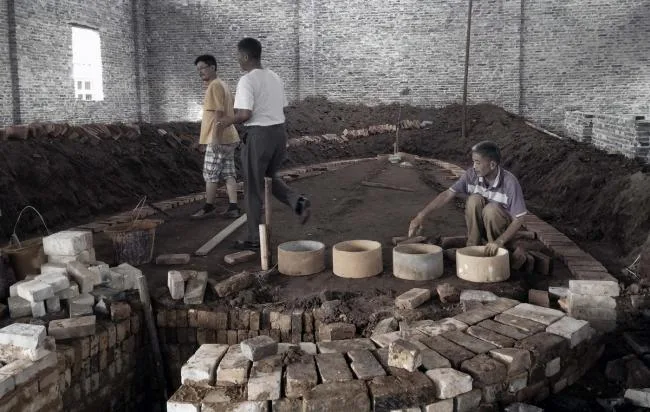
▲ Traditional wooden structure kiln house and kiln site
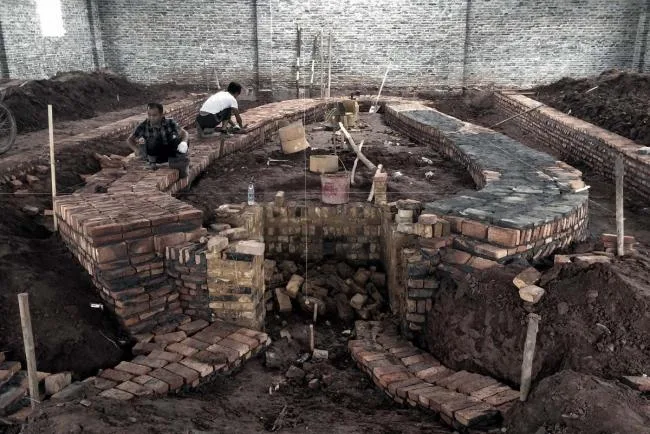
▲ Traditional wooden structure kiln house and kiln site
The creation of a sense of ritual in the space of Bingdingchai kiln is centered around the kiln, and the kiln house adopts a concrete arch structure similar to the kiln brick arch as the spatial theme, strengthening the east-west axis symmetry sequence centered on the kiln. The top light strip, wall strip window, and floor vertical seam all point towards the central axis of the kiln. The slender sky light falls from the center of the roof and moves on the surface of the kiln over time. Floating light from inside to outside, the fire and starry sky merge with heaven and man.
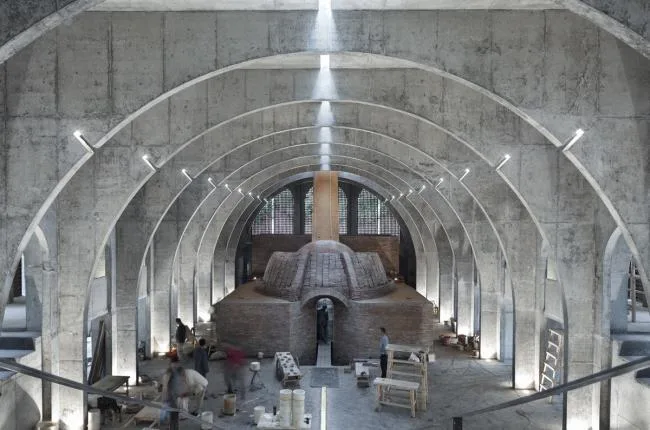
▲ Slender sky light moves on the surface of the kiln over time. Photography by Yao Li
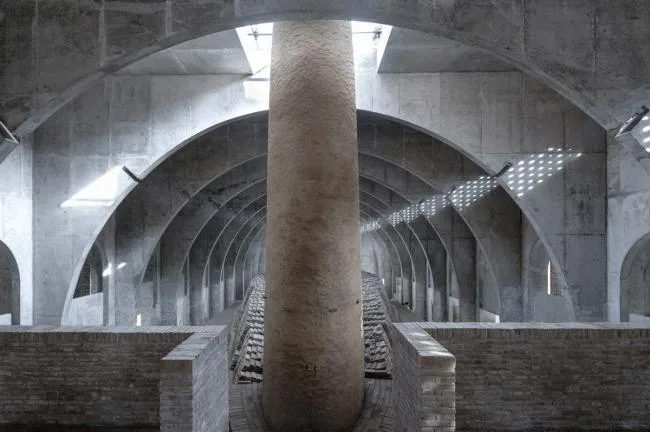
▲ Top light strip and wall strip window light and shadow photography: Yao Li
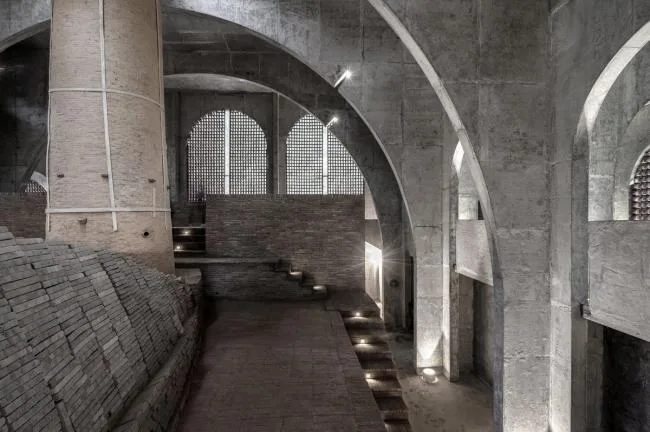
▲ Interior space photography of kiln house: Dong Suhong
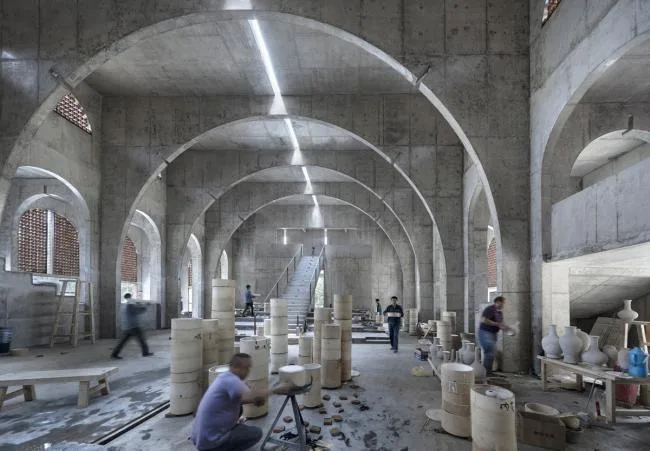
The functional zoning of the kiln room is arranged according to two flow lines: production process and visiting experience. The production line is concentrated at the bottom level, including the platform area in front of the kiln and the steps on both sides of the stairs. It is mainly used during the full kiln, firing, and opening periods, and can be glazed, boxed, filled, stacked with pine materials, ignited, and opened. The rooms on both sides of the bottom floor, which are adjacent to the external windows, are used for daily work areas such as glazing, box packing, grinding handles, box bowls, and porcelain storage. More than 30 kiln workers were working on site day and night during the filling, firing, and opening of the kiln. Behind the kiln is their temporary living auxiliary space, including bedrooms, bathrooms, showers, and washrooms, which are convenient for resting in the workshop.
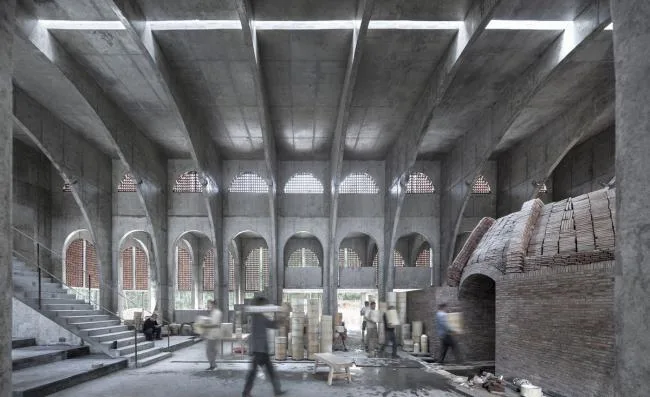
▲ First floor workspace photography: Yao Li
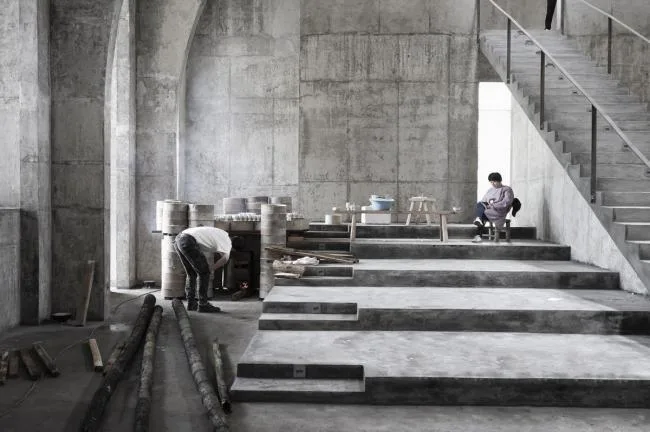
▲ Photography of the process before the full kiln: Dong Suhong
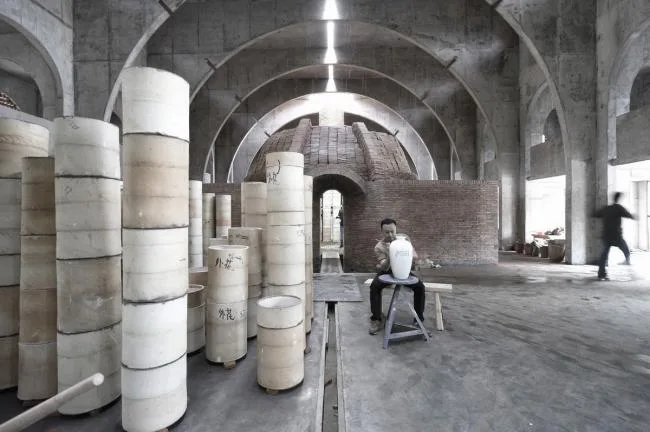
▲ Photography of the process before the full kiln: Dong Suhong
▲ Box loading photography in front of the full kiln: Yao Li
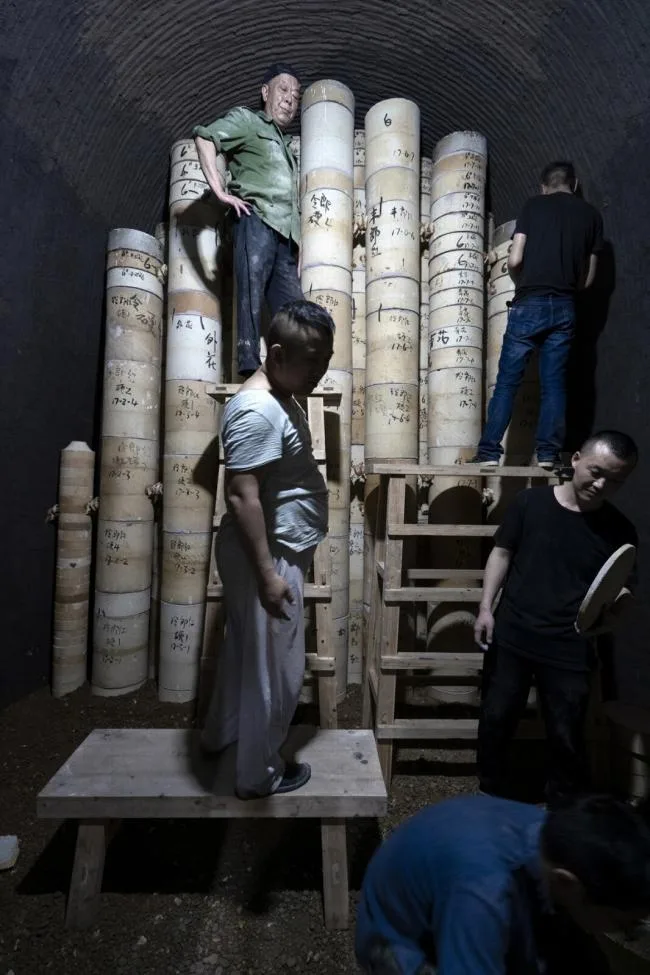
▲ Manyao Photography: Dong Suhong
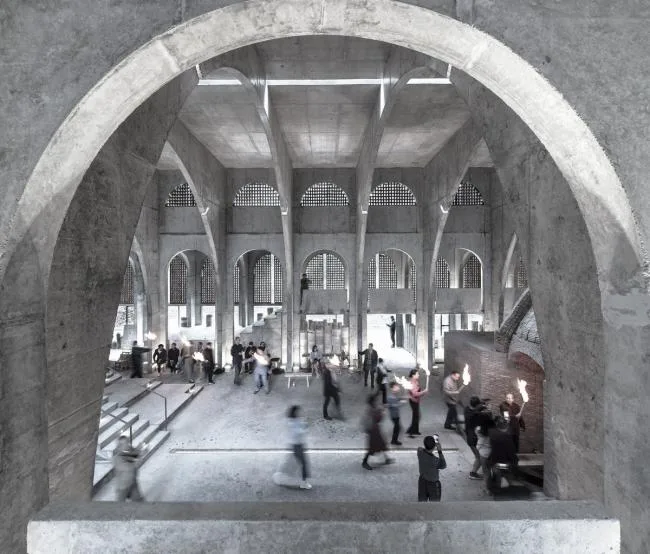
▲ Da Shui Kiln Ignition Ceremony Photography: Yao Li
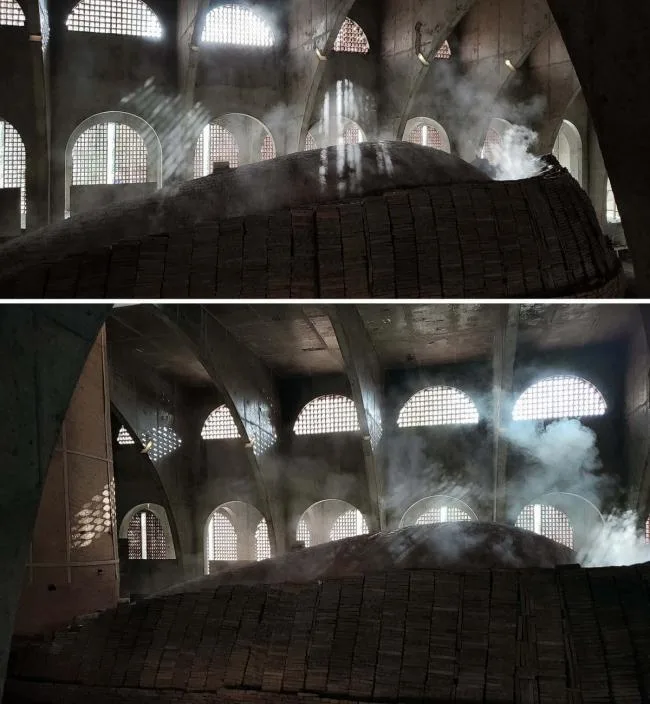
▲ Dashuiyao
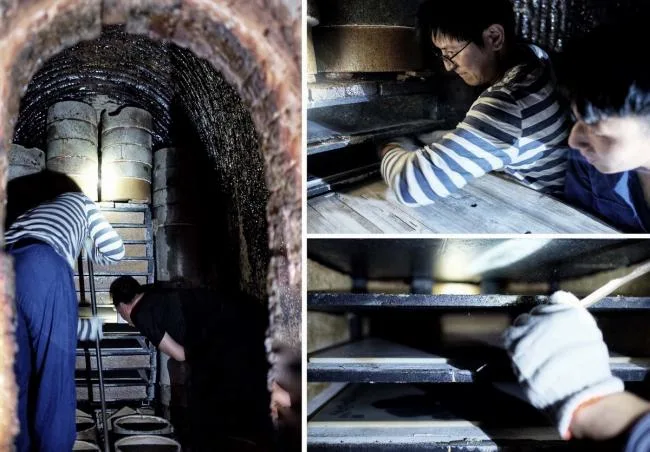
▲ Open kiln
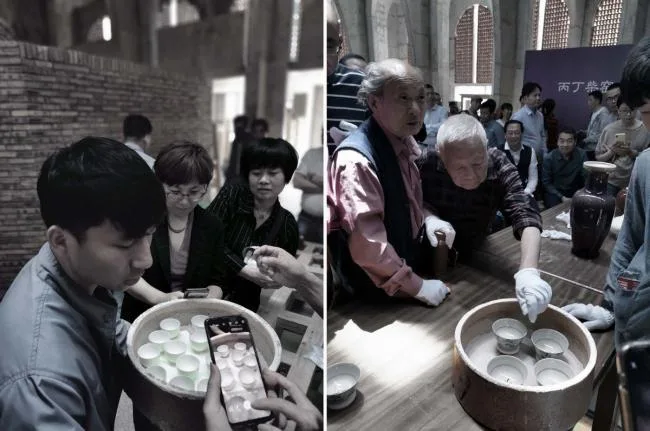
▲ Open kiln
There will be many visitors participating in the entire porcelain firing process, and the kiln has specially designed an experiential flow. Ceramic artists, collectors, and enthusiasts can get up close and involved in the entire process from the best perspective. The visitor experience flow is mainly concentrated on the second floor, separated from the production flow.
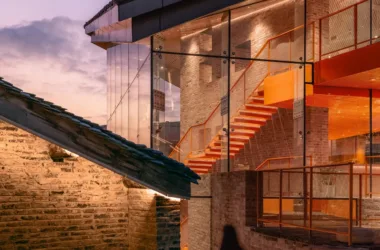
The second floor tour route revolves around the kiln as the center of the building, and through the spatial guidance of the dome, visitors can experience the vivid spatial relationship between the building and the kiln from different perspectives, highlighting the core position of the kiln as full of ritual. The last section of the route is the staircase facing the central axis of the kiln (BIM work). Visitors ascend to the lounge and overlook the entire Bingdingchai kiln from the central axis. The kiln house and kiln are seamlessly integrated, with brick and concrete arches complementing each other. The architectural space is designed with a ceremonial atmosphere for ignition and kiln opening ceremonies, where kiln workers take pride in their work and visitors are filled with reverence for traditional craftsmanship and the spirit of craftsmanship.
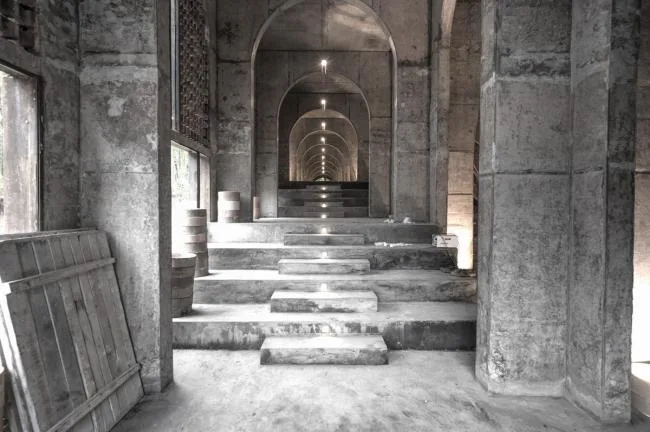
▲ Interior space photography of kiln house: Dong Suhong

▲ Model
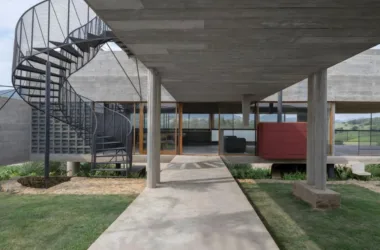
The concrete kiln room of Bingdingchai kiln is the shelter of the kiln and the extension of the kiln space. After inspecting the concrete formwork manufacturer, Lao Yu proposed to build a unique concrete building that would surpass Tadao Ando. In the end, this 1800 square meter plain concrete building did not use a through wall bolt, but instead supported the formwork on the outside of the concrete wall through a steel structure. The construction of Bingding Chai Kiln took two years, breaking through conventions and challenging oneself, fully reflecting Lao Yu’s pursuit of the ultimate craftsmanship spirit. In addition to plain concrete, the main material of Bingdingchai kiln is only kiln bricks that are consistent with the kiln. The arched windows above the second floor of the building are decorated with kiln bricks embedded with flower grids for filtering and contrast, which is extremely simple and uncompromising.
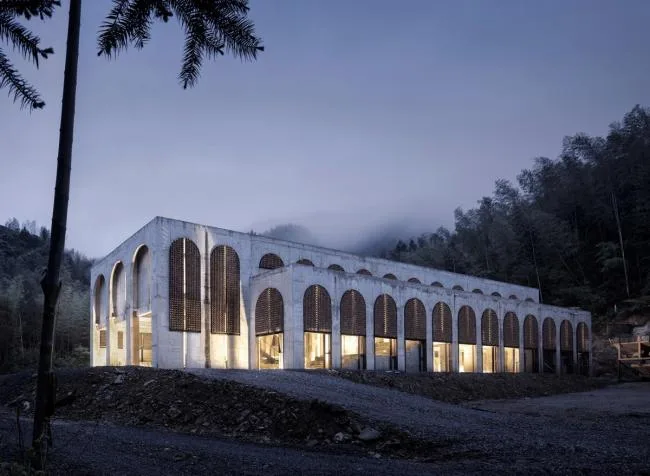
▲ Architectural Night Scene Photography: Yao Li
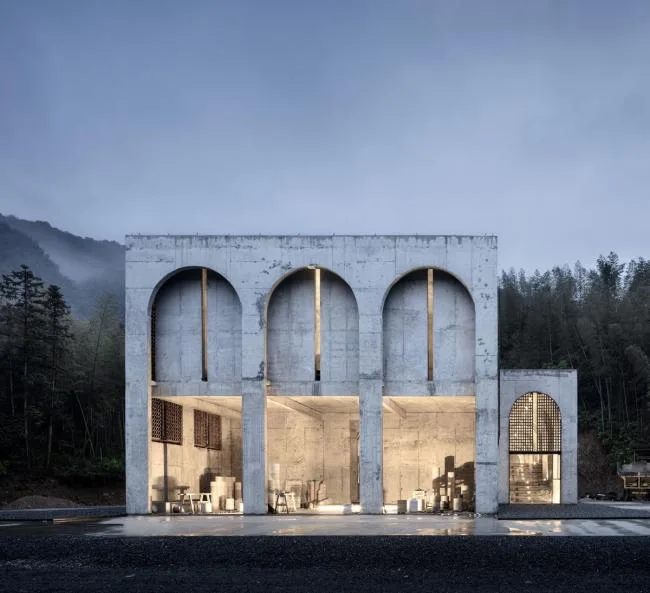
▲ Entrance Photography: Yao Li
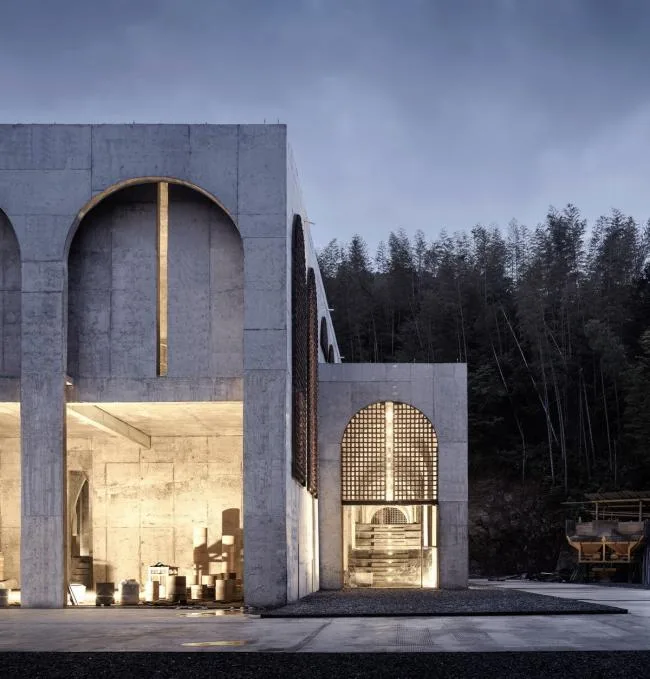
▲ Local photography of the main entrance: Yao Li
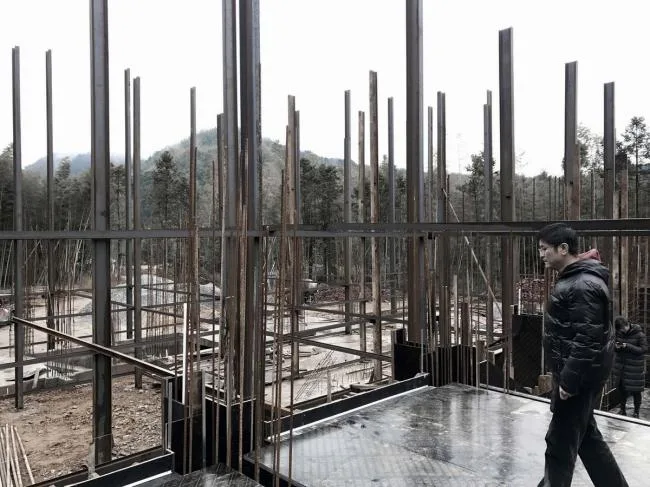
▲ Construction site
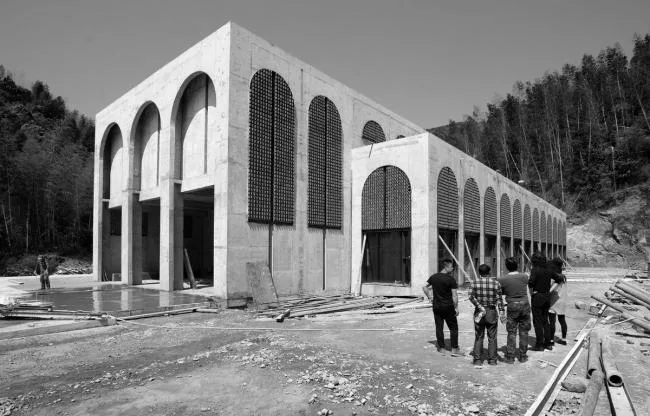
▲ Completed photos
The location of Bingding Chai Kiln in “Qiancheng Village” not only has a unique natural ecological environment, but also symbolizes a bright future ahead. Bingding Chai Kiln started from scratch and was initially completed in April this year. Dashui Kiln was successfully ignited on April 29th, the 70th anniversary of Jingdezhen’s liberation. After the opening of the kiln on May 4th, over 2000 pieces of porcelain from Route 21 were perfectly presented, and the kiln treasure blue and white porcelain vase from Mr. Huang Jiulao made a stunning appearance at position C. The Bing Ding Chai kiln was finally completed, with a high degree of compatibility between the architecture and the kiln’s form and content.
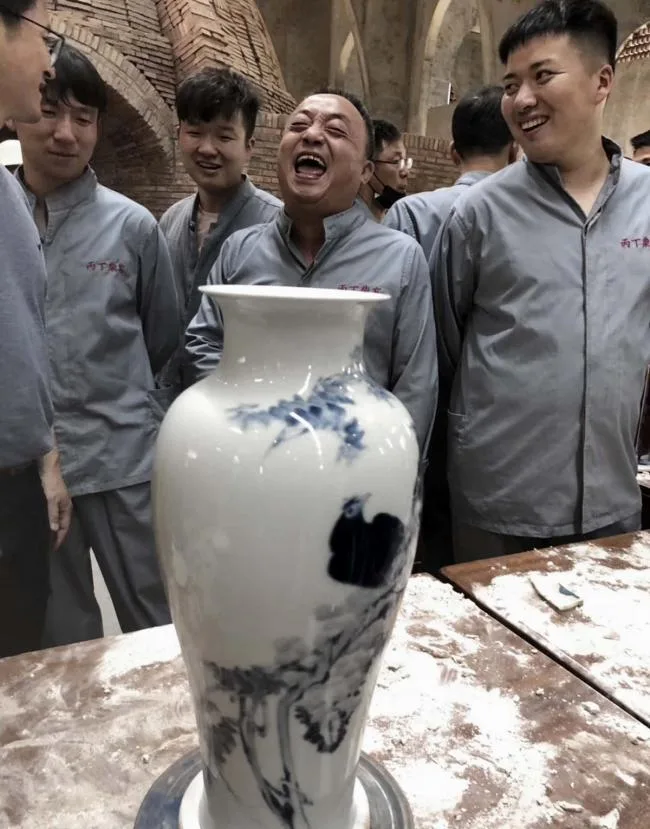
▲ Huang sells Mr. Jiulao’s kiln treasure blue and white porcelain bottles
On May 25, 2018, the 16th Venice Architecture Biennale China Pavilion, curated by Professor Li Xiangning of Tongji University, kicked off at the Venetian Arsenal. Our countryside “returns to the birthplace of Chinese culture, seeking forgotten values and overlooked possibilities. Bing Ding Chai Kiln, as a representative work of the “Industry” section of one of the six exhibition themes, is located directly opposite the main entrance of the China Pavilion, expressing our reverence for traditional craftsmanship and the spirit of craftsmanship. In the beautiful and peaceful hilly mountain village of Qiancheng (BIM tutorial), Mr. and Mrs. Lao Yu and the local government hope to use the revival of the Chai kiln to bring more attention to the Jingdezhen ceramic industry, and bring new opportunities for rural skill inheritance and economic development. In Chinese culture, porcelain has never only been regarded as a necessity for daily life, but also as an important container for understanding life.
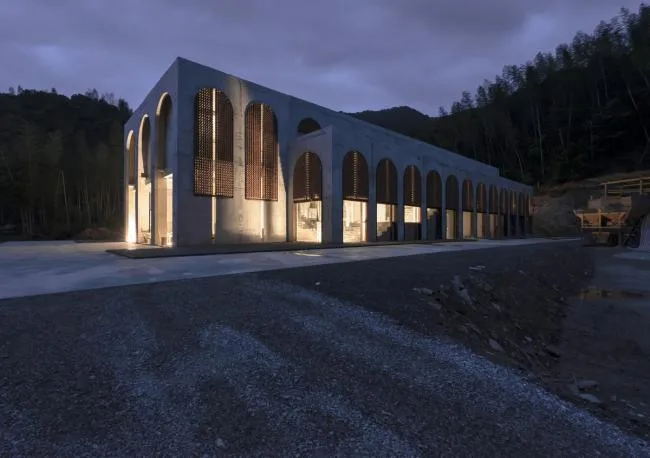
▲ Architectural Night Scene Photography: Dong Suhong
Design drawings:
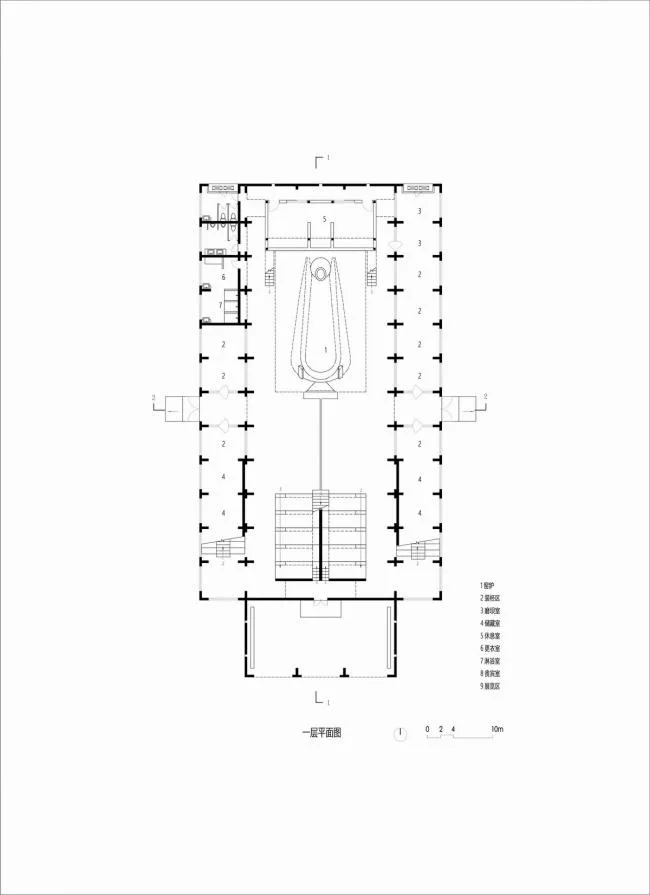
▲ First floor plan
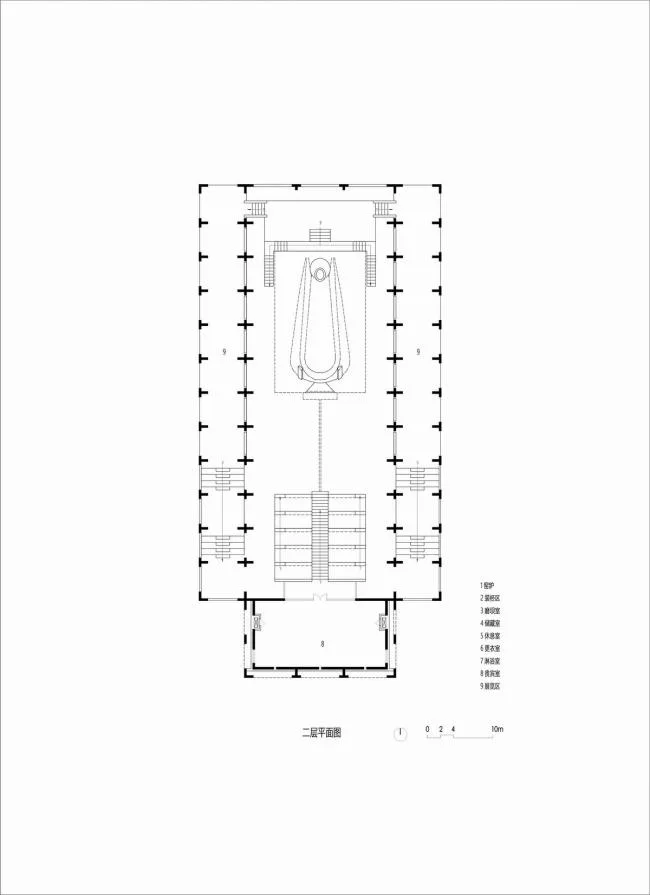
▲ Second floor plan
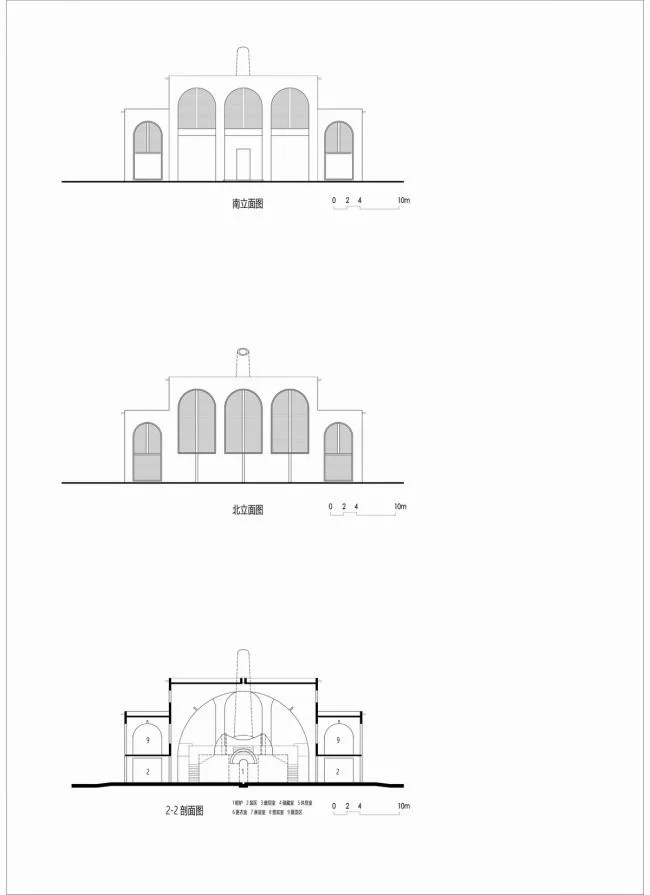
▲ Elevation View& sectional view
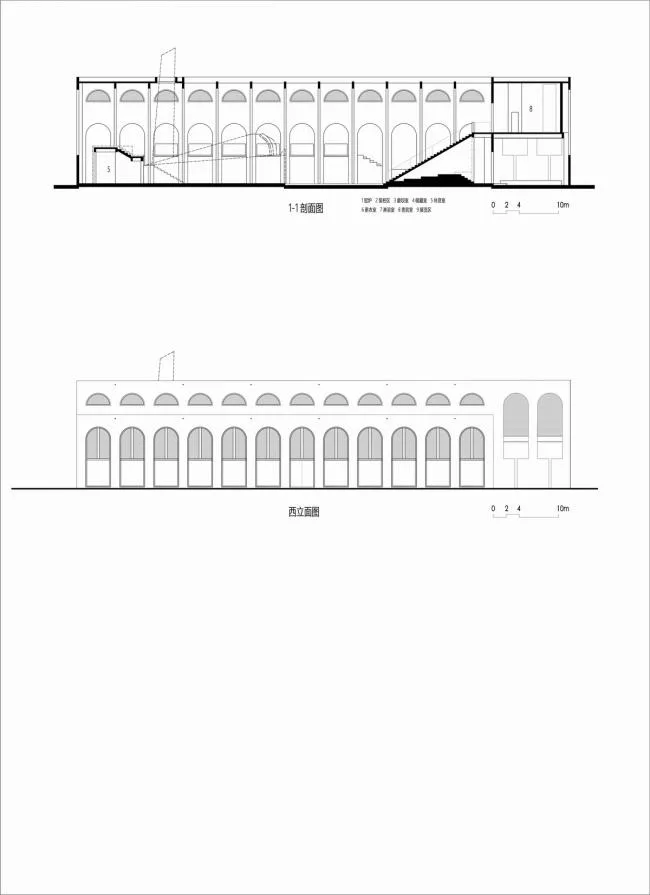
▲ Sectional View& elevation drawing
Project Information:
Designer: Zhang Lei United Architectural Firm
Address: Jingdezhen City, Jiangxi Province, China
Category: Update Project
Lead Architect: Zhang Lei
Design team: Zhang Xue
Building area: 1800.0 m2
Project Year: 2018
Photographers: Yao Li, Dong Suhong












Must log in before commenting!
Sign Up