
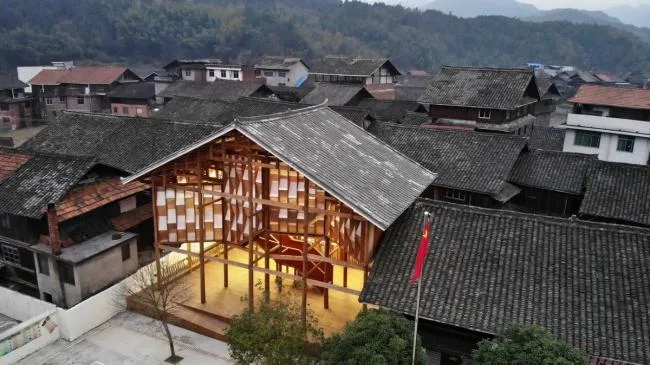
▲ Project Close Up

▲ Night View Bird’s-Eye Perspective
Gaobu Bookstore is situated in Gaobu Village, located within the Pingtan River Basin in Tongdao Dong Autonomous County, Hunan Province, China. Like many rural areas across the country, Gaobu Village faces the challenge of “hollow villages” — a demographic shift where young and middle-aged adults move to cities for work, leaving behind the elderly and children in the countryside. The Dong ethnic group, with its centuries-old cultural heritage, is particularly affected by this trend.
Modernization presents a significant threat to the preservation of the Dong ethnic society. Through extensive research and close collaboration with the villagers, we have gained a profound understanding of their culture and traditions. This insight inspired us to take action: to protect this beautiful village and its unique cultural identity.
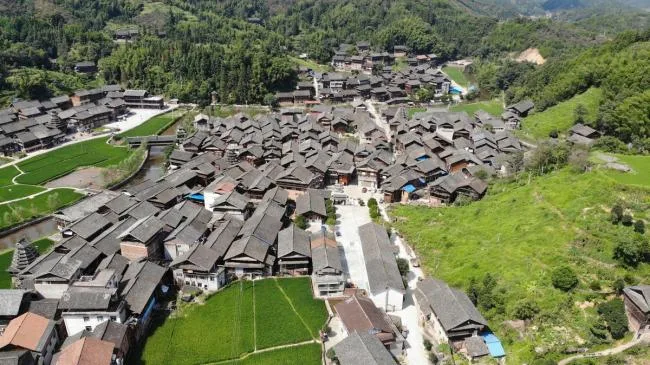
▲ Aerial View of Gaobu Village
While we cannot reverse the rural-to-urban migration trend in China, our goal is to preserve the intrinsic value of Dong society and encourage its future growth. To do this, we built a library aimed at local children to help kickstart the revitalization of the village. Named Gaobu Bookstore, this small library blends education with entertainment, creating a welcoming space where curious and free-spirited children from Gaobu Village can both play and learn.
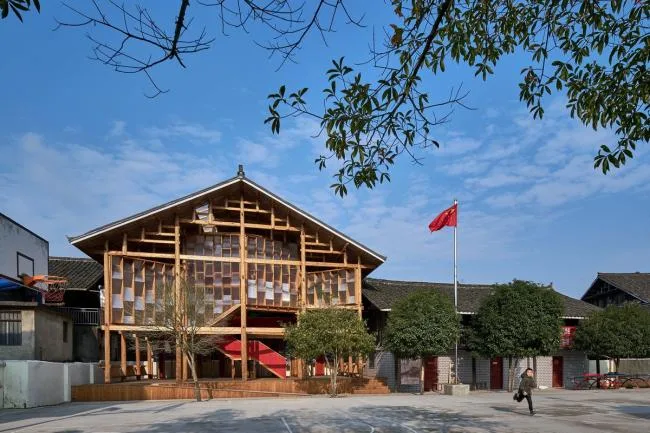
▲ Front Facade of the Children’s Library
Wooden Structure
The architecture of the Dong ethnic group is guided by an unwritten set of construction principles. Local carpenters adapt and apply these rules based on regional conditions, resulting in buildings that, while unique in appearance, share a common architectural language. Our design for the library is inspired by the “ganlan style” architecture, traditionally preserved by ethnic minorities in southwestern China. It has been thoughtfully reorganized to accommodate different spatial needs, functions, and forms.
At first glance, the library resembles traditional Dong architecture; however, upon engaging with the space, visitors will discover a seamless blend of old and new. This approach breathes new life into traditional materials and construction methods.
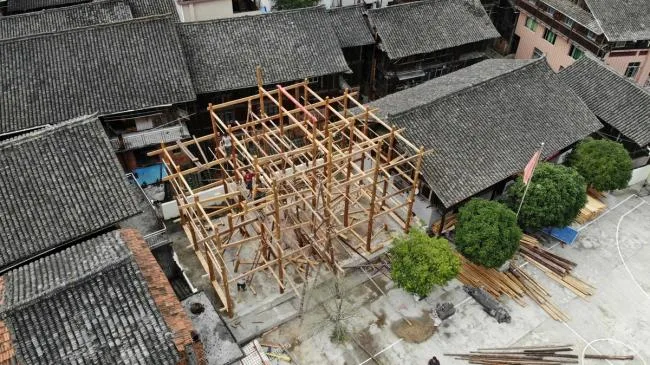
▲ Construction Process
In Dong villages, it is common practice to modify existing buildings to suit new functional requirements. Rural construction activities often follow a “copy and adapt” model where buildings closely resemble familiar local styles. Villagers typically refer to existing structures when building or renovating, customizing them to fit their needs.
We believe that Gaobu Village and other Dong settlements in the region will be inspired by this library to create similar structures, fostering a network of Dong ethnic libraries throughout the area.
Stairs in Dong Ethnic Architecture
Having visited multiple Dong villages, we observed that stairs play a central role in daily village life. They serve as gathering spaces for villagers and playgrounds for children. As such, stairs became a key design element throughout the library.
The staircase is not only a functional feature but also a social hub where villagers can interact. Children can comfortably sit on the stairs to read while enjoying playtime, making reading a relaxed and enjoyable experience.
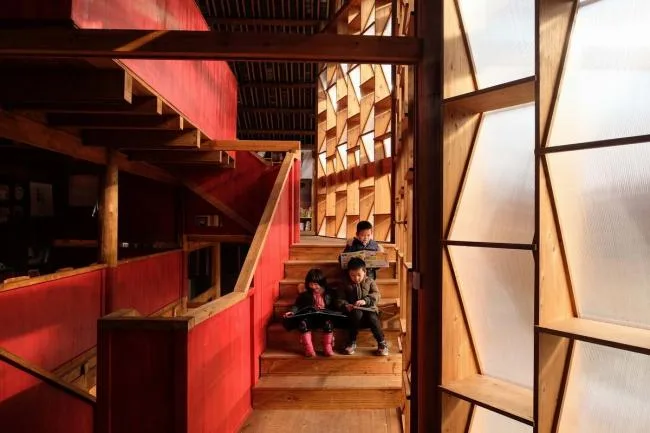
▲ Children Sitting on the Stairs Reading
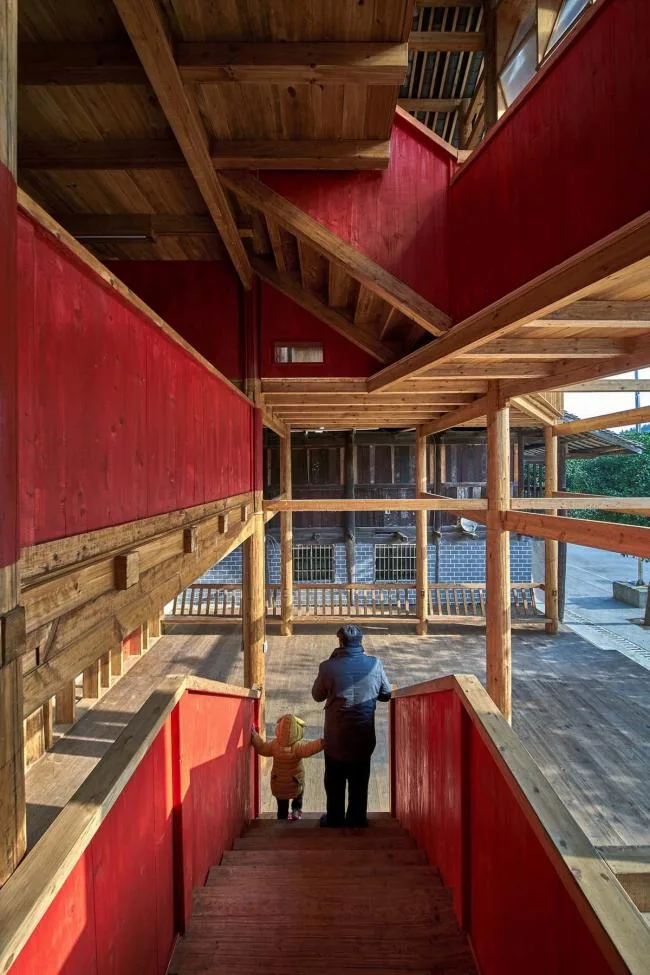
▲ Villagers Gathering on the Stairs
Most children in Gaobu Village are raised by their grandparents until around age 10. Due to limited educational resources locally, children older than 10 attend boarding schools in rural areas. The library offers a dedicated space for children to learn and explore knowledge through play, bridging this educational gap.
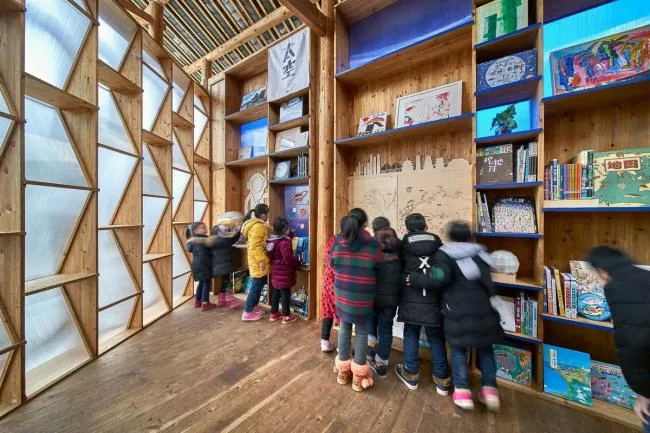
▲ Children Learning and Exploring in the Library
The Gaobu Bookstore spans approximately 200 square meters and primarily features wooden framing. The central staircase, running through the ground floor, serves as its iconic architectural element. The library’s open ground floor provides space for villagers to rest, hold exhibitions, and engage in community activities.
The second and third floors consist of book shelves arranged thematically along the exterior walls. The staircase design complements the façade, which is constructed from translucent polycarbonate panels, lending the building a modern yet inviting appearance.
This library is more than just a place for books; it is a vibrant community hub enabling interaction among villagers and offering children an opportunity to disconnect from electronic devices and connect with their dreams through reading.
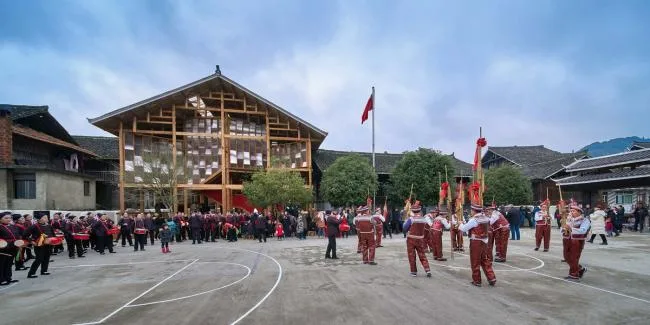
▲ Village Activities in Open Spaces
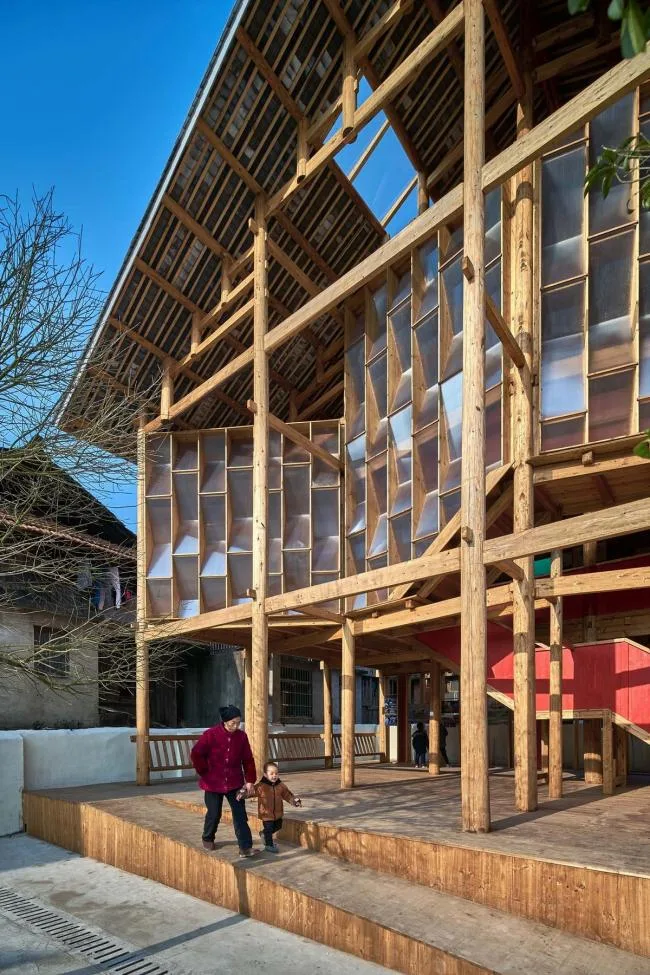
▲ Children’s Activities
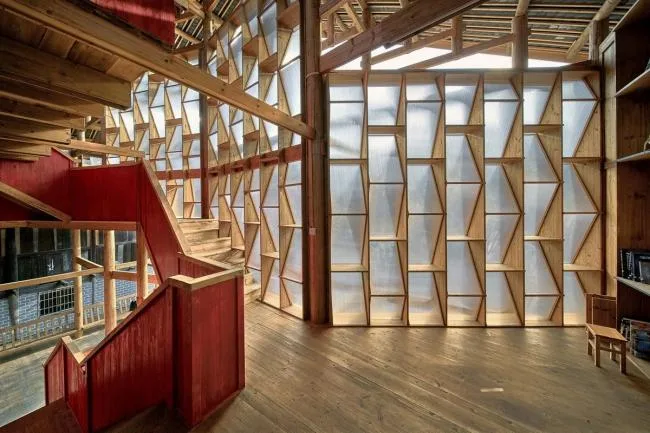
▲ Wall Made of Translucent Polycarbonate Panels
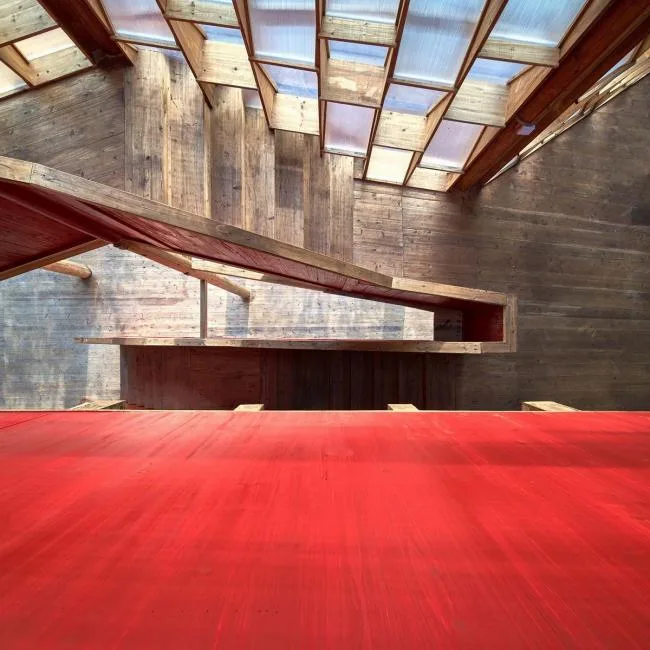
▲ Overlooking Stairs and Wall Bookshelves
Design Drawings:
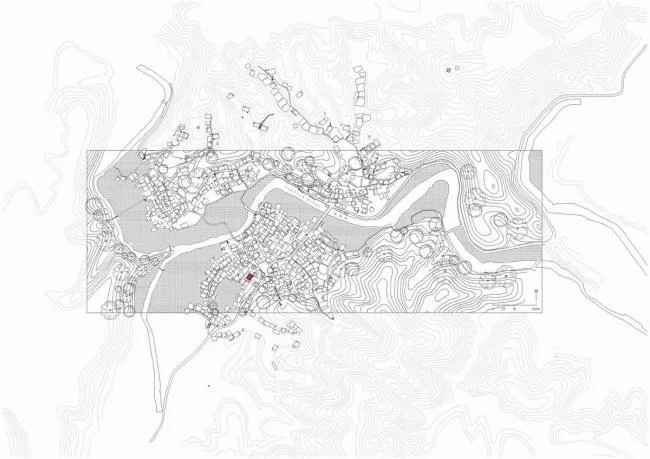
▲ Site Plan
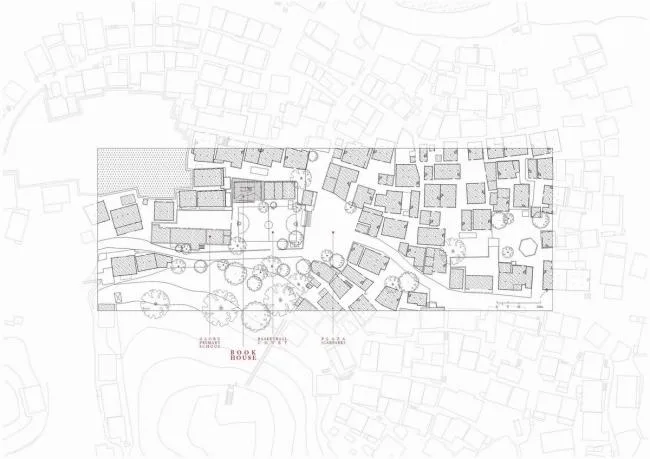
▲ Site Plan
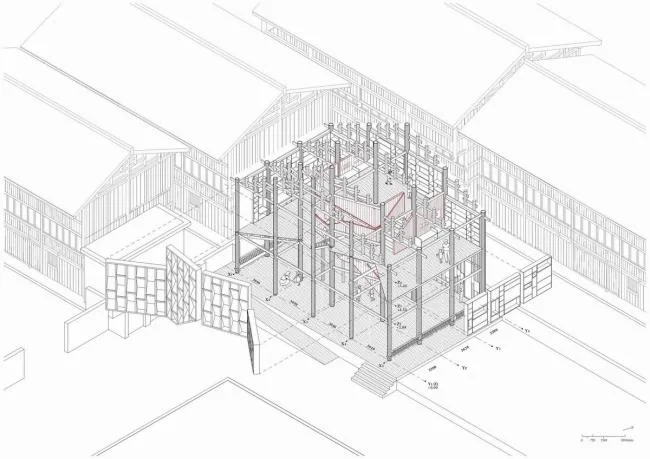
▲ Axonometric Diagram
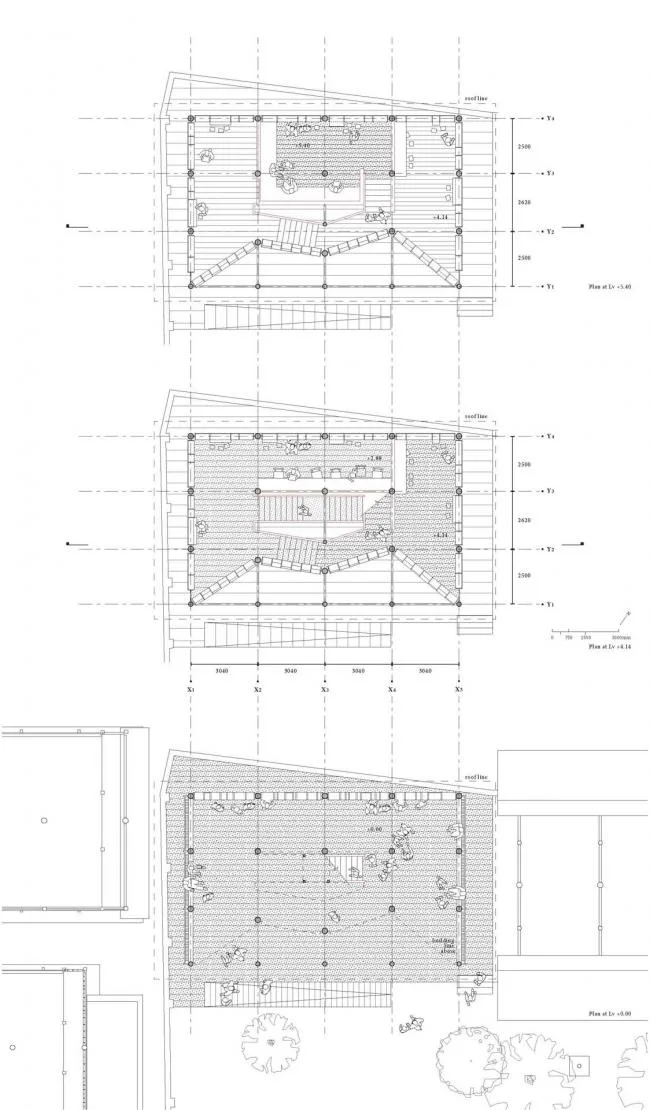
▲ Plan View
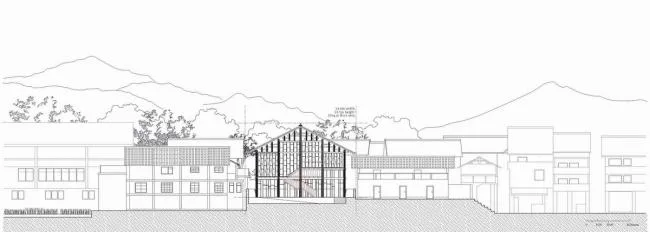
▲ Elevation View
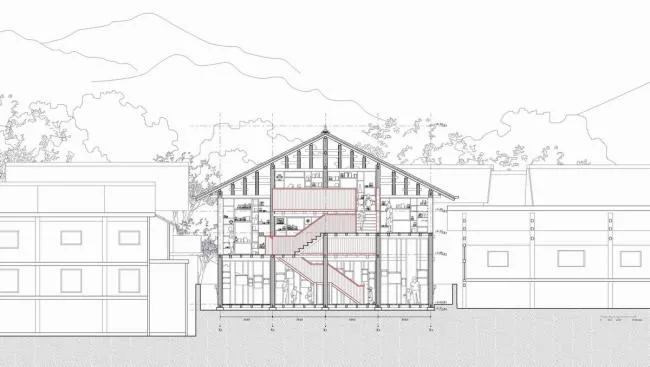
▲ Sectional View
Project Information:
Designer: Condition Lab, School of Architecture, The Chinese University of Hong Kong
Location: Gaobu Village, Tongdao Dong Autonomous County, Hunan Province, China
Category: Library
Lead Architects: Peter W. Ferretto (Chinese University), Cai Ling (Guangzhou University)
Design Team: Liu Ziwei, Lin Minxin, Wang Yu, Cui Chenglie
Client: Gaobu Village
Building Area: 200.0 square meters
Project Year: 2018
Photographers: Peter W Ferretto, Leon Xu Liang, Arthur Wong













Must log in before commenting!
Sign Up