
Deformation joints are vertical gaps set up to prevent deformation, cracking, and structural damage of prefabricated buildings due to temperature changes, different loads on various parts of the building, differences in adjacent structures, and the influence of earthquakes. Deformation joints include expansion joints, settlement joints, and seismic joints.
Due to the small width of the deformation joint, the working surface left for construction is very small, which brings a lot of inconvenience to the construction. As a result, the shear wall at the deformation joint often experiences quality defects such as mold expansion, grout leakage, poor verticality and flatness, steel bar displacement, and wall leakage. Therefore, in order to reduce the occurrence of the above quality defects and facilitate construction.
1. Characteristics of construction methods
According to the dimensions of the shear wall on the construction drawings, the standardized shear wall formwork panels are configured and then assembled by splicing.
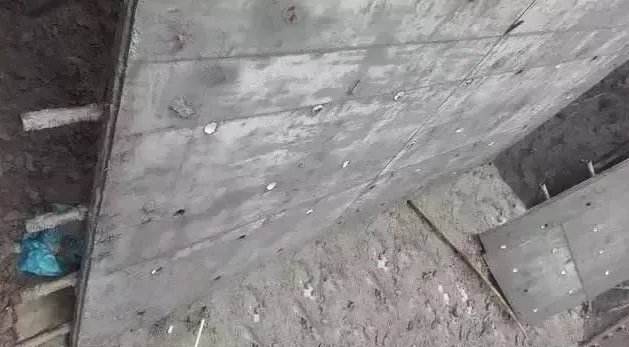
Front of fixed template
Make prefabricated screws for fixing the outer steel pipe of the template, cut the threaded end of the φ 12 tension screw to a length of 200mm, and then weld a 5mm thick 30 × 50mm (or 50 × 50mm) steel plate at the cut section.
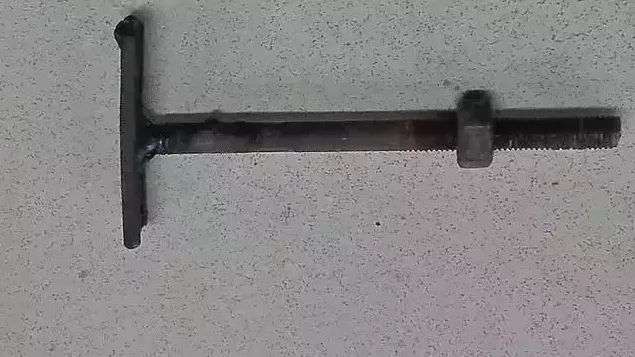
Steel pipe fixing screw
Assemble the standardized template and use mountain shaped clamps and nuts to fasten the wooden blocks and steel pipes on the outer side of the template to standardize it as a whole.
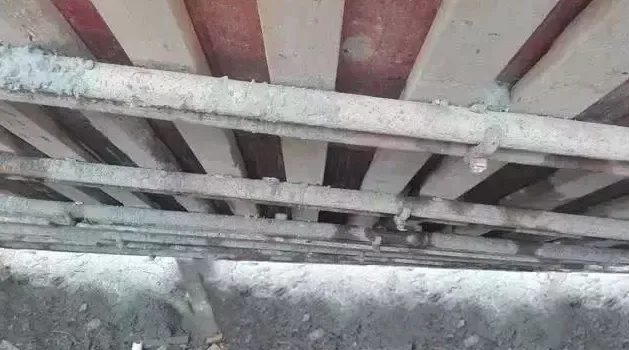
Reverse side of fixed template
Make a fixed screw through the wall, bend one end of the φ 12 pull screw into a circular ring with an outer diameter of 50mm, and weld it to seal it.
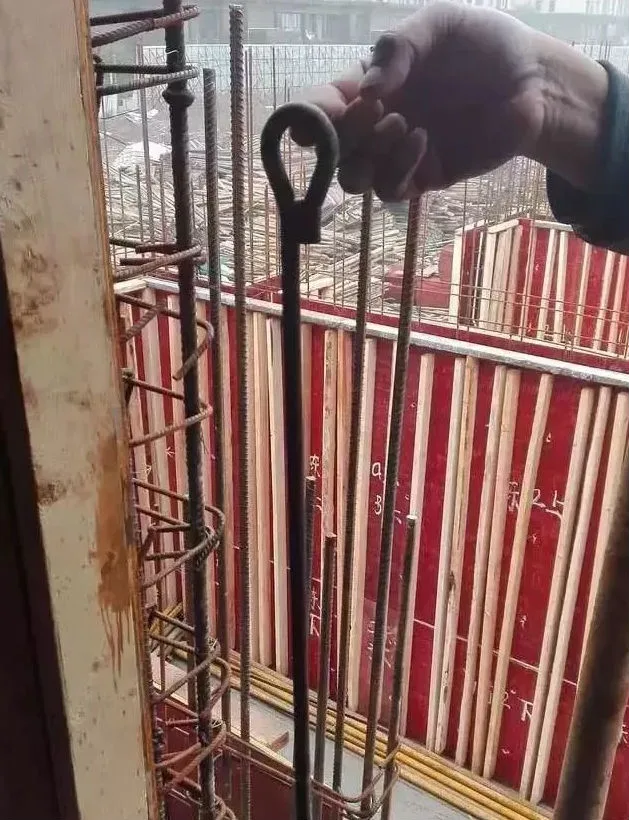
Circular pull screw
2. Scope of Application
This construction method is applicable to the formwork construction of shear walls at the deformation joints of frame shear structures.
3. Process principle
The production of standardized templates avoids the embarrassment of workers being unable to erect shear wall templates at the deformation joint due to limited operating space. Tower cranes can be used to directly lift the standardized templates to both sides of the deformation joint, and then 50mm tension screw holes can be opened on the standardized templates according to the stress situation of the templates. Then, 50mm PVC pipes are embedded in the holes, and circular tension screws are inserted into the PVC pipes. Then, from top to bottom, steel bars of diameter 18 or 20 are inserted into the circular rings of the circular tension screws. Finally, the templates can be tightened and fixed on the operable side inside the building using mountain clamps and nuts.
4. Process flow and operating points
Configure the standardized template board → make steel pipe fixing screws → open steel pipe fixing screw holes on the template → fix the wooden square and steel pipe on the outside of the template → lift the template to the upright position → open opposite screw holes on the standardized template → set PVC pipes in the opposite screw holes → insert the circular ring opposite screw into the PVC pipe → insert steel bars into the circular ring of the circular ring opposite screw → fix the wooden square and steel pipe on the inside of the template → calibrate and level the template → fix and tighten.
5. Key points of operation
Making steel pipe fixing screws
Cut the tension screw made in the factory or construction site at a threaded end of about 200mm, and then weld a 5mm thick 30 × 50mm (or 50 × 50mm) iron plate at the cut of the screw.
Open a screw hole with a diameter of 12 on the template
Drill 12 screw holes on the pre configured template board, with a horizontal spacing of 800-1000mm and a vertical spacing of 500mm, mainly to fix the wooden and steel pipes on the outside of the template.
Assembling and shaping templates
First, assemble the formwork panels on one side of the shear wall that needs to be erected, then insert the pre made steel pipe fixing screws into the openings on the formwork, add wooden blocks vertically, add steel pipes horizontally, and finally add mountain clamps and nuts to fix it.
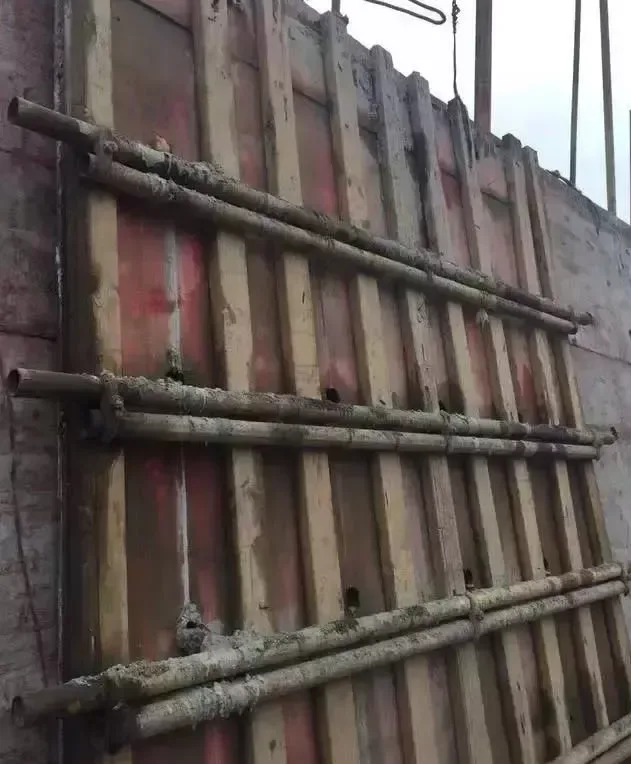
Fixed wooden blocks and steel pipes
Fixed template hoisting in place
After hoisting the standardized template into place, according to the stress situation of the template, open a pair of 50mm diameter screw holes on the template with a spacing of 500 × 500mm (according to the stress situation of the template). Then embed a 50mm diameter PVC pipe in the opened template holes, with the PVC pipe protruding about 50mm on both sides of the template. Insert a pair of circular screws into the PVC pipe, with one end of the circular ring extending into the deformation joint.
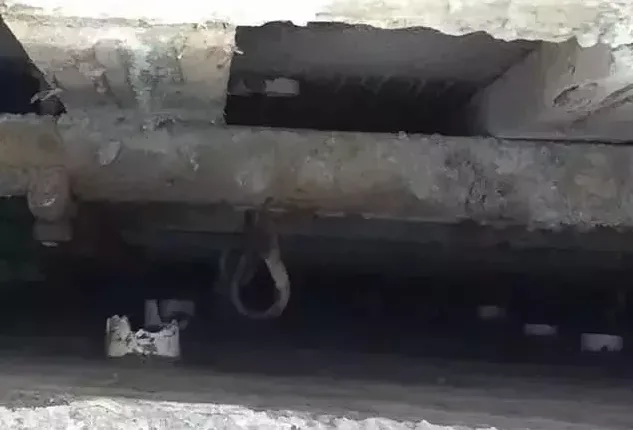
Align the circular ring of the pull screw vertically
Fixed fixed template
Align the circular rings of all the tension screws inserted into the PVC pipe vertically, then insert steel bars of diameter 18 or 20 into the circular rings, and finally tighten and fix the wooden and steel pipes with mountain clamps and nuts on one end of the tension screws inside the room.
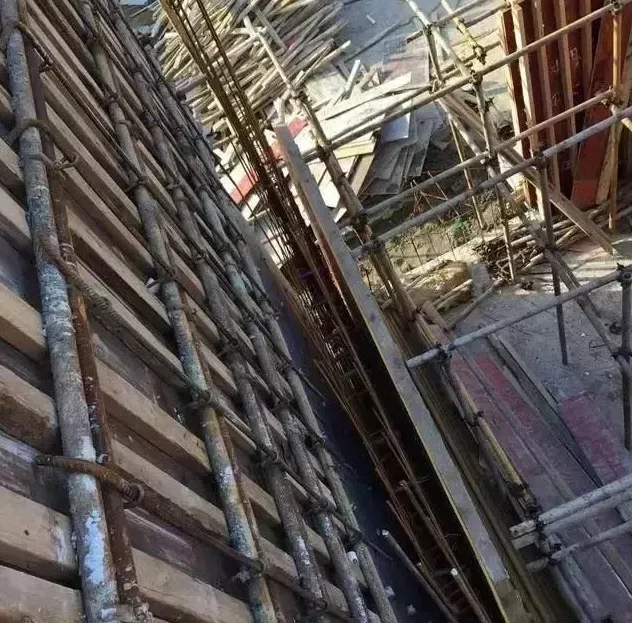
Shear wall formwork within expansion joints
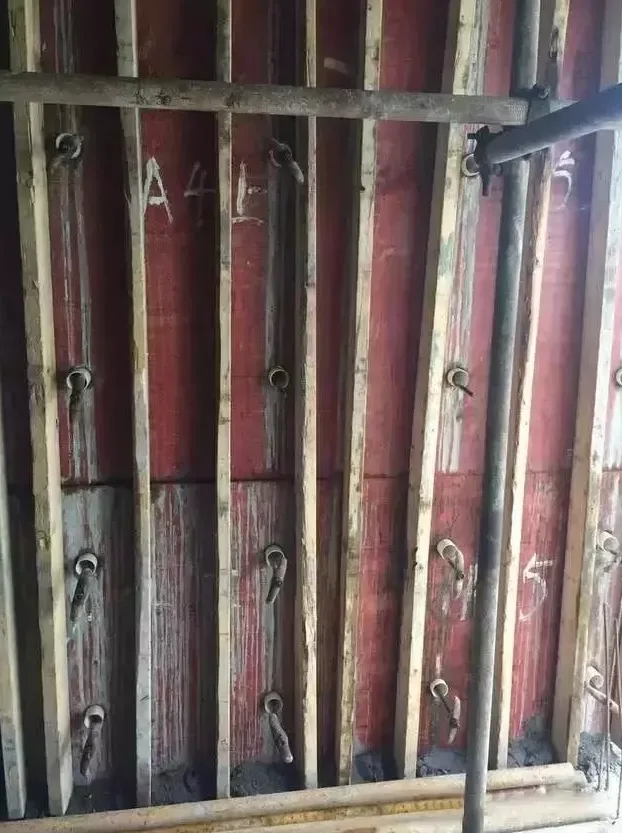
Indoor shear wall formwork on one side
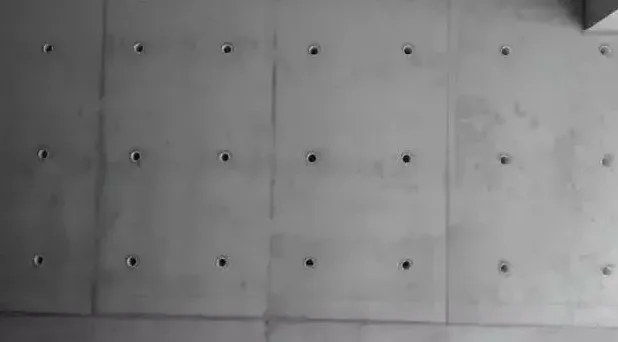
Concrete shear wall after demoulding
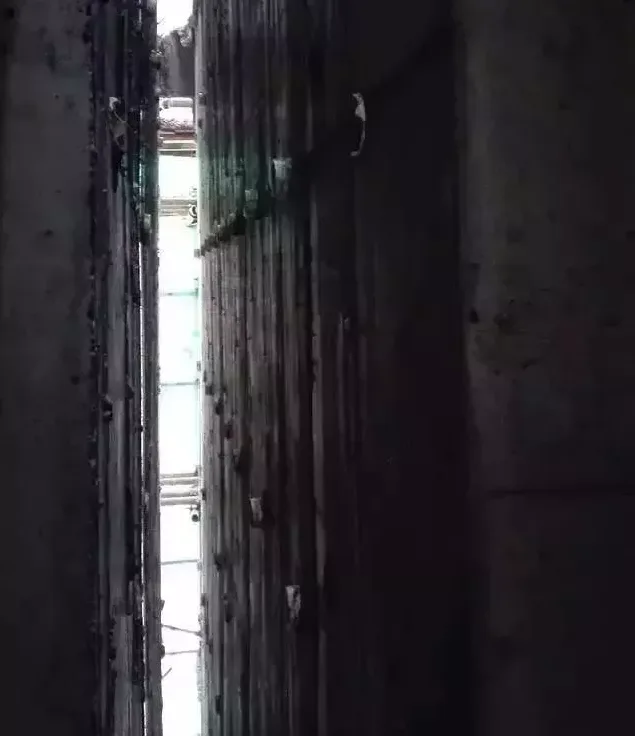
Concrete shear walls within expansion joints
This method replaces the inconvenience of constructing shear wall formwork at the deformation joint area with a standardized formwork, which not only facilitates formwork construction and increases the turnover of formwork (with a formwork frame shear structure of 18 layers, it can be used for project sealing), but also facilitates maintenance. Once the formwork is damaged, only a layer of plywood needs to be covered on top of the original formwork, reducing labor and material input. At the same time, it effectively controls the flatness of the shear wall concrete, reduces the occurrence of formwork expansion and leakage, and enables the shear wall concrete to be formed in one go, reducing the thickness of the painting layer during the decoration stage. This construction method is simple to operate, easy to control, and has good economic and social benefits.













Must log in before commenting!
Sign Up