
Prefabricated construction has become a popular national policy, but for prefabricated construction, most projects encounter many problems during on-site implementation due to lack of experience. This article is a summary of China Construction Seventh Engineering Bureau from engineering examples13 common quality problems in prefabricated constructionAnalyzed the reasons and provided solutions, which are in line with the current industry situation and have guiding significance. You can refer to prevention and control measures in engineering!
1. Pre embedded position deviation and displacement
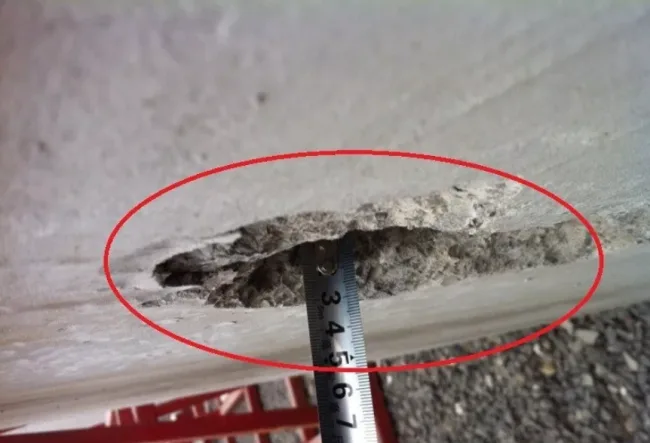
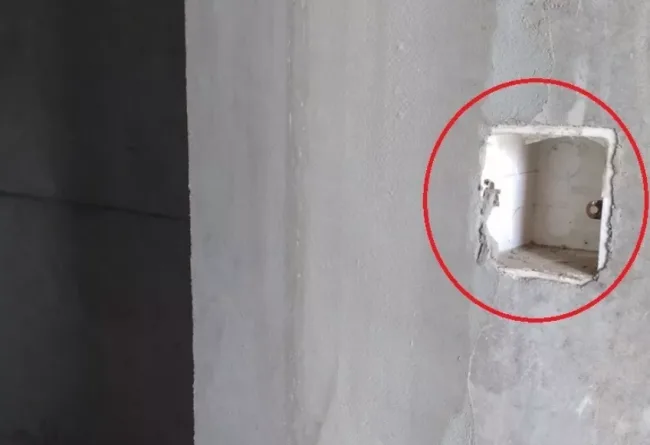
Pre embedded wire box offset
➤ Problem description
The pre embedded wire box is offset and sinks
➤ Basic requirements
The Technical Specification for Prefabricated Concrete Structures stipulates that the deviation of the centerline position of the embedded conduit and electrical box on the component plane is 20mm, with a height difference of 0-10mm
➤ Cause analysis
1) The wire box is not securely fixed, causing displacement of the BIM designed wire box during concrete pouring or vibration
2) Concrete vibration touches the wire box
➤ Key control points
1) Pre embedded wire box assembly on the surface of prefabricated components requires additional support at the bottom for research and development
2) During concrete vibration, it is strictly prohibited to touch the pre embedded wire box and wire pipe
2. Surface pores and rough surfaces of prefabricated components
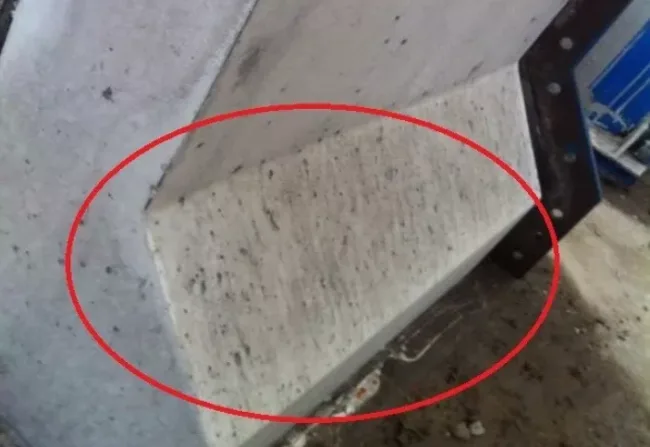
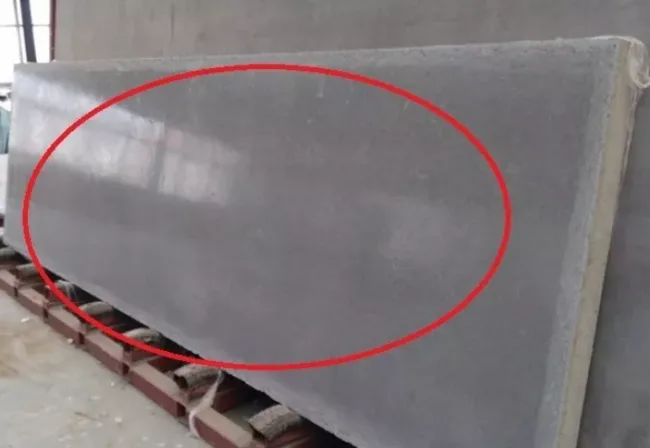
Surface pores and rough surface
➤ Problem description
The external surface of prefabricated concrete components has a large number of air holes, large pore sizes, and rough surfaces
➤ Cause analysis
1) The use of grease based release agents leads to the formation of air pockets in areas with high grease content after concrete pouring
2) The mold table is not cleaned thoroughly, and after applying the release agent, the surface of the mold table is prone to protruding areas. After pouring and hardening the concrete, it is easy to form air holes
3) The concrete is not compacted during vibration
➤ Key control points
1) Replace grease with water-based or oil-based release agents
2) Before applying the release agent, the mold platform must be cleaned thoroughly. The steel bar binding and embedding process should use a springboard, and walking on the mold platform coated with release agent is not allowed
3) Provide concrete vibration technology briefing to workers and conduct on-site monitoring of the vibration process for one week
3. Surface cracks on prefabricated components
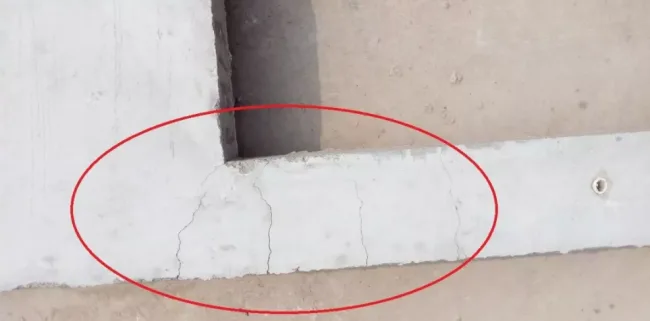
surface crack
➤ Problem description
Cracks on the outer surface of prefabricated concrete components
➤ Cause analysis
1) The design drawings did not set reinforcement bars at positions such as door and window openings as required by the specifications
2) Failure to reinforce according to the design before lifting and transportation
➤ Key control points
1) Reinforcement bars shall be installed at positions such as door and window openings in accordance with regulatory requirements
2) Before lifting and transportation, the components must be reinforced according to the design requirements, and can only be lifted and transported after passing the inspection
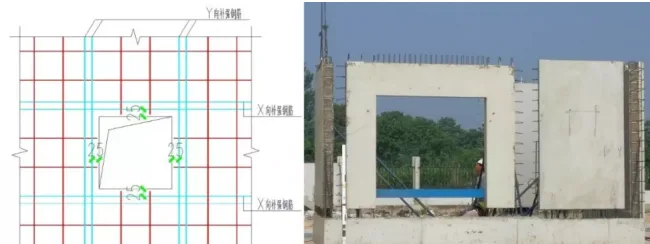
4. Pre installed components on-site acceptance and stacking issues
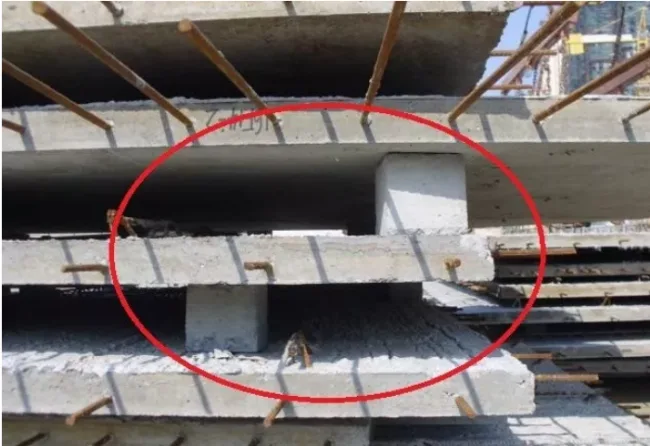
The cushion block is not on a vertical line
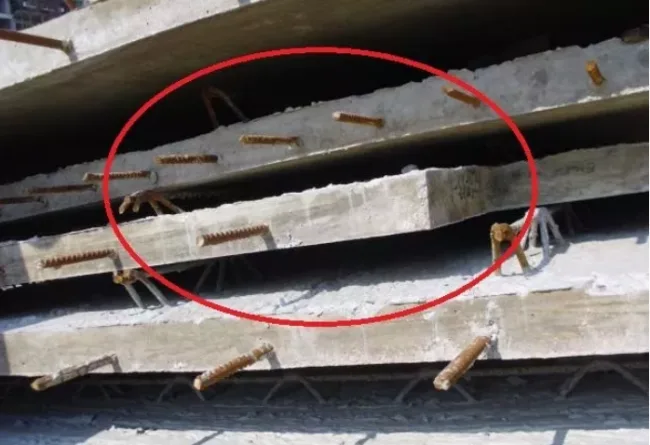
Lack of cushion blocks in component stacking
➤ Problem description
Prefabricated components are randomly stacked on site, and the wooden blocks in the upper and lower rows are not in a straight line, which easily leads to cracks
➤ Handling measures
When stacking prefabricated components, it is necessary to ensure that the stacking site is relatively flat. If the site is uneven, the cushion blocks need to be adjusted to ensure that the bottom cushion blocks are on the same plane, and to ensure that the bottom prefabricated components are placed flat and evenly stressed; Secondly, the stacking layers of laminated boards should not exceed 6 layers; Thirdly, there must be no missing cushion blocks between the boards, and the vertical cushion blocks must be in a straight line. All cushion blocks must meet the requirements of the specifications
5. Unreasonable design of suspension point location
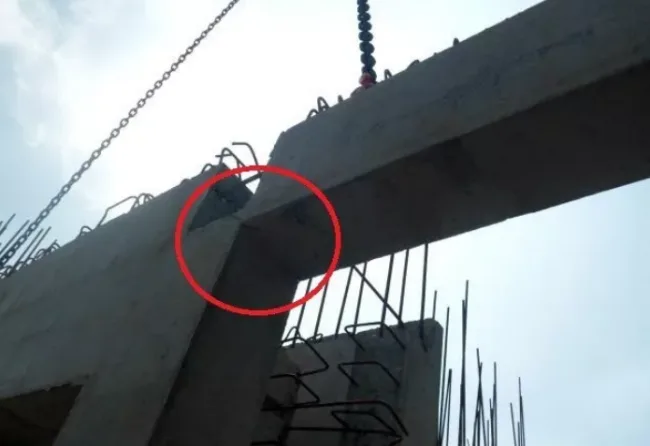
Obvious cracks appear during the lifting process
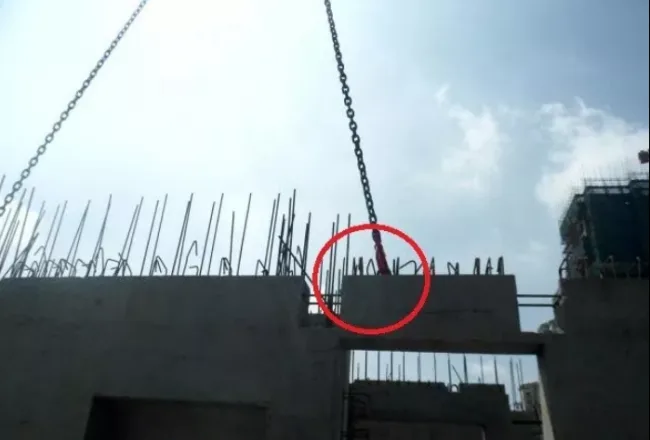
The setting of lifting points here is unreasonable
➤ Problem description
During the on-site lifting process, obvious cracks were generated and prefabricated components were damaged
➤ Cause analysis
1) The design of prefabricated components itself is unreasonable
2) Unreasonable suspension point design
➤ Handling measures
1) Analyze and calculate the position of lifting points during component design to ensure safe lifting and reasonable lifting points
2) For components with missing or improperly designed suspension points, return them to the factory for processing
6. Prefabricated wall panel lifting deviation
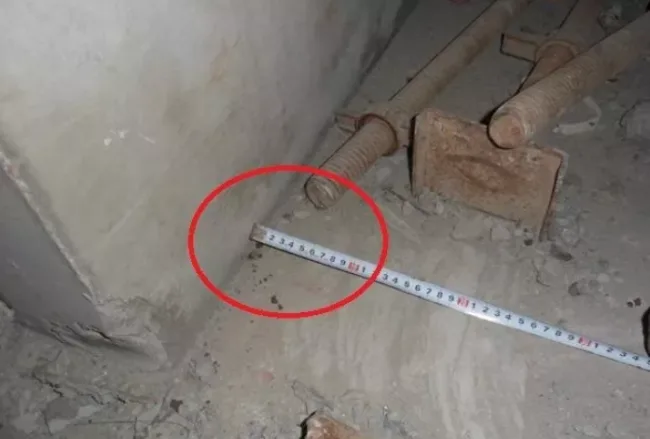
The deviation of the wall from the control line is too large
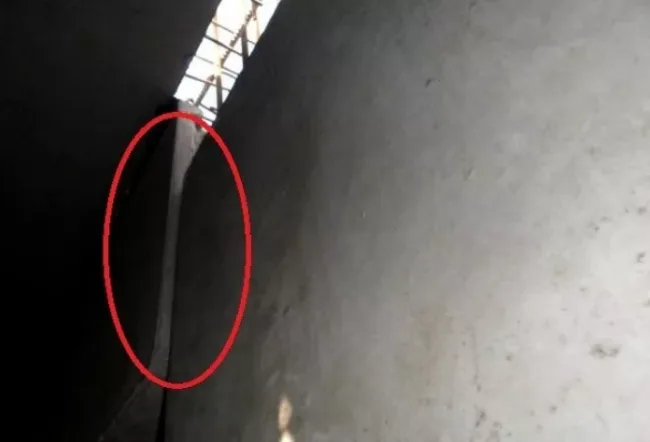
The two walls are clearly staggered
➤ Problem description
The serious problem of prefabricated wall deviation seriously affects the quality of the project
➤ Cause analysis
1) The wall installation was not strictly controlled according to the control line, resulting in the wall being misaligned after being placed
2) The components themselves have certain quality issues, with inconsistent thickness
➤ Handling measures
1) Correct the position of the wall
2) Construction units should strengthen on-site construction management to avoid similar problems
3) Supervision units strengthen on-site inspection and supervision work
7. Leakage of prefabricated component pipelines and inconsistency with on-site reservations
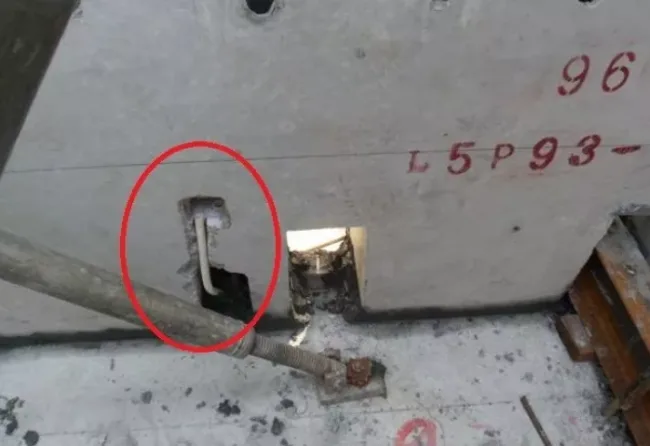
Prefabricated components lack pre embedded pipelines
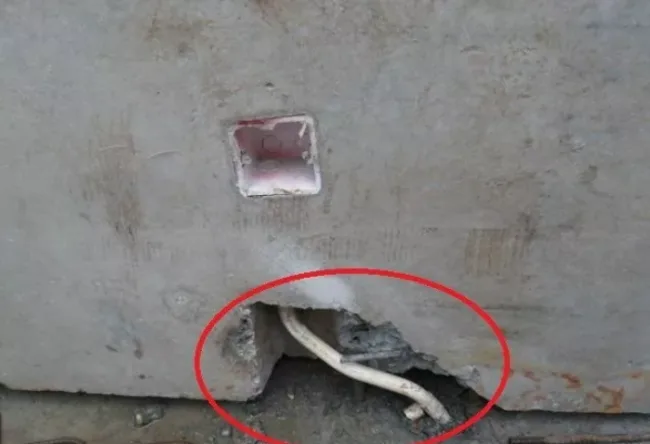
Serious deviation of pre buried pipelines
➤ Problem description
On site, it was found that some prefabricated components had missing or misaligned embedded pipes, which caused problems such as chiseling grooves in the prefabricated components during installation, making it easy to damage the prefabricated components
➤ Cause analysis
1) Missing pre embedded pipe fittings during component processing
2) Pipeline installation not constructed according to the drawing
➤ Handling measures
Strengthen management, pre embedded pipelines must be constructed according to the drawings without omission, and inspections must be strengthened before pouring concrete
8. The grouting of prefabricated components is not dense enough
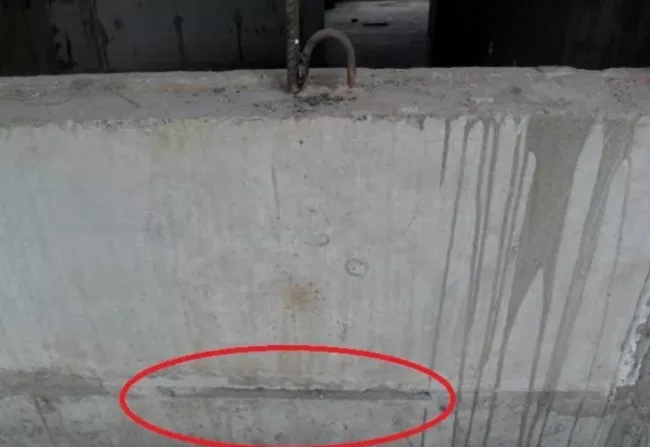
External wall grouting joint
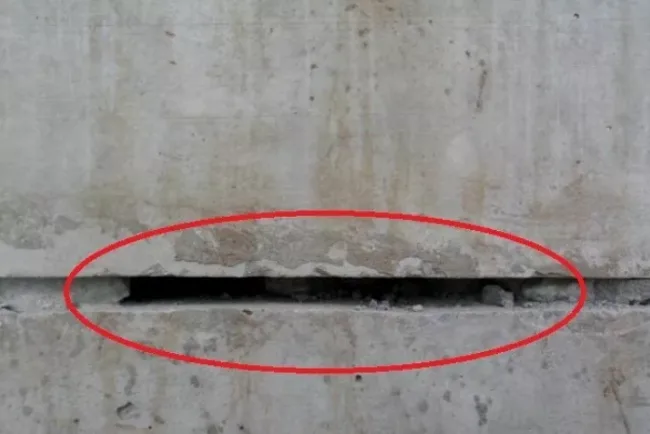
Poor on-site grouting quality
➤ Cause analysis
1) Unreasonable configuration of grouting material
2) Bellows drying
3) The grouting pipeline is not unobstructed and the joint is not tightly sealed, causing leakage of grout
4) The operator was careless and did not fill it up
➤ Preventive measures
1) Strictly follow the ratio and feeding sequence in the instructions for preparation, and control the mixing method and time according to the instructions
2) Before hoisting the components, carefully check whether the grouting pipes and joints are unobstructed. A small amount of water can be sprinkled to moisten the grouting pipes half an hour before grouting, but there should be no accumulated water
3) Using a pressure grouting machine, the grouting holes in a component should be filled continuously in one go, and the surface of the grouting holes should be compacted and smoothed before the final setting of the grouting material
4) Ensure that the grouting material is used up within 30 minutes after mixing is completed
5) Strengthen the training and management of operators, and enhance the awareness of construction quality among workers
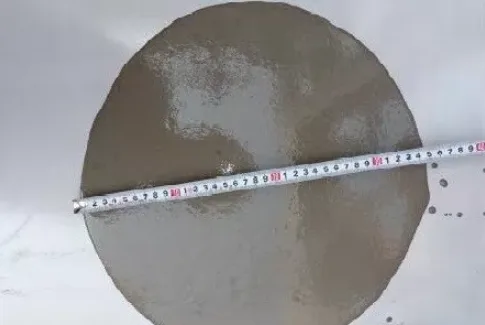
Grouting material inspection
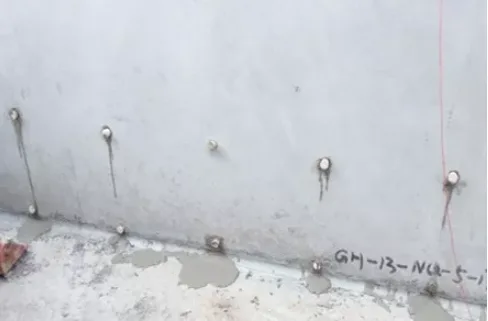
Timely seal after grouting is completed
9. Prefabricated component steel bar deviation
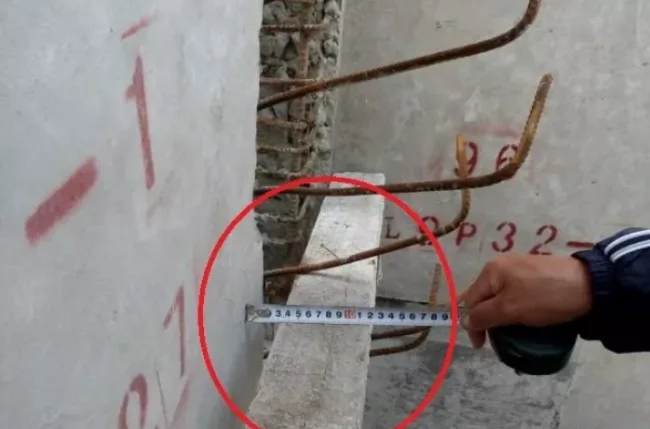
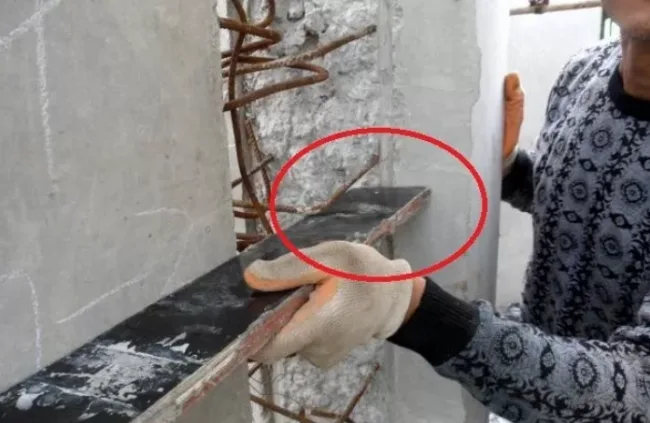
Steel bar deviation
➤ Cause analysis
1) Before pouring the floor concrete, the vertical steel bars are not limited or fixed
2) The pouring and vibration of concrete on the floor cause vertical steel bars to deviate
➤ Preventive measures
1) According to the component number, use steel reinforcement positioning frames for positioning, and appropriately use support bars to support the steel reinforcement frames to ensure accurate positioning of the steel reinforcement
2) After the concrete pouring is completed, according to the layout plan of the reinforcing bars and the boundary lines or control lines of the on-site components, the reserved reinforcing bars for the wall and column components should be rechecked for the center position. For reinforcing bars with a center position deviation exceeding 10mm, appropriate correction should be made according to the drawings
10. Reinforcement connection issue
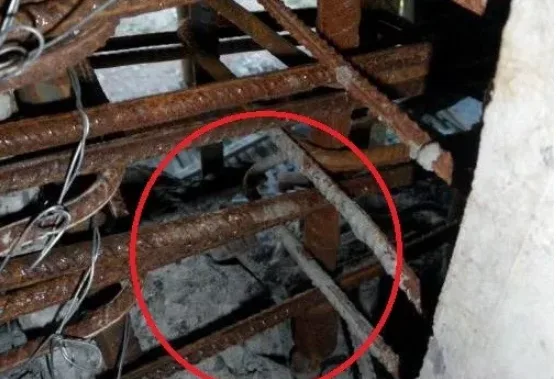
Disconnected threaded connection
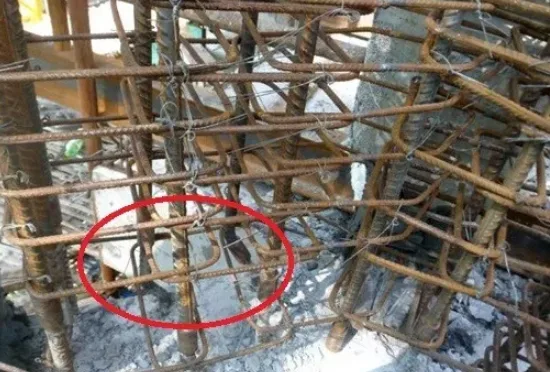
Serious reserved bending
➤ Problem description
There are problems with the connection of steel bars at the cast-in-place nodes, such as loose sleeve joints, overlapping flow, and severe bending of steel bars, which pose hidden dangers to structural safety
➤ Cause analysis
1) The worker did not operate properly when connecting the steel sleeve
2) Inadequate on-site supervision and management
➤ Handling measures
1) Strengthen protective measures for steel sleeve joints during platform concrete pouring to avoid debris on them
2) When connecting steel bars, workers should take measures such as cleaning and oiling to ensure that the quality of the sleeve connection meets the specifications
3) Management personnel need to strengthen on-site management, inspect each sleeve connection, supervise on-site work, and the engineering department should carefully conduct re inspections to promptly rectify any problems found
11. Excessive sealing mortar
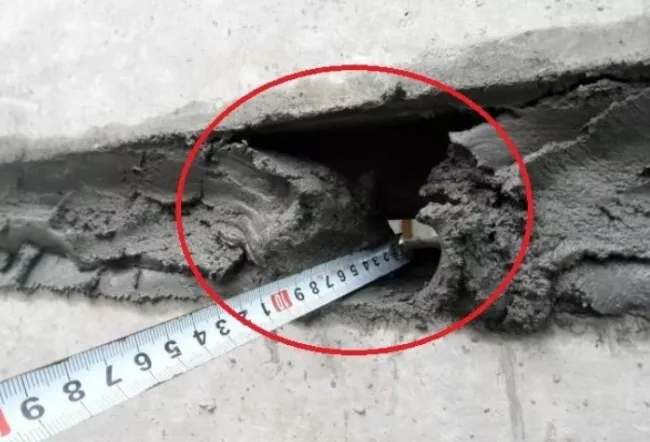
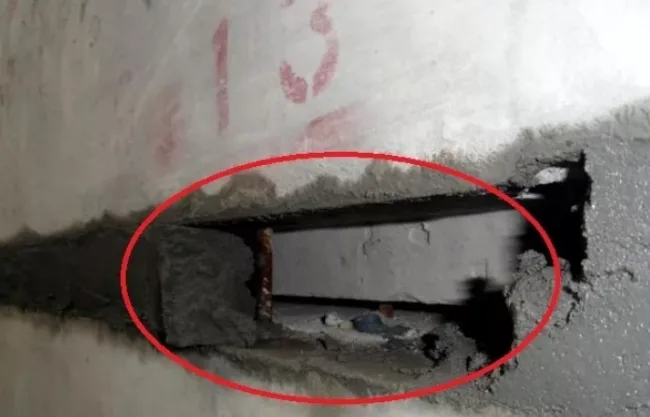
Thick sealing mortar
➤ Problem description
Excessive mortar at the horizontal joint of the exterior wall at the stairwell seriously affects the quality of grouting
➤ Cause analysis
1) The lower prefabricated components in this area did not retain the tongue and groove, resulting in excessive horizontal gaps
2) Construction unit’s management negligence
➤ Handling measures
1) Re implement blocking measures and submit the handling plan to the supervisor and the engineering department of Party A for approval before implementation
2) Require the construction unit to strengthen on-site management and strictly prohibit excessive sealing mortar from causing the quality of grouting to be compromised
3) Improve the technical specifications related to NPC, and provide clear regulations on the thickness of the sealing mortar, the volume ratio of the sealing mortar, and other related indicators, in order to facilitate on-site inspection and acceptance of the standard basis
12. The main reinforcement is not within the hoop reinforcement
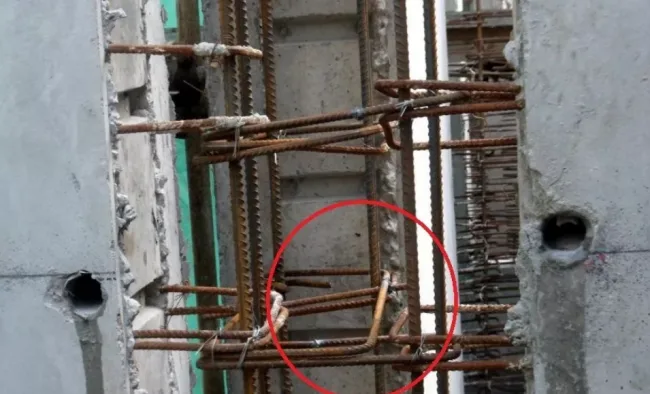
The main reinforcement is not within the hoop reinforcement
➤ Problem description
The problem of the main reinforcement of the wall at the node not being inside the hoop reinforcement poses a hidden danger to the safety of the structure
➤ Cause analysis
1) Main reinforcement deviation
2) Insufficient length of reserved hoop reinforcement in the prefabrication plant
➤ Handling measures
1) Take corresponding measures to strengthen remedial measures
2) Strengthen on-site construction management to avoid the phenomenon of steel bar deviation
3) Timely feedback the information to the processing plant and redesign the extension length of the hoop reinforcement to avoid similar problems from happening again
13. Cracks in laminated panels
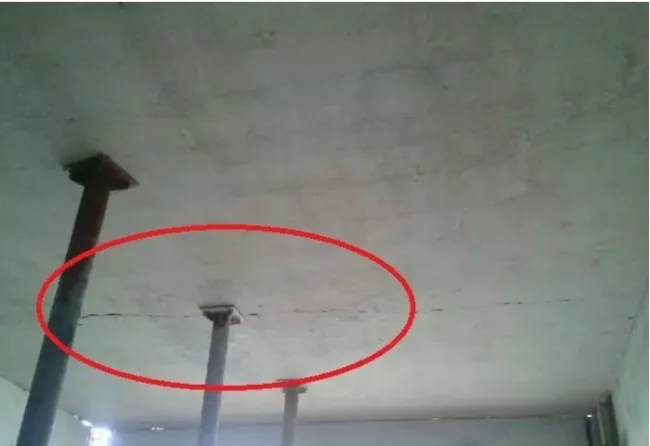
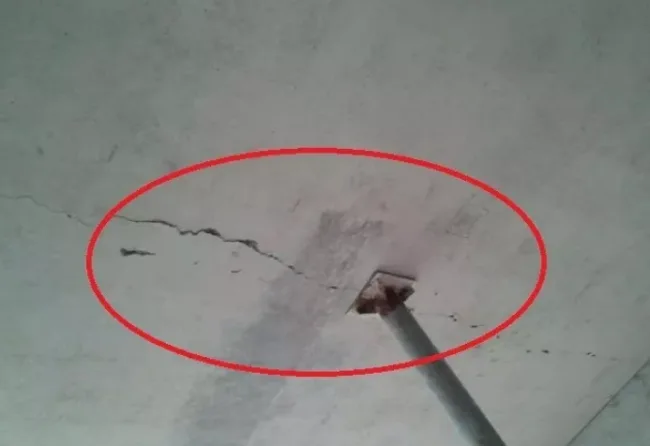
Cracks in laminated panels
➤ Cause analysis
The curing time of the laminated board is not enough, and the laminated board has not yet reached the specified strength
➤ Handling measures
1) Require the construction unit to replace the qualified composite panels again. Considering the on-site progress, a relevant special repair plan can be issued and submitted to the supervisor and the party A for approval before rectification can be carried out
2) Require the construction unit to strengthen on-site management, and the composite board must reach 100% strength before demoulding and hoisting can be carried out
3) Supervision units strengthen on-site inspection and supervision work
Other common quality issues
In addition to the 13 common quality issues mentioned above, there are other problems with prefabricated construction sites, such as incorrect elevation and lack of careful inspection (elevation issues can be seen from the openings); Improper lifting and potential safety hazards; Failure to clean up garbage affects the quality of grouting; Finished product damage, failure to protect components after installation, and subsequent construction being contaminated and damaged
In short, to ensure the quality of prefabricated buildings, it is necessary to start with strengthening the quality management of prefabricated concrete components, improving the quality of detailed design of prefabricated components, and strengtheningComponent production, stacking, transportation, on-site construction hoisting, node connection, and finished product protectionWait for quality control at each stage and distinguish between themResponsible parties for each stageTo promote the healthy development of prefabricated buildings, it is necessary to improve the quality control level of management personnel at all levels and the quality awareness of frontline workers, and to achieve “craftsmanship in construction”.













Must log in before commenting!
Sign Up