
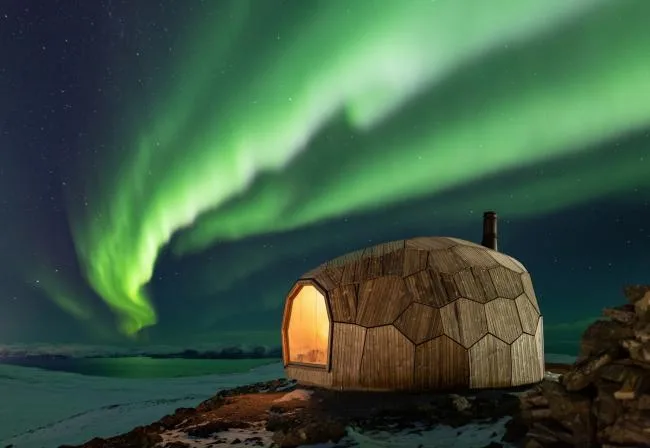
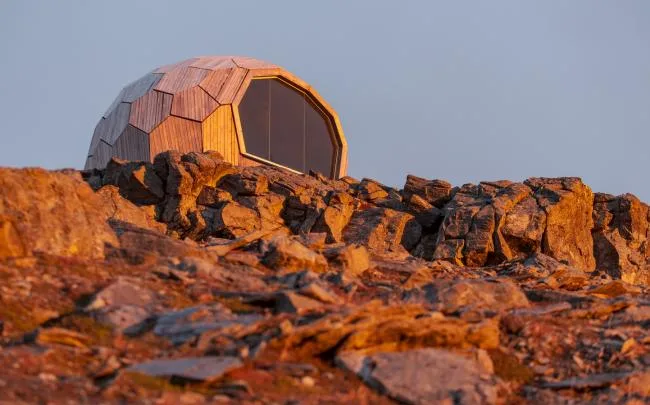
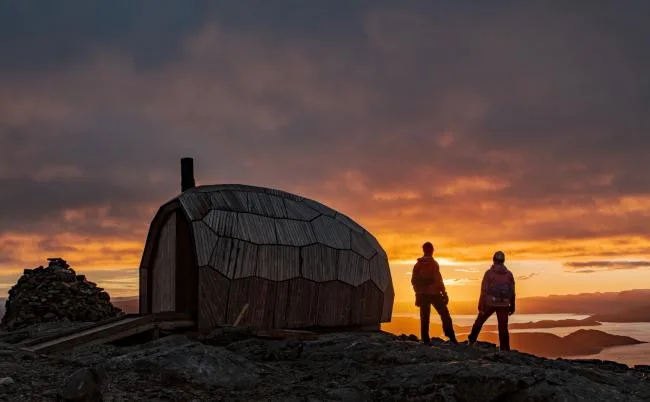
In the summer of 2015, the Hammerfest branch of the Norwegian Hiking Association (DNT) initiated a project to build two simple, cozy cabins aimed at encouraging hiking in the mountainous regions around the town. The concept was straightforward: “We envision a small hiking shelter featuring large windows, a wood-burning stove, and simple benches, located near the mountaintop and designed thoughtfully to blend with the local terrain.”
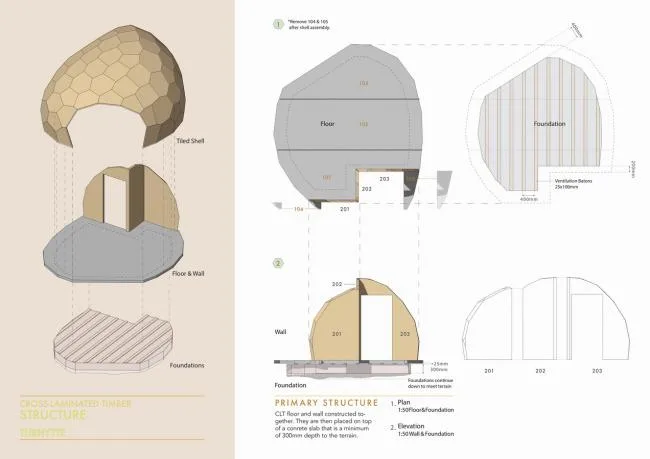
Analysis diagram of the multi-layered wooden structure
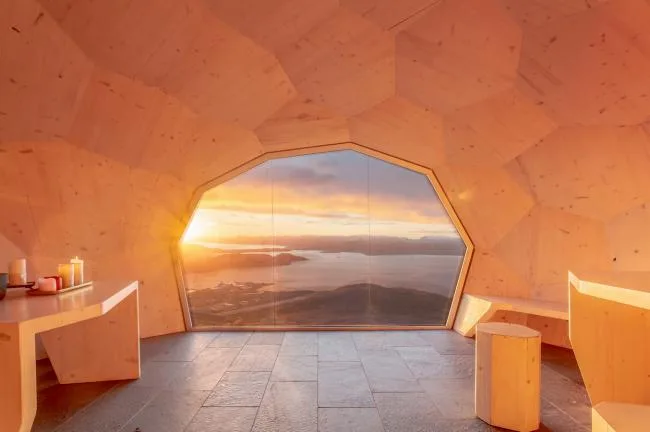
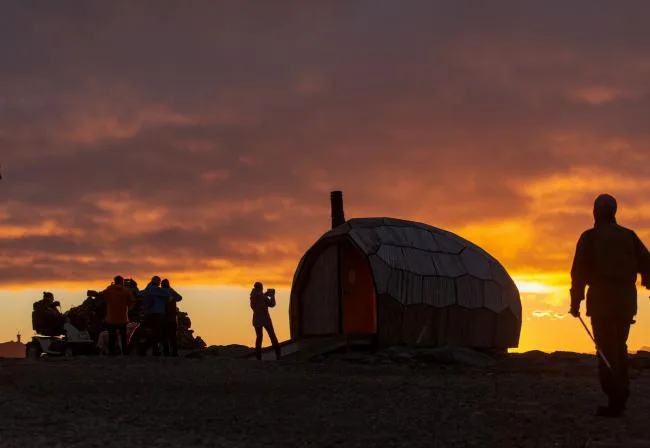
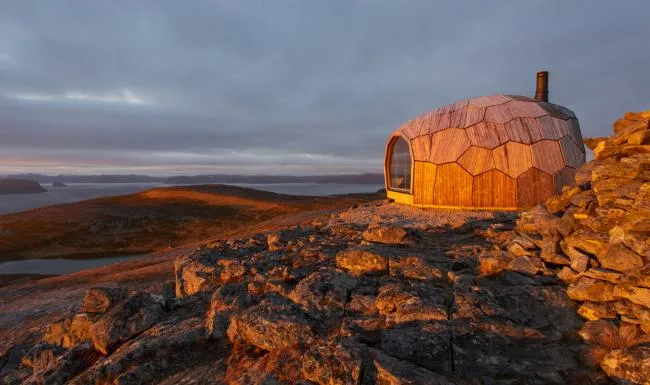
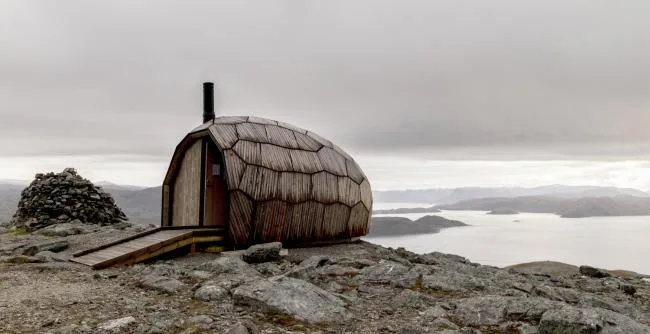
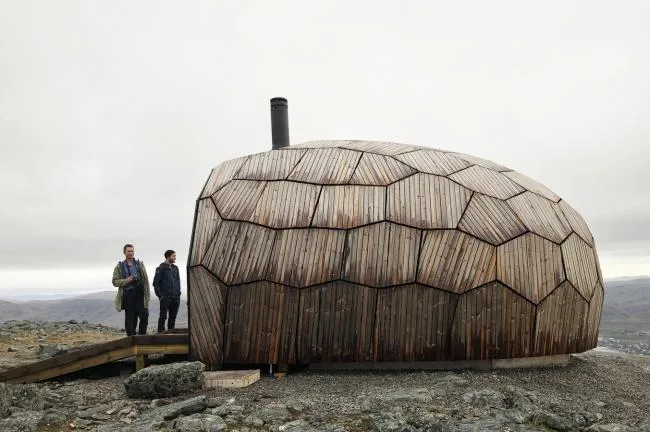
SPINN Arkitekter embraced this challenge and began sketching designs in the summer of 2015. The “Varden” structure was conceived as an organic wooden form tailored to the local terrain, engineered to withstand the region’s harsh winter climate while offering hikers a warm, welcoming refuge. Additionally, it was designed to serve as a striking landscape feature.
To translate this organic wooden shell into reality, SPINN collaborated with their long-term partner, Format Engineer, to convert the hyperbolic wooden “rock” concept into a precisely manufacturable structure. Volunteers installed the initial framework atop the mountain, employing drones and photogrammetry software to capture detailed 3D point data. This data was essential for creating accurate design drawings that served as the foundation for the building’s form.
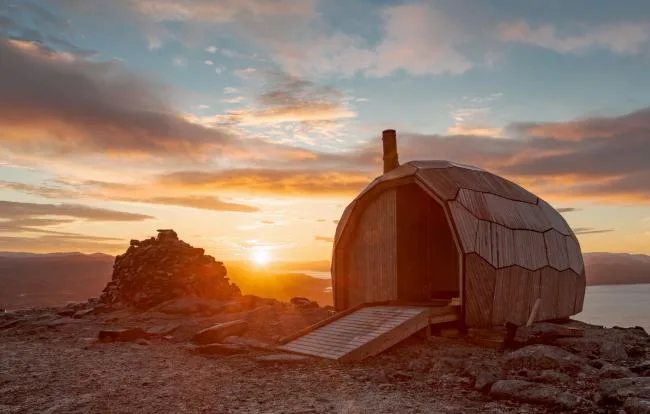
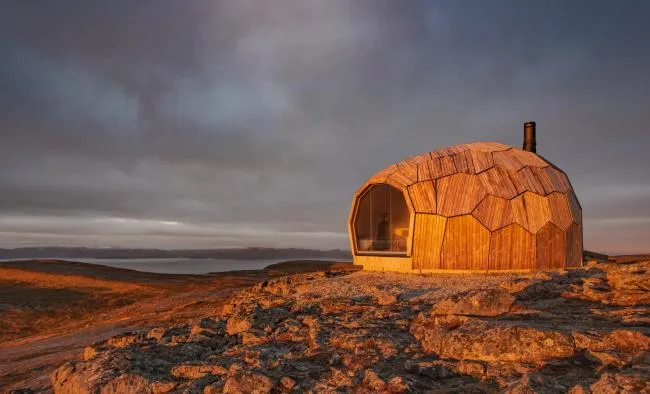
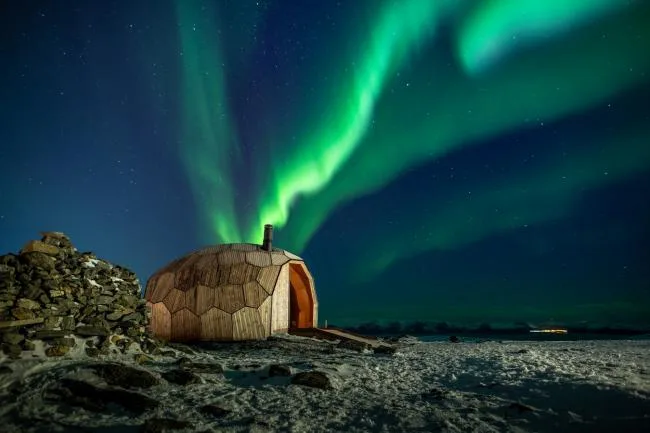
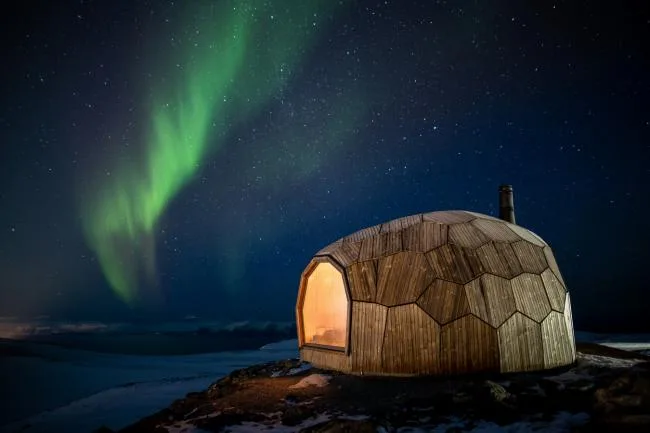
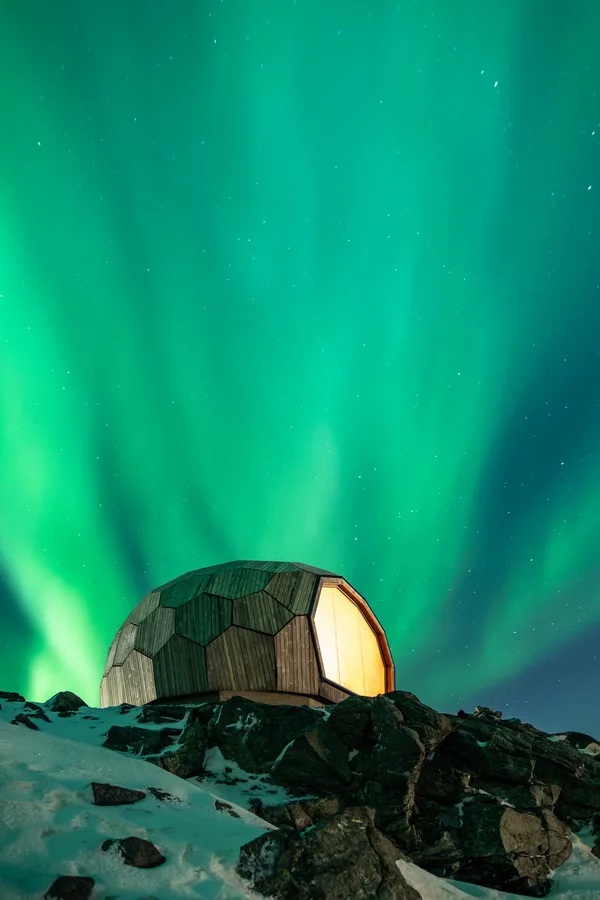
After creating the initial shape using software like SketchUp and Rhino, it was further refined and optimized by engineers using tools similar to Grasshopper and custom scripts developed by VNet. The design features a wooden cross-laminated timber (CLT) shell composed of 77 unique panels, assembled like pieces of a 3D puzzle.
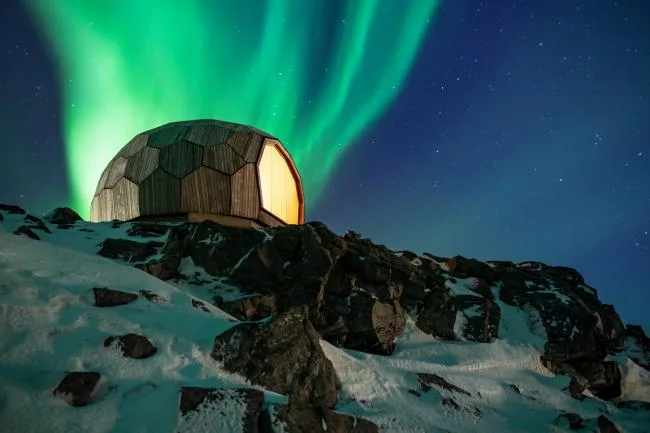
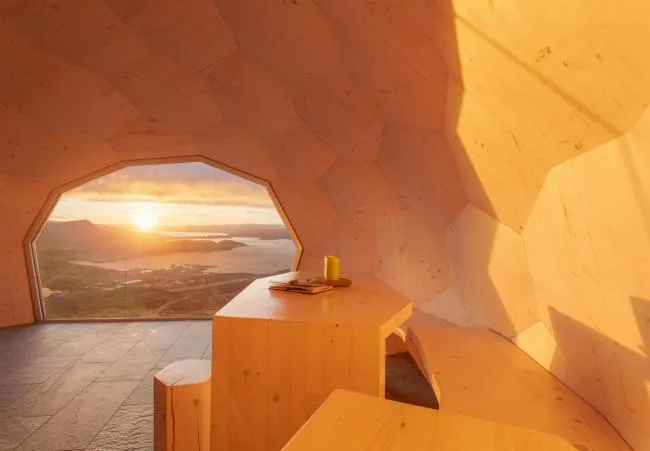
The design was rigorously tested to simulate local wind conditions, ensuring its resilience against Arctic winter storms and extreme winds. Snow simulation tests were carried out to confirm that the entrance would remain clear of snow, as intended. Structural calculations determined the stress between panels, guiding the selection of appropriate screws and fasteners. Additionally, 3D printing was extensively used to test assembly methods and evaluate exterior surface options.
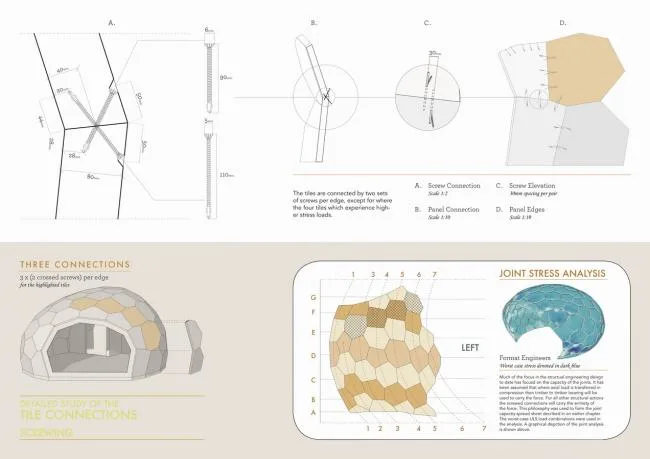
Structural Component Analysis (BIM Tutorial) – Drawing Review
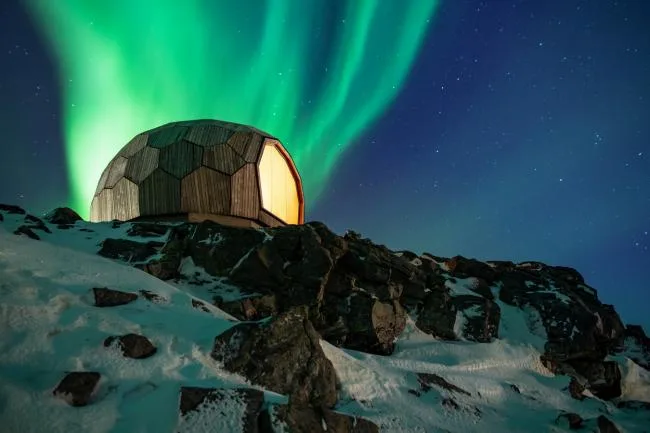
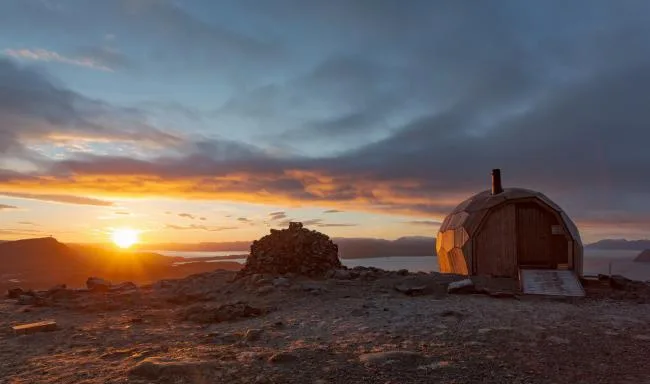
Initially, SPINN and VNet’s design proposals differed significantly from the client’s expectations and came with a higher budget. However, they remained committed to finding a feasible approach to bring the project to life. Visualization and animation tools played a key role in crowdfunding efforts, helping raise part of the necessary funds.
Local companies generously donated materials and construction services, while Kebony contributed exterior wall materials to reduce costs. According to the plan, members of the hiking association took responsibility for assembling the structural components and transporting them to the site.
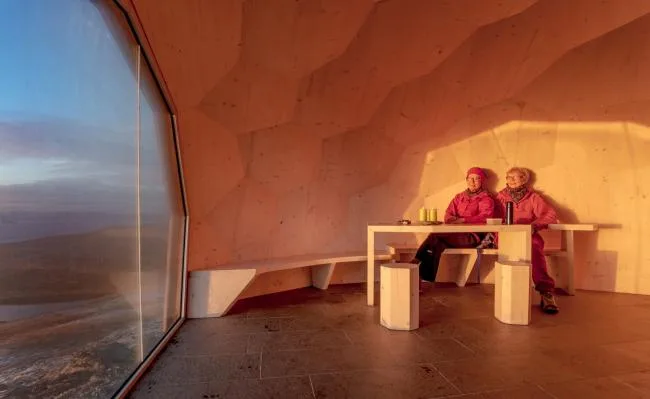
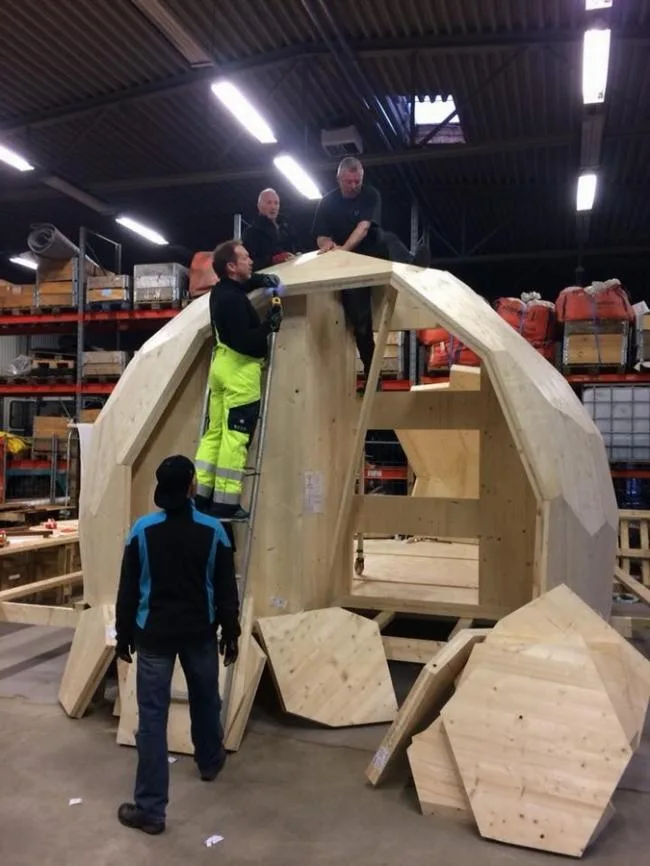
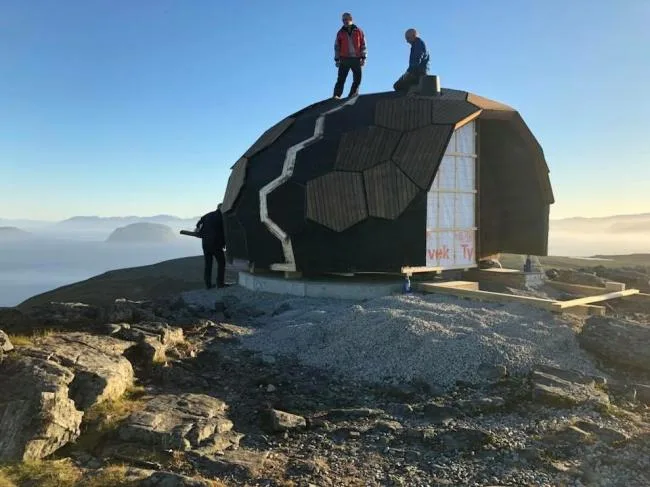
Ultimately, the decision was made to construct the cabins in a controlled warehouse environment where assembly and partial testing could take place. Components were then partially disassembled for easier transport. A dedicated team of volunteers assembled the main prefabricated CLT structure within four working days.
Another group managed the precise cutting and measuring of the frame and panels for the exterior surfaces, following SPINN’s full-scale 1:1 drawings. Volunteers contributed over 1,500 hours to build the cabin, including assembling the two outer surfaces. The only specialized work involved applying a double-layer asphalt waterproof membrane on the shell and pouring the foundation on site by professional builders.
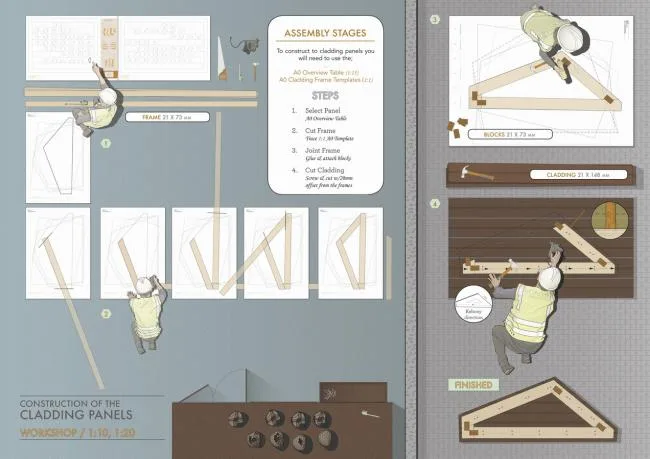
Construction process of cladding panels
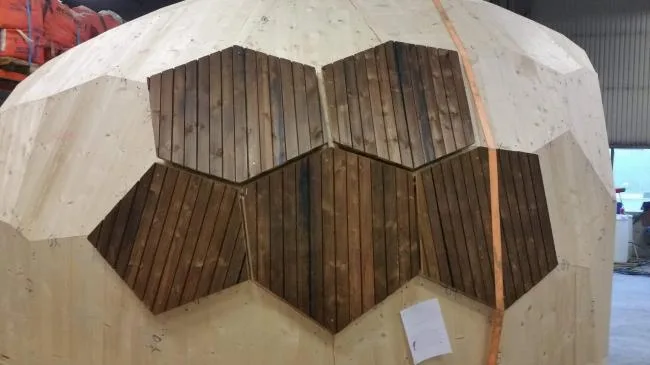
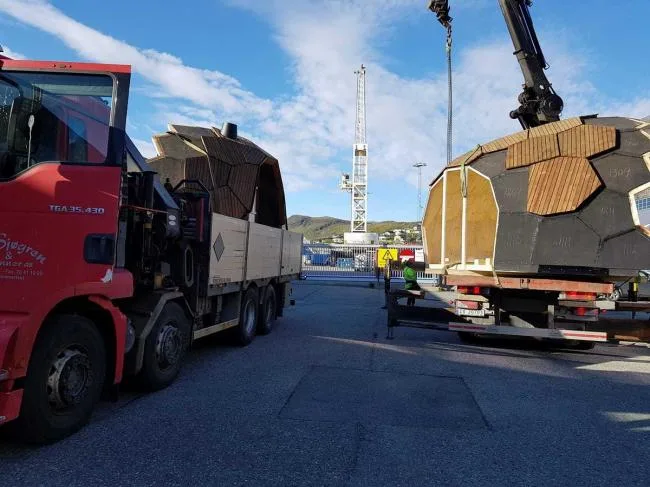
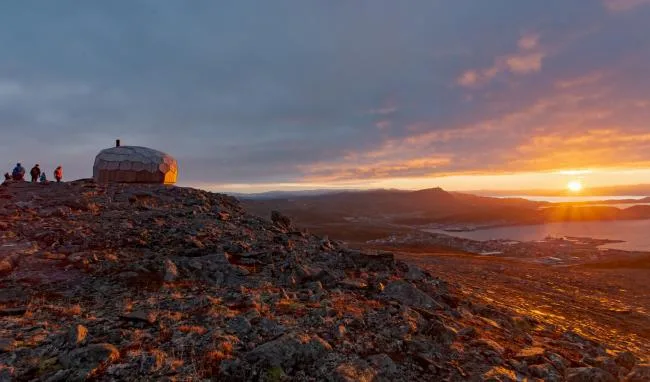
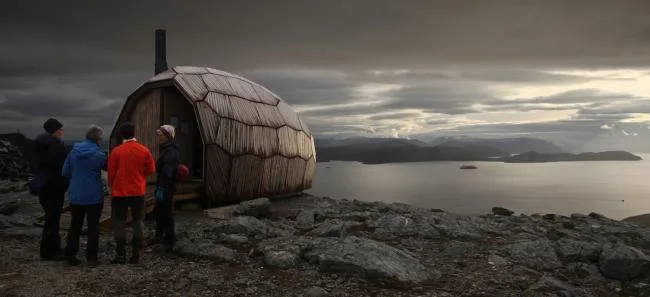
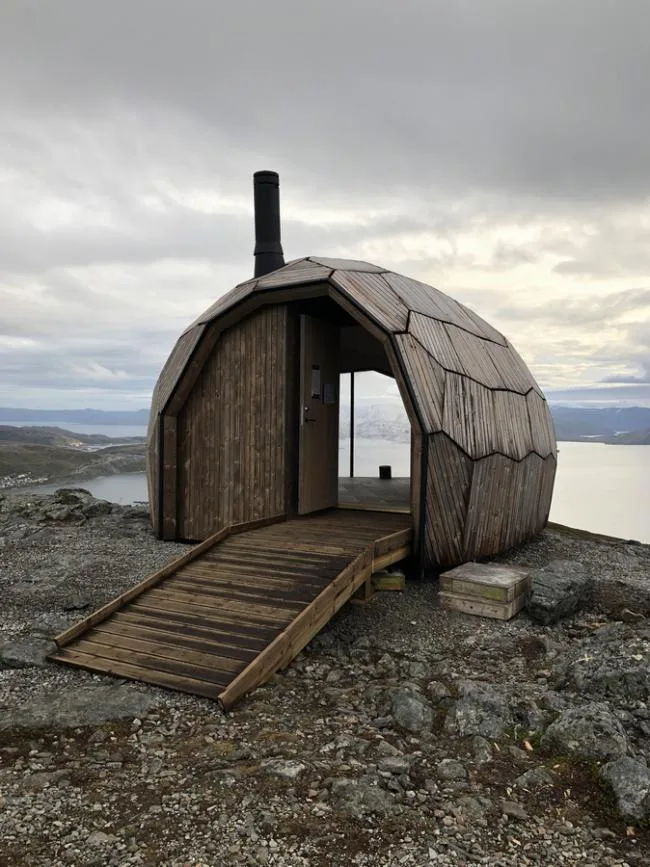
The project was divided into two phases. The first cabin was mounted on a flatbed truck and transported to Storfjellet, where it was lifted and assembled on site. Windows, fireplaces, ramps, and interior furnishings were all transported separately and installed locally. The first cabin has been a great success, significantly increasing visitor traffic to Storfjellet.
The second cabin is planned for Tyven, a mountain on the opposite side of Hammerfest. These two cabins will stand as silent guardians, overlooking the beautiful Arctic landscape surrounding Hammerfest.
Drawings
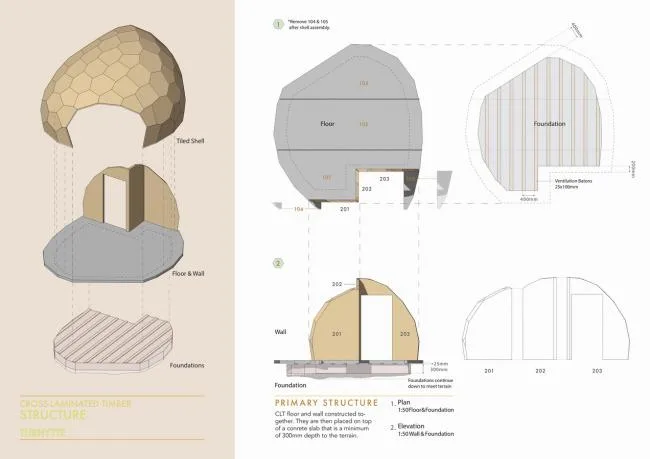
Analysis diagram of the multi-layer wooden structure
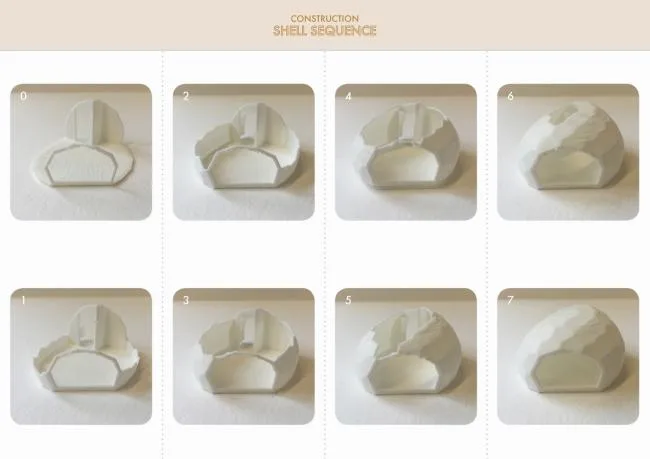
Structural evolution diagram of the shell
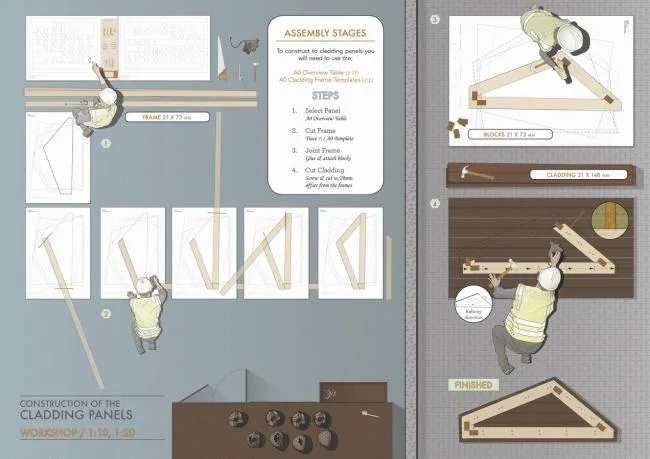
Construction process of cladding panels
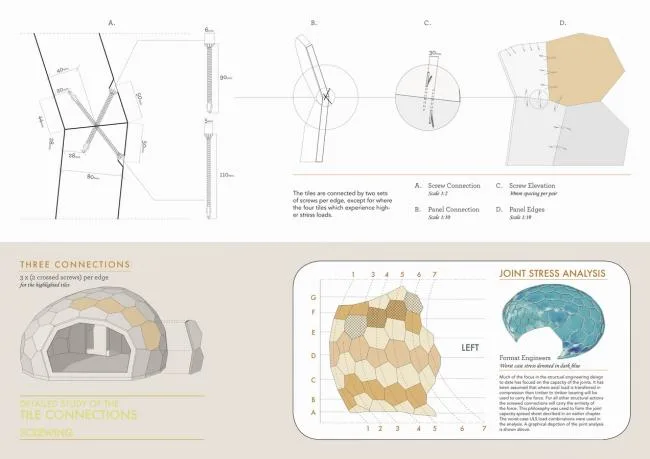
Analysis diagram of connecting structural components
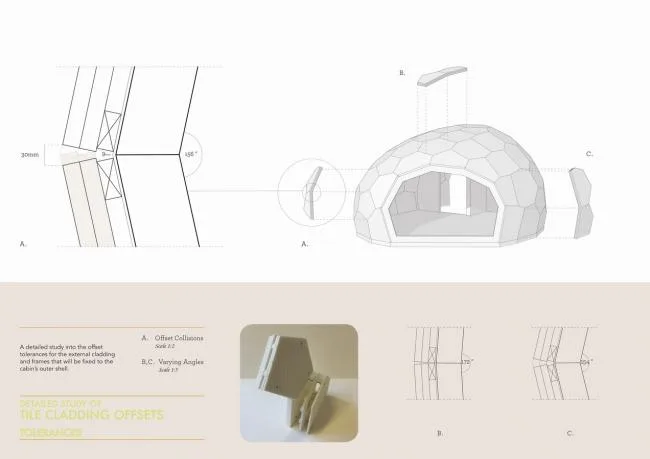
Structural Analysis Diagram
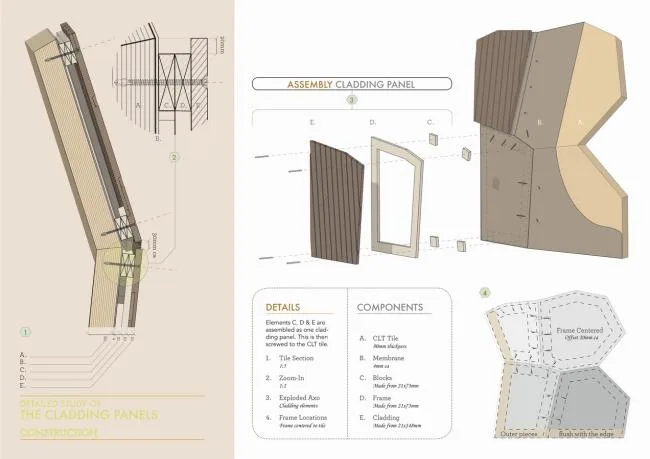
Structural Analysis Diagram
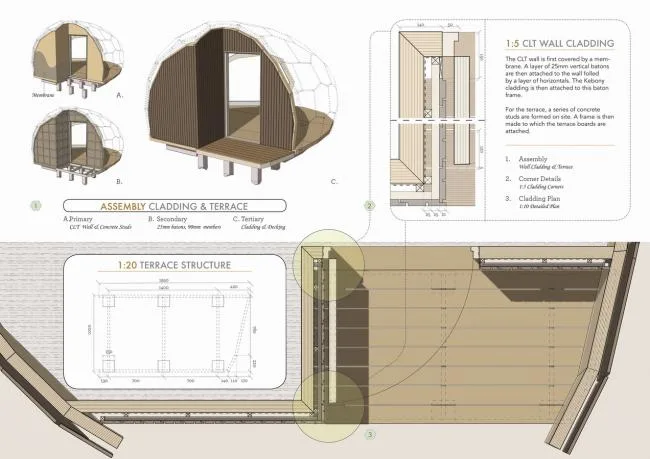
Roof and platform construction process
Project Information
Architect: SPINN Arkitekter
Location: Storfjellet, Hammerfest, Norway
Building type: Cabins
Built-up area: 15.0 square meters
Year: 2018
Architectural Photographer: Tor Mathisen
Manufacturers: Kebony, Aanesland Limtre AS
Structural Engineer: Format Engineer
Client: Hammerfest og Omegn Turlag
Budget: Up to 100,000 euros per cabin (including extensive volunteer labor)













Must log in before commenting!
Sign Up