
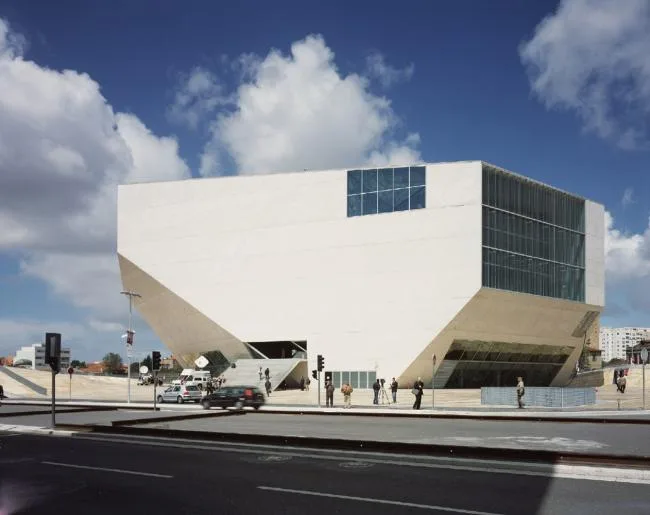
Over the last thirty years, architects have sought to break away from the dominance of the traditional “shoebox-style” music hall design. The Porto Cultural Theatre offers a fresh take by redefining the relationship between the sacred interior space and the public exterior, rather than competing against the inherent acoustic benefits of the classic shoebox shape.
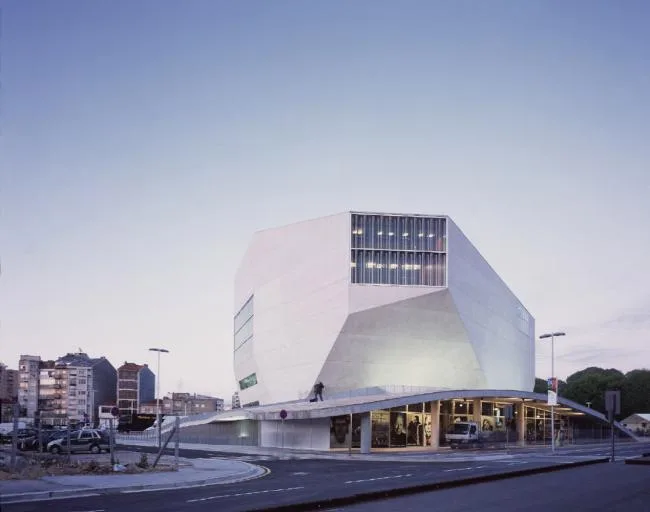
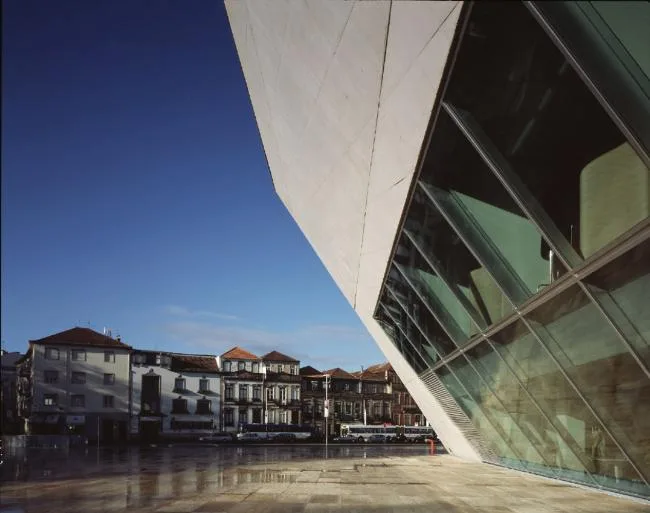
The Porto Concert Hall serves as the new home for the Porto National Symphony Orchestra. It is situated in a public square within the historic circular mountain area of the city center. The building’s striking white concrete facade gives it a solid, reliable presence amidst the era of landmark architecture.
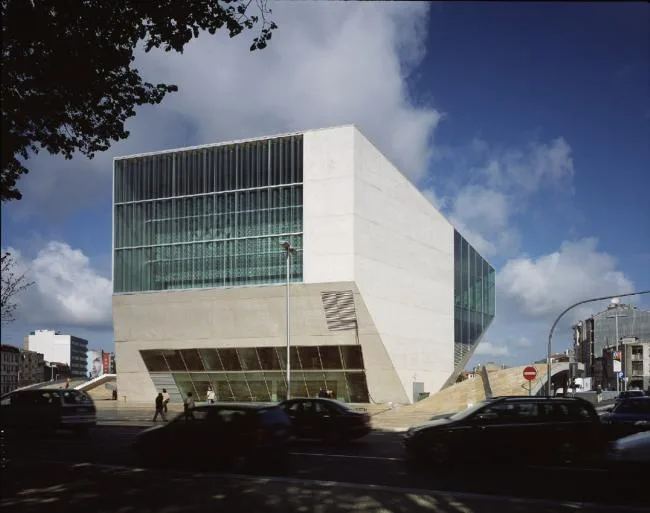
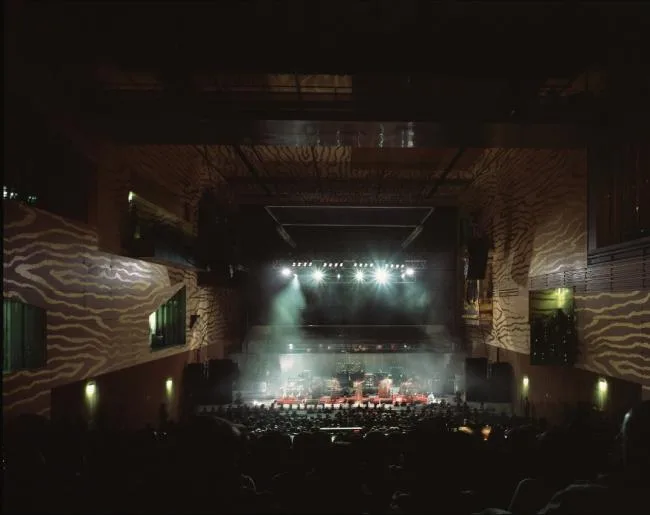
Inside, the 1,300-seat shoebox-shaped music hall features glass facades on both sides, seamlessly connecting the interior with the city and turning the building itself into part of the stage. This innovative design not only showcases the hall’s interior but also brings natural light into the urban environment.
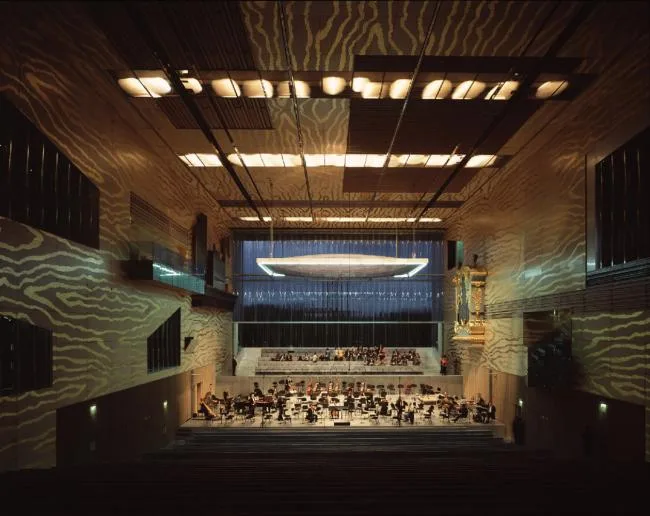
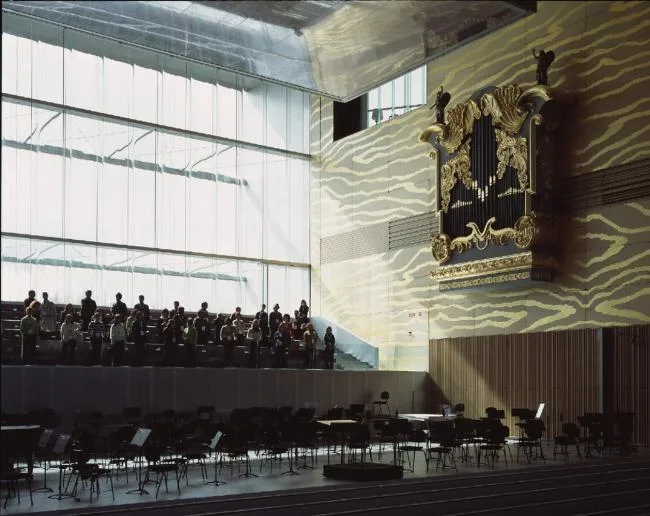
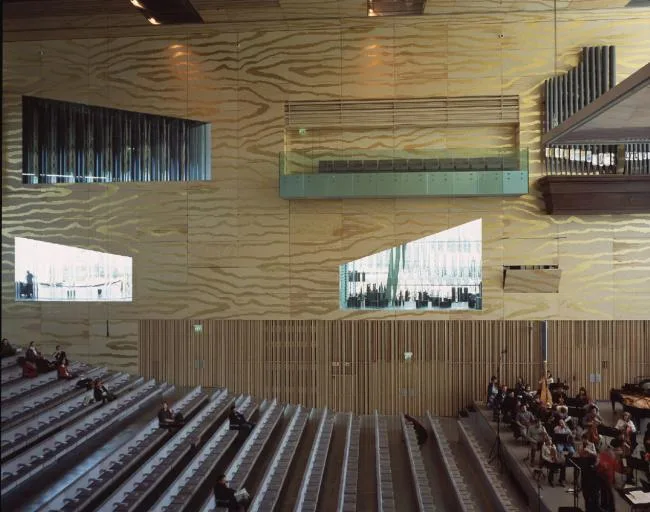
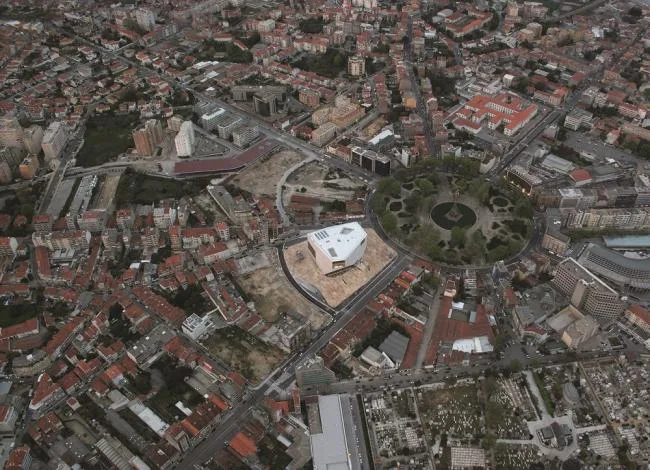
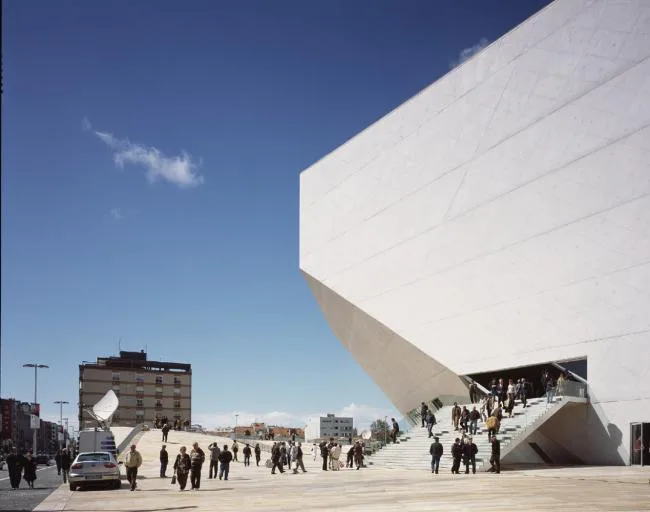
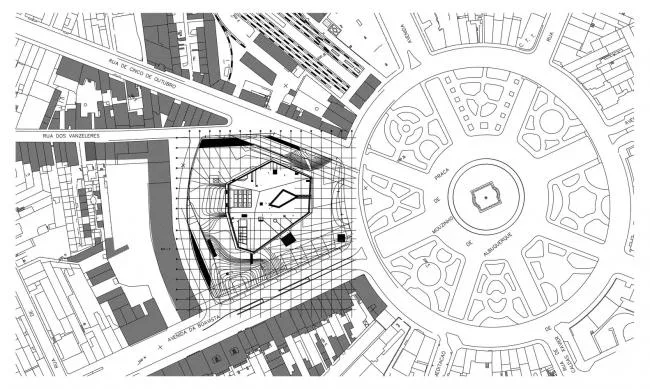
Finding a true home for music is central to OMA’s vision. Rather than constructing a new hall within the existing ring of historic buildings surrounding the circular plaza, they chose to build an independent structure on a limestone-paved plateau facing Rotunda Park. This location borders the working-class neighborhood and office areas, addressing symbolism, visibility, and accessibility equally.
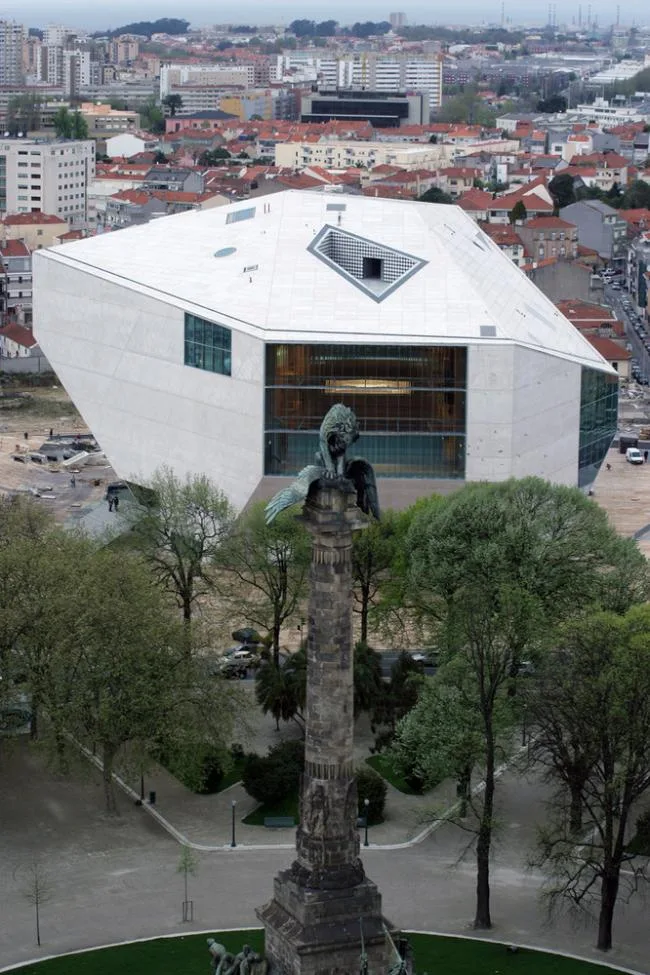
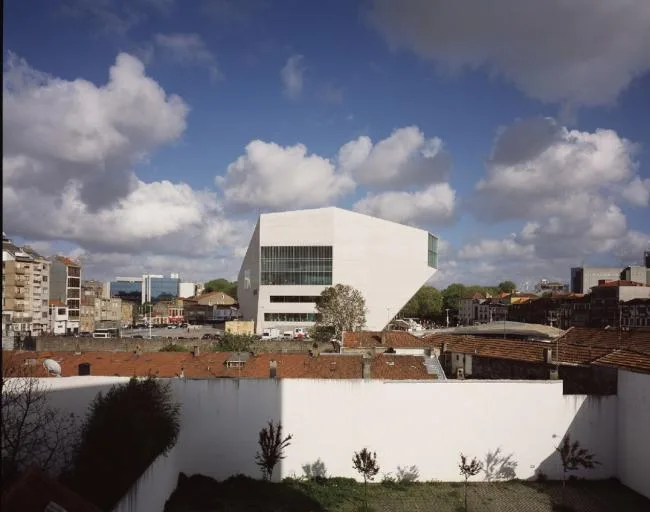
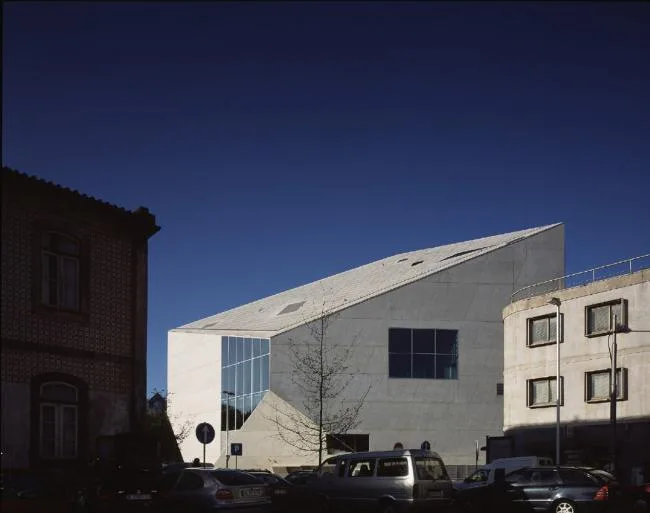
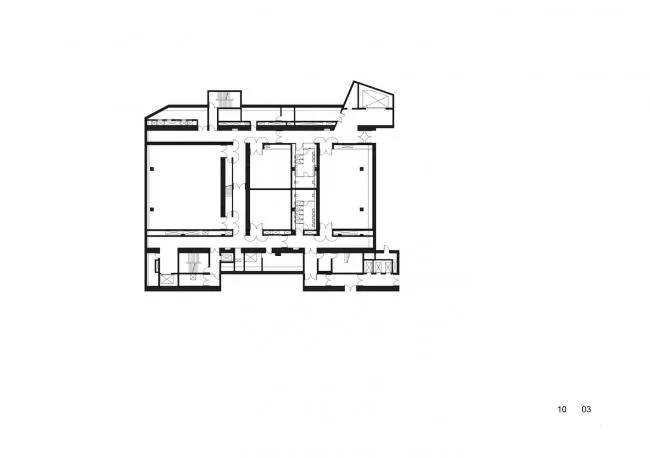
Besides the main auditorium, designed as a solid, elongated mass, Casa da Música offers a smaller, flexible performance space without fixed seating, ten rehearsal rooms, recording studios, educational facilities, restaurants, terraces, bars, VIP lounges, administrative offices, and a parking garage accommodating 600 vehicles.
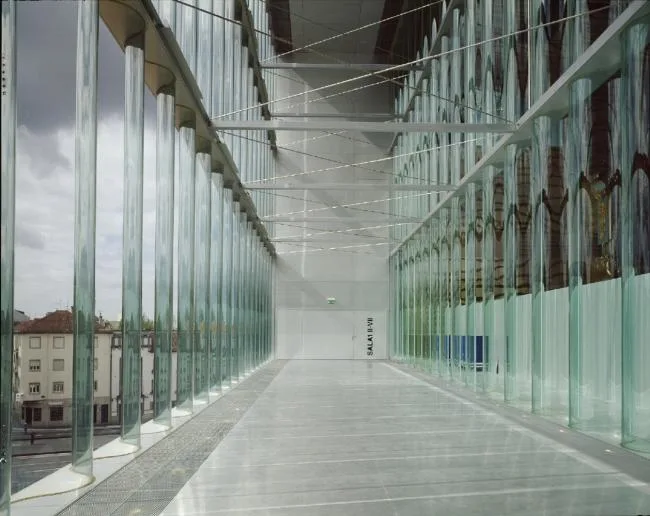
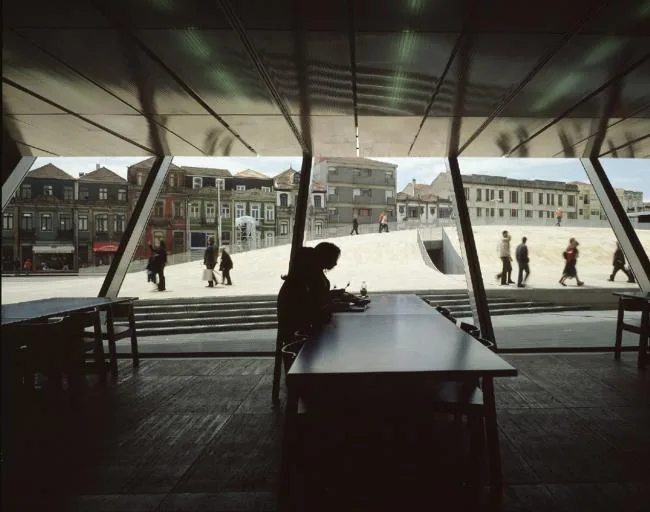
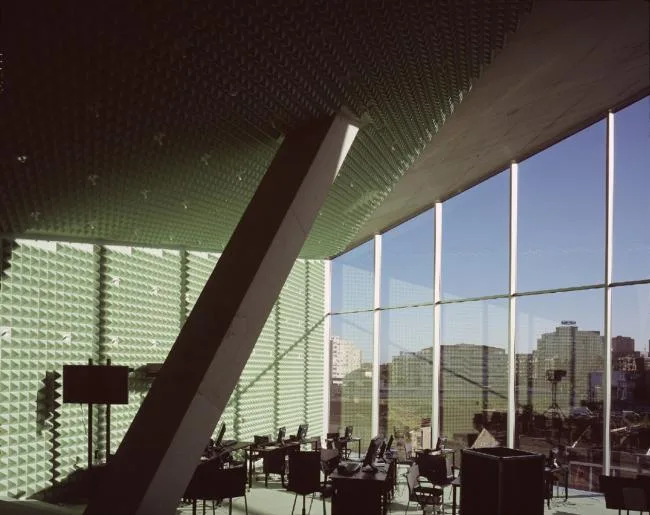
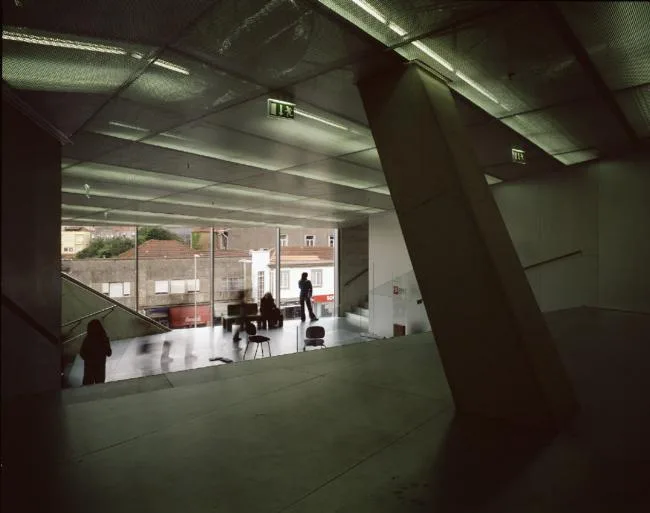
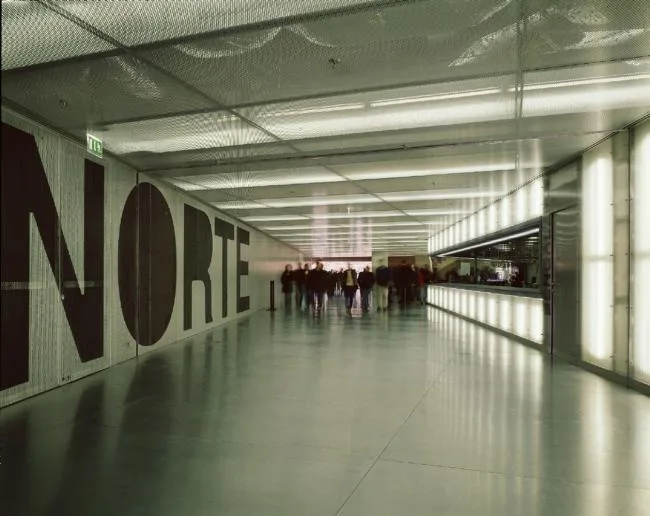
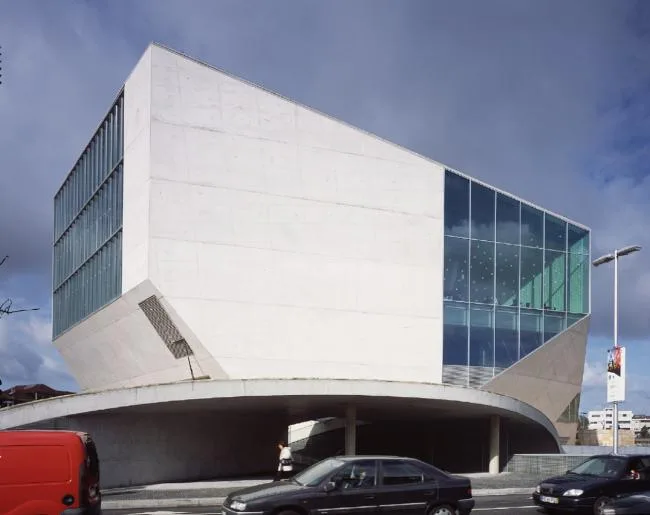
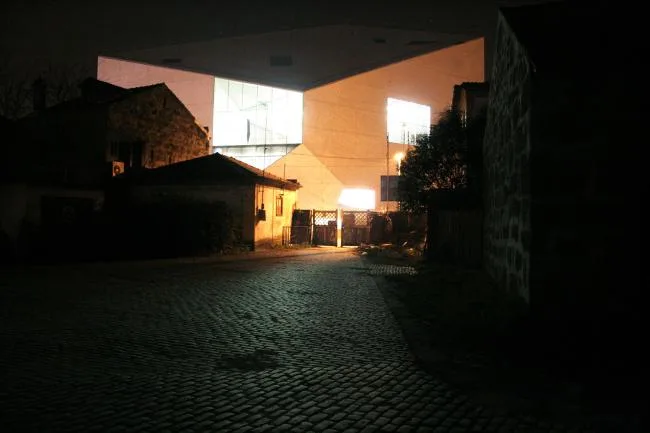
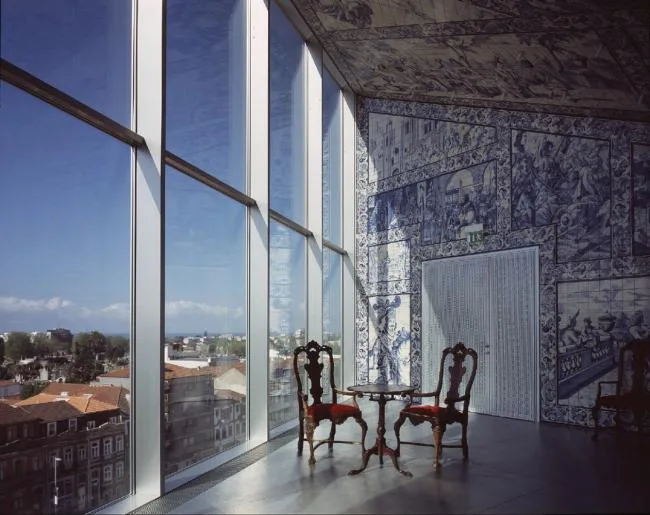
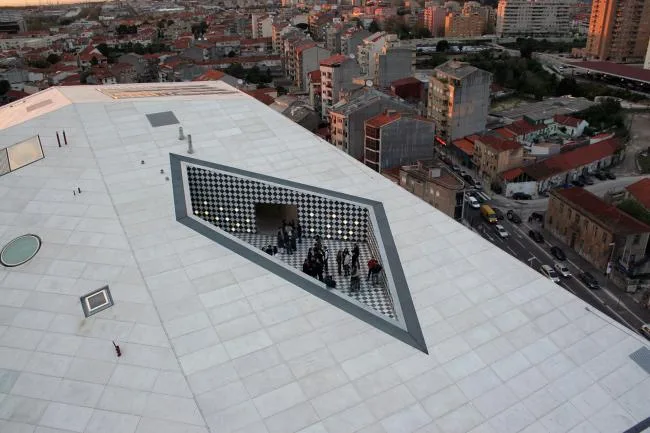
The design creatively incorporates materials and colors throughout the building. The distinctive curtain-like glass walls at both ends of the auditorium are complemented by plywood walls with golden relief wood patterns, creating a dramatic and stunning visual effect. Hand-painted tiles in the VIP area depict traditional pastoral scenes, while the rooftop terrace features geometric black and white tile patterns. Public area flooring is occasionally finished with aluminum surfaces.
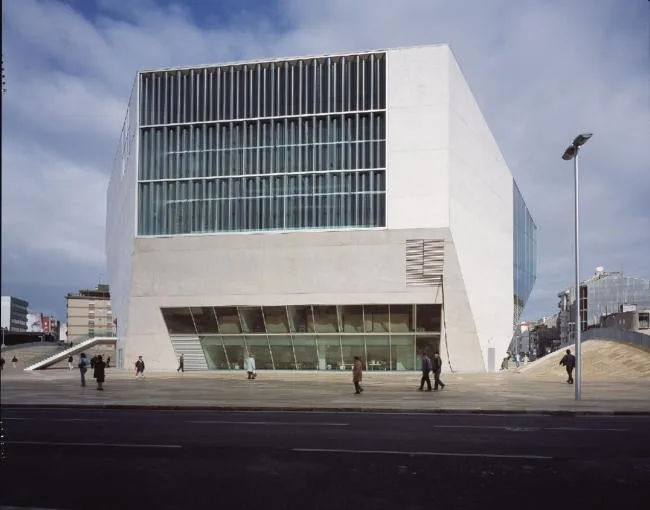
Rather than designing a massive, imposing hall, the architect focused on creating continuous public pathways that link the spaces surrounding the auditorium through stairs, platforms, and escalators. After Porto was named one of Europe’s two major cultural centers in 2001, the local culture minister established the Porto 2001 organization to spearhead and prepare cultural events in the city. Within this framework, OMA and four other international firms were invited to participate in a selective competition to redefine the new concert hall within Porto’s historic center.
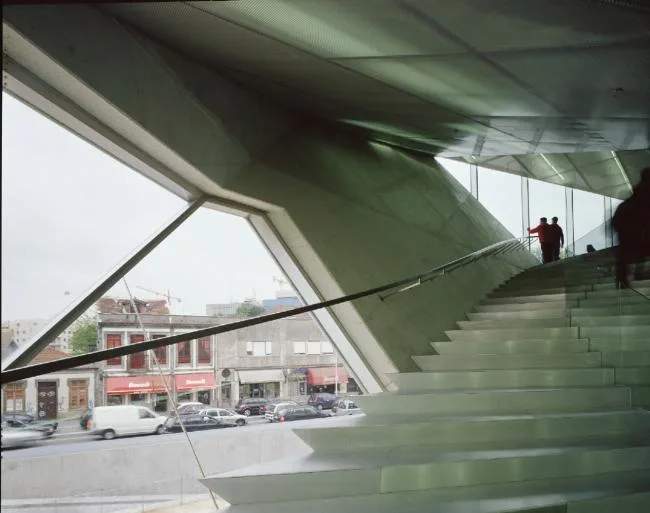
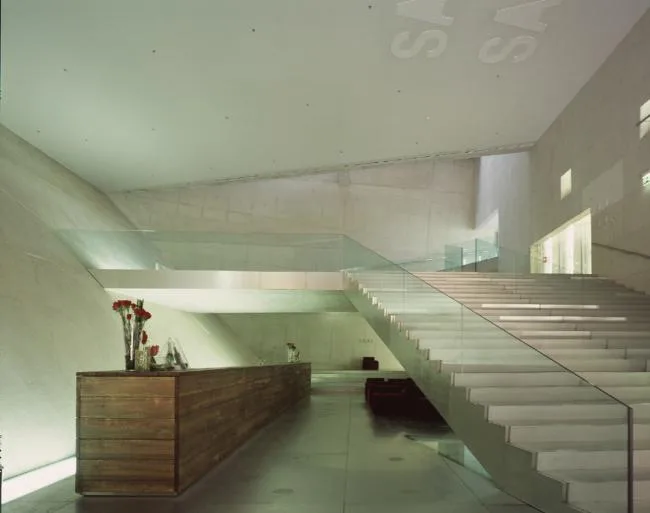
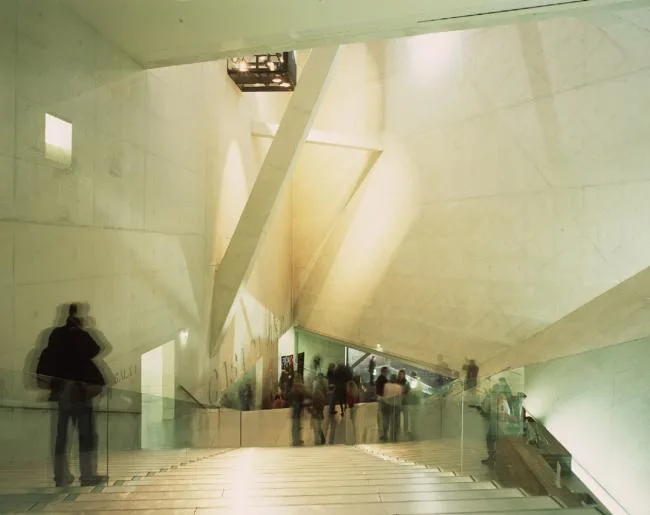
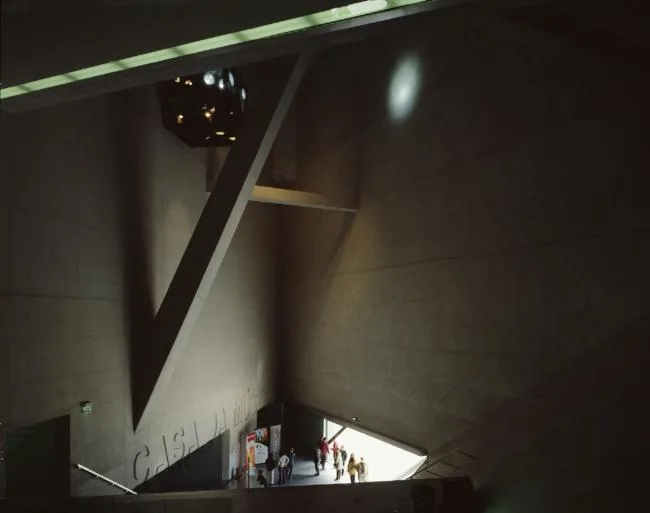
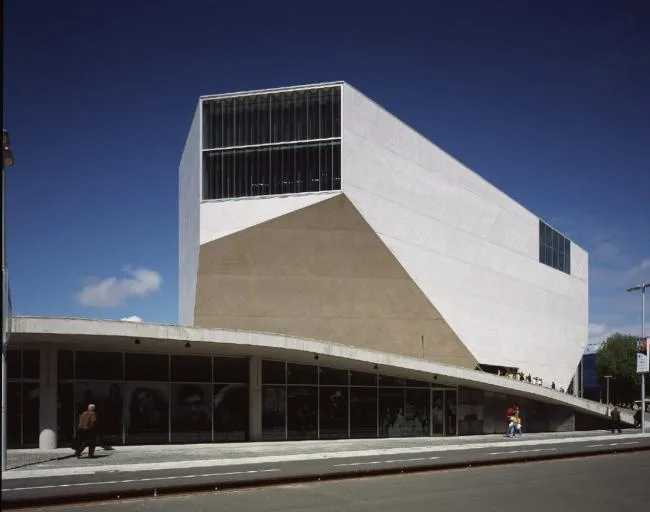
Given the lack of prior development in this part of Porto, OMA chose not to integrate the new concert hall within the small circular walls surrounding Rotunda da Boavista. Instead, they created a standalone, more intimate plaza connected to the historic park of Rotunda da Boavista, encompassing three city blocks. This approach successfully addresses symbolism, visibility, and accessibility in a unified way.
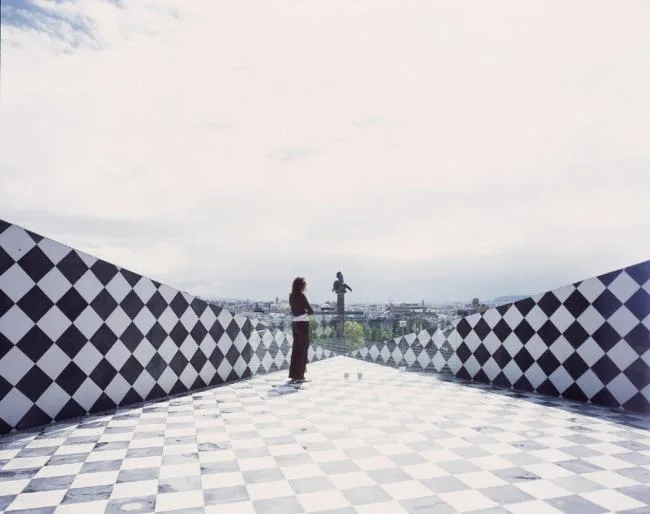
By balancing continuity and contrast, our intervention transformed Rotunda da Boavista’s park from merely a junction between old and new Porto into a vibrant meeting point of two distinct urban models.
Acoustic Design
In recent years, acoustic design has largely moved away from the traditional shoebox-shaped concert halls. However, after thorough research with acoustic experts, it was clear that the world’s best concert halls still retain this classic shape. This insight raises important questions about how architects should creatively approach the design of music halls within these traditional architectural forms.
Architectural Concept
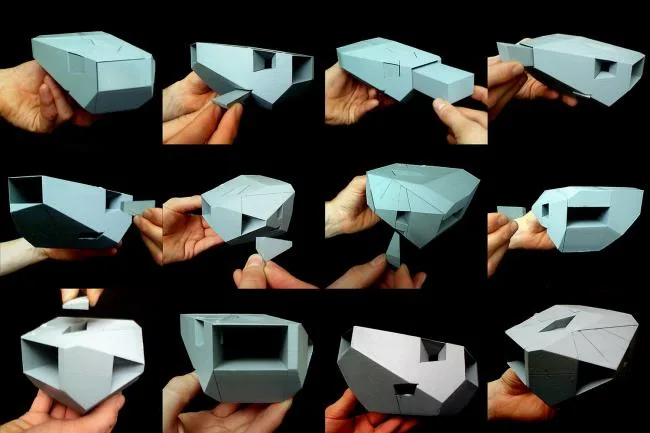
Most cultural institutions only serve a fraction of the population through their architecture. While many recognize their exteriors, only a few understand what happens inside. OMA approaches this by treating the relationship between the internal music hall and the external public space as a dialogue. The two shoebox-shaped halls are integrated into a unique chamfered form that boldly reveals its interior to the city without reservation. Simultaneously, the public gains unprecedented access to a new interior dimension of the urban fabric.
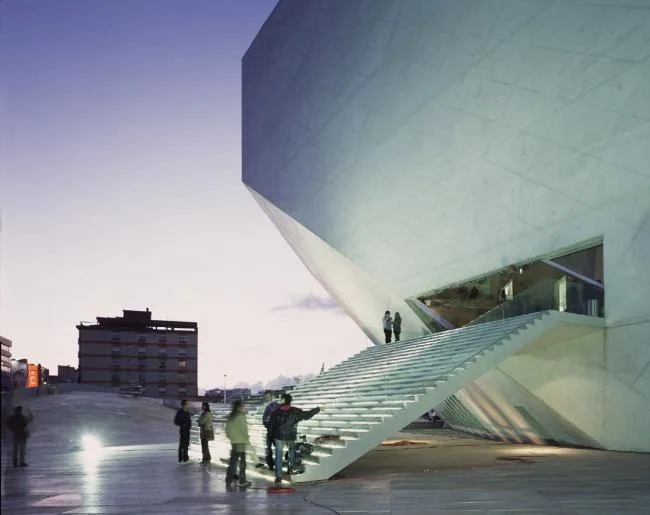
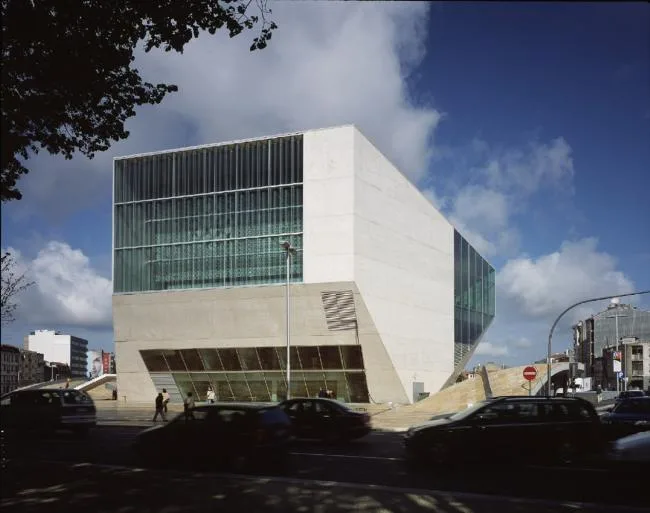
The space between the public square and the concert hall houses all the service areas, including the lobby, restaurant, terrace, technical rooms, and vertical circulation. A continuous public route connects these functions through stairs, platforms, and escalators, transforming the building into an architectural journey. This circulation pattern also enables the venue to host festival performances, truly becoming a home for music.
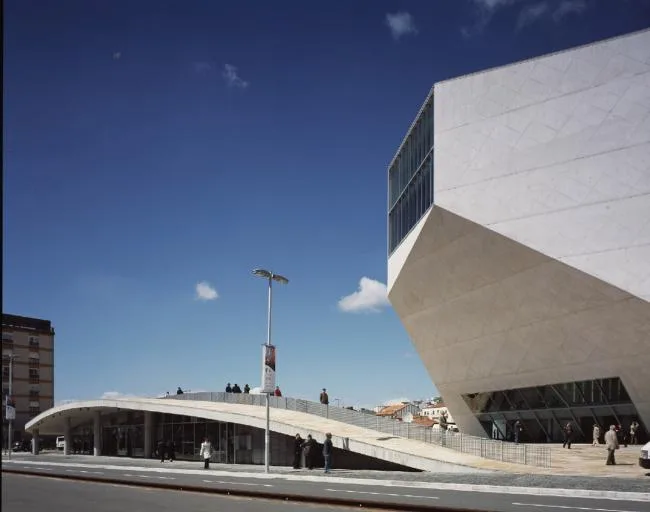
The building offers numerous rehearsal rooms, solo practice rooms, and dressing rooms for the Porto Philharmonic Orchestra, plus additional equipment spaces for visiting and guest performers. During design, OMA extensively researched new materials and applications of Portuguese materials for features such as concert hall glass, floor tiles, chairs, canopies, and walls.
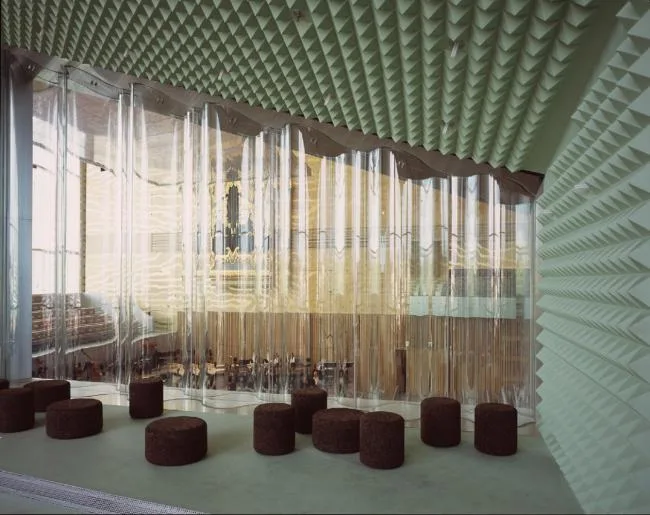
Structural Design
The Porto Cultural Theatre’s bold architectural presence and interior, defined by striking building materials, depart from traditional interior design norms. The building’s primary load-bearing and stabilizing elements are its 400mm-thick sectional shell and the two 1-meter-thick walls of the main auditorium, capable of supporting heavy loads while ensuring stability. The walls of the audience seating areas act as internal partitions, linking different halls longitudinally. Arup and OMA collaborated closely on the concrete materials used for the exterior walls.
Model
Drawings
Master Plan
Standard Floor Plan
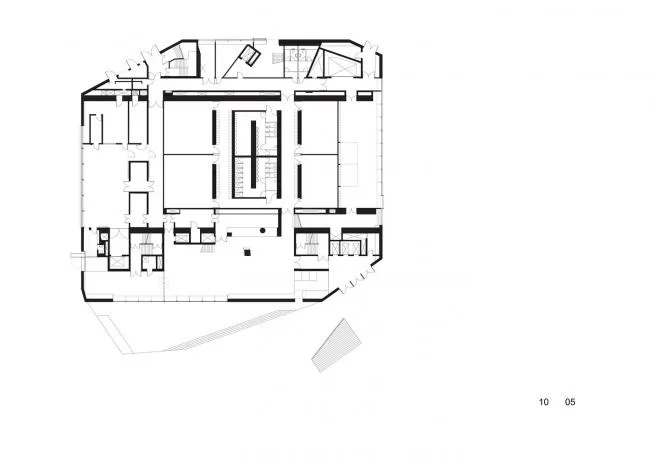
Underground Floor Plan
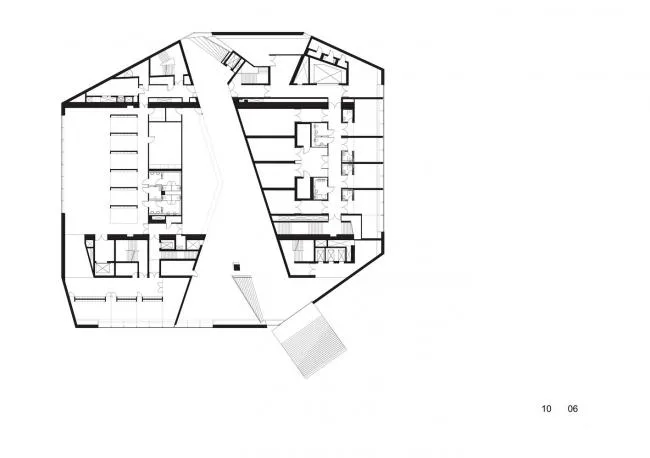
First Floor Plan
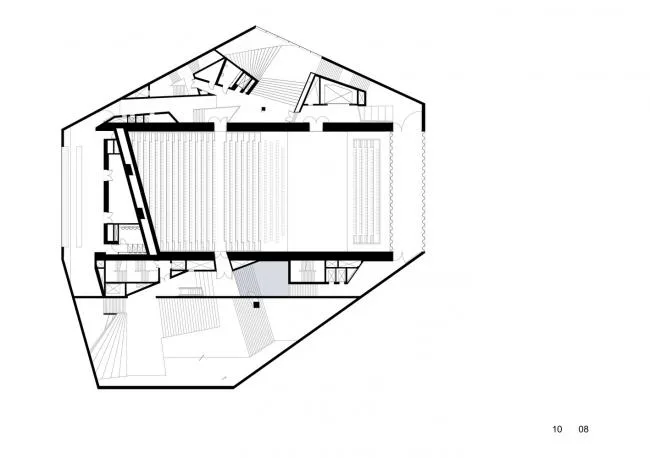
Third Floor Plan
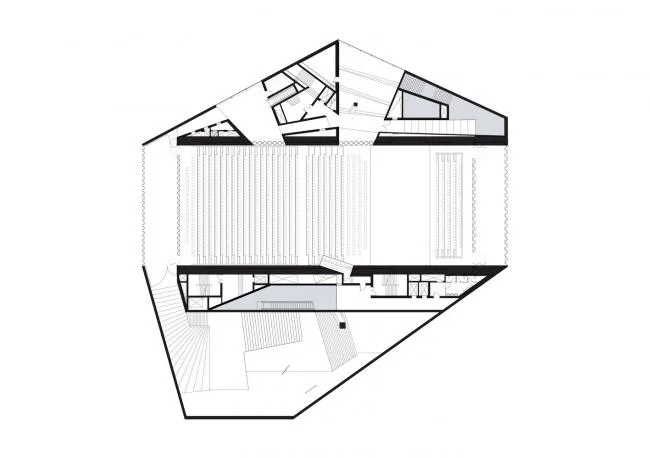
Fourth Floor Plan
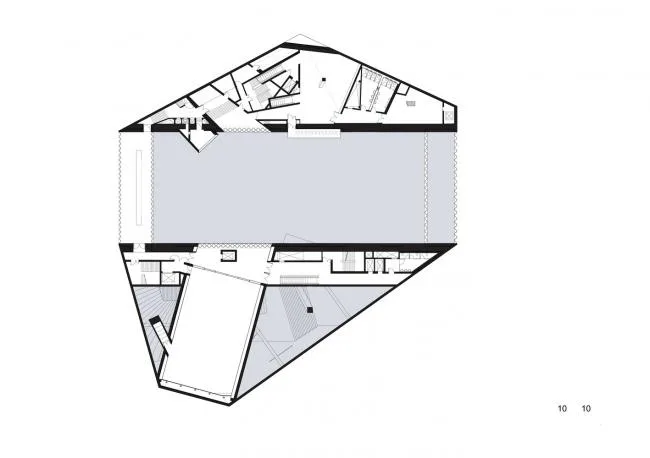
Fifth Floor Plan
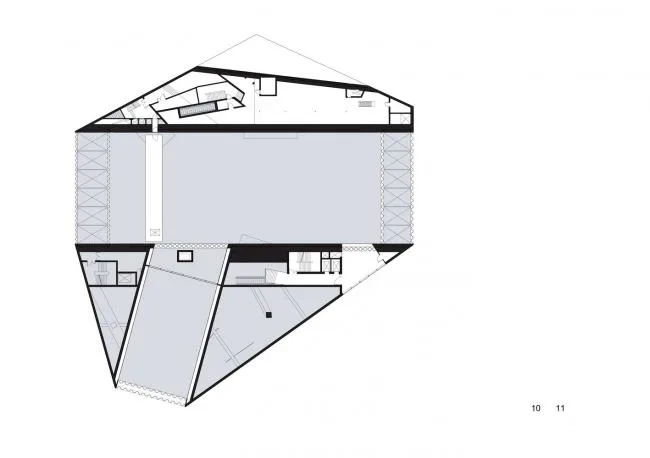
Sixth Floor Plan
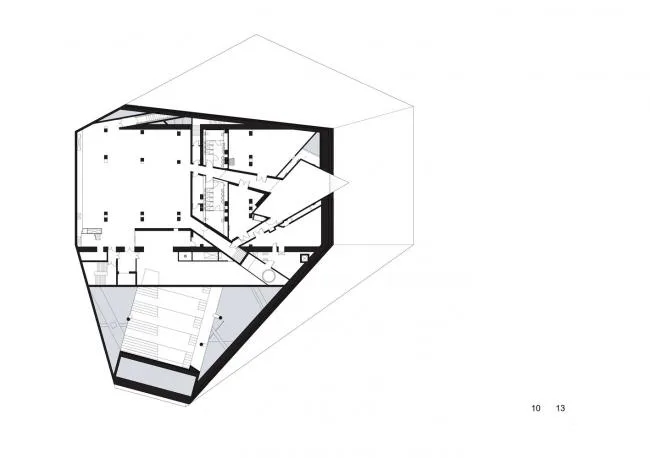
Eighth Floor Plan
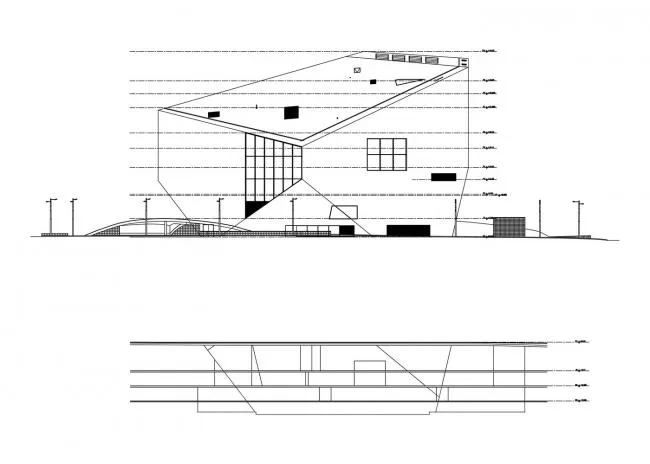
Northeast Elevation View
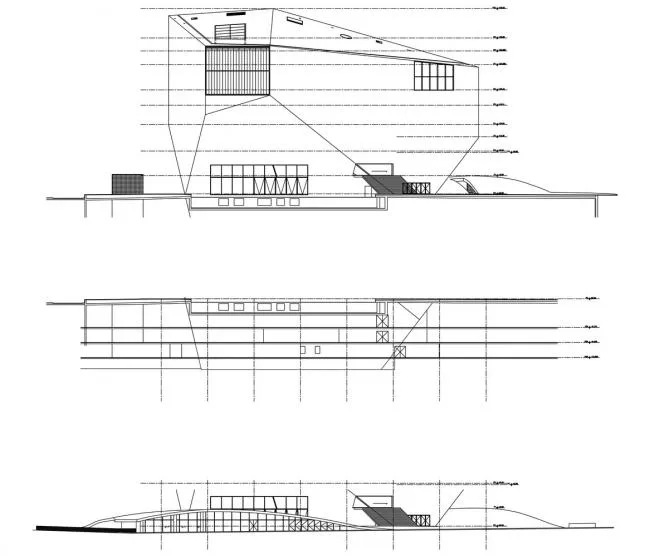
Southwest Elevation View
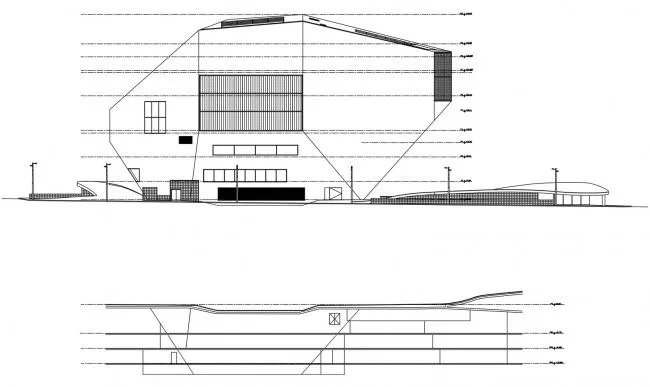
Northwest Elevation View
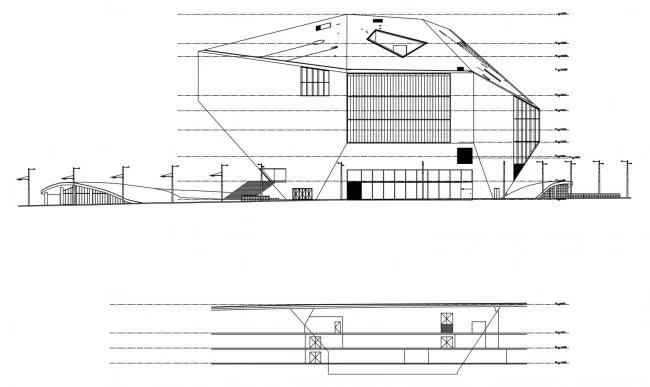
Southeast Elevation View
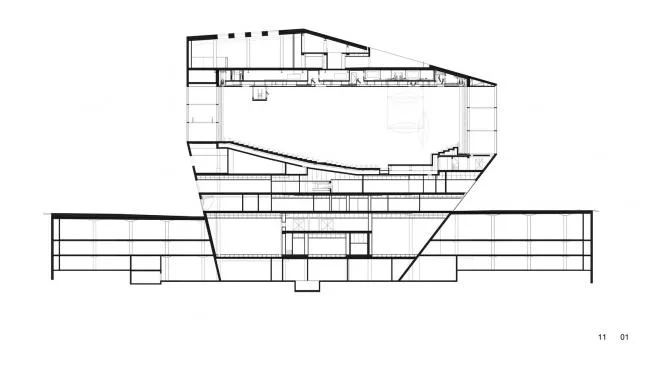
Sectional View
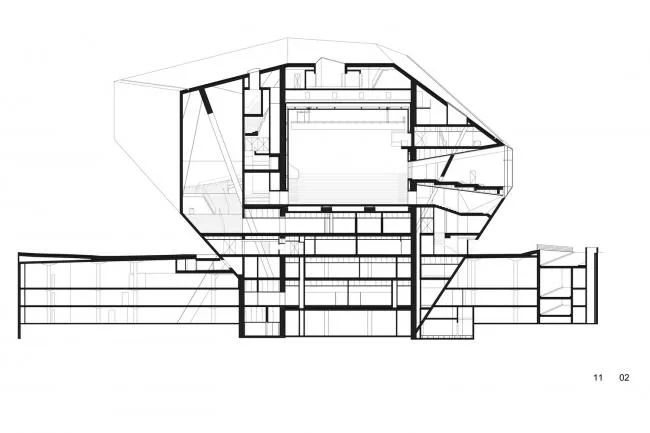
Sectional View
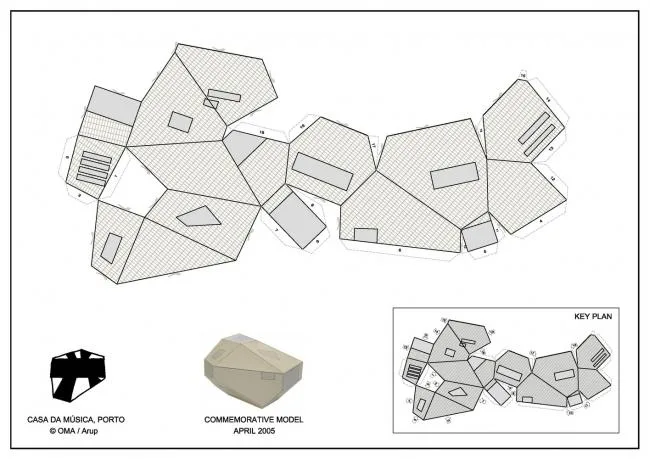
Skin Analysis Diagram
Project Information
Architect: OMA Architects
Location: Avenida da Boavista 604, 4050-104 Porto, Portugal
Lead Architects: Rem Koolhaas and Ellen van Loon
Project Architects: Adriana Fisher, Michelle Howard
Total Construction Area: 22,000 square meters
Project Year: 2005
Architectural Photography by Philippe Ruault
Manufacturers: Danpal, ThyssenKrupp, Jofebar
Local Architects: ANC Architects, Jorge Carvalho, Teresa Novais
Project Coordination: Cecil Balmond, Rory McGowan (Arup); Rui Furtado, Marco Carvalho (Afa)
Fire Protection Engineering: Arup Fire, George Faller Code Consultancy
Acoustic Design: TNO Eindhoven and Dorsser Blesgraaf; Renz van Luxembourg, Theo Raijmakers
Indoor Curtains: Inside Outside; Petra Blaisse, Peter Niessen, Marieke van den Heuvel (BIM Architecture), Mathias Lehner
Perspective View: Ducks Scéno; Michel Cova, Stephan Abromeit, Aldo de Sousa
Facade: Robert Jan van Santen; ARUP Facades
Curtain Wall Engineering: ABT Arnhem (NL); Rob Nijsse Auditorium
Seating Design: Maarten van Severen
Lobby Furniture: Daciano da Costa, António Sena da Silva, Leonor Álvares de Oliveira, Fernando Távora













Must log in before commenting!
Sign Up