
The project served as the host venue for the 2018 Shandong Provincial Games and spans a planned land area of 65.9 hectares.
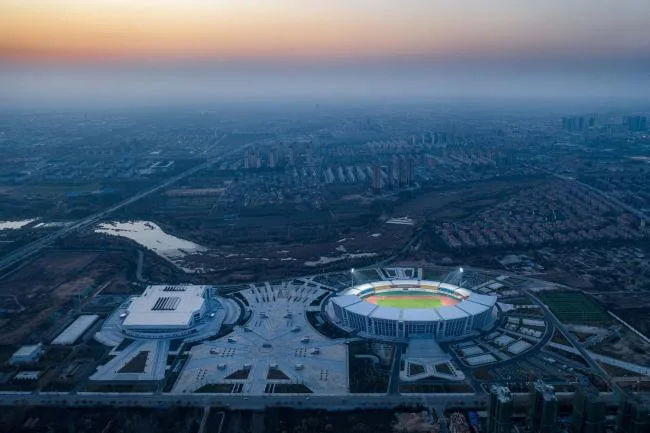
Olympic Sports Center
This design integrates the concept of “spatial efficiency” by first analyzing, combining, and comparing various functional elements within the building. This approach optimizes the functional layout of the sports venues, resulting in a “composite” system that balances flexibility and efficiency.
Consequently, this functional improvement reduces the building’s footprint, enabling the innovative concept of “building big with small.” Additionally, the design addresses Olympic usage requirements by balancing professionalism with multifunctionality, thereby broadening the scope of the sports facilities and supporting their regular, everyday use.
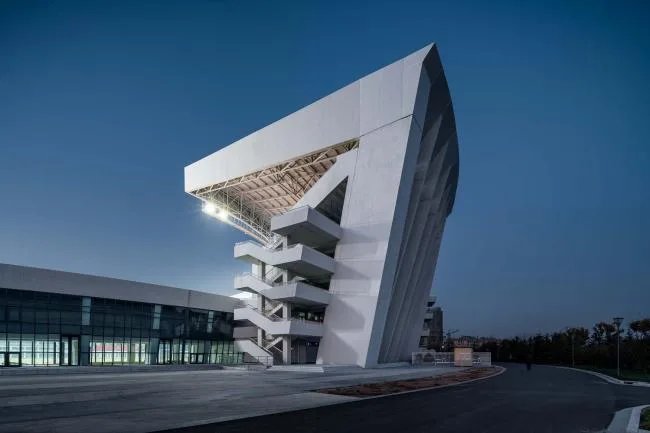
Southeast side of the sports stadium
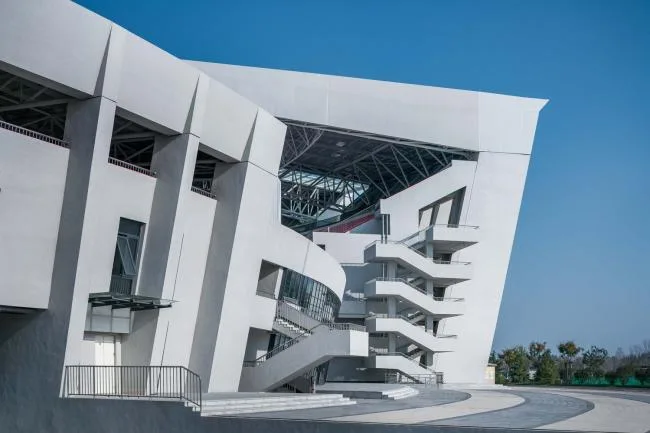
Southwest Sports Stadium
The design also takes into account the unique characteristics of the site, exploring both urban and natural features to inform the architectural spatial form.
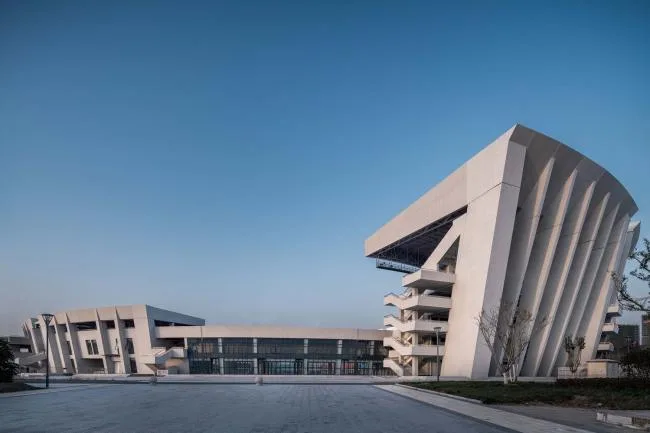
South side of the sports stadium
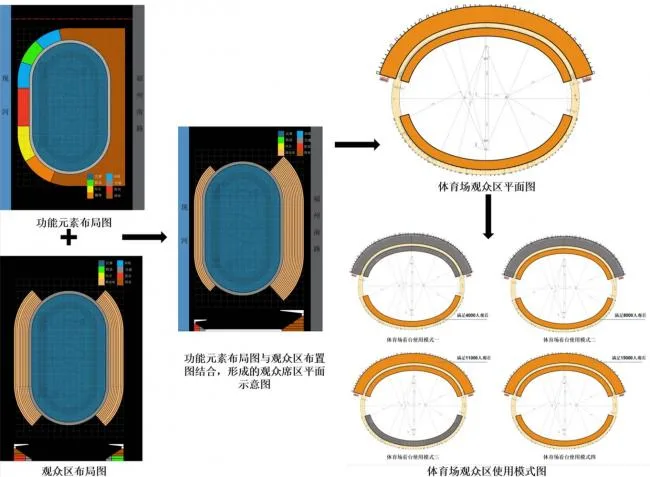
Functional analysis of sports venues
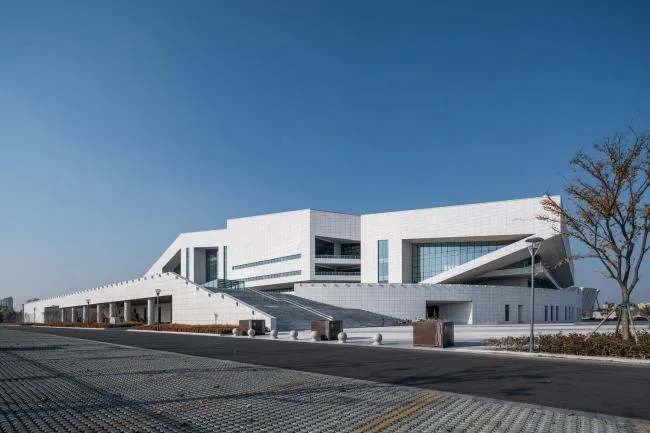
South side of the sports hall
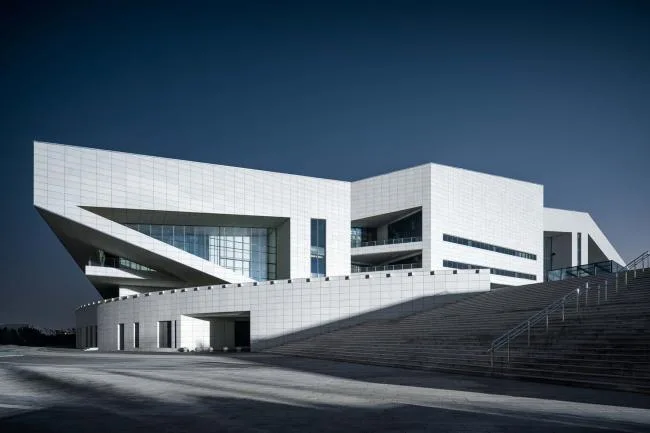
Northeast side of the sports arena
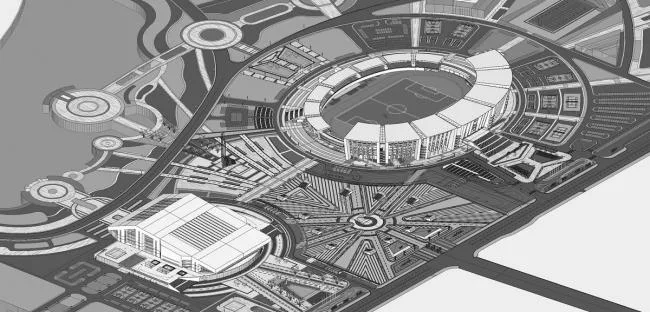
Axonometric drawing
On a broader scale, the architectural complex is organized around three main axes:
- The north-south axis connects the sports venues, central squares, and major urban spaces, integrating the site with surrounding urban resources.
- The east-west axis links the city to the adjacent river, promoting interaction between natural and urban environments.
- An inclined axis connects the complex with the primary residential areas to the north, fostering a close relationship with the daily life of local residents.
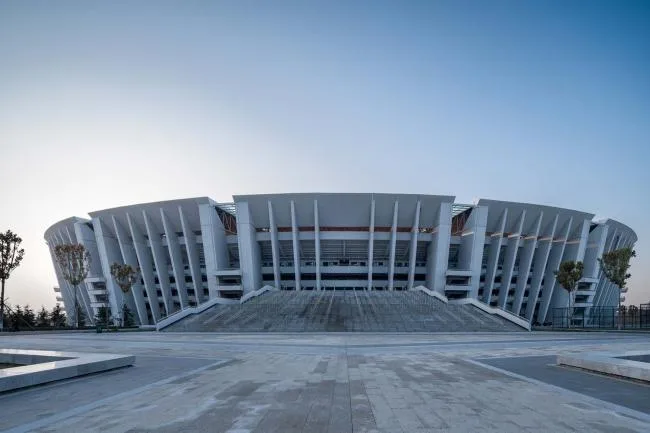
East side of the stadium
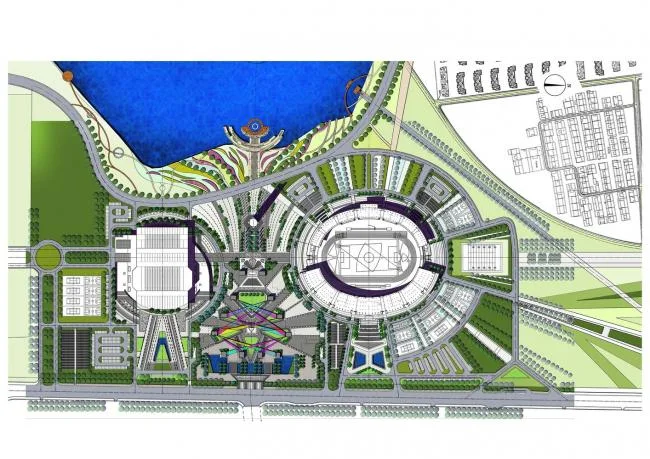
Overall plan of Pingdu Olympic Sports Center
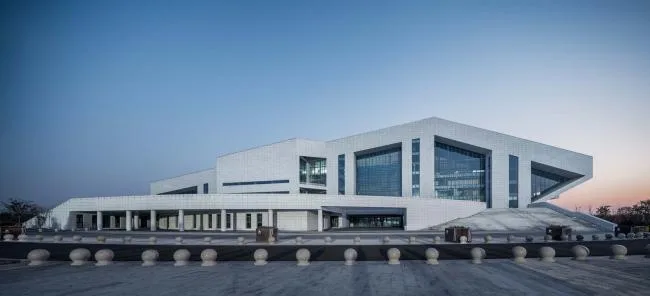
North side of the sports arena
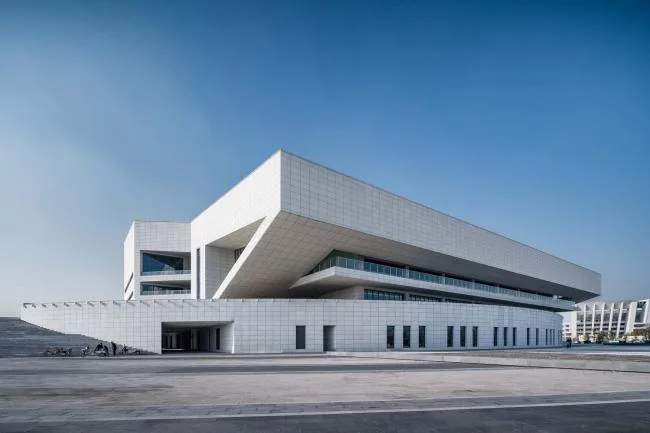
Southeast side of the sports arena
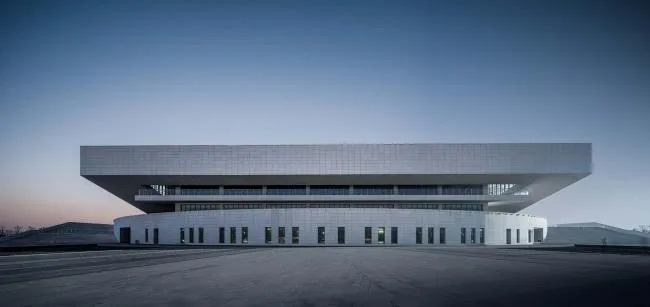
East side of the sports arena
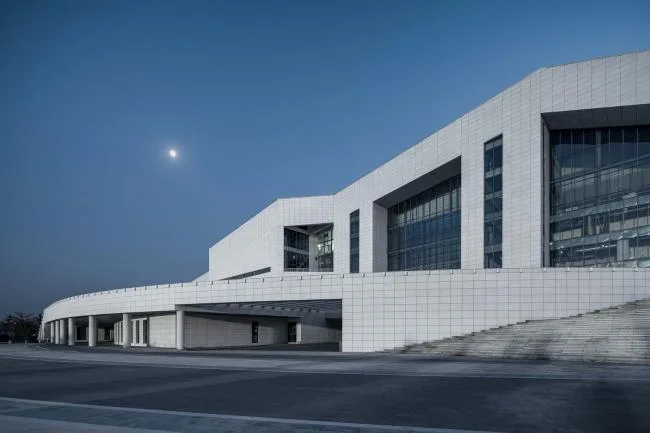
Northwest side of the sports arena
These three axes define the spatial arrangement and connections between the architectural groups and the urban fabric. Based on this framework, various outdoor activity spaces are strategically placed to extend the buildings and promote seamless integration with the surrounding environment.
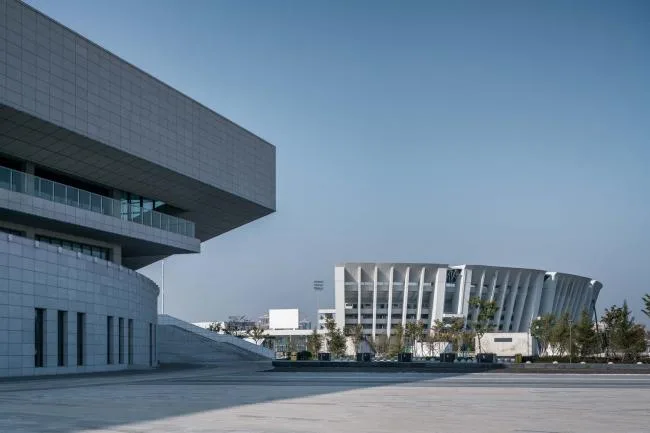
Venue Response
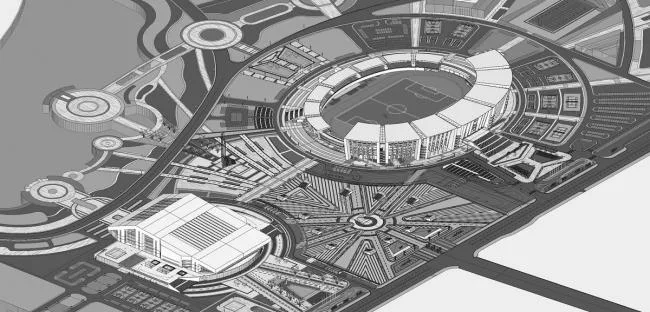
Axonometric drawing
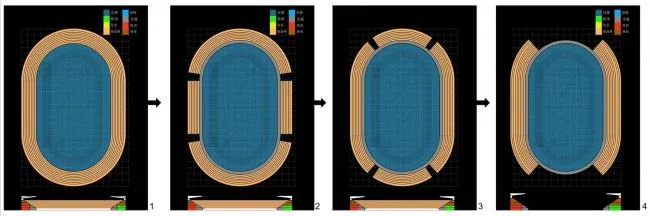
Analysis diagram
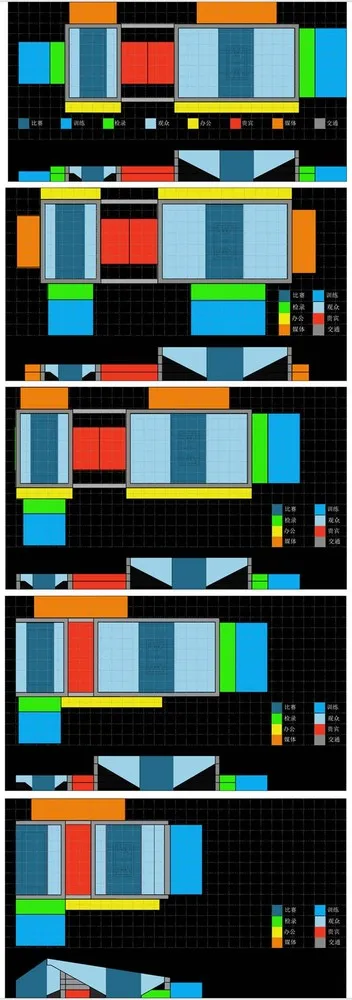
Analysis diagram
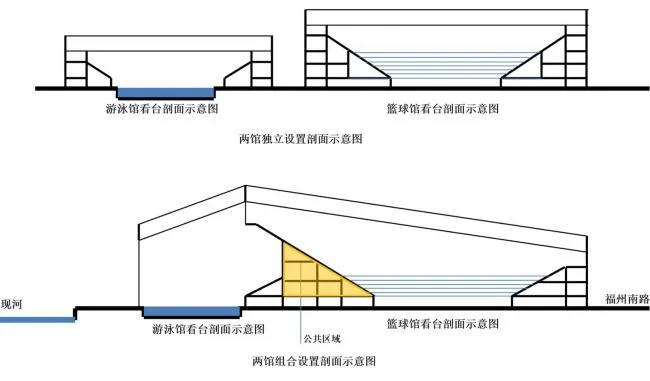
Analysis diagram
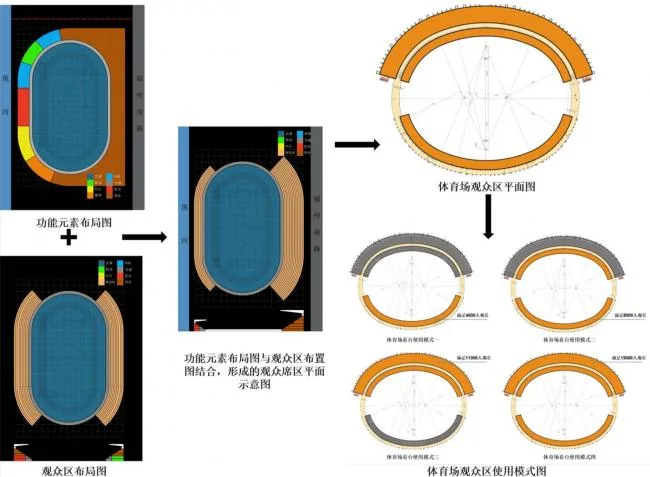
Analysis diagram
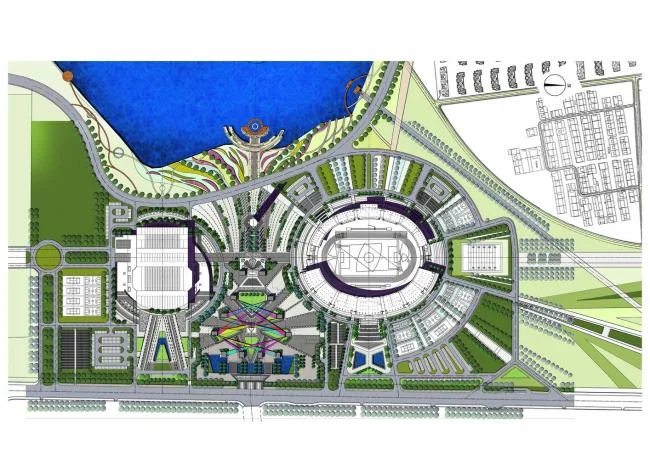
Master Plan
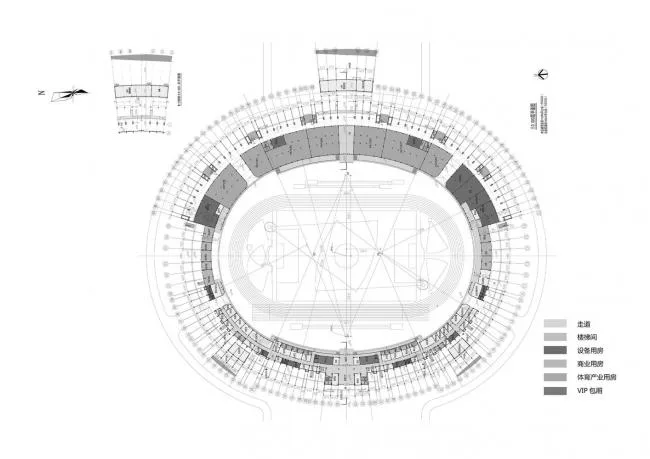
Ground floor plan of the sports stadium
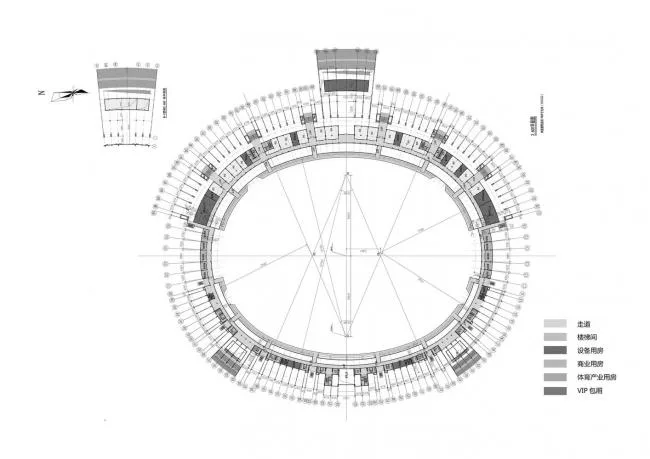
Second floor plan of the sports stadium
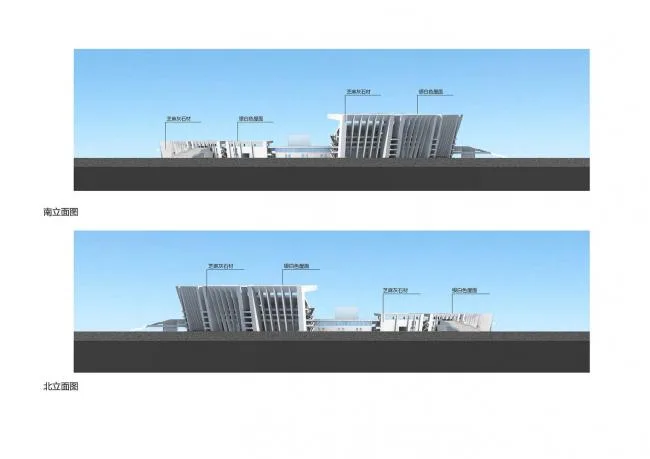
North-South facade of the sports stadium (BIM Tutorial)
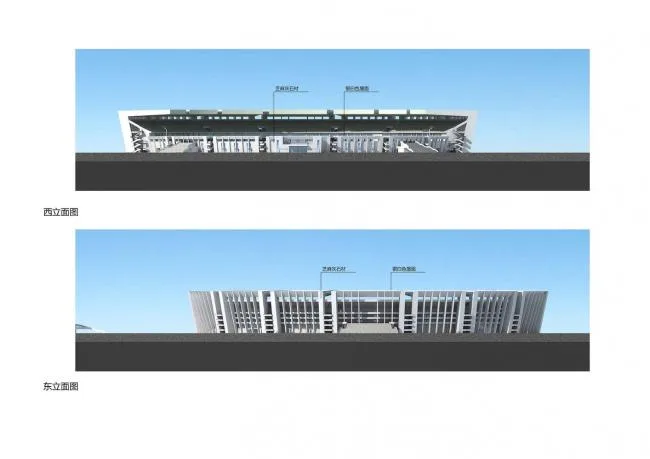
East-West facade of the sports stadium
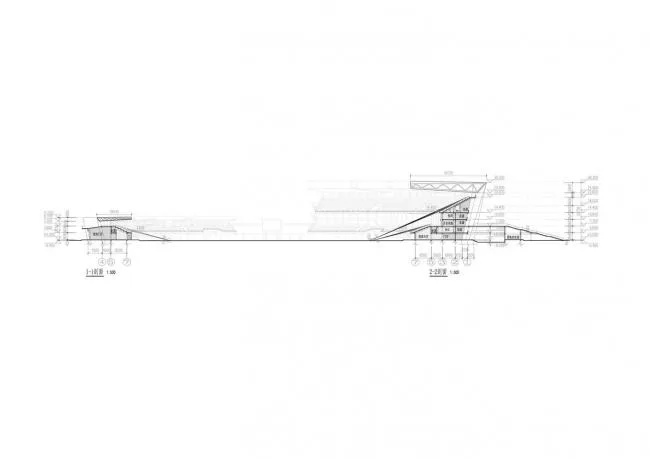
Sectional view of the sports stadium
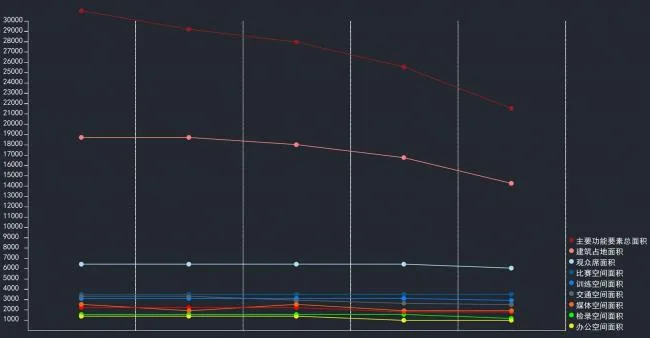
Analysis diagram
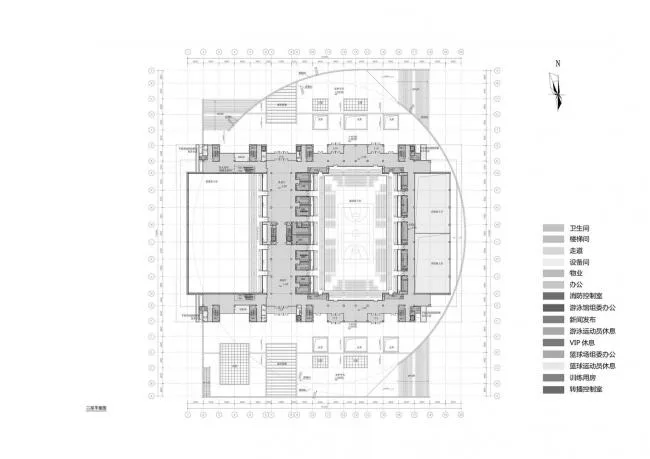
Second floor plan of the sports arena
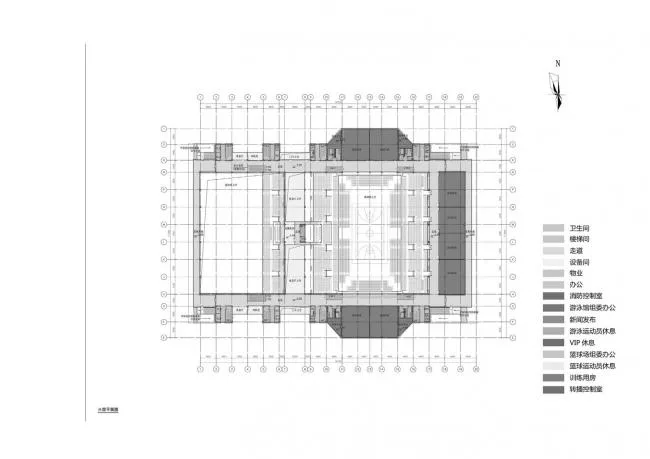
Third floor plan of the sports arena
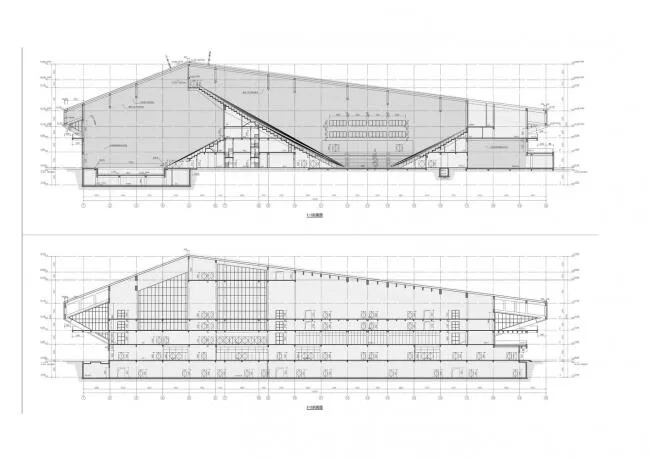
Section of the Sports Center
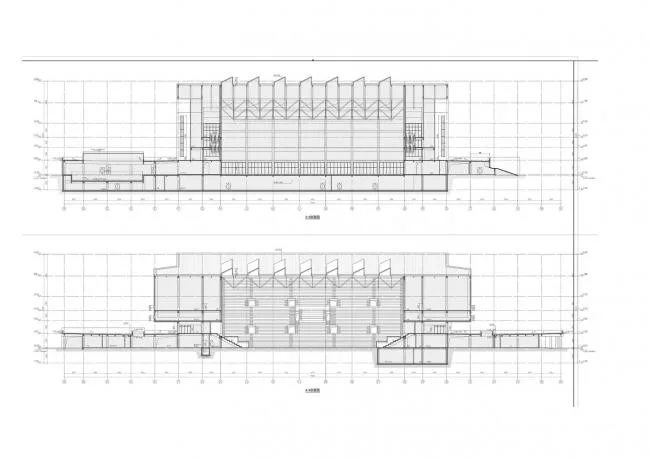
Section of the Sports Center
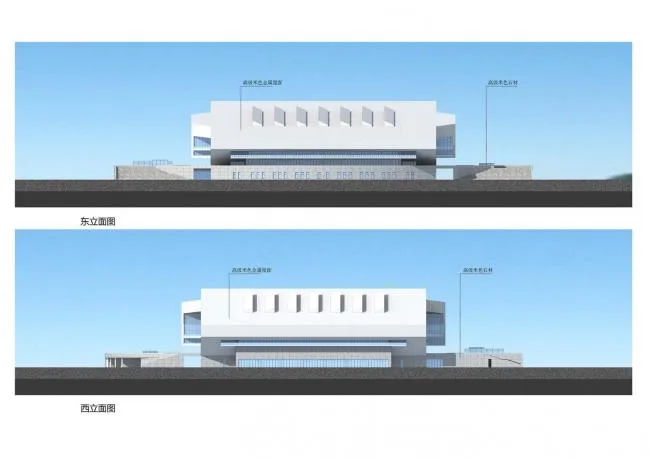
East-West elevation of the Sports Center
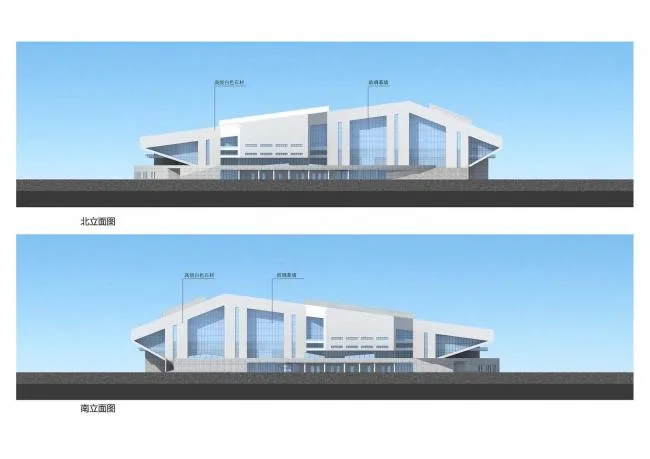
North and South facade of the Sports Center
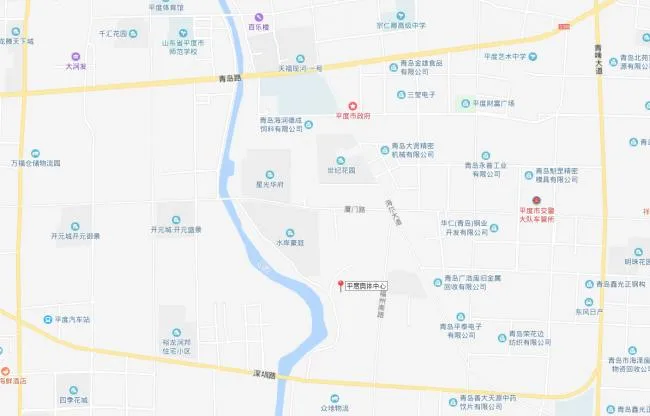
Location map of Olympic Sports Center
Project Information
Architect: Shanghai Jiao Tong University Planning and Architectural Design
Address: Pingdu, Shandong Province, China
Lead Architect: Wu Jian
Design Team: Wang Yunwu, Li Liang, Chen Fuxi, Zhou Jun, Dou Ronghai, Gao Gangfeng, Ai Xingyong
Building Area: 93,884.0 square meters
Project Year: 2018
Photographer: Wu Qingshan















Must log in before commenting!
Sign Up