
BIM Software Tip: Two Methods and Their Differences for Controlling MEP Hidden Lines in Revit
There are two distinct methods for managing MEP hidden lines in a plan view, each with its own pros and cons. Let me share these approaches with you—feel free to share your thoughts.
1. Using MEP Settings
Navigate to the management panel and select MEP Settings → Mechanical Settings.
Once the panel is open, you can use the checkbox on the hidden line tab to toggle the visibility of MEP Hidden Lines. That’s all there is to it.
You can also customize the line style via the Line Style parameter for MEP Hidden Lines.
Note: This method applies the hidden line settings globally across all views in the current project and allows you to modify the MEP hidden line style.
2. Using the View Properties Panel – “Show Hidden Lines” Parameter
In the Properties panel of the plan view, locate the Show Hidden Lines parameter. This dropdown offers two options: None and By Discipline.
Selecting By Discipline follows the established rules for mechanical and electrical disciplines (such as mechanical, bathroom, electrical). If the view doesn’t match these disciplines, hidden lines will not be displayed.
Note: This method controls hidden line visibility on a per-view basis and does not affect other views. For batch adjustments, use view templates.
Additionally, setting the second method to None does not impact the External Gap settings.
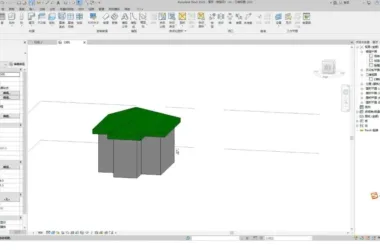
Below is a comparison of the Show Hidden Lines parameter in the view properties when it is set to By Discipline:
When the Draw MEP Hidden Lines option in Mechanical Settings is unchecked:













Must log in before commenting!
Sign Up