
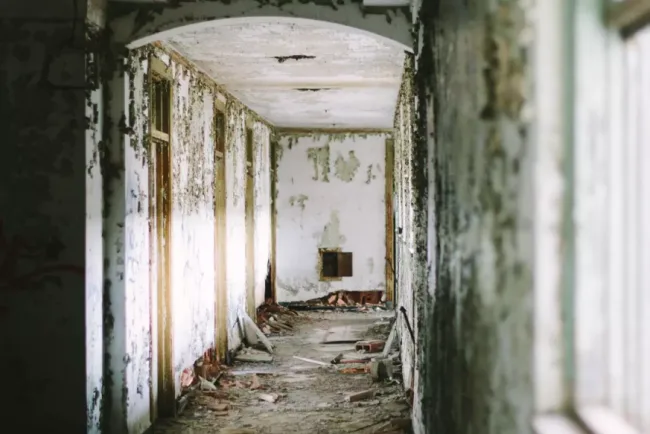
In recent years, engineering quality inspections have frequently revealed varying degrees of alkali return on multiple interior walls in projects nearing completion and use. This phenomenon is more common in non-water-using rooms than in areas such as kitchens and bathrooms. Statistical analysis shows that alkali return primarily occurs within 500mm above the floor level, mostly at the base of masonry structures or secondary masonry-filled structures. When alkali return appears during the project’s final inspection phase, it causes severe damage to the local plaster layer, requiring repair by the construction team. This issue not only seriously affects the wall’s appearance but also often leads to project delays.
1. Cause Analysis
Alkali return on walls is influenced by several factors, including excessive local moisture, the alkali content in materials, air humidity, temperature, and indoor ventilation. The occurrence of alkali return on individual walls within the same construction environment is closely linked to high local moisture content. On-site investigations confirmed that excessive moisture in specific wall areas is the primary cause of localized alkali return.
Interestingly, alkali return is much more frequent at the base of walls in non-water-using rooms compared to kitchens and bathrooms, indicating higher moisture levels in these areas. Further examination of construction techniques and process management revealed the main contributors to elevated moisture in interior walls:
Process-related Factors
The masonry materials used for secondary infill walls are often lightweight, porous, and highly absorbent. These materials, such as aerated concrete blocks, are commonly placed directly on the floor. Their strong water absorption capacity means they can easily soak up visible water, resulting in excessive moisture at the wall base.
In water-using rooms like kitchens and bathrooms, the floor heating system and waterproof layers are installed inverted. During construction, the waterproof layer—especially in bathrooms—is usually placed beneath the floor heating cushion layer. Due to the lack of a raised platform at bathroom entrances, the waterproof layer’s height is insufficient to form an effective waterproof barrier. Additionally, the floor heating coils create hidden seepage channels at entrances, allowing leakage water during or after ground cushion and surface layer water tests to flow horizontally along the coils into adjacent non-water-using rooms, such as living rooms. This leads to moisture accumulation at the base of infill walls and excessive local wall moisture.
Indoor plastering typically begins with walls, followed by floors. However, some construction teams skip applying cement mortar for baseboard plastering, instead extending wall surface mortar down to the floor. This practice causes the wall to absorb excess water, resulting in high moisture content and slow drying.
Construction Process Management Issues
(1) Using excessively wet wall materials. Blocks soaked at the bottom of material stacks for prolonged periods are often used during masonry, and these soaked blocks remain difficult to dry after installation.
(2) Overwatering and maintenance of concrete cushion layers beneath floor heating. After constructing the concrete cushion layer for the underfloor heating system, manual watering is performed. Excessive watering causes water to flow into the gap between the floor cushion and the wall, soaking the local wall area.
(3) Random water discharge after pressure testing equipment pipelines. Following pressure tests of water supply, heating, and fire protection systems, water is often left on the floor, accumulating for extended periods at the wall base. This water penetrates the block walls, significantly increasing local water content and saturation.
2. Treatment Methods for Alkali Return on Walls
Experience shows that once alkali return occurs, it is difficult to fully cure. Prevention is key, focusing on strengthening construction process management, preventing water intrusion into prefabricated residential walls, and controlling local wall moisture levels. The basic treatment procedures include:
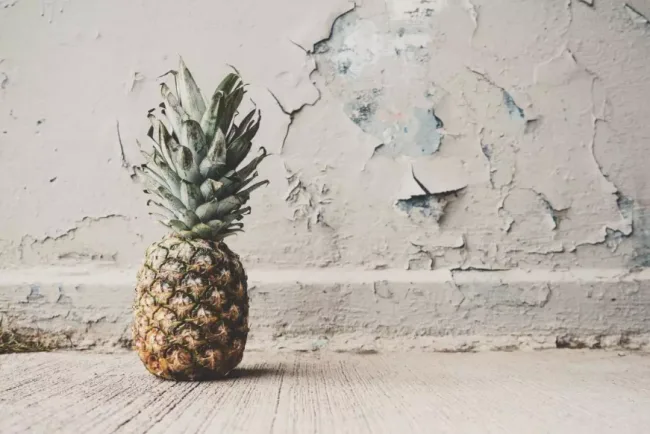
(1) Remove the plaster layer from the affected area and clean it thoroughly. The treatment area should be slightly larger than the visible alkali return zone. Use a scraper to remove paint and plaster layers, exposing the secondary structure wall. Then, clean the area with a wire brush.
(2) Clean the wall with an oxalic acid solution. Prepare a 10% oxalic acid solution using warm water at approximately 60 ℃. Apply the solution with a roller to the affected wall areas. After about 2 hours, rinse twice from top to bottom with clean water and allow the wall to air dry.
(3) Replaster the wall in two layers. Once the first layer dries, apply the second plaster layer.
(4) Apply waterproof putty. After plastering dries, embed alkali-resistant mesh cloth at the junction between new and old plaster layers, then apply two coats of waterproof putty.
(5) Apply one coat of alkali-resistant sealing primer, followed by interior wall paint.
Once alkali return occurs, the issue is difficult to resolve completely, often leading to repeated complaints from occupants and repeated repairs by construction teams, which can damage the company’s reputation. By analyzing the causes and reviewing the construction process, it is clear that alkali return is closely linked to process management. Proper disclosure and strict control of each construction step can effectively prevent and control this problem.
Article source: Architectural Technology Magazine













Must log in before commenting!
Sign Up