
In Medellin, the capital of Colombia, the Empresa de Desarrollo Urbano (Urban Development Company) is constructing a new headquarters that exemplifies top-tier thermal performance in local urban regeneration projects. This EDU headquarters is the result of a collaboration between public entities, the private sector, and Professor Salmaan Craig from Harvard Graduate School of Design, who has made Medellin his base.
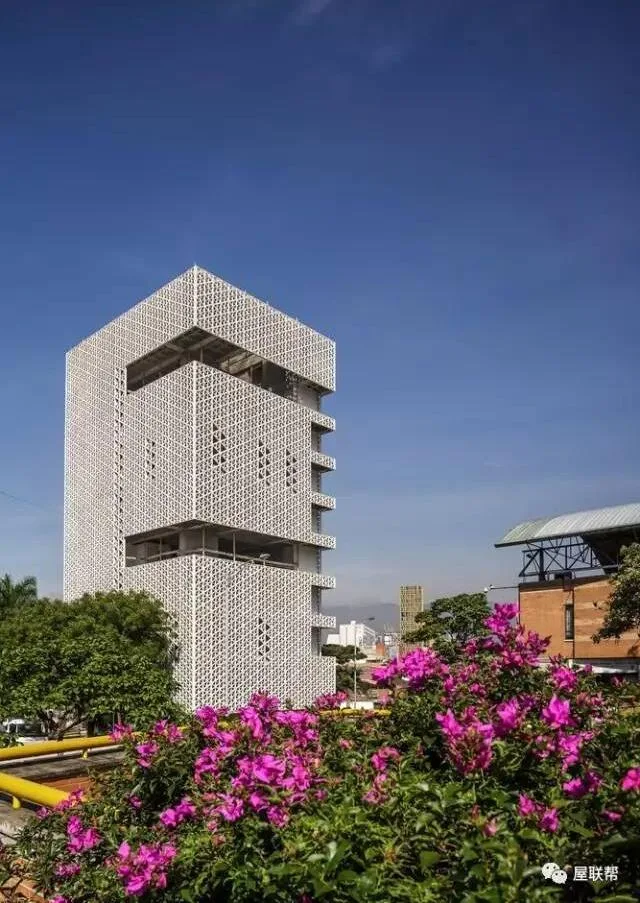
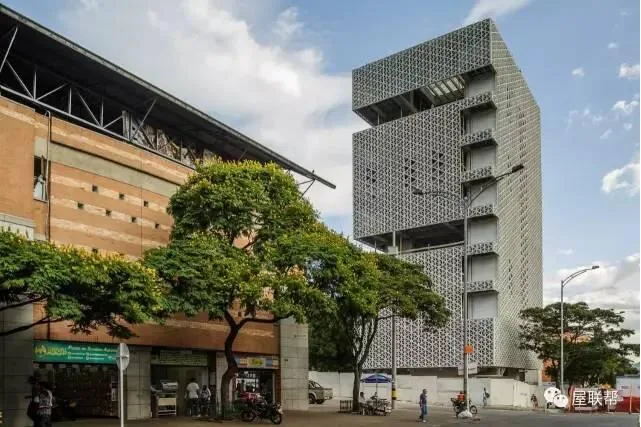
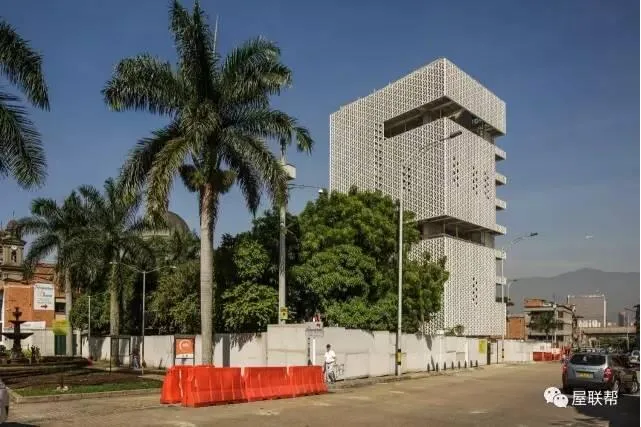
Situated in front of San Antonio Park, the EDU headquarters project aims to establish a “breathable” model for sustainable public buildings in Medellin.
Professor Craig, an expert in materials, thermal design, and architectural physics (PhD in Engineering), has volunteered his expertise to support this initiative. Below, he shares insights into the thermodynamic challenges involved in this architectural concept.
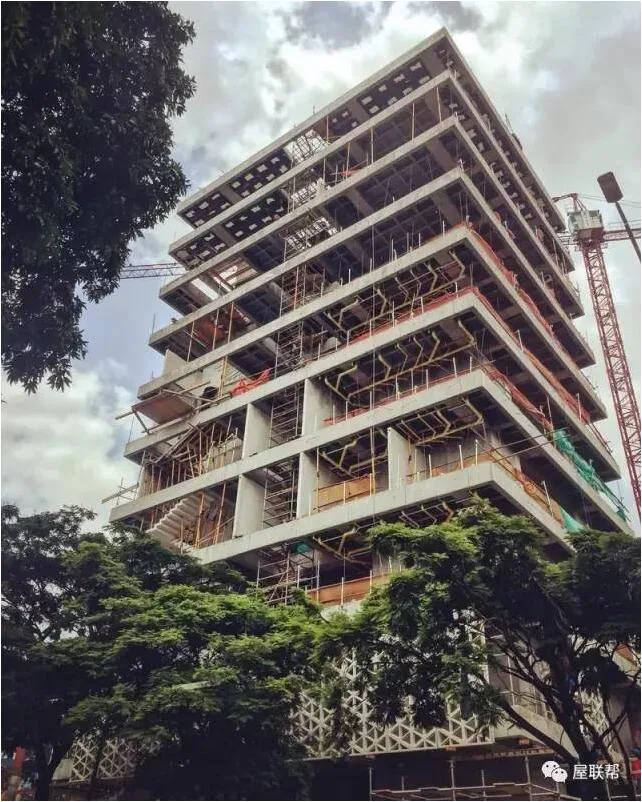
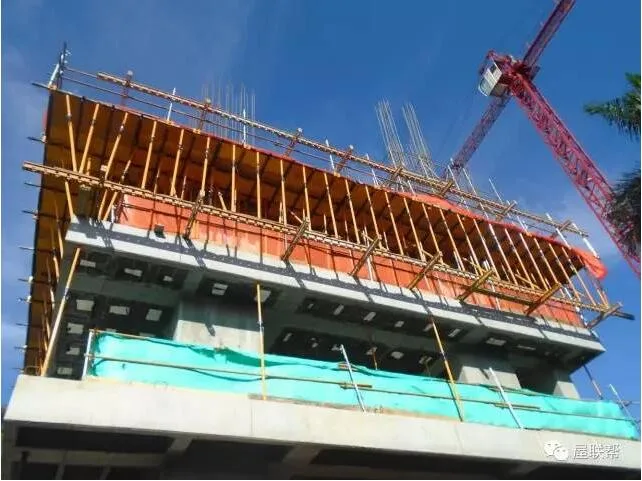
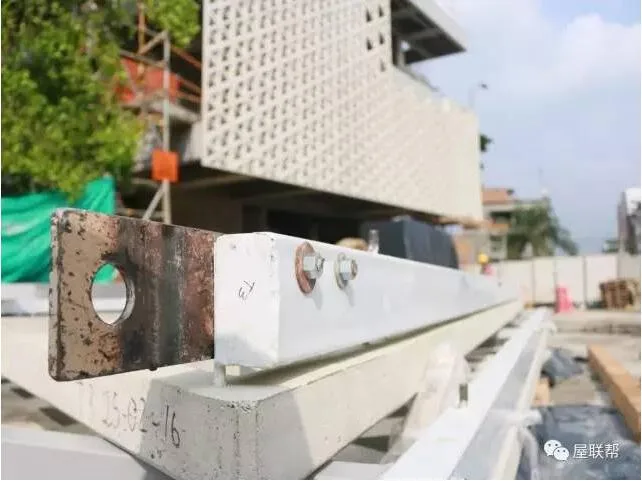
This innovative design incorporates prefabricated exterior wall systems, solar panels, solar chimneys, temperature regulation, and thermal buoyancy, deliberately avoiding air conditioning. It represents a significant commitment to sustainable building innovation in Medellin.
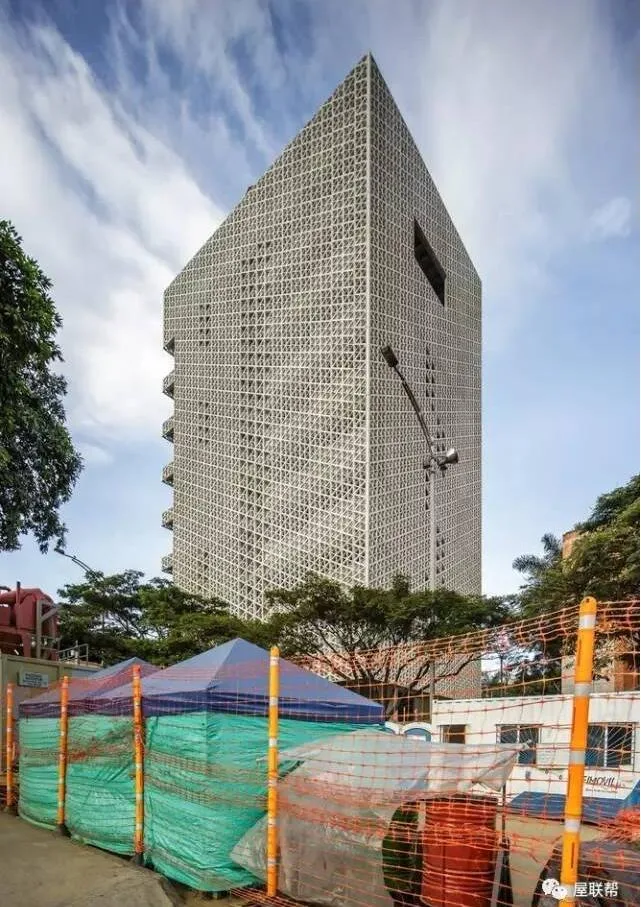
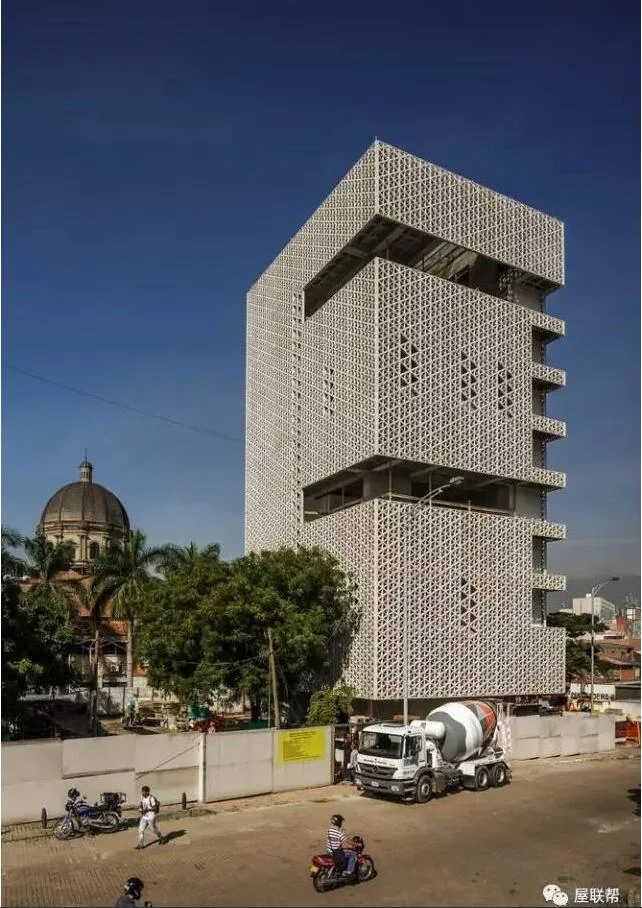
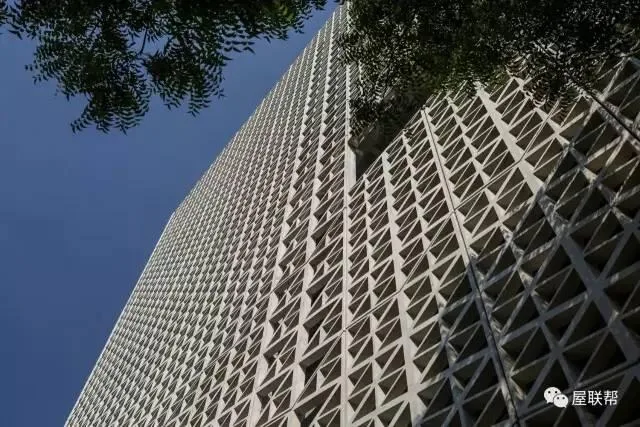
The project embraces the concept of “breathing architecture,” emphasizing “simple materials and intelligent geometry.” The building’s external skin, made from high-quality prefabricated elements, allows the chimney system to draw in cool outside air directly, influencing the thermal environment.
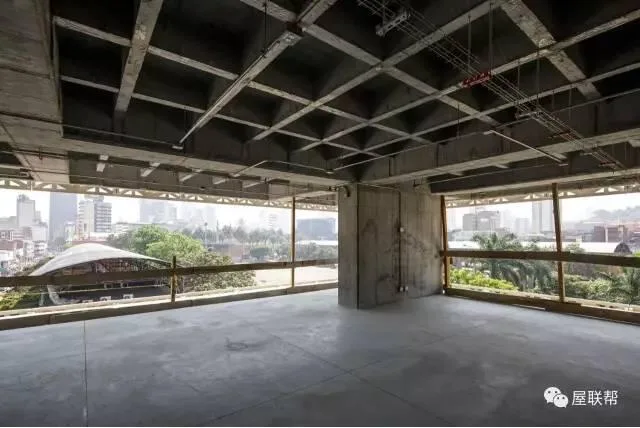
Thermodynamic principles such as convection and heat transfer generate a continuous airflow driven by temperature differences from cold to hot. This creates a comfortable breeze within employee workspaces.
The building is located within the strategic development area of the Macro project in downtown Rio. It spans a total of 2,983 square meters, with 1,968 square meters dedicated to public spaces. Its slender quadrilateral form rises 37 meters above the platform, maintaining the same perimeter as the previous, demolished building.
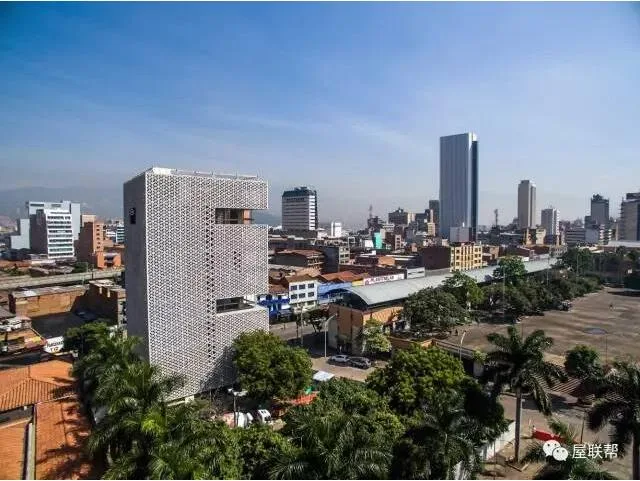
The structure includes two basement levels housing multifunctional spaces such as water storage, parking, computer rooms, recycling, garbage disposal, maintenance, and storage areas. The first floor features a payment center, reception, project exhibition hall, community service, and filing rooms designed to serve the local community.
The building rises ten stories, each approximately 3.70 meters high. Floors two through four contain office spaces; the fifth floor offers a public area with a kitchen and terrace. Floors six to eight are dedicated to offices, while the ninth floor hosts comprehensive management offices. The tenth floor includes the elevator maintenance room along with multifunctional and work areas.
New Ventilation, New Experience
Our perception of heat is far more nuanced than we often realize. Comfort standards define acceptable temperature ranges within buildings and evolve as we better understand thermal sensations.
While most people agree when it’s too hot or too cold, predicting comfort levels in moderate conditions is much more complex. Physiological, psychological, cultural, and climatic factors all contribute to this complexity, creating significant uncertainties.
Medellin offers a unique example, with minimal temperature variation year-round. On a typical day, shaded outdoor temperatures fluctuate between 18°C and 28°C.
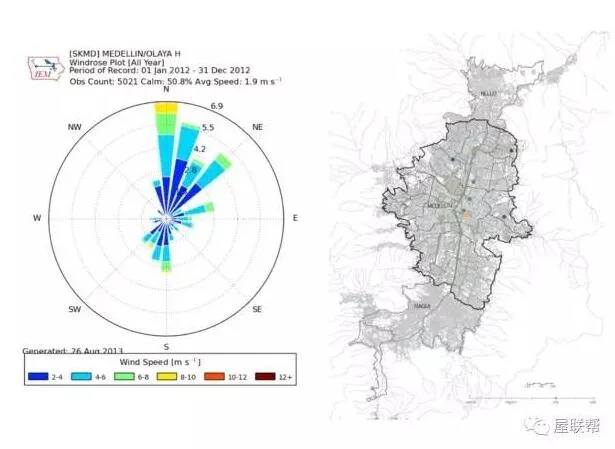
Most residents instinctively consider temperatures near 28°C too warm and often resort to air conditioning. However, according to updated standards, sufficient airflow can make this temperature comfortable for office environments.
One of the biggest challenges to natural ventilation is predicting wind frequency, direction, and intensity. Medellin’s wind direction is fairly consistent but only reaches about 40% of the annual required wind speed for effective ventilation.
Fortunately, over the past decade, advances have been made by harnessing a more reliable force: thermal buoyancy. This ventilation method does not depend on wind but utilizes residual heat generated by occupants, computers, and other internal heat sources.
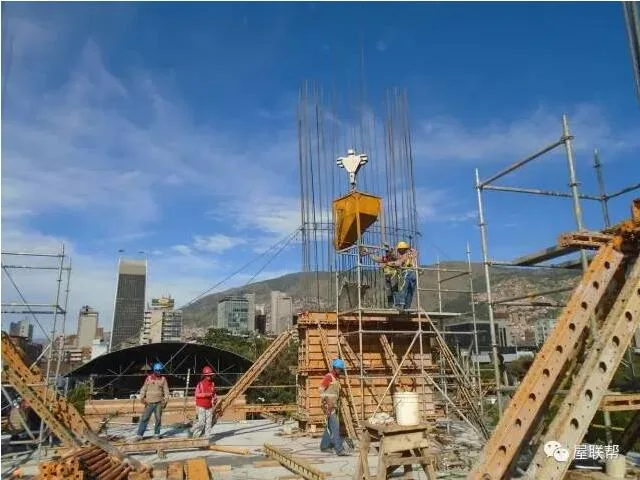
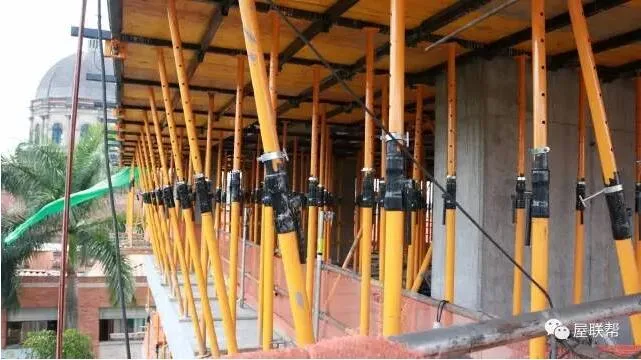
Everyone has experienced blowing up a balloon. This same principle is applied in the building’s design: chimneys connect all office floors, allowing warm indoor air, heated by occupants and equipment, to naturally rise and escape through the chimneys. Fresh air then enters through the windows to replace it.
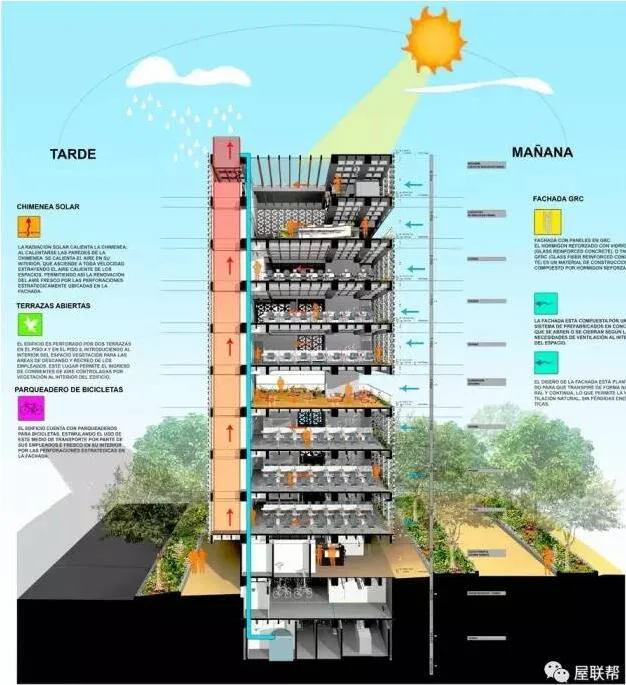
Both wind-driven and buoyancy-driven ventilation bring fresh air from both sides of the building, although their mechanisms differ. Buoyancy-driven ventilation is more reliable, especially when wind speeds are low, which is common at higher building elevations.
Interestingly, buoyancy increases with occupancy levels, meaning the more people inside, the stronger the ventilation. This force can be deliberately integrated into design to maintain a “gentle breeze” even in the absence of wind.
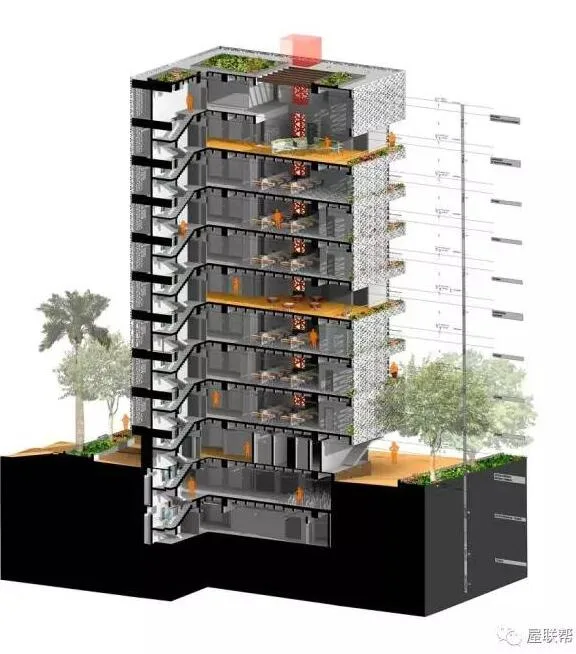
Determining the correct size for chimneys and windows is critical. Openings that are too small restrict airflow and cause overheating, while oversized openings can lead to inefficiency. Today, simple mathematical models based on key physical principles guide these design decisions.
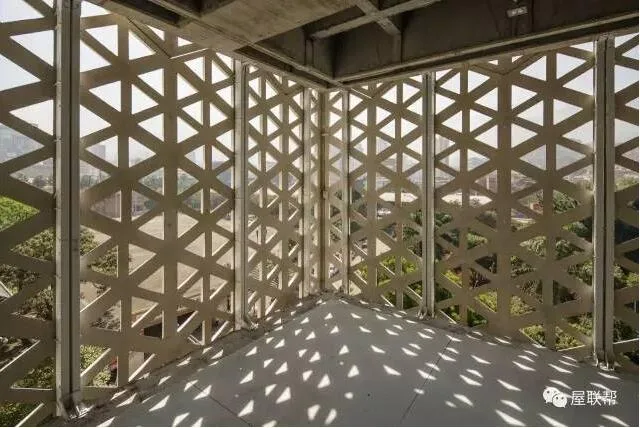
Each floor includes three operable windows, strategically spaced to ensure fresh air is evenly distributed from less polluted, quieter areas of the building. The current plan is to place charts at each window, guiding occupants on how much to open them based on the number of people present on that floor that day.
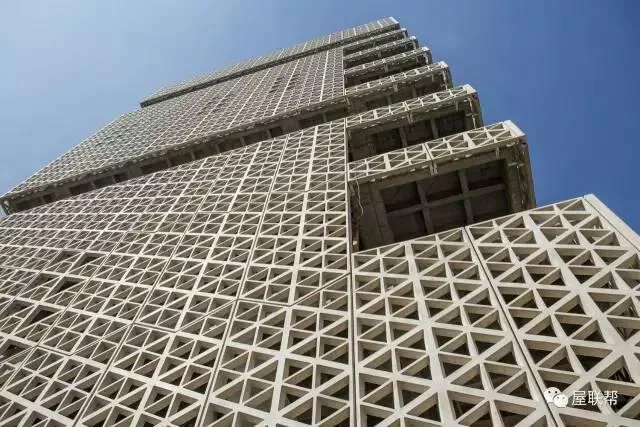
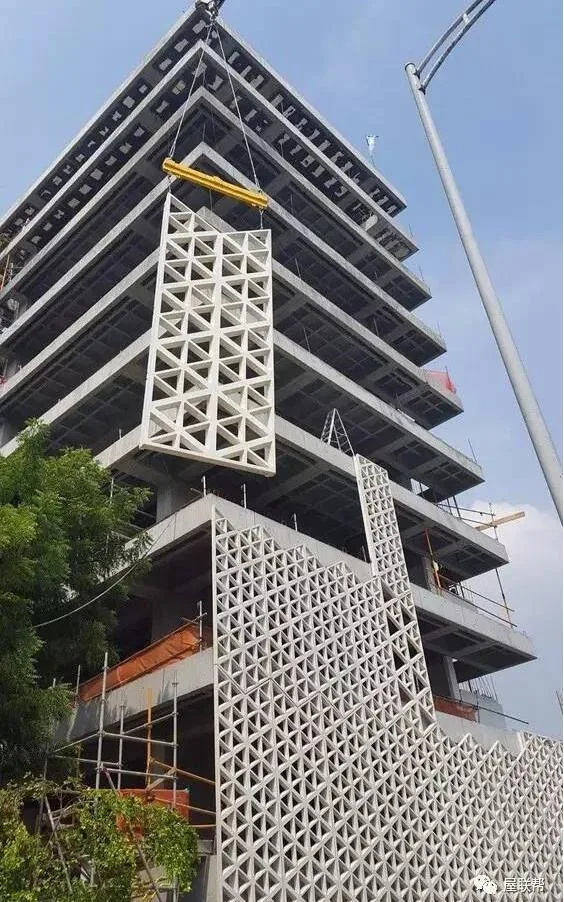
What happens in the afternoon when outdoor temperatures in shaded areas may exceed 28°C? To address this, the design leverages two environmental factors:
First, the chimney faces west, enabling a “solar-powered” airflow boost during the afternoon, increasing fresh air velocity by up to one-third.
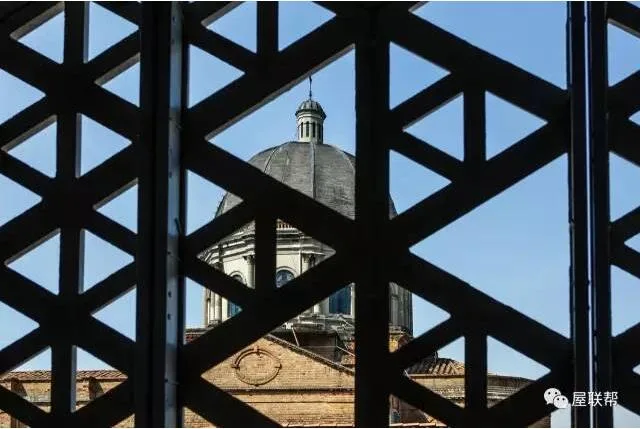
Second, thermal insulation materials are incorporated: the visible concrete core cools down overnight and maintains a relatively low temperature during the day. This thermal mass absorbs heat radiated by occupants, helping them feel cooler than the outside temperature most of the time.















Must log in before commenting!
Sign Up