
The construction industry has experienced rapid growth in recent years. To enhance building quality, shorten construction timelines, reduce labor costs, and conserve resources and energy, promoting the development and application of prefabricated and assembled buildings is crucial for the sustainable advancement of China’s construction sector.
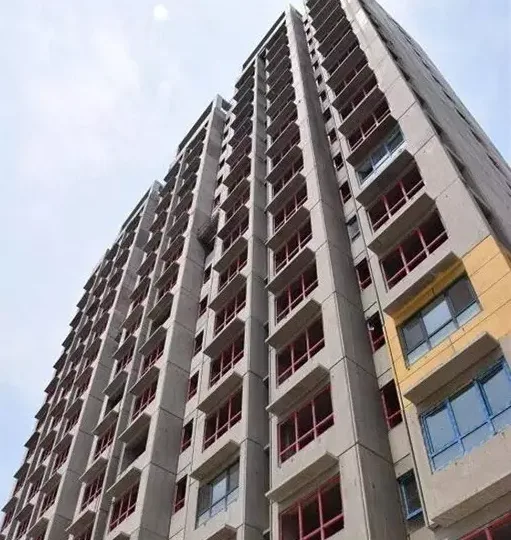
1. Technical Planning Stage
Technical planning plays a vital and irreplaceable role in prefabricated buildings. Design teams should thoroughly understand the project’s external conditions, goals for industrial prefabrication, construction scale, and overall project positioning. It is essential to improve the standardization procedures for prefabricated components, strengthen communication with construction teams, and ultimately establish a suitable technical implementation plan. This plan will serve as the foundation for designing prefabricated buildings.
2. Scheme Design Phase
Building on the technical planning for prefabricated modular structures, the facade and floor plan designs should be optimized. The design principle should focus on minimizing the variety of specifications while maximizing the combinations of prefabricated components, all without compromising the building’s performance. This approach ensures a systematic and standardized design process. When designing facades, it is important to assess the manufacturability of different structural components and incorporate the unique characteristics and construction methods of prefabricated buildings to create diverse and personalized exterior designs.
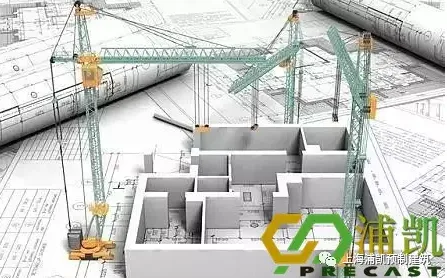
3. Overall Design Phase
At this stage, collaborative design across various disciplines is conducted, taking into account the pre-embedded reserved spaces for pipelines and equipment. Factors such as construction cost, schedule, and quality are carefully considered to implement effective technical solutions that determine the layout of prefabricated components.
When arranging these components, principles of modularity and standardization are essential. Reducing the types of prefabricated parts helps ensure accuracy, standardization, and cost efficiency. For complex areas—such as lowered slabs, irregular shapes, or multiple openings—cast-in-place construction can be employed to complement prefabrication.
4. Construction Drawing Design Stage
Based on the technical measures identified during the overall design phase, construction drawings are optimized. Special attention is given to sound insulation, fire protection, and waterproofing at the connection nodes of prefabricated components. Additionally, parameters concerning various professional equipment, facilities, and interior components are carefully integrated to refine the drawings of prefabricated modular buildings.
5. Component Detailed Drawing Design Stage
Close collaboration between prefabricated component manufacturers and design teams is necessary to develop detailed processing drawings. Architects provide the types and dimensions of prefabricated components according to the project’s specific requirements. Accurate positioning of mechanical and electrical pipelines, as well as door and window openings within the components, is crucial. Furthermore, considerations for production and transportation processes are included, with pre-embedded reservations for fixed and temporary installation holes and hooks on the construction site.
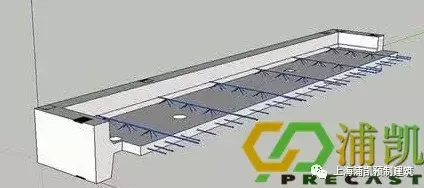
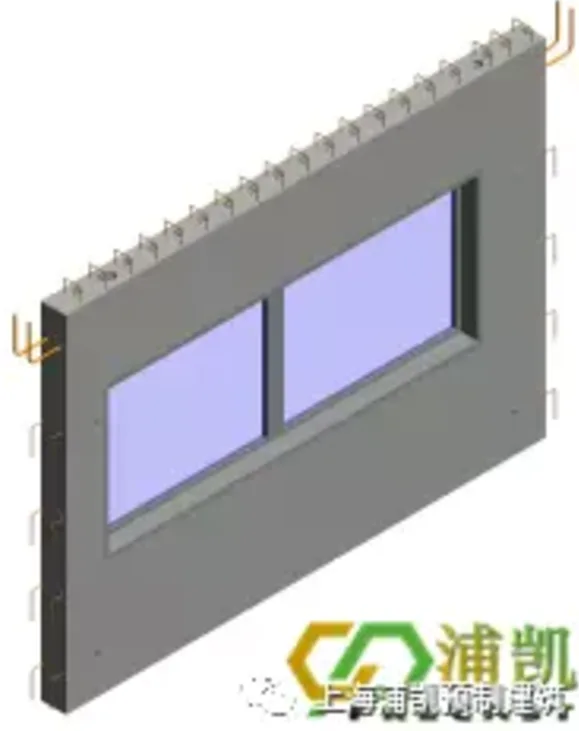
Optimizing Prefabricated Component Nodes
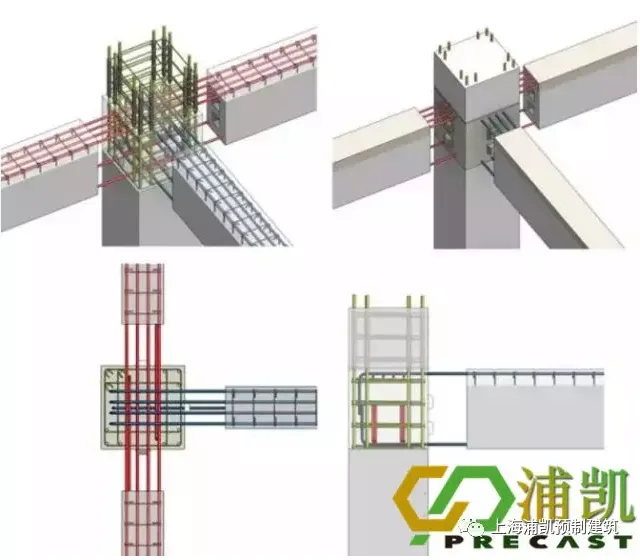
The key to designing prefabricated building structures lies in optimizing the structural nodes. For example, in the design of frame beam-column nodes, it is essential to consider the lifting sequence of prefabricated components and conduct thorough inspections to avoid interference with steel bars. This optimization improves on-site construction speed.
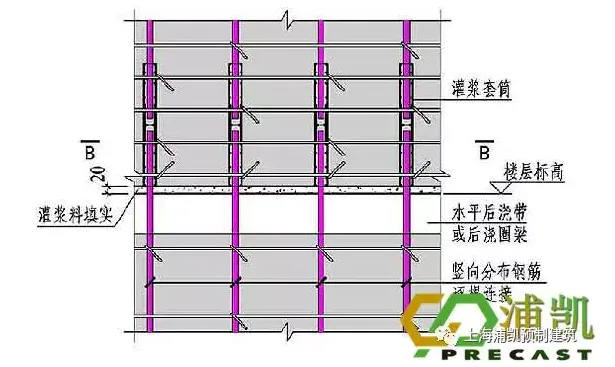
For vertical component connections, such as shear walls, the arrangement of connecting steel bars should be optimized based on design intent to ensure stress continuity and structural integrity at joint locations.














Must log in before commenting!
Sign Up