
Source: ASCEISGCQU
Prefabricated construction began gaining attention in the early 20th century and was fully realized by the 1960s. Countries such as Britain, France, and the Soviet Union were pioneers in this field. Due to its rapid construction speed and low production costs, prefabricated buildings quickly became popular worldwide. Early prefabricated buildings often had a rigid and uniform appearance. However, over time, design improvements increased their flexibility and variety, allowing for batch construction while offering diverse architectural styles.
Types of Prefabricated Buildings
1. Block Buildings
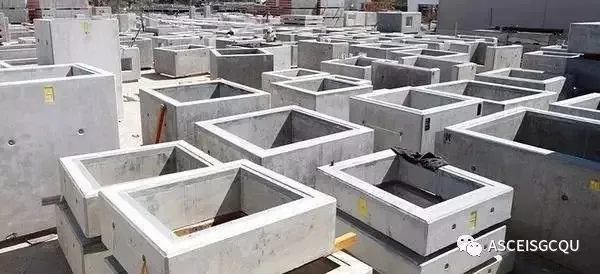
In block buildings, numerous components such as exterior wall panels, interior wall panels, composite panels, balconies, air conditioning panels, stairs, prefabricated beams, and columns are manufactured and processed in workshops. Centralized production significantly reduces project costs and enhances quality control.
2. Panel Buildings
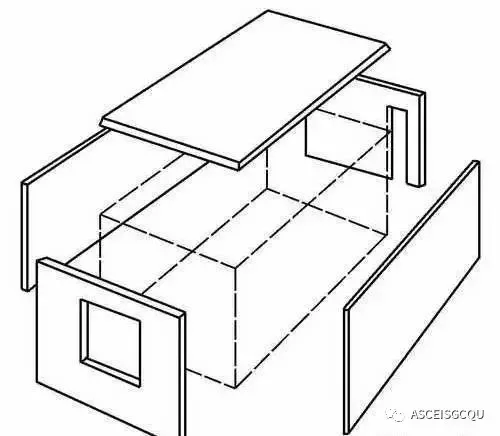
Panel buildings are assembled using large prefabricated interior and exterior wall panels, floor slabs, and roof panels, also known as large panel buildings. This method effectively reduces structural weight, improves labor productivity, expands usable space, and enhances seismic resistance, making it the main type of prefabricated construction.
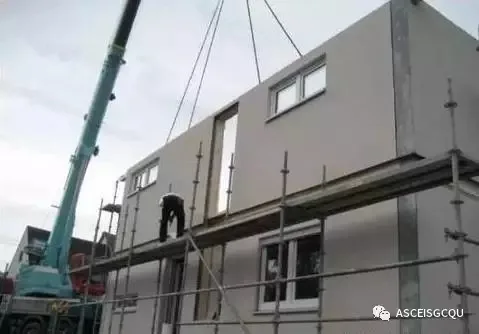
Wall panels can be divided into load-bearing and decorative types. Load-bearing panels are typically reinforced concrete, while decorative panels, such as exterior walls, often consist of reinforced concrete composites with insulation layers. Specialized steel-wood insulation composite panels with exterior finishes are also used. These various panels are lifted and assembled to support structural loads, enabling fast construction at low cost.

3. Modular Box Buildings
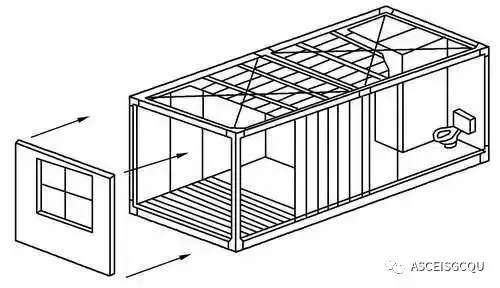
Developed from sheet metal construction, modular box buildings are characterized by load-bearing box units, which include entire rooms or small spaces like kitchens, bathrooms, and stairwells. These boxes are combined with wall panels and floor slabs to form the complete structure. This method offers a high degree of industrialization and rapid on-site assembly.
Not only can the structural components be completed in the factory, but interior decoration and equipment installation can also be finished beforehand. Even furniture and carpeting can be installed, allowing for quick on-site lifting and connection of pipelines.
4. Skeleton-Panel Buildings
This type consists of a prefabricated skeleton frame combined with panels. There are generally two load-bearing structural systems:
- A frame system made of columns and beams, supported by floor slabs and non-load-bearing inner and outer wall panels.
- A slab-column system where columns and floor slabs bear the load, with inner and outer wall panels serving as non-load-bearing components.
The load-bearing frame can be a heavy reinforced concrete or steel structure, offering lightweight construction and flexible interior layouts. This makes it suitable for multi-story and high-rise buildings.
5. Lift-Slab Construction
The structural system of lift-slab buildings is supported jointly by slabs and columns. The process involves repeatedly casting each floor and roof slab on the ground, erecting prefabricated reinforced concrete columns, and then lifting the slabs to the designed height using the columns as guides before securing them.
Inner and outer walls can be constructed using cast-in-place reinforced concrete, brick, or lightweight curtain walls. This method shifts much of the casting work to the ground, reducing high-altitude operations and vertical transportation, saving on formwork and scaffolding, and minimizing construction site footprint.
Lift-slab construction is ideal for sites with limited space and is commonly used for shopping malls, warehouses, workshops, and multi-story parking garages.
Key Characteristics of Prefabricated Buildings
1. A wide range of building components, including exterior and interior wall panels, composite panels, balconies, air conditioning panels, stairs, prefabricated beams, and columns, are manufactured in workshops. Centralized production reduces costs and improves quality control.
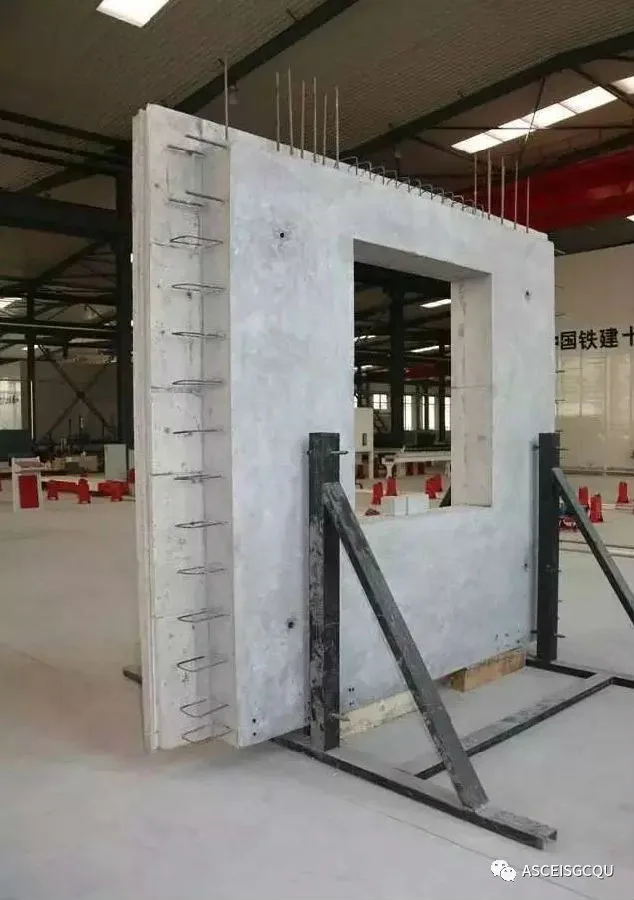
2. Factory-produced components are transported to the site for assembly, minimizing formwork and manual labor, accelerating construction speed, and significantly reducing project costs.
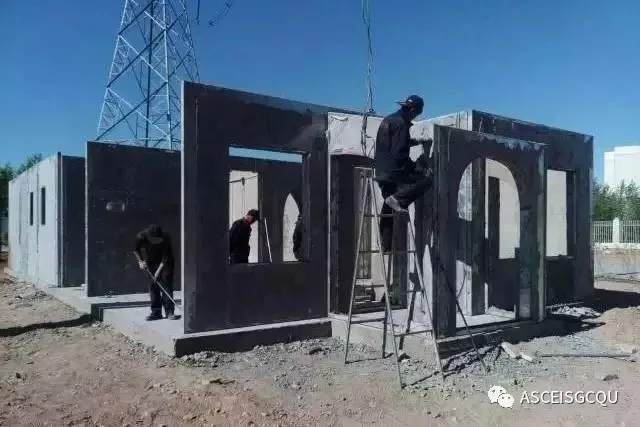
3. Prefabricated construction transforms building projects into products. The more standardized the components, the greater the production efficiency and the lower the cost. Digital factory management further enhances the cost-effectiveness compared to traditional construction methods.
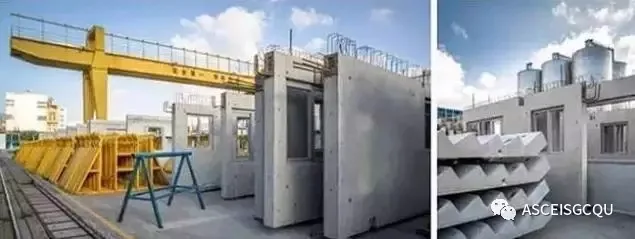
4. Unlike traditional buildings where structural completion must precede decoration and finishing, prefabricated buildings enable assembly of decorative components simultaneously with the main structure. This synchronization reduces construction time and lowers project costs.

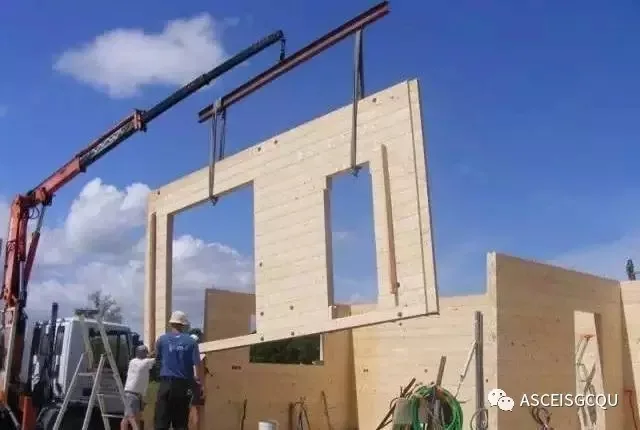
5. Prefabricated buildings offer greater flexibility in material selection. They often incorporate energy-saving and environmentally friendly materials such as light steel and wood panels, aligning well with green building concepts.














Must log in before commenting!
Sign Up