
Girder slabs and prestressed hollow floor slabs (see Figures 2 and 3) represent an economical, safe, and efficient construction system developed in the 1990s specifically for steel residential buildings. This system effectively combines the benefits of steel structures with those of prestressed hollow floor slabs.
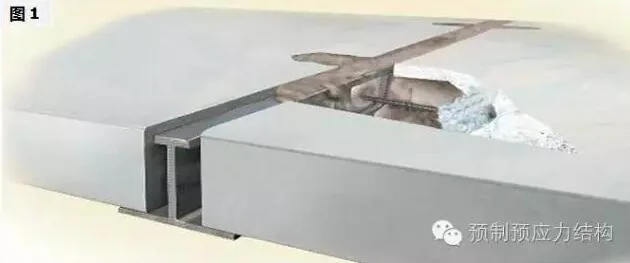
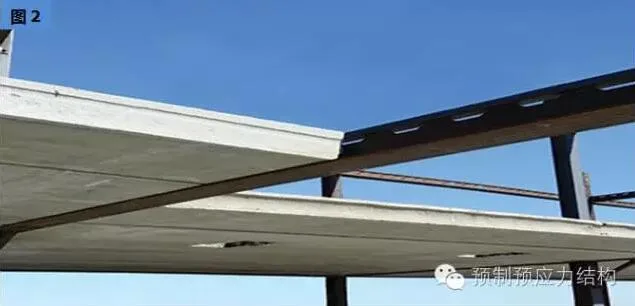
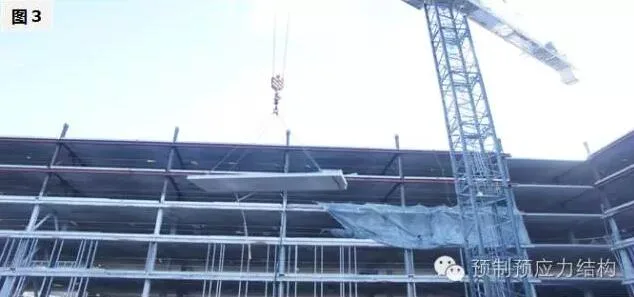
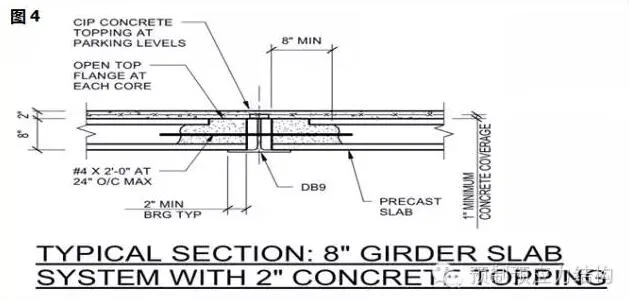
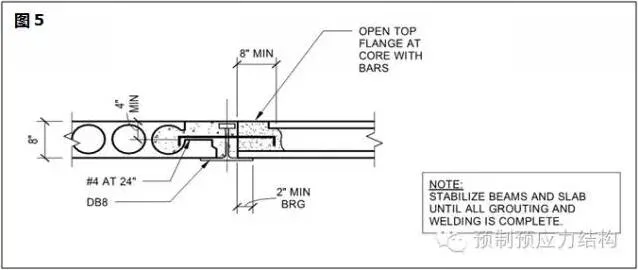
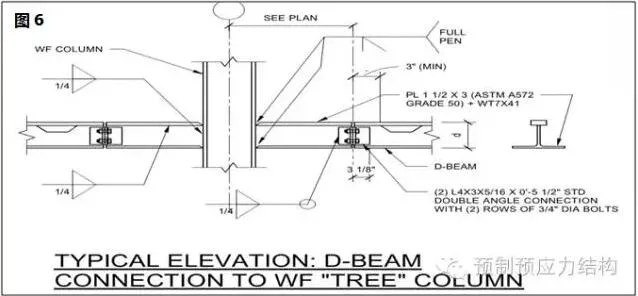
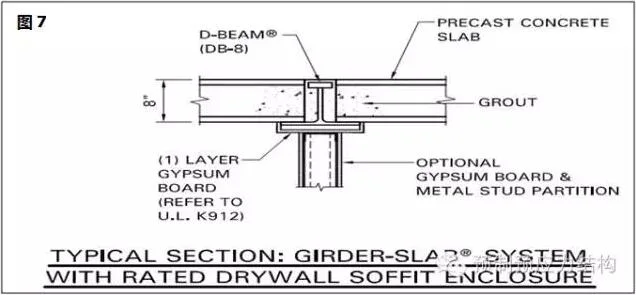
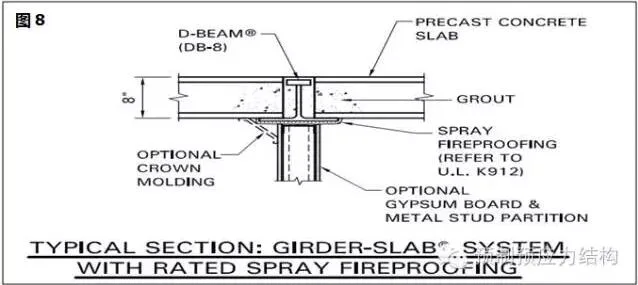
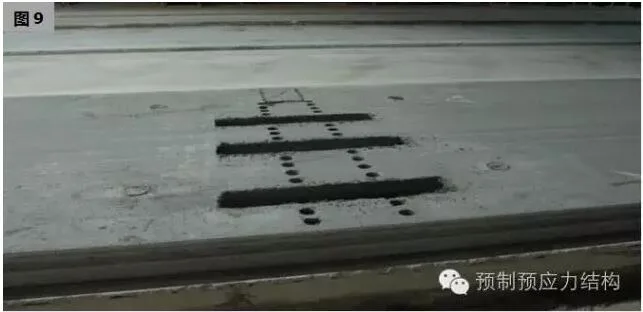
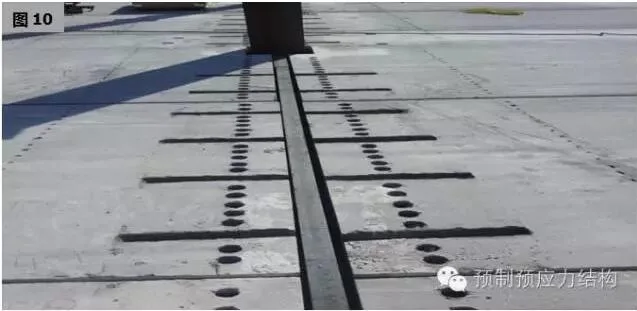
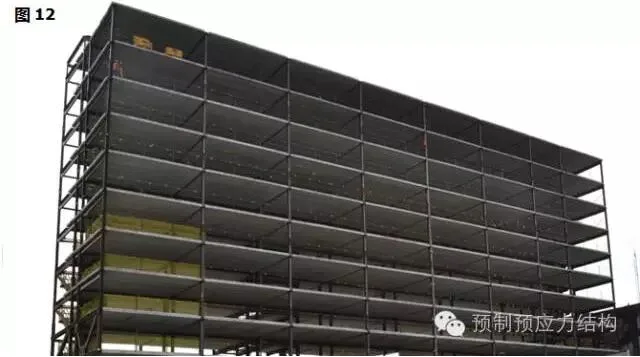
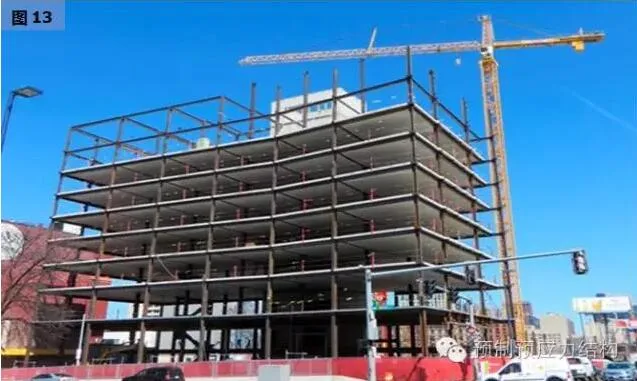
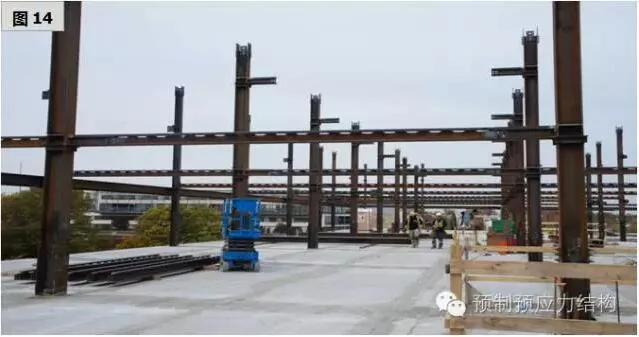
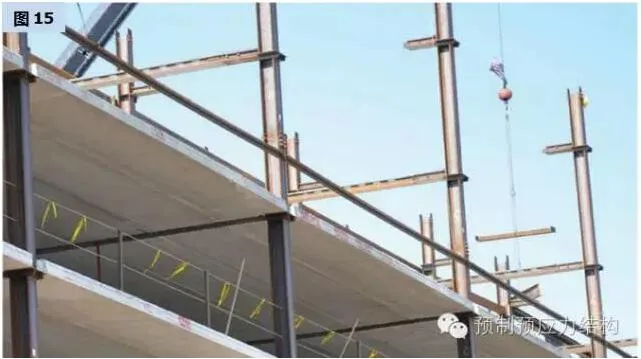
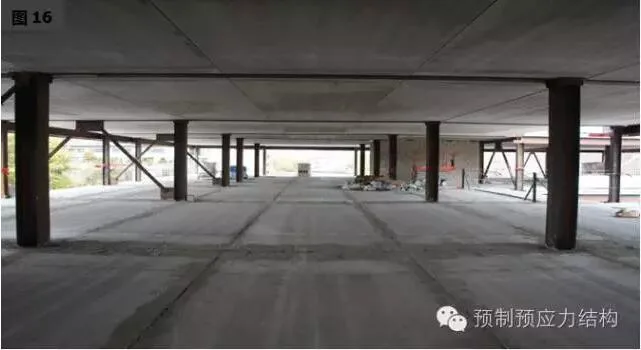
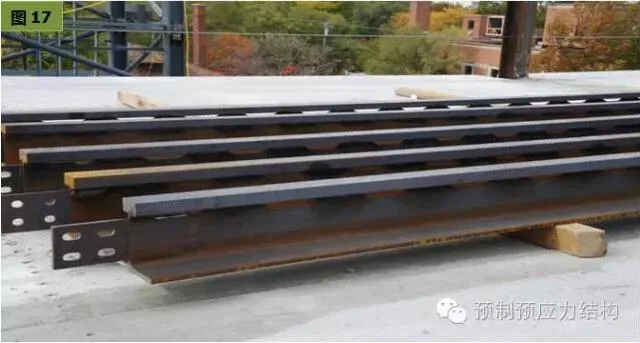
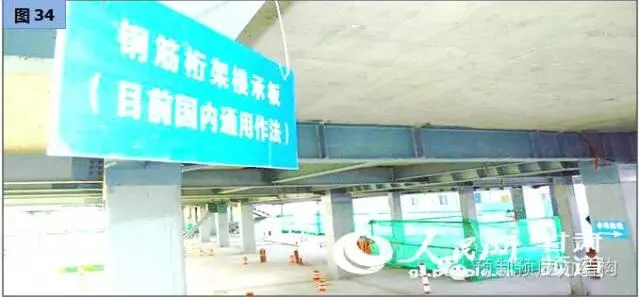
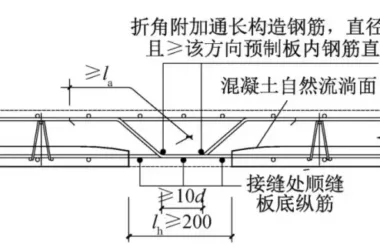
The key technology involves retrofitting half of a standard H-beam and positioning the prestressed hollow floor slab beneath the beam. Then, grouting is performed on site to create a composite beam (see Figures 1, 4, 5, 10, and 17). This steel structure residential system offers advantages comparable to concrete slab constructions (Figures 10, 12, 13, and 16). Compared to traditional steel main and secondary beam structures (Figure 34), which maintain conventional industrialized building methods, this system excels in fire resistance, sound insulation, vibration reduction, floor height minimization, and flexible partitioning.
In meeting the housing preferences in China, the girder slab system closely resembles a concrete structure. As a result, the so-called latest steel structure system in China has effectively become a product of the 19th century concerning residential building frameworks.
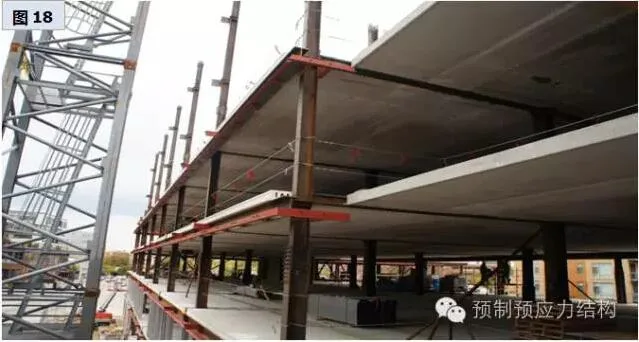
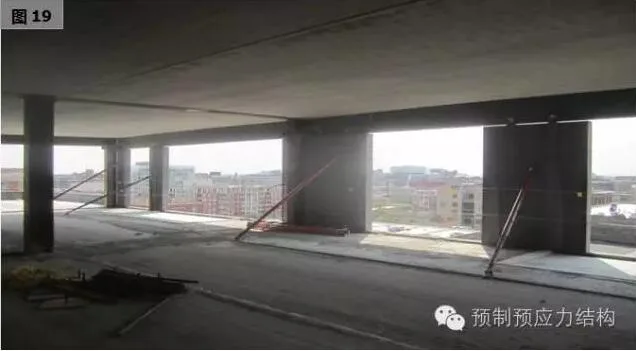
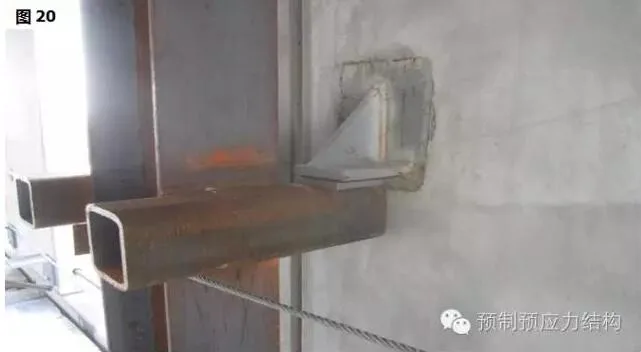
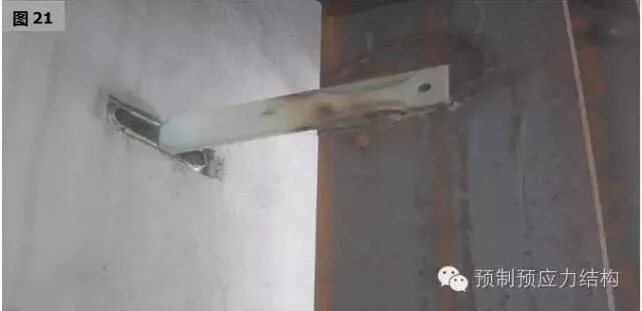
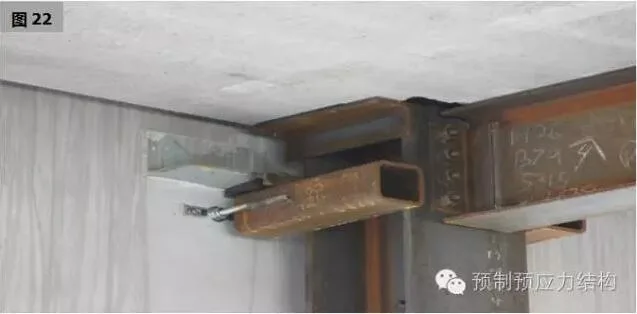
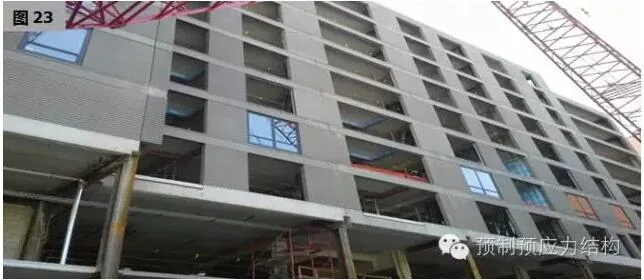
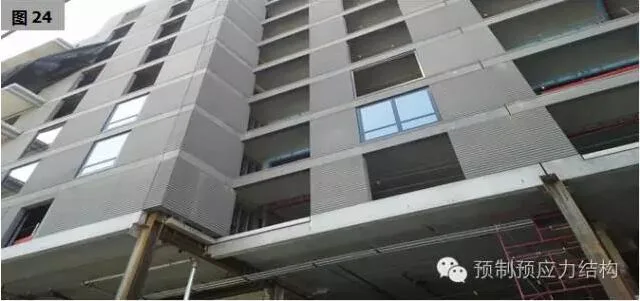
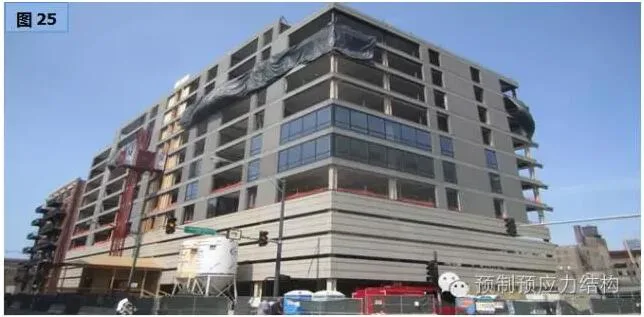
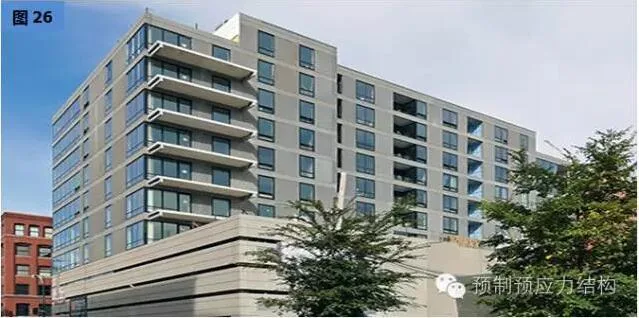
Regarding exterior walls, concrete cladding panels (see Figures 18 through 26) are also frequently used. These panels are typically 10 to 15 centimeters thick and incorporate internal insulation. The continuous insulation, which was previously challenging to achieve domestically, has become practical through the use of these exterior panels. This approach makes steel-structured residences resemble concrete buildings more closely, resulting in truly durable, century-lasting homes.
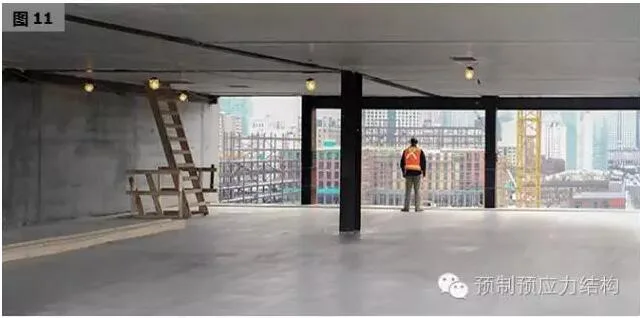
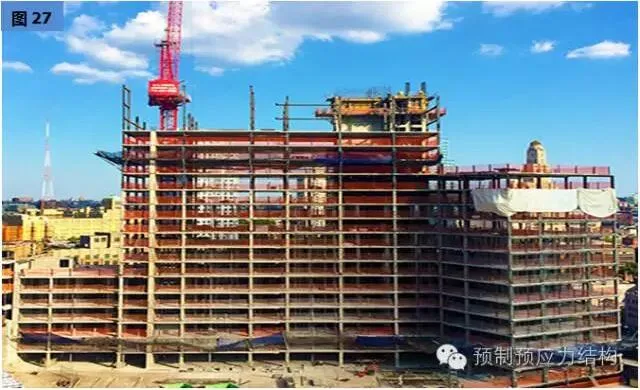
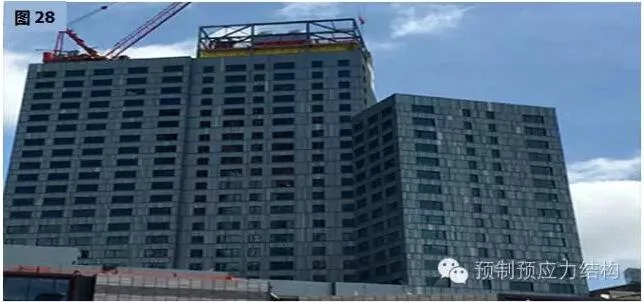
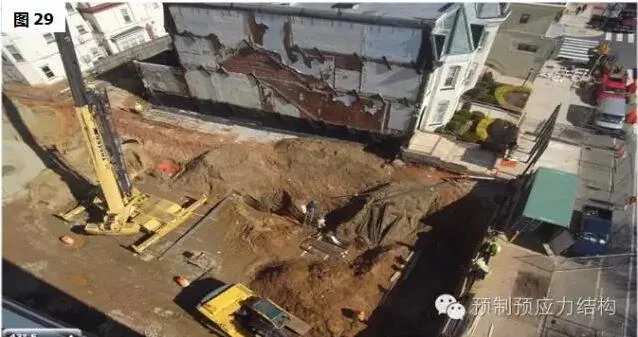
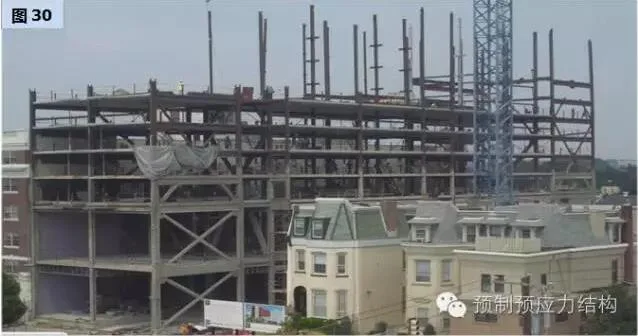
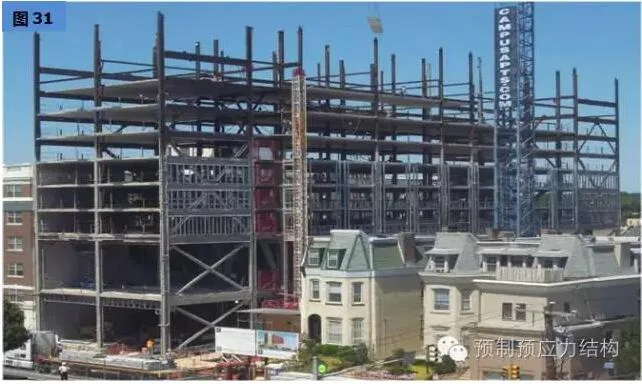
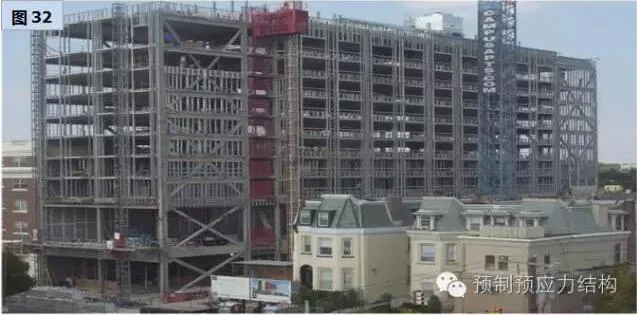
Figures 27 and 28 depict a 28-story multi-purpose building located in an East Coast city in the United States. Figures 29 through 32 show engineering examples involving hotels. From Figure 29, the limitations of the construction site become apparent, while the other images clearly demonstrate the practicality of a fully assembled, dry-connected hybrid structural system, highlighting the feasibility of civilized construction methods.
These conclusions are drawn by the author based on limited observations and may not be definitive. Research on this type of hybrid structure remains scarce in China, mainly because steel structures dominate the market. If the industry can overcome these challenges and develop a steel structure residential system truly adapted to Chinese needs, it would greatly benefit the general public.















Must log in before commenting!
Sign Up