
BIM Software Tip: Understanding the True Meaning of View Range and View Depth in Revit
In Revit, it is commonly understood that to see elements located below the floor plan, you need to adjust the view depth. However, when you change the view depth, you might notice that the bottom value within the main range seems irrelevant—and is rarely modified. Many users assume that adjusting the view depth alone is sufficient, but this is not entirely accurate.
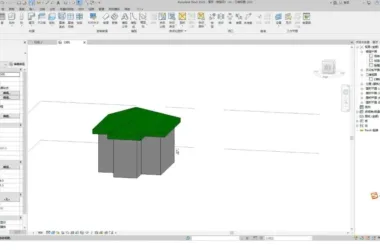
The value of the view depth actually plays an important role. If the cutting plane of a graphic element lies between the bottom elevation of the main range and the view depth elevation, the cutting line for that element is not influenced by the settings in the Visibility/Graphics (VV) dialog. Instead, it is directly affected by the beyond line style defined in the line styles. Since the default color for the beyond line style is black—which often matches the color set in the VV visibility settings—it can be difficult to notice when the color changes.
Keep in mind, this behavior only occurs when the cutting plane is positioned between these two values. If the cutting plane moves outside this range, then control is handed back to the VV visibility settings.














Must log in before commenting!
Sign Up