
BIM Software Tip: How to Use SketchUp for Mass Modeling in Revit
Revit modeling can be approached by automatically generating models from 2D drawings, utilizing various built-in components for easy and efficient design. Alternatively, Revit also supports volume-based modeling methods. SketchUp is a powerful design tool focused on creating intuitive 3D architectural concepts directly on the computer, making it ideal for developing design solutions.
In this guide, we’ll explore how to use SketchUp to assist with mass modeling in Revit.
1. Begin by creating the basic massing model in SketchUp and save the file.
2. Open Revit, then navigate to the Mass and Site sections and click on New Built-in Mass.
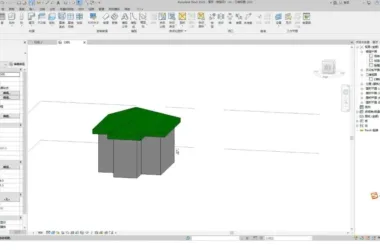
3. In Revit, choose the import option, select Import CAD, and insert the SketchUp model into the project to establish your new mass.
4. Define the elevation in the elevation view. (Note: Create a new floor plan aligned with the view plane if necessary.)
5. Switch to the 3D view, select the mass, then click on Mass Floors and choose the floor plan to generate floor levels within the mass.
6. Select the floor slab face in the mass floors, then create floor slabs accordingly.
7. Use the Wall by Face tool to define wall properties and apply walls to the mass faces.
8. To create curtain walls, select the Curtain Wall System tool, define the desired properties, pick the corresponding surface, and click Create System to generate the curtain wall.
9. Finally, delete the original mass element; your Revit model is now complete.













Must log in before commenting!
Sign Up