
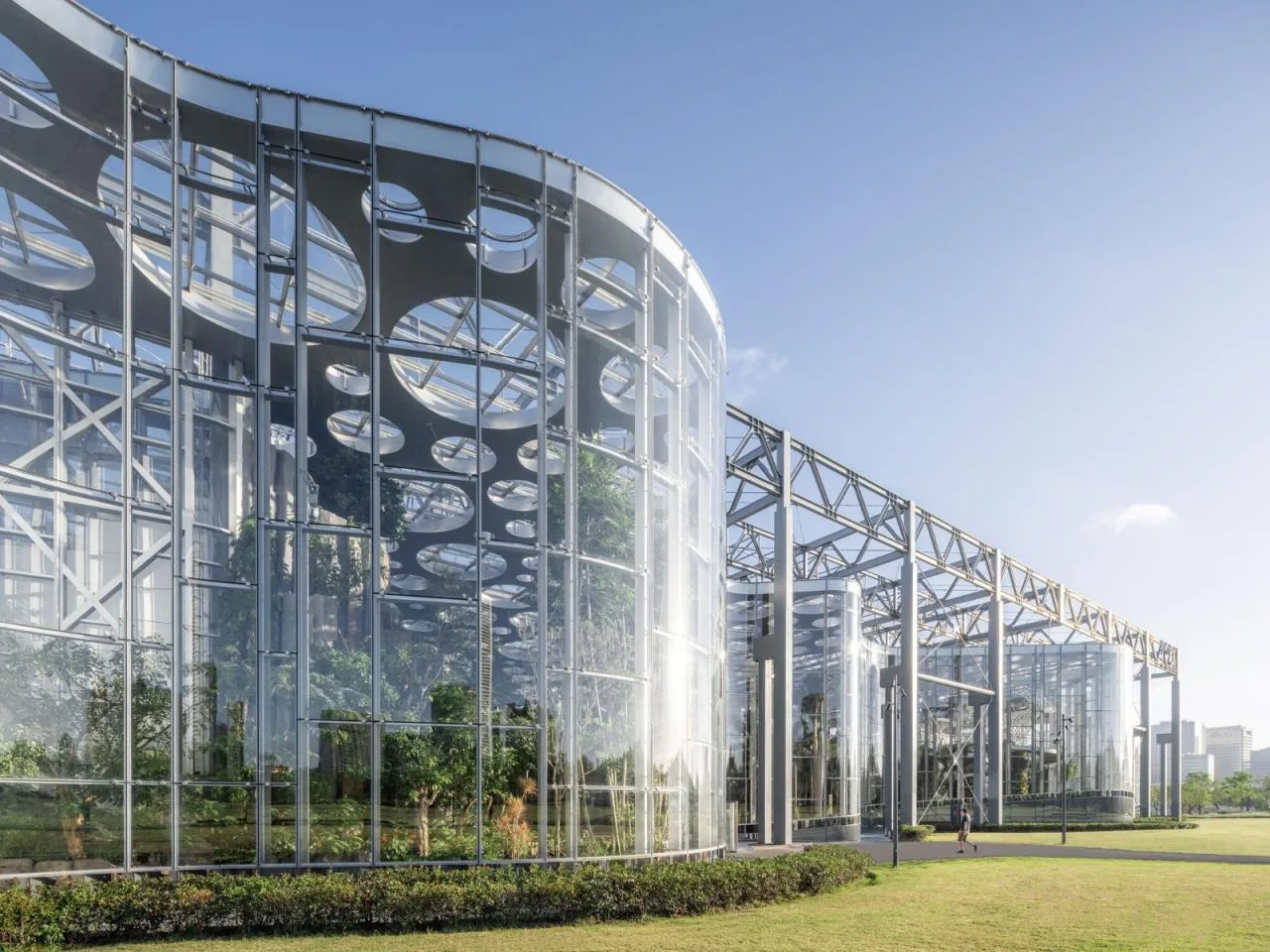
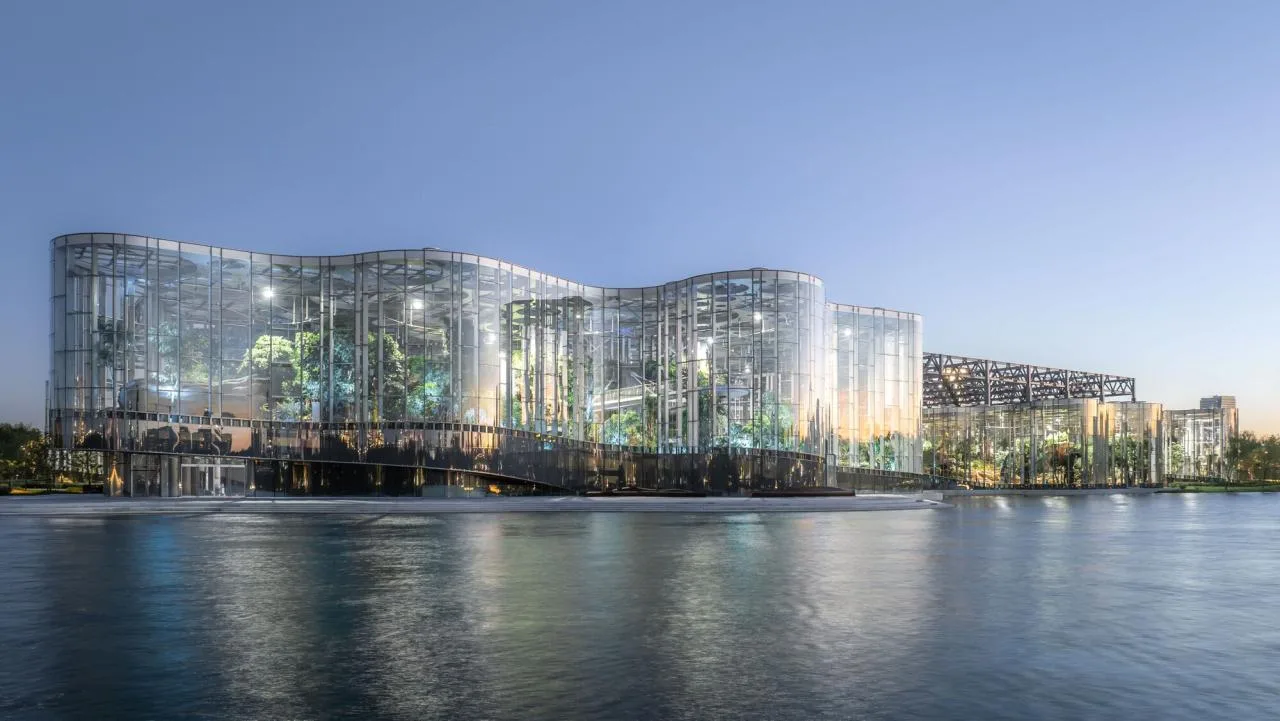
Located within Shanghai World Expo Cultural Park, this expansive greenhouse garden was designed by DMAA Architectural Firm and completed in September 2024. The project reflects a growing global focus on integrating nature into urban living spaces. Drawing on DMAA’s technical and cultural expertise, the design introduces a novel approach that emphasizes sustainability at every level.
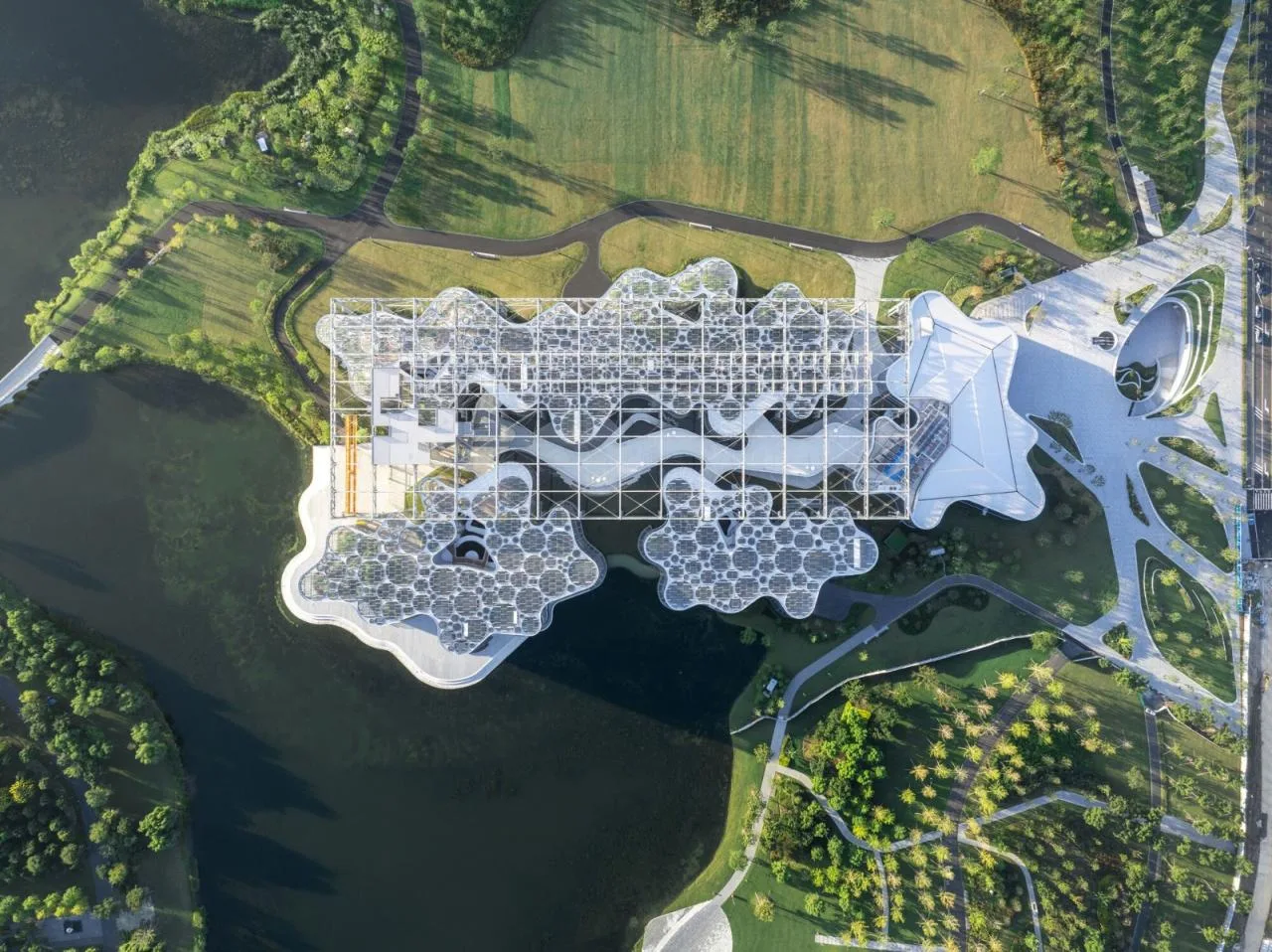
Shanghai, home to 23 million residents, stands as the heart of China’s urban growth and international exchange. The once sparsely populated Pudong Industrial Zone has transformed into one of Asia’s most impressive high-rise districts, with the World Expo Cultural Park located at its core. Despite this rapid development, Shanghai faces significant challenges from unchecked urban expansion and climate change.
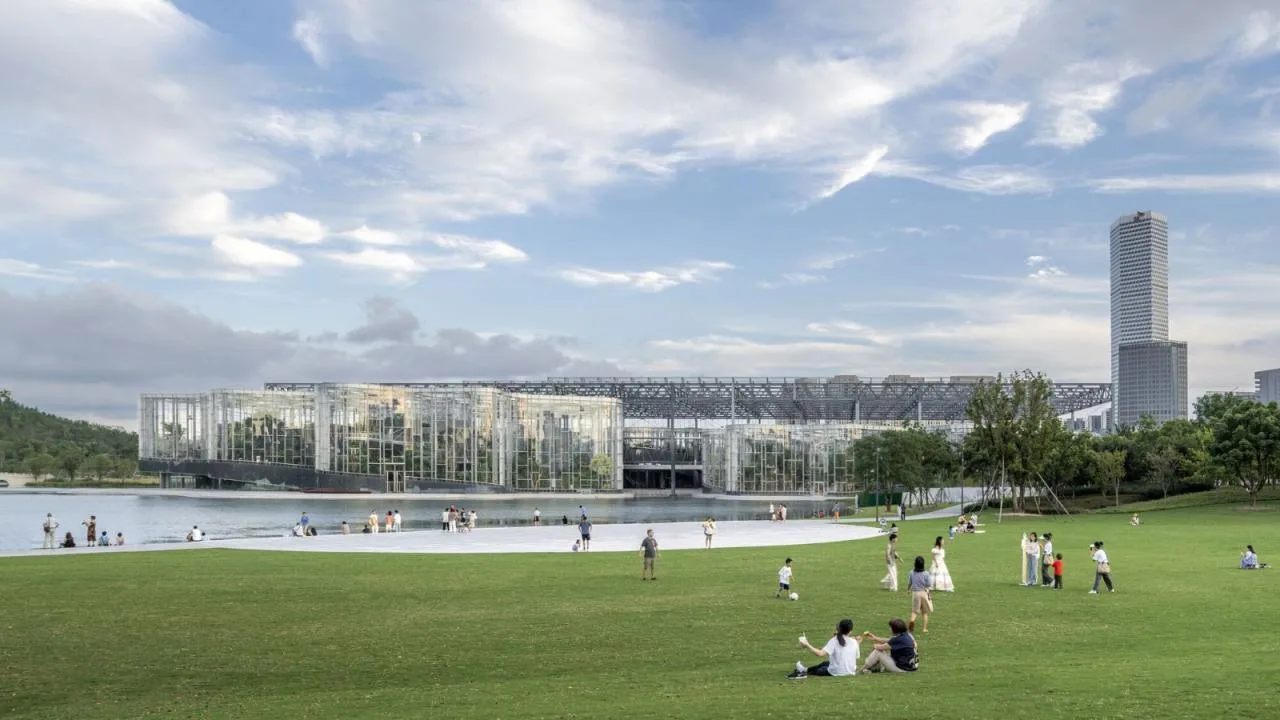
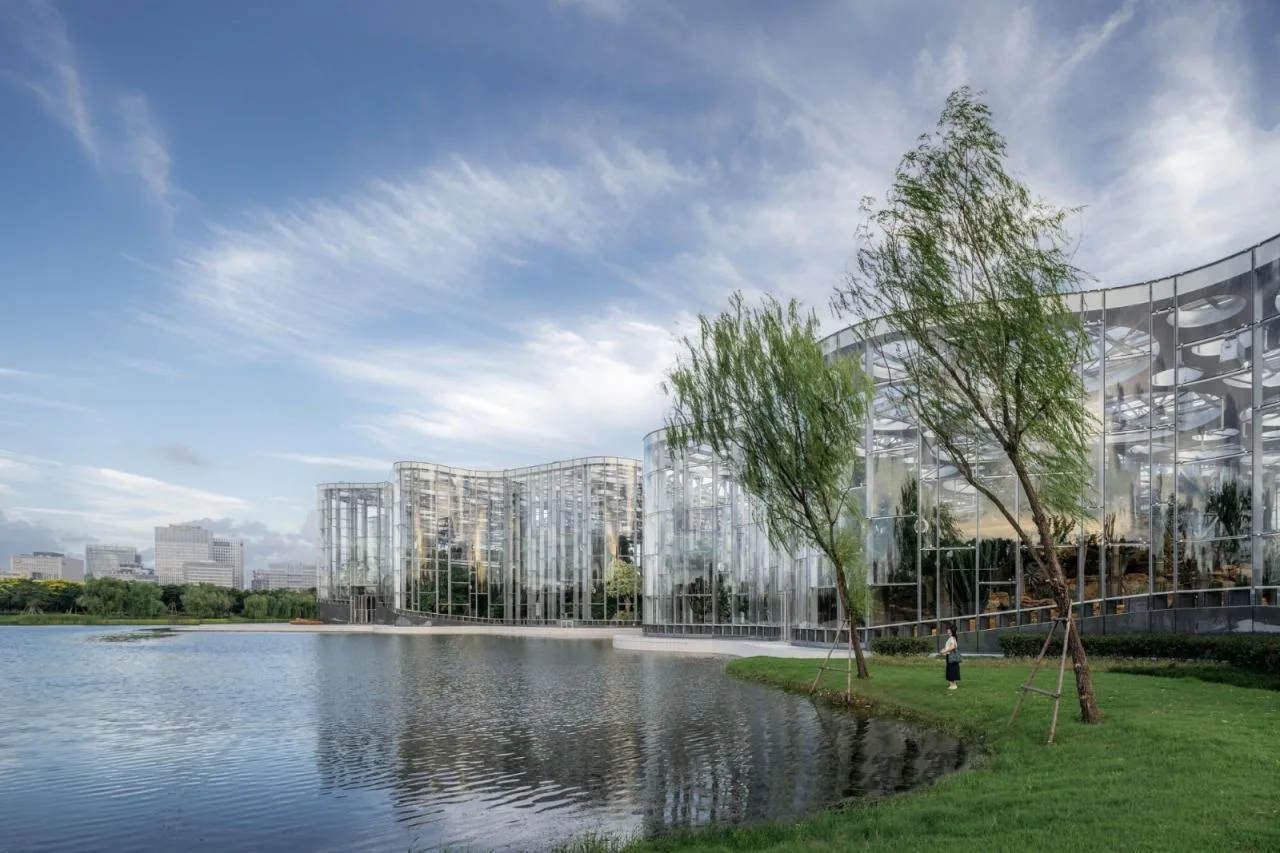
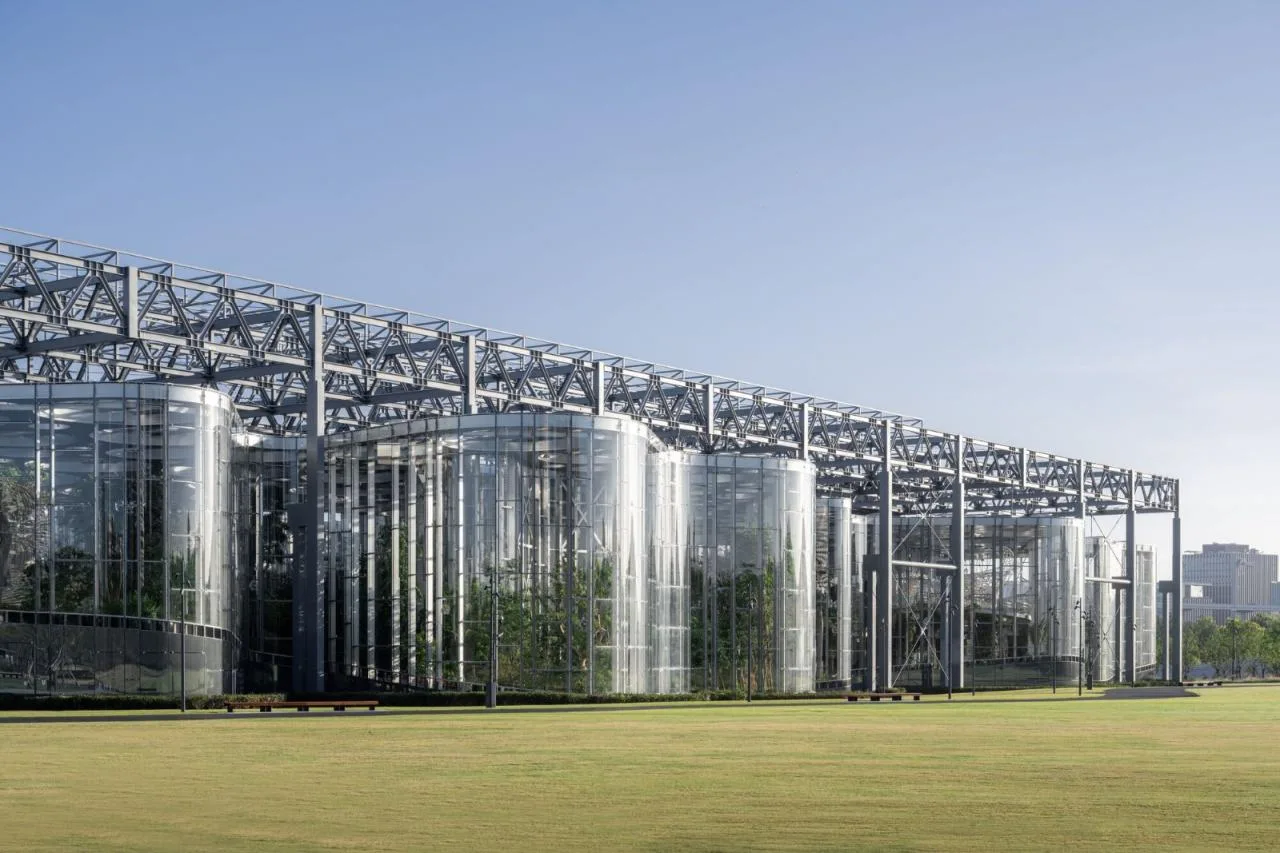
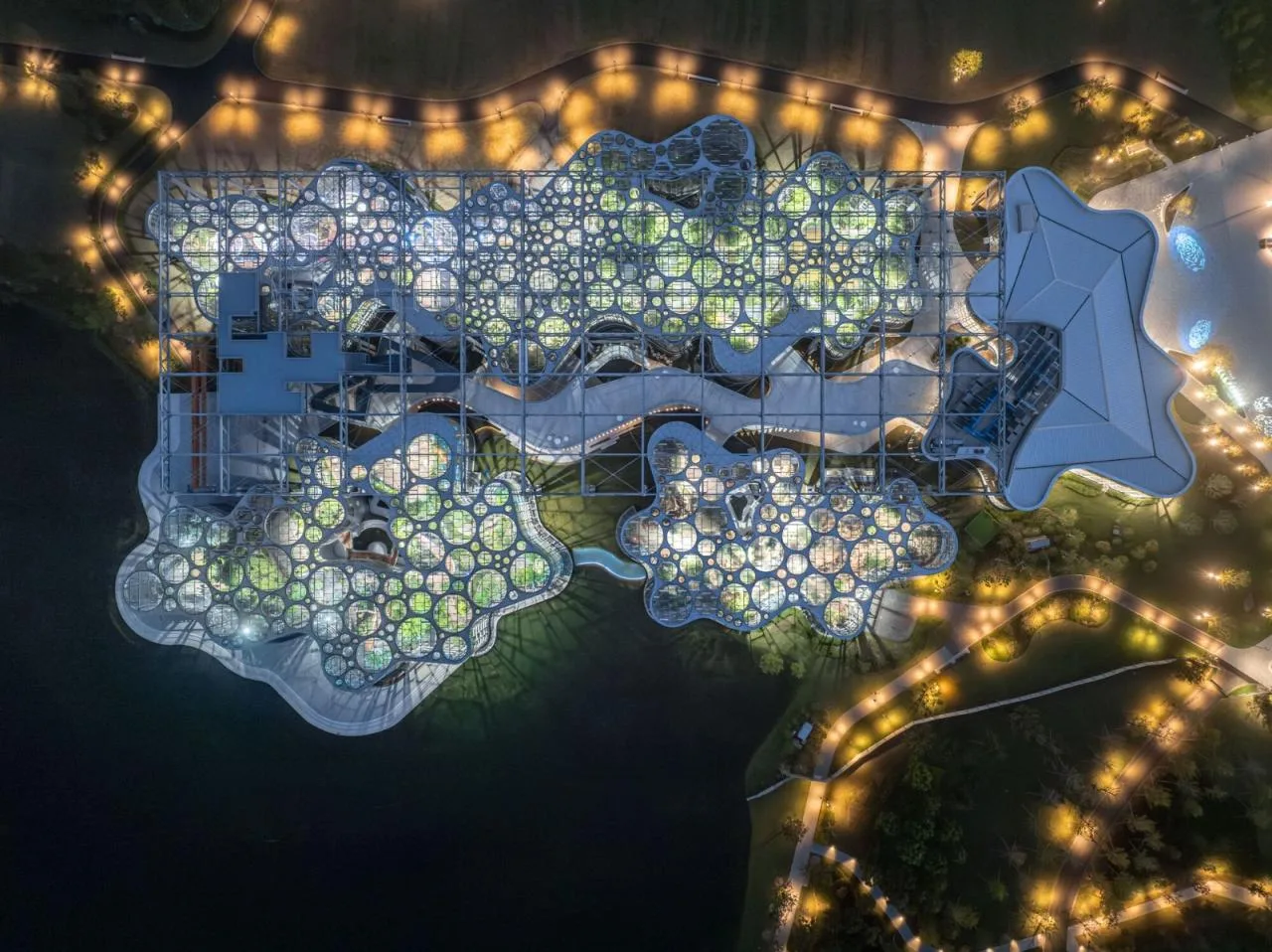
The World Expo Cultural Park occupies what was once a coal-fired power plant and steel mill site. Ahead of the 2010 World Expo, the area underwent significant renovation, later reimagined by DMAA Architects as a large-scale greenhouse leisure space in central Shanghai. The project creatively repurposes the existing steel structure of the old industrial hall, adding an organically shaped exhibition hall beneath it. This fusion of industry and nature, tradition and innovation, highlights Shanghai’s dedication to becoming a greener, more sustainable city.
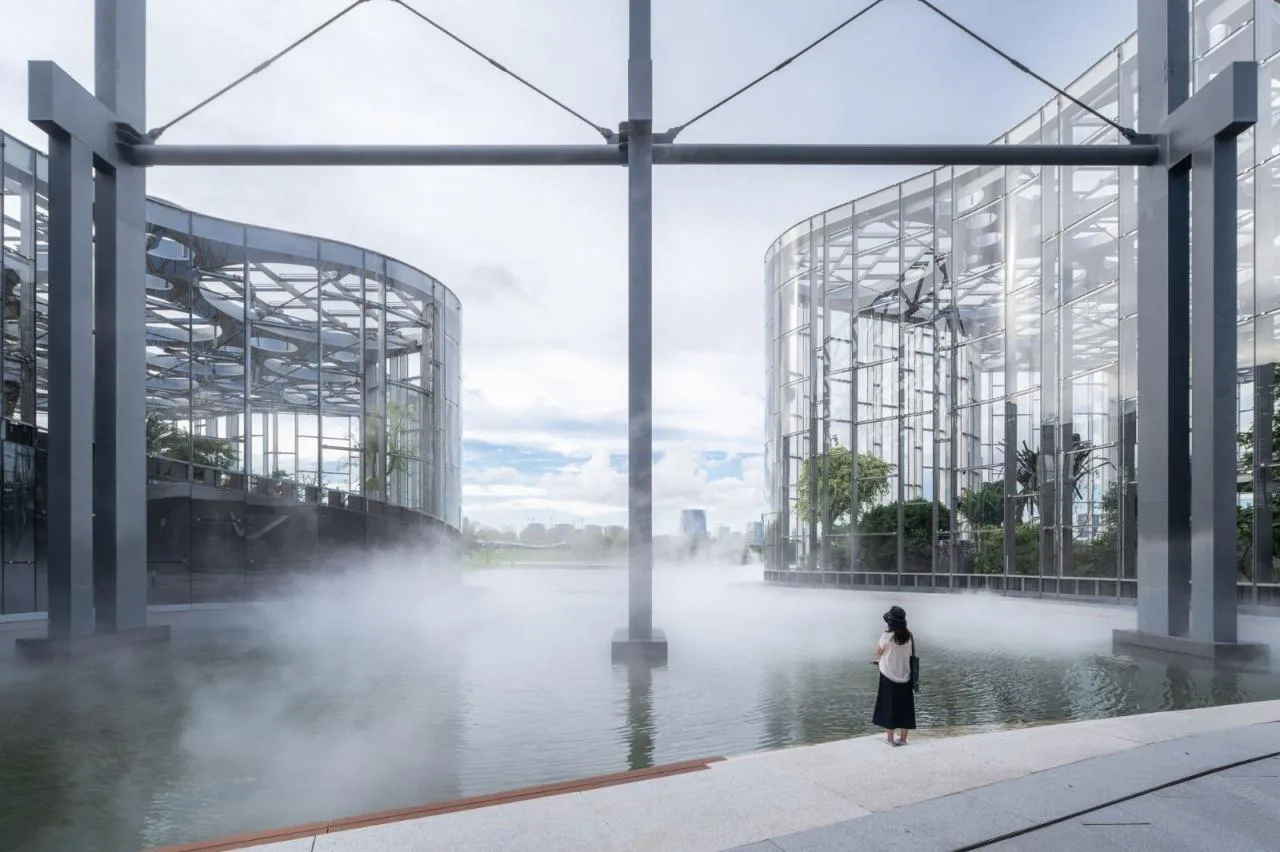
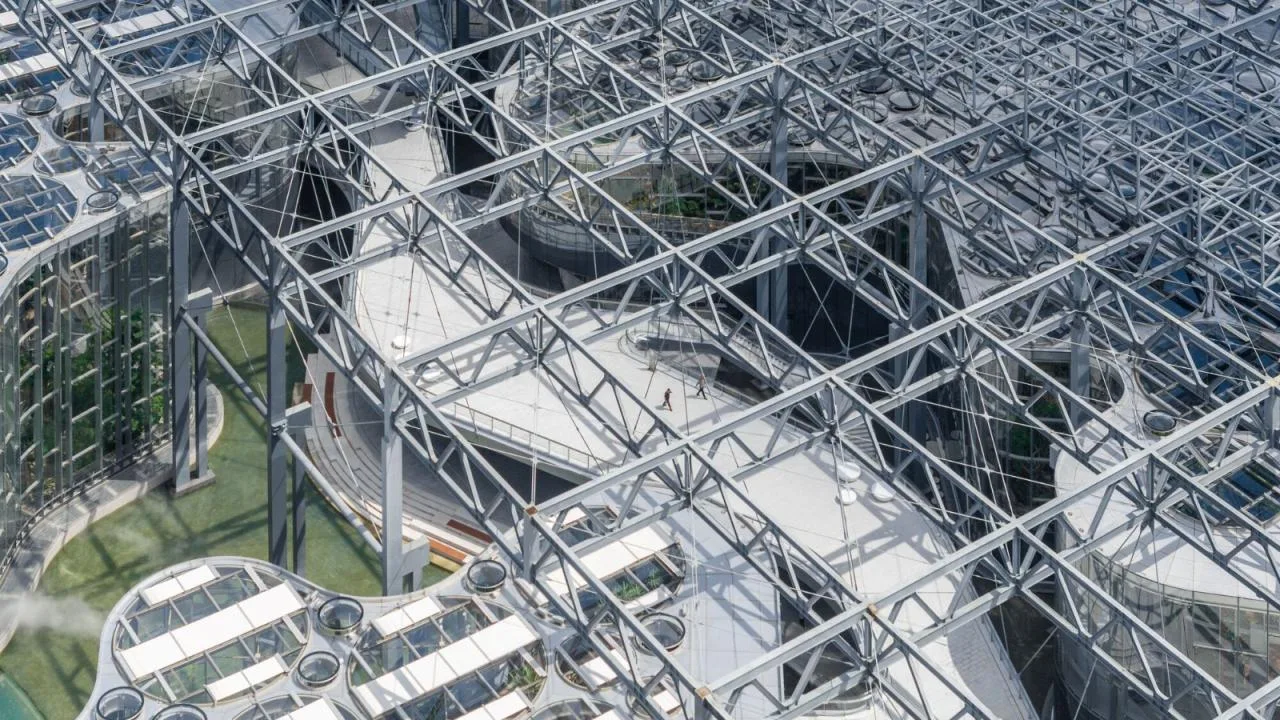
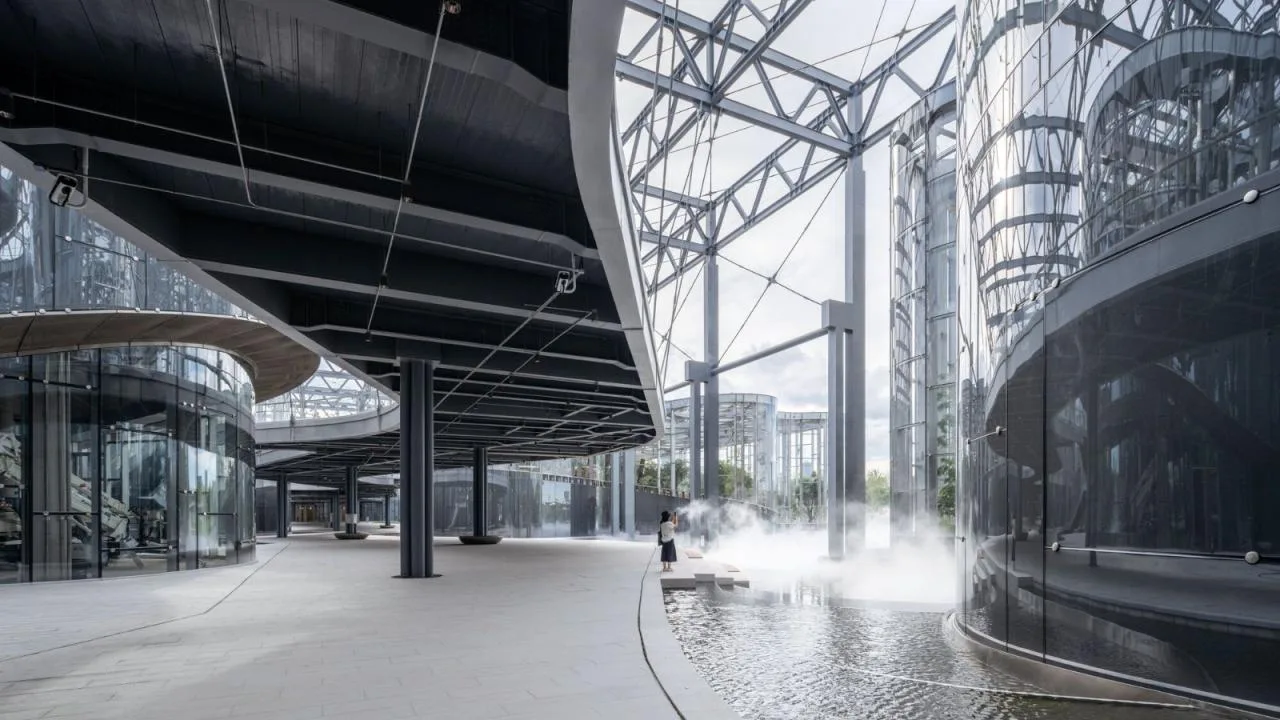
Traditional greenhouses often consume high amounts of energy. This design addresses that issue by aiming for zero-energy buildings. The project uses single-layer glass, chosen based on simulations showing it reduces heat loss more effectively than double-layer glass and eliminates the need for artificial lighting. The roof features natural ventilation with adjustable openings, while a swimming pool integrated with photovoltaic panels supplies both cooling and energy to the greenhouse.
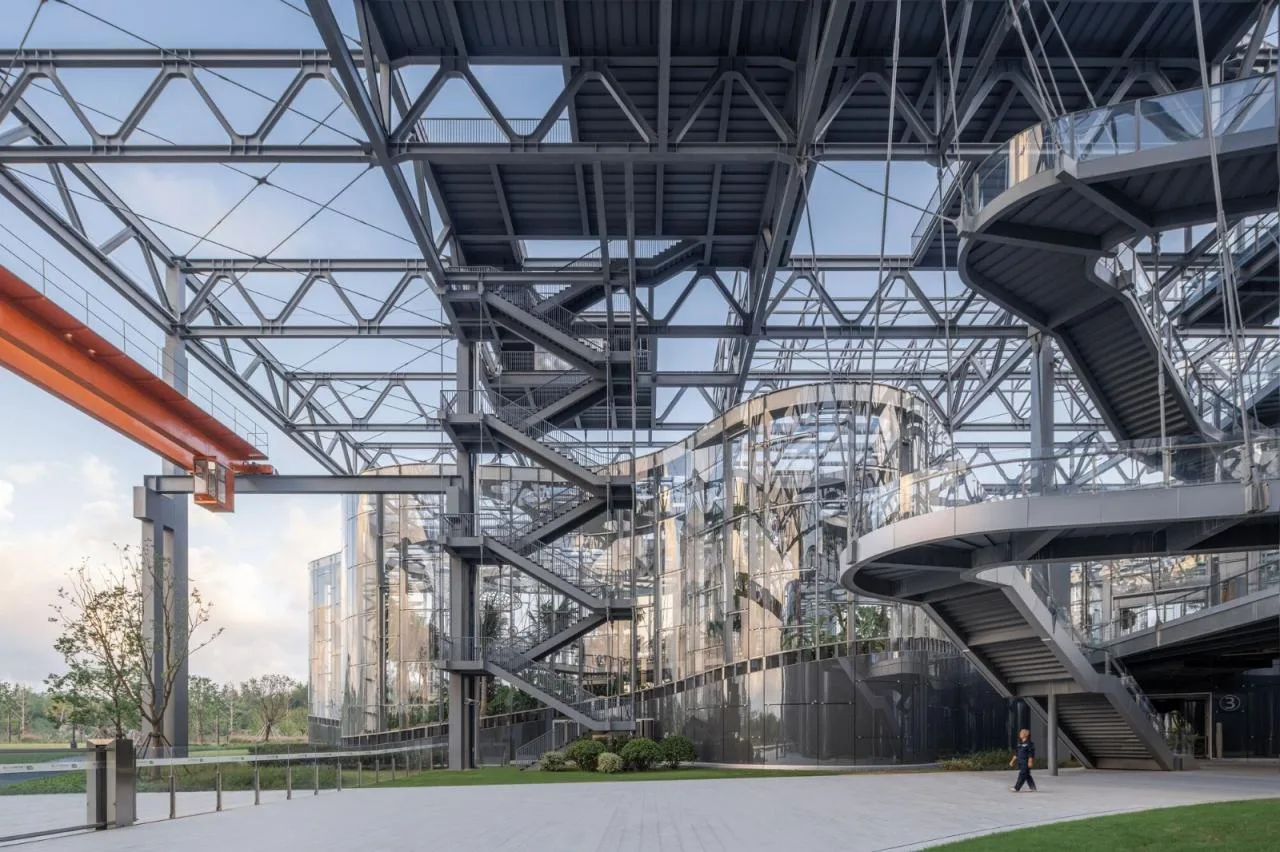
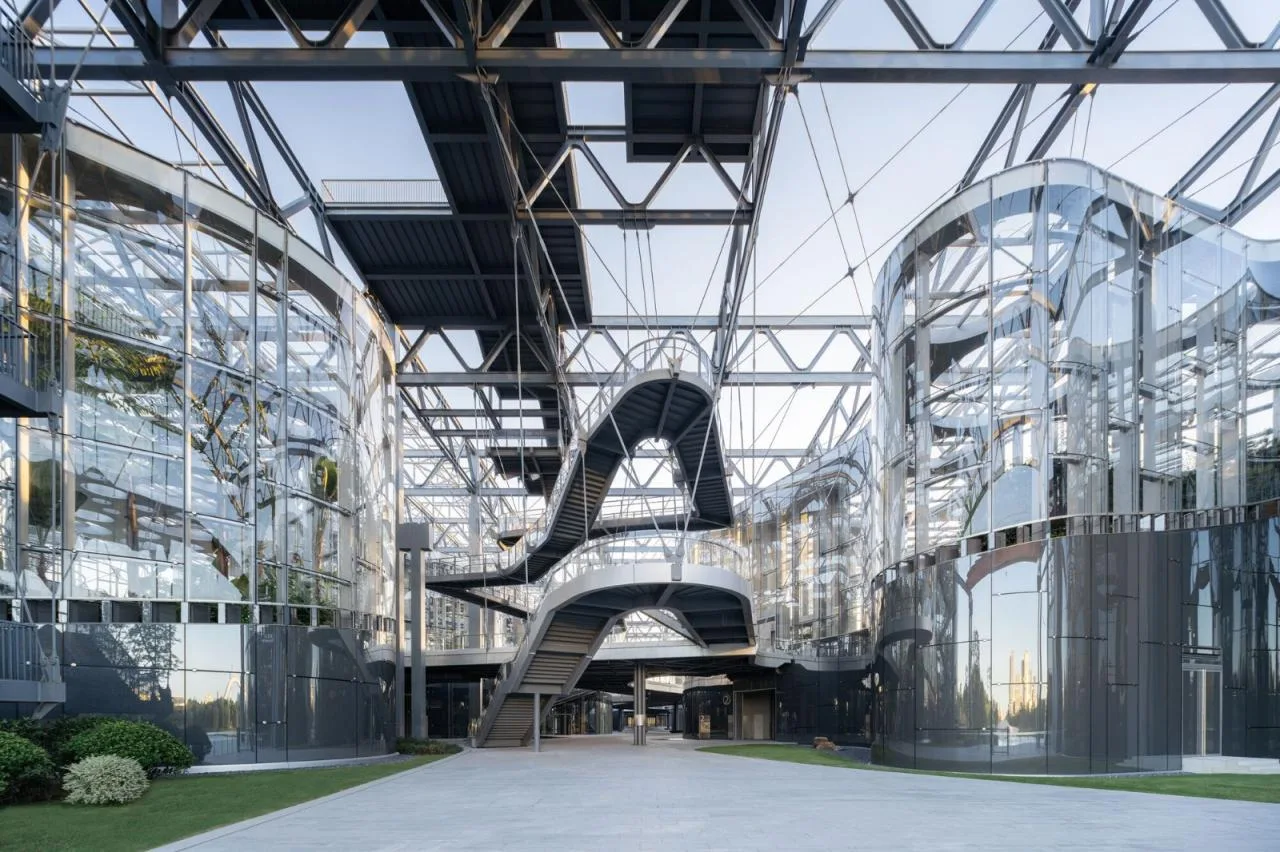
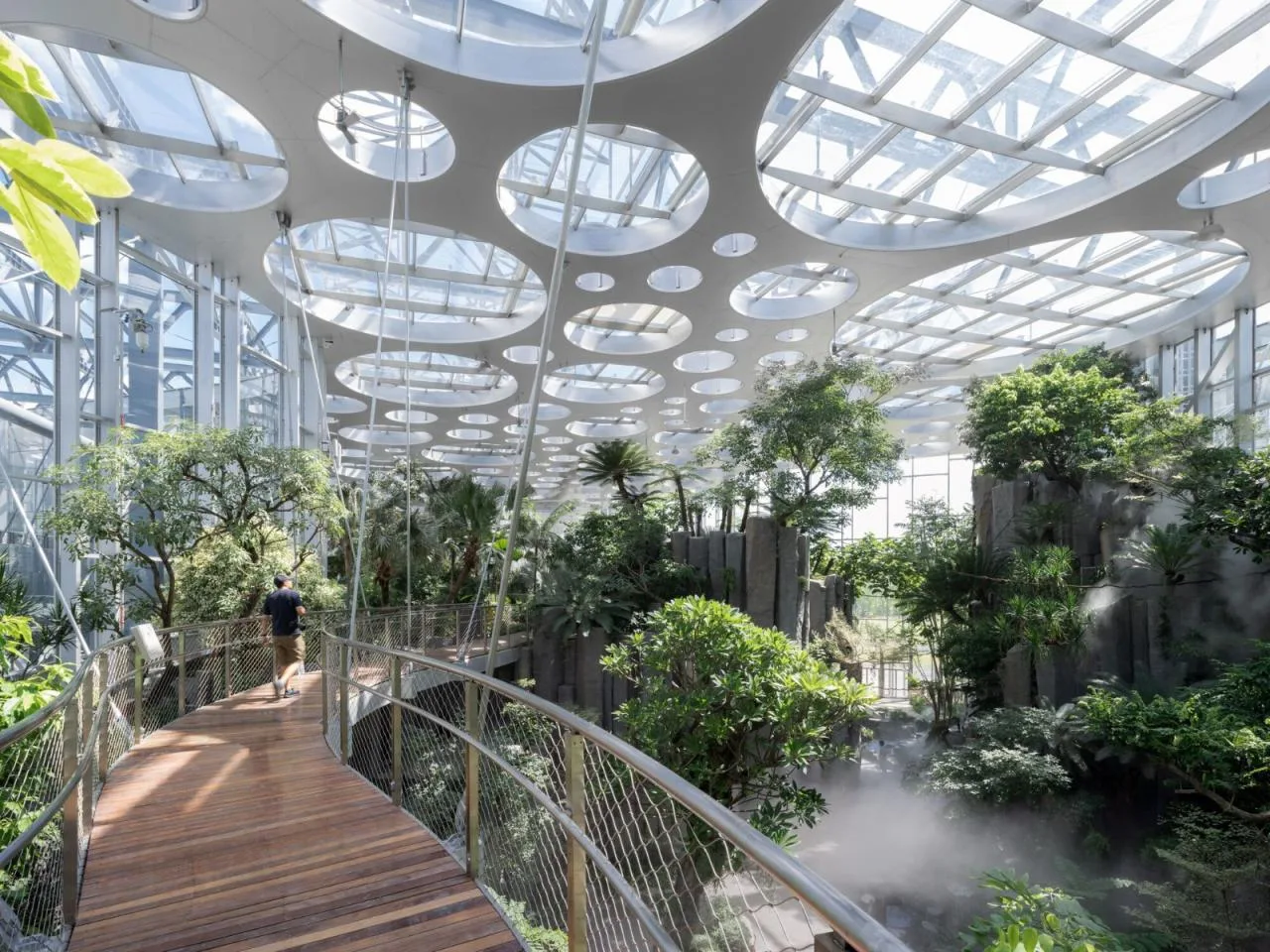
The World Expo Cultural Park greenhouse is divided into three exhibition halls. The first simulates a desert environment, showcasing sandy and rocky landscapes along with endangered, drought-tolerant plants. The second hall presents a stark contrast with a lush tropical rainforest environment, while the third features a vertical garden, serving as a flexible space for rotating exhibitions. Terraces above these halls offer panoramic views of the park and the Shanghai cityscape beyond.
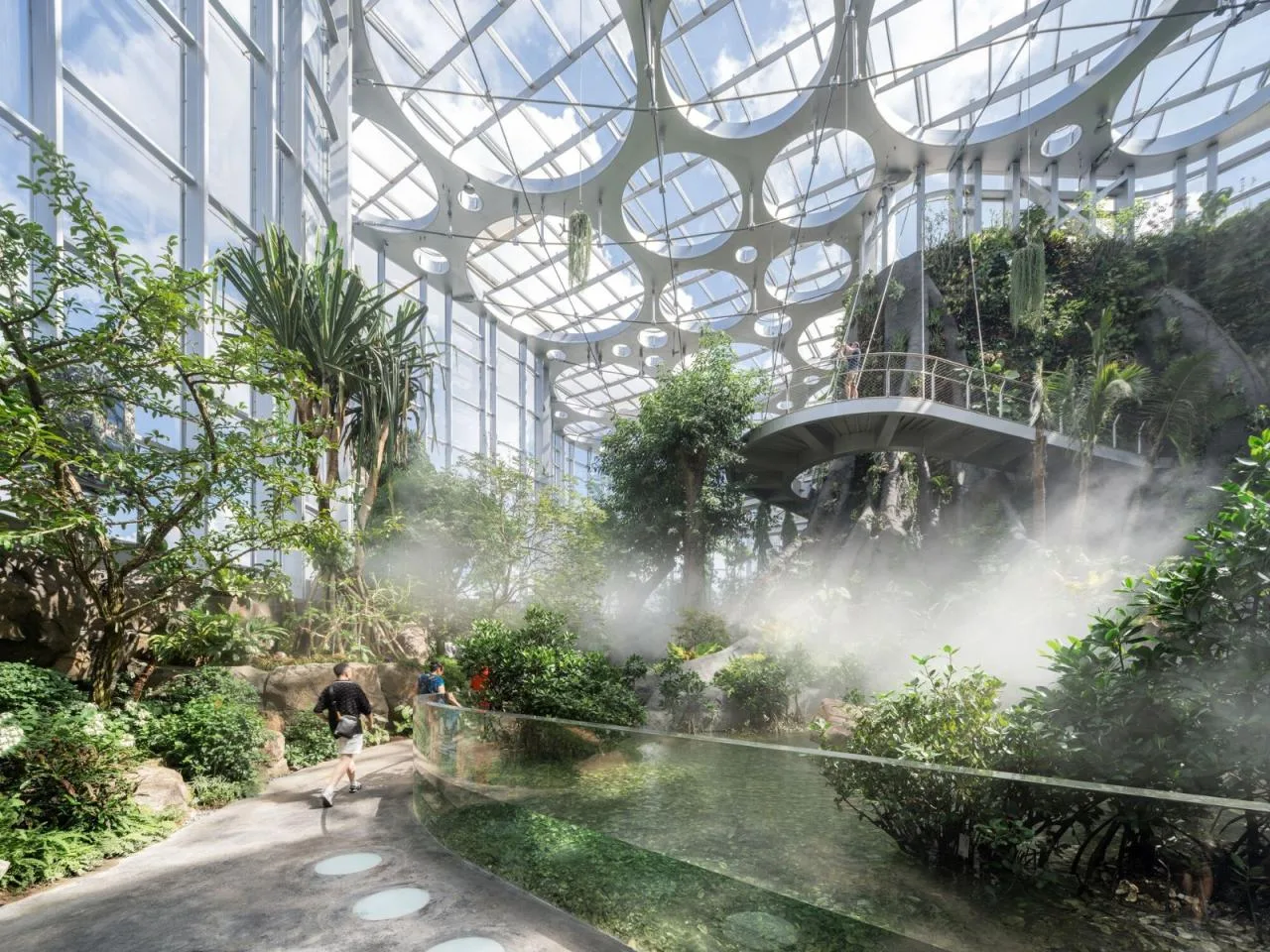
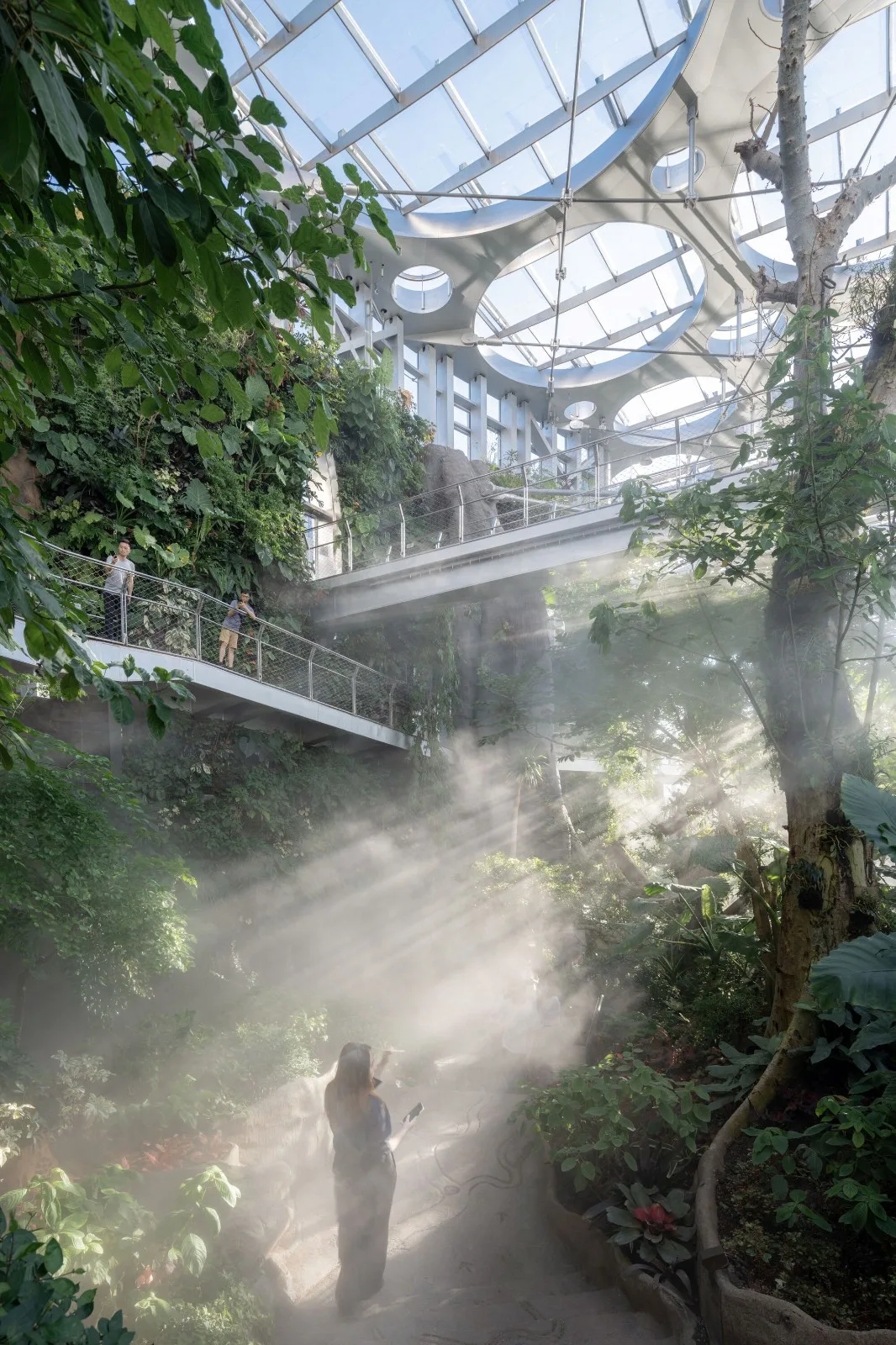
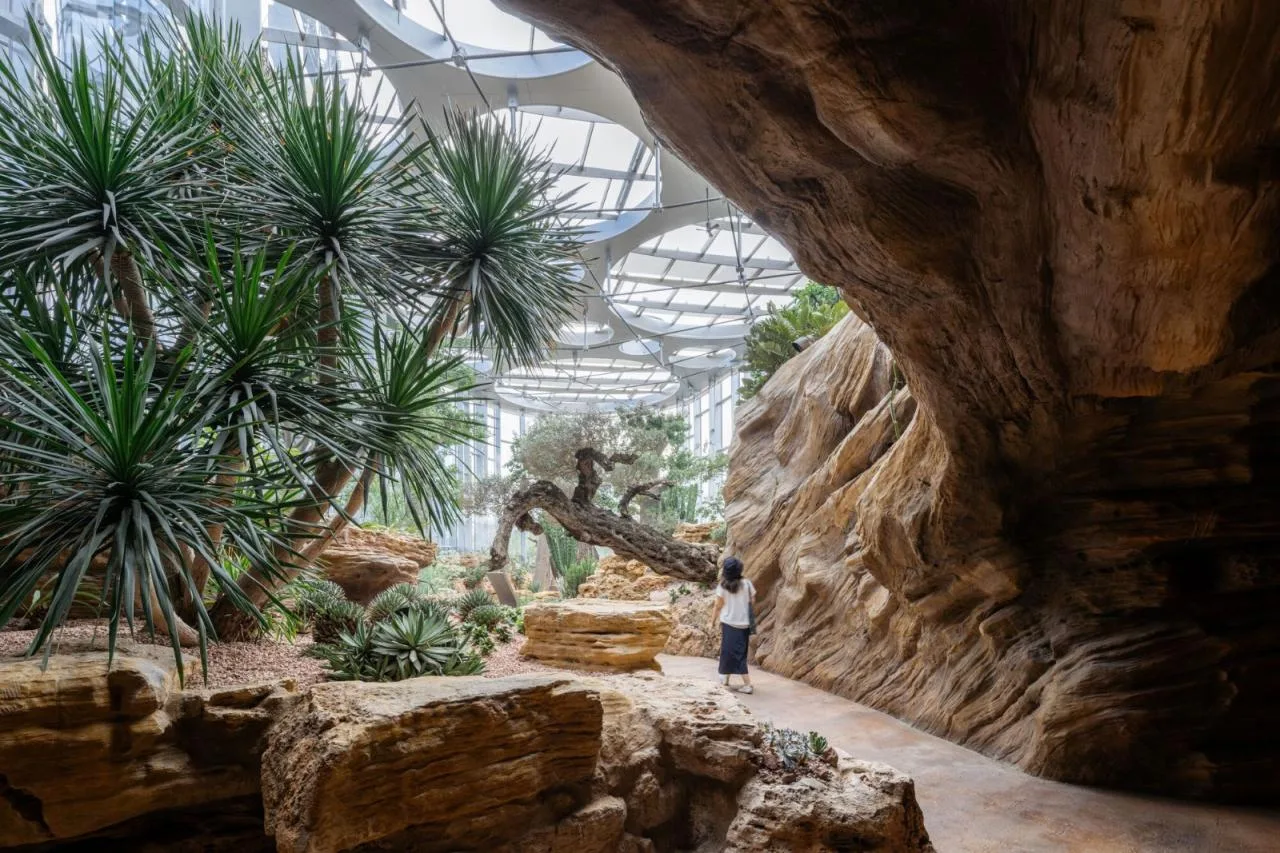
Visitors navigate a network of paths inside and around the greenhouse, designed to guide a deliberate spatial experience. Transparent low walls and stepped pathways shape the pace and movement, enhancing connections with various ecosystems. Drawing inspiration from the natural water cycle, differing water levels between the desert and tropical sections highlight concerns over water scarcity—a pressing issue in the era of climate change. The building’s flowing facade symbolizes the adaptive relationship between humans and nature, reinforcing the project’s visual and functional themes.
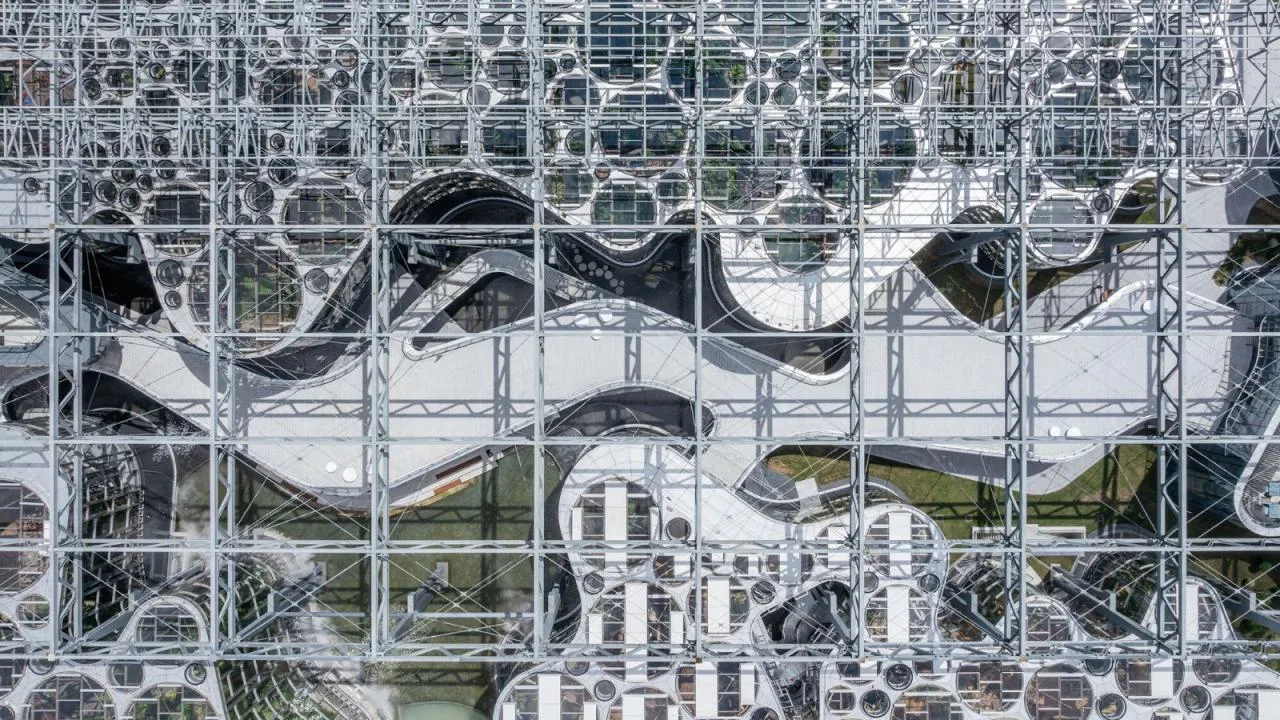
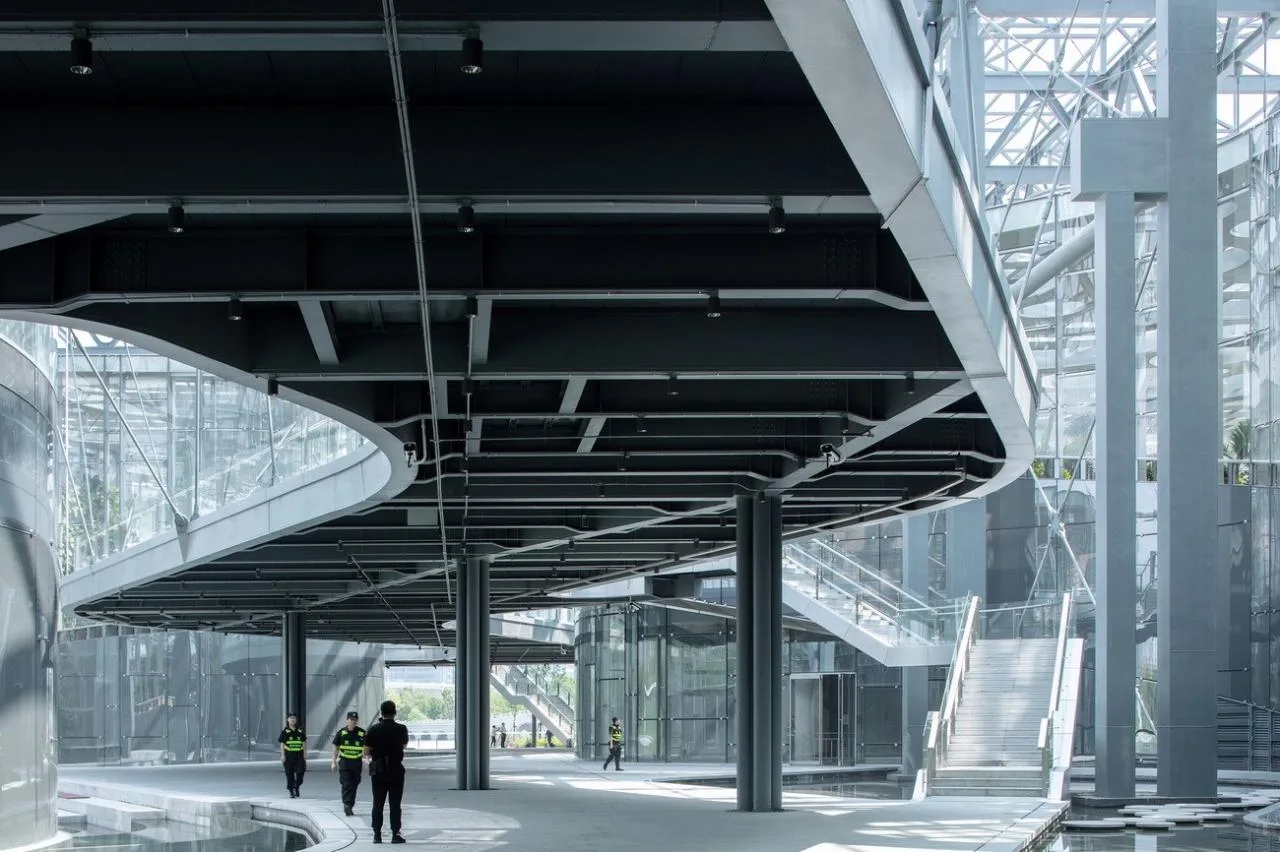
The variations in water levels between desert and tropical zones are based on natural conditions but also reflect a global political perspective on future water resource availability due to climate change. Thus, the building’s organic wave-like facade not only defines the internal spatial organization but also embodies a new adaptive relationship between humans and the environment.
Project Drawings
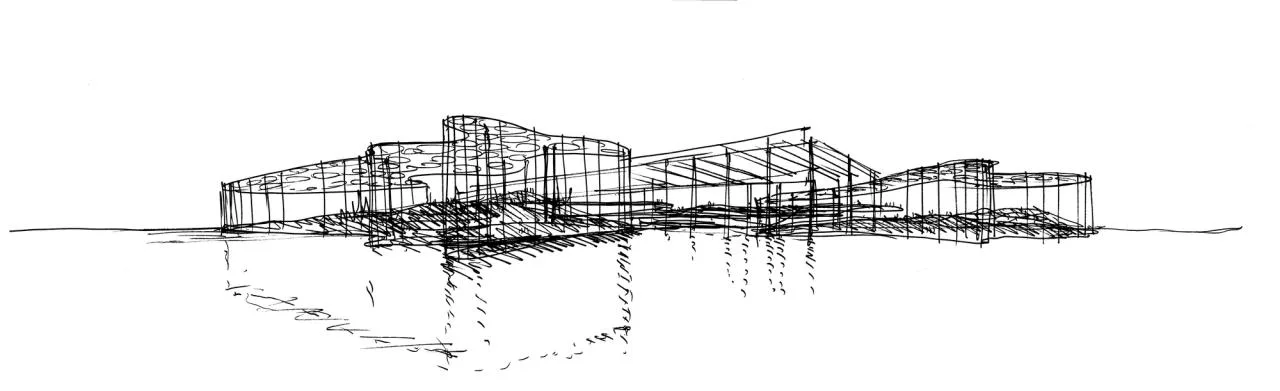
△ Hand-drawn sketch
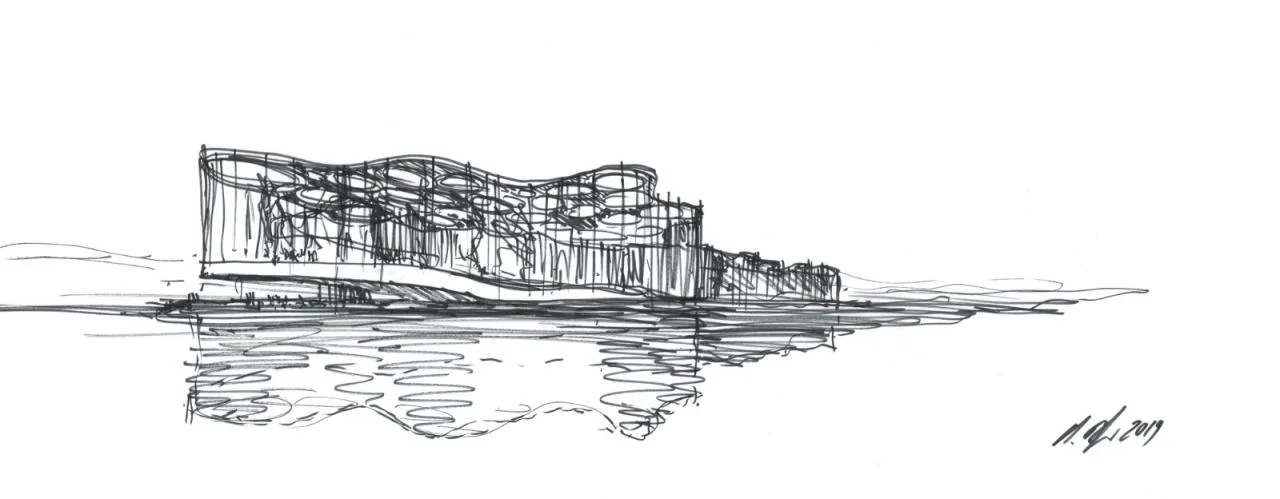
△ Hand-drawn sketch
Project Information
Architect: Delugan Meissl Associated Architects
Area: 47,000 m²
Year Completed: 2024
Photographer: CreatAR Images
Design Team: Delugan Meissl Associated Architects
Execution Plan: SIADR
Structural Engineer: Bollinger+Grohmann
Energy Design: Transsolar Energietechnik GmbH
Landscape Design: Yiju Ding
Location: Pudong New Area, Shanghai














Must log in before commenting!
Sign Up