
In 1924, Japanese architectural historian Sadamune Kano claimed that China lacked wooden architecture from the Tang Dynasty. However, in 1937, a team led by Liang Sicheng and Lin Huiyin from the Architectural Society discovered a Tang Dynasty relic in Shanxi Province: the Foguang Temple.
Since then, an increasing number of architectural relics from the Tang and Song dynasties have been unearthed in Shanxi. This has led to the saying, ‘For underground cultural relics, look to Shaanxi; for above-ground cultural relics, look to Shanxi.’

Lin Huiyin conducted a survey of the Foguang Temple site and recreated its layout using ComfyUI.
At the end of August this year, the release of Black Myth: Wukong reignited widespread interest in the classic tale of Journey to the West. The game’s rich traditional cultural atmosphere and architectural scenes infused with Eastern philosophy deeply impressed players worldwide.
Shanxi’s ancient architecture, which served as a significant source of inspiration for the game’s environments, has once again captured the attention of the online community.
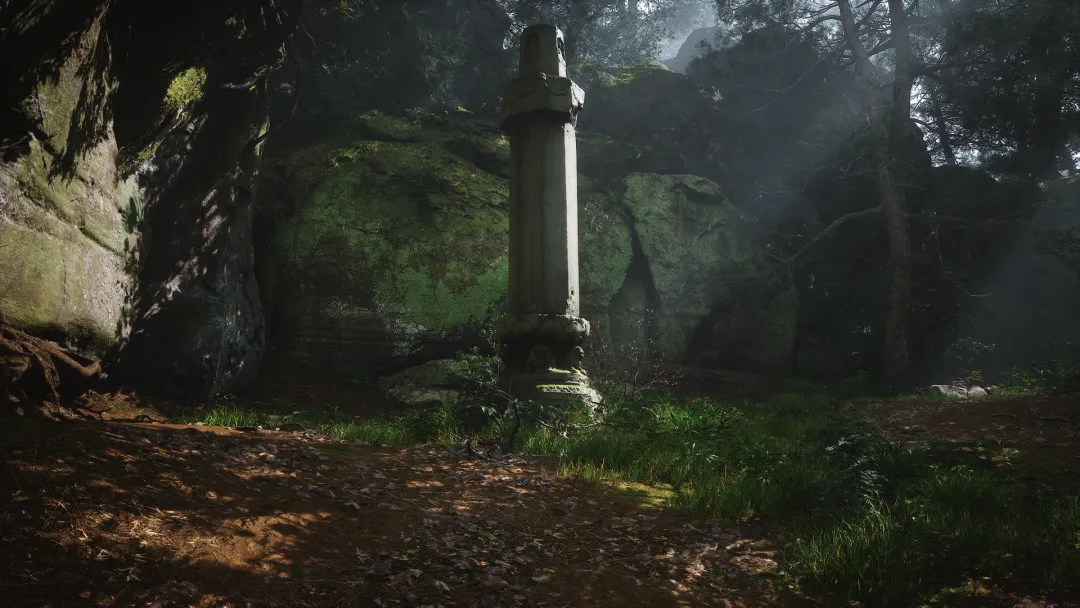
The Sutra of Foguang Temple featured in Black Myth: Wukong.
To deepen the exploration and appreciation of ancient architecture, the Architecture Academy is launching a study tour called “Mountain Journey to the West.” This program invites participants to experience the grandeur and exquisite details of Chinese ancient architecture through visits to authentic Tang and Song dynasty sites.
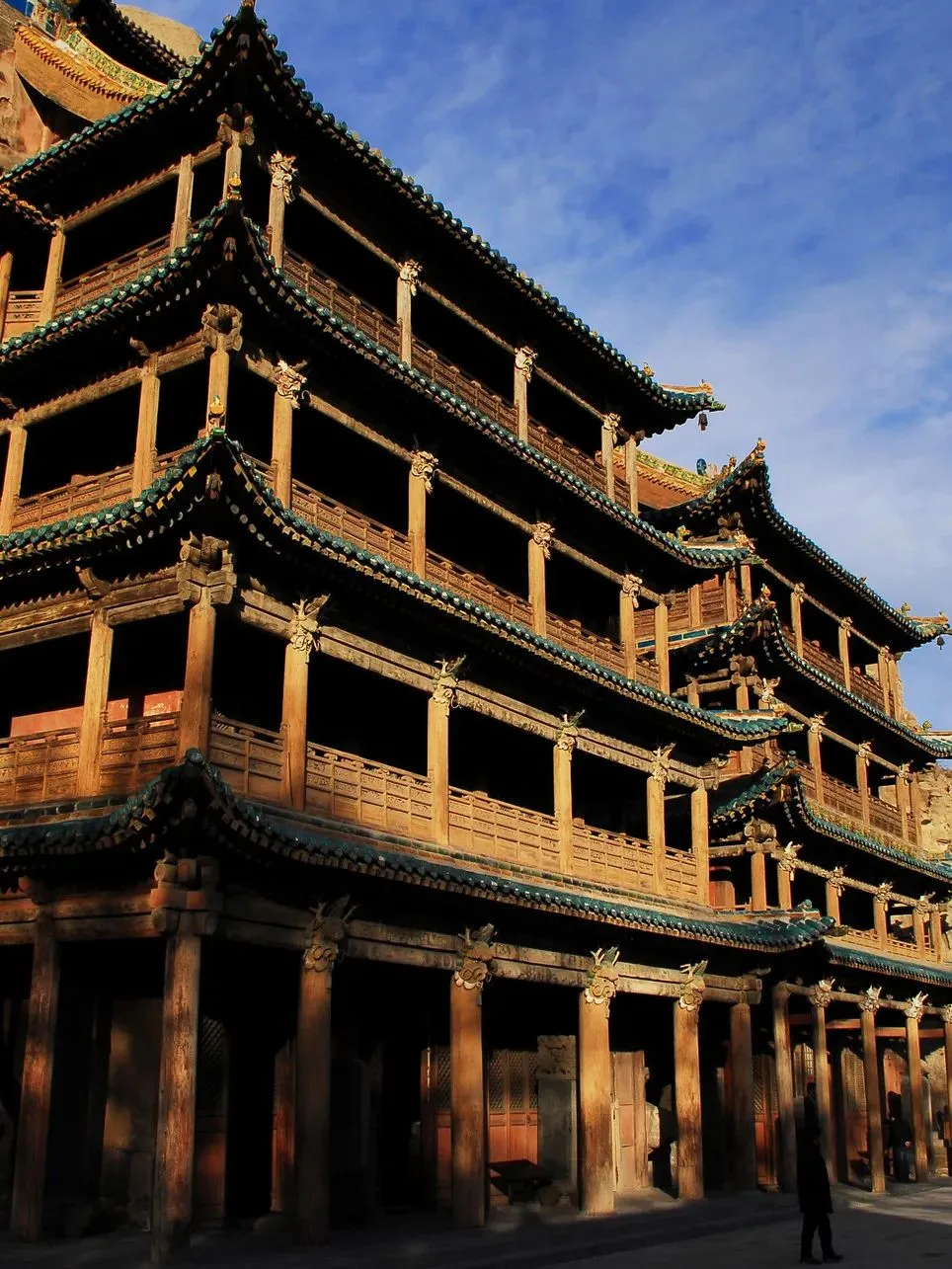
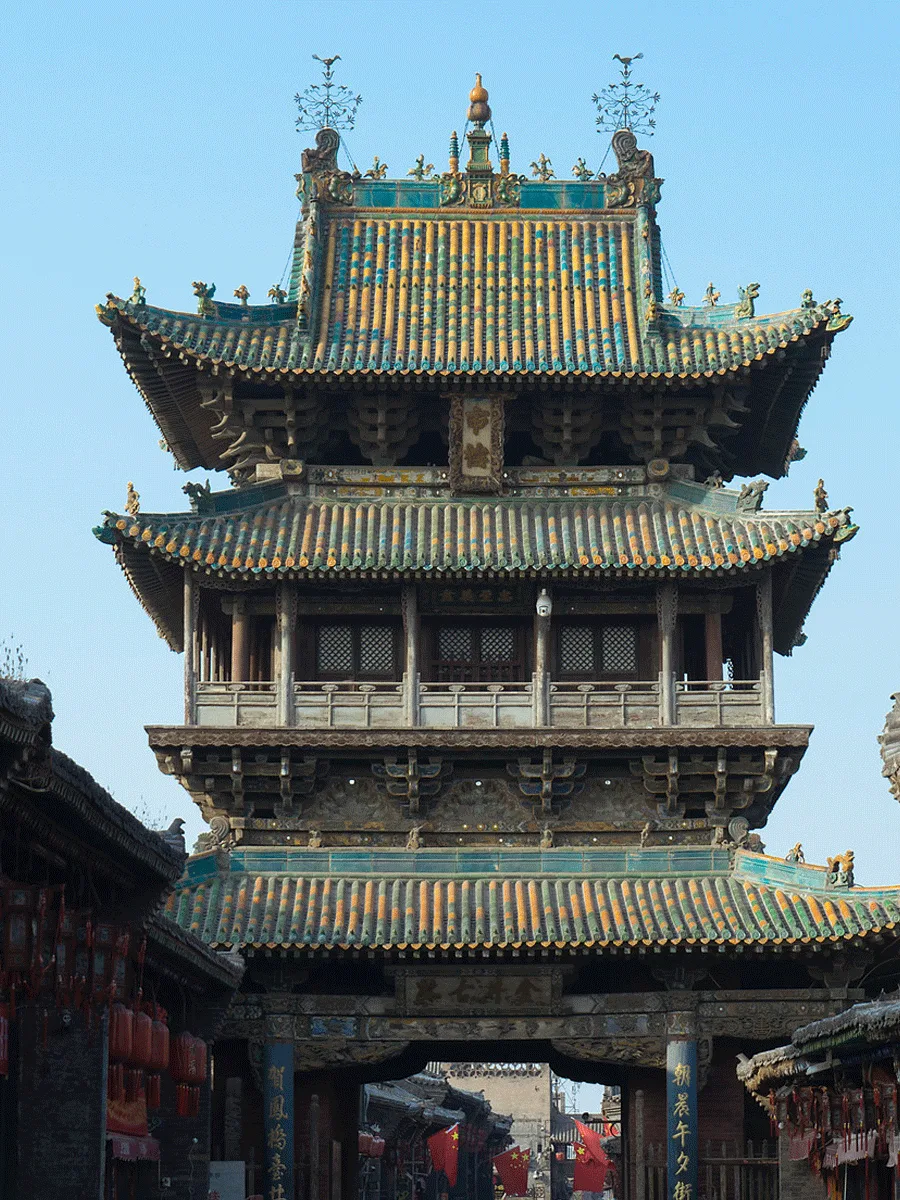
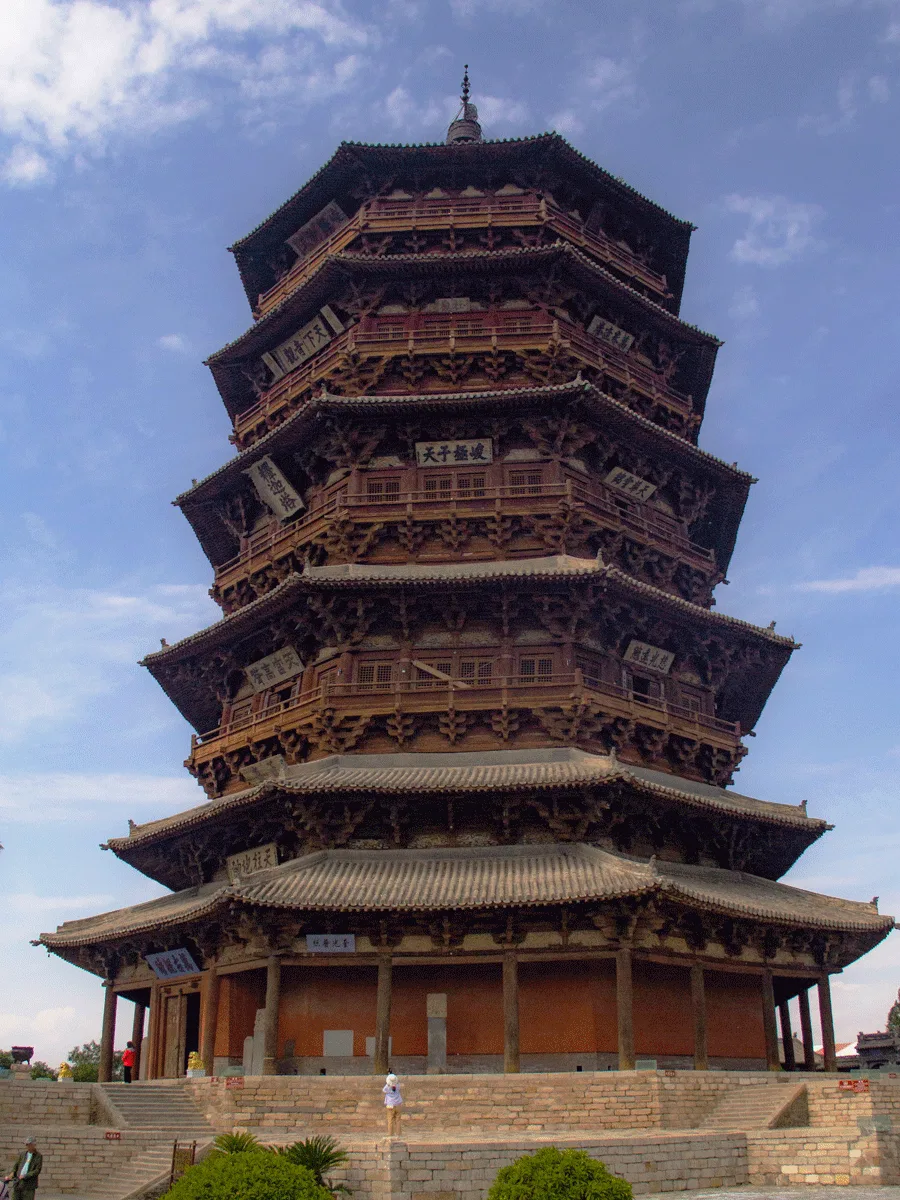
Partial architectural display (slide left and right)
The tour takes place across Shanxi Province, covering cities rich in traditional architecture such as Datong, Hunyuan, Shuozhou, Xinzhou, Taiyuan, and Pingyao.
What is the current condition of these historical treasures? Our itinerary focuses on how rapid urban development can coexist with traditional architecture, exploring ways to reshape spatial scale and strengthen place identity.
Each city’s visit combines traditional structures, neighborhood renovations, and modern architectural practices, offering a comprehensive and objective understanding of architectural styles and spatial scales from different eras within various urban contexts. These insights are compared and analyzed throughout the continuous inspection journey.

–
- Over four days, more than 11 well-preserved traditional buildings in Shanxi will be showcased, highlighting classic examples of official architecture and immersing visitors in the rich cultural atmosphere of traditional Chinese heritage;
- Experience Wukong’s epic journey in Black Myth, bridging virtual projection with reality and gaining insight into the aesthetics of traditional Chinese architecture;
- Explore ancient cities over two millennia old: Datong Ancient City and Pingyao Ancient City, witnessing the changes and resilience of these historic urban centers;
- Discover architectural projects by internationally renowned firm Foster+Partners and prominent Chinese firm Zhixiang Architecture in Shanxi, understanding their perspectives on reviving architectural culture in this traditional land;
- Investigate renewal practices and public cultural buildings in typical traditional neighborhoods of Shanxi Province, blending avant-garde and topical elements;
- Enjoy the unique local cuisine of Shanxi, a region famed for its noodles, and experience the traditions of its ancient merchant culture;
- Includes one to two in-depth academic lectures and seminars;
- A team from a well-known domestic architectural design institute will provide comprehensive explanations throughout the tour.

–
Yungang Grottoes
Datong
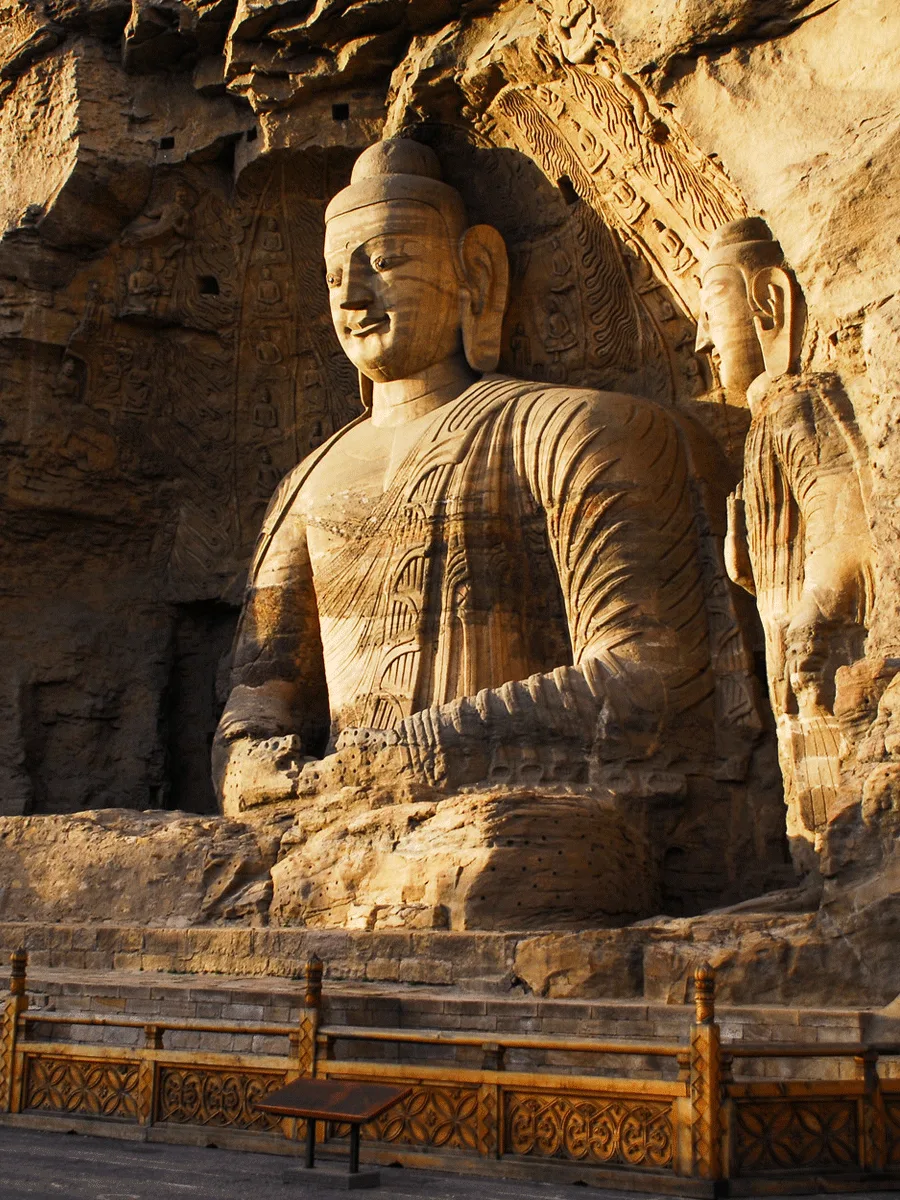
The Yungang Grottoes are a vital repository of Buddhist art from the Northern Wei Dynasty, located at the southern foot of Wuzhou Mountain near Datong. Stretching about one kilometer from east to west, the grottoes are divided into east, middle, and west zones. Their carvings and architectural style blend Indian Buddhism, Chinese art, and Confucianism. The sculptures and interiors evolve from early natural simplicity to later elaborate and exquisite designs.
Datong Ancient City
Datong
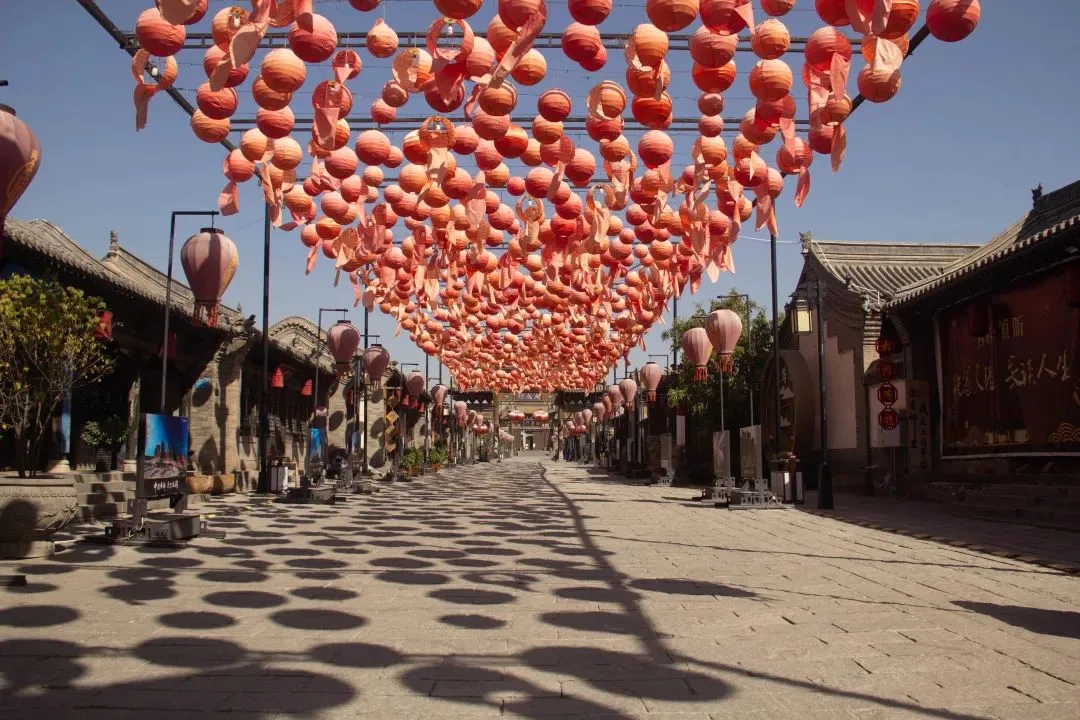
Datong Ancient City traces back to the Northern Wei Dynasty, originally named “Pingcheng.” It later served as an auxiliary capital during the Liao, Jin, and Yuan dynasties, earning the reputation of “three generations of Jinghua and two dynasties’ important town.” The existing city wall was constructed in the fifth year of the Hongwu reign (Ming Dynasty). It features 54 watchtowers, 96 huts, and corner towers at the four corners. Historical buildings preserved within include Huayan Temple and Shanhua Temple from the Liao Dynasty, Guandi Temple and Fahua Temple Pagoda from the Yuan Dynasty, and Jiulong Liuli Zhaobi, Fuwen Temple, and the Drum Tower from the Ming Dynasty.
Huayan Temple
Datong
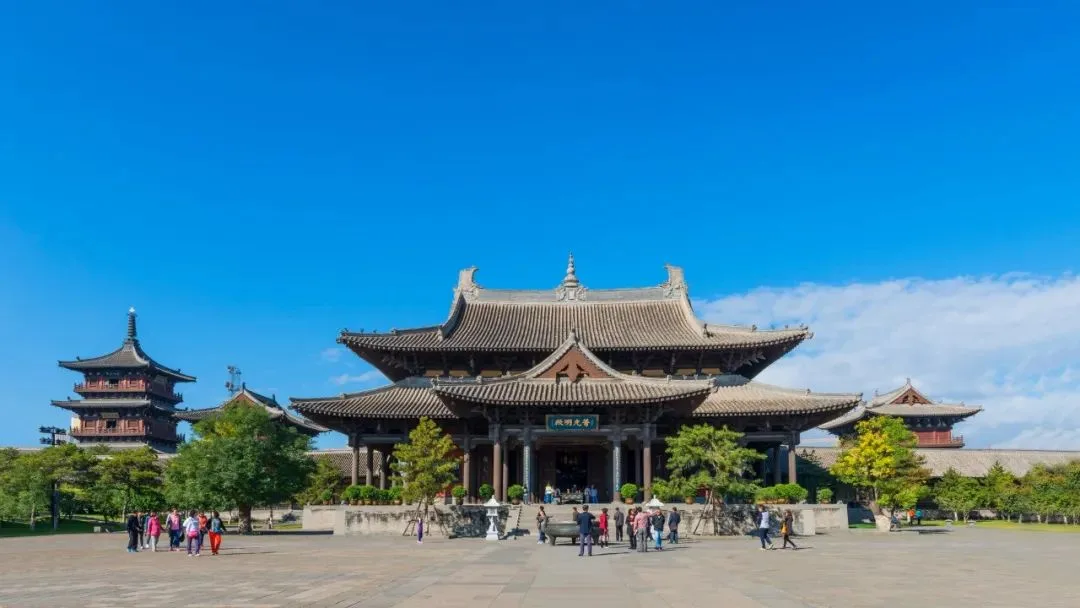
Huayan Temple is an early and well-preserved temple complex from the Liao and Jin dynasties, named after the Buddhist classic “Huayan Sutra.” It features the characteristics of a royal temple from the Liao Dynasty. The overall architectural style inherits the simple, profound, and majestic style of the Tang Dynasty, representing an excellent legacy of Liao Dynasty palace architecture in China.
Shanhua Temple
Datong
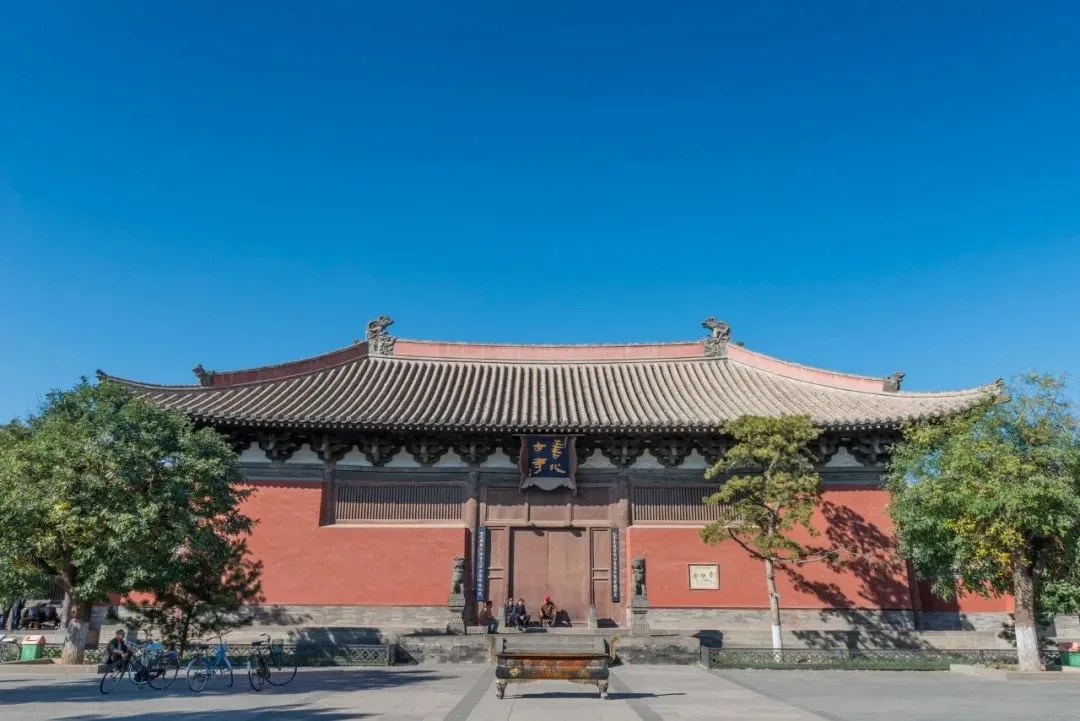
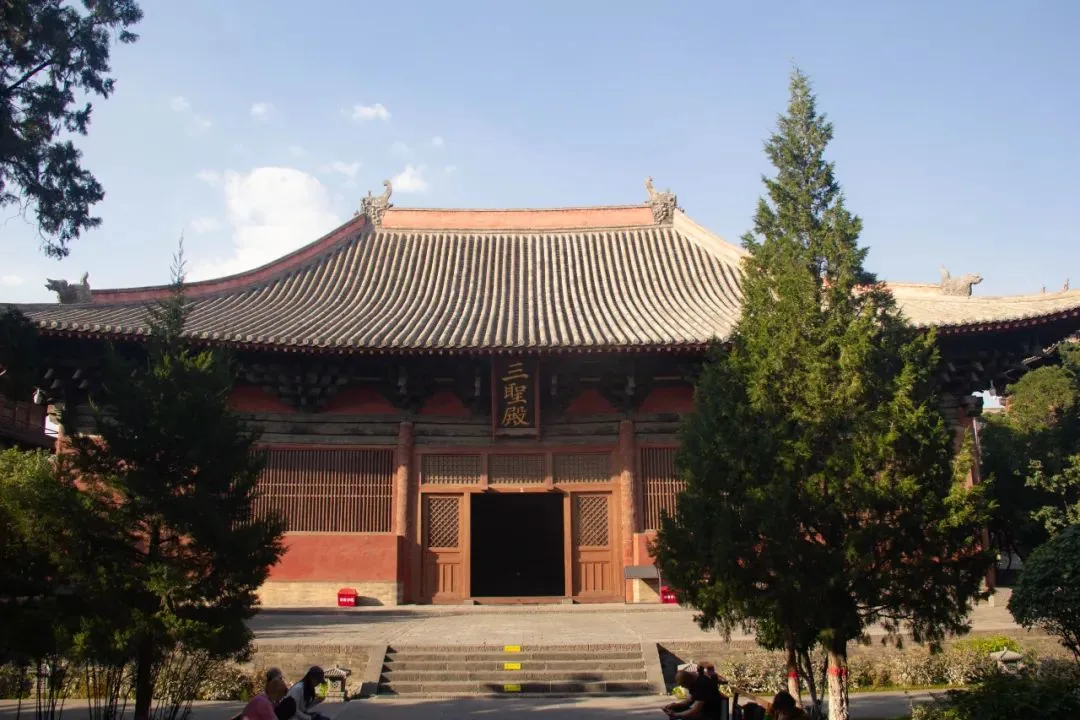
Shanhua Temple is one of the largest and most intact buildings surviving from the Liao and Jin dynasties. Its architecture, sculptures, inscriptions, and murals exhibit both the era’s characteristics and the influence of Tang Dynasty style. Its caisson ceiling differs from the commonly used Douba caisson of the time, featuring a three-layer wooden arch. At its center is a vividly colored image of two dragons playing with a pearl.
Nine-Dragon Wall
Datong
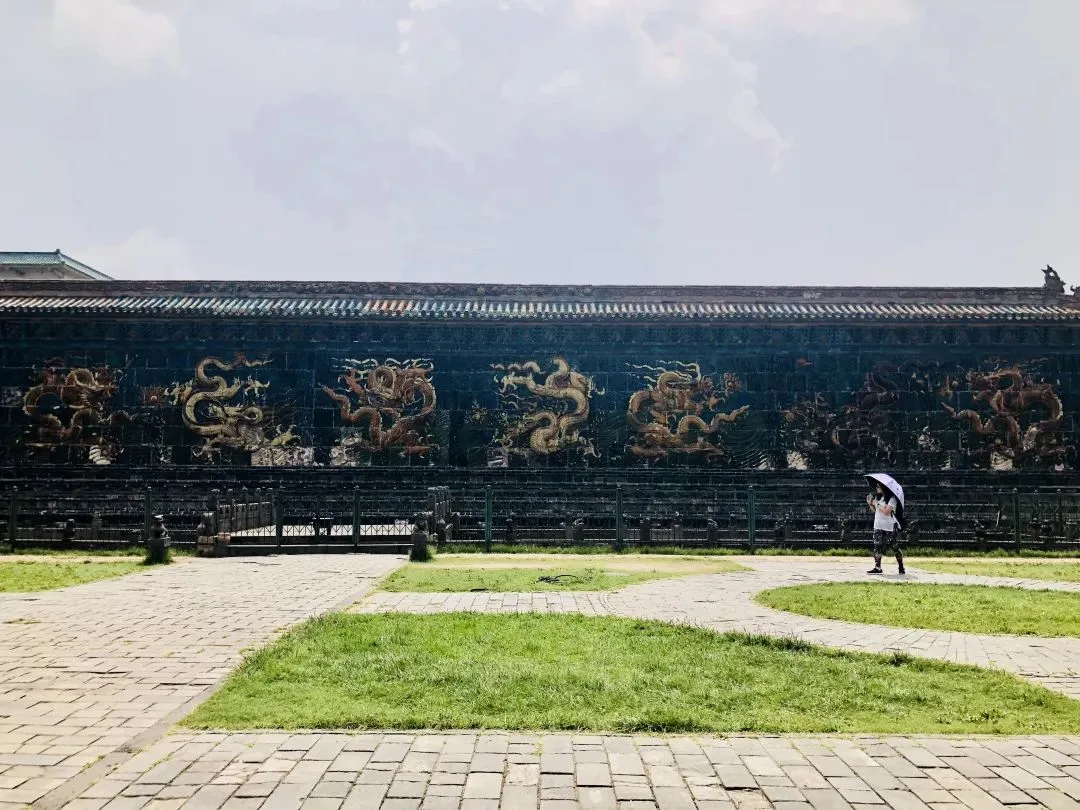
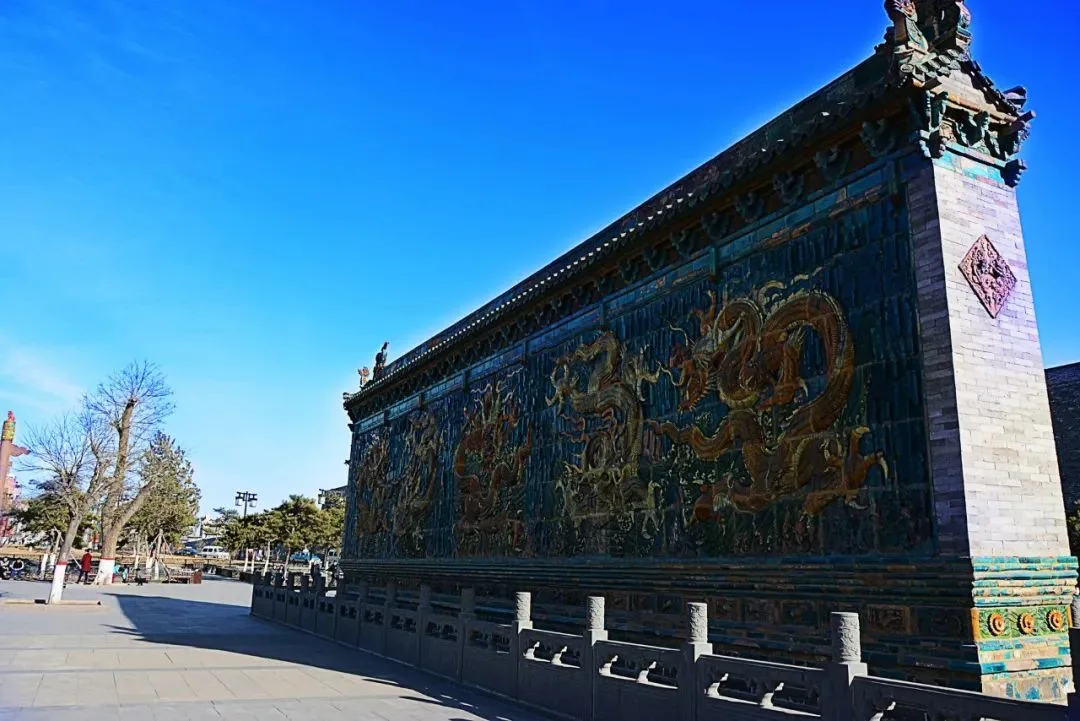
The Datong Nine-Dragon Wall is the largest existing Nine-Dragon Wall in China. It served as a glazed screen wall in front of the Ming Dynasty Zhu Guidai Wang Mansion. The wall is composed of 426 colorful glazed tiles, depicting nine giant dragons amidst swirling clouds and waves with vibrant colors and lifelike detail.
Datong Art Museum
Architect: Foster+Partners
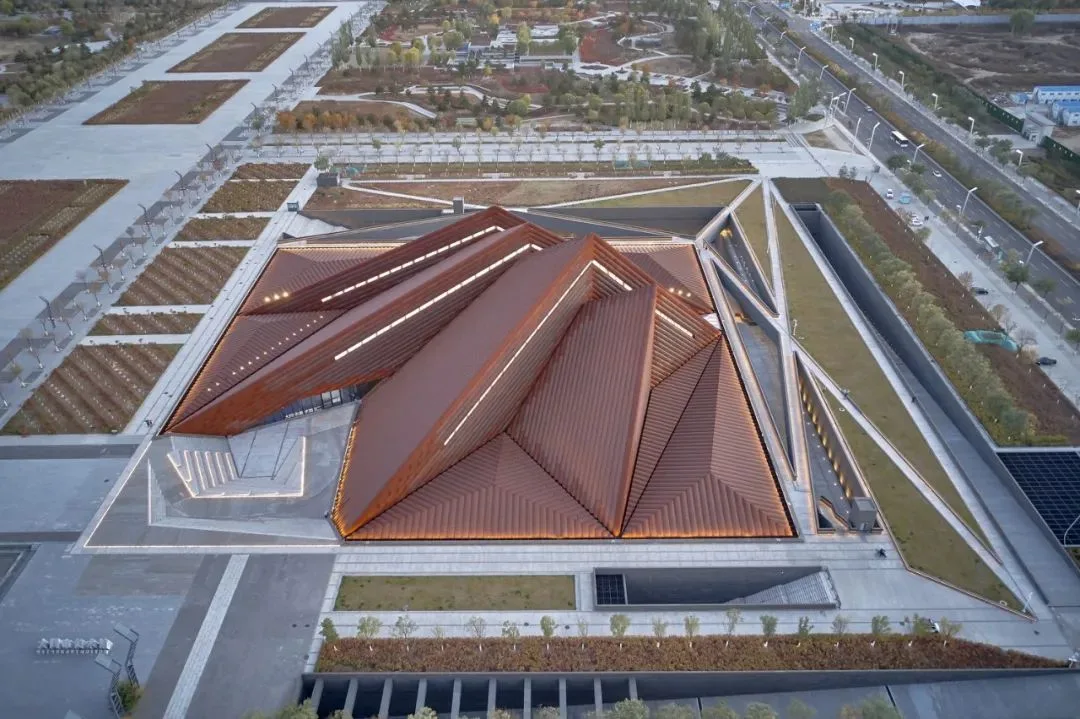
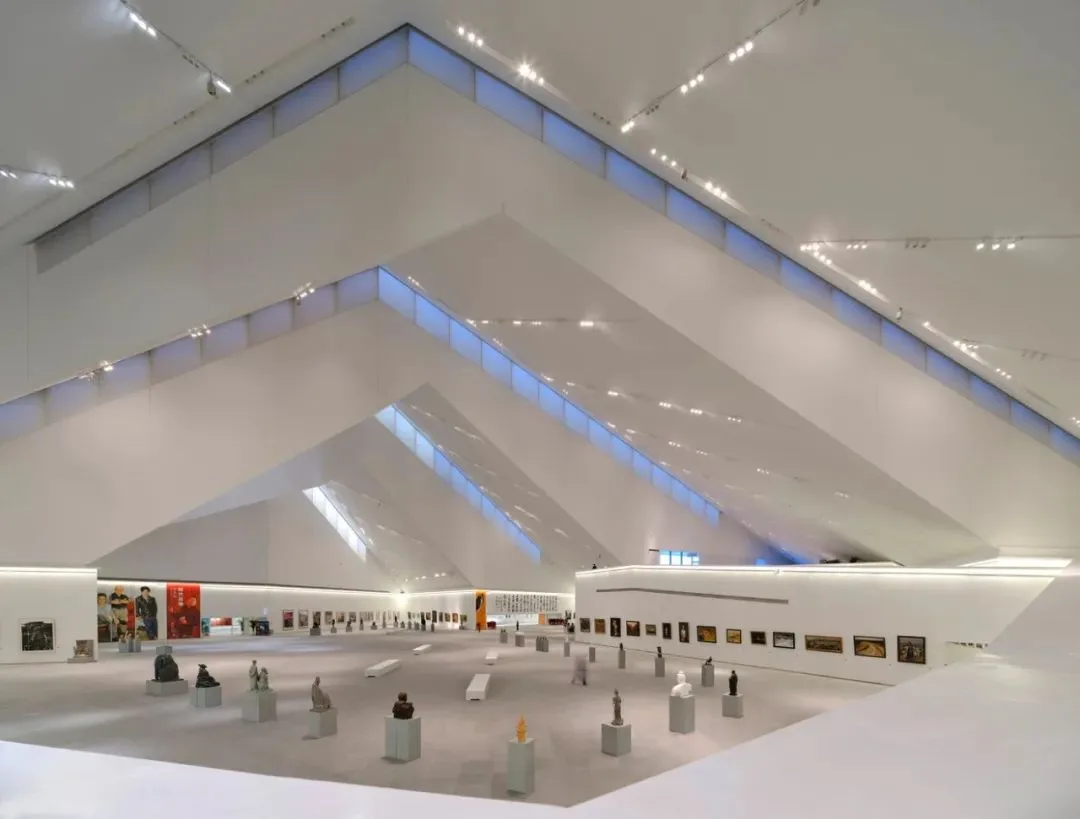
The Datong Art Museum, co-designed by Foster+Partners and the China Academy of Architectural Design, features a distinctive pyramid layout formed by four interlinked triangular cone-shaped structures. The design aims to establish the museum as Datong’s “urban living room,” fostering interaction among visitors, art, and artists.
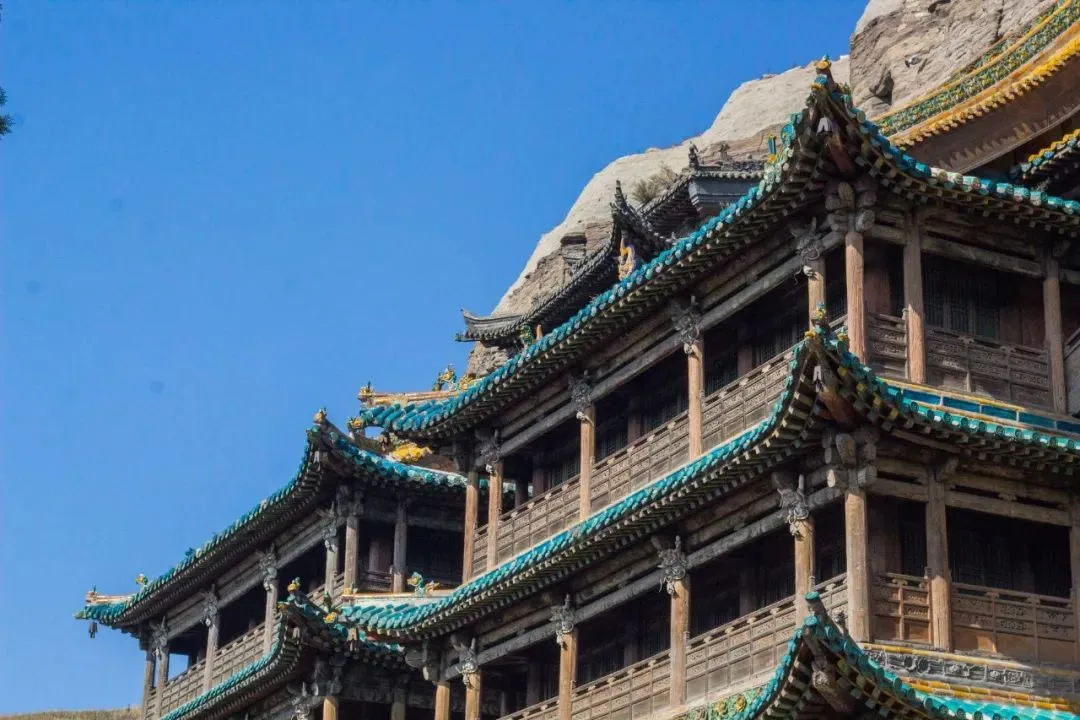
Hanging Temple
Datong
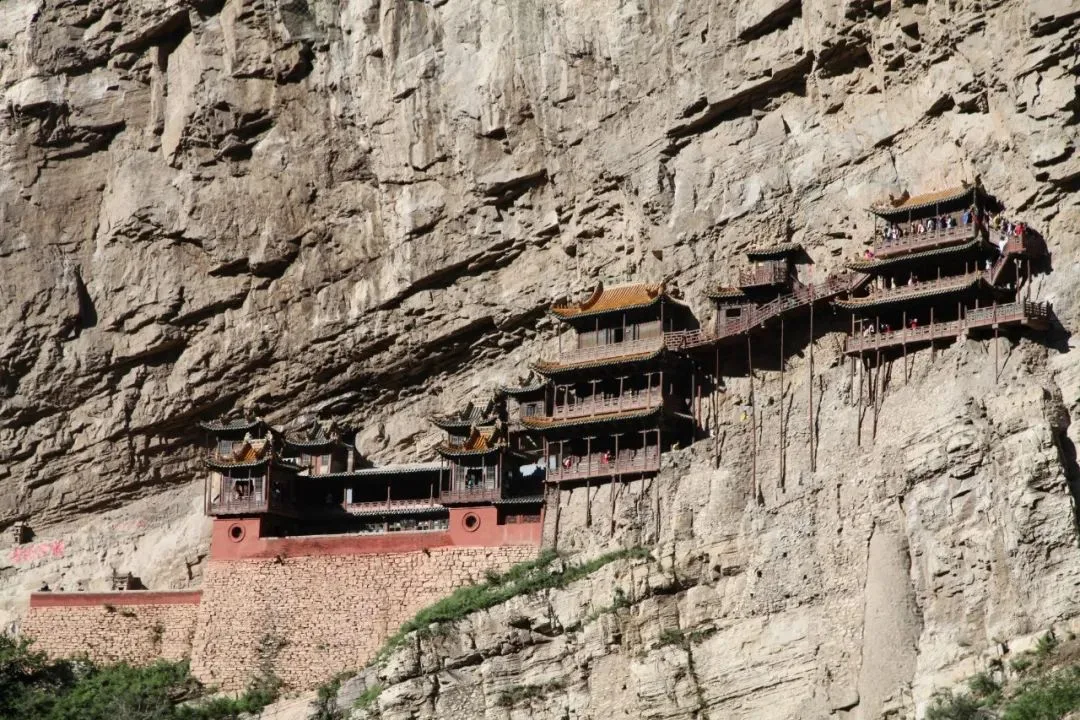
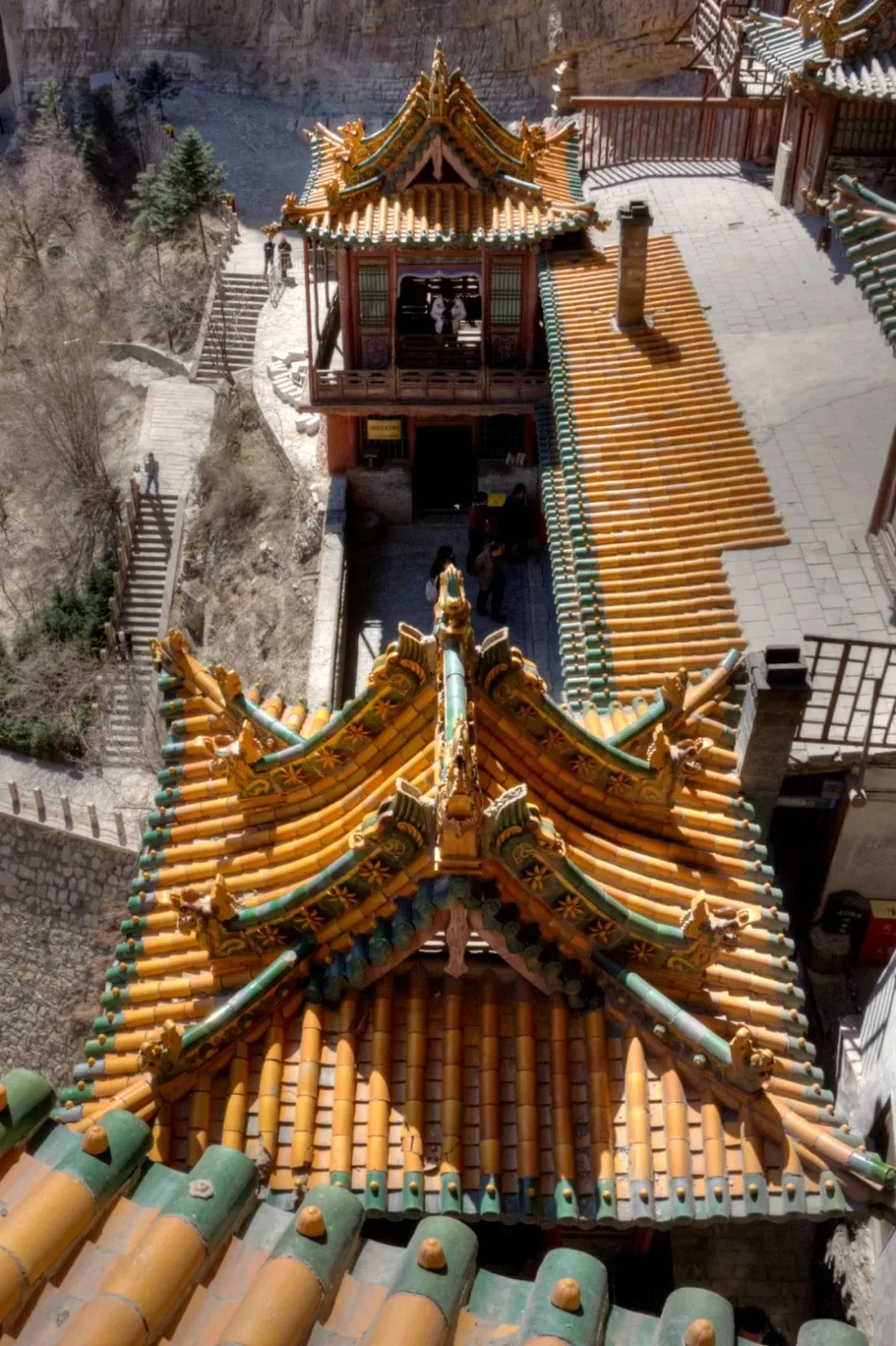
The Hanging Temple, known as Xuankong Temple, combines Taoist, Buddhist, and Confucian elements, uniquely uniting the three religions in one structure. Situated on a western cliff of Jinlongkou at Hengshan Mountain’s foot, 5 kilometers south of Hunyuan County, Shanxi, it has a tower-like appearance. The Tang Dynasty poet Li Bai once visited and inscribed the word “spectacular” on its cliffs. Most current buildings date back to the Ming and Qing dynasties.
Yingxian Wooden Pagoda
Shuozhou
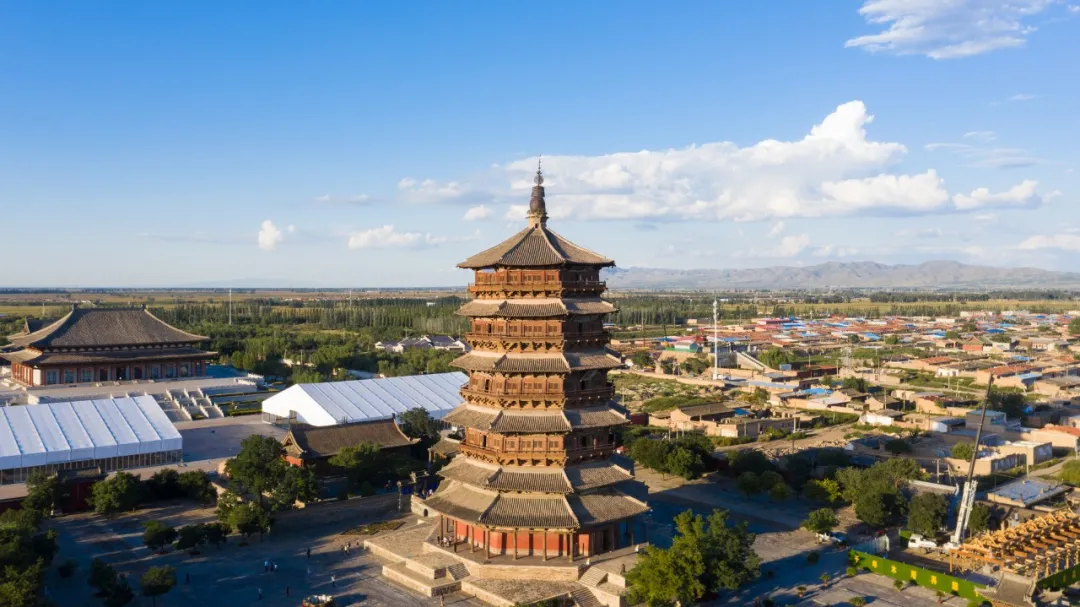
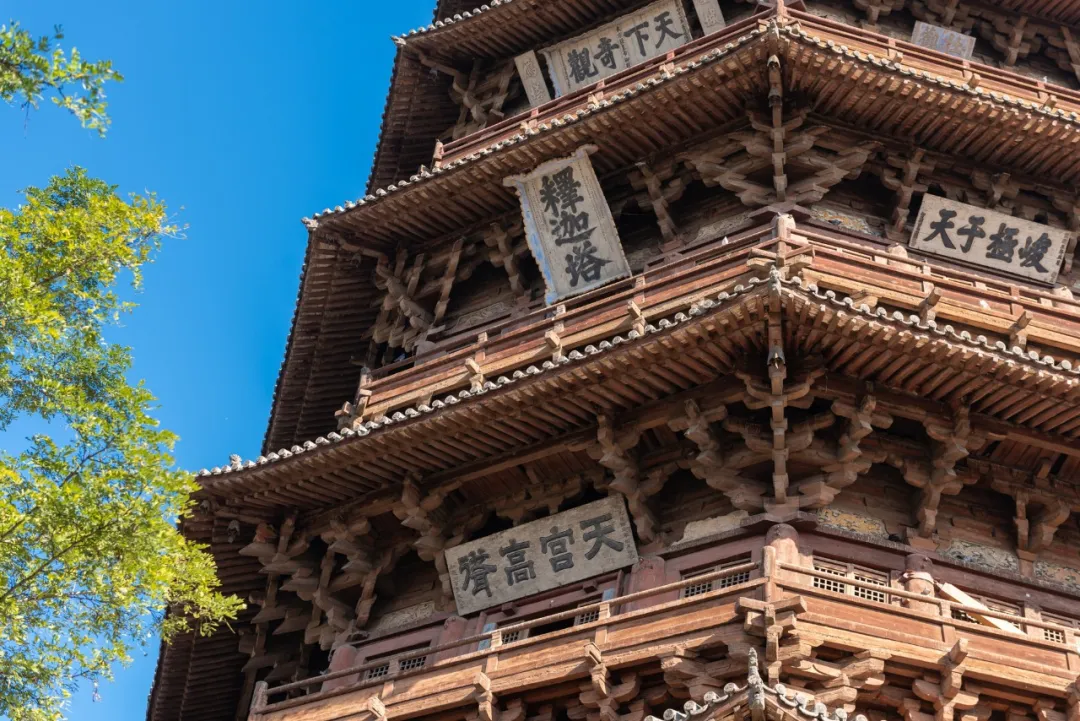
The Yingxian Wooden Pagoda, also known as the Buddha Temple Shakyamuni Pagoda, is the oldest and tallest surviving pure wooden tower in the world. Its double-layered sleeve structure greatly enhances its stiffness, enabling it to withstand multiple strong earthquakes over nearly a millennium. The tower incorporates 54 types of wooden brackets, each with unique combinations that strengthen stability and add to its intricate beauty.
Foguang Temple
Xinzhou
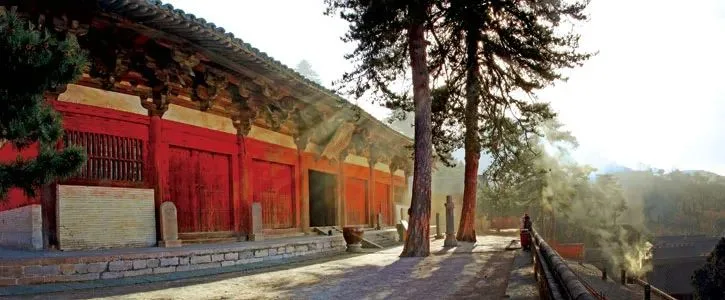
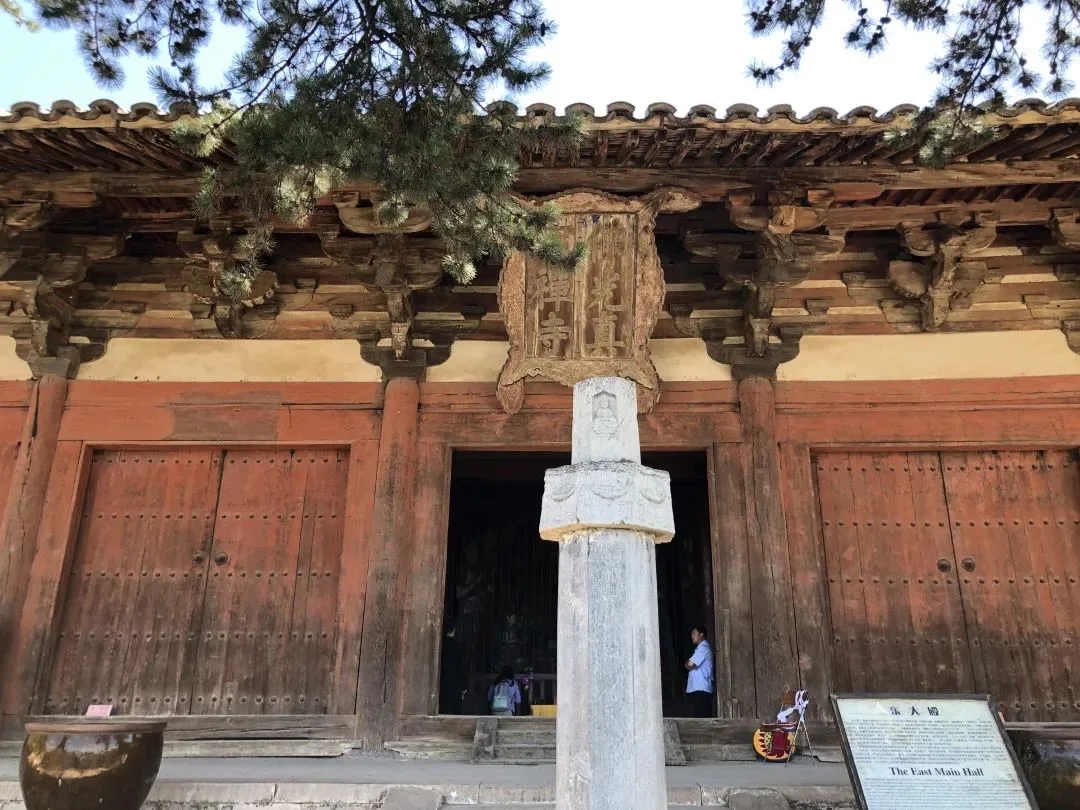
Located on the slopes of Foguang Mountain in Wutai County, Shanxi, Foguang Temple is a prime example of Tang Dynasty wooden architecture. The temple’s buildings are arranged on three tiers of high platforms against steep cliffs. The complex includes the Heavenly King Hall, Galan Hall, Wenshu Hall, Fragrant Wind and Flower Rain Tower, Dongda Hall, Wanshan Hall, Guandi Hall, and Ancestral Teacher Tower. Two important Tang Dynasty sutras are preserved here. Over 80 years ago, Lin Huiyin identified the temple’s construction date as the Tang Dynasty, based on roof inscriptions and a “Dazhong Eleven Years” inscription on the sutras.
Nanchan Temple
Xinzhou
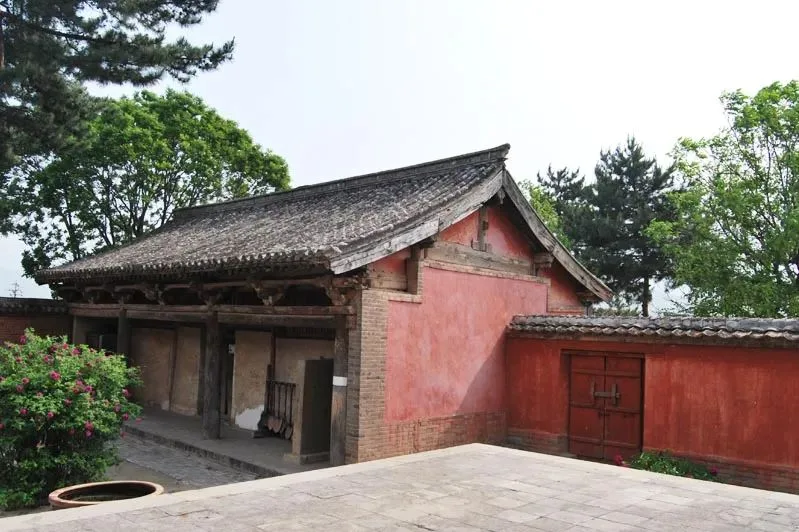
Nanchan Temple is among the oldest surviving temples in China, featuring the earliest extant Tang Dynasty wooden structure. The main hall employs a four-rafter framework without ceilings or interior columns and rests on twelve supporting eaves columns, resulting in a simple yet stable appearance. The hall once housed many Tang Dynasty polychrome sculptures of national treasure status, some of which were stolen in 2000 and remain missing.
Ancient City of Pingyao
Jinzhong
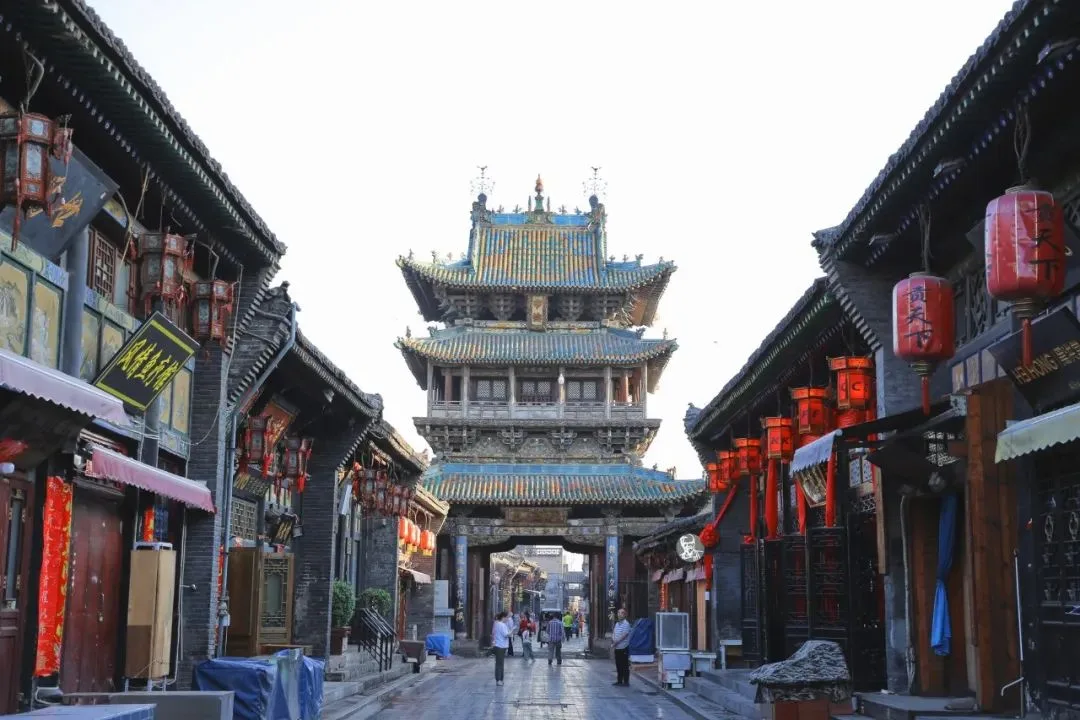
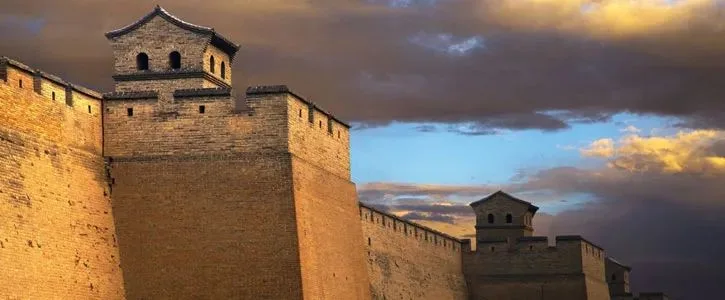
Pingyao Ancient City is celebrated as one of the “four best preserved ancient cities” in China. It preserves over 300 cultural relics and nearly 4,000 traditional buildings, showcasing the typical style of Ming and Qing dynasty county towns. The city’s street layout follows a clear grid of longitude and latitude lines, with numerous shops and storefronts. Residential areas are arranged in orderly rows of courtyards, reflecting the feudal social hierarchy and ethical principles of the time.
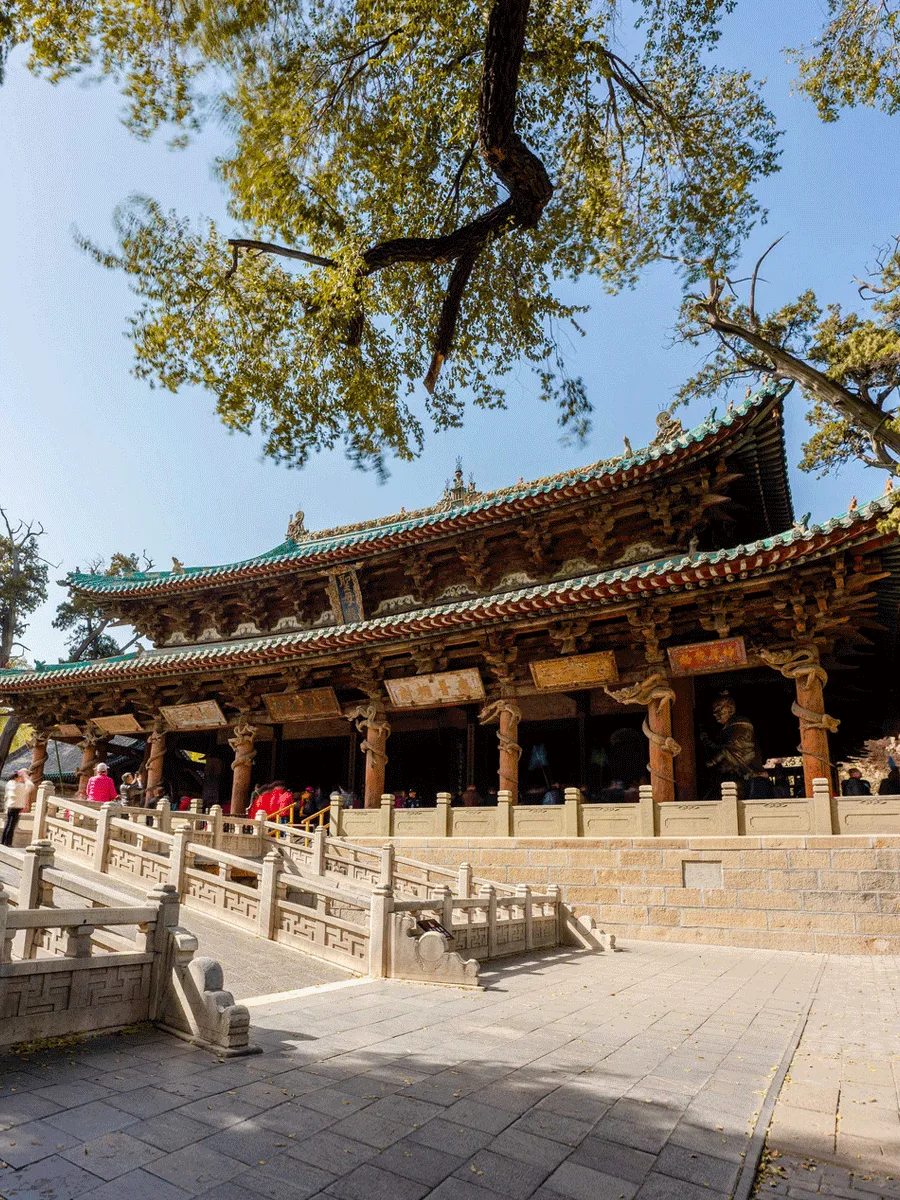
Jin Temple
Taiyuan
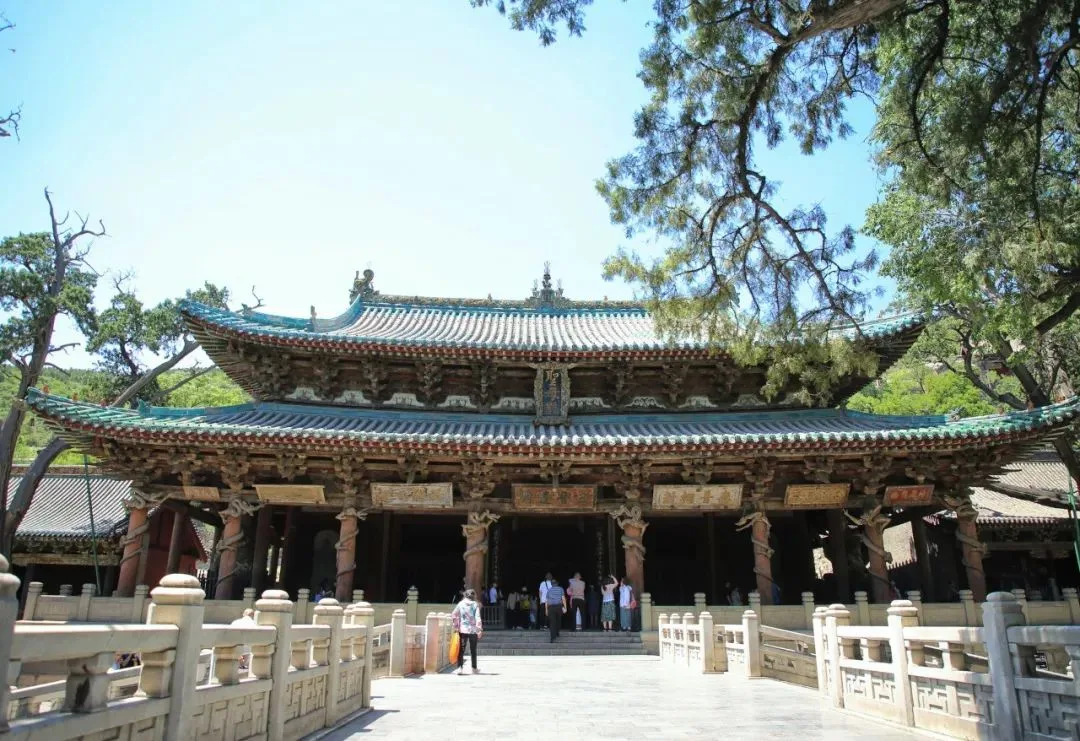
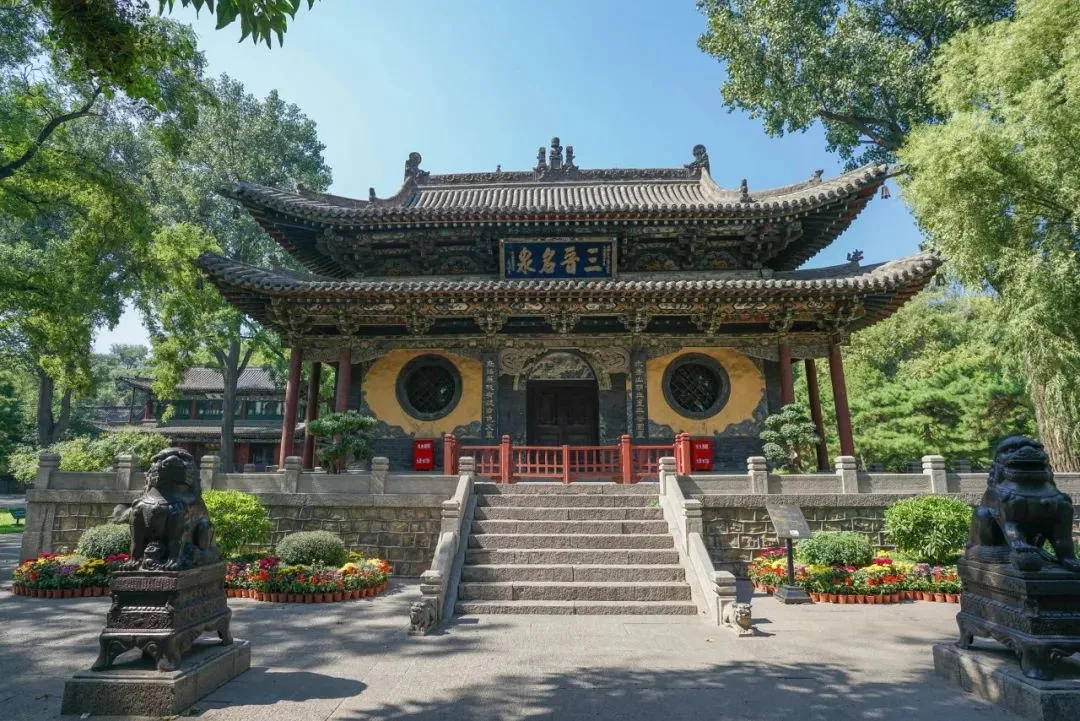
Jinci, formerly Jinwang Temple, was a shrine dedicated to Tang Shuyu and his mother, founders of the Jin state. It is a royal sacrificial garden with a rich history and an outstanding example of ancient Chinese architectural craftsmanship. Highlights include 42 statues of palace maids and the “fish and swamp flying beams” in the Hall of Our Lady, classic works of Song Dynasty architecture. The painted sculptures, natural springs, and maidservants in the Holy Mother Hall are collectively known as the “Three Wonders of Jinci.”
Changjiang Art Museum
Architect: Vertical Architecture
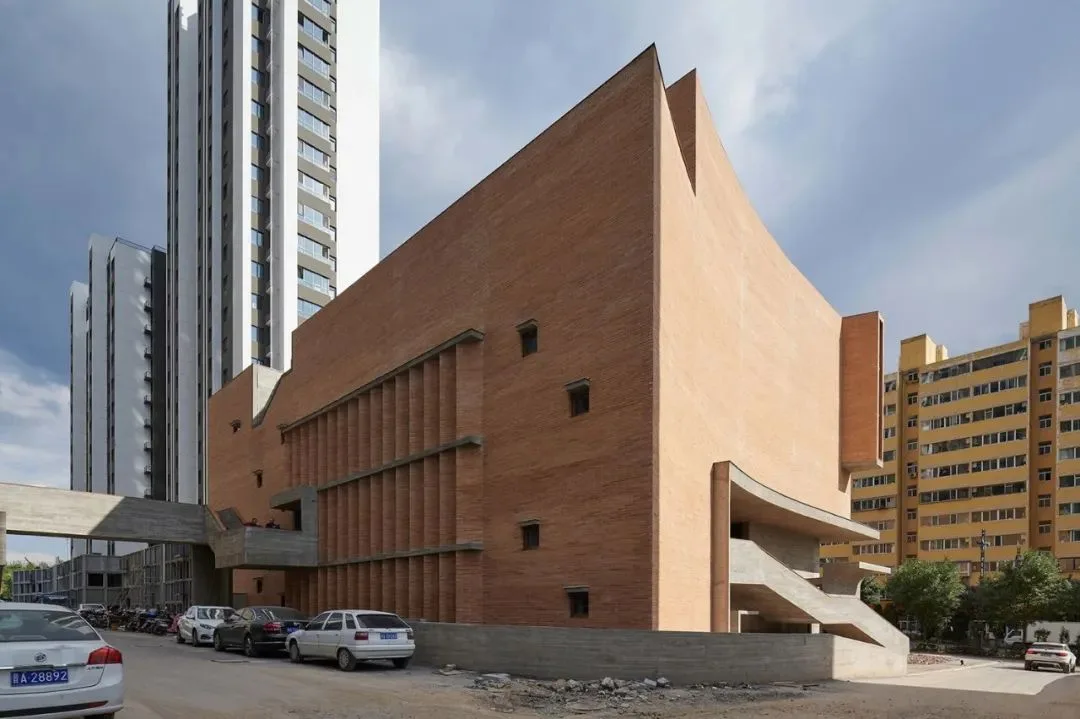
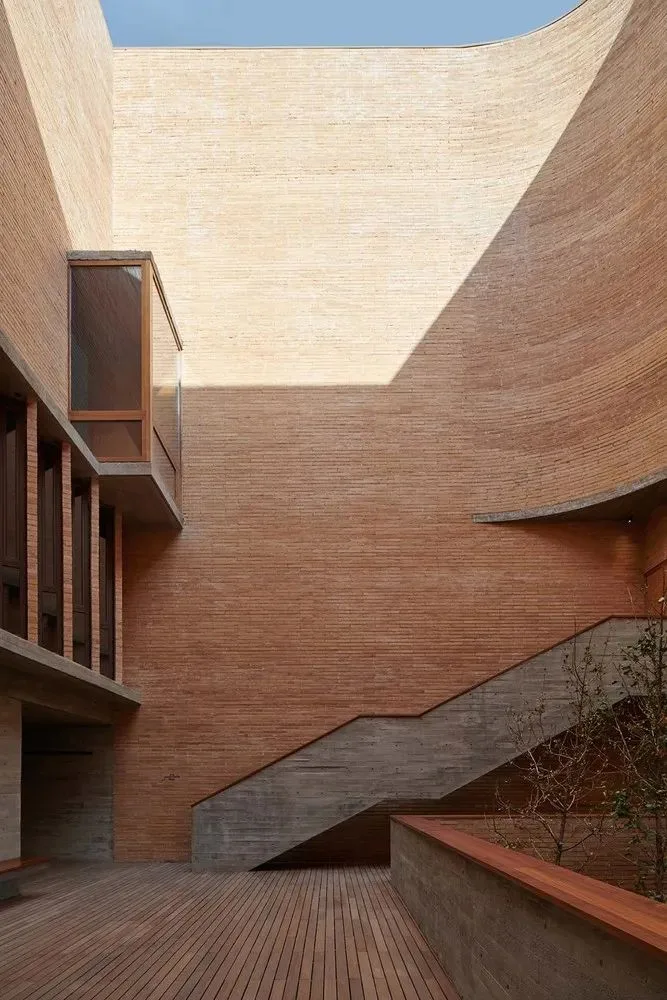
The Changjiang Art Museum is located in Changjiang Village, Taiyuan City. Designed by Zhixiang Architectural Firm, the building pays tribute to the historical memory of Changjiang Village and serves as a new cultural space for the community. Constructed with materials like red bricks, wood, and cement, it reflects a harmonious blend of past and present, rural and urban influences.
–
Accommodation
Local cuisine in Shanxi
Learning comes first, entertainment second. After a day of study and exploration, participants gather to enjoy authentic local cuisine together.
Gaming and Entertainment
The seminars include fruits and melon seeds, followed by group board games. The Architecture Academy’s leaders, Crazy Demons and Spark Children’s Shoes, bring novel games to add fun and laughter to the journey.
–
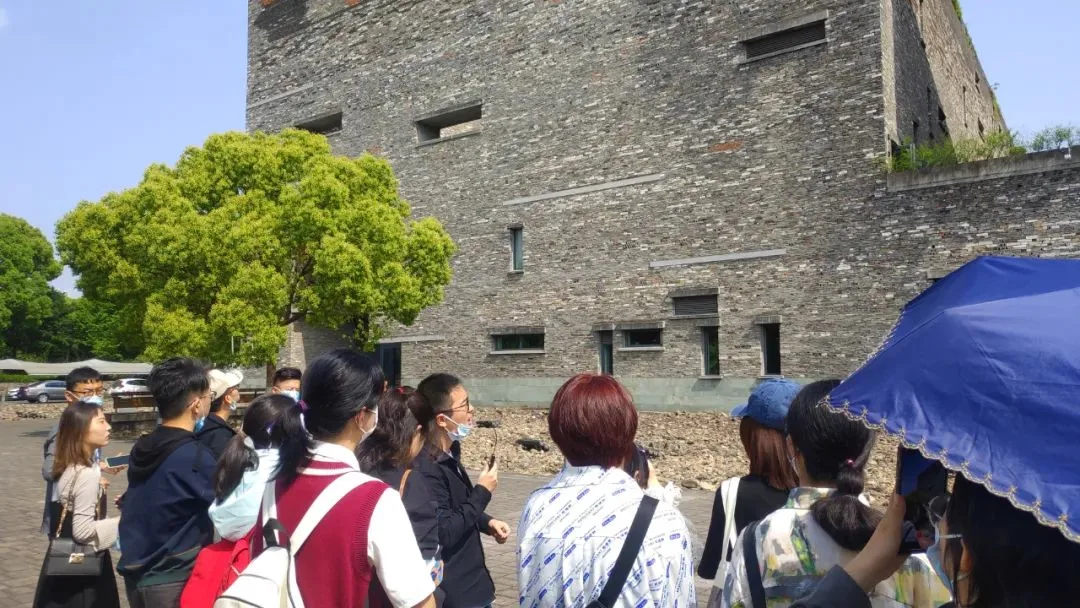
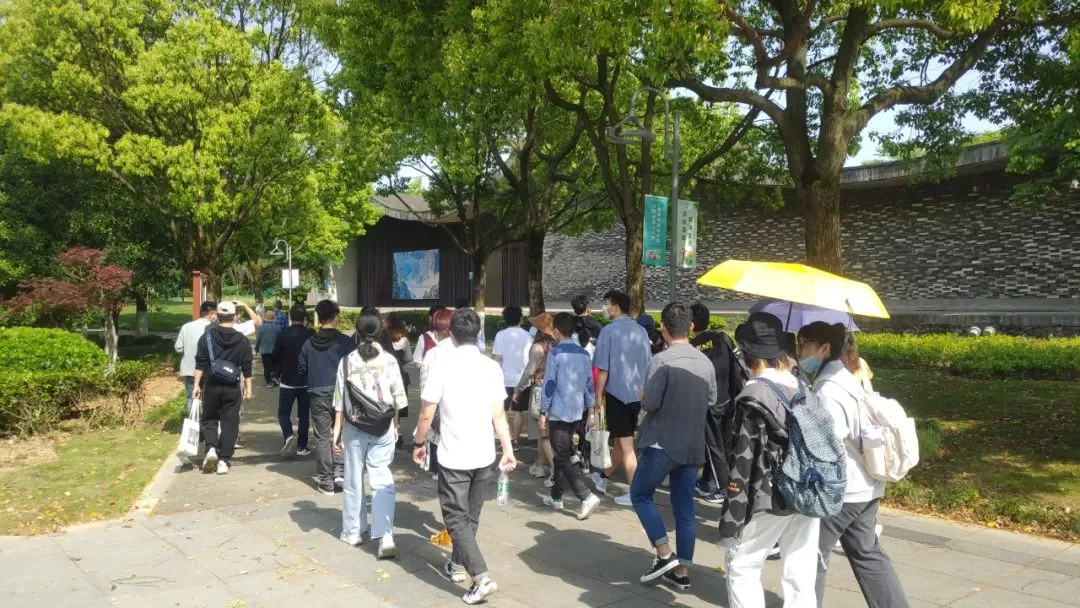
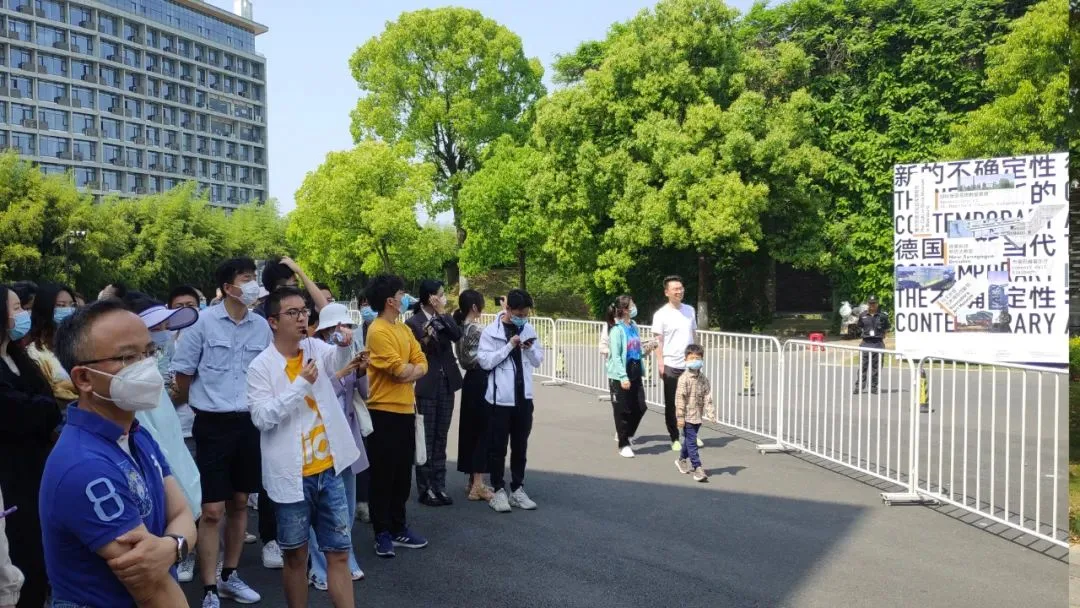
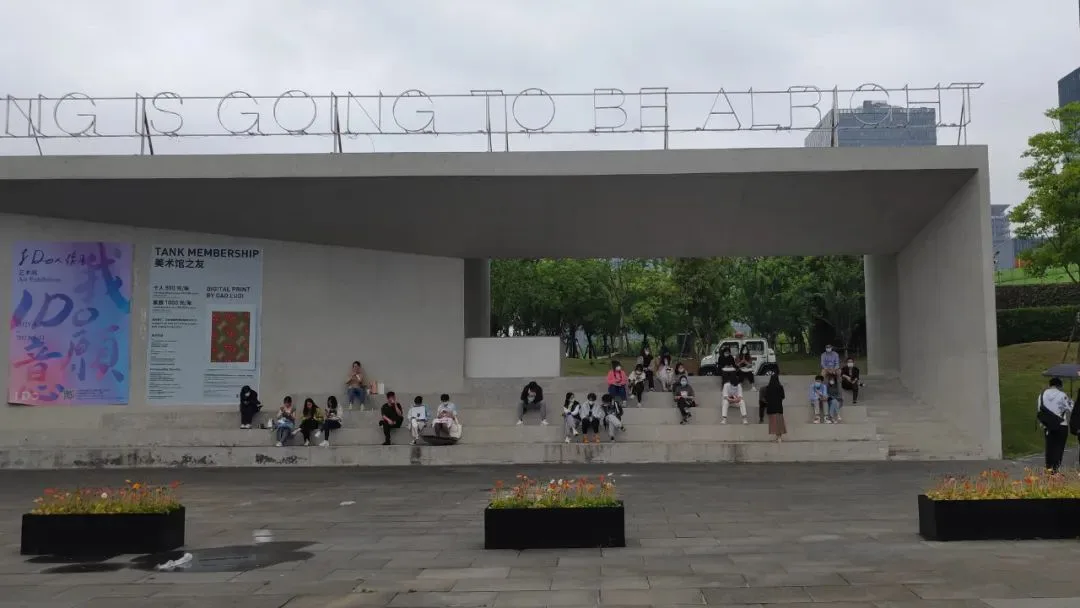
–
Tour Details:
Time: December 29 to January 1, 2024
Meeting: Evening of December 28, 2024, Datong
Group size: 25 participants nationwide (subject to actual attendance)
Cost: 4980 yuan per person
The price excludes taxes, personal transportation, and items not listed. It includes accommodation in a local three-star hotel (double room; single room upgrade available at an additional cost), daily local specialty lunches, architectural lectures and salons, full bus service, first-tier attraction tickets, Ando Tadao exhibition tickets, travel accident insurance, and driver tips.
Suitable for professionals and students in architecture, planning, landscape, interior design, and related fields, as well as enthusiasts.
–
Discounts:
1. Early Bird: Register before November 15 to receive a 300 yuan discount.
2. Group Discounts: Groups of 3 to 5 people receive 180 yuan off per person; groups of 5 or more receive 380 yuan off per person. Registered participants who successfully refer friends also receive corresponding discounts.
–
Registration:
1. Contact customer service on WeChat for registration details. To confirm registration, a pre-registration deposit of 1000 yuan is required. (Consult customer service for payment methods.)
2. The detailed itinerary and instructors may be adjusted based on actual circumstances. Participants will be notified promptly of any changes. For the full itinerary and related information, consult customer service.
Scan the QR code below to connect with customer service
Please add a note: [Study Tour]

Scan the mini program above to register directly
–
Additional Information:
1. Academic Lectures: A 1.5 to 2-hour in-depth academic lecture and discussion will be held during the trip. The topic will be chosen by the speaker based on the tour route and will include a free discussion session.
2. Payment Details: After paying the 1000 yuan pre-registration fee, the remaining balance is due on the evening of the gathering day. No additional fees will be charged during the trip. Room upgrades to single rooms require an additional fee. Entrance tickets must be purchased individually; students with valid ID can receive discounted tickets, which will be refunded within a week after the trip.
3. Project Visits: The itinerary may be adjusted due to unforeseen circumstances such as traffic delays or site closures, with a maximum of three changes to visiting locations.
Website: www.archcollege.com
Weibo: Archicollege, School of Architecture
Business Contact WeChat: jzxy yz













Must log in before commenting!
Sign Up