
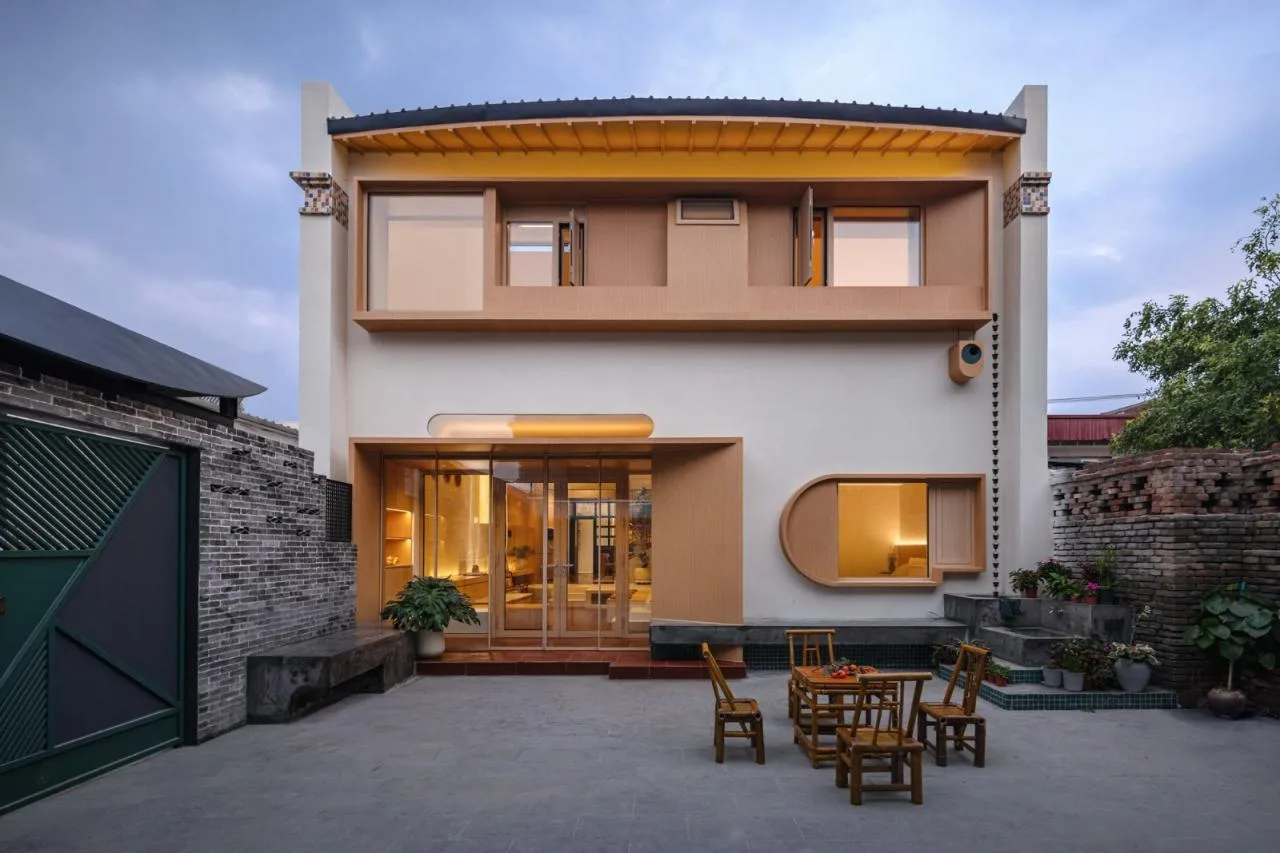
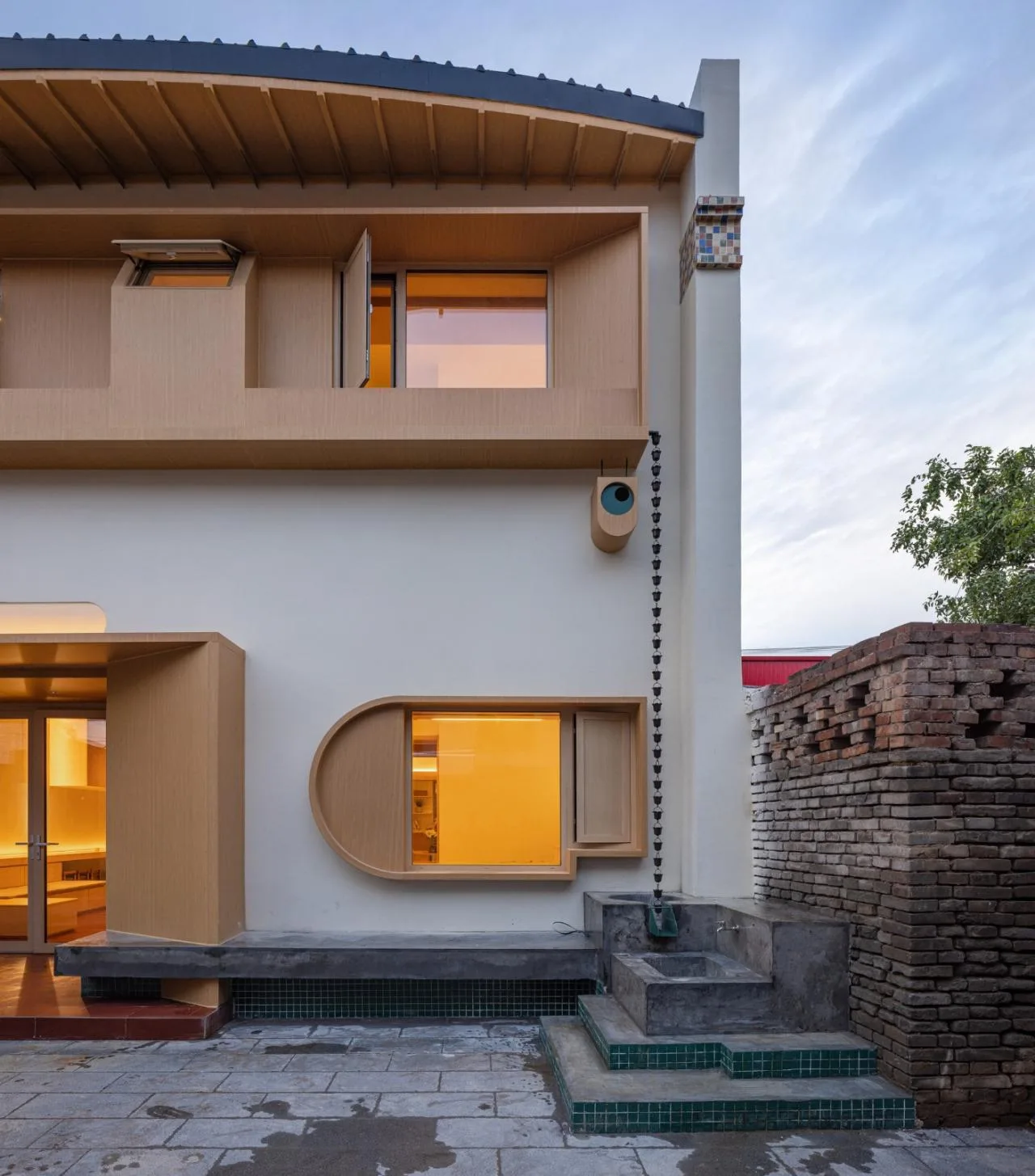
The design team thoughtfully balanced the homeowner’s comfort with the village’s needs by creating a space that is both open and private. Features such as small pockets, cat nests, bird nests, and street-facing windows foster a sense of connection. Despite strict guidelines, the team enhanced public spaces, optimized spatial use, encouraged neighborhood interaction, and cultivated a strong sense of belonging among villagers.
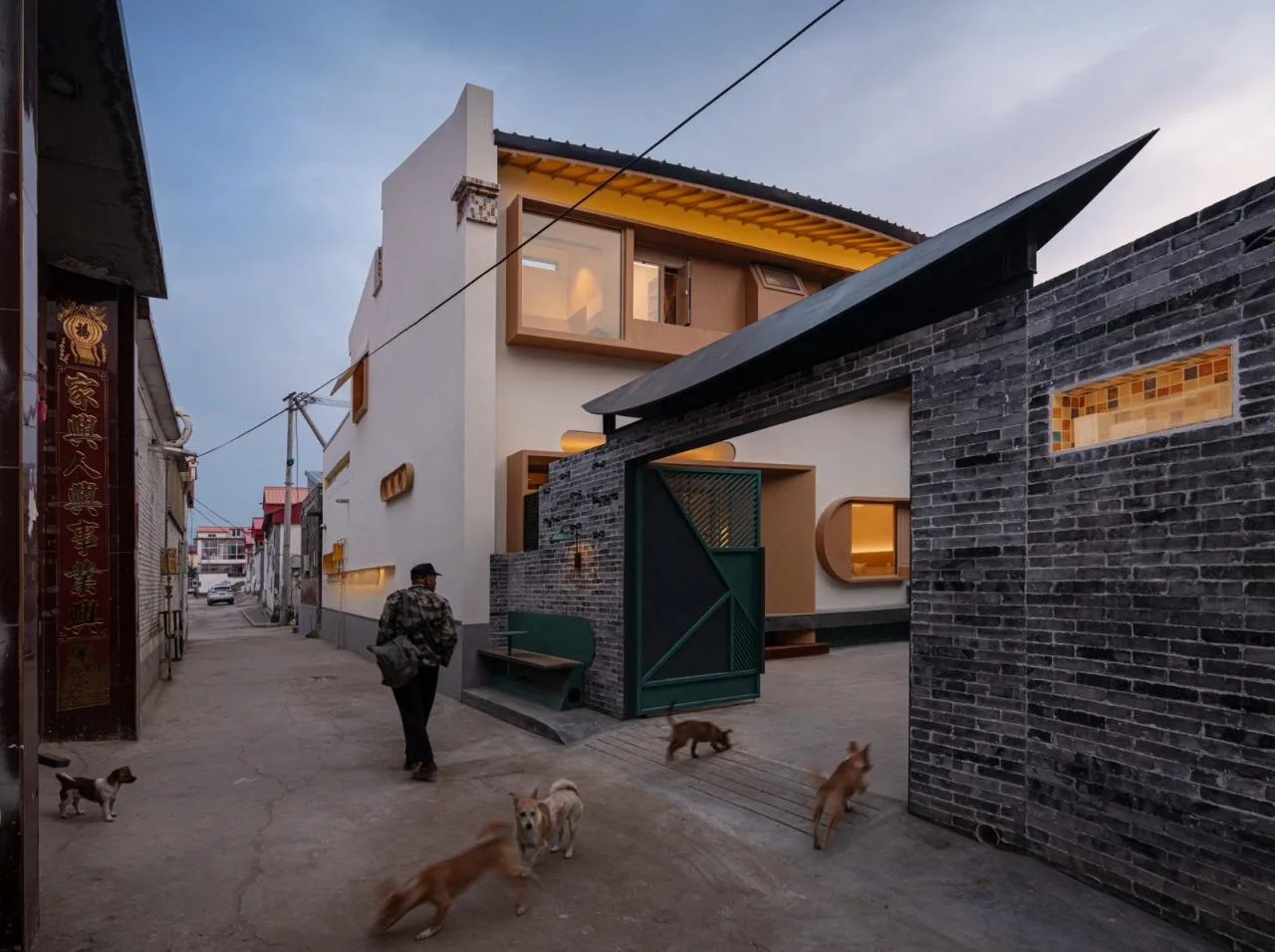
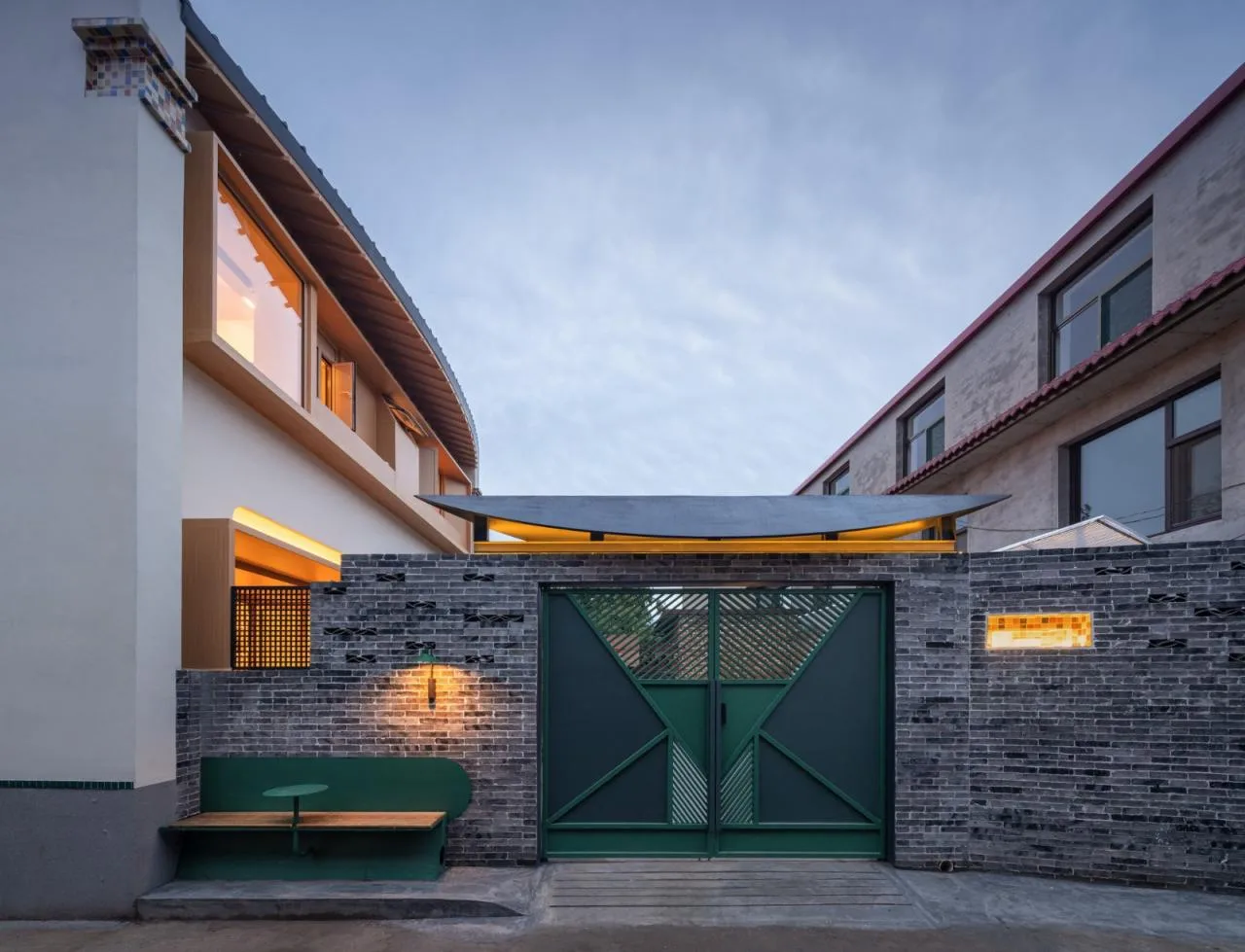
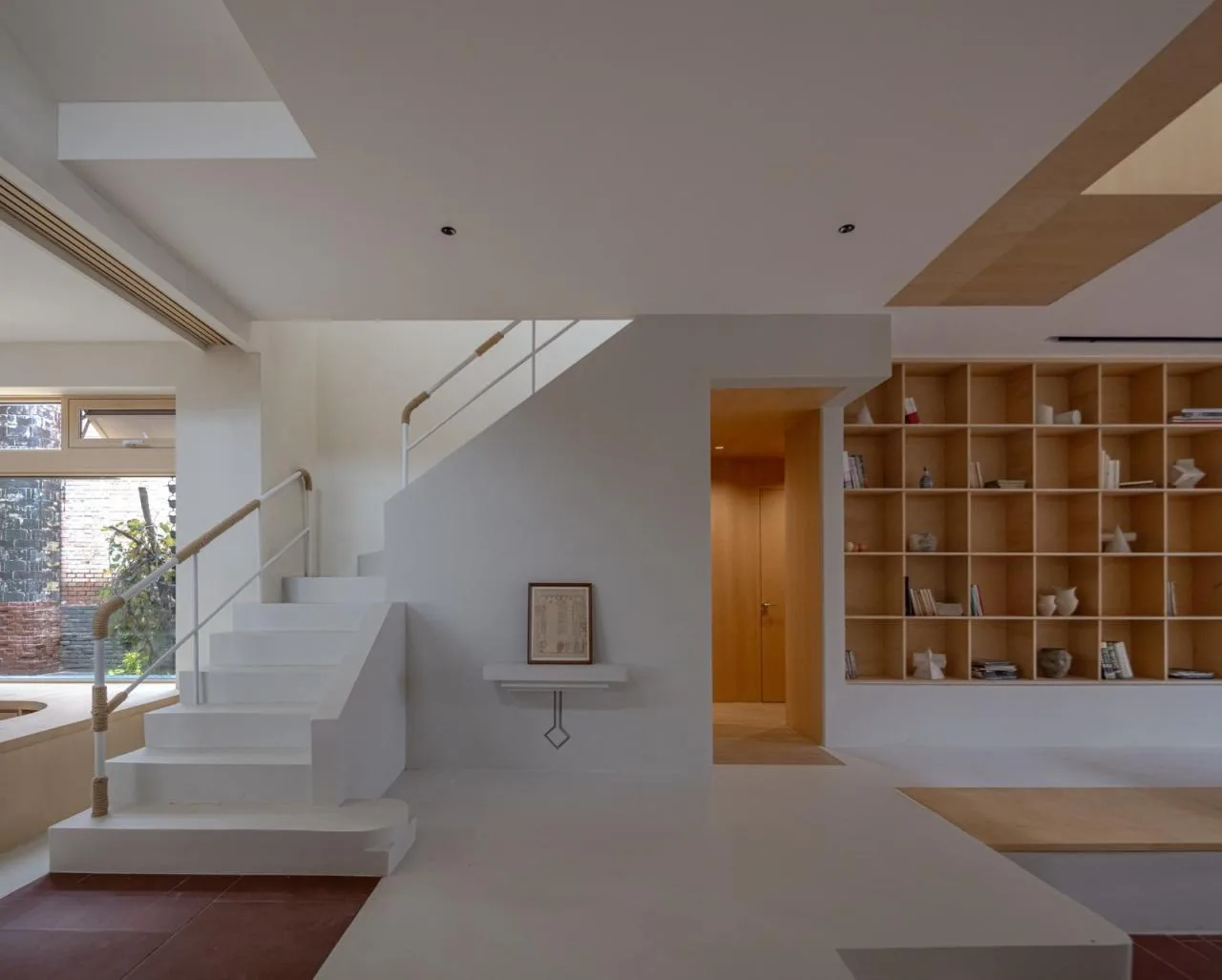
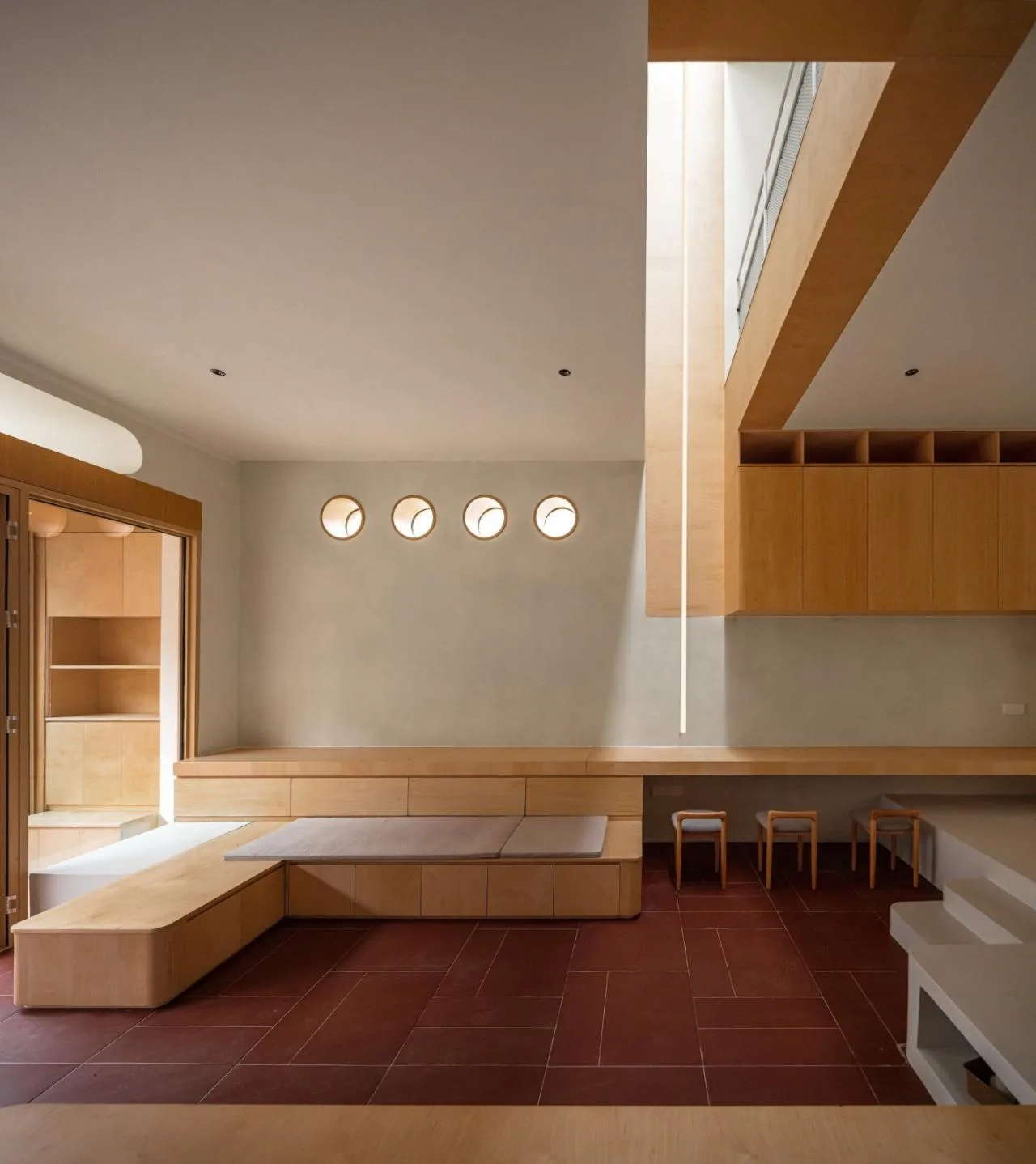
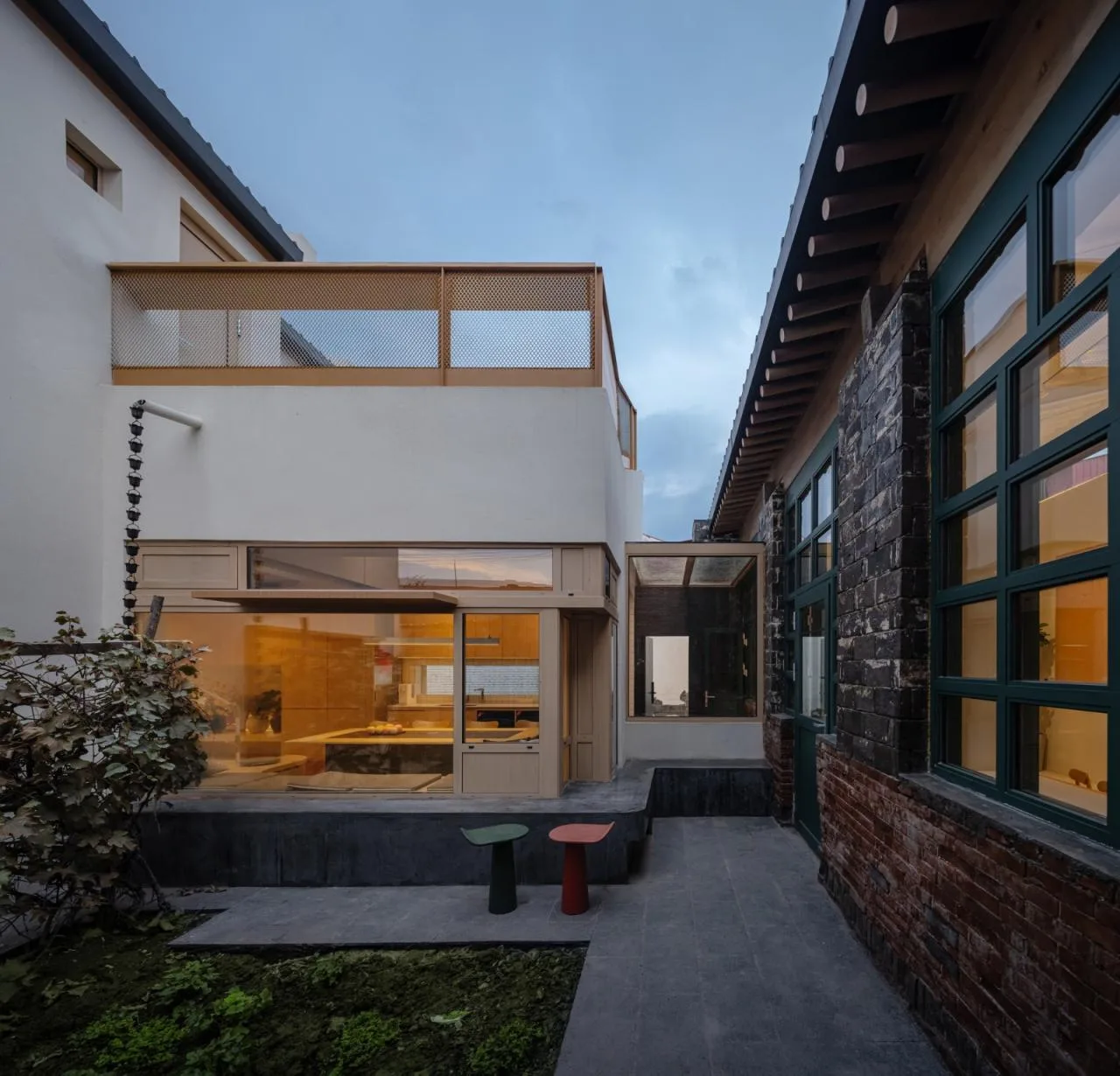
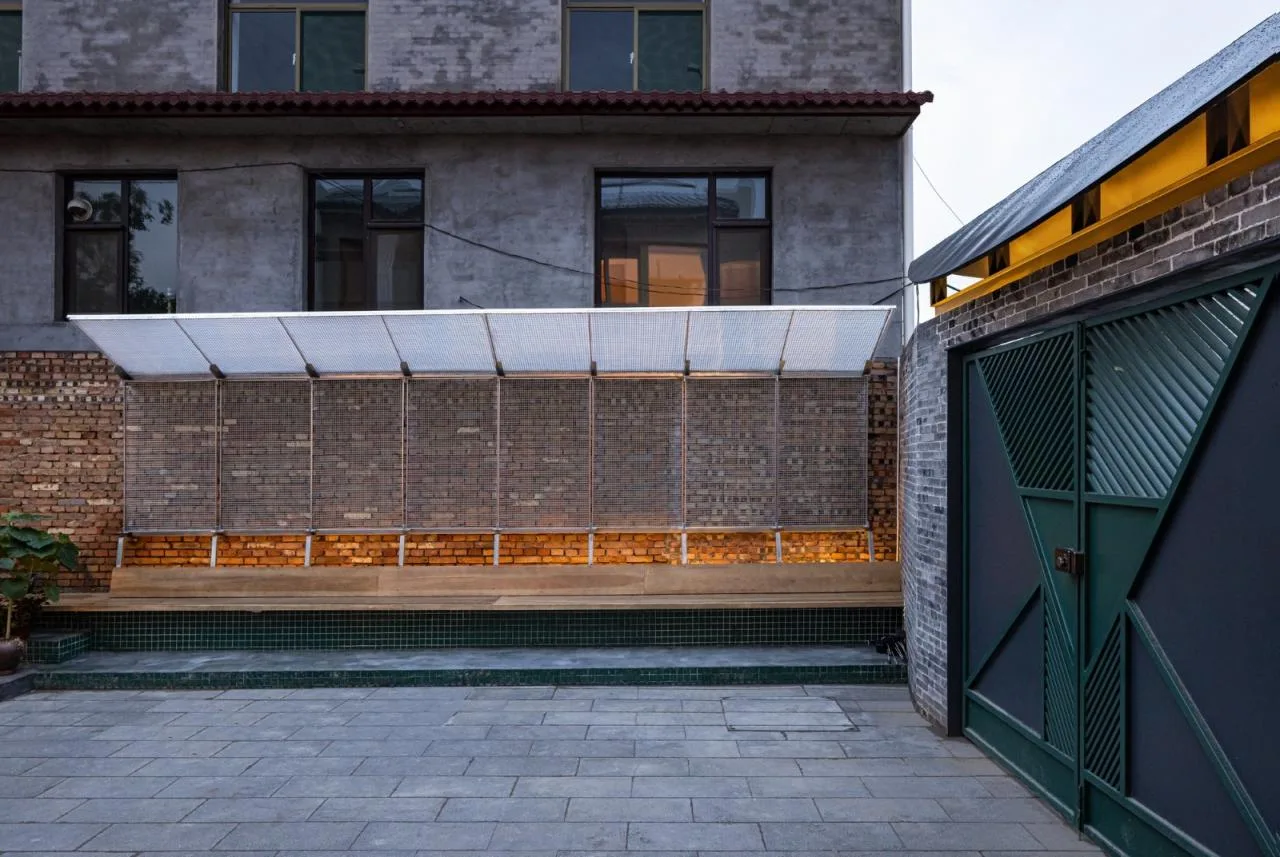
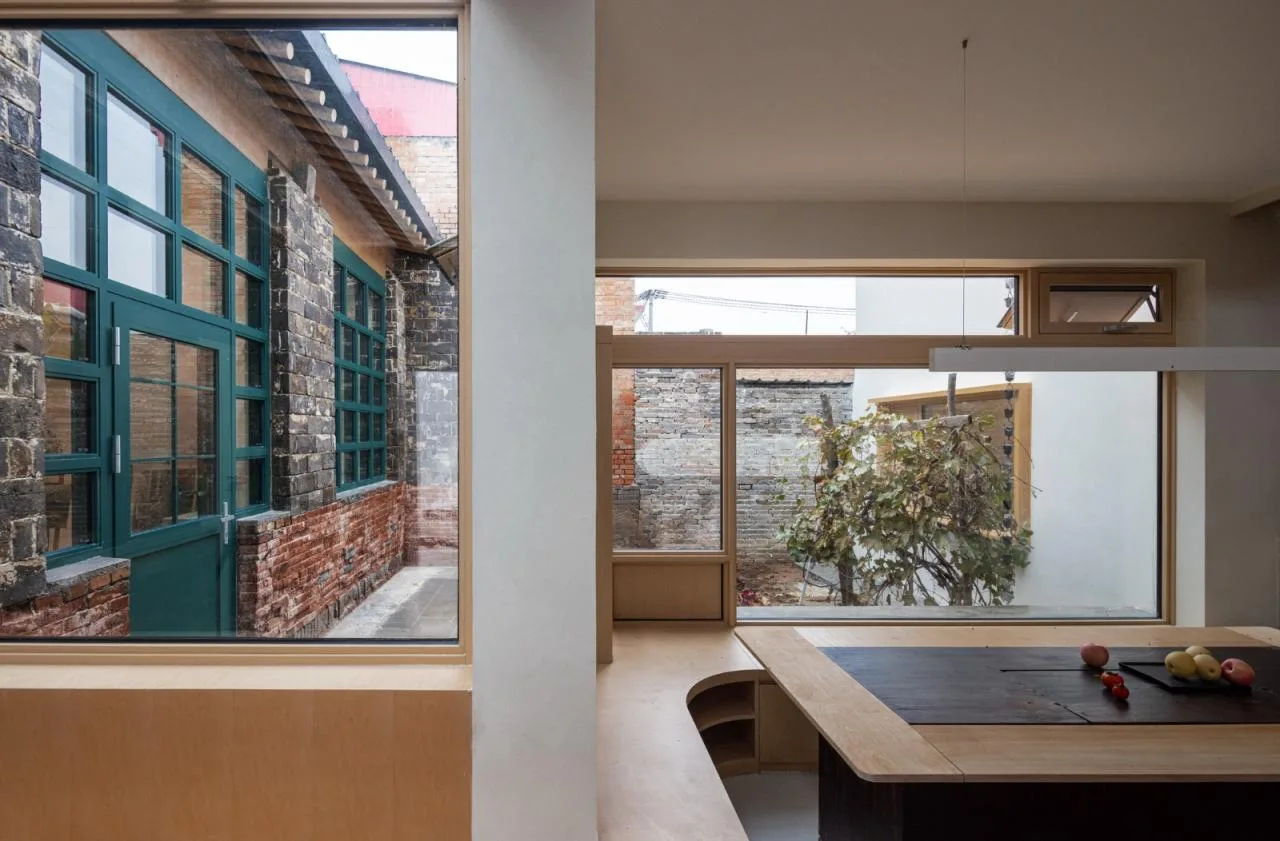
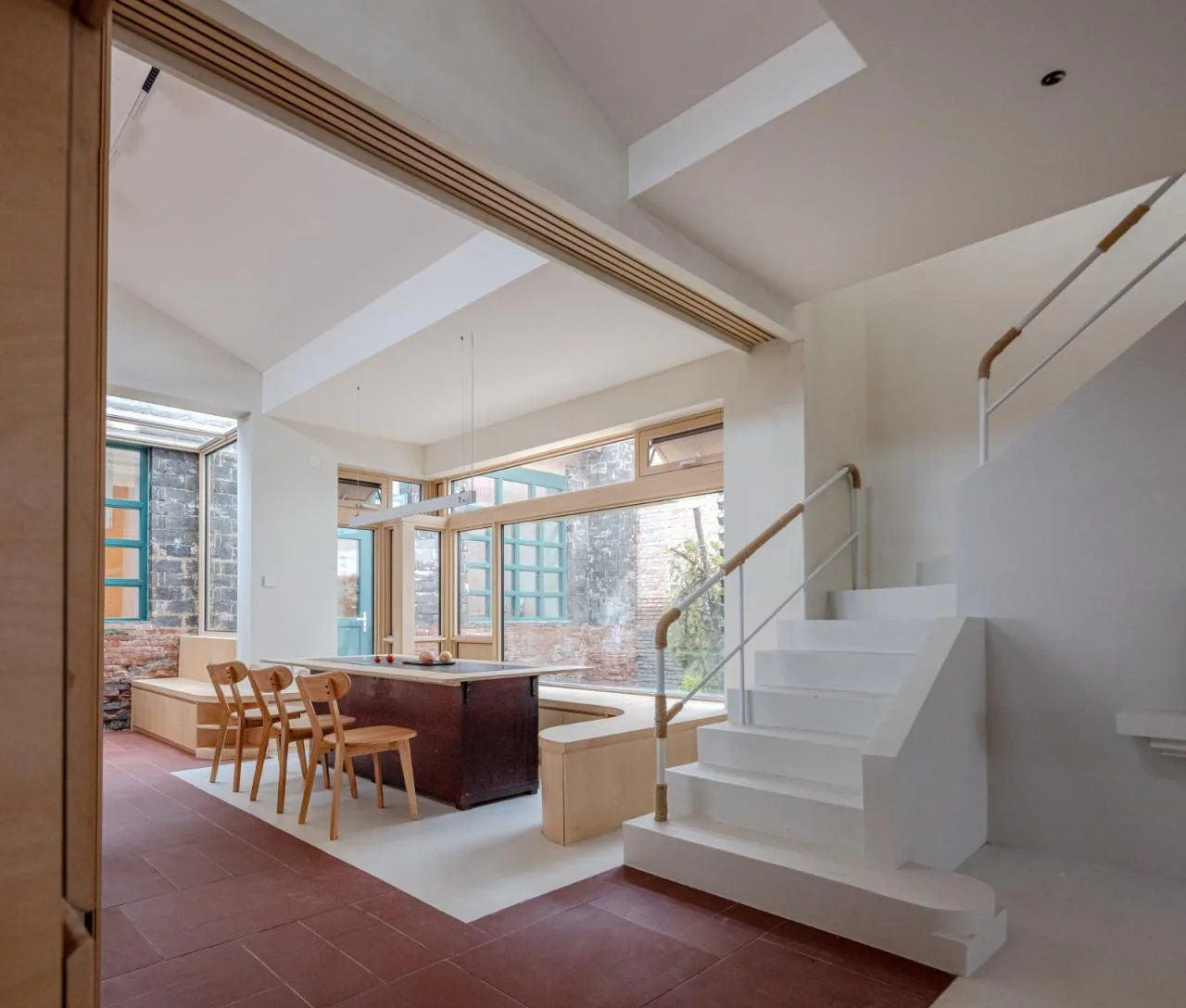
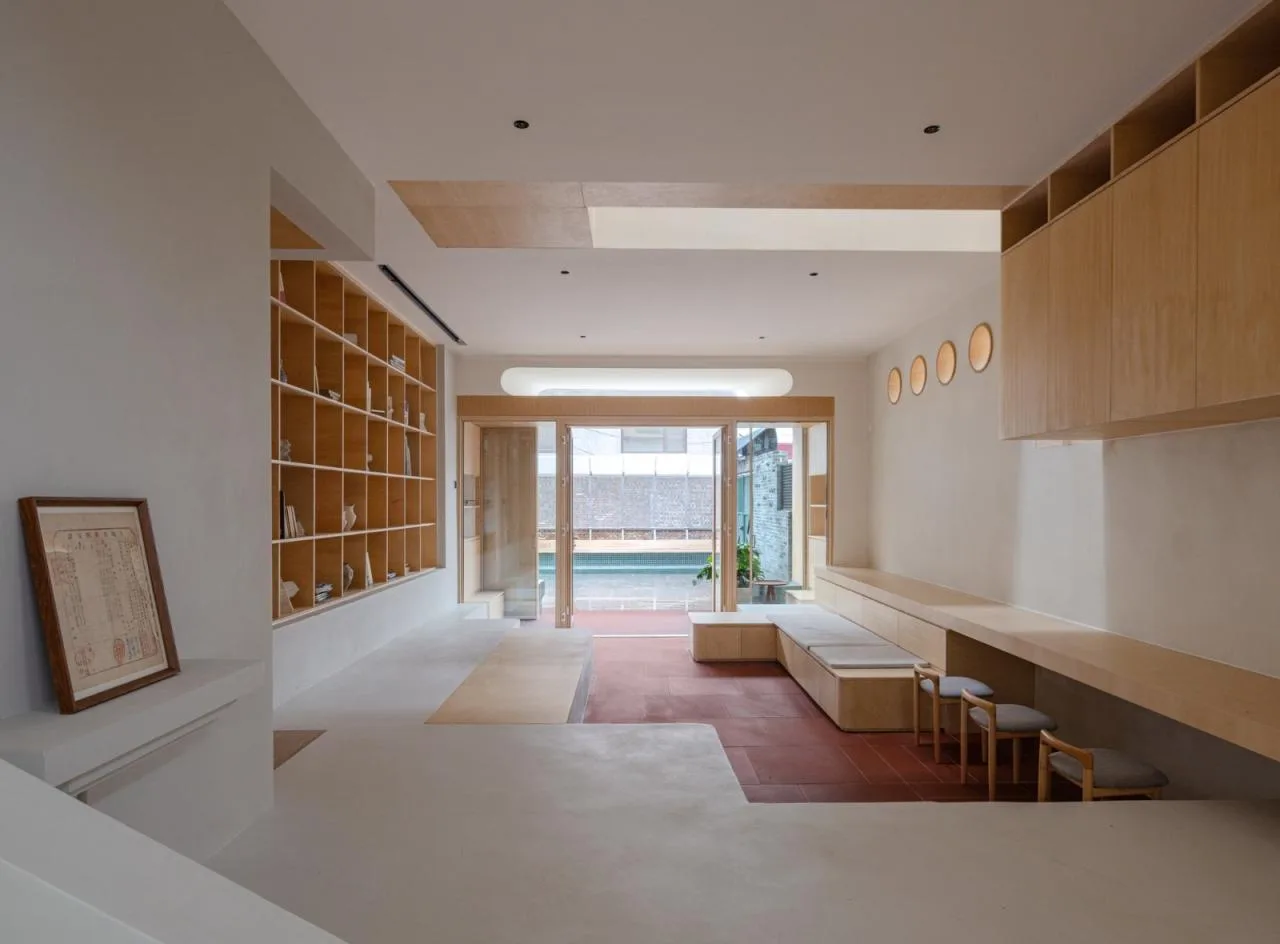
Every detail, from doors to brick walls, reflects the homeowner’s lifestyle and aesthetic values, bringing warmth and vitality to village life. The entrance hall opens to the courtyard, while foldable screens separate the living and dining areas, allowing for flexible use of space. The design preserves old grape roots and includes dedicated flower planting areas, resulting in two courtyards with distinct functions. The entrance courtyard serves as a semi-public space with seating arranged around apple trees and flower beds, offering a welcoming spot for waiting and play. In contrast, the inner courtyard provides a quiet, private setting for various activities.
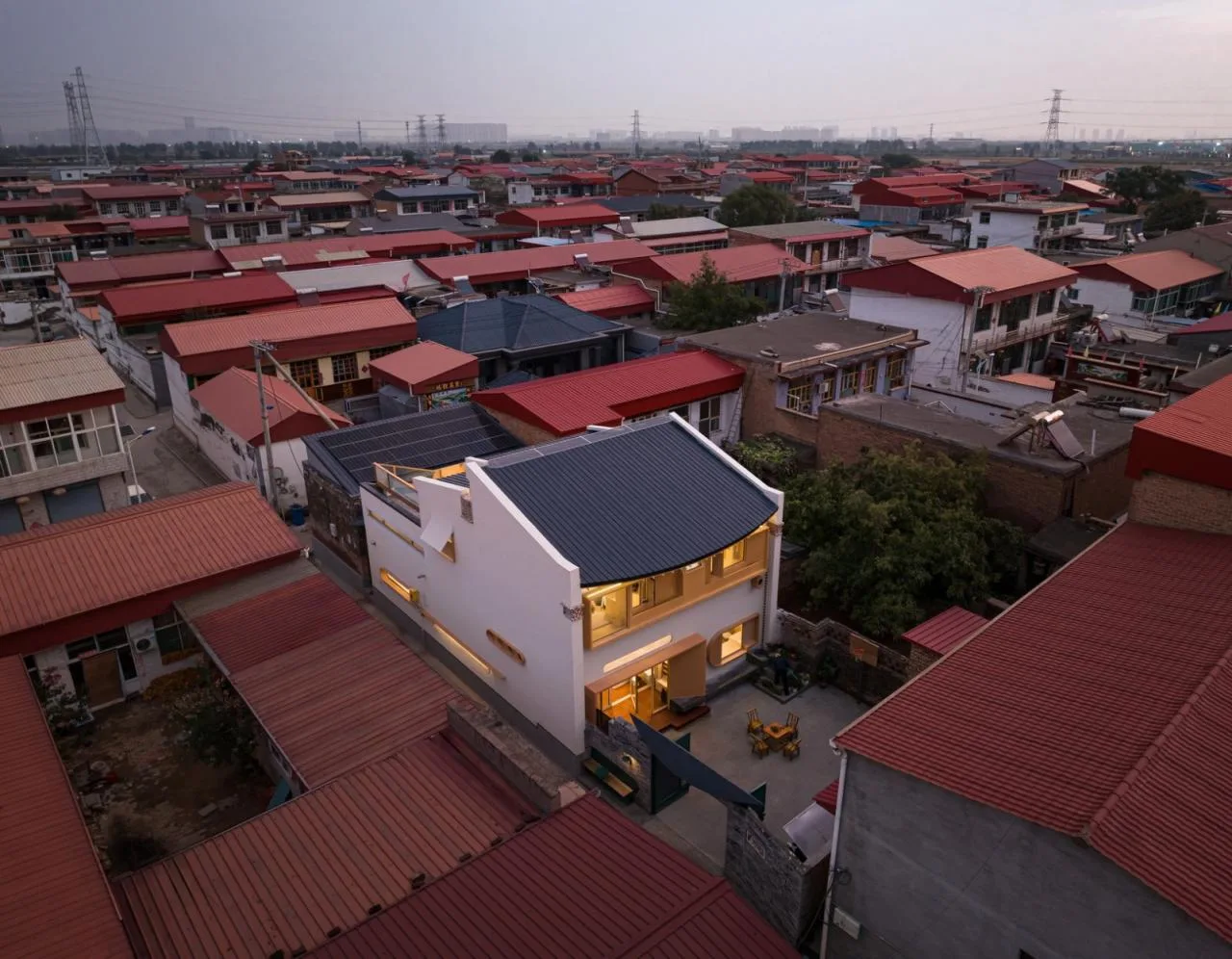
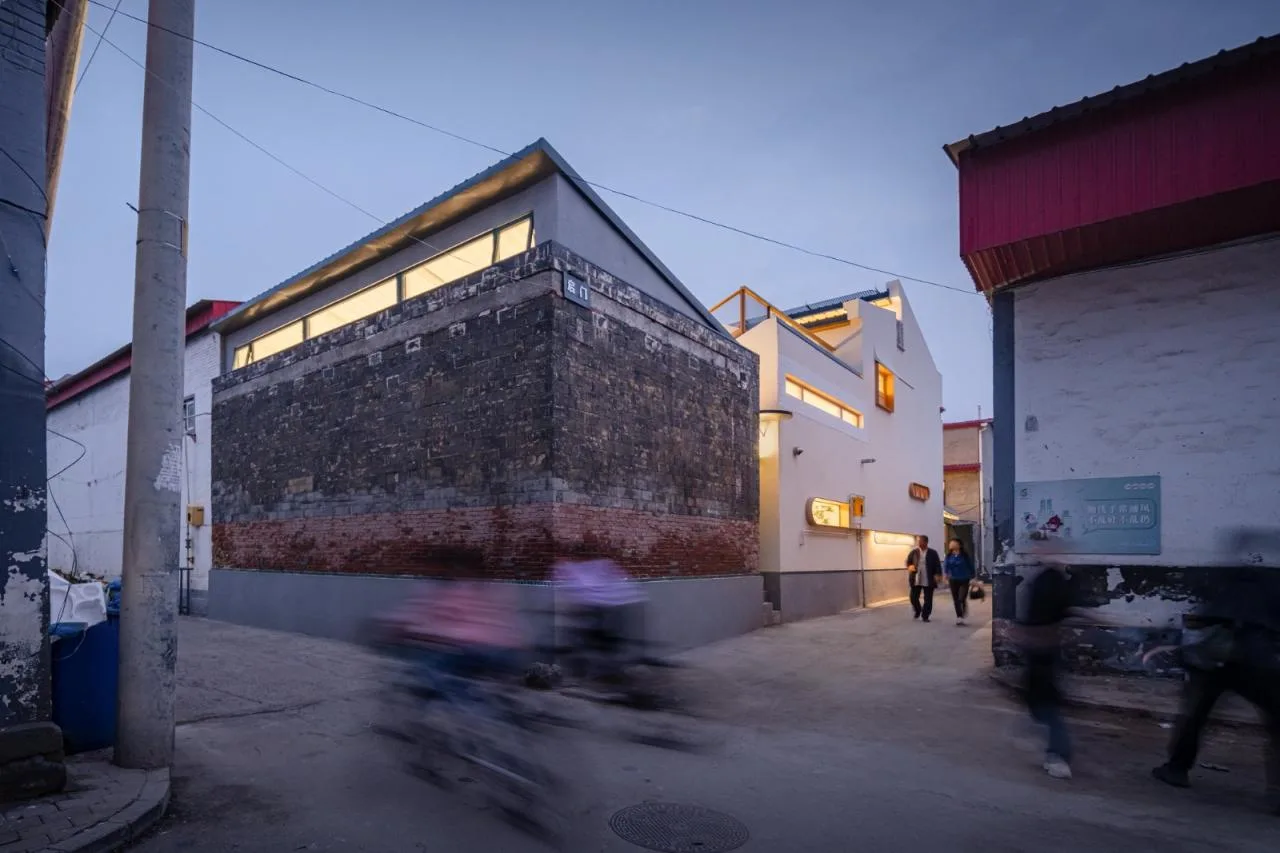
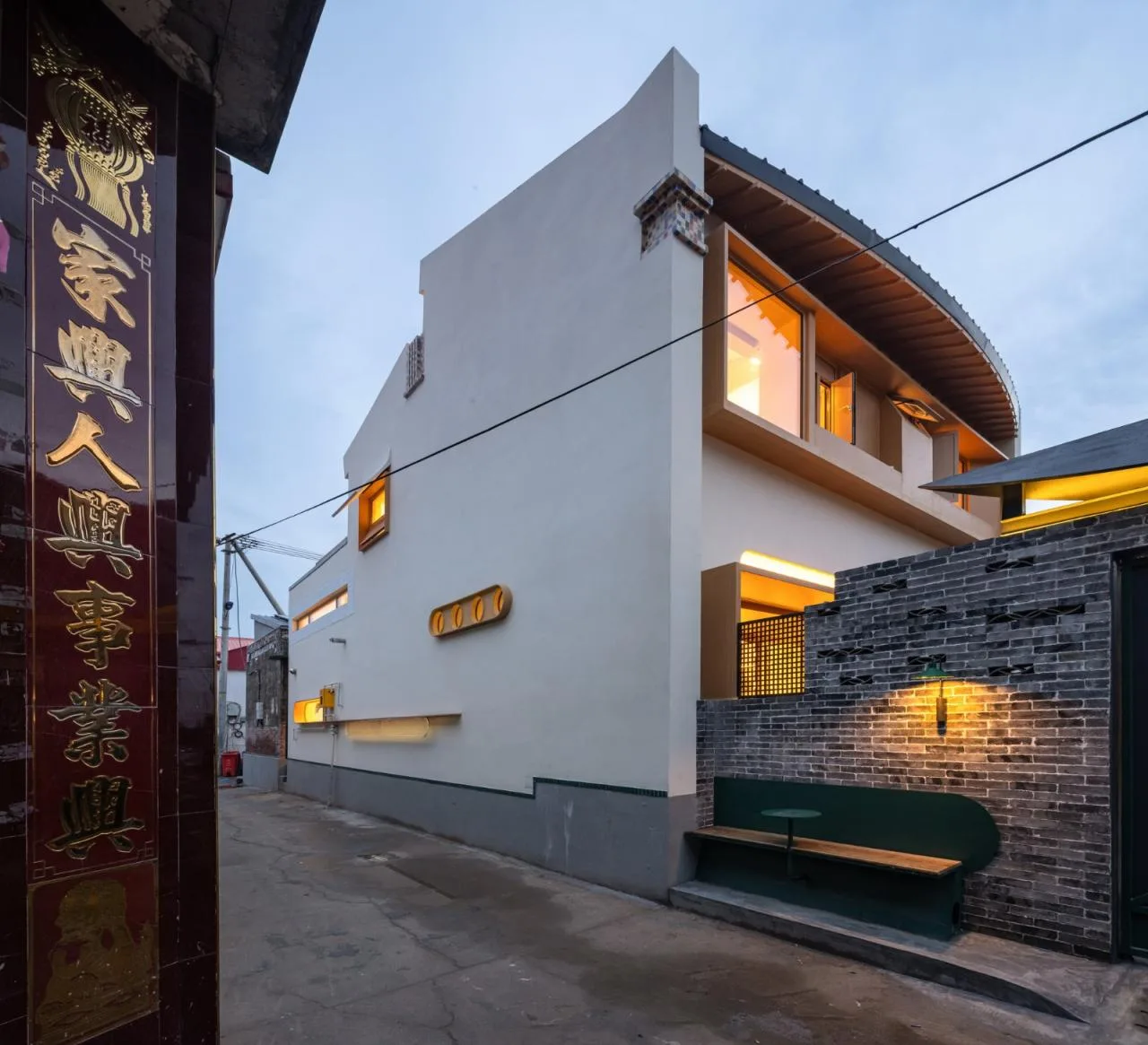
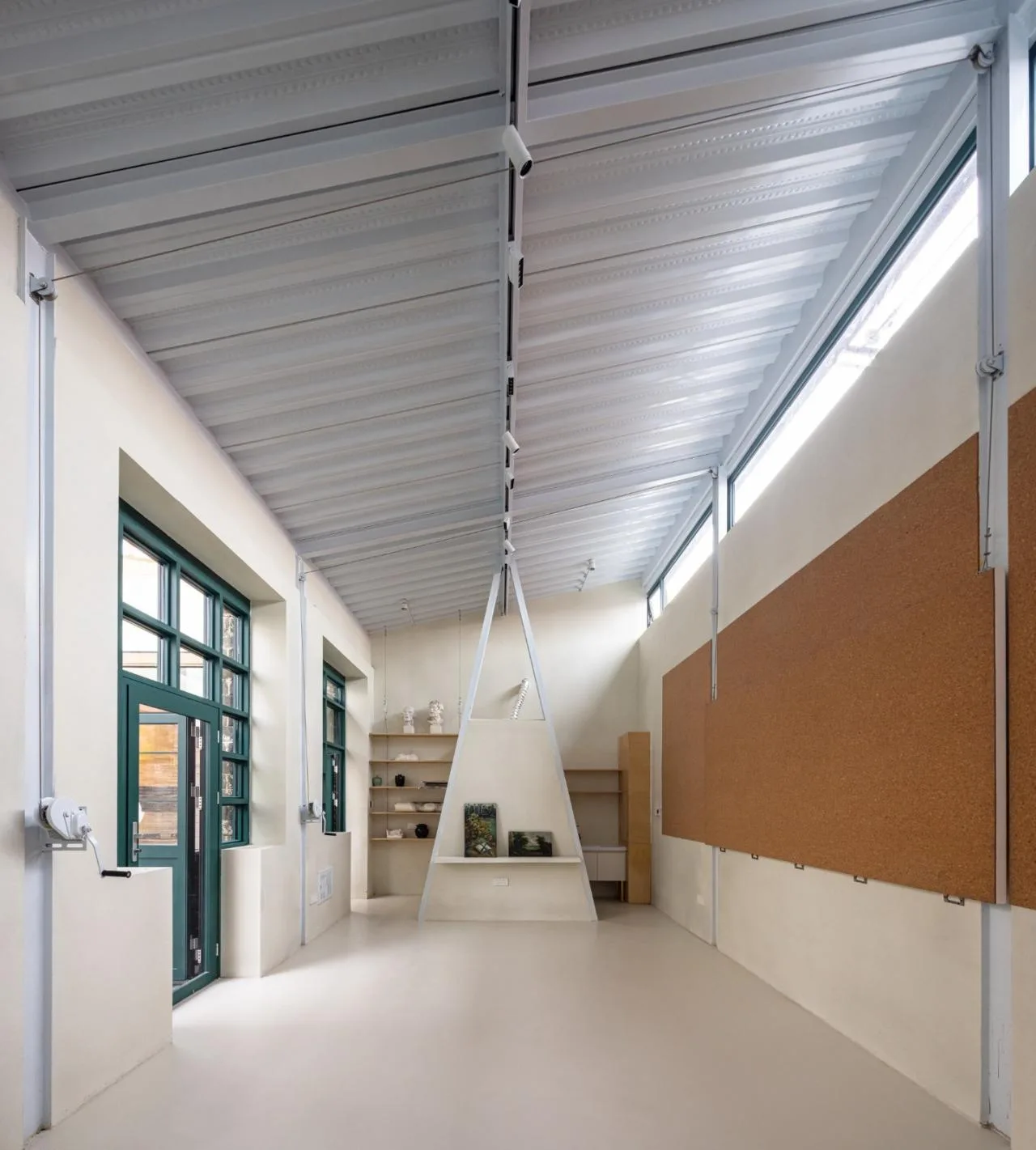
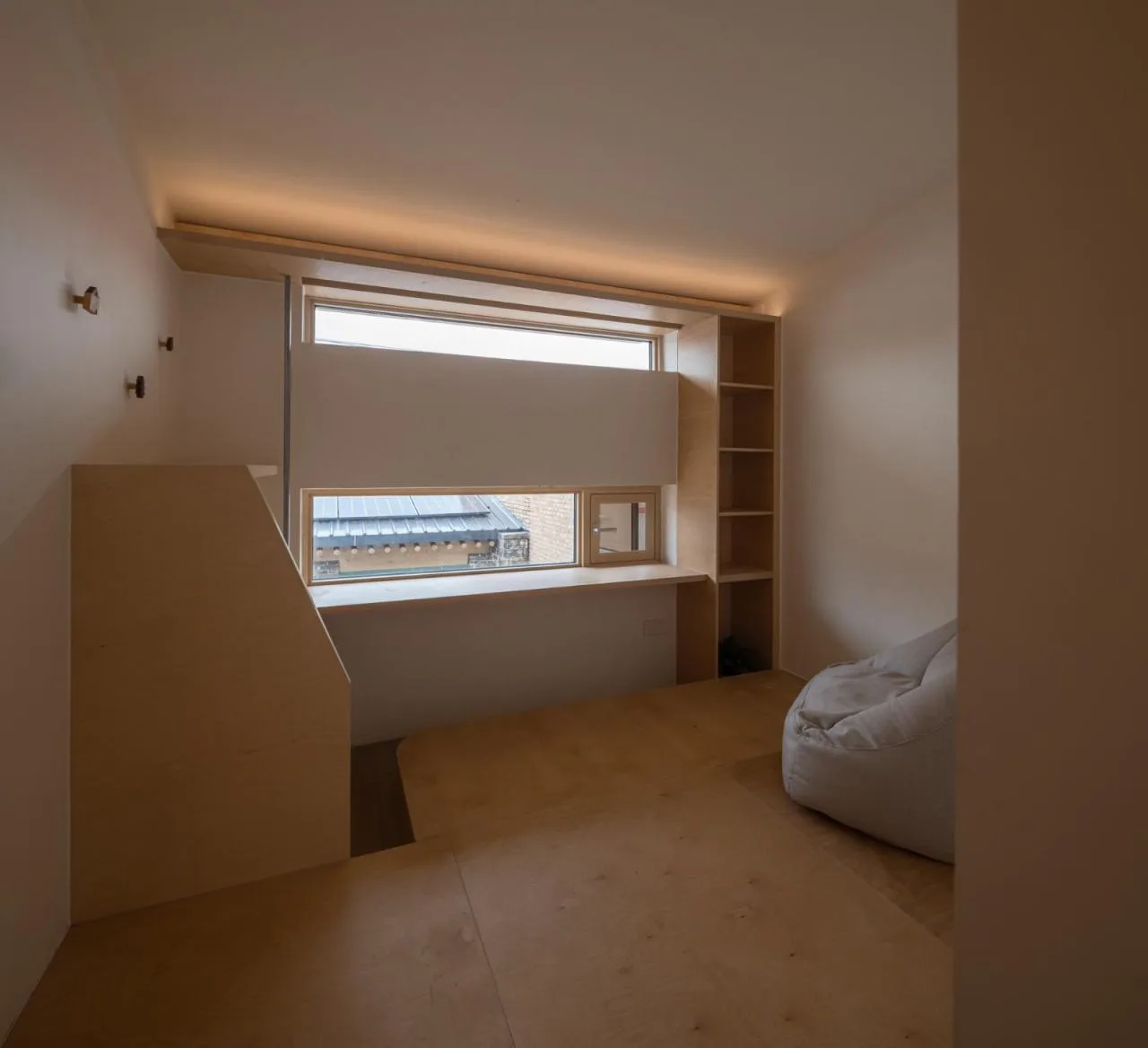
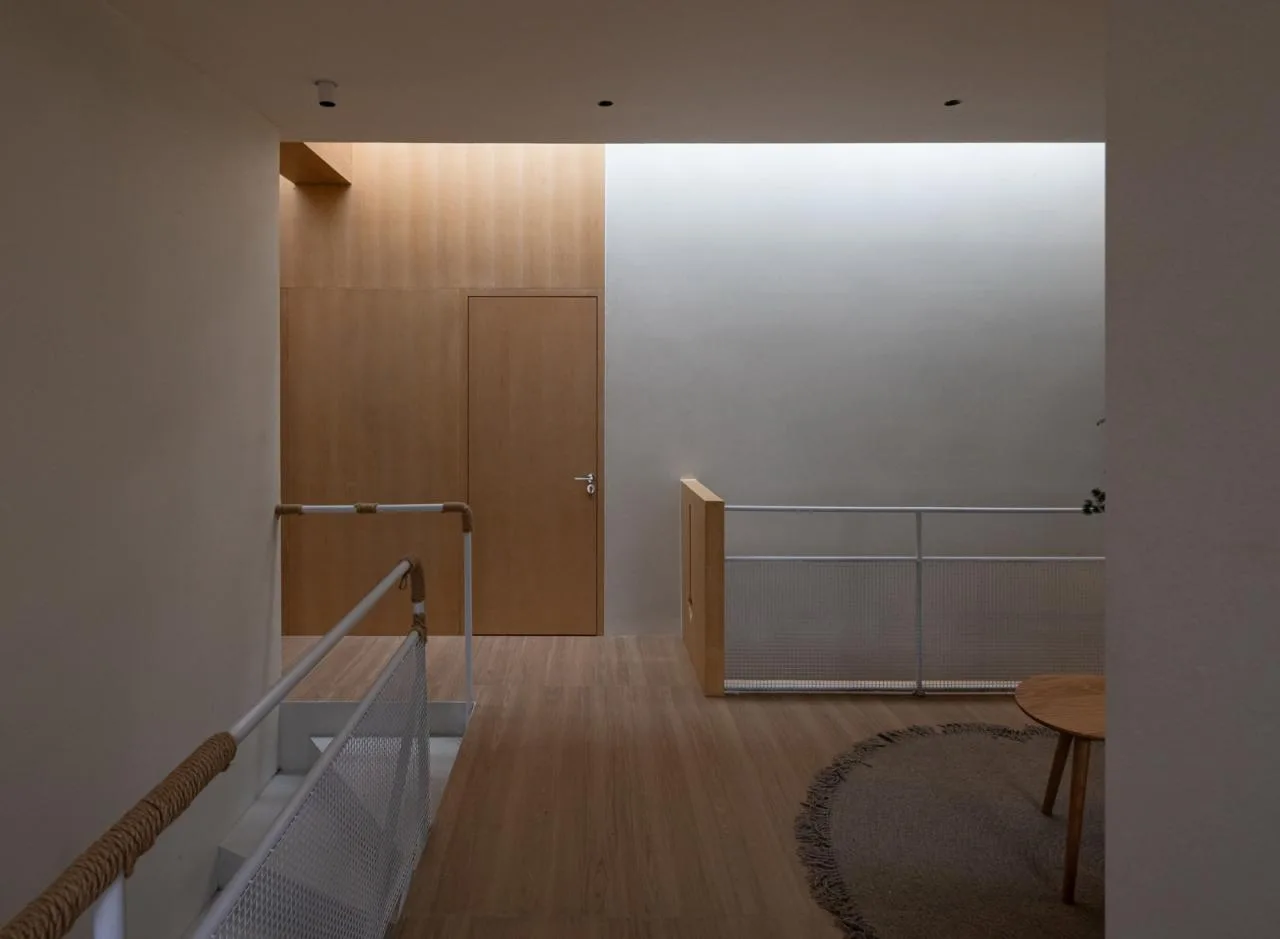
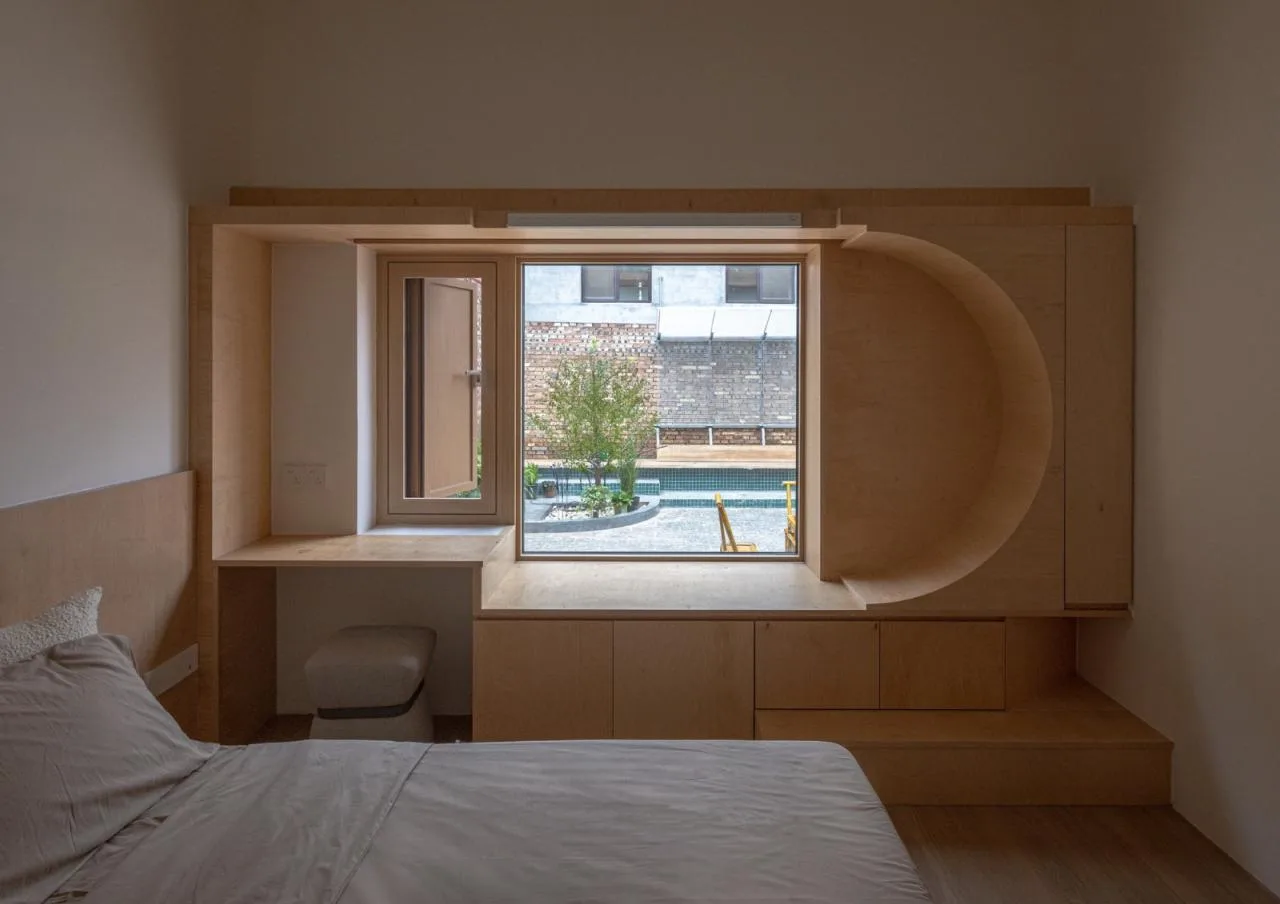
The studio is integrated within the framework of the old house, preserving historical walls while introducing north-facing daylight to flood the space with natural light. The master bedroom includes a private bathroom and strategically placed windows, combining functionality with privacy. The guest bedroom features versatile furniture that supports various uses, blending traditional and modern elements. In the Liangjiazhuang Village project, traditional construction techniques were combined with modern methods to overcome material procurement challenges and local craftsmanship limitations.
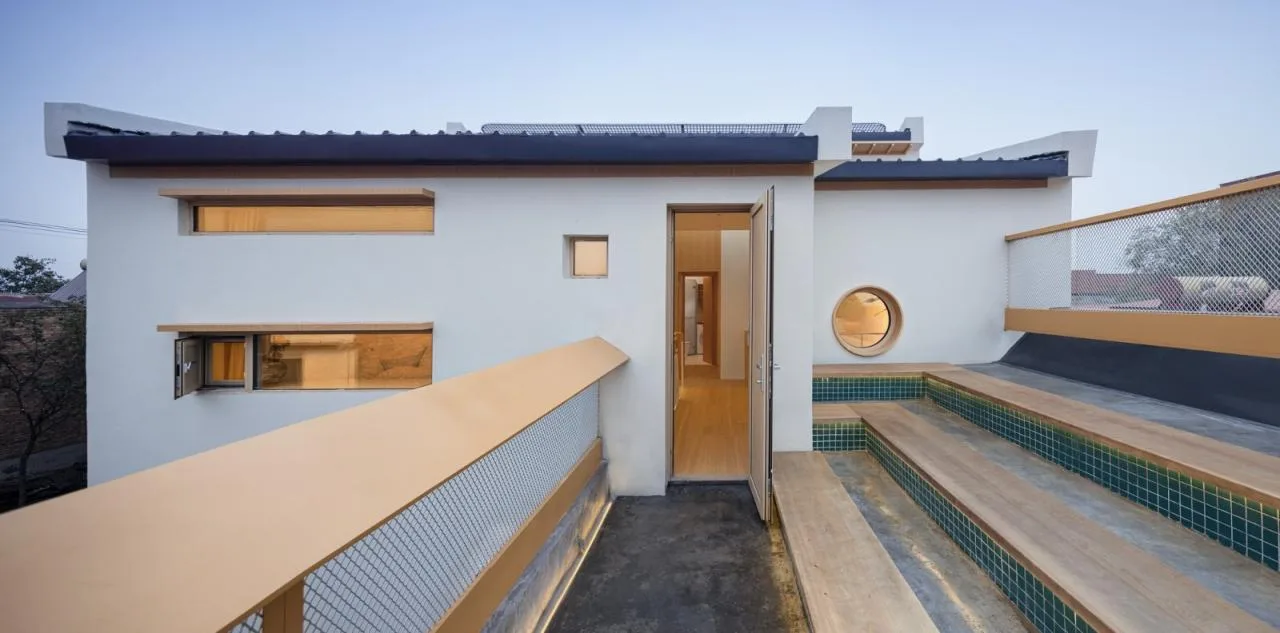
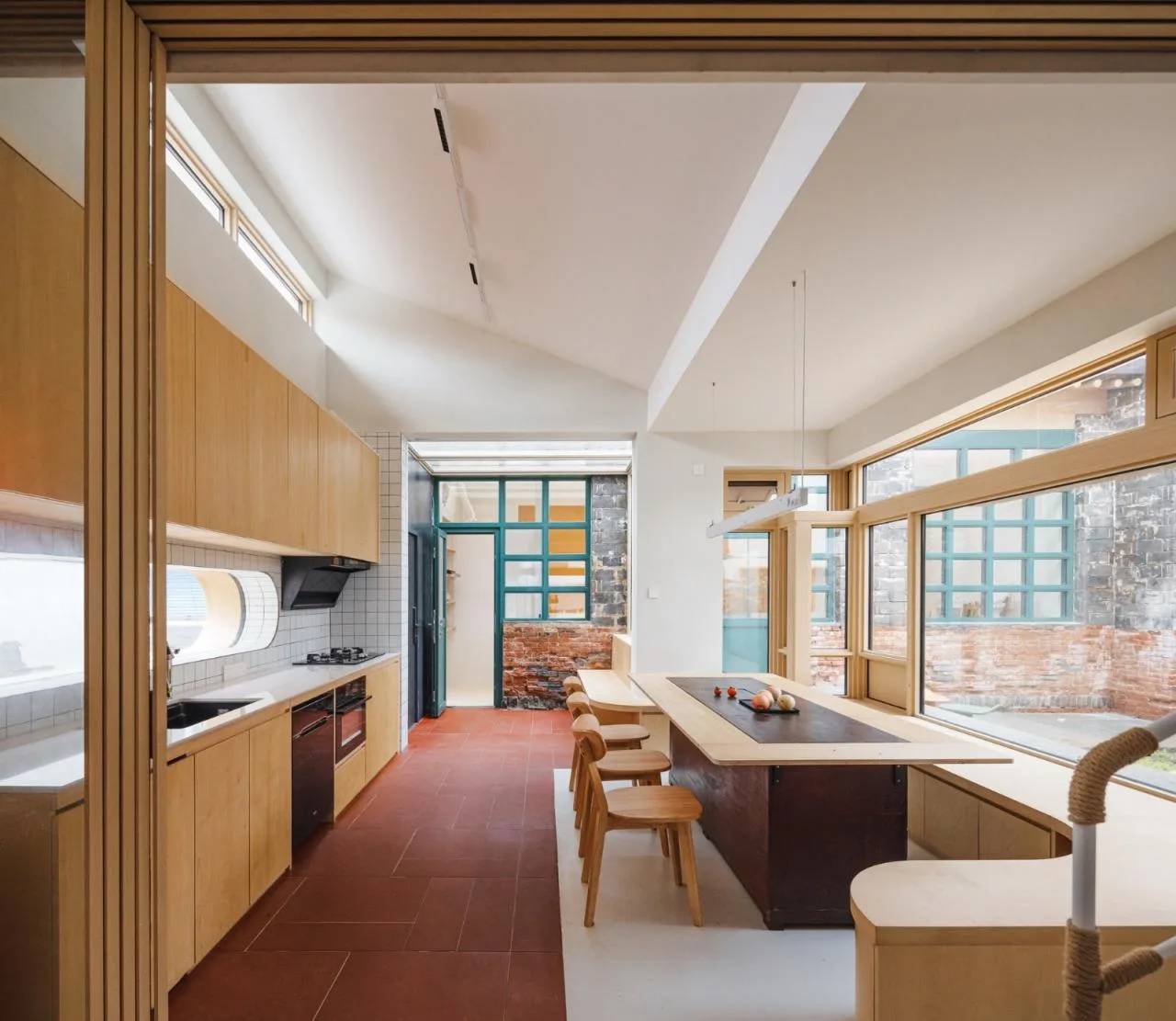
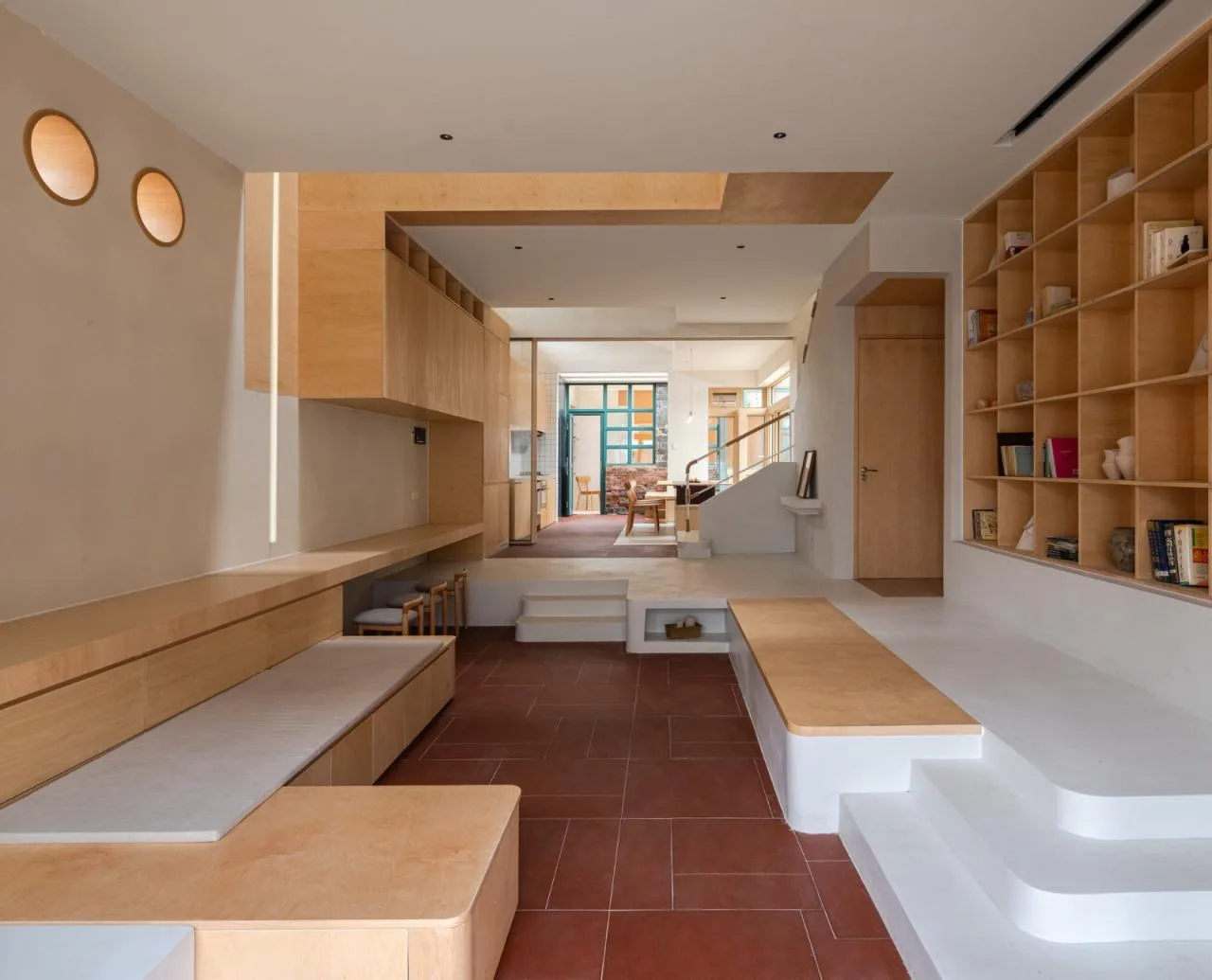
The wall design preserves the stone base and red brick skirt, while the interior features a light steel frame with gypsum board. Some adobe materials were reused, blending modern and traditional elements harmoniously. Ceramic tiles and coatings complement the design, and refurbished old furniture breathes new life into the space, promoting sustainable construction. The older buildings are insulated internally, while new constructions use external insulation. Solar photovoltaic panels on the roof enhance renewable energy use. This project reflects a thoughtful exploration of rural futures, balancing beauty with practicality and warmth, and seeking harmony between ideals and reality.
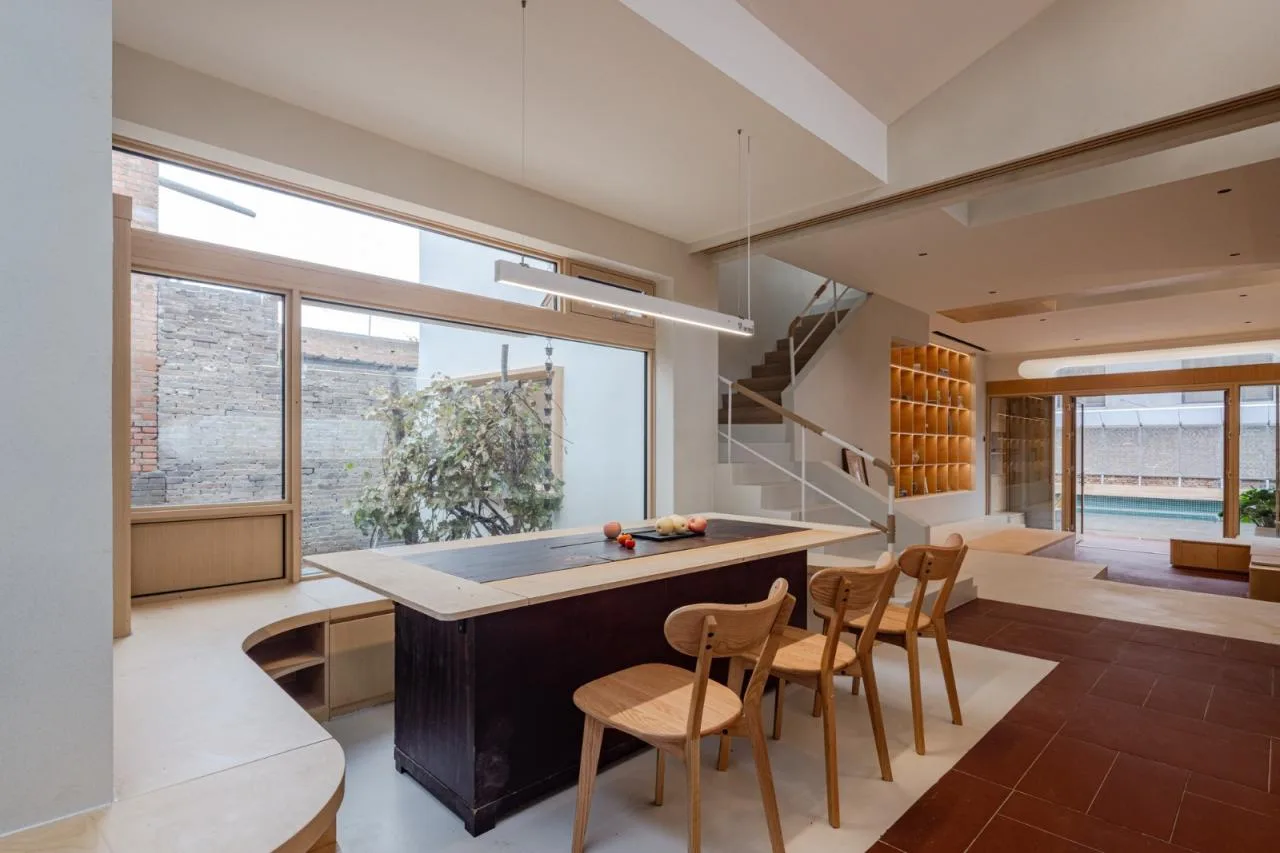
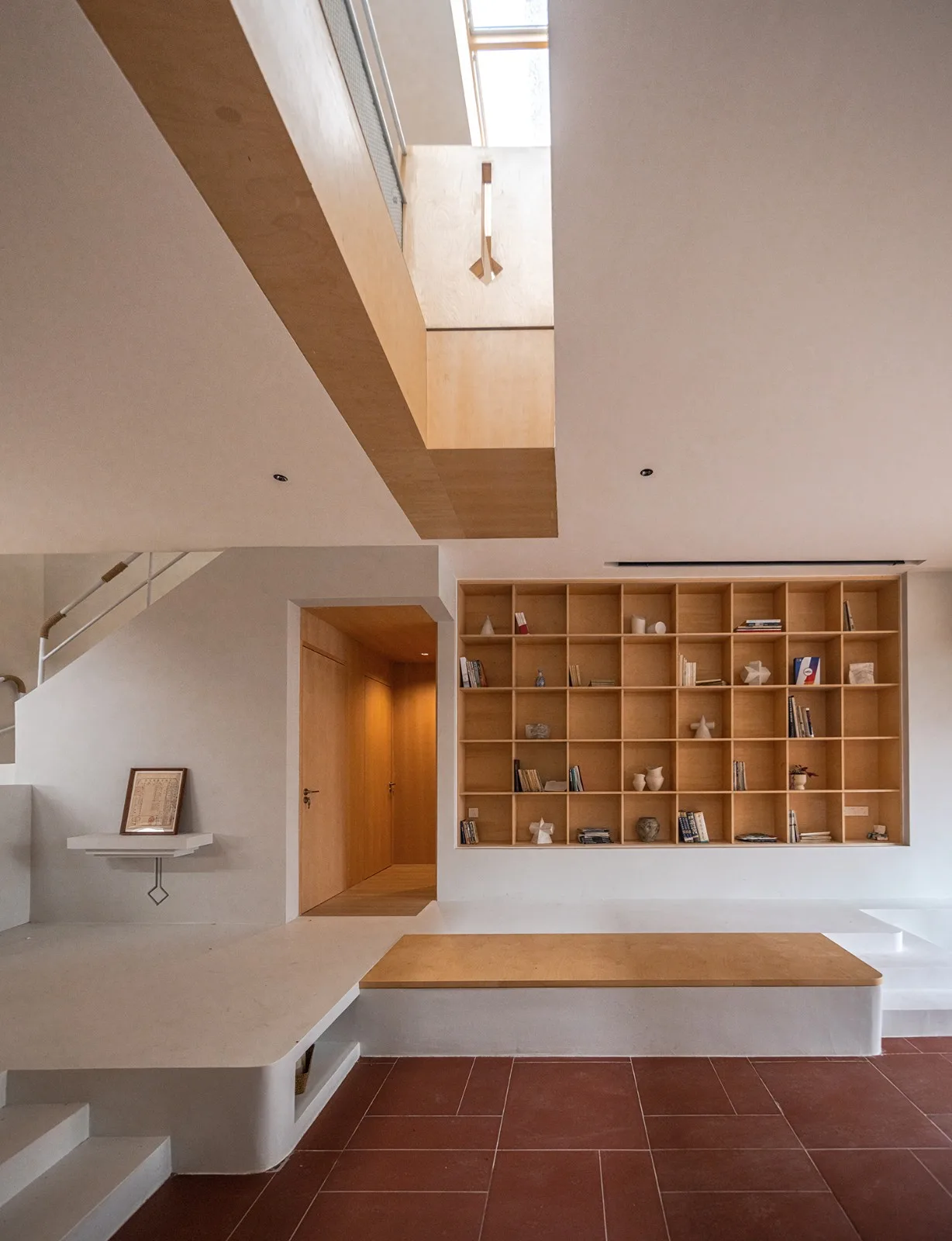
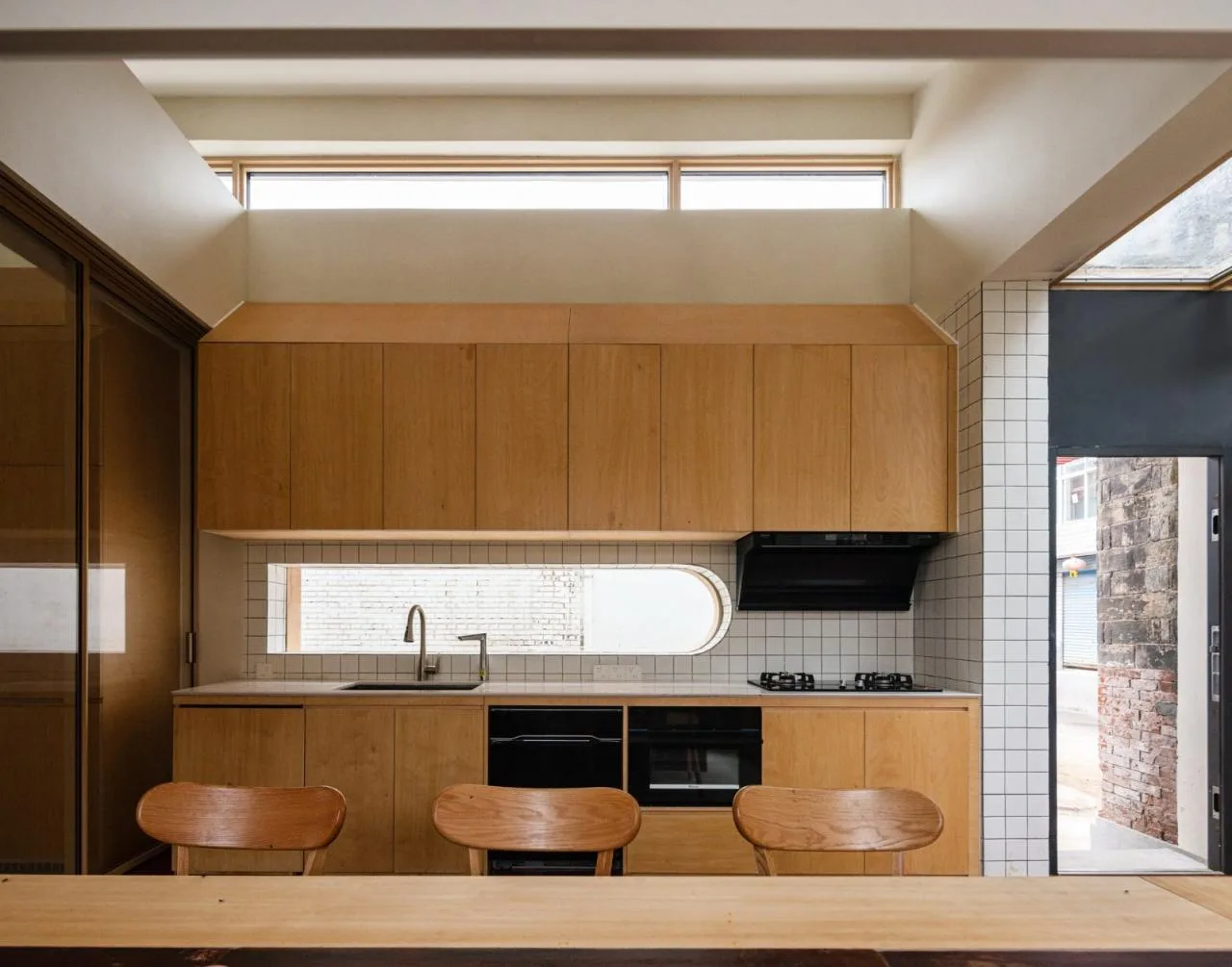
Future rural design should focus more on the genuine living needs of people, making architecture a vessel for emotions and memories. Every corner of the countryside should resonate with the symphony of life, offering a profound sense of belonging for the soul.
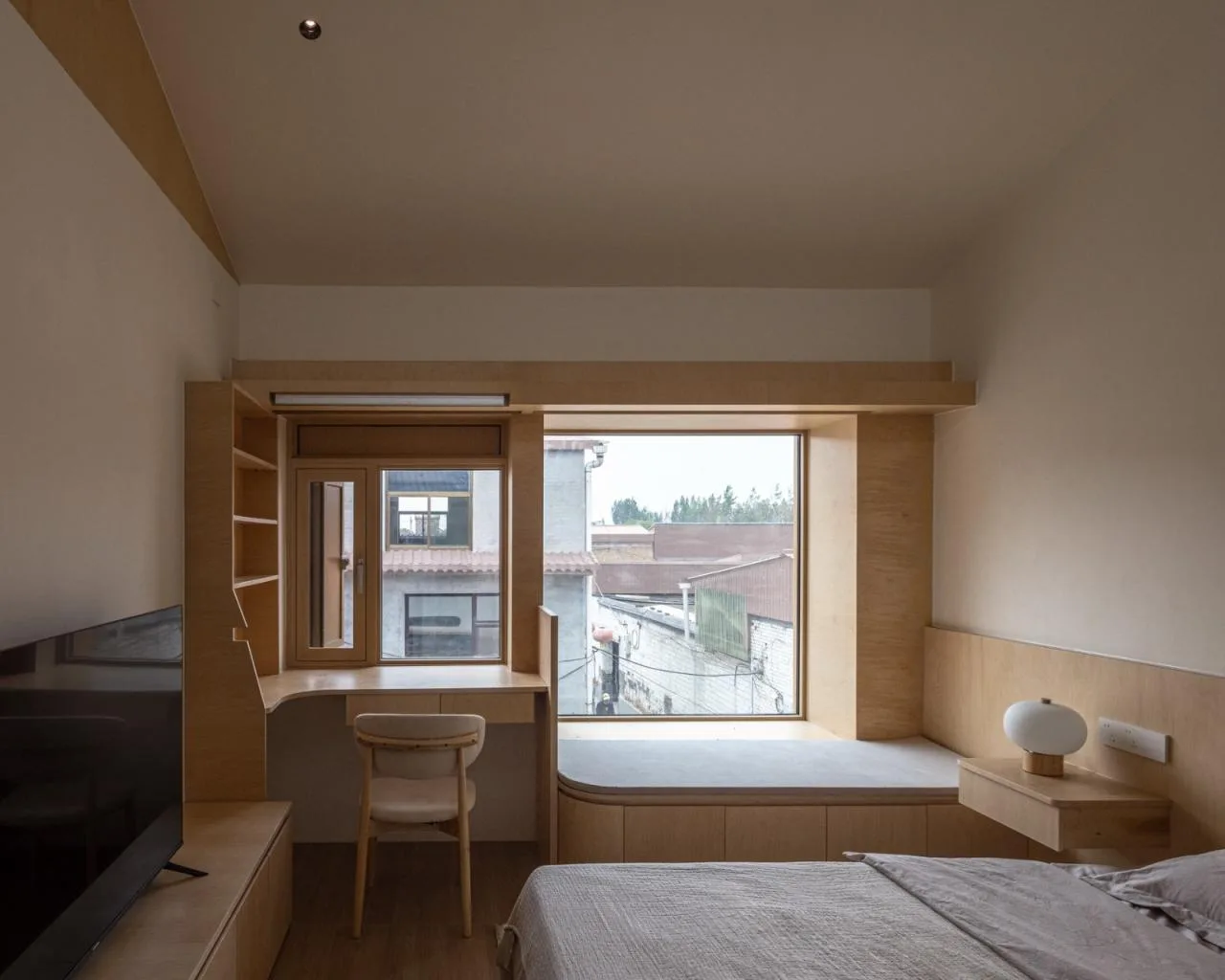
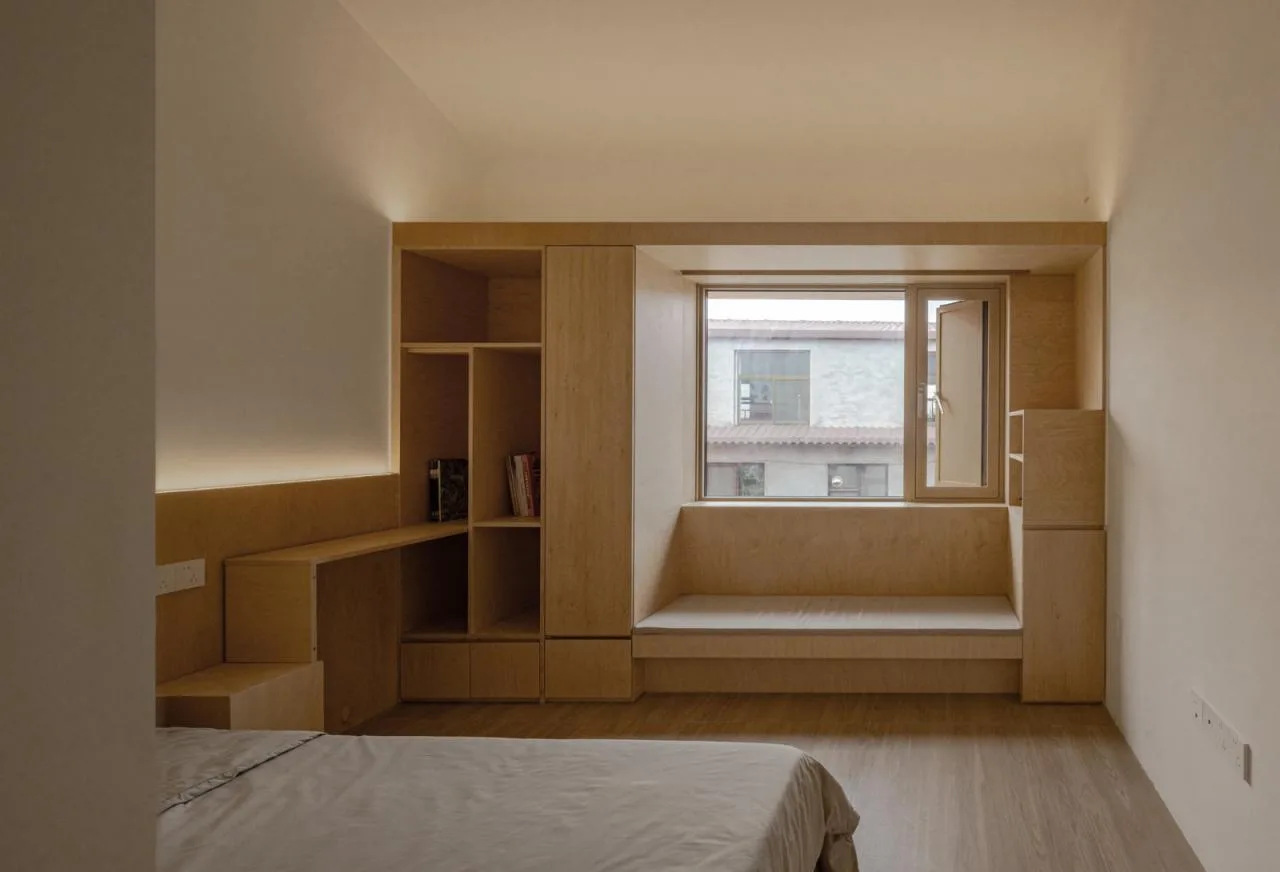
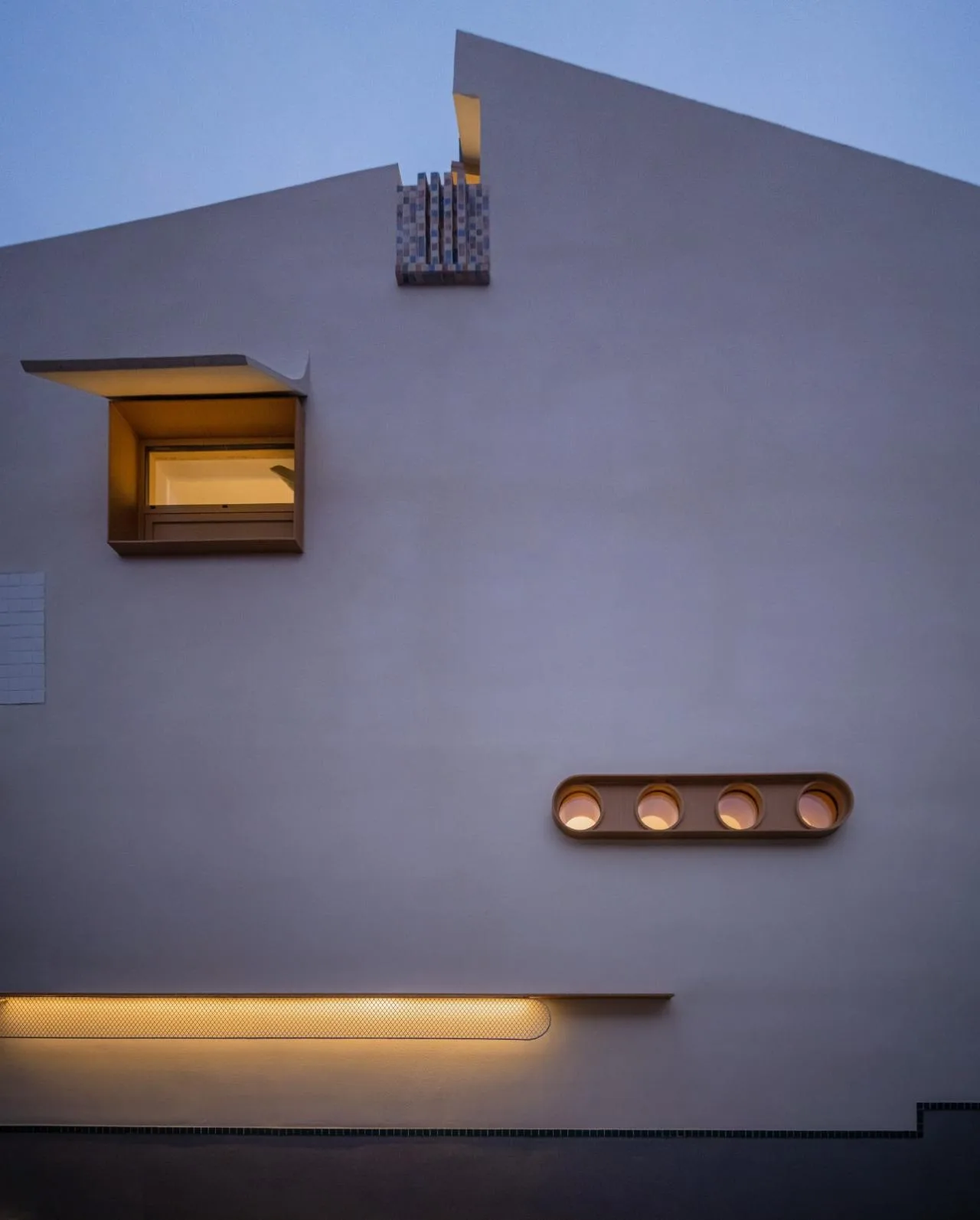
Project Drawings
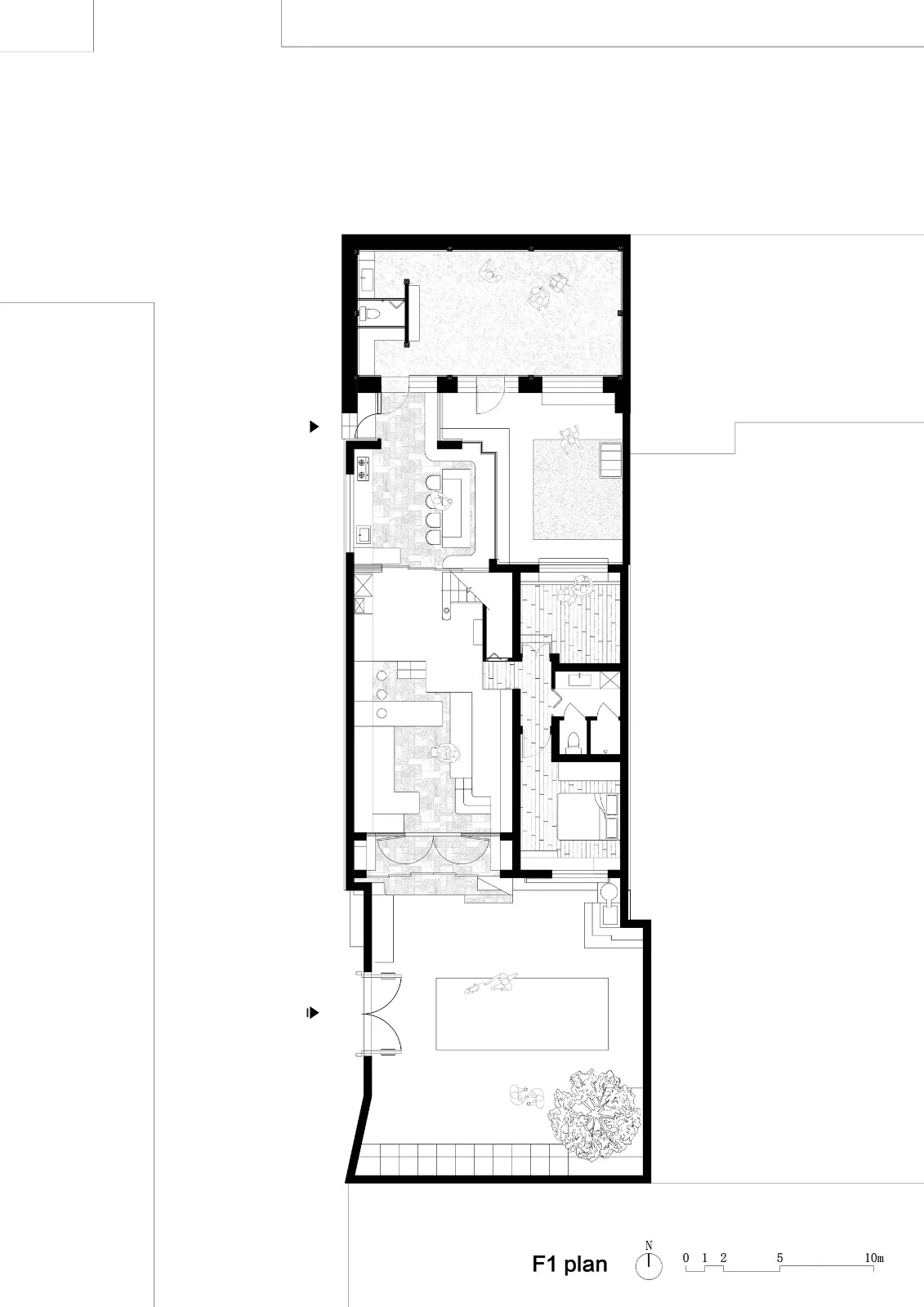
▲ First Floor Plan
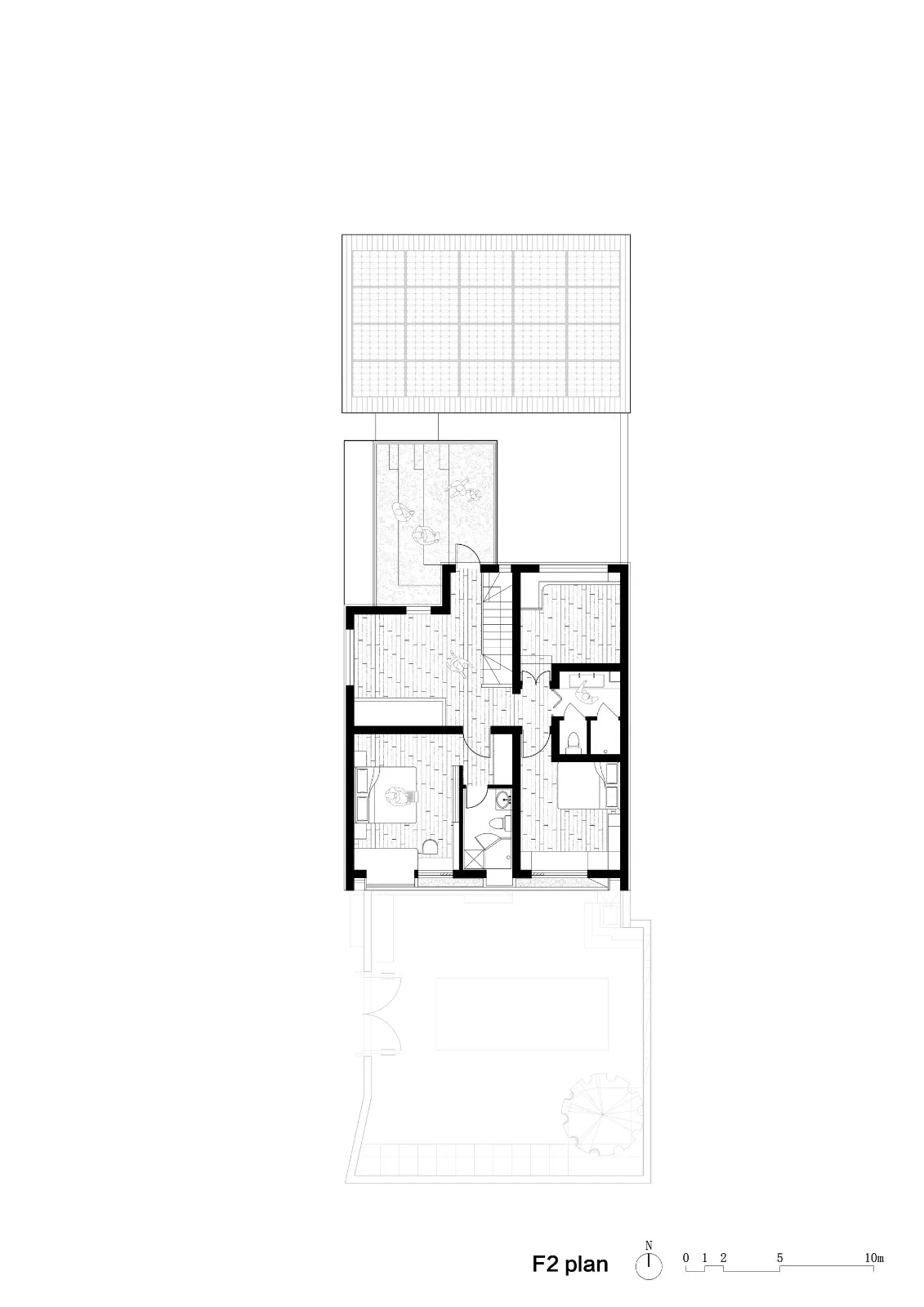
▲ Second Floor Plan
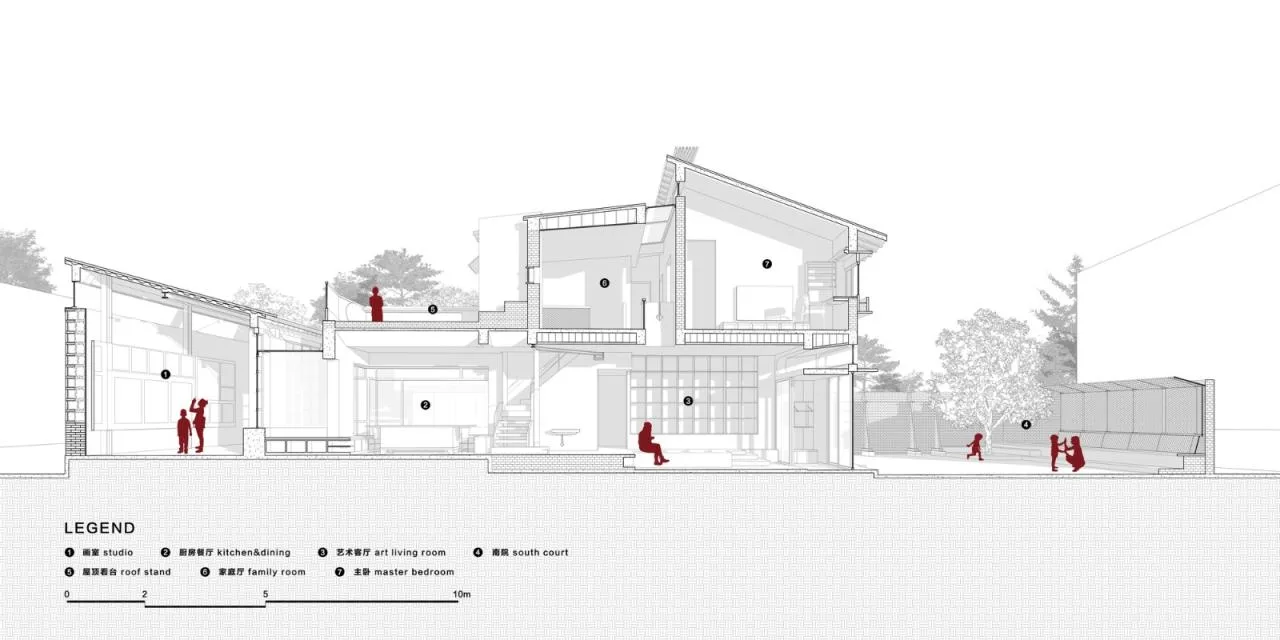
▲ Sectional View
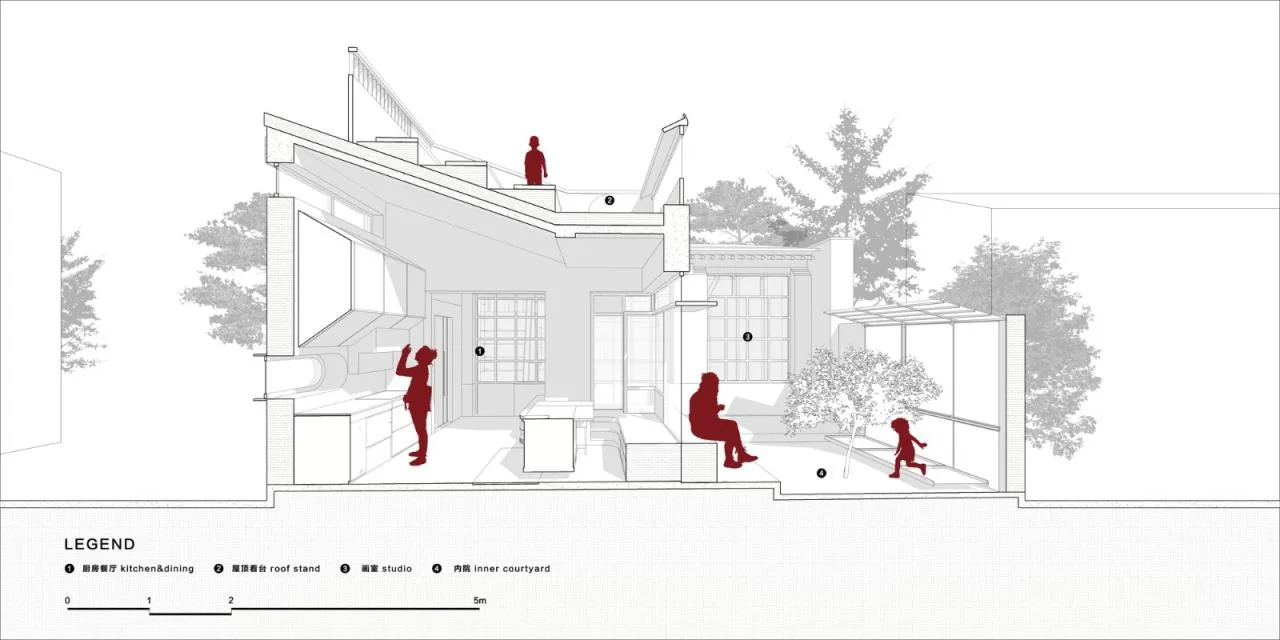
▲ Sectional View
Project Information
Architect: Aoming Studio, Shanghai Jiao Tong University
Area: 245 m²
Project Year: 2024
Photographer: Su Shengliang
Manufacturers: Shanghai Linne Co., Ltd., Dongpeng Ceramic Tiles, Beixin International Wood Industry Co., Ltd., Sichuan Chufeng New Energy Technology Co., Ltd., Hengjie Sanitary Ware Group Co., Ltd., SFA France, Paiya Doors and Windows, Nippon Paint China, Qingdao Yilai Intelligent Technology Co., Ltd.
Principal Architect: Zhang Haiao
Design Team: Li Di, Xu Hang, Pan Wenqi, Yang Ge, Zhang Minghui, Wu Changlong, Li Yihang, Tang Ling, Hua Hongzhi
Academic Guidance: Yu Yang
Lighting Design: Xu Tianzhe
Soft Decoration Design: Liu Fen
Resident Designer: Xu Yulun
Construction Team: Sun Yaru, Guo Jingquan, Wang Zongkai from Zhongze Rong’an (Beijing) Construction Co., Ltd.
Program Partner: Shanghai Oriental TV Dream Maker
Location: Taiyuan














Must log in before commenting!
Sign Up